
From Ceramics to Sculptures: Tracing the Trade of Artistic Goods in the Andes

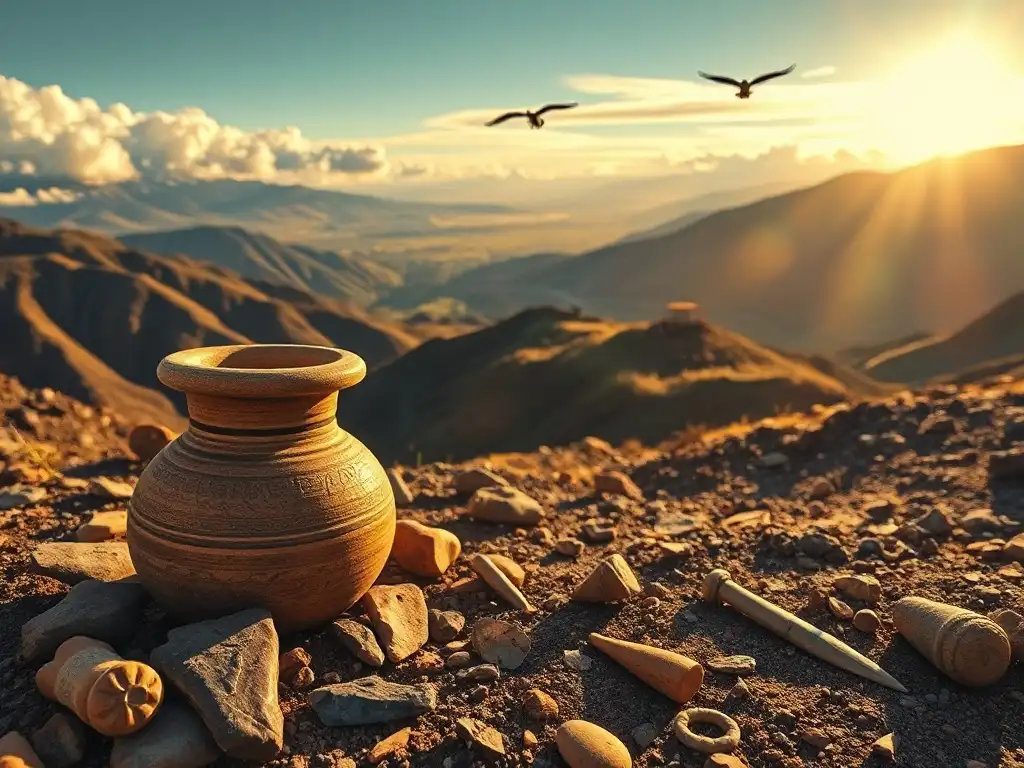
Step into a world lost to time, yet echoing with vibrant artistry and ingenuity. Imagine intricate ceramics traveling across treacherous mountain passes, envision exquisite sculptures changing hands between powerful empires. This is the story of the Andean artistic trade routes, a complex network of exchange that shaped the very fabric of Andean civilizations. Unravel the mysteries behind these ancient pathways and discover the captivating legacy they left behind – delve deeper into the fascinating world of Andean trade and explore the breathtaking artistry that connected these remarkable cultures.
- Andean Artistic Trade Routes: From Ceramics to Sculptures
-
Frequently Asked Questions
- What role did trade routes play in the dissemination of Andean art?
- Which Andean civilizations were most involved in artistic trade?
- What types of artistic goods were commonly traded?
- How did the geography of the Andes influence artistic trade routes?
- What evidence exists to support the existence of Andean artistic trade routes?
- Final Reflection: Echoes of the Andes: A Legacy in Clay and Stone
- Unveil the Richness of Andean Art!
Andean Artistic Trade Routes: From Ceramics to Sculptures
The Andes Mountains, a colossal spine running down the western coast of South America, were not just a geographical barrier but a vibrant tapestry of interconnected cultures. For millennia, diverse Andean civilizations—from the early coastal settlements to the expansive Inca Empire—engaged in extensive trade networks, exchanging not only essential goods like food and textiles but also exquisite artistic creations. This article delves into the fascinating world of Andean artistic trade routes, exploring the movement of ceramics, sculptures, and other artistic goods across vast distances and diverse landscapes.
We will examine the significance of these trade routes in shaping artistic styles, fostering cultural exchange, and reflecting the power dynamics within Andean societies. Understanding these routes provides crucial insights into the complexities of Andean civilizations and their enduring legacy. The distribution of artistic goods wasn't random; it reveals intricate patterns reflecting political alliances, economic strength, and the sheer artistry of these ancient peoples.
We'll trace the journeys of these artistic treasures, from the workshops where they were created to the far-flung destinations where they found their place in temples, homes, and tombs. This exploration will reveal how the exchange of artistic goods contributed significantly to the development and diversification of Andean art, leaving behind a rich and enduring heritage for us to study and appreciate today.
The Significance of Trade in Andean Civilizations
Trade in the Andes wasn't merely an economic activity; it was a cornerstone of social and political life. The exchange of artistic goods played a vital role in establishing and maintaining relationships between different groups. Elaborate ceramic vessels, intricately carved sculptures, and finely woven textiles served not only as functional objects but also as powerful symbols of status, religious belief, and political power.
The distribution of these artistic goods helped solidify alliances, cement diplomatic ties, and even project power over conquered territories. The sheer scale and sophistication of these trade networks are a testament to the advanced organizational capabilities and sophisticated social structures of Andean societies. Consider, for example, the vast distances over which obsidian, a prized material for tools and ceremonial objects, was traded.
The sourcing and distribution of this material required complex logistical planning and extensive social networks, highlighting the importance of trade in shaping the political and economic landscape of the Andes. These trade networks were not static; they evolved and adapted over centuries, reflecting changing political landscapes and economic priorities.
Early Andean Art Forms and Their Distribution
The earliest forms of Andean art, primarily characterized by simple pottery and rudimentary textiles, already reveal evidence of trade and exchange. Early ceramic styles, while often distinct to specific regions, show evidence of cross-cultural influence, suggesting early trade networks connecting different communities. This early exchange laid the foundation for the more elaborate and extensive trade systems that would develop in later periods.
The distribution of these early art forms can be tracked through archaeological discoveries, revealing patterns of interaction and exchange between different groups. These discoveries often include shards of pottery and fragments of textiles found far from their places of origin, indicating the movement of these goods across considerable distances.
Pre-Incan Pottery and Regional Styles
Pre-Inca pottery displays a remarkable diversity of styles, each reflecting the unique artistic traditions and cultural identities of different regions. The Moche culture, for example, is renowned for its highly naturalistic and often erotic ceramic sculptures, while the Nazca are famous for their polychrome pottery with intricate designs. These regional styles, while distinct, also show signs of interaction and exchange.
The presence of stylistic features from one region in the pottery of another suggests the movement of ideas, techniques, and even artisans across the Andean landscape. The exchange of pottery was not limited to whole vessels; fragments and broken pieces also circulated, perhaps as a way of sharing artistic motifs and techniques.
Analyzing these fragments helps us understand the fluidity of artistic styles and the extent of interaction between different groups. The meticulous craftsmanship and the unique artistic expressions reflected in these pieces are a testament to the skill and creativity of Andean artisans.
The Emergence of Sculptural Traditions in the Andes
As Andean societies grew in complexity, so too did their artistic traditions. The emergence of monumental sculpture, particularly in the Andes' highlands, marks a significant development in Andean art. Large-scale stone sculptures, often depicting deities or rulers, were created and transported across vast distances, requiring significant engineering skill and manpower. These sculptures played a crucial role in religious ceremonies and the assertion of political power.
Their presence in different locations reflects the reach and influence of the societies that created them. The transportation of these massive objects across challenging terrain provides a compelling illustration of the organizational capacity and the importance of these artistic creations within Andean societies. 🎂 The distribution of these sculptures highlights the power and prestige of the rulers and elites who commissioned them, serving as markers of their authority and influence across the Andean landscape.
The Development of Andean Trade Networks
The development of Andean trade networks was a gradual process, spanning millennia and evolving in complexity alongside the growth of Andean civilizations. Early exchange systems were likely based on localized bartering, with communities exchanging surplus goods within relatively small geographic areas.
However, as societies became more sophisticated and populations grew, the demand for a wider range of goods increased, necessitating the expansion of trade networks. The establishment of powerful empires, such as the Inca, further facilitated the development of extensive and well-organized trade routes, connecting distant regions across diverse landscapes.
These routes, both coastal and highland, were crucial for the distribution of not only essential goods like food and textiles, but also artistic creations, showcasing the interconnectedness of Andean cultures and the high value placed on artistic expression. The development of sophisticated technologies, such as llama herding and improved road systems, played a vital role in supporting the expansion and efficiency of Andean trade.
Coastal Trade Routes for Artistic Goods
Coastal trade routes played a significant role in the exchange of artistic goods along the Pacific coast of South America. The proximity to the ocean facilitated transportation by boats, allowing for the movement of larger quantities of goods over longer distances compared to overland routes. Coastal communities, known for their specialized crafts like pottery and metalwork, were particularly active participants in these networks.
For example, the Moche civilization, renowned for its intricate ceramic artwork, likely utilized coastal routes to distribute their distinctive pottery across a wide geographic area. Evidence suggests that these coastal networks connected various coastal settlements, enabling the exchange of both artistic and utilitarian goods, fostering cultural exchange and stimulating economic growth along the Andean coastline. The specific routes and the extent of their use varied over time depending on factors such as political stability and environmental conditions.
Highland Trade Routes and the Flow of Art
The challenging terrain of the Andes presented unique obstacles to trade, but highland routes were nonetheless essential for the exchange of artistic goods. These routes, often winding along mountain passes and valleys, facilitated the exchange between highland and coastal communities, as well as between different highland settlements. The Inca Empire, with its highly organized road system, the Qhapaq Ñan, significantly improved the efficiency of highland trade.
This network of roads not only connected major urban centers but also facilitated the movement of artistic goods from diverse regions, contributing to the dissemination of artistic styles and techniques across the empire. The flow of art along highland routes was influenced by factors such as the availability of raw materials, the specialization of craft production in specific regions, and the political control exerted by ruling elites.
The Role of Llamas in Artistic Goods Transportation
Llamas played a crucial role in the transportation of artistic goods across the Andean landscape. Their ability to navigate challenging terrains made them indispensable for carrying goods along highland trade routes. Llamas could transport significant loads, making them efficient carriers of both large and smaller artistic items, including ceramic vessels, textiles, and smaller metalworks.
The use of llamas was not limited to highland routes; they also contributed to the transportation of goods to and from coastal areas, particularly in areas where overland routes were more accessible than coastal ones. The management and organization of llama caravans required significant expertise, reflecting the importance of these animals in the Andean economy and trade networks. The scale of llama-based transport would have varied depending on the distance and the volume of goods being transported.
Key Artistic Goods Traded in the Andes
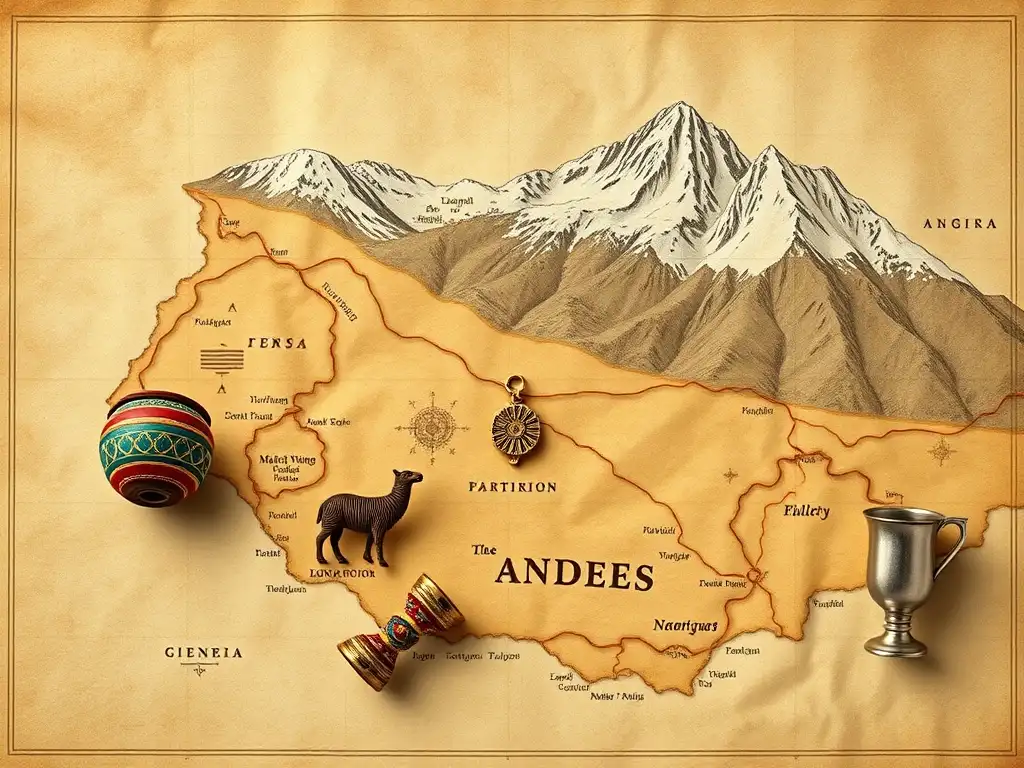
The Andean region was a center for diverse artistic production, with various goods being traded extensively across the vast network of routes. The artistry of these items reflected not only the skill of the artisans but also the cultural and religious beliefs of the societies that created and traded them. The value of these artistic goods extended beyond their aesthetic appeal, often holding significant symbolic and ritual importance. The trade in these items played a critical role in the economic and cultural exchange between different Andean communities.
Ceramic Vessels: Function and Artistic Value
Ceramic vessels constituted a significant portion of the artistic goods traded in the Andes. These vessels were not merely utilitarian objects; they were often elaborately decorated with intricate designs, reflecting the artistic skills and cultural beliefs of their creators. The Moche culture, for example, is renowned for its highly realistic and expressive ceramic vessels depicting scenes of daily life, mythology, and warfare.
These vessels were traded across wide areas, signifying the cultural influence and prestige of the Moche civilization. The styles and techniques of ceramic production varied across different regions, allowing for the identification of specific regional styles and facilitating the tracing of trade routes based on the origin of the vessels. Beyond their artistic value, these vessels served practical purposes, used for storing food, water, and other commodities.
Metalwork: From Ornaments to Ritual Objects
Metalworking was a highly developed craft in the Andes, with gold, silver, copper, and bronze being used to create a variety of artistic objects. These ranged from intricate ornaments and jewelry to large-scale ritual objects and weaponry. The production of these metalworks required specialized knowledge and skills, and the resulting artifacts held significant symbolic and religious value.
The trade in metalwork contributed to the dissemination of artistic styles and techniques across different regions, as well as the distribution of wealth and power. The intricate designs and high quality of Andean metalwork demonstrate the advanced metallurgical skills of the Andean civilizations and their ability to work with various metals. The use of different alloys and techniques varied across regions, leading to distinct regional styles in metalwork.
Textile Art as a Traded Commodity
Textile art played a significant role in Andean trade networks. The production of textiles involved intricate weaving techniques and the use of diverse natural dyes, resulting in high-quality fabrics with intricate designs. Textiles were used for clothing, ceremonial purposes, and as decorative items, reflecting the cultural and social status of their owners.
The trade in textiles facilitated the exchange of both raw materials and finished products, connecting different regions specializing in various aspects of textile production. The intricate designs and high-quality craftsmanship of Andean textiles were highly valued, making them valuable trade items across the region. The styles and techniques of textile production varied across different regions, making it possible to trace the origin of specific textiles and map out trade networks.
Stone Sculptures: Regional Styles and Trade
Stone sculptures constitute another significant category of artistic goods traded in the Andes. The creation of these sculptures required significant skill and labor, and the resulting pieces often held significant religious or symbolic meaning. Regional variations in style and technique allowed for the identification of specific artistic traditions and facilitated the tracing of trade routes.
The materials used in the creation of these sculptures, such as volcanic rock and other stones, varied across regions, influencing the styles and techniques employed. The trade in stone sculptures contributed to the exchange of cultural ideas and artistic styles across the Andean region, reflecting the interconnectedness of Andean societies. The scale of these sculptures varied, ranging from small figurines to monumental structures.
The Impact of Andean Artistic Trade on Society
The vibrant trade in Andean artistic goods had a profound and multifaceted impact on the societies that participated in it. It wasn't simply a matter of exchanging objects; it fostered complex interactions that shaped cultural identities, economic structures, and social hierarchies. The intricate networks connecting distant communities through the exchange of ceramics, textiles, and metalwork facilitated the dissemination of ideas, beliefs, and artistic styles, leading to a dynamic interplay of cultural influences. This exchange wasn't a one-way street; it involved negotiation, adaptation, and the creation of hybrid artistic forms that reflected the unique interactions between different groups. For instance, the spread of Moche pottery styles across coastal regions demonstrates the influence of a dominant culture, while simultaneously showing adaptations and local variations reflecting the distinct identities of receiving communities. The very act of trade created a sense of shared cultural space, even amidst significant geographic distances and diverse linguistic backgrounds.
Cultural Exchange through Art Distribution
The distribution of artistic goods acted as a powerful vehicle for cultural exchange. The movement of pottery, textiles, and metalwork wasn't just a commercial transaction; it was a transmission of cultural knowledge and values. Artistic motifs, designs, and techniques traveled along trade routes, influencing the artistic styles of different communities.
This exchange wasn't always a passive process; it often involved active adaptation and innovation. Artists in recipient communities might adopt foreign motifs, incorporating them into their own artistic traditions, resulting in hybrid styles that reflect the dynamic interplay between different cultures.
We see evidence of this in the diverse styles of pottery found across the Andes, where regional variations are interwoven with elements from distant regions, reflecting the complex networks of artistic exchange. The spread of certain iconographic elements, such as specific deity representations or symbolic patterns, can be traced across vast geographic areas, highlighting the far-reaching influence of Andean artistic trade.
Economic Implications of Artistic Production and Trade
The production and trade of artistic goods played a significant role in the Andean economies. Artisans, often specialized in specific crafts, constituted a substantial segment of the workforce. The demand for artistic goods, driven by both elite patronage and wider consumption, stimulated economic activity in various sectors, from raw material extraction to transportation and distribution.
The control of resources like precious metals, fine clays, and exotic feathers was crucial for artistic production, and access to these resources often determined economic power. The trade routes themselves generated employment, supporting a network of traders, transporters, and intermediaries.
The economic success of certain communities was often tied to their ability to produce and trade high-quality artistic goods, creating a system where artistic skill translated directly into economic prosperity. The flourishing of artistic centers, such as those associated with the Moche or Inca civilizations, is directly linked to their mastery of artistic production and their control over trade networks.
Social Status and Access to Artistic Goods
Access to artistic goods was often linked to social status in Andean societies. Elite members of society frequently commissioned elaborate works of art, showcasing their wealth and power. The possession of prestigious artifacts—like finely crafted gold objects or intricately woven textiles—served as a marker of social standing. This wasn't limited to the elite; however, even commoners might have access to simpler forms of artistic goods, reflecting their place within the social hierarchy.
The types and quality of artistic goods owned by an individual could signal their wealth, social standing, and even their religious affiliations. Archaeological evidence reveals distinct patterns of artistic consumption, reflecting the stratified nature of Andean societies. The burial practices of various social groups, for example, show a clear correlation between the quality and quantity of artistic goods interred with the deceased and their social rank.
The Legacy of Andean Artistic Trade Routes
The Andean artistic trade routes left behind a rich and enduring legacy. The artistic traditions and techniques developed and disseminated through these networks continue to influence Andean cultures today. Many contemporary Andean artists draw inspiration from the artistic styles and techniques of their ancestors, creating a continuous thread connecting the past and the present.
The surviving artifacts themselves serve as tangible links to the past, providing invaluable insights into the lives, beliefs, and artistic skills of ancient Andean peoples. The study of these artifacts continues to illuminate our understanding of Andean history, culture, and economy. Understanding these trade routes, therefore, is crucial for comprehending the development and continuity of Andean artistic traditions.
Understanding Ancient Andean Economies Through Art
The study of Andean artistic trade offers a unique lens through which to examine the complexities of ancient Andean economies. The distribution of artistic goods provides evidence of trade networks, production centers, and consumption patterns. By analyzing the materials used, the styles employed, and the geographic distribution of artifacts, researchers can reconstruct the economic relationships between different Andean communities.
Furthermore, the presence of specific artistic goods in particular contexts can reveal information about social hierarchies, religious practices, and political power structures. The analysis of artistic production and exchange thus offers a crucial complement to other forms of economic data, providing a richer and more nuanced understanding of ancient Andean economies. The study of luxury goods, in particular, can reveal much about long-distance trade and elite consumption.
The Preservation of Andean Artistic Traditions
The preservation of Andean artistic traditions is a crucial aspect of safeguarding cultural heritage. Museums and archaeological sites play a vital role in protecting and exhibiting these artistic treasures, making them accessible to future generations. Efforts to document and study these traditions are essential for understanding the historical and cultural significance of Andean art.
Furthermore, supporting contemporary Andean artists who continue these traditions is crucial for ensuring the survival of these artistic practices. The preservation of Andean artistic traditions is not merely about preserving objects; it is about preserving a living cultural heritage that continues to shape Andean identities and communities. This involves active participation in the preservation of artistic techniques, knowledge transmission, and cultural revitalization.
Further Research on Artistic Exchange in the Andes
Further research on Andean artistic exchange is essential to deepen our understanding of these complex networks. More detailed studies of specific trade routes, artistic styles, and production centers are needed to fully appreciate the scope and significance of Andean artistic trade. Advanced analytical techniques, such as isotopic analysis of materials and sophisticated dating methods, can provide more precise information about the origins and distribution of artistic goods.
Interdisciplinary research, drawing on archaeology, anthropology, art history, and economics, is crucial for developing a comprehensive understanding of the social, economic, and cultural implications of Andean artistic exchange. The ongoing study of Andean artistic trade promises to yield further insights into the richness and complexity of ancient Andean civilizations.
Frequently Asked Questions
What role did trade routes play in the dissemination of Andean art?
Andean artistic trade routes were crucial for spreading artistic styles and techniques across vast distances. The exchange of goods and ideas fostered cultural interaction and innovation among different Andean civilizations. This led to a diverse and rich artistic landscape.
Which Andean civilizations were most involved in artistic trade?
Many Andean civilizations participated, including the Inca, Moche, Nazca, and Tiahuanaco. Their extensive networks facilitated the movement of artistic goods and influenced artistic styles across the region. The degree of involvement varied over time.
What types of artistic goods were commonly traded?
A wide range of items were traded, including ceramics, textiles, sculptures, and metalwork. The quality and style of these goods varied depending on the source and destination. Prestige items often played a significant role in elite exchanges.
How did the geography of the Andes influence artistic trade routes?
The challenging Andean terrain shaped trade routes, often following river valleys and mountain passes. This impacted the types of goods traded and the speed of exchange. The environment also influenced the materials used in art.
What evidence exists to support the existence of Andean artistic trade routes?
Archaeological evidence, including the discovery of similar artistic styles in distant locations and the presence of exotic materials in artifacts, supports the existence of these routes. Analysis of trade goods and their distribution patterns provides further evidence.
Final Reflection: Echoes of the Andes: A Legacy in Clay and Stone
The intricate trade routes of the Andes, once pathways for vibrant ceramics and breathtaking sculptures, continue to resonate in the global art market and our understanding of ancient civilizations. The enduring legacy of these artistic goods speaks volumes about the ingenuity, cultural exchange, and sophisticated networks that connected disparate Andean communities for centuries. Their impact extends far beyond mere commerce; they represent a powerful testament to human creativity and interconnectedness.
The enduring power of Andean art lies not only in its aesthetic beauty but also in its ability to bridge time and cultures. These objects, unearthed from ancient tombs and discovered in modern markets, whisper stories of skilled artisans, thriving societies, and the enduring spirit of a region. Art washes away from the soul the dust of everyday life.
– Pablo Picasso. This quote, while not directly about Andean art, perfectly encapsulates the transformative power of these objects, allowing us to connect with a past that feels both distant and intimately familiar. Their continued presence in museums and private collections ensures that their stories continue to be told and reinterpreted.
Consider the journey of these artifacts – from the hands of the creators to the bustling marketplaces, across mountain passes and treacherous terrain, finally reaching museums and private collections worldwide. Their story is a testament to human resilience and the enduring power of artistic expression. You, the reader, are now part of this ongoing narrative.
Take a moment to reflect on the connections between past and present, the enduring power of artistic exchange, and the responsibility we share in preserving and appreciating the rich cultural heritage of the Andes. Let the echoes of these ancient trade routes inspire you to explore the stories hidden within the art that surrounds us.
Unveil the Richness of Andean Art!
Thank you for exploring the fascinating world of Andean art with us! You've discovered the vibrant connections between ceramics and sculptures, and now it's time to delve even deeper.
Here are some ways to further explore the beauty of Andean artistry:
- **Participate in a local art workshop:** Learn from skilled artisans and create your own Andean-inspired artwork.
- **Visit Andean art exhibitions and museums:** Discover the breathtaking diversity of art forms and the rich cultural stories they tell.
- **Share your thoughts on our forum:** Connect with fellow enthusiasts, discuss your insights, and ask questions about Andean artistic traditions.
As you appreciate the brilliance of Andean art, consider this: **Which piece resonates most with you, and how do you believe it reflects the culture's history and values? **