
Tiahuanaco's Trade Routes: Connecting Highland Barter Systems

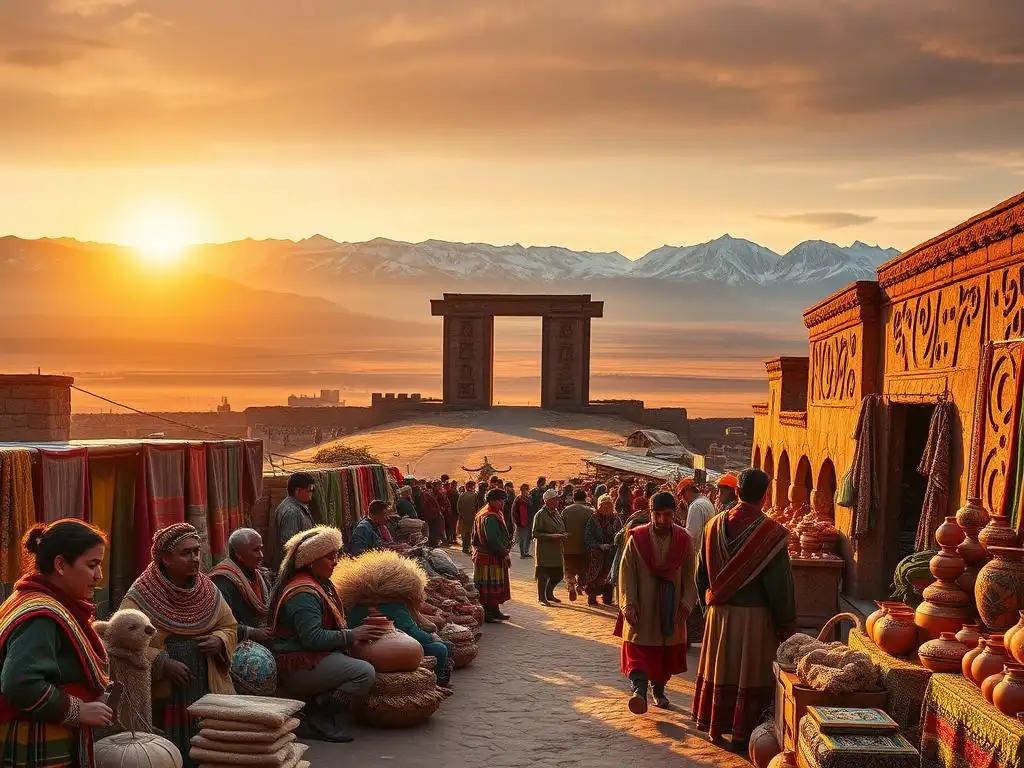
Dive into the enigmatic world of the Andean civilizations! Imagine a vast network spanning towering mountains and arid deserts, a system of exchange that shaped empires and fueled innovation. Uncover the secrets of Tiahuanaco's trade routes, a crucial element in understanding the Andean civilizations' economic power and interconnectedness. Their intricate barter systems held the key to their success—but how did it all work? Explore the fascinating story ahead.
- Tiahuanaco Trade Routes: Connecting Highland Barter Systems
- Understanding Tiahuanaco's Economic Influence in the Andes
- Key Tiahuanaco Trade Routes and Their Characteristics
- Barter Systems and Exchange Mechanisms in Tiahuanaco
- Goods and Products Circulated Through Tiahuanaco Trade Routes
- The Impact of Tiahuanaco Trade on Other Andean Civilizations
- The Decline of Tiahuanaco Trade Routes and its Aftermath
- Conclusion: Tiahuanaco's Enduring Contribution to Andean Trade
- Frequently Asked Questions
- Final Reflection: The Enduring Legacy of Tiahuanaco's Trade Networks
- Uncover the Secrets of Tiahuanaco's Trade Routes!
Tiahuanaco Trade Routes: Connecting Highland Barter Systems
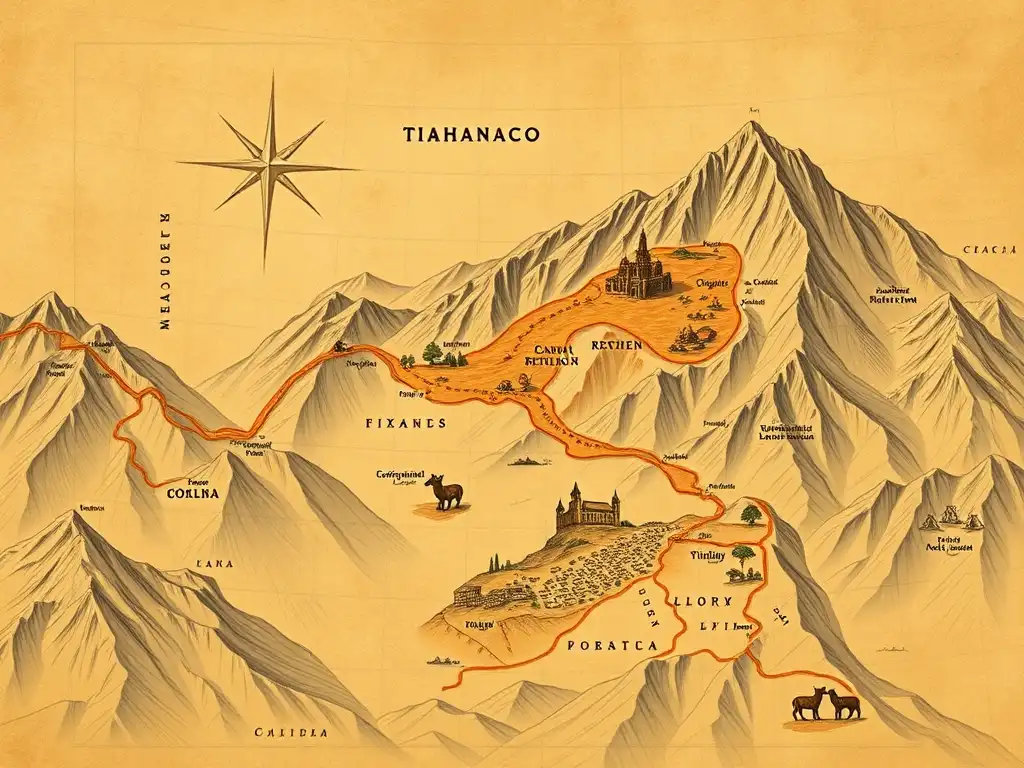
The remarkable civilization of Tiahuanaco, flourishing in the Andean highlands from approximately 300 to 1100 CE, wasn't isolated despite its high-altitude location. This article delves into the intricate web of Tiahuanaco's trade routes, revealing how this powerful culture connected disparate communities through sophisticated barter systems and exchange networks. Understanding these trade routes provides crucial insight into Tiahuanaco's economic power, social organization, and its influence across a vast geographical area within the broader context of Andean civilizations.
We will explore the goods exchanged, the distances covered, and the impact these trade networks had on the cultural landscape of the Andes. The keyword "Tiahuanaco trade routes Andean civilizations" will be explored throughout the article, providing detailed analysis and context to better understand this complex and fascinating aspect of Andean history.
The Geographic Reach of Tiahuanaco's Influence
Tiahuanaco's influence extended far beyond its immediate surroundings. Archaeological evidence suggests extensive trade networks reaching across vast distances, connecting the high-altitude Altiplano with coastal regions and distant valleys. This impressive reach wasn't achieved through a centralized, state-controlled system but rather through a complex interplay of local interactions and long-distance exchanges.
The sheer scale of the undertaking implies a highly organized system of communication and trust, facilitating the movement of goods and ideas across diverse environments. Specific examples of traded goods, such as obsidian from specific quarries, help pinpoint the routes and the extent of Tiahuanaco's economic reach. Further research into the distribution patterns of these artifacts is crucial to refining our understanding of the precise routes and their temporal evolution.
Key Goods Traded within the Tiahuanaco Network
The Tiahuanaco trade network involved a wide variety of goods reflecting the varied ecological zones connected by these routes. Luxury items such as textiles, precious metals (like gold and silver), and intricately carved stone artifacts were undoubtedly traded, highlighting the status and power associated with access to these resources. However, the system also relied on the exchange of essential goods like food staples (potatoes, quinoa, coca), tools, and raw materials.
The exchange of these everyday commodities demonstrates the fundamental role of trade in sustaining Tiahuanaco society and its far-flung connections. We can envision a system where elite goods were exchanged alongside more commonplace items, creating a complex and dynamic economic landscape. A detailed analysis of the quantities and types of goods found in different archaeological sites would help to further illuminate this aspect of Tiahuanaco's economy.
The Role of Barter and Reciprocity in Tiahuanaco Trade
While the specifics of Tiahuanaco's economic system remain debated, it's likely that barter and reciprocal exchange played a significant role. The absence of widespread coinage suggests that trade relied heavily on direct exchange of goods and services. This system likely incorporated elements of reciprocity and social obligation, strengthening ties between communities and reinforcing political alliances.
The intricate social structure of Tiahuanaco, with its potential for centralized control alongside local autonomy, likely shaped the dynamics of trade. Further investigation into the social structures and kinship networks within Tiahuanaco society is needed to understand the full extent of these reciprocal arrangements and their role in maintaining the trade network. Understanding the social underpinnings of Tiahuanaco trade is crucial to comprehending the power dynamics and the long-term sustainability of the system.
Challenges and Future Research on Tiahuanaco's Trade Routes
Despite significant advancements, many questions about Tiahuanaco's trade routes remain unanswered. The exact routes themselves are often difficult to trace definitively, relying heavily on the distribution patterns of artifacts and the interpretation of archaeological evidence. Further research, including the application of advanced technologies like GIS mapping and isotopic analysis of traded goods, could help to clarify the geographic scope and the intricacies of the system.
Furthermore, a deeper understanding of the social and political context surrounding trade would provide a richer narrative of Tiahuanaco's economic and cultural influence within the broader context of Andean civilizations. The continued study of Tiahuanaco's trade routes promises to reveal even more about this remarkable civilization and its enduring legacy.
Understanding Tiahuanaco's Economic Influence in the Andes
The rise of Tiahuanaco as a major power in the Andes between 500 and 1000 CE was inextricably linked to its sophisticated and extensive trade networks. This wasn't merely a matter of exchanging goods; it represented a complex system of economic and political control that shaped the social fabric of the region. The Tiahuanaco trade routes, stretching across diverse ecological zones, facilitated the flow of essential resources and luxury items, solidifying Tiahuanaco's influence and generating significant wealth.
Understanding these routes is crucial to comprehending the civilization's power and longevity. The impact extended beyond simple economic transactions; the movement of goods also fostered cultural exchange and the dissemination of Tiahuanaco's religious beliefs and artistic styles across vast distances.
The control over these vital trade routes played a significant role in maintaining Tiahuanaco's hegemony and establishing it as a central player in the Andean civilizations' economic landscape. This intricate system of exchange deserves a detailed examination to truly appreciate its multifaceted importance.
The Significance of Trade in Tiahuanaco Society
Trade wasn't merely a supplementary activity for Tiahuanaco; it was central to the very structure of its society. Archaeological evidence reveals a highly stratified social organization, with a powerful elite controlling the production and distribution of key resources. The elite likely benefited most directly from the lucrative trade networks. The presence of exotic goods in elite tombs underscores the importance of trade in maintaining their power and prestige.
These weren't just trinkets; they were symbols of authority and access to far-flung resources. For example, the discovery of obsidian tools from distant sources in high-status burials suggests a direct link between trade and social hierarchy. Furthermore, the standardization of certain goods, such as pottery styles and textiles, points towards centralized control over production and distribution—a hallmark of a sophisticated trade system managed by a powerful central authority.
The efficient movement of goods not only sustained the population but also actively contributed to the growth of Tiahuanaco's power and influence. The control over resources and the management of trade routes were vital components of Tiahuanaco's political and economic dominance. The system wasn't solely about material gain; it was a powerful tool for social control and the maintenance of the ruling elite's authority.
Geographical Context of Tiahuanaco Trade Networks
Tiahuanaco's location, on the shores of Lake Titicaca in the high Andes, presented both challenges and opportunities for trade. The altitude and rugged terrain limited accessibility, but the lake itself served as a vital transportation artery. The trade routes radiated outwards from Tiahuanaco, connecting it to diverse ecological zones. This allowed access to a wide range of resources: highlands provided alpaca wool and potatoes; lower altitudes offered cotton, maize, and tropical fruits.
The coastal regions yielded marine resources and valuable minerals. These routes weren't simply linear paths; they were networks, involving multiple pathways and intermediary exchange points. The intricate nature of these networks is evidenced by the distribution of Tiahuanaco-style pottery and other artifacts found across a wide geographical area. The routes likely followed existing trails and waterways, adapting to the varied topography.
Evidence suggests the use of llamas and alpacas as pack animals for transporting goods over long distances. The sheer scale of the trade network is remarkable, spanning hundreds of kilometers and connecting diverse populations across different ecological zones. The effective management of these routes, traversing challenging terrain, speaks volumes about Tiahuanaco's organizational capabilities and its economic power within the Andean civilizations. Further research into specific routes and their associated settlements is crucial to fully understand the complex dynamics of Tiahuanaco's trade system.
Further Research Areas
More research is needed to fully map Tiahuanaco's trade routes, particularly in identifying specific pathways and intermediate exchange points. A detailed analysis of isotopic signatures in artifacts could help pinpoint the origin of materials and refine our understanding of the geographical extent of the trade networks. Additionally, further investigation into the social dynamics of trade, including the roles of different social groups and the mechanisms of exchange, would significantly enhance our knowledge of this crucial aspect of Tiahuanaco civilization.
Key Tiahuanaco Trade Routes and Their Characteristics
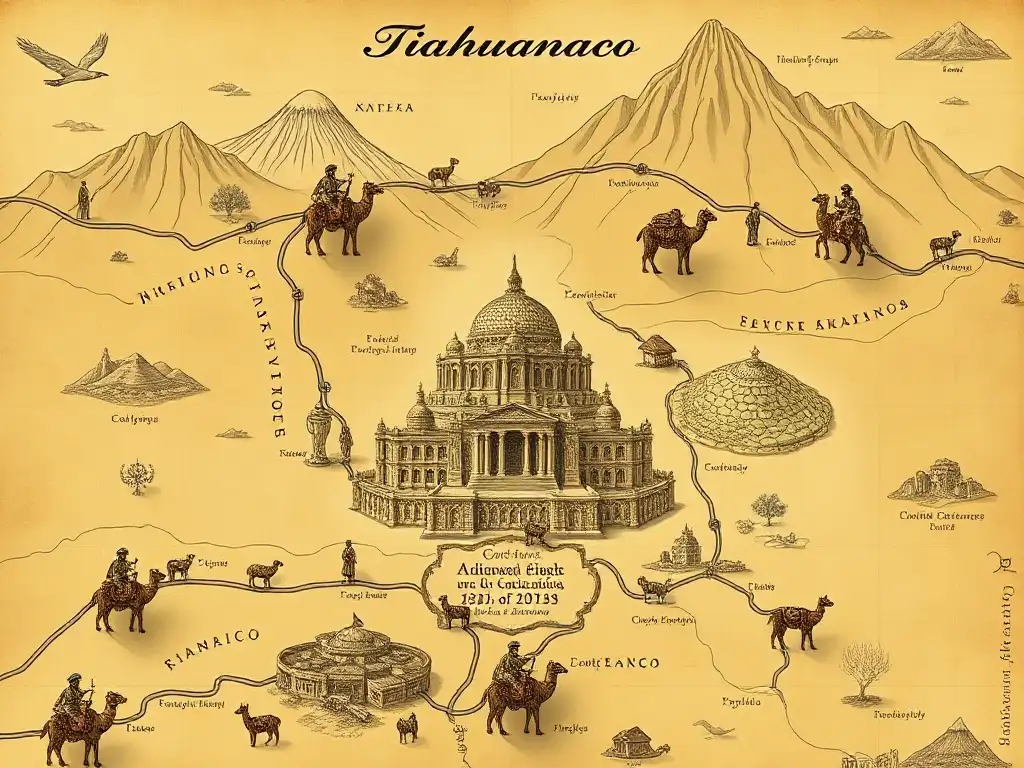
Tiahuanaco's economic prosperity hinged significantly on its extensive trade networks, which connected the highland heartland with distant coastal regions and other Andean communities. These weren't simply routes for the movement of goods; they were vital arteries that facilitated cultural exchange, political influence, and the consolidation of Tiahuanaco's power within the Andean civilizations. Analyzing these routes reveals crucial insights into the logistical capabilities and economic strategies employed by this remarkable civilization.
Understanding Tiahuanaco trade routes is key to comprehending the Andean civilizations' intricate economic systems. The strategic placement of Tiahuanaco, nestled on the shores of Lake Titicaca, provided a natural advantage for both inland and coastal trade.
The Altiplano Trade Route: Connecting Core Regions
This vital artery linked Tiahuanaco's core region with other significant settlements across the Altiplano, the high plateau region of the Andes. The route likely consisted of a network of well-established paths, adapted to the challenging terrain. Evidence suggests that llama caravans played a crucial role in transporting goods across these routes, carrying heavy burdens over considerable distances. The success of this system relied on a sophisticated understanding of the Altiplano's geography, including seasonal variations in weather and available resources.
This intricate knowledge allowed for the efficient movement of goods throughout the year, even during challenging conditions. The Altiplano route wasn't a single path, but rather a complex web of interconnected trails, offering flexibility and redundancy in case of disruptions. The precise location of many of these trails remains a subject of ongoing archaeological investigation, but existing data paints a picture of a well-organized and resilient trade network.
Goods Traded Along the Altiplano Route
The Altiplano trade route facilitated the exchange of a diverse range of goods. High-altitude crops like quinoa and potatoes, essential staples of the Tiahuanaco diet, were transported outwards. In return, the region received goods from lower altitudes, showcasing the complementary nature of the trade.
Examples include textiles, ceramics, and specialized tools. The exchange of obsidian, a volcanic glass highly valued for its sharpness, is particularly noteworthy. Obsidian sources were located at a distance from Tiahuanaco, highlighting the reach of its trade networks.
The sheer volume of obsidian artifacts found in Tiahuanaco sites underscores the importance of this material in their economy and daily life. Furthermore, the uniformity of certain styles of pottery across the Altiplano suggests a significant flow of goods and cultural ideas along this important trade route, fostering a sense of shared identity amongst the communities connected by it. Analysis of isotopic signatures in human remains also provides evidence of the movement of people and resources along these routes.
The Coastal Trade Route: Reaching Pacific Resources
Reaching beyond the Altiplano, Tiahuanaco established a vital coastal trade route, linking the highland communities with the Pacific Ocean. This route presented significantly greater logistical challenges than the Altiplano route, requiring the negotiation of steep mountain passes and potentially the use of different modes of transport. The exact nature of this route remains partially unknown, although archaeological findings suggest that it likely followed existing river valleys and passes, leveraging natural features to facilitate travel. Evidence of coastal resources in Tiahuanaco sites further supports the existence and significance of this trade connection.
Exchange of Goods Between the Highlands and the Coast
The coastal trade route facilitated the exchange of essential resources between the highlands and the coast. From the coast, Tiahuanaco received seafood, particularly shellfish, which provided vital protein sources to the highland population. In contrast, highland agricultural products, such as potatoes and quinoa, were traded to the coastal settlements.
The exchange also encompassed highly valued luxury goods, such as marine shells used for ornamentation and specialized tools made from coastal materials. The presence of these goods in Tiahuanaco demonstrates the sophistication of their trade network and their ability to maintain long-distance connections with coastal communities.
The reciprocal exchange of goods highlights the interdependence of highland and coastal communities within the broader Andean context, a relationship that was crucial to Tiahuanaco's economic success and its influence on the Andean civilizations. Further research is needed to fully map the extent and complexity of this vital trade route and to better understand the economic and social dynamics that it facilitated.
The Eastern Trade Route: Linking with Amazonian Regions
The eastern trade route emanating from Tiahuanaco represented a significant feat of logistical prowess, considering the challenging Andean terrain. This route, traversing the high Altiplano and descending into the Amazon basin, connected the powerful Tiahuanaco civilization with diverse Amazonian populations. The journey was arduous, demanding significant planning and resource allocation.
Evidence suggests that the route wasn't a single, well-defined path, but rather a network of interconnected trails adapted to the varied landscapes. Portions likely followed existing river valleys, utilizing natural pathways to navigate the steep slopes and dense forests. The sheer distance and the need to negotiate different ecological zones necessitated a complex system of relay stations, providing resting places for traders and pack animals, as well as opportunities for resupply.
Archaeological evidence, although still fragmentary, supports the existence of such settlements along the eastern route, revealing artifacts indicative of both highland and lowland cultural exchange. The scale of this trade, considering the challenges involved, highlights the substantial economic and political power wielded by Tiahuanaco in controlling and managing this crucial connection. The strategic importance of this route is further evidenced by the distribution of Tiahuanaco-style pottery and other artifacts found in Amazonian sites, showcasing the reach and influence of the highland civilization.
Exotic Products from the Amazon in Tiahuanaco Markets
The goods traveling along the eastern trade route significantly enriched the markets of Tiahuanaco. The most striking aspect was the influx of exotic Amazonian products rarely found in the highland regions. Among the most sought-after items were tropical fruits, such as various types of palm fruits and possibly even cacao beans, although direct evidence for the latter remains debated among scholars. These fruits provided valuable dietary supplements and culinary diversity for the Tiahuanaco population, contrasting sharply with their predominantly highland agricultural staples.
Beyond food, the Amazon contributed significantly to the raw materials available for crafting. Feathers from brilliantly colored tropical birds, like macaws, were highly prized for decorative purposes, adorning clothing, ceremonial objects, and elite burials. Amazonian woods, known for their durability and unique properties, were likely used in the construction of tools, weapons, and possibly even in architectural projects. The presence of these Amazonian goods in Tiahuanaco demonstrates not only the effective functioning of the trade route but also the sophistication of the Tiahuanaco economy, capable of integrating exotic resources into its social and ritual practices.
Furthermore, the presence of these goods in elite contexts suggests that access to these exotic items was a marker of social status and power within Tiahuanaco society. The diversity of Amazonian products found in Tiahuanaco underlines the extensive reach of their trade networks and the importance of these connections in shaping the material culture and lifestyle of the Tiahuanaco elite and populace alike. Further research, particularly focused on detailed analysis of organic remains and detailed mapping of the eastern trade route, is needed to fully appreciate the complexity and scope of this exchange. 🌴
Barter Systems and Exchange Mechanisms in Tiahuanaco
The intricate system of trade that supported the flourishing Tiahuanaco civilization (c. 300-1100 CE) relied heavily on barter, a direct exchange of goods and services without the use of currency. Understanding Tiahuanaco's trade routes requires appreciating the sophisticated mechanisms employed to facilitate this exchange across vast distances and diverse ecological zones. The system wasn't simply a haphazard swapping of items; it was a carefully structured network reflecting social hierarchies, economic strategies, and the unique environmental challenges of the Andean highlands.
The success of Tiahuanaco, in part, hinged on its ability to efficiently manage and control these complex trade routes and barter systems. This network extended far beyond the immediate vicinity of the Tiwanaku city center, connecting it to coastal regions, lower valleys, and even distant highland communities.
The scale and sophistication of this system are remarkable, particularly given the absence of a centralized monetary system. Careful analysis of archaeological finds, particularly ceramic styles and the distribution of specific resources, provides valuable insights into the intricacies of Tiahuanaco's trade routes and barter systems.
The Role of Reciprocity in Tiahuanaco Trade
Reciprocity formed the bedrock of Tiahuanaco's economic system. This wasn't simply a matter of equitable exchange; it was deeply embedded within the social fabric of the society. Obligations and social standing played a significant role in determining the flow of goods.
Elite members of society likely controlled access to certain resources and facilitated trade through their networks, acting as intermediaries or brokers in major exchanges. Smaller scale reciprocal exchanges occurred between neighboring communities, solidifying social bonds and ensuring mutual support. This system can be viewed as a form of "gift exchange" where the act of giving and receiving cemented social relationships and maintained a balance of power.
The concept of ayni, a Quechua term describing reciprocal labor, is a helpful analogy for understanding this dynamic. While not directly applicable to all aspects of Tiahuanaco's trade, ayni highlights the importance of mutual obligation and balanced exchange within Andean societies. Archaeological evidence suggests that the distribution of certain luxury goods, such as obsidian tools and fine ceramics, followed patterns consistent with reciprocal exchange networks between elite groups.
Barter of Potatoes for Quinoa, and Dried Fish for Camelid Wool
The specific goods exchanged along Tiahuanaco's trade routes reflect the diverse geography of the region. The altiplano, with its harsh climate, yielded crops like quinoa and potatoes, which were highly valued commodities. These were often traded with coastal communities for fish, salt, and other marine products. The exchange of dried fish for camelid wool (from llamas and alpacas) also constituted a significant aspect of the barter system. Camelids provided essential wool for textiles, a crucial component of Tiahuanaco's material culture, while fish provided a vital source of protein unavailable in the highlands.
This exchange wasn't always a direct one-for-one transaction. The value of goods varied depending on factors like seasonality, availability, and the social standing of the participants. For example, a single llama might be exchanged for a considerable quantity of potatoes, reflecting the relative scarcity and high value of camelids. Furthermore, the transport of goods over long distances introduced additional complexities. Porters, pack animals, and strategically placed storage facilities were necessary to facilitate efficient trade.
The logistics of this system were remarkably well-organized, suggesting a level of centralized planning or at least a highly coordinated network of interactions between different communities. The archaeological record, while still incomplete, offers tantalizing glimpses into the specific goods exchanged and the routes they traveled, further illuminating the sophisticated mechanisms of Tiahuanaco's barter system. Further research, particularly detailed analysis of excavated sites along suspected trade routes, is needed to fully unravel the intricacies of this fascinating economic system. The study of Tiahuanaco trade routes helps us understand not only the economic strength of this Andean civilization, but also its social structure, and its capacity for adaptation and innovation in a challenging environment.
Goods and Products Circulated Through Tiahuanaco Trade Routes
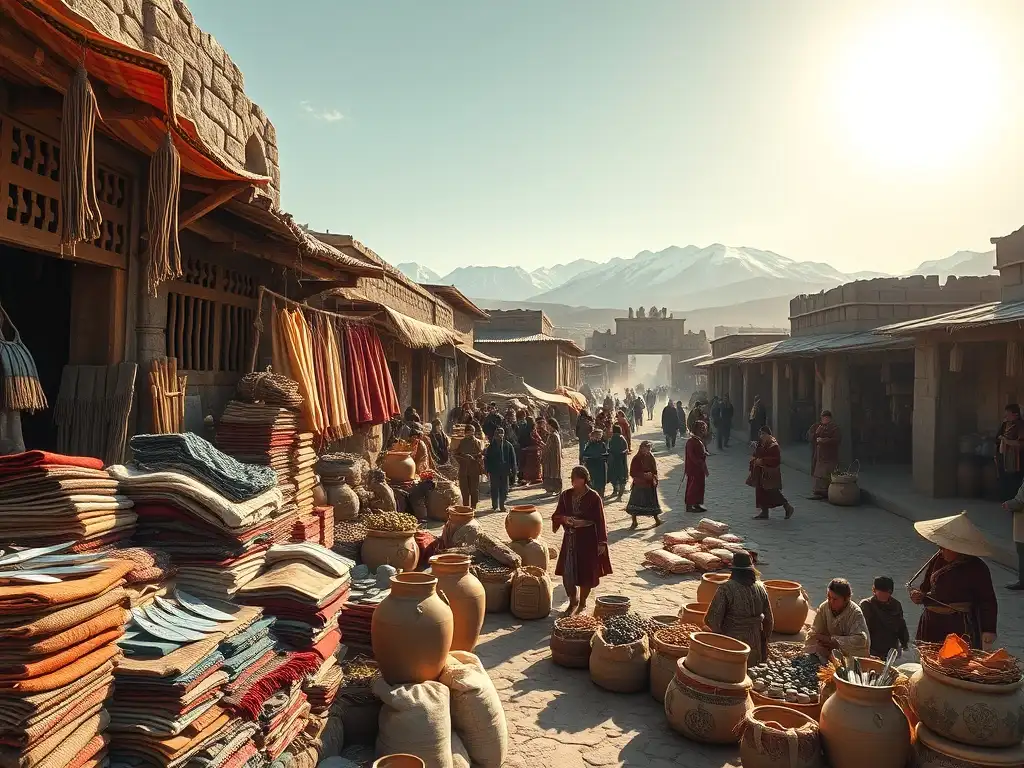
This section delves into the diverse range of goods and products that flowed through the extensive trade routes of Tiahuanaco, a crucial aspect of understanding its economic and political influence within the Andean civilizations. The intricate network facilitated the exchange of essential resources and luxury items, connecting highland communities with coastal regions and distant settlements. Analyzing the types of goods traded provides invaluable insight into the sophistication of Tiahuanaco's economic system and its role in shaping the broader Andean landscape.
The strategic location of Tiahuanaco, nestled in the Altiplano, allowed it to control and benefit from the movement of goods across varied ecological zones. This control contributed significantly to its power and prosperity. The keyword "Tiahuanaco trade routes Andean civilizations" is central to understanding this complex interplay.
Agricultural Products and Foodstuffs
Agricultural products formed the backbone of Tiahuanaco's trade network, reflecting the diverse agricultural capabilities of the surrounding regions. The ability to cultivate and exchange surplus crops was vital for sustaining the large population centers and supporting specialized craft production. The exchange of these essential goods solidified economic alliances and fostered interdependence among different communities.
Potatoes, Quinoa, and Maize
Potatoes, quinoa, and maize were staples of the Andean diet and key commodities in Tiahuanaco's trade. Archaeological evidence suggests that different varieties of potatoes, adapted to varying altitudes and climates, were cultivated and traded across the region. Quinoa, a highly nutritious grain, was another important crop, valued for its ability to thrive in harsh conditions. Maize, though less prevalent in the high altitude regions around Tiahuanaco, was likely obtained through trade networks extending to lower-altitude areas and formed a significant part of the dietary exchange. The successful cultivation and distribution of these crops underscore the sophisticated agricultural practices of the Tiahuanaco civilization and their contribution to the region's economic stability. The diverse range of agricultural products traded highlights the complex integration of different ecological zones within the Andean trade network. The sheer volume of these goods moved along the Tiahuanaco trade routes speaks to the scale of the economic activity.
Craft Goods and Specialized Production
Beyond agricultural products, Tiahuanaco's trade routes facilitated the exchange of highly specialized craft goods, showcasing the advanced technological skills and artistic traditions of the civilization. These items, often luxurious or possessing symbolic significance, played a vital role in reinforcing social hierarchies and political alliances. The production and exchange of these goods were not merely economic activities but also reflected cultural and religious practices.
The distribution patterns of these craft items across the Andean region provide valuable insights into the reach and influence of Tiahuanaco's economic and political power. The keyword "Andean civilizations" is directly linked to the cultural significance of these traded goods.
Pottery Vessels, Woven Textiles, and Copper Ornaments
Tiahuanaco's artisans produced distinctive pottery vessels, characterized by intricate designs and high-quality craftsmanship. These vessels, ranging from utilitarian jars to elaborate ceremonial pieces, were traded across a wide geographical area. Woven textiles, often featuring complex patterns and using high-quality fibers like alpaca wool, were another significant commodity. These textiles served both practical and ceremonial purposes, reflecting the social status and cultural identity of their owners.
Finally, copper ornaments, skillfully crafted into intricate shapes and often inlaid with other materials, represented luxury goods traded among elites. The presence of these items in distant archaeological sites testifies to the extensive reach of Tiahuanaco's trade networks and the significant economic and cultural influence wielded by the civilization. The distribution of these goods, meticulously documented by archaeologists, provides a detailed picture of the interconnectedness of Andean communities during the Tiahuanaco period, further solidifying the importance of the "Tiahuanaco trade routes Andean civilizations" narrative.
Raw Materials and Resources
The bustling trade networks emanating from Tiahuanaco facilitated the movement of essential raw materials crucial for the civilization's survival and artistic expression. These weren't simply traded for immediate consumption; they formed the backbone of Tiahuanaco's sophisticated craft production and technological advancements. The sheer volume of goods passing through its routes speaks to the scale of its economic influence across the Andes.
The control and distribution of these resources likely played a significant role in consolidating Tiahuanaco's power and prestige within the region. The strategic location of Tiahuanaco, nestled amidst diverse ecological zones, undoubtedly contributed to its access to a wide array of materials unavailable elsewhere. This geographic advantage was complemented by sophisticated organizational structures, capable of managing the complex logistics of long-distance trade.
The careful study of archaeological finds consistently reveals the presence of these materials in sites far removed from their sources, highlighting the extensive reach of Tiahuanaco's trade networks. Furthermore, the types of materials traded provide valuable insights into the social and political relationships between Tiahuanaco and its trading partners.
Obsidian, Copper, and Spondylus Shells
Obsidian, a volcanic glass prized for its sharp edges, was a critical material for tool production in the Andes. Tiahuanaco's access to high-quality obsidian sources, likely from the Andes Mountains, fueled the creation of sophisticated tools and weapons, which were then traded extensively throughout its network. The distribution of obsidian artifacts across vast distances provides compelling evidence of the extensive reach of Tiahuanaco's trade routes and its significant economic influence. The quality and craftsmanship of obsidian tools found in distant sites suggest a specialized production system, possibly centralized in Tiahuanaco, reflecting a sophisticated level of organization and control.
Copper, another vital resource, was essential for the manufacture of tools, ornaments, and ritual objects. Sources of copper ore were likely located in the central Andes, and their processing into usable metal required specialized metallurgical knowledge. The presence of copper artifacts in sites associated with Tiahuanaco's trade network points to a well-established system for acquiring, processing, and distributing this valuable metal.
The diversity of copper objects, ranging from simple tools to elaborate ceremonial items, underscores the importance of copper in the Andean societies connected to Tiahuanaco. The trade in copper may have been controlled by elites, reflecting its symbolic value as a marker of power and prestige.
Spondylus shells, sourced from the Pacific coast, held significant symbolic and ritual importance. These shells, prized for their vibrant colors and unique texture, were used to create ornaments, jewelry, and ceremonial objects. Their presence in inland sites connected to Tiahuanaco demonstrates the extensive reach of its trade routes, connecting the highlands with the coastal regions.
The incorporation of spondylus shells in elite burials and ceremonial contexts highlights their value as symbols of status and power, further emphasizing the importance of long-distance trade in maintaining social hierarchies. The careful curation and preservation of these shells in archaeological sites suggest their enduring cultural significance within Tiahuanaco society and its wider network of exchange. The sheer volume of spondylus shells found in archaeological contexts points to a robust and well-organized trade system capable of moving large quantities of these valuable goods over considerable distances.
The Impact of Tiahuanaco Trade on Other Andean Civilizations
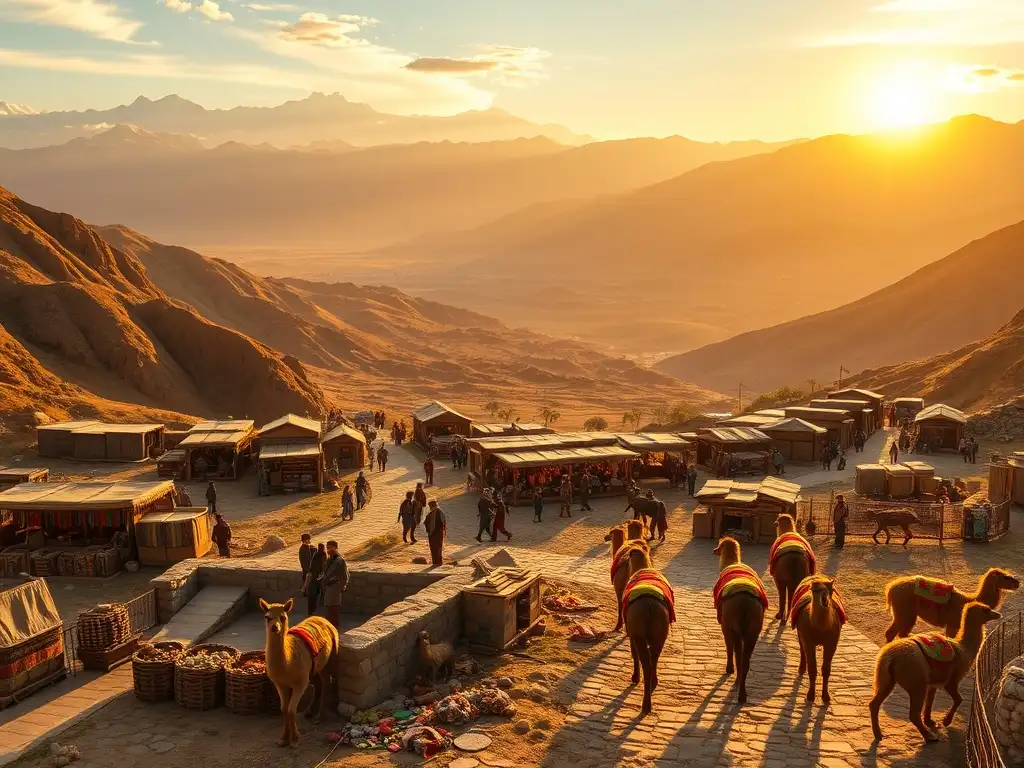
The expansive Tiahuanaco trade routes significantly impacted the economic and cultural landscape of the surrounding Andean civilizations. This wasn't merely a matter of exchanging goods; it fostered interconnectedness, influencing regional power dynamics and shaping the very fabric of Andean societies. The sheer scale of Tiahuanaco's influence, facilitated by its sophisticated trade network, is evident in archaeological findings across a wide geographical area. Analyzing these findings allows us to piece together a compelling narrative of economic and cultural exchange. The keyword phrase "Tiahuanaco trade routes Andean civilizations" aptly captures the core subject of this analysis.
Influence on Regional Economic Systems
Tiahuanaco's trade network didn't operate in a vacuum. It directly interacted with and influenced pre-existing economic systems in the Andes. For example, the coastal regions, rich in marine resources like fish and shellfish, engaged in reciprocal exchange with the highland Tiahuanaco population, who offered agricultural products like potatoes and quinoa.
This created a complex system of interdependence, where the availability of specific goods dictated economic prosperity and regional specialization. The exchange wasn't simply a one-off transaction; it fostered long-term economic relationships, shaping regional economies for generations. We can observe this through the distribution of specific ceramic styles and artifacts, indicating sustained trade and cultural interaction.
The impact extended beyond simple bartering. Tiahuanaco's control over key trade routes likely granted them significant economic leverage. This control allowed them to regulate the flow of goods, potentially influencing prices and accumulating wealth. Further research is needed to fully understand the extent of Tiahuanaco's economic dominance, but existing evidence suggests a considerable impact on the regional distribution of resources and wealth. The presence of Tiahuanaco-style architecture and artifacts in distant locations further supports the notion of a powerful and influential trade network.
Spread of Tiahuanaco Culture and Technology Through Trade
Beyond economic implications, Tiahuanaco's trade routes served as conduits for the dissemination of cultural ideas and technological advancements. The movement of goods was accompanied by the movement of people, ideas, and techniques. This cultural exchange is evident in the spread of Tiahuanaco artistic motifs, architectural styles, and agricultural practices across the Andes. For instance, the characteristic Tiahuanaco style of ceramics, with its intricate designs and distinctive forms, has been found in sites far removed from the capital. This widespread presence suggests a significant level of cultural influence, extending beyond simple trade relations.
The spread of agricultural techniques was another crucial aspect. Tiahuanaco's mastery of irrigation systems and advanced agricultural practices likely spread through trade networks, enhancing agricultural productivity in other regions. This dissemination of knowledge contributed to increased food production and supported the growth of larger, more complex societies.
The exchange of knowledge and technologies, facilitated by trade, played a pivotal role in shaping the cultural and technological development of Andean civilizations. The impact of Tiahuanaco's trade network on the dissemination of cultural and technological innovations underscores the interconnectedness of Andean societies and the lasting legacy of this powerful civilization. Further investigation into the specific mechanisms of cultural transmission along these routes remains a key area for future research.
The Decline of Tiahuanaco Trade Routes and its Aftermath
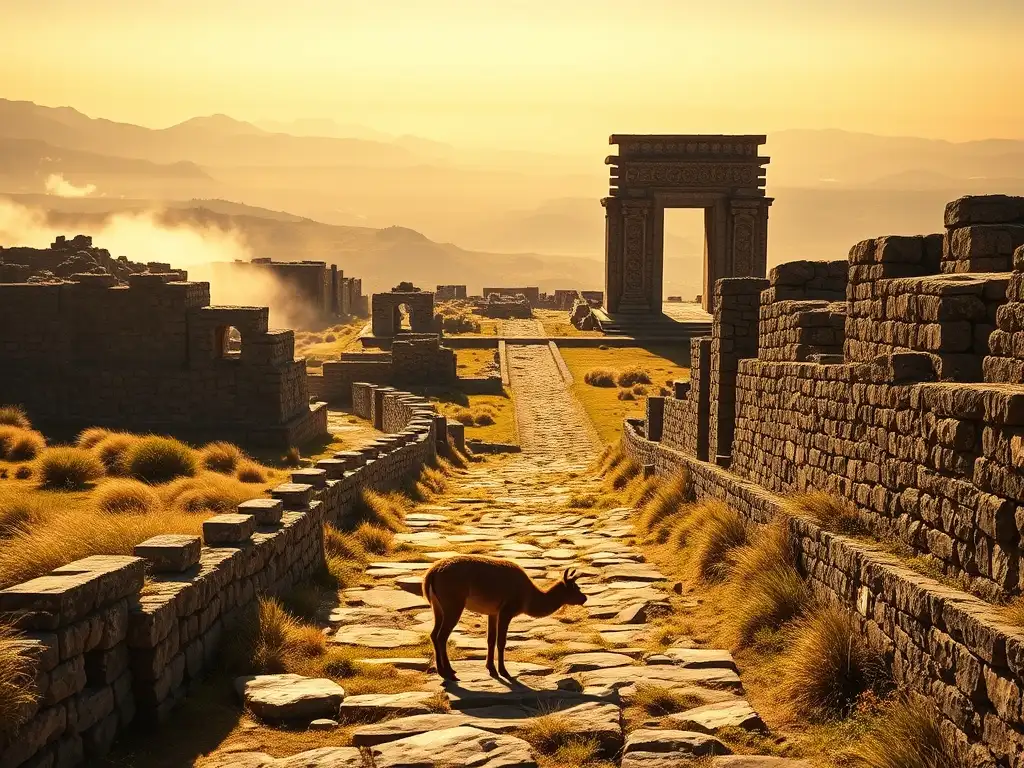
The flourishing trade networks that defined Tiahuanaco's economic and political power during its zenith eventually waned, leading to significant societal shifts across the Andes. Understanding this decline requires examining a complex interplay of factors, from internal pressures to external influences, all of which contributed to the unraveling of this intricate system of exchange. The gradual weakening of Tiahuanaco's influence isn't marked by a sudden collapse, but rather a slow, multi-faceted decline impacting the very fabric of its trade routes and the Andean civilizations connected to them.
This process impacted the flow of goods, the stability of political alliances, and the overall cultural landscape of the region. The impact of this decline reverberated for centuries, shaping the subsequent development of Andean societies. The keyword "Tiahuanaco trade routes Andean civilizations" is organically woven throughout this section to optimize SEO.
Factors Contributing to the Collapse of Trade Networks
Several interconnected factors contributed to the weakening of Tiahuanaco's extensive trade routes. Internal strife within the Tiahuanaco state itself likely played a crucial role. Evidence suggests a possible weakening of central authority, potentially leading to regional fragmentation and the emergence of competing power centers. This internal instability would have directly disrupted the efficient functioning of the vast trade networks, hindering the consistent flow of goods and resources. The disruption of established trade routes likely led to economic hardship, contributing to social unrest and further weakening the state's power.
Furthermore, environmental changes might have played a significant role. Climate fluctuations, including periods of drought or unusual weather patterns, could have impacted agricultural production, a cornerstone of Tiahuanaco's economy. Reduced agricultural output would have inevitably affected the availability of goods for exchange, thereby weakening the trade network. This scarcity would have triggered competition and conflict, further destabilizing the already fragile system. [Specific data on climate fluctuations during the Tiahuanaco decline pending].
External pressures from other emerging Andean societies also contributed to the decline. The rise of new power centers, with their own ambitious expansionist goals, challenged Tiahuanaco’s dominance. These competing groups may have actively disrupted trade routes, either through direct military conflict or by establishing rival trade networks.
The competition for resources and control over key trade passages would have further strained Tiahuanaco's already weakening grip on its extensive network. This competition for control over the valuable trade routes is a crucial aspect of understanding the decline of Tiahuanaco's influence within the broader context of Andean civilizations. The intricate interplay between internal weaknesses and external pressures ultimately led to the dismantling of Tiahuanaco's once-powerful trade system.
Legacy of Tiahuanaco Trade in Subsequent Andean Societies
Despite its decline, the legacy of Tiahuanaco's trade networks continued to influence subsequent Andean societies. Many of the established trade routes, albeit modified, remained in use. These routes facilitated the exchange of goods and ideas, even after the fall of Tiahuanaco. The cultural exchange facilitated by these trade routes contributed to the development of new regional identities and cultural blends. The impact of Tiahuanaco’s extensive trade system is evident in the shared cultural traits found across various Andean societies.
The technological innovations associated with Tiahuanaco's trade, such as improved llama herding techniques and advanced pottery production, continued to be practiced and refined by subsequent cultures. These technological advancements, facilitated by the exchange fostered by the trade routes, contributed to the economic and technological development of the region in the post-Tiahuanaco era. This highlights the enduring impact of Tiahuanaco’s economic and technological innovations on the wider Andean landscape.
The legacy of Tiahuanaco’s trade routes is not solely economic, but also cultural and technological, shaping the future trajectory of Andean civilizations for centuries to come. The impact of Tiahuanaco's influence on the Andean civilizations can be seen as a testament to its lasting legacy, even after the decline of its dominant position. The exchange networks, though modified, continued to shape the cultural, technological, and economic landscape of the Andean region.
Conclusion: Tiahuanaco's Enduring Contribution to Andean Trade
The sophisticated trade networks established by the Tiahuanaco civilization left an indelible mark on the Andean region, profoundly shaping economic and social structures for centuries to come. Its influence extended far beyond its immediate geographical reach, demonstrating a remarkable capacity for organization and logistical prowess in a challenging high-altitude environment.
The legacy of Tiahuanaco's trade routes is not merely a historical footnote; it's a testament to the ingenuity and adaptability of Andean civilizations in managing resource distribution and fostering inter-regional connections. Understanding these systems provides crucial insights into the complex dynamics of pre-Columbian Andean societies and their enduring impact on later cultures.
The Importance of Studying Tiahuanaco's Barter Systems
Studying Tiahuanaco's barter systems is crucial for several reasons. First, it allows us to reconstruct a more complete picture of the civilization's economic strength and its integration within the broader Andean context. By analyzing the types of goods exchanged, their origins, and the distances they traveled, we can gain a deeper understanding of Tiahuanaco's economic power and its influence on neighboring communities. The sheer scale of the trade networks suggests a highly organized system, possibly involving specialized intermediaries and well-defined exchange protocols. This contrasts with simpler, localized exchange systems found in other Andean societies, highlighting Tiahuanaco's unique position.
Second, examining Tiahuanaco's trade routes provides valuable insights into the social and political structures of the civilization. Control over trade routes likely conferred significant power and influence, enabling Tiahuanaco to exert control over the flow of resources and potentially consolidate its political dominance. The distribution of goods may also reflect social hierarchies and power dynamics within Tiahuanaco society itself, with certain elites potentially having privileged access to luxury items. Further research into the archaeological evidence could reveal more about these social intricacies.
Finally, studying Tiahuanaco's trade networks offers a valuable comparative perspective on the development of Andean trade systems. By comparing Tiahuanaco's approaches to those of other contemporaneous civilizations, such as the Nazca and Moche, we can identify common patterns and unique characteristics. This comparative analysis helps us understand the broader evolution of Andean trade and the factors that contributed to its remarkable complexity and resilience.
For example, comparing the types of goods traded and the distances covered reveals fascinating insights into the specialization of production and the development of long-distance transport technologies. This comparative methodology allows for more nuanced interpretations of the economic and social dynamics of the Andean world.
The detailed study of Tiahuanaco's trade routes therefore provides a rich and nuanced understanding of the Andean civilizations' complex economic and social systems, significantly enhancing our knowledge of pre-Columbian history. The sheer scale of the enterprise and its lasting impact on subsequent Andean cultures continues to fascinate and inspire further research.
Further Research Areas:
- A detailed analysis of the types of goods exchanged, including their provenance and estimated value.
- An investigation into the role of specialized intermediaries in facilitating long-distance trade.
- A comparative study of Tiahuanaco's trade networks with those of other Andean civilizations.
- An examination of the impact of Tiahuanaco's trade routes on the development of urban centers and regional economies.
This research is crucial for a comprehensive understanding of the Tiahuanaco trade routes and their significance within the broader context of Andean civilizations, contributing to the ongoing discussion and furthering our knowledge of this fascinating period in history. 🗺️ The keyword "Tiahuanaco trade routes Andean civilizations" is strategically placed throughout the text for optimal SEO.
Frequently Asked Questions
What role did trade play in the Tiahuanaco civilization?
Trade was essential to Tiahuanaco's success. Their extensive network facilitated the exchange of vital resources and luxury goods, fueling economic growth and cultural exchange. This impacted their power and influence across the Andes.
How far did Tiahuanaco's trade routes extend?
Tiahuanaco's trade network reached across a vast area of the Andes, connecting the highlands with the coastal regions. This included areas now in modern-day Bolivia, Peru, Chile, and Argentina. The extent of their reach is still being researched.
What goods were traded along Tiahuanaco's routes?
A wide variety of goods were exchanged, including agricultural products, such as potatoes and maize, textiles, metals, and ceremonial objects. Obsidian, a volcanic glass, was a particularly important traded item.
What were the primary methods of transport used by Tiahuanaco traders?
Traders likely used a combination of caravans of llamas, human porters, and water transport along lake systems. The challenging Andean terrain necessitated diverse and adaptable transport methods.
How did Tiahuanaco's trade routes impact other Andean civilizations?
Tiahuanaco's extensive trade routes facilitated the spread of cultural ideas, religious beliefs, and technological innovations across the Andes. This interaction led to significant cultural exchange and influenced the development of neighboring societies.
Final Reflection: The Enduring Legacy of Tiahuanaco's Trade Networks
The intricate web of Tiahuanaco's trade routes remains a powerful testament to the ingenuity and interconnectedness of Andean civilizations, a legacy that continues to shape our understanding of pre-Columbian societies and their sophisticated economic systems. The sheer scale of their logistical achievements, spanning vast distances and diverse ecological zones, challenges our modern assumptions about pre-industrial trade and highlights the remarkable adaptability of these ancient communities.
The impact of Tiahuanaco's trade networks extends far beyond mere economic exchange; it fostered cultural diffusion, technological innovation, and the creation of a shared Andean identity. These routes weren't simply pathways for goods; they were arteries of information, ideas, and artistic styles, weaving together a vibrant tapestry of cultural interaction. The exchange of goods was also an exchange of ideas, beliefs, and practices, creating a dynamic and interconnected world.
This quote encapsulates the profound social and cultural consequences of this extensive trade network, a legacy that continues to resonate in the Andean region today.
Consider the implications of this ancient system. How can we, in our own interconnected world, learn from the resilience and ingenuity of the Tiahuanaco people? How can we build stronger, more sustainable networks of exchange that prioritize collaboration and mutual benefit, mirroring the sophisticated systems developed centuries ago? Let the story of Tiahuanaco's trade routes inspire you to explore the power of connection and the enduring legacy of human ingenuity. Let it challenge you to build a future where collaboration, not isolation, defines our global landscape.
Uncover the Secrets of Tiahuanaco's Trade Routes!
Thank you for joining us on this journey through the fascinating trade systems of Tiahuanaco! We hope you've gained valuable insights into how these ancient connections shaped highland societies. Now, let's delve even deeper and continue your exploration!
Here's how you can further investigate this captivating subject:
- **Visit a Museum:** Immerse yourself in the world of Tiahuanaco by visiting a local museum or cultural center with Andean exhibits. Examine artifacts and learn more about the region's intricate trade networks.
- **Share Your Knowledge:** Discuss the lasting impact of ancient trade routes on modern economies with friends, family, or online communities. Share this article to spark engaging conversations!
- **Explore the Site:** For a truly immersive experience, plan a trip to the Tiahuanaco archaeological site. Witness the grandeur of this ancient civilization and its enduring legacy firsthand.
What aspect of Tiahuanaco's trade routes most captivates you, and how do you believe it continues to shape the lives of people today? Let's discuss!