
The Secrets of the Amazon: How Jungle Resources Enriched Andean Trade

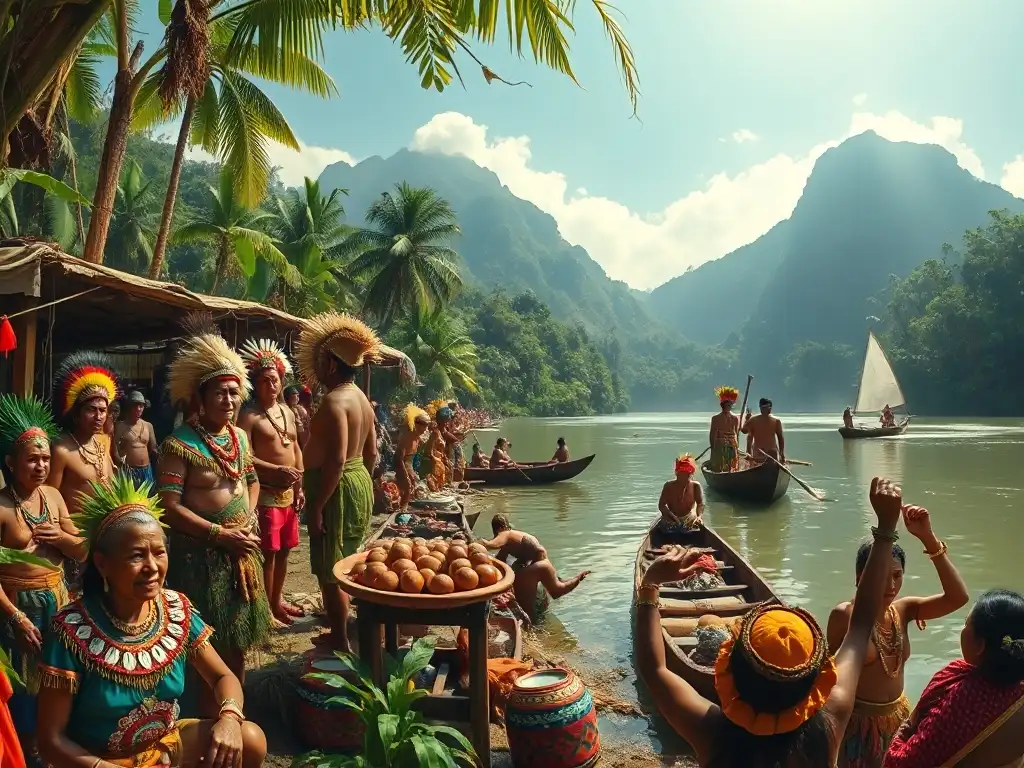
Step into a world lost to time, where majestic mountain ranges cradled empires of breathtaking ingenuity. Uncover the secrets of the Andes, a realm of vibrant cultures and astonishing achievements. But what truly fueled the power of the Incas, Moche, and other Andean civilizations? The answer lies in the Andean civilizations Amazon trade, a complex network of exchange that shaped their destinies. Dive in and discover how the Amazon’s bounty enriched these ancient societies—a story waiting to be unearthed.
The vibrant tapestry of Andean civilizations, renowned for their intricate artistry, sophisticated agricultural techniques, and impressive architectural feats, was significantly enriched by a complex network of trade extending far beyond the mountainous regions. This article delves into the crucial role the Amazon rainforest played in fueling this economic engine, revealing how access to unique Amazonian resources profoundly impacted the development and prosperity of Andean societies, including the Incas, Moche, Nazca, and Tiahuanaco.
We will explore the intricate interplay between these seemingly disparate regions, uncovering the routes, goods, and cultural exchanges that shaped the history of Andean civilizations and their understanding of the keyword "Andean civilizations Amazon trade". The story unfolds not just as a tale of economic exchange, but as a testament to the ingenuity and adaptability of ancient Andean peoples in harnessing the wealth of their diverse environment.
This exploration will reveal how the Amazon, far from being a distant barrier, served as a vital source of raw materials and luxury goods, contributing to the power and prestige of Andean empires.
The Interplay Between Andean Civilizations and Amazonian Resources
The Amazon rainforest, a vast and biodiverse ecosystem, offered Andean civilizations a wealth of resources unavailable in the highlands. These resources weren't merely supplementary; they were integral to the very fabric of Andean life, impacting everything from daily sustenance to religious practices and political power. The most significant contributions included:
- Exotic Feathers: Brightly colored feathers from Amazonian birds like macaws and parrots were highly prized for ceremonial headdresses, clothing, and decorative artifacts. The vibrant plumage symbolized power and divinity, making these feathers incredibly valuable commodities in Andean trade. The sheer effort involved in acquiring and transporting these delicate items underscores the importance placed upon them.
- Rare Woods: The Amazon provided a variety of hardwoods, ideal for crafting fine tools, weapons, and ritual objects. Certain woods possessed unique properties, making them particularly desirable for specific purposes. For example, [specific wood type and its use pending] illustrates the sophistication of Andean woodworking techniques and their understanding of material properties.
- Medicinal Plants: The Amazon is a treasure trove of medicinal plants, and Andean healers utilized these resources extensively. [Specific examples of medicinal plants and their uses pending] demonstrate the sophisticated knowledge of botany and pharmacology possessed by Andean societies. The trade in these medicinal plants extended the reach of Andean healing practices and knowledge.
- Dyestuffs: Amazonian plants provided a rich palette of natural dyes used to color textiles, pottery, and other artifacts. The vibrant colors achieved through these dyes further enhanced the aesthetic value and cultural significance of Andean artwork. [Specific examples of dyestuff plants and their resulting colors pending] highlight the ingenuity of Andean artisans in utilizing natural resources for artistic expression.
The control and access to these Amazonian resources often translated directly into political and economic power for Andean elites. The ability to secure and distribute these goods served as a marker of status and influence.
Early Trade Networks: Connecting the Andes and the Amazon
The exchange of goods between the Andes and the Amazon wasn't a haphazard affair; it involved well-established trade networks that facilitated the movement of resources over considerable distances. These networks were not simply linear routes, but rather intricate systems involving various intermediary groups and trading centers. The exact nature of these networks remains a subject of ongoing research, but evidence suggests a complex interplay of factors:
| Trade Route Feature | Description | Example |
|---|---|---|
| River Systems | Major arteries of trade, facilitating transport of bulky goods downstream. | Amazon River and its tributaries |
| Mountain Passes | Challenging but necessary routes connecting Amazonian lowlands with Andean highlands. | [Specific mountain pass example pending] |
| Intermediary Groups | Tribes and communities acting as middlemen, facilitating trade between regions. | [Specific intermediary group example pending] |
| Trading Centers | Locations where goods were exchanged and stored. | [Specific trading center example pending] |
Evidence suggests that the movement of goods wasn't solely a one-way flow from the Amazon to the Andes. Andean civilizations also exported textiles, pottery, metalwork, and agricultural products to Amazonian communities. This reciprocal exchange fostered a dynamic relationship, strengthening the economic and cultural ties between these two distinct regions.
The study of these trade networks provides valuable insights into the sophisticated organizational capabilities and economic strategies employed by ancient Andean societies, further highlighting their mastery of resource management and long-distance trade, a crucial aspect of the keyword "Andean civilizations Amazon trade". Further research into specific archaeological sites and the analysis of trade goods promises to further illuminate the intricacies of this vital exchange.
Key Amazonian Goods in Andean Trade
The Amazon rainforest, a vast and biodiverse ecosystem, played a crucial role in enriching the economies and cultures of the Andean civilizations. Access to this treasure trove of resources fueled a complex network of trade routes, connecting the highlands with the lowlands and fostering significant economic and cultural exchange. The goods exchanged were not merely commodities; they represented symbols of power, status, and spiritual significance, shaping the very fabric of Andean societies.
The scale of this trade is still being uncovered by archaeologists, but its impact is undeniable. The sheer variety of goods traded highlights the ingenuity and organization required to manage such a complex system across challenging terrains. Analysis of archaeological finds consistently reveals the presence of Amazonian goods in Andean sites, confirming the extent of this vital trade network.
Exotic Feathers: A Symbol of Status and Power
Exotic bird feathers, sourced from the Amazonian rainforest, held immense symbolic value in Andean societies. These vibrant and rare plumes, often from birds like macaws and parrots, were highly prized and used to adorn elite individuals, religious objects, and ceremonial garments. The possession of these feathers signified wealth, power, and connection to the sacred realm.
Archaeological discoveries in sites like Machu Picchu and Chan Chan frequently uncover elaborate featherwork, showcasing the artistry and importance of these materials. The intricate craftsmanship involved in creating feather cloaks and headdresses further underscores the high social status associated with these Amazonian imports. The vibrant colors and unique textures of these feathers made them highly sought after, and their rarity only increased their value.
Medicinal Plants and Herbs: Healing and Ritual Practices
The Amazonian rainforest is a veritable pharmacy, teeming with plants possessing medicinal and psychoactive properties. These plants were highly valued by Andean cultures for their healing capabilities and their role in religious rituals. Shamans and healers utilized these herbs and plants to treat illnesses, perform ceremonies, and achieve altered states of consciousness.
Evidence suggests that trade networks facilitated the movement of these valuable medicinal resources from the Amazon to the Andean highlands. Specific plants, their uses, and the routes they traveled remain areas of ongoing research, but the significance of Amazonian botanical resources in Andean healing practices is well-established. The knowledge of these plants and their properties was passed down through generations, forming an integral part of Andean traditional medicine.
Tropical Woods and Resins: Construction and Craftsmanship
Durable and aesthetically pleasing tropical woods, such as mahogany and cedar, were crucial resources imported from the Amazon. These woods were used in the construction of houses, temples, and other important structures. In addition, the resins extracted from various Amazonian trees were used as adhesives, sealants, and ingredients in paints and dyes.
The use of these high-quality woods significantly improved the durability and artistry of Andean constructions. The precise sourcing of these woods is still an area of active investigation, but their widespread presence in Andean settlements demonstrates the importance of Amazonian timber in their material culture. The skillful craftsmanship evident in many Andean artifacts, often made using these imported woods, showcases the advanced technological capabilities of these societies.
Coca Leaves: A Sacred Commodity
Coca leaves, a sacred plant in Andean culture, were cultivated in both the Andes and the Amazon basin. While cultivation occurred in both regions, the Amazon likely contributed significantly to the overall supply, especially given the high demand for this plant. Coca leaves were used in religious rituals, as a stimulant, and as a form of currency.
The importance of coca in Andean society is widely documented, and its widespread use highlights the crucial role that Amazonian resources played in their economy and spiritual life. The exact extent of Amazonian coca trade relative to Andean coca cultivation remains an area of ongoing research, requiring further investigation into archaeological and historical records.
The Impact of Amazonian Trade on Andean Societies
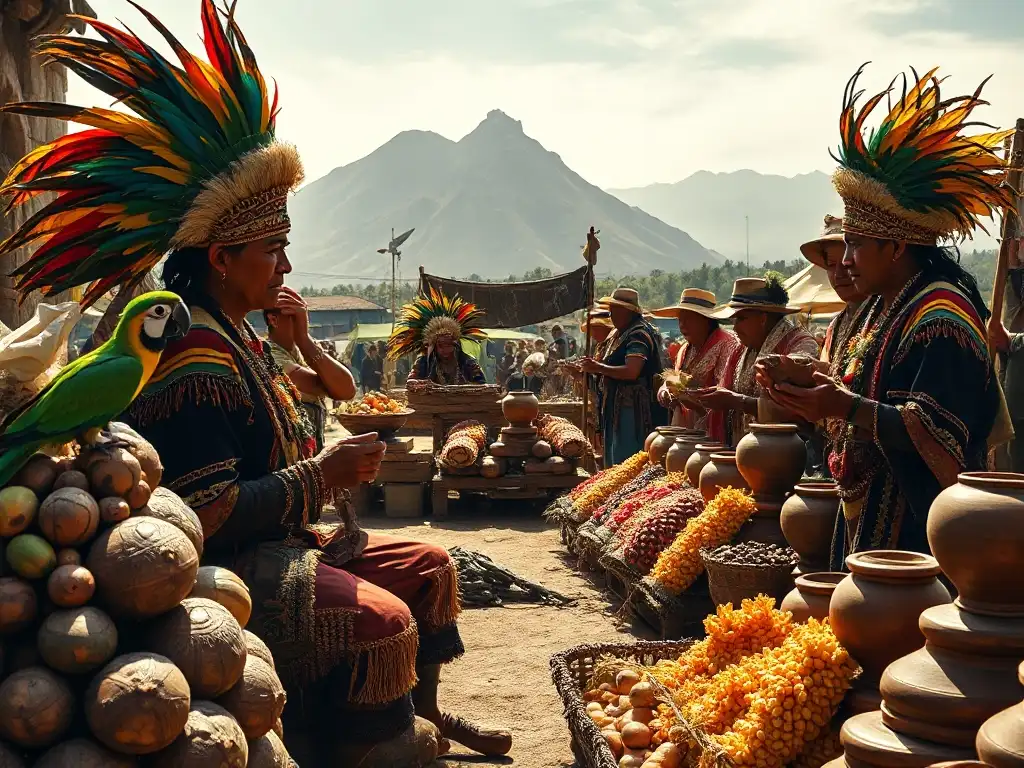
The exchange of goods between the Amazon and the Andes had profound and multifaceted impacts on Andean societies, shaping their economic structures, cultural expressions, and social hierarchies. The scale of this trade was substantial, requiring sophisticated organizational structures and logistical capabilities. Its influence is evident in various aspects of Andean life, from economic specialization to the development of complex social networks.
Economic Growth and Specialization
The influx of Amazonian resources stimulated economic growth in the Andes. Access to exotic goods allowed for the development of specialized crafts and industries, leading to increased productivity and economic diversification. The demand for Amazonian products created opportunities for specialized labor and the emergence of merchant classes. This trade fostered economic interdependence between different regions, creating a more complex and dynamic Andean economy.
Cultural Exchange and Diffusion
The Amazonian trade routes facilitated the exchange of not only material goods but also ideas, beliefs, and cultural practices. This cultural exchange enriched Andean societies, leading to the diffusion of religious beliefs, artistic styles, and technological innovations. The integration of Amazonian elements into Andean art, religion, and daily life is testament to the profound influence of this trade on their cultural identity. The blending of different cultural traditions resulted in a unique and vibrant Andean culture.
Development of Trade Routes and Infrastructure
The sustained exchange of goods between the Amazon and the Andes necessitated the development of extensive trade routes and infrastructure. These routes, often traversing challenging terrains, connected distant communities and facilitated the movement of people and goods. The construction and maintenance of these routes required considerable organization and labor, contributing to the development of sophisticated logistical systems. The investment in infrastructure further demonstrates the economic and social importance of this trade. The remnants of these routes and infrastructure serve as a testament to the ingenuity and organizational capacity of Andean societies.
Andean Civilizations' Demand for Amazonian Products
The Amazon rainforest, a vast and biodiverse ecosystem, offered Andean civilizations a wealth of resources unavailable in the higher altitudes of the Andes Mountains. This spurred a complex network of trade routes and exchanges that profoundly impacted the development and prosperity of these societies. The demand for Amazonian products wasn't uniform across all Andean cultures or throughout history; it fluctuated based on factors like population size, technological advancements, and political stability.
However, certain items consistently held high value, driving the intricate trade relationships. These included highly prized feathers from exotic birds like macaws and parrots, used for ceremonial adornments and elite clothing. Amazonian hardwoods, such as mahogany and cedar, were crucial for constructing palaces, temples, and other significant structures.
The rainforest also yielded valuable medicinal plants, dyes for textiles, and various other raw materials that fueled the craftsmanship and religious practices of the Andean peoples. The importance of these resources is evident in archaeological findings, which frequently uncover Amazonian artifacts within Andean sites, highlighting the extensive reach of these trade networks. The sheer variety and demand for these products underscore the deep interconnectedness between the Andes and the Amazon.
The Inca Empire and Its Reach into the Amazon
The Inca Empire, at its zenith, controlled a vast territory encompassing both Andean highlands and portions of the Amazonian lowlands. This control facilitated a highly organized and efficient system for extracting and distributing Amazonian resources. Royal messengers, known as chasquis, relayed information and facilitated the movement of goods along well-established roads and trails.
The Inca's sophisticated administrative system ensured a steady flow of resources from the Amazon to the imperial centers in the Andes. Archaeological evidence suggests that Inca control extended deep into the Amazon, with numerous settlements and administrative outposts established to oversee resource extraction and trade. The Inca's centralized control allowed them to leverage Amazonian resources to bolster their power and maintain their vast empire.
They used Amazonian materials for construction projects, religious ceremonies, and to reward loyal subjects, solidifying their control and reinforcing their authority. The Inca’s ability to effectively manage and exploit Amazonian resources offers a striking example of how control over trade routes could impact imperial power and stability.
Pre-Inca Cultures and Their Trade Practices
Long before the Inca Empire, various Andean cultures established trade relationships with Amazonian groups. Evidence suggests that the Moche, Nazca, and Wari civilizations all engaged in significant exchanges with Amazonian communities. While the scale and organization of these trade networks might have differed from the Inca system, the fundamental demand for Amazonian resources remained constant.
For example, the vibrant textiles and intricate pottery of the Nazca culture often incorporated dyes and materials sourced from the Amazon, demonstrating the early integration of Amazonian resources into Andean artistic traditions. The Moche, known for their elaborate metalwork, likely obtained certain ores or other materials from the Amazon region, further showcasing the long history of this exchange.
The specific mechanisms of exchange are still being researched, but the presence of Amazonian artifacts in pre-Inca sites unequivocally demonstrates the enduring importance of this trade relationship across centuries. These early interactions laid the groundwork for the more extensive and organized trade systems that would emerge later under Inca rule.
Challenges and Adaptations in Andean-Amazonian Trade
The Andean-Amazonian trade routes presented significant challenges to the people involved. The dramatic environmental shifts, from the high, arid Andes to the hot, humid Amazon, posed significant logistical hurdles. Altitude sickness, disease, and the sheer difficulty of navigating the diverse terrain all hindered the movement of goods and people.
The diverse array of cultures and languages across the regions also created potential for misunderstanding and conflict. Overcoming these obstacles required significant adaptation and ingenuity. The development of sophisticated transportation systems, such as suspension bridges and well-maintained trails, allowed for the efficient movement of goods across challenging terrain.
The use of llamas and other pack animals was crucial for transporting goods across long distances. Furthermore, the development of specialized knowledge and skills in navigation, diplomacy, and trade negotiation were essential for successful engagement in this cross-cultural exchange. The success of the trade routes, despite these challenges, demonstrates the remarkable resilience and adaptability of the Andean civilizations.
Geographic Barriers and Transportation
The Andes Mountains and the Amazon rainforest presented formidable geographic barriers to trade. The steep, rugged terrain of the Andes made land travel arduous and slow. Crossing the mountain passes required careful planning and considerable physical effort.
The dense jungle of the Amazon presented its own set of challenges. Navigating the waterways was often the most practical means of transportation, but this required knowledge of the river systems, the ability to build and maintain canoes, and the skill to avoid hazards like rapids and wildlife. The sheer distance between the Andean highlands and the Amazonian lowlands also posed a substantial logistical challenge.
The development of sophisticated transportation systems – including well-maintained trails, suspension bridges, and specialized pack animals – was crucial in overcoming these geographic barriers. These adaptations demonstrate the ingenuity and resilience of the Andean cultures in adapting to their environment to facilitate trade. Evidence of these transportation systems can be found in the surviving Inca road network and the remains of various pre-Inca trails.
Negotiation and Exchange Mechanisms
The exchange of goods between Andean and Amazonian populations involved complex systems of negotiation and exchange. While direct barter was likely common, particularly in smaller-scale interactions, more formalized systems also played a role, especially in larger-scale transactions between different groups. The precise mechanisms varied depending on the specific cultures involved and the historical period.
The Inca, with their centralized administration, likely employed a more structured system, possibly using a form of tribute or taxation to acquire Amazonian resources. For pre-Inca cultures, the exchange likely involved more reciprocal relationships, with goods and services exchanged through a network of alliances and partnerships. The establishment of trust and mutual understanding would have been crucial to facilitating the exchange of valuable goods.
While detailed records of these exchanges are scarce, archaeological finds and anthropological studies provide insights into these complex cultural interactions. Further research is needed to fully understand the nuances of these negotiation and exchange mechanisms.
The Legacy of Amazonian Resources in Andean Culture
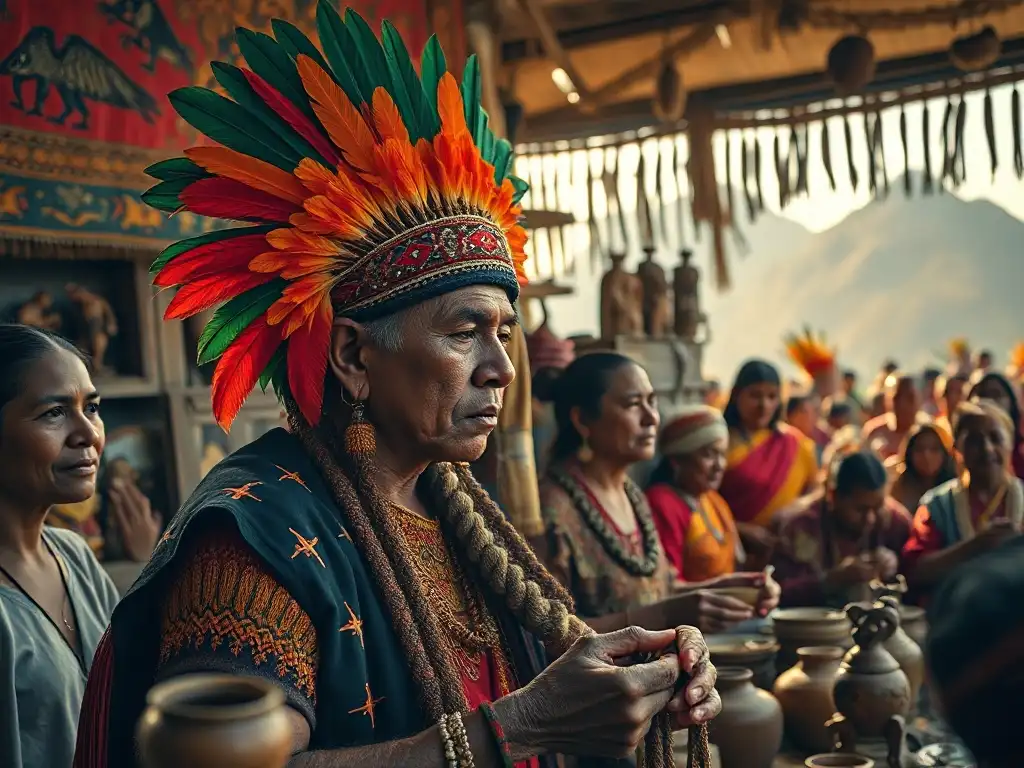
The Amazon rainforest, despite its distance from the Andes mountain range, played a crucial role in shaping Andean civilizations. The exchange of goods across vast distances profoundly impacted Andean culture, leaving an indelible mark on artistic expression, religious practices, and social structures. The vibrant hues of Amazonian parrot feathers adorned the headdresses of elite members of society, showcasing the high value placed on these exotic goods.
Similarly, the unique textures and colors of Amazonian woods were meticulously crafted into intricate tools, weapons, and ceremonial objects. The presence of these materials in Andean archaeological sites is a testament to the extensive trade networks that connected the mountains and the jungle.
This exchange wasn't simply a matter of material acquisition; it represented a complex interplay of cultural exchange and symbolic meaning. The incorporation of Amazonian resources into Andean life speaks volumes about the sophisticated trade relationships and the far-reaching influence of the rainforest on Andean societies.
Artistic Representations and Symbolism
Amazonian resources were not merely functional; they held significant symbolic value within Andean cultures. The vibrant plumage of Amazonian birds, for example, frequently appeared in Andean art, reflecting their importance in religious rituals and their association with power and divinity. Depictions of exotic animals and plants from the Amazon can be found on textiles, pottery, and metalwork, suggesting a deep understanding and appreciation of the rainforest's biodiversity.
These artistic representations serve as tangible evidence of the cultural exchange and the symbolic power attributed to Amazonian goods. The careful selection and placement of these materials in artistic works suggest a deliberate attempt to communicate specific messages, reinforcing the importance of Amazonian resources within Andean society's worldview. For instance, the use of specific feathers in elite burials might indicate a connection to the spirit world or a claim to supernatural authority.
Religious Beliefs and Rituals
Amazonian resources were deeply intertwined with Andean religious beliefs and rituals. The use of exotic feathers, woods, and other materials in ceremonial contexts suggests their sacred significance. Many rituals involved the use of hallucinogenic plants originating from the Amazon, highlighting the spiritual importance of these resources.
The presence of Amazonian items in elite burials further underscores their association with the afterlife and the power structures of Andean societies. Archaeological evidence points towards complex religious ceremonies involving Amazonian ingredients, suggesting the rainforest's pivotal role in shaping Andean spiritual practices. The incorporation of these elements highlights the interconnectedness of Andean religious beliefs with the wider ecological environment, extending beyond the immediate Andean region.
The Significance of Understanding Andean Civilizations Amazon Trade
Understanding the intricate trade networks between the Andes and the Amazon is crucial for comprehending the complexities of Andean civilizations. This trade wasn't merely an economic exchange; it was a cultural exchange that shaped artistic expression, religious beliefs, and social structures. Analyzing the movement of goods, the distribution of materials, and the symbolic significance of Amazonian resources provides a more nuanced understanding of the interconnectedness of ancient societies.
This understanding challenges traditional narratives that focus solely on internal Andean dynamics, revealing a more complex and interconnected world. The presence of Amazonian resources in Andean contexts provides valuable insights into the social and political hierarchies, the level of technological development, and the intricate web of relationships that existed between different Andean groups and their Amazonian counterparts.
A Deeper Understanding of Andean Economic Systems
The Andean-Amazonian trade network significantly impacted Andean economic systems. The flow of exotic resources fueled economic growth and shaped the distribution of wealth. The control over these valuable goods often conferred political power and social prestige.
The network facilitated the development of specialized crafts and industries, contributing to economic diversification and regional specialization. Studying this trade allows researchers to gain a better understanding of the economic strategies employed by Andean societies, the sophistication of their trade systems, and the role of economic factors in shaping social and political hierarchies. For example, the development of sophisticated transportation networks and storage facilities demonstrates the scale and complexity of Andean economic activities.
Unveiling the Interconnectedness of Ancient Societies
The exchange of goods between the Andes and the Amazon reveals the interconnectedness of ancient societies across vast geographical distances. This highlights the limitations of viewing these civilizations in isolation and emphasizes the importance of considering broader regional interactions. The movement of people, ideas, and resources across these regions fostered cultural exchange and influenced the development of distinct Andean identities.
Understanding this interconnectedness provides a more holistic and accurate understanding of the social, economic, and cultural dynamics that shaped Andean civilizations. The Amazonian trade network was not merely a conduit for material goods; it was a crucial factor in fostering cultural exchange, technological innovation, and the formation of complex social structures across a wide geographical area. The intricate relationships forged through trade demonstrate the dynamic and interconnected nature of ancient Andean societies.
Current Research and Future Directions in Andean-Amazonian Trade Studies
Current research on Andean-Amazonian trade is expanding beyond traditional archaeological approaches, incorporating interdisciplinary methodologies like paleoecology, archaeobotany, and isotopic analysis. This allows researchers to reconstruct detailed pictures of past exchange networks, identifying specific goods, their origins, and the routes they traveled. For example, recent studies using isotopic analysis of human remains have provided compelling evidence of long-distance migration and exchange between Amazonian and Andean populations, challenging earlier assumptions about the limitations of inter-regional contact. This innovative approach offers a much more nuanced understanding than simply relying on the presence or absence of specific artifacts.
Furthermore, the application of Geographic Information Systems (GIS) is revolutionizing our understanding of Andean-Amazonian trade routes. By mapping archaeological sites, environmental data, and potential pathways, researchers can create detailed models of past trade networks, revealing patterns and complexities previously unseen. This spatial analysis is crucial for identifying key nodes of exchange and understanding the logistical challenges involved in moving goods across diverse and often challenging terrains. The integration of GIS with other analytical techniques promises even more refined interpretations of the scale and intensity of Andean-Amazonian exchange.
Future directions in this field include a greater focus on the social and political dimensions of trade. While much research has concentrated on the material aspects of exchange—the goods themselves and the routes they traveled—future studies need to explore the social mechanisms that facilitated these interactions. Who controlled the trade networks?
How did exchange shape social hierarchies and political power? Answering these questions requires a more holistic approach, incorporating ethnographic data, ethnohistorical accounts, and comparative studies of other ancient trade systems. The study of agency and power dynamics within these networks is critical to understanding the full impact of Amazonian resources on Andean societies.
Another promising avenue for future research lies in the investigation of the environmental impact of Andean-Amazonian trade. The extraction and transportation of resources, particularly on a large scale, undoubtedly left their mark on the environment. Future research should investigate the potential for deforestation, soil erosion, and other forms of environmental degradation associated with these trade networks.
Such studies are crucial not only for understanding the sustainability of past exchange systems but also for informing our understanding of modern environmental challenges. A better understanding of the long-term consequences of resource extraction in the past could provide valuable insights for sustainable resource management today. The integration of paleoclimatological data would further enhance this line of inquiry, linking trade activities to broader environmental changes.
- The Interplay Between Andean Civilizations and Amazonian Resources
- Early Trade Networks: Connecting the Andes and the Amazon
- Key Amazonian Goods in Andean Trade
- The Impact of Amazonian Trade on Andean Societies
- Andean Civilizations' Demand for Amazonian Products
- Challenges and Adaptations in Andean-Amazonian Trade
- The Legacy of Amazonian Resources in Andean Culture
- The Significance of Understanding Andean Civilizations Amazon Trade
- Current Research and Future Directions in Andean-Amazonian Trade Studies
- What role did the Amazon rainforest play in Andean civilizations?
- How did Andean civilizations access Amazonian goods?
- What specific Amazonian goods were most important in Andean trade?
- Were there any challenges to maintaining Amazonian trade routes?
- How did Amazonian trade impact the development of Andean societies?
Frequently Asked Questions
What role did the Amazon rainforest play in Andean civilizations?
The Amazon rainforest provided crucial resources for Andean civilizations. Timber, exotic feathers, and medicinal plants were highly valued and traded extensively, enriching their economies and cultures.
How did Andean civilizations access Amazonian goods?
Access was achieved through complex trade networks. These involved direct expeditions into the rainforest and indirect exchange through intermediary groups, facilitating the movement of goods across vast distances.
What specific Amazonian goods were most important in Andean trade?
Highly sought-after items included rare hardwoods, vibrant parrot feathers, and medicinal plants with powerful properties. These goods held symbolic and practical value within Andean societies.
Were there any challenges to maintaining Amazonian trade routes?
Yes, maintaining these routes presented significant logistical challenges. Difficult terrain, potential conflicts with Amazonian groups, and the sheer distance involved all played a part.
How did Amazonian trade impact the development of Andean societies?
Amazonian trade significantly impacted Andean development, fueling economic growth, fostering cultural exchange, and contributing to the political power of certain Andean states through access to valuable resources and strategic alliances.
Final Reflection: Echoes of the Amazon in Andean History
The intricate relationship between the Amazon basin and the Andean civilizations remains a powerful testament to the ingenuity and adaptability of ancient societies. Understanding this interconnectedness is not merely an academic exercise; it offers crucial insights into sustainable resource management and the complexities of cross-cultural exchange, issues profoundly relevant to our globally interconnected world today. The lessons learned from these ancient trade networks can inform our modern approaches to resource utilization and international cooperation.
The enduring legacy of Amazonian resources on Andean cultures is undeniable, shaping their artistic expressions, religious beliefs, and political structures for centuries. The sheer scale of this exchange, involving exotic feathers, medicinal plants, and precious metals, speaks volumes about the sophisticated organizational capabilities of these societies. The past is never dead. It's not even past.
– William Faulkner. This quote perfectly encapsulates the continued relevance of understanding the Amazon's impact on Andean civilizations; its echoes resonate in the cultural landscape even now, shaping our understanding of pre-Columbian America.
Consider the implications of this historical trade. What can we learn from the successes and failures of these ancient networks? How can we apply their strategies of resource management and cross-cultural cooperation to address the challenges of our time?
You, the reader, hold the power to carry this knowledge forward. By understanding the intricate relationship between the Amazon and the Andes, you can contribute to a more informed and sustainable future, one that values both cultural preservation and responsible resource management. Let the secrets of the Amazon inspire you to explore the interconnectedness of our world and strive for a more equitable and sustainable future.
Unveil the Wonders of Andean Trade!
Thank you for exploring the fascinating world of Andean civilizations and their complex trade relationships with the Amazon. You've gained valuable insights into how vital jungle resources were to these ancient societies. Now, let's build on that knowledge!
Here are some ways to continue exploring the rich history and interconnectedness of Andean and Amazonian cultures:
- Join a local history group or online forum to discuss and share your knowledge of Andean trade. Your perspective can inspire others!
- Deepen your understanding: Explore books and documentaries about Andean civilizations and their trade networks.
- Share your discoveries: Write a blog post or share your insights on social media. Let your network learn about these amazing cultures!
What aspects of the relationship between Andean and Amazonian cultures intrigue you most, and what would you like to learn more about?