
Copper's Conquest: How Metallurgy Shaped the Exchange of Goods in the Andes


Uncover the secrets whispered on the wind across the Andes! For centuries, a vast network of trade routes pulsed with life, fueled by the ingenuity of ancient civilizations. But what truly drove this exchange of goods and ideas? Dive into the captivating story of Andean metallurgy trade routes and discover how the mastery of copper, gold, and other metals forged empires and shaped the destiny of the Incas, Moche, and other remarkable Andean cultures. Prepare to be amazed by the power of Copper's Conquest.
The Andes Mountains, a spine of towering peaks traversing the western edge of South America, were not just a geographical barrier but a crucible forging vibrant and interconnected civilizations. For millennia, diverse Andean cultures—from the Norte Chico to the Inca—developed sophisticated systems of exchange, with goods traveling vast distances along intricate networks of trails and waterways.
While textiles, ceramics, and agricultural products played significant roles, the mastery of metallurgy, particularly copper working, fundamentally reshaped the nature and scale of Andean trade. This article delves into the crucial role of Andean metallurgy, specifically focusing on copper, in the development and evolution of Andean trade routes, highlighting its impact on the exchange of goods and the overall economic landscape of these remarkable societies.
We will explore the emergence of metalworking, its technological advancements, and its profound influence on the socio-political dynamics of the Andes, using the keyword "Andean metallurgy trade routes" and its semantic variations to illustrate the interconnectedness of these aspects. The story of Andean copper is not simply one of technological innovation, but also of cultural exchange, economic power, and the enduring legacy of human ingenuity in the face of challenging geographical conditions.
The Dawn of Andean Metalworking: Early Copper Use
The earliest evidence of Andean metalworking dates back to approximately 5,000 years ago in the region of Caral in the Norte Chico, Peru. Initially, the focus was on native copper, a relatively soft metal readily available in its natural state. This early metallurgy involved hammering and annealing—heating and cooling—to shape the metal into simple tools, ornaments, and ceremonial objects.
The production of these early copper artifacts was likely localized, with limited long-distance exchange. However, the very existence of these early metal objects indicates the beginnings of specialized craftsmanship and the potential for the future development of broader trade networks. The scarcity of certain copper ores and the specialized knowledge required for their processing would eventually contribute to the development of more complex trade systems.
This early period laid the foundation for the more sophisticated metallurgical techniques and the far-reaching trade networks that would characterize later Andean societies. The transition from simple hammering to more complex techniques, such as casting and alloying, significantly expanded the possibilities of copper use and boosted its value as a trade commodity.
The Rise of Andean Metallurgy and its Impact on Trade
The development of more advanced metallurgical techniques, particularly the ability to smelt copper ores and create bronze alloys (combining copper with tin or arsenic), marked a turning point in Andean history. This innovation, occurring around 2,500 years ago, led to the production of stronger, more durable tools and weapons. These advancements had a profound impact on agriculture, warfare, and social organization. The increased efficiency in agriculture, facilitated by better tools, resulted in surplus production, which in turn fueled the expansion of trade.
The production of high-quality bronze weapons also played a significant role in shaping power dynamics and inter-group relations, with access to superior weaponry often conferring significant political and economic advantages. The distribution of these high-value metal goods along established and newly formed trade routes contributed to the growth of urban centers and the rise of powerful states. The intricate network of Andean trade routes facilitated not only the exchange of copper-based goods but also the dissemination of metallurgical knowledge and techniques, further fostering innovation and economic growth across the region.
The control of copper mines and the expertise in metalworking became sources of power and wealth for certain groups, shaping the political and economic landscape of the Andes for centuries. The exchange of copper and bronze artifacts, along with other valuable goods, became a vital aspect of Andean culture, reflecting the sophisticated economic and social structures of these ancient societies. The legacy of Andean metallurgy is still visible today in the surviving artifacts and the enduring impact on the region's cultural identity.
- The Dawn of Andean Metalworking: Early Copper Use
- The Rise of Andean Metallurgy and its Impact on Trade
- What role did metallurgy play in the Andean trade networks?
- Which Andean civilizations were most involved in metallurgy and trade?
- What types of goods were traded along the Andean metallurgy trade routes?
- How did the geography of the Andes influence the development of trade routes?
- How did the Andean metallurgy trade routes contribute to cultural exchange?
The Development of Andean Metallurgy Techniques
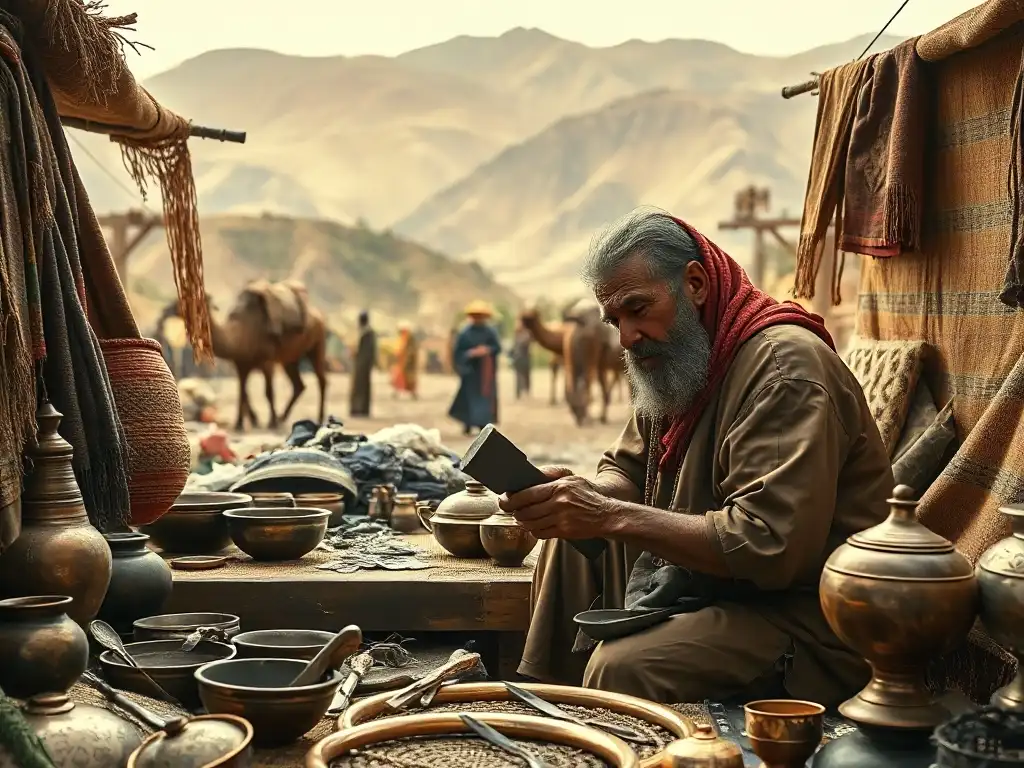
The mastery of metallurgy significantly impacted the Andean civilizations, profoundly shaping their trade networks and societal structures. The ability to extract, refine, and work with metals like copper, bronze, and gold fueled economic growth and spurred the development of sophisticated trade routes across the Andes. Understanding the evolution of Andean metallurgical techniques is crucial to comprehending the scale and complexity of the exchange of goods in the pre-Columbian era.
The development wasn't a linear progression; rather, it was a complex interplay of innovation, adaptation, and the dissemination of knowledge across different Andean cultures. This section will explore the key phases in the development of Andean metallurgy, focusing on the technological advancements that facilitated the extensive trade networks.
Early Copper Smelting Methods in the Andes
The earliest evidence of copper smelting in the Andes dates back to approximately 5000 years ago, a period characterized by rudimentary techniques. Archaeological findings suggest that initial smelting processes were likely carried out in open-air hearths or simple furnaces, utilizing readily available fuels such as wood and charcoal. The process involved heating copper ores, often malachite or azurite, to high temperatures to extract the molten metal. This early copper was often impure, containing significant amounts of slag and other impurities. The resulting metal was typically brittle and not as malleable as later refined copper.
Despite the limitations of these early techniques, the production of even rudimentary copper tools and ornaments marked a significant technological leap, providing Andean communities with superior tools for agriculture, hunting, and warfare. This technological advantage, in turn, contributed to increased agricultural yields and the growth of more complex social structures. The production of these early copper goods laid the foundation for the expansion of Andean metallurgy and, consequently, the expansion of trade networks. The distribution of these early copper artifacts indicates the early establishment of rudimentary trade routes, although the extent of these early networks is still under investigation by researchers. Further research is needed to fully understand the geographical distribution of these early smelting sites and the social organization surrounding their operation. Further analysis of the copper isotopes from these early artifacts could reveal more about the sources of the ore and the extent of early Andean trade routes.
Advanced Techniques: Alloying and Metal Shaping
Over time, Andean metallurgists refined their techniques, developing more sophisticated methods for smelting, alloying, and shaping copper. The introduction of alloying—combining copper with other metals such as tin or arsenic—resulted in the creation of bronze, a harder and more durable metal ideal for crafting tools and weapons. This technological advancement significantly enhanced the efficiency of agricultural production and warfare, further stimulating the demand for metal goods and expanding trade. The development of sophisticated casting techniques, such as lost-wax casting, allowed for the creation of intricate and detailed metal objects, including ceremonial artifacts, ornaments, and weaponry.
These techniques demanded a higher level of skill and expertise, solidifying the role of specialized metalworkers within Andean societies. The creation of these intricate items fueled a demand amongst different Andean communities, and the trade of these goods further helped to develop more complex trade networks. The development of these advanced techniques is evidenced by the increasing sophistication and diversity of metal artifacts found in archaeological sites across the Andes.
For example, the Moche culture (100-800 CE) is renowned for its mastery of metalworking, producing intricate gold and silver objects demonstrating advanced casting and repoussé techniques. The precise methods used, however, are still being studied and debated by scholars. Analyzing the chemical composition of these artifacts provides invaluable insight into the metallurgical practices and the sources of the raw materials used.
The Significance of Andean Metalworking Centers
The rise of specialized metalworking centers played a pivotal role in the development of Andean trade routes. These centers served as hubs for the production, distribution, and exchange of metal goods, attracting skilled artisans and merchants from across the region. The location of these centers was strategically chosen, often near sources of raw materials or along major transportation routes, facilitating efficient production and distribution. The existence of these centers highlights the importance of specialized labor and the development of complex economic systems within the Andean civilizations.
The concentration of skilled metalworkers in these locations facilitated the creation of high-quality metal goods, and the trade of these goods helped to create and maintain the routes themselves. The specific locations and characteristics of these centers vary depending on the culture and period in question, but their overall significance in shaping Andean trade networks remains undeniable. Further research is needed to fully understand the organizational structures of these centers and the relationship between the metalworkers, merchants, and the wider Andean societies.
For example, the role of elite patronage in supporting metalworking activities and the social status of metalworkers themselves require further investigation. The impact of these centers on the broader Andean economy and the exchange of goods can be considered a significant area of future research. Understanding these centers is key to understanding the overall impact of Andean metallurgy on trade routes.
Andean Metallurgy Trade Routes: Connecting Ancient Societies

The rise of sophisticated Andean metallurgy profoundly impacted the exchange of goods across vast distances, forging intricate trade networks that connected disparate communities. The availability of copper, bronze, and other metals wasn't evenly distributed throughout the Andes; this uneven distribution became a crucial driver of extensive trade routes, fostering economic interdependence and cultural exchange among diverse Andean societies. Understanding these routes provides crucial insight into the complex social, political, and economic structures of pre-Columbian Andean civilizations.
The strategic location of metal deposits and the demand for metal artifacts spurred the development of specialized transportation systems and sophisticated trade practices, leaving behind a legacy reflected in archaeological finds and historical accounts. Analyzing these ancient trade routes reveals a dynamic system of exchange that extended far beyond simple bartering, influencing the very fabric of Andean society. The keyword "Andean metallurgy trade routes" aptly captures this dynamic interaction between metalworking and commerce.
Key Trade Routes for Copper and Metal Goods
The distribution of copper and its alloys was far from uniform across the Andes. Significant copper deposits were located in specific regions, such as the Central Andes (including modern-day Peru and Bolivia) and the northern Chilean coast. This geographical concentration meant that societies lacking access to these resources had to establish trade relationships to obtain valuable metal goods. Archaeological evidence suggests the existence of several key trade routes:
- The Coastal Route: This route utilized the Pacific coast, facilitating the transport of metal goods along the sea. Evidence suggests the use of rafts and boats, enabling the movement of relatively large quantities of materials. The coastal route connected northern Chile, where copper was abundant, with the central and northern Peruvian coast, where the demand for copper tools and ornaments was high.
- The Highland Route: This route, traversing the challenging Andean terrain, connected highland mining centers with coastal settlements and other inland communities. This route likely relied heavily on pack animals like llamas, and involved traversing high mountain passes and navigating complex river systems. The transport of metal goods along this route required considerable organization and logistical planning.
- The Inland Route: This route connected different inland communities, facilitating the exchange of metal goods across regions with varying levels of metallurgical expertise. This route's specifics are less well-documented due to the challenges of archaeological investigation in these areas, but evidence suggests it played a vital role in distributing metalwork throughout the Andes.
The nature of these routes, whether primarily coastal or highland, varied depending on geography and the specific goods being traded. Some routes were likely more important for certain types of metal objects than others. For example, high-quality bronze items might have followed more carefully controlled routes than simpler copper tools. Further research is needed to fully understand the complexity and interplay of these routes.
The Role of Llamas in Andean Metal Transport
Llamas played a crucial role in the Andean metallurgy trade routes, serving as essential pack animals for transporting metal goods across the rugged Andean terrain. Their ability to navigate steep inclines and carry substantial loads made them ideally suited for this purpose. The sheer volume of metal artifacts discovered across vast distances provides strong evidence of the extensive use of llamas in this trade.
Their importance extended beyond mere transportation; llama herding was a significant economic activity in itself, and the control over llama herds may have been a factor in controlling access to trade routes. Furthermore, the trade in metal goods might have been interwoven with the trade in other goods, such as textiles, food, and other valuable resources, all transported by llamas.
The image of caravans of llamas laden with copper ingots and other metal objects is a powerful visualization of the scale and importance of this aspect of Andean trade. Further studies on llama dung and bone distribution along these routes can offer more detailed insights into trade patterns.
Coastal and Highland Trade Networks for Metal Exchange
The exchange of metal goods wasn't a simple matter of one-way transport. Complex networks connected coastal and highland communities, facilitating a reciprocal exchange of goods and services. Coastal communities, often possessing maritime expertise and access to marine resources, might trade fish, textiles, and other goods for the metal products from the highlands.
Similarly, highland communities might exchange metal goods for agricultural products from the coast. This intricate interplay created a dynamic system of economic interdependence, where the demand for metal goods in coastal areas fueled the production and trade in the highlands, and vice versa. This exchange was not limited to just raw materials; finished metal objects, such as tools, weapons, and ornaments, also circulated through these networks, demonstrating the advanced level of metallurgical craftsmanship and the sophistication of Andean trade systems.
The interaction between coastal and highland communities through these trade networks shaped cultural interactions and the spread of technological advancements. Further research into the specific goods exchanged within these networks can illuminate the broader economic and social structures of Andean societies.
Copper Artifacts as Indicators of Andean Trade and Exchange


Copper's prevalence in Andean archaeological sites serves as a powerful indicator of extensive trade networks throughout the region. The presence of copper artifacts, far from their source mines, demonstrates the sophisticated organization and reach of pre-Columbian Andean societies. Analyzing the distribution patterns of these artifacts—considering both the type of object and its stylistic features—allows researchers to reconstruct the flow of goods and the intricate relationships between different Andean cultures.
This analysis reveals not only the geographical extent of trade routes but also the social and political dynamics that shaped them. The sheer quantity of copper objects discovered across vast distances underscores the importance of copper as a valuable commodity and a key driver of economic interaction. Furthermore, the consistent stylistic variations observed in copper artifacts from different regions provide valuable insights into cultural exchange and the diffusion of ideas alongside material goods.
Copper Tools and Utensils: Evidence of Daily Life
The discovery of copper tools and utensils in diverse Andean contexts offers compelling evidence of widespread trade networks facilitating the distribution of essential daily items. Analysis reveals that while some regions possessed the necessary resources and expertise for copper smelting, others relied heavily on imports to meet their demand for everyday implements. For example, the distribution of copper axes, adzes, and chisels across the Andes demonstrates a robust exchange system connecting mountain communities with coastal settlements.
The stylistic similarities in some of these tools suggest a possible standardization of production, perhaps reflecting the dominance of certain workshops or the adoption of common manufacturing techniques. Moreover, the presence of copper needles and other tools related to textile production highlights the importance of copper in various aspects of Andean daily life and the far-reaching impact of trade in supporting these practices.
Variations in the alloying of copper, observed in different regions, may also reflect access to specific resources or technological innovations that spread through trade routes. The presence of copper tools in gravesites further emphasizes their significance and importance to the daily lives of individuals in Andean societies.
Ceremonial Metalwork: Symbolism and Power
Ceremonial copper objects, including elaborate vessels, masks, and ornaments, provide a unique lens through which to examine the role of Andean metallurgy in shaping social hierarchies and political power. These artifacts, often richly decorated and exhibiting intricate craftsmanship, were not merely functional items but powerful symbols of authority and religious significance. The distribution of such objects suggests a complex interplay between elite patronage, religious practices, and trade networks.
For instance, the discovery of finely crafted copper masks in distant locations points to the movement of prestige goods along established trade routes, potentially reflecting the influence of powerful rulers or religious leaders. The stylistic variations in ceremonial metalwork across different regions also highlight the importance of local traditions and artistic innovation within a broader context of inter-regional exchange.
The materials used in conjunction with copper, such as gold and silver, in these ceremonial pieces further reflect the value placed on these items and the level of sophistication involved in their creation and trade. The sheer size and weight of some ceremonial objects also emphasize the logistics involved in their transportation, highlighting the scale and organization of Andean trade networks.
Copper jewelry and adornments, such as necklaces, earrings, and bracelets, played a significant role in signifying social status and identity within Andean societies. The intricate designs and high-quality craftsmanship of these artifacts, combined with their widespread distribution, provide valuable insights into the social and economic structures of the time. Variations in style and the use of precious metals in combination with copper often reflected social standing.
Elaborate copper jewelry, often inlaid with gold or silver, was likely associated with elite individuals, while simpler pieces were probably more common among the general population. The presence of copper jewelry in burial contexts further supports its importance as a marker of social status and its role in funerary rituals. The consistent presence of specific styles of copper jewelry in geographically distinct regions suggests the existence of specialized workshops or the transmission of artistic techniques through trade networks.
The discovery of copper jewelry fragments in various locations demonstrates the wide distribution of these objects and their significance in daily life and social interactions. The study of these items allows us to trace the flow of cultural influences and the interconnectedness of different Andean communities through the lens of personal adornment.
The Economic Impact of Metallurgy on Andean Societies
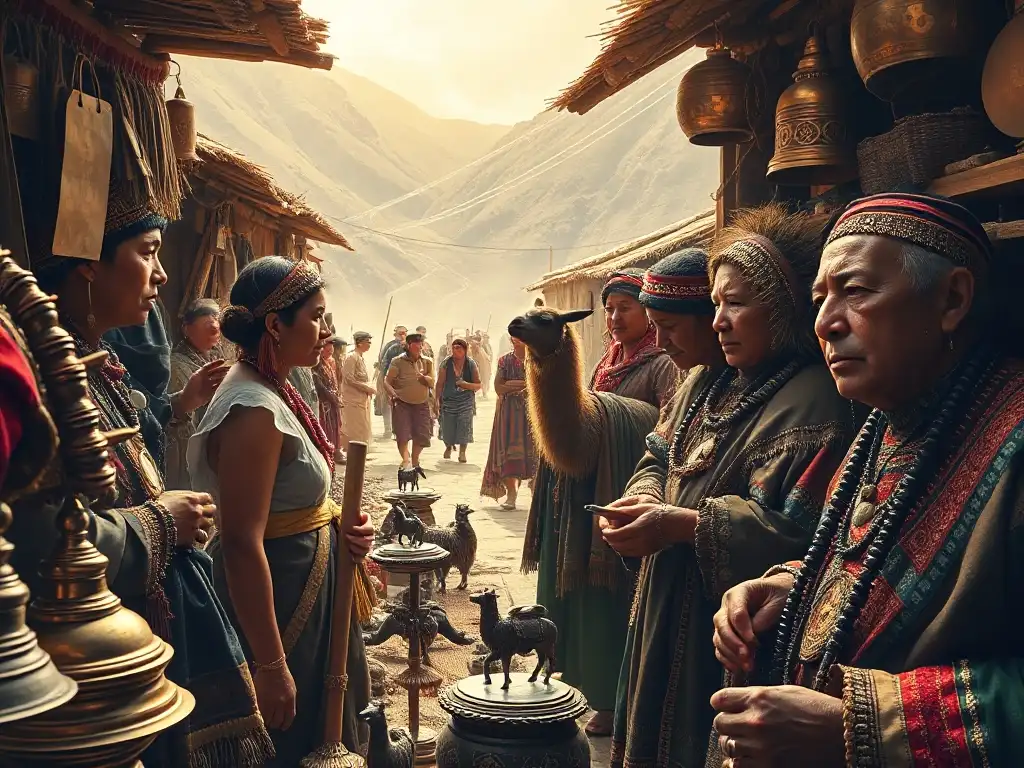
The mastery of Andean metallurgy profoundly reshaped the economic landscape of the Andes, impacting production, social structures, and trade networks. The ability to work with copper, bronze, and later gold and silver, allowed for the creation of tools and goods that far surpassed those made from stone or other readily available materials.
This technological leap spurred significant economic growth and fostered new forms of social organization and exchange, fundamentally altering the course of Andean civilizations. The impact wasn't merely technological; it was deeply intertwined with the social and political structures of the time, leading to the development of complex trade networks and the rise of specialized labor.
The availability of superior tools and the prestige associated with metalwork created a powerful engine driving economic expansion and societal transformation across the Andes. Analyzing the economic impact of Andean metallurgy provides a crucial window into understanding the complexity and dynamism of these ancient societies.
Increased Productivity through Copper Tools
The introduction of copper tools significantly boosted agricultural and industrial productivity in the Andes. Before widespread copper use, tools were primarily made of stone, obsidian, or bone, limiting efficiency and output. Copper tools, however, were stronger, sharper, and more durable. This meant that farmers could cultivate larger areas of land more quickly and efficiently.
Archaeological evidence reveals a clear correlation between the adoption of copper tools and increased agricultural yields. For instance, the expansion of irrigation systems in the Moche culture is directly linked to the increased availability and use of copper-alloy tools for digging canals and terracing hillsides. Similarly, textile production likely benefited immensely from the use of copper needles and other implements, leading to a greater volume and potentially higher quality of textiles.
The enhanced productivity resulting from copper tools fueled population growth and facilitated the development of more complex social structures. This increased output also created a surplus of agricultural goods and crafted items, which in turn became crucial commodities in the burgeoning Andean trade networks. The economic benefits of copper technology were therefore far-reaching, impacting not only agricultural production but also influencing the development of specialized crafts and the expansion of trade routes.
The Rise of Specialized Metalworking Communities
The growing demand for copper tools and ornaments led to the emergence of specialized metalworking communities. Initially, metalworking might have been a part-time activity undertaken by individuals within existing communities. However, as the demand increased, specialized workshops and settlements dedicated to metal production and craftsmanship developed. These communities often possessed access to specific resources, such as copper ore deposits and fuel sources, and developed unique expertise in various metallurgical techniques.
The Nazca culture, for example, is renowned for its sophisticated metalworking skills, producing intricate gold and copper objects. The development of these specialized communities indicates a significant level of economic and social stratification. Metalworkers held a privileged position within society, possessing valuable skills and contributing to the production of high-demand goods.
This specialization also led to the development of complex trade networks, as metalworking communities exchanged their products for other essential goods and resources. The rise of these specialized communities is a key indicator of the economic and social transformation brought about by Andean metallurgy. The concentration of expertise and resources contributed to the overall economic prosperity of the Andean region and facilitated the growth of interregional trade.
Metal Goods as Currency and Barter Items
Copper, bronze, and later precious metals like gold and silver, served not only as materials for tools and ornaments but also as a form of currency and barter items. Metal objects, due to their value and durability, became a crucial component of exchange systems across the Andes. Their use as currency or barter facilitated trade between different communities, often located at considerable distances from each other.
This is supported by the discovery of metal artifacts in archaeological sites far from known sources of ore, demonstrating the extensive reach of Andean trade networks. The value of metal goods varied depending on the type of metal, the craftsmanship involved, and the cultural significance of the item. For instance, intricately crafted gold ornaments held significantly higher value than simple copper tools.
The use of metal goods as currency and barter items played a vital role in integrating different Andean communities into a larger economic system and fostered the exchange of goods, ideas, and cultural practices. This system of exchange, based on the value of metals, contributed significantly to the economic integration and growth of the Andean region, underscoring the transformative role of Andean metallurgy in shaping the trade and economy of the region. The evidence suggests a sophisticated understanding of value and exchange, demonstrating the advanced economic systems of these ancient civilizations.
The Legacy of Andean Metallurgy in Modern Times
The sophisticated metallurgical techniques developed by Andean civilizations continue to resonate in modern-day practices and artistic expressions. While the scale of production has shifted dramatically, the fundamental skills and aesthetic sensibilities remain remarkably persistent. The intricate designs and masterful craftsmanship evident in pre-Columbian artifacts serve as inspiration for contemporary artisans, who utilize similar techniques – albeit with modern tools – to create jewelry, decorative items, and other works of art. This enduring legacy is not merely aesthetic; it also represents a crucial connection to a rich cultural heritage. The revival and adaptation of ancient Andean metalworking traditions contribute significantly to local economies, supporting communities whose livelihoods are intertwined with the preservation and dissemination of these ancient skills. This preservation is also vital for understanding the broader societal and economic structures of the past. The continued study of these techniques offers valuable insights into the ingenuity and resourcefulness of Andean peoples.
The Enduring Influence of Andean Metalworking Traditions
The impact of Andean metallurgy extends far beyond the realm of museum artifacts. Modern artisans across the Andes actively engage with the legacy of their ancestors, adapting and reinterpreting traditional techniques to create contemporary works. For example, the use of hammered copper and silver, a hallmark of pre-Columbian metalwork, persists in the creation of intricate jewelry and decorative objects.
These pieces often incorporate traditional motifs and designs, directly referencing the aesthetic canons established centuries ago. The skill required to work with these metals, passed down through generations, remains a vital part of the cultural identity of many communities. The use of lost-wax casting, a complex technique mastered by ancient Andean metallurgists, continues to be employed in the production of high-quality metal sculptures and figurines.
This continuity in technique demonstrates the enduring power of these traditions and their relevance to contemporary Andean society. The precise replication of ancient forms and styles, combined with the infusion of modern sensibilities, creates a vibrant and dynamic artistic landscape that bridges the past and present. The economic benefit of this craft shouldn't be overlooked; it provides sustainable livelihoods and cultural preservation.
Archaeological Insights into Ancient Andean Trade
Archaeological discoveries offer compelling evidence of extensive trade networks facilitated by Andean metallurgy. The presence of similar metallurgical styles and techniques across vast geographical distances points to a complex system of exchange, connecting different regions and cultures. For instance, the discovery of copper artifacts with characteristic Moche designs in Nazca sites, and vice versa, suggests active exchange and potentially even collaborative metalworking practices between these distinct civilizations.
Furthermore, the analysis of metal ores reveals the sources of raw materials and the routes they traveled to reach different workshops. Isotopic analysis of copper artifacts, for example, can pinpoint the specific mines from which the ore originated, providing crucial insights into the geographical reach of these trade networks. The distribution of finished goods, in turn, reveals patterns of consumption and exchange, illuminating the economic and social dynamics of Andean societies.
The study of these artifacts, therefore, is not just about the objects themselves; it's about understanding the complex web of relationships that connected different communities across the Andes. This detailed analysis helps paint a clear picture of the “Andean metallurgy trade routes”.
Current Archaeological Research and Discoveries
Ongoing archaeological research continues to refine our understanding of Andean metallurgy and its role in the exchange of goods. Recent excavations have uncovered new workshops and smelting sites, providing valuable insights into the production processes and the organization of labor. Technological advancements in analytical techniques, such as X-ray fluorescence spectroscopy (XRF) and electron microscopy, allow for a more precise analysis of the composition and manufacturing techniques of ancient metal artifacts.
This analysis allows researchers to trace the origins of materials, identify different metallurgical styles, and track the movement of goods across the vast Andean landscape. Moreover, the application of Geographic Information Systems (GIS) helps to map trade routes and analyze patterns of exchange with greater precision. These technological advancements, combined with new fieldwork, are contributing to a far more nuanced understanding of the complex interplay between metallurgy, trade, and social organization in the ancient Andes.
The ongoing discoveries continually rewrite our understanding of the sophistication and extent of Andean metallurgy and its impact on the region's economic and social development. The field is constantly evolving, adding to the body of knowledge and providing more complete picture of the "Andean metallurgy trade routes".
Frequently Asked Questions
What role did metallurgy play in the Andean trade networks?
Metallurgy was absolutely crucial to Andean trade. The production of high-quality metal goods, like copper tools and ornaments, fueled extensive trade routes across the Andes, connecting distant communities. These goods served as valuable commodities and prestige items.
Which Andean civilizations were most involved in metallurgy and trade?
Many Andean civilizations participated, but the Inca, Moche, and Nazca are particularly noteworthy. Their advanced metallurgical skills led to the production of highly sought-after goods, driving trade across vast distances. Tiahuanaco also played a significant role.
What types of goods were traded along the Andean metallurgy trade routes?
Besides copper and bronze objects, textiles, ceramics, and agricultural products were also exchanged. The trade networks facilitated the movement of both luxury items and essential resources, creating a complex and interconnected economic system.
How did the geography of the Andes influence the development of trade routes?
The Andean geography, with its high mountains and diverse ecosystems, presented challenges but also opportunities. Trade routes often followed river valleys and mountain passes, facilitating the movement of goods and people. This geography also influenced the types of goods traded.
How did the Andean metallurgy trade routes contribute to cultural exchange?
The exchange of goods also facilitated the spread of ideas, technologies, and religious beliefs. The interaction between different Andean cultures through trade led to a dynamic exchange of cultural practices that shaped the development of Andean societies.
Final Reflection: The Enduring Legacy of Andean Metallurgy
The intricate networks forged by Andean metallurgists continue to resonate today, reminding us of the power of human ingenuity and the enduring impact of trade on cultural exchange. The sophisticated techniques and far-reaching trade routes established centuries ago not only shaped the societies of the Andes but also offer valuable insights into the complexities of globalized economies, even in our modern era of instant communication and digital transactions. The echoes of these ancient practices are still felt in the vibrant cultural tapestry of the region.
The sheer scale and sophistication of Andean metallurgy, particularly the mastery of copper and gold working, continues to amaze and inspire. The ability to extract, refine, and craft these metals into intricate objects, traded across vast distances, speaks volumes about the organizational capacity and social structures of these ancient civilizations. The metal itself became a language, a medium for expressing power, status, and spiritual beliefs, woven into the very fabric of Andean society.
This statement highlights the profound influence of metallurgy, extending far beyond mere economic transactions, and shaping the very identity and beliefs of the Andean people.
Consider the enduring legacy of these ancient trade routes. You, the reader, are part of a globalized world, connected through intricate networks of exchange. Reflect on the parallels between the ancient Andean trade routes and the modern global economy. What lessons can we learn from their successes and failures? How can we build more sustainable and equitable systems of exchange, inspired by the ingenuity and resilience of the Andean metallurgists? Let the story of copper's conquest inspire you to explore the interconnectedness of our world and to strive for a future where trade fosters understanding and mutual prosperity.
Unveil the Legacy of Copper: Your Journey Awaits!
Thank you for exploring the fascinating world of Andean metallurgy and its profound impact on ancient trade and exchange. We hope you gained valuable insights into how copper shaped these ancient civilizations. Now, let's build upon that knowledge!
Here's how you can continue your exploration:
- Participate in a hands-on workshop focusing on ancient metalworking techniques. This will provide a truly immersive learning experience.
- Delve deeper into Andean history through books and documentaries to further understand the cultural significance of their trade practices.
- Share this article with friends and online communities interested in ancient history to spark engaging conversations.
How have the innovations in ancient Andean metallurgy influenced modern trade practices?