
The Flow of Ideas: How Barter Facilitated Cultural Exchange in the Andes

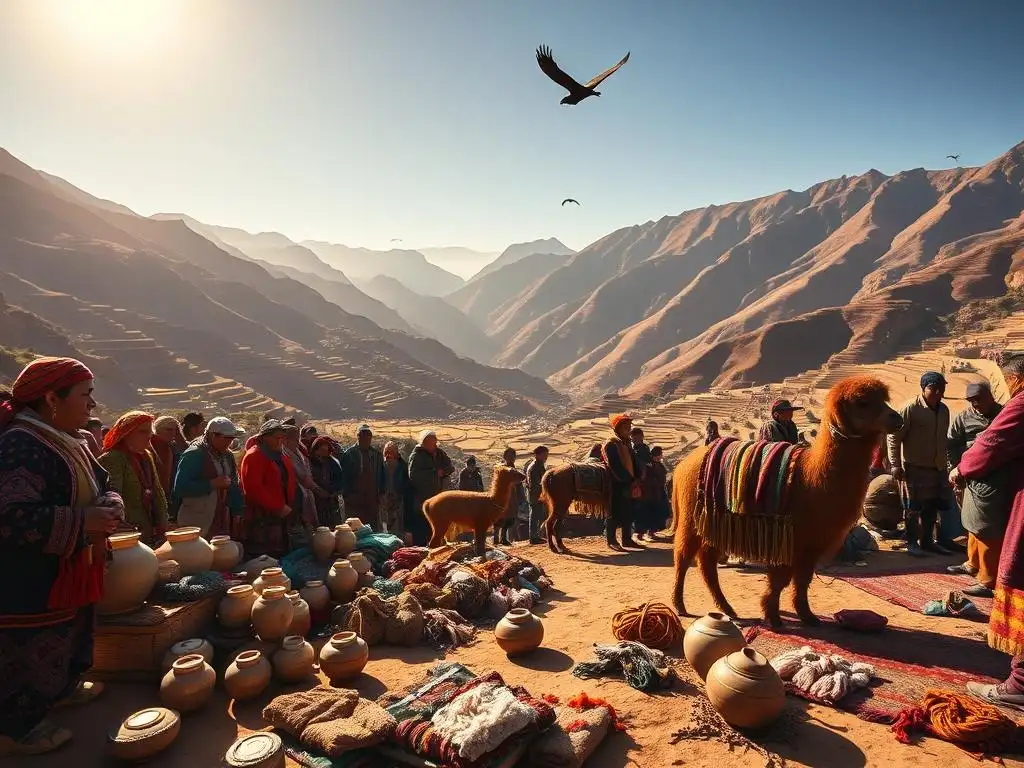
Step into a world lost to time, yet echoing with vibrant life. Imagine a landscape sculpted by towering mountains and ancient ingenuity, where civilizations flourished and traded not with coins, but with the very essence of their cultures. Prepare to unravel the mysteries of the Andean civilizations barter system, a complex network that fueled innovation and shaped the destinies of the Incas, Moche, Nazca, and Tiahuanaco. Discover how the flow of goods, ideas, and artistry redefined the Andean world—a story waiting to be explored.
The vast and diverse landscapes of the Andes Mountains were not only home to stunning natural beauty but also to a complex tapestry of ancient civilizations. For centuries, these societies—including the Incas, Moche, Nazca, and Tiahuanaco—thrived and interacted, exchanging not just goods but also ideas and cultural practices. This intricate network of interaction was significantly facilitated by a sophisticated, albeit non-monetary, system: barter.
This article delves into the crucial role of barter in shaping the cultural landscape of the Andes, exploring how the exchange of goods fostered the dissemination of knowledge, artistic styles, technological innovations, and religious beliefs across these distinct Andean civilizations. We will examine the intricacies of the Andean civilizations barter system, revealing its impact on trade and the overall development of these remarkable societies.
Understanding this system is key to appreciating the interconnectedness and dynamism of pre-Columbian Andean life. The Andean civilizations barter system wasn't simply a method of acquiring necessities; it was a powerful engine driving cultural evolution and interaction.
Understanding Andean Civilizations' Barter System
The Andean civilizations barter system wasn't a haphazard exchange of goods. Instead, it was a carefully structured system reflecting the unique ecological and social contexts of each civilization. Different regions boasted unique resources – coastal areas provided fish and shellfish, highlands offered llamas and potatoes, and the Amazonian foothills yielded diverse fruits and medicinal plants. This inherent resource diversity fueled a vibrant system of exchange.
The process often involved complex negotiations, considering not only the quantity but also the quality and perceived value of the goods being traded. For instance, finely crafted textiles from the Nazca culture, renowned for their intricate designs, held significantly higher value than simpler woven goods. Similarly, metalwork from the Moche civilization, known for their sophisticated gold and silver techniques, commanded a premium.
The absence of a standardized currency meant that value was determined through a combination of factors:
- Utility: The practical use of a good (e.g., food, tools, textiles) directly impacted its value.
- Rarity: Scarce goods, such as certain types of stones or feathers, held higher value.
- Aesthetic Value: The artistic merit and craftsmanship of an object played a significant role in its worth. This is clearly evidenced in the high value placed on intricately designed ceramics and textiles.
- Social Status: Certain goods, associated with elite classes, would command higher value due to their exclusivity.
This intricate system required a deep understanding of regional specialties and a sophisticated negotiation process, highlighting the advanced social and economic structures of these Andean societies. Evidence suggests that specialized markets and trading routes existed, further indicating the complexity and organization of this barter-based economy. Archaeological findings, such as storage facilities and the presence of standardized weights and measures in some regions, point towards a highly developed system of resource management and exchange.
The Significance of Barter in Andean Trade
The Andean civilizations barter system transcended simple economic transactions; it served as a crucial conduit for cultural exchange. The movement of goods across vast distances facilitated the dissemination of ideas, technologies, and artistic motifs. For example, the spread of agricultural techniques, such as the cultivation of specific crops, likely occurred through barter networks. Similarly, artistic styles and religious iconography often traveled along these trade routes, leading to a fascinating blend of cultural influences. The stylistic similarities observed in ceramics, textiles, and metalwork from different Andean cultures are testament to this cross-cultural exchange.
Furthermore, the establishment of trade routes fostered social connections and alliances between different groups. Regular interactions between traders from various regions led to the exchange of not only material goods but also knowledge, beliefs, and customs. This process helped to create a sense of shared identity and facilitated the spread of innovations across a wide geographical area.
The exchange of religious beliefs and rituals through barter also contributed to the development of shared cosmological perspectives across many Andean communities. It's a testament to the power of seemingly simple economic interactions in shaping the complex cultural mosaic of the Andes. Further research into specific trade routes and the analysis of exchanged artifacts will undoubtedly reveal even more about the profound influence of the Andean civilizations barter system on the region's rich cultural heritage.
Pre-Incan Barter Networks: Laying the Foundation
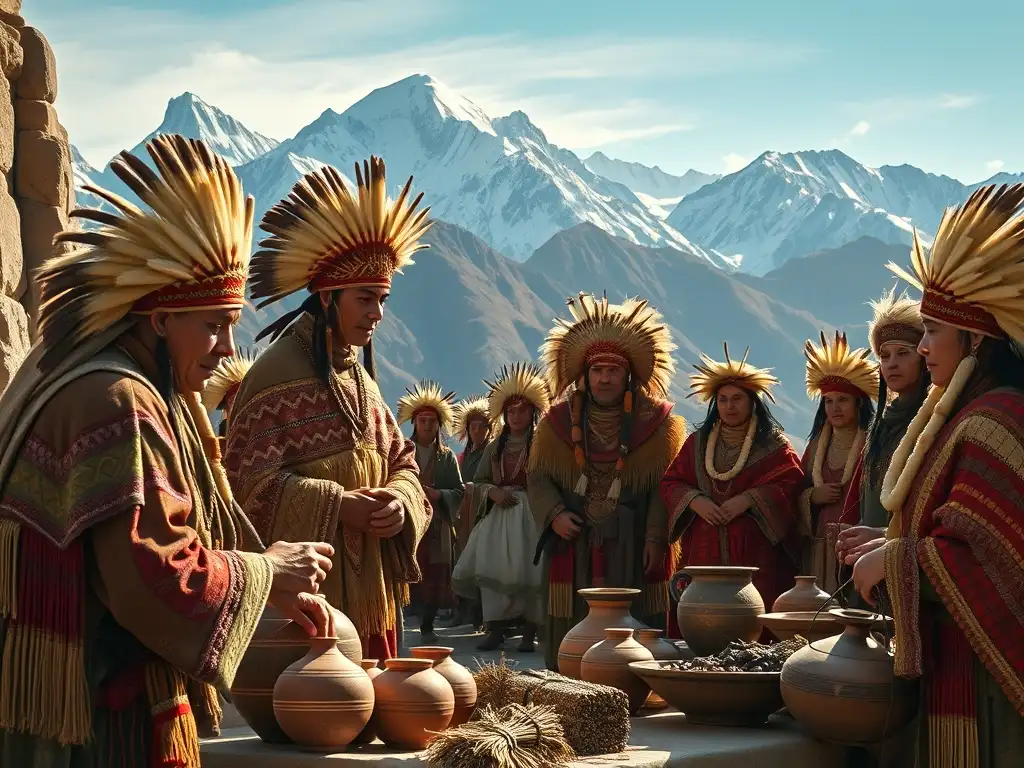
The Andean civilizations' barter system wasn't a monolithic entity that sprang into existence fully formed with the Inca. Instead, it evolved over millennia, with complex networks of exchange developing long before the Inca Empire's rise. Understanding these pre-Incan systems is crucial to appreciating the scale and sophistication of later Andean trade.
The foundation for the extensive Inca trade routes and sophisticated economic organization was laid centuries earlier by diverse cultures who developed ingenious methods for exchanging goods and ideas across challenging terrains. These early systems involved a fascinating interplay of local needs, regional specialization, and the gradual development of long-distance trade routes. This section will delve into the early stages of Andean exchange, focusing on the pre-Inca period.
Early Forms of Andean Exchange
The earliest forms of Andean exchange were likely localized, based on reciprocal gift-giving within small communities. Archaeological evidence suggests that even in the early formative periods (around 3000 BCE), communities were engaging in limited exchange of essential goods like obsidian tools, pottery, and agricultural products. This reciprocal exchange, often embedded in social rituals and kinship ties, laid the groundwork for more formalized barter systems. The exchange wasn't solely transactional; it reinforced social bonds and solidified alliances between groups.
Think of it as a system of "gift-giving with an expectation of return," rather than a purely economic transaction. This early system, while less structured than later forms, was vital in disseminating knowledge and technology across the Andes. The spread of agricultural techniques, for example, likely relied heavily on this informal exchange of goods and knowledge.
The development of agriculture itself profoundly impacted early exchange networks. The cultivation of staple crops like maize, potatoes, and quinoa created surpluses, leading to the potential for trade. Communities specializing in different crops or crafts could then exchange their surplus goods, fostering inter-community interaction and economic interdependence. This early surplus production and trade would later become a cornerstone of more complex regional networks. The transition from localized exchange to regional networks marked a significant step toward a more formalized Andean civilizations barter system.
Regional Specialization and Barter
As Andean societies became more complex, regional specialization emerged as a defining characteristic of their economies. Different ecological zones fostered the production of distinct goods. Coastal communities specialized in fishing and the production of textiles using marine resources; highland communities focused on agriculture, particularly potatoes and quinoa; and intermediate valleys produced a variety of crops and goods.
This diversification generated a need for a more structured system of exchange, leading to the development of sophisticated barter networks. The system wasn't simply a matter of swapping one item for another; it involved complex calculations of value based on factors like labor, scarcity, and perceived utility. Evidence suggests the use of standardized weights and measures for certain goods, indicating a level of economic sophistication far beyond simple bartering.
For instance, consider the coastal communities of the north coast. They were renowned for their exquisite textiles and metalwork. These items, highly valued in the highlands, would have been traded for agricultural products that were scarce in the coastal regions. This exchange wasn't haphazard; it involved established trade routes and, likely, intermediaries who facilitated the movement of goods across vast distances. The development of these regional specializations and the associated barter systems fostered economic growth and cultural exchange throughout the Andes. The Andean civilizations barter system became a key driver of innovation and technological diffusion.
Examples of Pre-Incan Trade Routes
While precise details of pre-Incan trade routes remain elusive, archaeological evidence points to significant networks connecting different regions. The movement of obsidian, a volcanic glass used for tools, is a prime example. Obsidian sources were geographically limited, yet obsidian artifacts have been found throughout the Andes, indicating extensive trade networks reaching across hundreds of kilometers. The distribution patterns of specific types of pottery, textiles, and metalwork also provide valuable insights into pre-Incan exchange.
For example, the distinctive pottery styles of the Moche culture on the northern coast are found in sites far inland, showcasing the reach of their trade networks. Similarly, the intricate textiles of the Nazca culture in southern Peru have been discovered in distant locations, demonstrating the scale of their interactions with other communities. These examples highlight the considerable effort and organization involved in maintaining these pre-Inca trade routes.
The absence of a unified political entity did not prevent the establishment of extensive and effective exchange networks. This demonstrates the inherent drive of Andean societies to collaborate and exchange goods and ideas, which would later be further developed and refined under the Inca Empire.
These routes, while not as extensive as those under the Inca, were vital in shaping the economic and cultural landscape of the Andes long before the Inca's rise to power. Further research and archaeological discoveries promise to shed more light on the intricacies of these early Andean civilizations barter system and their impact on the region's development.
The Inca Empire's Barter System: A Structured Approach
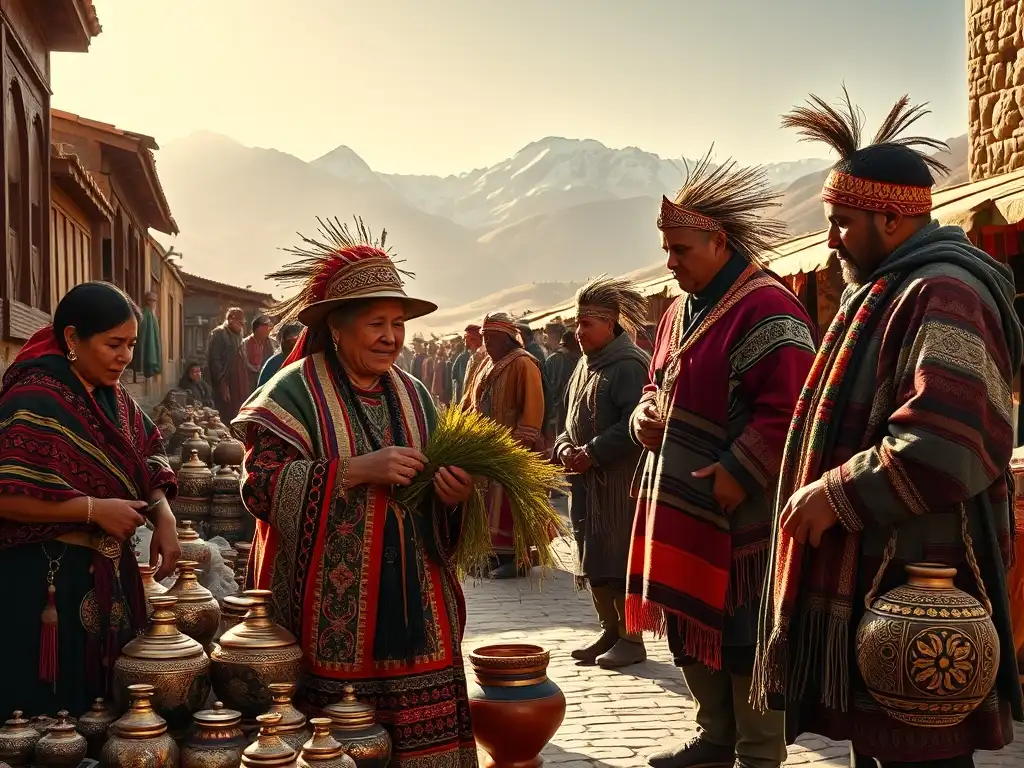
The Inca Empire, renowned for its sophisticated infrastructure and administrative prowess, didn't rely solely on a monetary system. Instead, a complex barter system, interwoven with principles of reciprocity and redistribution, formed the backbone of their economic activity. This system, far from being chaotic, was meticulously organized and tightly controlled by the state, ensuring the efficient distribution of resources across the vast empire.
Understanding the Inca barter system is key to comprehending the intricate workings of their society and the remarkable level of integration achieved across diverse ecological zones. The Andean civilizations barter system was far from primitive; it was a sophisticated tool for social engineering and economic stability.
Inca Barter Practices and Regulations
Inca barter wasn't simply a matter of exchanging goods directly. The empire maintained extensive storehouses ( qollqas) strategically located throughout its territory. These served as central repositories for agricultural surpluses, textiles, and crafted goods. The state controlled the flow of goods into and out of these storehouses, effectively managing the distribution of resources. Farmers, artisans, and other producers would contribute a portion of their output to these qollqas as a form of tribute. In return, they received access to goods they needed but didn't produce themselves. This system ensured a degree of economic equity and prevented localized shortages. Regulations likely existed to standardize exchange rates, though the specifics remain debated among scholars. Evidence suggests that certain goods, such as precious metals or fine textiles, held higher value and were used as a form of standardized exchange medium, similar to a proto-currency. The system was not entirely free-market; the Inca state carefully controlled the process to meet its own needs and maintain social order. This intricate network of regulated exchange is a testament to the Inca's advanced administrative capabilities. Further research is needed to fully elucidate the precise mechanisms and regulations governing Inca barter.
The Role of Reciprocity in Inca Exchange
Reciprocity was fundamental to the Inca barter system. The concept of ayni, a system of mutual obligation and assistance, permeated all aspects of Inca society. This wasn't simply a matter of informal exchange; it was a deeply ingrained social principle that underpinned economic interactions. Ayni extended beyond simple barter, encompassing labor exchange, communal projects, and social obligations.
For example, a community might collectively build a canal, with individuals contributing their labor and receiving support in return during their own periods of need. This system fostered strong social bonds and ensured the cooperation necessary for large-scale projects. The state leveraged ayni to mobilize labor for its infrastructure projects, further emphasizing the interconnectedness of economic and social structures within the Inca Empire. The integration of ayni into the barter system demonstrates the holistic approach the Incas took towards resource management and social cohesion.
Goods Exchanged within the Inca Empire
The Inca barter system facilitated the exchange of a remarkably diverse array of goods. Agricultural products formed a significant portion of traded items, with maize, potatoes, quinoa, and coca leaves being particularly important. Textiles, ranging from simple clothing to elaborate tapestries, were highly valued and widely exchanged.
Metalwork, particularly in gold and silver, played a crucial role, though not strictly as currency but rather as high-value goods used in ceremonial contexts and elite exchanges. Other goods included ceramics, tools, and specialized crafts. The empire's vast network of roads and relay runners ensured the efficient movement of these goods across diverse ecological zones, connecting the highlands with the coast and the Amazon basin.
This complex exchange network not only facilitated economic growth but also fostered cultural exchange and the diffusion of ideas and technologies across the empire. The sheer variety of goods exchanged reflects the economic diversity and sophisticated organization of the Inca Empire. A more complete understanding of the specific quantities and regional variations in traded goods would further illuminate the dynamism of this system.
Barter as a Catalyst for Cultural Exchange in the Andes

The Andean civilizations, renowned for their intricate social structures and impressive technological advancements, relied heavily on a robust barter system to facilitate trade and, crucially, cultural exchange. This wasn't simply a transactional process; it was a dynamic engine driving the dissemination of ideas, artistic styles, and technological innovations across vast distances and diverse cultures. Understanding the Andean barter system is key to comprehending the interconnectedness of these seemingly disparate societies and the surprising homogeneity of certain cultural aspects across the region.
The absence of a unified currency meant that the exchange of goods became a powerful mechanism for the transmission of knowledge and cultural practices. This intricate network of exchange played a pivotal role in shaping the unique character of Andean civilizations.
The efficient movement of goods, from textiles to ceramics, acted as a conduit for the flow of ideas and artistic inspiration. The very act of bartering fostered interaction and communication, leading to the blending and adaptation of cultural elements.
The Transmission of Ideas Through Barter
The exchange of goods in the Andean barter system wasn't a silent transaction. It was an opportunity for interaction, storytelling, and the sharing of knowledge. Consider the exchange of coca leaves, a vital element in Andean life, used in religious ceremonies and daily life. The journey of these leaves, traded across mountain passes and along coastal routes, carried with them stories, beliefs, and agricultural techniques associated with their cultivation.
This created a ripple effect, spreading knowledge about optimal growing conditions, processing methods, and even the spiritual significance of coca across different communities. Similarly, the trade of textiles facilitated the spread of weaving techniques, color palettes, and symbolic patterns. A vibrant, intricately woven textile from the Nazca region, bartered with a coastal community, could introduce new design elements and inspire local artisans, leading to a fusion of styles.
This wasn't just about the physical exchange of goods; it was about the transmission of cultural capital, enriching the artistic heritage of the entire region. The bartering process itself became a form of informal education, transmitting practical skills and cultural knowledge. We can imagine conversations around weaving techniques, agricultural practices, and even religious beliefs taking place during these exchanges, fostering a sense of shared cultural identity across seemingly disparate Andean communities.
Impact of Trade on Andean Art and Technology
The Andean barter system significantly influenced the development of art and technology across the region. The dissemination of materials, techniques, and artistic styles through trade led to a cross-pollination of ideas and innovations. For example, the spread of metalworking techniques, initially concentrated in certain areas, can be directly linked to the barter system.
The exchange of metallic ores and finished metal objects facilitated the diffusion of expertise and the development of new alloys and techniques. This resulted in a remarkable standardization of metalworking across vast geographical regions, showcasing the power of the barter system to overcome geographical barriers and promote technological innovation. Similarly, the exchange of pottery styles and techniques reveals a dynamic interplay between different Andean cultures.
The vibrant polychrome pottery of the Moche, for example, influenced the ceramic styles of neighboring groups, demonstrating the impact of trade on artistic evolution. The barter system wasn't just about the exchange of finished goods; it also facilitated the exchange of raw materials, tools, and knowledge, leading to the development of increasingly sophisticated technologies and artistic expressions across the Andean world. The evolution of Andean metallurgy, pottery, and textile production can be directly attributed to this dynamic exchange facilitated by barter.
Cultural Diffusion through Andean Exchange Networks
The Andean exchange networks, fueled by the barter system, were not merely economic channels; they were vital pathways for the diffusion of religious beliefs, social practices, and even political ideologies. The movement of objects imbued with religious significance, such as ritual artifacts or ceremonial textiles, played a significant role in spreading religious beliefs and practices across the Andes. These objects often carried symbolic meaning and served as powerful agents of cultural transmission, strengthening the interconnectedness of Andean societies.
For instance, the widespread presence of similar religious motifs in pottery and textiles from different regions suggests a shared belief system, possibly reinforced through the exchange of these objects during barter transactions. Moreover, the exchange of agricultural products and livestock could also have facilitated the spread of agricultural practices and social structures. The introduction of new crops or animal husbandry techniques could lead to shifts in social organization and economic activities, further contributing to the cultural transformation of Andean communities.
The integrated nature of the Andean barter system reveals a complex interplay between economic activity, cultural exchange, and the development of shared identities across the region. The system was not merely a facilitator of trade; it was a powerful engine of cultural diffusion, shaping the unique and complex tapestry of Andean civilization. The scale and effectiveness of this diffusion, achieved without a unified currency or centralized political authority, remains a remarkable testament to the ingenuity and social cohesion of the Andean people.
Case Studies of Barter and Cultural Impact
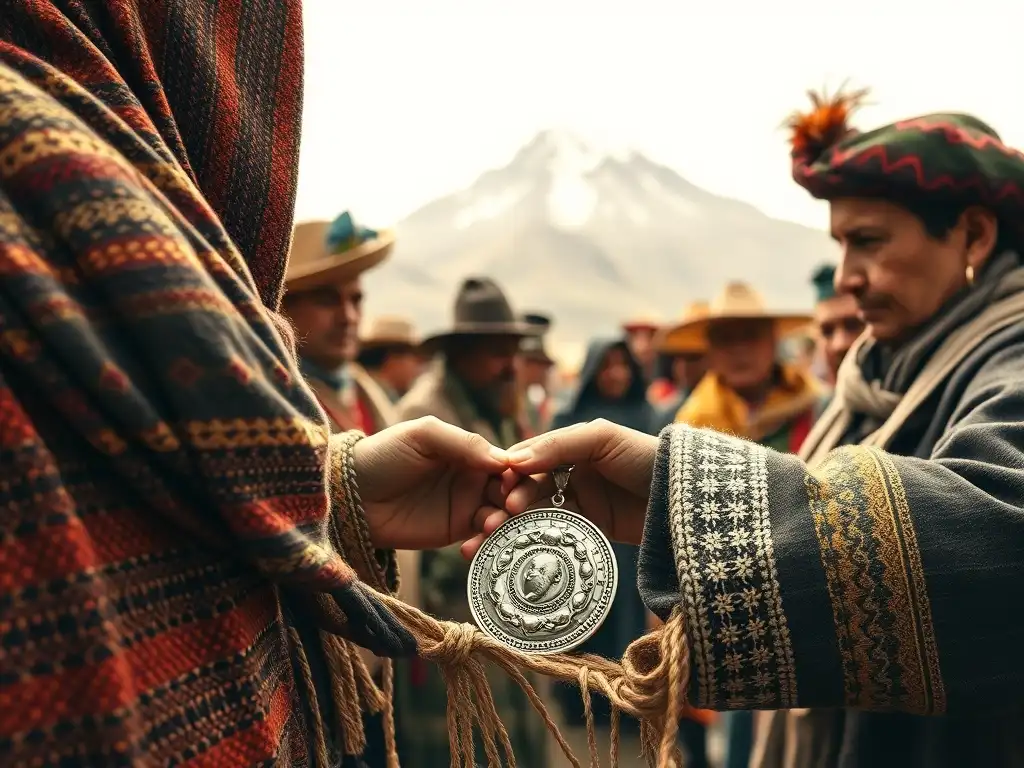
This section delves into specific examples of how the Andean barter system facilitated cultural exchange, highlighting the flow of goods and the reciprocal influence on different societies. Analyzing these case studies provides a clearer picture of the intricate web of interactions that shaped Andean civilizations. The impact extended beyond mere economic transactions; the exchange of goods often involved the transmission of ideas, technologies, and artistic motifs, enriching the cultural tapestry of the region.
Understanding the dynamics of these exchanges is crucial to comprehending the complexity and interconnectedness of Andean societies. The keyword "Andean civilizations barter system" is central to this analysis, illustrating its significance in shaping the region's history and culture.
Coastal Trade of Spondylus Shells and its Impact
The vibrant coastal economies of the Andes relied heavily on the trade of Spondylus shells, prized for their vibrant colors and perceived sacred significance. These shells, harvested primarily along the Ecuadorian coast, were highly valued throughout the Andean region, serving as both currency and symbolic objects. Their distribution reveals extensive trade networks connecting coastal communities with those in the highlands. Evidence suggests Spondylus shells were not simply exchanged for goods; they were often incorporated into elaborate ceremonies and rituals, reflecting the integration of coastal beliefs and practices into highland cultures.
The impact of this trade was multifaceted. First, it fostered economic interdependence between coastal and highland settlements. Highland communities, lacking access to Spondylus, relied on coastal traders for this valuable commodity, exchanging agricultural products and other goods in return. Second, the movement of Spondylus shells facilitated the spread of religious and artistic ideas.
The shells' incorporation into ceremonial objects and artwork suggests a transfer of beliefs and symbolic systems, enriching the religious practices of both coastal and highland communities. Finally, the long-distance trade networks associated with Spondylus likely contributed to the development of sophisticated organizational structures and communication systems across vast distances. The sheer scale of this trade, spanning hundreds of kilometers and involving multiple cultural groups, showcases the remarkable capabilities of Andean societies in managing complex economic and social interactions.
Highland Barter of Potatoes and Quinoa and Cultural Interaction
The Andean highlands, characterized by diverse ecological zones and agricultural practices, witnessed extensive barter systems centered around staple crops like potatoes and quinoa. Different varieties of potatoes and quinoa, adapted to specific altitudes and microclimates, were traded between communities, creating networks of exchange that fostered cultural interaction. This exchange wasn't simply a matter of economic necessity; it also played a crucial role in disseminating agricultural knowledge and techniques. Farmers shared information about cultivation methods, crop varieties, and storage techniques, leading to improvements in agricultural productivity and resilience across the region.
The exchange of agricultural goods also had a significant social impact. Barter transactions often took place during festivals and ceremonies, creating opportunities for social interaction and the exchange of cultural practices. This facilitated the spread of traditions, beliefs, and artistic styles across different communities, fostering a sense of shared identity and cultural cohesion.
For example, the sharing of culinary traditions, involving unique preparation methods for potatoes and quinoa, contributed to the diversification of Andean cuisine and strengthened cultural ties between different groups. The enduring importance of potatoes and quinoa in Andean diets today is a testament to the long-term impact of these historical barter systems. Analysis of archaeological sites reveals the extensive spread of specific potato and quinoa varieties, directly correlating with established trade routes.
Inter-Regional Exchange of Textiles and its Consequences
Textiles played a crucial role in the Andean barter system, serving as both a medium of exchange and a carrier of cultural meaning. The intricate weaving techniques and symbolic designs embedded in Andean textiles reflected the unique artistic traditions of different communities. The exchange of textiles, therefore, facilitated the spread of artistic styles and technological innovations across the Andes.
Fine textiles from coastal areas, known for their use of cotton and intricate designs, were highly valued in the highlands and traded for highland agricultural products. Similarly, highland communities, renowned for their mastery of wool weaving, traded their textiles for coastal goods.
This inter-regional exchange of textiles had profound consequences. First, it fostered artistic cross-fertilization, as different weaving traditions influenced each other, leading to the development of new styles and techniques. Second, it strengthened social and political ties between different communities. The gifting of textiles during ceremonial occasions served as a means of establishing alliances and reinforcing social hierarchies.
Third, the exchange of textiles contributed to the development of specialized craft production, as communities focused on producing the goods for which they were most renowned. This specialization, in turn, fostered economic efficiency and increased the overall productivity of the Andean economy. The intricate designs and symbolic representations woven into Andean textiles serve as powerful visual records of these complex cultural exchanges, mirroring the interconnectedness of the Andean civilizations.
The Enduring Legacy of Andean Barter Systems
The Andean region's intricate barter system wasn't merely a relic of the past; its influence resonates even today. While modern economies rely heavily on monetary systems, remnants of traditional exchange practices persist in many Andean communities. This enduring legacy highlights the system's resilience and adaptability, showcasing its deep integration into the social fabric of the region.
Understanding this enduring presence is crucial to grasping the full impact of the Andean civilizations' economic structures and their lasting effects on modern Andean societies. The continued presence of barter demonstrates the system's effectiveness in certain contexts, even in the face of globalization and the widespread adoption of monetary economies.
The Persistence of Barter in Andean Communities
Even in the 21st century, barter continues to play a significant role in several Andean communities, particularly in remote areas with limited access to markets and formal financial institutions. This isn't simply a nostalgic practice; it's a vital economic strategy. For instance, in some Quechua communities, farmers might exchange surplus potatoes for textiles woven by neighboring communities. This direct exchange bypasses the complexities and potential costs of monetary transactions, fostering strong social bonds and ensuring community resilience.
This system often prioritizes reciprocal relationships and trust, values deeply embedded in Andean cultures for centuries. The exchange isn't solely about goods; it’s about strengthening social ties and maintaining a sense of communal interdependence. The persistence of this system underscores its efficacy in meeting the specific economic needs of these communities.
The continued prevalence of barter also highlights the limitations of a purely monetary economy in these regions. Infrastructure challenges, limited access to banking services, and even mistrust of formal financial institutions contribute to the enduring relevance of traditional exchange methods. Furthermore, the barter system often allows for a more flexible and personalized form of transaction, accommodating the unique needs and resources within a community. This flexibility is often absent in a standardized monetary system.
Lessons from Ancient Andean Economic Practices
Studying ancient Andean barter systems offers valuable insights for contemporary economic models. The sophistication of their exchange networks, the intricate systems of record-keeping (often overlooked in discussions of Andean civilization), and the emphasis on reciprocal relationships provide lessons in sustainable and community-focused economic development. For example, the highly organized systems used by the Inca Empire, while operating on a larger scale, demonstrate effective strategies for resource management and distribution.
Their extensive road networks facilitated trade and ensured the flow of goods across vast distances, minimizing disruptions and ensuring a relatively stable economy. Analyzing the Inca's logistical prowess, combined with the Moche's sophisticated craft production and trade networks, provides valuable models for optimizing resource allocation and fostering economic interdependence. These ancient practices highlight the importance of considering social and environmental factors alongside purely economic ones.
The Inca's system, in particular, demonstrates the importance of infrastructure in facilitating efficient trade. Their advanced road system, coupled with their system of mit'a (labor tax), allowed for the efficient movement of goods and people across their vast empire. This infrastructure ensured the reliable flow of vital resources and contributed significantly to the stability and longevity of the Inca state. While the scale differs vastly, studying their logistical achievements provides practical lessons for modern-day infrastructure planning and resource management, particularly in developing economies.
Andean Civilizations' Barter System: A Model of Sustainable Exchange
The Andean civilizations' barter system provides a compelling example of a sustainable exchange model. Unlike modern economies that often prioritize growth at the expense of environmental and social well-being, the Andean system was inherently tied to the environment and the social fabric of the communities involved. The exchange of goods was often deeply embedded in reciprocal relationships and seasonal cycles, fostering a sense of balance and sustainability. The emphasis on local production and the utilization of readily available resources minimized the environmental impact of the exchange process. This contrasts sharply with the often environmentally damaging practices of globalized trade.
Furthermore, the Andean barter system fostered strong social bonds and community cohesion. The act of exchanging goods was not merely a transaction; it was a social interaction that reinforced community ties and mutual support. This social dimension is often overlooked in discussions of economic systems but is crucial to understanding the long-term sustainability of the Andean model. The system’s emphasis on reciprocity ensured a sense of fairness and mutual benefit, minimizing potential conflicts and promoting cooperation.
This model offers a valuable alternative to the often exploitative dynamics of modern global trade, promoting a more equitable and sustainable form of economic interaction. The emphasis on local production and community-based exchange demonstrates a model of sustainable economic practices that are increasingly relevant in today's world. Understanding and appreciating this ancient system can offer valuable insights for modern efforts towards building more sustainable and equitable economies.
Frequently Asked Questions
What role did barter play in Andean civilizations?
Barter was a crucial economic system in the Andes, facilitating trade and interaction between different groups. It wasn't just about goods; it also fostered the exchange of ideas and technologies. This led to a rich cultural tapestry across the region.
How did the geography of the Andes influence the barter system?
The diverse geography of the Andes, with its varied climates and resources, made barter essential. Groups in different ecological zones had to trade to obtain necessary goods. This geographical diversity drove economic interdependence.
Did all Andean cultures use the same barter system?
While the basic principle of barter was common, the specific practices varied across different Andean cultures. The types of goods traded and the methods of exchange differed depending on the specific group and their environment.
What types of goods were commonly bartered in the Andes?
A wide variety of goods were bartered, including agricultural products (potatoes, maize, coca), textiles, metals, and luxury items. The specific goods traded depended on the availability and needs of the participating groups. Ceramics were also highly valued.
How did the barter system contribute to cultural exchange in the Andes?
The physical act of exchange fostered interaction and the flow of ideas. Through barter, Andean cultures shared not only goods but also artistic styles, technologies, and religious beliefs, resulting in a complex and interconnected cultural landscape.
Final Reflection: The Enduring Legacy of Andean Exchange
The intricate system of barter that defined Andean civilizations wasn't merely a method of trade; it was a vibrant artery pumping lifeblood—ideas, technologies, and artistic expressions—through the heart of a vast and diverse landscape. Its impact resonates even today, shaping our understanding of pre-Columbian societies and challenging our modern assumptions about economic systems.
The enduring power of this exchange system lies not just in its economic function, but in its profound social and cultural implications. It fostered a sense of interconnectedness across disparate communities, creating a network of shared knowledge and mutual dependence. This intricate web of relationships, built on trust and reciprocal exchange, stands in stark contrast to the often-individualistic nature of modern commerce. The true wealth of a nation is not its gold and silver, but its people and their capacity for cooperation.
This sentiment, though not from the Andean context, perfectly captures the spirit of their barter system and its lasting impact.
Consider the implications of this for your own life. How can we foster a more collaborative and interconnected approach to exchange, not just of goods, but of ideas and perspectives? Think beyond the transactional; embrace the potential for mutual enrichment that lies at the heart of genuine exchange. Let the legacy of Andean barter inspire you to build bridges, share knowledge, and create a more vibrant and interconnected world, one interaction at a time.
Unleash Your Curiosity: Engage with the World of Barter!
Thank you for joining us on this enlightening journey exploring the intricate dynamics of barter and cultural exchange in the Andes! We hope you've gained valuable insights into how trade has shaped communities and enriched cultures throughout history. Now, let's delve deeper into this fascinating subject.
- Join a local community exchange group or start one with friends to experience firsthand the power of exchanging goods and services without money. It's a rewarding way to connect with your neighbors and discover hidden talents within your community.
- Explore online resources showcasing the diverse exchanges facilitated by barter throughout history, particularly within Andean civilizations. You'll discover a wealth of information about their rich cultural heritage and the ingenuity of their trading systems.
- Share this article with friends and family, or post it on social media to spark conversations about barter and its relevance to our modern economy. Consider the implications of a system that prioritizes resourcefulness and direct human interaction.
What unique experiences have you had with bartering, and how do you believe they can foster greater cultural understanding in today's world?