
The Political Implications of Trade Control in the Ancient Andes

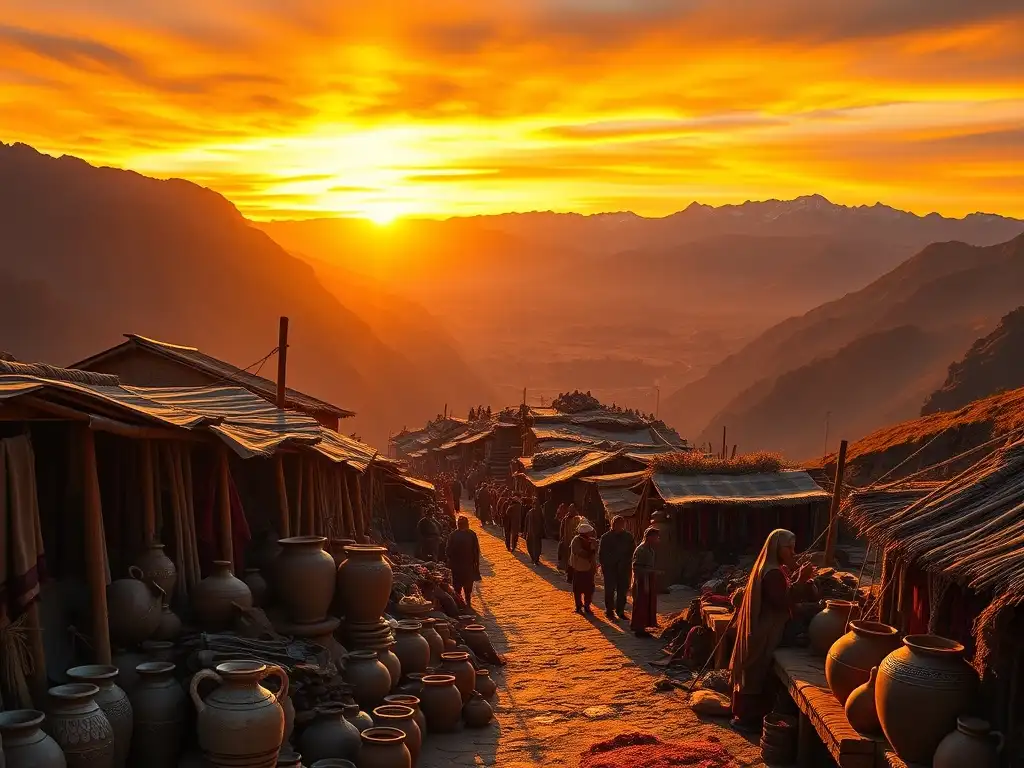
Uncover the secrets woven into the very fabric of the Andes! For centuries, these majestic mountains witnessed the rise and fall of powerful civilizations. But what truly shaped their destinies? Dive into the fascinating world of Ancient Andean trade control impact, and discover how the intricate web of commerce influenced the political landscape of the Incas, Moche, Nazca, and Tiahuanaco. Prepare to be amazed by the ingenuity and power struggles revealed in the story of Andean trade and economy. Explore the evidence and unravel the mysteries – your journey into the heart of ancient Andean history begins now.
The intricate tapestry of ancient Andean societies was profoundly interwoven with the control and management of trade. Far from being a purely economic activity, the exchange of goods – from precious metals and textiles to exotic foodstuffs and coca leaves – held immense political implications, shaping power structures, forging alliances, and fueling conflicts across millennia. This article delves into the complex relationship between trade control and political power in the Andes, exploring how the management of trade routes and resources directly impacted the rise and fall of influential civilizations such as the Inca, Moche, Nazca, and Tiahuanaco.
We will examine how the strategic control of trade networks served as a powerful tool for consolidating power, projecting influence, and maintaining social order, ultimately demonstrating the profound impact of Ancient Andean trade control on the political landscape. Understanding this dynamic is crucial to grasping the complexities and nuances of these fascinating ancient societies and their lasting legacies.
The impact of this control shaped not only economic prosperity but also the very fabric of Andean political life. Analyzing this impact reveals key insights into the strategies employed by these civilizations to maintain their dominance and influence.
Understanding Andean Trade Dynamics and Power Structures
Andean trade wasn't a haphazard affair; it was a meticulously organized system reflecting the sophisticated social and political structures of the time. The control of trade routes and key resources directly translated into political power. For instance, the Inca Empire's extensive road network, the Qhapaq Ñan, wasn't merely for transportation; it was a vital artery for the efficient movement of goods and the projection of imperial authority.
The Inca controlled the flow of essential commodities like maize, potatoes, and textiles, ensuring the loyalty of subordinate groups through carefully managed distribution systems. This control wasn't solely about economic gain; it was a strategic tool for maintaining social order and suppressing dissent. The ability to withhold or distribute resources strategically allowed the Inca to reward allies, punish enemies, and consolidate their power across vast territories.
Similarly, other Andean civilizations, such as the Moche, employed sophisticated irrigation systems to control agricultural production, creating a surplus that fueled their trade and solidified their political dominance. The control of water resources, a precious commodity in the arid Andean landscape, was a key element in their political power. This highlights the interconnectedness of economic and political power in the Andes.
The strategic placement of storage facilities along trade routes also indicates a deliberate effort to manage and control the flow of goods. These weren't simply warehouses; they were strategically positioned administrative centers, allowing for the monitoring of trade and the collection of taxes or tributes. This system effectively integrated economic activity with the political administration, highlighting the deep entanglement of trade and power.
The distribution of goods was often tied to religious practices and ceremonies, further reinforcing the political significance of trade. This intricate system of control extended beyond material goods, encompassing the movement of people, information, and ideas, all contributing to the political landscape of the region.
The Significance of Trade Routes in Ancient Andean Politics
The location and control of trade routes were paramount in shaping the political map of the Andes. Coastal civilizations like the Moche controlled access to maritime trade, giving them access to marine resources and the ability to establish trade relationships with distant communities. This maritime dominance translated into significant political influence, allowing them to control the flow of goods and ideas along the coast.
In contrast, highland civilizations like the Tiahuanaco relied on control of high-altitude passes and strategically located settlements to dominate inland trade routes. Their access to critical resources like minerals and alpaca wool gave them considerable leverage in regional power dynamics. The competition for control of these key routes frequently led to conflict and territorial disputes, shaping the political boundaries and alliances of the time.
The control of trade routes also facilitated the spread of religious beliefs and cultural practices. The movement of religious objects, artifacts, and specialized artisans along these routes played a significant role in unifying populations and reinforcing the legitimacy of ruling elites. The exchange of ideas and cultural practices further strengthened political ties between different communities, illustrating the multifaceted impact of trade control on the political and social fabric of Andean societies.
The control of these routes was not only an economic but a political imperative, essential for maintaining power, expanding influence, and ensuring the stability of the empire or kingdom. The strategic importance of these routes is undeniable in understanding the political dynamics of the Ancient Andes.
The competition for control over these vital arteries of trade frequently led to conflict and reshaped the political landscape of the region. Analyzing these conflicts reveals crucial information about the strategies and power dynamics of the time, offering valuable insights into the complexities of ancient Andean societies.
Key Trade Goods and Their Control in the Andes
The control of trade goods was paramount to political power in the Andes. The sheer variety of goods exchanged, from precious metals to agricultural staples and luxury textiles, created a complex web of economic and political influence. Understanding the control exerted over these goods reveals crucial insights into the functioning of Andean societies.
The most valuable goods were often strategically controlled, creating a system where access to these resources directly translated into political leverage. This control wasn't always centralized; different groups and regions held sway over particular goods, leading to a dynamic interplay of power. The ability to regulate the flow of these crucial items shaped alliances, fueled conflicts, and ultimately defined the political landscape of the Andes.
The scale of this control varied considerably across different periods and regions, reflecting the fluctuating power structures of the ancient Andean world. Analyzing the specifics of this control provides a detailed understanding of the political dynamics at play.
Control of Copper and Gold in Andean Societies
Copper and gold held immense symbolic and practical value in Andean societies. Copper, essential for tools and weapons, was often mined in specific locations, granting those controlling these mines significant power. Similarly, gold, valued for its aesthetic and ritual significance, was carefully controlled, often appearing in the form of elaborate ornaments and artifacts associated with elite status. The control of gold mines and the crafting of gold objects became a potent symbol of power, directly linking access to these resources with political authority.
The distribution of these metals, often through elaborate tribute systems or ceremonial exchanges, reinforced existing power structures and cemented alliances. Archaeological evidence suggests that control over copper and gold production and distribution was a major factor in the rise and fall of various Andean states. For example, the Moche civilization's mastery of metallurgy is clearly linked to their political dominance.
The Importance of Maize and Potatoes in Ancient Andean Trade
Maize and potatoes, the Andean staples, were not simply food sources; they were crucial elements in the political economy. The control over the production, storage, and distribution of these crops was a fundamental aspect of political power. Large-scale agricultural projects, such as terraced farming and irrigation systems, required significant labor organization and control, highlighting the centralized power of those who commanded these resources.
The ability to manage surpluses, redistribute food during times of scarcity, and use food as a form of tribute or reward significantly impacted political stability and social control. The importance of these crops is evident in the iconography and mythology of many Andean cultures, signifying their vital role in maintaining societal order and political power. The control of food production and distribution was a key instrument for maintaining social order and political control.
The Role of Fine Weavings in Andean Trade and Political Influence
Textiles, especially fine weavings using alpaca and llama wool, served as more than just clothing; they were significant markers of social status and political power. The intricate designs and techniques used in these textiles often held symbolic meanings tied to specific lineages or deities. Control over the production and distribution of these high-quality textiles allowed elites to demonstrate their power and authority.
The use of textiles in ceremonial contexts, as tribute, or as gifts further cemented political alliances and reinforced social hierarchies. The production of these textiles often involved specialized workshops and skilled artisans, highlighting the importance of craft specialization in the Andean political economy. The exquisite quality and symbolic value of these fine weavings directly contributed to the political influence of those who controlled their production and distribution.
How Ancient Andean Trade Control Shaped Political Power
The control of trade routes and goods fundamentally shaped political power in the Andes. The ability to regulate the flow of resources, whether agricultural products, precious metals, or luxury goods, directly translated into political influence and control. This control could be exerted through various mechanisms, including monopolies, tribute systems, and strategic alliances.
The concentration of wealth and power in the hands of those who controlled trade led to the development of complex hierarchical societies and powerful states. Analyzing the different ways in which Andean societies managed trade reveals crucial insights into the dynamics of power and the formation of political structures in the region. The interplay between trade and politics was a constant feature of Andean life, shaping its social and political organization in profound ways.
The Impact of Trade Monopolies on Andean Political Development
Monopolies over key resources and trade routes played a significant role in the political development of Andean societies. Control over specific goods, such as certain types of textiles, metals, or agricultural products, allowed certain groups or elites to accumulate wealth and power. This concentration of resources facilitated the development of large-scale political structures, as the ability to command resources enabled the creation of armies, infrastructure projects, and elaborate administrative systems.
The establishment and maintenance of these monopolies often involved the use of force, coercion, and strategic alliances, highlighting the inherently political nature of trade control. The impact of monopolies is evident in the archaeological record, reflecting the centralized control exerted by powerful Andean states.
Trade Control and the Rise of Andean Elite Classes
The control of trade was directly linked to the rise of elite classes in Andean societies. The accumulation of wealth through trade allowed certain individuals and groups to establish themselves as powerful political actors. This wealth was often translated into social status, political influence, and control over labor and resources.
The elites often used their control over trade to consolidate their power, creating elaborate systems of tribute and redistribution. The ostentatious display of wealth, often through elaborate clothing, jewelry, and architecture, served to reinforce their status and solidify their dominance. The relationship between trade, wealth accumulation, and the emergence of elite classes is a crucial aspect of understanding the political dynamics of the Andes.
The Relationship Between Trade and Warfare in the Andes
Trade and warfare were intricately intertwined in the Andes. Control over trade routes and resources often led to conflict between different groups vying for dominance. The strategic importance of trade routes meant that controlling them could be a key factor in winning or losing wars. Access to resources acquired through trade could also be used to fund military campaigns and create powerful armies.
Conversely, warfare could disrupt trade routes and lead to economic instability, affecting political power structures. The interplay between trade and warfare created a dynamic and often violent political landscape, shaping the rise and fall of various Andean states. The archaeological evidence showcases numerous instances where the control of trade routes was a direct cause of conflict and shaped the political map of the Andes.
Specific Case Studies of Trade Control and Political Power
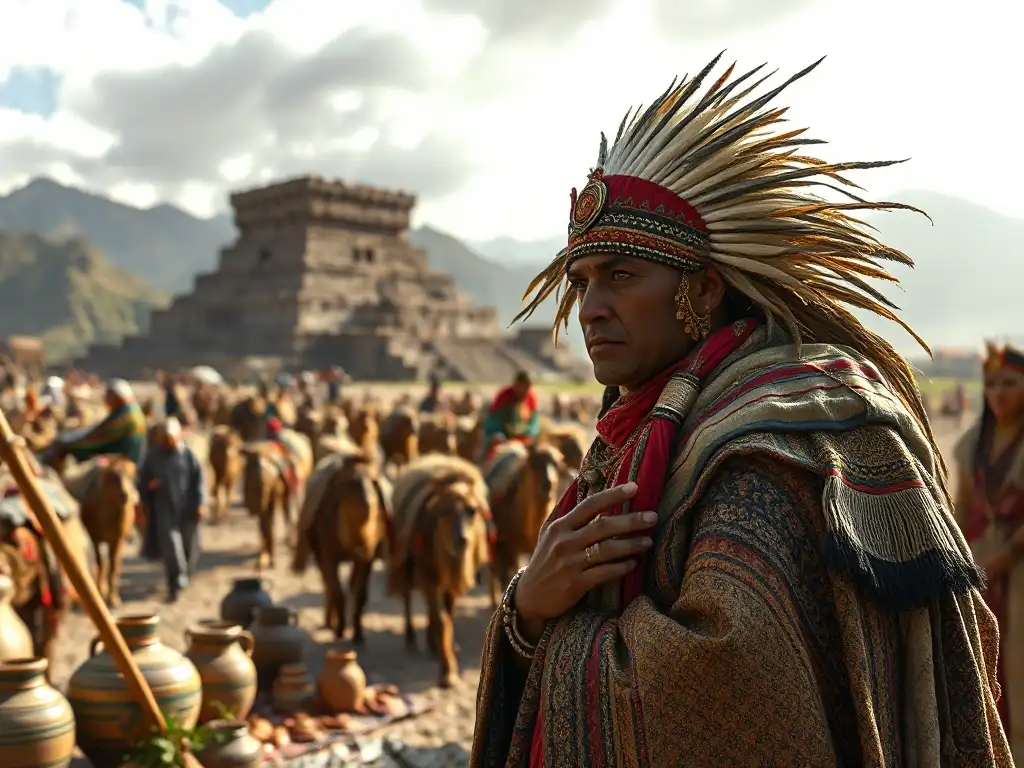
The Moche Civilization
The Moche, a pre-Columbian civilization flourishing along the northern coast of Peru (roughly 100-800 CE), exemplify the intricate link between trade control and political power. Their mastery of irrigation allowed them to cultivate rich agricultural lands, generating surpluses that fueled their extensive trade networks. Control over these networks, particularly the exchange of prized goods like cotton textiles, ceramics, and metalwork, solidified the Moche elite's power.
Archaeological evidence reveals impressive ceremonial centers and monumental architecture, funded in part by the wealth generated through controlled trade. The elaborate tomb goods found in Moche elite burials further underscore the importance of trade in maintaining their social hierarchy and political dominance. The Moche state actively managed the production and distribution of these goods, using its control to reinforce its authority and legitimacy.
Any disruption to these trade routes or attempts to circumvent the state's control likely faced swift and severe repercussions, ensuring the continued power of the ruling class. The decline of the Moche civilization, while still debated, may be partly attributed to internal pressures related to the management and control of these vital trade routes and resources.
The Inca Empire
The Inca Empire (1438-1533 CE) represents a sophisticated example of how trade control served as a cornerstone of imperial power. The vast Inca road system, a marvel of engineering, facilitated the movement of goods and people across the empire. The Inca state exerted tight control over this infrastructure, ensuring the efficient flow of resources and the suppression of any potential rebellion. The mit'a, a system of mandatory labor, was instrumental in maintaining the roads and facilitating trade.
The state monopolized the production and distribution of certain essential goods, such as textiles and metals, using this control to reward loyal subjects and punish dissenters. The Inca controlled the production of precious metals like gold and silver, using them to craft lavish objects that reinforced imperial authority and symbolized the power of the Sapa Inca. The state's meticulous record-keeping, using quipus (knotted strings), helped monitor trade flows and maintain a centralized system of resource management.
This highly organized system ensured the empire's stability and the continuation of Inca power for over a century. The Inca's downfall, however, highlights the vulnerability of a system overly reliant on centralized control. The Spanish conquest effectively disrupted the Inca's trade network, leading to the empire's rapid collapse.
The Long-Term Legacy of Ancient Andean Trade Control
The Impact of Trade Control on Andean Social Structures
Ancient Andean trade control profoundly shaped social structures. The concentration of wealth and power in the hands of those who controlled trade led to the development of stratified societies with marked inequalities. Elite classes, often associated with religious authority and political leadership, benefited disproportionately from trade, leading to the creation of opulent palaces and elaborate burial practices. Conversely, the common people, involved in the production and transportation of goods, often lived in more modest conditions.
This system of social stratification, reinforced by trade control, was a defining characteristic of many Andean societies, persisting across centuries and various civilizations. The control of trade also influenced the development of specialized labor, with certain groups focusing on specific crafts or agricultural products. This specialization further solidified social hierarchies, with skilled artisans and traders holding higher status than those involved in basic agriculture or labor.
The Influence of Trade on Andean Cultural Exchange
The control of trade in the Andes, while often serving to consolidate power, also fostered significant cultural exchange. The movement of goods across vast distances facilitated the dissemination of ideas, technologies, and artistic styles. For instance, the spread of certain ceramic styles or weaving techniques often reflected the influence of trade routes and the exchange of goods and knowledge.
The exchange of agricultural products enriched the diets and agricultural practices of different Andean communities. This intermingling of cultures, facilitated by trade, resulted in a vibrant and diverse Andean tapestry, albeit one often shaped by the power dynamics inherent in the control of trade. Religious beliefs and practices also spread through these networks, sometimes leading to the syncretism of different traditions.
The Enduring Relevance of Ancient Andean Trade Practices
The sophisticated trade practices and control mechanisms developed by ancient Andean civilizations continue to hold relevance today. Their understanding of resource management, infrastructure development, and the strategic use of trade to consolidate power offer valuable insights for modern societies. The Inca road system, for example, serves as a testament to the importance of well-planned infrastructure for facilitating trade and economic development.
The Inca's meticulous record-keeping, though different in form, echoes the need for efficient data management in contemporary economic systems. Understanding the successes and failures of ancient Andean trade control can provide valuable lessons for managing trade and economic development in the modern world, emphasizing the importance of balance between centralized control and the fostering of free exchange. The study of these ancient systems can help inform strategies for sustainable development and equitable distribution of resources.
Ancient Andean Trade Control Impact: A Summary of Political Effects
The control of trade in the ancient Andes had profound and multifaceted political implications, shaping the rise and fall of empires and influencing the very fabric of Andean societies. The ability to regulate the flow of essential goods—from precious metals and textiles to agricultural products and exotic artifacts—directly translated into political power and legitimacy. Empires like the Inca, through their vast qhapaq ñan road system and sophisticated administrative structures, wielded considerable control over trade, using it to consolidate their power and maintain social order.
This control extended beyond simple taxation; it allowed the Inca to reward loyal subjects, punish dissenters, and strategically distribute resources to maintain stability across their expansive realm. The impact of this control wasn't merely economic; it was a cornerstone of their political strategy.
The control, or lack thereof, also influenced inter-state relations. Competition for control of vital trade routes and resources often led to conflict and warfare between different Andean groups. The Moche, for example, are known for their powerful military, which likely played a significant role in securing access to key trade routes and resources, bolstering their political dominance along the northern Peruvian coast.
Conversely, disruptions to trade networks, caused by natural disasters, internal rebellions, or external invasions, could severely weaken the political stability of even the most powerful empires. The impact of such disruptions could be seen in the decline of certain polities, highlighting the critical link between trade and political power.
Furthermore, the control of trade facilitated the spread of ideas and cultural practices across the Andes. The movement of goods was often accompanied by the movement of people, technologies, and religious beliefs. This exchange, however, was not always uniform or beneficial.
The Inca, for example, actively promoted their own culture and religion through trade, effectively using the economic system to enforce political and ideological hegemony. This process, while contributing to empire-building, also inevitably led to resistance and cultural clashes in various regions. Therefore, understanding the political impact of ancient Andean trade control requires examining not only the economic aspects but also the cultural and ideological consequences.
The control of trade wasn't simply about economic gain; it was a powerful tool for shaping political landscapes, maintaining social order, and influencing the cultural development of the entire region. The very structure of Andean power was deeply intertwined with the flow of goods, making trade control a critical aspect of understanding the region's rich and complex history.
- Understanding Andean Trade Dynamics and Power Structures
- The Significance of Trade Routes in Ancient Andean Politics
- Key Trade Goods and Their Control in the Andes
- How Ancient Andean Trade Control Shaped Political Power
- Specific Case Studies of Trade Control and Political Power
- The Long-Term Legacy of Ancient Andean Trade Control
- Ancient Andean Trade Control Impact: A Summary of Political Effects
- What role did trade play in the power of Andean civilizations?
- How did the Inca Empire manage its vast trade network?
- What were some of the key trade goods in the Ancient Andes?
- What was the impact of trade control on the different Andean cultures?
- How did the control of trade impact the daily lives of Andean people?
Frequently Asked Questions
What role did trade play in the power of Andean civilizations?
Trade was absolutely crucial to the power of Andean civilizations. Control over vital resources and trade routes translated directly into political and economic dominance, allowing empires to expand their influence and wealth.
How did the Inca Empire manage its vast trade network?
The Inca Empire used a sophisticated system of state-controlled trade, utilizing a network of roads, warehouses (called qollqas), and relay runners to move goods efficiently across their immense territory. Tribute systems also ensured a steady flow of resources.
What were some of the key trade goods in the Ancient Andes?
Luxury goods like gold, silver, textiles, and feathers were highly valued, along with essential resources such as food (potatoes, maize), metal tools, and building materials. Control over these resources was a key source of power.
What was the impact of trade control on the different Andean cultures?
Control of trade routes and resources often led to conflict and warfare between different groups. Successful control frequently resulted in the rise of powerful empires, while those lacking control often fell under the dominion of stronger neighbors.
How did the control of trade impact the daily lives of Andean people?
Trade control significantly impacted daily life; access to resources dictated economic stability and social standing. Control, or lack thereof, influenced food availability, access to luxury items, and even the potential for social mobility.
Final Reflection: Echoes of Control: Trade and Power in the Ancient Andes
The intricate systems of trade control in the ancient Andes weren't merely economic strategies; they were the very scaffolding upon which political power was built and maintained. These ancient mechanisms, far from being relics of a bygone era, offer crucial insights into the enduring relationship between commerce and governance, a relationship as relevant today as it was millennia ago. Understanding their complexities allows us to better comprehend the subtle and often brutal ways in which control over resources shapes societies, both then and now.
The enduring legacy of Andean trade control is evident in the persistent power imbalances that continue to shape global economies. The echoes of these ancient systems resonate in contemporary debates surrounding fair trade, resource exploitation, and the unequal distribution of wealth. The very structures of power, honed over centuries in the Andes, continue to influence the way we interact with and control resources on a global scale. The past is never dead. It's not even past.
- William Faulkner. This quote perfectly encapsulates the enduring relevance of understanding ancient trade control systems, as their impact continues to shape our present.
Consider the implications of this historical analysis in your own life. How do you engage with the global economy? What are the ethical considerations surrounding the products you consume? By understanding the historical roots of economic power, we can become more conscious consumers and more engaged citizens, striving for a future where trade fosters cooperation and equity rather than perpetuating inequality. Let the echoes of the Andes inspire you to critically examine the systems of power that shape our world today.
**Uncover the Ancient Trade Secrets of the Andes! **
Thank you for exploring the fascinating world of trade control in the Ancient Andes! Your interest deepens your understanding of these ancient civilizations and their complex political landscape. Now, let's delve even further into this rich history.
- **Explore the latest archaeological discoveries** that reveal the untold stories of Andean trade.
- **Share this article with fellow history buffs** to spark discussions about trade's impact on ancient societies.
- **Join our online community** to connect with others and share your insights on the political implications of ancient trade practices.
What aspect of ancient Andean trade practices most captivates you—its political impact or its innovative control mechanisms? Let's begin the discussion!