
The Influence of Climate on the Dynamics of Andean Trade Networks

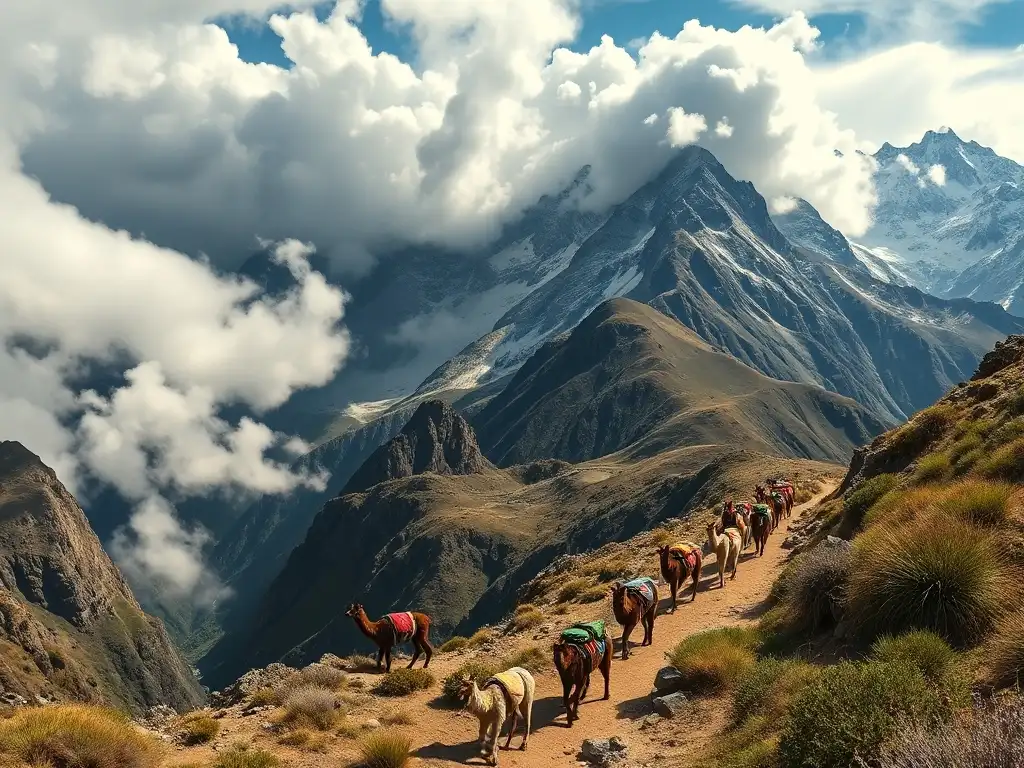
Unravel the mysteries of the Andes! For centuries, towering peaks and treacherous valleys witnessed the rise and fall of magnificent civilizations. But how did climate shape the intricate Andean trade networks that connected these empires? Discover the surprising impact of environmental shifts on the economic and social fabric of the Incas, Moche, and other ancient Andean societies. Prepare to be captivated by a story of ingenuity, resilience, and the enduring power of nature – explore the fascinating connection between climate and commerce in our in-depth analysis of Andean trade networks climate impact.
The intricate tapestry of Andean civilizations was woven not only by skilled hands and innovative minds but also by the unpredictable threads of climate. Understanding the profound influence of environmental factors on the development and resilience of Andean trade networks is crucial to comprehending the rise and fall of these remarkable societies. This article delves into the complex interplay between climate variability – including droughts, floods, and El Niño events – and the dynamics of pre-Columbian trade routes, examining how environmental shifts shaped the flow of goods, the strength of alliances, and the overall economic stability of Andean societies.
We will explore how the impact of climate change affected the availability of resources, influenced trade routes, and ultimately contributed to the socio-political structures of the region. This investigation will focus on several key Andean civilizations, highlighting the specific ways in which climate impacted their trade networks and the strategies employed to mitigate these challenges.
The resilience and adaptability demonstrated by these ancient cultures in the face of environmental adversity offer valuable lessons for understanding the complexities of trade and sustainability in challenging environments, even today. This analysis will directly address the keyword "Andean trade networks climate impact" and its semantic variations throughout the text.
Introduction: Andean Trade and the Environment
The Andean region, characterized by its diverse geography ranging from arid coastal deserts to high-altitude plateaus and lush Amazonian foothills, presented both opportunities and challenges for its inhabitants. The verticality of the Andes fostered a complex system of exchange, known as vertical archipelago, where different ecological zones produced unique resources. Coastal communities, for example, controlled access to marine resources like fish and shellfish, while highland populations cultivated potatoes and other crops adapted to high altitudes.
This inherent geographical diversity created a strong impetus for trade, but the very environmental factors that fueled this exchange also posed significant risks. El Niño Southern Oscillation (ENSO), a recurring climate pattern characterized by unpredictable shifts in ocean temperatures and rainfall, could dramatically disrupt agricultural yields and impact the availability of key trade goods. Droughts could decimate crops, while floods could destroy infrastructure and disrupt transportation along crucial trade routes.
Understanding the frequency and intensity of these climate events and their correlation with periods of economic prosperity or decline is key to understanding the resilience and vulnerability of Andean trade networks. The impact of these climatic variations on the flow of goods, the establishment of trade partnerships, and the overall stability of Andean societies was profound and multifaceted.
Pre-Columbian Andean Trade Routes: A Brief Overview
Pre-Columbian Andean trade networks spanned vast distances, connecting coastal settlements, highland valleys, and the Amazonian rainforest. These routes, often traversing treacherous mountain passes and arid deserts, facilitated the exchange of a wide array of goods. High-value items like textiles, precious metals (gold, silver), and exotic feathers were traded alongside essential commodities such as food, ceramics, and tools. The Inca Empire, known for its extensive road system, the Qhapaq Ñan, significantly improved the efficiency and reach of trade, but long-distance exchange existed centuries before the Inca.
Earlier civilizations like the Moche, Nazca, and Tiwanaku developed their own sophisticated trade networks, adapting their strategies to the unique environmental challenges of their respective regions. For instance, the coastal Moche civilization relied heavily on maritime trade, while the high-altitude Tiwanaku culture developed intricate systems for managing water resources crucial for agriculture and trade. The impact of climate change on these varied trade routes would have been equally diverse, depending on the specific geographic location and the types of goods being transported.
Analyzing these routes reveals intricate patterns of exchange and adaptation to environmental constraints. The varied responses to climatic events highlight the ingenuity and adaptability of these ancient Andean cultures in maintaining their trade networks despite significant environmental challenges. Further research is needed to fully quantify the precise impact of specific climatic events on the volume and composition of trade during different periods.
The Crucial Role of Climate in Andean Economies
The Andean region's diverse geography and challenging climate significantly shaped the economies of its ancient civilizations. The altitude, ranging from coastal deserts to high-altitude plains and Amazonian rainforests, created distinct ecological zones, each with its own productive capacity. This variability meant that Andean economies were fundamentally reliant on a complex interplay of factors, with climate acting as a primary driver.
Successful agricultural practices, crucial for sustaining large populations and supporting trade, were directly dependent on predictable weather patterns and water availability. For instance, the Incas' sophisticated agricultural techniques, such as terracing and irrigation, were developed as direct responses to the challenges posed by the steep slopes and variable rainfall. The success or failure of harvests directly impacted the availability of surplus goods for trade, highlighting the intimate relationship between climate, agriculture, and economic prosperity in the Andes.
The ability to manage and predict climatic variations was, therefore, a key factor in the economic strength and stability of Andean societies. Variations in rainfall and temperature directly affected the yield of staple crops like maize, potatoes, and quinoa, influencing the scale and scope of trade activities.
Climate Variability and its Direct Impact on Trade
Climate variability, encompassing fluctuations in temperature, rainfall, and extreme weather events, profoundly impacted the Andean trade networks. These fluctuations directly affected agricultural production, the primary driver of trade in the region. Good harvests led to surpluses that could be exchanged for goods from other regions, fueling the growth and expansion of trade routes.
Conversely, periods of drought, frost, or unusually heavy rainfall resulted in crop failures, leading to resource scarcity, famine, and ultimately, a contraction or disruption of trade. The impact was not limited to the immediate agricultural sector; it rippled through the entire economic system, affecting the production of textiles, pottery, and metalwork, all of which relied on agricultural surpluses for their raw materials and the labor force to produce them.
The vulnerability of the Andean trade networks to climate shocks underscores the profound importance of environmental factors in shaping the economic and social dynamics of these societies. Understanding this relationship is crucial to interpreting the historical record and gaining a more nuanced perspective on the rise and fall of Andean civilizations.
El Niño Events and Disruption of Trade Flows
El Niño events, characterized by unusually warm ocean temperatures in the Pacific, caused significant disruptions to the Andean climate system. These events often resulted in torrential rainfall in some areas and severe droughts in others, creating unpredictable and devastating consequences for agricultural production. The resulting crop failures and resource scarcity led to significant disruptions in trade flows. Coastal communities reliant on fishing might experience a boom during El Niño, but inland agricultural communities would suffer immensely.
This uneven impact created imbalances in the distribution of resources and disrupted established trade routes. The lack of predictable harvests made it difficult to plan for trade, leading to instability and potential conflicts over scarce resources. Archaeological evidence suggests that El Niño events were a major factor in the decline of some Andean societies, emphasizing the vulnerability of these complex trade networks to the forces of nature.
Droughts and the Scarcity of Resources
Prolonged droughts were a recurring threat to Andean societies, profoundly impacting their economies and trade networks. Droughts resulted in widespread crop failures, leading to food shortages and famine. The scarcity of agricultural products directly limited the availability of goods for trade, causing significant contractions in economic activity. The impact extended beyond food production.
The scarcity of water also affected other vital industries, such as textile production, which relied on water for dyeing and processing fibers. The diminished availability of resources forced communities to prioritize survival over trade, leading to the breakdown of established exchange systems and the potential for social unrest. Evidence of drought-related societal stress is seen in archaeological findings that reflect changes in settlement patterns and dietary practices during prolonged periods of water scarcity. The ability of Andean societies to adapt to drought conditions varied depending on their location, technological capabilities, and social organization.
Impact of Frost on Agricultural Production and Trade
Frost events, particularly in the high-altitude regions of the Andes, posed a significant threat to agricultural production and trade. Unusually intense or prolonged frost could severely damage crops, leading to significant reductions in yields. This directly impacted the availability of surplus goods for trade, affecting the economic stability of communities reliant on agricultural surpluses.
The impact of frost was particularly severe on crops sensitive to temperature fluctuations, such as maize and potatoes, which were staple crops in many Andean societies. The vulnerability of high-altitude agriculture to frost events highlights the challenges faced by Andean populations in managing the risks associated with climate variability.
The disruption of agricultural production caused by frost could lead to regional food shortages, triggering trade imbalances and potentially destabilizing regional trade networks. Communities affected by frost might be forced to rely on external resources, increasing their dependence on neighboring regions and potentially intensifying competition for scarce resources.
Specific Examples of Climate-Driven Trade Shifts
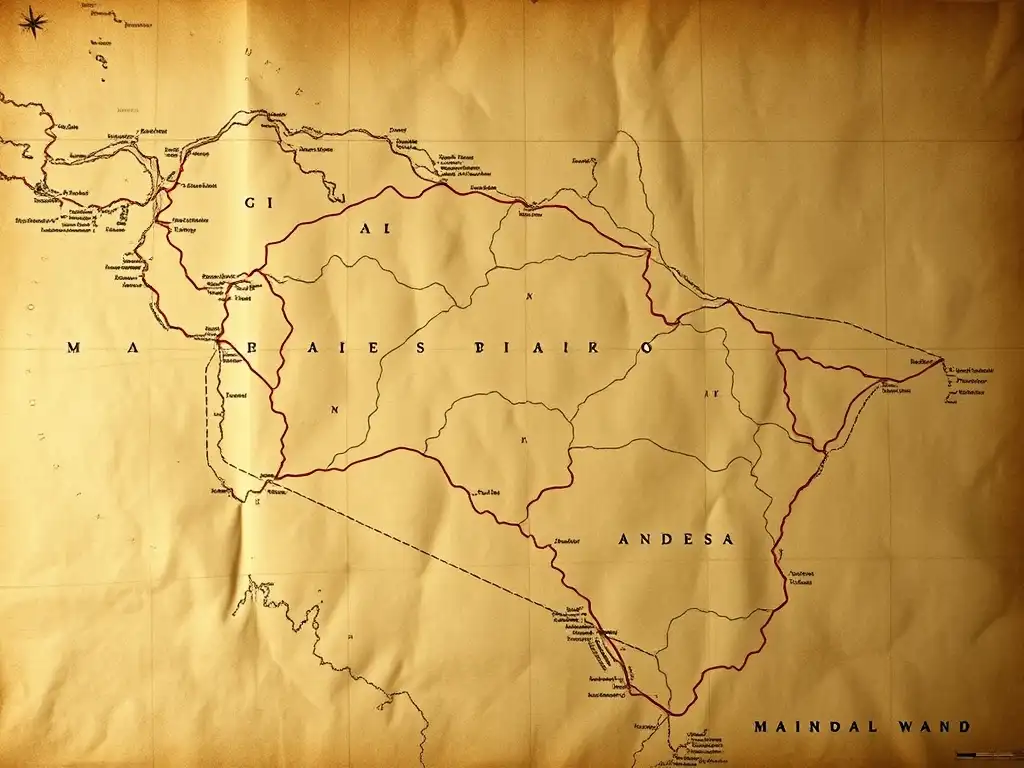
The impact of climate on Andean trade networks wasn't a monolithic event; it varied across different civilizations and time periods. Understanding these nuances requires examining specific cases where environmental fluctuations directly influenced trade routes, goods exchanged, and overall economic activity. The interplay between climate and trade was complex, often involving adaptation, innovation, and, in some cases, societal collapse. Analyzing these specific examples provides a richer understanding of the intricate relationship between Andean societies and their environment. The following subsections delve into specific instances where climate change significantly impacted trade dynamics within various Andean civilizations.
The Moche Civilization and Coastal Trade Adjustments
The Moche civilization (c. 100-800 CE), flourishing along the arid northern coast of Peru, relied heavily on maritime trade. Their economy was deeply intertwined with the ocean, with fishing forming a cornerstone of their sustenance and shell, fish, and other marine products being vital components of their trade networks. El Niño events, characterized by unusually warm ocean temperatures and heavy rainfall, significantly impacted Moche coastal trade.
These events could disrupt fishing patterns, leading to food shortages and affecting the availability of marine resources for trade. Conversely, periods of drought could restrict access to navigable waterways, hindering the transport of goods along the coast. Archaeological evidence suggests that the Moche adapted to these climatic fluctuations by diversifying their agricultural practices and developing sophisticated irrigation systems to mitigate the effects of drought.
However, prolonged or severe El Niño events still posed significant challenges to their maritime trade and overall economic stability. The consequences of these climatic shifts were likely felt throughout their trade networks, potentially leading to adjustments in trade routes or the types of goods exchanged.
Impact of Climate Change on Tiahuanaco Trade Networks
The Tiahuanaco civilization (c. 500-1000 CE), located on the Altiplano, faced unique challenges related to altitude and climate. Their extensive trade networks connected them to coastal regions and other highland communities, exchanging goods like textiles, ceramics, and agricultural products. Changes in precipitation patterns, particularly prolonged droughts or periods of intense rainfall, could severely impact agricultural production, the primary driver of their economy.
Reduced agricultural yields would have limited the surplus available for trade, potentially disrupting established exchange networks. Furthermore, changes in water availability could affect the transportation of goods across the Altiplano, impacting the efficiency and cost of trade.
Evidence suggests that Tiahuanaco's sophisticated irrigation systems were designed to mitigate the effects of climate variability, but prolonged droughts likely still posed significant challenges to their agricultural base and, consequently, their ability to sustain their extensive trade networks. The resilience of their trade system during periods of climate stress remains a subject of ongoing research.
Inca Adaptation Strategies to Environmental Challenges
The Inca Empire (c. 1438-1533 CE), known for its vast and well-organized empire, implemented sophisticated strategies to manage the environmental challenges inherent to the diverse Andean landscape. Their extensive road network facilitated the movement of goods and people across varied climates and terrains. The Inca state actively intervened in resource allocation and trade, implementing storage systems (qollqas) to buffer against crop failures due to drought or frost.
This centralized control over resources allowed for a degree of resilience against climate-induced disruptions to trade. Their advanced agricultural techniques, including terracing and irrigation, maximized crop yields in diverse environments. However, even the Inca Empire was not immune to the impacts of climate change.
Severe droughts or El Niño events could still significantly affect agricultural production and trade, highlighting the persistent vulnerability of Andean societies to climate variability. Despite their sophisticated adaptations, the Inca's resilience was tested by unpredictable climate events, demonstrating the persistent challenge climate posed to even the most powerful Andean empires.
Key Goods and their Vulnerability to Climate
The vulnerability of specific goods to climate fluctuations played a crucial role in shaping Andean trade networks. Certain products were more susceptible to environmental changes than others, influencing trade patterns and the overall stability of economic systems. This section examines the differential vulnerability of key goods to climate variability and the resulting impact on trade.
Agricultural Products: Maize, Potatoes, and Quinoa
Maize, potatoes, and quinoa formed the backbone of Andean agriculture and were central to trade networks. These crops have varying degrees of climate sensitivity. Maize, requiring warm temperatures and sufficient rainfall, was particularly vulnerable to droughts and frost. Potatoes, while more adaptable to diverse climates, still suffered from extreme weather events.
Quinoa, known for its resilience to harsh conditions, was a relatively more stable crop but still susceptible to extreme drought or frost. Climate-induced variations in the yields of these staple crops directly impacted the volume of agricultural products available for trade, influencing the scale and dynamics of exchange networks. Variations in yields, caused by climatic factors, could lead to shortages, price fluctuations, and even social unrest.
Precious Metals and Mining Trade
The mining of precious metals, such as gold and silver, was crucial to the Andean economies. While less directly affected by short-term climate fluctuations compared to agriculture, mining activities were indirectly influenced by climate. For instance, prolonged droughts could affect water availability for processing ores, potentially impacting production levels. Furthermore, changes in river flow could influence the accessibility of mining sites and transportation of extracted metals. While mining might appear less susceptible to immediate climate impact than agriculture, indirect effects could still significantly influence the volume and flow of precious metals within Andean trade networks.
Textiles and the Availability of Raw Materials
Textiles played a significant role in Andean trade, with different regions specializing in the production of specific fabrics using locally sourced raw materials like alpaca, llama, and vicuña wool. The availability of these materials was directly influenced by climate. Harsh weather conditions could negatively impact livestock herds, reducing wool production and affecting the supply of raw materials for textile production.
This could lead to shortages, price increases, and disruptions in textile trade networks. The quality of the wool itself could also be affected by climate, impacting the value and desirability of finished textiles in trade. Therefore, climate played a significant role in shaping the dynamics of textile production and trade within Andean societies.
Adaptation and Resilience of Andean Trade Networks
Andean trade networks, spanning millennia, demonstrated remarkable adaptation and resilience in the face of fluctuating climate conditions. The societies inhabiting the Andes weren't passive victims of environmental change; instead, they developed sophisticated strategies to mitigate the impact of droughts, floods, and other climate-related challenges on their trade systems. This adaptability is a key factor in understanding the longevity and complexity of these networks.
Evidence suggests a dynamic interplay between environmental pressures and the evolution of trade practices, highlighting the ingenuity of Andean civilizations in responding to climatic variability. Their ability to adjust their economic strategies, not just in response to immediate crises, but also in anticipation of potential future challenges, demonstrates a remarkable level of foresight and planning. This proactive approach is a significant aspect of their success in maintaining extensive trade networks across diverse and challenging geographical terrains.
Development of Storage Systems
One crucial aspect of Andean adaptation was the development of sophisticated storage systems. The construction of qollqas, or storage facilities, often carved into cliffsides or built from stone, allowed communities to stockpile surplus agricultural produce and other trade goods. This ensured food security during lean times caused by climate-related crop failures, preventing disruptions to trade due to scarcity.
The scale and distribution of these storage facilities, often strategically located along major trade routes, suggest a well-organized and centralized system of resource management. The size and sophistication of these structures varied across different regions and time periods, reflecting local environmental conditions and the specific needs of the communities.
The efficient management of these storage systems was vital to the resilience of Andean trade networks, allowing them to withstand periods of climatic instability. The existence of these sophisticated storage systems is a testament to the advanced planning and organizational capabilities of Andean societies.
Diversification of Trade Routes and Goods
Facing unpredictable climate events, Andean communities diversified both their trade routes and the goods they exchanged. Rather than relying on single, vulnerable routes, they established multiple pathways across the Andes, allowing them to circumvent obstacles caused by natural disasters. This diversification of routes also ensured access to a wider range of goods, reducing dependence on any single resource or region.
For example, if one region experienced a crop failure due to drought, alternative sources of food and other essential goods could be accessed through the established network of diversified trade routes. This flexibility was essential in ensuring the continuity of trade even during periods of environmental stress. The diversification strategy showcases an understanding of risk management and resilience building within the context of Andean trade networks.
Inter-Regional Cooperation and Trade Agreements
The resilience of Andean trade networks was further strengthened by inter-regional cooperation and, arguably, informal trade agreements. Facing shared challenges posed by climate variability, different communities developed mechanisms for mutual support and resource sharing. This cooperation likely involved reciprocal exchange of goods and services, ensuring the flow of resources even when one region was experiencing a climate-related hardship.
While the specific details of these agreements are often lost to history, archaeological evidence and ethnohistorical accounts suggest the existence of complex social and economic ties between different Andean communities. The maintenance of these collaborative relationships across considerable distances was crucial for the long-term stability of the trade networks, acting as a buffer against climate shocks.
Long-Term Effects of Climate on Andean Trade Systems
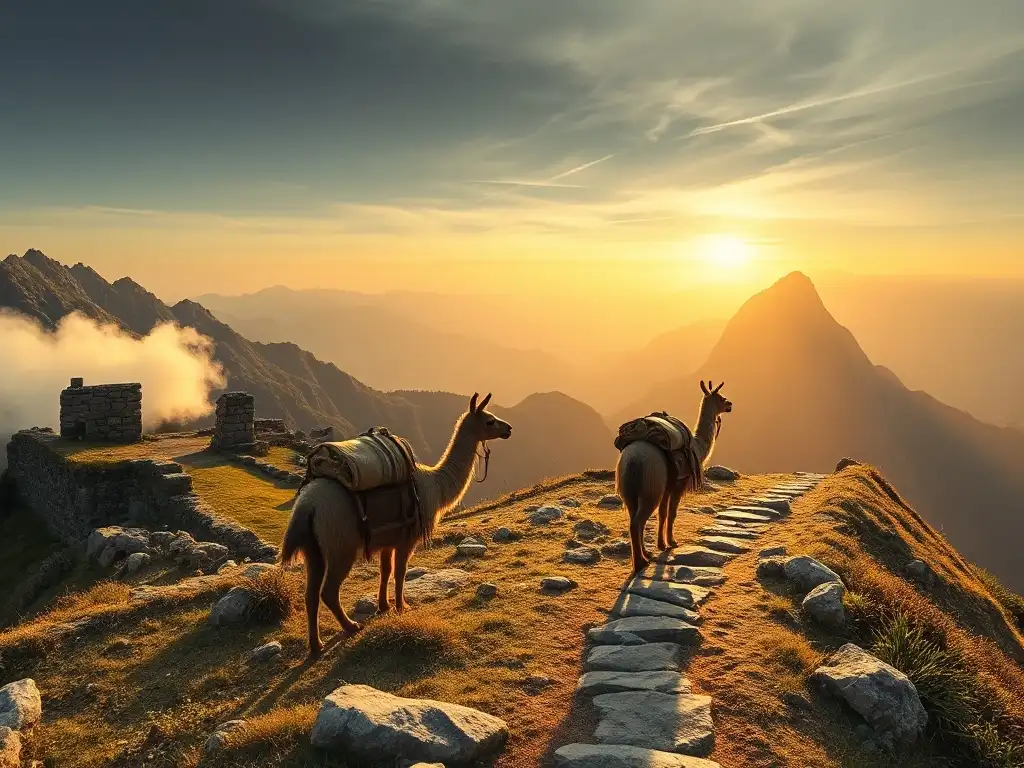
The impact of climate on Andean trade systems wasn't limited to short-term disruptions; it profoundly shaped the long-term evolution of these networks. Fluctuations in climate significantly influenced the prosperity and decline of trade centers, the distribution of populations, and ultimately, the legacy of adaptation strategies. Understanding these long-term effects is essential for appreciating the complex relationship between environment and society in the Andes. The analysis of these long-term impacts provides crucial insights into the adaptability and resilience of Andean civilizations and their sophisticated responses to environmental challenges.
The Rise and Fall of Trade Centers
Climate change played a significant role in the rise and fall of major trade centers in the Andes. Periods of favorable climate often led to increased agricultural production and population growth, fueling economic expansion and the emergence of large urban centers. Conversely, periods of drought or other climate-related disasters could lead to the decline or abandonment of these centers, as resources became scarce and populations migrated in search of more favorable conditions.
The shifts in the importance of different trade centers over time reflect the dynamic interplay between climate and economic activity. Analyzing the archaeological record helps to understand how climate change influenced the growth and decline of these crucial hubs within the Andean trade network.
Population Shifts and Trade Route Changes
Climate-induced changes in agricultural productivity often led to significant population shifts, impacting trade route dynamics. Periods of drought or other environmental stress could cause communities to migrate to regions with more favorable climatic conditions, leading to changes in trade patterns and the development of new routes. These migrations influenced the flow of goods and information, shaping the overall structure and organization of the Andean trade networks.
Archaeological evidence shows clear correlations between changes in settlement patterns and shifts in trade routes, indicating the sensitivity of these systems to climate variability. This interconnectedness highlights the importance of understanding both climate and human factors in shaping the dynamics of Andean trade.
The Legacy of Climate Adaptation in Andean Trade
The legacy of climate adaptation in Andean trade is evident in the sophisticated strategies and technologies developed by these civilizations. Their ability to anticipate and respond to climate variability played a crucial role in the longevity and complexity of their trade networks. These adaptations, such as the development of advanced irrigation systems, storage facilities, and diversified trade routes, left a lasting impact on Andean societies and their descendants.
The resilience demonstrated in adapting to environmental challenges provides valuable lessons for understanding sustainable resource management and the importance of flexible economic strategies in the face of environmental uncertainty. The enduring relevance of these adaptation strategies is a testament to the ingenuity and foresight of Andean civilizations in navigating the challenges of a changing climate.
Understanding the Interplay: Andean Trade Networks Climate Impact
The impact of climate on Andean trade networks was profound and multifaceted, shaping the very fabric of economic and social life across millennia. Understanding this interplay requires examining the intricate relationship between environmental conditions, agricultural production, and the logistical challenges of traversing the diverse Andean landscape. The Andes' varied geography, ranging from arid coastal deserts to high-altitude grasslands and lush Amazonian foothills, presented significant hurdles to trade. Rainfall patterns, particularly the El Niño Southern Oscillation (ENSO), played a crucial role.
Periods of intense rainfall could trigger devastating floods, destroying crops and disrupting transport routes, while droughts led to crop failures and famine, severely impacting the availability of goods for exchange. These climatic events could drastically alter the flow of goods, forcing adjustments in trade routes and potentially even leading to conflicts over scarce resources. For example, the impact of a prolonged drought on maize production in the highlands could limit the supply of this staple crop to coastal regions, affecting the entire economic system reliant on its exchange for other goods. The frequency and intensity of these climate-related disruptions influenced the resilience and adaptability of Andean trade networks.
Societies that developed sophisticated irrigation systems or diversified their agricultural practices proved more resilient to climatic shocks. Conversely, those less equipped to cope faced greater economic instability and potentially social upheaval. The Inca Empire, for example, implemented complex infrastructure projects, including roads and storage facilities, to mitigate the effects of climate variability and ensure the smooth functioning of its vast trade network. Their sophisticated system of mit'a labor also allowed for rapid responses to environmental challenges.
Conclusion: The Enduring Influence of Climate on Andean Commerce
The influence of climate on Andean trade networks was a persistent and powerful force, shaping their development, resilience, and ultimate decline. From the earliest coastal societies to the expansive Inca Empire, the ability to adapt to climate variability played a pivotal role in the success or failure of trade systems. Understanding this dynamic interaction is critical for a complete appreciation of the complexities of Andean history and the remarkable ingenuity of the cultures that thrived, despite the inherent challenges posed by the region's volatile climate. The study of past climate events and their impact on trade reveals valuable lessons for modern societies facing similar challenges, particularly in light of increasing climate change. Analyzing past responses to drought, floods, and other extreme weather events offers insights into effective strategies for building resilient and sustainable trade networks in the face of future uncertainties. The long-term effects of climate change on Andean ecosystems and agricultural practices remain a significant area of ongoing research, further highlighting the enduring relevance of this historical analysis to contemporary concerns. Future research should focus on integrating detailed paleoclimatological data with archaeological evidence of trade routes and economic activity to gain an even more nuanced understanding of the complex interplay between climate and Andean commerce. The legacy of climate's influence on Andean trade networks continues to resonate, underscoring the enduring interconnectedness between the environment and human societies.
- Introduction: Andean Trade and the Environment
- Pre-Columbian Andean Trade Routes: A Brief Overview
- The Crucial Role of Climate in Andean Economies
- Climate Variability and its Direct Impact on Trade
- Specific Examples of Climate-Driven Trade Shifts
- Key Goods and their Vulnerability to Climate
- Adaptation and Resilience of Andean Trade Networks
- Long-Term Effects of Climate on Andean Trade Systems
- Understanding the Interplay: Andean Trade Networks Climate Impact
- Conclusion: The Enduring Influence of Climate on Andean Commerce
- How did climate change affect Andean trade networks?
- What goods were primarily traded in the Andean region?
- Which Andean civilizations were most impacted by climate fluctuations?
- How did Andean societies adapt to climate variability?
- What evidence reveals the relationship between climate and Andean trade?
Frequently Asked Questions
How did climate change affect Andean trade networks?
Climate change significantly impacted Andean trade networks. Droughts and floods disrupted agricultural production, leading to scarcity of resources and affecting the flow of goods along established trade routes. This often resulted in conflict and social unrest.
What goods were primarily traded in the Andean region?
The Andean region saw a vibrant exchange of goods. Luxury items like textiles, gold, and silver were traded alongside essential goods such as food, ceramics, and tools. The specific goods varied depending on the region and the time period.
Which Andean civilizations were most impacted by climate fluctuations?
All Andean civilizations were impacted by climate change, but some were more vulnerable than others. The Inca Empire, for example, relied heavily on a complex system of agriculture and infrastructure that was susceptible to environmental disruptions. The Moche civilization also faced significant challenges due to their reliance on coastal resources.
How did Andean societies adapt to climate variability?
Andean societies developed sophisticated strategies to cope with climate variability. These included diversified agriculture, irrigation systems, and storage techniques to ensure food security. They also established flexible trade networks to adapt to changing resource availability.
What evidence reveals the relationship between climate and Andean trade?
Evidence for the relationship between climate and Andean trade comes from various sources. Archaeological findings like storage facilities and changes in settlement patterns, as well as paleoclimatic data like ice core samples and pollen records, provide crucial insights into past climate events and their impact on trade networks.
Final Reflection: Weaving a Future from the Andean Threads of Climate
The intricate dance between climate and Andean trade networks, once a historical curiosity, is now a stark warning for our globally interconnected world. The fragility of these ancient systems, so intimately tied to environmental fluctuations, offers a powerful mirror reflecting our own precarious relationship with the planet. Understanding their past is crucial to navigating the challenges of a rapidly changing climate in the present.
The impact of climate on Andean trade, as explored throughout this article, underscores the profound interconnectedness between environmental stability and economic prosperity. This isn't merely an academic exercise; it's a vital lesson for understanding the vulnerabilities inherent in our modern, globalized economy. The past is never dead. It's not even past.
– William Faulkner. This quote rings true when considering the enduring legacy of climate's influence on Andean societies and the echoes it finds in our contemporary struggles with climate change and its economic repercussions. The lessons learned from the resilience and adaptability of past Andean communities offer valuable insights for building more sustainable and climate-resilient systems today.
Consider the intricate tapestry woven by the Andean traders of the past, a testament to human ingenuity and adaptation. Now, imagine yourself as a thread in that tapestry, contributing to a more sustainable future. What actions can you take, in your own sphere of influence, to mitigate the impact of climate change and build more resilient systems? Let the story of Andean trade networks inspire you to become a proactive participant in shaping a future where economic prosperity and environmental sustainability go hand in hand.
Embrace the Andean Legacy—Ignite Change Today!
Thank you for exploring the fascinating relationship between climate and trade in the Andes! Your insights into this rich history reveal valuable lessons applicable to our present and future challenges. Now, let's translate this understanding into meaningful action.
- Investigate the local impact of climate on trade: Examine how climate change affects the goods and services produced and traded in your community. What are the most vulnerable sectors?
- Share your newfound knowledge: Discuss the interconnectedness of climate and trade with your friends, family, and online communities. Help spark a wider conversation about the impact of climate change on commerce.
- Support organizations promoting sustainable trade: Find and support groups working towards sustainable and climate-resilient trade practices. Your contribution can make a real difference!
How can our understanding of the cultural consequences of climate change on trade inspire us to address current trade inequalities and injustices?