
From Coast to Highlands: Exploring the Diverse Products of Andean Trade

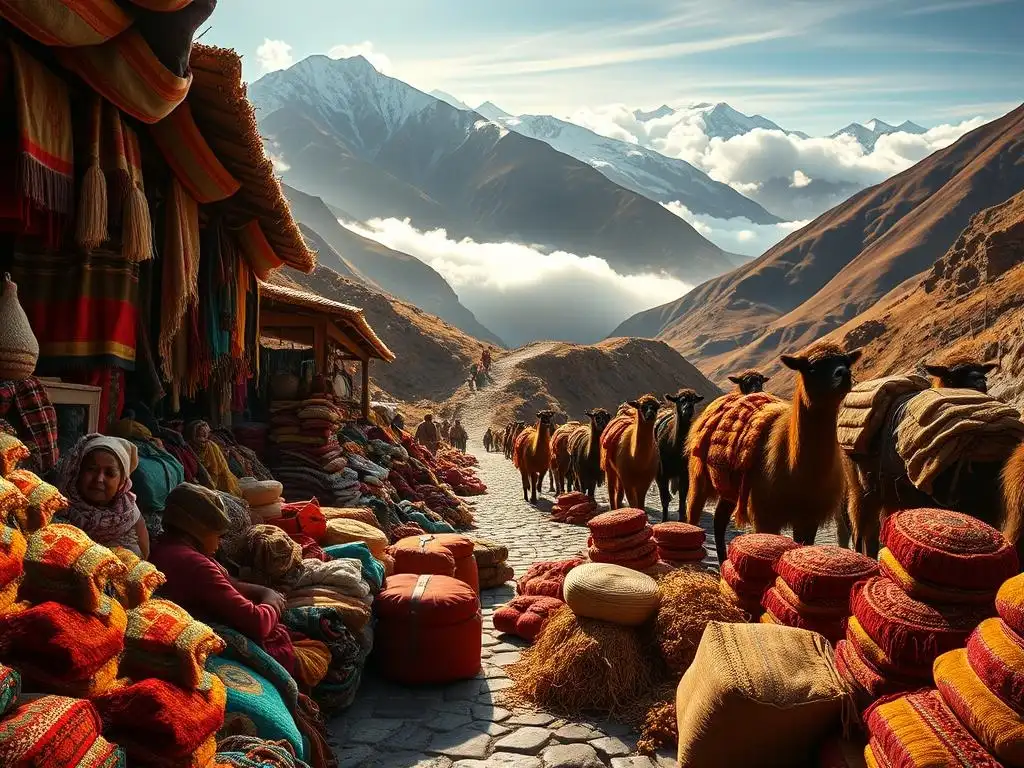
Uncover the secrets woven into the very fabric of the Andes! For centuries, a complex network of Andean trade routes pulsed with life, connecting distant civilizations and shaping the destinies of empires. Discover the astonishing array of products that traversed these ancient pathways, from shimmering gold to potent coca leaves, and learn how these exchanges forged a unique and vibrant cultural tapestry. Prepare to be amazed by the ingenuity and reach of these lost civilizations – delve into the fascinating world of Andean trade and its enduring legacy.
- Andean Trade Routes Products: A Journey Through Diverse Goods
- Coastal Products in Andean Trade Networks
- Highlands Products: The Heart of Andean Exchange
- Inter-Regional Trade: Connecting Coast and Highlands
- The Impact of Andean Trade on Social and Economic Structures
- Conclusion: Legacy of Andean Trade and Its Diverse Products
- Frequently Asked Questions
- Final Reflection: The Enduring Legacy of Andean Trade
- **Embark on Your Andean Adventure Today! **
Andean Trade Routes Products: A Journey Through Diverse Goods
The Andes Mountains, a formidable yet vital geographical feature, shaped not only the landscape of South America but also the intricate tapestry of its ancient civilizations. This colossal mountain range, stretching over 7,000 kilometers, presented both challenges and opportunities for the diverse cultures that thrived within its shadow.
This article delves into the remarkable story of Andean trade routes and the astonishing variety of products that traversed them, connecting coastal communities with highland settlements and fostering a complex network of economic and cultural exchange. We will explore the significance of this trade, the geographical factors that influenced its development, and the specific goods that fueled these vital networks, highlighting the ingenuity and resilience of Andean societies.
Understanding Andean trade routes and their products provides crucial insight into the sophistication and interconnectedness of these ancient civilizations, far beyond the often-simplified narratives that prevail. Prepare to embark on a journey through time, discovering the rich legacy of Andean commerce and the diverse goods that fueled its remarkable success.
Introduction to Andean Trade and Its Significance
Andean trade wasn't merely a matter of exchanging goods; it was a cornerstone of societal structure and cultural development. The exchange of resources, from the coastal bounty of fish and cotton to the highland riches of potatoes and llamas, fostered interdependence and created a complex web of alliances and interactions between different groups. This trade wasn't limited to material goods; ideas, technologies, and religious beliefs also travelled along these routes, enriching the cultural landscape of the Andes.
The scale of this exchange is truly impressive; consider the vast distances covered by these trade routes, often traversing treacherous terrains and challenging climates. Evidence suggests that highly organized systems were in place to manage this trade, including sophisticated record-keeping systems and well-established networks of traders and intermediaries.
The success of Andean trade is a testament to the ingenuity and adaptability of Andean societies, their ability to overcome geographical barriers and forge connections that shaped their history and cultural identity. The impact of this trade resonates even today, influencing the economic and cultural landscape of the region.
Understanding the Geography of Andean Trade
The geography of the Andes profoundly influenced the nature and scope of trade. The towering mountains, deep valleys, and arid coastal deserts presented significant logistical challenges. However, these same features also created unique microclimates and diverse ecological zones, resulting in a rich variety of resources.
Coastal communities possessed access to abundant marine life and cotton, while the highlands offered potatoes, quinoa, llamas, and alpaca wool. The verticality of the Andes itself – the varied altitudes – fostered a system of exchange known as verticality, where different communities specialized in producing goods specific to their elevation and traded them with others. This system required intricate knowledge of the terrain and weather patterns, and the development of sophisticated transport systems, including networks of trails, bridges, and even rafts for navigating rivers.
The physical environment, while demanding, ultimately shaped the unique character of Andean trade, fostering innovation and collaboration across diverse ecological zones. The efficient movement of goods across such varied landscapes speaks volumes about the organizational capabilities of these ancient societies. The routes themselves were not simply paths; they were arteries of economic and cultural exchange, weaving together the diverse Andean communities into a single, vibrant network.
Coastal Products in Andean Trade Networks
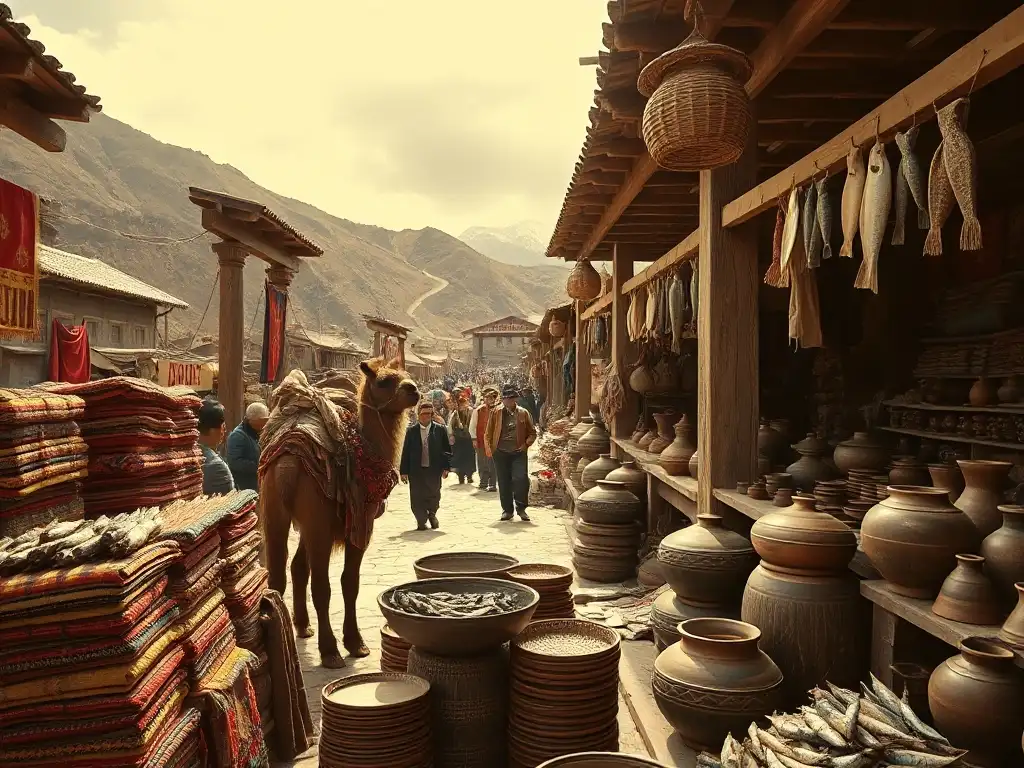
The vibrant tapestry of Andean trade was woven not only from the threads of highland agriculture but also from the rich bounty of the Pacific coast. Coastal communities, though geographically distinct, were deeply integrated into the wider Andean economic system, contributing crucial resources and specialized crafts that fueled the flourishing exchange networks. Understanding the nature of these coastal contributions is key to grasping the complexity and dynamism of "Andean trade routes products". The sheer diversity of goods exchanged highlights the sophisticated organization and extensive reach of these ancient trade systems.
Marine Resources: Anchovies, Mussels, and Salt
The Peruvian coast, teeming with marine life, provided a crucial source of protein and essential resources. Anchovies, a small, abundant fish, formed a cornerstone of the coastal diet and were also processed into guano, a valuable fertilizer highly sought after in the highlands. The abundance of anchovies is evidenced by archaeological findings of enormous quantities of fish bones at coastal settlements.
This abundance, however, wasn't limited to anchovies; mussels and other shellfish were also harvested in significant quantities, providing additional protein sources. Beyond food, the coastal regions offered another vital commodity: salt. Salt was essential for food preservation and was traded extensively throughout the Andes, its value comparable to precious metals in some regions.
The strategic location of salt pans, often near major trade routes, ensured their importance in the overall economy. The precise quantities of marine products traded are difficult to ascertain due to the perishable nature of the goods, but their presence in both coastal and highland sites indicates a significant volume of exchange. Analyzing the distribution patterns of these resources helps us reconstruct the intricate network of "Andean trade routes products" and understand the logistical challenges involved in their transportation.
Agricultural Staples from the Coast: Cotton and Peppers
While marine resources dominated the coastal economy, agriculture also played a significant role. The coastal valleys, though arid, supported the cultivation of crucial crops like cotton and various types of peppers. Cotton, prized for its softness and strength, was a highly valued commodity throughout the Andes.
It was used to create textiles, clothing, and even rope, its versatility making it an essential part of everyday life and ritual practices. The quality of coastal cotton, often considered superior to that grown at higher altitudes, contributed to its widespread demand. Furthermore, the diverse array of peppers cultivated along the coast added a crucial spice to the Andean diet.
Different varieties, each with unique flavors and heat levels, were traded widely, enriching culinary practices across the region. Archaeological evidence suggests that the cultivation and trade of both cotton and peppers were highly organized, with specialized techniques employed to maximize yields and ensure quality. The presence of these agricultural products in both coastal and highland sites underscores their importance in the wider network of "Andean trade routes products".
Specialized Coastal Crafts: Woven Fishing Nets and Pottery
Beyond raw materials, coastal communities also contributed specialized crafts to the Andean trade network. Woven fishing nets, essential for marine resource acquisition, were not simply functional tools but also reflected skilled craftsmanship. The intricate weaving techniques and durable materials used in their creation indicate a high level of skill and artistry.
These nets, while primarily used locally, likely also entered into trade networks, either as finished products or as components for other crafts. The coastal regions were also renowned for their distinctive pottery styles. The varied forms, intricate designs, and high-quality materials used in coastal pottery suggest specialized production centers and a thriving market for these goods.
These specialized crafts, while perhaps less voluminous than agricultural or marine products, played a crucial role in the cultural exchange and economic dynamism of the Andean trade system, adding another layer to the complex picture of "Andean trade routes products". The stylistic variations in pottery, for instance, allow archaeologists to trace the movement of goods and ideas across the Andean region, offering valuable insights into the interconnectedness of different communities.
Highlands Products: The Heart of Andean Exchange
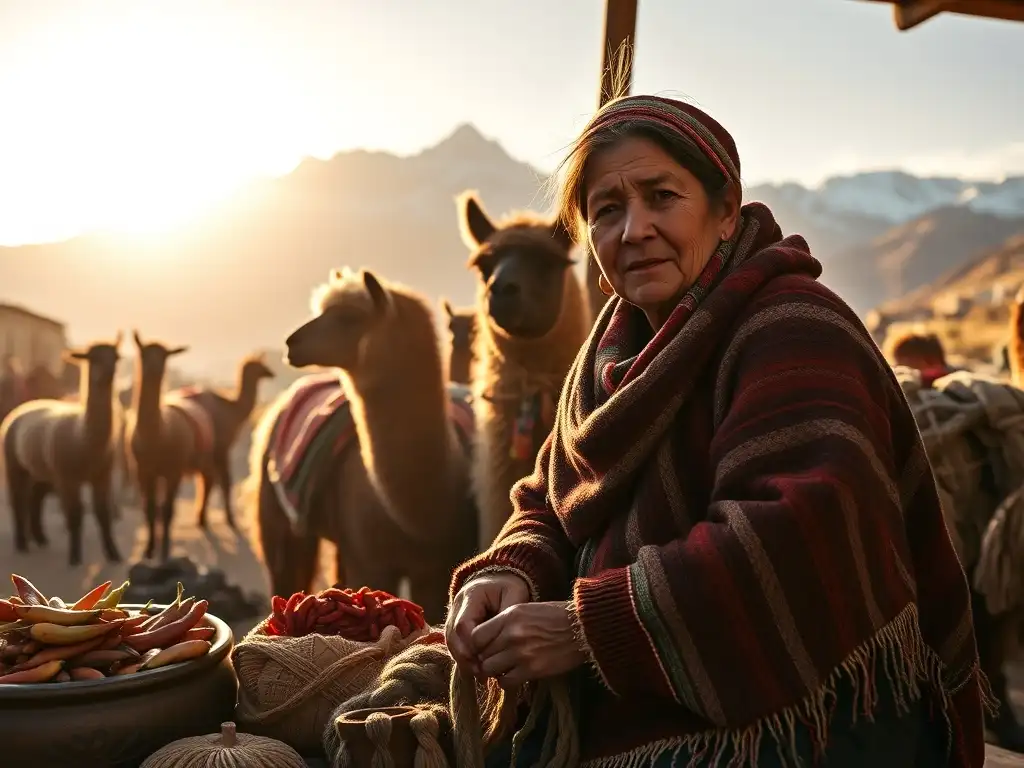
The towering Andes Mountains, far from being a barrier, served as a vital artery for Andean trade routes, channeling a wealth of unique products down to the coastal regions and beyond. The high altitude environment fostered a distinct agricultural system and provided access to valuable mineral resources, fueling the economic engine of several Andean civilizations. The exchange of these highland goods significantly shaped the cultural and political landscape of the region. Understanding the nature and extent of this exchange is key to comprehending the complexities of Andean trade routes products.
Highland Agriculture: Potatoes, Quinoa, and Oca
Highland agriculture formed the backbone of the Andean economy. The ingenuity of Andean farmers in cultivating diverse crops at high altitudes is remarkable. Potatoes, a staple crop still ubiquitous today, were grown in a vast array of varieties, each adapted to specific ecological niches. Their nutritional value and versatility made them a cornerstone of the Andean diet and a crucial trade commodity.
Similarly, quinoa, a highly nutritious grain, was another key agricultural product traded extensively throughout the region. Its resilience to harsh conditions made it a dependable food source, and its high protein content made it highly valued. Finally, oca, a tuber similar to the potato, provided additional dietary diversity and contributed to the complex agricultural system supporting Andean trade. The sheer variety of potatoes alone, estimated to be in the thousands, showcases the level of agricultural sophistication and the resulting abundance of tradeable goods.
The successful cultivation and trade of these crops were facilitated by sophisticated irrigation systems, terraced farming techniques, and a deep understanding of Andean ecosystems. This agricultural prowess not only sustained the highland populations but also provided surplus for exchange with coastal communities, creating a vibrant and interconnected network across diverse ecological zones. The trade of these agricultural products was not merely an economic activity; it was intrinsically linked to social and religious practices, solidifying the importance of these goods in Andean society.
Livestock and Animal Products: Alpaca Wool and Dried Meat
Beyond agriculture, the highlands provided valuable livestock resources. Alpaca, known for their incredibly soft and warm wool, were a significant source of wealth and trade. Alpaca wool was highly prized for its quality and used to create textiles of exceptional craftsmanship. These textiles, ranging from simple clothing to elaborate ceremonial garments, were important trade items, showcasing the advanced weaving techniques of Andean artisans. The demand for alpaca wool extended far beyond the Andes, reaching distant markets and further highlighting the reach of Andean trade routes products.
Moreover, dried alpaca and llama meat provided a crucial source of protein, especially valuable in the high-altitude environment where preservation was critical. These dried meats were lightweight, easy to transport, and could be stored for extended periods, making them ideal for trade across vast distances. The importance of these animal products in the Andean diet and economy solidified their position as vital components of the intricate network of Andean trade. The meticulous techniques employed in the processing and preservation of these meats demonstrate the advanced knowledge and skills of Andean communities.
Mineral Wealth: Gold, Silver, and Tin
The Andean highlands were also rich in mineral resources, particularly gold, silver, and tin. These precious metals and minerals played a pivotal role in the economic and political power of Andean civilizations. Gold, in particular, held significant symbolic value, often associated with divinity and power. Elaborate gold objects, including jewelry, ceremonial masks, and vessels, were created by skilled artisans and traded across vast distances. These objects served not only as economic commodities but also as indicators of status and power, reflecting the prestige and influence associated with the control of these valuable resources.
Silver and tin, while less ostentatious than gold, were also crucial trade items. Silver was used in the creation of various artifacts and tools, while tin was essential for the production of bronze alloys. The mining and processing of these metals required sophisticated techniques and labor, underscoring the level of technological advancement within Andean societies.
The distribution of these minerals across the region, through established trade routes, facilitated the development of sophisticated metalworking traditions and fostered economic interdependence among different Andean communities. The strategic control of these mineral resources was a key factor in the rise and fall of various Andean empires, highlighting the undeniable link between mineral wealth and political power within the context of Andean trade routes products.
Inter-Regional Trade: Connecting Coast and Highlands
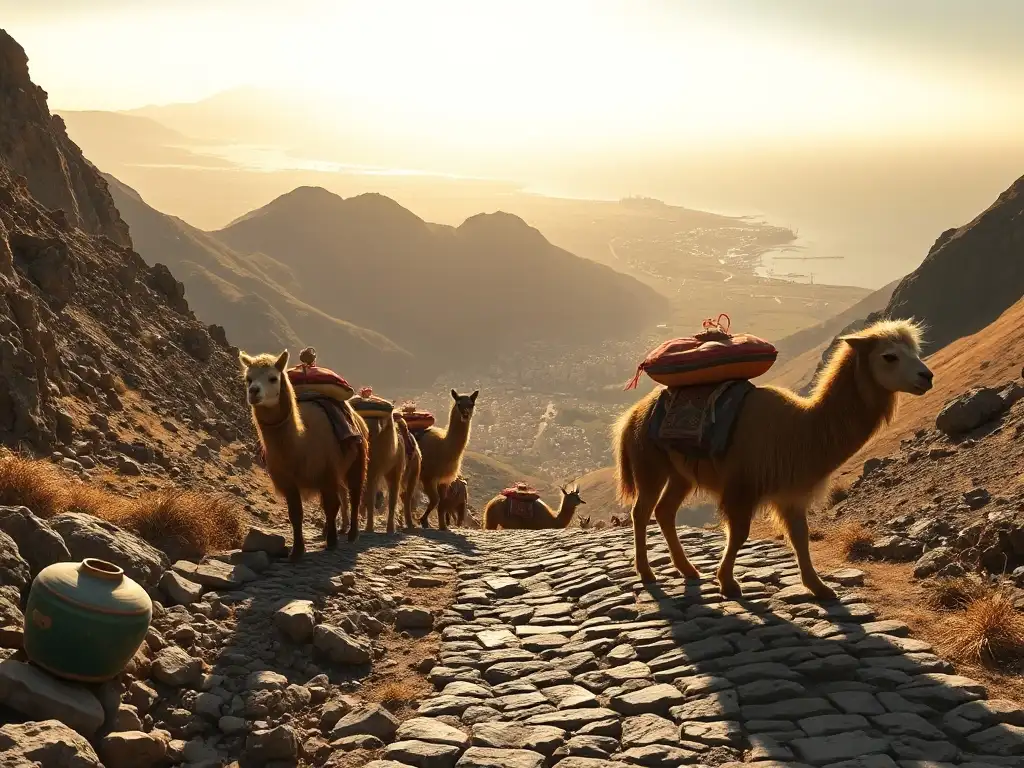
This section delves into the intricate web of inter-regional trade that characterized the Andean civilizations, focusing on the exchange of goods between the coastal and highland regions. The diverse geography of the Andes, encompassing arid coastal deserts, fertile valleys, and towering mountain ranges, fostered a system of interdependence. Coastal communities, rich in marine resources like fish and shellfish, relied on the highlands for agricultural products like potatoes and maize.
Conversely, highland populations depended on the coast for essential commodities not readily available at higher altitudes. This intricate exchange, facilitated by well-established trade routes and sophisticated bartering systems, fueled economic growth and cultural exchange across the Andean region. Understanding the nature of this trade is key to grasping the complexity and resilience of these ancient societies.
The efficient movement of goods across vast distances speaks volumes about their logistical capabilities and the importance of trade in shaping their societies. This section will explore the specific mechanisms and key components of this vital aspect of Andean life.
Bartering and Exchange Systems in the Andes
The Andean civilizations lacked a universally standardized currency. Instead, they relied on complex bartering systems and reciprocal exchange networks to facilitate trade. This wasn't a simple one-to-one exchange; rather, it involved intricate negotiations and the valuation of goods based on their perceived utility and scarcity.
For instance, highly prized textiles from the highlands, renowned for their intricate designs and craftsmanship, were exchanged for coastal fish, dried seafood, or salt – essential resources unavailable in the mountainous regions. The system was further complicated by the presence of intermediary groups who acted as traders, facilitating the movement of goods and the negotiation of exchanges between distant communities. Archaeological evidence suggests the existence of specialized marketplaces and ceremonial centers where these exchanges took place.
The absence of written records necessitates relying on archaeological findings – such as the discovery of diverse goods in burials and settlements – to reconstruct these intricate economic interactions. The sophistication of these bartering systems underscores the advanced understanding of economics and social organization within these ancient societies. The process was not simply transactional; it solidified social ties and fostered alliances between different groups.
The Role of Llamas in Andean Trade Transportation
Llamas played a pivotal role in Andean trade, serving as the primary mode of transportation for goods across the challenging Andean terrain. These camelids, adapted to high altitudes, were capable of carrying substantial loads over long distances, traversing treacherous mountain passes and difficult trails. Their endurance and surefootedness were crucial to the success of the trade networks.
Evidence suggests that llamas were not only used for carrying goods but also as a source of wool, meat, and dung (used as fuel). Their importance is reflected in Andean iconography, where llamas are frequently depicted in art and textiles, symbolizing wealth and prosperity. The organization of llama caravans, the management of herds, and the establishment of resting places along trade routes all required sophisticated logistical planning and social organization.
The efficiency of llama-based transport significantly influenced the scale and scope of Andean trade, enabling the exchange of goods over vast distances and contributing to the economic integration of disparate communities. It was a sustainable system, perfectly adapted to the Andean environment, and a testament to the ingenuity of the Andean peoples.
The Chincha Trade Network and Its Reach
The Chincha, a pre-Inca coastal civilization, established a powerful and extensive trade network that stretched along the Peruvian coast and into the highlands. Their expertise in maritime navigation and shipbuilding enabled them to control crucial sea routes, facilitating the exchange of goods between coastal and inland communities. The Chincha were particularly known for their mastery of textile production and their control over the valuable resource of cotton.
They traded cotton textiles, along with other coastal products, for highland agricultural goods and precious metals. Their influence extended far beyond their immediate territory, as evidenced by the widespread distribution of Chincha pottery and other artifacts found across the Andes. The Chincha's success demonstrates the significant economic and political power that could be achieved through control of trade routes and access to valuable resources.
The sophistication of their maritime technology and their ability to establish and maintain long-distance trade relationships highlight their advanced understanding of trade and logistics. Their network served as a model for subsequent Andean civilizations, showcasing the importance of maritime trade in the overall Andean economy. Their legacy continues to shape our understanding of the complexities of Andean trade and the interconnectedness of its diverse regions.
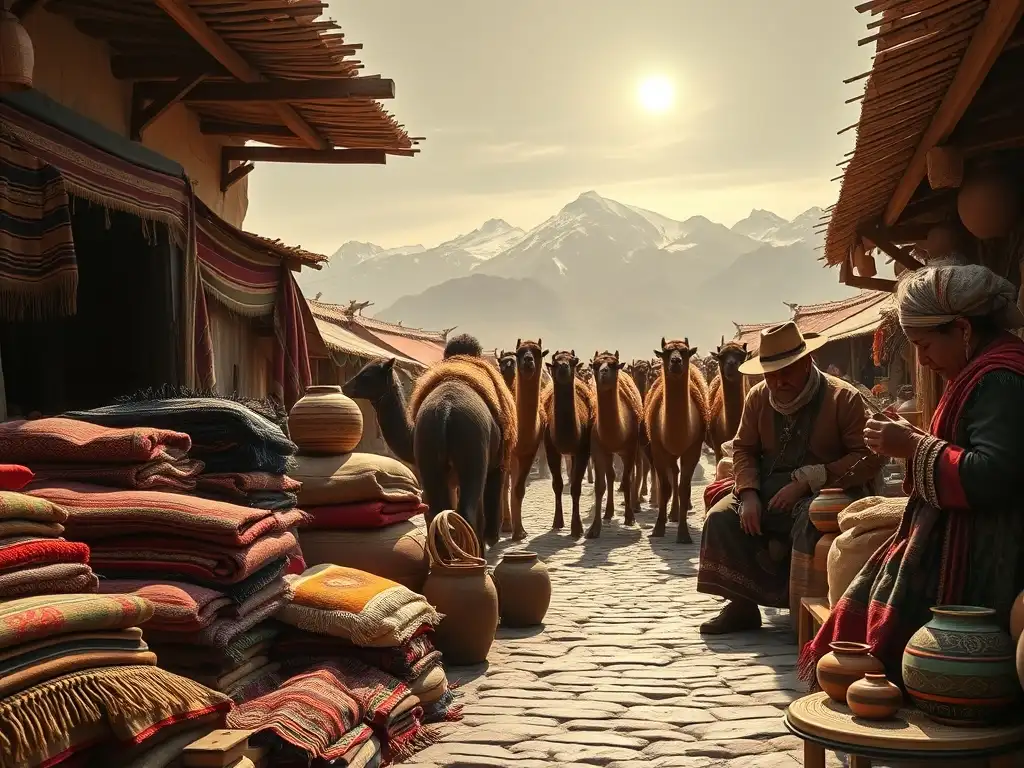
The vibrant exchange of goods across the Andes profoundly shaped the social and economic fabric of these ancient civilizations. Andean trade routes products weren't just commodities; they were the lifeblood of empires, fueling growth, fostering alliances, and even triggering conflict. The intricate networks connecting coastal regions with the high altitudes facilitated the movement of essential resources, specialized crafts, and luxury items, creating a complex interplay of interdependence and competition.
This wasn't simply a matter of bartering goods; it was a system that solidified power structures, defined social hierarchies, and ultimately contributed to the rise and fall of civilizations. The sheer scale and sophistication of these trade networks are a testament to the ingenuity and organizational capabilities of Andean societies. Analyzing the distribution of specific goods, such as textiles, ceramics, and metals, allows us to reconstruct the flow of wealth and power across vast distances.
The impact of this trade was far-reaching, influencing everything from agricultural practices to religious beliefs. Understanding the dynamics of Andean trade is crucial to grasping the complexities of these remarkable cultures.
Trade and the Rise of the Inca Empire
The Inca Empire's remarkable expansion was inextricably linked to its mastery of Andean trade routes and the effective management of the resulting economic power. The Inca's sophisticated infrastructure, including the extensive network of roads (the Qhapaq Ñan) and strategically placed storage facilities ( qollqas), facilitated the efficient movement of goods throughout their vast territory. This logistical prowess allowed them to control the flow of essential resources like maize, potatoes, and coca, consolidating their economic and political dominance.
The Inca state actively participated in trade, acting as both a regulator and a major participant. They imposed taxes in the form of goods, creating a steady stream of resources that fueled the empire's growth. Furthermore, the Inca controlled key production centers, ensuring the quality and supply of goods.
This control over Andean trade routes products was not merely a source of wealth but a critical instrument for maintaining social order and political stability. The empire’s ability to effectively manage and leverage the existing trade networks proved essential for its unprecedented expansion and long-term stability. The Inca's economic policies, deeply intertwined with their political strategies, offer a compelling example of how trade can be used to forge and maintain an empire.
The Power of Controlling Trade Routes
Control over Andean trade routes was a source of immense power in the Andes. Civilizations that secured access to vital trade routes gained control over the flow of essential resources and luxury goods, enhancing their wealth and influence. This control often translated into political dominance. For example, the ability to control the passage of precious metals like gold and silver, highly valued across the Andes, provided a significant advantage in diplomatic negotiations and military campaigns.
Similarly, access to coastal resources such as fish and salt was crucial for inland populations, making those who controlled these routes indispensable trading partners. The strategic location of settlements along major trade routes often led to their growth into powerful centers of political and economic authority. This dynamic is evident in the rise and fall of several Andean societies.
The shift in control over key trade routes often coincided with changes in political power, highlighting the vital role of trade in shaping the political landscape of the Andes. The competition for control of these trade routes frequently led to conflict, underscoring their strategic importance. The control of Andean trade routes products was, therefore, a crucial factor determining the rise and fall of Andean civilizations.
The Moche Civilization's Trade in Obsidian
The Moche civilization, known for its sophisticated artistry and elaborate burial practices, actively engaged in extensive trade networks. One particularly valuable commodity they traded was obsidian, a volcanic glass prized for its sharpness and used for crafting tools and weapons. The Moche controlled key obsidian sources, particularly in the Andes, giving them significant leverage in trade negotiations.
Evidence suggests that Moche obsidian was traded across a wide area, reaching distant communities through complex exchange systems. The distribution of Moche obsidian artifacts across the region reflects the extent and sophistication of their trade networks. The presence of Moche-style obsidian tools in sites far from their heartland showcases the power of their trade connections.
The Moche's mastery of obsidian production and distribution not only contributed to their economic prosperity but also enhanced their prestige and influence within the broader Andean context. This control over a highly sought-after Andean trade routes product solidified their position as a major player in the region's economic and political landscape. Further research into Moche trade practices, including an analysis of the specific routes and exchange mechanisms used, is essential for a more complete understanding of their economic and social structures.
Conclusion: Legacy of Andean Trade and Its Diverse Products
This exploration of Andean trade routes products reveals a complex and sophisticated system that profoundly shaped the development of Andean civilizations. The sheer diversity of goods exchanged, ranging from everyday necessities to luxury items, highlights the interconnectedness of these societies and their remarkable adaptive capacity to diverse environments. Understanding the intricate web of Andean trade allows us to appreciate not only the economic prowess of these cultures but also their social structures, political power dynamics, and technological advancements. The legacy of this extensive exchange continues to resonate even today, influencing modern economies and cultural practices across the Andes.
The Enduring Impact of Andean Exchange Systems
The impact of Andean trade systems extends far beyond the historical period. The intricate networks established facilitated cultural diffusion, spreading technologies, artistic styles, religious beliefs, and agricultural practices across vast distances. For example, the widespread adoption of llama herding and the cultivation of specific crops, like potatoes, demonstrates the power of trade in shaping agricultural landscapes and food security across different ecological zones.
Even today, many traditional Andean markets and exchange systems maintain elements of their ancient predecessors, reflecting a continuity that spans centuries. The enduring legacy of these systems is evident in the vibrant cultural tapestry of the Andes, where traditional crafts, agricultural practices, and social structures still bear the marks of this rich trading history.
The resilience of these systems in the face of colonialism and globalization underscores their profound significance in shaping the identity and economy of the Andean region. Further research into specific regional variations in trade practices and their long-term effects on local communities would provide valuable insights into the enduring impact of Andean exchange.
The Complexity and Importance of Andean Trade Networks
The Andean trade networks were not simply linear routes but rather complex webs of interconnected pathways adapting to challenging terrains. The logistical challenges posed by the Andes' varied geography – from coastal deserts to high-altitude plains – necessitated innovative solutions. The use of llamas as pack animals, the construction of strategically placed storage facilities, and the development of sophisticated record-keeping systems all testify to the advanced organizational capabilities of Andean societies.
The importance of these networks is also reflected in the archaeological evidence of elaborate road systems, such as the Inca Qhapaq Ñan, which facilitated the efficient movement of goods and people. Moreover, the control and regulation of trade played a crucial role in shaping political power. Access to valuable resources and control over trade routes often translated into political dominance, highlighting the intertwining of economic and political spheres.
Analyzing the distribution patterns of specific goods, such as precious metals, textiles, and ceramics, provides valuable clues to understanding the power dynamics and economic strategies employed by different Andean groups. A deeper investigation into the role of specific intermediary groups and the dynamics of exchange within these networks would further illuminate the complexity and importance of Andean trade. The sophisticated organization and significant impact of these networks underscore the advanced understanding of logistics and resource management possessed by Andean civilizations.
Frequently Asked Questions
What were the main products traded along Andean routes?
The Andean trade routes facilitated the exchange of a wide variety of goods. Textiles, metals (gold, silver, copper), pottery, foodstuffs (such as coca and potatoes), and luxury items were all crucial components of this extensive network.
How did geography influence Andean trade routes?
The challenging geography of the Andes, with its mountains and diverse ecosystems, shaped the routes. Trade networks adapted to the varied terrains, utilizing mountain passes, coastal routes, and river systems to connect different regions.
Which Andean civilizations were most involved in trade?
Many Andean civilizations participated, but the Inca Empire established a particularly extensive and well-organized system. However, earlier cultures like the Moche and Nazca also played vital roles in regional trade networks.
What was the significance of llama caravans in Andean trade?
Llamas were essential pack animals, carrying goods across the difficult Andean terrain. Their use enabled the efficient transport of various products over long distances, significantly impacting the scale and reach of trade.
What types of technologies supported Andean trade networks?
Andean societies developed sophisticated technologies to aid trade. Advanced road systems, storage facilities, and specialized pack animals (like llamas) facilitated the movement and preservation of traded goods.
Final Reflection: The Enduring Legacy of Andean Trade
The vibrant tapestry of Andean trade, once woven through arduous mountain passes and coastal routes, continues to resonate in the global marketplace today. The products, from exotic spices to precious metals, shaped civilizations and economies, leaving an indelible mark on the world's cultural and culinary landscapes. Understanding this historical exchange offers crucial insight into the complexities of globalization and the enduring power of cultural exchange.
The impact of Andean trade extends far beyond the historical record; its influence subtly shapes our modern world. The enduring popularity of Andean crops like potatoes and quinoa, for instance, speaks volumes about the lasting legacy of this ancient trade. These staples, once traded along intricate networks, now feed millions across the globe. The past is never dead. It's not even past.
– William Faulkner. This quote perfectly encapsulates the enduring relevance of Andean trade, demonstrating how its echoes reverberate in our present-day realities, influencing our food, our economies, and our understanding of global interconnectedness.
Consider the journey of these goods, the hands that cultivated them, and the networks that facilitated their exchange. You, the reader, are now part of this ongoing narrative. Reflect on the products you consume daily – where do they originate? What journeys did they undertake to reach your table? By understanding the historical context of trade, we can become more conscious consumers, appreciating the rich history embedded within the seemingly mundane objects of our everyday lives. Let us continue to explore and celebrate the enduring legacy of Andean trade, fostering a deeper appreciation for the interconnectedness of our world.
**Embark on Your Andean Adventure Today! **
Thank you for exploring the fascinating world of Andean trade and its diverse products! We hope you've gained a deeper understanding of the rich tapestry of cultures and resources that define the Andean region. Now, let's put your newfound knowledge into practice.
Here are some ways to connect with the vibrant stories and offerings of the Andes:
- **Explore Local Markets:** Discover Andean products at your local farmers' market, international grocery store, or specialty shop. Look for unique items like quinoa, handcrafted textiles, or artisan jewelry to bring a piece of the Andes into your home.
- **Engage with Andean Communities:** Search online for local events, workshops, or cultural centers that celebrate Andean heritage. Participating in these activities will deepen your appreciation for the region's traditions and vibrant culture.
- **Share Your Journey:** Share your newfound knowledge on social media! Post a photo of your favorite Andean product, tell a story about what you've learned, or simply spark a conversation about the incredible Andean civilizations. Tag us at @AndeanCivilizations!
What aspect of Andean culture or trade excites you most? Share your thoughts and continue the conversation in the comments below!