
The Power of Salt: A Key Element in Andean Exchange Networks

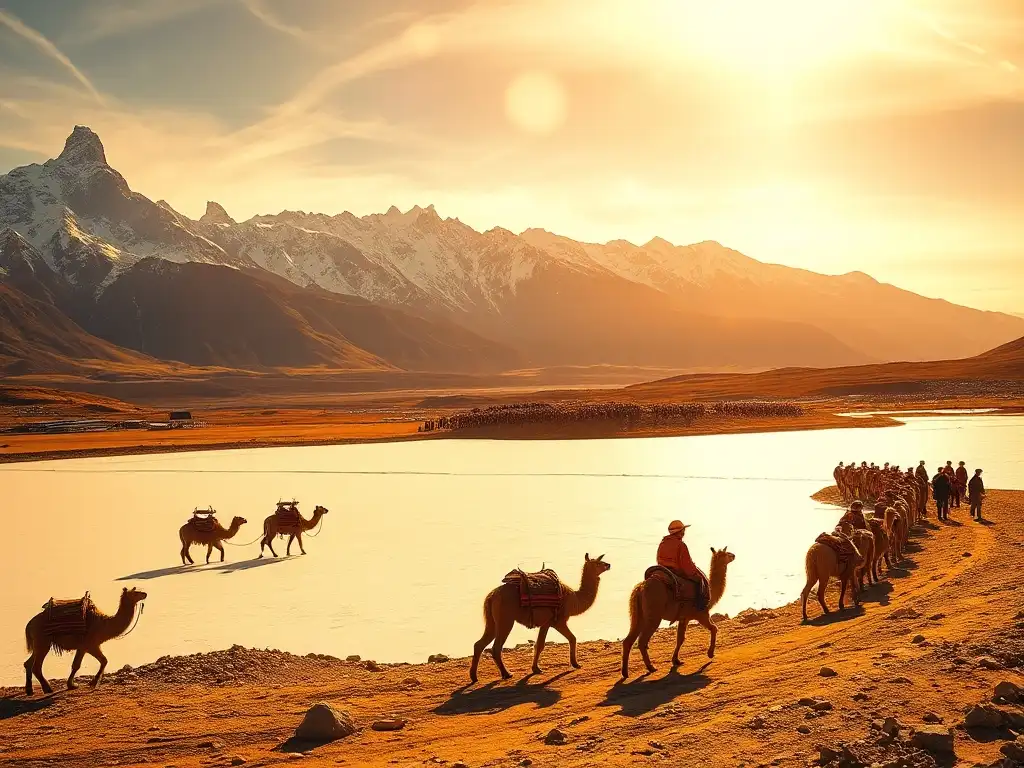
Step into a world lost to time, yet echoing with the whispers of empires. Here, amidst the towering peaks of the Andes, lies a story far grander than gold – the story of Andean salt trade networks. Discover how this seemingly simple substance fueled the rise and fall of civilizations like the Incas, Moche, and Nazca, shaping their societies in ways you never imagined. Unravel the secrets of this ancient power and prepare to be amazed by the intricate tapestry of Andean trade and economy. Ready to embark on this captivating journey?
Salt, a seemingly mundane substance, played a pivotal role in the complex tapestry of Andean exchange networks. Far from being merely a culinary ingredient, salt's significance transcended the everyday, becoming a crucial commodity deeply intertwined with social structures, religious beliefs, and economic power within ancient Andean societies. This article delves into the fascinating world of Andean salt trade networks, exploring its geographic reach, the diverse forms of salt utilized, and its profound impact on the political and social landscapes of the pre-Columbian Andes.
We will examine how the control and distribution of salt shaped relationships between different Andean communities, highlighting the intricate systems of barter and exchange that flourished across vast distances and diverse ecological zones. Understanding the role of salt provides a crucial lens through which to interpret the complexities of Andean trade and the interconnectedness of its vibrant civilizations.
Geographic Distribution of Salt Production and Trade
The Andean region boasts a diverse geography, and this diversity directly influenced the location of salt production. Salt was extracted from various sources, including salt lakes (salars), coastal salt pans, and even from inland brine springs. The most significant salt-producing regions varied across different periods and empires. For example, the coastal regions of northern Peru were crucial sources of salt for the Moche civilization, while the vast salars of the altiplano provided salt for the Tiahuanaco and Inca empires.
The distribution of these resources, in turn, shaped the routes and networks through which salt was traded. Detailed archaeological evidence, including the discovery of salt deposits at various sites and the presence of salt in tombs and ceremonial contexts, provides valuable insights into the scale and scope of these ancient trade routes. The sheer volume of salt found in some archaeological locations underscores its importance as a highly valued commodity.
Types of Salt and Their Significance
Andean civilizations didn't simply utilize one type of salt. Different forms of salt, varying in purity and processing, held distinct social and ceremonial values. Rock salt, for instance, often mined from high-altitude deposits, might have been considered more prestigious than salt extracted from coastal pans. The processing techniques, which could include boiling or solar evaporation, also likely influenced the perceived value of the salt.
Some salt deposits even contained trace minerals, potentially conferring additional medicinal or symbolic significance. Further research is needed to fully understand the nuances in the types of salt used and their associated cultural meanings. This research could involve detailed chemical analysis of archaeological salt samples, coupled with ethnographic studies of surviving Andean traditions.
The importance of salt extended far beyond its culinary uses. In many Andean cultures, salt held deep symbolic meaning, often associated with life, fertility, and even the sun. Archaeological evidence consistently shows the presence of salt in burial rituals and offerings to deities.
The control over salt production and distribution could have conferred significant power upon elites, reinforcing social hierarchies and political influence. Salt may have been used as a form of tribute or taxation, solidifying the power of ruling classes and fostering economic interdependence between different groups. The precise mechanisms of this power dynamic require further investigation, but the evidence strongly suggests salt's role as a key element in the broader social and political fabric of Andean societies.
Salt Trade and the Inca Empire
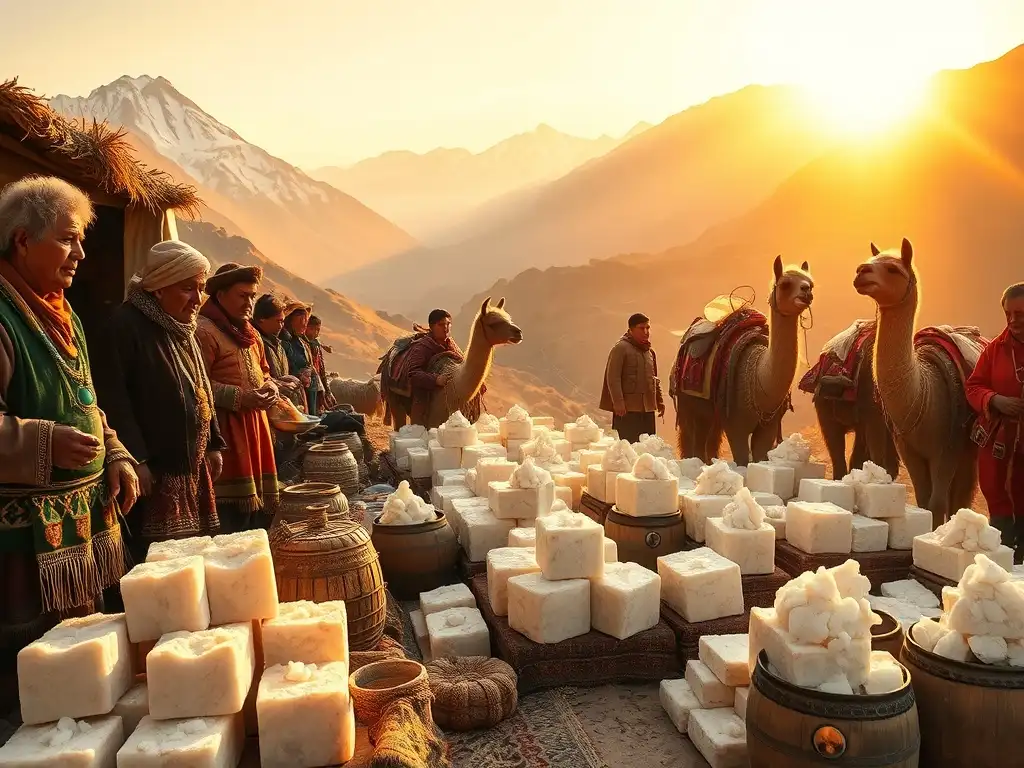
The Inca Empire, with its extensive road network and sophisticated administrative system, significantly impacted the Andean salt trade. The Inca state likely played a crucial role in regulating the production and distribution of salt, integrating it into the empire's vast tribute system. The standardization of weights and measures, a characteristic feature of Inca administration, likely also influenced the trade in salt.
Inca control over salt production and trade routes reinforced their power and facilitated the flow of goods and resources throughout the empire. The integration of salt into the Inca economy showcases the commodity's importance in maintaining the stability and prosperity of one of the most remarkable empires in the Americas. Further study into Inca administrative records and archaeological findings could reveal a more complete picture of the Inca's role in managing the Andean salt trade.
The Legacy of Andean Salt Trade Networks
The legacy of Andean salt trade networks extends far beyond the collapse of the Inca Empire. Many traditional practices related to salt production and use persist in contemporary Andean communities, demonstrating the enduring cultural significance of this vital resource. Understanding the historical context of these practices enriches our understanding of Andean cultures, both past and present.
The study of ancient Andean salt trade networks offers a powerful lens through which we can appreciate the sophistication and complexity of pre-Columbian Andean societies, their interconnectedness, and the enduring influence of salt on their history and culture. The continuing research into these networks promises to unveil even more fascinating details about the lives and societies of these remarkable civilizations.
- Geographic Distribution of Salt Production and Trade
- Types of Salt and Their Significance
- Salt in Andean Rituals and Social Structures
- Salt Trade and the Inca Empire
- The Legacy of Andean Salt Trade Networks
The Significance of Salt in Ancient Andean Societies
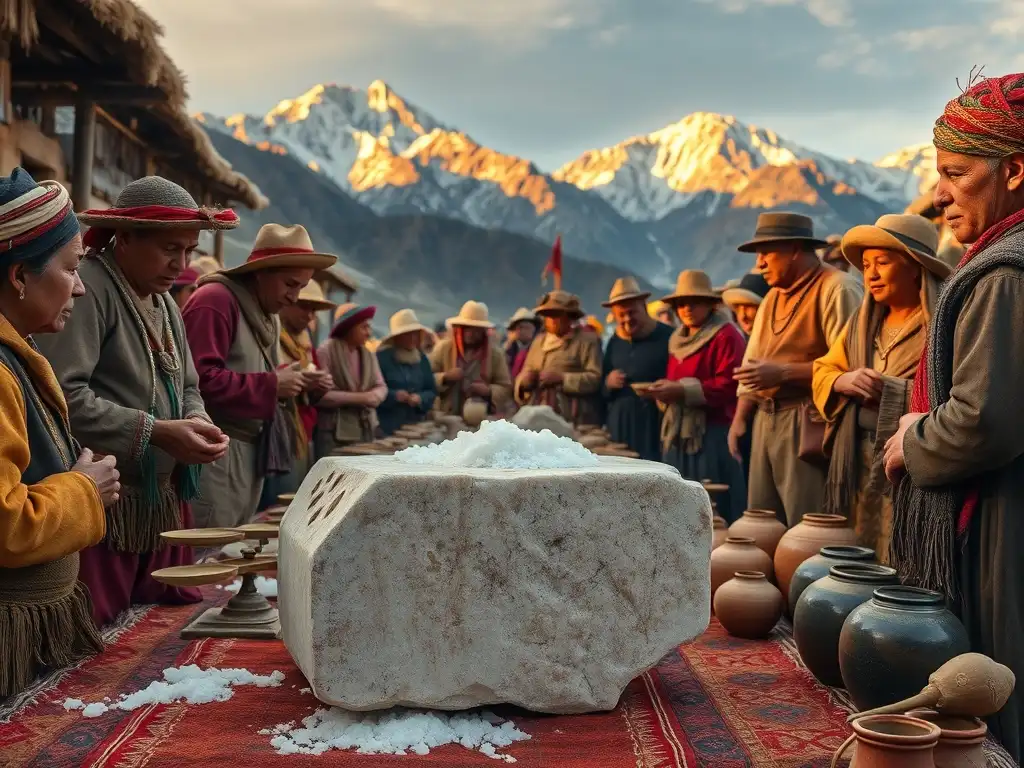
The Andean salt trade networks were not merely economic arteries; they were the lifeblood of complex societies spanning millennia. Salt, far from being a simple seasoning, held profound social, religious, and political significance in the Andes. Its value transcended its practical uses, becoming a powerful symbol of wealth, status, and even sacred power.
Understanding the role of salt in these ancient cultures requires moving beyond a purely economic analysis and delving into the intricate tapestry of Andean life. The scarcity of readily accessible salt in many Andean regions, coupled with its crucial role in food preservation and human health, created a dynamic system of exchange and control that shaped the very fabric of Andean societies. The scale of this trade, evidenced by archaeological findings of extensive saltworks and the widespread distribution of salt artifacts, underlines its crucial importance.
Salt as a Vital Resource in the Andes
Salt’s importance in the Andes stemmed from its multifaceted utility. Firstly, it was essential for preserving food, particularly crucial in a region with varying altitudes and climates impacting food storage. The preservation of meat, fish, and other perishable goods through salting extended the availability of vital nutrients and reduced food spoilage, thereby enhancing food security and ensuring survival, especially during lean seasons. This is underscored by archaeological evidence of salt deposits found near ancient settlements and storage facilities.
Secondly, salt played a vital role in the Andean diet. Sodium is crucial for human health, and its deficiency can lead to serious health problems. In regions where natural sodium intake was limited, salt became a necessary dietary supplement ensuring the well-being of the population. Thirdly, salt's use extended beyond sustenance.
It was used in various rituals and ceremonies, highlighting its symbolic and spiritual significance. Archaeological finds of salt offerings in tombs and sacred sites further support this assertion. The strategic location of salt mines and the control over their production often conferred significant political and economic power on the ruling elites. The control of salt production and distribution often translated to the control of people and resources.
The Role of Salt in Andean Diet and Preservation
The Andean diet, diverse and adapted to the unique ecological conditions of the region, relied heavily on salt for both taste and preservation. The high altitude and varied climates of the Andes presented challenges in food storage. Salt was thus a key element in preserving agricultural surpluses, such as potatoes, maize, and quinoa, enabling communities to cope with seasonal variations in food availability. The preservation techniques varied depending on the food type and the available resources. For instance, meat was often cured using salt and sun-drying, while fish was preserved through salting and smoking.
The process of salting not only extended the shelf life of food but also added flavor, making it more palatable. This is particularly evident in the culinary traditions of contemporary Andean communities, where salt continues to be an indispensable ingredient in many dishes. Moreover, the use of salt in the Andean diet extended beyond mere preservation. Salt was often used as a flavor enhancer, adding a crucial dimension to the taste of meals.
The careful control of salt in food preparation reflects a sophisticated understanding of culinary techniques and a deep appreciation of the ingredient's significance. [Specific data on salt concentration in preserved Andean foods pending]. This data would further illuminate the sophisticated techniques employed by Andean communities in food preservation. The significance of salt in Andean dietary practices is a testament to the ingenuity and adaptability of these ancient societies in harnessing available resources to ensure their survival and prosperity.
Understanding Andean Salt Production and Extraction
The Andean salt trade networks were not merely routes for the movement of a commodity; they represented complex social, economic, and political interactions across vast distances. Understanding the power of salt in these networks requires examining the methods of production and extraction themselves, revealing the ingenuity and resourcefulness of Andean societies. The availability and control of salt resources significantly influenced the dynamics of power and exchange throughout the region.
The strategic placement of salt sources, often in high-altitude environments, created unique challenges and opportunities, shaping the very fabric of Andean civilization. The varying techniques employed in salt production—reflecting local geological conditions and technological advancements—contributed to the diversity and complexity of the Andean salt trade networks.
Traditional Methods of Salt Extraction in the Andes
Andean communities developed diverse techniques for salt extraction, adapted to the specific geographical context of each region. In areas with saline lakes or salt flats (salars), solar evaporation was a primary method. This involved channeling water into shallow basins, allowing the sun to evaporate the water, leaving behind concentrated salt crystals. This seemingly simple process, however, required careful management of water flow, basin construction, and timing to optimize salt yield. The process could take weeks or even months, depending on weather conditions and the salinity of the water source.
Some communities utilized boiling techniques, particularly in areas with access to geothermal springs or high-altitude brine pools. This involved heating brine in large earthenware pots or metal containers, accelerating the evaporation process and potentially resulting in a higher-quality salt. The fuel sources employed—wood, dung, or even llama dung—varied depending on local availability. The scale of these boiling operations could range from small-scale household production to larger communal efforts. The quality and quantity of salt produced were directly related to the efficiency of the heating process and the availability of fuel.
Another method involved mining rock salt deposits found in mountainous regions. This required specialized tools and techniques, often involving the use of stone hammers, chisels, and other rudimentary implements. The extracted salt was then often processed further—crushed, refined, and sometimes even mixed with other substances—before being traded. The labor-intensive nature of salt mining, coupled with the risks inherent in working in high-altitude environments, added to the value and prestige associated with salt. The arduous process contributed significantly to the value placed on salt within Andean exchange networks.
Geographical Distribution of Salt Sources in the Andean Region
The geographical distribution of salt sources played a crucial role in shaping Andean salt trade networks. The location of salt flats, brine springs, and rock salt deposits dictated the routes of exchange and the communities involved in the trade. Salars, such as the vast Uyuni Salt Flat in Bolivia, served as major centers of salt production, attracting traders from far and wide. These geographically strategic locations fostered the growth of settlements and the development of sophisticated trade infrastructure.
High-altitude salt mines, often located in the Andes mountains, presented unique logistical challenges. Transporting salt from these remote locations required specialized pack animals, such as llamas and alpacas, and well-established trails. The difficulty of accessing these resources contributed to their high value and their use as a form of prestige goods in exchange networks.
The distribution wasn't uniform; some areas were rich in salt resources, while others faced scarcity, creating a strong incentive for trade and exchange. This uneven distribution was a significant factor driving the Andean salt trade networks. The control of key salt sources became a source of economic and political power for certain groups.
The Importance of Salt Mines and Salt Flats
Salt mines and salt flats were more than just sources of salt; they were vital economic hubs and often held significant ritual and symbolic importance within Andean societies. The control of these resources often translated into political power and social status. Large-scale salt production at these locations frequently led to the growth of settlements, providing employment, stimulating local economies, and fostering complex social structures. The presence of salt mines and salt flats often dictated the development of roads, trails, and other infrastructure facilitating trade and communication across the Andes.
Moreover, many salt mines and salt flats held spiritual significance, viewed as sacred places connected to the deities and the supernatural. The ritualistic aspects associated with salt production and trade reinforced social cohesion and contributed to the economic and political stability of Andean communities. The ceremonies and rituals surrounding salt production and exchange were not merely symbolic; they were integral parts of the complex social fabric, reinforcing the social and political order.
The importance of these sites went far beyond their economic value. They represented the intersection of economic activity, religious belief, and political power, underscoring the multifaceted role of salt in Andean society.
The Dynamics of Andean Salt Trade Networks
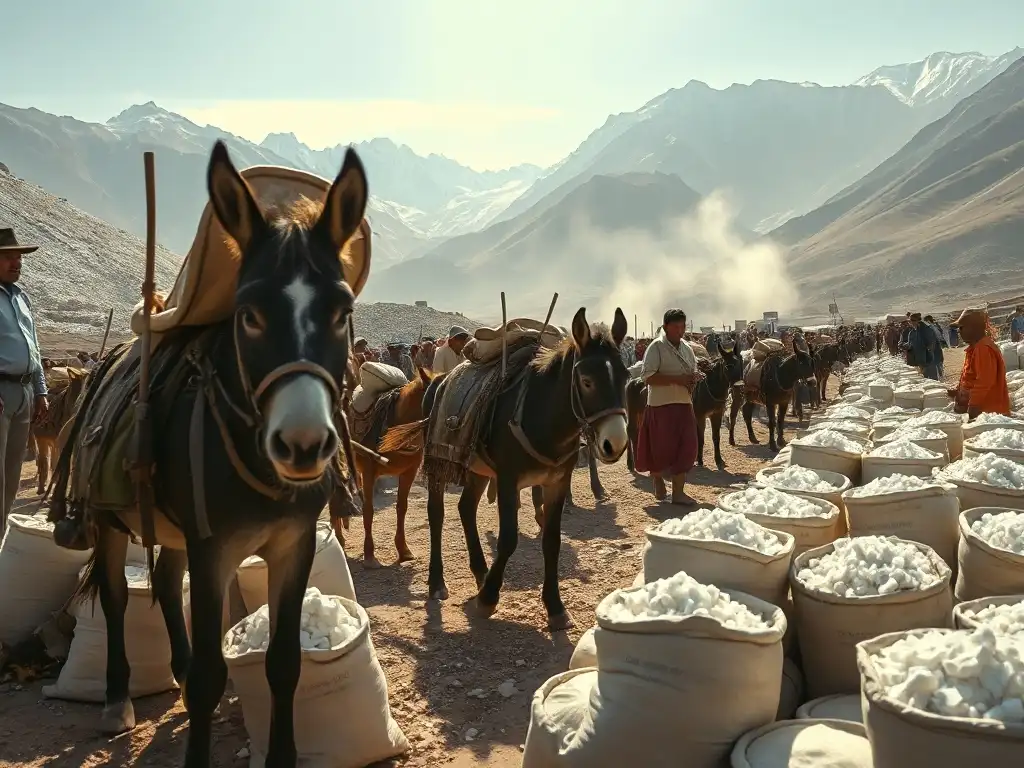
The Andean salt trade networks represent a fascinating case study in pre-Columbian economic organization. For centuries, salt, a vital resource for preservation and human consumption, fueled complex exchange systems across diverse Andean landscapes. Understanding these networks requires examining the intricate interplay of geography, social structures, and technological advancements.
The scarcity of salt in certain regions, coupled with its crucial role in daily life, created a dynamic market where salt's value transcended its purely utilitarian function. It became a powerful commodity, shaping political alliances, driving technological innovation, and influencing the very fabric of Andean societies. The scale and sophistication of these networks varied considerably over time and across different regions, reflecting the evolving political and ecological contexts.
Early Forms of Salt Exchange in the Andes
Early salt exchange in the Andes likely involved small-scale, localized transactions. Evidence suggests that communities located near salt springs or coastal salt pans initially controlled access to this precious resource. These early exchanges were probably informal, based on reciprocal relationships and kinship ties.
Archaeological findings, such as the presence of salt deposits in early Andean settlements, support this hypothesis. The exact methods of exchange are difficult to ascertain, but it's plausible that salt was traded for other essential goods like textiles, agricultural products, or obsidian tools. The absence of large-scale infrastructure at this stage suggests a more decentralized system, with smaller networks connecting neighboring communities.
It is important to note that the nature of these early exchanges remains a topic of ongoing research, with many questions still unanswered. For example, [Data on specific early exchange goods is pending]. However, it's clear that salt played a crucial role even in these rudimentary systems.
The Development of Regional Salt Trade Routes
As Andean societies grew more complex, so did their salt trade networks. The development of advanced technologies, such as improved llama domestication and the construction of roads and trails, facilitated the movement of salt over longer distances. Regional trade routes emerged, connecting salt-producing areas with distant communities that lacked access to this vital resource. The rise of powerful states, such as the Inca Empire, further shaped these networks.
The Inca, recognizing salt's strategic importance, actively controlled salt production and distribution, using it as a form of taxation and to consolidate their power. This centralized control led to the establishment of more formalized trade routes, with standardized weights and measures. The presence of strategically placed storehouses along these routes suggests a sophisticated system of logistics and resource management.
Analyzing the distribution of salt artifacts across the Andes provides valuable insights into the scale and reach of these regional networks. For example, the presence of salt from specific sources in distant sites demonstrates the existence of long-distance trade routes. 🧐
The Llama Caravans of the Atacama Desert
The Atacama Desert, with its abundant salt deposits, became a crucial center for salt production and trade. The harsh environment of the Atacama presented significant challenges, but the ingenuity of Andean peoples overcame them. Llamas, uniquely adapted to the high altitude and arid conditions, became the primary mode of transportation for salt caravans. These caravans, often comprising hundreds of llamas, traversed treacherous terrain, carrying massive quantities of salt to distant markets.
The organization of these caravans required meticulous planning and coordination, involving specialized herders, traders, and possibly even armed escorts to protect valuable cargo. The sheer scale of these operations underscores the economic significance of salt within Andean societies. The discovery of numerous llama mummies along ancient trade routes serves as a testament to the human cost and dedication involved in this arduous trade. Furthermore, [Further research is needed to determine the specific caravan routes and their organization].
The Atacama salt trade exemplifies the adaptability and resilience of Andean cultures in harnessing natural resources and overcoming environmental obstacles. The efficiency of these llama caravans significantly contributed to the expansion and sophistication of Andean salt trade networks. ✨
The Impact of Salt on Andean Economic Systems
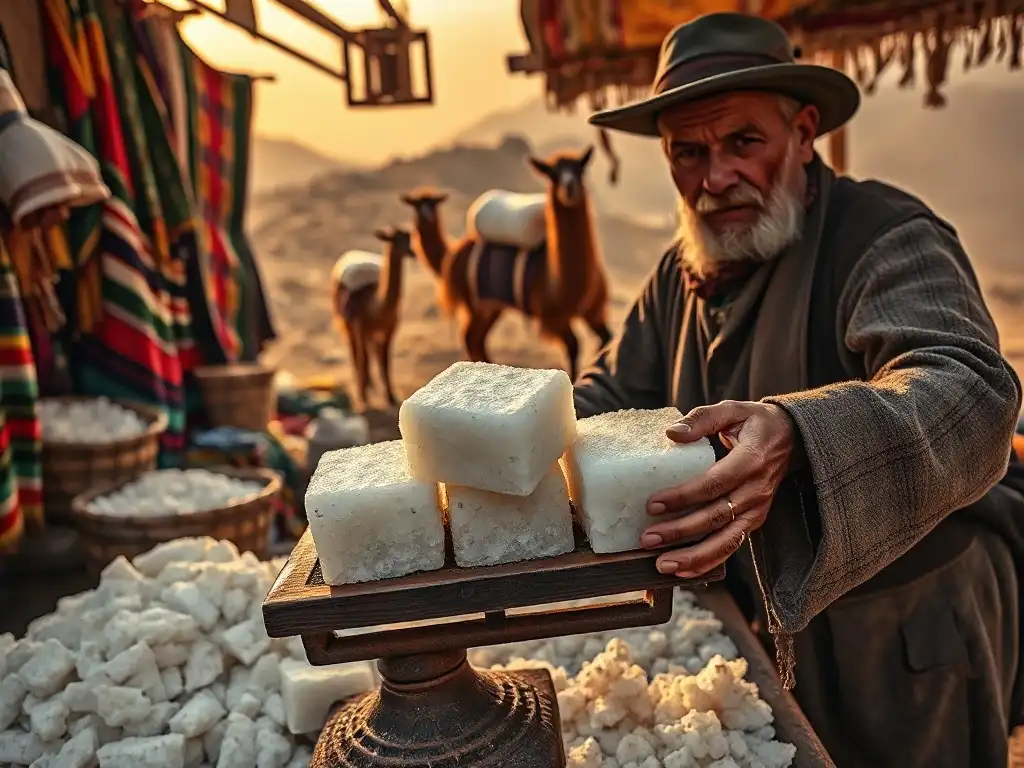
The Andean region, characterized by its diverse geography and challenging terrain, fostered unique economic systems heavily reliant on exchange networks. While textiles, ceramics, and precious metals played significant roles, salt emerged as a surprisingly crucial commodity, profoundly impacting the economic landscape of pre-Columbian Andean societies. Its importance transcended mere culinary use; salt became a potent symbol of power, a facilitator of trade, and a key element shaping social structures.
Understanding the role of salt provides invaluable insight into the complexities of Andean economic development and the sophisticated exchange networks that connected disparate communities across vast distances. The strategic placement of salt mines and the control over their production and distribution directly impacted the rise and fall of certain groups and significantly influenced political power dynamics. Analysis of archaeological evidence, coupled with ethnohistorical accounts, paints a vivid picture of salt's multifaceted influence.
Salt as a Commodity in Andean Barter Systems
Salt's value in Andean barter systems stemmed from its scarcity in certain regions and its essential role in food preservation and human health. The absence of large-scale salt production in many areas created a high demand, making it a highly sought-after commodity. Archaeological findings consistently reveal salt as a significant component of burial offerings and elite contexts, underscoring its perceived value.
The exchange of salt wasn't a simple transaction; it often involved complex negotiations and reciprocal relationships between communities. For example, coastal communities with access to sea salt frequently traded with highland groups lacking such resources, exchanging salt for agricultural products like potatoes or llama wool. This created intricate webs of interdependence, binding different Andean societies together through economic ties.
The volume of salt traded, as evidenced by the size and location of salt deposits and the remains of salt-processing facilities, points to a well-established and extensive exchange system. The system wasn't haphazard; evidence suggests the existence of established routes and intermediaries who facilitated the movement of salt across significant distances.
Salt's Influence on the Development of Andean Markets
The Andean salt trade played a pivotal role in the development of early market systems. The need to exchange salt fostered the growth of specialized production and distribution networks. This, in turn, stimulated the development of larger, more organized markets where diverse goods and services were exchanged.
The concentration of salt production in specific locations led to the emergence of settlements specifically focused on salt extraction and trade. These settlements often evolved into larger urban centers, acting as hubs for regional and even inter-regional exchange. The presence of standardized weights and measures, inferred from archaeological finds, suggests a level of economic sophistication beyond simple barter.
These developments indicate a shift towards more formalized economic practices, laying the foundation for future market structures in the Andes. Furthermore, the strategic location of these salt-trade centers often influenced the development of larger political entities and empires, as control over salt resources became intertwined with political power.
The Value and Power Associated with Salt Control
Control over salt production and distribution conferred significant power and prestige in Andean societies. The elite frequently controlled access to salt resources, using it to strengthen their political authority and consolidate their power. This control wasn't limited to direct ownership; it often involved establishing monopolies, regulating trade routes, and imposing taxes on salt transactions.
Archaeological evidence reveals the construction of impressive saltworks and storage facilities, primarily controlled by powerful individuals or groups. The Inca Empire, for example, is known to have exerted strict control over salt production and distribution, using it to maintain economic stability and political dominance. The symbolic value of salt was also significant, with its purity often associated with religious and ritual practices.
This association further enhanced its value and cemented its position as a powerful symbol of authority and social status. The control over salt, therefore, wasn't just an economic matter; it was a crucial element in the exercise of political and religious power within Andean societies. The scarcity and perceived purity of salt played a critical role in the development of a complex system of Andean power structures, directly influencing social hierarchies and political stability.
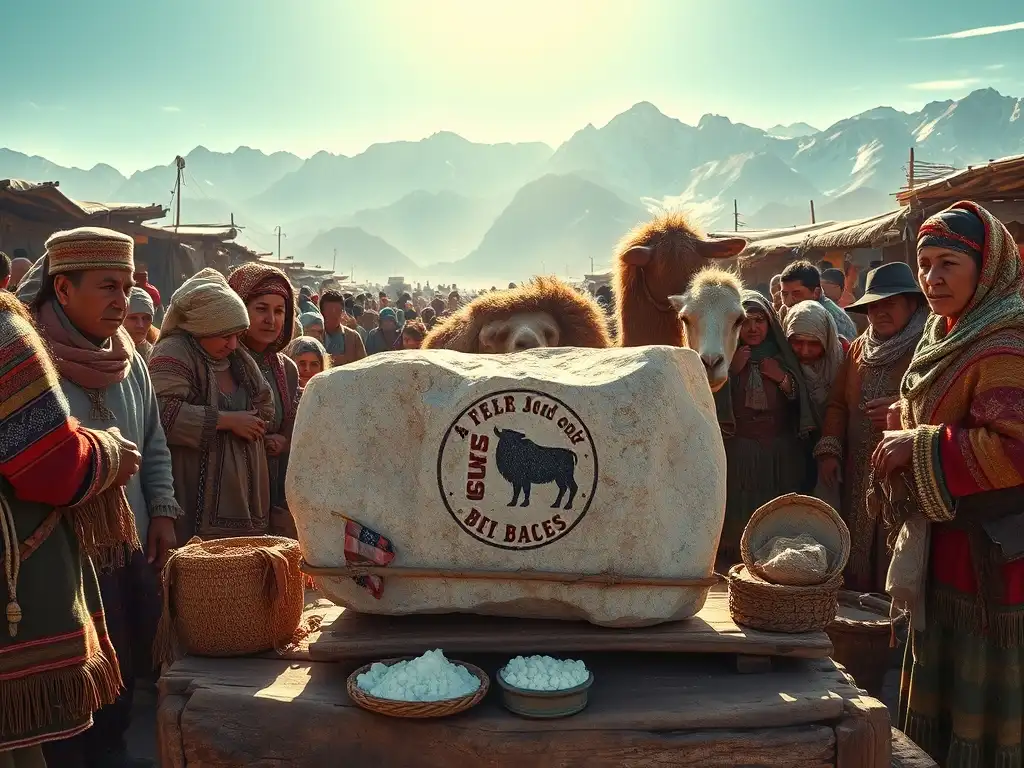
Salt, far from being a mere seasoning, played a pivotal role in the intricate social fabric of Andean civilizations. Its significance transcended mere culinary use; it became deeply intertwined with power structures, religious beliefs, and economic systems. Understanding the role of salt in Andean society unlocks a deeper comprehension of their complex social hierarchies and intricate exchange networks.
The strategic control and distribution of salt, a vital and scarce resource in many Andean regions, directly impacted social status and political power. This section will explore the multifaceted influence of salt on Andean social structures, focusing on its connection to power dynamics, its impact on social hierarchy, and its integration into cultural practices and rituals. The sheer importance of Andean salt trade networks is undeniable when considering its impact on the lives of Andean people.
Salt and its Connection to Andean Power Dynamics
The control of salt production and distribution was a powerful tool in the hands of Andean elites. Access to this essential commodity wasn't evenly distributed; rather, it was carefully managed to reinforce existing power structures. In some regions, access to salt mines or salt pans was restricted to specific groups, often the ruling class or powerful religious figures.
This control allowed them to manipulate the economy, rewarding loyalists with access to salt while potentially punishing those who opposed them. This created a system where salt acted as a form of currency and a symbol of power, directly influencing political alliances and social control. For example, [specific examples of elite control over salt resources in specific Andean cultures pending].
This manipulation of the Andean salt trade networks solidified their positions and maintained social order. The scarcity of salt in certain areas further amplified its importance as a commodity of exchange and a symbol of authority.
The distribution of salt wasn't merely a matter of economic exchange; it was a carefully orchestrated system that mirrored and reinforced social hierarchies. Archaeological evidence suggests that salt was traded along established routes, with different levels of access depending on social standing. The elite likely received the highest quality salt, perhaps even specially processed or refined varieties.
Lower social strata would have had access to less desirable forms of salt, or perhaps received it only through indirect means, such as bartering or tribute payments. This unequal distribution solidified the existing social hierarchy, emphasizing the power differential between the elite and the common people. The unequal access to this essential resource served as a constant visual reminder of the stratified nature of Andean society.
[Specific data on salt distribution patterns in different Andean societies pending]. Detailed analysis of archaeological finds at sites across the Andes is needed to fully understand the complexities of this system.
The Influence of Salt in Cultural Practices and Rituals
Beyond its economic and social significance, salt held profound cultural and religious meaning within Andean societies. Salt was frequently incorporated into religious ceremonies and rituals, symbolizing purity, fertility, and the sacred. [Specific examples of rituals involving salt in different Andean cultures pending].
The use of salt in mummification practices further highlights its perceived power and connection to the spiritual world. The careful preparation and preservation of bodies, often incorporating salt, demonstrates the value placed on the afterlife and the importance of salt in bridging the gap between the living and the dead. The association of salt with the sacred amplified its social importance, embedding it deeply within the cultural fabric of Andean civilizations.
The symbolic power of salt in Andean religious practices reinforced its existing social and economic significance. Further research into Andean mythology and religious texts could reveal more about the deeper symbolic meaning of salt in these societies. The study of Andean salt trade networks reveals more than just economic exchange; it opens a window into the complex interplay of power, social structure, and religious belief.
The Legacy of Andean Salt Trade Networks
The Andean region's history is deeply intertwined with the production and exchange of salt. Far from being a mere seasoning, salt acted as a vital commodity, fueling complex trade networks that connected disparate Andean societies for millennia. These networks, stretching across diverse ecological zones and encompassing various cultural groups, facilitated the exchange of not only salt itself but also a wealth of other goods and ideas.
The significance of Andean salt trade networks extended beyond mere economic transactions; they played a crucial role in shaping social structures, political alliances, and cultural identities across the region. The sheer scale and longevity of these networks stand as a testament to the enduring value placed upon this seemingly simple mineral.
Analyzing the archaeological evidence reveals a sophisticated system of production, transportation, and exchange, highlighting the ingenuity and organizational capacity of Andean civilizations. The legacy of this extensive network continues to resonate today, influencing both the cultural landscape and economic activities of the region.
The Persistence of Traditional Salt Production
Despite the introduction of modern technologies and industrial salt production, traditional methods of salt extraction persist in many Andean communities. These practices, passed down through generations, often involve intricate knowledge of local geology, hydrology, and environmental conditions. For instance, in the salt flats of Maras, Peru, the ancient technique of channeling brine water into terraced evaporation ponds remains in use.
This method, dating back centuries, relies on the natural evaporation process driven by the intense Andean sun. The resulting salt, harvested in crystalline form, retains a unique flavor and texture highly valued by local consumers and used in traditional culinary preparations. Similarly, in other regions, communities continue to utilize solar evaporation techniques adapted to the specific characteristics of their local environments.
These traditional methods not only provide a sustainable source of salt for local communities but also contribute to the preservation of valuable cultural heritage and knowledge. The continued practice of these time-honored techniques showcases the resilience and adaptability of Andean communities in maintaining their cultural identity in the face of modernization. The persistence of these practices ensures that the legacy of Andean salt production endures, forming a valuable link to the past.
Modern Relevance of Andean Salt Trade Practices
While the scale and structure of Andean salt trade networks have changed significantly over time, the fundamental principles of exchange and the importance of salt remain relevant. The demand for high-quality, traditionally produced Andean salt continues to grow, both domestically and internationally. This increased demand has led to the development of new markets and trade routes, connecting producers with consumers across the globe.
Modern transportation and communication technologies have facilitated these exchanges, allowing for efficient distribution and broader access to this prized commodity. However, the challenges of maintaining sustainable production practices in the face of increasing demand remain significant. Balancing economic development with the protection of the environment and the preservation of traditional knowledge is a crucial aspect of ensuring the long-term viability of Andean salt production.
The economic benefits derived from the sale of Andean salt contribute significantly to the livelihoods of local communities, providing a crucial source of income and fostering economic development in often-remote areas. The continued relevance of Andean salt trade practices underscores the enduring value of this resource and its impact on the socio-economic fabric of the region.
Sustainable Practices in Andean Salt Production
The sustainable production of Andean salt is critical for the preservation of both the environment and cultural heritage. Many Andean communities are actively involved in developing and implementing sustainable practices that minimize environmental impact while maximizing economic benefits. These efforts often focus on responsible water management, minimizing waste, and employing eco-friendly harvesting techniques.
For example, the careful management of brine water in salt flats helps to prevent over-extraction and ensures the long-term viability of the resource. Similarly, the use of traditional harvesting methods that minimize soil erosion and pollution contributes to the overall sustainability of the production process. The growing recognition of the importance of sustainable practices has led to increased collaboration between local communities, government agencies, and non-governmental organizations in promoting responsible salt production.
Furthermore, initiatives focused on promoting fair trade practices and ensuring equitable benefits for producers are crucial for ensuring the long-term sustainability of Andean salt trade networks. The adoption of sustainable practices not only protects the environment but also strengthens the resilience and long-term economic viability of Andean communities involved in salt production, ensuring the continuation of this ancient tradition for generations to come.
Frequently Asked Questions
What role did salt play in Andean societies?
Salt was a highly valued commodity in the Andes, essential for preserving food and human health. Its scarcity in certain regions made it a crucial element in trade networks.
How did the Andean salt trade networks function?
These networks involved complex exchange systems, connecting distant communities through long-distance trade routes. Llamas and alpacas were crucial for transporting salt across mountainous terrain.
Which Andean civilizations were most involved in the salt trade?
Many Andean civilizations participated, including the Inca, Moche, Nazca, and Tiahuanaco. The scale and sophistication of the trade varied across different groups and time periods.
What were some of the trade goods exchanged alongside salt?
Salt was often traded for textiles, metals, ceramics, and agricultural products. The specific goods varied depending on the geographic location and the needs of the participating communities.
How did the salt trade impact Andean societies?
The salt trade fostered economic development, political alliances, and cultural exchange. It played a significant role in shaping the social structures and political landscapes of the Andes.
Final Reflection: The Enduring Legacy of Andean Salt
The intricate web of Andean salt trade networks, once a vital artery of pre-Columbian societies, continues to resonate in the modern world, reminding us of the enduring power of resource control and cultural exchange. The meticulous archaeological evidence, coupled with ethnographic studies, paints a vivid picture of a sophisticated system that transcended geographical boundaries and shaped the very fabric of Andean civilizations. This system wasn't merely about the exchange of a commodity; it was a powerful engine of social stratification, political alliances, and cultural diffusion.
The impact of salt on Andean societies extends far beyond its practical uses; it became a symbol of power, wealth, and even spirituality. Its strategic importance fostered complex social structures and facilitated the development of sophisticated technologies for extraction, processing, and transportation. Salt was not merely a seasoning; it was a vital element in the economy, politics, and religion of the Andes.
This quote encapsulates the profound influence of salt, highlighting its role as a catalyst for social and political development, an influence that continues to shape our understanding of Andean history and culture. The echoes of these ancient trade routes are still felt today, in the cultural practices and economic realities of the region.
Consider the enduring legacy of these ancient networks. Think about the ways in which access to vital resources still shapes power dynamics in the world today. You, the reader, are now part of this ongoing conversation. Reflect on the interconnectedness of societies, past and present, and how the control and exchange of resources continue to influence our lives. Let the story of Andean salt inspire you to explore the hidden connections that bind our world together, and to appreciate the enduring power of human ingenuity and cooperation in the face of challenges.
Thank you for exploring the fascinating role of salt in Andean history and culture. Understanding its historical significance enriches our appreciation of this essential mineral. Now, let's put that knowledge to use!
- Explore the cultural impact of salt: Research how indigenous communities in the Andes use salt today and why it remains culturally significant. Consider the ways salt has shaped their traditions and economies.
- Share your discoveries: Discuss your insights with friends, family, or colleagues. Join online forums or communities dedicated to Andean history and culture to engage in thoughtful conversations.
- Experiment with salt in your cooking: Try incorporating different types of salt into your meals, exploring the diverse flavors and textures they bring. This can be a delicious way to connect with culinary traditions from around the world.
How have you incorporated the rich history and cultural significance of salt into your daily life? We'd love to hear your stories!