
Salt of the Earth: How Precious Minerals Influenced Ancient Andean Trade Routes

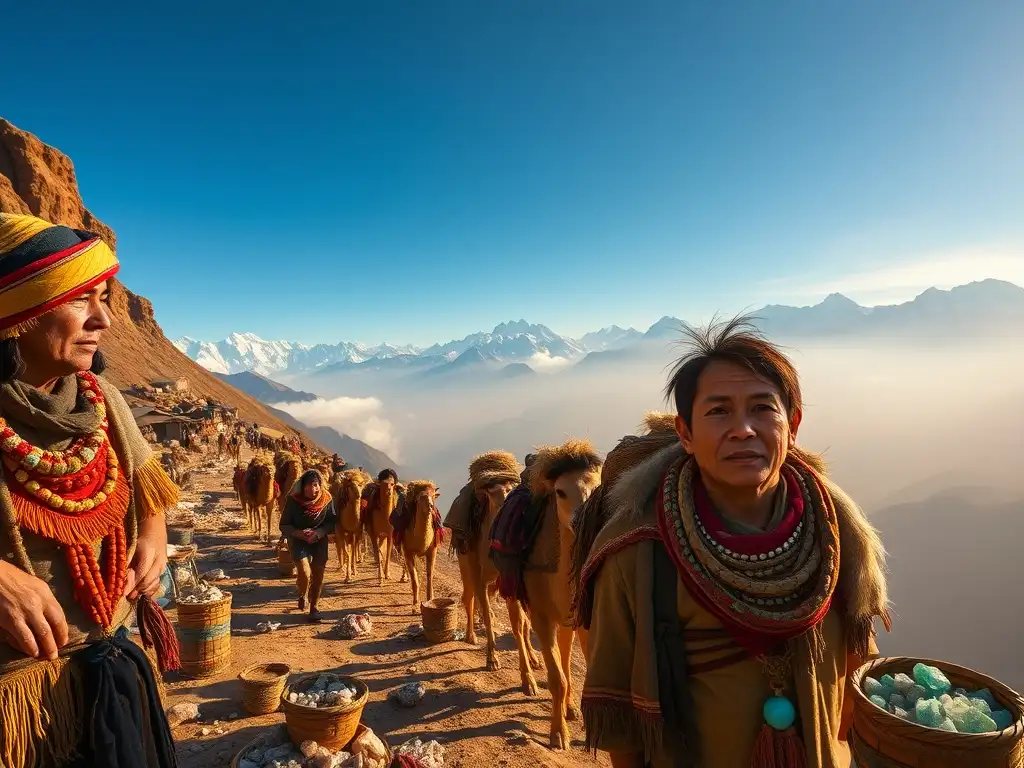
Uncover the secrets woven into the very fabric of the Andes! For centuries, these majestic mountains held more than just breathtaking vistas; they guarded a network of ancient Andean mineral trade routes that shaped the destinies of empires. Journey with us to explore the fascinating world of Inca, Moche, Nazca, and Tiahuanaco civilizations, where precious minerals like salt dictated power, fueled innovation, and connected far-flung communities. Prepare to be captivated by the untold stories behind the Salt of the Earth, and discover how these vital resources reshaped the Andean landscape forever.
The towering Andes Mountains, a breathtaking yet unforgiving landscape, shaped not only the physical geography of South America but also the intricate tapestry of ancient Andean civilizations. This dramatic terrain, however, presented both challenges and opportunities. While the rugged peaks and deep valleys hindered easy travel, they also guarded rich deposits of precious minerals – resources that became the lifeblood of a complex and extensive trade network.
This article delves into the crucial role of precious minerals, particularly salt, in shaping the ancient Andean trade routes, revealing how their distribution fueled economic growth, political power, and cultural exchange across vast distances. We will explore how the demand for these vital resources spurred the development of innovative transportation systems and fostered relationships—sometimes cooperative, sometimes conflictual—between diverse Andean communities.
Understanding this mineral-driven trade is key to unlocking a deeper comprehension of the remarkable achievements and interconnectedness of these ancient societies. The keyword "Ancient Andean mineral trade routes" will be explored throughout this analysis.
The Importance of Salt in the Ancient Andean World
Salt, far from being a mere seasoning, held immense significance in the ancient Andean world. It was not only a vital dietary necessity in a region where preserving food was crucial, but also a powerful symbol of life and fertility, deeply intertwined with religious and ritual practices. In the high altitudes of the Andes, where natural salt deposits were scarce, access to this precious commodity became a source of considerable power and wealth.
Many communities relied on salt obtained from specific, often distant, sources, creating a need for extensive trade networks. The control over salt production and distribution frequently became a source of political influence, with powerful elites leveraging access to this resource to consolidate their authority.
Archaeological evidence reveals elaborate saltworks and sophisticated techniques for salt extraction and processing, highlighting the considerable technological prowess of ancient Andean societies in managing this vital resource. The sheer scale of salt production and distribution underscores its significance in the broader context of the ancient Andean economy.
Precious Metals and Their Impact on Trade Routes
Beyond salt, the Andes were rich in precious metals such as gold, silver, and copper. These metals were not just economically valuable; they held immense cultural and symbolic meaning. Gold, in particular, was associated with the sun and divinity, and its use in elaborate ornaments and religious objects solidified its status as a highly prized commodity.
The demand for these metals, coupled with their relative scarcity in certain regions, fueled the expansion of trade routes, often overlapping and intersecting with those established for salt. These routes were not simply linear paths; they were complex networks that adapted to the challenging Andean terrain, utilizing diverse transportation methods, including pack animals like llamas and alpacas, and intricate systems of trails and pathways across mountain passes and valleys. The trade in precious metals contributed significantly to the economic prosperity of numerous Andean communities and fostered inter-regional alliances and exchanges.
The Role of Obsidian and Other Minerals
Obsidian, a volcanic glass prized for its sharpness and ability to be fashioned into tools and weapons, played a significant role in ancient Andean trade. High-quality obsidian sources were geographically limited, creating a high demand for this resource across the region. The extensive distribution of obsidian artifacts across vast distances demonstrates the reach and efficiency of the ancient Andean trade networks. Other minerals, such as turquoise, cinnabar, and various colored stones, also contributed to the vibrant trade economy.
These materials were used in jewelry, ornaments, and religious objects, further enhancing their economic and cultural significance. The trade in these diverse minerals not only fueled economic activity but also facilitated the exchange of ideas, technologies, and artistic styles across different Andean cultures. The sophisticated techniques used in mining, processing, and crafting these materials showcase the advanced knowledge and skills of ancient Andean artisans and engineers.
Conclusion: A Network Forged in Minerals
The ancient Andean trade routes were not simply pathways for the movement of goods; they were the arteries of a vibrant and interconnected civilization. The demand for precious minerals, particularly salt, gold, silver, copper, and obsidian, served as a powerful catalyst for the development of sophisticated transportation systems, economic specialization, and cultural exchange.
Understanding the role of these minerals in shaping the ancient Andean world provides invaluable insight into the ingenuity, resilience, and interconnectedness of these remarkable societies. The study of "Ancient Andean mineral trade routes" continues to reveal the complexities and intricacies of this fascinating historical period, emphasizing the enduring impact of these ancient trade networks on the region’s history and culture.
- The Importance of Salt in the Ancient Andean World
- Precious Metals and Their Impact on Trade Routes
- The Role of Obsidian and Other Minerals
- Conclusion: A Network Forged in Minerals
- What role did salt play in the Ancient Andean mineral trade routes?
- How did geography impact the Ancient Andean mineral trade routes?
- Which minerals, besides salt, were important in the Ancient Andean mineral trade routes?
- What evidence exists to support the existence of these Ancient Andean mineral trade routes?
- How did the Ancient Andean mineral trade routes contribute to cultural exchange?
The Significance of Minerals in Pre-Columbian Andean Economies
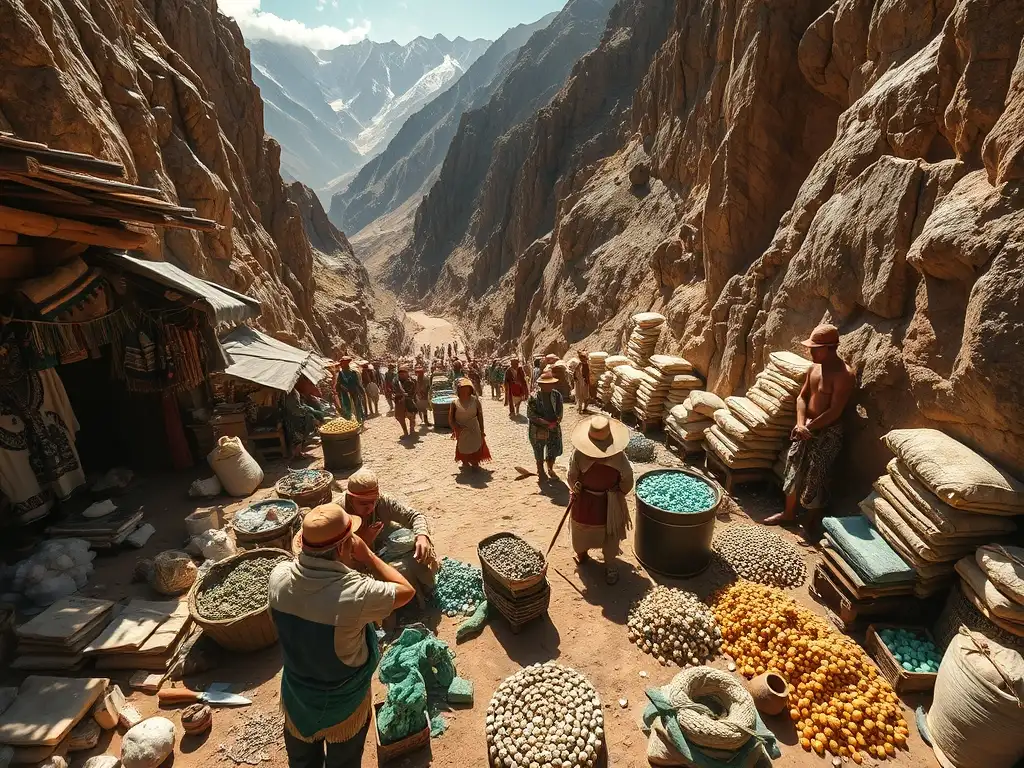
The vibrant tapestry of Ancient Andean cultures was intricately woven with threads of mineral wealth. Far from being mere geological features, minerals like salt, gold, silver, copper, and obsidian played pivotal roles in shaping the economic, social, and political landscapes of these societies. Their distribution across diverse geographical regions fueled extensive trade networks, connecting distant communities and fostering cultural exchange.
Understanding the significance of these minerals is key to unlocking a deeper appreciation of the complexity and sophistication of Ancient Andean trade routes. The control and exchange of these valuable resources were crucial factors in the rise and fall of various empires, demonstrating their profound impact on power dynamics and societal structures. The strategic importance of these mineral resources is evident in the development of sophisticated mining techniques and the establishment of well-defined trade routes that crisscrossed the Andes Mountains and beyond.
These routes, often treacherous and demanding, testify to the high value placed on these minerals and the ingenuity of the people who controlled their flow. The sheer volume of trade, as evidenced by archaeological discoveries, highlights the widespread demand for these resources and their integration into daily life across various Andean cultures.
The Role of Salt in Andean Societies
Salt, far from being a simple seasoning, held immense cultural and economic significance in pre-Columbian Andean societies. Its scarcity in certain regions made it a highly prized commodity, driving extensive trade networks. Salt was not only essential for preserving food, crucial for survival in a region often lacking refrigeration, but also held symbolic value, frequently used in religious ceremonies and as a form of payment.
Evidence suggests that salt was often traded for textiles, agricultural products, and even precious metals, demonstrating its high value in the bartering system. The most significant salt mines, such as those in the Salinas Grandes of Argentina, became important economic centers, attracting large populations and fostering the growth of settlements around them. The control of these salt resources often translated into political power, illustrating the intricate link between mineral resources and socio-political structures.
Archaeological finds consistently reveal evidence of elaborate salt production techniques and sophisticated systems for transporting this vital mineral across vast distances, highlighting the logistical prowess and economic organization of ancient Andean civilizations. The strategic location of salt mines along major trade routes further solidified their economic and political importance.
Importance of Precious Metals: Gold and Silver Trade
Gold and silver, shimmering symbols of wealth and power, dominated the Ancient Andean mineral trade routes. These precious metals were not only valued for their aesthetic appeal, used in elaborate jewelry, ceremonial objects, and prestigious adornments, but also served as mediums of exchange and symbols of status. The Incas, for example, extensively utilized gold and silver in their intricate religious iconography and royal regalia.
The sheer scale of gold and silver artifacts unearthed from archaeological sites testifies to the vast quantities mined and traded. While the specific techniques of extraction varied across different cultures, the high value of these metals fueled the development of sophisticated mining techniques and extensive networks for their transportation. The presence of gold and silver in tombs and elite burials further emphasizes their status as symbols of power and prestige, reflecting their importance in the social hierarchy.
Analysis of gold and silver alloys reveals sophisticated metallurgical knowledge and trade connections between different Andean cultures, highlighting the integrated nature of the mineral trade network. The demand for these precious metals extended beyond the Andes, with evidence suggesting long-distance trade networks reaching coastal regions and even potentially beyond.
Essential Minerals: Copper and Obsidian in Ancient Andean Commerce
Beyond precious metals, copper and obsidian played crucial roles in the economies of Ancient Andean civilizations. Copper, used in the creation of tools, weapons, and ornaments, was a highly valued resource. Its malleability and durability made it ideal for crafting a wide range of items essential for daily life and warfare. Obsidian, a volcanic glass, was prized for its sharpness and used in the production of tools, blades, and ceremonial objects.
The quality of obsidian varied depending on its source, leading to the development of trade networks connecting communities with access to high-quality deposits. Both copper and obsidian were integral components of the complex exchange systems that characterized Ancient Andean societies. The distribution of these minerals across the region demonstrates the interconnectedness of different Andean cultures and the far-reaching implications of their trade networks.
The presence of copper and obsidian artifacts in archaeological sites across diverse geographical areas further underscores the importance of these materials in the daily lives and cultural practices of ancient Andean people. The refinement of copper smelting techniques, as evidenced by archaeological finds, showcases the technological advancements achieved in the extraction and processing of these essential minerals. The widespread use of obsidian tools in agricultural practices and warfare highlights the essential role that these minerals played in shaping the social and economic dynamics of ancient Andean societies.
Key Minerals and Their Impact on Andean Trade Routes
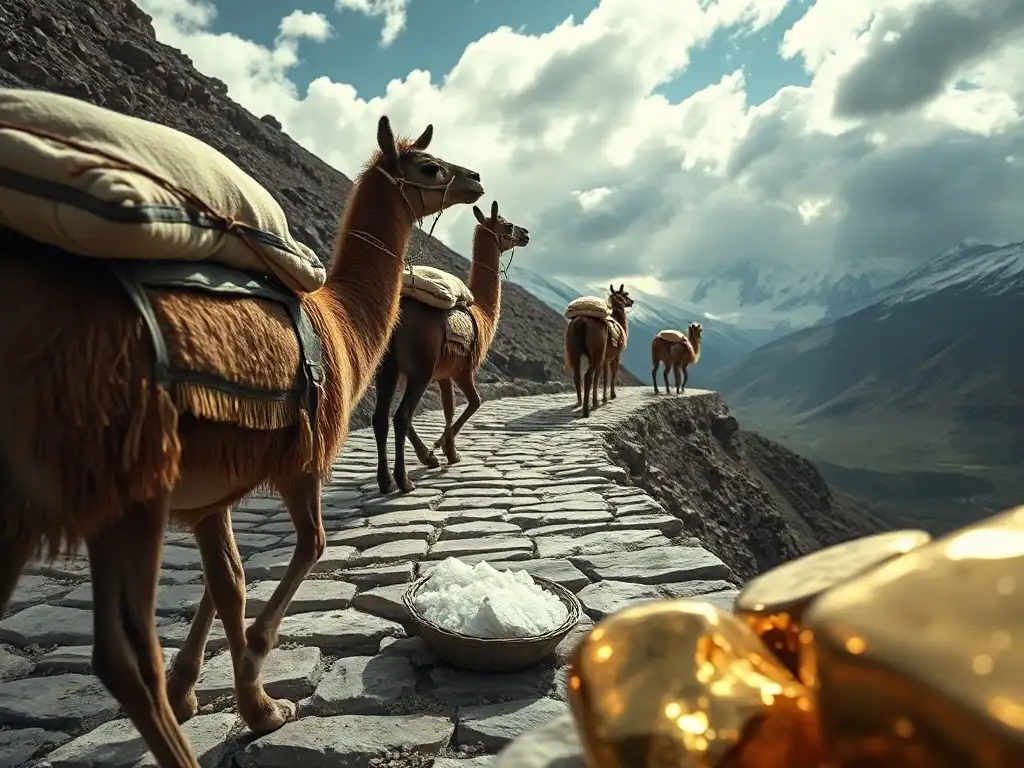
The prosperity and interconnectedness of Ancient Andean societies were significantly shaped by the strategic importance of certain minerals. These weren't merely resources; they were the lifeblood of a complex trade network spanning vast distances across treacherous terrain. The control and exchange of these precious materials fostered alliances, fueled conflicts, and ultimately defined the economic and political landscape of the Andes.
This section will explore the key minerals driving this vibrant Ancient Andean mineral trade routes, focusing on their impact on the development and evolution of trade routes. Understanding the significance of these minerals is crucial to appreciating the sophistication and reach of Andean trade.
Salt Production and Distribution Networks in the Andes
Salt, far from being a simple seasoning, held immense cultural and economic significance in the Andes. Its scarcity in certain regions made it a highly prized commodity, driving the establishment of extensive distribution networks. The most important salt sources were located in coastal areas and high-altitude salt flats, such as the Salar de Uyuni in Bolivia – one of the largest salt flats in the world. These locations were often controlled by powerful groups who exerted significant influence over the trade routes.
Evidence suggests sophisticated techniques were employed in salt extraction and processing. The methods varied depending on the location and the type of salt deposit. Solar evaporation ponds were used in coastal areas, while in the high Andes, salt was mined directly from the earth. This process involved considerable labor and expertise, contributing to the value of the final product.
The distribution of salt involved a complex system of relay exchanges and trade partnerships. Llamas and alpacas were crucial in transporting salt across the mountainous terrain, their endurance and carrying capacity essential to the success of these long-distance trade routes. The routes themselves were often carefully planned, taking advantage of existing trails and passes to minimize the risks and hardships of the journey.
The presence of salt in archaeological sites far from its source demonstrates the scale and efficiency of these Ancient Andean mineral trade routes. Archaeological findings consistently reveal salt alongside other valuable goods, highlighting its importance in the broader economic system.
The Strategic Location of Gold and Silver Mines
Gold and silver, symbols of wealth and power across many cultures, played a pivotal role in the Andean trade system. The location of these mines, often situated in remote and difficult-to-access areas, influenced the development of specific trade routes and the political dynamics between different Andean societies. The Inca Empire, for example, heavily relied on gold and silver to consolidate its power and maintain its vast empire.
The strategic placement of mines meant that control over these resources translated to significant economic and political leverage. This control often led to conflicts between different groups vying for access to these precious metals. These conflicts, in turn, further shaped the development and evolution of trade routes, as groups sought to establish secure pathways for transporting their valuable goods. The demand for gold and silver also stimulated innovation in mining techniques and metallurgy, leading to the development of sophisticated tools and processes.
The use of gold and silver extended beyond mere economic value. These metals were employed in religious ceremonies, crafted into elaborate ornaments, and used to adorn elite individuals, solidifying their status and power within society. This intertwining of economic and religious significance cemented the importance of gold and silver within the Andean cultural landscape. Analysis of ancient artifacts reveals intricate designs and techniques, showcasing the advanced metallurgical skills of Andean artisans.
Obsidian Sources and Their Trade Across the Andean Region
Obsidian, a volcanic glass, was another crucial mineral resource in the Andes. Its sharp edges made it ideal for creating tools and weapons, while its dark, glassy appearance made it attractive for decorative purposes. Unlike salt, gold, and silver, obsidian sources were geographically concentrated, primarily in specific volcanic regions. This limited distribution fostered a wide-ranging trade network, connecting distant communities across the Andean region.
The most notable obsidian sources were located in the highlands of Ecuador and Peru. From these primary locations, obsidian artifacts have been found throughout the Andes, indicating extensive trade networks that spanned hundreds of kilometers. The presence of obsidian in archaeological sites provides vital insights into the extent of these trade routes and the connections between different Andean groups. Analysis of obsidian artifacts using geochemical techniques can trace their origin to specific source locations, helping to reconstruct the patterns of trade and exchange.
The trade of obsidian was not simply a matter of exchanging goods. It also involved the transmission of ideas, technologies, and cultural practices. The flow of obsidian along established routes facilitated social interactions and the spread of cultural innovations. The control over obsidian sources, therefore, also conferred significant social and political influence. The consistent presence of obsidian in ceremonial contexts further underscores its importance beyond its utilitarian value. The exchange of this vital resource contributed significantly to the integration and cultural exchange across the ancient Andean world.
Major Ancient Andean Mineral Trade Routes
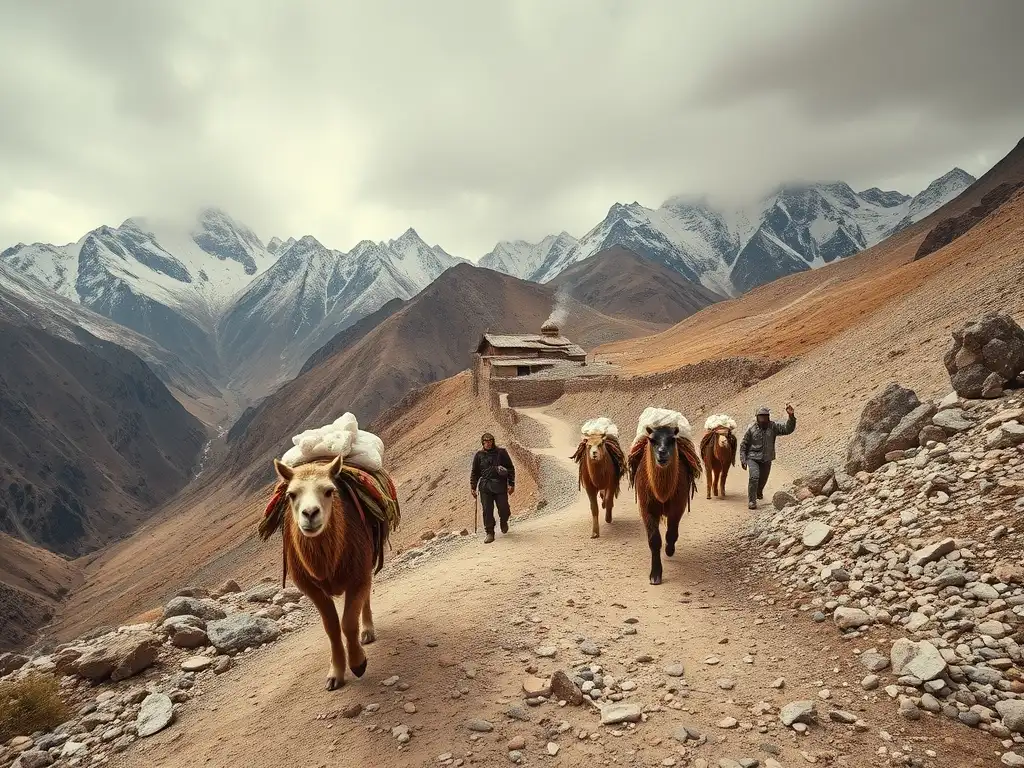
The vibrant economies of the Ancient Andean civilizations were significantly shaped by the strategic exploitation and exchange of precious minerals. These minerals, ranging from the highly prized gold and silver to essential salts and pigments, fueled intricate trade networks that crisscrossed the Andes Mountains and coastal regions. Understanding these ancient Andean mineral trade routes provides crucial insights into the social, political, and economic structures of these fascinating cultures.
The movement of these resources wasn't simply a matter of commerce; it represented the flow of power, prestige, and cultural exchange. This section delves into the key trade routes, highlighting their geographical characteristics and the types of minerals transported along them.
The Coastal Trade Routes: Connecting Mineral Sources to Population Centers
The coastal regions of the Andes, particularly along the Pacific coast, were rich in diverse mineral resources. These included various salts crucial for food preservation and ritual practices, ochre and other pigments used in elaborate textile dyeing and ceremonial art, and in some areas, deposits of metals like copper. Coastal trade routes, primarily maritime and utilizing a network of small ports and navigable rivers, connected these sources to densely populated urban centers. The Moche civilization, renowned for its metalworking skills and sophisticated irrigation systems, heavily relied on these routes.
The Moche, for example, established extensive coastal settlements strategically located near mineral deposits and navigable waterways. Their mastery of boat building and navigation allowed them to efficiently transport goods along the coastline. Evidence suggests that these routes weren't just used for mineral transport; they also facilitated the exchange of agricultural products, textiles, and other valuable commodities, creating a complex and interconnected economic system.
The movement of salt, in particular, was vital, given its importance in food preservation and the arid coastal climate. Archaeological findings consistently reveal the presence of salt deposits near major Moche settlements, confirming the importance of this mineral in their trade networks. Further research is needed to fully quantify the volume of salt traded, but its ubiquitous presence in archeological sites suggests its significance in the Moche economy.
Highland Trade Networks: Interconnecting Mining Sites and Communities
The Andean highlands, with their towering peaks and challenging terrain, presented unique challenges to trade. However, these regions were also home to rich deposits of gold, silver, and other valuable minerals. Highland trade networks were often more localized than their coastal counterparts, interconnecting mining sites with nearby communities and regional centers. These routes frequently followed existing river valleys and mountain passes, utilizing established trails and pre-existing infrastructure.
The Inca Empire, known for its sophisticated road system, significantly improved and expanded upon these pre-existing networks. Their qhapaq ñan (royal road) wasn’t solely dedicated to mineral transport, but it certainly played a crucial role in facilitating the movement of gold, silver, and other precious metals from highland mines to the imperial capital, Cusco, and other important centers. The Inca's control over these routes was a key element in their political and economic dominance.
They established strategically located tambos (roadside inns) along the routes, providing rest stops and facilitating trade and communication. While precise data on the volume of minerals transported along these highland networks are scarce, the sheer scale of the Inca road system and the importance of minerals in Inca society strongly suggest their pivotal role in the Inca economy. 🗺️
Trans-Andean Routes: Facilitating the Exchange of Minerals Across the Mountains
The most challenging but also the most rewarding trade routes were those that crossed the Andes Mountains, connecting the coastal and highland regions. These routes were difficult and dangerous, requiring specialized knowledge of the terrain and often involving the use of pack animals like llamas. However, they facilitated the exchange of a wide range of goods, including minerals, between vastly different ecological zones.
The exchange along these routes wasn't limited to simple bartering. The transport of minerals across the Andes often involved complex systems of tribute, taxation, and elite control. For instance, certain Andean societies controlled strategically important mountain passes and demanded tolls or tribute in the form of minerals or other goods. The control of these routes, therefore, was a source of both economic and political power.
Unfortunately, detailed records of the volume and types of minerals exchanged along these trans-Andean routes are limited. Further archaeological research, particularly focused on uncovering and analyzing sites along these challenging routes, is crucial to providing a more complete picture of this vital aspect of Ancient Andean trade. The discovery of new sites and artifacts could dramatically enhance our understanding of these ancient Andean mineral trade routes and their impact on the development of Andean civilizations. 🏔️
Case Studies: Specific Examples of Mineral Trade in the Andes
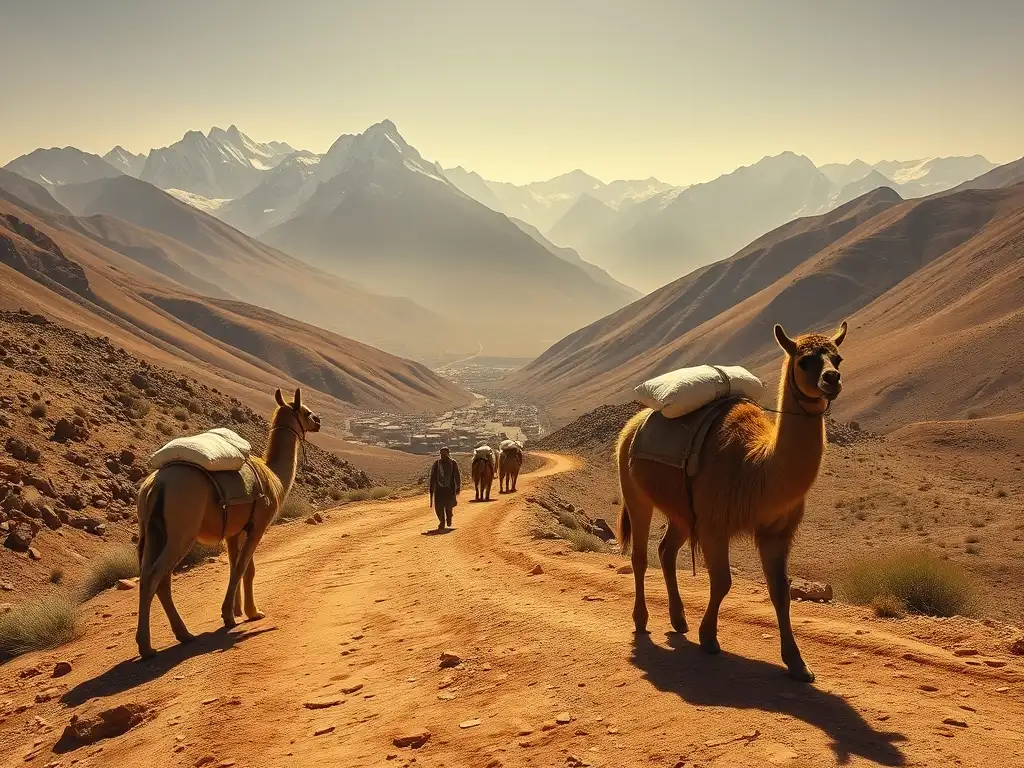
This section delves into specific examples of how precious minerals shaped the ancient Andean trade routes, demonstrating the crucial role these resources played in the economic and social structures of various Andean civilizations. We will explore the intricate networks established for the exchange of vital minerals, highlighting the geographic reach and cultural impact of this trade. Understanding these specific case studies offers a clearer picture of the complex system of "Ancient Andean mineral trade routes" and their influence on the region's development.
The Salt Trade in the Atacama Desert
The Atacama Desert, a seemingly inhospitable landscape, became a vital hub for the ancient Andean mineral trade routes due to its rich salt deposits. Salt, far from being a mere seasoning, was a crucial resource for preserving food, a necessity in a region where food preservation was paramount. The demand for salt extended far beyond the immediate desert regions, creating extensive trade networks that connected coastal communities with those in the highlands.
The extraction and processing of salt involved complex techniques, often utilizing solar evaporation methods in shallow pools. Evidence suggests that specific locations within the Atacama became specialized salt production centers, attracting traders and stimulating economic activity. These centers weren't isolated; they formed part of larger networks, with salt being traded for textiles, ceramics, and agricultural products.
The scale of this trade is indicated by the discovery of large salt deposits showing signs of extensive exploitation, along with remnants of ancient pathways and settlements associated with salt production and trade. Archaeological findings consistently reveal salt as a critical commodity, illustrating its importance in the overall economy and social structure of the Andean civilizations. The trade of this essential mineral significantly influenced the development of "Ancient Andean mineral trade routes," solidifying its importance in the region's history.
The Gold Trade of the Chimor Culture and its impact
The Chimor culture, flourishing along the northern coast of Peru, is renowned for its sophisticated goldsmithing and its extensive gold trade. Unlike the practical use of salt, gold held symbolic and ritualistic significance, signifying power, status, and divinity. This elevated the gold trade beyond simple economic exchange to a realm of political and religious importance. The Chimor controlled rich gold sources, which fueled their economic and political dominance.
The Chimor's goldworking techniques were highly advanced, creating intricate ornaments, ceremonial objects, and even weaponry. These items were not only used within the Chimor society but were also traded across vast distances, reaching other Andean cultures. The trade involved complex networks of exchange, with gold often exchanged for other valuable goods such as textiles, ceramics, and exotic feathers.
The impact of this trade is evident in the archaeological record, where Chimor gold artifacts have been found in distant locations, showcasing the reach of their trade networks and demonstrating the influence of "Ancient Andean mineral trade routes" on cultural exchange and interaction. The distribution of Chimor gold items highlights the sophisticated organization and control over these valuable resources that characterized their empire. The sheer quantity of gold artifacts discovered underscores the scale and significance of this aspect of the Ancient Andean mineral trade routes.
Obsidian Exchange Networks in the Altiplano Region
Obsidian, a volcanic glass, was a highly valued material in the Andean region due to its sharp edges, making it ideal for crafting tools and weapons. The Altiplano region, with its numerous volcanic sources, became a crucial center for obsidian production and trade. Unlike gold and salt, obsidian's value stemmed from its practical utility and its limited geographic distribution.
The exchange networks for obsidian were extensive, connecting communities across vast distances in the Altiplano. Analysis of obsidian artifacts found at archaeological sites has allowed researchers to trace the movement of this material and identify specific sources. This analysis reveals complex patterns of exchange, indicating the existence of well-established trade routes and interactions between different cultural groups.
The obsidian trade wasn't simply a one-way flow of goods; it involved reciprocal exchange, fostering social and economic ties between different communities. The study of obsidian's distribution provides invaluable insights into the social and political dynamics of the Altiplano during the pre-Columbian era, further illuminating the impact of "Ancient Andean mineral trade routes" on regional interaction and cultural development. The intricate networks built around obsidian demonstrate the sophisticated organizational capabilities of these ancient Andean societies and their mastery of long-distance trade.
The Legacy of Ancient Andean Mineral Trade
The vibrant tapestry of Ancient Andean civilizations wasn't woven solely from textiles and agricultural prowess. A crucial thread, often overlooked, is the extensive trade in precious minerals. This trade, spanning centuries and encompassing diverse cultures like the Inca, Moche, Nazca, and Tiahuanaco, profoundly shaped the economic, political, and social landscapes of the Andes.
Understanding the intricacies of these Ancient Andean mineral trade routes unveils a fascinating chapter in Andean history, revealing the ingenuity and far-reaching influence of these ancient societies. The movement of minerals wasn't simply a matter of commerce; it was a catalyst for cultural exchange, technological advancement, and the consolidation of power. From the shimmering allure of gold to the practical applications of copper and salt, these resources fueled a complex network of interaction and exchange across vast distances.
Cultural and Economic Impacts of Mineral Trade
The impact of mineral trade on Ancient Andean societies was multifaceted. Economically, it fostered specialization and interdependence. Regions rich in specific minerals, like the copper deposits of the central Andes or the salt flats of the coastal regions, became centers of production and exchange. This specialization led to the development of sophisticated mining techniques, including sophisticated systems of water management for processing minerals.
For instance, the Moche civilization, renowned for its metalworking skills, developed intricate techniques for smelting copper and gold, creating exquisite artifacts that became highly valued trade goods. These artifacts weren't just aesthetically pleasing; they also held significant ritual and symbolic meaning, further enhancing their value within the exchange networks. The economic prosperity generated by mineral trade fueled the growth of urban centers and supported the development of complex social hierarchies.
The cultural impact was equally profound. The exchange of minerals facilitated the dissemination of ideas, technologies, and artistic styles across different Andean cultures. The movement of precious metals, for example, often accompanied the spread of religious beliefs and practices.
The intricate designs found on gold and silver objects reflect the artistic styles and iconography of various cultures, demonstrating the cross-cultural fertilization spurred by trade. Furthermore, the control over mineral resources often became a source of political power and legitimacy for ruling elites. Access to and control of these resources were frequently used to consolidate power, forge alliances, and wage wars.
How mineral trade shaped Andean societies and political structures
Control over mineral resources played a pivotal role in shaping Andean political structures. The Inca Empire, for example, meticulously managed its vast mineral wealth, using it to solidify its power and maintain control over its expansive territories. The Inca's sophisticated system of mit'a, a form of labor tribute, was employed to extract and process minerals, ensuring a steady supply of precious metals for the empire's coffers and for the production of prestigious artifacts that reinforced imperial authority. This centralized control over mineral production and distribution served as a powerful tool for maintaining social order and political stability.
Other Andean societies also developed strategies to manage and control mineral resources. The Nazca, known for their intricate textiles and geoglyphs, also engaged in extensive trade networks involving minerals, although perhaps on a smaller scale compared to the Inca. Their mastery of ceramic production demonstrates a sophisticated understanding of materials and their potential use in various aspects of society.
The availability and control of minerals directly influenced the development and stability of Andean societies, often leading to conflicts and alliances between different groups vying for access to these crucial resources. The very structure of Andean societies, from their social hierarchies to their political systems, was significantly shaped by the patterns of mineral trade.
The enduring importance of mineral routes in the Andean region
The legacy of Ancient Andean mineral trade routes continues to resonate in the modern Andean region. Many of the routes used by ancient civilizations are still visible today, serving as a testament to the enduring human connection to these valuable resources. The routes themselves, carved into the landscape, are not just physical pathways; they are living histories, repositories of information about past societies and their interactions.
The enduring importance of these routes is evident in the ongoing mining activity in the Andes, which, although employing modern technologies, still taps into the same rich mineral deposits exploited by ancient Andean peoples. Understanding the history of Ancient Andean mineral trade routes provides valuable insights into the resource management strategies of past civilizations and offers lessons for sustainable resource management in the present day. The study of these routes continues to yield new discoveries, enriching our understanding of the complex interplay between culture, economy, and environment in the Andean region.
The legacy of the Ancient Andean mineral trade routes is a rich and complex one, profoundly shaping the cultural and political landscape of the region for millennia. The continued exploration and study of these ancient pathways offer valuable insights into the ingenuity and resilience of the Andean peoples, and their enduring relationship with the land and its resources. 🗺️
Frequently Asked Questions
What role did salt play in the Ancient Andean mineral trade routes?
Salt was a highly valued commodity, crucial for preserving food and essential for life. Its scarcity in certain regions fueled extensive trade networks across the Andes, connecting diverse communities.
How did geography impact the Ancient Andean mineral trade routes?
The Andes' rugged terrain presented significant challenges, shaping the routes. Trade relied on a complex system of high-altitude passes, river valleys, and coastal paths, often demanding specialized knowledge and transport methods.
Which minerals, besides salt, were important in the Ancient Andean mineral trade routes?
Besides salt, metals like copper, gold, and silver were highly sought after. Obsidian, a volcanic glass used for tools and weaponry, was also a significant trade item, highlighting the importance of diverse resources in driving exchange.
What evidence exists to support the existence of these Ancient Andean mineral trade routes?
Archaeological evidence, including traces of pathways, settlements along trade routes, and the distribution of artifacts and minerals across vast distances strongly supports their existence. Analysis of ceramic styles and metallurgy also provides crucial insights.
How did the Ancient Andean mineral trade routes contribute to cultural exchange?
The trade routes facilitated the exchange of not only goods but also ideas, technologies, and cultural practices. This interconnection fostered a complex interplay of influences between different Andean societies, leading to cultural blending and innovation.
Final Reflection: The Enduring Legacy of Andean Minerals
The intricate network of ancient Andean trade routes, fueled by the allure of precious minerals, continues to resonate today, shaping our understanding of ancient civilizations and the enduring power of resource control. The discovery and exploitation of these minerals weren't simply economic events; they were catalysts for cultural exchange, technological innovation, and the rise and fall of empires. Understanding this history provides a crucial lens through which to view modern geopolitical dynamics and the ongoing struggle for resources.
The impact of Andean mineral wealth extends far beyond the archaeological record. It profoundly influenced the social structures, religious beliefs, and artistic expressions of the Andean cultures. The very landscape itself bears witness to this legacy, with abandoned mines and ancient pathways still whispering tales of ambition, ingenuity, and the human cost of resource extraction. The mountains themselves are not just stone, but the bones of our ancestors, rich with the spirit of the earth and the sweat of our labor.
This sentiment, though perhaps not directly from an ancient Andean source, captures the deep spiritual connection between the people and the minerals they prized.
Consider the implications of this history for your own life. How do we, in the modern world, grapple with the ethical and environmental challenges posed by resource extraction? What responsibility do we bear to ensure that the pursuit of wealth does not come at the expense of cultural heritage and environmental sustainability? Let the legacy of the ancient Andean trade routes inspire you to engage critically with the world around you, to question the origins of the resources we consume, and to strive for a more equitable and sustainable future.
**Unveil the Treasures of Andean Trade! **
Thank you for exploring the fascinating world of ancient Andean trade routes and the vital role precious minerals played in their history! Your discoveries reveal how these resources not only fueled economies but also forged connections between diverse cultures. Now, let's build on that knowledge.
Here are some ways to continue your exploration:
- **Join online discussions** about Andean civilizations and share your insights with other enthusiasts of ancient trade history.
- **Visit a local museum or cultural center** to examine Andean artifacts and minerals firsthand, deepening your understanding of these remarkable societies.
- **Research a specific Andean mineral** that interests you. Consider sharing your findings through a blog post or presentation.
What further insights into the relationship between resources and trade in ancient civilizations await your discovery? Let's discuss!