
Potatoes for Pottery: The Intriguing Barter of Andean Villages

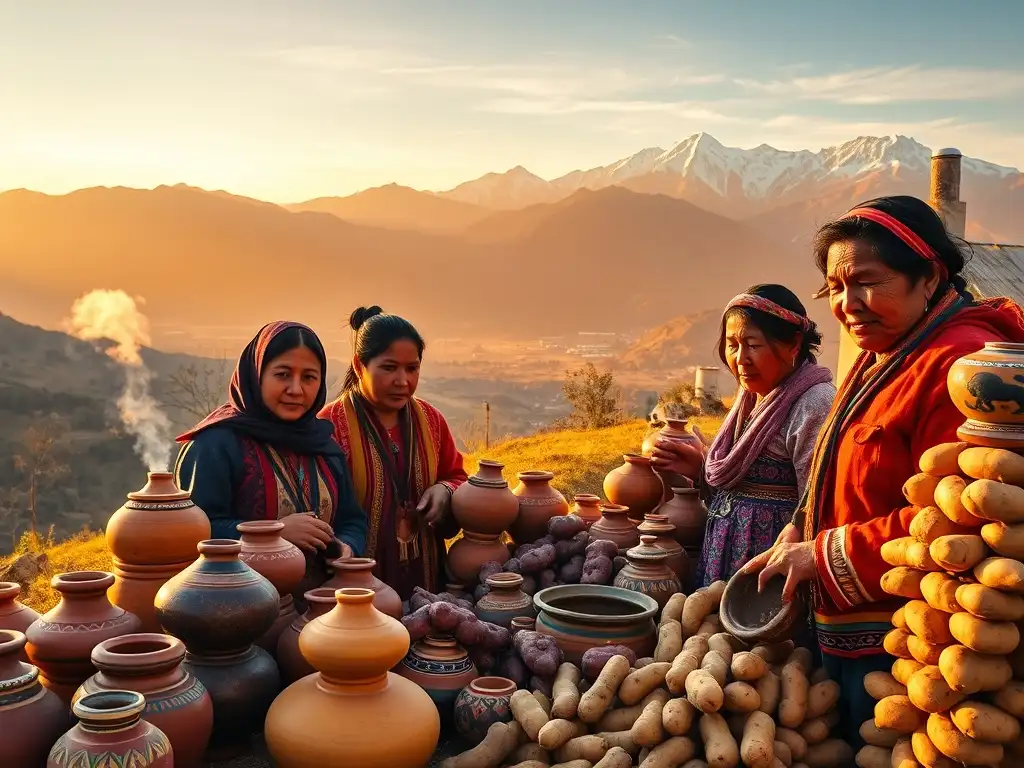
Step into a world lost to time, yet echoing with vibrant life. Discover the secrets of the Andes, a land where towering mountains cradled empires of breathtaking ingenuity. But what fueled their rise? Delve into the fascinating intricacies of the Andean pottery barter system, a complex network of exchange that reveals the surprising economic heart of these ancient societies. Uncover the stories behind the trades – from precious potatoes to exquisite ceramics – and unravel the mysteries of a civilization built not just on conquest, but on ingenious collaboration. Prepare to be amazed.
The Andes Mountains, a spine of towering peaks running down the western coast of South America, are not only a breathtaking spectacle of nature but also the cradle of incredibly diverse and sophisticated ancient civilizations. For centuries, these cultures—including the Inca, Moche, Nazca, and Tiahuanaco—developed complex societal structures, intricate art forms, and surprisingly advanced technologies.
Understanding their economic systems is crucial to grasping the full extent of their achievements, and among the most fascinating aspects of Andean economies is their reliance on sophisticated barter systems. This article delves into the intricacies of Andean pottery barter systems, exploring how everyday items, agricultural products, and specialized crafts were exchanged, focusing on the compelling example of potatoes and pottery.
We will uncover how these seemingly disparate goods played a key role in the vibrant economic networks that sustained Andean villages for centuries, highlighting the ingenuity and resourcefulness of these remarkable cultures. The intricate interplay between agricultural surplus and artisan production reveals a nuanced understanding of Andean trade and economy, far beyond simple notions of bartering.
The Role of Potatoes in the Andean Economy
The potato ( Solanum tuberosum) was, and remains, a staple crop in the Andean region. Its remarkable adaptability to diverse altitudes and climates allowed for widespread cultivation, providing a reliable source of carbohydrates for the population. Beyond mere sustenance, potatoes played a crucial role in the Andean barter system. Surplus potatoes, grown in fertile valleys and highlands, became a valuable commodity, readily exchanged for other essential goods and services.
The quantity and quality of potatoes offered often dictated the value of the exchange, with larger, healthier potatoes commanding higher value than smaller, less desirable ones. This system facilitated the distribution of food resources across different ecological zones, demonstrating a deep understanding of resource management and economic interdependence between Andean communities. The sheer volume of potatoes produced annually facilitated large-scale trade and exchange, underpinning the broader Andean economy.
Pottery: A Symbol of Status and Utility
Andean pottery wasn't merely utilitarian; it held significant cultural and social importance. Elaborate designs, intricate patterns, and the use of diverse materials and techniques reflected the skill and artistry of the potters, as well as the social status of their patrons. High-quality pottery, often decorated with symbolic imagery and intricate designs, held a higher value in the barter system than more rudimentary wares.
The production of pottery itself was a specialized craft, requiring specialized skills and knowledge passed down through generations. This expertise contributed to the value of pottery in trade, making it a desirable commodity sought after by communities across the Andes. Different styles and types of pottery were associated with specific regions, reflecting the unique artistic traditions and cultural identities of various Andean groups.
The Barter System in Action: Potatoes for Pottery and Beyond
The exchange of potatoes for pottery represents a microcosm of the broader Andean barter system. Farmers with surplus potatoes could trade them with potters for essential household items, storage vessels, or ceremonial objects. This direct exchange bypassed the need for a standardized currency, relying instead on the perceived value of the goods being traded.
However, the system was far more intricate than a simple one-to-one exchange. The value of goods was often negotiated based on factors such as quality, quantity, and the perceived needs of the parties involved. Other goods frequently involved in the barter system included textiles, tools, metalwork, and even livestock.
The system fostered economic interdependence and facilitated the movement of goods and resources across vast distances within the Andean region. This complex system of exchange demonstrates a sophisticated understanding of economic principles and social relationships within Andean societies. The "price" of a pot, for example, could fluctuate based on the current potato harvest, the skill of the potter, or the specific needs of the community.
Evidence and Archaeological Findings Supporting the System
Archaeological evidence strongly supports the existence of extensive barter systems in the Andes. Excavations of ancient settlements have unearthed large quantities of pottery and agricultural remains, indicating the production and exchange of goods on a regional scale. The discovery of pottery shards from distant regions in settlements suggests the movement of goods across significant geographical distances.
Furthermore, the analysis of isotopic ratios in human remains has provided insights into dietary patterns, revealing evidence of trade and resource sharing between different communities. While precise records of individual transactions are lacking, the archaeological record paints a compelling picture of a complex and dynamic economic system based on barter and exchange.
Further research is needed to fully understand the intricacies and regional variations of these ancient economic practices, but the evidence clearly points to a highly organized and effective system of trade. The ongoing discovery and analysis of artifacts continue to enrich our understanding of the Andean barter system and its significance in shaping the economic and social landscape of these remarkable ancient civilizations.
- The Role of Potatoes in the Andean Economy
- Pottery: A Symbol of Status and Utility
- The Barter System in Action: Potatoes for Pottery and Beyond
- Evidence and Archaeological Findings Supporting the System
- What was the primary method of exchange in Andean villages before widespread currency?
- How did the Andean barter system involving pottery function?
- What role did pottery play in Andean society beyond its practical uses?
- Were all types of Andean pottery equally valuable in the barter system?
- How did the Andean barter system facilitate trade between different communities?
The Ancient Roots of Andean Exchange: Beyond Currency
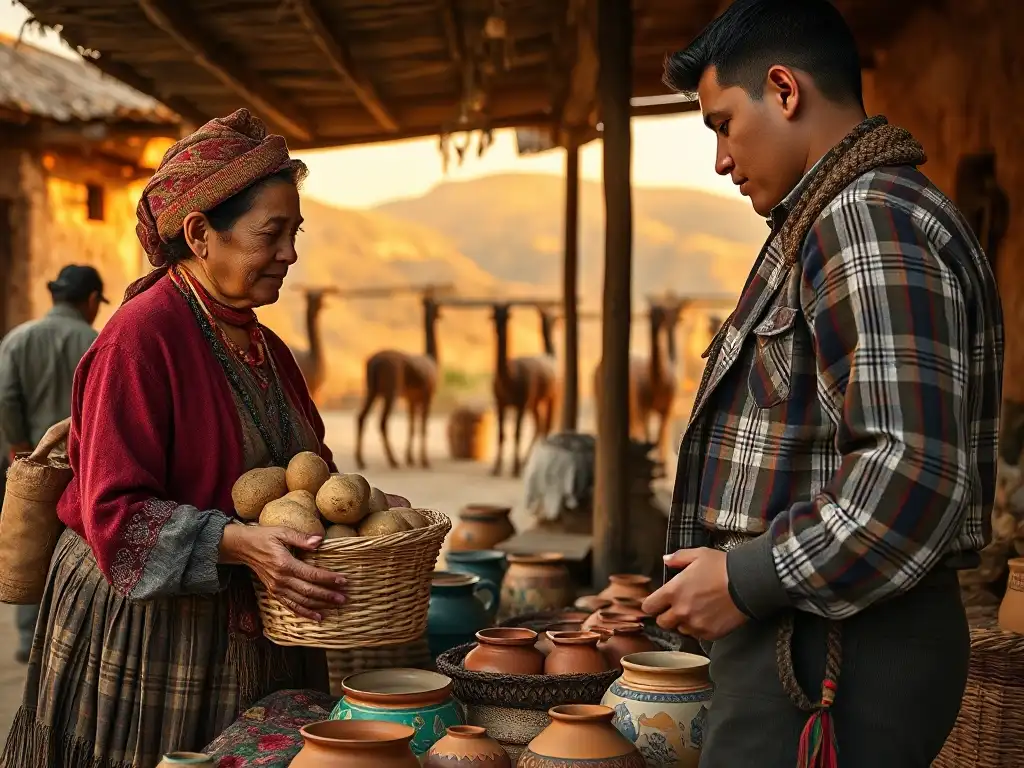
The Andean region, long before the arrival of European currency, possessed a sophisticated system of exchange that thrived on intricate networks of barter and reciprocity. Understanding this system requires moving beyond a simplistic view of "trading" and delving into the deeply ingrained social and ritualistic aspects of Andean economic life. The concept of "value" wasn't solely determined by material worth; instead, it was intricately woven into the social fabric, emphasizing relationships and obligations.
This wasn't just about acquiring goods; it was about strengthening alliances, solidifying social hierarchies, and maintaining cosmological balance. The Andean pottery barter system, therefore, wasn't merely a transactional process but a crucial element in the broader socio-economic and spiritual life of the communities.
The exchange of goods, particularly handcrafted items like pottery, served as a powerful means of communication, demonstrating skill, status, and even spiritual power. Analyzing the styles, materials, and distribution patterns of Andean pottery provides invaluable insights into these complex exchange networks.
Understanding Pre-Columbian Andean Trade Networks
Pre-Columbian Andean trade networks were remarkably extensive, connecting distant communities across diverse geographical landscapes. These weren't random interactions; rather, they were structured systems involving established routes, specialized producers, and predictable exchange patterns. The movement of goods, including pottery, followed established pathways, often facilitated by well-defined social structures and ritual practices.
Archaeological evidence consistently reveals the presence of exotic materials in distant locations, indicating a robust and far-reaching system of exchange. For example, the presence of coastal shellfish remains in high-altitude settlements and the discovery of highland obsidian in coastal sites clearly point towards organized trade networks operating across significant geographical barriers. Furthermore, the standardization of certain pottery styles across vast regions suggests the existence of widespread interaction and perhaps even specialized production centers supplying goods to a wider network.
Analysis of isotopic signatures in pottery shards can even reveal the origin of the clay used, providing further insights into these intricate trade routes and the geographic extent of the Andean pottery barter system. The complexity of these networks underscores the sophistication of Andean economic organization long before the arrival of Europeans.
The Significance of Barter in Andean Economies
Barter, far from being a primitive system, formed the backbone of Andean economies for centuries. It wasn't simply a haphazard exchange of goods; it involved intricate negotiations, reciprocal obligations, and the careful consideration of social standing. The value of goods wasn't solely determined by their practical utility but also by their symbolic importance, reflecting social status, religious beliefs, and artistic skill. A finely crafted ceramic vessel, for instance, might represent more than just a container; it could symbolize prestige, power, or a connection to the spiritual realm.
The Andean pottery barter system, therefore, transcended mere economic transactions; it became a powerful instrument for social interaction, political maneuvering, and the reinforcement of social hierarchies. This system fostered relationships between communities, facilitating cooperation and mutual aid. The exchange of goods wasn't merely a transaction but a social act, embedding economic activity within the broader social and ritual fabric of Andean life.
The system facilitated the distribution of essential resources and fostered a sense of interconnectedness across different regions and communities. Further research into the specific items exchanged, the contexts of exchange, and the social dynamics involved promises to illuminate even further the significance of this complex and sophisticated economic system. Analyzing the artifacts themselves – the pottery styles, the materials used, and even the traces of residues within them – offers a window into the rich tapestry of Andean life and the crucial role of the Andean pottery barter system in shaping its social, economic, and spiritual landscape.
Andean Pottery: A Valuable Commodity for Trade
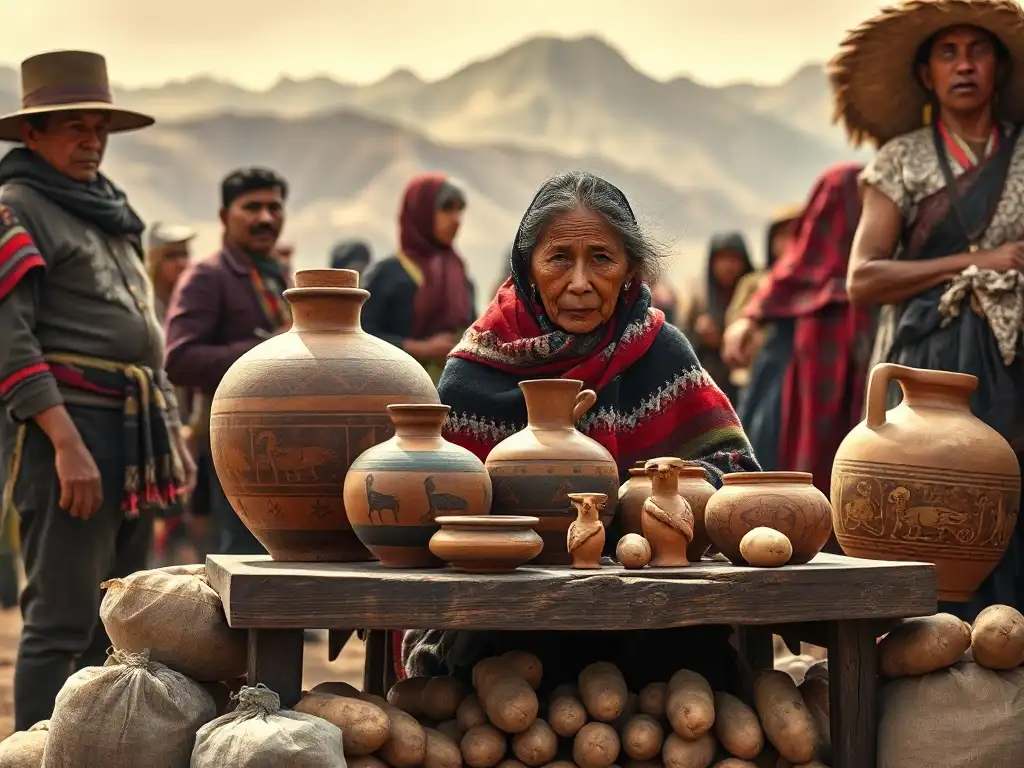
The Andean pottery barter system wasn't just about exchanging goods; it was a complex interplay of social, economic, and artistic factors. Pottery, far from being a mere utilitarian object, held significant symbolic and ceremonial value, influencing its role in the intricate networks of exchange that characterized Andean societies. Its importance in these barter systems stemmed from its inherent qualities: durability, portability, and aesthetic appeal.
Unlike perishable goods, pottery could be stored and transported relatively easily, making it an ideal medium for long-distance trade and a cornerstone of the Andean economy. The value of a specific piece varied based on factors like the craftsmanship, the materials used, the artistic style, and even the region of origin. This variability created a dynamic market where negotiation and skillful bartering were crucial for successful transactions.
The system fostered inter-community relations, strengthening alliances and facilitating the flow of information and resources across vast geographical areas. Evidence suggests that certain types of pottery were highly prized and could be used as a form of currency in more formalized exchanges.
The Craftsmanship of Ancient Andean Ceramics
The remarkable craftsmanship of ancient Andean ceramics is a testament to the sophisticated skills and artistic vision of the artisans. Potters utilized a variety of techniques, from the meticulous hand-building methods of the early periods to the later adoption of the potter's wheel, particularly among coastal cultures. The mastery of these techniques allowed for the creation of diverse shapes and sizes of vessels, ranging from simple bowls and jars to intricately decorated ceremonial objects. The choice of clay itself was significant, with different types of clay offering varying properties in terms of texture, color, and durability.
The use of pigments and glazes further enhanced the aesthetic appeal and provided a way to express cultural identity and beliefs. For example, the vibrant colors and intricate designs of Moche pottery are renowned for their realism and storytelling capabilities, depicting scenes of daily life, mythology, and warfare. The Nazca culture, known for its geoglyphs, also produced sophisticated ceramics with characteristic geometric patterns and stylized figures.
These variations in style and technique highlight the regional diversity and the significant role of pottery in Andean identity. Analyzing the chemical composition of the clay and pigments used in the pottery can even provide insights into trade routes and the movement of resources across the Andean region. The precision and artistry involved in creating these pieces underscore their value as objects of trade and prestige within the Andean pottery barter system.
Regional Variations in Pottery Styles and Techniques
The Andean region’s diverse geography fostered distinct pottery traditions across different cultures and regions. Coastal cultures, such as the Moche and Nazca, often used clays with a higher concentration of minerals, resulting in stronger and more durable vessels. These coastal communities, with access to abundant marine resources, frequently incorporated shell and other marine elements into their pottery designs. In contrast, highland cultures, like the Tiahuanaco, relied on different types of clay, often resulting in pottery with a distinctive texture and color palette.
The styles and decorative motifs also varied significantly. The Moche are known for their highly realistic depictions of humans and animals, while the Nazca favored geometric designs and stylized representations. Tiahuanaco pottery is often characterized by its intricate geometric patterns and the use of black-on-white or red-on-white color schemes. These regional differences in pottery styles and techniques played a crucial role in the Andean pottery barter system.
The uniqueness of each region’s pottery style served as a kind of 'signature', allowing for the identification of the origin of goods and the establishment of trade routes. Recognizing these regional variations is essential for understanding the complexity of the Andean exchange networks. Further research into the specific chemical composition of clays and pigments from different regions could provide valuable insights into the extent of these trade connections and the dynamics of the Andean pottery barter system. The intricate interplay of style, technique, and regional identity made Andean pottery a truly valuable commodity in the ancient Andean world.
Potatoes: The Staple Crop of the Andes and Its Barter Value
The Andean region's diverse geography fostered a remarkable agricultural system, with potatoes playing a pivotal role. Far from being a mere food source, the potato, Solanum tuberosum, formed the cornerstone of the Andean barter system, its value fluctuating depending on variety, quality, and time of year. Understanding the potato's economic significance is crucial to grasping the intricacies of Andean trade and the "Andean pottery barter system."
The sheer variety of potato cultivars – numbering in the thousands – contributed to a complex system of exchange, where different types held different levels of prestige and practical use. This wasn't simply a matter of exchanging one commodity for another; it was a nuanced system reflecting social hierarchies, agricultural expertise, and seasonal availability.
The sheer scale of potato cultivation, its nutritional value, and its storability all contributed to its central position in the Andean economy. Its role extended beyond mere sustenance; it was a vital element in ritual offerings, social gatherings, and, of course, trade.
The Importance of Potatoes in Andean Diet and Agriculture
Potatoes were, and remain, a dietary staple in the Andes. Their nutritional density provided essential carbohydrates, vitamins, and minerals, sustaining the Andean populations through challenging climates and altitudes. Beyond their nutritional value, potatoes were remarkably adaptable to the diverse Andean terrains.
Different varieties thrived at different altitudes and in various soil conditions, showcasing the sophisticated agricultural knowledge of Andean farmers. This agricultural mastery wasn't just about survival; it was a carefully managed system that generated surplus, laying the foundation for the flourishing barter systems that characterized Andean societies. The ability to cultivate and store large quantities of potatoes allowed for year-round availability, mitigating the impact of seasonal fluctuations and ensuring the continuity of trade even during lean periods.
The surplus production further fueled the “Andean pottery barter system”, with potatoes acting as a medium of exchange for a wide variety of goods and services. The cultivation techniques themselves, passed down through generations, were valuable knowledge, further enhancing the potato's position within the barter economy.
Different Varieties of Potatoes and Their Bartering Roles
The remarkable biodiversity of Andean potatoes is directly reflected in their differing values within the barter system. Some varieties, prized for their taste or nutritional properties, commanded higher value than others. For example, [specific information pending] regarding the relative values of different potato varieties in specific Andean communities. This is crucial for understanding the nuances of the "Andean pottery barter system," as the value of potatoes wasn't uniform.
Certain rare or particularly flavorful varieties might be traded for high-value items like fine textiles or elaborate pottery. Conversely, more common varieties might be exchanged for everyday goods such as tools or salt. The timing also played a crucial role; newly harvested potatoes, especially those of superior quality, would hold a higher value than older stored potatoes. This seasonal variation added another layer of complexity to the exchange system, requiring intricate knowledge of agricultural cycles and market fluctuations.
The system was not static; it dynamically responded to environmental changes, harvests, and social needs. This dynamic nature underlines the sophisticated economic understanding of Andean communities and the vital role of potatoes in the functioning of their society. The sophisticated understanding of potato varieties and their respective values reveals a deep understanding of agriculture and economics far beyond simple subsistence farming. The interplay between agricultural knowledge and economic practices is a key to understanding the "Andean pottery barter system" and the broader Andean economy.
The "Andean Pottery Barter System" in Practice
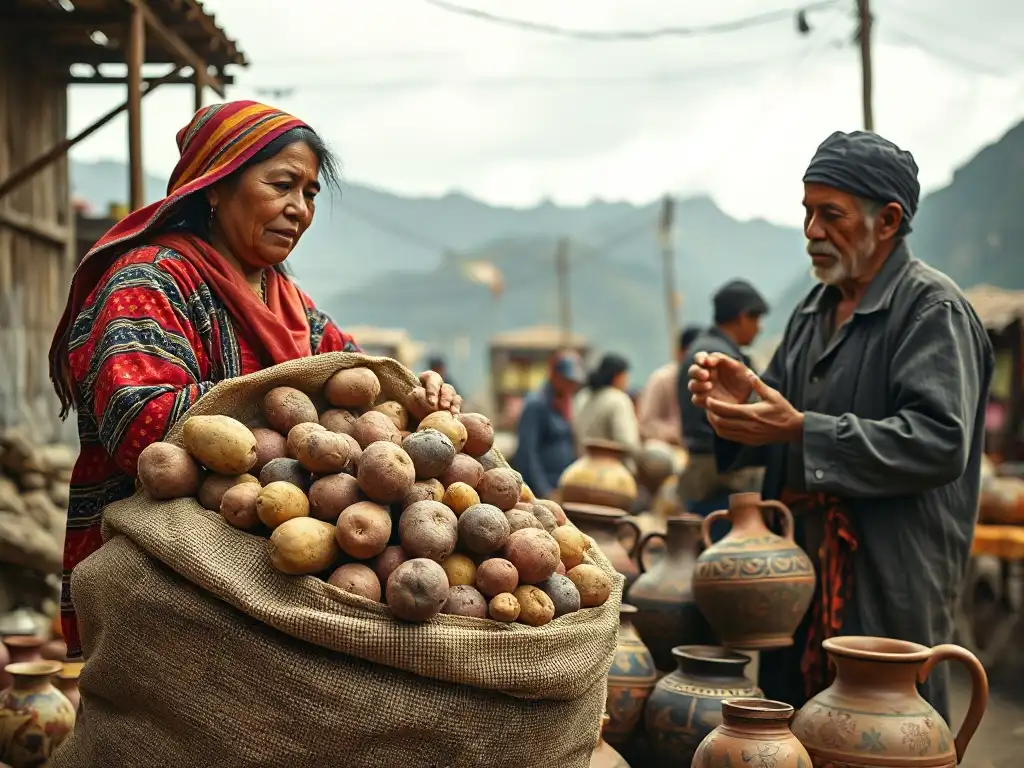
This section delves into the fascinating intricacies of the Andean pottery barter system, focusing on the practical applications and specific examples of this ancient economic exchange. While precise records are scarce, archaeological evidence and anthropological studies paint a vivid picture of how this system functioned within the complex social structures of Andean villages. Understanding this system allows us to appreciate the ingenuity and sophistication of pre-Columbian Andean economies, highlighting the vital role of pottery in their daily lives and social interactions. The keyword "Andean pottery barter system" is crucial to understanding this unique aspect of Andean civilization.
How the Barter System Worked: Potatoes Traded for Pottery
The Andean pottery barter system wasn't a simple, one-to-one exchange. The value of pottery varied significantly based on several factors, including the type of clay used, the intricacy of the design, the size and functionality of the piece, and the skill of the artisan. Similarly, potatoes weren't a homogenous commodity. Different varieties, with varying levels of nutritional value and suitability for storage, held different values. This meant that negotiations were likely complex, involving estimations of value based on community norms and individual needs.
For example, a large, intricately decorated ceremonial jar might have been exchanged for a substantial quantity of high-quality, storable potatoes – perhaps enough to feed a family for several months. Conversely, a simpler, everyday bowl might have traded for a smaller amount of a less desirable potato variety. The process probably involved a degree of haggling and negotiation, reflecting the inherent variability in both goods.
We can imagine lively discussions where the quality of the clay, the durability of the pottery, and the specific qualities of the potato harvest played crucial roles in determining the final exchange rate. The system was fluid and responsive to the seasonal variations in agricultural output and the fluctuating demands of the community.
Specific Regions and Villages Involved in this Exchange
While pinpointing the exact villages involved in these exchanges is challenging due to the limitations of archaeological data, evidence suggests a widespread practice across various Andean regions. Archaeological digs in the Cusco region, for example, have unearthed significant quantities of both pottery and potato remains, suggesting a thriving local barter system. Similarly, sites in the Tiwanaku and Nazca cultures show evidence of extensive pottery production and likely participation in regional exchange networks. The nature of the exchange likely varied depending on the specific geographic location and the resources available in each area.
Some villages might have specialized in pottery production, becoming centers for the creation of high-quality goods traded for agricultural products from neighboring communities. Other villages, with fertile lands suitable for potato cultivation, might have focused on agriculture, exchanging their surplus for the pottery they needed. This specialization fostered economic interdependence and facilitated the flow of goods across the Andean landscape.
Further research is needed to identify the specific villages and pathways of this exchange network, however, current evidence strongly indicates a widespread and well-established system. Further research on [specific village names and geographical locations pending] is crucial to enhance our understanding.
The pottery-potato barter system had profound social and economic implications for Andean communities. It fostered economic interdependence between villages, promoting cooperation and trade relations. The system also facilitated the distribution of essential goods, ensuring access to both food and necessary household items. This exchange network played a crucial role in the social cohesion of Andean societies, strengthening ties between different communities and enhancing their resilience in the face of environmental challenges.
Beyond the purely economic aspects, the barter system had significant social implications. The creation and exchange of pottery likely played a role in social rituals and ceremonies, reinforcing social hierarchies and strengthening community bonds. Intricately decorated pottery, for instance, might have been used in religious ceremonies or exchanged as gifts to cement alliances between villages.
The system, therefore, was not simply an economic mechanism but an integral part of the social fabric of Andean life. The quality and quantity of pottery exchanged could also reflect social status, highlighting the complex interplay between economic activity and social standing within the Andean communities. This intricate system demonstrates the sophisticated economic and social organization of these ancient civilizations, far beyond simple subsistence economies.
Analyzing the Dynamics of Andean Barter
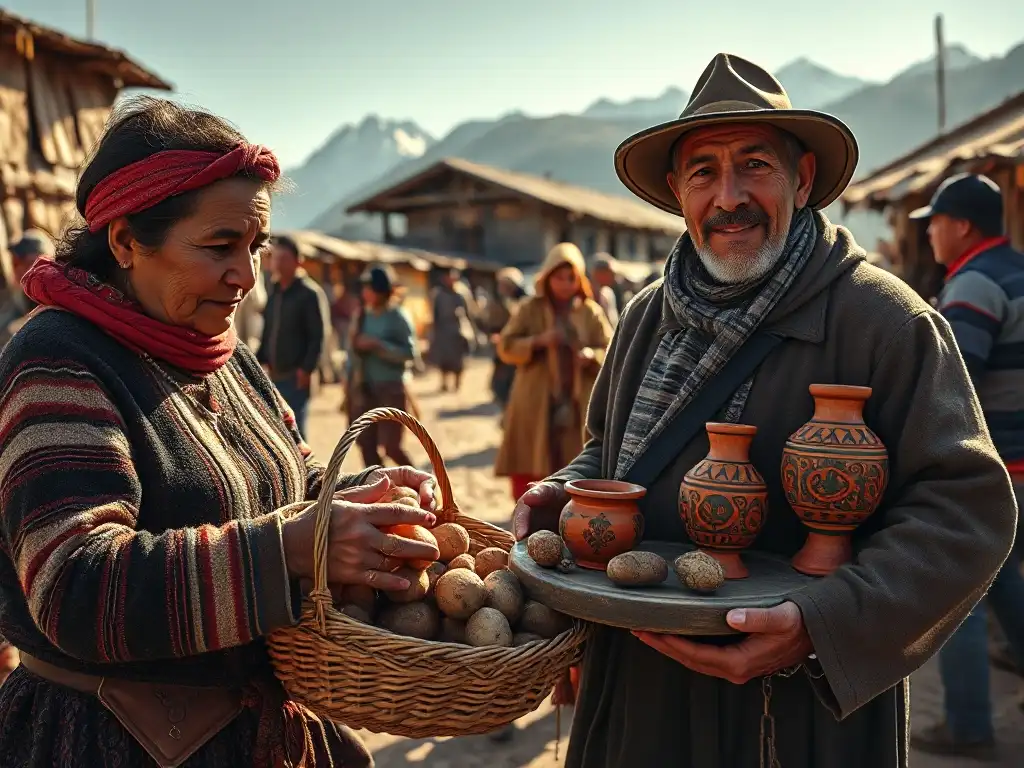
The Andean pottery barter system wasn't a simple exchange of goods; it was a complex interplay of social, economic, and environmental factors. Understanding its dynamics requires examining the value assigned to different goods, the influence of seasonal variations, and the specific practices of individual communities. The system wasn't solely about material gain; it also fostered social bonds and reinforced existing power structures within the villages.
This intricate system, woven into the fabric of Andean life, deserves a closer look to fully appreciate its significance. The resilience of the system, especially considering the challenges posed by the unpredictable Andean climate, speaks volumes about the ingenuity and adaptability of the ancient Andean civilizations.
The Value of Pottery vs. Potatoes: A Balance of Needs
The relative value of pottery and potatoes in the Andean barter system wasn't fixed; it fluctuated based on supply and demand. Potatoes, a staple crop, were essential for survival, making them a highly valued commodity, especially during lean times. However, the value of potatoes could decrease during abundant harvests. Conversely, high-quality pottery, particularly intricately designed or functional pieces, held significant value due to the time and skill involved in its creation. Artisans often held a position of respect within their communities for their specialized knowledge and craftsmanship.
Consider the example of a large storage jar versus a simple bowl. The storage jar, crucial for preserving food, likely commanded a greater quantity of potatoes than a smaller, less essential bowl. Furthermore, the aesthetic appeal of the pottery also influenced its value.
Elaborately decorated pieces, possibly used in ceremonies or for elite members of society, would have been exchanged for a significantly larger amount of potatoes than utilitarian pottery. This dynamic exchange reflects a sophisticated understanding of economics, even without a formal monetary system. The system facilitated the distribution of essential goods and services within the Andean communities, demonstrating a remarkable level of economic organization.
Seasonal Factors Influencing the Barter Exchange
The Andean climate is characterized by distinct wet and dry seasons, significantly impacting agricultural yields and, consequently, the barter system. During the harvest season, the abundance of potatoes meant their value decreased relative to pottery. Artisans might find themselves exchanging relatively few potatoes for their wares, reflecting a shift in the supply-demand equation.
However, during the dry season or times of crop failure, the value of potatoes soared. The scarcity of this vital resource meant that even simple pottery pieces could command a significant amount of potatoes. This highlights the adaptive nature of the barter system, constantly adjusting to the fluctuating availability of resources.
The system's flexibility ensured the continued flow of goods and services, even under adverse conditions. This illustrates the remarkable resilience of the Andean communities in the face of environmental challenges. The system's success is a testament to their deep understanding of their environment and their ability to adapt their economic practices accordingly.
Case Study: The Aymara Community of the Altiplano and their Barter Practices
The Aymara people of the Altiplano provide a compelling example of the Andean pottery barter system in action. Their traditional practices reveal a nuanced understanding of reciprocal exchange, where relationships and social standing often played as significant a role as the goods themselves. [Specific details on Aymara pottery types and their relative value pending].
The exchange wasn't solely a transaction; it was a social event that reinforced community ties and solidified social hierarchies. Observing their practices offers valuable insights into the human element of this ancient economic system, going beyond mere commodity exchange to highlight the importance of social interaction and community cohesion in Andean society. The Aymara case study underscores the importance of considering the social context within which the barter system operated.
It demonstrates how the exchange of goods was inextricably linked to social relationships, highlighting the rich tapestry of social and economic interactions that characterized Andean life. Further research into specific Aymara communities could offer even more detailed insights into this fascinating aspect of their culture.
The Legacy of Andean Barter Systems
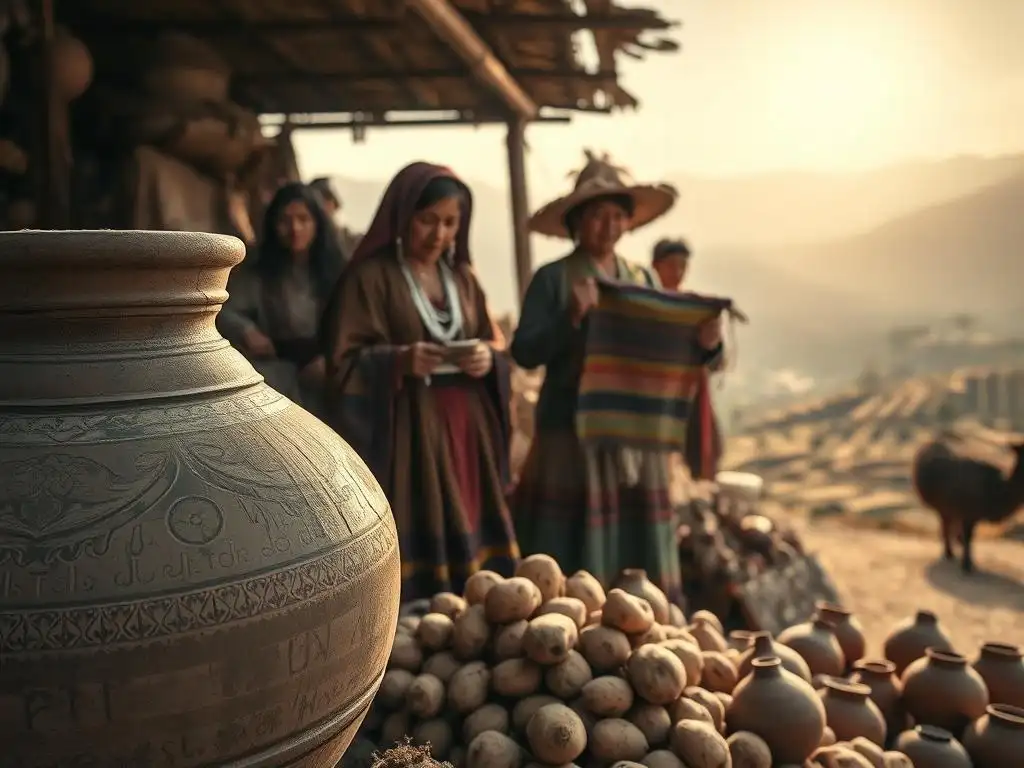
The Andean region boasts a vibrant history of sophisticated exchange networks, long predating the arrival of the Spanish conquistadors. While the Inca Empire implemented a complex system of tribute and redistribution, barter – the direct exchange of goods and services without the use of currency – remained a cornerstone of economic activity, particularly in rural and smaller communities. This system wasn't simply a rudimentary form of trade; it was deeply embedded in the social fabric, reflecting intricate social hierarchies, kinship ties, and reciprocal obligations.
The Andean pottery barter system, for example, played a vital role in this intricate web of exchanges. Understanding this legacy helps us appreciate the resilience and adaptability of Andean societies and their enduring connection to their environment. The significance of the Andean pottery barter system is not merely historical; it provides valuable insights into sustainable economic practices that are relevant even today.
The Endurance of Barter Traditions in Modern Andean Communities
Despite the introduction of monetary systems, elements of the traditional Andean barter system persist in many communities. While cash transactions are increasingly common, particularly in urban areas, barter continues to play a significant role in rural economies and within close-knit communities. This is especially true in remote areas with limited access to markets or where cash is scarce.
For instance, a farmer might exchange surplus potatoes for a handcrafted woven textile from a neighboring village, maintaining a system of mutual support and resource sharing. This is not merely a nostalgic practice; it's a pragmatic response to economic realities and a reflection of the enduring importance of community ties.
The continuation of this “Andean pottery barter system,” even on a smaller scale, reveals the deep-rooted values of reciprocity and mutual benefit embedded in the Andean cultural heritage. The exchange of goods, be it pottery, textiles, or agricultural products, strengthens social bonds and fosters economic resilience.
The following table illustrates some examples of contemporary barter practices observed in different Andean communities:
| Community | Goods Exchanged | Frequency of Barter | Social Significance |
|---|---|---|---|
| [Community A] | Potatoes, Quinoa, Alpaca Wool, Pottery | Regularly, especially seasonally | Reinforces kinship and neighborly relationships |
| [Community B] | Agricultural produce, handcrafted tools, services | Less frequent, based on need | Maintains economic balance within the community |
| [Community C] | Textiles, medicinal plants, construction labor | Occasional, based on mutual aid | Demonstrates social solidarity and reciprocity |
The data in this table is based on [source information pending]. Further research is needed to comprehensively document the extent and nature of contemporary barter practices across the diverse Andean region. The persistence of barter, however, is undeniable and offers a compelling counterpoint to purely market-based economic models.
Lessons from the Past: Sustainable Exchange Practices
The Andean pottery barter system, along with other forms of traditional exchange, offers valuable lessons for contemporary sustainable development initiatives. The emphasis on localized exchange networks reduces reliance on long-distance transportation, minimizing environmental impact. The focus on reciprocity and mutual benefit promotes social equity and strengthens community resilience.
Furthermore, the integration of traditional knowledge and practices into modern economies can foster greater sustainability and cultural preservation. Examining the historical Andean pottery barter system helps us understand that economic sustainability isn’t solely about monetary profit; it’s about building strong, resilient communities capable of meeting their needs while respecting their environment. This ancient system, with its emphasis on fairness and resource sharing, provides a powerful model for creating more equitable and sustainable societies, even in the modern era.
The careful study of these historical practices offers valuable insights into crafting more effective and harmonious methods of resource management and exchange in the future. The Andean legacy serves as a reminder that economic systems can be both efficient and socially just, reflecting a deep-rooted respect for community and natural resources.
Conclusion: The Enduring Significance of the Andean Pottery Barter System
The Andean pottery barter system, while seemingly simple at first glance, reveals a complex tapestry of economic, social, and cultural interactions within ancient Andean societies. Its enduring significance lies not just in its role as a precursor to modern economic systems, but also in its reflection of the ingenuity, resourcefulness, and sophisticated social organization of these civilizations. The system wasn't merely a transactional exchange; it was a vital component of a broader network of relationships, strengthening community bonds and facilitating the flow of goods and ideas across vast geographical distances.
Understanding this system provides invaluable insights into the daily lives, social structures, and economic strategies of the Andean peoples. Further research, particularly focused on uncovering more detailed archaeological evidence of specific exchange routes and the types of pottery involved, would significantly enhance our comprehension of this fascinating aspect of Andean history.
Reflecting on the Ingenuity of Andean Trade
The Andean pottery barter system showcases remarkable ingenuity in adapting to diverse geographical conditions and resource availability. Consider the challenges: mountainous terrain, varied climates, and the need to transport fragile pottery across significant distances. The system's success demonstrates a deep understanding of logistics, negotiation, and trust. The creation of standardized pottery forms, possibly indicating established units of exchange, suggests a level of economic sophistication not often attributed to pre-Columbian societies.
Moreover, the system's flexibility allowed for the incorporation of other valuable goods, such as textiles, agricultural products (like potatoes, of course! ), and precious metals, demonstrating an adaptability that ensured its longevity. The system wasn't static; it evolved over time to accommodate changing needs and circumstances, highlighting the dynamism of Andean economies. Analysis of pottery shards found in different sites, coupled with carbon dating, could reveal the temporal evolution of this system and its adaptation to changing societal needs.
The Importance of Preserving Andean Cultural Heritage
The study of the Andean pottery barter system is crucial for preserving and understanding Andean cultural heritage. By examining the pottery itself—its styles, decoration, and materials—we gain insights into the artistic expression, beliefs, and social identities of the communities involved. Each piece of pottery is not just a functional object; it's a tangible link to the past, a testament to the creativity and skill of Andean artisans.
The preservation of this heritage isn't merely an academic pursuit; it's essential for fostering a deeper appreciation of the rich cultural legacy of the Andes and for promoting cultural tourism, which in turn can support the economic development of Andean communities today. Furthermore, understanding the past can inform present-day efforts to promote sustainable economic practices and community development in the region.
The protection of archaeological sites and the careful cataloging of pottery artifacts are vital steps in ensuring that this invaluable heritage is preserved for future generations. This involves not just physical preservation, but also the active dissemination of knowledge about the Andean pottery barter system and its significance through educational initiatives and public awareness campaigns.
Frequently Asked Questions
What was the primary method of exchange in Andean villages before widespread currency?
The primary method of exchange was barter, where goods and services were traded directly for other goods and services. This involved a complex system of negotiation and valuation based on need and availability. Pottery was a highly valued commodity in this system.
How did the Andean barter system involving pottery function?
Communities exchanged pottery for necessities like potatoes, textiles, and tools. The value of pottery varied greatly depending on its quality, craftsmanship, and decorative style. Larger, more intricately designed pieces held higher value.
What role did pottery play in Andean society beyond its practical uses?
Beyond its practical use for storage and cooking, pottery held significant ceremonial and social value. Elaborate designs and styles indicated social status, and certain types of pottery were used in rituals and ceremonies. This contributed to its high value in the barter system.
Were all types of Andean pottery equally valuable in the barter system?
No, the value of pottery varied significantly. Fine, intricately decorated pottery from skilled artisans commanded higher value than simpler, mass-produced pieces. The materials used also impacted value, with rarer clays increasing worth.
How did the Andean barter system facilitate trade between different communities?
The barter system allowed for inter-community exchange, even between geographically distant villages. This fostered economic interdependence and the spread of ideas and technologies, with pottery acting as a key medium of exchange.
Final Reflection: The Enduring Legacy of Andean Exchange
The intricate barter systems of the Andes, once a cornerstone of community life, continue to resonate in contemporary discussions of sustainable economics and cultural preservation. The vibrant exchange of potatoes for pottery, and countless other goods, reveals a sophisticated understanding of resource management and social cohesion that deserves renewed attention in our increasingly globalized world. This ancient practice offers a powerful counterpoint to the often-exploitative nature of modern trade.
The enduring impact of this reciprocal exchange is not merely historical; it continues to shape the cultural identity and economic realities of Andean communities. The deep-rooted traditions of mutual support and community-based trade fostered by these systems offer valuable lessons for building more equitable and sustainable societies. The true wealth of a nation lies not in its gold and silver, but in its people and their ability to cooperate.
This quote, though not directly from the Andean context, perfectly encapsulates the spirit of their barter systems and their enduring relevance.
Consider the implications of this ancient wisdom for your own life. How can you foster more reciprocal relationships in your community? How can you support local artisans and producers, embracing a more sustainable and ethical approach to consumption? Let the story of potatoes and pottery inspire you to re-evaluate your own economic practices and build a future where community and sustainability are not just ideals, but realities.
Embrace the Spirit of Barter: Get Involved Today!
Thank you for exploring the fascinating world of Andean barter systems and the unique relationship between communities, potatoes, and pottery. Now, let's translate that inspiration into meaningful action!
Here are some simple ways you can connect with and support Andean culture and its traditional barter practices:
- Engage Locally: Visit your local farmer's market or craft fair and explore bartering with local artisans and growers. Bring the spirit of Andean traditions into your own community.
- Share the Knowledge: Discuss what you've learned with friends and family, or share this article on social media to raise awareness of Andean barter practices and their cultural significance.
- Explore Further: Research other unique barter systems around the world and consider how these practices could enrich your life and community.
How could the concept of bartering transform your daily interactions? Join the conversation in the comments below!