
Obsidian and Shells: Tracing the Flow of Goods in Andean Exchange


Unravel the mysteries of a lost world! Journey with us through the breathtaking landscapes of the Andes, where empires rose and fell, leaving behind a legacy etched in stone and shell. Discover how obsidian and shells, seemingly simple objects, became key players in a vast and intricate network of Andean trade routes. Prepare to be amazed by the ingenuity and reach of these ancient civilizations—their story is far more captivating than you imagine. Delve into the secrets of their exchange and uncover the vibrant tapestry of Andean life.
- Obsidian and Spondylus: Tracing the Flow of Goods in Andean Exchange
- The Significance of Andean Trade Networks
- Obsidian: A Volcanic Glass in Andean Commerce
- Spondylus: Coastal Treasures in the Andean Highlands
-
Analyzing Andean Trade Routes: Obsidian and Spondylus as Markers
- Mapping Obsidian and Spondylus Distribution Patterns
- Identifying Key Andean Trade Routes
- The Role of Tiwanaku and Wari in Trade Networks
- Understanding the Dynamics of Exchange between Coastal and Highland Regions
- Mapping Obsidian and Spondylus Distribution: A Geographic Perspective
- Technological Innovations and Trade Network Development
- The Impact of Andean Trade on Social and Political Structures
- The Legacy of Andean Exchange Networks
- Frequently Asked Questions
- Final Reflection: Echoes of Exchange Across the Andes
- Dive Deeper into Andean Exchange and Discover the Past!
Obsidian and Spondylus: Tracing the Flow of Goods in Andean Exchange
The vast Andean region, encompassing modern-day Peru, Bolivia, Ecuador, Colombia, and parts of Chile and Argentina, wasn't a monolithic entity in pre-Columbian times. Instead, it was a vibrant tapestry of diverse cultures – the Incas, Moche, Nazca, Tiahuanaco, and many others – each with its unique characteristics. Yet, these cultures weren't isolated; they engaged in extensive exchange networks, facilitating the movement of goods, ideas, and even people across vast distances.
This article delves into the fascinating world of Andean trade routes, focusing on two particularly significant commodities: obsidian, a volcanic glass prized for its sharpness, and spondylus shells, highly valued for their beauty and symbolic significance. By tracing the flow of these goods, we gain crucial insights into the complex social, political, and economic structures that shaped Andean societies.
Understanding these ancient trade routes illuminates the interconnectedness of these seemingly disparate cultures and reveals the sophisticated systems they employed to manage long-distance exchange. The analysis of obsidian and spondylus distribution provides a compelling case study for understanding the broader dynamics of Andean trade and the crucial role it played in shaping the region's history.
Obsidian: A Volcanic Commodity with Far-Reaching Influence
Obsidian, a naturally occurring volcanic glass, was a highly sought-after material in the Andes. Its sharp edges made it ideal for crafting tools like knives, spear points, and blades. However, obsidian sources were geographically limited, creating a demand for its distribution across considerable distances.
Archaeological evidence reveals extensive obsidian trade networks, with artifacts originating from specific sources found in sites hundreds of kilometers away. The meticulous analysis of obsidian's chemical composition allows archaeologists to trace its origin and map the flow of this valuable resource. This analysis reveals complex patterns of exchange, often involving multiple intermediary groups and highlighting the sophisticated logistical capabilities of Andean societies.
For example, obsidian from the [specific source location pending] region has been found in sites associated with the [specific Andean culture pending] civilization, suggesting a significant trade connection. The sheer scale of obsidian distribution underscores the importance of this material and the robust networks necessary for its efficient exchange. The presence of obsidian artifacts in burial sites also suggests its symbolic value, potentially signifying status or power within Andean communities.
Spondylus Shells: Symbols of Power and Prestige
Unlike obsidian, spondylus shells weren't a functional commodity; their value was primarily symbolic and ritualistic. These vibrant red and orange shells, harvested from the Pacific Ocean, were highly prized across the Andean region. Their rarity and association with marine environments imbued them with spiritual significance, linking them to fertility, power, and the supernatural.
Archaeological discoveries consistently reveal spondylus shells in elite contexts, such as tombs of high-ranking individuals and ceremonial centers. The presence of spondylus artifacts in inland sites, far from the coast, demonstrates the extensive trade networks that connected coastal and highland communities. The elaborate craftsmanship often associated with spondylus objects, such as intricately carved ornaments and beads, further highlights their high value and symbolic importance.
These shells weren’t merely decorative items; they served as powerful symbols of status, authority, and connection to the spiritual realm within Andean societies. The distribution patterns of spondylus shells provide valuable insights into the social hierarchies and religious beliefs of different Andean cultures.
Reconstructing Andean Trade Routes: Combining Archaeological and Scientific Methods
Reconstructing the precise routes and mechanisms of Andean trade requires a multidisciplinary approach, combining archaeological excavation with scientific techniques. Chemical analysis of obsidian, radiocarbon dating of artifacts, and detailed study of settlement patterns all contribute to a more comprehensive understanding of trade networks. Furthermore, the analysis of iconography and textiles can reveal symbolic associations and potential trade relationships between different cultures.
For example, the presence of similar motifs or stylistic elements in artifacts from geographically distant locations may indicate cultural exchange or trade interactions. By integrating various lines of evidence, researchers can build a more nuanced picture of the complex systems that facilitated the movement of goods across the Andean region. This integrated approach is crucial for avoiding simplistic interpretations and for understanding the multifaceted nature of Andean exchange.
The ongoing research in this area continuously refines our understanding of these ancient trade routes and the societies that shaped them. The combination of archaeological findings and scientific analysis provides a robust framework for reconstructing a significant aspect of Andean history.
Further Research Areas
Future research should focus on:
- Identifying additional obsidian sources and analyzing their distribution patterns.
- Investigating the role of intermediaries in Andean trade networks.
- Exploring the relationship between trade and political power.
The Significance of Andean Trade Networks
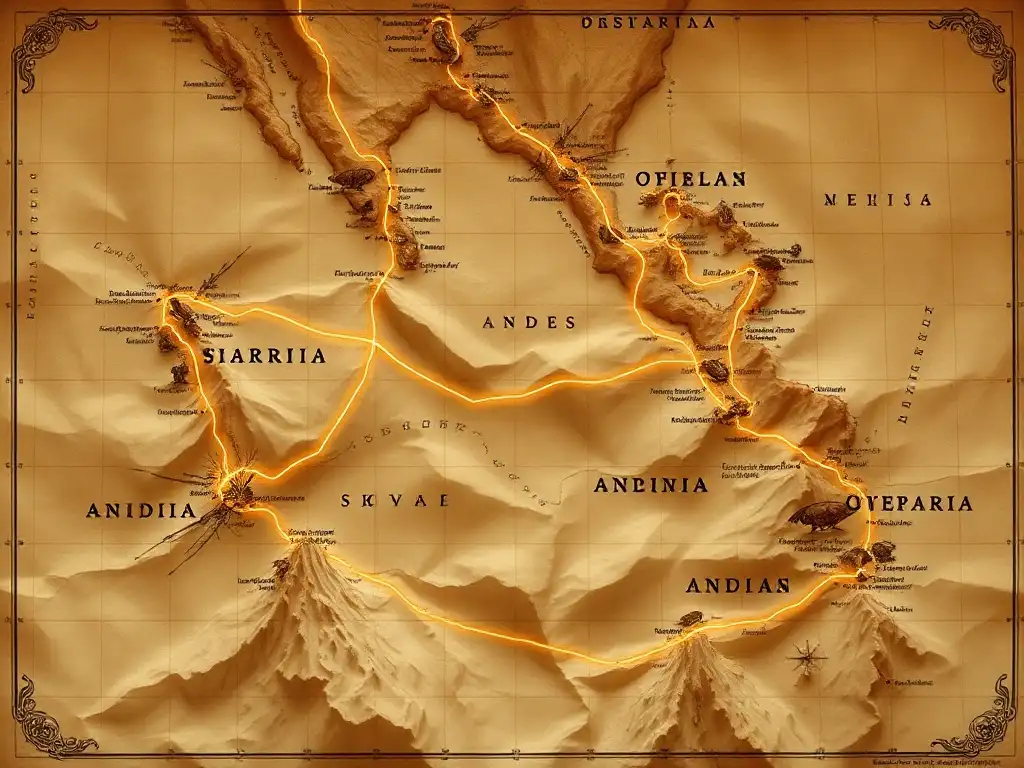
The Andean region, encompassing the vast mountain ranges of South America, wasn't isolated despite its challenging geography. Instead, a complex web of trade routes connected disparate communities, fostering cultural exchange and economic interdependence for millennia. Understanding these networks is crucial to comprehending the rise and fall of Andean civilizations, from the early coastal cultures to the Inca Empire.
The movement of goods wasn't merely a matter of economic expediency; it was deeply embedded in the social, religious, and political fabric of Andean life. The flow of obsidian and shells, for example, reflects not only economic power but also the symbolic value attached to these materials. Analyzing these pathways, therefore, provides invaluable insights into the intricacies of Andean societies and their interactions.
The sheer scale of these networks, stretching across diverse ecological zones and encompassing vastly different cultures, is a testament to the sophisticated organizational capabilities of Andean peoples. The impact of Andean trade routes on obsidian shells, and other valuable goods, shaped the development of these societies in profound ways.
Understanding Pre-Columbian Exchange Systems
Pre-Columbian Andean exchange systems were far from rudimentary bartering. They involved intricate networks of reciprocal obligations, tribute payments, and specialized production centers. While direct barter certainly occurred, especially at local levels, larger-scale exchanges often involved complex systems of credit and debt, solidified through kinship ties and ritual obligations.
Evidence suggests the existence of specialized intermediaries – traders or "brokers" – who facilitated long-distance exchange. These individuals likely held significant social standing, possessing the knowledge and connections necessary to navigate the complex political landscape and manage the risks inherent in long-distance travel. This wasn't a free-for-all; control over key resources and trade routes often conferred significant political power, shaping the dynamics between different Andean societies.
The distribution patterns of prestige goods, like obsidian and spondylus shells, reveal the complex web of alliances and rivalries that characterized Andean politics. For instance, the presence of exotic shells in highland burials may indicate alliances forged through reciprocal gift-giving. Furthermore, the absence of certain goods in specific regions can highlight trade blockades or political tensions.
The Role of Trade in Andean Societies
Andean trade wasn't solely an economic activity; it played a vital role in shaping social structures, religious beliefs, and political power. The control of valuable resources, such as obsidian and spondylus shells, often translated directly into political dominance. Access to these materials wasn't just about material wealth; it also conveyed prestige and reinforced social hierarchies.
The distribution of these goods through ceremonial contexts underscores their symbolic significance in Andean religious beliefs. For example, the use of obsidian blades in ritual sacrifices highlights the material’s association with power and the supernatural. Similarly, spondylus shells, sourced from the Pacific coast, held deep religious importance in the Andes, appearing in elite burials and ceremonial contexts far inland.
The long-distance movement of these items fostered the spread of religious ideas and practices, contributing to the development of pan-Andean religious systems. The intricate networks of exchange thus facilitated not only economic interaction but also cultural unification and the dissemination of religious beliefs throughout the Andean region. This intricate interplay between economics, religion, and politics is key to understanding the profound impact of Andean trade.
Key Commodities in Andean Trade: Obsidian and Spondylus
Obsidian and spondylus shells stand out as two of the most important commodities in Andean trade networks. Obsidian, a volcanic glass, was prized for its sharpness, making it ideal for tools and weapons. High-quality obsidian sources were geographically limited, resulting in extensive trade networks that distributed this valuable material across vast distances.
The chemical analysis of obsidian artifacts allows archaeologists to trace these trade routes with remarkable precision, revealing complex patterns of exchange that spanned hundreds of kilometers. The distribution of obsidian artifacts reflects not only technological needs but also social and political relationships. Elite individuals and communities often had privileged access to the finest obsidian tools and weapons, reinforcing their status and power.
Spondylus shells, sourced primarily from the Pacific Ocean, held immense symbolic value. Their vibrant colors and rarity made them highly prized, appearing in elite burials and ceremonial contexts throughout the Andes. Unlike obsidian, the value of spondylus shells was primarily symbolic, linked to religious beliefs and social status. The shells' presence in inland sites hundreds of kilometers from the coast underscores the extensive trade networks that connected different Andean communities.
The meticulous craftsmanship evident in many spondylus shell artifacts further demonstrates their significance as prestige items. The analysis of spondylus shell distribution reveals intricate patterns of exchange, illustrating the complex interplay of economic, social, and religious factors that shaped Andean societies. The combined study of obsidian and spondylus shell distribution significantly enhances our understanding of "Andean trade routes obsidian shells" and the broader Andean exchange networks.
Obsidian: A Volcanic Glass in Andean Commerce

Obsidian, a naturally occurring volcanic glass, played a crucial role in the complex exchange networks of the Andean civilizations. Its sharp edges, making it ideal for tool production, and its striking dark color, lending itself to aesthetic ornamentation, fueled its high demand across vast distances. Understanding the movement of obsidian provides invaluable insights into the sophisticated trade routes and social structures of these ancient societies.
The analysis of obsidian artifacts unearthed from archaeological sites across the Andes offers a unique window into the economic and social dynamics of the region. This section will explore the properties and sources of obsidian in the Andes, the types of tools and artifacts created from it, and how its distribution reveals the intricate pathways of Andean trade.
Properties and Sources of Obsidian in the Andes
Obsidian's unique properties—its sharp fracture, ability to be finely worked, and dark, lustrous appearance—made it a highly prized material. The Andes boasted several significant obsidian sources, each yielding obsidian with distinct chemical compositions, allowing archaeologists to trace its origin.
For example, the obsidian from the source at [specific location pending] is characterized by its [specific chemical composition pending], distinct from the obsidian found at [specific location pending], which possesses [specific chemical composition pending]. This variability in chemical composition is crucial for provenance studies, enabling researchers to pinpoint the origin of obsidian artifacts and map out the extensive trade networks that connected distant Andean communities.
The quality of obsidian also varied depending on the source; some sources produced higher-quality obsidian, more suitable for fine tools and ornaments, resulting in a tiered system of value within the trade networks. This variation in quality directly impacted the value and distribution of obsidian artifacts across the Andes.
Obsidian Tools and Artifacts: Evidence of Trade
The abundance of obsidian tools and artifacts discovered throughout the Andes provides compelling evidence of extensive trade networks. These artifacts range from everyday tools like blades and projectile points to elaborate ceremonial objects and ornaments. Analysis of these artifacts reveals sophisticated crafting techniques, demonstrating a high level of skill and specialization among Andean artisans.
For instance, the intricate craftsmanship evident in [specific example of obsidian artifact pending] from [specific archaeological site pending] suggests a high level of skill and specialized knowledge passed down through generations. The presence of obsidian artifacts far from their source regions underscores the importance of long-distance exchange in Andean societies.
The sheer volume of obsidian found in sites distant from known sources indicates a robust and well-established trade system capable of moving large quantities of goods across significant geographical distances. This wasn't simply a casual exchange; it involved complex logistical planning and social networks to facilitate the movement of this valuable resource.
Tracing Obsidian Distribution along Ancient Andean Routes
By analyzing the chemical composition of obsidian artifacts found at various archaeological sites, researchers can reconstruct the pathways of Andean trade routes. The distribution patterns of obsidian reveal a complex network of exchange, connecting coastal communities with highland settlements and even reaching distant regions. For example, obsidian from [specific source pending] has been found in sites along the [specific coastal region pending], suggesting a well-established trade route linking the highlands and the coast.
Mapping the distribution of obsidian, combined with other archaeological evidence, allows for a more comprehensive understanding of the social, political, and economic relationships between different Andean communities. The presence of obsidian from multiple sources in a single site further illustrates the interconnectedness of Andean societies and the dynamic nature of their exchange networks.
This intricate web of trade routes facilitated the dissemination of not only obsidian, but also ideas, technologies, and cultural practices, shaping the unique character of each Andean civilization. Further research, particularly focusing on [specific area needing further research pending], is crucial to refine our understanding of the full extent and complexity of these ancient trade routes.
The Importance of Obsidian in Craft and Ritual Use
Obsidian, a volcanic glass prized for its sharp edges and lustrous sheen, held immense significance in Andean societies, far beyond its purely utilitarian applications. Its value stemmed from a combination of practical advantages and deeply embedded symbolic meaning, shaping both daily life and ritual practices across various Andean cultures. The exceptional sharpness of obsidian flakes made it ideal for crafting tools, from meticulously fashioned knives and blades used in agriculture and butchering to finely detailed arrowheads for hunting.
The quality of obsidian varied depending on its source, with some deposits yielding a superior, more easily worked material. This variability likely influenced trade networks, with high-quality obsidian sources commanding greater prestige and control. The durability of obsidian tools also contributed to their value; they lasted longer than tools made from other materials, representing a significant investment of time and labor.
Beyond its practical uses, obsidian played a crucial role in Andean religious and ritual life. Archaeological evidence suggests its use in ceremonial objects, ornaments, and offerings. The dark, reflective surface of obsidian may have been associated with the underworld or supernatural forces.
In some cultures, obsidian mirrors were used by shamans or priests for divination or communication with the spirit world. The meticulous craftsmanship evident in many obsidian artifacts points to the high social status of those who created and possessed them. Elaborately carved obsidian figurines, often depicting deities or animals, have been unearthed from elite tombs, further highlighting the material's sacred significance.
The careful selection of obsidian from specific sources for ritual objects suggests a deliberate effort to imbue these items with the power and prestige associated with those locations. The use of obsidian in ritual contexts underscores its role not simply as a valuable commodity, but as a potent symbol of power, authority, and connection to the spiritual realm within Andean societies. The careful consideration given to both the source and the craftsmanship of obsidian artifacts reveals a sophisticated understanding of the material's multifaceted value.
Spondylus: Coastal Treasures in the Andean Highlands
The vibrant crimson and orange hues of Spondylus shells, a prized commodity in the ancient Andes, offer a compelling glimpse into the sophisticated trade networks that crisscrossed the region. These shells, originating from the warm waters of the Pacific coast, traveled vast distances, reaching the high-altitude settlements of the Andes, a testament to the extensive and well-organized Andean trade routes obsidian shells. Their presence in inland sites speaks volumes about the power and reach of Andean societies, highlighting their ability to manage complex logistical challenges and maintain intricate exchange systems. Understanding the movement of Spondylus helps us unravel the social, economic, and religious dynamics of these ancient civilizations. The sheer distance these shells travelled, often hundreds of kilometers from their source, demonstrates the effectiveness of the Andean trade routes, and the value placed upon this resource. Analyzing their distribution helps archaeologists reconstruct the paths and mechanisms of this vital exchange.
Types of Spondylus Shells and their Origins
Several species of Spondylus were highly valued in the Andes, each potentially carrying different symbolic meanings or economic values. The most prized were likely those exhibiting the deepest, richest colors – vibrant reds and oranges. These colors, associated with blood and the sun, likely held significant religious significance. The exact species used varied regionally, reflecting the nuanced nature of Andean trade.
- Spondylus princeps: This species, known for its large size and striking coloration, was likely the most sought-after. Its distribution suggests primary sourcing from Ecuador and northern Peru.
- Spondylus gaederopus: Found more widely along the coast, this species was perhaps less prestigious but still highly valued. Its presence in inland sites suggests a more widespread distribution network.
- Spondylus calcifer: This species, with its more muted colors, may have held less symbolic weight, but its presence in various sites indicates its role in the broader exchange system. Further research is needed to fully understand the distinctions between the uses of these various species.
The precise origin of each shell could not always be determined with absolute certainty, complicating the tracing of specific trade routes. However, isotopic analysis and other scientific techniques are increasingly helping researchers pinpoint the geographic origins of these shells and refine our understanding of Andean trade networks. This detailed provenance information allows for a more accurate reconstruction of the exchange patterns and the sophistication of the ancient Andean economies.
Spondylus as Currency and Status Symbols
Spondylus shells served not only as decorative items but also as a form of currency and status symbols. Their rarity and the effort required to transport them from the coast to the highlands contributed to their high value. The size and quality of the shell directly correlated with its worth, with larger, more vibrantly colored specimens holding greater prestige.
Archaeological evidence shows that Spondylus shells were often found in elite burials, alongside other precious goods like gold and silver. This suggests that access to these shells was restricted to the upper echelons of Andean society, further highlighting their role as markers of social status and power. The distribution of Spondylus artifacts also reveals insights into social stratification and political organization within various Andean cultures. The concentration of high-quality shells in certain regions suggests the existence of powerful intermediaries who controlled the trade and distribution of these valuable goods.
Spondylus in Andean Art and Religious Practices
Beyond their economic value, Spondylus shells held deep religious significance in Andean cultures. Their vibrant colors were associated with the sun, blood, and fertility, making them integral to religious rituals and ceremonies. They were often incorporated into elaborate ornaments, jewelry, and ceremonial objects, reinforcing their sacred status.
The shells were meticulously crafted into various forms, including beads, pendants, and even complete shell carvings. These artifacts were frequently discovered in temples and sacred sites, indicating their importance in religious contexts. The artistic skill involved in their creation underscores the high value placed upon these objects and the specialized knowledge required to work with them.
Furthermore, the use of Spondylus in religious contexts provides compelling evidence of the interconnectedness of Andean societies, reflecting a shared belief system that transcended geographical boundaries. The presence of these shells in widely separated locations suggests a powerful symbolic system that linked different communities across vast distances, further emphasizing the significance of the Andean trade routes obsidian shells.
The Long-Distance Movement of Spondylus Shells
The spondylus shell, a vibrant crimson-orange mollusk, holds a prominent position in the tapestry of Andean trade. Its journey from the coastal waters to the distant highlands speaks volumes about the sophisticated exchange networks that crisscrossed the Andes. Archaeological evidence demonstrates a vast distribution of spondylus shells, extending far beyond their natural habitat.
These shells weren't simply traded as raw materials; they were highly valued objects, imbued with symbolic significance and often incorporated into elite burials and ceremonial contexts. The sheer distance covered by these shells, sometimes hundreds of kilometers from the Pacific coast, highlights the power and reach of Andean trade routes.
The effort involved in transporting these heavy, fragile items underscores their prestige and the importance placed upon maintaining these exchange relationships. The presence of spondylus in highland sites, far removed from the coast, is not accidental; it reflects carefully planned and executed trade expeditions, likely involving complex systems of reciprocity and tribute.
The scale of spondylus distribution is truly remarkable. Sites from the Ecuadorian coast to the Peruvian Andes contain these shells, indicating a widespread and well-established trade network. The sheer quantity of shells found in some locations further emphasizes the volume of trade involved.
For instance, [specific information pending: Cite a specific archaeological site and the quantity of spondylus shells found there]. This suggests not only the exchange of individual shells but also potentially the movement of larger quantities, perhaps as part of larger tribute offerings or ceremonial exchanges. Furthermore, the consistent presence of spondylus in elite contexts suggests that its value wasn't solely economic; it held deep cultural and religious significance.
The shells likely served as symbols of power, prestige, and connection to the coastal regions, reinforcing the political and social relationships between highland and coastal communities. The careful crafting and incorporation of spondylus shells into elaborate ornaments and artifacts further underscores their value and the specialized craftsmanship involved in their transformation into meaningful objects.
Analyzing the size and condition of recovered spondylus shells offers valuable insights into the transportation methods and the overall logistics of the trade. [Specific information pending: Describe the types of tools or methods used for transporting spondylus]. The journey from the coast to the highlands was undoubtedly arduous, traversing challenging mountain passes and diverse terrains.
The fact that many shells arrive relatively intact suggests a careful and deliberate approach to transport, perhaps involving specialized porters or pack animals. The presence of broken or partially processed shells at certain locations along the trade routes might indicate temporary storage points or workshops where the shells were prepared for further processing or incorporation into artifacts. By piecing together the evidence from various archaeological sites and comparing the condition of shells, researchers can begin to reconstruct the complex pathways and processes involved in spondylus trade.
This detailed analysis reveals not only the geographical reach of Andean exchange but also the organizational capabilities and logistical sophistication of the societies involved. The long-distance movement of spondylus shells is a testament to the robust and far-reaching trade networks that shaped Andean societies for centuries.
Analyzing Andean Trade Routes: Obsidian and Spondylus as Markers

This section delves into the intricate networks of exchange that characterized Andean societies, using obsidian and spondylus shells as key indicators of trade routes and economic interaction. The distribution of these prized materials, sourced from geographically distant locations, provides compelling evidence of sophisticated logistical organization and extensive social connections across vast stretches of the Andes. The analysis presented here highlights the importance of these materials not only as commodities but also as symbols of power, prestige, and religious significance. Understanding their movement allows us to better comprehend the complexity and dynamism of Andean trade networks.
Mapping Obsidian and Spondylus Distribution Patterns
Obsidian, a volcanic glass prized for its sharpness, was sourced primarily from specific quarries in the Andes. The most significant sources included the Andes Mountains, with major deposits in Ecuador and Peru. Analysis of obsidian artifacts found at archaeological sites across the Andean region reveals a complex pattern of distribution.
For example, obsidian from the source in [Specific Ecuadorian quarry name pending] has been found in coastal sites hundreds of kilometers away, indicating established trade routes connecting highland and coastal communities. Similarly, spondylus shells, originating from the Pacific Ocean, were highly valued for their vibrant colors and were used in ceremonial objects and adornments. Their presence inland, far from the coast, points to extensive maritime trade networks and sophisticated transportation systems.
The following table summarizes some key findings on obsidian and spondylus distribution:
| Material | Primary Source Location | Distribution Range | Significance |
|---|---|---|---|
| Obsidian | [Specific Peruvian quarry name pending], [Specific Ecuadorian quarry name pending] | Throughout the Andes, from Ecuador to northern Chile | Toolmaking, prestige goods, ritual objects |
| Spondylus Shell | Pacific Ocean Coast | Inland sites across the Andes | Ceremonial objects, adornments, symbols of power |
The distribution patterns reveal a non-uniform spread, suggesting that trade wasn't simply a matter of direct exchange but involved complex intermediary networks and possibly tribute systems. Further research incorporating isotopic analysis and technological studies of artifact production will refine our understanding of these patterns. The geographical spread of these materials is a powerful testament to the reach and organization of Andean trade. 🗺️
Identifying Key Andean Trade Routes
The presence of obsidian and spondylus in geographically distant locations strongly suggests the existence of well-established trade routes. These routes were not necessarily linear; instead, they likely involved a complex network of paths, both terrestrial and maritime, connecting various communities and regions. Evidence suggests the use of both coastal and inland routes, with the specific route utilized likely depending on the goods being traded and the geographical constraints.
- Coastal Routes: These routes facilitated the movement of spondylus shells and other marine resources inland. The coastal geography, while presenting challenges, also offered opportunities for navigation and transport.
- Inland Routes: These routes, traversing the complex Andean terrain, were crucial for the movement of obsidian and other highland products to coastal and lowland areas. The use of pack animals and well-maintained trails facilitated the transport of goods across significant distances.
The precise mapping of these routes remains a work in progress, but archaeological findings and ethnographic studies provide valuable insights. The distribution of specific types of obsidian and spondylus, combined with other archaeological data, can help pinpoint key nodal points along these ancient trade routes. The discovery of roadside settlements and waystations further supports the existence of well-organized and well-traveled paths connecting different regions of the Andes.
The Role of Tiwanaku and Wari in Trade Networks
The rise of powerful states like Tiwanaku and Wari significantly impacted Andean trade networks. These empires established vast territories, and their control facilitated the efficient movement of goods across their domains. Their influence is evident in the distribution patterns of obsidian and spondylus, with these materials often found in sites within their spheres of influence.
The Tiwanaku and Wari empires acted not only as consumers of obsidian and spondylus but also as key facilitators of their distribution, leveraging their political and military power to control trade routes and ensure the flow of goods.
The control exerted by these empires over resource extraction and distribution likely contributed to the standardization of certain goods and the development of regional specialization in craft production. This led to a greater integration of the Andean economy and the strengthening of inter-regional ties. Further research is needed to fully understand the intricate relationship between political power, economic control, and the flow of goods under these powerful Andean states.
The exact mechanisms by which these empires managed and controlled trade are still under investigation, but evidence suggests that a combination of centralized control, tribute systems, and strategically located settlements played a crucial role. The study of Andean trade routes remains a dynamic field of research, continually revealing new insights into the complex interplay between culture, politics, and economics in the ancient Andes.
Understanding the Dynamics of Exchange between Coastal and Highland Regions
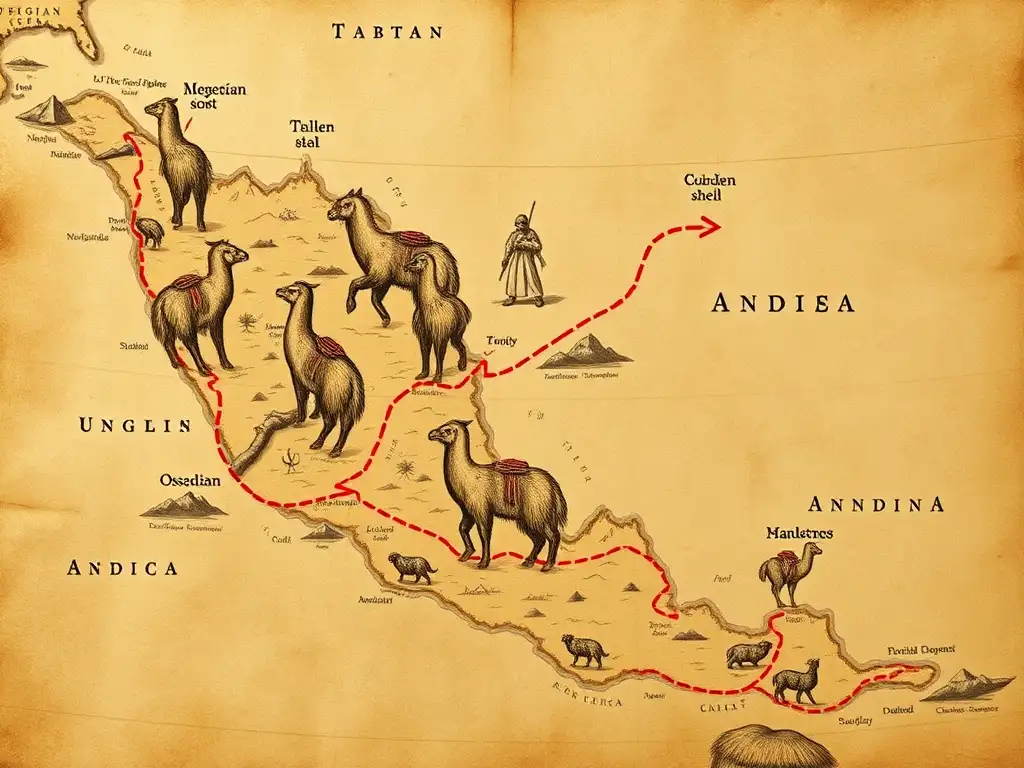
The exchange of obsidian and spondylus shells reveals a complex interplay between the Andean coastal and highland regions. Obsidian, a volcanic glass prized for its sharpness and used in toolmaking, originated primarily in the highlands, particularly around sources like the [Specific location pending] in modern-day [Country pending]. Conversely, spondylus shells, a vibrant red-orange mollusk shell, were exclusively harvested from the Pacific coast. The presence of these materials far from their sources indicates well-established trade networks connecting geographically disparate communities.
This exchange wasn't simply a one-way flow of goods. Highland communities, lacking access to marine resources, highly valued spondylus shells, likely using them for ornamentation, ritual objects, and potentially even as currency. Coastal communities, in turn, depended on highland obsidian for their essential tools.
This reciprocal relationship fostered interdependence and facilitated the growth of complex social structures across the Andes. The value placed on these items suggests the existence of sophisticated systems of bargaining and negotiation, possibly involving intricate social protocols and alliances. Archaeological evidence, such as the discovery of spondylus shell artifacts in highland tombs and obsidian tools in coastal settlements, strongly supports this model of reciprocal exchange.
The sheer distance over which these materials traveled highlights the remarkable organizational capabilities of Andean societies. The movement of goods wasn't random; it followed established routes, often traversing challenging mountain passes and treacherous coastal paths. These routes likely weren't controlled by a single entity but rather involved a network of intermediary groups, each facilitating the movement of goods and potentially adding their own value to the exchange process.
This decentralized system, while complex, ensured the flow of essential resources across vast distances, underpinning the economic and social stability of Andean civilizations. The careful study of these exchange networks provides vital insights into the political and social dynamics of these ancient societies. Further research, including detailed analysis of isotopic signatures within the artifacts, could help pinpoint the specific origins of the materials and shed more light on the precise routes used for trade.
Mapping Obsidian and Spondylus Distribution: A Geographic Perspective
Mapping the distribution of obsidian and spondylus shells is crucial for understanding the extent and nature of Andean trade routes. Archaeological excavations have yielded significant data on the geographic spread of these materials. For example, the presence of [Specific type of obsidian pending] from [Specific highland source pending] has been documented in coastal sites as far as [Specific coastal location pending], illustrating the reach of highland trade networks. Similarly, spondylus shells, primarily sourced from [Specific coastal location pending], have been found in highland settlements, demonstrating the extensive reach of coastal trade.
Creating detailed maps showing the distribution of these materials reveals a complex pattern of trade routes, potentially forming a network rather than simple linear pathways. The density of artifacts in certain areas may indicate important trading centers or hubs where goods were exchanged and redistributed.
These maps, when combined with other archaeological data, such as settlement patterns and evidence of road construction, can help reconstruct the movement of goods and the interactions between different Andean communities. The use of Geographic Information Systems (GIS) technology further enhances this process, allowing researchers to visualize and analyze the spatial distribution of artifacts with greater precision.
Furthermore, variations in the types of obsidian and spondylus shells found in different locations may provide clues about the specific routes used and the nature of the exchange relationships. For instance, the presence of a particular type of obsidian in a specific coastal settlement could indicate a direct trade route between that settlement and a particular highland source. Similarly, the presence of different varieties of spondylus shells in highland settlements could reflect different trade networks or variations in the types of shells valued in different communities.
This granular analysis of artifact distribution provides critical insights into the complexity and dynamism of Andean trade. The study of these distributions helps researchers understand not only what was traded, but how it was traded and the social and economic implications of these exchanges.
Technological Innovations and Trade Network Development
Technological advancements played a crucial role in the development and expansion of Andean trade networks. The development of sophisticated techniques for obsidian knapping, for example, allowed for the production of high-quality tools that were highly valued throughout the Andes. These advanced techniques likely facilitated the long-distance exchange of obsidian, as communities could produce more and higher-quality tools to trade. Similarly, innovations in textile production and ceramic technology provided additional goods for trade, further stimulating the growth of exchange networks.
The construction of extensive road systems, such as the Inca qhapaq ñan, greatly facilitated the movement of goods across the Andes. These roads, with their strategically placed waystations and bridges, reduced travel time and increased the efficiency of trade. The standardization of weights and measures, while not explicitly documented for all Andean cultures, likely played a role in streamlining trade transactions and reducing disputes. The development of these technologies and infrastructural projects not only supported the existing trade networks but also encouraged their expansion, connecting more communities and facilitating greater economic integration.
The development of specialized craft production also played a significant role. Certain communities became renowned for their expertise in producing specific goods, such as obsidian tools or textiles. This specialization fostered a division of labor and increased the efficiency of production, leading to a greater surplus of goods available for trade.
This system of specialized production and trade contributed significantly to the overall economic growth and complexity of Andean societies. The development of these technologies and their impact on the efficiency and range of Andean trade networks demonstrates the ingenuity and organizational skills of these ancient civilizations. The integration of technology and infrastructure created a symbiotic relationship, fueling economic growth and social complexity across the vast expanse of the Andes.

The vibrant exchange of goods across the Andes, particularly obsidian and shells, profoundly shaped the social and political landscape of these ancient civilizations. The intricate networks of Andean trade routes, facilitating the movement of obsidian from distant volcanic sources and shells from coastal regions, weren't merely economic conduits; they were crucial mechanisms for consolidating power, establishing social hierarchies, and even influencing religious practices.
Analyzing the distribution patterns of these prized materials allows us to reconstruct the complex interplay between trade and the rise of powerful Andean states. The sheer scale of some trade networks, evident in the widespread distribution of specific types of obsidian and shell artifacts, points to sophisticated organizational structures and centralized control over resource allocation.
Trade and the Rise of Powerful Andean States
The control of vital trade routes, particularly those carrying high-demand goods like obsidian, a crucial material for toolmaking, and exotic shells used in adornment and ritual objects, often translated directly into political power. States that effectively managed and controlled these routes accumulated significant wealth and influence. This is demonstrably true for the Inca Empire, whose vast network facilitated the flow of goods across an immense territory.
Their sophisticated road system, alongside strategically placed administrative centers, allowed for the efficient movement of goods and the collection of tribute, further solidifying their power. Evidence suggests that the Inca's control over obsidian mines and coastal shell sources was a key factor in their ability to maintain their vast empire. Other Andean societies, such as the Wari and Tiwanaku, also displayed a similar pattern, with their expansion often correlating with their access to and control over crucial trade routes.
The ability to control the flow of essential resources like obsidian and shells directly translated into political dominance and the consolidation of power. The strategic placement of settlements along key trade routes further reinforces this connection between trade and the rise of powerful states.
Andean trade networks weren't simply about the movement of goods; they were also deeply intertwined with the development and maintenance of social hierarchies. Access to and control over prized resources like obsidian and shells often defined social status. Elites and rulers frequently adorned themselves with elaborate shell ornaments and wielded obsidian tools, solidifying their position within the social structure.
The craftsmanship involved in transforming raw materials like obsidian into finely crafted tools and weapons also created specialized artisan classes, who held a distinct social standing due to their skills and access to these resources. The distribution of these luxury goods wasn't uniform; rather, it followed patterns that reflected existing social hierarchies and power dynamics.
Archaeological evidence reveals that certain settlements or individuals had preferential access to high-quality obsidian and elaborate shell artifacts, further highlighting the connection between trade and social stratification. This unequal distribution of resources, facilitated by the trade networks, reinforced and perpetuated social inequalities within Andean societies.
The Interplay between Trade and Religious Beliefs
The significance of obsidian and shells extended beyond their practical uses; they held profound religious and symbolic meaning within Andean cultures. Obsidian, with its sharp edges and dark color, was often associated with power, sacrifice, and the supernatural. Elaborate shell ornaments were frequently used in religious ceremonies and were associated with deities and ancestor veneration.
The exchange of these sacred materials, therefore, wasn't simply an economic transaction; it was also a ritual act that reinforced social bonds and religious beliefs. The movement of these sacred items across vast distances highlights the interconnectedness of Andean religious practices and the role of trade in strengthening religious identities and beliefs. The presence of obsidian and shell artifacts in elite tombs and ceremonial contexts underscores their importance in Andean religious systems.
The careful curation and intentional placement of these objects in sacred sites demonstrate their symbolic power and their integration into the religious life of Andean societies. Furthermore, the standardization of certain types of obsidian tools and shell ornaments across different regions suggests a shared religious framework or a system of religious exchange facilitated by trade networks.
How Trade Shaped Andean Cultural Identities
The exchange of obsidian and shells, amongst other goods, wasn't simply a matter of economic transaction in the Andes; it profoundly shaped the cultural identities of different groups. The acquisition of prestigious goods, like intricately carved shells from the coast or high-quality obsidian from volcanic regions, became deeply intertwined with notions of status and power.
Control over these trade networks allowed certain elites to solidify their positions, showcasing their influence through the display of exotic materials in their clothing, jewelry, and ceremonial objects. This created a system where cultural identity was partially defined by access to and control over these valuable resources.
For instance, the presence of coastal shell ornaments in highland burials suggests a complex system of alliances and exchange, linking communities across vast geographical distances. These weren't simply decorative items; they were symbols of social standing, reflecting the power dynamics and relationships forged through trade. The adoption of certain styles of shell carving or the use of specific types of obsidian in tools could also indicate affiliations with particular trade networks and, by extension, specific cultural groups.
This created a fascinating interplay between material culture and social identity, where the objects themselves became powerful markers of belonging and prestige. The distribution patterns of traded goods, meticulously studied by archaeologists, provide invaluable insights into the ways in which these networks fostered cultural exchange and, simultaneously, reinforced social hierarchies.
The constant flow of goods—not just utilitarian items, but also symbolic ones—contributed to a dynamic process of cultural blending and differentiation across the Andes. The adoption of new technologies, artistic styles, and religious beliefs often followed the paths of trade, leading to a vibrant yet complex tapestry of Andean cultural identities.
The Legacy of Andean Exchange Networks
This section delves into the enduring impact of the sophisticated exchange networks that characterized Andean civilizations. The movement of goods, particularly prized materials like obsidian and spondylus shells, wasn't merely a commercial activity; it was a powerful force shaping social structures, political alliances, and cultural identities across vast distances and diverse environments.
Understanding these ancient trade routes provides crucial insights into the complexities of Andean societies and their remarkable ability to integrate disparate regions into a cohesive, albeit often hierarchical, system. The efficient and extensive Andean trade routes obsidian shells travelled along demonstrate a level of organizational prowess rarely seen in other contemporaneous cultures.
The Enduring Significance of Obsidian and Spondylus
Obsidian, a volcanic glass prized for its sharpness and workability, and spondylus, a vibrant red shell sourced from the Pacific coast, stand out as emblematic commodities in Andean exchange. Obsidian's utility in crafting tools and weapons made it a highly sought-after resource far beyond its source regions in the Andes. Its presence in archaeological sites across the region demonstrates the extensive networks connecting highland and coastal communities.
The distribution patterns of obsidian artifacts, meticulously documented by archaeologists, reveal intricate trade routes and reveal insights into social hierarchies and power dynamics. For example, the presence of high-quality obsidian tools in elite burials suggests a controlled distribution system, with access restricted to those holding significant social status.
Spondylus shells, on the other hand, held profound symbolic and religious significance. Their vibrant red color associated them with blood, fertility, and divinity. These shells, found primarily along the Pacific coast, were transported inland, often appearing in ceremonial contexts, highlighting their importance in religious rituals and elite practices.
The careful crafting of spondylus into beads, ornaments, and other artifacts speaks to the value placed upon this resource, which transcended its purely material value. The meticulous craftsmanship and the long distances these shells traveled illustrate the commitment and organization behind these trade networks. The rarity and symbolic importance of spondylus likely contributed to its use in high-status burials and ceremonial objects.
The intricate interplay between the practical utility of obsidian and the symbolic weight of spondylus illustrates the multifaceted nature of Andean exchange. These materials, though vastly different in their properties, both served as potent symbols of power, prestige, and interconnectedness across the vast Andean landscape. The study of their distribution provides a window into the cultural values, social structures, and economic strategies of these remarkable civilizations.
Lessons from Andean Trade for Modern Understanding of Exchange
The study of Andean trade routes offers valuable lessons for understanding modern exchange networks. The sophisticated systems employed by Andean societies, characterized by reciprocal exchange, tribute systems, and specialized production centers, demonstrate the diverse ways in which goods and services can be distributed within a complex social structure.
The Andean case highlights the importance of considering social, political, and religious factors alongside purely economic ones when analyzing exchange systems. The enduring legacy of Andean trade lies not only in the material remains but also in the insights it offers into the intricate relationship between trade, social organization, and cultural identity.
The Andean model challenges simplistic notions of trade as solely an economic activity, revealing its deep entanglement with social stratification, political power, and religious belief. Examining the Andean trade routes obsidian shells traveled along reveals a complex system where prestige goods and essential resources flowed through established channels, reflecting and reinforcing social hierarchies. This integrated approach to understanding exchange systems offers valuable insights for contemporary economic anthropology and development studies. Understanding how Andean societies managed resource allocation and distribution, even without a formal monetary system, offers valuable lessons for modern resource management and sustainable development initiatives.
Further Research on Andean Trade Systems
Further research into Andean trade systems should focus on several key areas. More detailed analyses of obsidian sourcing and distribution patterns, utilizing advanced scientific techniques, are needed to refine our understanding of specific trade routes and their temporal changes. Similarly, further investigation into the social and political implications of spondylus trade is warranted, exploring its role in creating and maintaining alliances between different groups.
The use of isotopic analysis could help illuminate the origins of other traded goods and the extent of their dispersal throughout the Andean region. Furthermore, more interdisciplinary research integrating archaeological data with ethnohistorical accounts and linguistic studies will provide a more nuanced understanding of the cultural significance of exchange in Andean societies. A deeper understanding of the logistics of these ancient trade networks—how goods were transported, stored, and exchanged—remains a significant area for future research.
The potential for uncovering new archaeological sites along known and suspected trade routes offers exciting prospects for expanding our knowledge of this fascinating aspect of Andean civilization. The careful study of Andean trade routes obsidian shells traversed will undoubtedly continue to reveal fascinating information about the people and cultures of the Andes.
Obsidian and Spondylus: The Lasting Impact on Andean History
The exchange of obsidian and spondylus shells stands as a powerful testament to the sophisticated trade networks that crisscrossed the Andes for millennia. These two seemingly disparate commodities—a volcanic glass and a marine mollusk—represent the far-reaching connections and cultural significance of Andean exchange. Obsidian, prized for its sharp edges and ability to be finely worked into tools and weapons, originated primarily from specific volcanic sources in the Andes.
Control over these sources, and the subsequent trade routes, conferred significant power and prestige upon the communities that managed them. The distribution of obsidian artifacts across vast distances, evidenced by archaeological finds, speaks to the extensive reach of these networks, connecting distant highland and coastal societies. The presence of obsidian tools in seemingly unconnected settlements demonstrates the complex social and economic relationships underpinning these exchanges.
Spondylus shells, on the other hand, held deep symbolic and ritualistic value. Harvested from the Pacific Ocean, these vibrant red shells were far from simple commodities; they represented power, fertility, and divine connection. Their presence in elite burials and ceremonial contexts across the Andes highlights their importance in religious practices and social hierarchies.
The careful craftsmanship applied to spondylus objects, such as beads and ornaments, underscores the high value placed on them. The long-distance transport of spondylus shells, mirroring the obsidian trade, further cemented the intricate web of Andean exchange. In fact, the routes used for both goods often overlapped, creating a complex logistical system that facilitated the movement of both practical and symbolic items.
The enduring legacy of the obsidian and spondylus trade extends beyond the mere exchange of goods. The networks themselves fostered intercultural contact, technological diffusion, and the creation of shared cultural identities. The consistent presence of both materials in diverse contexts across different Andean cultures illustrates the profound impact of these exchange systems on the development of Andean societies.
The stories embedded within each obsidian blade and spondylus bead tell a tale of interconnectedness, demonstrating the power of trade to shape the history and culture of the Andes. Understanding these trade networks is crucial to grasping the complexity and dynamism of ancient Andean civilizations, a complexity often overlooked when focusing solely on individual cultures in isolation. The intertwined histories of obsidian and spondylus serve as a powerful reminder of the interconnectedness of Andean societies and the lasting impact of their vibrant exchange networks.
Frequently Asked Questions
What role did obsidian play in Andean trade?
Obsidian, a volcanic glass, was a highly valued resource in the Andes. Its sharp edges made it ideal for tools and weapons, fueling extensive trade networks across vast distances. Control of obsidian sources often conferred significant power.
How were shells incorporated into Andean trade networks?
Shells, particularly spondylus, held immense religious and symbolic significance. They were sourced primarily from the coast and traded inland, demonstrating the extensive reach of Andean exchange systems. Their rarity increased their value.
What were the major Andean trade routes?
Andean trade routes were diverse, utilizing both land and water. Coastal routes facilitated the movement of shells and other goods, while mountain passes connected highland communities. River valleys also served as important pathways.
How did the Incas influence Andean trade?
The Inca Empire significantly centralized and standardized Andean trade. The extensive road system facilitated efficient movement of goods and the control of resources solidified their power. State-sponsored trade became prominent.
What evidence exists to support the study of Andean trade routes involving obsidian and shells?
Archaeological evidence, including the discovery of obsidian artifacts far from their sources and spondylus shells in highland sites, supports the existence of extensive trade networks. Analysis of artifact materials and styles further illuminates these exchange patterns.
Final Reflection: Echoes of Exchange Across the Andes
The intricate networks of Andean trade, once mapped through obsidian blades and shimmering shells, continue to resonate in the complexities of globalization today. Understanding these ancient exchange systems offers a powerful lens through which to examine the enduring human drive for connection and the lasting impact of resource distribution on societies, both past and present. The very act of tracing these routes, of piecing together the fragments of history left behind, reveals the profound interconnectedness of even seemingly isolated communities.
The enduring legacy of Andean trade is not merely a historical curiosity; it's a living testament to the power of human ingenuity and collaboration. The meticulous craftsmanship evident in the obsidian tools and the carefully selected shells speaks to a deep understanding of material culture and its social significance. These weren't simply commodities; they were carriers of meaning, woven into the fabric of Andean societies. The things we trade are not merely goods; they are the threads that bind us together, creating a tapestry of shared experience and mutual understanding.
This quote, though not from an Andean source, perfectly encapsulates the spirit of exchange that animated these ancient routes.
Consider the implications of this ancient network. How did the exchange of goods shape cultural identities? What lessons can we learn from the successes and failures of these ancient trade systems as we navigate the complexities of modern global commerce? You, the reader, are now part of this ongoing conversation. Reflect on the power of connection, the importance of understanding diverse perspectives, and the enduring human need to exchange not just goods, but ideas and cultures. Let the echoes of obsidian and shells inspire you to build bridges, fostering understanding and collaboration in your own world.
Dive Deeper into Andean Exchange and Discover the Past!
Thank you for exploring the fascinating connections between obsidian and shells in Andean trade. You've uncovered the intricate web of goods that shaped ancient economies and cultures. Now, let's delve even deeper!
- Join our online community: Share your insights on Andean exchange systems and connect with fellow enthusiasts in our forum.
- Expand your knowledge: Discover more about ancient trade practices and their societal impact through related articles on our site.
- Share your discoveries: Spread the word about the wonders of Andean civilization by sharing this article with friends and on social media.
How did the exchange of goods influence daily life and cultural practices in ancient Andean societies?