
When Value Was Not Gold: Understanding Andean Barter Currencies

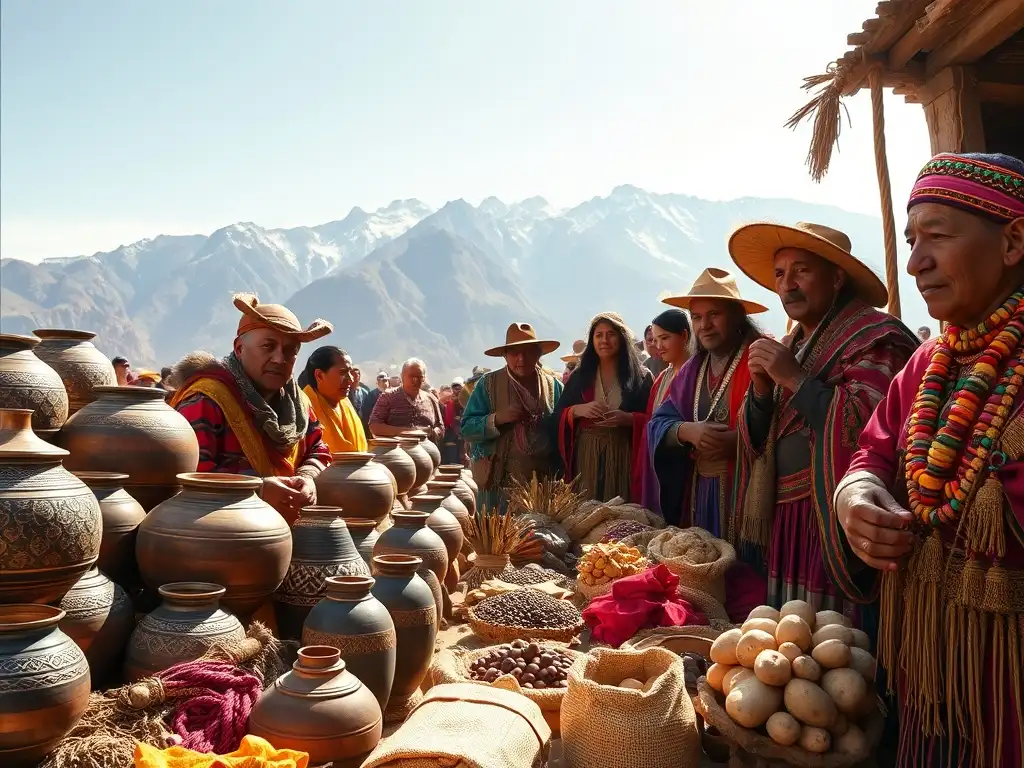
Step into a world where gold held no sway, and the very definition of value was redefined. Forget everything you think you know about currency. The Andean civilizations, from the Incas to the Nazca, developed intricate and fascinating barter systems far beyond simple exchange. Dive into the intriguing world of Andean barter currency systems and uncover the secrets of a sophisticated economy built on something far more complex than precious metals. Prepare to be amazed by what you discover.
- Andean Barter Currency Systems: Beyond Gold and Silver
- Understanding Barter as a Foundation of the Andean Economy
- Common Forms of Andean Barter Currencies
- Regional Variations in Andean Barter Systems
- The Function of Barter in Andean Social Structures
- The Legacy of Andean Barter Systems
- Frequently Asked Questions
- Final Reflection: The Enduring Legacy of Andean Barter
- Uncover New Dimensions of Value in Andean Cultures!
Andean Barter Currency Systems: Beyond Gold and Silver
The shimmering allure of gold and silver often overshadows the sophisticated and diverse economic systems of the pre-Columbian Andes. While these precious metals certainly played a role in Andean trade, a deeper understanding reveals a complex tapestry of barter currencies and exchange networks that shaped the daily lives and the rise and fall of powerful civilizations like the Inca, Moche, Nazca, and Tiahuanaco.
This article delves into the fascinating world of Andean barter systems, exploring the various goods and services that served as currency, the intricate networks that facilitated exchange, and the societal implications of these unique economic practices. We'll move beyond the simplistic notion of gold as the ultimate measure of value and uncover the surprising richness and ingenuity of Andean economic strategies, revealing how these systems supported thriving societies for centuries.
Understanding these systems provides crucial context for appreciating the complexity and resilience of Andean civilizations and their lasting impact on the region. The keyword "Andean barter currency systems" is central to our exploration, offering a comprehensive overview of this captivating aspect of Andean history and culture.
Introduction to Andean Exchange Practices
Andean exchange practices were far from rudimentary. They weren't simply a matter of swapping one good for another in a haphazard manner. Instead, they involved carefully considered systems reflecting the unique ecological and social structures of the region. The diverse geography of the Andes, ranging from arid coastal deserts to high-altitude mountain ranges, fostered a complex network of specialized production and exchange.
Coastal communities, for instance, might have specialized in fishing and salt production, while highland communities focused on agriculture, particularly potatoes and maize. This specialization necessitated intricate trade networks to distribute essential goods across vastly different environments. The absence of a unified, centralized currency system, however, doesn't imply a lack of economic sophistication. Instead, a variety of goods functioned as "currencies," their value determined by a combination of factors such as scarcity, utility, and cultural significance.
These included textiles, coca leaves, dried foods (like chuño, freeze-dried potatoes), tools, and even specialized services like llama herding or skilled craftsmanship. The value of these goods fluctuated depending on factors like seasonality, location, and even political influence. Think of it as a complex, dynamic market, where value was negotiated and constantly redefined.
The Diversity of Pre-Columbian Andean Trade
The Andean region wasn't a monolithic entity; different cultures developed unique economic systems reflecting their specific environments and social structures. For example:
| Civilization | Primary Barter Goods | Notable Features |
|---|---|---|
| Inca | Textiles (especially cumbi), coca leaves, dried potatoes ( chuño), tools, llama wool | Extensive network of roads and storage facilities ( qollqas) facilitated trade across vast distances. A system of tribute and redistribution played a significant role in the economy. |
| Moche | Textiles, ceramics, metalwork (gold, silver, copper), seafood | Known for their elaborate metalwork and intricate ceramics, which likely served as both functional and prestigious commodities in exchange. Coastal location heavily influenced their trade goods. |
| Nazca | Textiles, ceramics (renowned for their polychrome pottery), cotton | Masterful textile production and distinctive ceramics suggest a significant role for these goods in their trade networks. Their complex irrigation systems supported agricultural surpluses that likely contributed to trade. |
| Tiahuanaco | Textiles, ceramics, obsidian tools, coca leaves | Their geographical location at a high altitude and their control over important resources like obsidian likely made them key players in regional exchange networks. Their influence extended far beyond their immediate territory. |
The intricacies of Andean barter systems are still being uncovered by archaeologists and historians. Further research is needed to fully understand the nuances of these systems and the diverse ways in which they shaped the social, political, and cultural landscape of the Andes.
The sheer diversity of goods used as currency, combined with the sophisticated logistical systems required to manage exchange across vast distances, highlights the remarkable economic ingenuity of these ancient civilizations. This complexity challenges simplistic narratives of pre-Columbian economies and underscores the need for a more nuanced understanding of Andean trade and its significance in shaping the history of the region.
Understanding Barter as a Foundation of the Andean Economy
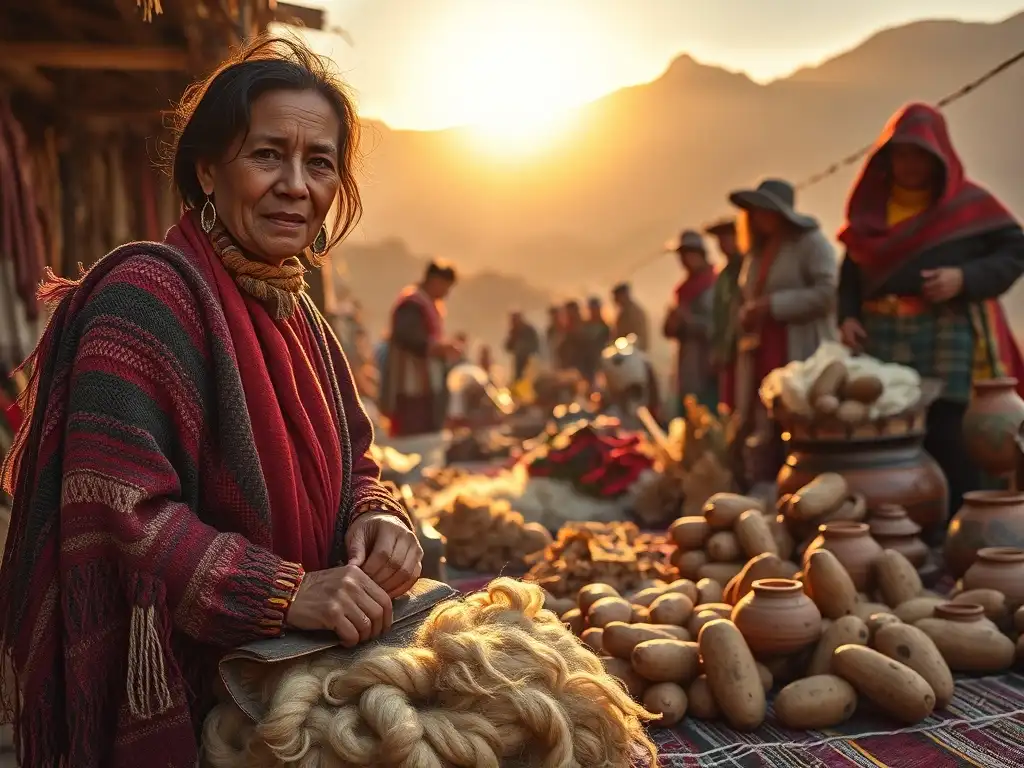
The Andean region, encompassing modern-day Peru, Bolivia, Ecuador, Colombia, and parts of Argentina and Chile, boasts a rich history of complex societal structures long before the arrival of European explorers. While the shimmering gold and silver treasures of the Incas often capture our imagination, the true foundation of the Andean economy lay in sophisticated barter systems. These weren't simply rudimentary exchanges; they were intricate networks underpinning social structures, religious practices, and political power.
Understanding these Andean barter currency systems requires moving beyond a simplistic view of "trading goods for goods" and delving into the nuanced cultural and social contexts that shaped them. The sheer diversity across different Andean cultures – from the Nazca lines' creators to the sophisticated Tiahuanaco empire – resulted in a variety of goods acting as mediums of exchange, reflecting the unique ecological and social landscapes of each region.
Analyzing these systems reveals not only the economic ingenuity of these civilizations but also their deeply ingrained social and religious beliefs. The prevalence and sophistication of these systems challenge the notion that monetary economies were a prerequisite for complex societies.
Defining Barter in the Andean Context
Defining "barter" in the Andean context necessitates moving beyond a narrow economic definition. While the exchange of goods for goods certainly occurred, the Andean systems incorporated strong elements of reciprocity, social obligation, and ritual. It wasn't merely a transactional exchange but a deeply embedded social practice. For instance, the ayni system among the Inca involved reciprocal labor exchanges, solidifying social bonds and contributing to community projects like agriculture and infrastructure development. This wasn't simply "barter" in the modern sense, but a complex system of mutual obligation deeply intertwined with social hierarchy and kinship.
The goods themselves held diverse values, exceeding simple utilitarian worth. Certain textiles, ceramics, and agricultural products, especially those with symbolic or ritual significance, held disproportionate value within specific communities. For example, fine textiles, often intricately woven with symbolic designs, served not only as clothing but also as currency and prestigious gifts in ceremonial contexts.
This highlights the importance of understanding the cultural capital embedded within exchanged objects, a crucial element often overlooked in purely economic analyses of Andean barter. Quantifying the value of these goods is challenging due to the lack of standardized units, but archaeological evidence reveals the existence of complex valuation systems based on factors beyond mere material worth.
The Role of Reciprocity in Andean Exchanges
Reciprocity was the cornerstone of many Andean barter systems. The concept of reciprocity extended far beyond simple tit-for-tat exchanges. It encompassed a complex web of obligations and social responsibilities that bound individuals and communities together. The Inca mita system, while often described as a form of tribute, also incorporated elements of reciprocity, as the labor provided by individuals contributed to the overall well-being of the empire and, in turn, provided access to resources and protection. This intricate balance between obligation and benefit shaped the very fabric of Andean society.
The system wasn't devoid of conflict or inequality. Power dynamics and social hierarchies influenced the nature of exchanges. While reciprocity formed the ideal, the reality often involved unequal power relations that skewed the balance of exchange.
However, even in these instances, the framework of reciprocity remained a significant element, shaping the social and political landscape of the Andean world. Further research is needed to fully understand the complexities of power dynamics within these systems and how they impacted the distribution of resources and goods. Detailed analysis of archaeological finds, particularly those relating to elite burials and ceremonial contexts, could shed light on this aspect of Andean exchange networks.
[Specific information pending: Detailed analysis of archaeological data on elite burials and ceremonial contexts to reveal power dynamics within barter systems]. The study of Andean barter systems offers a compelling alternative to the Eurocentric narrative of economic development, highlighting the sophistication and resilience of these ancient societies.
Common Forms of Andean Barter Currencies
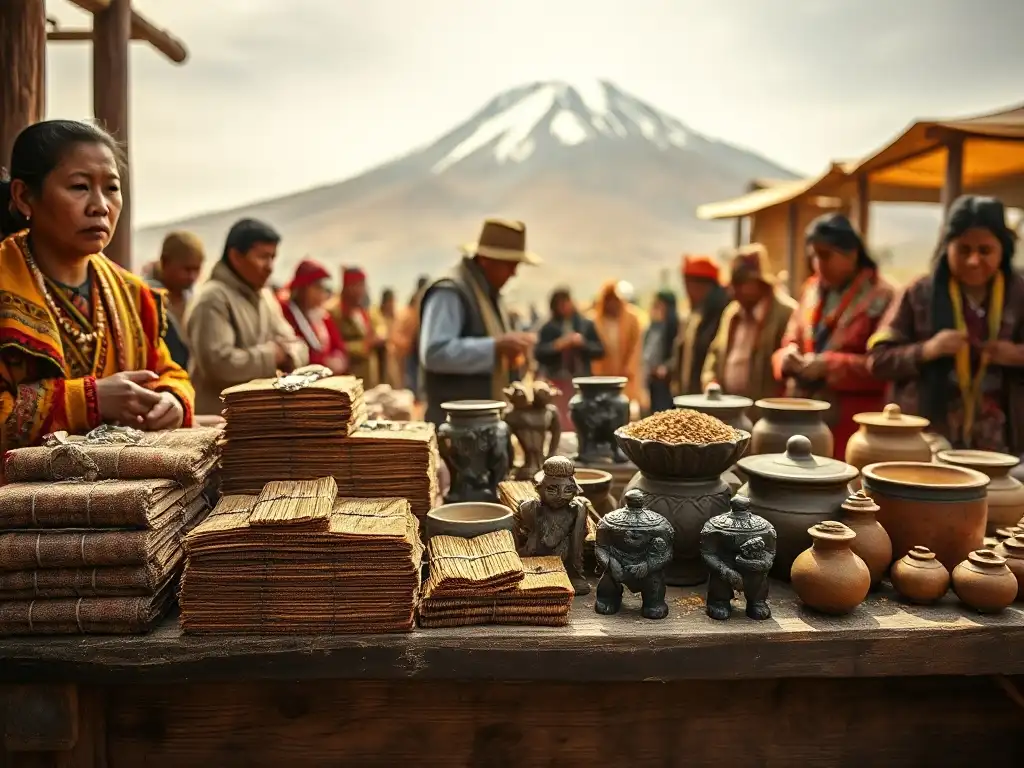
The Andean region, long before the Spanish conquest, boasted sophisticated and diverse barter currency systems. These systems, far from being rudimentary, reflected the complex social structures and economic realities of the various Andean civilizations. Understanding these systems offers invaluable insights into the ingenuity and resourcefulness of these ancient societies. The concept of "Andean barter currency systems" encompasses a wide range of goods and services exchanged, with value often dictated by factors beyond simple weight or volume. Factors such as labor invested, symbolic meaning, and the rarity of the item significantly impacted its worth in these intricate exchange networks.
Agricultural Goods as Exchange Mediums
Agricultural products formed the backbone of many Andean barter currency systems. The abundance and variety of crops cultivated in the diverse Andean ecosystems meant that different regions specialized in specific products, fostering extensive trade networks. The value of these agricultural goods varied considerably depending on factors like climate, harvest yields, and the specific needs of the trading partners. This dynamic exchange system promoted inter-regional cooperation and economic interdependence.
Maize and Potatoes: Staple Barter Items
Maize (corn) and potatoes were undoubtedly the most important staple crops in the Andean diet and served as fundamental units of exchange. Maize, with its versatility in culinary and ritual contexts, held a particularly high value. Different varieties of maize, each with specific characteristics and suitability for different purposes, likely had varying exchange values.
Similarly, the numerous potato varieties, each with its unique properties and taste, played a crucial role in the barter system. The relative abundance or scarcity of specific potato varieties in a given year significantly influenced their exchange value. Archaeological evidence suggests that large quantities of both maize and potatoes were stored in communal granaries, serving as a readily available form of currency for the community.
Quinoa and Other Grains in Andean Bartering
Beyond maize and potatoes, quinoa and other grains, such as amaranth and various beans, played a significant role in Andean barter transactions. Quinoa, known for its nutritional value and resilience to harsh environmental conditions, was a highly valued commodity. Its high protein content and ability to thrive at high altitudes made it a crucial element of the diet and, consequently, a key component of the barter system.
The specific types of beans and other grains, often reflecting regional specialization, contributed to the diversity and complexity of the exchange networks. The quality and quantity of these grains directly influenced their value in barter transactions.
Textiles and Woven Goods as Valued Exchange Items
Textiles and woven goods represented another crucial category of Andean barter currency. The Andean peoples were renowned for their advanced weaving techniques and the exquisite craftsmanship of their textiles. The materials used – llama wool, alpaca wool, cotton, and vicuña – along with the intricacy of the designs and the time invested in their creation, determined their value in exchange. These were not merely functional items; they held significant symbolic and ritual value, adding another layer of complexity to their role as currency.
The Importance of Llama Wool in Barter
Llama wool, known for its softness and warmth, was a highly prized material. The quality of the wool, determined by the llama's breed and its living conditions, directly influenced the value of the textiles produced from it. Fine llama wool, obtained from carefully managed herds, was used to create elaborate garments and textiles reserved for elite members of society, thus commanding a higher value in barter. The sheer volume of llama wool traded points to the animal's central role in the Andean economy, and its products' importance in the barter system.
Specific Weaving Patterns and Their Barter Value
Specific weaving patterns and designs held significant cultural and symbolic meaning. Certain motifs, colors, and techniques were associated with particular social groups, religious beliefs, or regional identities. These symbolic elements added to the value of the textiles in barter transactions.
Complex and intricate designs, requiring significant skill and time to create, commanded a higher value than simpler patterns. The incorporation of rare dyes, obtained through extensive trade networks, further enhanced the value of these textiles as a form of currency. In essence, the value of a textile in the Andean barter system was a complex interplay of material, craftsmanship, and symbolic meaning.
Crafted Goods in Andean Trade Networks
The intricate craftsmanship of Andean cultures wasn't just for aesthetic purposes; it played a crucial role in their complex barter systems. Highly skilled artisans produced a wide range of goods, from everyday utensils to elaborate ceremonial objects, which circulated as valuable commodities within extensive trade networks spanning the Andes Mountains. The value of these goods wasn't solely determined by the materials used but also by the skill, time, and cultural significance embedded in their creation.
This meant that a finely-crafted ceramic vessel could hold significantly more value than a simpler, mass-produced item, even if both were made from the same clay. The exchange of these crafted goods facilitated the movement of resources and ideas across diverse ecological zones, strengthening social bonds and fostering economic interdependence between communities.
The sheer variety of goods involved in these exchanges demonstrates the sophistication of Andean barter systems and their capacity to adapt to the specific needs and preferences of different groups. The system wasn't simply about material exchange; it was a complex social mechanism reflecting power dynamics, status, and cultural identity.
Pottery and Ceramic Vessels as Exchange Currency
Pottery and ceramic vessels were ubiquitous in Andean societies and served as a significant form of barter currency. Their value varied greatly depending on several factors: the quality of the clay, the intricacy of the design, the size and functionality of the vessel, and the prestige associated with its origin. For example, fine pottery from the Moche culture, known for its elaborate polychrome designs depicting mythological scenes and everyday life, would have held a higher value than simpler, utilitarian vessels produced by smaller communities.
Large storage jars, crucial for preserving food and liquids, also held significant value, especially in arid regions where water conservation was paramount. The use of pottery as currency is evidenced by archaeological findings of broken or incomplete vessels found in contexts suggesting trade or exchange, indicating that they were sometimes intentionally damaged to prevent reuse and to signify their role as a one-time transaction item.
This practice highlights the deliberate and strategic use of pottery within the Andean barter economy. Furthermore, the stylistic variations in pottery across different regions provided a visual marker of origin and further contributed to its value within the trade networks.
Metalwork and Ornaments in Andean Barter
Metalwork, particularly gold, silver, and copper, occupied a privileged position within Andean barter systems. The rarity of these materials and the advanced metallurgical techniques employed in their transformation into intricate ornaments, tools, and ceremonial objects amplified their value. Elaborately crafted gold and silver adornments, often featuring intricate designs and precious stones, served as prestigious goods exchanged between elites and across different regions.
These items not only represented economic value but also held significant symbolic weight, reflecting social status, political power, and religious beliefs. Copper tools, essential for agriculture and other tasks, also circulated as valuable trade goods, especially in regions lacking readily accessible copper deposits. The value of metalwork in Andean barter systems wasn't solely based on weight or volume; it was also deeply intertwined with craftsmanship, cultural significance, and the prestige associated with the materials and the individuals who possessed them.
The presence of metal artifacts in archaeological sites across vast distances demonstrates the extent of Andean trade networks and the importance of metalwork in shaping economic relations. The careful curation and preservation of these items in elite contexts further underscores their significance as both economic and symbolic currency.
Regional Variations in Andean Barter Systems
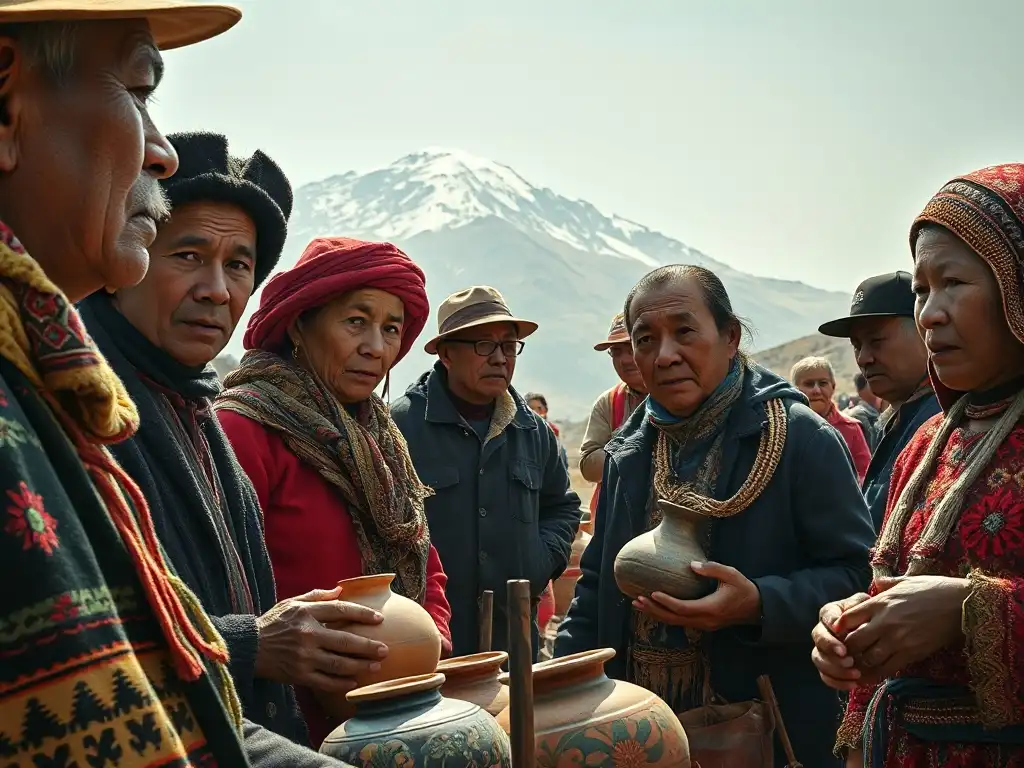
The Andean region, encompassing diverse geographical zones, fostered a complex tapestry of barter systems. While certain goods circulated widely, the specific items used as currency varied significantly depending on ecological factors and local production capabilities. Understanding these regional nuances is crucial to appreciating the intricate economic networks that sustained Andean civilizations. The prevalence of "Andean barter currency systems" demonstrates the ingenuity and adaptability of these societies in the absence of a standardized monetary system. This section will explore the distinct characteristics of barter practices in three major regions: the coast, the highlands, and the Amazon.
Coastal Barter Practices: Fish, Shells, and Dried Seaweed
Coastal communities, with their abundant marine resources, developed barter systems centered around fish, shellfish, and dried seaweed. The type of fish traded varied considerably; highly prized species like tuna or certain types of shellfish commanded higher value than more common catches. The abundance of certain fish during specific seasons influenced their relative worth, creating a dynamic and seasonal fluctuation in their exchange value.
The intricate craftsmanship evident in shell ornaments and tools also elevated the value of certain shells beyond their mere nutritional value. Elaborately carved Spondylus shells, for instance, were highly valued ceremonial objects and likely functioned as significant barter items in elite exchange networks. Their rarity and symbolic importance ensured their role in prestige transactions, extending beyond simple economic exchanges.
Dried seaweed, a staple food and a crucial source of iodine, played a significant role in coastal barter systems. Different types of seaweed, varying in nutritional value and taste, held different exchange values. The quality and quantity of dried seaweed offered directly impacted the value of the exchange.
Highland Barter Practices: Potatoes, Wool, and Salt
The Andean highlands, characterized by their varied altitudes and climates, saw a different set of goods dominating barter transactions. Potatoes, a staple crop grown in a wide range of varieties, formed the backbone of highland exchange networks. Different potato varieties, each with unique culinary properties, held distinct values. Rare or particularly flavorful potato varieties commanded higher exchange rates.
Wool, obtained from domesticated camelids like llamas and alpacas, was another crucial commodity. The quality of wool, determined by factors like fiber length, softness, and color, dictated its value. Fine wool, suitable for the creation of high-quality textiles, held significantly greater value than coarser wool used for everyday garments.
Salt, a scarce resource in many highland areas, was exceptionally valuable. Salt was not only essential for food preservation but also held ritual significance. Access to salt mines or efficient salt production methods conferred significant economic and social power to those who controlled them. Thus, salt frequently served as a high-value item in barter exchanges.
Amazonian Barter Practices: Feathers, Medicinal Plants, and Cacao
The Amazonian region, with its rich biodiversity, presented a unique set of goods for barter. Feathers, particularly those of brightly colored birds like parrots and macaws, were highly valued for their aesthetic appeal and symbolic significance. These feathers were used in elaborate headdresses and ceremonial attire, making them valuable in both secular and religious contexts. The rarity of certain feather types directly correlated with their exchange value.
Medicinal plants and herbal remedies played a crucial role in Amazonian barter systems. Shamans and healers possessed extensive knowledge of the medicinal properties of various plants, and these plants, often difficult to obtain, were traded extensively. The effectiveness of a particular plant remedy, coupled with the healer's reputation, significantly influenced its value.
Cacao beans, precursors to chocolate, were another essential commodity in Amazonian trade networks. These beans were not only used to produce beverages but also held symbolic importance in rituals and ceremonies. Their value was often linked to their quality and the intricacy of the processing involved in preparing them for consumption. High-quality cacao beans commanded higher exchange values than those of lesser quality.
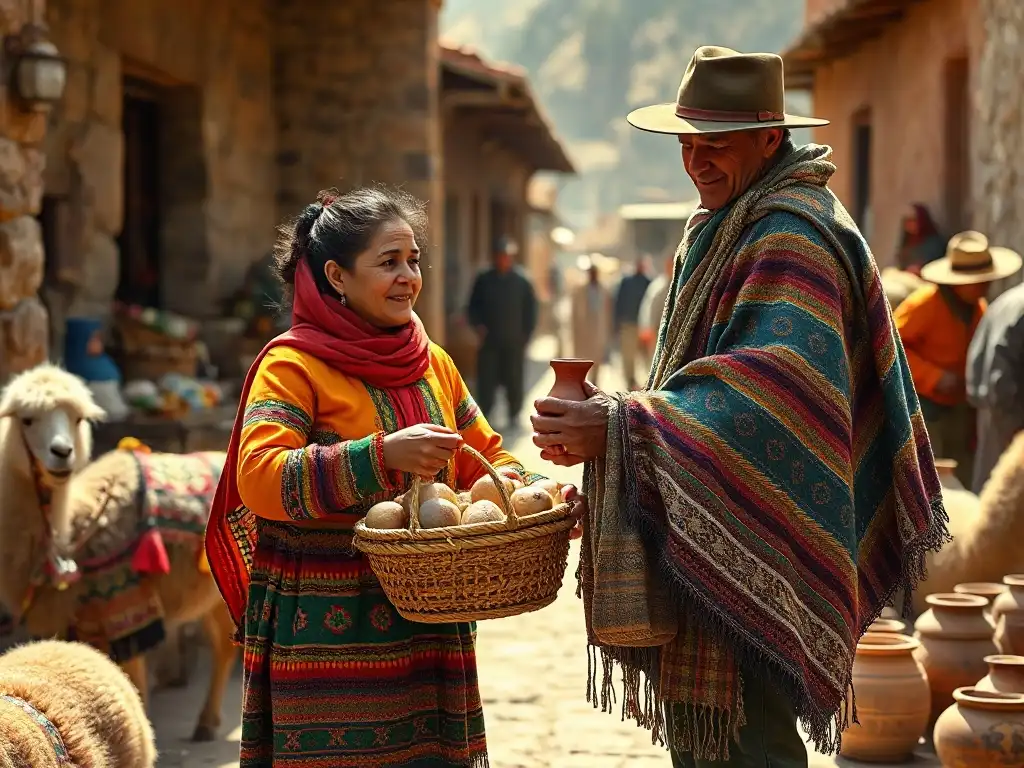
The Andean barter currency systems were far more complex than a simple exchange of goods. They were deeply interwoven with the social fabric of these societies, impacting everything from social hierarchy to community cohesion. Understanding their function requires moving beyond a purely economic lens and considering the intricate social dynamics at play. The value assigned to goods wasn't solely based on material worth; instead, it was often heavily influenced by social and symbolic meaning.
This nuanced system of exchange reflects the sophisticated social structures of the Andean civilizations. The absence of a standardized, universally accepted monetary system in many Andean societies highlights the primacy of social relationships in economic transactions. This section will explore two key aspects of this relationship: the role of barter in defining social status and its impact on community relationships.
The types of goods exchanged and the manner in which they were exchanged often signaled social standing. Elite members of Andean societies, such as priests, nobles, and powerful leaders, frequently traded in luxury goods, such as finely crafted textiles, precious metals (though not as the sole measure of value), and exotic feathers. These items, often imbued with symbolic meaning and requiring significant skill to produce, served as markers of high status and prestige.
Their exchange reinforced social hierarchies and established clear distinctions between the elite and commoners. Conversely, commoners typically bartered everyday necessities like food, tools, and basic textiles. The exchange wasn't simply transactional; it was a performance of social identity, a visible demonstration of one's place within the complex social hierarchy.
For example, the intricate textiles produced by the Nazca culture, famous for their vibrant colors and elaborate designs, were not just clothing; they were powerful symbols of status. The time, skill, and resources invested in their creation made them highly valued commodities, often exchanged between elites in complex ceremonial contexts. Similarly, the Moche culture's exquisite metalwork, often depicting powerful figures and mythological scenes, served as powerful symbols of authority, traded among the ruling classes.
The exchange of these goods wasn't merely about acquiring material possessions, but also about solidifying social bonds and reinforcing existing power structures. Analyzing the types of goods involved in barter transactions provides invaluable insights into the social stratification of these ancient societies. Further research into specific regional variations in barter practices could illuminate the diverse ways social status was expressed and maintained through exchange.
Barter and Community Relationships
Beyond individual status, Andean barter systems played a crucial role in fostering and maintaining strong community relationships. Reciprocity, the exchange of goods and services based on mutual obligation and trust, was central to Andean social life. Regular exchanges of goods, even seemingly small ones, strengthened social ties and fostered cooperation within communities. This system of reciprocal exchange went beyond simple transactions; it built social capital, ensuring mutual support and assistance during times of need. The emphasis on relationships rather than purely economic gain ensured the stability and resilience of Andean communities.
The concept of ayni, a Quechua term referring to reciprocal labor exchange, exemplifies this aspect. Ayni involved community members assisting each other with tasks such as farming, construction, and other essential activities. While goods were sometimes involved, the primary focus was on mutual support and strengthening community bonds.
This system, prevalent in Inca society and other Andean cultures, highlights the importance of social solidarity and cooperation in their economic systems. The absence of a formalized market economy in many Andean regions further underscores the significance of ayni and other reciprocal exchange mechanisms in sustaining their social and economic lives. Understanding the principles of ayni and similar practices is crucial to grasping the true nature of Andean barter currency systems and their role in shaping Andean social structures.
Detailed ethnographic studies of contemporary Andean communities practicing similar forms of reciprocal exchange could provide further valuable insights into this vital aspect of Andean economic and social life. The integration of these social dimensions into the study of Andean barter systems offers a more complete understanding of these complex societies and their unique approach to economic exchange.
The Legacy of Andean Barter Systems
The intricate and diverse barter systems of the Andean civilizations left a profound and lasting impact, extending far beyond their historical context. While gold and silver certainly held significance in certain Andean societies, particularly during the Inca Empire's later stages, the understanding of value and exchange was far more nuanced and complex than a simple precious metal standard. Many Andean communities relied heavily on non-monetary exchange, shaping their social structures, economic practices, and even their worldview in ways that continue to resonate today.
Understanding this legacy requires appreciating the multifaceted nature of Andean barter, encompassing not just goods but also services, labor, and even symbolic exchanges. The very concept of "Andean barter currency systems" needs to be approached with the understanding that "currency" functioned differently than in many modern systems.
Enduring Aspects of Andean Barter in Modern Times
Even in the face of globalization and the widespread adoption of monetary systems, remnants of traditional Andean barter practices persist in various forms. In many rural communities across the Andes, particularly in regions with limited access to formal markets, reciprocal exchange remains a vital economic strategy. This can involve the direct exchange of goods like potatoes, textiles, or livestock, or the provision of services such as agricultural labor or craftsmanship in return for other goods or services.
This isn't simply a nostalgic throwback; it's a pragmatic adaptation to specific economic and geographical realities. For example, in certain communities, the traditional system of ayni (reciprocal labor) continues to function as a crucial mechanism for community development and resource management. This communal approach to work, often formalized through social obligations, showcases the enduring influence of Andean social structures on contemporary economic practices.
The concept of mita, while historically associated with compulsory labor, also highlights the enduring influence of structured, reciprocal exchange on Andean societies. While the forced nature of mita under Inca rule is widely documented, the underlying principle of communal obligation and work-based exchange continues to find expression in contemporary Andean communities. The enduring legacy of these systems can be seen in the resilience of community-based economies in the face of external pressures.
The Influence of Andean Barter on Contemporary Economies
The Andean experience with barter systems offers valuable insights into the complexities of economic exchange and the limitations of solely focusing on monetary systems. The emphasis on reciprocal relationships and community-based economies in traditional Andean societies contrasts sharply with the often individualistic and competitive nature of modern market economies. While the Inca Empire did utilize a system of centralized resource management, many pre-Inca and even some contemporaneous societies functioned with sophisticated barter networks that fostered collaboration and interdependence. Studying these systems allows us to consider alternative models of economic organization.
For example, the intricate networks of exchange that existed between different Andean communities highlight the importance of trade routes and infrastructure in supporting economic activity. This offers valuable lessons for contemporary development initiatives focused on strengthening regional connectivity and promoting equitable access to markets. Furthermore, the Andean focus on sustainable resource management, reflected in their agricultural practices and resource allocation, offers valuable lessons for modern economies grappling with environmental challenges.
The emphasis on reciprocity and community-based stewardship is particularly relevant in the context of current discussions around sustainable development and responsible resource management. Understanding the nuanced relationship between Andean barter systems and environmental sustainability offers a unique perspective on economic development strategies. Further research is needed to fully quantify the long-term economic impacts of the transition away from these traditionally resilient systems, particularly regarding their impact on community resilience and environmental sustainability.
Frequently Asked Questions
What were Andean barter currency systems?
Andean civilizations didn't rely solely on gold or other precious metals. Instead, they used a complex system of barter, exchanging goods and services directly, with certain items holding higher value than others. This varied between different cultures and time periods.
What kinds of goods were used as currency in the Andes?
A wide range of goods served as currency, including textiles, spindle whorls, dried foods, coca leaves, and shells. The value of an item depended on factors like its rarity, craftsmanship, and cultural significance.
How did the Inca Empire handle their economy without a standardized currency?
The Inca Empire employed a sophisticated system of state control, redistribution, and labor rather than a formal currency. They stored surplus goods in warehouses and allocated resources based on need, using quipu (knotted strings) for record-keeping.
Were there any regional variations in Andean barter systems?
Absolutely! Different Andean cultures had unique systems. The Moche might value ceramics highly, while the Nazca might prioritize textiles or feathers. These variations reflect diverse cultural values and economic practices.
How did the Spanish conquest impact Andean barter systems?
The Spanish conquest dramatically altered Andean economies. The introduction of Spanish currency and the demand for silver and gold significantly disrupted existing barter systems and led to their gradual decline.
Final Reflection: The Enduring Legacy of Andean Barter
The intricate systems of Andean barter, far from being relics of a bygone era, offer crucial insights into sustainable economies and community resilience in a world grappling with climate change and economic inequality. Understanding these pre-Columbian practices is not simply an academic exercise; it's a vital lens through which to examine our own relationship with value, resources, and community.
The ingenuity and social cohesion fostered by these barter systems continue to resonate today. The emphasis on reciprocal relationships and the valuing of diverse goods and services, rather than a singular, often exploitative, monetary standard, offers a powerful counterpoint to our current globalized economy. The true wealth of a nation is not its gold and silver, but its people and their resources, wisely used.
While the author of this quote is unknown, its sentiment perfectly captures the spirit of the Andean barter systems. Their success demonstrates that prosperity isn't solely defined by monetary accumulation, but by the strength of community bonds and the sustainable management of resources.
Consider the implications of this for your own life. How might you incorporate principles of reciprocal exchange and community-based resource management into your daily interactions? Can you find ways to value diverse skills and contributions, moving beyond a purely monetary understanding of worth? Let the legacy of the Andean barter systems inspire you to build more equitable and sustainable relationships within your own community, fostering a world where value is not solely defined by gold, but by the richness of human connection and the responsible stewardship of our planet.
Uncover New Dimensions of Value in Andean Cultures!
Thank you for exploring the fascinating world of Andean barter systems with us! You've discovered how ancient civilizations valued trade beyond simple monetary exchange—a truly remarkable insight! Now, let's build on these ideas to enhance our understanding of value in our own lives and communities.
Here's how you can continue exploring this topic:
- **Reflect on your personal values:** Identify three things you cherish that aren't easily measured in monetary terms, and consider how you can integrate them more fully into your daily life and interactions.
- **Share your knowledge:** Discuss the principles of exchange you've learned with friends, family, or online communities, sparking conversations about how different cultures approach value.
- **Deepen your understanding:** Explore additional resources on Andean civilizations and alternative economic systems, or participate in local workshops on bartering and community exchange.
What intangible values would you prioritize in your daily interactions if given the opportunity? Share your thoughts below!