
A Tapestry of Cultures: Experiencing the Diversity of Andean Craft Markets

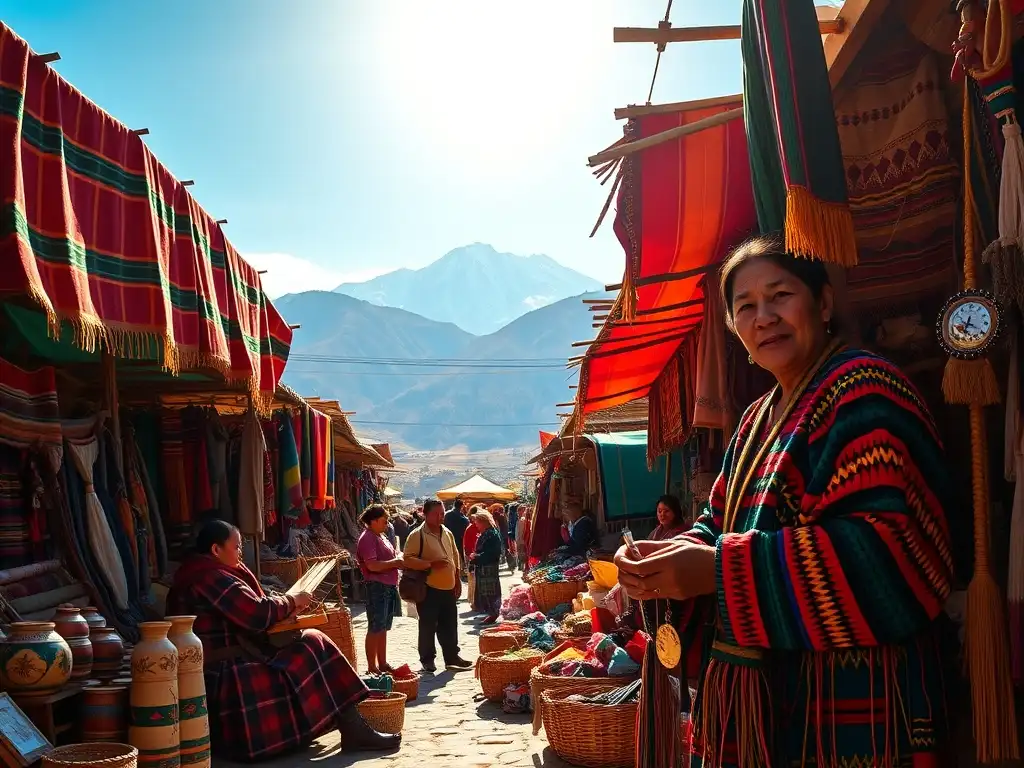
Step into a world lost to time, yet vibrantly alive in the artistry of the Andes. Imagine the bustling energy of a traditional Andean craft market, a place where ancient techniques meet modern expression. From intricate textiles to awe-inspiring goldwork, the legacy of the Incas, Moche, Nazca, and Tiahuanaco unfolds before you. Discover the secrets woven into each piece and uncover the captivating stories behind these remarkable creations. Prepare to be amazed by the rich tapestry of Andean culture and crafts – your journey begins now.
The Andes Mountains, a spine of towering peaks running down the western coast of South America, are not just a geographical marvel; they are the cradle of vibrant and diverse ancient civilizations. From the intricate textiles of the Nazca to the sophisticated metalwork of the Moche, the Andean region boasts a rich tapestry of cultural heritage, much of which is still vibrantly expressed today.
This legacy is powerfully felt in the bustling craft markets that dot the landscape, offering a unique opportunity to experience the heart and soul of Andean culture firsthand. This article delves into the captivating world of Andean craft markets, exploring what makes them such an enriching and unforgettable experience for visitors seeking an authentic connection with the region's history and artistry, ranking highly for the keyword "Andean craft market experience".
We'll explore not only the sheer variety of goods but also the social and economic significance of these markets, showcasing the enduring spirit of Andean craftsmanship and its continued relevance in the modern world.
Discovering the Authentic Andean Craft Market Experience
Stepping into an Andean craft market is like stepping back in time while simultaneously experiencing the vibrant pulse of contemporary life. The air is thick with the aroma of exotic spices, the chatter of vendors and shoppers blending in a lively symphony, and the dazzling array of handcrafted goods is simply overwhelming. From intricately woven textiles showcasing ancient patterns to intricately carved wooden figurines depicting mythical creatures, each item tells a story, a testament to generations of skilled artisans.
The experience is far more than just shopping; it's an immersion into a living culture, a chance to connect with the creators, learn about their techniques, and appreciate the profound artistry embedded in each piece. Many markets offer demonstrations of traditional crafts, allowing visitors a glimpse into the painstaking processes involved in creating these unique treasures. This direct interaction with the artisans adds an invaluable layer to the experience, fostering a deeper understanding and appreciation of Andean craftsmanship.
The quality of the handicrafts varies, naturally, but the authenticity and cultural significance remain consistently high, making every purchase a meaningful souvenir. The sheer variety available is also staggering; one might find everything from alpaca wool sweaters and vibrant ceramics to intricately beaded jewelry and stunning silverwork.
Why Explore an Andean Handicrafts Market?
Beyond the sheer visual spectacle and the opportunity to acquire unique souvenirs, exploring Andean handicrafts markets offers a multitude of enriching experiences. For the culturally curious, it provides invaluable insight into the region's history and traditions. The designs and motifs found in the crafts often reflect ancient myths, religious beliefs, and social structures, offering a window into the past.
Furthermore, supporting these markets contributes directly to the economic well-being of local communities, empowering artisans and preserving traditional crafts for future generations. It's a chance to engage in responsible tourism, ensuring that the cultural heritage of the Andes continues to thrive. The interactive nature of the market experience, with its opportunities for conversation and direct engagement with artisans, fosters a sense of connection and understanding that is rarely found in other tourist settings.
Ultimately, the Andean craft market experience is about more than just acquiring beautiful objects; it's about forging a meaningful connection with a rich and vibrant culture, leaving you with memories and treasures that will last a lifetime. The vibrant energy, the tangible connection to history, and the direct support of local artisans make an Andean handicrafts market an unforgettable adventure. 🛍️
- The Otavalo Market, Ecuador: A Textile Lover's Paradise
- Pisac Market, Peru: A Blend of History and Handicraft
- Chinchero Market, Peru: Traditional Andean Weaving at its Finest
- La Paz Witches' Market (Mercado de las Brujas), Bolivia: A Unique Andean Shopping Experience
- Tips for Navigating the Andean Craft Market Experience
- What makes the Andean craft market experience unique?
- Where are the best Andean craft markets located?
- What kinds of crafts can I expect to find at these markets?
- How can I ensure an authentic Andean craft market experience?
- Are there any ethical considerations when shopping at Andean craft markets?
Best Andean Craft Market Experiences: A Curated Selection
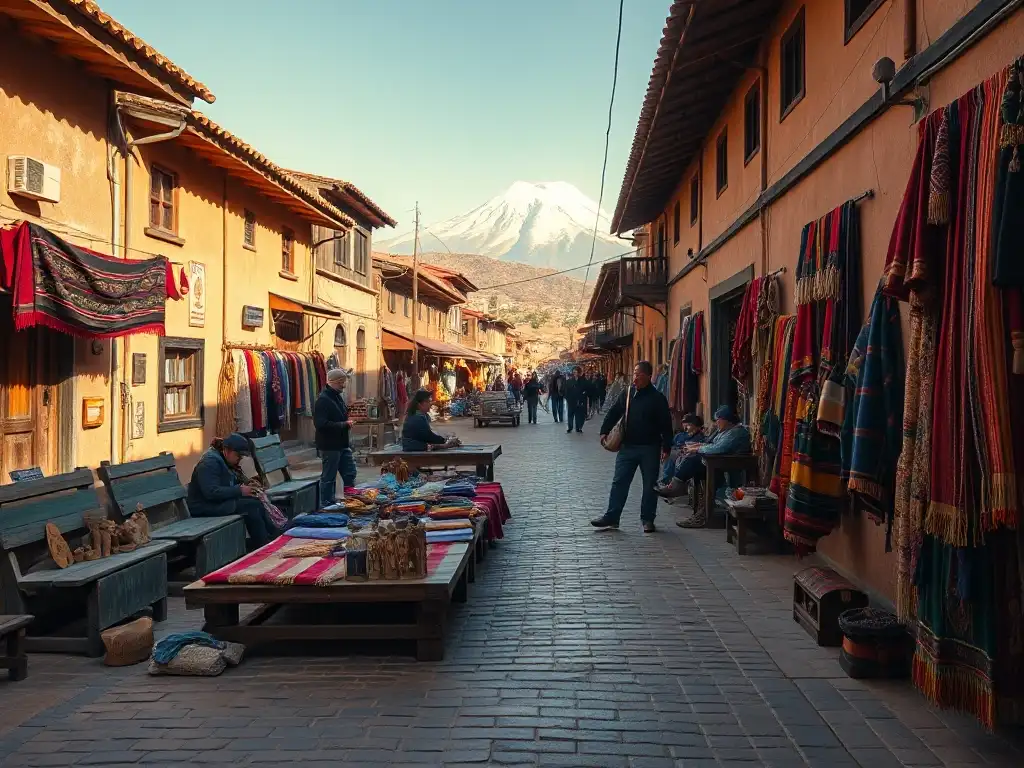
This section delves into the unique charm and offerings of some of the best Andean craft markets, providing an in-depth look at what makes each location a truly unforgettable Andean craft market experience. We'll explore the specific crafts, the atmosphere, and the overall cultural immersion each market offers. Prepare to be captivated by the vibrant tapestry of Andean artistry!
The Otavalo Market, Ecuador: A Textile Lover's Paradise
The Otavalo Market in Ecuador is legendary, renowned worldwide for its exceptional textiles. More than just a market, it's a vibrant cultural experience, pulsating with the energy of indigenous artisans showcasing their skills for generations. The sheer scale is impressive; sprawling across several city blocks, the market offers an overwhelming abundance of goods.
The heart of Otavalo lies in its incredible textiles. You'll find everything from intricately woven blankets and sweaters in vibrant colours, to finely embroidered blouses and ponchos adorned with traditional Andean designs. The quality of the materials – often alpaca and llama wool – is exceptional, reflecting the dedication and skill of the artisans. Many textiles incorporate traditional motifs, telling stories of Andean mythology, cosmology, and daily life. Negotiation is expected, adding another layer to the engaging experience. Don't be shy; a friendly "Buenos días" and a polite offer will often lead to a mutually agreeable price.
Beyond textiles, the Otavalo Market offers a diverse range of handcrafted goods. Leather goods, ceramics, jewellery made from silver and other precious metals, and wood carvings are all readily available. The market's atmosphere is electric, a sensory overload of sights, sounds, and smells. The air is filled with the chatter of vendors, the rhythmic thump of weaving looms, and the enticing aroma of local food. It's a true feast for the senses, making it an unforgettable Andean craft market experience.
Pisac Market, Peru: A Blend of History and Handicraft
Nestled in the Sacred Valley of the Incas, the Pisac Market in Peru offers a unique blend of history and handcrafted artistry. Unlike the bustling Otavalo Market, Pisac maintains a more intimate and traditional feel. Held on Tuesdays, Thursdays, and Sundays, it's frequented by local artisans and farmers, creating a genuinely authentic Andean craft market experience.
The market's location, at the foot of the imposing Pisac ruins, adds to its allure. The majestic backdrop of the Andes Mountains provides a stunning setting for browsing the colorful array of handcrafted goods. Textiles are again a prominent feature, with a focus on traditional techniques and designs. Visitors will find a wide selection of alpaca and llama wool products, including ponchos, hats, scarves, and tapestries.
But Pisac also offers a unique selection of silver jewelry, often incorporating ancient Inca motifs. Many pieces are intricately detailed, reflecting the high level of craftsmanship found in the region. Additionally, you'll find an array of ceramics, often featuring traditional Andean designs and vibrant colors. The market's relaxed atmosphere allows for a more personal interaction with the artisans, making it an ideal place to learn about their craft and the stories behind their creations.
The market's location also offers the opportunity to explore the nearby Inca ruins, creating a perfect day trip combining cultural immersion with historical exploration. This rich combination of history and craft truly elevates the Andean craft market experience at Pisac.
Chinchero Market, Peru: Traditional Andean Weaving at its Finest
The Chinchero Market, also located in the Sacred Valley of Peru, is renowned for its exceptional quality of traditional Andean weaving. This market offers a deeply immersive Andean craft market experience, showcasing the rich legacy of textile craftsmanship passed down through generations.
Unlike other markets that may offer a more diverse range of products, Chinchero’s focus is primarily on textiles. This specialization allows for a deeper exploration of the techniques and artistry involved in creating these exquisite pieces. Visitors will find incredibly detailed and vibrant textiles, often incorporating natural dyes derived from local plants and minerals.
The intricate patterns and designs are often deeply symbolic, reflecting the rich cultural heritage of the Andean people. Many artisans demonstrate their weaving techniques, offering a fascinating glimpse into their skills and traditions. This direct interaction with the artisans is a defining feature of the Chinchero experience, allowing visitors to connect directly with the source of these incredible creations.
The Chinchero market is a smaller, more intimate setting compared to the larger markets, leading to a more personal and engaging experience. The emphasis on traditional techniques and the opportunity to interact directly with the artisans make it a truly special Andean craft market experience. It’s a place where the past and present intertwine, offering a unique opportunity to appreciate the enduring legacy of Andean weaving. The vibrant colors, intricate designs, and the palpable connection to Andean heritage make Chinchero a must-visit for any textile enthusiast. 🛍️
La Paz Witches' Market (Mercado de las Brujas), Bolivia: A Unique Andean Shopping Experience
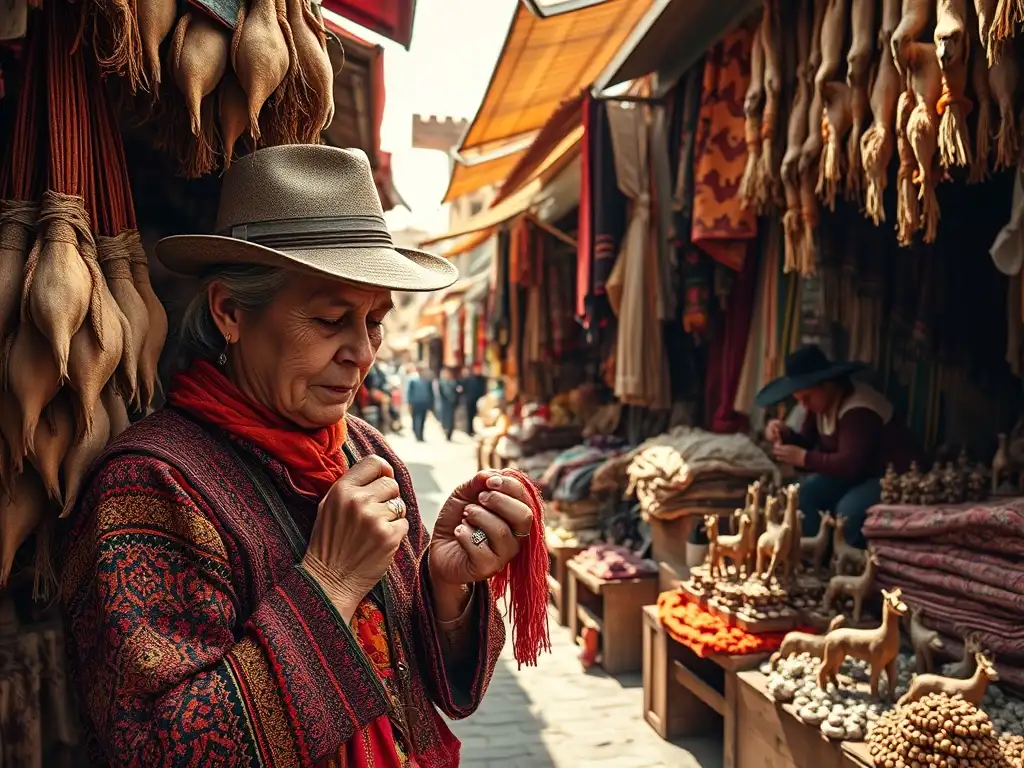
The Mercado de las Brujas, or Witches' Market, in La Paz, Bolivia, offers a truly unforgettable Andean craft market experience. Unlike traditional markets, this vibrant location blends the everyday commerce of handicrafts with deeply rooted Andean spiritual practices. The air hums with a unique energy, a palpable blend of incense, herbs, and the chatter of vendors.
You'll find stalls overflowing with llama fetuses (used in Andean rituals), intricately woven textiles, amulets promising good fortune, and an array of dried herbs and potions. The experience transcends mere shopping; it's an immersion into the heart of Aymara culture and its enduring connection to the spiritual world.
Navigating the Witches' Market requires a respectful approach. Many items are imbued with significant cultural meaning, and it's crucial to avoid treating them as mere souvenirs. Engage with vendors politely, showing genuine interest in their crafts and the stories behind them. Bargaining is customary, but always do so respectfully, acknowledging the value of their handmade goods. Remember, you're not just buying an item; you're participating in a living cultural tradition. The experience offers a fascinating glimpse into the enduring spiritual beliefs that shape daily life in this part of the Andes. Don't be afraid to ask questions; vendors are often happy to share their knowledge and insights into the uses of the various items they sell. The vibrant colors, unique aromas, and the palpable spiritual energy combine to create a truly unforgettable Andean craft market experience. It's a journey into a world where the tangible and the spiritual intertwine seamlessly.
Embarking on an Andean craft market adventure requires preparation and a respectful mindset. To maximize your experience and ensure ethical and enjoyable shopping, consider these tips:
- Research beforehand: Learn about the different types of handicrafts found in each region. Understanding the materials, techniques, and cultural significance of the items will enhance your appreciation and help you make informed purchases. For example, knowing the difference between alpaca and llama wool, or identifying traditional weaving patterns, will elevate your shopping experience.
- Bargaining is expected: Negotiating prices is a common practice in Andean markets. However, do so respectfully and fairly, considering the time and skill involved in creating the handicrafts. A polite smile and friendly conversation can go a long way. Remember, the goal is not to exploit the vendors but to find a mutually agreeable price.
- Support local artisans: Opt for purchasing directly from artisans whenever possible. This ensures that your money directly benefits the creators and supports the preservation of traditional skills. Look for smaller, family-run stalls instead of larger, mass-produced items.
- Be mindful of cultural sensitivities: Some items may hold significant cultural or spiritual meaning. Treat them with respect and avoid making insensitive comments or purchases without understanding their context. For example, in some markets, you might encounter items used in traditional ceremonies – approach these with appropriate reverence.
- Pack appropriately: Wear comfortable shoes as you'll likely be doing a lot of walking. Bring a small backpack or bag to carry your purchases. Consider bringing local currency for smaller transactions.
- Learn basic phrases in the local language: Even a few basic greetings and polite phrases can significantly enhance your interactions with vendors and create a more positive experience. A simple "Buenos días" or "Gracias" can go a long way in showing respect and building rapport.
By following these simple guidelines, you can ensure a rewarding and enriching Andean craft market experience, contributing to the preservation of these vibrant cultures while acquiring unique and meaningful souvenirs. Remember, the best souvenirs are those that tell a story, and the Andean markets are brimming with untold narratives waiting to be discovered. 🛍️
Maximizing Your Andean Craft Market Visit
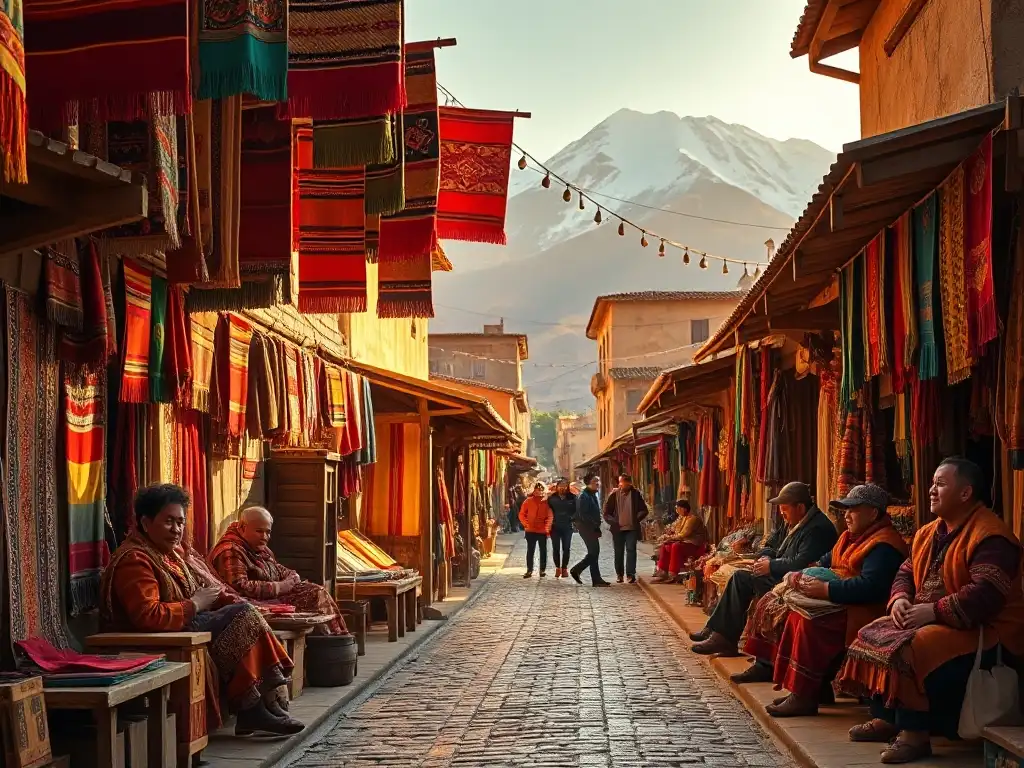
This section focuses on strategies to enhance your "Andean craft market experience," ensuring you get the most out of your shopping and cultural immersion. We'll delve into practical tips and considerations to make your visit truly memorable.
Planning Your Trip for the Best Market Experience
Planning is key to a successful Andean craft market experience. Consider these factors for an optimal trip:
- Timing is Everything: Many markets operate on specific days of the week or during particular festivals. Research the market's schedule beforehand to avoid disappointment. For example, some smaller, more traditional markets might only operate on specific days, while larger, tourist-oriented markets might be open daily. The timing of your visit can also impact the availability of certain goods – certain artisans might only be present during peak seasons.
- Location, Location, Location: Andean craft markets are scattered across a vast geographical area. Knowing the precise location of the market and having directions readily available (perhaps downloaded offline maps) will save you valuable time and prevent unnecessary stress. Consider the accessibility of the market; some might be easily reachable by car or public transport, while others might require a longer journey on foot or with less reliable transportation.
- Budgeting for Your Treasures: Determine a reasonable budget before you go. Andean handicrafts can range in price from inexpensive souvenirs to valuable collector's items. Setting a budget will help prevent overspending and allow you to focus on selecting pieces that truly resonate with you. Remember to factor in potential additional costs like transportation, food, and accommodation.
- Learning Basic Quechua Phrases: While Spanish is widely spoken in many Andean regions, learning a few basic Quechua phrases can enhance your interactions with local artisans and deepen your cultural immersion. Simple greetings and expressions of thanks can go a long way in creating a positive and respectful exchange. Even a simple "Sumaj kawsay!" (beautiful life!) can brighten someone's day.
Bringing the Andean Craft Market Experience Home
Successfully navigating the Andean craft market is only half the battle! Bringing your treasures home safely and appreciating them for years to come requires careful consideration:
- Safeguarding Your Purchases: Protect your purchases during travel. Use appropriate packaging (such as bubble wrap or cloth) to prevent damage. Consider carrying valuable items close to you, and avoid overpacking your luggage to prevent breakage. Think of carrying a small, sturdy backpack specifically for your souvenirs.
- Understanding Customs Regulations: Be aware of customs regulations regarding the import of handicrafts into your home country. Some items might be restricted, and you may need to declare your purchases. Research your country's customs laws before your trip to avoid any unpleasant surprises upon your return. This is particularly important for items made from materials like alpaca wool or certain types of wood.
- Preserving Your Treasures: Proper care is essential for preserving the beauty and longevity of your Andean handicrafts. Research the specific care instructions for each item. For example, delicate textiles might require dry cleaning, while wooden carvings might need occasional polishing. Storing your treasures in a safe, climate-controlled environment will also help preserve them for generations to come. Consider creating a dedicated display area to showcase your unique collection.
- The Story Behind the Crafts: Don't just buy handicrafts; experience them. Engage with the artisans, learn about their techniques and the stories behind their creations. This adds a layer of depth and meaning to your purchases, transforming them from mere souvenirs into cherished keepsakes that tell a story. This deeper engagement significantly enhances your overall "Andean craft market experience." The memories and stories associated with your purchases are often more valuable than the items themselves. 🛍️
Frequently Asked Questions
What makes the Andean craft market experience unique?
The Andean craft market experience is unique due to its incredible diversity. You'll find a vast array of handcrafted goods, reflecting the rich cultural heritage of various Andean civilizations, from textiles to ceramics and metalwork, each with its own distinct style and story. This offers a truly immersive cultural encounter.
Where are the best Andean craft markets located?
Some of the best Andean craft markets are located in Cusco, Peru, and Otavalo, Ecuador. However, smaller, more local markets exist throughout the Andes, offering a more intimate and authentic experience. Research specific locations based on your interests and travel plans.
What kinds of crafts can I expect to find at these markets?
You can expect to find a wide variety of crafts, including textiles like alpaca wool sweaters and intricate weavings, pottery with unique designs, silver jewelry, and carved wood items. Many items are traditional and unique to the region, representing centuries of artistic skill.
How can I ensure an authentic Andean craft market experience?
To ensure an authentic experience, venture beyond the tourist hotspots and explore smaller, local markets. Bargaining is expected, but always do so respectfully. Engage with the artisans, learn about their craft, and appreciate the artistry and cultural significance of their work.
Are there any ethical considerations when shopping at Andean craft markets?
Yes, it's important to be a responsible and ethical shopper. Support fair trade practices by buying directly from artisans whenever possible, ensuring they receive a fair price for their work. Avoid purchasing items made from endangered materials and be mindful of the environmental impact of your purchases.
Final Reflection: Weaving a Legacy of Andean Crafts
The vibrant tapestry of Andean craft markets isn't merely a collection of textiles and trinkets; it's a living testament to resilience, creativity, and the enduring power of cultural heritage in a rapidly changing world. These markets, bustling with activity and overflowing with unique artistry, offer a tangible connection to ancient traditions that continue to shape the lives and livelihoods of Andean communities. Their survival and continued flourishing are a powerful symbol of cultural preservation in the face of globalization.
The experience of immersing oneself in these markets is profoundly moving. It's a journey not just through space, but through time, witnessing the intricate skills passed down through generations. The dedication and artistry involved in creating each piece are palpable, a silent narrative woven into the very fabric of the goods. The hands that create are the hands that preserve,
a wise artisan once told me, and these words resonate deeply with the enduring spirit of Andean craft. The impact of these markets extends beyond the economic; they are vital spaces for community building, cultural exchange, and the preservation of invaluable traditions.
Consider, for a moment, the stories embedded within each hand-woven textile, each intricately carved piece of wood, each meticulously crafted piece of pottery. What narratives do they whisper? What histories do they hold? You, the reader, are now part of this ongoing conversation. By supporting these markets, by appreciating the artistry and cultural significance of these crafts, you become a vital thread in the continuation of this rich and vibrant tapestry. Let the beauty and resilience of Andean crafts inspire you to seek out and celebrate the unique cultural expressions in your own world.
Explore the Vibrant Heartbeat of Andean Cultures!
Thank you for exploring the rich tapestry of Andean craft markets! We hope you've gained insights into the vibrant traditions and unique stories behind these incredible cultural expressions. Let's build on your newfound appreciation for Andean culture!
- Visit an Andean craft market: Whether it's a local market or a dream trip to the Andes themselves, immerse yourself in this vibrant culture firsthand.
- Share your enthusiasm: Organize a gathering with friends and family, showcasing Andean crafts or cuisine. It's a wonderful way to share your passion!
- Connect with fellow enthusiasts: Join online forums or social media groups dedicated to Andean culture. You'll discover hidden gems and connect with others who share your interest.
What aspect of Andean culture excites you most, and how will you incorporate it into your life?