
The Afterlife in Andean Cosmology: Journey of the Soul and Rebirth Beliefs

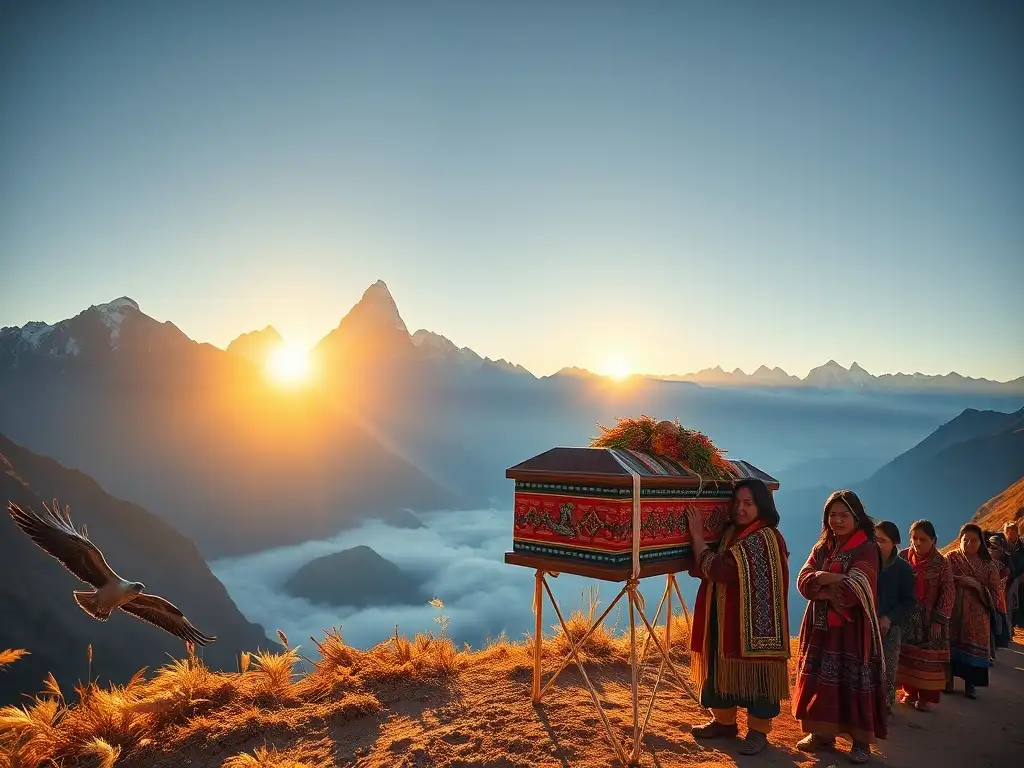
Welcome, explorer! Prepare to delve into the enigmatic world of the Andean civilizations, where towering mountains met breathtaking ingenuity. Forget everything you think you know about the afterlife – the Andean afterlife beliefs held by the Incas, Moche, and other remarkable cultures were far more complex and fascinating than you can imagine. Dare to uncover the secrets of their cosmology and the captivating journey of the soul, a path to rebirth shrouded in mystery and wonder. Journey with us and unravel the threads of this ancient tapestry.
- Andean Afterlife Beliefs: Journey of the Soul and Rebirth in Andean Cosmology
- Understanding Andean Cosmology and its View of Death
- The Journey of the Soul in Andean Beliefs About Death
- Rebirth and the Cycle of Life in Andean Traditions
- Specific Examples of Andean Afterlife Beliefs Across Civilizations
- The Significance of Andean Afterlife Beliefs for the Living
- Comparing Andean Afterlife Beliefs with Other Ancient Cultures
-
Frequently Asked Questions
- What were the Andean people's beliefs about the afterlife?
- How did the Incas view death and the afterlife?
- Did all Andean cultures share the same afterlife beliefs?
- What role did offerings and rituals play in Andean afterlife beliefs?
- What evidence supports our understanding of Andean afterlife beliefs?
- Final Reflection: Echoes of the Andes: A Continuing Journey
- Unveil the Mysteries of Andean Afterlife: Your Journey Begins!
Andean Afterlife Beliefs: Journey of the Soul and Rebirth in Andean Cosmology
The Andean worldview, encompassing the vibrant cultures of the Incas, Moche, Nazca, and Tiahuanaco, held a profound and complex understanding of life, death, and the afterlife. Unlike many Western perspectives, the Andean concept of death wasn't a definitive end but rather a transformative passage, a continuation of existence in a different realm.
This article delves into the fascinating beliefs surrounding the Andean afterlife, exploring the journey of the soul, concepts of rebirth, and the enduring significance of ancestor veneration within this cosmological framework. We will examine how these beliefs shaped their rituals, art, and social structures, revealing a rich tapestry of spiritual practices that permeated every aspect of Andean life.
Understanding these "Andean afterlife beliefs" provides crucial insight into the heart of their worldview and the enduring legacy of these remarkable civilizations. The intricate relationship between the living and the dead continues to resonate, offering valuable lessons on our own understanding of mortality and the cyclical nature of existence.
The Soul's Journey: From the Physical Realm to the Otherworld
Andean cultures didn't view death as an abrupt cessation of life. Instead, they believed the soul, often represented symbolically, embarked on a journey to the otherworld. This journey varied depending on the specific culture and the individual's life, but common themes emerged. The soul's destination wasn't necessarily a singular place, but rather a complex landscape of different realms, potentially influenced by the individual's actions and social standing during their lifetime.
Archaeological evidence, such as burial practices and funerary offerings, suggests a careful preparation for this transition. Elaborate tombs, filled with personal belongings and provisions for the afterlife, highlight the importance placed on ensuring a comfortable passage for the deceased. The specific rituals and beliefs surrounding this journey varied significantly across different Andean cultures. For example, [Specific details on Inca soul journey pending], while [Specific details on Moche soul journey pending] offer a fascinating contrast.
Rebirth and Cyclical Cosmology: The Continuity of Life
The Andean worldview embraced a cyclical understanding of time and existence. Death wasn't seen as an ending, but as a transition leading to rebirth or reincarnation. This cyclical perspective is reflected in their agricultural practices, deeply intertwined with the rhythms of nature and the annual renewal of life.
The annual cycle of planting, growth, harvest, and fallow periods mirrored their understanding of the soul's journey and its potential for rebirth. [Specific examples of agricultural rituals connected to rebirth beliefs pending]. This concept of cyclical existence emphasizes the interconnectedness of life and death, highlighting the continuous flow of energy and the enduring presence of ancestors within the community.
Ancestor Veneration: Maintaining the Bond Between Worlds
Ancestor veneration was a central aspect of Andean life, forming a vital link between the living and the dead. The deceased were not forgotten but remained active participants in the community's life, offering guidance and protection. Rituals and offerings were regularly performed to honor and appease the ancestors, ensuring their continued well-being in the otherworld and their benevolent influence on the living.
[Specific examples of ancestor veneration practices across different Andean cultures pending]. The profound respect for ancestors underscores the enduring significance of family ties and the importance of maintaining harmonious relationships across the realms of the living and the dead. The continued presence and influence of ancestors in their daily lives influenced decision-making and social structures, highlighting the deep integration of the spiritual and the mundane.
The Role of Shamans and Rituals in the Afterlife
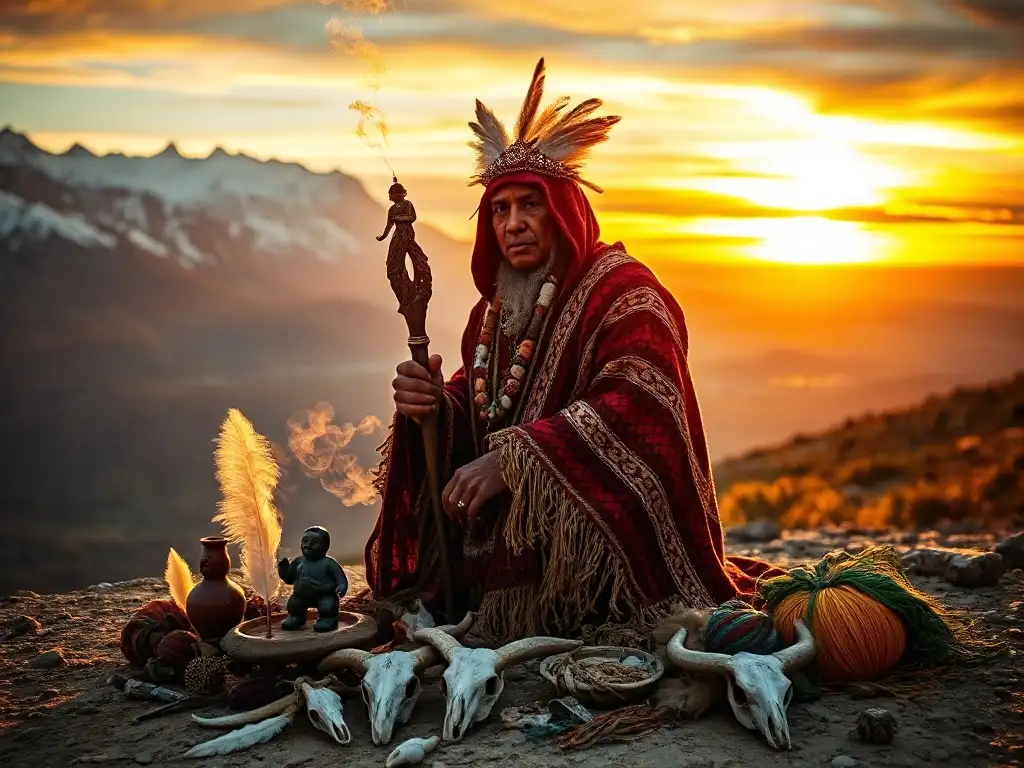
Shamans played a crucial role in mediating between the worlds of the living and the dead. Their expertise in spiritual practices allowed them to guide souls on their journey, communicate with ancestors, and interpret the will of the supernatural. [Specific details on shamanic practices related to the afterlife pending].
Rituals involving offerings, sacrifices, and specific ceremonies facilitated communication and ensured the continued well-being of both the living and the deceased. These rituals weren't simply symbolic acts; they were integral to maintaining the balance and harmony within their cosmological system. The elaborate nature of these rituals further underscores the importance given to navigating the complexities of the afterlife and maintaining a positive relationship with the ancestral world.
Material Culture and Representations of the Afterlife
Andean art and artifacts provide invaluable insights into their beliefs about the afterlife. Textiles, pottery, and metalwork often depict scenes of the soul's journey, encounters with supernatural beings, and interactions with ancestors. [Specific examples of artwork depicting afterlife beliefs pending, with descriptions]. These visual representations offer a tangible glimpse into the richness and complexity of their spiritual world, providing further evidence of the importance and centrality of afterlife beliefs within Andean culture. The careful craftsmanship and symbolic detail embedded within these artifacts demonstrate the profound significance of these beliefs in shaping their material culture.
Understanding Andean Cosmology and its View of Death
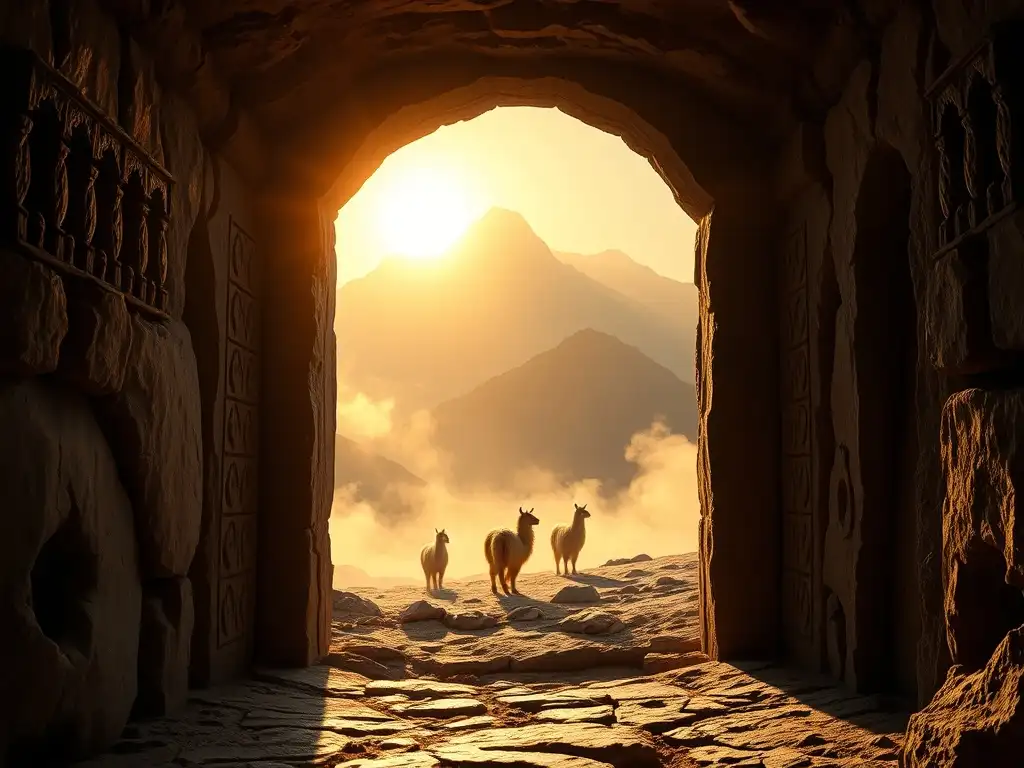
Andean cosmology, far from viewing death as an end, considered it a transition, a continuation of life in a different realm. This perspective profoundly shaped Andean societies, influencing their social structures, rituals, and artistic expressions. Understanding their beliefs about the afterlife requires appreciating their holistic worldview, where the living and the dead were inextricably linked, existing within a dynamic cosmic order.
The concept of pacha, the Andean worldview encompassing the entire universe—the upper world (hanan pacha), the human world (kay pacha), and the underworld (ukhu pacha)—provides a framework for comprehending their beliefs about death and the journey of the soul. The Andean afterlife wasn't a singular destination but a complex interplay between these three realms, influenced by individual actions and social standing during life. This intricate system of beliefs significantly impacted their practices surrounding death, including elaborate burial rituals and the continued veneration of ancestors.
The weight given to ancestor veneration highlights the enduring connection between the living and the dead within the Andean worldview. The integration of the deceased into the fabric of daily life, through offerings and remembrance, underscores the vibrant and dynamic nature of their beliefs about the afterlife. The cyclical nature of life and death, mirroring the cyclical nature of the cosmos, is a central tenet of Andean cosmology.
The Andean Worldview: Connecting Life, Death, and the Cosmos
The Andean worldview, centered on the concept of pacha, viewed the universe as a interconnected and dynamic system. This wasn't a static, linear progression but rather a cyclical process of creation, destruction, and renewal. Life, death, and the cosmos were inextricably interwoven. Death wasn't seen as an absolute cessation but as a transition to another realm within pacha.
The journey of the soul after death varied depending on factors like social status, virtuous conduct, and the proper execution of funerary rites. For example, individuals of high social standing might be believed to ascend to the hanan pacha, while others might inhabit the ukhu pacha, or even remain in a liminal state between worlds. This nuanced understanding of the afterlife shaped the elaborate burial practices and ancestor veneration common across various Andean cultures.
The meticulous preparation of mummies, the inclusion of grave goods, and the construction of monumental tombs all reflect the belief in an ongoing connection between the living and the dead. The cyclical nature of the cosmos, reflected in the agricultural cycle and the movements of celestial bodies, reinforced the idea of rebirth and regeneration, even in the context of death. This view, far from being morbid, infused Andean life with a deep sense of continuity and purpose, ensuring the deceased continued to play a vital role in the community, even in their transition to the afterlife.
The Importance of Ancestor Veneration in Andean Cultures
Ancestor veneration was not merely a ritualistic practice in Andean cultures; it was a fundamental aspect of their social fabric. The deceased weren't forgotten; rather, they were believed to remain active participants in the lives of the living, influencing events, providing guidance, and offering protection. This deep connection with ancestors manifested in various forms, including the construction of elaborate tombs, the offering of food and drink to the deceased, and the performance of ceremonies honoring their memory. The mummification process itself, often highly elaborate and involving intricate preparations, demonstrated the respect and importance afforded to the deceased.
Mummies weren't simply inert remains; they were treated as living members of the community, albeit in a different state of being. They were often consulted for advice, integrated into family life, and even participated in important community events. The importance placed on ancestor veneration underscores the cyclical and interconnected nature of Andean cosmology. The living and the dead were part of a continuous flow, with the actions and well-being of the ancestors impacting the lives of the descendants.
This belief is evident in the numerous archaeological sites across the Andes, where evidence of elaborate burial practices and ongoing rituals dedicated to ancestors has been discovered. The enduring legacy of ancestor veneration in Andean cultures demonstrates the profound impact of their unique understanding of life, death, and the afterlife. The continued reverence for ancestors highlights the enduring relevance of their beliefs in contemporary Andean societies. Understanding this deep-rooted tradition provides crucial insight into the rich tapestry of Andean culture and worldview.
The Journey of the Soul in Andean Beliefs About Death
This section delves into the fascinating Andean concepts surrounding the soul's journey after death, exploring the intricate beliefs and rituals surrounding the afterlife. Understanding these beliefs provides crucial insight into the rich tapestry of Andean cosmology and its profound impact on their daily lives. The Andean worldview wasn't simply about life; it was deeply intertwined with a complex understanding of death and the continued existence of the spirit.
Different Andean cultures, including the Inca, Moche, Nazca, and Tiwanaku, each held unique yet interconnected perspectives on this crucial aspect of existence. This section focuses on the common threads weaving through these diverse interpretations of the Andean afterlife beliefs.
The Concept of 'Aya' - The Soul or Spirit in Andean Thought
The Andean concept of the soul, often referred to as aya, is not a singular, easily defined entity. Rather, it's a multifaceted essence, encompassing various aspects of a person's being. It wasn't solely the breath or a disembodied spirit; instead, aya represented the life force, personality, and memories of an individual.
Some scholars suggest that the aya could even be understood as a kind of double or shadow self, existing alongside the physical body during life and continuing its existence after death. This concept of the aya is crucial to understanding the Andean afterlife beliefs because it's this essence that undertakes the journey after death. The preservation of the physical body, often through mummification, wasn't merely a funerary practice; it was a crucial act to ensure the continued well-being of the aya.
The belief in the aya permeates many aspects of Andean culture, from daily rituals to elaborate funerary practices, showcasing its significance in their worldview. Furthermore, the concept of the aya varied slightly between different Andean cultures, but the core idea of a persistent, vital life force remained consistent. Understanding the complexities of aya is key to unlocking the secrets of Andean afterlife beliefs.
The Transition After Death: A Multi-Stage Process
The Andean afterlife wasn't a singular destination, but rather a journey, often depicted as a multi-stage process. Death wasn't seen as an abrupt end but a transition, a passage into another realm. The journey of the aya was fraught with challenges and trials, its ultimate destination dependent on the individual's life and actions. Evidence from archaeological findings and surviving accounts suggests that the transition involved several stages.
Initially, the aya remained close to the physical body, often lingering near the burial site. This period was believed to be crucial, as the aya needed support and guidance from the living. Family and community members performed rituals and offerings, ensuring a safe passage for the departed soul.
Following this initial phase, the aya would embark on a perilous journey, traversing treacherous landscapes and overcoming various obstacles. This journey, often described in Andean mythology, was symbolic of the challenges faced in life, with the outcome determining the aya's final destination. The specifics of this journey, including the obstacles encountered and the assistance provided by supernatural beings, varied depending on the specific Andean culture and regional beliefs.
Destinations of the Soul: Different Realms in Andean Mythology
The ultimate destination of the aya varied greatly depending on the individual's life and actions. Andean mythology depicts a diverse spectrum of realms, ranging from idyllic paradises to terrifying underworld landscapes. For those who lived virtuous lives, respected their ancestors, and fulfilled their social obligations, the afterlife promised a blissful existence, often described as a reunion with deceased ancestors in a realm of abundance and prosperity. Conversely, those deemed unworthy faced a bleak and punishing afterlife, often depicted as a dark and desolate realm filled with suffering and hardship.
This concept of reward and punishment reinforced the importance of adhering to societal norms and upholding ancestral traditions. The specific characteristics of these realms varied across different Andean cultures. For example, some Andean groups believed in a subterranean underworld, while others envisioned celestial realms.
Furthermore, the specific deities and supernatural beings involved in guiding the aya to its final destination also varied regionally. The diversity of these beliefs underscores the rich and complex nature of Andean cosmology and the profound significance of afterlife beliefs in their culture. The precise details of these different realms and their associated beliefs remain an area of ongoing research, with new discoveries constantly enriching our understanding of "Andean afterlife beliefs".
Rebirth and the Cycle of Life in Andean Traditions
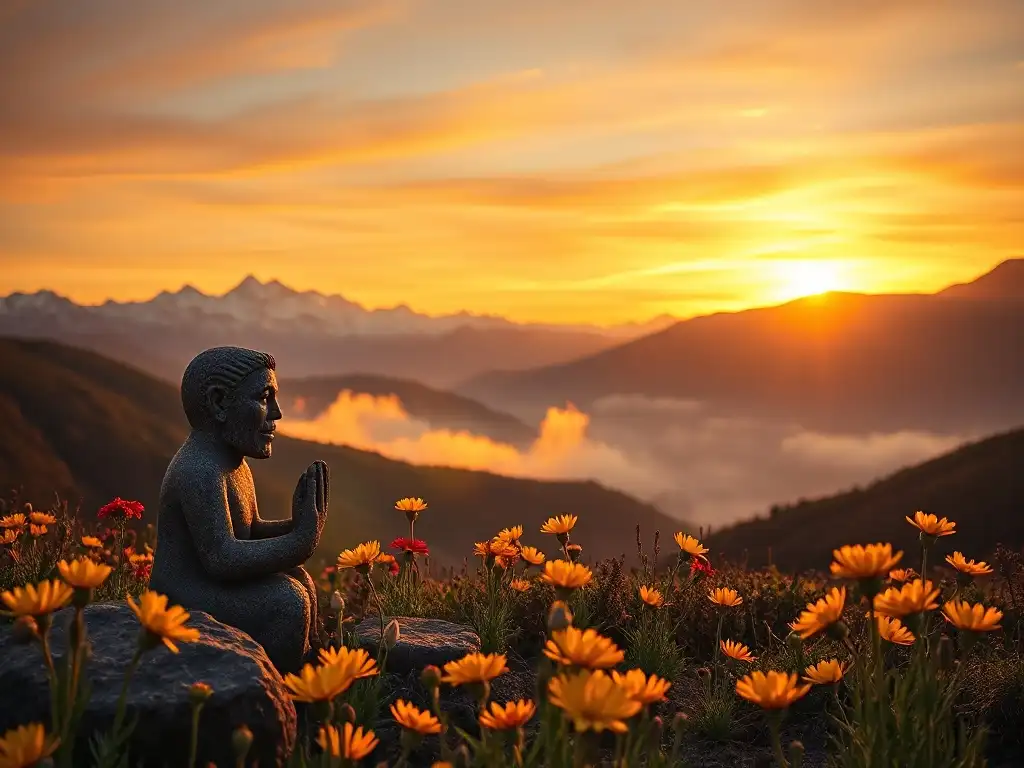
Andean afterlife beliefs weren't solely focused on a singular destination after death; rather, they encompassed a complex understanding of cyclical existence, where death was not an end but a transition. The concept of rebirth, though not explicitly stated as "reincarnation" in the way we understand it today, was deeply ingrained in their worldview. This cyclical perspective is evidenced through numerous archaeological findings and interpretations of surviving oral traditions.
The Andean peoples didn't see death as a final separation from the living world but as a continuation of life in a transformed state, influencing the world of the living and maintaining a vital connection with their ancestors. Understanding this cyclical view is crucial to grasping the full depth of Andean cosmology and their profound respect for the past.
The Idea of Reincarnation in Andean Spiritual Practices
The idea of a soul's journey and eventual return is reflected in various Andean spiritual practices. While direct textual evidence of a formalized doctrine of reincarnation is scarce, anthropological studies suggest a belief in the continuity of life beyond death. This continuity was not necessarily tied to a physical rebirth in the same form, but rather a transformation and re-emergence in a different plane of existence, often linked to the natural world.
For instance, the soul might be reborn as a plant, an animal, or even a celestial body, maintaining a connection to the community of the living. This belief fostered a deep respect for nature, as all living things were potentially manifestations of ancestral spirits or future generations. The concept of ayni, reciprocal exchange, extended to this cycle, implying a constant interchange between the living and the dead.
This belief system is supported by the prevalence of mummification and the elaborate funerary rituals observed across different Andean cultures. The meticulous preservation of bodies suggests a belief that the deceased maintained a presence and influence within the community, even after physical death. The continued offerings and veneration given to mummies underscore this idea of ongoing interaction.
The intricate textiles, pottery, and other grave goods interred with the deceased also indicate a belief in providing the departed with necessities for their continued journey and potential rebirth. Further research into specific regional variations is needed to fully understand the nuances of reincarnation beliefs across different Andean societies.
The Role of Ancestral Spirits in the Cycle of Rebirth
Ancestral spirits played a pivotal role in the Andean understanding of life and death, serving as intermediaries between the living and the supernatural realms. They weren't simply remembered; they were considered active participants in the ongoing cycle of life and rebirth. The belief was that the spirits of ancestors could influence harvests, weather patterns, and the overall well-being of the community. This belief is reflected in the numerous rituals and ceremonies dedicated to honoring and appeasing ancestors. These practices aimed to maintain a harmonious relationship with the spirit world, ensuring the continued prosperity and well-being of the living.
Think of the pachamama (Mother Earth), a central figure in Andean cosmology. She is not merely a passive element of the environment; she is a living entity, a powerful force that interacts with both the living and the dead. Ancestors, through their connection with the pachamama, could influence the cycle of life, contributing to the rebirth and renewal of the land and its people.
Therefore, the care and respect shown towards ancestors were not only acts of piety but also essential practices for maintaining the balance and continuity of life within the Andean worldview. The intricate network of relationships between the living, the dead, and the natural world highlights the holistic and dynamic nature of Andean afterlife beliefs.
Burial Practices and Mourning Rituals in Andean Cultures
Andean burial practices and mourning rituals reveal much about their beliefs concerning the afterlife and the cycle of rebirth. These were not simply acts of disposing of the dead; they were elaborate ceremonies designed to facilitate the deceased's transition and ensure their continued well-being. Different Andean cultures had unique burial customs, but several common themes emerge.
Mummification, for instance, was practiced across several groups, reflecting a belief in the continued existence and influence of the deceased. The elaborate preparations involved in mummification, often including the provision of food, clothing, and other grave goods, underscore the importance of providing for the departed on their journey to the afterlife.
The mourning rituals were equally significant, often involving extended periods of grieving and ceremonies to honor the deceased. These rituals served not only as expressions of sorrow but also as ways to maintain a connection with the departed and integrate them into the ongoing cycle of life. The intricate textiles, pottery, and other artifacts found in burial sites further highlight the meticulous preparations involved in these ceremonies.
Variations existed among different cultures, with some emphasizing elaborate tombs and others focusing on simpler burial practices. However, the common thread was the belief that death was not an end but a transformation, and that the deceased continued to play a role in the lives of the living.
Detailed archaeological evidence from sites like [Specific site pending] and [Specific site pending] would further illuminate the diversity and complexity of these practices across different Andean cultures. Analyzing these practices alongside oral traditions offers valuable insight into Andean conceptions of the afterlife and their understanding of the cyclical nature of existence.
Specific Examples of Andean Afterlife Beliefs Across Civilizations
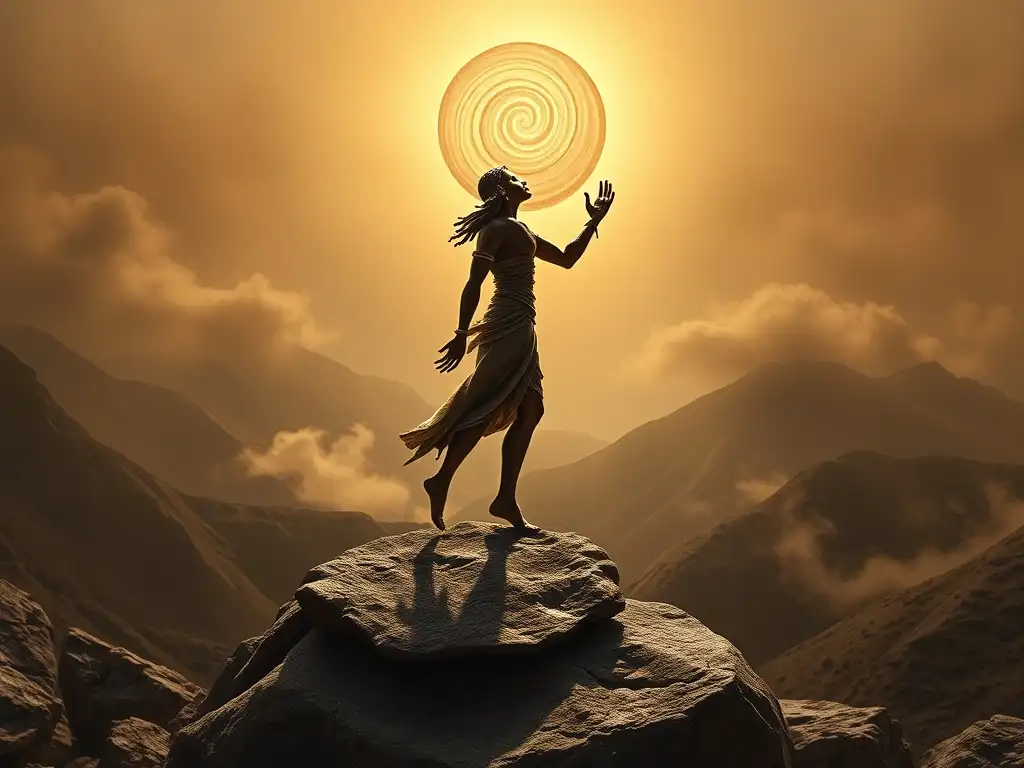
This section delves into the diverse understandings of the afterlife held by various Andean civilizations, highlighting the nuanced beliefs and practices surrounding death and the journey of the soul. While a common thread of ancestor veneration runs through many cultures, the specifics of their conceptions of the afterlife varied considerably. Examining these differences reveals the rich tapestry of Andean cosmology and its profound influence on their daily lives. Understanding these diverse "Andean afterlife beliefs" is crucial to comprehending the complexities of these ancient societies.
Inca Perspectives on the Afterlife: Hanan Pacha, Kay Pacha, and Uku Pacha
Inca cosmology structured their understanding of the universe and the afterlife into three distinct realms: Hanan Pacha (the upper world), Kay Pacha (the earthly world), and Uku Pacha (the underworld). Death wasn't viewed as an end, but rather a transition to another realm. The Inca believed that the soul, or suni, continued its existence in the Uku Pacha, a shadowy realm ruled by powerful deities and spirits.
The nature of the afterlife in Uku Pacha varied depending on one's life and status. Rulers and elites, often mummified and lavishly adorned, were believed to enjoy a privileged afterlife, continuing to exert influence from beyond the grave. Their tombs, filled with offerings and possessions, were meticulously prepared to ensure their comfort and power in the next world.
These elaborate burial practices speak volumes about the Inca's deep-seated belief in the continuity of life after death. Commoners, while not afforded the same opulence, still participated in rituals aimed at ensuring a peaceful transition for their departed loved ones. These practices included offerings of food, drink, and coca leaves, aimed at appeasing the spirits and guaranteeing a relatively benign existence in the underworld.
The relationship between the three realms was also crucial. The Inca believed that the living world (Kay Pacha) was inextricably linked to the other two. Rituals and offerings were performed to maintain balance and harmony between these realms, ensuring the well-being of both the living and the dead. This interconnectedness highlights the holistic nature of Inca worldview, where the spiritual and physical realms were deeply intertwined.
Moche Beliefs about Death and the Underworld
The Moche civilization, known for its sophisticated artistry and complex social structure, held unique beliefs about death and the afterlife. Evidence from their elaborate burial sites reveals a preoccupation with the underworld, depicted in their intricate ceramics and textiles. Unlike the Inca emphasis on a structured afterlife in a defined Uku Pacha, Moche depictions of the underworld often portray a more chaotic and ambiguous realm.
Moche funerary practices frequently involved the inclusion of grave goods, reflecting the belief that material possessions would accompany the deceased into the afterlife. These goods ranged from intricately crafted pottery and textiles to food and drink offerings. The presence of sacrificed individuals, particularly in elite burials, suggests a belief in the necessity of human sacrifice to appease the gods and ensure a successful transition for the deceased. The Moche's artistic representations of their underworld, often featuring monstrous creatures and supernatural beings, further highlight the complexity and ambiguity of their beliefs.
While less structured than the Inca's tripartite cosmology, the Moche’s beliefs about death and the afterlife were equally rich and complex, reflecting their unique cultural values and worldview. Further research is needed to fully understand the nuances of Moche funerary rituals and beliefs. [Specific information pending: more detailed analysis of Moche iconography related to the underworld]
Chimú Mortuary Practices and Beliefs
The Chimú, who succeeded the Moche, also maintained elaborate funerary practices, although with some distinct differences. Their beliefs about the afterlife, while sharing some similarities with the Moche, incorporated elements unique to their own cultural context. The Chimú, known for their centralized state and sophisticated urban planning, reflected this in their mortuary practices.
Unlike the Moche, Chimú burials were often less elaborate, with a focus on simpler grave goods and a less overt emphasis on human sacrifice. However, the presence of carefully crafted textiles, pottery, and other artifacts suggests a continued belief in the importance of providing the deceased with necessary items for the afterlife. The construction of large-scale cemeteries, like those found at Chan Chan, indicates a structured approach to burial, reflecting the Chimú's hierarchical social organization.
These cemeteries also often contained a variety of burial types, indicating social stratification even in death. The Chimú's beliefs about the afterlife, though less vividly represented in their art than the Moche's, nonetheless demonstrate a continuation of Andean traditions surrounding ancestor veneration and the belief in a continued existence beyond death.
Further research into the specific rituals and beliefs surrounding Chimú mortuary practices is needed to gain a more complete understanding of their views on the afterlife. [Specific information pending: A more comprehensive study of Chimú burial records and their geographical distribution].
The Significance of Andean Afterlife Beliefs for the Living
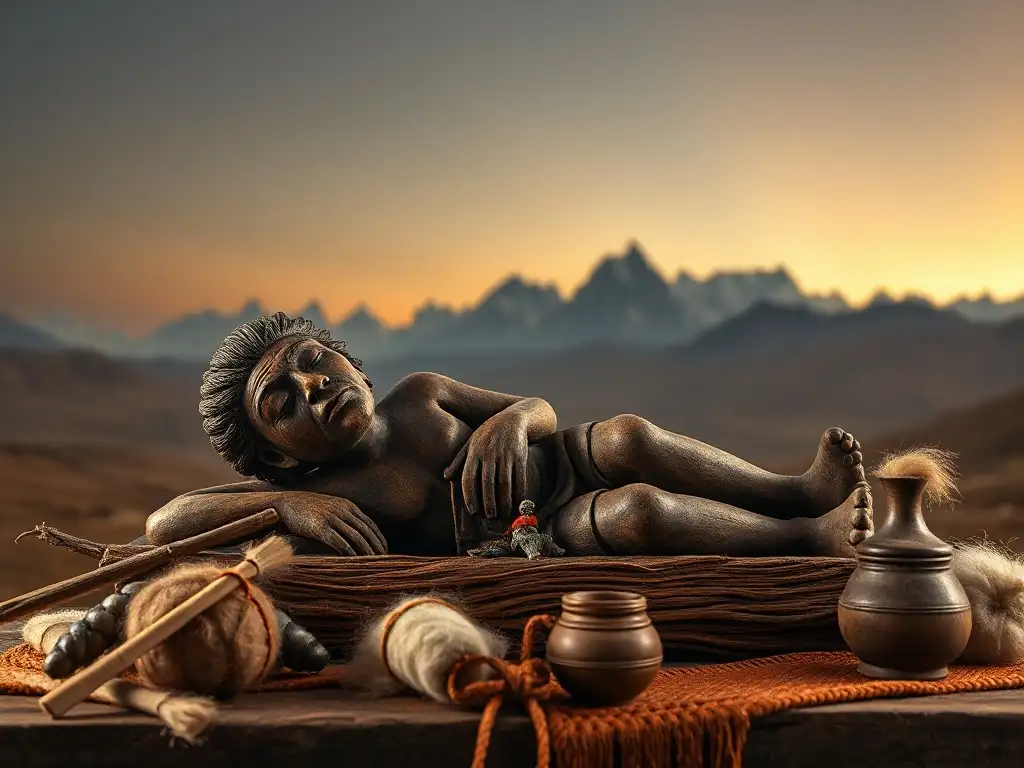
Andean afterlife beliefs weren't simply abstract concepts; they profoundly impacted the lives of the living. The belief system wasn't a passive acceptance of death, but rather an active engagement with the spirit world, influencing daily practices and societal structures. Understanding the deceased's journey and their continued presence shaped social interactions, political organization, and even agricultural practices. The focus wasn't solely on an individual's personal salvation but on maintaining a harmonious relationship between the living and the dead, ensuring the continued prosperity and well-being of the community.
This intricate relationship is reflected in various aspects of Andean culture, from elaborate burial rituals to the construction of monumental sites. The very fabric of Andean society was woven with threads of ancestor veneration and a deep respect for the cyclical nature of life and death. This interconnectedness is a central theme in understanding Andean cosmology and its enduring influence.
Maintaining Balance Between the Living and the Dead
The Andean worldview emphasized a delicate balance between the living world (kay pacha) and the underworld (ukhu pacha), where the spirits of the ancestors resided. Disrupting this equilibrium could have severe consequences for the community. Therefore, maintaining respectful relationships with the deceased was paramount.
This wasn't simply about avoiding angering the spirits; it was about acknowledging their continued influence and participation in the affairs of the living. For example, successful harvests were often attributed to the benevolent intervention of ancestral spirits, highlighting the interconnectedness of the living and the dead in the realm of sustenance. Failure to honor ancestors, on the other hand, could result in misfortune, illness, or even societal upheaval.
This belief system fostered a culture of respect for the past and a deep understanding of the cyclical nature of life, death, and rebirth. Evidence of this careful balance is seen in the meticulous preparation and placement of offerings within burial sites, demonstrating a sustained interaction between the living and the departed. The offerings themselves, often consisting of food, textiles, and tools, were not mere gifts but symbolic gestures of continued support and communication.
The Importance of Rituals for Honoring Ancestors
Rituals were central to maintaining this crucial balance. These ceremonies, often elaborate and community-focused, served as vital channels of communication between the living and the dead. The capacocha sacrifices, while controversial in modern interpretations, were believed to be essential to maintaining cosmic order and ensuring the well-being of the Inca Empire.
These rituals, though involving human sacrifice in some cases, were not acts of brutality but rather deeply symbolic ceremonies intended to appease the gods and honor the ancestors. Other rituals, such as the pago a la tierra (payment to the earth), involved offerings and prayers to ensure fertility and prosperity. These rituals, diverse in their forms and purposes, reinforced the Andean belief in the interconnectedness of life, death, and the spirit world.
The frequency and importance of these rituals underscore the significance placed on ancestor veneration and its crucial role in maintaining social cohesion and cosmic harmony. Understanding these rituals provides invaluable insight into the depth and complexity of Andean afterlife beliefs.
The Influence of Andean Beliefs on Contemporary Indigenous Communities
The legacy of Andean afterlife beliefs continues to resonate in contemporary indigenous communities. While specific practices may have evolved over time, the core tenets of ancestor veneration and the belief in a cyclical relationship between the living and the dead persist. Many communities continue to perform rituals and ceremonies to honor their ancestors, demonstrating the enduring power of these traditions.
These practices are not simply historical remnants but living expressions of cultural identity and spiritual connection. The persistence of these beliefs highlights the resilience of Andean cosmology and its enduring influence on the worldview and cultural practices of indigenous communities.
Furthermore, the study of these contemporary practices offers valuable insights into how ancient beliefs have adapted and evolved within changing social and environmental contexts, providing a dynamic perspective on the enduring legacy of Andean afterlife beliefs. The continued practice of these rituals underscores their importance in maintaining cultural identity and spiritual continuity across generations.
Comparing Andean Afterlife Beliefs with Other Ancient Cultures
This section delves into a comparative analysis of Andean afterlife beliefs, highlighting both similarities and stark differences with other ancient cultures. While many ancient societies grappled with the concept of an afterlife, the Andean worldview presents unique characteristics rooted in its specific environment and social structures. Understanding these nuances enriches our comprehension of Andean cosmology and its profound impact on their daily lives. The emphasis on ancestor veneration, cyclical time, and the interconnectedness of the living and the dead sets Andean beliefs apart from many other cultures.
Contrasting Andean Beliefs with Egyptian Concepts of the Afterlife
Ancient Egyptian beliefs about the afterlife, famously detailed and meticulously prepared for, involved a complex journey through the underworld, judged by Osiris. The preservation of the body through mummification was paramount, ensuring the soul's successful passage. This contrasts sharply with certain Andean traditions.
While mummification existed in some Andean cultures (most notably among the Chinchorro), it wasn't as ubiquitous or central to their afterlife beliefs as in Egypt. The Andean focus wasn't solely on preserving the physical body for the afterlife; instead, it involved a more holistic approach, encompassing the continuation of the individual's spirit within the community and the natural world.
The Egyptian emphasis on individual judgment and reward in the afterlife differs from the Andean concept of a more collective and reciprocal relationship between the living, the dead, and the supernatural. For the Egyptians, the journey was largely individualistic; for the Andeans, it was interwoven with community and the cyclical renewal of life.
Unique Aspects of Andean Beliefs: Emphasis on Reciprocity
A defining feature of Andean afterlife beliefs is the strong emphasis on reciprocity. This concept, central to Andean worldview, permeated all aspects of life, including death and the afterlife. The living were expected to maintain a continuous relationship with their ancestors, offering respect, tributes, and maintaining the balance in the cosmos. This wasn't simply a passive veneration; it was an active, ongoing exchange.
Ancestors were believed to provide protection, guidance, and even intervene in the affairs of the living in return for continued respect and offerings. This reciprocal relationship extended beyond the human realm, encompassing the entire pachamama (Mother Earth) and the various deities within the Andean pantheon. Failure to uphold this reciprocity could have negative consequences, both in this life and the next.
The concept of ayni (reciprocity) is crucial here. It wasn't merely a transactional exchange but a deeply ingrained social and spiritual principle. The offerings made to ancestors, often including food, drink, and valuable objects, weren't viewed as appeasements but as expressions of continued kinship and a vital part of maintaining the cosmic balance.
This principle underscored the interconnectedness of life and death, highlighting the enduring influence of ancestors on the living and the ongoing responsibility of the living to honor their memory and maintain the harmonious flow of energy within the cosmos. This differs significantly from many other cultures' afterlife beliefs that often depict a more permanent separation between the living and the dead. The Andean worldview instead emphasized a continuous, dynamic relationship, reflecting the cyclical nature of Andean cosmology and its emphasis on maintaining equilibrium.
Further research is needed to fully understand the nuances of this reciprocity across different Andean cultures and time periods. [Specific information pending on regional variations in reciprocity practices].
Frequently Asked Questions
What were the Andean people's beliefs about the afterlife?
Andean cultures held diverse beliefs about the afterlife, often involving a journey of the soul to an underworld or other realm. These beliefs varied significantly between different civilizations, but often included concepts of rebirth and ancestor veneration.
How did the Incas view death and the afterlife?
Inca beliefs emphasized the importance of ancestors and a cyclical view of life and death. They believed that the deceased continued to exist in a spiritual realm and could influence the living. Mummification was a significant part of their funerary practices.
No, beliefs varied considerably among different Andean cultures. While some shared common threads like ancestor veneration, the specifics of their afterlife beliefs, including the location and nature of the afterlife, differed greatly. The Moche, Nazca, and Tiahuanaco, for example, had distinct beliefs.
What role did offerings and rituals play in Andean afterlife beliefs?
Offerings and rituals were crucial in Andean cultures' interactions with the spirit world. These practices aimed to honor ancestors, ensure a smooth transition for the deceased, and maintain a connection between the living and the dead. Examples include offerings of food, textiles, and precious objects.
What evidence supports our understanding of Andean afterlife beliefs?
Archaeological evidence, such as elaborate tombs, mummies, and burial offerings, provides significant insight into Andean afterlife beliefs. Artistic representations on pottery and textiles also offer valuable clues about their spiritual worldview and funerary practices.
Final Reflection: Echoes of the Andes: A Continuing Journey
The vibrant tapestry of Andean afterlife beliefs, woven from threads of ancestor veneration, cyclical time, and the enduring power of the Pachamama, remains profoundly relevant today. These ancient cosmologies offer a powerful counterpoint to the often linear and individualistic perspectives of modern Western thought, reminding us of our interconnectedness with the natural world and the enduring legacy of those who came before us. The enduring strength of these beliefs speaks volumes about the human need to understand life's mysteries and find meaning beyond the physical realm.
The enduring influence of Andean cosmology on contemporary Andean communities is undeniable, shaping their social structures, spiritual practices, and relationship with the land. These beliefs are not simply relics of the past; they are living traditions that continue to inform the present. They offer a profound understanding of life's cyclical nature, a concept often lost in the relentless forward momentum of modern society. Death is not an end, but a transformation, a return to the source, and a preparation for rebirth.
This sentiment, though not a direct quote from an ancient source, encapsulates the essence of Andean perspectives on the afterlife, highlighting the continuous flow of life and death.
Consider the implications of this cyclical worldview. How might embracing a more cyclical understanding of time and life impact your own perspective on mortality, community, and your relationship with the natural world? I invite you to reflect on the enduring wisdom embedded within Andean cosmology and to explore how its principles of interconnectedness, respect for ancestors, and reverence for the Earth might enrich your own life and contribute to a more sustainable and meaningful future. Let the echoes of the Andes resonate within you, inspiring a deeper appreciation for the cyclical journey of life, death, and rebirth.
Unveil the Mysteries of Andean Afterlife: Your Journey Begins!
Thank you for exploring the fascinating Andean beliefs about the afterlife. We hope you've gained valuable insights into the profound connection between life, death, and rebirth within these rich cultures. Now, let's delve deeper and explore how to integrate these teachings into your life.
Here are some ways to continue your exploration:
- Reflect on your own beliefs about life and death, and consider how they compare to the Andean worldview.
- Join or start a discussion group with friends or fellow enthusiasts to share your thoughts on Andean culture.
- Expand your knowledge by researching Andean heritage, attending local events, or participating in workshops on traditional rituals and spiritual practices.
What aspects of the Andean perspective on the afterlife resonate most with you, and how might they shape your own understanding? Share your thoughts below!