
Moche Merchants: Unraveling the Secrets of Coastal Barter

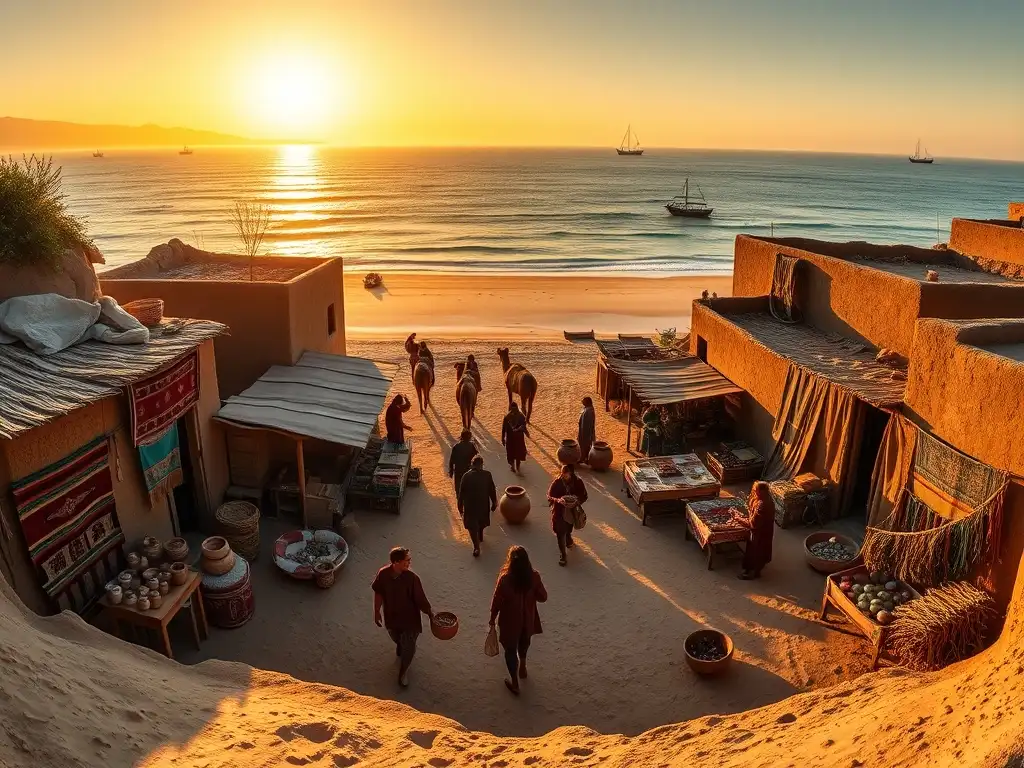
Uncover the mysteries of a lost world! Journey with us into the heart of the Andes, where vibrant civilizations thrived for centuries. From the ingenious Incas to the enigmatic Nazca, we delve into the fascinating tapestry of Andean history, culture, and technology. But first, prepare to be captivated by the intriguing world of Moche trade routes along the coastal Peru. Their sophisticated systems of barter and exchange shaped an empire – discover how in our exploration of Moche Merchants: Unraveling the Secrets of Coastal Barter.
The Moche civilization, flourishing along the arid northern coast of Peru from approximately 100 CE to 800 CE, stands as a testament to human ingenuity and adaptation. Their remarkable achievements in irrigation, ceramics, and metalworking are well-documented, but a crucial aspect of their societal success often remains understated: their sophisticated and extensive trade networks.
This article delves into the intricate world of Moche merchants and their vital role in facilitating the exchange of goods along the Peruvian coast, exploring the "Moche trade routes coastal Peru" and the strategies employed to overcome geographical and environmental challenges. We will examine the societal structures that fueled this trade, the geographical extent of their networks, key coastal trade centers, and the archaeological evidence that illuminates their bustling commercial activities.
Understanding the Moche's trade system offers invaluable insight into their social organization, economic prowess, and remarkable ability to thrive in a demanding environment. Prepare to embark on a journey through time, uncovering the secrets of these ancient coastal traders and their impact on the development of the Moche civilization.
Understanding Moche Society and Its Need for Trade
The Moche were not a homogenous group; their society was highly stratified, with a complex hierarchical structure and specialized labor. This social organization played a significant role in shaping their economic activities, including trade.
The Hierarchical Society of the Moche Civilization
The Moche civilization was characterized by a hierarchical social structure, with a powerful elite at the top, followed by priests, warriors, artisans, farmers, and fishermen. This hierarchy was reflected in their material culture, with the elite possessing access to the finest goods and resources. The Moche elite likely controlled and directed much of the trade, utilizing the resources and labor of lower social classes to facilitate the exchange of goods.
This centralized control ensured the flow of essential resources to the ruling class and contributed to the stability and prosperity of the civilization. The intricate artwork found in Moche tombs and temples provides visual evidence of this social hierarchy, depicting scenes of ritual, warfare, and daily life that highlight the differences in status and privilege.
Environmental Challenges and the Necessity of Resource Exchange
The coastal desert of northern Peru presented significant environmental challenges to the Moche. The scarcity of resources, particularly fresh water and arable land, necessitated the development of sophisticated irrigation systems. However, even with these advanced techniques, the Moche still needed access to a wider variety of resources not readily available in their immediate environment.
This created a strong incentive for establishing extensive trade networks to obtain essential goods like obsidian, cotton, and exotic feathers, as well as luxury items for the elite. The limited availability of resources directly influenced the development of their robust trade systems, which became crucial for their survival and prosperity. Without access to these external resources via trade, the Moche civilization would have faced severe limitations in its growth and development.
The Significance of Moche Trade Routes in Coastal Peru
The Moche's mastery of navigation and their understanding of the coastal geography allowed them to establish a far-reaching network of trade routes. These routes connected various coastal settlements and facilitated the exchange of goods across significant distances.
Mapping the Extent of Moche Commercial Networks
Archaeological evidence suggests that Moche trade routes extended hundreds of kilometers along the northern coast of Peru. These routes were not simply linear paths but rather a complex network connecting numerous coastal settlements and inland valleys. The precise extent of these networks is still under investigation, but evidence from ceramic styles, artifact distribution, and settlement patterns provides a strong indication of widespread commercial interaction. Further research, including detailed analysis of site locations and the distribution of traded goods, is crucial to refine our understanding of the full geographical reach of the Moche's commercial network.
Key Coastal Trade Centers: Pañamarca, Huanchaco, and Their Importance
Several coastal settlements served as crucial hubs within the Moche trade network. Pañamarca and Huanchaco, for example, occupied strategic locations and likely played significant roles in facilitating the exchange of goods. These centers possessed access to important resources, such as fishing grounds and agricultural lands, and their geographical positions facilitated easy access to both land and sea routes.
Their importance as trade centers is supported by the abundance of artifacts and evidence of large-scale settlements found at these sites. Further investigation into the specific economic activities and social organization of these settlements is crucial to fully understand their roles within the larger Moche trade system. Analyzing the types and quantities of goods found at these sites, along with the architectural features of the settlements, will provide valuable insights into their economic and social importance.
Evidence of Moche Trade Activities: Ceramic Depictions and Artifact Analysis
The Moche's renowned ceramic artistry provides invaluable insights into their trade activities. Many Moche vessels depict scenes of trade, transportation, and the exchange of goods. The presence of certain artifacts, such as obsidian tools from distant sources, further confirms the existence of extensive trade networks.
Analysis of these artifacts, including their origin and distribution patterns, allows researchers to reconstruct the routes and scope of Moche trade. The meticulous study of Moche ceramics and artifacts continues to unveil new details about their intricate trade networks and their importance in the development of this remarkable civilization. The detailed analysis of isotopic signatures within artifacts could also provide further insights into the origin of traded goods and the extent of the Moche's commercial reach.
Moche Trading Practices: Coastal Barter in Action
The Moche civilization, flourishing along the arid northern coast of Peru from approximately 100 to 800 CE, developed sophisticated trade networks that extended far beyond their immediate surroundings. Their mastery of coastal navigation and their understanding of the land routes allowed them to engage in extensive barter systems, exchanging a variety of goods across significant distances.
This wasn't simply a matter of basic survival; the Moche trading system was intricately woven into the fabric of their society, influencing their social structure, religious beliefs, and artistic expressions. The evidence for this vibrant exchange comes from archaeological discoveries of exotic goods in Moche sites, the depiction of trade activities in their art, and the analysis of their settlement patterns.
The scale and complexity of Moche trade highlight their remarkable organizational abilities and their deep understanding of the economic and social benefits of interconnectedness. Understanding their trading practices offers a crucial window into their worldview and their place within the broader Andean context.
Goods Exchanged: Spondylus Shells, Maize, and Obsidian
The Moche traded a diverse range of goods, reflecting both the resources available in their environment and their access to materials from distant regions. Spondylus shells, prized for their vibrant red color and their association with ritual and power, were a highly valued commodity transported from the Ecuadorian coast. These shells were often incorporated into elite Moche burials and ceremonial objects, emphasizing their symbolic importance.
Maize, a staple crop in the Andean region, was another significant traded item. Moche agricultural prowess allowed them to produce surplus maize, which could be exchanged for other goods. Obsidian, a volcanic glass prized for its sharpness and used in toolmaking, was obtained from sources in the Andes mountains and traded along the coast.
The distribution of these goods, as evidenced by archaeological finds, helps map out the Moche trade routes and reveals the extent of their trading networks. Beyond these key items, textiles, pottery, and various other crafted goods were also part of this vibrant exchange. The variety of goods reflects the nuanced economic relationships the Moche cultivated with their neighbors.
Methods of Transportation: Llama Caravans and Balsa Rafts
The Moche cleverly adapted their transportation methods to the unique geography of coastal Peru. For inland transport, llama caravans were essential, carrying goods across mountainous terrain. Llamas, with their surefootedness and ability to carry heavy loads, provided a reliable means of transporting goods over long distances.
The organization of these caravans, their routes, and the management of the animals required significant logistical skills. Archaeological evidence suggests the existence of established trails and resting places along important trade routes. For coastal transport, the Moche utilized balsa rafts, expertly crafted from lightweight balsa wood.
These rafts allowed them to navigate the often treacherous coastal waters, facilitating the exchange of goods along the coastline and even potentially reaching offshore islands. The design and construction of these rafts showcase advanced maritime technology and demonstrate the Moche's adaptability and ingenuity in utilizing available resources. The combination of land and sea transport allowed for a comprehensive and efficient trading system.
Barter Systems: Reciprocity and the Value of Prestige Goods
The Moche trading system primarily operated on a barter basis, with goods exchanged directly without the use of a standardized currency. Reciprocity played a key role, with goods exchanged between different groups to maintain social and economic ties. However, the system was not simply about equal exchange. Certain goods, like spondylus shells and finely crafted gold and silver objects, held high prestige value and were often used in rituals and exchanged between elites.
These prestige goods served to solidify social hierarchies and establish relationships between powerful individuals and groups. The value of goods was not solely determined by their practical use but also by their symbolic meaning and their role in social and religious practices. The understanding of this complex system of value requires careful consideration of the social and cultural context in which the exchange occurred.
The Role of Moche Merchants in Society
The Moche merchants played a vital, and often overlooked, role in the societal structure and economic prosperity of the civilization. Their activities extended far beyond simple trade; they were key players in maintaining regional connections, influencing political dynamics, and shaping cultural exchange. The sophistication of their operations suggests a level of organization and specialization that warrants further investigation. Their activities were not merely economic but also deeply embedded in the social and religious life of the Moche people.
The Status and Influence of Moche Traders
While the exact social standing of Moche merchants is still under investigation, archaeological evidence suggests they held a position of significant influence. The discovery of elaborate burials containing traded goods indicates that some traders accumulated considerable wealth and prestige. Their access to exotic materials and their ability to navigate complex trade routes likely granted them a certain level of social and political power.
Their influence extended beyond their immediate economic activities, shaping alliances and influencing the flow of information and ideas between different communities. Further research into burial contexts and associated artifacts is needed to fully understand their role within the wider power structures of Moche society.
The Organization of Moche Trading Expeditions
The success of Moche trade depended on effective organization and planning. Trading expeditions likely involved multiple individuals, with specialized roles assigned for navigation, transportation, negotiation, and security. The scale of some expeditions suggests coordinated efforts involving multiple communities or even alliances.
This level of coordination points to a sophisticated social and political structure capable of managing complex logistical challenges. Archaeological data, while still incomplete, hints at the existence of organized trading networks and possibly even specialized institutions responsible for managing trade. Further study of settlement patterns and the distribution of traded goods is needed to fully elucidate the organization of these expeditions.
Ritualistic Aspects of Trade and Their Symbolic Importance
Trade was not merely an economic activity for the Moche; it was deeply intertwined with their religious beliefs and practices. The exchange of prestige goods, particularly spondylus shells, was often associated with ritual contexts. The depiction of trade activities in Moche art, including pottery and textiles, suggests a symbolic significance beyond the purely economic.
The movement of goods was seen as a conduit for the flow of power and spiritual energy. This close connection between trade and religion underscores the importance of exchange in shaping Moche worldview and identity. The study of Moche iconography and ritual practices provides crucial insights into this deeper symbolic dimension of trade.
The Impact of Moche Trade on Coastal Communities
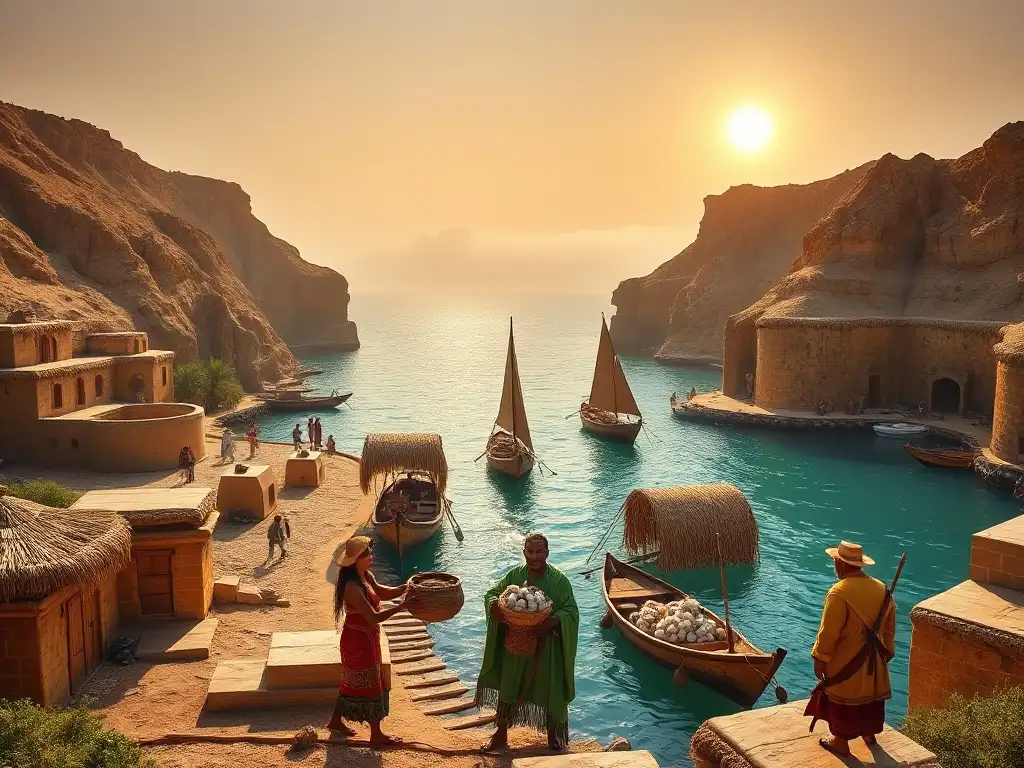
The Moche civilization's extensive trade network profoundly impacted coastal communities in northern Peru. The influx of goods and resources fostered economic growth and specialization, leading to the development of thriving settlements. Access to diverse materials facilitated the creation of elaborate artifacts and monumental architecture, reflecting the increasing wealth and power of Moche elites.
The exchange of goods also facilitated the dissemination of ideas and cultural practices, contributing to a sense of shared identity among coastal communities. This interconnectedness is evident in the stylistic similarities observed in ceramics, textiles, and metalwork across different Moche sites. The standardization of certain goods, like pottery styles, suggests the existence of organized markets and a degree of control over production and distribution by Moche rulers.
The prosperity brought about by trade also supported population growth and the expansion of Moche influence along the coast. However, the unequal distribution of wealth generated by trade might have also contributed to social stratification and potential internal conflicts within Moche society. Further research could reveal the extent to which trade impacted social hierarchies and the dynamics of power within coastal communities.
Cultural Diffusion Through Moche Exchange Networks
Moche trade routes weren't just conduits for material goods; they were also pathways for the exchange of ideas, beliefs, and artistic styles. The movement of artisans and merchants facilitated the spread of Moche artistic motifs and technologies across the northern coast of Peru. For example, the distinctive Moche pottery styles, characterized by their intricate depictions of deities, rituals, and daily life, were widely disseminated through trade networks.
Similar patterns are seen in the distribution of metalworking techniques and textile designs. This cultural exchange wasn't a one-way street; coastal communities also contributed to the development of Moche culture. The incorporation of local artistic styles and beliefs into Moche artistic traditions demonstrates a dynamic interaction between the Moche and the communities they interacted with through trade.
This cultural fusion is evident in the diversity of styles found within Moche artifacts, indicating a complex interplay of cultural influences. The exchange of religious beliefs and rituals may have also occurred, leading to the development of shared religious practices and beliefs across coastal communities.
Economic Specialization in Fishing, Agriculture, and Craft Production
The Moche economy was characterized by a high degree of specialization in fishing, agriculture, and craft production. Coastal communities specialized in fishing, providing a vital source of protein and other resources for the Moche state. Agricultural production, primarily in the fertile valleys, provided essential crops like maize, beans, and squash.
The abundance of these resources supported a growing population and fostered the development of specialized crafts such as pottery, metalworking, and textile production. The Moche state effectively organized and managed these specialized activities, likely through a system of tribute or taxation. The integration of these specialized productions into the Moche trade network ensured the distribution of essential goods and resources throughout the empire.
The standardization of certain products, such as pottery forms, suggests the existence of centralized control over production and distribution, ensuring consistent quality and quantity. This economic specialization contributed significantly to the Moche civilization's economic prosperity and its ability to sustain a large and complex society.
Influence on Later Chimor and Inca Trade Systems
The Moche trade network laid the groundwork for the extensive trade systems developed by later Andean civilizations, such as the Chimú and Inca empires. The well-established coastal routes and exchange networks established by the Moche provided a foundation for their successors. The Chimú, who rose to prominence after the decline of the Moche, inherited and expanded upon the Moche's coastal trade networks, extending their reach further south along the Peruvian coast.
Similarly, the Inca empire, which unified much of the Andes, built upon the existing infrastructure and trade routes established by previous civilizations, including the Moche. The Inca's sophisticated system of roads and relay runners facilitated the efficient movement of goods and information across vast distances, building on the Moche precedent of connecting coastal and highland regions.
The legacy of Moche trade is visible in the organization and infrastructure of later Andean trade systems, demonstrating the long-term impact of Moche economic organization. The efficient management of resources and established trade routes facilitated the growth and expansion of subsequent empires.
Moche Trade Routes: Beyond the Coast
While the Moche are renowned for their coastal trade, evidence suggests significant inland connections to the Andean highlands. This interaction wasn't simply a matter of resource exchange; it involved complex socio-political relationships and the transfer of cultural elements.
Evidence of Inland Connections to the Highlands
Archaeological findings provide compelling evidence of Moche interaction with highland communities. The discovery of Moche-style ceramics and artifacts in highland sites indicates the presence of Moche traders and possibly settlements in these regions. Furthermore, the presence of highland materials, such as obsidian and certain types of textiles, in Moche coastal sites demonstrates the flow of goods from the highlands to the coast.
The nature of this exchange, whether through direct trade or tributary systems, remains a subject of ongoing research. The distribution of specific artifacts, like certain types of metalwork, suggests the existence of specialized production centers in both highland and coastal regions, indicating a complex and well-organized system of exchange.
The Role of Lapis Lazuli and Coca in Inland Trade
Certain goods played a particularly significant role in linking the Moche coastal regions to the highlands. Lapis lazuli, a prized blue gemstone found only in the Andes, was highly valued by the Moche and is found in their tombs and ceremonial sites. The presence of lapis lazuli in Moche coastal sites points to a well-established trade route connecting the coast with the highland sources of this precious stone. Coca leaves, another important commodity, were also likely exchanged between the highlands and the coast.
Coca, with its stimulating properties, held significant ritual and social importance for the Moche. The exchange of these valuable commodities facilitated interaction and solidified relationships between coastal and highland communities. The trade in lapis lazuli and coca highlights the economic and symbolic importance of the Moche trade network's inland connections.
The Moche Trade Network and Its Impact on Andean Connectivity
The Moche trade network significantly contributed to the integration of coastal and highland regions in the Andean region. The exchange of goods, ideas, and cultural practices fostered interconnectedness and promoted economic specialization. The Moche's ability to establish and maintain these trade routes reflects their sophisticated political and economic organization. Their extensive network facilitated the flow of resources and contributed to the development of complex societies across the Andes.
The legacy of the Moche trade network is evident in the subsequent Andean civilizations that built upon their achievements. The Moche's success in creating a robust and far-reaching trade network had a profound and lasting impact on Andean connectivity and development. Further research will undoubtedly reveal even more about the extent and complexities of the Moche's influence on the broader Andean world.
The Decline of Moche Trade and its Possible Causes
The Moche civilization, renowned for its sophisticated irrigation systems and artistic achievements, experienced a gradual decline in its extensive trade networks between the 6th and 8th centuries CE. Pinpointing the exact causes remains a complex task for archaeologists, as multiple factors likely intertwined to contribute to this economic shift. The once-vibrant exchange of goods along the coastal routes of Peru began to falter, impacting the societal structure and prosperity of the Moche people.
Evidence suggests a combination of internal conflicts, external pressures, and environmental changes played significant roles in this decline. The weakening of central authority, potentially due to internal power struggles or succession crises, may have hampered the efficient management and protection of trade routes.
This internal instability would have made the Moche more vulnerable to external threats and environmental challenges. The subsequent disruption of trade would have had a cascading effect, impacting the availability of essential resources and potentially leading to social unrest.
Factors Contributing to the Disruption of Moche Trade: Climate Change and Warfare
The impact of climate change on the Moche economy cannot be overstated. Evidence suggests periods of drought and El Niño events significantly affected agricultural productivity, a cornerstone of the Moche economy and a crucial factor in their ability to sustain trade. Reduced agricultural output would have diminished surplus goods available for exchange, directly impacting trade volume and the overall economic health of the civilization.
Furthermore, archaeological findings reveal evidence of increased warfare during the late Moche period. Conflicts with neighboring groups, possibly fueled by resource scarcity brought on by climate change, would have disrupted established trade routes and further destabilized the economic system. The diversion of resources towards military efforts would have also strained the economy, diverting manpower and resources away from trade activities.
This interplay of environmental stress and conflict created a perfect storm that significantly weakened the Moche's ability to maintain their extensive trade networks. The scarcity of resources, coupled with the instability caused by warfare, likely led to a decline in both the volume and the range of traded goods.
The Transition to New Regional Powers
The decline of Moche trade paved the way for the rise of new regional powers in coastal Peru. As the Moche influence waned, other groups, such as the Chimú and later the Inca, emerged to establish their control over the coastal trade routes. These new entities adopted and adapted existing Moche trade networks, integrating them into their own economic and political structures.
The transition wasn't necessarily a complete break, but rather a shift in dominance, with the new powers inheriting and modifying the pre-existing infrastructure and commercial practices. While some aspects of Moche trade practices might have been lost, many were undoubtedly assimilated and incorporated into the economic systems of the succeeding civilizations. The legacy of Moche ingenuity in trade and infrastructure would have undoubtedly influenced the development of these subsequent empires' trade networks and economic strategies.
Legacy of Moche Trade in the Later Andean Region
The Moche legacy in coastal Peruvian trade was far-reaching and enduring. Their sophisticated understanding of maritime navigation, their established trade routes, and their mastery of ceramic production left an indelible mark on subsequent Andean civilizations. The techniques and technologies developed by the Moche, particularly in pottery production and seafaring, were adopted and adapted by later cultures.
The extensive network of coastal settlements and ports established by the Moche provided a framework for future trade activities. The high-quality ceramics produced by the Moche, prized for their artistry and craftsmanship, continued to be traded throughout the Andes long after the decline of the Moche civilization.
This enduring influence demonstrates the lasting impact of Moche ingenuity and their contribution to the overall development of Andean trade and economic systems. Their innovations in trade and transportation significantly influenced the economies and cultures of later Andean groups, underscoring the importance of their contribution to the region's history.
Conclusion: The Enduring Legacy of Moche Coastal Barter
The Moche civilization's mastery of coastal trade in Peru represents a remarkable achievement in Andean history. Their intricate network of exchange, facilitated by sophisticated maritime technology and a well-organized societal structure, profoundly shaped the economic and cultural landscape of the region. While the decline of Moche trade was a complex process influenced by multiple factors, its legacy continues to resonate through the subsequent Andean civilizations.
Key Takeaways about Moche Trade and Its Significance
- The Moche established extensive coastal trade networks in Peru, facilitating the exchange of diverse goods.
- Their trade was crucial for their economic prosperity and societal development.
- Climate change and warfare significantly contributed to the decline of Moche trade.
- Later Andean civilizations inherited and adapted Moche trade networks and technologies.
- The Moche's legacy in trade and maritime technology endures, influencing subsequent Andean cultures.
Further Research and Exploration of Moche Trade Networks
Further research is needed to fully understand the complexities of Moche trade. More detailed analysis of archaeological sites along the Peruvian coast, coupled with advanced scientific techniques, could provide further insights into the extent of their trade networks, the nature of exchanged goods, and the overall impact of their economic system. The investigation of Moche shipwrecks could also offer valuable information about their maritime technology and trade practices.
A more comprehensive understanding of the interaction between the Moche and their neighboring groups is also crucial to fully grasp the dynamics of their trade and its decline. By combining archaeological evidence with interdisciplinary approaches, scholars can deepen their knowledge of this crucial aspect of Andean history. The continuing study of Moche trade promises to reveal even more about this fascinating civilization and its enduring impact on the Andean world.
- Understanding Moche Society and Its Need for Trade
- The Significance of Moche Trade Routes in Coastal Peru
- Moche Trading Practices: Coastal Barter in Action
- The Role of Moche Merchants in Society
- The Impact of Moche Trade on Coastal Communities
- Moche Trade Routes: Beyond the Coast
- The Decline of Moche Trade and its Possible Causes
- Conclusion: The Enduring Legacy of Moche Coastal Barter
Frequently Asked Questions
What were the main goods traded by the Moche?
The Moche traded a variety of goods, including agricultural products like cotton and maize, metalwork such as copper and gold objects, and elaborate ceramics. Their coastal location also facilitated the exchange of sea resources.
How did the Moche establish their trade routes?
The Moche relied on a network of roads and waterways along the coastal region of Peru. They used both land and sea transport, leveraging their proximity to the Pacific Ocean for efficient trade.
What evidence reveals the extent of Moche trade routes?
Archaeological evidence, including the discovery of Moche artifacts in distant locations and the presence of imported goods in Moche settlements, supports the existence of extensive trade networks. Analysis of ceramics and metalwork styles also helps trace these routes.
Did the Moche trade only within coastal Peru?
While their trade primarily focused on coastal Peru, evidence suggests some interaction with inland communities and potentially limited exchange with other cultures beyond their immediate region. Further research is ongoing.
How did the Moche's coastal location impact their trade?
Their coastal location provided access to abundant marine resources and facilitated easier transportation by sea. This proximity to the ocean was crucial for the development and success of their extensive trade networks along the Peruvian coast.
Final Reflection: The Enduring Legacy of Moche Coastal Exchange
The intricate network of Moche trade routes along the Peruvian coast continues to resonate today, a testament to the ingenuity and interconnectedness of ancient societies. Understanding their sophisticated systems of barter and exchange offers invaluable insights into the complexities of early coastal economies and their lasting impact on the region's cultural development. The echoes of their maritime prowess and entrepreneurial spirit are still felt in the vibrant coastal communities of modern Peru.
The Moche's mastery of maritime trade wasn't just about economic gain; it fostered cultural exchange and the spread of ideas across vast distances. Their ability to navigate treacherous waters and establish reliable trade networks speaks to a level of organizational skill and technological advancement far beyond what was previously assumed. The sea was not a barrier, but a highway for the Moche,
a sentiment that encapsulates their remarkable achievements and the enduring power of human connection across geographical boundaries. This resonates deeply with me, highlighting the timeless human desire to connect and share, regardless of the challenges.
Consider the implications of the Moche's success. Their sophisticated trade networks laid the groundwork for future civilizations, demonstrating the power of collaboration and resourcefulness. You too can draw inspiration from their example, embracing the spirit of innovation and connection in your own life. Think about how you can build bridges, share knowledge, and foster collaboration within your own community. The legacy of the Moche merchants is not just a historical curiosity; it's a powerful reminder of the enduring human capacity for ingenuity, adaptation, and the creation of lasting networks.
Unlock the Secrets of Moche Merchants Today!
Thank you for exploring the fascinating world of Moche merchants! You've discovered captivating insights into how these ancient traders shaped coastal economies. Now, let's put that knowledge to use!
Here are some exciting ways you can further explore this topic:
- **Visit a local museum** with exhibits on Andean cultures to see artifacts and learn more about Moche trading practices firsthand.
- Share this article with friends or on social media to spark conversations about ancient civilizations and their economic systems.
- **Read** other articles on Andean Civilizations to expand your understanding of the region's diverse cultures and their interconnected histories.
What aspects of Moche trade are most intriguing to you, and how do you see their practices reflected in modern-day economies?