
A Symphony of Colors: Exploring the Vibrant World of Andean Handicraft Markets

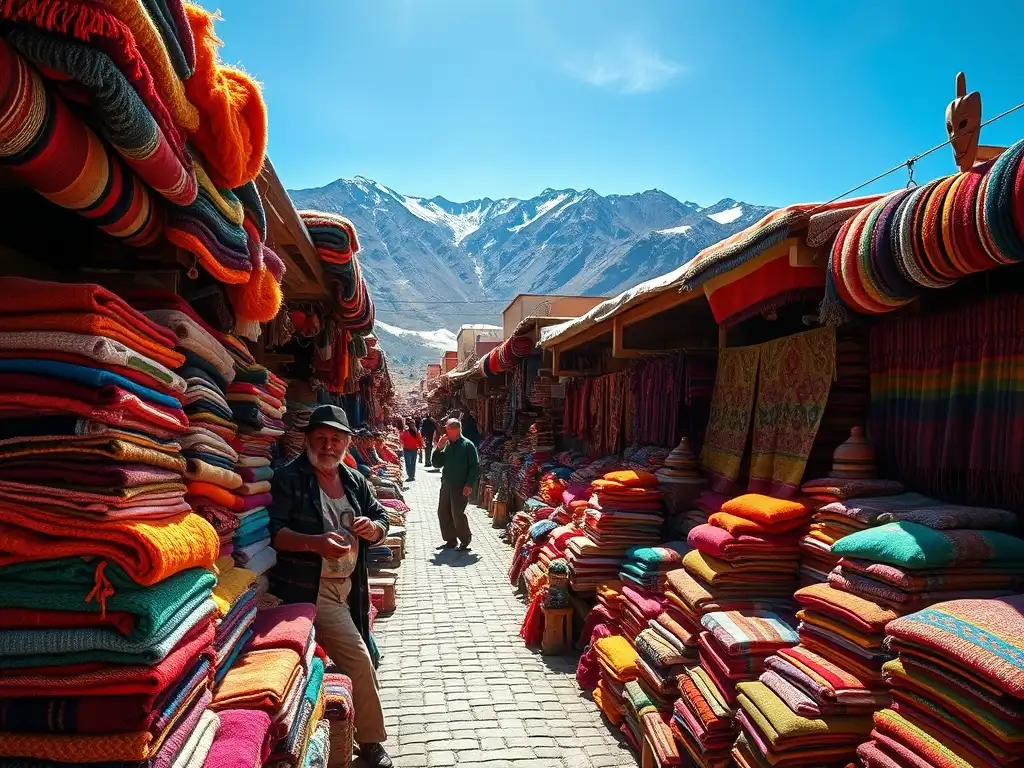
Step into a world painted in vibrant hues and ancient echoes. Imagine bustling markets overflowing with the artistry of the Andes – a symphony of colors woven into textiles, sculpted into ceramics, and carved into wood. This is the legacy of the Incas, Moche, Nazca, and Tiahuanaco, and more. Prepare to be captivated by the Andean handicraft market colors, a testament to the enduring spirit and ingenuity of these fascinating civilizations. Discover the stories woven into every thread, every pattern, every piece. Your journey into the heart of Andean culture begins now.
The vibrant tapestry of Andean culture is nowhere more vividly displayed than in its bustling handicraft markets. These aren't just places to buy souvenirs; they are living museums, showcasing centuries of artistic tradition and ingenuity. From the intricate textiles of the Andes Mountains to the finely crafted ceramics echoing ancient rituals, the colors found in these markets tell a story—a story of resilience, innovation, and a deep connection to the land.
This article delves into the rich palette of Andean crafts, exploring the diverse materials, techniques, and symbolic meanings behind the breathtaking hues that characterize these unique markets. We'll journey through some of the best markets, discovering how the vibrant colors reflect the multifaceted cultural heritage of the Andean civilizations, from the Incas to the pre-Columbian cultures that shaped their legacy. Prepare to be captivated by a symphony of colors that will transport you to the heart of Andean artistry.
The sheer variety of colors found in Andean handicraft markets, a true reflection of the region's rich history and cultural diversity, makes them a must-see for any traveler interested in experiencing the authentic Andean spirit. This exploration focuses specifically on how color is used and the meaning behind the choice of certain hues in different crafts and regions.
Discover the Rich Palette of Andean Crafts: A Journey Through Traditional Markets
The Andean region boasts a breathtaking array of colors in its handicrafts. This vibrant palette isn't arbitrary; it's deeply rooted in the region's natural resources and cultural beliefs. The intense reds, oranges, and yellows often derive from natural dyes extracted from plants like cochineal insects (producing carmine red), achiote seeds (yielding vibrant oranges and yellows), and various indigenous plants.
These natural dyes, painstakingly harvested and prepared, imbue the crafts with a unique luminosity and depth, often lacking in synthetic counterparts. Cooler tones, like blues and greens, might come from indigo plants or other locally sourced materials. The specific colors used often hold symbolic meaning, varying across different Andean communities and reflecting their unique histories and beliefs.
For instance, red might symbolize strength and vitality in one culture, while in another it could represent fertility or spiritual power. The careful selection and application of these colors are integral parts of the craft, adding another layer of richness to the finished product.
The diversity extends beyond the dyes themselves. The techniques used to create the colors also vary greatly. Some crafts, like textiles, employ intricate weaving techniques that blend different colors to create stunning visual effects. Others, like pottery, utilize glazing techniques to enhance the colors and create unique finishes. This combination of natural dyes, traditional techniques, and symbolic meanings contributes to the unparalleled vibrancy and cultural significance of Andean handicrafts. The sheer variety of techniques employed – from tie-dye to batik, from block printing to hand-painting – contributes to the exceptional visual appeal of these markets.
Examples of Color Symbolism in Andean Crafts
Here are some examples of the symbolic meaning of colors in Andean handicrafts (note that interpretations can vary depending on the specific community and historical context):
- Red: Often associated with blood, life force, vitality, and fertility.
- Yellow: Frequently represents the sun, gold, power, and wealth.
- Green: Can symbolize nature, growth, abundance, and harmony.
- Blue: Often associated with water, the sky, and spirituality.
- White: Frequently represents purity, peace, and the sacred.
This intricate relationship between color, technique, and symbolism makes exploring Andean handicraft markets an enriching experience. It’s not just about the visual spectacle; it’s about understanding the stories woven into every thread and painted onto every pot. The colors themselves are a powerful testament to the enduring legacy of Andean culture.
The Best Andean Handicraft Markets: Where Tradition Meets Vivid Color
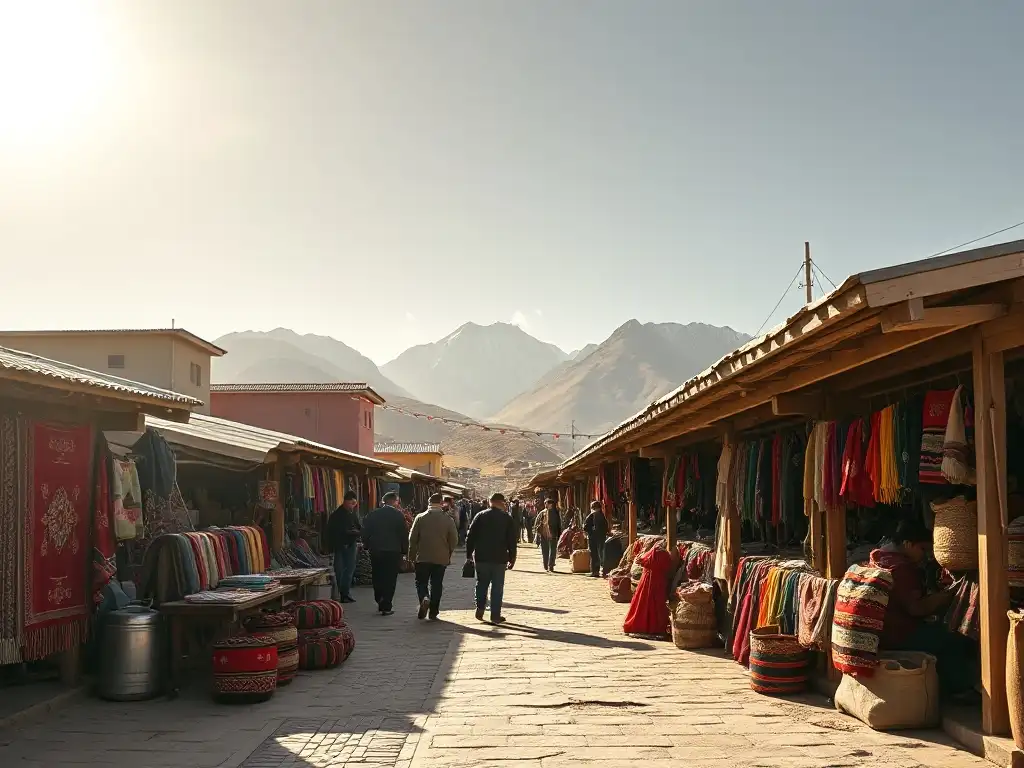
This section delves into the vibrant tapestry of colors found in the best Andean handicraft markets, showcasing the unique artistry and cultural heritage embedded within each piece. From the earthy tones of Peruvian ceramics to the bright, bold hues of Ecuadorian textiles, these markets offer a sensory explosion for anyone interested in Andean "Andean handicraft market colors." We'll explore two of the most renowned markets, highlighting their distinctive characteristics and the incredible craftsmanship on display.
Pisac Market, Peru: A Kaleidoscope of Textiles and Ceramics
Nestled in the Sacred Valley of the Incas, Pisac Market is a visual feast. The sheer variety of colors is breathtaking, a testament to the enduring traditions of Andean textile art. The market spills out from the town square, overflowing with stalls bursting with vibrant goods. The air is thick with the scent of alpaca wool and the chatter of vendors and tourists alike.
Unveiling the Rainbow: The Vibrant Hues of Pisac’s Woven Goods
Pisac's textiles are renowned for their intricate designs and bold color palettes. Natural dyes, derived from plants and minerals found in the Andes, are traditionally used, resulting in a spectrum of rich, earthy tones. Deep reds from cochineal insects, vibrant yellows from achiote seeds, and earthy browns from various barks and roots create a breathtaking array.
These colors are not merely decorative; they often hold symbolic meaning, reflecting Andean cosmology and beliefs. For example, red might represent strength and vitality, while yellow signifies the sun and its life-giving energy. Observing the subtle variations in shade and the masterful blending of colors reveals the depth of knowledge and skill possessed by these artisans.
Beyond the Textiles: The Diverse Craftsmanship of Pisac
While textiles are the undisputed stars of Pisac Market, the market also offers a wide array of other handcrafted goods. Intricately carved wooden figurines, showcasing the artistry of Andean woodcarving, are readily available. These often depict ancient deities or animals significant in Andean mythology. Similarly, the vibrant ceramics, with their distinctive designs and earthy tones, reflect the long history of pottery-making in the region.
The colors used in the ceramics often complement the hues found in the textiles, creating a cohesive and visually stunning display. The market also features silver jewelry, often inlaid with semi-precious stones, showcasing another facet of Andean metalworking skills. The sheer diversity of craftsmanship available makes Pisac a must-visit destination for anyone seeking authentic Andean handicrafts.
Otavalo Market, Ecuador: The Textile Capital of the Andes
Otavalo Market, located in the highlands of Ecuador, is arguably the most famous textile market in the Andes. Known for its vast selection of textiles, including intricately woven blankets, shawls, and ponchos, it’s a vibrant hub of Andean culture and commerce. The market's energy is palpable, a whirlwind of activity and color.
The Otavalo Tapestry: A Symphony of Patterns and Textures
Otavalo's textiles are characterized by their rich textures and complex patterns. The use of natural dyes, similar to Pisac, results in a stunning array of colors. However, Otavalo's palette often leans towards brighter, more saturated hues.
The iconic Otavalo blankets, for instance, are often characterized by bold stripes and geometric designs, reflecting the unique aesthetic sensibilities of the region. The intricate weaving techniques employed by Otavalo artisans are passed down through generations, ensuring the preservation of traditional Andean textile artistry. The variety of textures, from the soft alpaca wool to the sturdy cotton, adds another layer of sensory richness to the experience.
More Than Textiles: Discover the Diverse Crafts of Otavalo
Beyond the textiles, Otavalo Market offers a diverse range of handcrafted goods. Leather goods, including bags, belts, and wallets, are crafted with meticulous attention to detail. The vibrant colors used in these items often echo the hues found in the textiles, creating a cohesive visual theme.
Silver jewelry, similar to that found in Pisac, is also widely available, reflecting the enduring tradition of Andean metalworking. Musical instruments, such as panpipes and charangos, add another dimension to the market's vibrant atmosphere. The sheer scale and diversity of Otavalo Market make it an unforgettable experience for any visitor interested in experiencing the vibrant colors and rich cultural heritage of the Andes.
Chinchero Market, Peru: A Living Display of Traditional Weaving
Chinchero market, nestled high in the Andes near Cusco, Peru, offers a breathtaking spectacle of color and tradition. It’s more than just a marketplace; it's a vibrant tapestry woven from the threads of Andean heritage. The air hums with the energy of local artisans showcasing their skills, their hands moving with practiced ease as they create intricate textiles. The market spills out onto the cobblestone streets, a kaleidoscope of handwoven textiles in every imaginable shade, from the deepest indigos to the brightest scarlets.
These aren't mass-produced goods; each piece tells a story, reflecting centuries of knowledge passed down through generations. The sheer variety is astounding – from intricately patterned ponchos and blankets to finely detailed belts and wall hangings. The experience is immersive, allowing visitors to witness the artistry firsthand and directly engage with the artisans, learning about their techniques and the cultural significance of their work.
It's a masterclass in Andean textile traditions, a celebration of color, and a reminder of the enduring power of handmade artistry. The energy is infectious, drawing visitors in and leaving them with a profound appreciation for the rich cultural heritage of the region. The market is not just about buying; it's about experiencing the heart and soul of Andean craftsmanship.
Chinchero's Natural Dyes: The Source of Vibrant Andean Colors
The vibrant hues found in Chinchero's textiles are not the product of artificial dyes. Instead, the artisans utilize a palette derived entirely from nature, a practice passed down for centuries. The rich, deep colors are achieved through a meticulous process using locally sourced plants, insects, and minerals.
Cochineal insects, for example, contribute to the stunning reds and scarlets, while various plants provide yellows, oranges, and browns. The mastery lies in understanding the precise proportions and techniques necessary to achieve the desired shades and their long-lasting vibrancy. This commitment to natural dyes is not only aesthetically pleasing; it reflects a deep respect for the environment and a commitment to sustainable practices.
The process is as much a part of the cultural heritage as the weaving itself, ensuring the continuity of traditional methods and the preservation of unique Andean colors. The use of these natural dyes is integral to the Andean handicraft market colors and contributes significantly to the unique character of Chinchero’s textiles. Learning about the source of these colors adds another layer of appreciation to the already impressive artistry.
The Art of Chinchero: More than Just Fabric
The textiles of Chinchero are more than just beautiful pieces of fabric; they are living expressions of Andean culture and history. Each pattern, each color, holds symbolic meaning, often telling stories of Andean mythology, cosmology, and daily life. The intricate designs are not randomly chosen; they are carefully considered and passed down through generations, embodying a deep connection to the land and its people.
For example, certain motifs might represent specific animals, celestial bodies, or agricultural cycles, reflecting the strong bond between the Andean people and their environment. Understanding the symbolism adds a layer of depth to the appreciation of these textiles, transforming them from simple handicrafts into powerful cultural artifacts. The skill and artistry involved are remarkable, demonstrating a profound understanding of textile techniques and design principles.
Beyond the aesthetic beauty, the textiles represent a living tradition, a tangible link to a rich and vibrant past, and a testament to the enduring creativity of the Andean people. The unique Andean handicraft market colors found in Chinchero are not just visually stunning; they are imbued with a powerful cultural significance.
The Allure of Andean Handicraft Market Colors: Why They Captivate
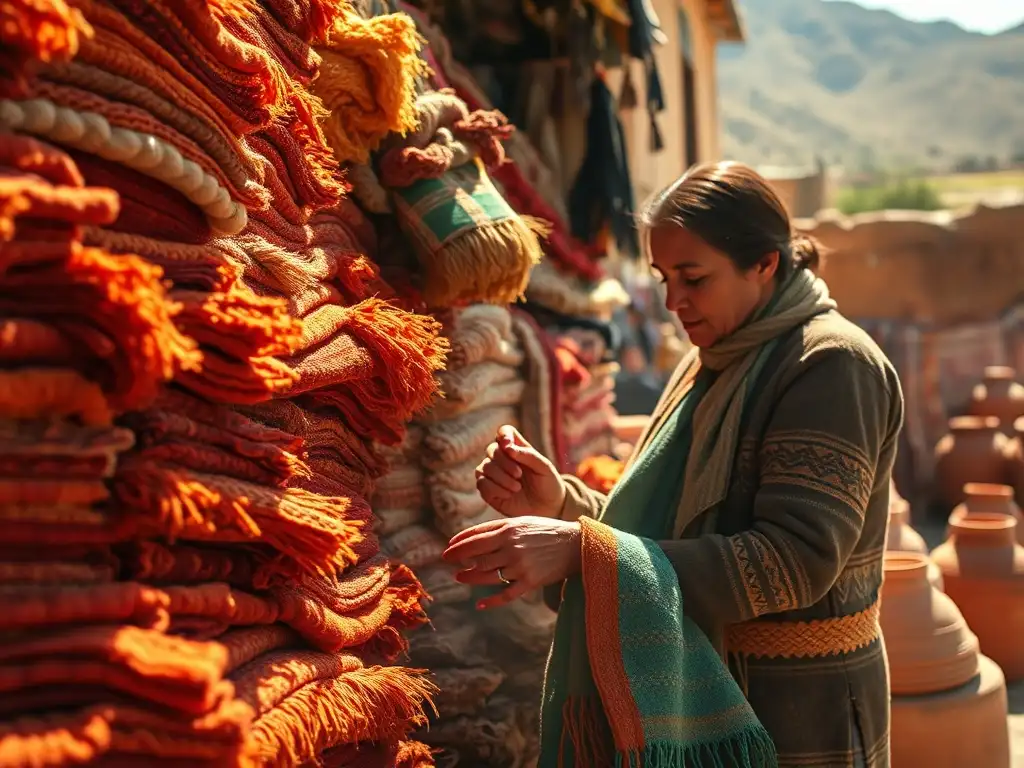
The vibrant hues found in Andean handicraft markets are more than just aesthetically pleasing; they represent a deep-rooted connection to the land, spirituality, and cultural identity. The spectrum of colors, from the fiery oranges and reds of the Andes mountains at sunset to the deep blues and greens of the lakes and valleys, is a powerful reflection of the Andean worldview. This section delves into the captivating power of these colors, explaining why they resonate so deeply with both locals and visitors alike.
The sheer variety of colors used in Andean textiles, pottery, and other crafts is astonishing, creating a truly immersive and unforgettable sensory experience for anyone who visits an Andean handicraft market. This visual richness is a key component of the overall appeal of these markets, drawing in people from all over the world. The "Andean handicraft market colors" are, in themselves, a significant tourist draw.
Understanding the Symbolism Behind Andean Color Palettes
Andean color palettes are not randomly chosen; they carry profound symbolic meaning. For example, red often represents energy, strength, and the blood of the ancestors. It's frequently seen in textiles associated with important ceremonies and celebrations. Conversely, white signifies purity, peace, and the sacred.
It's commonly used in religious garments and ceremonial objects. The use of specific colors in Andean crafts can vary depending on the specific region and ethnic group, adding another layer of complexity and fascination. Detailed studies of Andean textiles have revealed intricate systems of color coding that communicate stories, beliefs, and social status.
For instance, certain combinations of colors might indicate a person's clan affiliation or their role within their community. The use of natural dyes, derived from plants, minerals, and insects, further enhances the connection between the colors and the natural world. These dyes often have their own symbolic associations, adding yet another dimension to the complex tapestry of Andean color symbolism.
| Color | Symbolism | Common Uses | Regional Variations |
|---|---|---|---|
| Red | Energy, strength, blood of ancestors | Ceremonial clothing, textiles | Can represent different deities in various regions |
| White | Purity, peace, sacredness | Religious garments, ceremonial objects | Often associated with mountain spirits |
| Black | Mystery, power, the underworld | Ritual objects, specific ceremonial attire | Can symbolize fertility in some areas |
| Yellow/Gold | Wealth, divinity, the sun | Royal garments, religious iconography | Associated with agricultural abundance in some areas |
| Green | Fertility, nature, growth | Textiles depicting landscapes, agricultural motifs | Variations in shade can represent specific plants |
| Blue | Water, sky, eternity | Clothing, pottery, decorative items | Deeper blues can represent the depths of lakes |
Navigating Andean handicraft markets can be an exhilarating experience, but a little preparation can enhance your enjoyment and help you find truly unique treasures. Remember to bargain respectfully, acknowledging the artisan's skill and effort. Start by observing the market's layout and identifying areas specializing in different crafts—textiles, pottery, jewelry, etc. Don't hesitate to ask questions about the origins and techniques used in creating the handicrafts; this interaction often adds to the experience and allows you to appreciate the cultural significance of the items.
Consider the quality of materials and craftsmanship; a well-made piece will be more durable and hold its value over time. Carrying a small notebook and pen can allow you to jot down details about pieces that catch your eye, aiding in decision-making later. Finally, remember to support local artisans by purchasing directly from them whenever possible. This helps preserve traditional crafts and contributes to the economic well-being of the Andean communities.
By following these tips, you can transform your visit to an Andean handicraft market into a truly memorable and rewarding cultural immersion. The unique colors and vibrant artistry will surely leave a lasting impression. 🛍️
Bringing the Colors Home: Integrating Andean Handicrafts into Your Life
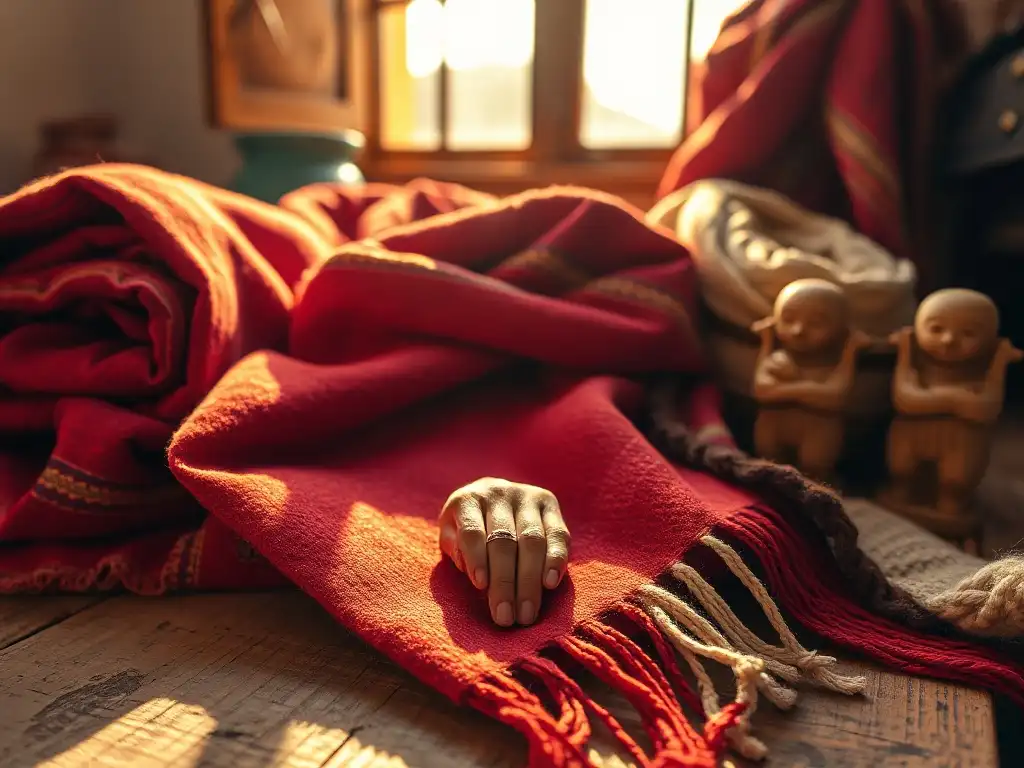
The vibrant hues of Andean handicrafts aren't just beautiful; they're a tangible connection to a rich cultural heritage. Bringing these pieces into your home isn't just about decoration; it's about celebrating artistry and supporting sustainable practices. The unique color palettes, often inspired by the Andean landscape itself – from the deep blues of the high-altitude lakes to the fiery oranges of the desert sunsets – can transform any space.
The key is to integrate them thoughtfully, allowing the craftsmanship and colors to shine. Overdoing it can diminish their impact; a few carefully chosen pieces can have a far greater effect than a cluttered display.
Decorating with Andean Flair: Ideas for Incorporating Vibrant Textiles
Andean textiles, with their intricate designs and bold colors, are a natural starting point. Think beyond just hanging a tapestry. A simple, brightly colored lliclla (a traditional shawl) draped over a chair adds a pop of color and texture. Consider using smaller textiles as cushions or throw pillows on your sofa. A vibrant chumpi (a woven belt) can be framed and hung as wall art, showcasing the incredible detail and skill of the artisan.
For a more subtle approach, incorporate the colors into your existing décor. A vase of flowers in shades of terracotta and ochre, reminiscent of Andean pottery, can complement a neutral-toned room. Remember, the goal is to create a harmonious blend, showcasing the Andean influence without overwhelming the space. Here are some additional ideas:
- Use Andean-inspired color palettes in your paint choices.
- Incorporate handcrafted pottery into your kitchen or dining area.
- Display intricately carved wooden figurines on shelves or mantles.
- Use woven baskets for storage or as decorative elements.
The possibilities are endless! Experiment with different combinations to find what works best for your style and space. Remember that less is often more – a few carefully selected pieces can create a much more impactful and authentic representation of Andean artistry than a large, haphazard collection. The goal is to evoke a sense of place and history, bringing the vibrant spirit of the Andes into your home.
Supporting Andean Artisans: A Sustainable Path to Beauty
Purchasing Andean handicrafts is not just about acquiring beautiful objects; it's about supporting the communities and artisans who create them. By choosing ethically sourced products, you contribute directly to the preservation of traditional crafts and the livelihoods of the people who create them. Look for fair-trade certifications or shop directly from artisans or cooperatives whenever possible. This ensures that the artisans receive a fair wage and that their traditional techniques are protected.
Researching the origins of your purchases helps you understand the cultural significance of the items and appreciate the artistry involved. Choosing sustainable practices also reduces the environmental impact of the production process. Many Andean artisans use natural dyes and sustainable materials, minimizing their ecological footprint. By supporting these practices, you contribute to a more sustainable and equitable future for Andean communities.
Consider the following points when purchasing Andean handicrafts:
| Criteria | Considerations |
|---|---|
| Origin & Authenticity | Verify the origin and ensure the product is genuinely handcrafted. |
| Materials | Look for natural, sustainable materials whenever possible. |
| Fair Trade | Seek out fair-trade certifications or purchase directly from artisans or cooperatives. |
| Artisan Support | Learn about the artisans and their communities. |
| Environmental Impact | Consider the environmental impact of production and transportation. |
By making conscious choices, you can enjoy the beauty of Andean handicrafts while contributing to the well-being of Andean communities and the preservation of their rich cultural heritage. The vibrant colors of these handcrafted items are more than just aesthetics; they're a testament to enduring traditions and the artistry of a remarkable culture. Your purchase becomes a story, a vibrant thread woven into the tapestry of Andean life. 🛍️
Frequently Asked Questions
What makes Andean handicraft market colors so unique?
The vibrant hues found in Andean handicrafts are derived from natural dyes sourced from plants, minerals, and insects. These traditional techniques result in a stunning array of colors unlike any other.
Where can I find the best Andean handicraft markets?
Many major cities in the Andes region, such as Cusco, Arequipa, and Otavalo, boast bustling markets. Smaller, more local markets in rural areas also offer unique and authentic handicrafts.
What are some common materials used in Andean handicrafts?
Alpaca and llama wool are prominent, creating textiles in various textures and shades. Other materials include cotton, leather, wood, and ceramics, each contributing to the diverse range of products.
How do I know if a handicraft is authentically Andean?
Look for traditional designs and patterns, often reflecting ancient Andean symbolism. Also, inquire about the materials and production methods; handmade items using natural dyes are a good indicator of authenticity.
What are the typical colors found in Andean handicrafts?
While diverse, expect to see rich earthy tones like browns, reds, and yellows, alongside vibrant blues, greens, and purples. The specific color palette varies depending on the region and the materials used.
Final Reflection: A Legacy Woven in Thread and Hue
The vibrant tapestry of Andean handicraft markets isn't merely a spectacle of color; it's a living testament to resilience, cultural preservation, and the enduring power of artistic expression. These markets, bursting with hues that mirror the breathtaking Andean landscape, offer a tangible connection to a rich history and a thriving present. The intricate designs and bold color choices are not just aesthetically pleasing; they tell stories, transmit traditions, and represent the heart and soul of Andean communities.
The impact of these markets extends far beyond the immediate economic benefits. They represent a powerful force in maintaining cultural identity in the face of globalization. The unique techniques, passed down through generations, are a testament to the enduring spirit of the Andean people. Art washes away from the soul the dust of everyday life.
– Pablo Picasso. This quote, while not directly about Andean handicrafts, perfectly encapsulates the cleansing and enriching experience of encountering their vibrant artistry. The colors themselves – the deep reds of the cochineal, the brilliant blues of the añil, the earthy browns of the alpaca wool – each holds a significance rooted in Andean cosmology and history.
Consider the impact of these colors on your own life. Think about the power of color to evoke emotion, to tell a story, to connect you to a place or a culture. You, too, can contribute to the preservation of this vibrant heritage by supporting these artisans, appreciating their craftsmanship, and sharing the beauty of their work with others. Let the symphony of colors inspire you to seek out authentic experiences and to celebrate the rich diversity of human creativity. Let the legacy woven in thread and hue continue to inspire generations to come.
Unleash Your Inner Artisan: Dive into Andean Culture!
Thank you for exploring the vibrant world of Andean handicrafts! Understanding the rich cultural heritage behind these crafts offers a fascinating glimpse into Andean civilizations. Now, let's deepen your connection with this colorful tradition.
Here's how you can bring the magic of the Andes into your life:
- Discover unique pieces: Explore local craft fairs or online marketplaces to find authentic Andean handicrafts and directly support the artisans.
- Share the Andean spirit: Introduce friends and family to Andean culture. Host a gathering featuring traditional crafts or foods to share this vibrant heritage.
- Connect with the artisans: Follow Andean artisans on social media to learn about their lives and traditions. Consider attending workshops to experience these beautiful crafts firsthand.
What Andean crafting technique excites you most—perhaps weaving, pottery, or metalwork?