
Syncretism: The Blending of Inca and Conquered Cultures' Religious Practices

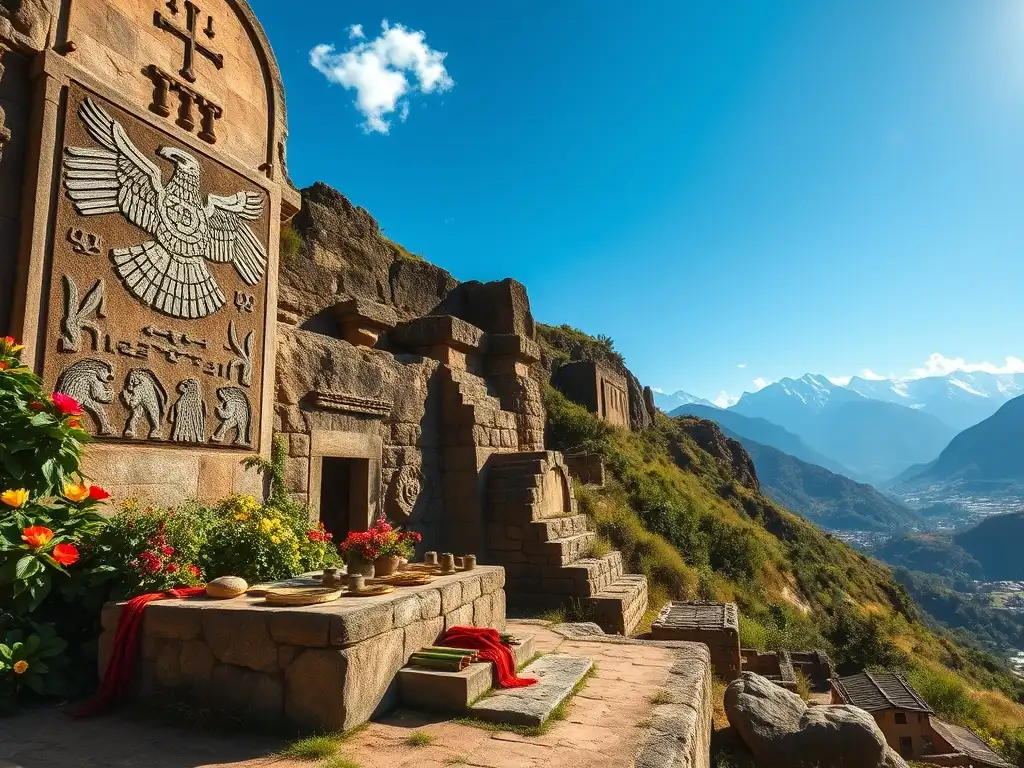
Step into a world lost to time, yet echoing with vibrant life. Andean Civilizations unveils the mysteries of ancient empires, from the breathtaking artistry of the Nazca lines to the sophisticated engineering of the Incas. But what happens when powerful cultures collide?
Prepare to be captivated by the complex tapestry of Inca religious syncretism, a fascinating blend of beliefs that redefined the spiritual landscape of the Andes. Discover how the Inca Empire absorbed and adapted the religious practices of conquered peoples – a story far more intricate and intriguing than you might imagine. Journey with us to uncover the secrets...
- Inca Religious Syncretism: Blending of Andean and Conquered Cultures
- The Emergence of Syncretic Religious Practices
- The Role of Syncretism in Inca Society
- Syncretism and the Aftermath of the Inca Empire
- Conclusion: The Enduring Impact of Inca Religious Blending
- Frequently Asked Questions
- Final Reflection: Echoes of the Andes: A Legacy of Syncretism
- Embrace the Fusion of Cultures Today!
Inca Religious Syncretism: Blending of Andean and Conquered Cultures
The Inca Empire, at its zenith, controlled a vast and diverse territory encompassing a multitude of pre-existing cultures, each with its own unique religious beliefs and practices. The Inca, rather than imposing a rigid, monolithic religious system, demonstrated a remarkable capacity for incorporating and adapting elements from the conquered populations. This process, known as religious syncretism, resulted in a complex and dynamic religious landscape where Inca deities intertwined with local gods, rituals were blended, and beliefs were negotiated and reinterpreted.
Understanding this syncretism is crucial to grasping the full complexity of Inca religion and its lasting impact on Andean cultures. This article will explore the fascinating interplay between Inca religious practices and those of the conquered peoples, examining how this blending shaped the religious identity of the empire and its legacy.
We will delve into the pre-Columbian religious landscape, the core tenets of Inca religion before the Spanish conquest, and the subsequent fusion of beliefs and practices following the arrival of the Europeans. The keyword "Inca religious syncretism" will be explored thoroughly throughout this analysis.
Understanding Religious Syncretism in the Inca Empire
Religious syncretism, in its simplest form, refers to the fusion of different religious beliefs and practices. In the context of the Inca Empire, it involved the integration of the Inca worldview with the diverse religious traditions of the conquered peoples. This wasn't a simple case of forced assimilation; rather, it was a complex process of negotiation, adaptation, and compromise.
The Inca often strategically incorporated local deities and rituals into their own system, thereby solidifying their political control and fostering a sense of unity within the empire. This process was not always smooth or complete; resistance and tensions undoubtedly existed, but the overall outcome was a uniquely blended religious system. The extent of syncretism varied across different regions of the empire, reflecting the diverse cultural landscapes and the specific interactions between the Inca and the local populations.
For instance, the level of syncretism might have differed significantly between the densely populated agricultural valleys and the more sparsely inhabited highland regions. Further research is needed to fully understand the regional variations in this complex process. Understanding this dynamic interplay is key to interpreting the archaeological and ethnographic evidence related to Inca religious practices.
The Pre-Columbian Religious Landscape of the Andes
Before the Inca expansion, the Andes were home to a rich tapestry of diverse religious beliefs and practices. Different cultures, such as the Moche, Nazca, and Tiwanaku, possessed their own pantheons of gods, unique rituals, and sophisticated cosmological systems. These systems often revolved around agricultural cycles, ancestor veneration, and the worship of nature spirits associated with mountains, rivers, and other geographical features.
The worship of deities related to fertility and agricultural abundance was particularly prominent, reflecting the crucial role of agriculture in Andean societies. Archaeological evidence, including elaborate temples, intricate textiles depicting deities, and sophisticated astronomical observatories, testifies to the complexity and sophistication of these pre-Inca religious traditions. These pre-existing religious systems provided the foundation upon which Inca syncretism was built.
The Inca’s adeptness at incorporating these existing beliefs and practices into their own religious framework was a key factor in their ability to successfully govern such a vast and diverse empire. The extent of this pre-conquest religious diversity is still being uncovered through ongoing archaeological research.
Inca Religious Practices Before the Conquest
Prior to the Spanish conquest, the Inca religion was centered around a complex pantheon of deities, headed by Viracocha, the creator god. Other important deities included Inti (the sun god), Mama Killa (the moon goddess), and Pachamama (Mother Earth). These deities were associated with specific natural phenomena and played crucial roles in the Inca worldview.
Inca religious practices involved elaborate ceremonies, sacrifices (both human and animal), and the construction of magnificent temples and shrines dedicated to their deities. The Inca also placed great emphasis on ancestor veneration, believing that the spirits of their ancestors continued to influence the living world. This belief is reflected in the construction of elaborate burial sites and the performance of rituals aimed at appeasing and honoring their ancestors.
The Inca state played a central role in organizing and controlling religious activities, further demonstrating the importance of religion in their social and political structures. The Inca religious system, before the significant influence of syncretism, was already rich and complex, providing a sturdy framework for the integration of new beliefs and practices following the expansion of the empire. The integration of conquered cultures' beliefs significantly impacted the practices and evolved the Inca religious system.
Initial Encounters and the Imposition of New Beliefs
The Spanish conquest of the Inca Empire in the 16th century marked a brutal turning point, irrevocably altering the religious landscape of the Andes. The initial encounters between the Spanish conquistadors and the Inca population were characterized by profound cultural misunderstandings and the forceful imposition of Catholic beliefs. The Spanish, driven by a fervent missionary zeal and a desire to consolidate their power, actively sought to suppress Inca religious practices, viewing them as pagan and idolatrous.
This suppression wasn't merely a passive neglect; it was an aggressive campaign involving the destruction of Inca temples, the confiscation of religious artifacts, and the persecution of huacas (sacred objects) and paqos (priests). The conquistadors systematically targeted the Inca pantheon, aiming to replace the venerated deities like Inti (the sun god), Viracocha (the creator god), and Mama Killa (the moon goddess) with the Christian Trinity. This process involved not only the destruction of physical representations of these deities but also the active suppression of their associated rituals and beliefs.
The sheer scale of this destruction is difficult to fully comprehend; countless temples, shrines, and sacred sites were razed, leaving behind a scarred religious landscape. The initial phase of the conquest witnessed a brutal clash of cultures, with the Inca religious system facing an onslaught of unprecedented ferocity. The consequences of this forceful imposition would have far-reaching implications for the future development of Andean religious syncretism.
The methods employed by the Spanish to suppress Inca religion were multifaceted and often brutal. Beyond the destruction of religious sites, the Spanish implemented a series of policies aimed at eradicating indigenous beliefs. This included the banning of traditional ceremonies, the persecution of religious leaders, and the forced conversion of the Inca population to Catholicism.
The Spanish crown actively encouraged missionary work, sending numerous friars and priests to the Andes to convert the indigenous population. These missionaries often used coercive tactics, employing methods ranging from persuasion and indoctrination to outright violence and intimidation to achieve their goals. The indigenous population, facing immense pressure from the Spanish colonial authorities, often found themselves in a precarious situation, forced to choose between maintaining their ancestral beliefs and facing the consequences of defiance.
This period witnessed the systematic dismantling of the Inca religious order, with its complex hierarchy of priests and rituals being replaced by the hierarchical structure of the Catholic Church. The cultural shock and the trauma inflicted by this process left an indelible mark on the Andean societies, influencing the ways in which religious syncretism would manifest itself in the following centuries. The initial imposition of Catholic beliefs laid the groundwork for the complex interplay between indigenous and European religious systems that would characterize Andean spirituality in the colonial era and beyond.
The Emergence of Syncretic Religious Practices
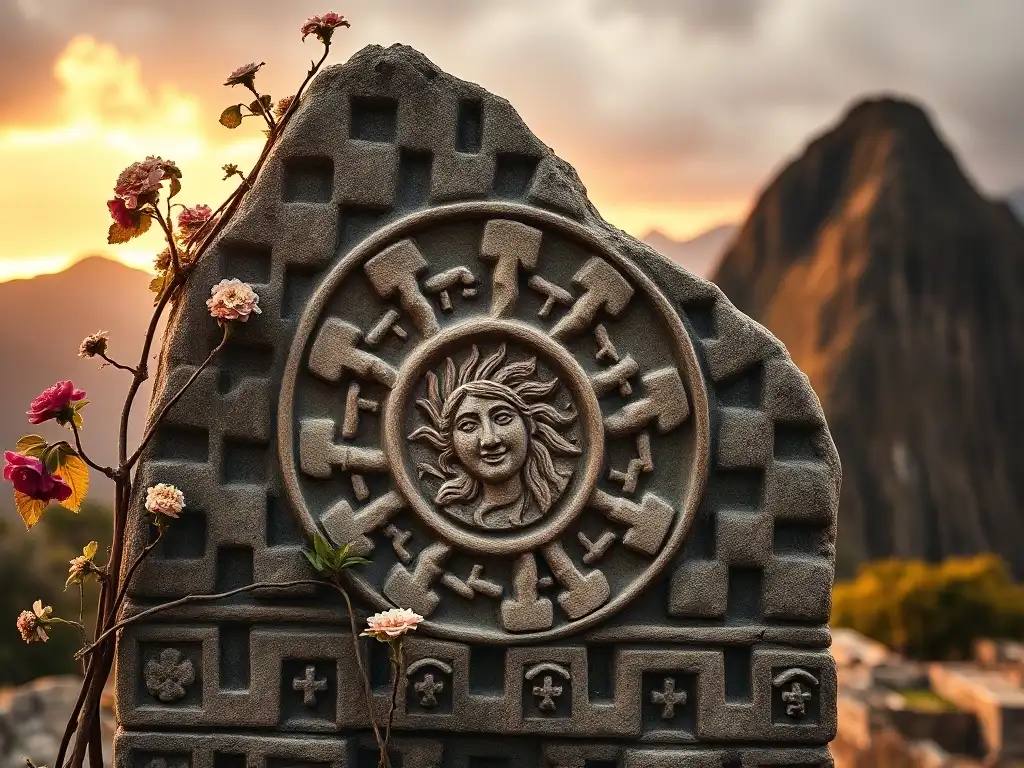
The Spanish conquest of the Inca Empire didn't simply lead to political upheaval; it profoundly impacted the religious landscape of the Andes. The imposition of Catholicism didn't eradicate Inca religious beliefs and practices overnight. Instead, a fascinating process of cultural fusion, known as Inca religious syncretism, emerged. This complex interplay between the indigenous worldview and the newly introduced Christian faith resulted in a unique blend of religious practices that persists in some forms even today.
This wasn't a passive acceptance; rather, it was an active negotiation and adaptation of religious ideas and rituals, showcasing the resilience and adaptability of Andean cultures. Understanding this syncretism is crucial to grasping the full complexity of Inca religious history post-conquest. The process wasn't uniform across all regions and social groups; variations existed depending on local beliefs and the intensity of Spanish influence.
Combining Inca Deities with Introduced Religious Figures
One of the most striking aspects of Inca religious syncretism was the merging of Inca deities with figures from the Christian pantheon. The Inca sun god, Inti, for instance, was often associated with Jesus Christ, both seen as powerful figures providing sustenance and guidance. Similarly, the moon goddess, Mama Killa, could be linked to the Virgin Mary, both possessing maternal qualities and associated with celestial bodies.
This wasn't a simple substitution; instead, attributes and powers were blended, creating hybrid religious figures that reflected both Inca and Christian beliefs. The Virgin Mary, for example, often absorbed attributes of Andean earth goddesses, becoming a powerful symbol of fertility and protection in the syncretic religious system.
This process of religious blending facilitated the continued practice of traditional Inca beliefs under the guise of sanctioned Catholic practices, allowing indigenous people to maintain a sense of cultural identity amidst the pressures of colonization. The blending wasn't always straightforward; sometimes, existing Inca deities were simply reinterpreted within a Christian framework, their functions adapted to fit the new religious order.
Adaptation of Inca Rituals and Ceremonies
The Spanish conquest didn't eliminate Inca rituals; instead, many were adapted and integrated into the new religious framework. For example, traditional Inca festivals, often linked to agricultural cycles and the worship of specific deities, continued to be celebrated, though often with the addition of Christian elements. Processions, originally dedicated to Inca deities, might incorporate Catholic saints or images.
Inca offerings, such as coca leaves or chicha (a fermented corn beverage), could be incorporated into Christian rituals, subtly maintaining traditional practices within a new context. This adaptation allowed the continuation of vital community rituals, providing a sense of continuity and cultural preservation. The blending wasn't always seamless; tensions and conflicts undoubtedly arose between traditional practices and the imposed Catholic doctrines.
However, the resilience of Inca cultural practices is evident in the ways in which rituals were modified and adapted to survive the colonial period. This demonstrates a sophisticated strategy of cultural resistance and preservation.
Local Beliefs and their Integration into Inca Religion
The Inca Empire encompassed a vast and diverse territory, with numerous pre-existing indigenous cultures and beliefs. The process of Inca religious syncretism wasn’t uniform across this territory. Local beliefs and practices were often incorporated into the broader Inca religious system, and this process continued after the Spanish conquest.
The integration of local deities and rituals into the syncretic religion created a complex tapestry of beliefs and practices, varying significantly from one region to another. For example, the worship of local mountain spirits (apus) continued alongside the veneration of Inca deities and Catholic saints, creating a rich and multi-layered religious landscape. This local adaptation of Inca religious syncretism underscores the dynamic and evolving nature of religious practices in the Andes, highlighting the agency of indigenous populations in shaping their religious identities even under colonial rule.
The persistence of local traditions within the syncretic framework showcases the enduring power of indigenous beliefs and the limitations of complete religious eradication by the Spanish conquistadors. Further research is needed to fully document the specific variations in syncretic religious practices across different regions of the former Inca Empire. Detailed ethnographic studies from various Andean communities would greatly enrich our understanding of this complex process.
Examples of Syncretic Religious Manifestations
The Inca Empire's expansion wasn't solely a military conquest; it was a complex process of cultural assimilation and religious syncretism. The Inca, rather than imposing their beliefs wholesale, often incorporated elements of the conquered peoples' religions into their own. This pragmatic approach fostered stability and minimized resistance. A prime example is the incorporation of local deities and spirits into the Inca pantheon.
While Inti, the sun god, remained paramount, local deities often retained their importance, albeit often reinterpreted within the Inca framework. This wasn't a simple replacement; instead, it was a nuanced process of negotiation and adaptation. For instance, a local mountain deity, revered for its control over water sources, might be acknowledged as a powerful huaca (sacred object) under the broader umbrella of the Inca sun cult. This pragmatic approach ensured the continued reverence of pre-existing spiritual beliefs, preventing widespread resentment and facilitating smoother integration.
The Inca understood the power of local traditions and cleverly used this to solidify their rule. This wasn't simply religious tolerance; it was a strategic maneuver that ensured the continued loyalty and cooperation of conquered populations. The effect was a vibrant, dynamic religious landscape characterized by a fascinating interplay of Inca and local beliefs.
Case Study: The Integration of Pachamama with the Inca Sun Cult
The fusion of Pachamama, the Andean earth goddess, with the Inca sun cult provides a compelling case study of Inca religious syncretism. Pachamama, already widely venerated throughout the Andes for her fertility and abundance, wasn't erased by the Inca conquest. Instead, her worship was subtly integrated into the existing Inca religious structure. While Inti remained the supreme deity, Pachamama retained her significance as a powerful force, linked to the prosperity and well-being of the empire.
This integration wasn't a simple addition; it reflected a deeper understanding of the interconnectedness between the sun and the earth in Andean cosmology. The Inca likely saw Pachamama as a vital aspect of the cosmic order, essential for the success of agriculture and the empire's overall prosperity. The rituals associated with Pachamama, such as offerings of coca leaves and chicha (fermented corn beer), continued, often incorporating elements of Inca sun worship. For example, offerings might be made to both Pachamama and Inti simultaneously, demonstrating a syncretic practice that blended both traditions.
This fusion wasn't merely symbolic; it fostered a sense of continuity and belonging among the conquered populations, reinforcing the Inca's authority while respecting pre-existing beliefs. This illustrates the sophisticated nature of Inca religious policy – a dynamic blend of assimilation and adaptation, far from a simple imposition of religious dominance. The enduring legacy of Pachamama, even after the Spanish conquest, testifies to the profound impact of this syncretic integration.
The Role of Syncretism in Inca Society
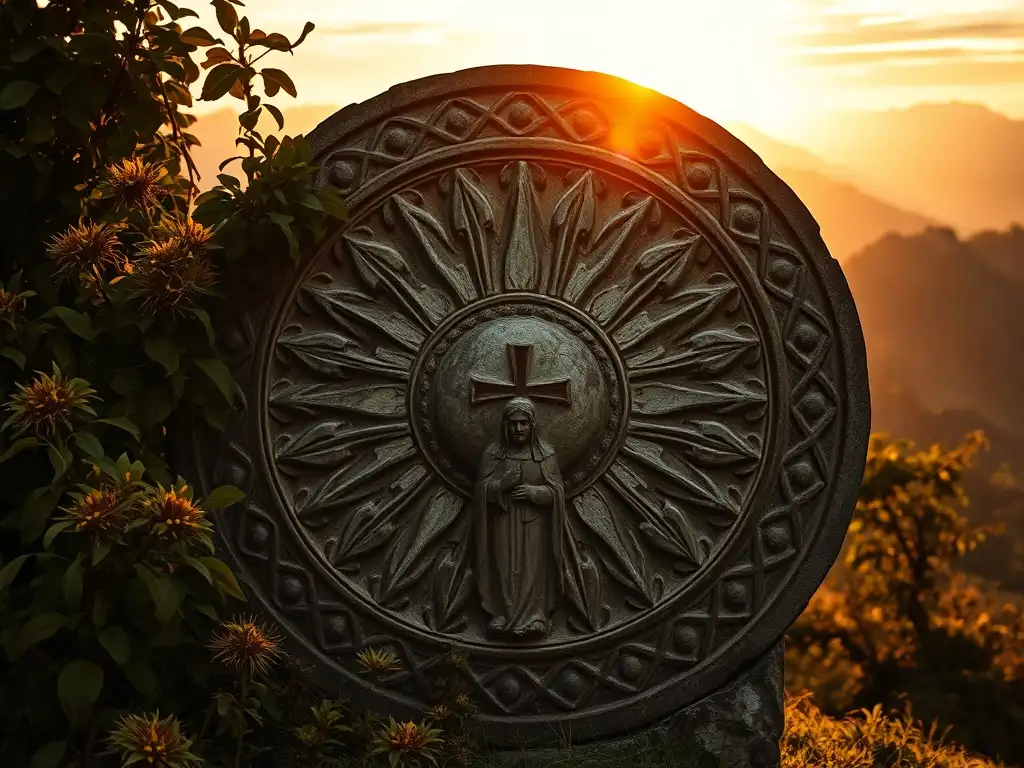
The Inca Empire's remarkable expansion across the Andes wasn't solely a military achievement; it was a sophisticated process of cultural assimilation, heavily reliant on religious syncretism. The Inca, far from imposing a monolithic religious system, strategically incorporated elements of conquered cultures' beliefs and practices into their own. This wasn't simply tolerance; it was a calculated strategy for consolidating power and maintaining social order.
The Inca understood that forcibly suppressing deeply ingrained religious beliefs could lead to resistance and rebellion. Instead, they cleverly adapted and integrated local deities and rituals, weaving them into the fabric of their own imperial religion. This approach fostered a sense of inclusion, minimizing conflict and facilitating the smooth integration of new populations into the empire.
The effectiveness of this strategy is evident in the relative stability of the empire, at least until the arrival of the Spanish. This nuanced approach to religious policy is a key factor in understanding the Inca Empire's success and longevity.
Syncretism as a Tool for Cultural Integration
The Inca employed syncretism as a powerful tool for cultural integration. Rather than attempting to eradicate pre-existing religious beliefs, they often reinterpreted local deities within the framework of their own pantheon. For example, local deities were often identified with or subsumed under Inca gods.
This process wasn't always straightforward; it involved careful negotiation and adaptation. Local priests and religious leaders frequently played a crucial role in mediating the integration of their beliefs into the imperial system. This ensured a smoother transition and prevented widespread resistance.
The Inca's ability to successfully integrate diverse religious beliefs highlights their political acumen and their understanding of the importance of cultural sensitivity in managing a vast and diverse empire. The process often involved incorporating local festivals and rituals into the imperial calendar, creating a hybrid religious landscape that blended Inca and indigenous traditions. This pragmatic approach prevented the alienation of conquered peoples and fostered a sense of shared identity within the empire.
The impact of religious syncretism extended far beyond mere religious practice; it profoundly shaped the Inca social structure. By incorporating local religious leaders into the imperial administration, the Inca effectively co-opted existing power structures. These local leaders, now integrated into the imperial system, served as intermediaries between the Inca rulers and the populace, ensuring compliance and facilitating the flow of information.
This strategy not only maintained social order but also strengthened the empire's administrative capacity. The integration of local religious practices also helped to maintain social cohesion within the diverse populations of the empire. Shared religious experiences fostered a sense of unity and common identity, transcending ethnic and linguistic boundaries.
This religious unity, built upon a foundation of syncretism, played a vital role in maintaining the stability and prosperity of the Inca Empire. Further research is needed to fully quantify the extent of this influence on social stratification and economic organization. [Specific data on socio-economic impact of religious syncretism pending]
The Persistence of Indigenous Beliefs Under a Layer of Inca Religion
Despite the apparent dominance of Inca religious practices, indigenous beliefs and rituals persisted beneath the surface of imperial religion. Evidence suggests that many local traditions continued to be practiced, often subtly integrated with Inca religious observances. This suggests a degree of religious pluralism within the empire, where both Inca and indigenous religious traditions co-existed.
The Inca's pragmatic approach to religious syncretism allowed for this level of cultural autonomy. This persistence of indigenous beliefs is a testament to the resilience of local cultures and their ability to adapt and survive even under the pressures of imperial domination. The subtle incorporation of indigenous elements into Inca rituals is difficult to fully document due to the limitations of the historical record; however, archaeological discoveries and ethnographic studies continue to shed light on this fascinating aspect of Inca religious practices.
The study of Inca religious syncretism therefore offers a valuable insight into the complex dynamics of power, culture, and religious adaptation within the ancient Andean world. The enduring legacy of these syncretic practices continues to shape Andean cultures to this day.
Syncretism and the Aftermath of the Inca Empire
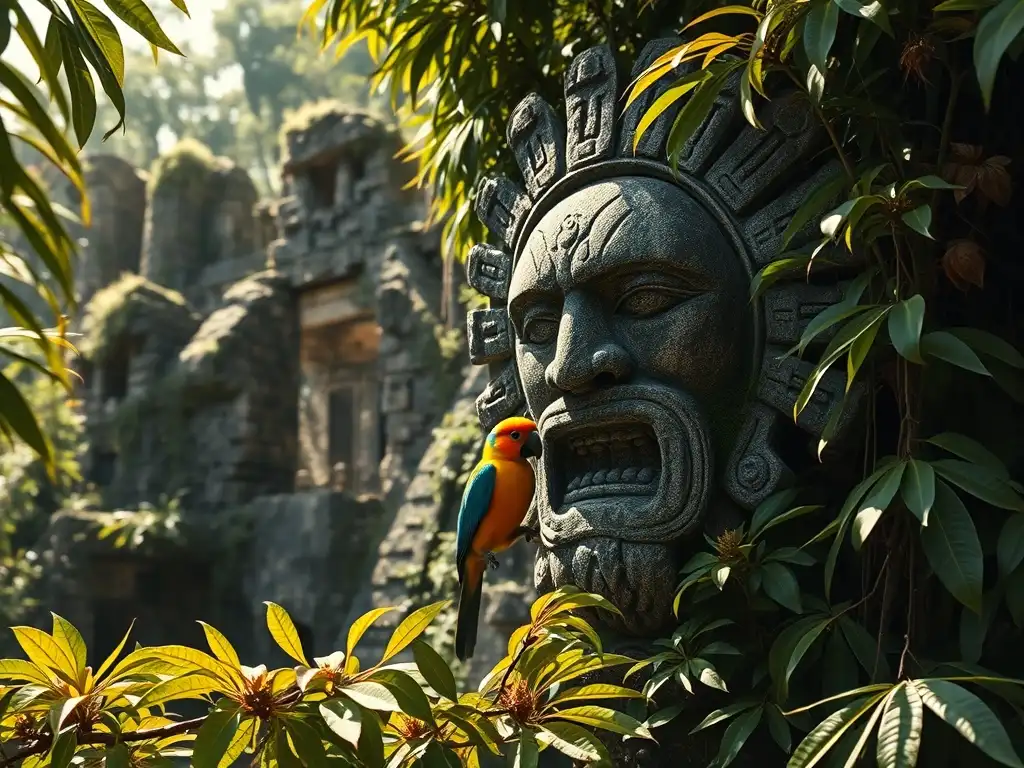
The Inca Empire, at its zenith, controlled a vast and diverse territory encompassing a multitude of pre-existing cultures, each with its own unique religious beliefs and practices. The Inca, rather than imposing a monolithic religious system, cleverly employed a strategy of religious syncretism, incorporating elements of conquered cultures' beliefs into their own. This wasn't simply a matter of tolerance; it was a deliberate tactic to consolidate power and integrate newly subjugated populations.
The Inca understood the importance of religious belief in maintaining social order and loyalty, and they skillfully manipulated this to their advantage. This process resulted in a complex and fascinating blend of religious traditions, with the Inca gods often absorbing attributes and functions of pre-existing deities.
This syncretic approach left an enduring legacy on Andean religious expressions, shaping religious practices even after the Spanish conquest. Understanding this process is key to comprehending the rich tapestry of Andean religious history and the enduring power of Inca religious syncretism.
The Influence of Inca Syncretism on Later Andean Religious Expressions
The Inca's pragmatic approach to religious integration had profound and lasting consequences. Even after the collapse of the Inca Empire following the Spanish conquest, the syncretic religious practices continued to evolve. The Spanish introduction of Catholicism further complicated the religious landscape, leading to yet another layer of syncretism.
Indigenous Andean populations often integrated Catholic saints and rituals into their pre-existing beliefs, finding parallels and common ground between the two systems. For example, the Virgin Mary often became associated with Andean earth goddesses, inheriting their attributes of fertility and nurturing. This blending wasn't a simple replacement; instead, it was a dynamic process of negotiation and adaptation, where elements of both systems were reinterpreted and combined to create new, hybrid religious expressions.
This complex interplay of beliefs is evident in many contemporary Andean religious practices. The survival and adaptation of Inca religious syncretism demonstrate the resilience and adaptability of Andean cultures in the face of both internal and external pressures. The fusion of beliefs wasn't simply a passive assimilation; it was an active process of cultural negotiation and reinterpretation.
The Ongoing Legacy of Blended Beliefs
The legacy of Inca religious syncretism extends far beyond the colonial period. Many contemporary Andean religious practices still reflect the complex blending of pre-Inca, Inca, and Catholic beliefs. These practices are not static; they continue to evolve and adapt to changing social and political contexts. For instance, certain rituals and festivals blend traditional Andean practices with Catholic elements, creating unique and vibrant expressions of faith. This ongoing adaptation demonstrates the dynamic nature of religious belief and the capacity of syncretism to generate new forms of religious expression. The persistence of these blended beliefs highlights the deep-rooted nature of Andean religious traditions and their ability to endure through centuries of change. The enduring presence of these syncretic practices speaks volumes about the resilience of indigenous cultures and their ability to maintain their identities within a constantly evolving world. This continuous evolution underscores the ongoing relevance and significance of Inca religious syncretism.
Contemporary Expressions of Inca Religious Syncretism
Today, the influence of Inca religious syncretism is visible in various forms. Many Andean communities continue to practice rituals and festivals that incorporate elements from different religious traditions. These practices often involve a complex interplay of indigenous beliefs, Inca traditions, and Catholic elements.
For example, the celebration of certain saints' days might involve traditional Andean offerings and rituals alongside Catholic prayers and processions. This blending is not merely superficial; it represents a deep-seated integration of belief systems that has shaped Andean religious identity for centuries. The continued practice of these syncretic traditions underscores the importance of understanding the complex history of Andean religion and the enduring power of Inca religious syncretism.
Furthermore, the study of contemporary expressions offers valuable insights into the ongoing negotiation and adaptation of religious beliefs within changing social contexts. The dynamic interplay between tradition and modernity in Andean religious practices continues to offer fertile ground for further research and analysis. The vibrancy and complexity of these contemporary expressions serve as a testament to the enduring legacy of Inca religious syncretism.
Conclusion: The Enduring Impact of Inca Religious Blending
The Inca Empire's success wasn't solely built on military might and sophisticated infrastructure; it was profoundly shaped by its adept handling of religious syncretism. The Inca strategy of integrating conquered peoples' deities and rituals into their own religious framework proved remarkably effective in consolidating power and fostering a sense of shared identity across a vast and diverse empire.
This wasn't a mere superficial overlay; rather, it was a dynamic process of negotiation, adaptation, and transformation, resulting in a complex religious landscape that reflected the diverse cultural heritage of the Andes. The enduring legacy of this religious blending is evident in the surviving archaeological evidence and the continued presence of syncretic religious practices in modern Andean cultures.
Understanding this intricate process offers invaluable insights into the social dynamics, power structures, and cultural resilience of the Inca Empire and its predecessor cultures. The sophisticated approach to integrating various religious beliefs demonstrates a level of political and social intelligence that contributed significantly to the empire's longevity and expansion.
Key Takeaways on Inca Religious Syncretism
Several key takeaways emerge from studying Inca religious syncretism. First, it highlights the Inca's pragmatic approach to governance. Instead of imposing a rigid, uniform religious system, they skillfully incorporated existing beliefs and practices, minimizing resistance and maximizing cooperation. This facilitated smoother integration of conquered populations and reduced the likelihood of rebellion.
Second, the process wasn't simply about domination; it involved a degree of mutual influence. While the Inca imposed their worldview and emphasized the supremacy of their own deities, they also adapted and incorporated aspects of the conquered cultures' beliefs, resulting in a dynamic exchange rather than a one-sided imposition. This is evidenced by the numerous examples of Inca deities being associated with, or even replacing, pre-existing local deities.
Third, the study of Inca religious syncretism underscores the importance of considering the agency of conquered populations. While the Inca held significant power, conquered communities actively participated in shaping the religious landscape, subtly influencing the interpretation and practice of the syncretic religion. Their beliefs and rituals weren't simply erased; they were negotiated and reinterpreted within the broader Inca framework. This nuanced understanding challenges simplistic narratives of imperial dominance and highlights the complexity of cultural interaction. The successful integration of diverse religious elements showcases a remarkable example of Inca religious syncretism in action.
Finally, the lasting impact of Inca religious syncretism is undeniable. Elements of Inca religious practices, integrated with pre-Columbian beliefs, continue to shape religious expressions in the Andean region today, demonstrating the enduring legacy of this sophisticated cultural strategy.
The Significance of Studying Inca Cultural Adaptation
The study of Inca cultural adaptation, particularly in the realm of religion, offers a crucial lens through which to understand the complexities of imperial expansion and the creation of a unified, albeit diverse, empire. By examining the mechanisms of syncretism, we gain insights into the social, political, and ideological strategies employed by the Inca to govern their vast territory.
Furthermore, it allows us to move beyond simplistic narratives of conquest and oppression, recognizing the agency and resilience of conquered populations in shaping their own destinies within the context of Inca rule. Analyzing this process helps us understand how cultural exchange can lead to both assimilation and the preservation of unique cultural identities.
This understanding is not only crucial for appreciating the richness and complexity of Andean civilizations but also provides valuable insights into broader processes of cultural contact and adaptation throughout history. The study of Inca religious syncretism, therefore, becomes a powerful tool for understanding broader historical processes of cultural interaction and power dynamics.
Further Research on Inca Religious Integration
Further research on Inca religious integration could focus on several key areas. A more detailed analysis of specific case studies, examining the religious practices of individual conquered groups and how these were incorporated into the Inca system, is needed. This would require a deeper investigation of archaeological evidence, such as iconography, ritual objects, and settlement patterns, to understand the nuances of religious syncretism at a local level.
Additionally, further research into the role of Inca priests and religious specialists in managing and interpreting this complex religious landscape is warranted. Their influence on the process of religious blending and the ways they negotiated the integration of diverse beliefs requires further exploration. Finally, comparative studies with other empires that employed similar strategies of religious syncretism would offer valuable comparative perspectives and a broader understanding of the effectiveness and limitations of this approach to imperial governance.
This comparative approach could illuminate the unique aspects of Inca religious syncretism and its implications for the empire's success and eventual decline. A comprehensive understanding of Inca religious integration requires a multi-faceted approach, integrating archaeological, historical, and anthropological perspectives.
Frequently Asked Questions
What is Inca religious syncretism?
Inca religious syncretism refers to the blending of Inca religious beliefs and practices with those of the cultures they conquered. This resulted in a complex and evolving religious landscape in the Inca Empire.
How did the Incas incorporate conquered religions into their own?
The Incas often integrated conquered deities and rituals into their existing pantheon, associating them with their own gods or reinterpreting their roles within the Inca cosmology. This process was often subtle and gradual.
What are some examples of Inca religious syncretism?
One example is the Inca adoption of the worship of Viracocha, a creator god, potentially influenced by pre-existing Andean creator deities from conquered cultures. Another example is the integration of local cults and shrines into the Inca state religion.
Why did the Incas practice religious syncretism?
Inca syncretism was a powerful tool for political control. By incorporating local deities, the Incas fostered a sense of unity and legitimacy within their vast and diverse empire. It was also a pragmatic approach to managing conquered populations.
How did Spanish colonization impact Inca religious syncretism?
Spanish colonization significantly altered Inca religious syncretism. The imposition of Christianity led to the suppression of many Inca and pre-Inca religious practices, though elements of syncretism persisted and continue to be seen in modern Andean religious practices.
Final Reflection: Echoes of the Andes: A Legacy of Syncretism
The enduring legacy of Inca religious syncretism continues to shape religious practices in the Andes today, a testament to the resilience and adaptability of human belief systems in the face of immense cultural upheaval. The blending of indigenous Andean spirituality with Catholicism wasn't simply a forced assimilation; it was a dynamic process of negotiation, adaptation, and ultimately, creation—a vibrant tapestry woven from threads of both the old and the new. This complex interplay continues to resonate, influencing not only religious practices but also social structures and cultural identities in the region.
The subtle yet powerful ways in which Inca traditions persist within contemporary Andean Catholicism are a profound reminder of the enduring power of cultural memory. The conquered did not simply disappear; they transformed.
This quote encapsulates the essence of syncretism, highlighting how the Inca worldview, though suppressed, found ways to survive and subtly reshape the dominant religious landscape. Witnessing this enduring influence, both in academic research and personal encounters with Andean communities, underscores the importance of understanding the complexities of cultural exchange and the resilience of indigenous belief systems.
Consider the ways in which syncretism manifests in your own life and community. Perhaps it's the blending of traditions within your family, the fusion of different musical styles, or the integration of diverse cultural practices in your daily life. Embrace the richness of these encounters, recognizing the power of cultural exchange to create something new and beautiful.
By understanding the historical context of syncretism, we can better appreciate the dynamic interplay of cultures and foster a more inclusive and respectful understanding of the world's diverse belief systems. Let the echoes of the Andes inspire you to explore the fascinating and often hidden ways in which cultures intertwine and evolve.
Embrace the Fusion of Cultures Today!
Thank you for exploring the fascinating interplay of Andean and colonial religious practices. We hope you've gained a deeper understanding of the beauty and significance of cultural syncretism and its profound impact on identity and tradition. Now, let's delve even further into this enriching cultural blend!
Here are some inspiring ways to continue your exploration:
- Participate in local cultural events and festivals that celebrate indigenous traditions and their integration with other influences. Immerse yourself in the vibrant energy of these community gatherings.
- Share your newfound knowledge with friends and family, sparking conversations about the importance of cultural understanding and appreciation.
- Expand your knowledge by visiting museums or exploring online resources dedicated to Andean civilizations. Discover lesser-known aspects of their rich history and practices.
What unique cultural traditions or practices have you encountered that exemplify this beautiful fusion? Share your insights below!