
The Inca Rebels: Challenging the Spanish Colonial Rule

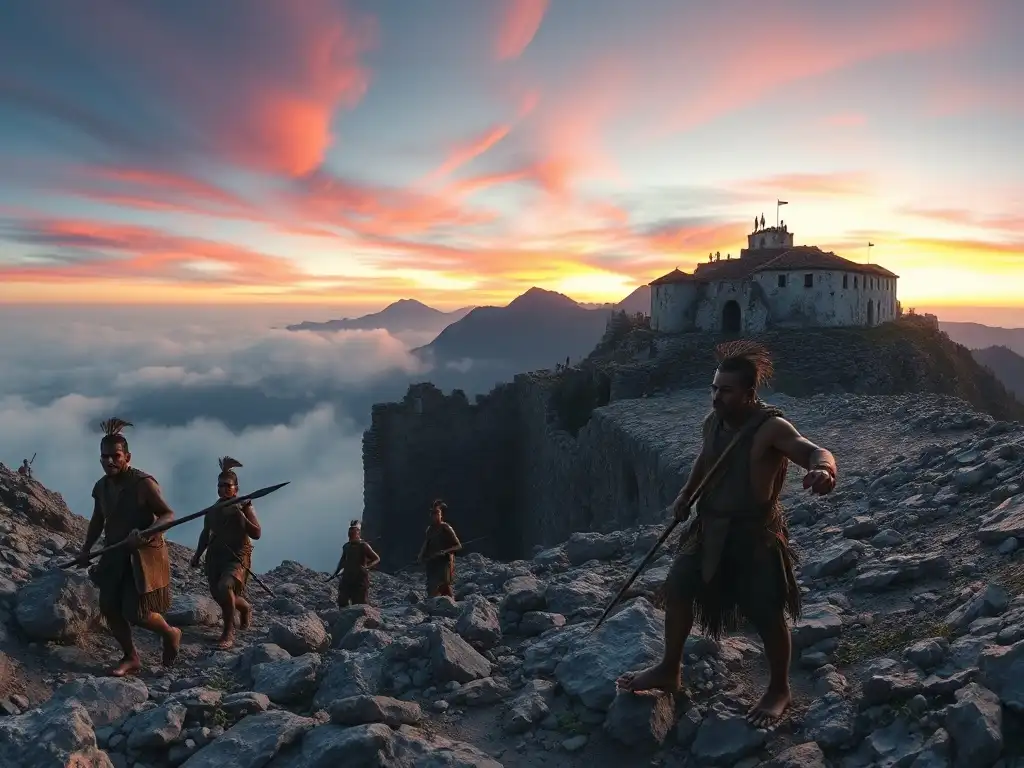
Step into a world lost to time, yet echoing with defiance. For centuries, the Andes Mountains held the secrets of powerful civilizations, each leaving an indelible mark on history. But what happens when an empire's might is challenged?
Discover the untold story of the Inca rebellion against Spanish rule, a struggle for freedom that reshaped the destiny of a continent. Uncover the brave figures and pivotal events that defined this critical chapter in Andean history—a testament to resilience and the enduring spirit of a people. Dive in and explore the fascinating details within our "Key Figures in Andean History" section.
The Spanish conquest of the Inca Empire, while swift and brutal, did not quell the spirit of resistance amongst the Andean people. Far from a passive subjugation, the Inca rebellion against Spanish rule was a protracted and multifaceted struggle, marked by both large-scale uprisings and smaller, localized acts of defiance. This article explores the key figures and events that defined this period of upheaval, revealing a complex tapestry of rebellion woven from desperation, courage, and unwavering cultural pride.
We will examine the various forms of resistance, from organized military campaigns to subtle acts of cultural preservation, highlighting the enduring legacy of Inca resilience in the face of overwhelming colonial power. Understanding these rebellions offers a crucial perspective on the lasting impact of colonization and the enduring strength of indigenous Andean identities.
Tupac Amaru I: The First Spark of Rebellion
Tupac Amaru I, a direct descendant of the Inca royal lineage, ignited one of the most significant early rebellions against Spanish rule. His rebellion, beginning in 1780, wasn't merely a fight for power; it was a powerful statement against the injustices and exploitative policies inflicted upon the indigenous population. His charisma and lineage allowed him to rally a diverse coalition of indigenous groups, uniting them under a common banner of resistance. The rebellion, though ultimately crushed, demonstrated the enduring strength of Inca identity and the potential for widespread resistance against the colonial regime.
Detailed accounts show his rebellion spread across vast territories, challenging Spanish control in unexpected ways. The brutality of the Spanish response, however, served as a chilling reminder of the power imbalance. His legacy continues to inspire, solidifying his place as a symbol of indigenous resistance in the Andes.
Other Notable Rebellions and Leaders
While Tupac Amaru I's rebellion is perhaps the most well-known, it was far from the only instance of Inca resistance. Numerous other uprisings, often smaller in scale but equally significant in their defiance, occurred throughout the colonial period. These included:
- Smaller-scale uprisings: Many localized rebellions, often led by local leaders and curacas (indigenous chiefs), challenged Spanish authority in their specific regions. These were frequently fueled by resentment over forced labor (mita), unfair taxation, and the suppression of indigenous customs.
- Religious syncretism: The Inca people subtly resisted Spanish cultural dominance through the blending of Catholic and Inca religious practices. This syncretism demonstrated a way to maintain cultural identity while outwardly complying with colonial demands.
- Maintaining traditional practices: Despite the efforts of the Spanish to suppress Inca traditions, many communities persevered in practicing their language, weaving techniques, agricultural methods, and other cultural expressions. This quiet resistance was a significant form of rebellion in itself.
These diverse forms of resistance, while seemingly disparate, all contributed to the ongoing struggle against Spanish colonial rule. Further research is needed to fully document the extent and impact of these lesser-known rebellions. The lack of comprehensive historical records makes it challenging to fully understand the scope of the smaller-scale resistance movements.
The Lasting Legacy of Inca Resistance
The Inca rebellions against the Spanish, despite their ultimate failure to overthrow colonial rule, left an indelible mark on Andean history. The courage and determination displayed by these rebels continue to inspire movements for indigenous rights and self-determination today. The legacy of Tupac Amaru I and other resistance leaders serves as a powerful testament to the resilience of the Inca people and their enduring cultural heritage.
Understanding the complexities of these rebellions offers valuable insights into the long-term consequences of colonialism and the ongoing struggle for social justice in the Andes. The stories of these rebels, often suppressed in official colonial accounts, are slowly being recovered and reinterpreted, giving voice to a silenced history. The fight for recognition and acknowledgement of these historical events continues to this day.
- Tupac Amaru I: The First Spark of Rebellion
- Other Notable Rebellions and Leaders
- The Lasting Legacy of Inca Resistance
The Seeds of Inca Resistance to Spanish Colonization
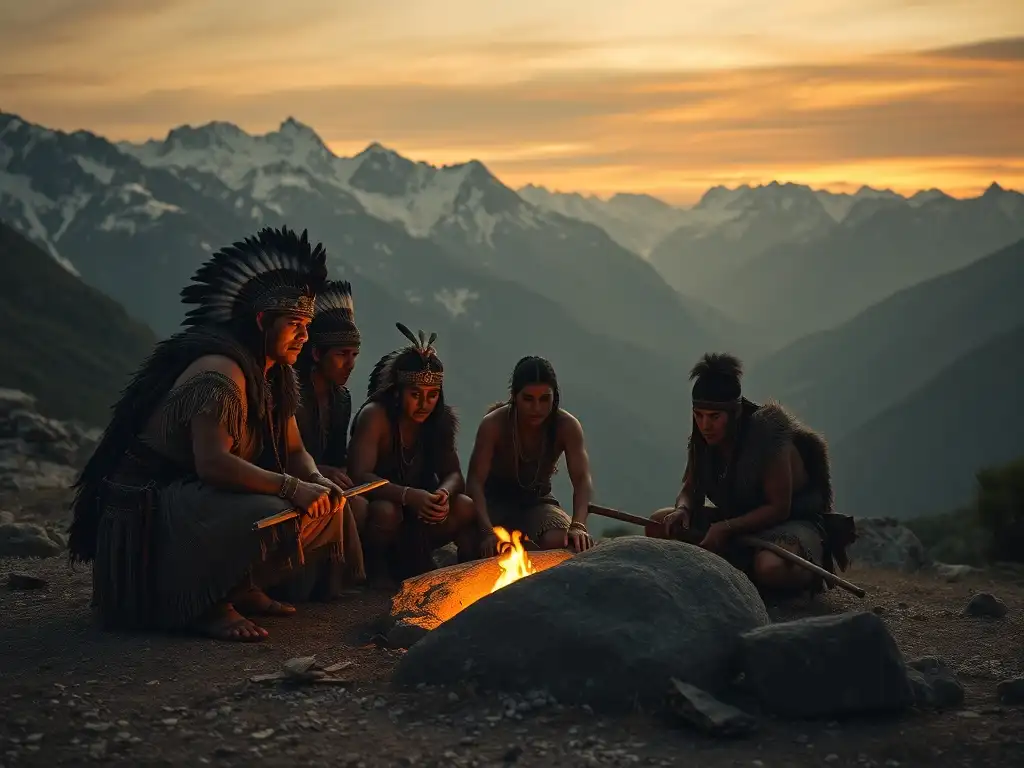
The Spanish conquest of the Inca Empire wasn't a swift, decisive victory. Instead, it was a protracted struggle fueled by a confluence of factors that sowed the seeds of Inca rebellion against Spanish rule. Understanding the initial interactions and the subsequent policies implemented by the conquistadors is crucial to grasping the nature and intensity of the resistance that followed.
The Inca's sophisticated societal structure, while initially vulnerable to Spanish weaponry and tactics, proved remarkably resilient in the face of brutal oppression, leading to a prolonged and multifaceted struggle for survival and independence. The seeds of rebellion were sown early, germinating in the harsh realities of colonial life and ultimately blossoming into widespread uprisings.
Initial Inca-Spanish Encounters and the Capture of Atahualpa
The initial encounters between the Inca and the Spanish were marked by a mixture of awe and misunderstanding. The Spanish, with their superior weaponry and horses, initially appeared invincible. However, the Incas, while initially surprised by the Spanish technology, did not immediately succumb. The capture of Atahualpa, the Sapa Inca, at the Battle of Cajamarca in 1532, was a pivotal moment, but it wasn't the end of Inca power.
Atahualpa's capture, though seemingly a decisive victory for Pizarro, also inadvertently ignited the flames of rebellion. His execution, despite the immense ransom paid, became a powerful symbol of Spanish injustice and brutality, galvanizing resistance among the Inca populace. The ensuing power vacuum and the brutal treatment of the Inca elite served as catalysts for widespread unrest.
The Spanish were vastly outnumbered, and their control was far from absolute, even in the immediate aftermath of the conquest. The Inca, despite their initial losses, retained significant military strength and a strong sense of national identity, which would prove crucial in the years of rebellion to come. The initial shock gave way to a strategic recalibration, laying the groundwork for organized resistance.
The Impact of Disease, Forced Labor, and Cultural Imposition
The Spanish conquest of the Inca Empire was not solely a military endeavor; it was also a devastating biological and cultural assault. The introduction of Old World diseases like smallpox, measles, and influenza decimated the Inca population, weakening their ability to resist effectively. Estimates suggest that up to 90% of the indigenous population perished due to these diseases within the first century of contact, a catastrophic demographic shift that severely hampered the Inca's capacity for organized resistance. This demographic collapse facilitated Spanish control, but it did not extinguish the embers of rebellion.
Beyond disease, the Spanish imposed a system of forced labor, the mita, which was far more brutal and exploitative than the traditional Inca labor system. This system, coupled with the confiscation of land and resources, fueled widespread resentment and discontent. Furthermore, the Spanish actively suppressed Inca religion and culture, replacing it with Catholicism.
This cultural imposition, while initially successful in certain areas, ultimately backfired, strengthening Inca identity and fostering resistance. The destruction of Inca temples and the imposition of foreign religious practices fueled a powerful sense of cultural loss, which became a potent motivating force in the rebellions. The forced conversion to Christianity and the destruction of religious sites fueled the Inca's sense of cultural identity, creating a powerful incentive to resist.
Early Resistance: Flight, Sabotage, and Religious Revivalism
The Inca response to Spanish oppression wasn't uniform. It manifested in diverse forms, ranging from individual acts of defiance to large-scale rebellions. Many Incas fled to remote regions, forming pockets of resistance in the Andes mountains. These isolated communities preserved Inca traditions and culture, providing safe havens for rebellion and fostering a spirit of defiance.
Sabotage and guerrilla warfare became common tactics, with Inca rebels employing hit-and-run strategies to harass and undermine Spanish authority. This resistance was not simply a military struggle; it was also a cultural and religious one. The Inca's deeply rooted spiritual beliefs played a significant role in sustaining resistance. Religious revivalism emerged as a potent force, with many Inca leaders and spiritual figures using religious symbols and rituals to unite and inspire their followers, challenging the Spanish imposition of Catholicism.
The syncretism of Inca beliefs with elements of Christianity also became a defining feature of this resistance, representing a strategic adaptation to maintain cultural identity while adapting to the colonial context. These early forms of resistance laid the foundation for the larger, more organized rebellions that would follow, demonstrating the Inca's remarkable resilience and determination in the face of overwhelming odds. The Inca rebellion against the Spanish was not a single event but a prolonged struggle characterized by diverse tactics and unwavering resistance.
Key Figures in the Inca Uprising Against the Spanish
This section delves into the pivotal roles played by several key figures in the Inca rebellion against the Spanish conquistadors. Their actions, strategies, and ultimate fates significantly shaped the course of the Andean region's history during this tumultuous period. The Inca resistance, fueled by a deep-seated desire for independence and the preservation of their cultural heritage, wasn't a monolithic movement.
Instead, it involved various factions, alliances, and shifting power dynamics, with these leaders acting as central figures in this complex struggle against Spanish colonial rule. Understanding their individual contributions is crucial to grasping the full scope and impact of the Inca rebellion against Spanish dominance.
Manco Inca: Leading the Rebellion from Cusco and Ollantaytambo
Manco Inca Yupanqui, a direct descendant of the Inca royal lineage, emerged as a prominent leader in the initial stages of the Inca rebellion against the Spanish. Initially, he collaborated with the Spanish, even aiding in their conquest of Cusco. However, he quickly recognized the brutality and exploitative nature of Spanish rule. This realization fueled his decision to lead a rebellion, aiming to reclaim Inca sovereignty.
Manco Inca’s rebellion began in 1536, utilizing both guerilla warfare tactics and conventional battles. He strategically selected Cusco, the former Inca capital, and Ollantaytambo, a significant Inca fortress, as key centers for his resistance. His forces, composed of loyal Inca warriors and various indigenous groups resisting Spanish oppression, engaged in a protracted struggle against the better-armed Spanish forces.
While Manco Inca’s rebellion ultimately failed to completely expel the Spanish, his strategic brilliance and unwavering commitment to the cause served as a powerful symbol of Inca resistance and inspired subsequent uprisings. He demonstrated exceptional military leadership, utilizing the Andean terrain to his advantage and employing effective hit-and-run tactics to harass the Spanish army.
His legacy extended beyond military achievements. Manco Inca's defiance embodied the Inca spirit of resistance against foreign domination, inspiring future generations to continue the fight for their freedom and the preservation of their ancestral lands and traditions. His actions profoundly impacted the trajectory of the Inca rebellion against Spanish forces, laying the groundwork for subsequent resistance movements. The strategic importance of Ollantaytambo, which withstood a prolonged siege, highlights Manco Inca’s military acumen and the strength of Inca resistance during this crucial period of Andean history.
Sayri Túpac and the Negotiated Surrender
Unlike Manco Inca, Sayri Túpac, another Inca prince, adopted a different approach to the Spanish conquest. Following a period of conflict, he ultimately chose a path of negotiated surrender. This decision, while controversial, highlights the complexities of the Inca response to Spanish colonial rule. Sayri Túpac's surrender, in 1559, represented a significant shift in the Inca rebellion strategy, demonstrating a pragmatic approach to navigating the power dynamics of the colonial era.
His negotiations with the Spanish authorities involved a complex exchange of concessions. In return for his submission, Sayri Túpac secured a degree of autonomy for a portion of the Inca population. This demonstrates a strategic calculation aimed at mitigating further bloodshed and potentially preserving some aspects of Inca culture and governance within the confines of the Spanish colonial system. The details of this negotiated surrender, including the specific terms and conditions agreed upon, remain a subject of ongoing historical research.
[Specific details of the treaty pending]. This decision, however, significantly altered the landscape of the Inca resistance, demonstrating the diverse strategies employed by Inca leaders in confronting Spanish dominance. The impact of Sayri Túpac's actions on the broader Inca rebellion and the subsequent course of Andean history requires further analysis.
Titu Cusi Yupanqui, another significant figure in the Inca rebellion against the Spanish, stands out for his unique contribution: a written account of the Inca perspective on the conquest. His detailed chronicle, penned in Quechua and later translated into Spanish, provides invaluable insight into the Inca experience of Spanish colonial rule. This document offers a counter-narrative to the often Eurocentric accounts of the conquest, enriching our understanding of the Inca rebellion and the broader context of the Spanish colonization of the Andes.
Titu Cusi Yupanqui's writings detail not only the military aspects of the resistance but also the cultural and political ramifications of the Spanish conquest. He eloquently describes the destruction of Inca traditions, the imposition of Spanish laws and customs, and the devastating impact of disease and forced labor on the Inca population.
This first-hand account offers a powerful voice to the Inca experience, challenging dominant narratives and providing a nuanced perspective on the complexities of the conflict. His work remains a crucial primary source for historians studying the Inca rebellion against Spanish rule and the broader impact of the conquest on Andean society.
The preservation and study of Titu Cusi Yupanqui's writings are critical for understanding the Inca perspective on this pivotal moment in Andean history. His legacy extends beyond his military contributions, solidifying his place as a crucial voice in the historical record of the Inca rebellion against the Spanish.
Major Inca Rebellions Against Spanish Rule
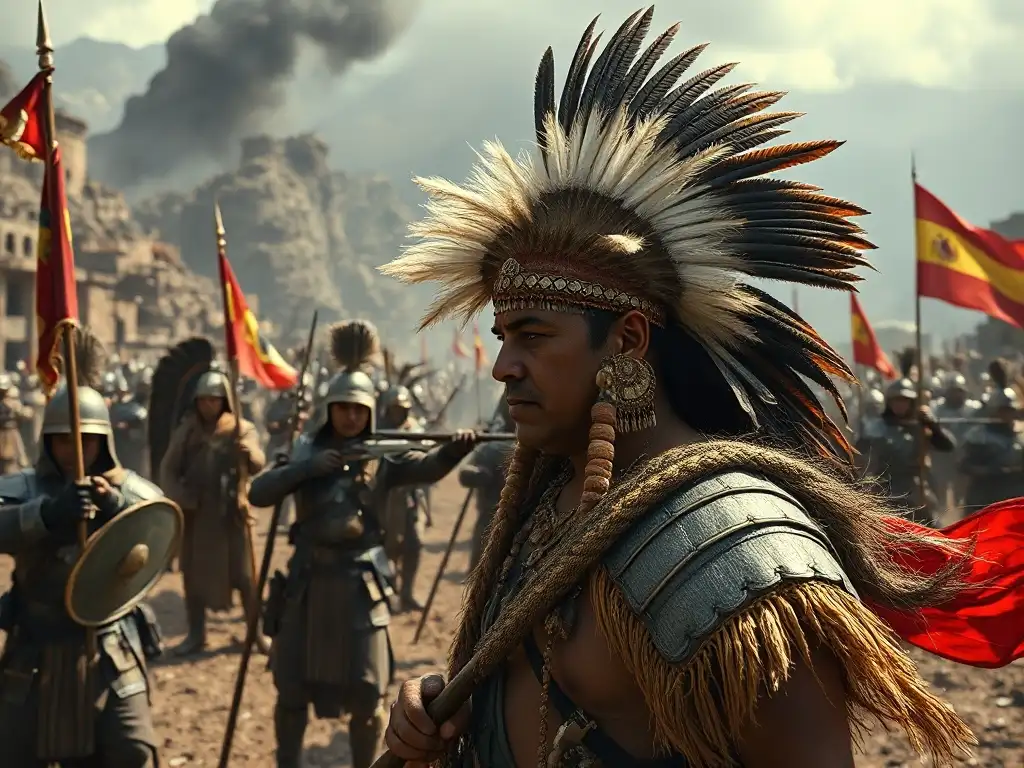
The Spanish conquest of the Inca Empire wasn't a swift and decisive victory. Instead, it ignited a series of fierce and prolonged rebellions, fueled by the Inca's unwavering spirit of resistance and their deep-seated resentment towards the Spanish invaders. These uprisings, though ultimately unsuccessful in restoring the Inca Empire, significantly delayed the complete subjugation of the Andes and showcased the remarkable resilience of the Andean people in the face of overwhelming odds.
The fight for freedom against Spanish colonial rule became a defining characteristic of the Inca identity, shaping their legacy and resistance for generations to come. Understanding these rebellions is crucial to grasping the full complexity of the Inca-Spanish encounter.
The Siege of Cusco: A Ten-Month Uprising
Following the capture of Atahualpa in 1532 and the subsequent execution of the Inca emperor, the Spanish faced immediate resistance. Manco Inca Yupanqui, a brother of Atahualpa who had been initially cooperative with the Spanish, ultimately led a major rebellion in 1536. The siege of Cusco, the Inca capital, lasted for ten grueling months, showcasing the Inca's tactical prowess and organizational capabilities even without a centralized leadership structure.
The rebels, utilizing their intimate knowledge of the terrain and employing guerilla warfare tactics, inflicted heavy casualties on the Spanish forces. They effectively cut off supply lines, harassed Spanish patrols, and repeatedly attacked the city walls. The siege highlighted the difficulties the Spanish faced in controlling such a vast and mountainous territory.
While ultimately unsuccessful in reclaiming Cusco, the siege demonstrated the enduring strength of Inca resistance and foreshadowed the longer conflicts to come. The sheer tenacity of the Inca rebels during this period is often overlooked in traditional narratives of the conquest. Detailed accounts of the siege, while scarce, paint a picture of fierce fighting and remarkable ingenuity on the part of the Inca warriors.
The Vilcabamba Resistance: Decades of Guerrilla Warfare
The failure of the siege of Cusco didn't end the Inca rebellion against Spanish rule. Instead, it shifted to a protracted guerrilla war centered in the remote Vilcabamba region in the Andes. This mountainous refuge provided a natural defense against the Spanish, allowing the Inca to wage a successful campaign of attrition for over four decades.
The Vilcabamba resistance was characterized by its decentralized nature and its reliance on hit-and-run tactics. Smaller groups of rebels, often led by skilled military commanders, would ambush Spanish patrols and settlements, then quickly disappear back into the dense jungle and treacherous terrain. This prolonged resistance, led by successive Inca leaders including Manco Inca's successors, significantly hampered Spanish efforts to consolidate their control over the region.
The Vilcabamba resistance highlights the importance of geography and indigenous knowledge in shaping the course of the conflict. The Spanish ultimately conquered Vilcabamba in 1572, marking the end of this significant chapter of Inca rebellion.
The Túpac Amaru II Rebellion: A Larger Andean Uprising
While the Vilcabamba resistance was primarily focused on the Inca heartland, the Túpac Amaru II rebellion in 1780 represented a broader Andean uprising. This rebellion, led by José Gabriel Condorcanqui, who adopted the name Túpac Amaru II to evoke the legacy of Inca resistance, transcended purely Inca concerns. It was a multifaceted rebellion fueled by a complex interplay of factors: indigenous grievances against Spanish colonial rule, the oppressive repartimiento system, and simmering discontent among the Andean population.
Túpac Amaru II's rebellion, though ultimately crushed, demonstrated the enduring power of Inca symbolism and the continued resistance to Spanish dominance across a wider geographical area. It involved a diverse coalition of indigenous groups, highlighting the shared experiences of oppression and the desire for liberation. The scale and scope of this rebellion underscored the enduring impact of the Inca legacy and the widespread opposition to Spanish colonial policies.
The rebellion's impact resonated for years to come, shaping future indigenous resistance movements throughout the Andes. Analyzing the Túpac Amaru II rebellion reveals the deep-seated resentment and the complex social and political dynamics that fueled the fight against Spanish colonial rule in the late 18th century. The rebellion's legacy continues to inspire discussions about Andean identity and the struggle for self-determination.
The Strategies and Tactics of Inca Resistance
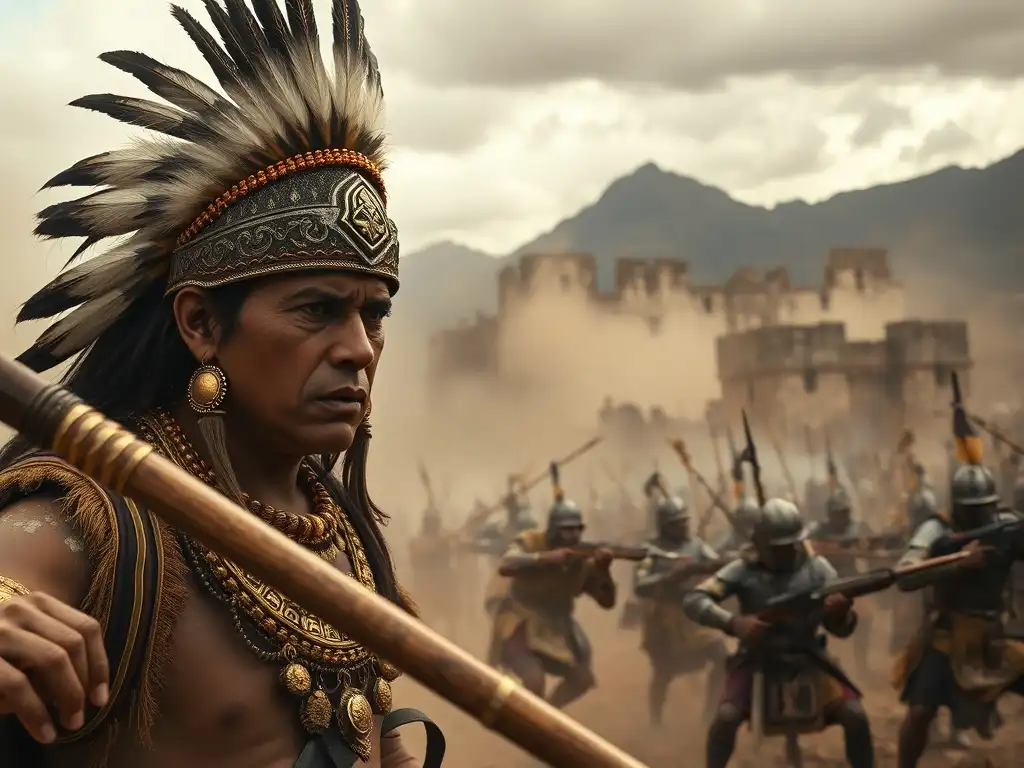
The Inca rebellion against Spanish conquistadors wasn't a singular event but a protracted struggle marked by diverse strategies and tactics employed by the indigenous population. Facing a technologically superior enemy, Inca resistance relied heavily on exploiting their intimate knowledge of the Andean landscape and adapting traditional warfare techniques. This section delves into the key elements of Inca resistance, highlighting their ingenuity and resilience in the face of overwhelming odds. The sheer scale and duration of the resistance underscore the strength of Inca identity and their determination to preserve their culture and independence.
Utilizing Mountainous Terrain for Guerrilla Warfare
The rugged Andes Mountains provided a natural defense against the Spanish, a crucial element in the Inca rebellion against Spanish forces. Unlike the open battlefields favored by the Spanish cavalry, the steep slopes, narrow passes, and unpredictable weather of the Andes allowed the Inca warriors to wage effective guerrilla warfare. They utilized hit-and-run tactics, ambushing Spanish patrols and supply lines in the treacherous terrain.
This strategy significantly offset the Spanish numerical and technological advantages. Specific examples include the numerous ambushes reported in the chronicles, where small bands of Inca fighters, expertly utilizing the terrain, inflicted significant casualties on larger Spanish expeditions. The ability to disappear into the mountains after an attack, leaving the Spanish disoriented and frustrated, was a key element of this successful resistance strategy.
This tactic allowed the Inca to conserve their forces while inflicting a constant drain on Spanish manpower and resources, making the conquest a far longer and more costly endeavor than the Spanish initially anticipated. The mountainous terrain was, in essence, a powerful weapon in the hands of the Inca rebels.
Inca Military Organization: Archers, Slingers, and Spearmen
Inca military organization played a vital role in their resistance. While not as heavily reliant on weaponry as the Spanish, the Inca army was highly disciplined and effective in its own right. Their military structure, built upon the mita system (a form of rotational labor service), allowed for the rapid mobilization of large numbers of warriors. The Inca army's main fighting force consisted of highly skilled archers, slingers, and spearmen.
Archers, utilizing bows crafted from resilient Andean woods, could inflict significant damage from a distance, particularly effective in the mountainous terrain. Slingers, known for their accuracy and range, further complemented the archers’ capabilities. Spearmen, armed with long, sturdy spears, formed the core of the Inca infantry, capable of close-quarters combat.
While lacking firearms and cavalry, the Inca's organization, discipline, and combined arms tactics made them a formidable opponent. The effectiveness of their strategies is further evidenced by the protracted nature of the Inca rebellion against the Spanish, which lasted for decades and involved numerous uprisings across vast swathes of the Andean region. Their military expertise should not be underestimated; they adapted and fought fiercely.
The Use of Inca Roads and Infrastructure for Movement
The extensive Inca road network, a marvel of pre-Columbian engineering, proved to be a double-edged sword during the rebellion. While the Spanish utilized these roads for their own logistical purposes, the Inca were able to leverage their familiarity with the network to their advantage. The intricate system of roads and trails, winding through mountains and across valleys, allowed Inca forces to move rapidly and deploy troops strategically, often surprising the Spanish.
Furthermore, the Inca's knowledge of hidden paths and alternative routes allowed them to evade Spanish pursuit and coordinate attacks effectively across different regions. This strategic use of infrastructure played a crucial role in sustaining resistance movements in various regions, allowing for communication and coordination between different rebel factions.
The ability to swiftly mobilize forces across vast distances and maintain communication networks proved invaluable in prolonging the Inca rebellion against Spanish domination, showcasing the ingenuity of the Inca in utilizing their existing infrastructure to resist colonial rule. The resilience of the Inca was undeniably linked to their mastery of their environment and its infrastructure.
The Legacy of the Inca Rebellion
The Inca rebellion against Spanish rule, while ultimately unsuccessful in preventing the conquest, left an indelible mark on Andean history and continues to resonate today. The struggle's legacy is multifaceted, impacting political structures, cultural practices, and even the very understanding of Andean identity. The resistance, though fragmented and often localized, fundamentally challenged the perceived invincibility of the Spanish colonial power, sowing the seeds for future uprisings and shaping the narrative of Andean resistance for centuries to come. Examining this legacy requires a nuanced understanding of its various dimensions.
The Reassessment of Spanish Colonial Power
The initial Spanish conquest appeared overwhelmingly successful, fueled by superior weaponry and strategic alliances with indigenous groups who felt oppressed by Inca rule. However, the prolonged and widespread Inca rebellions forced a significant reassessment of Spanish colonial strategies and power. The sheer scale and tenacity of the resistance – spanning decades and involving diverse groups across the vast Inca empire – revealed the limitations of Spanish military might in the face of determined indigenous opposition.
The Spanish were forced to adapt their governance, employing harsher tactics in some areas while offering concessions in others, a testament to the enduring impact of the Inca rebellion on colonial administration. The constant threat of rebellion shaped colonial policies for generations, influencing everything from taxation and labor systems to the control of resources and information. Data on the frequency and intensity of rebellions across different regions [specific information pending] would further illuminate the impact on Spanish colonial governance.
The cost in lives and resources, both for the Spanish and the indigenous population, underscores the profound disruption caused by the resistance. This continuous struggle ultimately undermined the initial narrative of a swift and easy conquest, revealing the arduous and often brutal reality of establishing and maintaining colonial control.
The Symbolism of the Inca as a Symbol of Resistance
The Inca rebellion against Spanish rule transcended a mere military conflict; it became a powerful symbol of indigenous resistance against foreign domination. The figure of the Inca, even after the demise of the empire, transformed into a potent symbol of cultural identity and resistance. This symbolism persisted through generations, inspiring future rebellions and shaping Andean cultural memory.
The Inca rulers, initially seen as divine figures, became martyrs in the eyes of many, their struggles against the Spanish representing a fight for the preservation of indigenous ways of life, beliefs, and traditions. This transformation is evident in various forms of oral history, folklore, and artistic expressions that emerged in the aftermath of the conquest. The use of Inca imagery and symbols in later resistance movements further solidifies the Inca’s lasting significance as a symbol of rebellion and defiance.
For example, [specific example of Inca imagery in later resistance movements pending]. The enduring power of this symbolism highlights the lasting impact of the rebellion on Andean identity and the construction of narratives surrounding their history. The enduring legacy of Tupac Amaru, for instance, exemplifies this enduring power.
The Preservation of Inca Culture and Languages
Despite the devastating effects of the Spanish conquest, the Inca rebellion played a crucial role in the preservation of aspects of Inca culture and language. While the Spanish implemented policies aimed at suppressing indigenous traditions, the resistance itself fostered a sense of cultural unity and resilience amongst the Andean populations. The continued use of Quechua and other Andean languages in clandestine gatherings and during rebellions demonstrated a determined effort to maintain linguistic and cultural heritage.
While the Spanish imposed Catholicism, indigenous religious practices often persisted, sometimes syncretically blending with the new religion. The continued use of traditional agricultural techniques and social structures, albeit often adapted to the new colonial reality, also points to a degree of cultural continuity that owes something to the resistance movements. Further research into [specific areas of cultural preservation during and after the rebellion pending] would provide more detailed insights.
The resilience of Inca culture in the face of colonial suppression is a testament to the enduring spirit of the Andean people and the lasting impact of their struggle against Spanish rule. The continuous presence of Quechua today, alongside the revival of traditional practices, speaks volumes to this enduring cultural legacy.
Analyzing the Causes and Consequences of the Inca Revolt
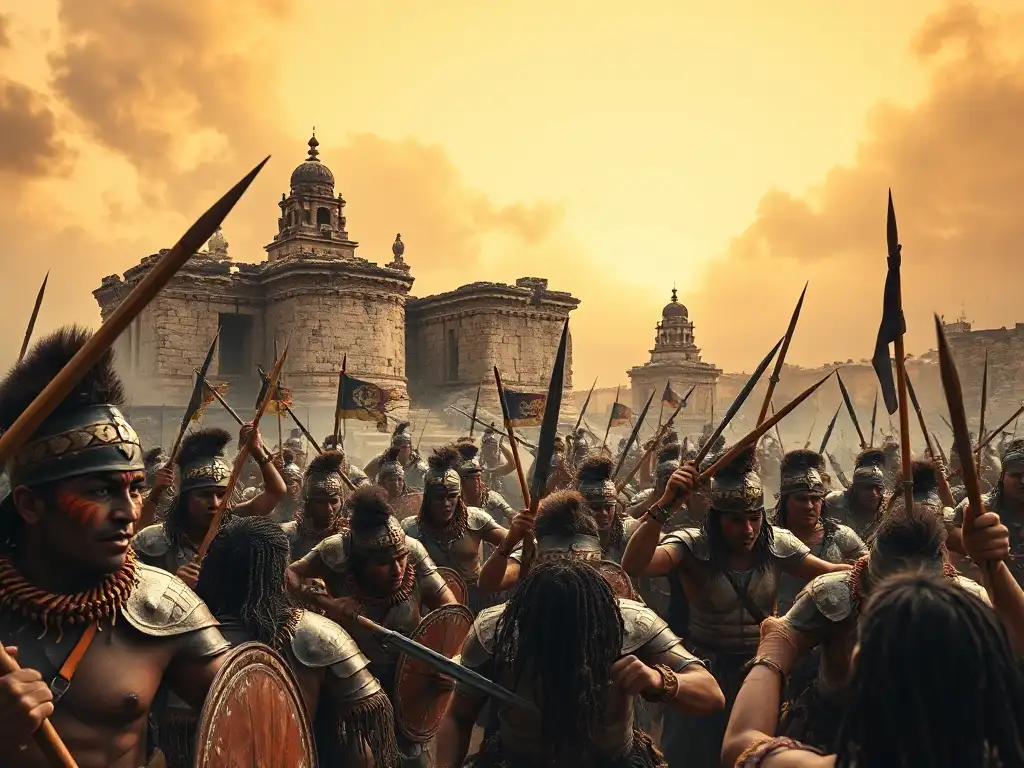
The Inca rebellion against Spanish rule, a complex and multifaceted event, wasn't a singular uprising but rather a series of interconnected revolts fueled by various factors. Understanding these causes is crucial to appreciating the depth and impact of the resistance against Spanish colonization. The initial conquest was swift, but the subsequent decades witnessed persistent resistance, highlighting the enduring strength of Inca identity and the inherent flaws in the Spanish colonial strategy.
The Spanish underestimated the resilience of the Inca people and their capacity to organize and fight back against the invaders. This section delves into the key elements that fueled the Inca's fight for liberation.
The Exploitation of Inca Labor and Resources
The Spanish conquest brought about a drastic shift in the Inca economic system. The mita, a pre-existing system of labor tribute, was brutally exploited by the Spanish. Instead of utilizing it for public works projects beneficial to the Inca population as it had been previously, the Spanish forced the Inca to work in mines, particularly silver mines, under horrific conditions.
Thousands perished due to overwork, disease, and malnutrition. This exploitation extended beyond labor; the Spanish systematically plundered Inca gold, silver, and other resources, disrupting the established economic order and creating widespread poverty and resentment among the indigenous population. The sheer scale of this extraction fueled a deep sense of injustice and significantly contributed to the various uprisings.
For example, the rebellion led by Túpac Amaru I in the late 16th century was largely fueled by the unbearable burden of mita labor in the Potosí silver mines. The economic devastation inflicted upon the Inca people directly contributed to the widespread desire for change and fueled the flames of rebellion. The Spanish failed to account for the deep-seated social structures and the economic consequences of their actions, leading to widespread discontent.
The Imposition of Christianity and Suppression of Inca Religion
The Spanish colonial project wasn't just about economic exploitation; it was also a forceful attempt to impose religious conversion. The Spanish Crown actively sought to eradicate Inca religious practices, viewing them as pagan and idolatrous. Temples were destroyed, religious objects were confiscated, and Inca priests were persecuted. This cultural assault deeply offended the Inca people, who held their religion central to their worldview and social structure. The destruction of sacred sites and the suppression of traditional beliefs were seen as an attack on their very identity. This religious persecution, coupled with the economic hardship, further inflamed tensions and contributed to the rise of resistance movements. The forced conversion to Christianity, often through brutal methods, was a major factor that galvanized the Inca's resistance against Spanish rule. The Spanish failed to understand the importance of religion in Inca society, and their actions served to further unify the Inca in their opposition.
The Spanish colonial system actively promoted a mixed-race society, often through forced intermarriage and the creation of a hierarchical social structure based on racial purity. This led to significant social tensions and resentment. The criollos, those of Spanish descent born in the Americas, occupied the highest positions in society, while the indigenous population faced systematic discrimination and marginalization.
This created a deeply unequal society that further fueled the flames of rebellion. The social stratification based on race and ethnicity created a system that inherently favored the Spanish and their descendants, leaving the Inca population feeling powerless and exploited. The ongoing social tensions and the lack of social mobility within this system contributed to the widespread unrest and the numerous revolts that characterized the Inca resistance against Spanish colonial rule.
The creation of a deeply stratified and unjust society was a key factor in the Inca rebellion against Spanish rule, highlighting the inherent instability of the colonial system. 😠
Lessons Learned from the Inca Struggle Against Colonialism
The Inca rebellion against Spanish conquest, while ultimately unsuccessful in preventing the fall of the empire, offers invaluable lessons about resistance, resilience, and the enduring impact of colonialism. Analyzing the strategies employed by Inca leaders and the diverse forms of resistance enacted across the vast empire provides a crucial understanding of indigenous agency in the face of overwhelming force.
The Inca experience highlights the complexities of colonial encounters, demonstrating that resistance wasn't simply a matter of military might but also involved intricate political maneuvering, ideological challenges, and the preservation of cultural identity in the face of systematic suppression. Understanding these nuances is vital to comprehending the long-term consequences of Spanish rule and the ongoing struggle for indigenous rights in the Andes.
The Importance of Indigenous Self-Determination
The Inca rebellion underscores the critical importance of indigenous self-determination. The initial success of the Spanish conquest stemmed partly from exploiting internal divisions within the Inca empire. However, the subsequent uprisings, often led by individuals who saw the Spanish as a threat to their autonomy and traditional ways of life, showcased the enduring power of indigenous agency.
These rebellions, although often brutally suppressed, demonstrate a persistent commitment to self-governance and the rejection of imposed foreign rule. The fight for self-determination wasn't just a military struggle; it was a deeply rooted cultural and political imperative.
The Inca's sophisticated administrative systems, intricate social structures, and deeply held spiritual beliefs fueled their resistance, proving that a strong sense of identity and collective purpose can be powerful weapons against colonial domination. The legacy of this struggle continues to inspire indigenous movements today, emphasizing the importance of community-led initiatives and the preservation of distinct cultural identities.
The Enduring Impact of Colonialism on Indigenous Peoples
The consequences of the Inca rebellion against Spanish rule extended far beyond the immediate conflict. The Spanish victory led to the systematic dismantling of Inca institutions, the suppression of indigenous languages and religions, and the imposition of a new social and economic order. The forced labor system, the encomienda, devastated the Inca population and drastically altered the social fabric of Andean society.
The introduction of new diseases, coupled with the disruption of traditional agricultural practices, further weakened the indigenous population, resulting in a dramatic demographic decline. The impact of these policies reverberates even today. Many indigenous communities in the Andes still grapple with the legacy of colonialism, facing persistent inequalities in access to education, healthcare, and economic opportunities.
The social and economic disparities stemming from the colonial period continue to fuel social tensions and underscore the lasting impact of the Spanish conquest on indigenous populations. Understanding this enduring legacy is vital for implementing effective policies aimed at addressing historical injustices and promoting social justice.
The Struggle for Cultural Survival and Identity
Despite the brutal suppression of Inca culture and traditions under Spanish rule, indigenous peoples demonstrated remarkable resilience in preserving their cultural heritage. The rebellion against Spanish rule was not only a military struggle but also a fight to maintain their distinct identity and cultural practices. This cultural resistance manifested in various ways, including the clandestine continuation of traditional religious practices, the preservation of indigenous languages through oral traditions, and the adaptation of Spanish artistic forms to express indigenous themes and values.
The fusion of indigenous and Spanish cultural elements resulted in a unique syncretic culture that continues to shape Andean identity. The ongoing efforts to reclaim and revitalize indigenous languages, revive traditional ceremonies, and promote indigenous art forms demonstrate a powerful determination to maintain cultural autonomy.
The Inca struggle, therefore, serves as a testament to the enduring power of cultural resistance and the importance of preserving indigenous knowledge and traditions in the face of oppression. The fight for cultural survival remains a central aspect of indigenous activism in the Andes and continues to inspire efforts to safeguard cultural heritage for future generations.
Conclusion: The Enduring Spirit of Inca Resistance
The Inca rebellion against Spanish rule, while ultimately unsuccessful in preventing the collapse of the empire, left an indelible mark on Andean history and continues to resonate today. Understanding the multifaceted nature of this resistance, from large-scale uprisings to subtle acts of defiance, is crucial to grasping the complexities of colonial interaction and the enduring spirit of the Andean people.
The fight for autonomy and self-determination, woven into the very fabric of Inca identity, proved far more resilient than the conquistadors initially anticipated. The echoes of this struggle are evident in subsequent Andean resistance movements, demonstrating the lasting power of Inca ideals and the unwavering commitment to cultural preservation.
The Lasting Impact on Andean Identity and Political Movements
The Inca rebellion against Spanish colonization profoundly impacted Andean identity, shaping cultural practices and political movements for centuries to come. The legacy of Inca resistance fostered a sense of shared experience and collective memory among diverse Andean communities, strengthening their resistance to assimilation and oppression. Many subsequent uprisings and revolts, from the Túpac Amaru rebellions to 20th-century indigenous movements, drew inspiration from the Inca struggle, demonstrating the enduring power of this historical narrative.
The Inca rebellion served as a powerful symbol of defiance, reminding future generations of the importance of fighting for self-determination and challenging unjust systems. This legacy is not merely historical; it remains a vital component of Andean identity, shaping contemporary political discourse and inspiring ongoing struggles for social justice. The rebellion's impact is visible in the continued efforts to reclaim and revitalize Inca traditions, languages, and cultural practices.
The resilience shown by the Inca people during the colonial period directly influenced the formation of later indigenous movements. For example, the use of guerilla warfare tactics and the strategic alliances forged during the Inca rebellion served as models for subsequent resistance against both Spanish and later republican rule. The collective memory of the Inca struggle fueled the ongoing fight against colonial legacies and the pursuit of greater autonomy and self-governance.
This enduring legacy is a testament to the power of collective memory and the enduring relevance of the Inca rebellion in shaping Andean political consciousness. The fight for land rights, cultural preservation, and political representation continues to be shaped by the echoes of this historical struggle.
The Ongoing Relevance of the Inca Struggle for Justice
The Inca struggle against Spanish oppression holds profound relevance even today. Its legacy serves as a powerful reminder of the devastating consequences of colonialism, imperialism, and the exploitation of indigenous populations. The systematic destruction of Inca culture, the imposition of forced labor (mita), and the brutal suppression of resistance are stark warnings against the dangers of unchecked power and the importance of defending human rights.
Examining the Inca rebellion offers valuable lessons on the strategies of resistance, the importance of collective action, and the enduring power of cultural preservation in the face of oppression. The story of the Inca rebellion is not just a historical narrative; it is a potent symbol of the ongoing struggle for justice and equality across the globe.
The themes of cultural resilience, the fight against injustice, and the pursuit of self-determination remain incredibly potent in the contemporary world. The Inca rebellion exemplifies the importance of resisting oppression and fighting for one's rights, regardless of the odds. Understanding the complexities of this historical event allows us to better comprehend similar struggles for liberation and self-determination occurring around the world today.
The Inca's fight continues to inspire movements advocating for indigenous rights, social justice, and the preservation of cultural heritage. The ongoing relevance of the Inca rebellion underscores the enduring need for critical engagement with history and its power to shape contemporary struggles for a more just and equitable world.
The story of the Inca’s fight against the Spanish remains a powerful reminder of the importance of preserving cultural identity and resisting oppression. The echoes of their struggle continue to reverberate, inspiring hope and action in the face of adversity.
Frequently Asked Questions
What sparked the Inca rebellion against the Spanish?
The Inca rebellion was primarily sparked by the Spanish conquest and its brutal aftermath. The imposition of forced labor, religious conversion, and the destruction of Inca society fueled widespread resistance.
Who were the key leaders of the Inca rebellion?
Key leaders included Tupac Amaru I, who led a significant early revolt, and Tupac Amaru II, whose later rebellion significantly challenged Spanish control. Many smaller leaders also played crucial roles in local uprisings.
How long did the Inca rebellions last?
The Inca resistance wasn't a single, unified event but a series of rebellions spanning decades. Major uprisings occurred throughout the 16th and 17th centuries, with significant resistance continuing long after the initial conquest.
What were the main tactics used by the Inca rebels?
Inca rebels employed a range of tactics including guerrilla warfare, utilizing their knowledge of the Andean terrain to their advantage. They also relied on ambushes and hit-and-run attacks against Spanish forces.
What was the ultimate outcome of the Inca rebellion against the Spanish?
While the Inca rebellions ultimately failed to overthrow Spanish rule, they significantly prolonged the conquest and demonstrated the fierce resistance of the Inca people. The legacy of these rebellions remains a powerful symbol of indigenous resistance.
Final Reflection: Echoes of Resistance: The Enduring Legacy of Inca Rebellion
The struggle of the Inca against Spanish colonial rule wasn't merely a historical event; it's a potent symbol of resistance that continues to resonate in the fight against oppression today. The echoes of their defiance, their unwavering commitment to their culture and land, serve as a powerful reminder of the human spirit's capacity to endure and fight back against injustice, no matter how formidable the adversary.
The Inca rebellion, though ultimately unsuccessful in preventing the Spanish conquest, profoundly shaped the cultural and social landscape of South America. Its impact is visible in the enduring presence of Inca traditions, subtly woven into the fabric of modern Andean societies. The spirit of resistance, the fierce determination to preserve identity in the face of overwhelming force, continues to inspire movements for social justice and self-determination across the globe. Those who forget the past are condemned to repeat it,
a sentiment that rings particularly true when considering the ongoing struggles for liberation and the importance of remembering the Inca's valiant fight.
Consider the legacy of the Inca rebellion. Reflect on the courage it took to stand against an empire seemingly invincible. Let their story be a call to action, a reminder that even in the face of overwhelming odds, the fight for justice, for freedom, and for the preservation of one's heritage is always worth undertaking. Carry the spirit of resistance within you, and let it fuel your own pursuit of a more just and equitable world.
Unveil the Legacy of Resistance and Take Action Today!
Thank you for exploring the fascinating world of the Inca and their struggle against Spanish colonial rule. Your interest honors their legacy and provides valuable lessons in resilience. Now, let's turn that inspiration into action!
Here's how you can connect more deeply with this powerful history:
- Explore local museums and online exhibitions dedicated to Inca history to learn more.
- Join the conversation! Share your thoughts and insights on social media using #IncaRebels to spark discussions about indigenous rights and cultural heritage.
- Dive into books and documentaries about the Inca civilization to deepen your understanding and support indigenous voices.
What aspect of the Inca rebellion most resonates with you, and why? Your perspective could inspire others to reflect on this crucial chapter in history!