
The Moche Legacy: Preserving the Authenticity of Ancient Ceramics

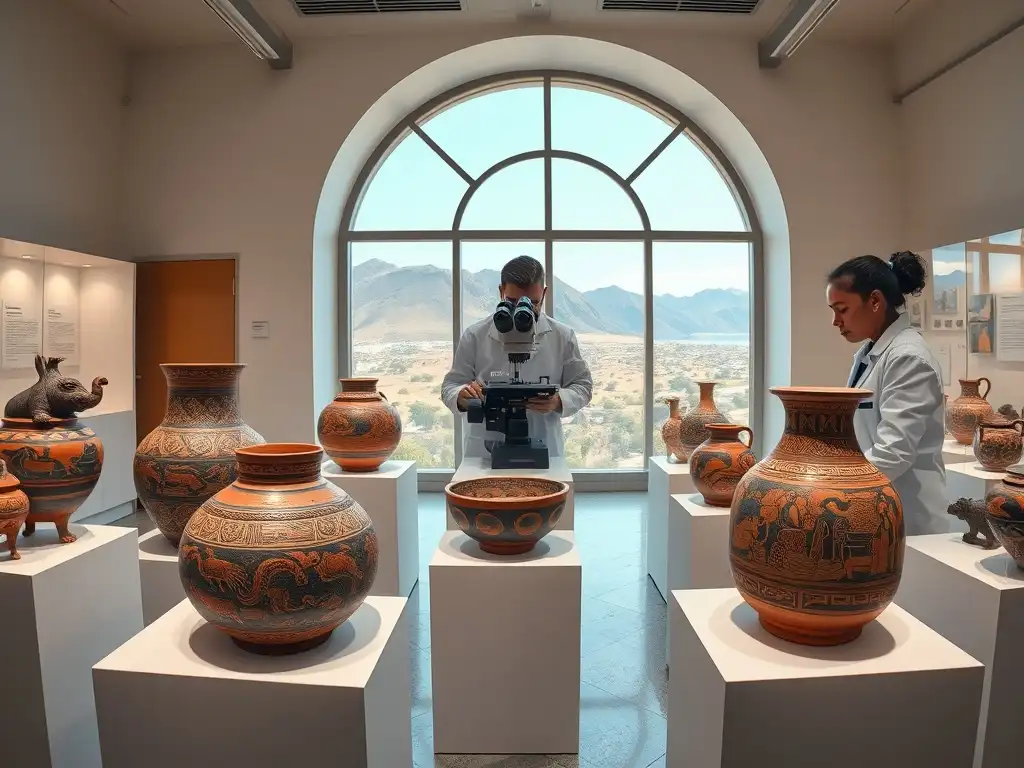
Step into a world lost to time, yet vibrantly preserved in clay. The Andean Civilizations website unveils the secrets of ancient empires, from the Incas to the Nazca. But the story doesn't end there... Discover the ingenious Moche pottery preservation techniques that have defied the passage of centuries, techniques so advanced they continue to baffle modern experts. Prepare to be amazed as we delve into the breathtaking artistry and enduring legacy of these remarkable cultures. Uncover the mysteries that await within...
The vibrant artistry and intricate detail of Moche pottery offer a captivating glimpse into the daily life, religious beliefs, and societal structures of this ancient Andean civilization (c. 100-800 CE). These ceramics, far more than mere vessels, serve as invaluable historical documents, narrating stories of warfare, rituals, and daily routines with remarkable clarity.
Understanding the techniques employed in preserving these fragile artifacts is crucial not only for maintaining their physical integrity but also for safeguarding the irreplaceable historical and cultural information they contain. This article will explore the significance of Moche pottery, delve into the challenges of preservation, and examine key techniques used to ensure the authenticity and longevity of these extraordinary pieces.
The preservation of Moche pottery is not simply about maintaining objects; it's about preserving a vital part of Peru's cultural heritage and ensuring future generations can appreciate the ingenuity and artistry of the Moche people. This exploration will be crucial in understanding how to identify genuine Moche pottery, helping collectors and researchers alike to differentiate authentic pieces from forgeries.
Introduction to Moche Pottery and its Significance
Moche pottery is renowned for its exceptional quality and artistic merit. The Moche were master ceramists, employing sophisticated techniques to create incredibly detailed and lifelike representations of their world. Their pottery encompasses a vast range of forms, from utilitarian vessels used for everyday purposes to elaborate ceremonial objects used in religious rituals. The stylistic consistency across many pieces allows for a better understanding of their social structures, their beliefs, and their daily life.
Many pieces depict scenes of warfare, elaborate ceremonies, and intimate portraits – providing a unique window into their society. The use of diverse colors, intricate designs, and three-dimensional modeling showcases their advanced technical skills and artistic vision. The preservation of these pieces is paramount to maintaining a tangible link to this remarkable civilization.
The intricate details, often depicting scenes of daily life or mythological narratives, are incredibly vulnerable to deterioration. Their preservation is therefore not just about protecting artifacts; it's about preserving a significant part of Peruvian history and cultural identity. The survival of these pieces allows for ongoing research and understanding of the Moche culture, enriching our understanding of the ancient world.
Understanding Moche Pottery: A Foundation for Preservation
Before discussing preservation techniques, it's essential to understand the materials and techniques used in creating Moche pottery. This knowledge forms the bedrock of effective conservation strategies. Moche artisans primarily used clay, often sourced locally, mixed with tempering agents to improve its workability and durability.
The precise composition of these clays varies depending on the geographic location and the specific needs of the artisans. The creation process involved meticulous shaping, often using molds for mass production of certain forms, followed by careful surface finishing and decorating. Techniques such as slip painting, using pigments derived from natural sources, and the application of intricate designs using various tools, contributed to the remarkable artistry of Moche ceramics.
Understanding the original materials and manufacturing processes is crucial for selecting appropriate preservation methods that minimize damage and retain the integrity of the artifacts. For example, knowledge of the clay's composition helps determine suitable cleaning solutions, while understanding the painting techniques guides the approach to restoring damaged surfaces.
Identifying Authentic Moche Ceramic Pieces
Identifying genuine Moche pottery requires a keen eye for detail and a thorough understanding of the stylistic characteristics of the culture. Several key features distinguish authentic pieces from imitations. These include the distinctive use of colors, the style of painting, the types of motifs depicted, the forms of the vessels themselves, and the overall level of craftsmanship.
Authentic Moche pottery often shows signs of age and wear, which are not always replicated in modern forgeries. Furthermore, the presence of specific stylistic elements, such as the use of particular pigments or the depiction of recurring motifs, can help in verification. Analysis of the clay composition can also be instrumental in determining authenticity.
The use of scientific techniques, such as X-ray fluorescence (XRF), allows for a precise determination of the chemical composition of the clay, which can be compared to known Moche clay samples. The presence of specific minerals or trace elements can reveal clues to the provenance of the artifact.
Common Forms of Damage to Moche Ceramics
Moche ceramics are susceptible to various forms of damage over time, primarily due to factors such as environmental conditions, improper handling, and the inherent fragility of the materials. Common types of damage include cracks, breaks, surface erosion, discoloration, and salt efflorescence (the formation of white, crystalline deposits on the surface). Cracks can result from changes in temperature and humidity, while breaks are often caused by physical impact or stress.
Surface erosion is a gradual process caused by the interaction of the ceramic with the environment, leading to the loss of surface details. Discoloration can be caused by environmental factors or the interaction of the ceramic with other materials. Salt efflorescence occurs when soluble salts within the clay migrate to the surface and crystallize.
Understanding these forms of damage is critical for developing appropriate preservation strategies. The preservation of Moche pottery requires a multi-faceted approach that addresses these different challenges, balancing the need for intervention with the desire to maintain the artifact's original integrity. This delicate balance requires careful consideration and the application of specialized techniques.
- Introduction to Moche Pottery and its Significance
- Understanding Moche Pottery: A Foundation for Preservation
Essential Moche Pottery Preservation Techniques
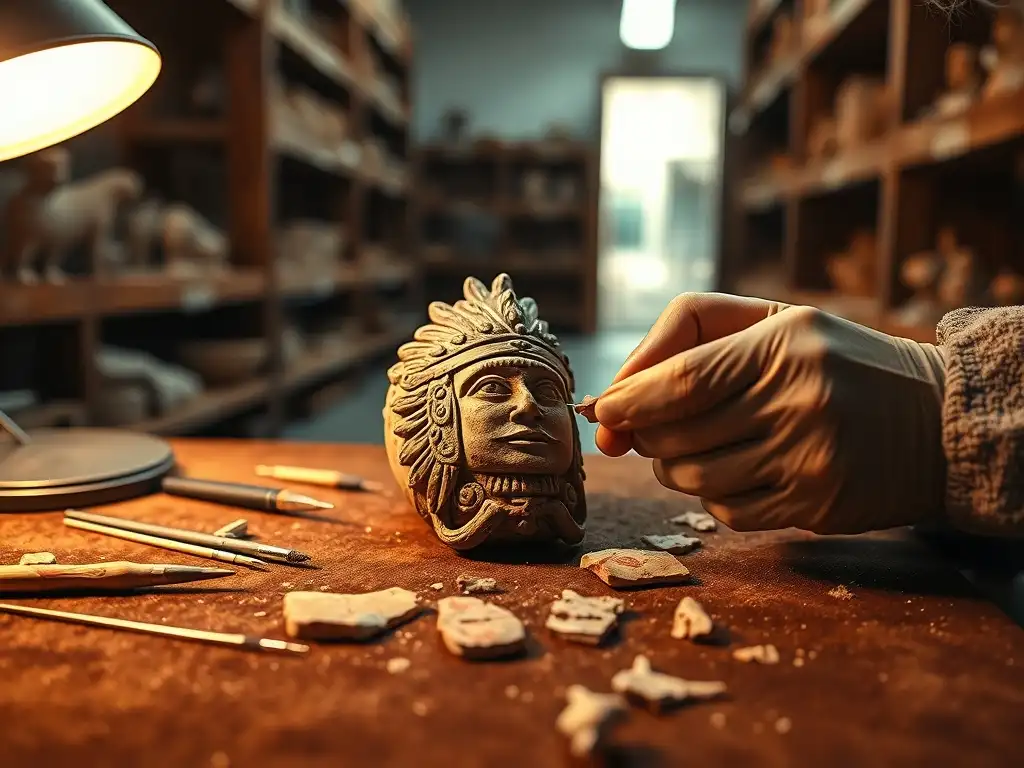
The preservation of Moche pottery, a testament to the sophisticated artistry and culture of the ancient Moche civilization, requires meticulous and specialized techniques. The fragility of these artifacts, combined with the effects of time and environmental exposure, necessitates a multi-faceted approach focused on careful handling, appropriate cleaning, and stabilization. Understanding these techniques is crucial not only for museums and researchers but also for anyone involved in the acquisition, handling, or display of authentic Moche ceramics.
Proper preservation ensures the long-term survival of these invaluable pieces of history, allowing future generations to appreciate the beauty and complexity of Moche artistry. This section will delve into the key methods employed in Moche pottery preservation, emphasizing the importance of authenticity and the ethical considerations involved.
Initial Assessment and Documentation
Before any cleaning or intervention takes place, a thorough initial assessment is paramount. This involves a detailed examination of the pottery's condition, documenting any existing damage, deterioration, or signs of previous repairs. This initial documentation serves as a baseline for future comparisons, allowing conservators to monitor the effectiveness of preservation efforts and track any changes in the artifact's condition over time. High-resolution photography and detailed written descriptions are essential components of this process. The documentation should include:
- Descriptive Inventory: A complete description of the artifact, including its dimensions, shape, color, surface decoration, and any visible markings or inscriptions.
- Condition Report: A comprehensive assessment of the pottery’s condition, noting any cracks, chips, breaks, discoloration, efflorescence (salt deposits), or other forms of deterioration. This report should include the location and extent of any damage.
- Material Analysis (if available): Information about the clay composition and any pigments used in the decoration. This information helps inform the choice of cleaning and conservation methods.
- Provenance Information: Details regarding the artifact's origin, history of ownership, and any previous conservation treatments. This is crucial for establishing authenticity and understanding the context of the artifact.
Accurate documentation ensures that the preservation process is informed and controlled, minimizing the risk of accidental damage and maximizing the chances of successful preservation. The use of standardized documentation protocols ensures consistency and facilitates collaboration among conservators and researchers. The process also helps to establish the authenticity of the Moche pottery, distinguishing it from forgeries or imitations.
Gentle Cleaning Methods for Moche Artifacts
Cleaning Moche pottery demands extreme caution. Aggressive cleaning methods can irreparably damage the fragile surfaces and delicate pigments. The goal is to remove loose dirt and debris without harming the artifact's original surface. Several gentle cleaning methods are employed, depending on the specific condition and composition of the pottery:
- Dry Cleaning: This involves carefully removing loose dirt and dust using soft brushes, such as sable hair brushes or specialized conservation brushes. Compressed air can be used cautiously to remove dust from crevices, but only at a low pressure to avoid damaging the surface.
- Wet Cleaning: If dry cleaning is insufficient, wet cleaning may be considered. This involves using deionized water or other appropriate solvents, applied with extreme care using soft brushes, cotton swabs, or syringes. The choice of solvent depends on the type of soil and the pottery's surface. The process must always be tested on an inconspicuous area first to assess its effect.
- Ultrasonic Cleaning: In some cases, ultrasonic cleaning may be used to remove stubborn dirt from porous areas. However, this method requires careful control of parameters (frequency, time, and solvent) to avoid damage. It's crucial to monitor the process closely and stop immediately if any signs of damage appear.
The cleaning process must always be followed by thorough rinsing with deionized water and careful drying to prevent further deterioration. The entire process should be meticulously documented, noting the methods used, the results achieved, and any unexpected observations. The emphasis is always on minimal intervention, prioritizing preservation over complete cleanliness.
Consolidation Techniques to Stabilize Fragile Pottery
Moche pottery often suffers from cracks, chips, and breaks due to age and environmental factors. Consolidation techniques aim to strengthen the pottery and prevent further deterioration. These techniques usually involve the application of consolidants, which penetrate the pottery's porous structure, binding the particles together and increasing its overall strength. The choice of consolidant depends on several factors, including the type of clay, the extent of damage, and the desired level of intervention.
Several consolidation techniques are employed:
- Paraloid B-72: This acrylic resin is a commonly used consolidant for archaeological artifacts, offering good penetration and stabilization properties. It's applied in a controlled manner, often using a fine brush or syringe, ensuring even distribution and avoiding excessive accumulation.
- Other Consolidants: Depending on the specific requirements, other consolidants, such as ethyl silicate or polyvinyl acetate, may be used. The selection of the appropriate consolidant requires careful consideration and expertise.
- Reassembly: For pottery with significant fragmentation, reassembly may be necessary. This involves carefully joining broken pieces using adhesives specifically designed for archaeological artifacts. The adhesive should be reversible, allowing for future adjustments or removal if necessary.
The application of consolidants and the reassembly of fragments must be carried out with meticulous care, ensuring the minimal alteration of the artifact's original condition. The goal is to stabilize the pottery, preventing further damage and preserving its integrity for future generations. The entire process requires precision and a deep understanding of materials science and conservation ethics, highlighting the importance of specialized expertise in Moche pottery preservation. This commitment to preservation ensures the ongoing study and appreciation of this remarkable cultural legacy.
Repairing Breaks and Cracks in Moche Ceramics
The fragility of ancient Moche pottery necessitates careful handling and repair techniques. Damage, often stemming from the passage of time and environmental factors like fluctuating temperatures and humidity, frequently manifests as breaks and cracks. Repairing these requires a delicate touch and specialized materials to ensure the integrity of the artifact and avoid further damage. The goal isn't to make the repair invisible, but rather to stabilize the piece and preserve its historical value. A poorly executed repair can diminish the value and authenticity of a Moche ceramic, potentially leading to misidentification or inaccurate interpretations.
The first step in repairing a broken Moche ceramic involves a meticulous cleaning. This removes any loose debris or accumulated dirt that could interfere with the adhesive. Gentle brushing with soft bristle brushes is typically employed, followed by careful cleaning with deionized water. Avoid using harsh chemicals or abrasive materials, as these can damage the delicate surface of the pottery. Once clean and dry, the broken pieces should be carefully examined to assess the extent of the damage and plan the repair strategy.
The choice of adhesive is crucial. Traditional methods may have utilized natural resins, but modern conservators often prefer adhesives specifically formulated for artifact restoration. These adhesives must be reversible, meaning they can be removed in the future if a more advanced technique becomes available or if further analysis is required. The adhesive is applied sparingly to the broken edges, ensuring a precise and controlled bond.
The pieces are then carefully aligned and held in place until the adhesive sets. This might involve using clamps, weights, or other support structures depending on the size and complexity of the break. The adhesive must be compatible with the ceramic material to avoid any chemical reactions that could further damage the artifact.
Following the initial bonding, any excess adhesive must be carefully removed. This process requires patience and precision to prevent damaging the ceramic surface. After the adhesive has fully cured, the repaired area may require further consolidation or strengthening, especially if the break is extensive or involves fragile fragments. This might involve the application of a consolidant, a substance that strengthens the ceramic material without altering its appearance or composition.
The entire process requires meticulous documentation, including photographs and detailed notes, to provide a complete record of the repair work and its impact on the artifact. This information is invaluable for future researchers and conservators. The conservation of Moche pottery is a continuous learning process, and these detailed records are essential to improving techniques and preserving the legacy of these remarkable artifacts for generations to come.
Long-Term Storage and Display of Moche Pottery
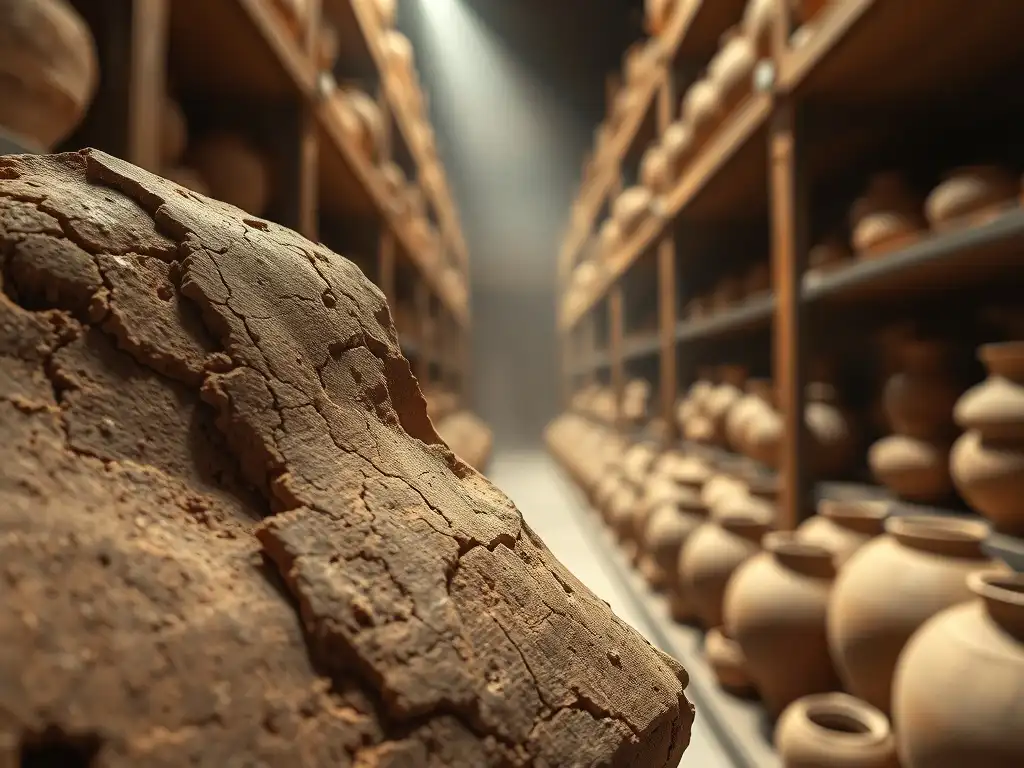
The preservation of Moche pottery, a testament to the sophisticated artistry and technological prowess of the ancient Moche civilization, requires a multifaceted approach encompassing both careful storage and responsible display. Understanding the materials and the potential threats to these fragile artifacts is crucial for ensuring their longevity. The goal is not just to keep the pieces intact, but to maintain their vibrant colors, intricate details, and overall aesthetic integrity for future generations. This involves a careful consideration of environmental factors, handling procedures, and the application of advanced Moche pottery preservation techniques.
Creating a Safe Storage Environment
Optimal storage conditions are paramount for the long-term preservation of Moche pottery. Fluctuations in temperature and humidity are particularly damaging, leading to cracking, flaking, and the deterioration of pigments. Therefore, a stable environment is critical. This involves maintaining a consistent temperature ideally between 68-72°F (20-22°C) and a relative humidity of 50-55%. Excessively dry conditions can cause shrinkage and cracking, while high humidity promotes the growth of mold and fungi, both detrimental to the pottery's structural integrity and aesthetic appeal.
Furthermore, the storage area must be clean and free from dust, pollutants, and pests. Dust particles can scratch the surface of the pottery, while pollutants can react with the pigments, causing discoloration. Pests, such as insects and rodents, can cause irreparable damage by gnawing on the artifacts. Regular cleaning and pest control are essential aspects of Moche pottery preservation techniques. Individual pieces should be stored in acid-free boxes or archival-quality containers, ideally lined with acid-free tissue paper to prevent abrasion.
Heavier pieces should be supported to prevent stress fractures. Proper spacing between pieces is also crucial to allow for air circulation and to prevent damage from contact. Detailed inventory records, including high-resolution images and condition reports, are crucial for monitoring the pottery's condition over time and for facilitating future research. This meticulous record-keeping is an integral part of effective Moche pottery preservation techniques.
Displaying Moche Pottery Responsibly
Displaying Moche pottery presents unique challenges, as exposure to light, temperature fluctuations, and even vibrations can contribute to deterioration. Minimizing light exposure is crucial, as ultraviolet (UV) radiation can fade pigments and weaken the ceramic material. Display cases should be equipped with UV-filtering glass, and the intensity and duration of light exposure should be carefully controlled. Rotation of displayed pieces is also a valuable Moche pottery preservation technique, limiting the cumulative exposure of any single artifact to damaging light.
Temperature and humidity control are equally important in display environments. Maintaining consistent conditions, similar to those recommended for storage, is vital. The display environment should also be protected from vibrations, which can cause microscopic damage to the pottery over time. Finally, the physical handling of artifacts during display setup and rotation must be done with extreme care, using appropriate handling techniques and protective materials to prevent accidental damage.
Regular inspections for signs of deterioration are essential, allowing for timely intervention and the implementation of further Moche pottery preservation techniques as needed. The responsible display of these priceless artifacts requires a balance between public access and the preservation of their cultural and historical significance. Careful planning and diligent monitoring are key components of ensuring their long-term survival.
Seeking Professional Assistance for Moche Pottery Preservation
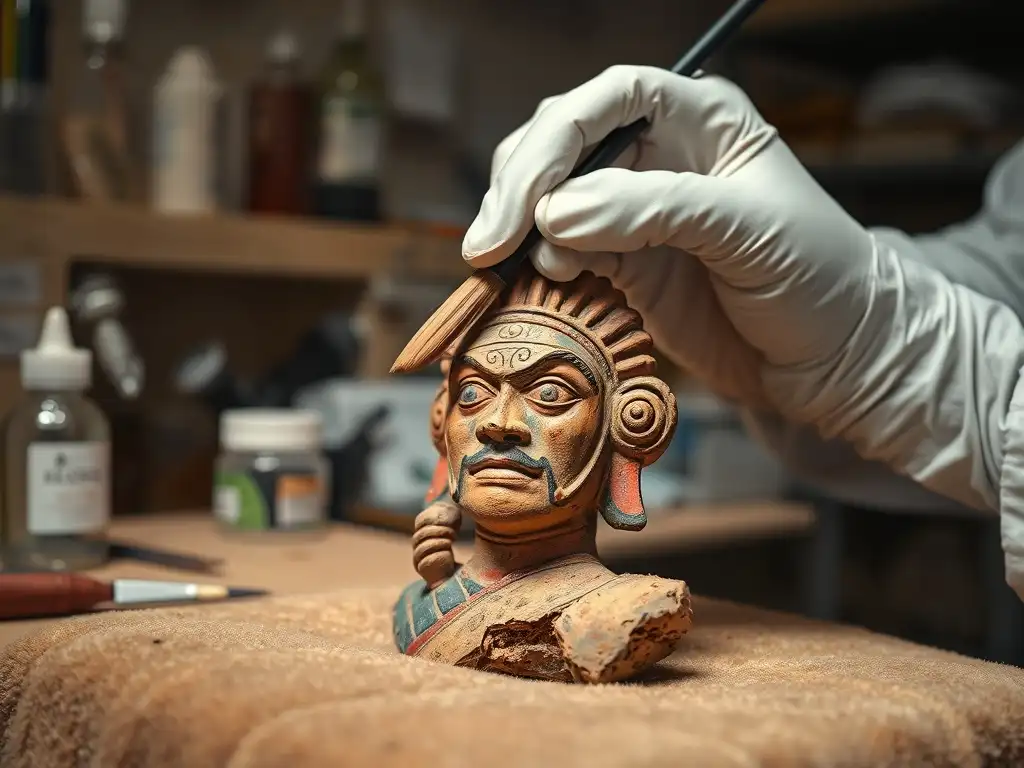
The allure of Moche pottery, with its vibrant colors and intricate depictions of daily life and mythology, often leads collectors and enthusiasts to seek out these remarkable artifacts. However, the age and fragility of these pieces necessitate careful handling and, in many cases, professional intervention to ensure their long-term preservation. Understanding when and why to seek professional help is crucial for safeguarding this irreplaceable cultural heritage.
Improper handling or attempted DIY repairs can cause irreparable damage, diminishing both the aesthetic and historical value of the pottery. This section details the importance of professional conservation services for Moche pottery and outlines scenarios where expert assistance is paramount. The preservation of Moche pottery requires specialized knowledge and techniques, ensuring the authenticity and longevity of these invaluable pieces for future generations.
When to Consult a Professional Conservator
Several factors indicate the need for professional intervention in Moche pottery preservation. These include, but are not limited to:
- Visible Damage: Cracks, chips, breaks, or significant surface deterioration are clear signs that professional assistance is required. Attempting repairs without expertise can lead to further damage and compromise the integrity of the artifact. Even seemingly minor cracks can destabilize the piece over time.
- Signs of Degradation: Discoloration, flaking paint, or the presence of salts or efflorescence on the surface suggest underlying issues that require careful analysis and treatment by a conservator. These issues often indicate environmental damage or improper storage.
- Uncertainty about Authenticity: If there is any doubt about the authenticity of a piece, a professional examination is crucial. Experts can utilize various techniques, including scientific analysis, to verify the provenance and age of the pottery. This is crucial for determining appropriate preservation methods.
- Planned Restoration or Repair: Even minor repairs, such as filling small cracks or stabilizing loose fragments, should ideally be handled by a professional conservator. They possess the expertise to use appropriate materials and techniques that won't further damage the artifact.
The Value of Professional Conservation Services
Engaging professional conservators for Moche pottery offers several key advantages:
- Specialized Expertise: Conservators possess in-depth knowledge of materials science, archaeology, and art history, enabling them to identify the specific needs of each piece and apply appropriate techniques. They understand the unique challenges posed by the materials and age of Moche pottery.
- Appropriate Materials and Techniques: Professionals use specialized, museum-grade materials and techniques that are proven to be safe and effective for long-term preservation. Improper materials can cause irreversible damage.
- Preventive Conservation: In addition to addressing existing damage, conservators can advise on proper storage, handling, and environmental controls to prevent further deterioration. This proactive approach is vital for the long-term preservation of Moche pottery.
- Documentation and Archiving: Professional conservation efforts are typically thoroughly documented, providing valuable information for future research and understanding the history and condition of the artifact. This documentation is crucial for maintaining a clear record of the piece's history and treatment.
- Ethical Considerations: Professional conservators adhere to ethical guidelines that prioritize the preservation of the artifact's integrity and authenticity, avoiding any practices that might compromise its historical value. This ethical commitment ensures that the cultural significance of Moche pottery is respected and protected.
By prioritizing professional Moche pottery preservation techniques, we ensure that these stunning pieces of Andean heritage endure for generations to come, continuing to illuminate the rich artistic and cultural legacy of the Moche civilization. The investment in professional services is an investment in the preservation of history itself.
Conclusion: Ensuring the Longevity of Moche Pottery
The preservation of Moche pottery is not merely a matter of safeguarding artifacts; it's about protecting a vital piece of human history. These ceramics, vibrant testaments to a sophisticated civilization, offer invaluable insights into the Moche worldview, artistic techniques, and daily life. Their continued existence allows future generations to connect with and learn from this remarkable culture.
The challenges are significant, ranging from environmental degradation to illicit trafficking, but through a multifaceted approach combining scientific advancements, ethical collecting practices, and public awareness campaigns, we can ensure the longevity of this irreplaceable legacy. Effective Moche pottery preservation techniques are crucial to achieving this goal. The work is ongoing, demanding constant vigilance and innovation.
The Future of Moche Pottery Preservation
The future of Moche pottery preservation hinges on several key factors. Firstly, advanced scientific techniques need continuous development and application. This includes exploring new materials for conservation, improving non-invasive diagnostic methods (like X-ray fluorescence analysis), and refining existing strategies for stabilizing fragile pieces. Imagine, for instance, the development of a bio-compatible sealant that perfectly mimics the original clay composition, minimizing the impact on the artifact's integrity. This is a crucial area of ongoing research.
Secondly, ethical collecting and trading practices are paramount. Combating the illegal trade of Moche artifacts requires international collaboration and stricter regulations. Museums and private collectors must adhere to rigorous ethical guidelines, ensuring provenance is meticulously documented and that acquisitions are obtained legally. This includes supporting responsible excavations and discouraging the purchase of pieces with unclear origins. The fight against looting is a continuous battle requiring global cooperation and strong legal frameworks.
Thirdly, public education and awareness are indispensable. By increasing public understanding of the significance of Moche pottery and the threats it faces, we empower individuals to become responsible stewards of this cultural heritage. Educational programs, museum exhibits, and online resources can effectively communicate the importance of preservation and responsible collecting. Engaging the public through interactive displays and educational initiatives can foster a sense of ownership and responsibility towards protecting these invaluable artifacts. Think of interactive online platforms showcasing 3D models of Moche pottery, allowing users to explore these pieces without causing any physical damage.
Finally, sustainable funding is critical. Preservation efforts require considerable financial investment in research, conservation, and education. Securing long-term funding through government grants, private donations, and international collaborations is essential to ensuring the long-term viability of preservation programs. Developing sustainable funding models, perhaps through public-private partnerships, ensures the long-term preservation of this irreplaceable cultural heritage.
Successful preservation strategies require a holistic approach, incorporating scientific advancements, ethical practices, and public engagement, all underpinned by reliable funding. Only through this concerted effort can we safeguard the Moche legacy for generations to come. The preservation of Moche pottery is not just a task; it is a responsibility, a testament to our commitment to understanding and respecting our shared human history.
Frequently Asked Questions
What are the biggest challenges in preserving Moche pottery?
The biggest challenges include environmental factors like humidity and temperature fluctuations, which can cause cracking and deterioration. Biological threats from insects and fungi also pose significant risks.
What materials are used in Moche pottery preservation?
Conservators utilize a variety of materials, including specially formulated consolidants to strengthen weakened ceramics. They may also employ protective coatings to shield the pottery from further damage.
How do conservators clean Moche pottery?
Cleaning is a delicate process, often involving gentle cleaning with deionized water and soft brushes. Harsh chemicals are avoided to prevent further damage to the fragile artifacts.
What are some innovative techniques used in Moche pottery preservation?
Advanced imaging technologies, like X-rays and microscopes, help assess the pottery's condition before treatment. 3D scanning can also create digital archives for future study and restoration.
Where can I learn more about Moche pottery preservation techniques?
You can find more information through academic journals, museum websites, and publications dedicated to archaeological conservation. Many universities also offer courses and research opportunities in this field.
Final Reflection: Echoes of the Moche: A Legacy in Clay
The meticulous preservation of Moche pottery is not merely an archaeological endeavor; it's a vital act of cultural continuity, ensuring that the vibrant narratives and sophisticated artistry of this ancient civilization continue to resonate with us today. The fragility of these irreplaceable artifacts demands our unwavering commitment to safeguarding them for future generations, a responsibility that transcends the confines of museums and research labs.
The enduring power of Moche ceramics lies not only in their aesthetic beauty but also in their ability to transport us to a distant past, offering glimpses into the beliefs, rituals, and daily lives of a fascinating culture. Their intricate designs and masterful craftsmanship speak volumes about the ingenuity and artistic prowess of the Moche people. The past is never dead. It's not even past.
– William Faulkner. This quote rings profoundly true when considering the enduring legacy of the Moche and the ongoing efforts to preserve their artistic heritage. Their stories, etched in clay, continue to shape our understanding of pre-Columbian America and inspire awe in those who encounter them.
Consider the implications of losing this legacy. What stories would be silenced? What artistic innovations would be lost to time? You, the reader, have a role to play in this ongoing conversation. By supporting museums, advocating for responsible archaeological practices, and simply appreciating the artistry and cultural significance of Moche pottery, you become a vital part of preserving this invaluable heritage. Let us ensure that the echoes of the Moche continue to resonate for centuries to come.
Unveil the Richness of the Moche Legacy Today!
Thank you for exploring the fascinating world of the Moche civilization with us! Your interest in their exceptional ceramic art highlights the vital importance of preserving authentic cultural heritage. Let's build on this inspiration and help keep the Moche legacy alive.
Here's how you can get involved:
- **Appreciate the artistry of Moche ceramics:** Try your hand at creating your own ceramics at home, experimenting with techniques inspired by traditional methods.
- **Share your enthusiasm! ** Post photos of your creations on social media, using #MocheCreations to connect with other enthusiasts and celebrate this unique art form.
- **Visit** local museums and galleries showcasing ancient ceramics, and share your experience through online reviews to encourage others to appreciate this cultural treasure.
As you delve deeper into the Moche culture, how will you personally honor and celebrate their rich heritage? We'd love to hear your ideas!