
Unraveling the Threads of Time: The Ancient Techniques of Andean Weaving

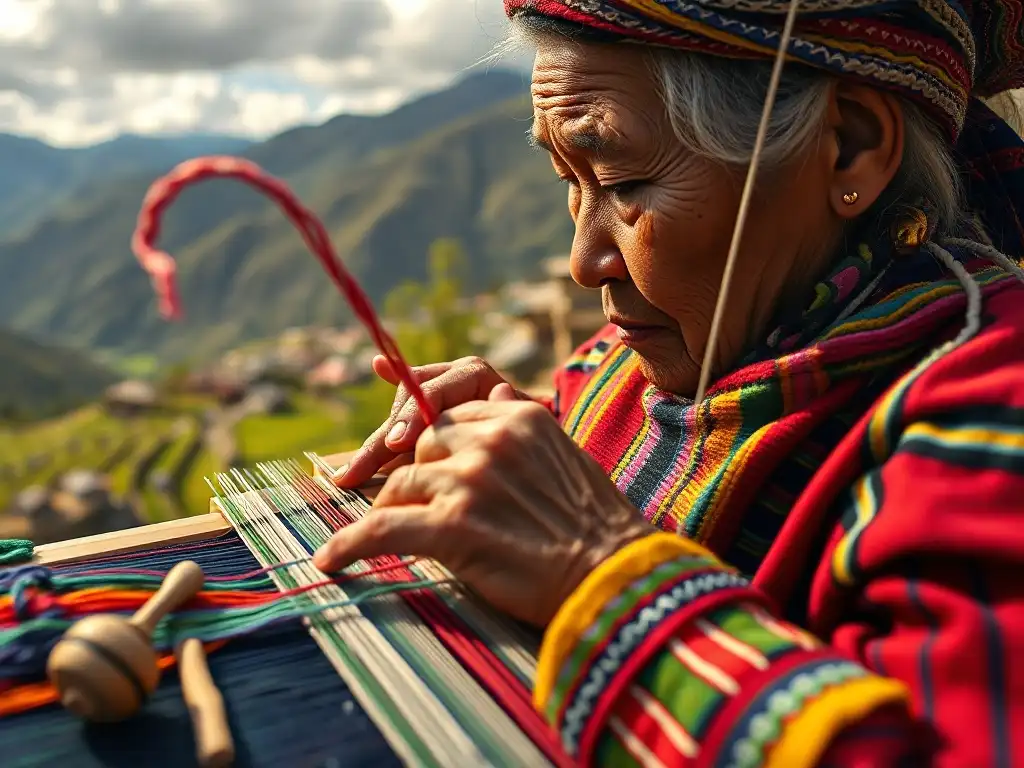
Step into a world lost to time, yet vibrantly preserved in the intricate threads of Andean artistry. For centuries, masterful weavers of the Andes crafted textiles that defied both time and the imagination. Prepare to be captivated by the ingenuity of Andean preColumbian weaving techniques, a legacy that continues to inspire awe. Discover the secrets woven into these remarkable fabrics – a journey through ancient Andean civilizations awaits!
The Andes Mountains, a spine of colossal peaks running down the western coast of South America, are home to a rich tapestry of ancient cultures. For millennia, these civilizations—including the Incas, Moche, Nazca, and Tiahuanaco—developed sophisticated techniques in weaving, creating textiles that were not merely functional but deeply symbolic and integral to their social structures, religious beliefs, and daily lives.
This article delves into the fascinating world of Andean pre-Columbian weaving techniques, exploring the artistry, ingenuity, and cultural significance embedded within these remarkable textiles. We will examine the diverse materials, intricate methods, and enduring legacy of these ancient crafts, revealing how Andean weaving continues to inspire and inform textile traditions today.
Understanding these techniques provides a crucial window into the complexities and artistry of Andean civilizations, enriching our appreciation for their enduring cultural heritage. This exploration will illuminate the ingenuity of Andean artisans and their profound connection to the natural world, showcasing the remarkable skill and creativity that shaped their vibrant textile traditions.
Introduction to Andean Pre-Columbian Textile Arts
Andean pre-Columbian textile arts represent a pinnacle of achievement in ancient textile production. The sheer variety of techniques employed is astounding, showcasing a mastery of fiber preparation, spinning, dyeing, and weaving that continues to impress modern textile experts. Archaeological discoveries across the Andes have unearthed an incredible array of textiles, from intricately woven garments and tapestries to finely crafted bags and ceremonial cloths. These finds reveal a sophisticated understanding of textile technology, with evidence of complex techniques such as:
- Backstrap loom weaving: This ancient technique, still practiced in some Andean communities today, utilizes a simple loom consisting of a warp held taut by a backstrap worn by the weaver. This allowed for the creation of incredibly detailed and intricate designs.
- Spindle whorls and hand spinning: The creation of yarn involved meticulous hand spinning using spindle whorls, which helped to create even and strong threads from various fibers like alpaca, llama, vicuña, and cotton. The quality of the yarn directly impacted the final textile's strength and beauty.
- Natural dyes: Andean weavers utilized a breathtaking palette of natural dyes derived from plants, insects, and minerals. Cochineal insects, for example, provided vibrant reds, while various plants yielded yellows, browns, and blues. The precise recipes and techniques for these dyes remain partially a mystery, highlighting the specialized knowledge of ancient Andean artisans.
- Complex weaving structures: Beyond basic plain weave, Andean weavers mastered complex techniques like tapestry weave, brocade, and supplementary weft techniques, allowing them to create incredibly detailed and multi-colored designs. These techniques required significant skill and patience, reflecting the high value placed on textiles within Andean societies.
Understanding the Significance of Ancient Andean Weaving
The significance of ancient Andean weaving extended far beyond mere functionality. Textiles served as powerful symbols of social status, religious beliefs, and cultural identity. Garments and other textiles often incorporated intricate designs and motifs that communicated specific messages or represented deities and mythical beings. For example:
- Social status: The quality and type of textile worn could indicate an individual's social standing within their community. Fine vicuña textiles, for instance, were reserved for the elite, while those of lower social standing wore textiles made from coarser fibers like llama or alpaca.
- Religious ceremonies: Textiles played a crucial role in religious ceremonies and rituals. Ceremonial cloths, often adorned with intricate designs and symbolic motifs, were used in offerings and other sacred practices. These textiles served as a direct link between the human and spiritual worlds.
- Storytelling and communication: Many Andean textiles incorporated complex designs and patterns that told stories or conveyed important messages. These designs often incorporated representations of animals, plants, and celestial bodies, reflecting the Andean worldview and their deep connection to the natural world. The intricate designs served as a visual language, transmitting knowledge and beliefs across generations.
The study of Andean pre-Columbian weaving techniques offers a rich and rewarding exploration into the ingenuity and artistry of these ancient civilizations. The enduring legacy of these techniques is evident in contemporary Andean textile traditions, demonstrating a continuous thread of cultural heritage and artistic innovation that continues to this day. Further research into specific regional styles and techniques will unveil even more fascinating details about these remarkable achievements.
Essential Fibers in Andean Textile Production: From Alpaca to Cotton
Andean pre-Columbian weaving techniques were deeply intertwined with the availability and properties of the region's unique fibers. The mastery of these techniques, passed down through generations, resulted in textiles of unparalleled quality and artistry. Two of the most important fibers were alpaca and cotton, each contributing distinct characteristics to the final product. The choice of fiber often dictated the intended use of the textile, whether it was for clothing, ceremonial purposes, or everyday household items.
The quality of the fiber, its softness, and its durability were all carefully considered in the selection process, reflecting the deep respect Andean cultures held for their natural resources. The process of acquiring and preparing these fibers was itself a significant undertaking, involving specialized knowledge and meticulous craftsmanship. This intricate relationship between fiber, technique, and cultural significance underscores the profound impact of Andean weaving on the region's history and identity.
Sourcing Premium Alpaca Fiber: [Affiliate Link to a Local Alpaca Farm]
The sourcing of premium alpaca fiber was, and remains, a crucial element in Andean textile production. Alpaca, a camelid native to the Andes, produces a fiber prized for its softness, warmth, and luxurious feel. Different alpaca breeds yield fibers with varying characteristics; for example, Suri alpaca produces a long, silky fiber, while Huacaya alpaca boasts a shorter, crimped fiber.
The quality of the fiber depends on various factors, including the alpaca's diet, the altitude at which it grazes, and the time of year the shearing takes place. Traditional Andean communities often maintain close relationships with their alpaca herds, carefully managing their animals and selecting the best fibers for weaving. This careful selection process ensured that only the highest quality fibers were used in the creation of fine textiles, reflecting the value placed on both the animal and the finished product.
The process of shearing, cleaning, and spinning the fiber was typically a communal activity, strengthening social bonds within the community. The knowledge of selecting and processing alpaca fiber was passed down through generations, ensuring the continuity of this vital aspect of Andean textile traditions.
Working with Andean Cotton: [Affiliate Link to Organic Cotton Yarn Supplier]
Andean cotton, a hardy variety adapted to the challenging high-altitude climate, provided another crucial fiber source for pre-Columbian weaving. Unlike the softer alpaca, Andean cotton offered strength and durability, making it ideal for creating textiles intended for everyday use. The cultivation of cotton involved a significant labor investment, requiring careful planting, irrigation, and harvesting.
The cotton bolls were then carefully processed to separate the fibers from the seeds, a task traditionally performed by hand. The spinning of Andean cotton into yarn was also a highly skilled process, requiring considerable dexterity and patience. The resulting yarn, though potentially coarser than alpaca, possessed a strength and resilience that made it suitable for a wide range of applications, from sturdy clothing to robust bags and other household items.
The color of the naturally occurring cotton fibers varied, adding to the aesthetic appeal of the finished textiles. The use of Andean cotton highlights the ingenuity and adaptability of Andean cultures in harnessing the resources available to them, transforming them into textiles that met both functional and aesthetic needs. The enduring legacy of Andean cotton in contemporary textile production showcases its continued relevance and value.
- Introduction to Andean Pre-Columbian Textile Arts
- Understanding the Significance of Ancient Andean Weaving
- Essential Fibers in Andean Textile Production: From Alpaca to Cotton
- Preparing the Loom: Introduction to Backstrap Looms
- Setting Up Your Backstrap Loom: A How-To Guide
- The Warp and Weft: The Foundation of Andean Textiles
- Mastering the Andean Weaving Techniques: Basic Plain Weave
- Exploring Advanced Pre-Columbian Weaving Techniques: Supplementary Wefts
- Creating Patterns: Exploring Andean Textile Designs
Step-by-Step Guide: Recreating Basic Andean Weaving Techniques
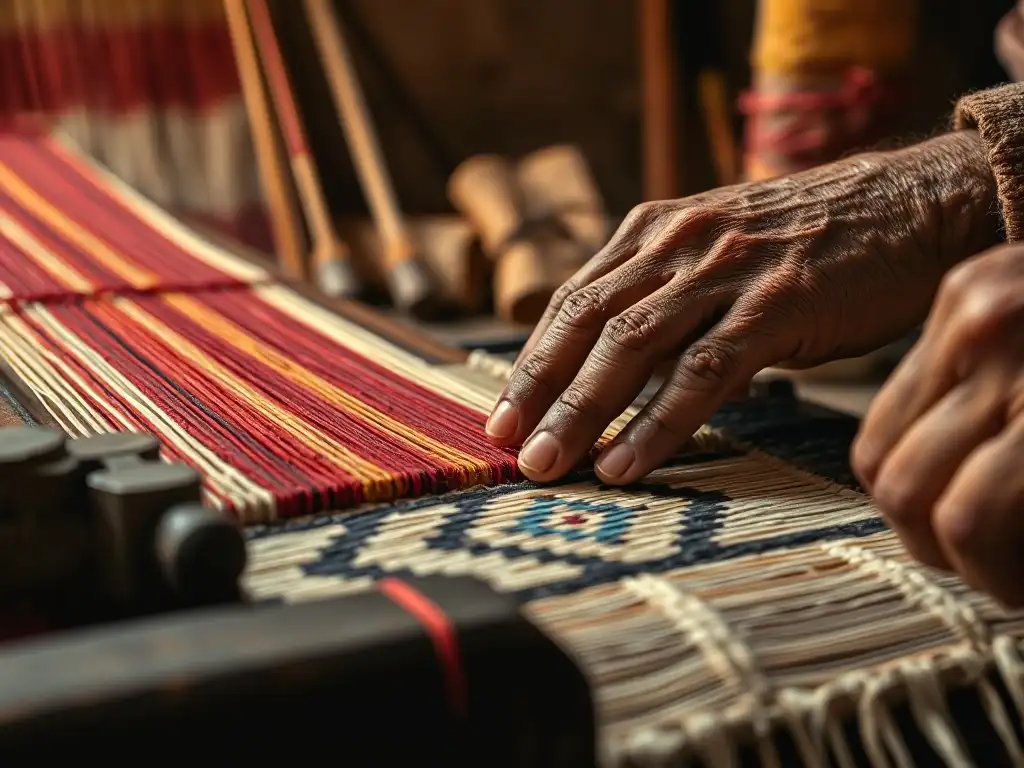
This section delves into the practical aspects of Andean pre-Columbian weaving techniques, focusing on the fundamental skills needed to recreate these intricate textiles. We'll explore the process from loom preparation to basic weaving patterns, offering a hands-on approach to understanding the artistry involved. While achieving the level of mastery seen in ancient Andean textiles requires years of dedicated practice, this guide provides a solid foundation for beginners. The techniques described are simplified versions, allowing for easier learning and exploration of the core principles.
Preparing the Loom: Introduction to Backstrap Looms
The backstrap loom is the quintessential tool of Andean weaving, a portable and versatile device used for centuries. Its simplicity belies its capabilities; with a backstrap loom, weavers could create an astonishing variety of textiles, from simple cloths to richly adorned garments and tapestries. Understanding its setup is crucial to mastering Andean weaving techniques.
The loom itself is remarkably simple, typically consisting of a warp beam (where the lengthwise threads are wound), a heddle (a device to separate warp threads), a shed stick (to open the shed), and a backstrap (used to control tension). The materials are often readily available, with many Andean communities utilizing readily available natural fibers and locally sourced wood.
The beauty of the backstrap loom lies in its adaptability. Weavers could adjust the tension simply by shifting their body weight, allowing for precise control over the weaving process. This adaptability allowed for the creation of incredibly intricate patterns and textures. The portability of the loom was equally important, enabling weavers to work virtually anywhere, integrating weaving into their daily lives. This seamless integration of weaving into Andean culture highlights its significance as both an art form and a practical necessity.
Setting Up Your Backstrap Loom: A How-To Guide
Setting up a backstrap loom might seem daunting initially, but with clear instructions, it becomes a manageable process. First, you need to prepare your warp threads. This involves carefully measuring and winding your chosen yarn onto the warp beam. The number of threads will depend on the width of your intended textile and the desired density.
Traditional Andean weavers used a variety of natural fibers like alpaca, llama, and cotton, each offering unique properties in terms of texture, strength, and color. The process of preparing the warp is meticulous, requiring patience and precision. Inaccurate preparation can significantly impact the final product's quality.
Next, you'll need to attach the warp threads to the heddle. The heddle is a crucial component, allowing the weaver to separate the warp threads into two distinct layers, creating a "shed" through which the weft thread (the crosswise thread) is passed. The heddle's design varies slightly depending on regional traditions, but the fundamental principle remains consistent across different Andean communities. Once the warp is securely attached to the heddle, you can begin the process of weaving.
Finally, secure the warp beam and the backstrap. The backstrap, usually a strong piece of fabric or rope, is crucial for maintaining tension. The weaver secures one end of the backstrap to a fixed point (like a tree or a sturdy post) and the other end to the warp beam. By adjusting the backstrap, the weaver controls the tension on the warp threads, ensuring a consistent and even weave.
The entire setup process, while detailed, is surprisingly intuitive. With practice, you'll find yourself setting up your backstrap loom quickly and efficiently. Remember, patience and attention to detail are key. The reward of creating your own textile using ancient Andean techniques is incredibly satisfying.
Recommended Backstrap Loom Kits: [Affiliate Link to a Handcrafted Loom Maker]
While you can construct a backstrap loom from scratch using readily available materials, purchasing a pre-made kit can significantly simplify the process, especially for beginners. Many artisans offer handcrafted backstrap loom kits, often incorporating traditional Andean designs and materials. These kits typically include all the necessary components, along with detailed instructions, making the learning curve much gentler. Choosing a reputable artisan ensures the quality of the materials and the accuracy of the design.
Investing in a high-quality kit is a worthwhile investment for anyone serious about exploring Andean pre-Columbian weaving techniques. Consider factors like the materials used, the loom's size and portability, and the level of support provided by the maker when making your selection. Remember to research and compare different options before committing to a purchase.
The Warp and Weft: The Foundation of Andean Textiles
Andean weaving, a testament to the ingenuity of pre-Columbian cultures, begins with understanding the fundamental elements: the warp and the weft. The warp consists of the lengthwise threads, meticulously stretched and secured on a loom – a crucial step determining the fabric's overall structure and strength. These threads form the foundational framework upon which the entire textile is built.
The tension of the warp threads is paramount; too loose, and the fabric will be flimsy; too tight, and it will be difficult to weave and potentially break. Different Andean cultures employed various techniques for warping, ranging from simple backstrap looms to more complex upright looms, each contributing unique characteristics to the final product. The choice of material for the warp also played a significant role, with cotton, llama wool, alpaca wool, and vicuña fiber being common choices, each possessing distinct properties influencing the drape, texture, and durability of the woven cloth.
The quality of the warp directly impacted the longevity and aesthetic appeal of the finished textile, reflecting the weaver's skill and the cultural value placed upon the craft. Variations in warp preparation, including spinning techniques and ply, also contributed to the diversity and richness of Andean textiles. Mastering the warp is the cornerstone of successful Andean weaving.
Understanding Warp Thread Tension: [Link to a Tutorial on Warp Tension]
The evenness of the warp tension is crucial for creating a balanced and aesthetically pleasing textile. Uneven tension can lead to distortions in the fabric, affecting both the appearance and structural integrity. Achieving consistent tension requires practice and skill, with experienced weavers often able to judge the correct tension by feel.
Different loom types require different techniques for managing warp tension. For instance, backstrap looms rely heavily on the weaver's body and the backstrap itself to regulate tension, while upright looms often incorporate heddle rods or other mechanisms to assist in this process. In many Andean cultures, the proper adjustment of warp tension was passed down through generations, forming an integral part of the apprenticeship system that ensured the continuity of these intricate weaving traditions.
The mastery of warp tension is indicative of a weaver's proficiency and significantly contributes to the quality of the finished product. [Specific information pending: Details on how tension is adjusted on different types of Andean looms].
Mastering the Andean Weaving Techniques: Basic Plain Weave
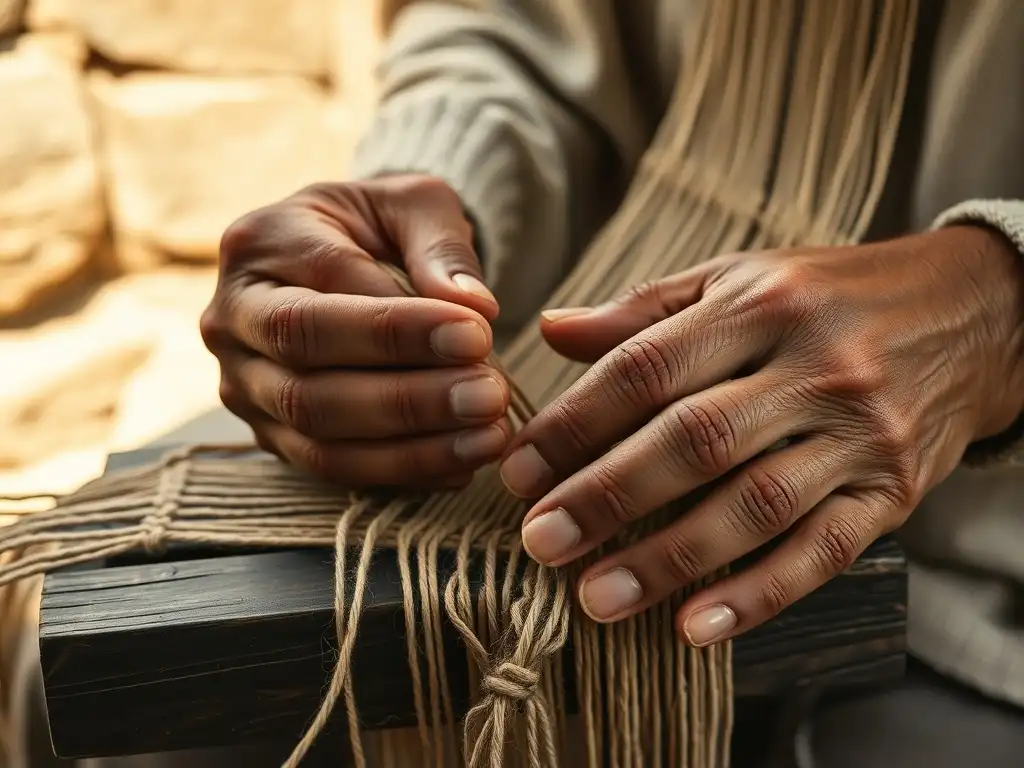
The plain weave, a fundamental technique in Andean textile production, forms the basis for many more complex patterns and designs. This simple yet versatile structure involves the interlacing of warp and weft threads in an over-one-under-one pattern, creating a strong and durable fabric. The beauty of the plain weave lies in its simplicity, allowing the natural colors and textures of the fibers to shine.
While seemingly straightforward, achieving a perfectly even and consistent plain weave requires precision and patience. The skill lies in maintaining consistent tension in both the warp and weft threads, ensuring that the fabric remains even and free from distortions. Variations in the thickness and type of yarn can dramatically affect the final appearance of the plain weave, resulting in a wide range of textures and finishes.
Understanding the plain weave is crucial before attempting more complex Andean weaving techniques. Many elaborate Andean textiles begin with this foundational structure, building upon it to create intricate patterns and designs. The mastery of the plain weave is the key to unlocking the potential of more advanced weaving techniques.
Step-by-Step Instructions for the Plain Weave
- Prepare the Warp: Begin by preparing the warp threads, ensuring even tension across the entire length. This involves carefully winding the threads onto the loom, securing them firmly at both ends. The spacing between the warp threads should be consistent to achieve a uniform fabric.
- Introduce the Weft: The weft thread is then introduced, passing it over and under the warp threads in an alternating pattern. This over-one-under-one pattern is the defining characteristic of the plain weave.
- Beat the Weft: After each pass of the weft thread, it is essential to "beat" or compress the weft using a heddle or similar tool. This process compacts the woven fabric, creating a dense and sturdy textile. The beating process also ensures that the threads interlock securely, preventing unraveling.
- Continue Weaving: Repeat steps 2 and 3, consistently maintaining tension in both the warp and weft threads. The process continues until the desired length of fabric is achieved. Careful attention to detail is crucial throughout the entire process to maintain a consistent and even weave.
- Finishing: Once the desired length is reached, secure the weft thread and carefully remove the finished fabric from the loom. Any loose ends should be neatly trimmed and secured to prevent unraveling. This final step ensures the durability and longevity of the handmade textile. The finished product showcases the weaver's skill and dedication to the craft. The plain weave, though basic, is a testament to the enduring techniques of Andean weaving.
Exploring Advanced Pre-Columbian Weaving Techniques: Supplementary Wefts
Andean pre-Columbian weaving techniques reached astonishing levels of sophistication. One key element contributing to the complexity and beauty of their textiles was the masterful use of supplementary wefts. Unlike the basic weft that forms the ground fabric, supplementary wefts are added on top, creating intricate patterns, textures, and designs without altering the structural integrity of the base cloth. This allowed Andean weavers to achieve incredible detail and visual depth in their creations.
The supplementary wefts were often made of finer, more luxurious materials like alpaca or vicuña wool, adding another layer of visual richness to the finished piece. These supplementary threads could be woven in a variety of ways, creating different effects, from subtle shading to bold geometric designs. The precision and skill required to execute these techniques demonstrate the high level of artistry within Andean weaving traditions.
Many surviving examples showcase the astounding capabilities of these ancient artisans. The intricate tapestry-like effects achieved with supplementary wefts are a testament to their ingenuity and patience. Their mastery of this technique allowed them to create textiles that were not only functional but also served as powerful symbols of status, ritual, and cultural identity.
Introducing Supplementary Weft Techniques: [Link to a Detailed Article on Supplementary Wefts]
Supplementary weft techniques represent a significant advancement in Andean weaving. This technique allows for the incorporation of multiple colors and textures into a single piece, without disrupting the structural integrity of the main weave. Different supplementary weft techniques include brocade, tapestry, and soumak, each with its own unique characteristics and challenges. Mastering these techniques requires a solid understanding of basic weaving principles and a keen eye for detail.
The ability to seamlessly integrate supplementary wefts into the main fabric is a testament to the skill and precision of the Andean weavers. Many surviving examples of textiles demonstrate the complex interplay of colors and textures achieved through this method. The use of supplementary wefts not only added visual interest but also provided additional warmth and durability to the garments.
Tools for Supplementary Weft Work: [Affiliate Link to Andean Weaving Tool Set]
While the basic tools for Andean weaving were relatively simple, the creation of intricate supplementary weft designs required specialized instruments. A high-quality heddle, for example, is crucial for maintaining even tension and controlling the warp threads. Fine-tipped needles are necessary for precisely inserting the supplementary wefts. A well-maintained loom, sturdy enough to handle the added tension created by multiple wefts, is also essential.
Additionally, specialized combs or tools might have been used to help manage the supplementary threads and create clean, crisp edges. The quality of the tools directly impacted the quality of the finished product, highlighting the importance of proper tool selection and maintenance in Andean weaving traditions. The creation of complex supplementary weft designs required not only skill but also a carefully curated collection of tools.
Creating Patterns: Exploring Andean Textile Designs
The patterns found in Andean textiles are far more than mere decoration; they are powerful visual narratives that convey complex cultural information. These intricate designs often incorporated geometric motifs, symbolic representations of animals and plants, and even representations of celestial bodies. The precise arrangement of colors and shapes communicated a wealth of meaning, often related to social status, religious beliefs, and historical events.
Understanding these patterns requires a deep dive into the symbolism of Andean culture, examining the meanings associated with specific colors, shapes, and combinations. The sheer diversity of patterns found across different Andean cultures highlights the rich tapestry of traditions and beliefs that existed in the region. The use of specific color combinations and motifs could indicate clan affiliation, social standing, or even the wearer's connection to specific deities.
Understanding Andean Motifs and Symbolism
Many Andean motifs are deeply rooted in the natural world surrounding the ancient civilizations. Animals like the puma, condor, and serpent frequently appear, each carrying specific symbolic weight. Geometric shapes, such as zigzags, triangles, and stepped frets, often represent abstract concepts like mountains, water, or the cosmos. The careful placement and combination of these motifs create a visual language rich in meaning.
For example, the repetition of certain patterns might signify fertility or abundance, while other combinations could represent spiritual journeys or celestial events. Scholars continue to unravel the intricate meanings embedded within these designs, using a combination of archaeological findings, ethnographic studies, and historical accounts. The study of Andean textile motifs provides invaluable insights into the worldview and cultural practices of these ancient societies.
Utilizing Pattern Books for Inspiration: [Affiliate Link to a Book on Andean Textile Patterns]
While replicating ancient Andean weaving techniques requires a deep understanding of the historical context and technical skills, accessing visual resources can be invaluable. Pattern books dedicated to Andean textile designs offer a wealth of inspiration and guidance. These books often include detailed illustrations, descriptions of techniques, and historical background, allowing modern weavers to learn from the past.
Careful study of these patterns helps to understand the complexities of the designs and to appreciate the skill involved in their creation. By studying these designs, modern weavers can gain a deeper appreciation for the artistic achievements of Andean civilizations and apply these principles to create contemporary works inspired by ancient techniques. Access to such resources bridges the gap between historical practice and modern creation, ensuring the continuation of these important cultural traditions.
Analyzing Different Andean Pre-Columbian Weaving Styles
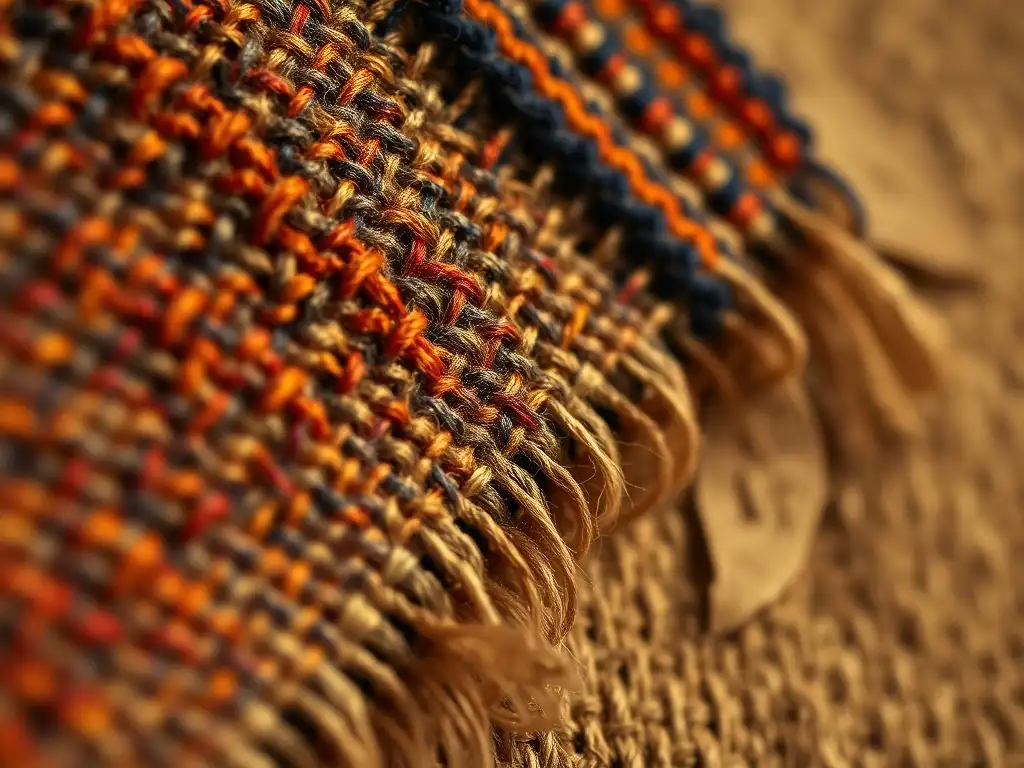
This section delves into the diverse tapestry of Andean pre-Columbian weaving techniques, exploring the unique styles and characteristics of different cultures. Mastering these techniques required sophisticated knowledge of fiber preparation, spinning, dyeing, and weaving itself, reflecting the advanced technological capabilities of these societies. The variations in style not only showcase artistic expression but also provide valuable insights into social structures, religious beliefs, and daily life. Understanding these nuances is crucial to appreciating the depth and complexity of Andean pre-Columbian textile production. We will focus here on two prominent examples: the Inca and the Moche civilizations.
The Intricate Weaving of the Inca Empire
The Inca Empire, known for its meticulous organization and impressive infrastructure, also produced incredibly sophisticated textiles. Inca weaving wasn't merely decorative; it served crucial social and religious functions. Garments and textiles indicated social status, religious affiliation, and even the wearer's geographic origin. The quality of the materials and the complexity of the designs directly correlated with social standing. High-ranking officials, priests, and the royal family wore garments made from the finest vicuña and alpaca wool, adorned with intricate patterns.
Examining Inca Tapestry Techniques
Inca weavers mastered several techniques, including tapestry weaving, which involved using different colored yarns to create intricate designs within the fabric. This technique, demanding significant skill and patience, allowed for the creation of highly detailed images and complex patterns. Consider the famous Paracas textiles, predecessors to the Inca, which demonstrated a sophisticated understanding of tapestry techniques.
These techniques were also applied to the creation of khipus, knotted cords used for record-keeping, further highlighting the Inca's advanced understanding of textile manipulation for both artistic and administrative purposes. The use of complementary colors and the strategic placement of motifs within the overall design showcase a sophisticated understanding of color theory and visual composition.
Detailed analysis of surviving Inca textiles reveals a remarkable level of standardization in certain motifs and patterns, suggesting a centralized system of production and control over textile manufacturing. Further research is needed to fully understand the role of specialized workshops and the division of labor within the Inca textile industry.
Moche Textile Art: Depicting Daily Life Through Weaving
The Moche civilization, flourishing on the northern coast of Peru, produced textiles that vividly depicted scenes of daily life, religious rituals, and mythological narratives. Unlike the Inca's more formalized designs, Moche textiles often showcase dynamic and expressive imagery, filled with vibrant colors and detailed representations of figures and events. Their textiles provide invaluable insights into their society's worldview and daily activities, offering a window into a culture that thrived centuries before the Inca.
Exploring Moche Iconography in Textiles
Moche iconography in textiles frequently features depictions of deities, mythical creatures, and scenes of warfare, hunting, and ceremonial activities. These representations, often rendered with remarkable detail and accuracy, offer a visual record of the Moche belief system and social practices. The use of natural dyes, derived from plants and minerals, resulted in a wide range of colors, enhancing the visual impact of their textile art.
One striking example is the frequent portrayal of the Aia Paec, a powerful Moche deity associated with fertility and agriculture, often depicted with elaborate headdresses and ceremonial attire. The precise techniques used to achieve the vibrant colors and the remarkable preservation of these textiles remain areas of ongoing research and study. The study of Moche textile fragments provides evidence of the use of various weaving structures, including plain weave, tapestry, and gauze, demonstrating a high level of technical proficiency and artistic innovation.
The diverse range of motifs and the vibrant color palettes clearly illustrate the richness and complexity of Moche culture. Further research into the specific materials used and the dyeing processes would significantly improve our understanding of Andean preColumbian weaving techniques.
Nazca Textile Traditions: Geometrical Patterns and Color Palettes
The Nazca culture, famed for its enigmatic geoglyphs etched into the desert floor, also left behind a remarkable legacy in textile production. Their weaving techniques, while sharing some similarities with other Andean cultures, possessed a distinct aesthetic characterized by bold geometric patterns and vibrant color palettes. Unlike the more figurative representations found in some other Andean textiles, Nazca weavings emphasized abstract designs, often incorporating intricate arrangements of triangles, zigzags, and stepped motifs.
These patterns weren't merely decorative; they likely held symbolic meaning, reflecting the Nazca worldview and possibly relating to their sophisticated astronomical knowledge or religious beliefs. Scholars continue to decipher the meaning behind these complex designs, comparing them to other aspects of Nazca iconography, such as pottery and metalwork. The precision and intricacy of these patterns are truly astonishing, demonstrating a high level of skill and mastery of the weaving process.
The color palettes employed by Nazca weavers were equally striking. They skillfully employed natural dyes derived from plants and minerals, achieving a wide range of hues, from deep reds and oranges to vibrant blues and greens. The use of these natural dyes required extensive knowledge of local flora and the processes involved in extracting and applying the colorants.
The remarkable preservation of many Nazca textiles allows us to appreciate the vibrancy and luminosity of these colors even after centuries. The careful selection and combination of colors further contributed to the overall impact of the designs, creating visually arresting and complex textiles.
The consistent use of specific color combinations within certain types of textiles suggests a structured system of color symbolism within Nazca society, possibly related to social status, ritual practices, or specific deities. Further research is needed to fully unravel the complex relationship between color, design, and social organization in Nazca society.
Analyzing Nazca Textile Techniques
Analyzing Nazca textile techniques reveals a sophisticated understanding of fiber preparation and weaving methods. The Nazca people primarily used cotton, a readily available crop in their coastal environment, though camelid fibers (alpaca or llama) were also incorporated, particularly in finer textiles. The preparation of the fibers involved a meticulous process, including cleaning, carding, and spinning to create strong, even yarns. Archaeological evidence suggests the use of spindles and drop spindles for spinning, tools that were widely used throughout the Andes. The level of fineness and uniformity achieved in Nazca yarns indicates a high level of skill and specialized knowledge.
The weaving itself was accomplished using various techniques, including plain weave, tapestry weave, and other more complex methods. Tapestry weaving, which involves interweaving different colored yarns to create intricate designs on the fabric's surface, was a particularly important technique for the Nazca. This technique allowed them to create the detailed geometric patterns that characterize their textiles.
The use of supplementary weft techniques, where additional weft yarns are added to create raised patterns or textures, is also evident in some Nazca textiles. This indicates a profound understanding of weaving structures and a commitment to creating richly textured and visually stimulating fabrics. The precise execution of these techniques, often involving incredibly fine yarns, is a testament to the skill and patience of Nazca weavers.
The study of Nazca weaving techniques provides valuable insights into the technological sophistication and artistic ingenuity of this remarkable Andean civilization. Further investigation into the tools and techniques employed, coupled with detailed analysis of surviving textiles, would greatly enhance our understanding of Nazca weaving practices.
Preserving and Appreciating Andean Textile Heritage
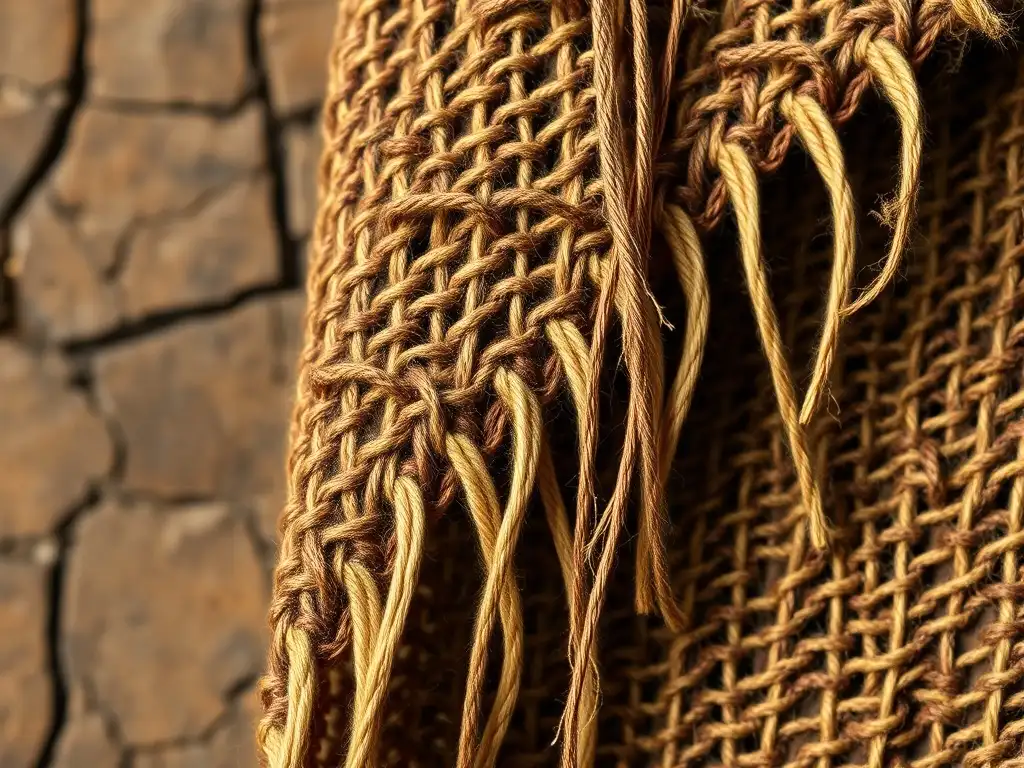
The enduring legacy of Andean preColumbian weaving techniques relies not only on understanding their historical significance but also on actively preserving these exquisite artifacts for future generations. These textiles, imbued with intricate designs and vibrant colors, represent a profound connection to the past, reflecting the ingenuity and artistry of ancient Andean cultures. Proper care and display are paramount in ensuring their longevity and continued appreciation.
Understanding the delicate nature of these handwoven treasures is the first step towards responsible stewardship. The materials used—alpaca, llama, vicuña, cotton, and even camelid hair blends—each possess unique properties that require specific handling. Ignoring these nuances can lead to irreversible damage, diminishing the cultural value and aesthetic beauty of these priceless textiles.
Caring for Your Handwoven Andean Textiles
The delicate nature of Andean textiles demands a gentle approach to cleaning and maintenance. Avoid harsh chemicals and abrasive materials that can damage the fibers and compromise the vibrant colors. Regular dusting with a soft brush is recommended to prevent the accumulation of dust and debris. For more thorough cleaning, opt for a specialized, pH-neutral detergent formulated for delicate fabrics.
Avoid machine washing, as the agitation can severely damage the intricate weave structure. Instead, hand-washing with cool water using a gentle, swirling motion is preferred. Always rinse thoroughly and gently squeeze out excess water—never wring or twist the fabric. Allow the textile to air dry flat, away from direct sunlight or heat sources, to prevent fading or warping.
Proper storage is equally crucial. Keep textiles in a cool, dry, and well-ventilated area, ideally wrapped in acid-free tissue paper to protect them from light, moisture, and pests. Regular inspection for signs of damage, such as fraying or insect infestation, is crucial for early intervention and preservation.
Recommended Textile Cleaning Products: [Affiliate Link to Natural Fiber Detergent]
This section would ideally contain a link to a reputable supplier of natural fiber detergents. The choice of cleaning product is critical to the preservation of Andean textiles. Harsh detergents can strip the natural oils from the fibers, leading to brittleness and damage. Look for detergents specifically formulated for delicate fabrics, such as those made from natural ingredients, and always test a small, inconspicuous area before applying the detergent to the entire piece. Remember, prevention is key. Regular dusting and careful handling will significantly reduce the need for extensive cleaning.
Displaying Andean Textiles: Showcasing Your Craft
Displaying Andean textiles is an art in itself. These exquisite pieces deserve to be showcased in a way that honors their cultural significance and artistic merit. Improper display can lead to fading, damage, and deterioration, undermining the value and integrity of these precious artifacts. The choice of display method must consider the textile's fragility and vulnerability to light, moisture, and pollutants. Avoid direct sunlight, as prolonged exposure can cause fading and discoloration. Similarly, high humidity can lead to mold and mildew growth. Proper lighting is essential, opting for low-intensity, UV-filtered lighting to minimize damage.
Framing and Hanging Options: [Affiliate Link to a Custom Textile Framing Service]
Framing is a popular method for displaying Andean textiles, offering protection and aesthetic appeal. However, the framing process itself must be handled with care. Use acid-free materials to avoid damaging the fibers.
Avoid using staples or pins directly on the textile; instead, use archival-quality mounting techniques that allow for breathability and prevent stress on the fabric. A professional framing service specializing in textile conservation is recommended to ensure proper handling and preservation. Alternatively, textiles can be displayed on a wall using specialized textile hanging systems.
These systems often incorporate acid-free materials and gentle support mechanisms to minimize stress on the fabric. Regardless of the chosen display method, regular inspection and monitoring are essential to identify and address any potential issues promptly. By carefully considering these factors, you can ensure that your Andean textiles remain vibrant and well-preserved for generations to come, effectively contributing to the ongoing preservation of Andean preColumbian weaving techniques.
Conclusion: The Enduring Legacy of Andean Pre-Columbian Weaving Techniques
The intricate artistry and sophisticated techniques employed in Andean pre-Columbian weaving represent a remarkable achievement in human ingenuity. These textiles, imbued with symbolism and reflecting a deep connection to the Andean landscape and cosmology, continue to fascinate and inspire researchers and artisans alike. From the vibrant colors of the Paracas textiles to the complex iconography of the Inca k'umpi, each piece tells a story, a testament to the enduring skill and cultural richness of Andean civilizations.
The legacy of these techniques extends far beyond the historical context; their influence can still be seen in contemporary Andean weaving practices, demonstrating the enduring power of tradition and cultural heritage. Understanding these ancient techniques offers a deeper appreciation for the ingenuity and artistry of Andean cultures and their lasting impact on the world. The meticulous craftsmanship, innovative use of materials, and symbolic depth of these textiles provide invaluable insights into the social structures, religious beliefs, and daily lives of these ancient societies.
Analyzing the surviving examples allows us to piece together a more complete picture of Andean pre-Columbian life, revealing the complex interplay of technology, spirituality, and artistic expression. Further research into these techniques promises to unlock even more secrets hidden within the threads of time.
Continuing the Tradition: Resources for Further Learning
For those eager to delve deeper into the fascinating world of Andean pre-Columbian weaving techniques, several avenues for further learning exist. While specific institutions and resources may vary, a good starting point is seeking out academic journals specializing in Andean archaeology and textile studies. These journals often publish detailed analyses of specific textiles, offering in-depth insights into the techniques used and the cultural context in which they were created. Furthermore, many museums around the world house significant collections of Andean textiles.
These museums often offer curated exhibitions and educational programs that provide opportunities to examine these artifacts up close and learn more about their historical significance. Additionally, books dedicated to Andean textiles and weaving techniques are readily available, offering both scholarly and more accessible perspectives on the subject. These resources often include detailed illustrations and explanations of various weaving methods, providing a valuable visual and textual guide for anyone interested in learning more.
Finally, connecting with contemporary Andean weavers can offer a unique perspective, allowing one to witness firsthand the continuation of these ancient traditions and gain insights into the modern evolution of Andean textile art. The enduring legacy of Andean pre-Columbian weaving techniques deserves continued study and appreciation, ensuring that these remarkable achievements are preserved and celebrated for generations to come. The exploration of these techniques provides a window into the past, enriching our understanding of Andean civilizations and their remarkable contributions to human history.
Further Exploration: Specific Weaving Techniques
While a comprehensive list is beyond the scope of this section, some specific weaving techniques prevalent in Andean pre-Columbian textiles warrant mention. These include:
- Backstrap loom weaving: A portable and versatile technique widely used across the Andes.
- Warp-faced plain weave: A basic but strong weave often forming the foundation of more complex textiles.
- Supplementary weft techniques: Adding decorative elements to the basic weave structure, such as brocade or tapestry.
- Gauze weaving: Creating lightweight and airy fabrics with unique textural qualities.
- Knotting techniques: Used in various applications, including creating fringes or decorative elements.
Research into these specific techniques provides a more granular understanding of the remarkable skill and innovation of Andean weavers.
Frequently Asked Questions
What makes Andean pre-Columbian weaving techniques unique?
Andean weaving is unique due to its complex techniques, including double-faced weaving, spindle spinning, and the use of exceptionally fine fibers like alpaca and vicuña. The intricate designs and vibrant colors also stand out.
What types of fibers were used in Andean weaving?
Ancient Andean weavers utilized a variety of fibers, most notably alpaca, vicuña, llama, and cotton. The choice of fiber depended on factors like availability, desired texture, and the intended use of the textile.
How did Andean weavers create such intricate designs?
The intricate designs were achieved through a combination of advanced weaving techniques, precise planning, and meticulous execution. They used various methods like supplementary weft and tapestry weaving to create complex patterns and images.
What tools did Andean weavers use?
Andean weavers employed a range of tools, including spindles for spinning yarn, backstrap looms for weaving, and various specialized needles and shears. These tools, often simple yet effective, allowed for remarkable textile production.
What is the significance of Andean textiles in understanding pre-Columbian cultures?
Andean textiles provide invaluable insights into social structures, religious beliefs, and daily life of pre-Columbian societies. Their designs often held symbolic meaning, reflecting the worldview and cultural values of the time.
Final Reflection: Weaving the Past into the Present
The intricate artistry of Andean pre-Columbian weaving techniques remains a potent symbol of resilience, innovation, and cultural continuity, echoing through time and resonating powerfully in today's world. These ancient practices, far from being relics of a bygone era, offer invaluable lessons in sustainability, craftsmanship, and the profound connection between humans and their environment. Their survival, despite centuries of upheaval, stands as a testament to the enduring power of cultural heritage.
The enduring legacy of Andean weaving is not merely aesthetic; it's a living testament to the ingenuity and spiritual depth of past civilizations. These techniques, passed down through generations, speak volumes about the deep understanding of natural fibers, intricate dyeing processes, and symbolic representation woven into every thread. The textiles are not just cloth; they are living history, imbued with the stories, beliefs, and aspirations of a people.
This quote encapsulates the profound emotional and cultural significance of these ancient crafts, a significance that continues to inspire artists and researchers alike. The vibrant colors and complex designs continue to captivate, reminding us of the rich tapestry of human creativity and the importance of preserving cultural heritage.
Consider the intricate details, the painstaking effort, the deep connection to the land inherent in each piece of Andean weaving. You too can weave your own threads of understanding and appreciation. Take a moment to reflect on the enduring power of tradition, the importance of preserving cultural heritage, and the beauty that can be found in the meticulous craftsmanship of the past. Let the legacy of Andean weaving inspire you to connect with your own heritage, to appreciate the artistry around you, and to strive for excellence in your own endeavors.
Embrace the Art: Weave Your Andean Journey Today!
Thank you for exploring the rich world of Andean weaving! You've discovered ancient techniques that have shaped cultures and traditions for centuries. Now, let's bring that inspiration to life. Here's how you can continue your journey of discovery:
- Connect with local artisans and experts: Seek out a weaving workshop in your area, or connect with Andean weavers online to learn directly from their experience and hear their stories. Many offer online courses and tutorials.
- Share the beauty of Andean weaving: Spread the word about this fascinating craft by sharing this article with friends, family, or on social media. Let others discover the artistry and cultural significance of these ancient traditions!
- Create your own woven masterpiece: Gather materials and embark on a simple weaving project. Document your progress and celebrate your creative journey. Even a small project can be incredibly rewarding.
How will you integrate the wisdom and artistry of Andean weaving into your own creative expression? What will your first project be?