
Andean Concepts of Time and Eternity: The Role of Ancestors in the Cosmos


Welcome to Andean Civilizations, where the echoes of a lost world whisper secrets of ingenuity and power. Prepare to journey through millennia, unraveling the intricate tapestry of Andean culture – from the breathtaking artistry of the Nazca lines to the sophisticated engineering of the Inca empire. But first, consider this: what if our understanding of time itself was fundamentally different?
Delve into the fascinating Andean concept of time and eternity, and discover how these ancient societies viewed their ancestors as integral to the cosmos. Explore the profound connection between the living and the dead, and uncover a worldview that will challenge your own perception of time and existence.
- Andean Concept of Time and Eternity: The Role of Ancestors in the Cosmos
- Ancestral Reverence and its Connection to Time and Eternity
- Andean Cosmology and the Eternal Return
- The Influence of Andean Time Concepts on Daily Life
- Contrasting Andean and Western Views of Time
- The Legacy of Andean Time Concepts Today
- Frequently Asked Questions
- Final Reflection: Weaving the Threads of Time and Eternity
- Embrace the Wisdom of the Ancestors!
Andean Concept of Time and Eternity: The Role of Ancestors in the Cosmos
The Andean worldview presents a fascinating and complex understanding of time and eternity, drastically different from linear Western conceptions. Instead of a unidirectional arrow from past to future, Andean cultures, including the Inca, Moche, Nazca, and Tiahuanaco, perceived time as cyclical, interwoven with the cosmos and deeply connected to their ancestors. This cyclical perception wasn't merely a philosophical abstraction; it profoundly impacted their daily lives, religious practices, and social structures.
Understanding their concept of time is key to unlocking the secrets of their sophisticated societies and their enduring legacy. This article will explore the Andean concept of time and eternity, focusing on the crucial role that ancestor veneration played in shaping their cosmological beliefs and practices.
We will delve into the cyclical nature of Andean temporality, the transformative power of Pachakuti, and the profound interconnectedness of past, present, and future within their worldview. Understanding these elements reveals a rich tapestry of beliefs that continue to resonate today.
Understanding Andean Temporality: A Cyclical View
Unlike Western linear models that see time as a straight line progressing from beginning to end, Andean cultures viewed time as a cyclical process, often represented by recurring patterns in nature. The agricultural cycle, with its planting, growth, harvest, and fallow periods, served as a potent metaphor for the cyclical nature of time itself. The sun's daily journey across the sky, the phases of the moon, and the changing seasons all reinforced this perception of continuous renewal and regeneration.
This cyclical understanding wasn't simply a passive observation of natural phenomena; it was actively incorporated into their religious ceremonies, agricultural practices, and social organization. For example, the annual festivals celebrated by various Andean cultures often mirrored the cyclical rhythms of nature, ensuring harmony between the human world and the cosmos.
The emphasis was not on a singular, irreversible progression, but on the repetition and transformation within a continuous flow. The past wasn't simply something left behind; it was actively present, influencing the present and shaping the future.
The Concept of Pachakuti: Cycles of Transformation
The concept of Pachakuti is central to understanding Andean temporality. It signifies a radical transformation or upheaval, a profound shift in the cosmic order. These weren't merely minor changes but rather catastrophic events that marked the end of one era and the beginning of another.
Pachakuti events could be natural disasters like earthquakes or floods, or they could be social upheavals like wars or regime changes. Importantly, Pachakuti wasn't seen as purely destructive; it was also understood as a necessary process of renewal and regeneration, paving the way for a new cosmic order. This cyclical view of destruction and renewal is reflected in many Andean myths and legends, which narrate stories of cosmic upheavals followed by periods of prosperity and stability.
The cyclical nature of Pachakuti emphasizes the dynamic and ever-changing nature of reality, highlighting the Andean understanding that change is an inherent part of existence, not something to be feared or avoided. The frequency and scale of these Pachakuti events, however, requires further research to fully understand their impact across different Andean cultures.
The Interconnectedness of Past, Present, and Future in Andean Thought
In the Andean worldview, the past, present, and future were not separate entities but rather interconnected aspects of a single, continuous flow of time. Ancestors, who had transitioned to the spirit world, were not simply forgotten; they remained active participants in the lives of the living. Ancestor veneration was a vital aspect of Andean culture, with rituals and offerings designed to maintain a strong connection between the living and the deceased.
This connection extended beyond mere remembrance; ancestors were believed to exert influence on the present, offering guidance, protection, and even intervening in the affairs of the living. This close relationship between the living and the dead is reflected in the construction of elaborate tombs and burial sites, often integrated into the living landscape. The continuous interaction between the living and the dead highlights the deeply cyclical nature of Andean time, where the past is not merely a historical record but a living force shaping the present and future.
This interconnectedness emphasizes the importance of respecting and honoring ancestors as integral parts of the continuing cosmic cycle. Further research is needed to fully explore the specific rituals and practices related to ancestor veneration in different Andean cultures.
Ancestral Reverence and its Connection to Time and Eternity
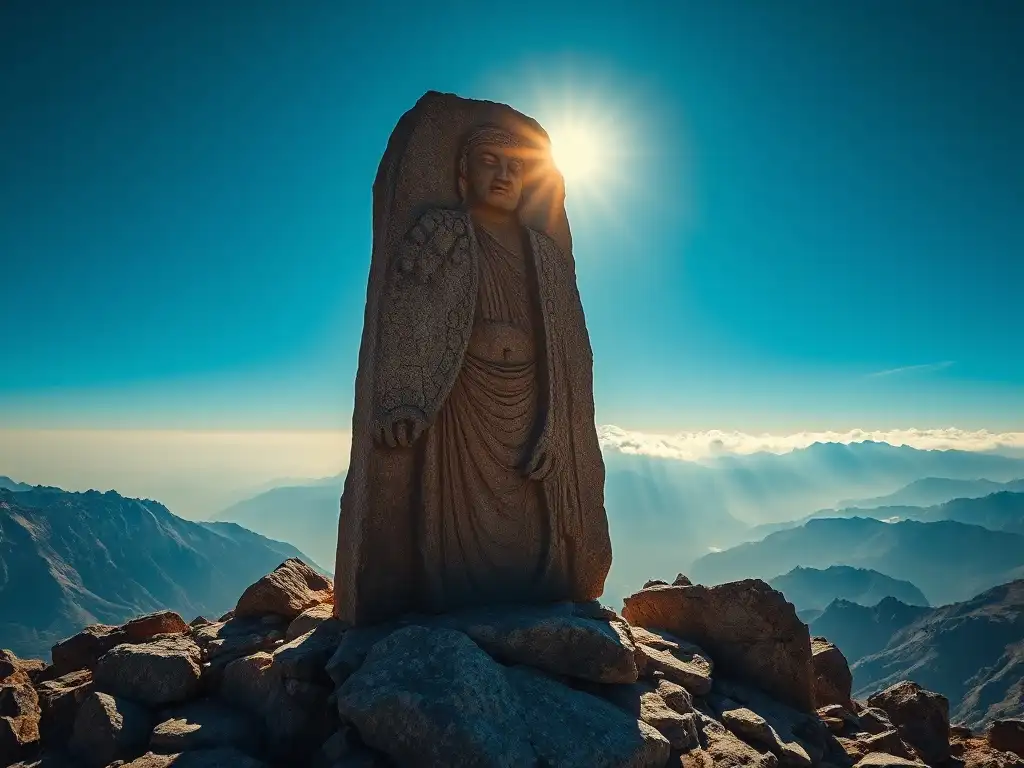
This section delves into the profound connection between ancestral reverence and the Andean concept of time and eternity. Unlike linear Western conceptions of time, Andean cultures viewed time as cyclical, with the past, present, and future intertwined. This cyclical understanding is intrinsically linked to the belief that ancestors, far from being relegated to a distant past, remain active participants in the cosmos, influencing the lives of the living.
The reverence shown to ancestors wasn't merely a sentimental practice; it was a vital ritual ensuring the continued well-being and prosperity of the community, maintaining the delicate balance between the human and spiritual realms. Understanding this profound connection is crucial to grasping the Andean worldview and their unique approach to mortality.
The Living Dead: Ancestors as Active Agents
Andean cultures didn't perceive death as an absolute end. Instead, they believed that ancestors transitioned to a different state of existence, remaining powerful and influential forces in the lives of their descendants. They weren't passive observers; they were active agents, capable of intervening in the affairs of the living, offering protection, guidance, or even retribution.
This belief is reflected in numerous archaeological findings, such as the elaborate burial practices and the offering of food, drink, and other goods to the deceased. These weren't simply funerary rites; they were acts of communication and sustenance, ensuring the ancestors' continued well-being and their continued role within the community's social and spiritual fabric. The concept of the "living dead" is central to understanding the Andean concept of time and eternity; the past is not simply gone, but actively present and influential.
For example, the Moche culture, renowned for its intricate pottery depicting scenes of daily life and ritual, often portrays ancestors participating in ceremonies and interacting with the living. These depictions emphasize the continuous connection between the realms of the living and the dead, underlining the active role of ancestors in the ongoing cycle of life and renewal. The vibrant and dynamic nature of these representations directly contradicts a static, linear view of time.
The Importance of Ancestral Remains and Rituals
The physical remains of ancestors held immense significance in Andean societies. Bones, mummies, and other artifacts were not simply discarded; they were carefully preserved and venerated as powerful conduits to the ancestral world. These remains were often kept in special locations within homes or shrines, and elaborate rituals were performed to honor and communicate with the ancestors.
The preservation of ancestral remains wasn't solely about respecting the deceased; it was a crucial element in maintaining the continuity of the community's identity, history, and spiritual power. The Andean concept of time and eternity is deeply interwoven with the tangible presence of these ancestral remains.
Think of the Inca's treatment of royal mummies. These were not simply buried; they were treated as living royalty, clothed, fed, and consulted on important matters. This practice highlights the belief that the ancestors remained active participants in the social and political life of the Inca empire, even after their physical death. Their physical presence, embodied in their preserved remains, was essential to the continuity of their power and influence across generations. This emphasizes the cyclical nature of Andean time, where the past continues to influence the present and the future.
Maintaining Balance: The Role of the Living in Honoring the Dead
Honoring ancestors wasn't a passive act; it was an active responsibility of the living, crucial for maintaining a harmonious relationship between the human and spiritual realms. Neglecting ancestral veneration was believed to disrupt this balance, leading to misfortune and hardship for the community. The living had a duty to provide for their ancestors, ensuring their continued well-being in the afterlife and, consequently, their continued protection and guidance.
This reciprocal relationship underscored the cyclical nature of Andean time, emphasizing the interdependence of the living and the dead. The actions of the living directly impacted the well-being of the ancestors, and vice versa.
This responsibility manifested in various ways, from the elaborate offerings made during festivals to the daily rituals performed in homes and shrines. The regular offerings of food, coca leaves, and other items weren't simply acts of piety; they were acts of maintaining a vital connection, ensuring the ongoing flow of energy and support between the living and the deceased.
The meticulous care given to ancestral remains and the consistent performance of rituals demonstrates the active role the living played in shaping their relationship with the past and ensuring the continued vitality of their communities across generations, reflecting the Andean concept of time and eternity as a continuous, reciprocal cycle. Failure to uphold these responsibilities would have disrupted this vital balance, impacting the community's prosperity and spiritual well-being.
Andean Cosmology and the Eternal Return
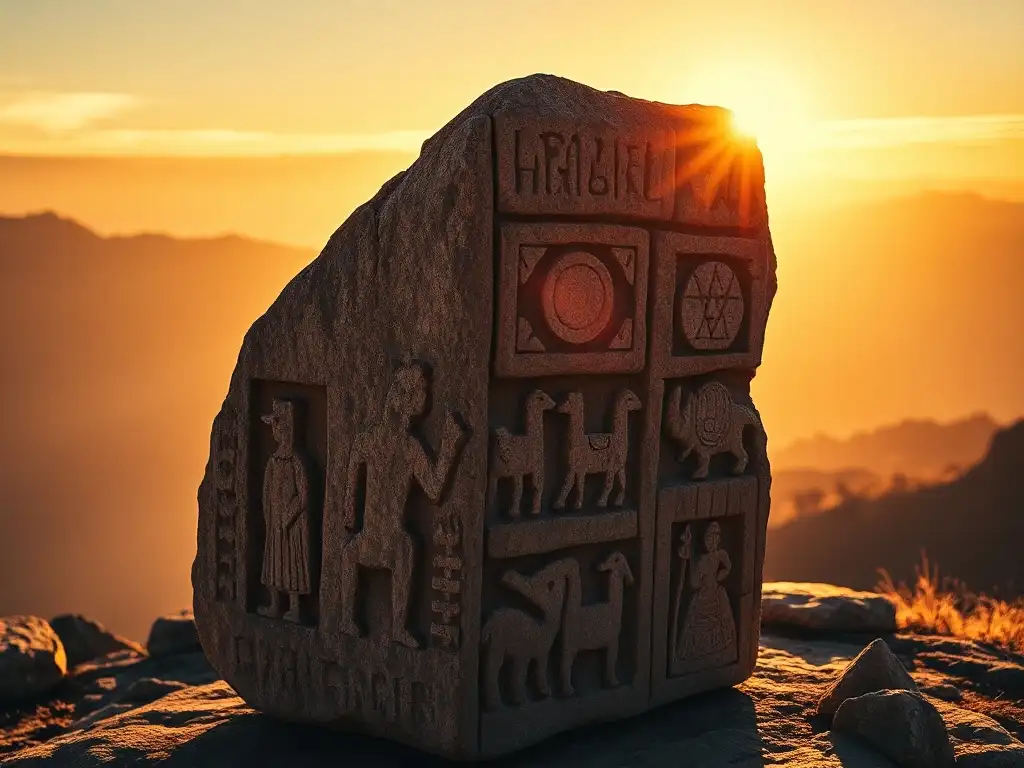
The Andean concept of time and eternity differs significantly from linear Western perspectives. Instead of a unidirectional progression from beginning to end, Andean cosmologies often depict a cyclical understanding of time, emphasizing the continuous renewal and regeneration of life. This cyclical view is deeply intertwined with the veneration of ancestors and their enduring presence within the cosmos.
The concept of pachakuti, a cyclical upheaval or transformation of the world, highlights this dynamic interplay between time, space, and the spiritual realm. Pachakuti wasn't simply a catastrophic event; it was a necessary process of renewal, a cosmic reset that allowed for the re-emergence of life and the reaffirmation of cosmic order. This understanding permeates various Andean cultures, shaping their beliefs about death, ancestor veneration, and the enduring connection between the living and the dead.
The cyclical nature of time, therefore, isn't just a chronological framework but a fundamental principle governing the Andean worldview. The past, present, and future are not separate entities but interconnected aspects of a continuous flow.
The Three Worlds: Hanan Pacha, Kay Pacha, and Uku Pacha
Andean cosmology is often visualized through the framework of three interconnected worlds: Hanan Pacha, Kay Pacha, and Uku Pacha. These are not simply physical locations but represent different realms of existence, each with its own significance in the cyclical understanding of time and the role of ancestors.
- Hanan Pacha (Upper World): This is the celestial realm, the home of the gods, stars, and celestial bodies. It's a realm of power, light, and spiritual energy. Ancestors, after a successful transition, could ascend to Hanan Pacha, becoming powerful intermediaries between the living and the divine. Their continued influence and guidance from this realm are crucial to the well-being of their descendants.
- Kay Pacha (Here and Now World): This is the earthly realm, the world of the living. It's the plane where humans interact with the environment and engage in daily life. The actions of the living directly impact the balance of Kay Pacha and its relationship with the other two worlds. Respect for ancestors and the performance of rituals honoring them are essential to maintaining this balance.
- Uku Pacha (Underworld): This is the subterranean realm, associated with the earth, the dead, and the origins of life. It's not necessarily a place of punishment but a realm of transformation and potential rebirth. It is also the abode of powerful ancestral spirits who continue to exert their influence on the living world. The connection between Uku Pacha and Kay Pacha is particularly significant, as it underscores the continuous cycle of life, death, and regeneration. The ancestors' presence in Uku Pacha is not a passive one; they actively participate in the life of the communities above.
The constant interaction and exchange of energy between these three worlds illustrates the Andean understanding of time as a continuous flow. The ancestors, moving between these realms, act as vital links, ensuring the cyclical renewal of life and maintaining the cosmic balance. Their presence isn't limited to the past; they are active participants in the present and the future.
The Cosmic Dance: The Movement of Celestial Bodies and Time
The movement of celestial bodies – the sun, moon, and stars – played a crucial role in the Andean perception of time. These celestial events weren't merely astronomical phenomena but were deeply embedded in their cosmological understanding and their connection to the eternal return. The regular cycles of the sun and moon, for instance, mirrored the cyclical nature of life, death, and regeneration, reinforcing the concept of pachakuti. The precise observation of these cycles was essential for agricultural practices, religious ceremonies, and the overall social organization of Andean communities.
The Inca, for example, developed sophisticated astronomical observatories, such as the ones at Machu Picchu and Sacsayhuamán, demonstrating their advanced knowledge of celestial mechanics. These weren't merely tools for scientific observation but also served as sacred sites, linking the earthly realm to the celestial and enhancing the connection with ancestors who resided in the Hanan Pacha. The precise alignment of structures with celestial events underscores the importance of these cycles in their worldview.
The precise dates of solstices and equinoxes were crucial for determining agricultural cycles and scheduling significant religious ceremonies. These observances were not merely calendrical; they were deeply spiritual, connecting the living with the cyclical rhythms of the cosmos and their ancestors.
Connecting with the Cosmos through Ancestral Lineage
Ancestor veneration was not a peripheral aspect of Andean life; it was central to their cosmology and worldview. The ancestors were not merely figures from the past but active participants in the present and future, maintaining a vital link between the living and the spiritual realms. The Andean concept of time and eternity is deeply rooted in this ongoing relationship.
The concept of ayni (reciprocity) played a key role in this interaction. The living were obligated to honor and remember their ancestors through rituals, offerings, and the maintenance of ancestral sites. In return, the ancestors provided protection, guidance, and ensured the continuity of the community.
This reciprocal relationship highlights the interconnectedness of the living and the dead, emphasizing that the ancestors' influence continues to shape the present and future of the community. Failure to honor this reciprocal relationship could disrupt the cosmic balance and negatively impact the community's well-being. This concept demonstrates the importance of the ancestors in maintaining the cyclical flow of time and the continuity of life.
The lineage, therefore, wasn't simply a genealogical record but a vital spiritual connection that ensured the community's well-being and its continued participation in the eternal return. The ancestors were not merely remembered; they were actively involved in the community's life, acting as guardians and guides. Their presence underscored the interconnectedness of time and the importance of maintaining a respectful relationship with the past to ensure a harmonious future.
The Influence of Andean Time Concepts on Daily Life
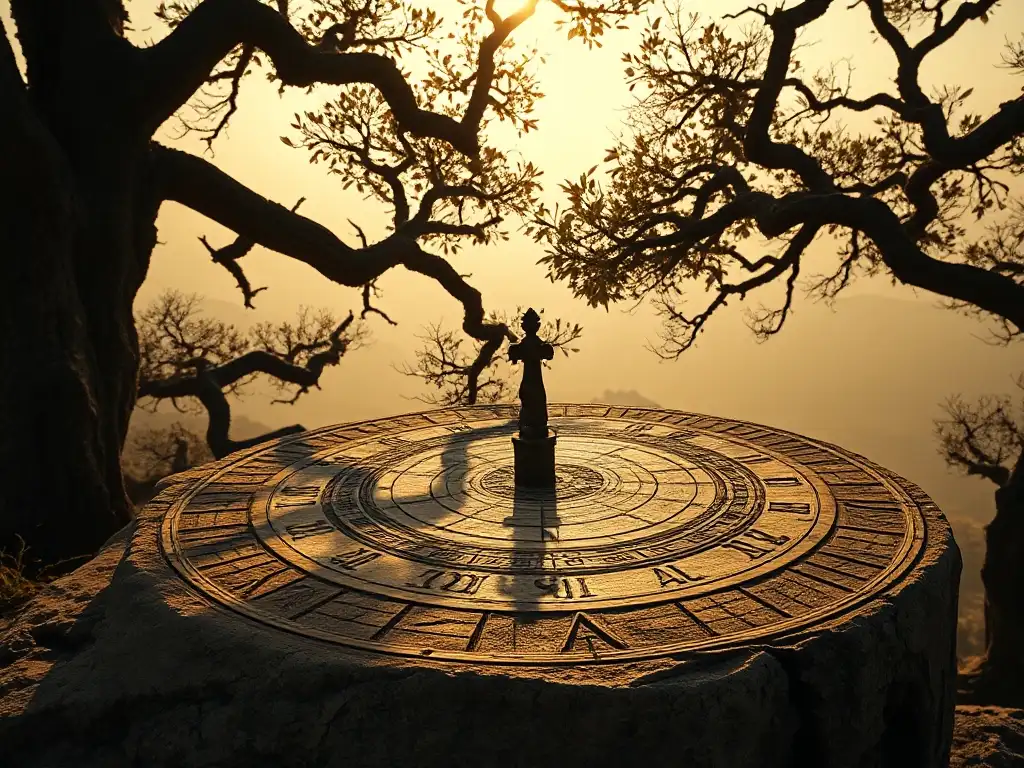
The Andean concept of time and eternity wasn't a linear progression as understood in Western cultures. Instead, it was cyclical, interwoven with the natural world, and deeply connected to ancestor veneration. This cyclical understanding profoundly impacted daily life, shaping agricultural practices, ritualistic observances, and the transmission of knowledge across generations. Understanding this non-linear perception of time is crucial to grasping the Andean worldview. The cyclical nature of time, mirroring the agricultural cycles and the celestial movements, permeated every aspect of their society. This section explores how these time concepts manifested in their daily routines.
Agricultural Practices and the Rhythms of Time
Andean agricultural practices were meticulously synchronized with the natural rhythms of the Andes. The planting and harvesting seasons, dictated by the cyclical patterns of the sun, moon, and stars, weren't merely practical considerations; they were deeply spiritual acts. Farmers didn't just observe the weather; they interpreted the celestial signs, viewing them as messages from the ancestors and the gods.
For instance, the appearance of certain constellations signaled the optimal time for planting specific crops, a knowledge passed down through generations via oral tradition and embodied in intricate ceremonies. This wasn't simply about maximizing yield; it was about harmonizing human activity with the cosmic order, ensuring the continued favor of the ancestors and the gods.
The success of the harvest wasn't solely attributed to human effort, but also to the benevolent influence of the spiritual realm, actively engaged through ritual and respect for the cyclical nature of time. Failure, conversely, might be interpreted as a disruption of this cosmic harmony.
The meticulous observation of the Andean calendar, often tied to specific astronomical events, guided the entire agricultural cycle. Detailed records, though not always written, were maintained through knotted strings (quipus) and oral narratives, demonstrating a sophisticated understanding of time's influence on agricultural productivity. The intricate system ensured that communities could effectively manage their resources, predicting weather patterns and optimizing planting strategies. This close relationship between time, agriculture, and spirituality underscores the holistic Andean worldview.
Rituals and Ceremonies: Marking the Passage of Time
Rituals and ceremonies served as pivotal markers of time within Andean societies. These weren't simply occasional events; they were integral to the daily and yearly cycles, reinforcing the cyclical understanding of time and reaffirming the connection between the living and the ancestors. Many rituals were tied to agricultural cycles, marking key stages like planting, harvesting, and the solstices.
These events provided opportunities to honor the ancestors, seek their blessings for a bountiful harvest, and reaffirm the community's connection to the land and the cosmos. The precise timing of these rituals was crucial, reflecting a deep understanding of the astronomical calendar and its significance in their cosmology.
Furthermore, the construction and maintenance of monumental sites like Machu Picchu itself represent a temporal investment that extended beyond the lifespan of individual communities. These structures served not only as practical edifices but also as enduring symbols of continuity and connection to the past, embodying a profound sense of time stretching across generations. The very act of building these sites was a ritual in itself, a testament to the enduring power of Andean concepts of time and eternity. The intricate astronomical alignments of many Andean structures further emphasize the importance of celestial cycles in shaping their ritualistic practices.
The Role of Memory and Oral Tradition in Preserving Knowledge
The Andean concept of time and eternity relied heavily on memory and oral tradition for the preservation of knowledge. Without a widespread written language in the same way as other civilizations, the transmission of cultural, historical, and astronomical knowledge depended on meticulous memorization and storytelling. This oral tradition wasn't a passive recounting of events; it was an active process of maintaining a living connection to the ancestors and the past. Each story, each song, each ritual reenactment served as a vehicle for transmitting vital information, ensuring the continuity of cultural practices and beliefs across generations.
This oral tradition wasn't just about preserving facts; it was about shaping identity and reinforcing social cohesion. The narratives often contained layers of meaning, weaving together historical events, cosmological beliefs, and moral lessons. Storytellers played a vital role in shaping community values and transmitting knowledge, maintaining the collective memory and ensuring the continuity of Andean culture across time.
The use of mnemonic devices, like the quipu, further aided in the retention and transmission of complex information, highlighting the sophisticated strategies employed to preserve their rich cultural heritage. The effectiveness of this system demonstrates a deep understanding of the importance of collective memory in maintaining a vibrant and enduring culture.
Contrasting Andean and Western Views of Time
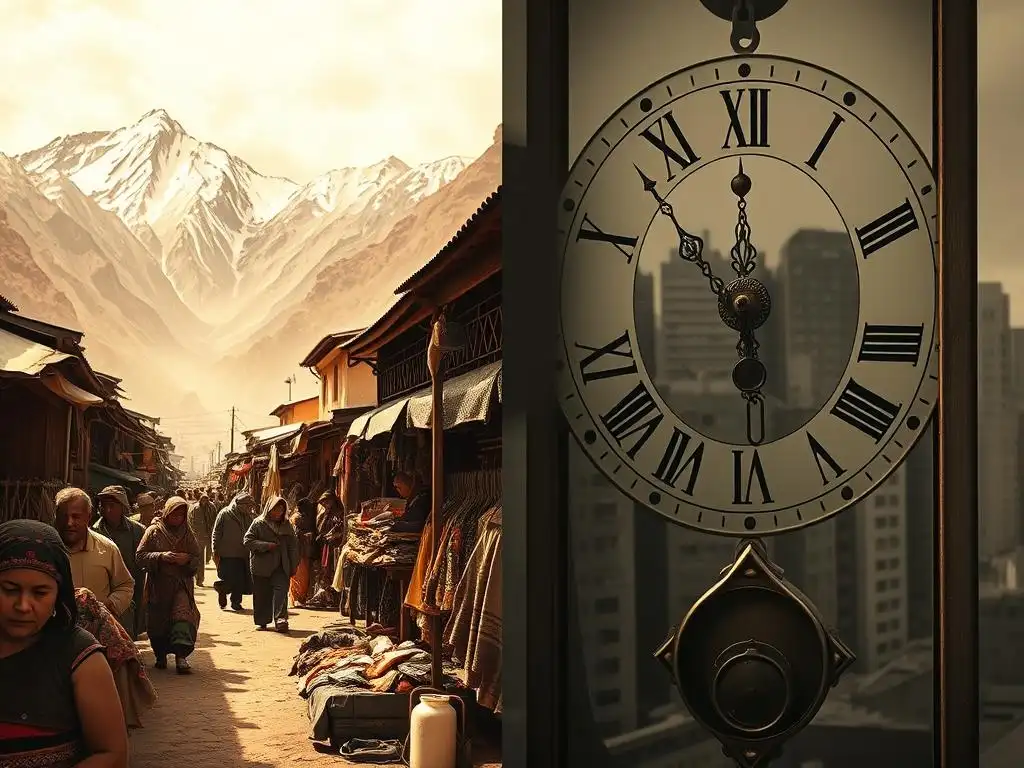
The Andean concept of time and eternity differs drastically from Western perspectives, stemming from fundamentally different philosophical underpinnings. While Western societies often conceptualize time as linear—a progression from a defined beginning to an anticipated end—Andean cultures embraced a more cyclical understanding. This cyclical view wasn't simply a matter of repeating seasons; it encompassed a deeper interconnectedness between past, present, and future, where the actions of ancestors profoundly impacted the living and the events yet to unfold.
This understanding is crucial to grasping the profound reverence for ancestors within Andean cosmology. The past isn't merely a historical record; it's a living force shaping the present and influencing the future.
Linear vs. Cyclical Time: A Philosophical Divergence
Western thought, heavily influenced by Judeo-Christian traditions, often portrays time as a linear progression. This linear model is reflected in our calendars, historical narratives, and even our personal life trajectories. We are born, we live, and we die—a singular, irreversible journey. This contrasts sharply with the Andean cyclical view, where time is not a straight line but a continuous cycle, often represented by the cyclical movements of celestial bodies, agricultural cycles, or the recurring patterns of life and death.
Think of the yearly agricultural cycle, where planting, growth, harvest, and fallow periods repeat, mirroring the cyclical nature of life itself. This cyclical perspective is crucial for understanding the Andean concept of time and eternity because it emphasizes the continuous interplay between the past, present, and future. The past isn't simply gone; it's woven into the fabric of the present, influencing everything that happens.
The Concept of Eternity: Different Perspectives
The concept of "eternity" also receives vastly different interpretations. In many Western traditions, eternity is often associated with an afterlife in a separate, transcendental realm. This afterlife is often seen as a reward or punishment based on actions in this life. The Andean conception of eternity, however, is less about a singular, post-mortem destination and more about a continuous presence.
Ancestors are not merely remembered; they are actively present, participating in the lives of their descendants, influencing events, and shaping the community's destiny. Their influence is not limited to the spiritual realm; it extends to the material world, impacting harvests, social structures, and even political decisions. This continuous presence is what gives the Andean concept of eternity its unique character. Death is not an ending but a transformation, a transition to a different state of being within the continuous cycle of time.
The Importance of Context in Understanding Cultural Notions of Time
Understanding Andean concepts of time and eternity requires careful consideration of the cultural context. The Andean worldview is deeply intertwined with the natural world—the mountains, the stars, the agricultural cycle. Time is not an abstract concept but a tangible force experienced through these natural rhythms.
This intimate connection with the environment shaped their understanding of time, leading to a holistic perspective that integrates the spiritual and material realms. To interpret Andean notions of time solely through a Western lens would be a profound misrepresentation. Instead, we must strive to understand their perspectives within their own unique cosmological framework.
This necessitates acknowledging the diversity of Andean cultures, recognizing that specific beliefs and practices varied across different regions and time periods. The nuanced understanding of their intricate relationship between the living and the ancestors, and the cyclical nature of time itself, is paramount to fully grasping the richness and complexity of the Andean concept of time and eternity. Further research into specific Andean societies, such as the Inca, Nazca, and Moche, would reveal even more intricate details about their unique perspectives.
The Legacy of Andean Time Concepts Today
The Andean concept of time and eternity, deeply intertwined with ancestor veneration and cyclical understandings of the cosmos, continues to resonate in contemporary Andean communities. While the Spanish conquest attempted to impose a linear, Judeo-Christian view of time, indigenous perspectives have persisted, albeit often in adapted or syncretic forms. Understanding this enduring legacy requires acknowledging the multifaceted ways in which ancestral knowledge is preserved and practiced today.
This enduring influence shapes not only cultural practices but also informs contemporary interpretations of Andean cosmology and its applications in modern society. The cyclical nature of Andean time, with its emphasis on the continuous interplay between the living and the dead, offers a powerful counterpoint to the prevailing Western linear model.
This difference in perspective profoundly impacts how Andean communities perceive history, community, and the environment. The persistence of these beliefs provides valuable insights into the resilience of indigenous cultures and their enduring connection to their ancestral past.
Preserving Indigenous Knowledge
The preservation of Andean time concepts is intricately linked to the safeguarding of indigenous languages, oral traditions, and ritual practices. Many communities actively work to transmit these vital aspects of their cultural heritage to younger generations. This transmission often occurs through storytelling, ceremonial performances, and the continued use of traditional agricultural calendars that reflect a deep understanding of the cyclical rhythms of nature.
For example, the Quechua language, spoken across the Andes, incorporates nuanced vocabulary to describe the relationship between time, ancestors, and the cosmos. These linguistic subtleties reflect the holistic view of time embedded in the Andean worldview. Furthermore, the continued practice of ancestral rituals, such as paqos (Andean priests) conducting ceremonies, reinforces the living connection to the past and ensures the continuity of these vital traditions.
These efforts are crucial for not only preserving cultural heritage but also for maintaining a sense of identity and community cohesion. Data on the success of these preservation efforts is unfortunately limited, but anecdotal evidence points to a strong commitment to these practices in many Andean communities. [Specific data on preservation efforts pending].
The Relevance of Andean Cosmology in the Modern World
The cyclical view of time inherent in Andean cosmology offers a compelling framework for addressing contemporary environmental and social challenges. The emphasis on reciprocity and balance within the ecosystem resonates deeply with current concerns about sustainability and environmental stewardship. The concept of ayni (reciprocity), a foundational principle of Andean society, encourages a harmonious relationship between humans and the natural world.
This is particularly relevant in a time of climate change and resource depletion. Similarly, the emphasis on community and collective responsibility, deeply rooted in the Andean worldview, provides a valuable counterpoint to individualistic approaches to problem-solving. In essence, the Andean concept of time offers a holistic perspective that integrates the past, present, and future in a way that promotes a more sustainable and equitable future.
The importance of understanding and applying these principles is increasingly recognized by researchers and activists working on issues of environmental justice and social equity. [Specific examples of contemporary applications of Andean cosmology pending].
Contemporary Interpretations and Applications
Contemporary scholars and artists continue to engage with Andean concepts of time and eternity, reinterpreting and applying them in new contexts. Archaeologists, anthropologists, and historians are increasingly incorporating indigenous perspectives into their research, challenging Eurocentric interpretations of Andean history and culture. This interdisciplinary approach is leading to a more nuanced understanding of the complexities of Andean cosmology.
Moreover, contemporary artists draw inspiration from Andean traditions to explore themes of time, memory, and ancestral heritage in their work. This ranges from textile art that incorporates traditional Andean patterns to visual arts that depict the cyclical nature of time. These creative expressions contribute to a broader public understanding of Andean concepts of time and eternity, making them accessible to a wider audience.
The growing interest in Andean perspectives offers a valuable opportunity to challenge dominant Western narratives and promote a more inclusive and holistic understanding of the human experience. The ongoing dialogue between traditional knowledge and contemporary interpretations promises to enrich our understanding of time and its role in shaping human societies.
Frequently Asked Questions
What was the Andean concept of time?
The Andean concept of time wasn't linear like in Western cultures. Instead, it was cyclical, emphasizing the continuous interplay between the past, present, and future, often tied to agricultural cycles and the cosmos. Ancestor veneration played a crucial role.
How did the Andes view eternity?
Eternity in Andean cultures wasn't a single, distant point but an ongoing connection to the ancestors and the cosmos. Life and death were seen as part of a continuous cycle, with ancestors maintaining a powerful presence in the world of the living. Spiritual continuity was paramount.
What role did ancestors play in the Andean worldview?
Ancestors held a central position, acting as intermediaries between the living and the supernatural world. They were believed to influence daily life, harvests, and the well-being of the community. Respecting and honoring ancestors was essential.
How did this concept of time influence Andean art and architecture?
Andean art and architecture often reflected the cyclical nature of time and the importance of ancestors. Monumental structures and intricate designs frequently incorporated symbols representing the cosmos and ancestor veneration, illustrating the interconnectedness of the past, present, and future.
How did the Andean concept of time differ from Western perspectives?
The Andean view differed significantly from the linear Western concept, which sees time as a progression from past to present to future. The Andean perspective emphasized a cyclical, interconnected view, where the past is always present and actively influences the present and future through ancestral spirits and cosmological forces.
Final Reflection: Weaving the Threads of Time and Eternity
The Andean concept of time, far from being a linear progression, offers a vibrant tapestry woven with the threads of ancestors, cyclical rhythms, and a profound connection to the cosmos. This understanding, so different from Western linear perspectives, holds crucial lessons for our increasingly fragmented and fast-paced world. It challenges us to reconsider our relationship with the past, present, and future, prompting a deeper appreciation for the interconnectedness of all things.
The enduring influence of ancestral wisdom on Andean communities continues to shape their worldview and practices. Their deep respect for the past, manifested in vibrant traditions and ceremonies honoring ancestors, offers a powerful counterpoint to the often-dismissive attitude towards history prevalent in modern society. The past is never dead. It's not even past.
- William Faulkner. This quote, while not directly from an Andean perspective, beautifully captures the essence of their cyclical understanding of time, where the past is not merely a relic but a living force shaping the present.
Consider the profound implications of this perspective for your own life. How might embracing a more cyclical understanding of time, one that values the wisdom of the past and the interconnectedness of all generations, enrich your experiences?
I invite you to reflect on your own relationship with time, to consider the voices of your ancestors, and to explore the ways in which you can weave their wisdom into the fabric of your present and future. Let the Andean concept of time and eternity inspire you to live a life more deeply connected to the past, present, and the enduring power of the cosmos.
Embrace the Wisdom of the Ancestors!
Thank you for exploring the rich tapestry of Andean concepts of time and eternity. Your interest is a powerful invitation to connect with a legacy that transcends generations, offering more than just knowledge; it's a path to deeper understanding and personal growth. Let's put this knowledge into practice!
- Reflect on your ancestors: Create a space in your home, write a letter, or engage in a ritual that honors your family history. Consider how their experiences and wisdom can guide your choices and shape your perspective today.
- Engage with the community: Join a local group or online forum dedicated to Andean philosophy or heritage. Sharing your insights and learning from others fosters a deeper connection to this rich cultural tradition.
- Explore further: Deepen your understanding by reading books or watching documentaries about Andean civilizations and their cosmological beliefs. Discover how their views on time and identity can enrich your own.
Which aspects of your ancestral heritage resonate most deeply with you, and how might they influence your understanding of the universe and your place within it?