
The Mysteries of Tiahuanaco's Temple Complexes: Sacred Spaces and Rituals

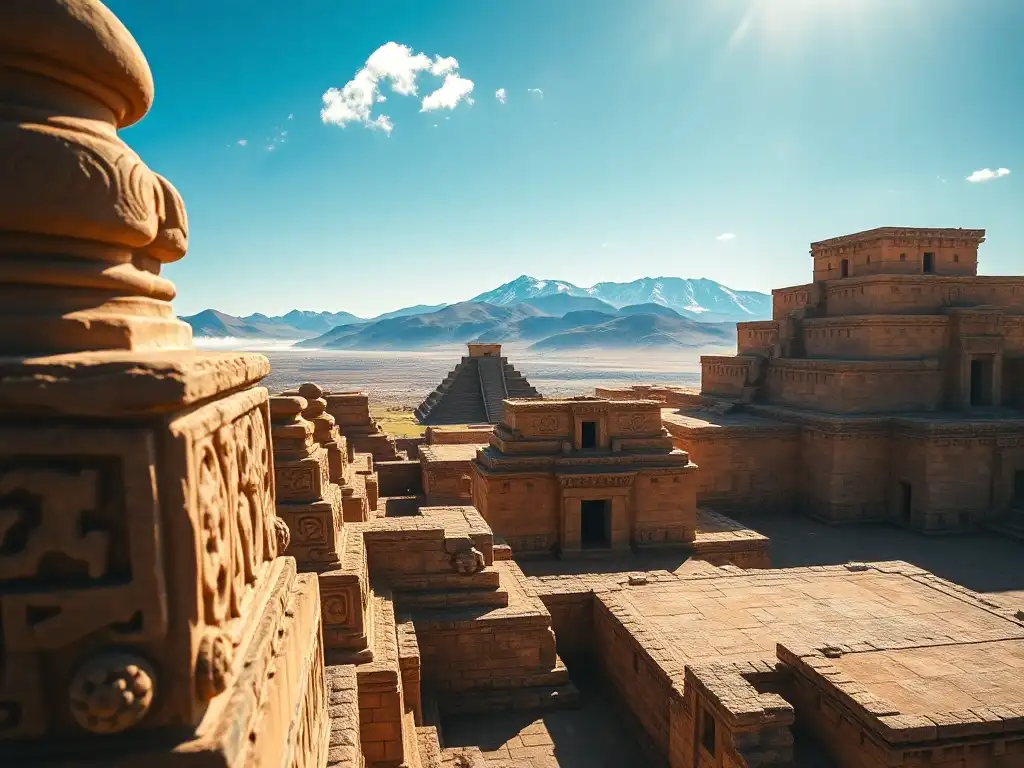
Step into a world lost to time, where towering temples whisper secrets of a vanished empire. Dive into the captivating enigma of the Andean civilizations, uncovering their breathtaking artistry and advanced engineering. But what truly transpired within Tiahuanaco's temple complexes? Their rituals remain shrouded in mystery—a puzzle begging to be solved. Unravel the threads of this ancient legacy and discover the astonishing truth behind the Tiahuanaco temple complexes rituals within.
The ancient city of Tiahuanaco, located on the shores of Lake Titicaca in present-day Bolivia, remains one of the most enigmatic and fascinating sites in the Andes. Its monumental architecture, particularly its temple complexes, continues to puzzle archaeologists and historians alike. This article delves into the mysteries surrounding Tiahuanaco's sacred spaces, exploring the evidence of complex rituals and ceremonies that once took place within these awe-inspiring structures.
We will examine the available archaeological evidence, analyze the unique architectural features of the temples, and discuss the possible interpretations of their symbolic meaning within the context of Tiahuanaco's cosmology and religious beliefs. Understanding the rituals performed within these temple complexes is crucial to unlocking a deeper understanding of Tiahuanaco society, its beliefs, and its place within the broader tapestry of Andean civilization.
We'll explore the intricate relationship between the architecture, the artifacts found within, and the likely social and political structures that governed these elaborate ceremonies. Prepare to journey back in time and unravel the secrets held within the stones of Tiahuanaco's magnificent temple complexes.
The Kalasasaya Temple: A Hub of Ritual Activity
The Kalasasaya Temple, with its massive stone blocks and intricate carvings, stands as a testament to the engineering prowess and religious significance of Tiahuanaco. Archaeological findings suggest it served as a central location for numerous rituals. The precisely cut and fitted stones, some weighing many tons, speak to a highly organized society capable of undertaking massive construction projects.
Evidence suggests the use of astronomical alignments within the temple's design, possibly indicating a connection between the celestial bodies and their religious practices. Analysis of the artifacts unearthed within and around the Kalasasaya reveals a complex system of offerings, including ceramics, textiles, and even human remains, hinting at the variety and intensity of the rituals conducted here. Further research into the chemical composition of these offerings could provide more insight into the specific rituals and their purpose.
The layout of the temple itself, with its plazas and surrounding structures, likely facilitated the movements of large groups of people during these ceremonies, emphasizing the communal aspect of Tiahuanaco religion. The presence of monoliths, such as the iconic "Bennett Monolith," adds another layer of complexity, their symbolic meaning still debated among scholars. The sheer scale of the Kalasasaya suggests rituals of significant importance, possibly involving large segments of the Tiahuanaco population.
The Puerta del Sol: A Cosmic Portal?
The Puerta del Sol, or "Gateway of the Sun," is a monolithic structure adorned with intricate carvings depicting figures and symbols that continue to inspire much speculation. Its complex iconography, featuring a central figure often interpreted as a deity, surrounded by other figures and celestial motifs, suggests a strong connection to Tiahuanaco cosmology. The precision of the carvings and the symbolic nature of the imagery point towards a profound understanding of astronomy and a sophisticated religious system.
Some scholars believe the Puerta del Sol served as a focal point for astronomical observations, with its design aligning with significant celestial events. Others propose that it was a symbolic representation of the cosmos, a portal connecting the earthly realm with the spiritual world.
The lack of conclusive evidence makes definitive interpretations difficult, but the Puerta del Sol undoubtedly played a crucial role in Tiahuanaco's religious practices, serving potentially as a backdrop for rituals or as a focus for meditation and contemplation. The very act of creating such a monumental structure speaks volumes about the importance placed upon these cosmological beliefs within Tiahuanaco society.
Temple Complex Offerings and Interpretations of Ritual Practices
Numerous artifacts recovered from the Tiahuanaco temple complexes provide valuable insights into the rituals practiced there. These include finely crafted ceramics, intricately woven textiles, and various tools and ornaments. The presence of human remains, sometimes in association with elaborate grave goods, suggests the possibility of human sacrifice or other ritualistic practices involving human life.
The types of offerings found vary significantly, reflecting the diversity of rituals and potentially indicating different social strata participating in these ceremonies. Analysis of these artifacts, through techniques like radiocarbon dating and chemical analysis, helps determine the age and origin of the materials, providing more context to the rituals. The sheer quantity and quality of these offerings underscore the importance of ritual activity within Tiahuanaco society, demonstrating a significant investment of resources and labor.
Furthermore, the style and iconography found on these artifacts often mirror the themes and motifs seen in the architecture of the temples themselves, reinforcing the interconnectedness between the material culture and religious beliefs. The study of these offerings provides a tangible link to the beliefs and practices of the Tiahuanaco people, allowing us to piece together a more complete picture of their religious life.
The Role of Water in Tiahuanaco Rituals
The location of Tiahuanaco, on the shores of Lake Titicaca, highlights the likely significance of water in their religious practices. The proximity to this vast body of water, considered sacred by many Andean cultures, is not coincidental. Evidence suggests that water played a crucial role in many of the rituals performed within the temple complexes.
This could include ritual cleansing ceremonies, offerings involving water, or even the use of water in symbolic representations of the cosmos. Further research into the hydraulic systems of Tiahuanaco and the possible use of water in architectural features could shed more light on this aspect of their religious practices.
The integration of water into their rituals likely reflects the importance of water as a life-giving force, connecting the earthly and spiritual realms, and further emphasizes the link between their religious beliefs and their natural environment. The unique geography of Tiahuanaco, with its proximity to Lake Titicaca, must be considered when interpreting the rituals and cosmological beliefs of this remarkable civilization.
- The Kalasasaya Temple: A Hub of Ritual Activity
- The Puerta del Sol: A Cosmic Portal?
- Temple Complex Offerings and Interpretations of Ritual Practices
- The Role of Water in Tiahuanaco Rituals
- Influence of Tiahuanaco Temple Design on Later Cultures
- Preservation and Archaeological Studies of Tiahuanaco Sites
- Ongoing Debates Regarding Tiahuanaco's Collapse
- The Importance of Tiahuanaco Temple Complexes for Understanding Andean Cosmology
- The Spread of Tiahuanaco Religious Practices and Architectural Styles
- The Enduring Influence of Tiahuanaco Temple Complexes on Later Andean Cultures
- What were the main purposes of Tiahuanaco's temple complexes?
- What kind of rituals were performed at Tiahuanaco?
- What is the significance of the Kalasasaya Temple in Tiahuanaco?
- What role did water play in Tiahuanaco's rituals and beliefs?
- How did the technology of Tiahuanaco influence their temple construction and rituals?
Unveiling Tiahuanaco's Sacred Architecture
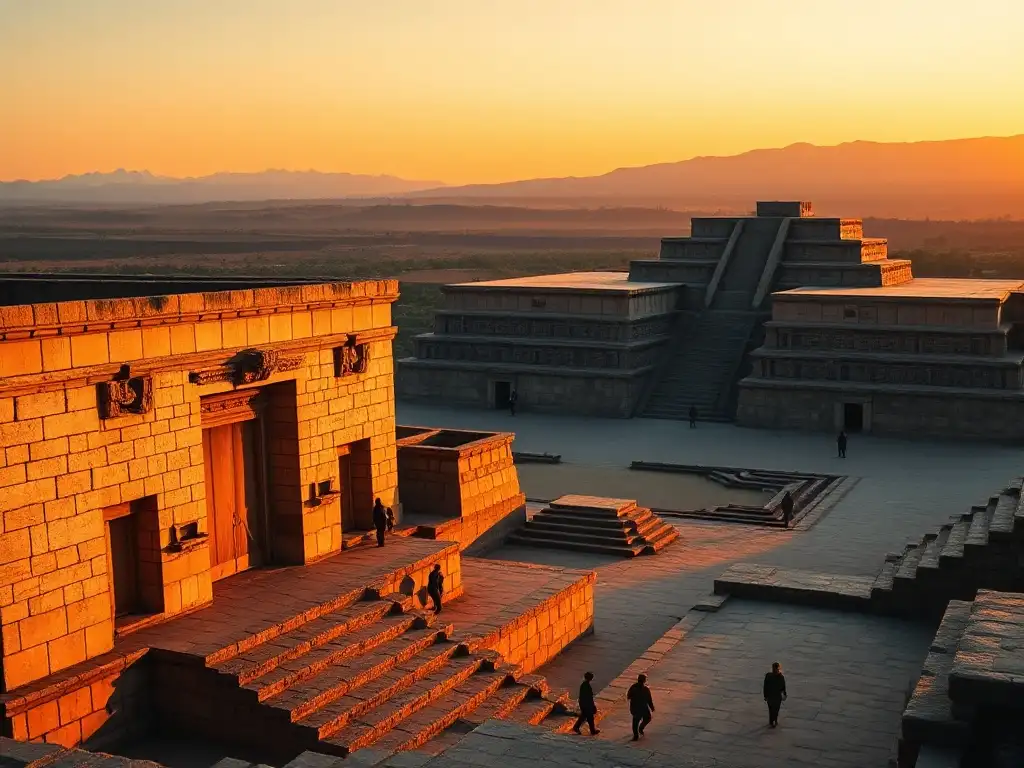
This section delves into the intricate and awe-inspiring architecture of Tiahuanaco's temple complexes, focusing on their significance within the broader context of Tiahuanaco culture and religion. Understanding these structures is crucial to deciphering the complex rituals and beliefs of this remarkable civilization. The meticulous planning and execution evident in these constructions suggest a highly organized society with sophisticated engineering capabilities, further emphasizing the importance placed upon these sacred spaces.
The arrangement and design of these complexes reveal much about the Tiahuanaco worldview, their understanding of cosmology, and their relationship with the divine. Analyzing the Tiahuanaco temple complexes rituals performed within these structures provides valuable insights into their spiritual practices.
The Significance of Temple Complexes in Tiahuanaco Culture
Tiahuanaco's temple complexes were not merely buildings; they were vibrant centers of religious and social life. They served as focal points for elaborate ceremonies, processions, and public gatherings, reflecting the deep-seated spiritual beliefs of the Tiahuanaco people. The monumental scale of these structures underscores their importance within the society, demonstrating the considerable investment of resources and manpower dedicated to their construction and maintenance.
This commitment highlights the central role religion played in shaping Tiahuanaco society, influencing everything from daily life to political organization. The precise alignment of many structures with celestial events suggests an advanced understanding of astronomy and its connection to religious practices. The intricate carvings and symbolic representations adorning the temples further emphasize their sacred nature and the profound meaning they held for the Tiahuanaco civilization.
Archaeological evidence suggests that these complexes were used for a variety of purposes, from ritual sacrifices to astronomical observations, highlighting their multifaceted role in the social and religious fabric of Tiahuanaco. The sheer scale of these Tiahuanaco temple complexes rituals and the associated efforts required point to a strong, centralized power structure capable of mobilizing substantial human and material resources.
Key Architectural Features of Tiahuanaco Temples
Several key architectural features distinguish Tiahuanaco temples. The use of massive, precisely cut stone blocks is a hallmark of Tiahuanaco architecture. These blocks, often weighing several tons, were transported from considerable distances and fitted together with astonishing precision, without the use of mortar. This mastery of stonework reflects advanced engineering skills and a deep understanding of architectural principles.
The characteristic use of "puka-puka" stone, a reddish-brown volcanic rock, is another distinctive feature. This stone's durability and aesthetic appeal likely contributed to its widespread use in the construction of temples and other monumental structures. Furthermore, the intricate carvings and reliefs found on many temple walls depict a rich array of symbolic motifs, including stylized figures, geometric patterns, and representations of animals and deities. These carvings provide valuable clues to understanding Tiahuanaco cosmology, mythology, and religious beliefs.
The precise placement of doorways, windows, and other architectural elements suggests a deliberate design intended to facilitate specific rituals and ceremonies. The integration of astronomical observations into the design of some temples further emphasizes the interconnectedness of religion, astronomy, and architecture in Tiahuanaco culture. The analysis of these features helps us piece together a more complete understanding of the Tiahuanaco temple complexes rituals and the beliefs that underpinned them.
The Akapana Pyramid: A Monumental Center of Power
The Akapana pyramid stands as a testament to the architectural prowess and religious significance of Tiahuanaco. This monumental structure, one of the largest in the complex, is believed to have served as a central point for religious ceremonies and possibly as a royal residence. Its terraced design, intricate water channels, and internal chambers suggest a sophisticated understanding of hydraulic engineering and a complex system of ritual practices. Analysis of the artifacts found within and around the Akapana provides further insights into the Tiahuanaco temple complexes rituals performed there.
The presence of numerous offering pits and caches suggests that the Akapana was a site for significant offerings to the gods. The scale of the Akapana, its intricate design, and its strategic location within the temple complex all point to its role as a powerful symbol of authority and religious power. The pyramid’s internal structure, revealed through archaeological excavations, reveals a complex network of chambers and passages, possibly used for ceremonial purposes or for the storage of sacred objects.
The meticulous planning and construction of the Akapana represent a remarkable achievement of ancient Andean engineering and highlight the importance of religious symbolism within Tiahuanaco society. Further research is needed to fully understand the complex interplay of cosmology, power, and ritual within the Akapana pyramid. The ongoing study of the Akapana continues to yield new insights into the Tiahuanaco temple complexes rituals and the sophisticated culture that created this remarkable structure.
Kalasasaya: A Temple of Astronomical Alignment
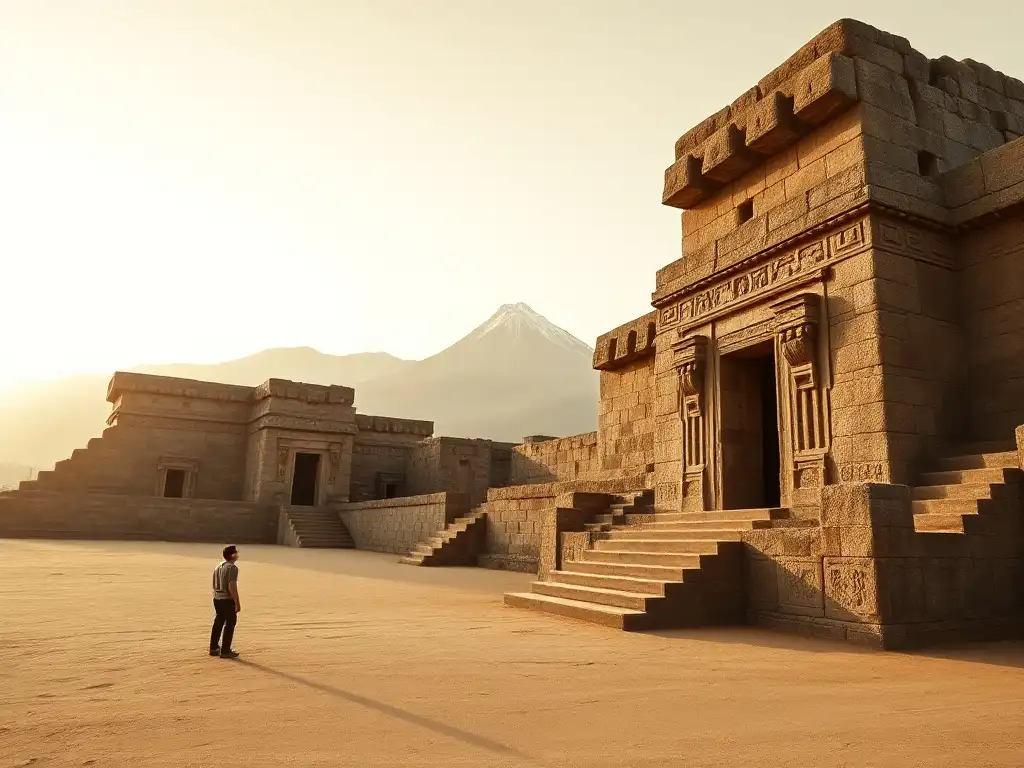
Kalasasaya, meaning "standing stones" in Aymara, is arguably the most famous structure within the Tiahuanaco complex. Its monumental architecture, characterized by massive stone blocks meticulously fitted together, speaks to the advanced engineering skills of the Tiahuanaco people. But beyond its impressive construction, Kalasasaya holds a profound significance in understanding Tiahuanaco's cosmology and ritual practices.
The temple's design reveals a sophisticated understanding of astronomy, with its orientation aligning precisely with celestial events. Researchers have identified alignments with solstices and equinoxes, suggesting the temple served as a crucial astronomical observatory. This alignment wasn't merely coincidental; it was integral to the religious calendar and likely dictated the timing of important rituals.
The placement of specific stones and the layout of the temple's internal spaces likely played a role in observing and interpreting celestial phenomena, providing insights into agricultural cycles and shaping the understanding of the cosmos. The intricate carvings and decorative elements found on Kalasasaya's stones further hint at a complex system of symbolism and mythology directly linked to these astronomical observations. Evidence suggests that the temple hosted elaborate ceremonies, possibly involving human sacrifice, to honor the celestial deities and ensure the prosperity of the community.
The precise nature of these rituals remains a subject of ongoing research, but analyzing the architectural features and artifacts unearthed within Kalasasaya continues to shed light on the astronomical and ritual significance of this remarkable structure. The careful arrangement of stones, the orientation towards celestial events, and the symbolic representations found on the stones all contribute to a compelling narrative of a society deeply connected to the heavens. The rituals performed within Kalasasaya likely played a crucial role in the social and political life of Tiahuanaco, reinforcing its power and legitimacy.
Understanding the astronomical alignments of Kalasasaya provides a key to interpreting the broader religious beliefs and practices of the Tiahuanaco civilization. Further study of the site, including detailed analysis of the remaining structures and artifacts, promises to reveal even more about the astronomical and ritual functions of this enigmatic temple.
Pumapunku: The Enigma of Precision Stone Work
Pumapunku, meaning "the door of Puma," presents an even greater enigma than Kalasasaya. Its massive stone blocks, some weighing over 100 tons, exhibit an unparalleled level of precision in their construction. The intricate joinery, with stones fitting together with almost imperceptible gaps, surpasses the capabilities of many later civilizations.
The sheer scale and precision of Pumapunku's architecture have fueled speculation about its purpose and the technology employed in its construction. Some theories suggest the use of advanced tools and techniques, perhaps even beyond the technological capabilities commonly attributed to the Tiahuanaco people. The precise methods used to transport and manipulate such enormous stones remain a subject of debate, captivating researchers and sparking various hypotheses.
The function of Pumapunku remains a mystery. While some scholars believe it served as a ceremonial platform, others propose it was a temple complex dedicated to specific deities or rituals. The lack of extensive surviving architectural features makes definitive conclusions challenging. However, the arrangement of the remaining structures, along with the presence of carved stones and other artifacts, suggests the site played a significant role in the religious life of Tiahuanaco.
The impressive scale and precision of the stonework likely served a symbolic purpose, reflecting the power and sophistication of the Tiahuanaco civilization. The intricate carvings and designs found on some of the stones may represent cosmological symbols or religious iconography, offering clues to the site's ritual significance. The possibility of advanced astronomical knowledge being incorporated into Pumapunku's design is also a topic of ongoing research.
The site’s enigmatic nature continues to inspire awe and wonder, prompting further investigation into its construction techniques, purpose, and role within Tiahuanaco’s religious landscape. The mystery surrounding Pumapunku continues to fuel our fascination with this remarkable site and the sophisticated civilization that created it. Its enduring enigma serves as a testament to the enduring power of Tiahuanaco’s legacy.
Rituals and Ceremonies in Tiahuanaco Temple Complexes
This section delves into the fascinating world of rituals and ceremonies performed within the sacred spaces of Tiahuanaco's temple complexes. Evidence suggests a complex religious system, interwoven with sophisticated astronomical knowledge and a deep understanding of the Andean landscape. Unraveling the mysteries surrounding these rituals offers crucial insights into the worldview and beliefs of the Tiahuanaco culture, enhancing our understanding of their societal structure and spiritual practices.
The analysis of artifacts, architectural features, and even the very placement of the complexes themselves provides clues to the nature and significance of the ceremonies conducted within these hallowed grounds. The study of "Tiahuanaco temple complexes rituals" reveals a vibrant and intricate spiritual life.
Religious Practices and the Role of Priests
The religious practices at Tiahuanaco were likely highly structured, overseen by a specialized priestly class. While the precise hierarchy and power structure remain debated, archaeological findings suggest a complex organization. The elaborate nature of the temple complexes themselves points towards a significant investment of resources and manpower, indicating the central role of religion in Tiahuanaco society.
The priests, presumably highly trained in religious doctrine and ritual practices, likely mediated between the divine and the mortal realms. They may have been responsible for interpreting omens, conducting ceremonies, and ensuring the proper execution of rituals essential for the well-being of the community. The intricate iconography found on various artifacts, such as the famous Gate of the Sun, possibly depicts deities and cosmological concepts understood and manipulated by these priestly figures.
Further research is needed to clarify the specific roles and responsibilities of different priestly ranks within the Tiahuanaco religious system. The discovery of specialized burial sites might shed more light on the social status and prestige associated with this priestly class.
Offerings and Sacrifices at Tiahuanaco
Offerings and sacrifices formed a crucial component of Tiahuanaco religious rituals. Archaeological excavations have unearthed evidence of various offerings, including ceramic vessels, textiles, and precious metals. The types of offerings varied, likely reflecting the specific nature of the ritual or the deity being honored.
Some offerings may have been intended to appease deities or ensure a successful harvest, while others might have been associated with rites of passage or funerary practices. The presence of human remains in some contexts suggests the practice of human sacrifice, although the extent and frequency of this practice remain subjects of ongoing debate. The discovery of specific sacrificial sites within the temple complexes would provide invaluable information about the rituals and their significance.
Analysis of isotopic ratios in human remains could reveal dietary habits and geographic origins, potentially indicating the social status of the sacrificed individuals. Further study of the context of these remains, including associated artifacts and the layout of the sacrificial areas, could provide more clarity on the nature of these offerings and their role within the broader religious system. The detailed analysis of these sacrifices might reveal more about the worldview of the Tiahuanaco civilization.
The Use of Psychoactive Substances in Rituals
The use of psychoactive substances, such as coca and possibly other plants, in Tiahuanaco rituals is a compelling area of research. Evidence suggests that these substances played a significant role in religious ceremonies, potentially facilitating altered states of consciousness and enhancing communication with the divine. The presence of coca leaves in some burials and the depiction of ritual paraphernalia on artifacts suggest their ritualistic importance.
These substances may have been used to induce trance-like states, allowing individuals to experience visions or commune with the spirit world. Further research into the chemical composition of residues found on ritual objects could identify the specific psychoactive substances used and their potential effects on participants. The analysis of iconography related to these practices might reveal further insights into the symbolic meaning and interpretation of altered states of consciousness within the Tiahuanaco worldview.
The role of shamans or other specialists in administering and interpreting the effects of these substances also remains an important area for future investigation. The potential impact of these substances on the social structure and the rituals themselves warrants further study, potentially revealing more about the complex interplay between religion, society, and altered states of consciousness within the Tiahuanaco culture. Understanding the use of these substances is crucial to a complete understanding of "Tiahuanaco temple complexes rituals".
Processions and Sacred Gatherings Within the Complexes
Processions played a vital role in the religious life of Tiahuanaco, serving as a powerful display of communal faith and a crucial element of their rituals within the temple complexes. These weren't simply casual walks; they were meticulously choreographed events, often involving large numbers of participants dressed in ceremonial attire, carrying offerings, and moving in a specific order dictated by religious hierarchy and symbolic meaning. Archaeological evidence suggests the use of designated pathways and plazas within the complexes to facilitate these grand processions.
The scale of some of the structures, particularly the Kalasasaya, hints at the immense gatherings they hosted. Imagine thousands of people converging on this central plaza, a breathtaking spectacle of collective devotion. The rhythmic chanting, the movements of the participants, the weight of the offerings—all combined to create an atmosphere of intense spiritual energy.
The nature of these processions varied depending on the specific ritual or festival. Some might have involved the transport of sacred objects from one temple to another, perhaps a symbolic journey representing a cosmological narrative. Others may have focused on the presentation of offerings to the deities, with participants moving in a structured manner to ensure proper placement and presentation.
The meticulous planning and execution of these processions underscore their significance in the Tiahuanaco worldview, emphasizing the importance of collective participation in maintaining cosmic order and securing divine favor. Further research into the layout of the complexes and the discovery of more artifacts could reveal even greater detail about the staging and purpose of these sacred processions. The sheer scale of the complexes themselves suggests the importance of community participation in religious life, with the processions acting as a powerful unifying force.
The gatherings themselves were not merely passive observances. Participants were actively engaged in the rituals, whether through chanting, dancing, or the offering of gifts. The plazas and open spaces within the complexes likely provided ample room for these collective activities, transforming the sacred spaces into vibrant centers of religious expression.
The scale of the structures suggests that these gatherings were likely significant events, drawing people from across the Tiahuanaco region and potentially beyond. The careful arrangement of the buildings within the complexes may have been designed to channel and manage the flow of people during these large-scale gatherings, demonstrating sophisticated understanding of crowd dynamics and spatial organization.
The social and political implications of these massive gatherings were undoubtedly significant, reinforcing social hierarchies and fostering a sense of shared identity and purpose within the Tiahuanaco community. The echoes of these ancient gatherings remain palpable even today, offering a glimpse into the vibrant religious life of this remarkable civilization.
Decoding the Symbolism of Tiahuanaco Temple Art
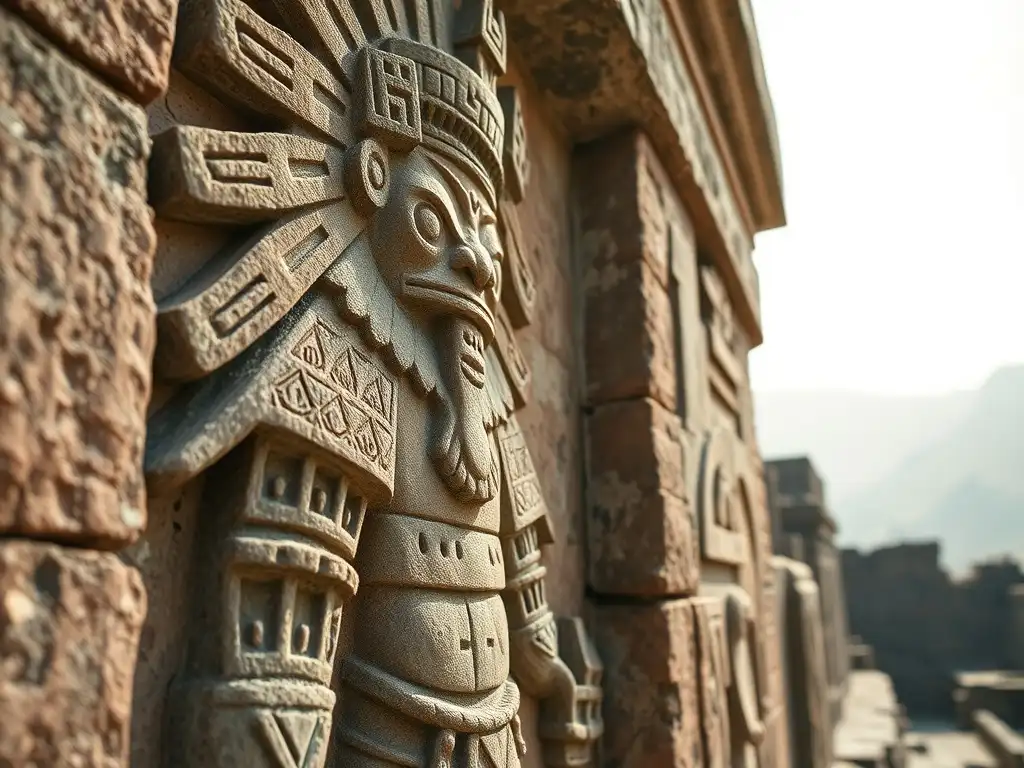
The intricate carvings and monumental architecture of Tiahuanaco's temple complexes are not merely aesthetic achievements; they are rich tapestries woven with religious and cosmological symbolism. Understanding this symbolism offers a crucial window into the beliefs and practices of this advanced Andean civilization. The Tiahuanaco temple complexes rituals were deeply intertwined with the iconography adorning these sacred spaces. Researchers have painstakingly analyzed these motifs, revealing a complex system of beliefs centered around deities, nature, and the cosmos.
The sheer scale of the artwork, combined with its meticulous detail, suggests a highly organized and sophisticated religious system. The enduring mystery of Tiahuanaco lies partially in deciphering the full meaning of these enigmatic symbols. Further research is needed to fully unravel their complex narratives, but existing scholarship provides a compelling starting point for understanding Tiahuanaco's spiritual world.
Iconography and Religious Motifs in Temple Structures
The most prominent motifs found in Tiahuanaco temple structures include stylized human figures, often depicted with exaggerated features, such as large heads and elongated limbs. These figures are frequently associated with religious iconography, such as staffs, scepters, and headdresses, suggesting their roles as priests, deities, or other important figures within the Tiahuanaco religious hierarchy. Many depictions show figures engaged in ritualistic activities, providing valuable clues about the practices performed within the temple complexes. For example, some carvings depict individuals carrying offerings or engaging in ceremonial dances.
The repetition of specific motifs across different structures suggests a standardized religious system, with shared beliefs and rituals across the entire Tiahuanaco empire. The precision and skill involved in creating these carvings further underscore their religious significance. These weren't mere decorations; they were carefully crafted representations of powerful spiritual forces.
The use of geometric patterns, such as stepped pyramids and intricate designs, also plays a significant role in the temple's iconography. These geometric forms are believed to represent cosmological concepts, connecting the earthly realm with the celestial sphere. For instance, the repeated use of stepped pyramids might symbolize the layers of the cosmos or the journey of the soul.
The complexity and precision of these patterns suggest a deep understanding of mathematics and astronomy, further highlighting the sophistication of Tiahuanaco society. The intricate details embedded within these seemingly simple shapes hold layers of meaning, waiting to be fully understood. Further research into the mathematical principles underlying these designs might reveal deeper connections between Tiahuanaco's art and cosmology.
The Sun God Viracocha and its Representation
Viracocha, the creator god in Tiahuanaco cosmology, is frequently depicted in temple art, although his representation varies. Sometimes he is portrayed as a benevolent deity, while other depictions show a more powerful, sometimes wrathful figure. This variability might reflect the multifaceted nature of the deity or the different aspects of his power.
His iconography often includes a staff or scepter, symbolizing his authority and divine power. He is often shown wearing elaborate headdresses and clothing, reflecting his high status in the religious pantheon. The differing representations of Viracocha found across various temple complexes suggest a possible evolution in the understanding and portrayal of this central deity over time, or perhaps variations in regional interpretations.
Some scholars argue that certain architectural features of the temple complexes themselves represent Viracocha, with the layout and orientation reflecting his cosmological significance. For example, the positioning of the main temple in relation to the sun's movements might have been carefully chosen to align with specific astronomical events, reinforcing Viracocha's association with celestial bodies.
The meticulous planning and execution of the temple's construction suggest that every detail, from the smallest carving to the overall layout, was imbued with religious meaning, reflecting a deep reverence for Viracocha and the cosmos. Further study of the astronomical alignments of the temples could provide additional insights into the religious significance of Viracocha and the rituals performed in his honor.
Animal Symbolism and its Meaning in Tiahuanaco Art
Animal symbolism is prevalent throughout Tiahuanaco art, with various creatures holding specific religious meanings. The condor, a powerful bird of the Andes, frequently appears, likely symbolizing power, strength, and connection to the upper world. Conversely, the puma, a terrestrial predator, might represent earthly power and authority.
Other animals, such as serpents and frogs, likely held symbolic significance related to water, fertility, and the underworld. The careful selection and placement of these animals within the temple art suggests a deliberate attempt to convey specific religious messages. The variety of animals depicted hints at the multifaceted nature of Tiahuanaco's religious beliefs, encompassing both terrestrial and celestial realms.
The integration of animal symbolism within larger scenes, such as those depicting religious rituals or processions, further underscores their importance. For example, the presence of a condor alongside a human figure might signify the figure's connection to the divine or their role as a mediator between the earthly and celestial realms. The precise meaning of each animal and its interaction with other elements within the artwork remains a subject of ongoing research.
Detailed analysis of the context in which these animals appear, coupled with comparative studies of other Andean cultures, may eventually unlock the full extent of their symbolic meaning within the context of Tiahuanaco temple complexes rituals. The careful study of these details continues to reveal new insights into the sophisticated religious beliefs of this ancient civilization.
Interpretation of Geometric Patterns and Their Significance
The geometric patterns adorning Tiahuanaco's temple complexes are far from mere decoration; they represent a complex system of cosmological beliefs and ritual practices. Scholars have dedicated considerable effort to deciphering these intricate designs, recognizing their profound connection to the Andean worldview. The prevalence of stepped pyramids, for example, isn't accidental. These structures, mirroring the landscape's layered topography, likely symbolized the cosmos's hierarchical structure, with each level representing a different realm or plane of existence.
One common motif is the recurring use of interlocking geometric shapes, such as squares, triangles, and stepped frets. These forms often combine to create intricate, layered designs. Some interpretations suggest these patterns represent the cyclical nature of time, the movement of celestial bodies, or the interconnectedness of the natural world. The precision and repetition in their execution point to a highly structured and ritualized process of creation, likely involving skilled artisans and a deep understanding of symbolic meaning.
Furthermore, the materials used in creating these patterns—often meticulously carved stone—further emphasize their sacred nature. The careful selection and placement of these materials, combined with the complex designs, suggest that the creation of these patterns was a ritual in itself, a process imbued with spiritual significance. The effort invested in their creation speaks volumes about the importance placed on these visual representations within Tiahuanaco society.
Detailed analyses of the patterns' mathematical relationships—aspects such as symmetry and proportions—are ongoing, with researchers hoping to uncover further insights into the underlying cosmology. The potential for uncovering hidden numerical codes or astronomical alignments remains a significant area of study in understanding the deeper meaning of Tiahuanaco's geometric art. The meticulous craftsmanship and the enduring nature of the stone itself suggest that these patterns were intended to endure, transmitting their symbolic message through generations.
Understanding the Function of Tiahuanaco Temple Spaces
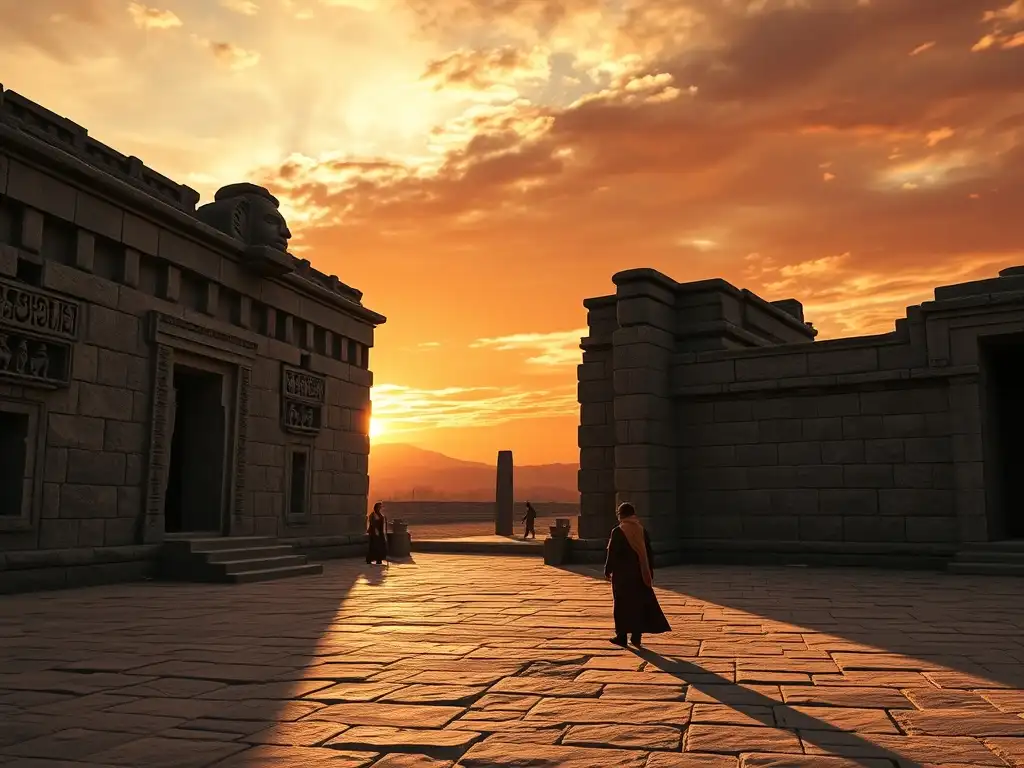
The imposing structures of Tiahuanaco's temple complexes weren't merely impressive feats of engineering; they served as multifaceted hubs within the society, deeply intertwined with the political, religious, and social fabric of the civilization. Understanding their function requires examining their role in several interconnected aspects of Tiahuanaco life. This section will explore the key functions of these sacred spaces, highlighting the interplay between religious rituals, political power, and community life.
The intricate relationship between the architecture and the rituals performed within these spaces offers crucial insights into the worldview and societal organization of the Tiahuanaco culture. Analyzing the Tiahuanaco temple complexes rituals reveals a sophisticated system of beliefs and practices.
The Temple as a Center of Political and Religious Power
The monumental architecture of Tiahuanaco, particularly the Kalasasaya complex and the Akapana pyramid, strongly suggests a centralized political and religious authority. The sheer scale of these structures, requiring immense labor and resource mobilization, implies a powerful ruling elite capable of organizing and directing such massive undertakings. The placement of important figures and symbols within the temples further reinforces this idea.
For example, the intricate carvings and sculptures found on the temple walls likely depicted rulers, deities, and important cosmological symbols, reinforcing the authority of the ruling class and the religious ideology they promoted. The complex's layout itself may have been carefully designed to visually represent the power structure and the cosmic order. This carefully orchestrated environment served to reinforce the power of the elite and their divine mandate.
Evidence suggests that the elite controlled access to resources and controlled the performance of rituals, further solidifying their position. Further research into the specific iconography and the arrangement of the buildings within the complexes will illuminate the precise nature of this power dynamic.
The Temple as a Space for Community Gathering and Celebration
While the temples served as centers of political and religious power, they also functioned as important spaces for community gathering and celebration. The vast plazas surrounding the main structures likely hosted large-scale festivals and ceremonies, bringing together people from across the Tiahuanaco empire. These gatherings would have served to reinforce social bonds, reaffirm shared beliefs, and bolster the legitimacy of the ruling class.
The presence of numerous smaller structures within the complexes, possibly residences for priests or officials, also hints at a vibrant community life within the temple precinct. Archaeological evidence of food remains and pottery shards suggests that feasts and celebrations were common occurrences. Imagine the scene: thousands of people converging on the vast plazas, participating in elaborate rituals, and celebrating their shared identity and faith.
The rhythmic chants, the vibrant colors of clothing, and the sounds of music would have created a powerful and unifying experience. Further study into the material culture found in the surrounding areas could provide more details about the types of celebrations held at the complex.
The Temple as an Astronomical Observatory
The precise alignment of certain structures within the Tiahuanaco temple complexes, notably the Gate of the Sun and the Kalasasaya, suggests a sophisticated understanding of astronomy and its importance in the Tiahuanaco worldview. Many scholars believe that the placement of these structures was carefully planned to track celestial events, such as solstices and equinoxes. These astronomical observations were likely crucial for agricultural practices, determining planting and harvesting times.
Furthermore, the astronomical alignments could have played a significant role in religious rituals, marking important dates in the sacred calendar and linking the earthly realm to the celestial sphere. The precise angles and orientations of the structures, combined with the careful placement of significant features, strongly support the hypothesis of Tiahuanaco's sophisticated astronomical knowledge. The detailed analysis of the astronomical alignments provides compelling evidence of the importance of celestial observations in their religious and agricultural practices.
Further research using modern astronomical software could refine our understanding of the specific celestial events tracked by the Tiahuanaco astronomers. This exploration of Tiahuanaco temple complexes rituals reveals a profound connection between earthly and celestial realms.
The Temple as a Microcosm of the Tiahuanaco Worldview
The Tiahuanaco temple complexes weren't merely structures; they were meticulously designed representations of the Tiahuanaco worldview. Archaeological evidence suggests a profound connection between the layout of the temples and their cosmological beliefs. The careful orientation of buildings towards cardinal directions, the precise placement of monumental structures, and the intricate carvings all point to a deliberate attempt to recreate the cosmos on a smaller scale. This microcosm aimed to bring the sacred into the earthly realm, allowing for a direct interaction between the human and divine spheres.
The meticulous planning involved in constructing these sites, with their precise alignments and symbolic iconography, highlights the deep spiritual significance attributed to the temples. The builders weren't simply concerned with functionality; they sought to create a sacred space that mirrored the order and harmony of the universe as they understood it. This deliberate mirroring wasn't just aesthetic; it was deeply ritualistic, designed to facilitate communication with the deities and the ancestors. The very act of constructing and maintaining these temples was, in itself, a ritualistic performance, reinforcing the cosmology and worldview of the Tiahuanaco people.
The intricate carvings and designs found throughout the complex further reinforce this idea, often depicting deities, celestial bodies, and other symbolic elements representing the cosmos. The temples, therefore, served as both physical and spiritual hubs, embodying the core beliefs and practices of the Tiahuanaco civilization. Understanding this connection between the physical structure and the spiritual worldview is crucial to interpreting the function and significance of the Tiahuanaco temple complexes.
The Legacy of Tiahuanaco Temple Complexes
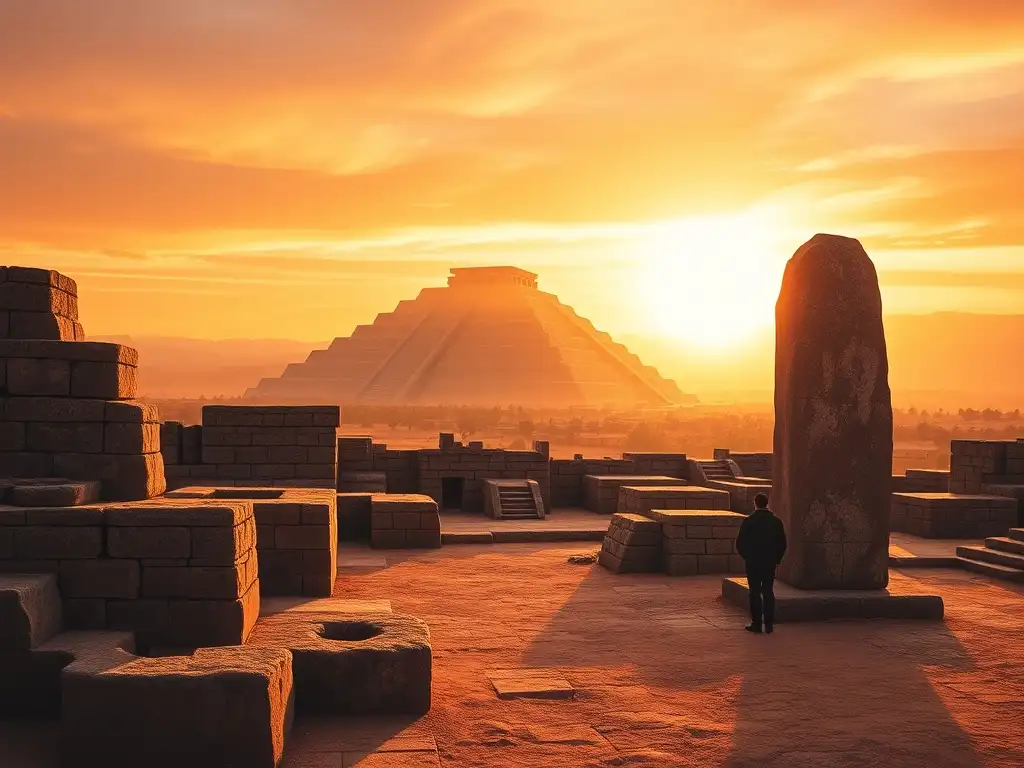
The monumental architecture of Tiahuanaco's temple complexes left an indelible mark on the Andean region, influencing subsequent cultures and continuing to fascinate archaeologists and historians alike. Its legacy extends far beyond its physical remains, impacting religious practices, artistic styles, and even urban planning in later Andean societies. Understanding this legacy is crucial to appreciating the full scope of Tiahuanaco's impact on the development of Andean civilizations.
The sheer scale and sophistication of the constructions, coupled with the enigmatic nature of their function, continue to fuel intense scholarly debate and inspire awe in those who study them. The enduring mystery surrounding Tiahuanaco's religious practices and the purpose of its structures adds another layer to its fascinating legacy, making it a subject of continuous exploration and research. This section delves into specific aspects of this rich and complex legacy.
Influence of Tiahuanaco Temple Design on Later Cultures
Tiahuanaco's architectural innovations, particularly its mastery of megalithic construction and its unique style of monumental stonework, significantly influenced later Andean cultures. The precise methods employed in the construction of structures like the Kalasasaya and Puma Punku remain a subject of ongoing investigation, with theories ranging from sophisticated engineering techniques to the possible use of advanced tools and technologies. However, the impact of these structures is undeniable.
For example, the use of massive, precisely cut stones, often fitted together without mortar, became a hallmark of subsequent Andean building traditions. This style can be observed in various sites across the Andes, indicating a widespread adoption and adaptation of Tiahuanaco's architectural principles. The influence wasn't limited to purely structural elements; the overall layout and arrangement of ceremonial spaces within Tiahuanaco's temple complexes likely served as a model for later sacred sites, reflecting a continuity of religious and cosmological beliefs.
Evidence suggests that the symbolic meaning embedded in Tiahuanaco's architecture—its alignment with celestial events, for instance—was also carried forward, demonstrating a lasting cultural transmission. The careful planning and execution evident in Tiahuanaco's complexes provided a blueprint for subsequent generations of Andean builders, shaping their understanding of sacred space and architectural design. Further research is needed to fully quantify the extent of this influence across different cultures and time periods.
Preservation and Archaeological Studies of Tiahuanaco Sites
The preservation of Tiahuanaco's temple complexes presents significant challenges, given the age and fragility of the structures. Exposure to the elements, looting, and even the impact of tourism all contribute to the deterioration of these invaluable archaeological sites. Ongoing archaeological studies are essential not only to understand the history and function of these complexes but also to implement effective preservation strategies. These studies utilize a range of techniques, from meticulous excavation and mapping to advanced imaging technologies and geochemical analysis, to uncover further details about the construction techniques, materials used, and the daily lives of the people who inhabited and used these spaces.
Researchers are constantly refining our understanding of Tiahuanaco's social organization, religious practices, and the dynamics of its interaction with neighboring cultures through careful analysis of artifacts and architectural features. The challenges of preserving these sites are compounded by the sheer scale of the structures and the often-fragile condition of the megalithic stones. Effective preservation requires a multi-faceted approach combining scientific expertise, community engagement, and sustainable tourism practices.
For example, careful monitoring of environmental factors like temperature and humidity is crucial to prevent further damage. Moreover, educating the public about the importance of preserving these sites is vital for long-term conservation efforts. The ongoing work of archaeologists and preservationists is vital to ensuring that future generations can appreciate the magnificence and mystery of Tiahuanaco's temple complexes.
Ongoing Debates Regarding Tiahuanaco's Collapse
The reasons behind the decline and eventual abandonment of Tiahuanaco remain a subject of intense scholarly debate. While several theories exist, no single explanation fully accounts for the complex factors that contributed to its collapse. Some scholars point to environmental changes, such as prolonged droughts or shifts in agricultural productivity, as contributing factors. Others emphasize internal socio-political factors, such as overextension of power, internal conflicts, or the inability to effectively manage resources.
The impact of external pressures from neighboring cultures, including potential warfare or competition for resources, is also frequently discussed. Analyzing isotopic data from human remains and studying changes in agricultural practices can provide valuable insights into the environmental pressures faced by the Tiahuanaco population. Likewise, detailed analysis of ceramic styles and other artifacts can illuminate changes in social organization and political power dynamics. These ongoing debates highlight the complexity of understanding societal collapse and the importance of considering multiple interacting factors.
The lack of a definitive answer underscores the need for continued research, combining archaeological evidence with climate modeling, anthropological insights, and sophisticated statistical analysis to construct a more complete picture of Tiahuanaco's final chapter. Further research may reveal new evidence that helps to resolve some of the lingering questions surrounding the decline of this remarkable civilization. The ongoing investigation into Tiahuanaco's collapse is a testament to the enduring fascination with this enigmatic culture and its lasting legacy.
The Importance of Tiahuanaco Temple Complexes for Understanding Andean Cosmology
The Tiahuanaco temple complexes are profoundly significant for understanding Andean cosmology, offering invaluable insights into the worldview and religious beliefs of this sophisticated civilization. Their monumental architecture, intricate carvings, and strategic placement within the landscape all speak to a complex system of beliefs centered around celestial events, ancestor veneration, and the relationship between the human and divine realms. The careful orientation of structures like the Kalasasaya and Akapana towards significant astronomical points, such as solstices and equinoxes, suggests a deep understanding of the cosmos and a desire to align human activity with celestial cycles. This astronomical alignment wasn't merely a matter of observation; it was integral to their religious practices and possibly linked to agricultural cycles and the prediction of important events.
The intricate carvings found throughout the site, often depicting stylized figures and mythical creatures, further illustrate the complexity of their cosmological beliefs and the stories they sought to convey. These visual representations offer clues to the myths, legends, and narratives that shaped their understanding of the world and their place within it. Scholars continue to debate the precise meanings of these symbols, but their prevalence and sophistication underscore the importance of religion and cosmology in Tiahuanaco society.
Further research, including advanced archaeological techniques and interdisciplinary collaborations, is essential to unlock the full potential of these sites in revealing the intricacies of Andean cosmology. The study of Tiahuanaco's temple complexes continues to revolutionize our understanding of pre-Columbian Andean spirituality and its profound impact on the civilizations that followed. Their influence can be traced in later Andean cultures, demonstrating the enduring legacy of Tiahuanaco's cosmological beliefs.
The Spread of Tiahuanaco Religious Practices and Architectural Styles
The influence of Tiahuanaco's religious practices and architectural styles extended far beyond its immediate geographical location, impacting a wide swathe of the Andean region. This dissemination is evident in the adoption of similar architectural features, iconography, and ritualistic practices across various contemporary and subsequent cultures. The distinctive Tiahuanaco style, characterized by its monumental stonework, intricate carvings, and specific architectural forms (such as stepped pyramids and platforms), can be identified in sites across the altiplano and beyond. This suggests a significant level of cultural exchange and possibly even direct political or religious influence exerted by Tiahuanaco.
Furthermore, the spread of specific religious beliefs and practices, including ancestor veneration, sun worship, and possibly even human sacrifice, further supports this conclusion. Archaeological findings in regions far from Tiahuanaco, including sites in Bolivia, Peru, and even parts of Chile, reveal evidence of Tiahuanaco-style artifacts, structures, and ritualistic practices. This widespread influence underscores the remarkable power and prestige of Tiahuanaco as a cultural and religious center in the Andean region.
However, the nature of this influence – whether it was through peaceful exchange, military conquest, or a combination of both – remains a subject of ongoing scholarly debate. Analyzing the subtle variations in architectural styles and religious practices across different regions allows researchers to reconstruct the complex dynamics of cultural interaction and transmission during the Tiahuanaco period. The spread of Tiahuanaco's religious and architectural legacy provides a testament to its profound influence on the development of Andean civilizations.
The Enduring Influence of Tiahuanaco Temple Complexes on Later Andean Cultures
The legacy of Tiahuanaco's temple complexes continues to resonate in the architecture, religious practices, and artistic traditions of later Andean cultures, showcasing its lasting impact on the region. Even after the decline of the Tiahuanaco state, the powerful symbolism and sophisticated religious beliefs associated with its temple complexes were adopted and adapted by subsequent societies. This influence is clearly seen in the architectural styles of later cultures, which often incorporated elements of Tiahuanaco's monumental stonework, stepped platforms, and intricate carvings.
For example, [Specific examples of later Andean cultures influenced by Tiahuanaco architecture pending]. Moreover, the religious practices associated with Tiahuanaco, such as ancestor veneration and sun worship, found their way into the belief systems of later Andean groups, demonstrating the enduring power of Tiahuanaco's cosmological ideas. The iconography of Tiahuanaco, with its distinctive stylistic elements and symbolic figures, also appears in the art and artifacts of later Andean cultures, highlighting the continued relevance of Tiahuanaco's religious and artistic traditions.
This continuity suggests a complex process of cultural transmission and adaptation, where later cultures selectively appropriated and reinterpreted aspects of Tiahuanaco's rich heritage to suit their own needs and beliefs. The enduring influence of Tiahuanaco's temple complexes underscores the enduring power of its cultural and religious legacy, shaping the development of Andean civilizations for centuries to come. The study of these continuities provides valuable insights into the dynamic nature of cultural change and the persistent influence of powerful historical precedents.
Frequently Asked Questions
What were the main purposes of Tiahuanaco's temple complexes?
Tiahuanaco's temple complexes served as sacred spaces for religious rituals and ceremonies. They were also likely centers of political and social power, reflecting the civilization's complex organization.
What kind of rituals were performed at Tiahuanaco?
The exact nature of Tiahuanaco's rituals remains debated, but evidence suggests ceremonies involving water, fertility, and ancestor veneration. Human sacrifice may have also played a role, although the extent is uncertain.
What is the significance of the Kalasasaya Temple in Tiahuanaco?
The Kalasasaya is Tiahuanaco's most prominent temple, believed to have been a central point for major rituals and astronomical observations. Its precise function, however, is still a subject of ongoing research.
What role did water play in Tiahuanaco's rituals and beliefs?
Water held significant symbolic importance in Tiahuanaco culture. Rituals involving water were likely connected to fertility, life, and the cyclical nature of the cosmos. The location near Lake Titicaca reinforces this significance.
How did the technology of Tiahuanaco influence their temple construction and rituals?
Tiahuanaco's advanced stone-cutting and construction techniques allowed for the creation of massive and precisely fitted structures. This technology likely facilitated complex rituals and enhanced the symbolic power of their temple complexes.
Final Reflection: Echoes of Tiahuanaco: A Legacy of Ritual and Mystery
The intricate stonework and enigmatic purpose of Tiahuanaco's temple complexes continue to resonate today, a powerful testament to the ingenuity and spiritual depth of a civilization lost to time. Their enduring mystery challenges our understanding of ancient societies and prompts us to reconsider our own relationship with sacred space and ritual. The sheer scale of the structures, coupled with the sophistication of their construction, speaks volumes about the organizational power and collective belief systems that shaped this remarkable culture.
The influence of Tiahuanaco's legacy extends far beyond its physical remains; its impact on Andean cosmology and spiritual practices is undeniable. The very act of attempting to decipher the meaning behind the intricate carvings and monumental architecture forces us to confront our own assumptions about the past and the nature of faith. The past is never dead. It's not even past.
- William Faulkner. This quote perfectly encapsulates the enduring power of Tiahuanaco, whose mysteries continue to shape our understanding of pre-Columbian civilizations and the enduring human need for spiritual expression. The echoes of their rituals still reverberate through the Andes, reminding us of the enduring power of belief and the importance of preserving cultural heritage.
Consider, for a moment, the sheer scale of the undertaking involved in constructing these monumental structures. Imagine the collective effort, the shared vision, the unwavering faith that drove the people of Tiahuanaco to create such a powerful and enduring testament to their beliefs. You too, possess the power to build something meaningful, something lasting.
Let the enduring mystery of Tiahuanaco inspire you to explore your own spiritual journey, to connect with the past, and to appreciate the enduring power of human creativity and faith. Let the echoes of their rituals inspire you to create your own rituals of meaning and purpose in your life.
Unveil the Secrets of Tiahuanaco!
Thank you for exploring the fascinating mysteries of Tiahuanaco's temple complexes. You've gained valuable insights into the sacred spaces and rituals that shaped this remarkable Andean civilization. Now, let's deepen your connection to this incredible heritage.
Here's how you can continue your journey:
- Join our Community! Subscribe to our newsletter for regular updates and fascinating discoveries about Tiahuanaco and other Andean treasures.
- Plan Your Visit: Experience the sacred energy of Tiahuanaco firsthand! Research travel options and schedule your trip to this ancient site.
- Share Your Discoveries: Discuss what you've learned with friends or share your insights on social media using #AndeanMysteries.
What aspect of Tiahuanaco's rituals most captivates you, and how might it influence your own spiritual practices?