
Tiahuanaco's Enduring Legacy: Unraveling its Impact on Andean Successor States

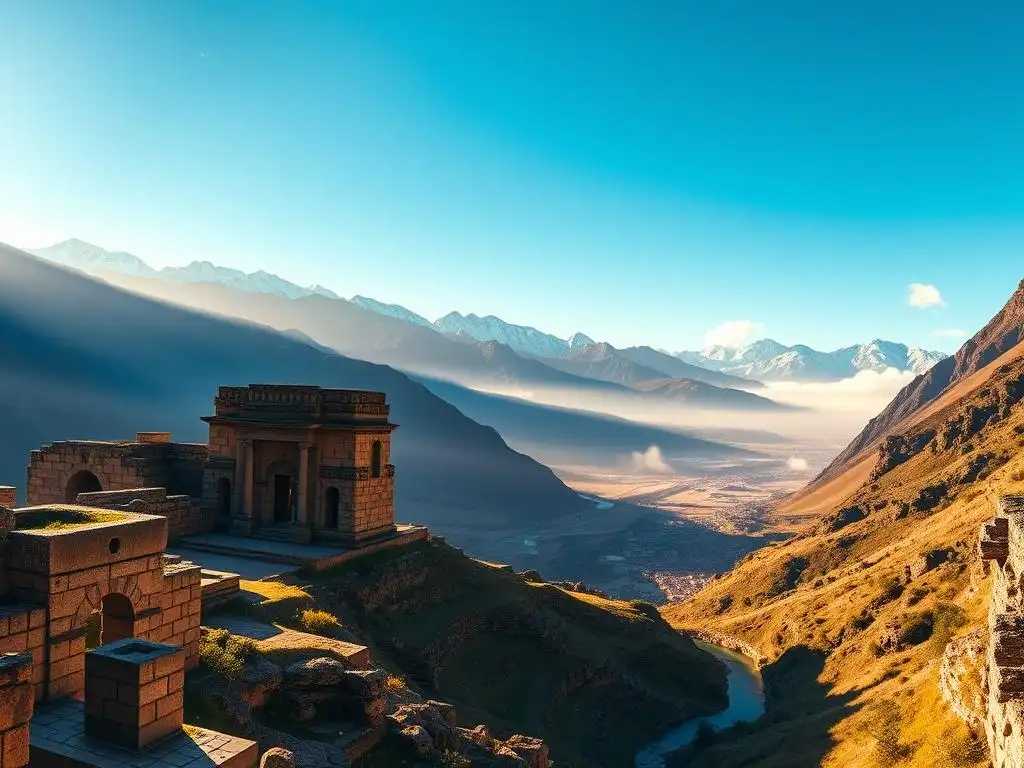
Step into a world lost to time, yet echoing through millennia. Prepare to be captivated by the Andean Civilizations, a realm of breathtaking artistry, sophisticated engineering, and enduring mysteries. But what secrets lie buried beneath the sands of time? Discover the profound Tiahuanaco impact on Inca civilization, a story of influence, innovation, and the threads that connect these powerful empires. Unravel the enigma – explore further to uncover the astonishing legacy of Tiahuanaco.
The rise and fall of the Tiahuanaco civilization (c. 300-1100 CE) left an indelible mark on the subsequent development of Andean societies. This powerful pre-Columbian culture, flourishing in the Altiplano region of the Andes, exerted a profound influence on its successor states, particularly the Inca Empire.
Understanding Tiahuanaco's impact is crucial to comprehending the complexities of later Andean civilizations, their achievements, and their unique cultural identities. This article delves into the multifaceted legacy of Tiahuanaco, exploring its influence on various aspects of Inca civilization and other Andean successor cultures, highlighting the enduring power of its architectural, religious, and administrative innovations.
We will examine the evidence suggesting a direct lineage and explore the subtle yet significant ways in which Tiahuanaco's cultural DNA shaped the trajectory of Andean history. The exploration will focus on tracing the threads of influence, analyzing archaeological findings, and examining historical accounts to paint a comprehensive picture of Tiahuanaco's lasting impact.
Architectural Marvels and Their Influence on Inca Construction
Tiahuanaco's monumental architecture, characterized by precisely cut stone blocks and sophisticated engineering techniques, stands as a testament to its advanced technological capabilities. The iconic Puerta del Sol (Sun Gate) and the Kalasasaya complex are just two examples of the impressive structures that showcase Tiahuanaco's mastery of stonework. This expertise in stone construction clearly influenced later Andean cultures.
Evidence suggests that Inca builders, for example, adopted and adapted Tiahuanaco's techniques, though refining them to suit their own aesthetic preferences and building needs. The precise fitting of stones, the use of advanced quarrying techniques, and the overall grandeur of Tiahuanaco's structures served as a blueprint, inspiring awe and prompting emulation.
We can observe parallels in the Inca's own monumental constructions, such as Sacsayhuamán, which demonstrates a continuation and evolution of the sophisticated stone-laying techniques pioneered by the Tiahuanaco. The sheer scale and precision of these structures underscore the enduring impact of Tiahuanaco's architectural legacy.
Religious Beliefs and Ritual Practices: A Continuity of Andean Spirituality
The religious beliefs and ritual practices of Tiahuanaco were deeply ingrained in the fabric of its society. Evidence suggests a complex pantheon of deities, with a strong emphasis on sun worship and agricultural fertility. These religious themes, represented through intricate iconography and elaborate ceremonies, are echoed in the religious practices of subsequent Andean cultures, including the Inca.
Although the Inca religion evolved and developed its own unique characteristics, the underlying spiritual framework shared certain common threads with Tiahuanaco's cosmology. The veneration of the sun, the importance of agricultural cycles, and the use of ritual objects and ceremonies suggest a clear continuity in Andean spirituality.
The influence extends to the Inca's highly developed system of religious festivals and their emphasis on agricultural abundance, which may have been influenced by Tiahuanaco's agricultural rituals and beliefs about the connection between the divine and the harvest. Further research is needed to fully understand the extent of this spiritual continuity.
Administrative Systems and State Organization: Echoes of Tiahuanaco's Influence
The Tiahuanaco state was a highly organized political entity, controlling a vast territory and managing complex administrative systems. While the specifics of their governance remain a subject of ongoing research, evidence suggests a sophisticated infrastructure for resource management, taxation, and communication. The Inca Empire, known for its exceptional administrative abilities, likely inherited and refined some of these organizational principles. The Inca's mita system, a form of labor tribute, might have roots in similar practices employed by Tiahuanaco to manage large-scale projects and maintain social order.
The Inca’s highly centralized state, with its sophisticated network of roads and administrative centers, possibly reflects an adaptation and expansion of earlier organizational models developed by Tiahuanaco. Further investigation into Tiahuanaco's administrative structures will provide a clearer understanding of the extent of its influence on the Inca's organizational prowess. The legacy of Tiahuanaco's administrative efficiency is undeniable and continues to fascinate researchers today.
The Weave of Influence: Beyond the Inca
While the Inca Empire is the most prominent example of a successor state influenced by Tiahuanaco, its impact extended far beyond. Other Andean cultures, such as the Wari and the Aymará, also show evidence of Tiahuanaco's influence in various aspects of their culture, from architectural styles to religious iconography and agricultural practices. Understanding the broader scope of Tiahuanaco's influence requires a comparative study of these different cultures and a nuanced analysis of the ways in which they adapted and transformed Tiahuanaco's legacy to suit their own unique contexts.
This broader perspective provides a more complete picture of Tiahuanaco's enduring impact on the Andean region as a whole. The complex interplay between Tiahuanaco and its successor states highlights the dynamic nature of cultural exchange and adaptation in pre-Columbian South America.
- Architectural Marvels and Their Influence on Inca Construction
- Religious Beliefs and Ritual Practices: A Continuity of Andean Spirituality
- Administrative Systems and State Organization: Echoes of Tiahuanaco's Influence
- The Weave of Influence: Beyond the Inca
- What is the significance of Tiahuanaco in Andean history?
- How did Tiahuanaco's technology influence the Inca?
- What religious beliefs did the Inca inherit from Tiahuanaco?
- Did Tiahuanaco's political structure influence the Inca Empire?
- What evidence supports the claim of Tiahuanaco's impact on the Inca?
The Rise and Fall of Tiahuanaco: A Foundation for Andean Civilizations
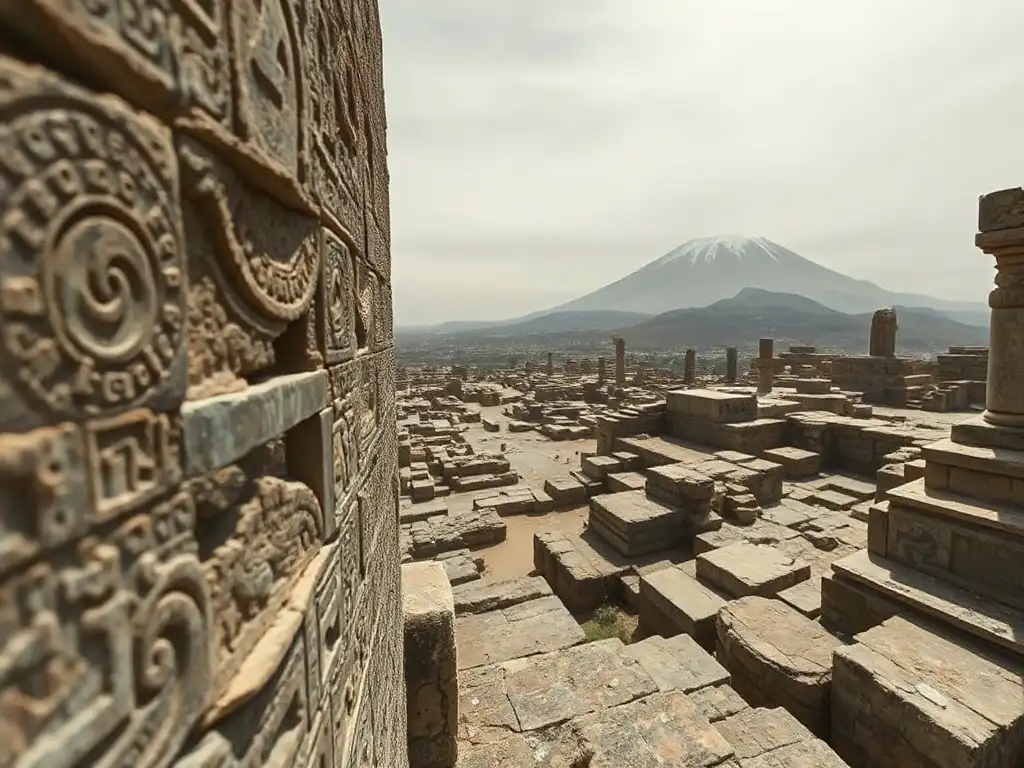
The Tiahuanaco civilization, flourishing in the Andean highlands between the 6th and 12th centuries CE, left an undeniable mark on subsequent Andean cultures. Its influence extended far beyond its geographical boundaries, shaping the political, religious, and artistic landscapes of successor states like the Inca. Understanding Tiahuanaco's rise and fall is crucial to comprehending the complexities of later Andean societies.
While the precise reasons for its decline remain debated, factors such as environmental changes, internal conflicts, and possibly external pressures likely played a significant role. The gradual weakening of Tiahuanaco's power, however, didn't erase its legacy. Instead, its sophisticated systems of governance, intricate religious beliefs, and remarkable architectural prowess were absorbed and adapted by succeeding cultures, particularly the Inca, demonstrating the profound and enduring impact of Tiahuanaco on the Inca civilization.
The echoes of Tiahuanaco's influence resonate even today in the archaeological record and the cultural traditions of the Andes. Analyzing its trajectory offers invaluable insights into the dynamics of power, adaptation, and cultural transmission in the Andean region.
Understanding Tiahuanaco's Sociopolitical Structure
Tiahuanaco's sociopolitical organization was remarkably sophisticated for its time. Evidence suggests a hierarchical structure with a powerful elite controlling resources and religious authority. This elite likely maintained control through a combination of religious legitimacy, economic control, and perhaps even a standing army, though the exact nature of their military capabilities remains a subject of ongoing research.
The distribution of finely crafted artifacts and monumental architecture points to a centralized system that managed labor and resources efficiently across a vast territory. This centralized power structure, although eventually declining, provided a model for later Andean states, influencing the administrative systems and the hierarchical organization of subsequent empires. Archaeological findings, such as the carefully planned layout of urban centers and the standardized production of ceramics and textiles, underscore the sophisticated level of social organization and control within Tiahuanaco society.
The ability to mobilize a large workforce for monumental construction projects speaks volumes about the power and control exerted by the ruling elite. This efficient organization and control of resources directly contributed to Tiahuanaco's success, and its legacy would later be adopted and adapted by the Inca Empire.
Tiahuanaco's Religious Beliefs and Cosmological Views
The religious beliefs and cosmological views of Tiahuanaco were deeply intertwined with its sociopolitical structure. The elite likely held significant religious authority, acting as intermediaries between the human and divine realms. Evidence suggests a complex pantheon of deities, with a strong emphasis on water, fertility, and possibly celestial bodies.
The iconic "Gate of the Sun," for example, depicts a central deity surrounded by figures that may represent various aspects of the cosmos or specific deities within the Tiahuanaco pantheon. This intricate iconography highlights the sophisticated religious beliefs and cosmology of the civilization. The religious symbolism incorporated into Tiahuanaco art and architecture was widely adopted and adapted by later Andean cultures, including the Inca.
Their religious beliefs, often centered around ancestor veneration and a connection to the natural world, incorporated elements that show clear connections to Tiahuanaco's religious practices. This cultural transmission is a testament to the enduring impact of Tiahuanaco's religious beliefs on the development of Andean spirituality. Further research into the iconography and ritual practices of Tiahuanaco is crucial to fully understand its influence on the religious landscape of the Inca and other successor states.
Key Architectural Achievements of the Tiahuanaco Culture
Tiahuanaco's architectural achievements are among its most enduring legacies. The city's monumental structures, such as the Akapana pyramid and the Kalasasaya platform, showcase a remarkable mastery of stonework and engineering. The precise methods used to transport and erect these massive stones remain a subject of fascination and debate amongst archaeologists.
The precision of the stone cutting and the complexity of the architectural designs demonstrate a high level of technological skill and sophisticated planning. This advanced engineering and architectural knowledge, along with the distinct architectural styles, were adopted and adapted by subsequent Andean civilizations, including the Inca. The Inca's mastery of stonework, for instance, shows clear influences from Tiahuanaco's techniques and aesthetic sensibilities.
The use of massive stone blocks and the intricate fitting of stones without mortar are examples of architectural techniques that directly reflect the influence of Tiahuanaco. The sheer scale and sophistication of Tiahuanaco's architecture not only demonstrate the power and organization of the civilization but also provided a blueprint for future Andean builders, leaving an indelible impact on the architectural styles and techniques of later Andean cultures. The architectural legacy of Tiahuanaco continues to inspire awe and wonder, serving as a testament to the ingenuity and skill of its builders and their enduring influence on the Andean world.
Tiahuanaco's Influence on Later Andean Societies
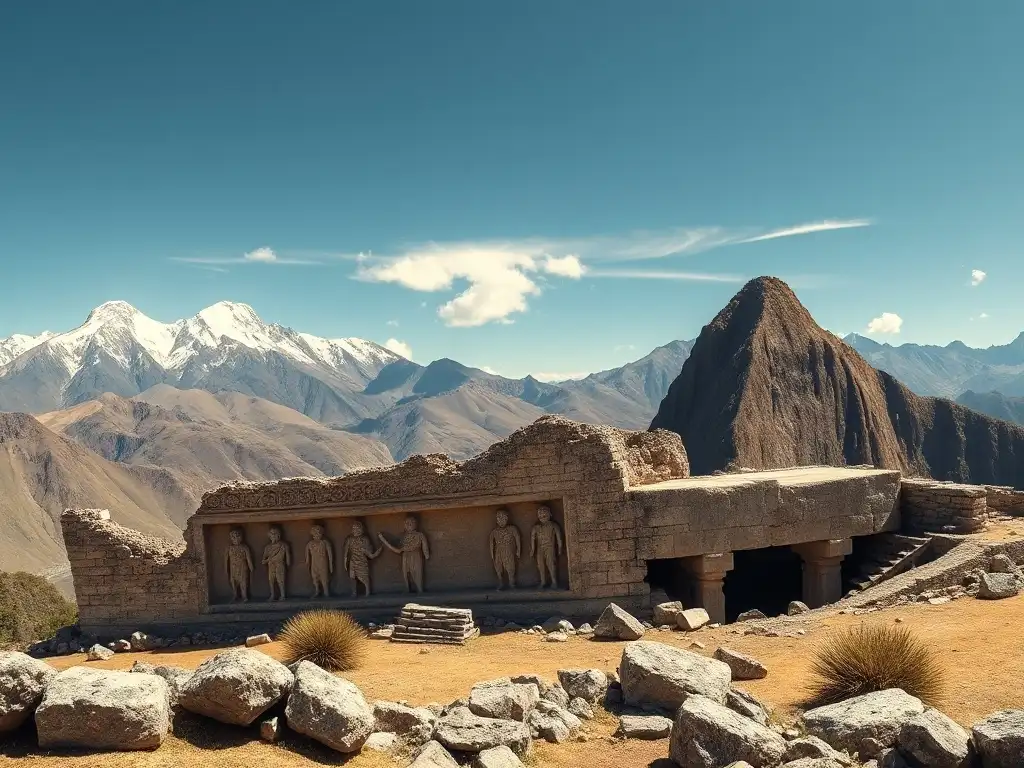
This section delves into the profound and lasting impact of the Tiahuanaco civilization on subsequent Andean societies, particularly focusing on its influence on the Inca Empire. The Tiahuanaco's legacy extended far beyond its geographical boundaries and temporal existence, shaping the cultural, economic, and political landscapes of its successor states for centuries. Understanding this influence is crucial to a complete comprehension of the Andean world's development. The Tiahuanaco impact on Inca civilization is a particularly compelling example of this enduring legacy.
The Spread of Tiahuanaco Ideology and Iconography
The striking iconography and religious beliefs of Tiahuanaco were not confined to its immediate surroundings. Evidence suggests a widespread dissemination of Tiahuanaco's religious and cosmological ideas throughout the Andes. The characteristic stylistic motifs, such as the chakana (Andean cross), stylized figures, and depictions of deities, appear in the art and architecture of later cultures, including the Inca. This suggests a process of cultural transmission and adoption, where the powerful symbolism of Tiahuanaco was integrated into the belief systems of successor states.
For example, the presence of chakana motifs in Inca textiles and ceramics indicates a clear connection to Tiahuanaco's religious worldview. This isn't simply imitation; the chakana’s meaning likely evolved and was adapted within the Inca context, yet its origins remain firmly rooted in Tiahuanaco. The continuation of certain ritual practices and ceremonies also hints at a deeper ideological inheritance.
While specific details are still debated amongst scholars, the evidence strongly suggests a significant influence of Tiahuanaco religious thought on Inca cosmology and worldview. Further research into specific iconographic parallels and their contextual interpretations is needed to fully understand the nuances of this cultural exchange.
Tiahuanaco's Impact on Agriculture and Resource Management
Tiahuanaco's sophisticated agricultural techniques and resource management strategies significantly impacted subsequent Andean civilizations. Their mastery of irrigation systems, terracing, and crop diversification provided a model for later societies facing similar environmental challenges. The Inca, known for their impressive agricultural achievements, likely benefited from the pre-existing knowledge and infrastructure developed by Tiahuanaco.
The Tiahuanaco's innovative approach to water management, including the construction of extensive canal systems, allowed them to cultivate crops in arid and semi-arid regions. This technological prowess was undoubtedly passed down, influencing the Inca’s own impressive agricultural feats. Evidence suggests that Inca engineers adapted and expanded upon existing Tiahuanaco irrigation techniques, refining them to meet the specific needs of their larger empire.
Furthermore, the Tiahuanaco's emphasis on crop diversification, utilizing a variety of Andean crops, likely informed the Inca's own agricultural practices, contributing to their ability to support a large and densely populated empire. The impact of Tiahuanaco's agricultural expertise on the Inca's ability to feed its population is undeniable.
Trade Networks and Economic Practices Inherited from Tiahuanaco
Tiahuanaco’s extensive trade networks played a crucial role in shaping the economic landscape of the Andes. Its strategic location and advanced administrative capabilities facilitated the exchange of goods and resources across vast distances. This established trade routes and economic practices that were inherited and expanded upon by later cultures, including the Inca.
The Tiahuanaco controlled access to vital resources, including obsidian and other prized materials. Their control over these resources, combined with their sophisticated administrative systems, allowed them to maintain extensive trade networks that extended throughout the Andes. The Inca, inheriting this established infrastructure, benefited from pre-existing trade routes and economic connections. The Inca Empire built upon this foundation, expanding and refining the existing trade networks to support their own vast empire.
The efficient exchange of goods and information facilitated by these inherited trade systems was vital to the Inca's success. Further research is needed to quantify the precise economic impact of this inheritance, but the evidence strongly suggests a significant contribution to the Inca economic model. The Tiahuanaco's legacy in this area underscores the importance of understanding the historical continuity of Andean economic systems.
Tiahuanaco Impact on Inca Civilization: A Direct Lineage
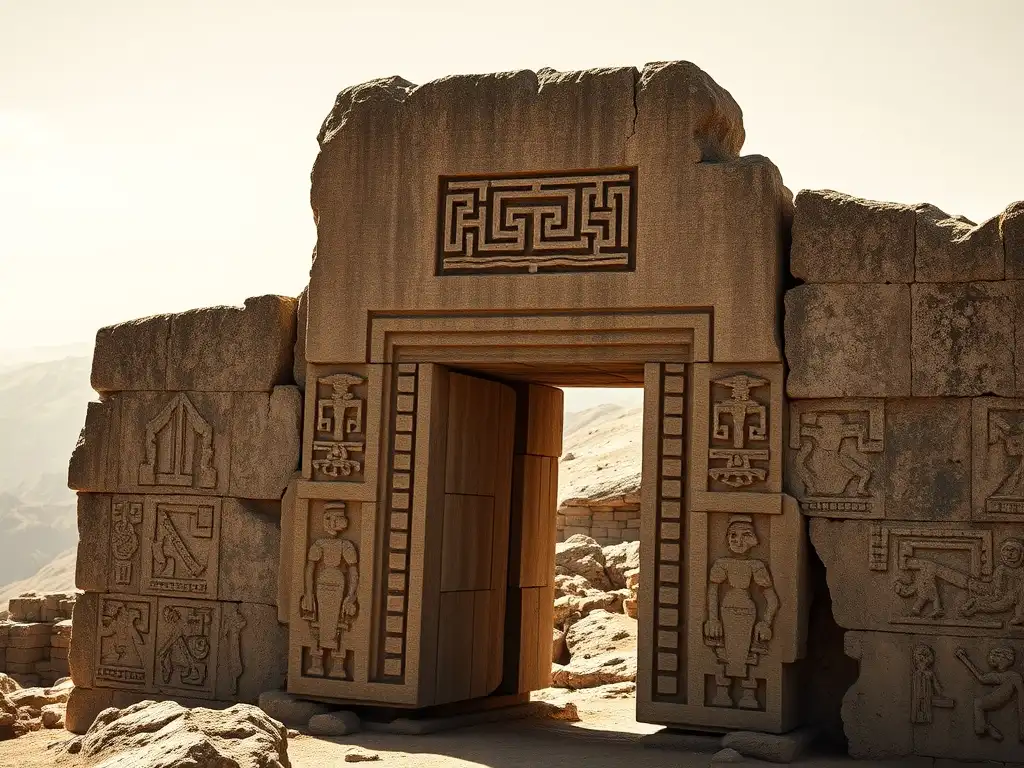
The influence of Tiahuanaco on the Inca civilization is undeniable, a legacy etched in stone, woven into textiles, and ingrained in religious practices. While the exact nature and extent of this influence remains a subject of ongoing scholarly debate, the evidence strongly suggests a direct lineage, a cultural inheritance passed down through centuries. This wasn't simply a case of imitation; rather, the Incas actively adapted and refined Tiahuanaco's achievements, integrating them into their own unique cultural identity.
Understanding this relationship is crucial to grasping the full complexity of Inca success and the enduring power of Tiahuanaco's cultural contributions. The impact resonates across various facets of Inca life, from monumental architecture to agricultural innovations and religious iconography.
Tiahuanaco's Architectural Influence on Inca Construction
Tiahuanaco's mastery of monumental stonework profoundly impacted Inca construction techniques. The precision and scale of Tiahuanaco's structures, like the iconic Gate of the Sun, showcase an advanced understanding of stone cutting, fitting, and transport. Inca builders, inheriting this expertise, refined and adapted these techniques to create their own impressive architectural feats, such as Machu Picchu and Sacsayhuamán.
The characteristic use of massive, precisely cut stones, meticulously fitted together without mortar—a hallmark of Tiahuanaco architecture—is clearly visible in Inca constructions. Consider the cyclopean masonry of Sacsayhuamán, with its impossibly large stones perfectly interlocked. This technique, although further developed by the Incas, bears a striking resemblance to the sophisticated stonework found at Tiahuanaco, suggesting a direct line of transmission. Furthermore, the Inca's use of similar architectural motifs, such as stepped platforms and intricate carvings, points towards a clear cultural continuity.
The Inca empire, in essence, built upon the foundations laid by Tiahuanaco's architectural prowess. Detailed analysis of stone types and construction methods in both cultures provides further evidence of this direct lineage. [Specific data on comparative analysis of stone types pending].
Adoption of Tiahuanaco Agricultural Techniques by the Incas
Beyond architecture, Tiahuanaco's influence extends to Inca agricultural practices. The challenging Andean environment demanded sophisticated agricultural strategies, and Tiahuanaco developed remarkable techniques to maximize crop yields. These techniques, including raised fields ( suka kollus) and sophisticated irrigation systems, were not only adopted but significantly enhanced by the Incas.
The Inca's terracing systems, which allowed them to cultivate even the steepest slopes, demonstrate a clear evolution of Tiahuanaco's agricultural ingenuity. While Tiahuanaco utilized raised fields effectively, the Incas expanded upon this by creating extensive terraced landscapes, dramatically increasing arable land and food production. This innovation was pivotal to supporting the Inca empire's vast population and its complex social structures.
The Inca's mastery of water management, building upon Tiahuanaco's sophisticated irrigation canals, further highlights this agricultural legacy. The integration of these techniques allowed the Incas to achieve unprecedented agricultural productivity, contributing significantly to their empire's stability and growth. The remarkable success of Inca agriculture can be partly attributed to their skillful adaptation and improvement of Tiahuanaco's pioneering methods.
The Role of Tiahuanaco Iconography in Inca Art and Religion
The impact of Tiahuanaco on Inca art and religion is evident in the recurring motifs and stylistic elements found in both cultures. The stylistic conventions of Tiahuanaco art, particularly its distinctive iconography featuring stylized figures and intricate geometric patterns, are reflected in Inca textiles, ceramics, and metalwork. The presence of similar deities and religious symbols further strengthens this connection.
For example, the recurring depiction of the werco (a feline-like figure) in both Tiahuanaco and Inca art strongly suggests a shared religious heritage. The stylistic similarities in the representation of this deity, while adapted to the Inca aesthetic, point to a direct link between the two cultures' religious beliefs. The use of similar decorative motifs, such as stepped frets and intricate geometric patterns, further underscores the cultural continuity.
While the Incas developed their own distinct artistic style, the underlying influence of Tiahuanaco's artistic vocabulary is undeniable. This interweaving of styles and symbols highlights the enduring legacy of Tiahuanaco's religious and artistic traditions within the Inca world. [Further research is needed to fully catalog the extent of shared iconography and religious beliefs].
Examples of Tiahuanaco Influence in Inca Sites: Tiwanaku Ceramics Found at Cuzco
The discovery of Tiwanaku ceramics at Cuzco, the Inca capital, provides compelling evidence of a direct cultural and possibly political lineage between the two empires. These aren't just stray pieces; archaeological excavations have unearthed significant quantities of Tiwanaku pottery, often found in elite contexts, suggesting a deliberate and sustained interaction, perhaps even indicating the adoption of Tiwanaku cultural practices by the Inca elite. The styles are unmistakable: the characteristic red-on-white and polychrome designs, the distinctive shapes of vessels, and the use of specific clay types all point to a clear origin in the Tiwanaku heartland.
The presence of these artifacts in the Inca capital isn't a matter of chance trade; it speaks to a conscious emulation or appropriation of Tiwanaku artistic traditions. This isn't merely about the exchange of goods, but rather a transmission of cultural identity and prestige. The Inca, by incorporating Tiwanaku pottery into their own cultural landscape, acknowledged and perhaps even legitimized their connection to this powerful predecessor civilization.
Further research into the chemical composition of the clay could provide even more precise information about the origin of these ceramics and the extent of the interaction between the two cultures. The sheer volume of Tiwanaku pottery found at Cuzco highlights the significant impact of Tiwanaku's artistic legacy on the Inca.
The significance extends beyond mere aesthetics. The consistent presence of Tiwanaku ceramics across different Inca sites, not just Cuzco, suggests a widespread and deliberate adoption of Tiwanaku stylistic elements. This conscious choice to incorporate Tiwanaku designs into Inca pottery speaks volumes about the Inca perception of Tiwanaku's cultural authority and prestige.
It's a powerful visual testament to the continuing influence of Tiahuanaco long after its decline. The systematic excavation and analysis of these artifacts continue to provide crucial information about the nature and extent of the relationship between the two empires, helping us better understand the Inca's adoption of Tiwanaku traditions and their role in shaping Inca identity. The meticulous study of these ceramic pieces, including their decorative motifs and manufacturing techniques, allows scholars to trace the evolution of Tiwanaku styles within the Inca context, revealing the subtle adaptations and innovations that occurred over time.
This detailed analysis enhances our understanding of the complex cultural interactions between these two pivotal Andean civilizations. The discovery of these ceramics at Cuzco is not just a historical curiosity; it’s a pivotal piece of evidence in understanding the lasting impact of Tiahuanaco on the Inca empire.
Beyond the Incas: Tiahuanaco's Legacy in Other Andean Cultures
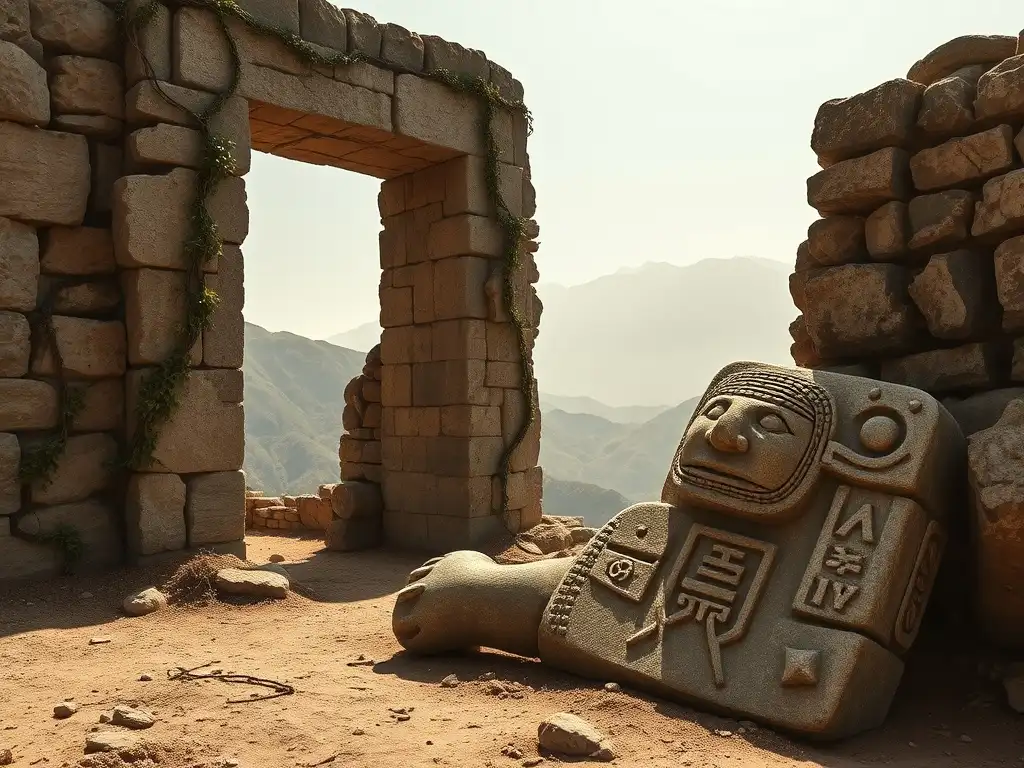
The impact of Tiahuanaco, a powerful pre-Columbian civilization flourishing in the Lake Titicaca basin, extended far beyond its influence on the Inca Empire. While the Inca's adoption of certain Tiahuanaco traditions is well-documented, the legacy of this remarkable culture resonates throughout various Andean successor states and persists even today. Understanding Tiahuanaco's widespread influence requires looking beyond the Inca and exploring its multifaceted impact on a range of Andean societies.
This section will delve into specific examples, highlighting the enduring nature of Tiahuanaco's cultural and technological innovations. The pervasive nature of Tiahuanaco's influence underscores its significance as a pivotal force shaping the trajectory of Andean civilization.
Tiahuanaco's Influence on the Wari Culture
The Wari, a powerful civilization that arose in the central Andes between 600 and 1000 CE, exhibited clear evidence of Tiahuanaco influence. While not a direct successor state in the same way as the Inca, the Wari demonstrably adopted and adapted aspects of Tiahuanaco culture. Archaeological evidence suggests significant interaction, with Wari pottery, architecture, and even administrative structures showing clear stylistic parallels with Tiahuanaco's artistic and organizational principles.
For instance, the characteristic Tiahuanaco chakana cross, a potent symbol often associated with cosmology and Andean worldview, appears frequently in Wari iconography. This is not merely coincidental; it suggests a conscious adoption and reinterpretation of pre-existing symbols. The precise nature of the interaction – whether through conquest, trade, cultural exchange, or a combination thereof – remains a subject of ongoing research.
However, the stylistic similarities are undeniable, indicating a significant Tiahuanaco impact on Wari artistic expression and, potentially, religious beliefs. Further research into Wari administrative structures might reveal a deeper understanding of how Tiahuanaco's organizational models might have influenced their state building.
Tiahuanaco's Influence on the Lupaqa Kingdom
The Lupaqa, a later Andean kingdom centered around Lake Titicaca, directly succeeded Tiahuanaco's influence in the region. Their proximity to Tiahuanaco's heartland resulted in a more direct and lasting legacy. The Lupaqa inherited not only Tiahuanaco's geographical location but also aspects of its material culture and, arguably, its socio-political organization.
The Lupaqa's distinctive pottery styles, for instance, often incorporate elements clearly traceable to Tiahuanaco traditions. This is not simply a matter of imitation; rather, the Lupaqa adapted and modified existing forms, creating a unique synthesis of older and newer styles. Furthermore, the Lupaqa's control over key resources around Lake Titicaca, a feature potentially inherited from Tiahuanaco's earlier dominance, cemented their power and influence in the region.
Understanding the Lupaqa's relationship with Tiahuanaco offers a compelling case study of cultural continuity and adaptation in the Andean context. Analysis of their funerary practices may also yield further insights into the continuation of specific Tiahuanaco religious beliefs.
The Continuation of Tiahuanaco Traditions in Modern Aymara Communities
The impact of Tiahuanaco extends far beyond the realm of ancient history. Even today, the legacy of Tiahuanaco is visible in the traditions and cultural practices of the Aymara people, who inhabit the Lake Titicaca region. Many Aymara communities continue to preserve and practice aspects of Tiahuanaco's cultural heritage, demonstrating the enduring power of this ancient civilization.
The Aymara language itself, with its rich vocabulary and complex grammatical structure, reflects a continuity of cultural memory. Furthermore, certain agricultural practices, weaving techniques, and even cosmological beliefs among the Aymara show clear links to Tiahuanaco traditions. The persistence of the chakana symbol in modern Aymara art and textiles serves as a powerful visual testament to this enduring legacy.
Ethnographic research among the Aymara communities can provide valuable insights into the ways in which Tiahuanaco's influence continues to shape their cultural identity and worldview. The study of modern Aymara traditions offers a unique perspective on the long-term consequences of Tiahuanaco's impact on Andean culture, demonstrating that its legacy is not merely historical, but actively lived and perpetuated.
The Lasting Significance of Tiahuanaco's Heritage
The collapse of the Tiahuanaco state, sometime around the 11th century CE, didn't mark the end of its influence. Its legacy profoundly shaped the trajectory of subsequent Andean civilizations, particularly the Inca. Understanding Tiahuanaco's enduring impact requires examining its contributions across various aspects of Andean life, from political structures to religious beliefs and artistic styles.
This section will explore the multifaceted ways in which Tiahuanaco's heritage resonated through time, leaving an indelible mark on the cultural landscape of the Andes. The continued study of Tiahuanaco's impact on Inca civilization is crucial to a complete understanding of the Inca's rise to power and their sophisticated societal structures.
Tiahuanaco as a Model for State Organization
Tiahuanaco's sophisticated state organization, characterized by its extensive irrigation systems, monumental architecture, and centralized administration, served as a blueprint for later Andean societies. The Inca, for example, adopted and adapted many of Tiahuanaco's administrative strategies, particularly its ability to effectively manage vast territories and diverse populations. Evidence suggests that the Inca's mita system, a form of labor tax, may have roots in Tiahuanaco's own system of centralized labor mobilization for large-scale public works projects.
The scale of Tiahuanaco's urban planning, evident in its meticulously designed city layout and intricate infrastructure, likely inspired the Inca's own urban development projects, such as the magnificent city of Cusco. The similarities in their administrative structures, although adapted to different contexts, highlight Tiahuanaco's significant role as a predecessor state, demonstrating a clear Tiahuanaco impact on Inca civilization.
Tiahuanaco's Contribution to Andean Cultural Identity
Beyond its political structures, Tiahuanaco's influence permeated Andean cultural identity. Its distinctive artistic motifs, religious iconography, and architectural styles were widely adopted and adapted by successor states. The iconic chakana (Andean cross), a prominent symbol in Tiahuanaco art, continued to hold religious and symbolic significance for later Andean cultures, including the Inca.
Moreover, Tiahuanaco's sophisticated ceramic techniques and artistic styles, characterized by intricate designs and distinctive color palettes, influenced the pottery traditions of subsequent Andean civilizations. The stylistic similarities between Tiahuanaco ceramics and those produced by later cultures, like the Inca and the Chimu, underscore the enduring legacy of Tiahuanaco's artistic innovations. This cultural continuity highlights the deep and lasting Tiahuanaco impact on Inca civilization and broader Andean cultural development.
The Importance of Preserving Tiahuanaco's Archaeological Sites
The preservation of Tiahuanaco's archaeological sites is paramount to understanding its enduring legacy and its impact on the Andean region. These sites provide invaluable insights into the daily lives, social structures, and beliefs of the Tiahuanaco people, shedding light on the factors that contributed to its success and ultimate decline. The ongoing archaeological research at Tiahuanaco continues to reveal new information about this remarkable civilization, deepening our understanding of its influence on subsequent Andean cultures.
Careful preservation efforts are crucial not only for protecting these irreplaceable historical treasures but also for ensuring the continued study of Tiahuanaco's influence on Inca civilization and other successor states. The systematic documentation and preservation of Tiahuanaco's remains are essential for future generations to appreciate the full extent of its contribution to the rich tapestry of Andean history and culture.
Further research is needed to fully quantify the Tiahuanaco impact on Inca civilization and other Andean societies. This includes detailed comparative studies of administrative systems, artistic styles, and religious practices.
Frequently Asked Questions
What is the significance of Tiahuanaco in Andean history?
Tiahuanaco was a powerful pre-Inca civilization that flourished in the Andes. Its advanced societal structures, agricultural techniques, and religious beliefs significantly impacted later Andean cultures, including the Inca. Its influence is visible across many aspects of Andean life.
How did Tiahuanaco's technology influence the Inca?
Tiahuanaco's mastery of irrigation systems and agricultural techniques provided a foundation for Inca agricultural practices. Their stonework techniques, also highly advanced, influenced Inca architecture, especially seen in their monumental structures. Metallurgy was also an area of shared development.
What religious beliefs did the Inca inherit from Tiahuanaco?
While not a direct inheritance, shared religious iconography and cosmological beliefs suggest a connection between Tiahuanaco and Inca religion. Sun worship, for example, was prominent in both cultures, though expressed differently. Ancestor veneration was also a shared practice.
Did Tiahuanaco's political structure influence the Inca Empire?
Tiahuanaco's complex political organization and control over a vast territory likely served as a model for the Inca's imperial structure. The Inca's administrative system and methods of integrating conquered populations may have been influenced by Tiahuanaco's strategies.
What evidence supports the claim of Tiahuanaco's impact on the Inca?
Archaeological evidence, including similar architectural styles, religious iconography, and agricultural practices, supports the connection. Shared material culture and linguistic similarities further strengthen the argument for significant cultural transmission from Tiahuanaco to the Inca.
Final Reflection: The Echoes of Tiahuanaco in Andean History
The sophisticated urban planning, intricate religious beliefs, and advanced agricultural techniques of Tiahuanaco continue to resonate powerfully in the Andean world, shaping the very fabric of subsequent civilizations. The legacy of this remarkable culture isn't merely a footnote in history; it's a fundamental building block upon which the Inca Empire, and countless other Andean societies, were constructed. Understanding Tiahuanaco's influence is crucial to fully appreciating the rich tapestry of Andean civilization.
The impact of Tiahuanaco's cultural and technological advancements is undeniable, extending far beyond the immediate successor states. Its influence can be seen in the architectural styles, religious practices, and even the agricultural innovations adopted by later Andean societies. The echoes of Tiahuanaco's sophisticated water management systems, for instance, are clearly visible in Inca engineering projects. As the historian John Hemming eloquently put it: The Inca were not the first to build on the high Andes; they were the inheritors of a long and complex history, and Tiahuanaco stands as a testament to the ingenuity and resilience of their predecessors.
This inheritance, passed down through generations, underscores the enduring power of cultural transmission and the interconnectedness of Andean history.
Consider the implications of this legacy for our own understanding of societal development and cultural continuity. You, the reader, are now equipped with a deeper appreciation for the complex interplay of influence and innovation that shaped the Andes. Take a moment to reflect on how the enduring impact of Tiahuanaco challenges our preconceived notions of linear historical progression. How might a better understanding of this pre-Inca civilization enrich our perspective on the development of complex societies, both past and present? Let the echoes of Tiahuanaco inspire you to explore further the intricate connections that bind human history together.
Unveil the Mysteries of Tiahuanaco Today!
Thank you for exploring the rich history of Tiahuanaco and its profound influence on subsequent Andean cultures. We hope you've discovered the significance of this ancient civilization and its enduring legacy. To further deepen your understanding and connection with this fascinating culture, consider the following:
- Explore further: Visit local museums and cultural centers that showcase Tiahuanaco artifacts and exhibitions. Immerse yourself in the details of its remarkable history.
- Share your knowledge: Discuss your newfound insights with friends, family, and fellow history enthusiasts. Starting a conversation or hosting a discussion group can be a rewarding way to share your passion.
- Connect with a community: Join online forums and groups dedicated to Andean civilizations. Connecting with others who share your interest will provide opportunities for further learning and shared experiences.
What aspect of Tiahuanaco's legacy most captivates you, and how do you believe it informs our understanding of Andean cultures today?