
The Ingenious Terraces of the Andes: How Ancient Civilizations Conquered Steep Slopes

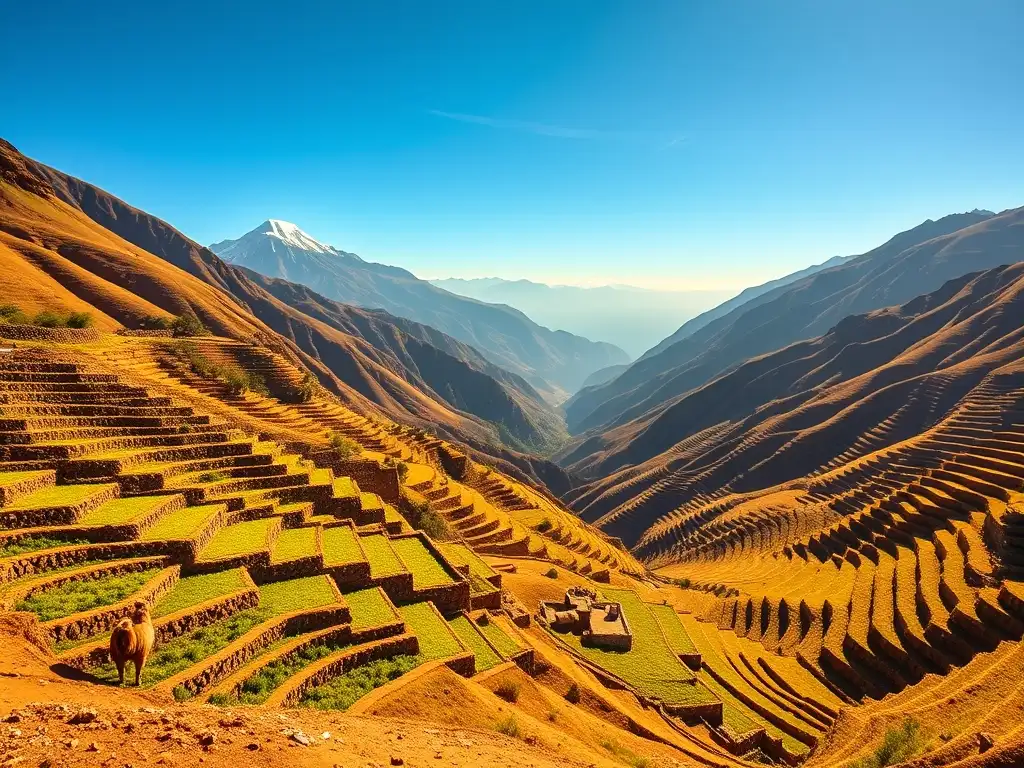
Welcome to Andean Civilizations, where the echoes of a lost world whisper tales of ingenuity and resilience. Prepare to be amazed by the breathtaking achievements of ancient Andean cultures, from the Incas to the Nazca. But first, delve into the mystery of Andean civilization terrace farming – a testament to human innovation that transformed unforgiving slopes into vibrant landscapes. Discover how these ingenious systems not only fed vast populations but also shaped the very fabric of Andean society. Uncover the secrets behind this remarkable feat and embark on an unforgettable journey through time...
The Andes Mountains, a formidable barrier stretching along the western edge of South America, presented a significant challenge to early inhabitants: cultivating food on incredibly steep slopes. Yet, far from being deterred, the diverse Andean civilizations—including the Incas, Moche, Nazca, and Tiahuanaco—developed ingenious agricultural techniques, most notably the construction of extensive terrace systems.
These weren't simply haphazard arrangements of land; they represented a sophisticated understanding of hydrology, soil management, and engineering, allowing for intensive food production in otherwise unusable terrain. This article delves into the remarkable story of Andean civilization terrace farming, exploring the techniques, benefits, and lasting legacy of this remarkable feat of human ingenuity.
We'll examine how these intricate systems contributed to the rise and success of these powerful civilizations, demonstrating the profound connection between Andean societies and their environment. Understanding Andean civilization terrace farming provides crucial insight into the resourcefulness and adaptability of these ancient cultures, highlighting their remarkable ability to thrive in challenging environments.
The Construction and Design of Andean Terraces
Andean terraces weren't uniformly constructed; their design varied depending on the specific geographic location, the prevailing climate, and the agricultural needs of the particular civilization. However, several common features united these impressive feats of engineering. They typically involved carving level platforms into steep hillsides, often supported by retaining walls constructed from stone, mud brick, or a combination of both.
The walls, meticulously built, served not only to hold back the soil but also to channel water and prevent erosion. The size and shape of individual terraces varied greatly, ranging from small plots suitable for individual households to extensive fields capable of supporting large populations. Careful consideration was given to the orientation of the terraces to maximize sunlight exposure and minimize water runoff.
The construction process itself would have been incredibly labor-intensive, requiring significant community effort and sophisticated organizational skills. Evidence suggests that sophisticated surveying techniques were employed to ensure accurate leveling and alignment of the terraces. Archaeological findings reveal a high degree of precision in the construction, reflecting a deep understanding of geometry and engineering principles.
Water Management in Andean Terrace Systems
Perhaps the most impressive aspect of Andean terrace farming was the sophisticated water management systems that accompanied them. The efficient use of water was crucial in the often arid and unpredictable Andean climate. To address this, ingenious techniques were employed, including the construction of canals and channels to divert water from rivers and streams onto the terraces.
These irrigation systems were meticulously designed to ensure even water distribution across the terraces, preventing both waterlogging and drought. Reservoirs and cisterns were also built to store water during periods of abundance for use during dry spells. The integration of water management into the terrace design highlights the holistic approach of Andean civilizations to agriculture.
The systems weren't merely about cultivating crops; they were about managing an entire ecosystem to maximize productivity and resilience. Some systems even included sophisticated drainage systems to prevent excess water from damaging the crops. This demonstrates a remarkable understanding of hydrology and a proactive approach to risk management.
Crops Cultivated on Andean Terraces
The diversity of crops cultivated on Andean terraces reflects the adaptability of the civilizations and the varied microclimates found within the mountain ranges. Potatoes, a staple crop, were cultivated in a wide variety of forms, with different varieties adapted to different altitudes and soil conditions. Other important crops included maize (corn), quinoa, beans, and various fruits and vegetables.
The terrace system allowed for the cultivation of a wide range of crops, contributing to a balanced and nutritious diet for the population. The ability to cultivate diverse crops also provided a degree of resilience against crop failures due to pests, diseases, or unfavorable weather conditions. The diversity of crops also contributed to the economic and social stability of the Andean communities.
This agricultural diversity is a testament to the sophisticated understanding of plant cultivation and adaptation possessed by these ancient Andean civilizations. The selection and breeding of specific crop varieties tailored to the unique conditions of the terraces represents a remarkable feat of agricultural science.
The Lasting Legacy of Andean Terrace Farming
The legacy of Andean terrace farming extends far beyond its historical significance. These impressive agricultural systems continue to inspire contemporary agricultural practices, particularly in the context of sustainable agriculture and hillside farming. The principles of water conservation, soil management, and biodiversity, inherent in Andean terrace farming, offer valuable lessons for modern agricultural practices.
Many communities in the Andes still utilize terrace systems, demonstrating the enduring practicality and sustainability of these ancient techniques. Furthermore, the terraces themselves represent a significant cultural heritage, providing insights into the ingenuity, resilience, and cultural depth of the Andean civilizations. Their preservation and study offer valuable lessons for sustainable development and cultural preservation.
The enduring relevance of Andean terrace farming underscores the timeless wisdom embedded within these ancient agricultural practices. The study of these systems continues to be a source of inspiration for researchers and practitioners seeking innovative and sustainable approaches to agriculture. The continued use and preservation of these terraces is a testament to their enduring value and the ingenuity of the Andean people.
- The Construction and Design of Andean Terraces
- Water Management in Andean Terrace Systems
- Crops Cultivated on Andean Terraces
- The Lasting Legacy of Andean Terrace Farming
Andean Agriculture and the Challenge of Mountainous Terrain
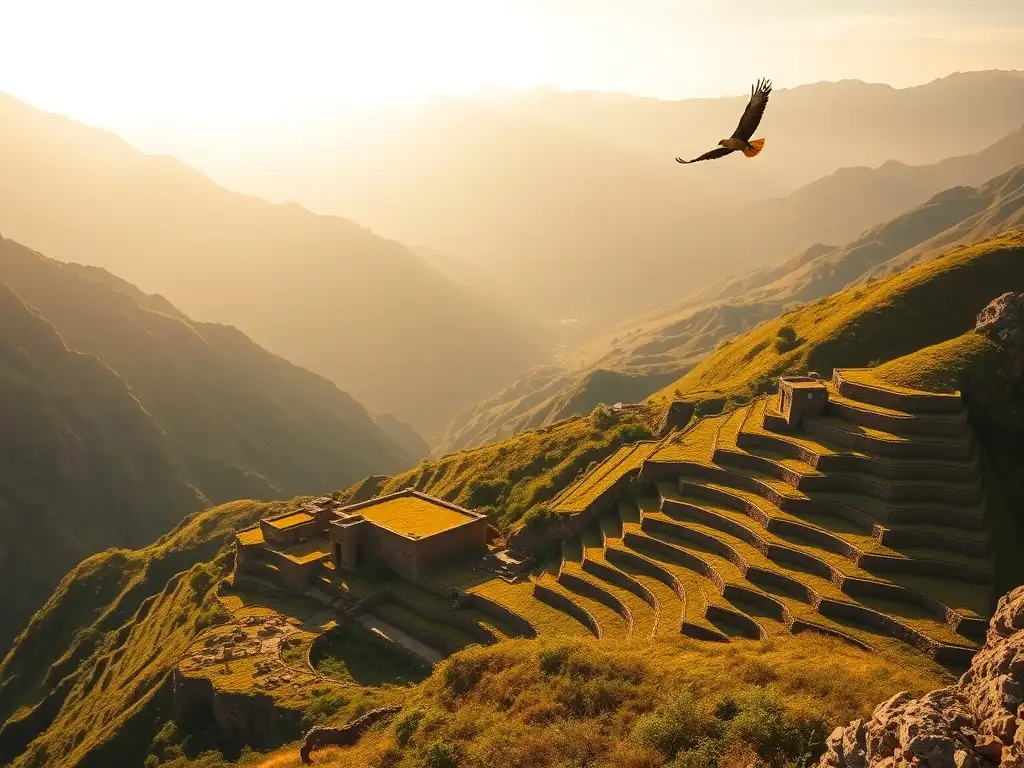
The Andes Mountains, a formidable geological spine running down the western coast of South America, presented a unique and significant challenge to the development of agriculture. Unlike the fertile plains of other ancient civilizations, the Andean peoples faced steep slopes, varying altitudes with drastically different microclimates, and unpredictable weather patterns. This demanding environment necessitated the development of incredibly ingenious agricultural techniques, most notably the construction of extensive terrace systems. The success of Andean civilization was intrinsically linked to their ability to overcome these environmental hurdles, transforming seemingly unusable land into productive farmland.
Their mastery of Andean civilization terrace farming stands as a testament to their ingenuity and adaptability. The scale of their agricultural achievements is breathtaking, and the techniques employed continue to inspire awe and admiration even today. Understanding the challenges they faced is key to appreciating the sophistication of their solutions.
The Need for Innovative Farming in the Andes
The sheer scale of the Andean mountain range, with its dramatic changes in altitude and rainfall, presented a major obstacle to traditional agricultural practices. Low-lying valleys, while offering some arable land, were often insufficient to support the growing populations. Higher altitudes, though possessing fertile soil in some areas, were characterized by steep slopes, making cultivation extremely difficult.
Furthermore, the unpredictable nature of the Andean climate, with its distinct wet and dry seasons, required farming methods that could withstand periods of drought and intense rainfall. The lack of flat land forced the Andean people to develop innovative solutions for maximizing their limited arable resources. These innovations were not merely about survival; they were integral to the development of complex societies and the flourishing of Andean cultures.
The need to efficiently use every available patch of land pushed them to perfect techniques like terrace farming, which allowed them to cultivate slopes that would otherwise have been unusable. This necessity fueled a remarkable period of agricultural innovation, leaving behind a legacy that continues to shape the region's landscape and agricultural practices.
Understanding the Topography and Climate of the Andean Region
The Andes are not a uniform environment. The topography varies drastically, from narrow coastal plains to high-altitude plateaus and deeply incised valleys. Altitude plays a crucial role in determining climate, with temperatures decreasing significantly with increasing elevation. This results in a diverse range of microclimates, each supporting different crops and requiring unique agricultural strategies.
For instance, the lower valleys might be suitable for cultivating warmer-climate crops like maize and beans, while higher altitudes might be better suited for potatoes and quinoa, which are more tolerant of cold temperatures. Rainfall patterns also vary significantly across the Andes, with some regions experiencing consistent rainfall while others face prolonged periods of drought. Understanding this complex interplay of topography and climate is essential to appreciating the ingenuity of Andean agricultural techniques.
The Andean civilization terrace farming systems were not a one-size-fits-all solution; rather, they were adapted to the specific environmental conditions of each region, demonstrating a remarkable understanding of local ecosystems. This adaptability, combined with their innovative farming practices, allowed the Andean civilizations to thrive in a challenging and diverse environment. Analyzing historical data on rainfall, temperature, and soil composition across different Andean regions would provide a more nuanced understanding of how these factors influenced the development and adaptation of terrace farming.
The Genesis of Andean Civilization Terrace Farming
The development of Andean civilization terrace farming wasn't a sudden invention but a gradual process born out of necessity and ingenuity. Facing the challenges of steep, mountainous terrain, ancient Andean peoples developed sophisticated agricultural techniques to maximize arable land and optimize crop yields. This innovative approach to farming, a testament to their deep understanding of their environment, allowed for the flourishing of complex societies across the Andes.
The earliest forms of terracing were likely rudimentary, perhaps involving simple stone walls to retain soil on slopes. However, over centuries, these techniques evolved into the remarkable feats of engineering we see preserved today. The need to feed growing populations acted as a powerful catalyst, driving innovation and refinement in terrace design and construction.
Understanding the genesis of this practice requires exploring the interplay of environmental pressures, technological advancements, and societal needs within the context of the diverse Andean cultures. The enduring legacy of Andean civilization terrace farming showcases the remarkable adaptability and resilience of these ancient societies.
Early Forms of Agricultural Terracing
Early Andean terrace farming, predating the Inca Empire by millennia, likely began with simple, less sophisticated methods. Archaeological evidence suggests that early forms involved utilizing natural slopes and building low retaining walls from readily available materials like stones and earth. These early terraces were often smaller and less precisely constructed than later examples, reflecting a gradual development of techniques and understanding.
The focus was on creating small, manageable plots to cultivate staple crops like potatoes, maize, and quinoa. These early terraces were crucial for stabilizing the soil, preventing erosion, and improving water management in challenging terrains. The evolution of these practices varied across different Andean regions, influenced by local topography, climate, and the specific needs of the various cultures inhabiting the region.
Analyzing the earliest examples offers valuable insights into the initial steps of this transformative agricultural innovation. The transition from rudimentary methods to the complex systems of later periods demonstrates a significant leap in Andean engineering and agricultural knowledge.
The Evolution of Terrace Construction Techniques
The evolution of Andean civilization terrace farming techniques involved significant advancements in stonework, water management, and overall design. As societies grew and agricultural demands increased, the need for more efficient and productive terraces became paramount. This led to the development of increasingly sophisticated techniques, including the use of precisely cut stones, intricate drainage systems, and carefully planned layouts.
Later terraces often featured complex irrigation channels that effectively distributed water across the terraces, maximizing crop yields even in arid regions. The construction of these terraces required a highly organized workforce and specialized knowledge of engineering principles. The Inca, for example, are known for their mastery of stonework, creating incredibly durable and well-integrated terraces that still stand today.
This evolution showcases a remarkable progression in both engineering skills and agricultural understanding, allowing for the cultivation of diverse crops at various altitudes. The improvement in techniques directly correlates with the increase in population and food security within Andean communities.
Moray Terraces in Peru: Concentric Circular Terraces
The Moray terraces in Peru represent a unique and fascinating example of Andean agricultural ingenuity. Unlike the typical linear terraces found elsewhere in the Andes, Moray features a series of concentric circular terraces that descend into a deep depression. This unusual design is believed to have been used for agricultural experimentation.
The varying altitudes of the terraces created microclimates, allowing farmers to cultivate a wider range of crops adapted to different temperatures and conditions. This innovative approach to agriculture highlights the advanced knowledge of Andean farmers concerning climate and crop adaptation. The precision of the stonework and the complexity of the design suggest a highly organized and sophisticated agricultural system.
The significance of Moray lies not only in its unique architecture but also in its demonstration of the Andean peoples' advanced understanding of agricultural principles and their ability to manipulate their environment to maximize food production. The concentric design of Moray stands as a testament to the ingenuity and expertise of Andean civilization terrace farming techniques. Further research into Moray continues to reveal new insights into the agricultural practices of the Andean cultures.
Key Features of Andean Agricultural Terraces

Andean civilization terrace farming represents a remarkable feat of engineering and agricultural ingenuity. These terraced fields, carved into the steep slopes of the Andes Mountains, allowed ancient civilizations to maximize arable land and cultivate crops in challenging environments. Understanding the key features of these terraces is crucial to appreciating their significance in the development and sustainability of Andean societies.
The success of this system hinges on a sophisticated interplay of retaining walls, soil management, and efficient drainage, all adapted to the unique conditions of the Andean highlands. The impact of this agricultural innovation on the Andean civilization cannot be overstated; it directly contributed to population growth, social stability, and the flourishing of complex societies. The mastery of terrace farming allowed for a reliable food supply, even in areas previously unsuitable for agriculture, ultimately shaping the cultural and economic landscape of the region.
Retaining Walls: Construction and Materials
The construction of retaining walls was paramount to the success of Andean terrace farming. These walls, meticulously built, served not only to hold back the soil but also to create level platforms for cultivation. The materials used varied depending on the local availability of resources. Common materials included stone, mud bricks (adobe), and even interwoven branches and grasses, demonstrating remarkable adaptability to the diverse Andean landscape.
In some areas, particularly where stone was abundant, impressive dry-stone walls were constructed, showcasing a high level of architectural skill. These walls, often several meters high, were built with precision, interlocking stones without the use of mortar, creating incredibly stable structures that have withstood the test of time. The construction techniques employed varied across different Andean cultures, reflecting regional variations in materials and engineering knowledge.
For example, the Inca utilized a sophisticated system of interlocking stones, while other cultures may have employed simpler methods depending on the terrain and available resources. The durability of these walls is a testament to the skill and knowledge of the ancient Andean builders, a key factor in the long-term success of their agricultural systems. Analysis of existing terrace walls reveals sophisticated understanding of structural mechanics, ensuring stability even in earthquake-prone regions.
Soil Management and Water Conservation
Effective soil management was crucial for maximizing crop yields in the Andean terraces. The steep slopes presented challenges, with the risk of erosion and nutrient depletion. To mitigate these risks, ancient Andean farmers employed several ingenious techniques. One important practice was the careful selection and layering of soils, creating fertile platforms optimized for specific crops.
This often involved transporting topsoil from other locations, illustrating a deep understanding of soil fertility and its importance to agricultural productivity. Further enhancing soil fertility, the Andean peoples implemented crop rotation and intercropping strategies, techniques that are still considered sustainable agricultural practices today. These practices helped to maintain soil health and prevent depletion of essential nutrients. Water conservation was equally critical, given the often unpredictable rainfall patterns in the Andes.
Terraces were designed to capture and retain rainwater, utilizing channels and reservoirs to control water flow and prevent runoff. This allowed for efficient irrigation, ensuring a consistent water supply for crops, even during dry periods. The sophisticated water management techniques of the Andean civilizations are a testament to their understanding of hydrology and their capacity to adapt to the challenges of a variable climate. Careful observation of water flow and soil composition allowed them to optimize yields, contributing significantly to the success of their terrace farming system.
Drainage Systems in Terrace Farming
The efficient removal of excess water was vital to prevent soil erosion and crop damage. Andean terrace farming systems incorporated sophisticated drainage systems to manage water flow effectively. These systems involved a network of channels and ditches strategically placed within and between terraces. Excess water was channeled away from the cultivated areas, preventing waterlogging and ensuring optimal soil conditions.
The design of these drainage systems varied depending on the slope and the terrain, reflecting an understanding of local hydrological conditions. In some cases, carefully constructed spillways were integrated into the terrace walls to control water flow during periods of heavy rainfall. The integration of drainage systems into the overall terrace design highlights the comprehensive approach to agricultural planning employed by Andean civilizations.
The ability to effectively manage water, both for irrigation and drainage, was essential for the long-term sustainability of their terrace farming systems. The remarkable longevity of many terrace systems, which continue to be used today, is a testament to the effectiveness of the drainage strategies implemented by ancient Andean farmers. These systems represent a crucial element of the overall ingenuity of Andean terrace farming, a testament to their advanced understanding of both agriculture and engineering.
The Benefits of Andean Terraces: A Sustainable Approach
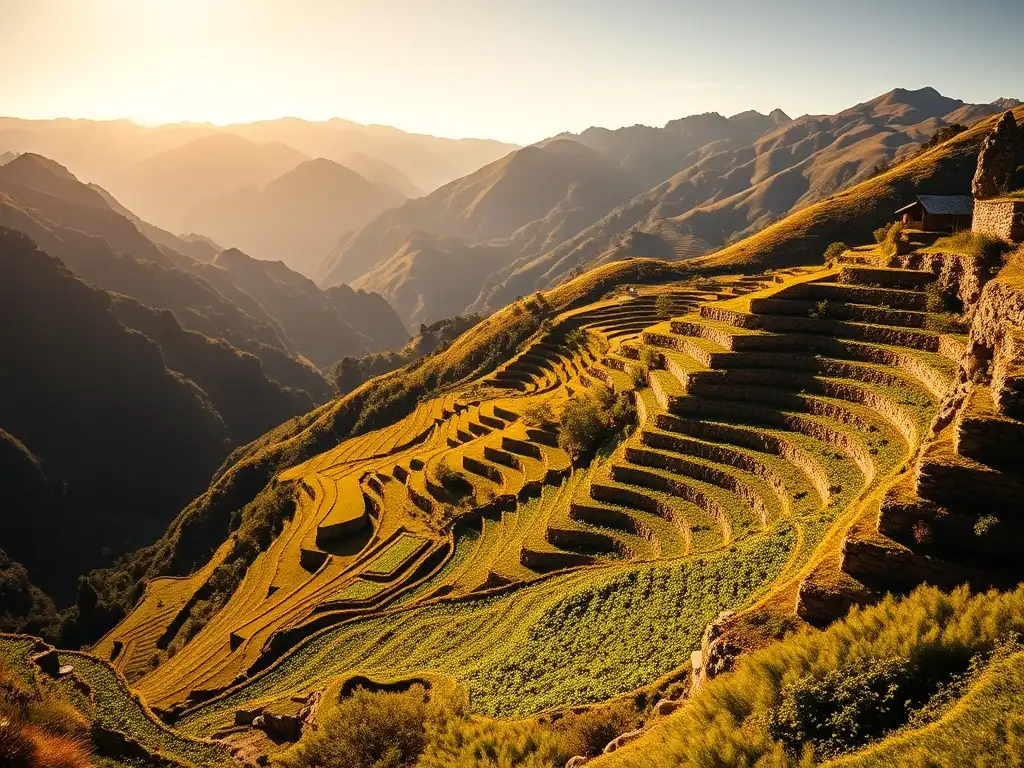
Andean civilization terrace farming wasn't just a clever solution to cultivating steep slopes; it represented a sophisticated understanding of sustainable agriculture. The ingenious system offered a multitude of benefits, far exceeding simple crop production. These terraces, meticulously carved into the mountainsides, provided a resilient and efficient agricultural system that allowed Andean civilizations to thrive for centuries. Understanding these advantages reveals the depth of their agricultural knowledge and ingenuity. Let's delve into the key benefits.
Maximizing Arable Land in Hilly Areas
The Andes Mountains are characterized by their dramatic topography, with steep slopes and limited flat land suitable for farming. Traditional agricultural practices would have been severely restricted in such an environment. However, the construction of terraces dramatically increased the amount of arable land available.
By transforming steep inclines into a series of level platforms, the Andean people effectively multiplied their farming capacity. This is particularly evident in areas like the Sacred Valley of the Incas, where terraced fields climb the mountain slopes in a breathtaking display of human ingenuity and resourcefulness. The precise measurements and careful placement of each terrace demonstrate a deep understanding of land surveying and engineering, far surpassing what one might expect from "primitive" societies.
Consider the impact: a single hillside, unusable without terracing, could support a substantial population through efficient food production. The creation of these terraces represents a remarkable feat of labor and planning, further highlighting the value placed on agricultural productivity within Andean civilization.
Preventing Soil Erosion and Landslides
The steep slopes of the Andes are prone to soil erosion and landslides, particularly during the rainy season. The terraced fields acted as a natural barrier, significantly reducing the risk of these devastating events. The level platforms slowed the flow of water, preventing it from carrying away topsoil. The retaining walls built between the terraces further stabilized the soil, preventing erosion and landslides. This is crucial for long-term agricultural sustainability. The impact on the environment was profound, allowing for continuous cultivation without depleting the land's resources. The construction techniques employed, including the use of locally sourced materials and careful consideration of drainage, showcase an advanced understanding of environmental stewardship. Archaeological evidence suggests that the maintenance of these terraces was a continuous process, highlighting the community's commitment to preserving the land for future generations. This aspect of terrace farming underscores the holistic approach to resource management inherent in Andean agricultural practices.
Enhancing Water Retention and Irrigation
Efficient water management was critical for successful agriculture in the often-arid Andean environment. The terraced system played a vital role in optimizing water retention and irrigation. The level platforms allowed for more even water distribution, preventing runoff and maximizing the absorption of rainfall.
Furthermore, the carefully constructed channels and irrigation systems diverted water from streams and rivers to the terraces, ensuring a consistent water supply even during dry periods. This controlled irrigation system allowed for the cultivation of a wider variety of crops, increasing agricultural diversity and food security. The ingenious design of the irrigation canals, often incorporating sophisticated water management techniques like diverting water through tunnels and aqueducts, is a testament to the advanced hydraulic engineering skills of Andean civilizations.
These complex systems ensured that water reached even the most remote terraces, highlighting the importance of equitable resource distribution within their agricultural systems. The integration of water management and terracing illustrates a comprehensive understanding of the interplay between environment, engineering, and agricultural productivity, crucial for the success of Andean civilization terrace farming.
Case Studies of Remarkable Terrace Systems
This section delves into specific examples of Andean civilization terrace farming, showcasing the ingenuity and scale of these agricultural marvels. We'll examine the construction techniques, agricultural practices, and lasting impact of these terraced landscapes, highlighting their significance within the broader context of Andean civilization. Understanding these case studies provides crucial insights into the sophisticated agricultural knowledge and societal organization of these ancient cultures. The enduring legacy of these terraces, many still in use today, speaks volumes about their effectiveness and adaptability. The keyword "Andean civilization terrace farming" is central to understanding the remarkable achievements discussed below.
Inca Terraces at Machu Picchu: A Masterpiece of Engineering
Machu Picchu's iconic terraces are not merely a scenic backdrop; they represent a pinnacle of Inca engineering and agricultural prowess. These meticulously constructed terraces, carved into the steep mountainside, showcase an advanced understanding of hydrology and soil management. The Incas utilized a sophisticated system of drainage channels and retaining walls, built from precisely fitted stones, to prevent erosion and optimize water distribution.
This allowed for the cultivation of a diverse range of crops, even on incredibly steep slopes. The precision of the stonework is astounding; many stones fit together so tightly that a knife blade cannot be inserted between them. This level of craftsmanship speaks to the highly skilled workforce and the importance placed on agricultural production within Inca society.
The terraces were not only functional but also aesthetically pleasing, integrating seamlessly with the surrounding landscape. The Machu Picchu terraces exemplify the peak of Inca agricultural technology and its contribution to the success of their empire. Their design demonstrates an understanding of both practical agricultural needs and the symbolic importance of the land.
Wari Terraces at Pikillaqta: A Pre-Inca Marvel
Preceding the Inca, the Wari civilization (600-1000 CE) also mastered the art of terrace farming, as evidenced by the impressive remains at Pikillaqta near Cusco. While perhaps less visually spectacular than Machu Picchu, the Wari terraces at Pikillaqta are equally significant in illustrating the long history and evolution of Andean agricultural techniques. These terraces, constructed using a combination of stone and adobe, demonstrate a different approach to terrace construction compared to the Inca style.
The Wari system often involved larger, less precisely fitted stones, suggesting a potentially faster construction method, perhaps reflecting different resource availability or societal organization. Archaeological evidence suggests the Wari terraces supported a complex agricultural system, producing diverse crops to sustain a large population. The scale of the Pikillaqta site, with its extensive network of terraces, highlights the importance of agriculture in the Wari state's economic and social structure.
Study of these terraces helps us understand the development of Andean agricultural practices over time and the innovations that occurred before the Inca expansion. The ingenuity of the Wari in adapting terrace farming to their environment is a testament to their sophisticated understanding of agriculture.
Colca Canyon Terraces: A Living Landscape of Agriculture
The Colca Canyon in Peru boasts one of the most breathtaking and extensive terrace systems in the Andes. Unlike Machu Picchu or Pikillaqta, the Colca Canyon terraces are not solely a testament to past civilizations; they represent a living legacy of Andean agricultural practices, with many still actively used today. Spanning the steep canyon walls, these terraces demonstrate remarkable adaptation to a challenging environment characterized by extreme altitude and varied microclimates.
The terraces' construction varies depending on the specific location and soil conditions, highlighting the adaptability of Andean farming techniques to diverse terrains. Farmers utilize traditional methods, often passed down through generations, to cultivate a wide variety of crops, including potatoes, maize, and quinoa. The Colca Canyon terraces showcase the enduring resilience and sustainability of Andean agricultural practices, demonstrating a harmonious relationship between humans and the environment that has persisted for centuries.
This continuous use underscores the effectiveness and long-term viability of terrace farming in the Andes, solidifying its importance as a key element of Andean civilization terrace farming. The Colca Canyon serves as a powerful example of how these ancient techniques continue to sustain communities and provide valuable insights into sustainable agriculture.
Crops Cultivated on Andean Terraces
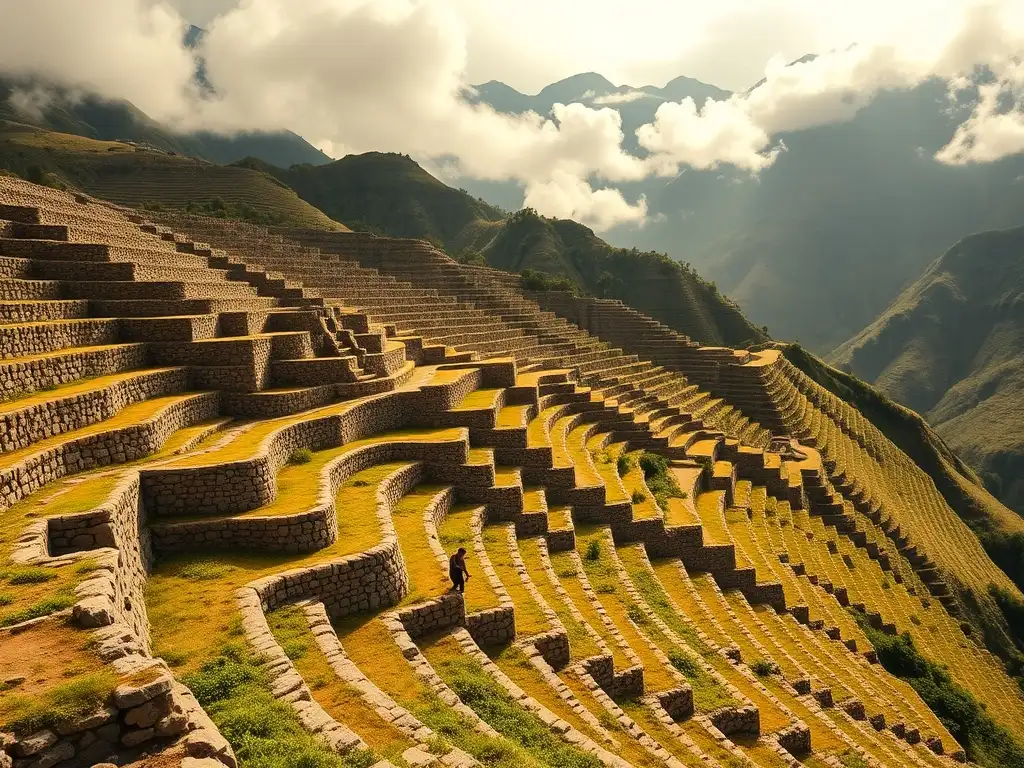
Andean civilization terrace farming wasn't just about the ingenious engineering; it was also about the incredible diversity of crops cultivated in these challenging environments. The success of terraced agriculture hinged on the careful selection and adaptation of plants uniquely suited to the altitude, climate, and soil conditions of the Andes Mountains. These weren't simply crops transplanted from elsewhere; they represented a long history of co-evolution between plants and people, resulting in a remarkable agricultural system that sustained large populations for centuries. Understanding the specific crops grown reveals much about the ingenuity and resilience of Andean civilizations.
Adaptation of Indigenous Crops to Terraced Farming
The adaptation of indigenous crops to terraced farming was a crucial element of Andean agricultural success. The unique microclimates created by the terraces, with variations in sunlight exposure, temperature, and moisture retention, allowed for a wider range of crops to thrive. For instance, potatoes, a staple crop, were cultivated at different altitudes depending on the variety, with some preferring the cooler, higher elevations and others thriving in warmer, lower terraces.
This precise placement maximized yields and ensured a diverse harvest, mitigating the risk of crop failure. Furthermore, the terraces themselves provided protection from strong winds and erosion, creating a more stable and predictable environment for plant growth. Careful soil management techniques, including the use of fertilizers derived from animal manure and decaying plant matter, further enhanced the fertility of the terraced fields, ensuring high productivity even in the challenging Andean terrain.
This sophisticated understanding of both the environment and the crops themselves is a testament to the advanced agricultural knowledge of Andean civilizations. The meticulous planning and execution evident in the terrace systems underscore the deep connection between these societies and their agricultural practices.
The Importance of Potatoes, Quinoa, and Corn
Potatoes ( Solanum tuberosum), quinoa ( Chenopodium quinoa), and corn ( Zea mays) formed the trinity of staple crops in Andean agriculture, each playing a vital role in sustaining the population. Potatoes, with their remarkable diversity of varieties adapted to different altitudes and climates, provided a significant source of carbohydrates and essential nutrients.
Quinoa, a complete protein source, offered crucial dietary balance, particularly important in a region where animal protein might have been less readily available. Corn, while perhaps less dominant than potatoes or quinoa in some regions, provided carbohydrates and was also used in a variety of ways beyond simple consumption, including the production of chicha, a fermented beverage central to Andean culture.
The cultivation of these three crops, meticulously managed within the terrace system, provided the nutritional foundation for the growth and prosperity of Andean civilizations. The intricate relationship between these crops and the terraced agricultural landscape is a compelling example of sustainable and efficient food production in a challenging environment.
Oca, Ulluco, and Mashua: Other Staple Crops
Beyond the "holy trinity" of potatoes, quinoa, and corn, a wealth of other crops contributed significantly to the Andean diet. Oca ( Oxalis tuberosa), ulluco ( Ullucus tuberosus), and mashua ( Tropaeolum tuberosum) are three examples of tubers that played important roles in Andean agriculture. These crops, like potatoes, exhibit remarkable diversity, with varieties adapted to different ecological niches within the terraced fields.
Oca, with its tangy flavor, provided a refreshing contrast to the more neutral taste of potatoes. Ulluco, known for its sweet and slightly nutty flavor, was another important source of carbohydrates and nutrients. Mashua, while less widely cultivated than the others, also contributed to the dietary diversity of Andean communities.
The cultivation of these less-known crops demonstrates the sophisticated understanding of Andean farmers and their ability to optimize the use of available resources. The diversity of these tubers, each with its unique properties and cultivation requirements, highlights the complexity and resilience of Andean agricultural practices. This system, far from being simplistic, represented a sophisticated response to the ecological challenges of the Andes, ensuring food security for generations.
The Legacy of Andean Terraces in Modern Agriculture
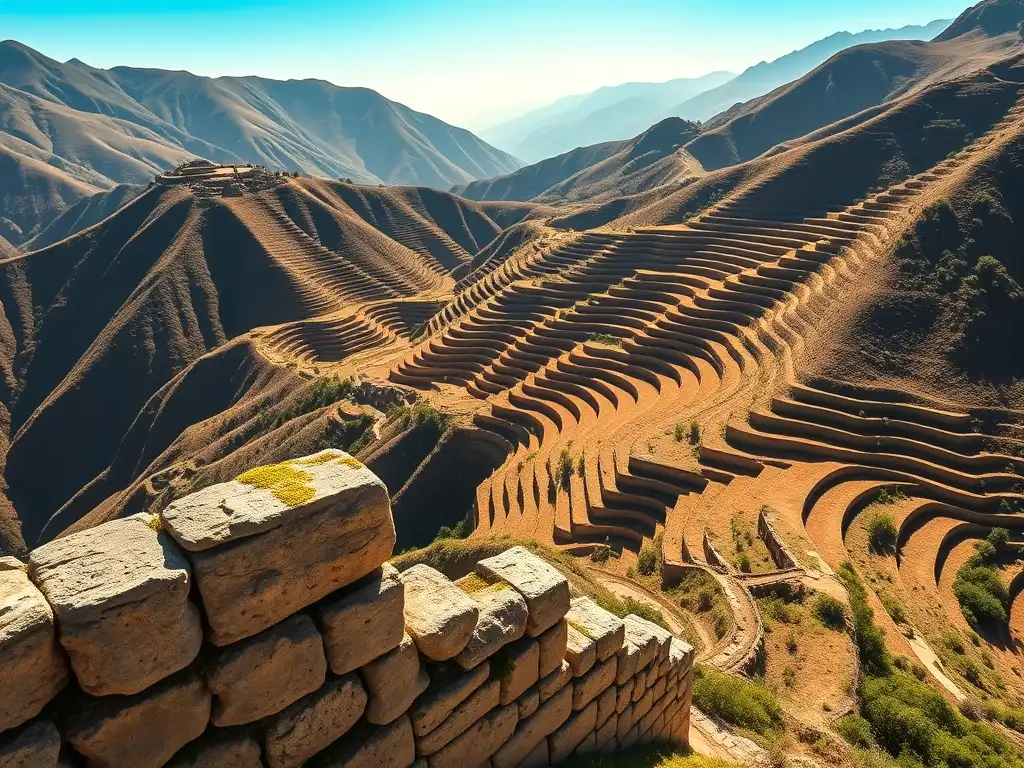
The ingenuity of Andean terrace farming continues to resonate in modern agricultural practices, offering valuable lessons for sustainable food production in challenging environments. Understanding the historical context of these terraces reveals their remarkable efficiency and adaptability. For centuries, Andean civilizations like the Incas, utilizing their sophisticated knowledge of water management and soil conservation, built intricate systems of terraces that transformed steep, mountainous landscapes into fertile agricultural land. This wasn't simply about increasing arable land; it was about creating resilient agricultural systems capable of withstanding harsh climatic conditions and supporting large populations.
The legacy of these achievements is undeniable, providing a blueprint for addressing contemporary agricultural challenges. The impact of Andean terrace farming extends beyond simply providing food; it shaped social structures, economic systems, and even the spiritual beliefs of these ancient societies. This enduring influence underscores the importance of studying and preserving this remarkable agricultural heritage for the benefit of future generations. Analyzing the design and construction techniques employed by these ancient civilizations can inform the development of more sustainable and resilient farming practices today.
The precise methods used in soil stabilization and irrigation, for example, can be adapted to modern contexts, potentially improving yields and reducing environmental impact. The Andean experience demonstrates the potential for human ingenuity to overcome geographical limitations and create thriving agricultural systems even in the most challenging terrains. The study of Andean terrace farming offers valuable insights into sustainable agricultural practices, and understanding this legacy is crucial for addressing modern food security challenges.
Lessons Learned from Ancient Farming Practices
One of the most significant lessons learned from Andean terrace farming is the importance of integrated water management. Ancient Andean farmers developed sophisticated systems of canals, channels, and reservoirs to efficiently distribute water across their terraced fields. These systems were carefully designed to minimize water loss and maximize irrigation efficiency, even in arid or semi-arid regions. This contrasts sharply with some modern agricultural practices that rely on heavy water consumption and often lead to water scarcity. Furthermore, the meticulous attention to soil conservation employed by Andean farmers is another crucial lesson.
The terraces themselves acted as natural barriers to erosion, preventing topsoil loss and maintaining soil fertility. The use of organic matter and crop rotation further enhanced soil health. This contrasts with modern intensive farming practices that can lead to soil degradation and reduced productivity. Analyzing the ancient methods of soil preparation, fertilization, and crop selection provides valuable insights for developing more sustainable agricultural strategies.
Specifically, the integration of diverse crops and the use of traditional farming techniques can contribute to improved biodiversity and resilience in modern agricultural systems. The Andean civilization's approach to terrace farming highlights the importance of a holistic and integrated approach to agriculture, recognizing the interconnectedness of water, soil, and crops. This contrasts with modern agriculture's tendency to focus on individual components in isolation. By understanding and applying these principles, modern agriculture can become more sustainable and resilient.
Sustainable Agricultural Models Inspired by Terracing
The principles of Andean terrace farming have inspired the development of numerous sustainable agricultural models in contemporary contexts. Many modern projects utilize the basic concepts of terraced agriculture to address challenges such as soil erosion, water scarcity, and biodiversity loss. For example, the use of terraces in hilly and mountainous regions can significantly reduce soil erosion and improve water retention, leading to increased crop yields and reduced environmental impact. Moreover, the integration of diverse crops within terraced systems can promote biodiversity and enhance ecosystem resilience.
These projects often incorporate modern technologies and techniques while retaining the fundamental principles of traditional Andean farming practices. Such integration might include using modern irrigation systems alongside traditional water management techniques, or employing precision agriculture technologies to optimize water and fertilizer use. This approach combines the best of both worlds, leveraging ancient wisdom and modern technology to achieve sustainable agricultural outcomes.
The success of these modern projects demonstrates the adaptability and relevance of Andean terrace farming techniques in contemporary agriculture. The application of these principles can contribute to improved food security, reduced environmental impact, and enhanced community resilience in various regions around the world. Studies have shown that terraced systems, inspired by Andean models, can significantly increase yields, particularly in areas with steep slopes and limited arable land.
Contemporary Terracing Projects in Mountainous Regions
Numerous contemporary terracing projects are underway in mountainous regions around the globe, demonstrating the ongoing relevance of this ancient agricultural technique. These projects often focus on improving food security, enhancing environmental sustainability, and empowering local communities. For instance, in many parts of Southeast Asia, terracing projects are being implemented to address land degradation and improve agricultural productivity. Similar projects are underway in the Andes themselves, aiming to revitalize traditional farming practices and preserve cultural heritage.
These projects often involve collaboration between local communities, government agencies, and non-governmental organizations. The success of these initiatives often hinges on community participation and the integration of traditional knowledge with modern technologies. Documenting these projects and analyzing their successes and challenges is crucial for informing future initiatives. Data collection on yields, water usage, and economic impact can provide valuable insights for improving the design and implementation of future terracing projects.
The continued development and refinement of these projects demonstrate the enduring legacy of Andean terrace farming and its potential to address contemporary agricultural challenges. The adaptation of this ancient technique to various geographical and cultural contexts highlights its versatility and adaptability, offering a sustainable solution for food production in challenging environments. Analyzing the success factors and challenges faced by these contemporary projects can provide valuable lessons for future implementations, ensuring that this ancient wisdom continues to benefit communities worldwide.
The Enduring Impact of Andean Civilization Terrace Farming
Andean civilization terrace farming represents a remarkable feat of engineering and agricultural ingenuity. Its impact resonates even today, shaping landscapes and influencing agricultural practices across the Andes. These meticulously constructed terraces, carved into the steep slopes of the mountains, were not merely agricultural solutions; they were integral to the social, economic, and spiritual fabric of Andean societies. The legacy of this sophisticated system continues to inspire modern agricultural practices and conservation efforts. Understanding its enduring influence is crucial for appreciating the complexity and resilience of Andean cultures.
Preserving a Cultural Heritage
The terraces themselves are a testament to the ingenuity and perseverance of Andean peoples. Their construction, often using only stone tools and human labor, required an intimate knowledge of the terrain, hydrology, and soil conditions. Many terraces, dating back centuries, remain standing, showcasing the durability of the construction methods. Preserving these structures is not just about safeguarding historical sites; it's about maintaining a tangible link to the past, a cultural heritage that informs our present and shapes our future.
Efforts to conserve these sites often involve community participation, recognizing the deep connection between local populations and their ancestral agricultural landscapes. This collaborative approach ensures that the preservation efforts are sustainable and culturally sensitive. The ongoing documentation and study of these terraces continue to reveal new insights into the agricultural practices and social organization of ancient Andean civilizations.
The Importance of Understanding Traditional Agriculture
Understanding Andean civilization terrace farming offers valuable insights into traditional agricultural practices that are increasingly relevant in the face of climate change and population growth. The system’s inherent resilience, its ability to adapt to varied microclimates, and its efficient use of water resources provide valuable lessons for modern agriculture. For example, the intricate network of channels and drainage systems employed in terrace farming provides a model for sustainable water management, particularly in arid and semi-arid regions.
The careful selection of crops suited to specific altitudes and microclimates demonstrates a deep understanding of ecological principles, highlighting the importance of biodiversity and agro-ecological approaches. By studying these ancient techniques, we can gain valuable knowledge to improve modern agricultural practices and enhance food security. Furthermore, research into traditional Andean farming practices can inform the development of climate-resilient crops and farming techniques.
The Relevance of Ancient Techniques for Food Security
The principles behind Andean civilization terrace farming hold significant relevance for addressing contemporary food security challenges. The increased efficiency of land use, the reduced soil erosion, and the enhanced water retention capacity of terraced landscapes contribute directly to increased crop yields and greater food production. In regions facing land scarcity and environmental degradation, the adoption of adapted terrace farming techniques can significantly improve agricultural productivity and contribute to food security.
Moreover, the diversification of crops grown in terraced systems enhances nutritional security, providing a wider range of food sources. This diversity also strengthens the resilience of the agricultural system to pests and diseases, mitigating the risks associated with monoculture farming.
The integration of traditional knowledge with modern agricultural technologies offers a promising pathway towards achieving sustainable and resilient food systems, particularly in mountainous regions. The study of Andean terrace farming highlights the potential for innovative solutions to global food security challenges.
Frequently Asked Questions
What is terrace farming?
Terrace farming is an ancient agricultural technique where slopes are cut into a series of level platforms or terraces. This allows for efficient farming on steep hillsides, preventing soil erosion and maximizing arable land.
Why did Andean civilizations use terrace farming?
Andean civilizations employed terrace farming to increase agricultural yields in mountainous regions. The steep slopes of the Andes presented a challenge, and terraces provided a solution to cultivate crops effectively.
Which Andean civilizations practiced terrace farming?
Many Andean civilizations, including the Inca, Moche, Nazca, and Tiwanaku, mastered terrace farming. These techniques were crucial for their survival and prosperity.
What were the benefits of Andean terrace farming beyond increased crop yields?
Besides increased food production, Andean terraces helped reduce soil erosion, conserve water, and create microclimates suitable for diverse crops. They also played a role in landscape management and social organization.
How did Andean civilizations build their terraces?
Andean terraces were built using stone walls and sophisticated engineering techniques. They involved careful planning, precise stonework, and a deep understanding of water management and soil conservation.
Final Reflection: Echoes of Ingenuity Across the Andes
The ingenious terrace farming systems of the Andes remain a testament to human ingenuity and adaptation, a powerful reminder of our capacity to overcome seemingly insurmountable challenges. These ancient agricultural marvels, carved into the steep slopes of the Andes Mountains, not only fed thriving civilizations but also offer invaluable lessons for sustainable agriculture in a world grappling with climate change and population growth. Their enduring legacy continues to inspire innovative solutions for food security today.
The impact of Andean terrace farming extends far beyond its historical significance. It represents a profound connection between humans and their environment, a harmonious relationship that prioritized sustainability and community well-being. These systems, meticulously planned and executed, demonstrate a deep understanding of ecological principles, a knowledge often lost in modern, industrialized agriculture. The mountains were not conquered, but cultivated; not subdued, but understood.
This sentiment perfectly encapsulates the respectful and resourceful approach of the Andean civilizations, a philosophy that resonates deeply with contemporary concerns about environmental stewardship.
Consider the ingenuity of these ancient builders, their unwavering dedication to creating a sustainable food system in a challenging landscape. Their achievements serve as a powerful example for us today. You too can find inspiration in their resilience and resourcefulness. Think about how you can apply principles of sustainability and community collaboration in your own life, whether it's in your garden, your workplace, or your community. Let the echoes of ingenuity from the Andes inspire you to build a more sustainable and equitable future.
Unveil the Secrets of Andean Innovation!
Thank you for exploring the incredible ingenuity of ancient Andean civilizations with us! You've uncovered the fascinating techniques they used to transform steep landscapes into sustainable habitats. Now, let's delve even deeper!
Here are some exciting next steps:
- Dive deeper: Research the sophisticated agricultural techniques employed by Andean civilizations, such as terracing and crop rotation, and consider how these methods can inform modern sustainable farming practices. Consider the challenges of water management in arid climates and how Andean solutions addressed these issues.
- Join the conversation: Share your thoughts and questions in the comments below or on our social media platforms. Connect with fellow enthusiasts and experts, and contribute to a vibrant discussion about applying ancient wisdom to contemporary challenges.
- Explore your own terrain: Experiment with creating a small terraced garden at home, applying the principles of Andean ingenuity. Discover how these time-tested methods can enhance your living space and provide fresh, locally grown produce.
What modern agricultural challenges—such as soil erosion, water scarcity, or biodiversity loss—do you believe the innovative solutions developed by Andean cultures can help us address today?