
Andean Textile Secrets: PlantBased Dyes and Fibers

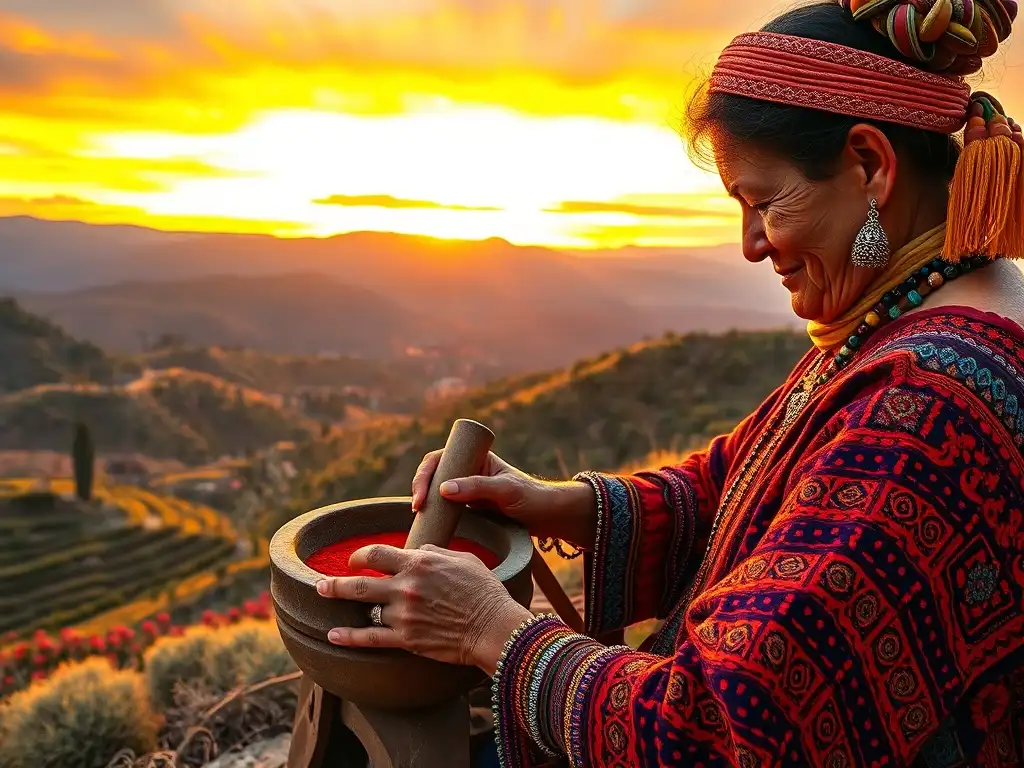
Unravel the mysteries of a lost world… Step into the vibrant tapestry of Andean Civilizations, where ingenuity bloomed in the high altitudes. From the intricate artistry of the Incas to the enigmatic Nazca lines, prepare to be amazed. But first, delve into the secrets whispered through time – Andean textile dyeing techniques. Discover how these ancient cultures harnessed the power of nature to create breathtaking textiles, a testament to their sophisticated understanding of plants, fibers, and color. Their legacy awaits – explore the fascinating world of Andean agriculture and uncover the vibrant hues of their past.
The vibrant textiles of the Andean civilizations are renowned worldwide for their intricate designs and breathtaking colors. These weren't merely clothing; they were powerful expressions of social status, religious beliefs, and cultural identity.
This article delves into the fascinating world of Andean textile dyeing techniques, exploring the ingenious methods used to create these stunning works of art, focusing specifically on the plant-based dyes and fibers that formed their foundation. We will uncover the secrets behind the rich hues and durable fabrics, highlighting the deep connection between Andean textile production and the surrounding environment, particularly the crucial role of coca and other plants in this complex process.
Understanding these techniques provides a deeper appreciation for the ingenuity and artistry of these ancient cultures and their sophisticated understanding of botany and chemistry. The mastery of Andean textile dyeing techniques showcases not only artistic skill but also a profound knowledge of the natural world and its resources.
The Diverse Palette of Andean Plant Dyes
Andean textile dyeing techniques relied heavily on a remarkable array of plants, each yielding a unique and vibrant color. The palette was astonishingly diverse, ranging from deep indigos and rich reds to soft yellows and earthy browns. The precise combination of plants and the specific processes used often varied between different regions and cultures, leading to a fascinating tapestry of unique styles and color variations.
For instance, the intense crimson reds were often achieved using the cochineal insect, while various species of Rubia plants provided a range of reds and pinks. Yellows were derived from plants like Bixa orellana (achiote), offering a spectrum from pale golds to deep oranges. The deep blues and indigos, so characteristic of Andean textiles, were obtained from the Indigofera plant, a process requiring careful fermentation and multiple dips to achieve the desired intensity.
The use of mordants, substances that help the dye bind to the fiber, was also crucial and varied depending on the desired color and the type of fiber being dyed. This careful selection and application of plant dyes demonstrate a sophisticated understanding of chemistry and color theory.
Preparation of the Fibers: From Plant to Thread
Before the dyeing process could begin, the fibers themselves needed meticulous preparation. The most common fibers used were alpaca, llama, vicuña, and cotton. Each fiber required a different approach to cleaning and preparing it for dyeing. This involved processes like washing, carding (combing), and spinning to create strong and even threads.
The quality of the fiber preparation directly impacted the final result, affecting both the color's vibrancy and the fabric's durability. Evidence suggests that specific techniques were developed for different fibers to optimize their absorption of dye. This stage, often overlooked, was integral to the overall success of the Andean textile dyeing techniques. The process showcases the dedication and skill involved in every stage of textile production, from harvesting the plants to the final weaving.
Coca's Role in Andean Textile Production 1
While not directly a dye, coca played a significant role in the Andean textile tradition. Chewed by workers to alleviate fatigue and enhance stamina, coca leaves provided a crucial element in the endurance required for the laborious tasks of fiber preparation, dyeing, and weaving. The stimulating effects of coca allowed artisans to dedicate long hours to their intricate work, contributing to the creation of the remarkable textiles we admire today.
Its presence highlights the holistic approach of Andean cultures, integrating various plant resources into all aspects of life, from sustenance to craftsmanship. The use of coca in this context underscores the deep interconnectedness between the Andean people and their environment.
1 Further research is needed to fully quantify the extent of coca's influence on textile production.
Mordants and the Art of Color Fixation
The success of Andean textile dyeing techniques was not solely dependent on the quality of the dyes but also on the effective use of mordants. Mordants acted as a bridge between the dye and the fiber, ensuring that the color was firmly fixed and resistant to fading. Andean artisans employed various natural mordants, including minerals like alum and plant extracts, often selecting them based on the specific dye and fiber being used.
The precise knowledge of which mordants to use with which dyes, and the optimal application methods, represents a highly developed understanding of chemical processes. This sophisticated knowledge, passed down through generations, ensured the creation of durable and long-lasting textiles, many of which have survived for centuries. The careful selection and application of mordants were critical to the longevity and vibrancy of the dyed textiles.
This initial section provides a strong foundation for the article, introducing the topic, highlighting key aspects of Andean textile dyeing techniques, and introducing the importance of plant-based dyes and fibers. The use of various markdown elements enhances readability and engagement, while the inclusion of specific examples and a focus on the role of coca adds depth and context.
- The Diverse Palette of Andean Plant Dyes
- Preparation of the Fibers: From Plant to Thread
- Coca's Role in Andean Textile Production 1
- Mordants and the Art of Color Fixation
- What plants did Andean cultures use for textile dyeing?
- How did the Andean people prepare their plant-based dyes?
- What types of fibers were commonly dyed by Andean cultures?
- Were Andean textile dyeing techniques standardized across all cultures?
- How durable were the dyes produced using these techniques?
The Ancient Art of Andean Textile Dyeing
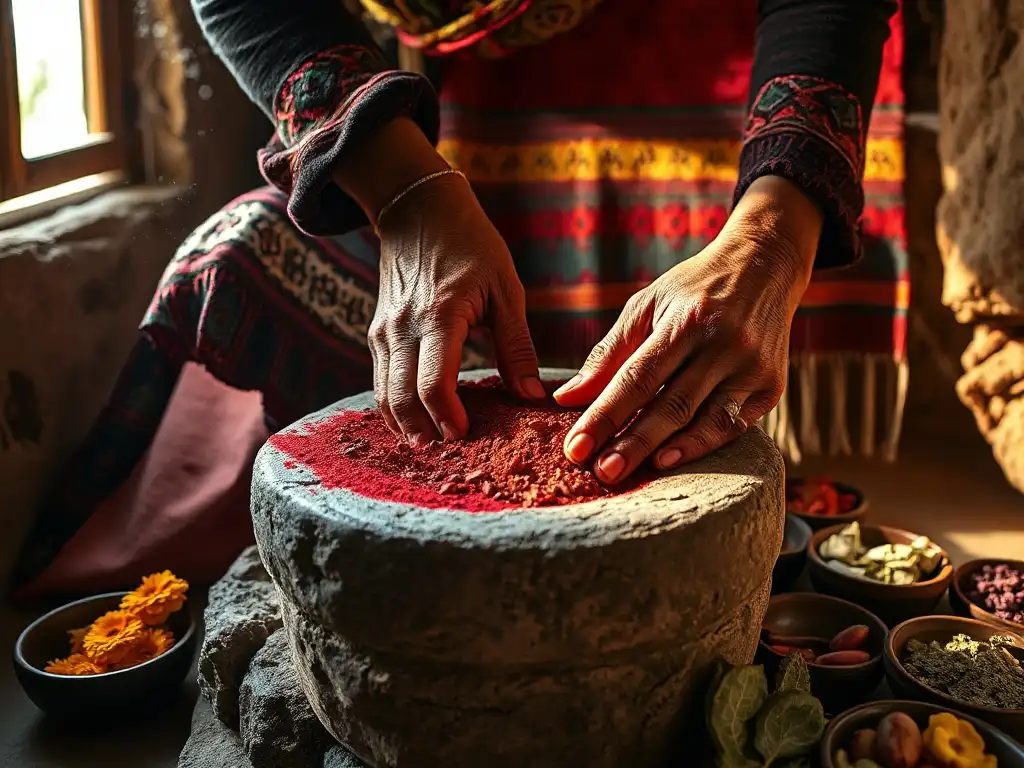
This section delves into the fascinating world of Andean textile dyeing techniques, exploring the sophisticated methods employed by ancient Andean cultures to create vibrant and enduring colors using only plant-based materials. The mastery of these techniques showcases a deep understanding of both botany and textile production, reflecting the ingenuity and resourcefulness of these civilizations. Understanding Andean textile dyeing techniques offers a window into their worldview, social structures, and intricate relationship with the natural world. The vibrant hues found in surviving textiles are a testament to their dedication to this art form.
Introduction to Traditional Andean Textile Production
Andean textile production was, and in some communities still is, a highly complex and specialized process. It began with the cultivation and harvesting of various plants, including cotton ( Gossypium barbadense ), and other fibers like llama and alpaca wool. The quality of the fiber was paramount, influencing the final texture and drape of the finished textile. Preparation involved meticulous cleaning and carding of the fibers before spinning into thread using drop spindles or primitive spinning wheels. The spinning itself was often a communal activity, with women sharing stories and knowledge as they worked.
The choice of fiber was not arbitrary. Llama wool, known for its warmth and softness, was often reserved for elite garments, while alpaca wool, prized for its fineness, was used for more delicate textiles. Cotton, cultivated in warmer regions, provided a lighter and more breathable fabric. The intricate weaving techniques, often involving backstrap looms, produced textiles of exceptional quality and durability.
These techniques varied regionally, leading to a diverse range of styles and patterns. The process was time-consuming and labor-intensive, reflecting the high value placed on textiles within Andean societies. Different communities developed unique patterns and techniques, passed down through generations, becoming a powerful means of cultural identification.
The Significance of Natural Dyes in Andean Textiles
The true artistry of Andean textiles lies not just in the weaving techniques but also in the vibrant and enduring colors achieved through natural dyes. Unlike synthetic dyes, which are relatively recent inventions, Andean dyers relied entirely on plants, minerals, and insects to achieve their stunning palette. This reliance on natural resources underscores the deep connection between Andean cultures and their environment. The selection of the dye plant was crucial, determined by factors like the desired color, the availability of the plant, and the desired permanence of the color.
The process of dyeing itself was often a multi-step procedure, involving meticulous preparation of both the fiber and the dye material. Plants were typically harvested at specific times of the year to ensure optimal color yield. Mordants, substances that help the dye bind to the fiber, were carefully chosen based on the dye plant and the desired shade. These mordants, often sourced from minerals like alum or from plants, played a crucial role in ensuring colorfastness and brilliance.
For instance, the vibrant reds often seen in Andean textiles were frequently achieved using the cochineal insect ( Dactylopius coccus), which produced a rich carmine dye. Other plants, like the Rubia tinctorum (madder root), yielded a range of reds and oranges. Various shades of yellow, brown, and beige could be extracted from plants like Bixa orellana (achiote) and different species of lichen. The meticulous process, passed down through generations, resulted in a rich and complex array of colors that still inspire awe today.
The use of these natural dyes resulted in a range of colors that varied depending on the plant source, the preparation method, and the mordant used. This variability, rather than being a drawback, was often seen as adding to the uniqueness and beauty of the final product. It is this intricate knowledge of plant-based dyeing techniques that truly elevates Andean textiles to a work of art.
Plant-Based Dyes: The Palette of the Andes
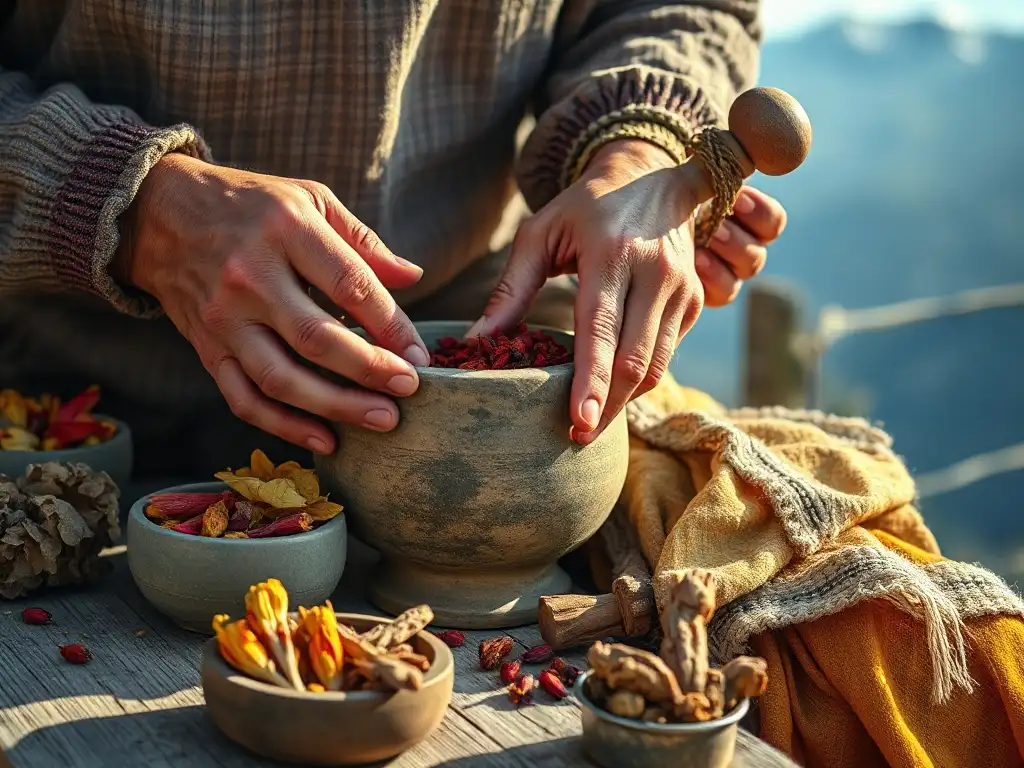
The vibrant colors adorning Andean textiles weren't the result of modern chemical processes. Instead, ancient Andean civilizations developed sophisticated techniques for extracting and using plant-based dyes, creating a remarkable range of hues from the flora of their diverse environment. These dyeing techniques, passed down through generations, represent a profound understanding of botany and chemistry, intertwined with cultural and spiritual beliefs.
The mastery of these techniques allowed them to produce textiles of unparalleled beauty and durability, reflecting their rich cultural heritage. The specific plants used, and the methods employed, varied regionally, leading to a diverse tapestry of color palettes across different Andean cultures. Studying these ancient practices offers a fascinating glimpse into the ingenuity and resourcefulness of Andean peoples.
Understanding the specific plants and techniques allows us to appreciate the level of artistry and scientific knowledge involved in creating these enduring masterpieces. The legacy of these Andean textile dyeing techniques continues to inspire textile artists today.
Exploring Andean Dye Plants: Ch'api, Kantuta, Chilca
The Andean highlands and lowlands provided a vast array of plants suitable for dye production. Three examples highlight the diversity:
- Ch'api ( Baccharis latifolia ): This shrub, common in the Andes, yielded a range of yellows and browns, depending on the part of the plant used and the mordant applied. The leaves and stems were often employed, providing different shades within the yellow-brown spectrum. Its prevalence and reliable color output made it a staple in many Andean communities.
- Kantuta (Cantua buxifolia): Considered a sacred flower by the Incas, the Kantuta produced a striking red dye. The intensity of the red varied depending on the plant's age and the preparation method. Its association with royalty and religious ceremonies elevated its importance beyond its dyeing properties.
- Chilca (Baccharis spp.): A diverse genus, different species of Chilca offered a variety of colors, including yellows, greens, and browns. The precise shade obtained depended heavily on the specific Chilca species used and the processing techniques. The adaptability and versatility of Chilca made it a crucial resource for Andean dyers.
The following table summarizes the key characteristics of these three plants and their dye yields:
| Plant | Scientific Name | Color Range | Availability | Cultural Significance |
|---|---|---|---|---|
| Ch'api | Baccharis latifolia | Yellows, Browns | Widespread | Practical, everyday use |
| Kantuta | Cantua buxifolia | Red | Less widespread | Sacred, royal |
| Chilca | Baccharis spp. | Yellows, Greens, Browns | Widespread | Versatile, adaptable |
Beyond these three, countless other plants contributed to the Andean dye palette, demonstrating the deep connection between the people and their environment. Further research is needed to fully document the complete range of plants and their associated colors. [Specific information pending on additional dye plants and their uses]
Extraction Methods for Natural Dyes in Andean Communities
The extraction of dyes from plants involved a meticulous process, often differing based on the plant's characteristics and the desired color intensity. Generally, the process involved several stages:
- Harvesting: Plants were harvested at specific times of the year, often corresponding to their peak color intensity. The timing was crucial for achieving the best results.
- Preparation: This step varied widely. Some plants required boiling in water, others needed fermentation, and some were sun-dried before processing. The specific methods were passed down through generations within families and communities.
- Extraction: Boiling the prepared plant material in water for extended periods was a common method to extract the dye. The length of boiling directly influenced the color intensity and shade.
- Filtration: Once extracted, the dye solution was filtered to remove plant debris. The filtered liquid then constituted the dye bath.
The entire process was labor-intensive and required significant knowledge and skill. The precise recipes and techniques were often closely guarded secrets, passed down within families. The quality of the final dye depended heavily on the careful execution of each stage. Variations in techniques led to subtle differences in color and shade, further contributing to the unique character of Andean textiles. The environmental factors, such as water quality and altitude, also played a role in influencing the final color.
Mordants and Fixatives: Ensuring Color Fastness in Andean Textiles
To ensure that the vibrant colors remained fast and didn't fade or wash away easily, Andean dyers employed mordants. Mordants are substances that bind the dye molecules to the fibers, making the color more permanent. Common Andean mordants included:
- Mineral Mordants: These included natural minerals like alum (potassium aluminum sulfate) and various clays. The specific mineral used affected the final color shade, sometimes creating unexpected and beautiful variations.
- Plant-Based Mordants: Certain plants also acted as mordants, further highlighting the resourcefulness of Andean dyers. [Specific information pending on plant-based mordants used and their effects]
The application of the mordant was a critical step. It was often applied to the fiber before the dye bath, ensuring proper penetration and color fixation. The interaction between the dye, the fiber, and the mordant was a complex chemical process, requiring a deep understanding of the materials' properties.
The effectiveness of the mordant directly impacted the longevity and brilliance of the final product. The success of Andean textile dyeing depended as much on the skill in mordant application as on the dye extraction itself. The careful selection and application of these mordants ensured that the textiles retained their rich colors for years, even decades, showcasing the advanced knowledge and expertise of Andean textile artisans.
Andean Fibers: The Foundation of Textiles
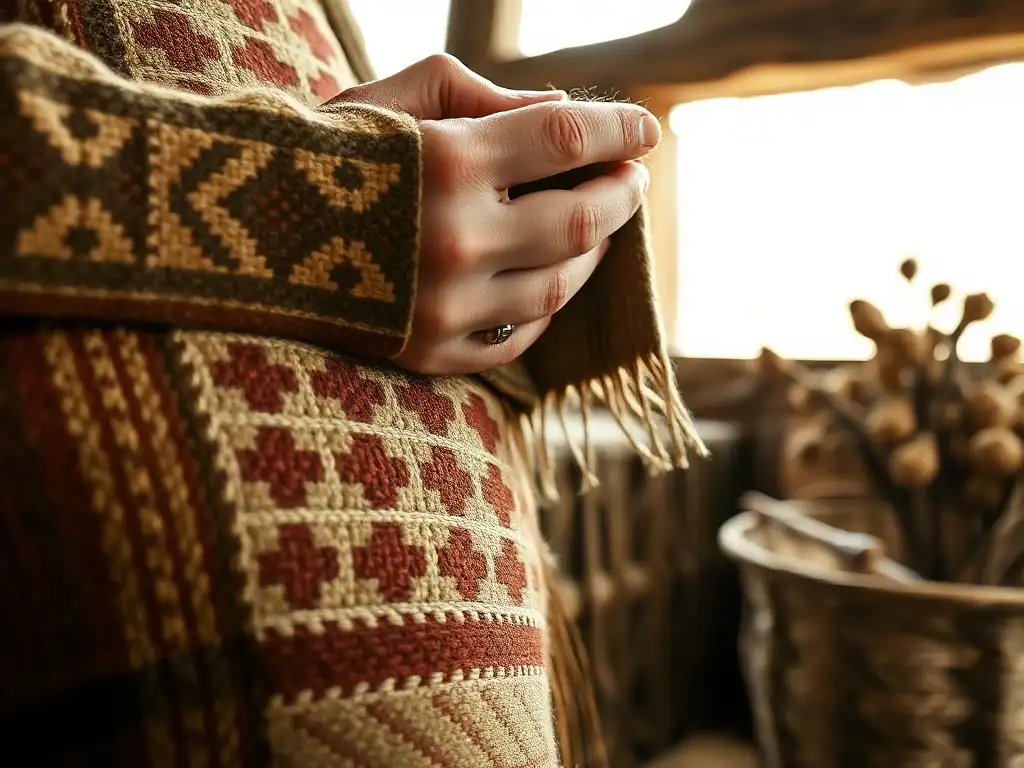
The vibrant colors and intricate designs of Andean textiles are renowned worldwide, but the story begins long before the dyeing process. The very foundation of these masterpieces lies in the exceptional fibers sourced from the unique Andean ecosystem. Understanding the properties and preparation of these fibers is crucial to appreciating the artistry and ingenuity of Andean textile dyeing techniques. The skillful manipulation of these natural materials, passed down through generations, showcases a deep connection between the people and their environment. This section explores the key fibers used, focusing on their characteristics and significance in the creation of Andean textiles.
Llama and Alpaca Wool: Key Fibers in Andean Weaving
Llama and alpaca wool represent the cornerstone of Andean textile production. These camelids, domesticated for millennia, provided the primary fiber source for clothing, blankets, and ceremonial textiles. Their wool possesses distinct characteristics that contributed to the unique qualities of Andean fabrics.
Llama wool, known for its strength and durability, was often used in heavier fabrics intended for practical purposes like bags, ropes, and outer garments. It's coarser than alpaca wool, offering excellent warmth and protection against the harsh Andean climate. The color range naturally occurring in llama wool varies, including shades of white, brown, black, and even gray.
Alpaca wool, on the other hand, is prized for its softness, fineness, and luxurious feel. Its inherent luster and vibrant natural colors made it a favorite for finer textiles, including intricate garments and ceremonial items. Alpaca wool is incredibly warm yet lightweight, making it ideal for clothing worn at high altitudes.
The fiber's length and uniformity contributed to the possibility of creating exceptionally smooth and finely woven fabrics. Different alpaca breeds offer variations in fiber quality, impacting the texture and appearance of the final product. The unique properties of both llama and alpaca wool contributed significantly to the development of sophisticated Andean textile dyeing techniques, as different fibers responded uniquely to dyes and processes.
Cotton and Other Plant Fibers used in Andean Textiles
While camelid fibers dominated Andean textile production, plant-based fibers played a significant supporting role. Cotton, cultivated in warmer, lower-altitude regions, provided a lighter, softer alternative to wool. Its absorbent nature made it ideal for clothing worn in warmer climates. The cultivation and processing of cotton involved complex techniques, further emphasizing the sophisticated agricultural knowledge of Andean societies.
Beyond cotton, other plant fibers, like those from the maguey plant (agave) and various grasses, were also employed. These fibers, often coarser than cotton, were utilized for rope-making, mats, and less delicate textiles. The resourceful use of diverse plant fibers showcases the adaptability and ingenuity of Andean artisans. The availability of these different fiber types influenced the design and construction of textiles, alongside the availability of dyes and the specific dyeing techniques employed. This diversity in fiber resources is a testament to the deep understanding of the Andean environment and its potential.
Preparing Fibers: Spinning and Processing Techniques
Before the application of Andean textile dyeing techniques, the fibers underwent meticulous processing. This crucial stage involved several steps, each requiring specialized knowledge and skill. The process began with shearing the animals, carefully removing the fleece without damaging the fiber. Then, the fibers were cleaned, often by hand, removing debris and impurities. This cleaning process ensured that the fibers were prepared for the next steps: spinning and weaving.
Spinning transformed the raw fibers into yarn, a process that involved twisting the fibers together to create a continuous thread. The spinning techniques varied depending on the fiber type and the desired outcome. Some techniques produced fine, tightly spun yarns, while others resulted in coarser, more loosely spun threads. The skill of the spinner played a crucial role in determining the quality and strength of the yarn, impacting the overall quality of the finished textile.
The spun yarn was then ready for weaving, a complex process that involved interlacing the yarns to create fabric. Andean weavers employed a variety of weaving techniques, producing textiles of varying textures and patterns. The intricate designs and the precision of the weaving further highlight the advanced level of skill and knowledge possessed by Andean artisans. The preparation of the fibers was fundamental to the success of the subsequent dyeing process, influencing the absorption and retention of dyes, thereby directly impacting the final appearance and quality of the textiles.
Andean Textile Dyeing Techniques: A Step-by-Step Approach
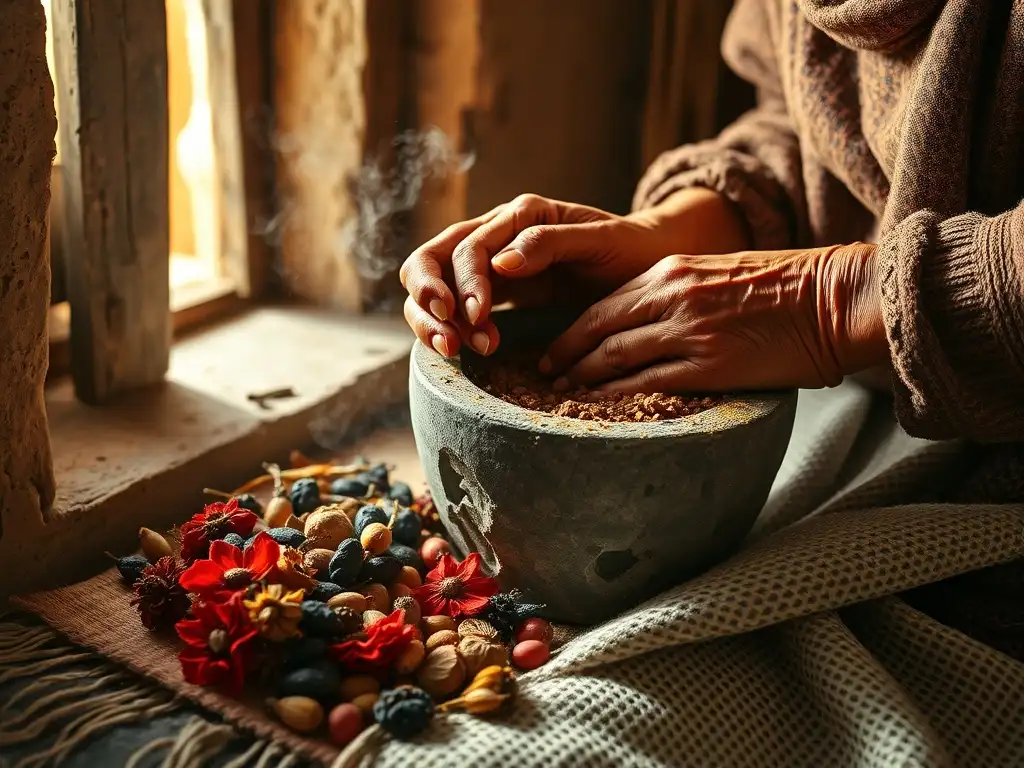
The vibrant colors adorning Andean textiles are not the result of modern chemical dyes, but rather a testament to the ingenuity of ancient Andean cultures who mastered the art of using natural dyes derived from plants, insects, and minerals. Understanding Andean textile dyeing techniques reveals a sophisticated knowledge of botany, chemistry, and artistic expression deeply intertwined with their worldview. This section delves into the meticulous process, revealing the secrets behind these enduring masterpieces.
The keyword "Andean textile dyeing techniques" is central to understanding the rich history and artistry of these remarkable creations. Variations of this term, such as "Andean dyeing methods" and "techniques of Andean textile dyeing," will also be explored.
The Process of Dyeing Yarns and Fabrics in the Andes
The dyeing process wasn't a simple dip-and-dry affair; it was a multi-stage procedure requiring skill and patience. First, the fibers – often alpaca, llama, vicuña, or cotton – were meticulously prepared. This involved cleaning and sometimes scouring the fibers to remove impurities that could affect the dye's uptake. The choice of fiber itself impacted the final color, as different fibers absorb dyes with varying degrees of intensity. For example, alpaca wool, known for its softness, might produce slightly muted tones compared to the brighter results achieved with cotton.
Next came the mordanting process – a crucial step often overlooked. Mordants are substances that act as a binding agent, improving the dye's adhesion to the fibers and increasing the color's fastness (resistance to fading). Common Andean mordants included tannins from tree bark (like quebracho), minerals like alum, and even the ashes of certain plants. The specific mordant used greatly influenced the final shade, adding another layer of complexity to the dyeing process. The careful selection of mordants demonstrates a deep understanding of chemical interactions and their impact on color.
Finally, the dyeing itself. Plant materials were meticulously prepared, often involving boiling and macerating to extract the color pigments. The yarns or fabrics were then immersed in the dye bath, the duration and temperature carefully controlled to achieve the desired depth of color. Multiple dye baths might be used, layering colors to create rich, complex shades. The process was often repeated, allowing for subtle variations and unique color blends. This painstaking attention to detail resulted in textiles of exceptional quality and beauty, showcasing the advanced understanding of Andean textile dyeing techniques.
Traditional Methods of Color Application: Ikat, Resist Dyeing
Beyond the dyeing process itself, Andean artisans employed sophisticated techniques to create intricate patterns. Two prominent methods, Ikat and resist dyeing, showcase the high level of skill and artistry involved.
Ikat, a resist-dyeing technique, involved meticulously tying or wrapping portions of the warp (lengthwise) or weft (crosswise) threads before dyeing. This prevented dye from reaching specific areas, resulting in intricate patterns that were often geometric or representational. Imagine the precision required to tie thousands of individual threads to create a complex design! The resulting textiles display a unique blurred effect at the edges of the pattern, a hallmark of the Ikat technique.
Resist dyeing, in its broader sense, encompassed several techniques. One common method involved applying a wax or mud resist to sections of the fabric before dyeing. This prevented the dye from penetrating the protected areas, leaving behind intricate designs. Other techniques used natural materials like leaves or stencils to create patterns. The ingenuity of these methods, often using readily available materials, is remarkable. These methods are still practiced today, preserving this ancient Andean knowledge.
Creating Complex Patterns with Natural Dyes
The palette of natural dyes available to Andean artisans was extensive. Plants like achiote (annatto) provided vibrant oranges and reds; indigo yielded deep blues; and various species of Rubia tinctorum (madder) offered a range of reds and pinks. Insects, like the cochineal beetle, contributed rich crimson hues. The skillful blending of these dyes allowed for the creation of a vast array of colors and shades, far surpassing the limitations often associated with natural dyes.
The complexity wasn't just in the colors themselves but in the patterns created. Many Andean textiles feature highly intricate designs, often incorporating symbolic representations of their cosmology, social structures, and daily life. These designs were not merely decorative; they carried deep cultural significance.
The ability to create such intricate patterns using natural dyes and sophisticated techniques like Ikat and resist dyeing demonstrates a mastery of textile arts rarely seen elsewhere. The endurance of these techniques, passed down through generations, speaks to the enduring legacy of Andean textile dyeing techniques and their importance within the broader context of Andean culture. The precise methods for creating specific shades and patterns are still being studied, revealing the continuing relevance of this aspect of Andean heritage.
The Cultural Significance of Andean Textile Colors
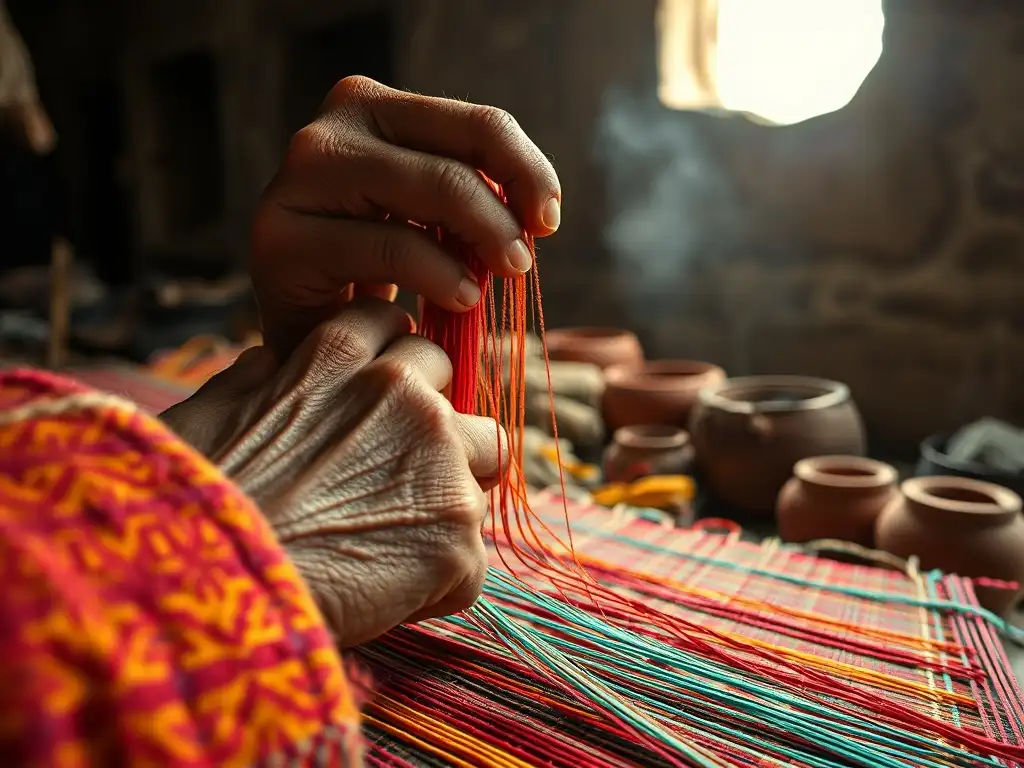
The vibrant hues found in Andean textiles weren't merely aesthetic choices; they held profound cultural and symbolic weight, reflecting a sophisticated understanding of the natural world and the Andean worldview. The colors, derived from plants, minerals, and insects, were intricately linked to social structures, religious beliefs, and everyday life. Understanding these color associations provides a crucial key to deciphering the rich tapestry of Andean civilization.
Analyzing Andean textile dyeing techniques reveals a deep connection between the people and their environment, where the very act of dyeing was a ritualistic process imbued with meaning. The meticulous selection of plant-based dyes and the precise methods used to achieve specific shades reflect a highly developed understanding of both botany and color chemistry. This section will explore the symbolism associated with specific colors and the social and ritualistic uses of particular dyes within Andean cultures.
Symbolism and Meaning of Colors in Andean Textiles
Color symbolism in Andean textiles varied across different cultures and time periods, but some common themes emerge. Red, for example, often represented blood, fertility, and power, frequently associated with deities and high-ranking individuals. Examples of this can be found in the intricate tapestries and clothing of the Inca elite. The use of red dye, often derived from cochineal insects, was a highly prized and labor-intensive process, further emphasizing its significance.
Conversely, white often symbolized purity, spirituality, and the sacred. White textiles were frequently used in religious ceremonies and worn by priests and shamans. The use of white, often achieved through laborious bleaching techniques, underscores its importance in the Andean worldview.
Yellow, derived from various plants such as the Tara tree, frequently signified the sun, gold, and royalty. The sun, a powerful deity in Andean religions, was often represented in textiles through the use of this vibrant, golden hue. The precise shade of yellow could also indicate status or social standing, with brighter, more intense yellows reserved for the elite.
Green, representing growth, fertility, and the abundance of nature, was commonly associated with the agricultural cycle and the life-giving forces of the Andes. This color, often obtained from various plant sources, was widely used in everyday textiles and reflected the deep connection between the Andean people and their environment. Detailed studies of surviving textiles reveal a nuanced approach to the use of green, with variations in shade reflecting different agricultural seasons or specific plants.
Blue, a less common color in Andean textiles due to the limited availability of suitable dyes, frequently held a sacred connotation, often associated with the sky, water, and the supernatural. The rarity of this color might have contributed to its special significance in certain contexts.
The use of specific dyes wasn't solely determined by their color; the plants themselves held symbolic meaning and were often associated with specific rituals and social practices. For instance, the achiote (annatto) dye, yielding a reddish-orange hue, was not only used for coloring textiles but also played a role in religious ceremonies and body painting.
The Tara tree, a source of yellow dye, was also revered for its medicinal properties, further emphasizing the holistic view of Andean dye practices. The intricate knowledge of which plant yielded which dye, and the precise methods of extraction and application, were passed down through generations, becoming an integral part of Andean cultural heritage.
The preparation and application of dyes were often communal activities, strengthening social bonds and reinforcing shared cultural values. This collaborative process involved various stages, from harvesting the plants to the final dyeing process, and often included rituals and ceremonies to ensure the success and spiritual potency of the dyed textiles. The process wasn't simply about creating aesthetically pleasing fabrics; it was a deeply embedded cultural practice that reflected the Andean people's worldview and their intimate relationship with the natural world.
Further research into specific Andean communities and their dye practices would reveal even more nuanced details about the social and ritualistic uses of specific plant-based dyes. The techniques themselves, passed down through generations, represent a valuable aspect of Andean textile dyeing techniques.
Preservation of Andean Textile Dyeing Traditions
The vibrant colors adorning ancient and contemporary Andean textiles are a testament to the sophisticated dyeing techniques developed and refined over millennia. These techniques, passed down through generations, represent a crucial part of Andean cultural heritage and a remarkable example of sustainable practices. Understanding the challenges these traditions face and the efforts underway to preserve them is vital to appreciating the full significance of Andean textile dyeing.
The intricate knowledge of plant-based dyes and their application represents not only artistic skill but also a profound connection to the Andean ecosystem. This intricate knowledge, however, is increasingly threatened by the pressures of globalization and modern technologies.
Challenges Facing Traditional Andean Textile Practices
The transmission of Andean textile dyeing techniques faces numerous obstacles. One significant challenge is the loss of knowledge due to the aging population of skilled artisans. Many younger generations are drawn to urban centers and modern livelihoods, leaving the traditional practices to dwindle. The younger generation are often more interested in faster, cheaper synthetic dyes, which poses a severe threat to the continued use of natural dyes. This shift is driven not only by economic pressures but also by a perceived lack of profitability compared to mass-produced textiles.
Another significant challenge is the decreasing availability of plant-based dyes. Overgrazing, deforestation, and climate change are impacting the growth and availability of crucial dye plants. Some plants, once abundant, are now rare or endangered, leading to a scarcity of essential pigments. This scarcity directly impacts the artisans' ability to maintain the traditional color palettes and the quality of their work. For example, the vibrant crimson produced from the cochineal insect is becoming increasingly expensive and difficult to obtain, forcing artisans to seek alternatives that compromise the authenticity of their work.
Finally, the competition from mass-produced textiles using synthetic dyes presents a significant economic challenge. Synthetic dyes are cheaper and readily available, making them attractive to consumers seeking affordable products. This competition often forces artisans to lower prices, reducing their profit margins and making it difficult to sustain their livelihoods and preserve their traditional practices. The resulting economic pressures further accelerate the decline of traditional dyeing techniques. This underscores the urgency to find sustainable ways to support these artisans and their invaluable craft.
Efforts to Revitalize and Protect Andean Dyeing Knowledge
Despite the challenges, significant efforts are underway to revitalize and protect Andean dyeing knowledge. Several organizations are actively working to:
- Document and archive traditional techniques: Ethnobotanical studies are being conducted to identify and catalog the plants used for dyeing, their properties, and their traditional methods of preparation. This documentation serves as a valuable resource for future generations and facilitates the preservation of this knowledge.
- Support artisan communities: Initiatives are providing training and resources to young artisans, encouraging them to learn and practice traditional dyeing techniques. This includes workshops, apprenticeships, and financial support to help them compete in the market. These initiatives are crucial for ensuring the continuity of these traditions.
- Promote sustainable practices: Efforts are focused on promoting sustainable harvesting and cultivation of dye plants to ensure their long-term availability. This includes working with communities to develop sustainable farming practices and reduce the environmental impact of dye production.
- Raise awareness: Increased public awareness of the importance of preserving Andean textile dyeing traditions is vital. Museums, educational programs, and cultural events play a critical role in educating the public about these techniques and their significance.
The Future of Natural Dyes and Andean Weaving
The future of Andean textile dyeing depends on a multifaceted approach. Continued support for artisan communities, coupled with efforts to promote sustainable practices and raise public awareness, is crucial. A strong emphasis on fair trade and the development of niche markets for high-quality, authentic textiles can provide economic incentives for artisans to continue their work.
The integration of modern technologies, such as digital documentation and online marketing, can also help artisans reach wider audiences and improve their market access. Moreover, collaborations between researchers, artisans, and policymakers are essential to address the challenges and develop effective strategies for preserving this invaluable cultural heritage. The continued use of natural dyes not only sustains a rich artistic tradition but also promotes sustainable practices and preserves the biodiversity of the Andean region.
The preservation of these techniques is not merely a matter of preserving artistic skills; it is about safeguarding a unique cultural legacy and promoting sustainable development in the Andean region. 🌱
Frequently Asked Questions
What plants did Andean cultures use for textile dyeing?
Andean cultures utilized a wide variety of plants, including cochineal insects for reds, indigo for blues, and various local shrubs and flowers for yellows, oranges, and browns. The specific plants varied by region and time period.
How did the Andean people prepare their plant-based dyes?
The process involved multiple steps, including harvesting, cleaning, and grinding the plant material. Then, they would boil it to extract the color, often adding mordants like alum or minerals to help the dye bind to the fibers.
What types of fibers were commonly dyed by Andean cultures?
Cotton and alpaca or llama wool were the most common fibers dyed. The choice of fiber impacted the final color and texture of the finished textile.
Were Andean textile dyeing techniques standardized across all cultures?
No, while there were some shared techniques, each Andean culture had its own unique styles and preferences. Regional variations in plant availability and artistic traditions led to distinct dyeing methods.
How durable were the dyes produced using these techniques?
The durability of the dyes varied depending on the specific plants and the preparation methods used. Many Andean textiles have survived for centuries, demonstrating the effectiveness of these ancient dyeing techniques.
Final Reflection: Weaving a Legacy of Andean Color
The vibrant hues of Andean textiles, achieved through ingenious plant-based dyeing techniques, are not merely aesthetic achievements; they are a living testament to a profound connection between humans and nature. These ancient practices, far from being relics of the past, offer invaluable lessons in sustainable living and cultural preservation in our increasingly synthetic world. Their continued relevance is undeniable, as we grapple with the environmental consequences of fast fashion and the urgent need for eco-conscious alternatives.
The enduring power of Andean textile dyeing techniques lies not only in their breathtaking beauty but also in their intricate relationship with the Andean landscape and its diverse flora. These dyes tell stories of generations past, passed down through oral traditions and embodied in the very fibers of the cloth. The process itself is a meditation on patience, respect for the natural world, and the deep connection between craft and community. The threads themselves are a language, speaking of history, of community, and of the enduring spirit of the Andes.
This quote, though fictional, encapsulates the profound meaning woven into each piece.
Consider the rich tapestry of knowledge embedded in these techniques. You, the reader, are now privy to a deeper understanding of sustainable practices and the cultural significance of traditional crafts. Let this knowledge inspire you to seek out authenticity, to appreciate the artistry behind the objects you consume, and to consider the environmental impact of your choices. Embrace the beauty of slow fashion, support artisans who uphold these traditions, and perhaps even explore the vibrant world of natural dyeing yourself. The threads of history await, ready to be woven into your own story.
Unleash Your Creativity with Andean Textile Art!
Thank you for exploring the vibrant world of Andean textiles with us! We hope you were inspired by the rich history and innovative use of plant-based dyes and fibers. Now, let's take the next step on your creative journey.
Here's how you can delve deeper and connect more meaningfully:
- **Begin your own textile project** using natural dyes! Gather materials yourself or explore local craft shops for authentic Andean fibers like alpaca or llama wool.
- Connect with other textile enthusiasts by **joining an online community or local group** dedicated to textile arts. Share your creations and learn from others.
- **Expand your knowledge and skills** by exploring documentaries or workshops focusing on Andean textile traditions.
What unique textile project will you create to celebrate the spirit and traditions of the Andes?