
The Future of Andean Crops: Adapting to a Changing Global Climate

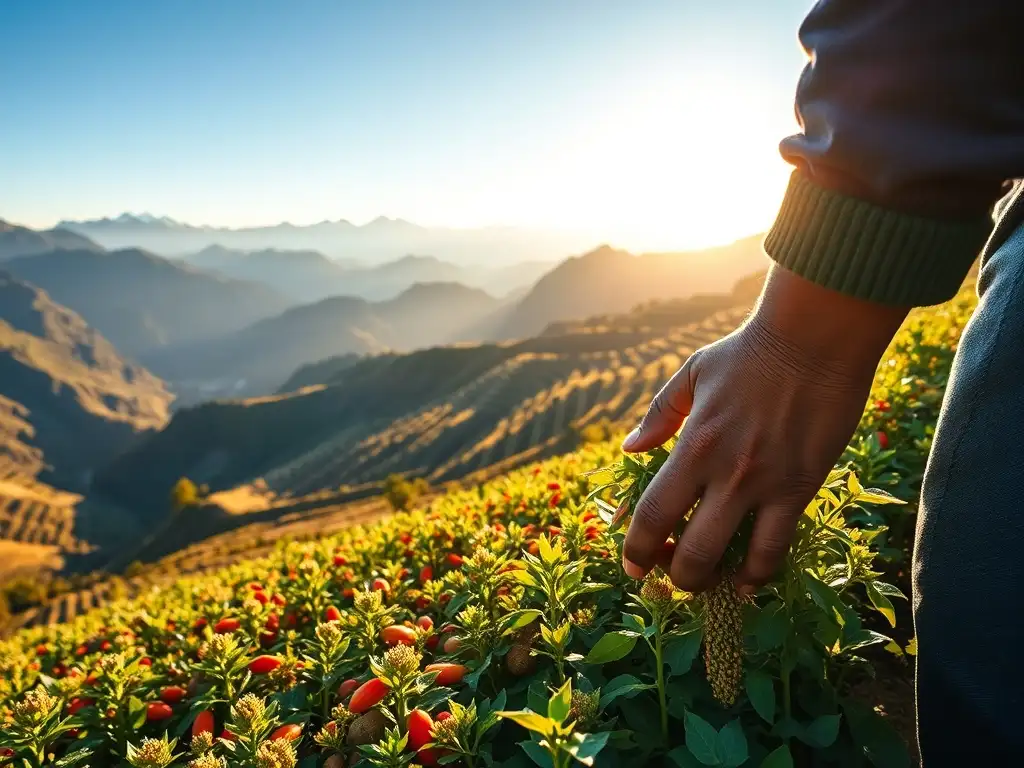
Step into a world lost to time, yet echoing in the present. Imagine the ingenuity of ancient Andean civilizations, their mastery over a challenging landscape, and their profound connection to the land. But what secrets did they hold to survive, and more importantly, can their wisdom guide us in facing the urgent threat of Andean crops climate change adaptation? Discover the fascinating answers within, and unravel the story of survival against the odds in the face of a changing world.
The Andes Mountains, a spine of biodiversity stretching along the western coast of South America, have nurtured a remarkable array of crops for millennia. From the humble potato to the nutritious quinoa, these Andean crops have sustained civilizations and continue to contribute significantly to global food security. However, the escalating effects of climate change pose a significant threat to the future of Andean agriculture.
This article delves into the challenges posed by a changing climate to these vital crops and explores the innovative adaptation strategies being implemented to ensure their continued cultivation and contribution to the region's food security and global food supplies. We will examine the specific vulnerabilities of different Andean crops, analyze the current adaptation techniques employed by Andean farmers, and discuss promising future solutions for ensuring the resilience of this invaluable agricultural heritage.
The implications extend beyond the Andes, impacting global food systems reliant on these unique and nutritious crops. Understanding these challenges and solutions is crucial for securing a sustainable future for Andean agriculture and, by extension, global food production.
Climate Change Impacts on Andean Crops
The Andes are experiencing significant shifts in temperature and precipitation patterns, impacting crop yields and overall agricultural productivity. Rising temperatures, altered rainfall distribution (including more intense droughts and floods), and the increased frequency of extreme weather events directly threaten the delicate balance of Andean ecosystems and the crops they support. For example, potatoes, a staple crop in the region, are highly sensitive to temperature fluctuations, with extreme heat causing reduced tuber formation and increased susceptibility to disease.
Similarly, quinoa, known for its resilience, is still affected by changes in water availability, impacting its yield and nutritional value. These changes are not uniform across the Andean region; high-altitude regions experience unique challenges compared to lower-altitude areas, necessitating tailored adaptation strategies.
The impact extends beyond yield; changes in climate can also affect the quality and nutritional content of Andean crops, leading to concerns about food security and human health. Detailed studies are needed to fully quantify the impacts of climate change on each specific Andean crop, but the overall trend points towards a decrease in productivity and an increased risk of crop failure.
Traditional and Modern Adaptation Strategies
Andean farmers have a long history of adapting to challenging environmental conditions. Traditional knowledge, passed down through generations, plays a crucial role in current adaptation strategies. These include techniques like:
- Terracing: Reducing soil erosion and optimizing water management.
- Intercropping: Diversifying crops to mitigate risks associated with climate variability.
- Crop rotation: Improving soil fertility and reducing pest and disease pressure.
- Water harvesting: Collecting and storing rainwater for use during dry periods.
However, the scale and speed of current climate change necessitate the integration of modern technologies and scientific knowledge. This includes:
- Drought-resistant crop varieties: Developing and deploying new crop varieties that can withstand prolonged periods of water scarcity.
- Improved irrigation techniques: Implementing efficient irrigation systems to optimize water use and reduce water stress.
- Climate-smart agriculture practices: Integrating climate change considerations into all aspects of agricultural planning and management.
- Early warning systems: Developing systems to predict and respond to extreme weather events, minimizing crop damage and loss.
The Role of Research and Collaboration
Addressing the challenges of climate change in Andean agriculture requires a collaborative effort between researchers, farmers, and policymakers. Research is critical for developing climate-resilient crop varieties, improving cultivation techniques, and creating effective adaptation strategies tailored to specific ecological conditions. Collaboration with local communities ensures that adaptation strategies are culturally appropriate and effective in practice.
This includes participatory research approaches that integrate traditional knowledge with scientific advancements. Furthermore, policy support is essential to provide farmers with access to resources, technologies, and financial assistance needed to implement effective adaptation measures. Investing in research, promoting collaboration, and fostering supportive policies are crucial for securing the future of Andean crops and ensuring the food security of the Andean region and beyond.
The continued success of Andean agriculture depends on a holistic approach that values both traditional knowledge and modern scientific advancements. The future of these vital crops hinges on our ability to adapt and innovate.
- Climate Change Impacts on Andean Crops
- Traditional and Modern Adaptation Strategies
- The Role of Research and Collaboration
- How did Andean civilizations adapt their crops to the challenging climate?
- What crops were particularly important for Andean civilizations?
- How is climate change currently affecting Andean crops?
- What strategies are being used to adapt Andean crops to climate change?
- What is the role of traditional knowledge in adapting Andean crops?
Understanding Andean Agriculture and its Vulnerability to Climate Change
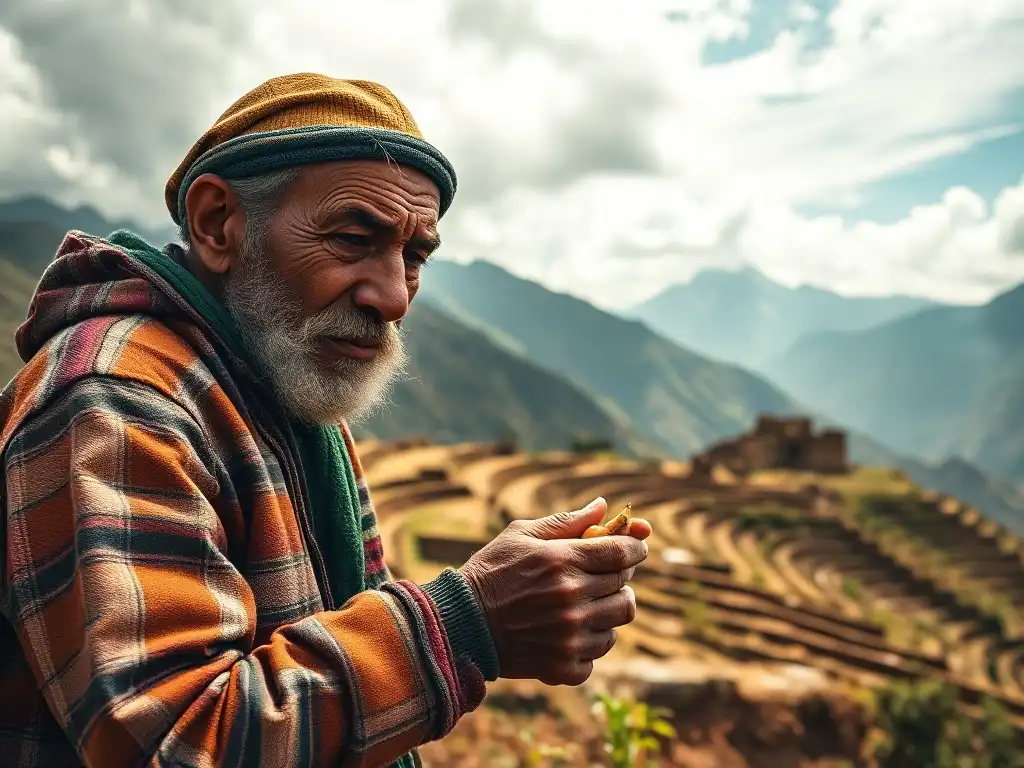
This section delves into the intricate relationship between Andean agriculture and the escalating threat of climate change. We will explore the unique vulnerabilities of Andean farming systems and the vital importance of adapting to a rapidly changing environment.
The Andean region, renowned for its biodiversity and its contribution to global food security through the cultivation of unique crops, faces unprecedented challenges due to shifts in temperature, precipitation patterns, and the increased frequency of extreme weather events. This vulnerability stems from a complex interplay of factors, including reliance on traditional farming practices, geographical limitations, and socio-economic conditions.
Understanding these vulnerabilities is crucial for developing effective adaptation strategies that ensure the long-term sustainability of Andean agriculture and the livelihoods of the communities that depend on it. The preservation of Andean crops and farming techniques is not merely a regional concern; it is a global imperative for maintaining biodiversity and ensuring food security in a world grappling with climate change.
The Significance of Traditional Andean Crops
Andean crops, such as quinoa, potatoes, amaranth, and oca, represent a remarkable legacy of agricultural innovation and adaptation. These crops possess unique genetic characteristics that have allowed them to thrive in the harsh, high-altitude environments of the Andes for millennia. Their resilience to extreme conditions, including frost, drought, and poor soils, makes them particularly valuable in the face of climate change.
For example, quinoa, a “superfood” increasingly popular globally, demonstrates remarkable tolerance to salinity and drought, making it a crucial crop for adapting to water scarcity. Similarly, potatoes, a staple crop in the Andes, exhibit incredible genetic diversity, with thousands of varieties adapted to specific microclimates and soil conditions. The preservation and promotion of this genetic diversity is paramount for ensuring the future resilience of Andean agriculture.
The loss of these traditional varieties would represent an irreplaceable loss of genetic resources with significant implications for global food security. Furthermore, these crops often play a crucial role in maintaining the cultural identity and food sovereignty of Andean communities. The continued cultivation of these crops is therefore essential for both ecological and socio-cultural reasons.
Climate Change Impacts on Andean Farming Communities
Climate change is already significantly impacting Andean farming communities, exacerbating existing challenges and creating new ones. Changes in temperature and precipitation patterns are disrupting traditional planting cycles, leading to reduced crop yields and increased crop failures. The increased frequency and intensity of extreme weather events, such as droughts, floods, and frosts, are causing further damage to crops and infrastructure.
This has profound consequences for the livelihoods of Andean farmers, many of whom rely on subsistence agriculture for their survival. Food insecurity is increasing, forcing many to migrate to urban areas in search of alternative livelihoods. Moreover, the changing climate is affecting the availability of water resources, crucial for irrigation in many Andean regions.
Glacial melt, a significant source of water for many communities, is accelerating, leading to water scarcity in the long term. This scarcity is further compounded by erratic rainfall patterns, making water management a critical challenge for Andean farmers. The economic impact is significant, with reduced crop yields leading to lower incomes and increased poverty.
Unique Challenges Faced by Andean Agriculture
Andean agriculture faces a unique set of challenges in adapting to climate change. The region's mountainous topography and diverse microclimates create a complex and fragmented agricultural landscape, making it difficult to implement large-scale adaptation measures. Many farmers lack access to information, technology, and resources needed to implement climate-smart agricultural practices.
Furthermore, the traditional knowledge and practices that have sustained Andean agriculture for centuries are often not integrated into formal adaptation strategies. The lack of infrastructure, including roads, irrigation systems, and storage facilities, further hinders adaptation efforts. Soil degradation and erosion, exacerbated by climate change, are also significant challenges.
Addressing these challenges requires a multi-faceted approach that integrates traditional knowledge with modern technologies, strengthens institutional capacity, and ensures equitable access to resources and information for all Andean farming communities. This includes investing in research and development of climate-resilient crop varieties, promoting sustainable water management practices, and providing farmers with access to climate information and early warning systems. The future of Andean agriculture, and the livelihoods of millions, depend on successful adaptation to the changing climate.
Andean Crops: A Legacy of Resilience
Andean crops represent a remarkable testament to human ingenuity and the power of natural selection. For millennia, Andean communities have cultivated a diverse array of crops uniquely adapted to the challenging high-altitude environments of the Andes Mountains. These crops, honed through centuries of careful selection and cultivation, now face unprecedented challenges due to climate change.
Understanding their resilience and implementing adaptive strategies is crucial for ensuring food security in the region and beyond. The impact of climate change on Andean agriculture is significant, demanding innovative approaches to safeguard these vital food sources. This section delves into the specific challenges and opportunities related to the future of Andean crops in a changing climate, focusing on the crucial role of genetic diversity and traditional farming practices.
Key Andean Crops and Their Importance (Potatoes, Quinoa, Kiwicha)
The Andes are a cradle of agricultural diversity, boasting a rich tapestry of crops crucial to the region's food security and cultural heritage. Three key examples stand out: potatoes ( Solanum tuberosum), quinoa ( Chenopodium quinoa), and kiwicha ( Amaranthus caudatus).
Potatoes, the undisputed king of Andean staples, demonstrate exceptional adaptability to diverse altitudes and climates. Thousands of potato varieties exist, each exhibiting unique characteristics in terms of taste, texture, nutritional content, and resistance to diseases and pests. This remarkable genetic diversity is a vital resource in the face of climate change, offering the potential to identify varieties better suited to changing conditions. For example, some potato varieties are naturally more drought-tolerant than others, a crucial trait in regions experiencing increased aridity.
Quinoa, a complete protein source gaining global recognition, boasts exceptional nutritional value and resilience to harsh conditions. Its tolerance to salinity and drought makes it a particularly valuable crop in areas affected by climate change-induced water scarcity. Furthermore, quinoa’s adaptability to diverse soil types expands its cultivation potential. Studies have shown that specific quinoa varieties exhibit higher yields under elevated temperatures and reduced water availability.
Kiwicha, another highly nutritious pseudocereal, shares quinoa's resilience. It is highly tolerant of drought and poor soil conditions, making it a potential solution for marginal lands increasingly affected by climate variability. Its adaptability extends to a wide range of altitudes, further showcasing its inherent resilience. The nutritional benefits of kiwicha, rich in protein and essential amino acids, make it a vital crop for nutritional security in the face of climate change impacts.
The Genetic Diversity of Andean Crops: A Natural Defense
The remarkable genetic diversity within Andean crops is their greatest asset in adapting to climate change. Centuries of traditional selection and cultivation have resulted in a vast array of varieties, each possessing unique traits that enhance their resilience to various environmental stresses. This diversity represents a vast untapped reservoir of genetic resources that can be harnessed to develop climate-resilient crops.
Maintaining and utilizing this diversity is paramount. Traditional farming practices, often involving the cultivation of multiple varieties in a single field, inherently contribute to this genetic diversity. This practice, known as polyculture, provides a buffer against crop failure due to disease or environmental stress. One variety might thrive where another fails, ensuring a more stable yield. Furthermore, the exchange of seeds and planting materials between communities promotes the preservation and dissemination of this invaluable genetic heritage. Conserving this diversity requires collaborative efforts between researchers, farmers, and policymakers to safeguard seed banks and promote sustainable agricultural practices.
Traditional Farming Practices for Climate Adaptation
Traditional Andean farming practices, honed over generations, often incorporate ingenious strategies for adapting to the challenges of high-altitude environments. These techniques offer valuable lessons for mitigating the effects of climate change on Andean crops.
- Terracing: This ancient technique reduces soil erosion and water runoff, particularly important in the face of more intense rainfall events associated with climate change. Terraces help retain moisture, improving crop yields, even during periods of drought.
- Andenes: These stone retaining walls not only prevent soil erosion but also create microclimates that protect crops from harsh winds and frost. This is especially beneficial in areas experiencing more frequent extreme weather events.
- Crop Rotation and Intercropping: These practices enhance soil fertility and biodiversity, reducing the reliance on chemical fertilizers and pesticides. Rotating crops helps to break pest and disease cycles, while intercropping can improve resource use efficiency and provide a more stable yield.
- Water Management Systems: Sophisticated irrigation systems, such as aqas (canals) and bofedales (wetlands), have been developed to efficiently manage water resources in the Andes. These systems are crucial in mitigating the effects of drought and optimizing water use in a changing climate.
The preservation and adaptation of these traditional practices, combined with modern scientific knowledge, are essential for building climate resilience in Andean agriculture. This integrated approach is crucial for ensuring the long-term sustainability of Andean crops and food security in the region. Further research into traditional knowledge and its application to modern challenges is essential for developing effective adaptation strategies.
Climate Change Adaptation Strategies for Andean Crops
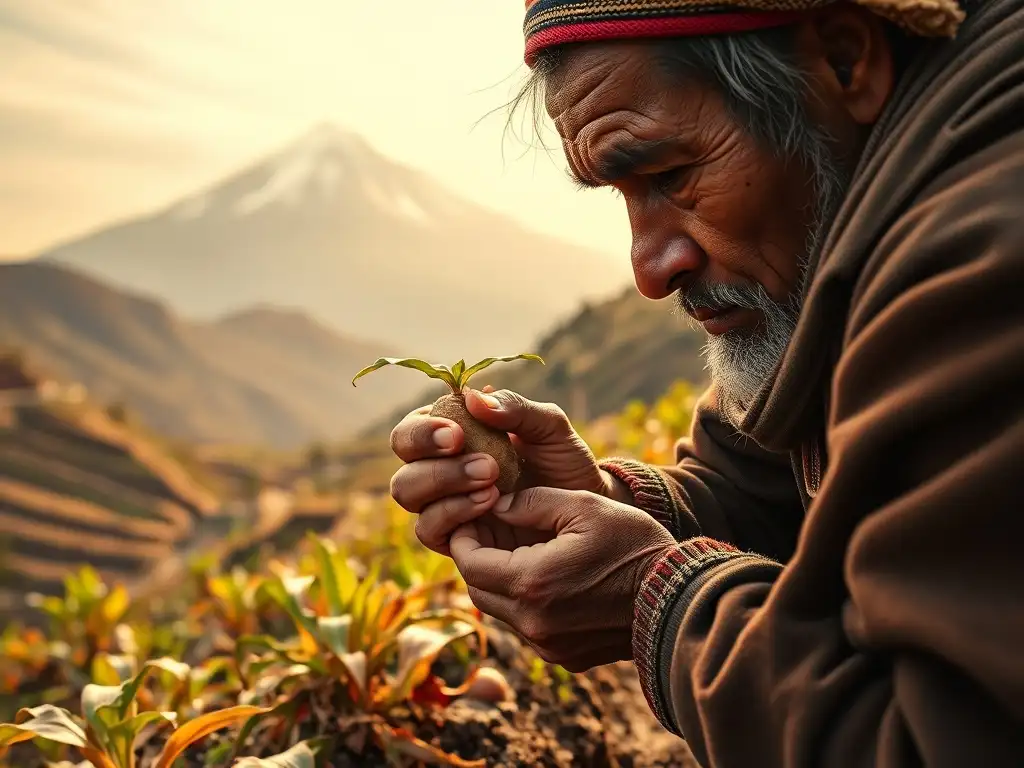
The Andes region, a cradle of agricultural innovation, faces unprecedented challenges due to climate change. The impact on Andean crops, crucial for food security and cultural heritage, necessitates urgent and innovative adaptation strategies. This section explores key approaches to ensure the resilience of Andean agriculture in the face of shifting weather patterns, increased temperatures, and altered precipitation regimes.
Understanding and implementing these strategies is vital for preserving both the biodiversity of Andean crops and the livelihoods of the communities that depend on them. The core challenge revolves around enhancing the adaptability of traditional farming practices while integrating modern, sustainable techniques. This requires a multifaceted approach encompassing crop diversification, improved water management, and effective soil conservation measures.
Diversification of Crops and Varieties
Diversifying crops and cultivating a wider range of varieties is paramount for enhancing resilience to climate change. Monoculture systems, while efficient in some contexts, are highly vulnerable to pests, diseases, and shifts in environmental conditions. Traditional Andean farming practices, characterized by polyculture – the cultivation of multiple crops in the same area – offer valuable lessons in climate adaptation. Polyculture systems naturally promote biodiversity, improving soil health, reducing pest pressure, and enhancing overall system resilience.
For example, the integration of drought-resistant varieties of quinoa with other crops like potatoes and beans can create a more robust and stable agricultural system. This approach reduces the risk of total crop failure due to climate-related stresses. Similarly, incorporating native Andean crops that possess inherent tolerance to specific environmental conditions, such as extreme temperatures or water scarcity, can bolster the overall resilience of the agricultural landscape. Research into identifying and promoting these resilient varieties is crucial.
This research should focus not only on yield but also on nutritional value and adaptability to changing conditions. Furthermore, the preservation and propagation of traditional seed varieties, held by local communities, is essential for maintaining genetic diversity and adapting to future climatic challenges. The loss of these valuable genetic resources would severely limit adaptation options.
Water Management Techniques in Andean Agriculture
Effective water management is critical in the Andes, a region characterized by variable rainfall patterns and water scarcity in many areas. Climate change exacerbates these challenges, leading to more frequent and intense droughts. Traditional Andean water management systems, such as andas (terraces) and aqüeductos (canals), offer valuable insights into sustainable water use. However, these systems need to be adapted and modernized to cope with the increased variability and intensity of rainfall.
Implementing improved irrigation techniques, such as drip irrigation or rainwater harvesting, can significantly enhance water-use efficiency. Drip irrigation, for instance, delivers water directly to the roots of plants, minimizing water loss through evaporation and runoff. Rainwater harvesting systems, including the construction of reservoirs and the use of water-efficient storage technologies, can help to capture and store precious water resources for use during dry periods.
Furthermore, the implementation of water-efficient farming practices, including the use of drought-tolerant crops and mulching to reduce evaporation, is crucial. Data on water usage in different Andean regions, combined with climate projections, are needed to develop region-specific water management strategies. Accurate and timely weather forecasting is also critical for effective water management planning.
Soil Conservation Practices for Climate Resilience
Soil degradation is a significant threat to Andean agriculture, exacerbated by climate change impacts such as increased erosion and nutrient depletion. Protecting and improving soil health is essential for building climate resilience. Traditional Andean practices, such as terracing, which prevents soil erosion on slopes, remain relevant and should be promoted and improved. However, new techniques can complement these traditional methods.
No-till farming, which avoids plowing the soil, helps to maintain soil structure, reduce erosion, and improve water infiltration. Cover cropping, the planting of crops that cover the soil surface, protects against erosion, improves soil fertility, and suppresses weeds. Furthermore, agroforestry, the integration of trees and shrubs into agricultural systems, enhances soil health, provides shade for crops, and can help to moderate microclimates. The use of organic fertilizers, such as compost and manure, improves soil fertility and enhances its water-holding capacity.
Investing in soil testing programs to monitor soil health and nutrient levels is crucial for developing targeted soil management strategies. This data-driven approach will allow for the precise application of fertilizers and amendments, maximizing their effectiveness and minimizing environmental impact. This combined approach of traditional wisdom and modern techniques will pave the way for sustainable and climate-resilient Andean agriculture.
The Role of Indigenous Knowledge in Climate Adaptation
For centuries, Andean communities have developed sophisticated agricultural practices finely tuned to their unique environments. This indigenous knowledge, passed down through generations, offers invaluable insights for adapting Andean crops to the challenges of climate change. Understanding traditional farming techniques, such as the intricate waru waru raised-field system used by the Tiwanaku culture, provides crucial lessons in water management and soil conservation. These systems, designed to optimize water retention and minimize erosion, are particularly relevant in the face of increasingly erratic rainfall patterns and more frequent droughts.
Similarly, the diverse array of locally adapted crop varieties, carefully selected over centuries for their resilience to specific environmental stresses, represent a vital genetic resource for breeding climate-resilient crops. Preserving and integrating this indigenous knowledge with modern scientific approaches is crucial for developing effective and sustainable adaptation strategies. The incorporation of traditional ecological knowledge into climate change mitigation and adaptation planning is not merely respectful of cultural heritage; it is essential for effective and long-lasting solutions.
For example, the knowledge of specific planting times based on astronomical observations, which has been used for centuries, can be combined with modern weather forecasting to optimize planting schedules and improve yields even under changing climate conditions. The role of traditional seed banks, safeguarding biodiversity within communities, also cannot be overstated in securing the future of Andean agriculture. Ignoring this wealth of experience would be a significant oversight in any comprehensive climate change adaptation strategy for the Andean region.
Implementing Agroforestry Systems
Agroforestry, the integration of trees and shrubs into agricultural landscapes, presents a powerful strategy for mitigating the effects of climate change on Andean crops. This approach offers several key benefits. Firstly, trees act as windbreaks, reducing soil erosion caused by strong winds, a significant problem in many Andean regions. Secondly, they provide shade, moderating soil temperatures and reducing water evaporation, particularly crucial in increasingly arid conditions.
Thirdly, agroforestry systems enhance soil fertility through nutrient cycling and nitrogen fixation. Leguminous trees, for example, improve soil nitrogen content, reducing the need for synthetic fertilizers. Furthermore, the incorporation of diverse tree species can increase biodiversity and improve ecosystem resilience to climate shocks. Careful selection of tree species adapted to the specific environmental conditions of each Andean region is essential for success.
Research is needed to identify the most appropriate tree species for different altitudes and microclimates, ensuring that the chosen trees complement the existing crops rather than competing with them for resources. The implementation of agroforestry systems requires careful planning and community engagement to ensure their long-term sustainability. Successful examples already exist, demonstrating the potential of this approach to enhance the resilience of Andean agricultural systems to climate change. These systems offer a holistic and sustainable pathway towards adapting Andean crops to the challenges of a changing climate, providing both environmental and economic benefits for Andean communities.
Modern Approaches to Enhance Andean Crops' Climate Resilience
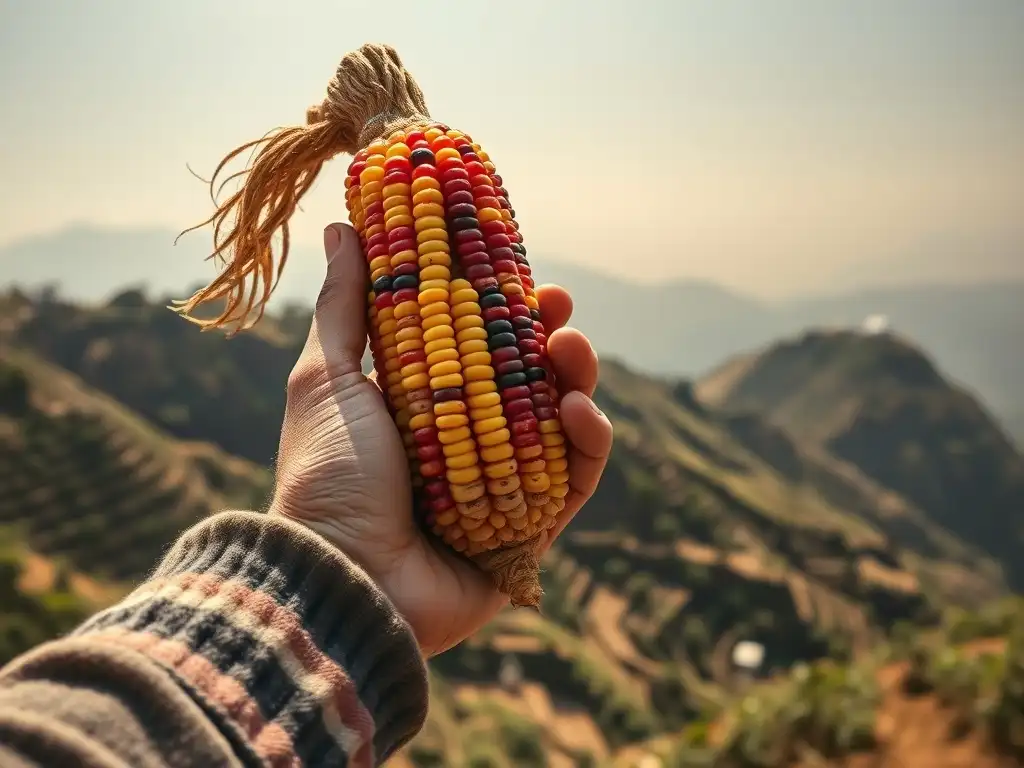
The challenge of ensuring food security in the face of climate change is particularly acute in the Andean region, where unique and vital crops face increasing threats from shifting weather patterns. Successfully navigating this requires a multifaceted approach, integrating traditional knowledge with cutting-edge technologies. This section explores some of the most promising modern strategies for enhancing the climate resilience of Andean crops, contributing to the crucial goal of Andean crops climate change adaptation.
Advances in Crop Breeding and Biotechnology
Traditional Andean farming practices have long relied on selecting and cultivating the most resilient varieties of crops. Modern crop breeding techniques build upon this foundation, accelerating the development of new, climate-resilient strains. Biotechnology plays a crucial role in this process. For example, marker-assisted selection (MAS) allows breeders to identify desirable genes for traits like drought tolerance, frost resistance, and pest resistance much faster than traditional methods. This significantly reduces the time and resources needed to develop improved varieties of quinoa, potatoes, and other staple Andean crops.
Furthermore, genetic engineering offers the potential to introduce specific genes that enhance climate resilience. While this technology faces ongoing debate, research is exploring the possibility of engineering Andean crops to withstand higher temperatures, reduced water availability, and increased salinity in affected soil. The successful application of such techniques could be transformative for Andean agriculture, particularly in areas experiencing the most severe climate change impacts.
However, careful consideration of potential ecological and social impacts is vital, ensuring responsible and sustainable implementation. The development of genetically modified (GM) crops tailored to Andean conditions is still in its early stages, and further research and public discourse are necessary before widespread adoption.
Precision Agriculture and Data-Driven Farming
Precision agriculture leverages technology to optimize resource use and improve crop yields. This approach involves utilizing sensors, GPS, and data analytics to monitor crop health, soil conditions, and weather patterns in real-time. For Andean farmers, this means tailoring irrigation and fertilization strategies to specific needs, minimizing water waste and maximizing nutrient uptake.
Data-driven farming helps to understand microclimates within fields, allowing for more targeted interventions. For instance, drones equipped with multispectral cameras can identify areas of stress within a potato field, enabling farmers to address these issues promptly, improving overall crop productivity and resilience. The integration of such technologies with traditional Andean farming knowledge can create a powerful synergy, enhancing both efficiency and sustainability. However, access to technology and the necessary training remain significant barriers for many Andean farmers. Bridging this digital divide is crucial for equitable access to the benefits of precision agriculture.
Sustainable Agricultural Practices for Andean Regions
Sustainable agricultural practices are vital for long-term climate resilience. These practices focus on preserving soil health, conserving water, and promoting biodiversity. Implementing agroforestry systems, integrating trees into agricultural landscapes, can help to reduce soil erosion, improve water infiltration, and provide shade, mitigating the effects of extreme temperatures. Intercropping, the cultivation of multiple crops in the same field, can enhance biodiversity and improve soil fertility. Furthermore, the adoption of conservation tillage techniques minimizes soil disturbance, reducing carbon emissions and improving water retention.
Traditional Andean farming techniques, often employing terraces and other sophisticated water management systems, offer valuable insights for sustainable agriculture. Integrating these traditional practices with modern techniques can create a holistic approach that enhances both productivity and environmental sustainability. For example, combining traditional terrace farming with improved irrigation technologies can significantly improve water use efficiency.
Promoting and supporting these sustainable practices is paramount to ensuring the long-term viability of Andean agriculture in the face of climate change, securing the future of Andean crops for generations to come. Further research is needed to fully understand the optimal combination of traditional and modern techniques for different Andean ecosystems and crops.
Case Studies: Successful Climate Adaptation in Andean Farming
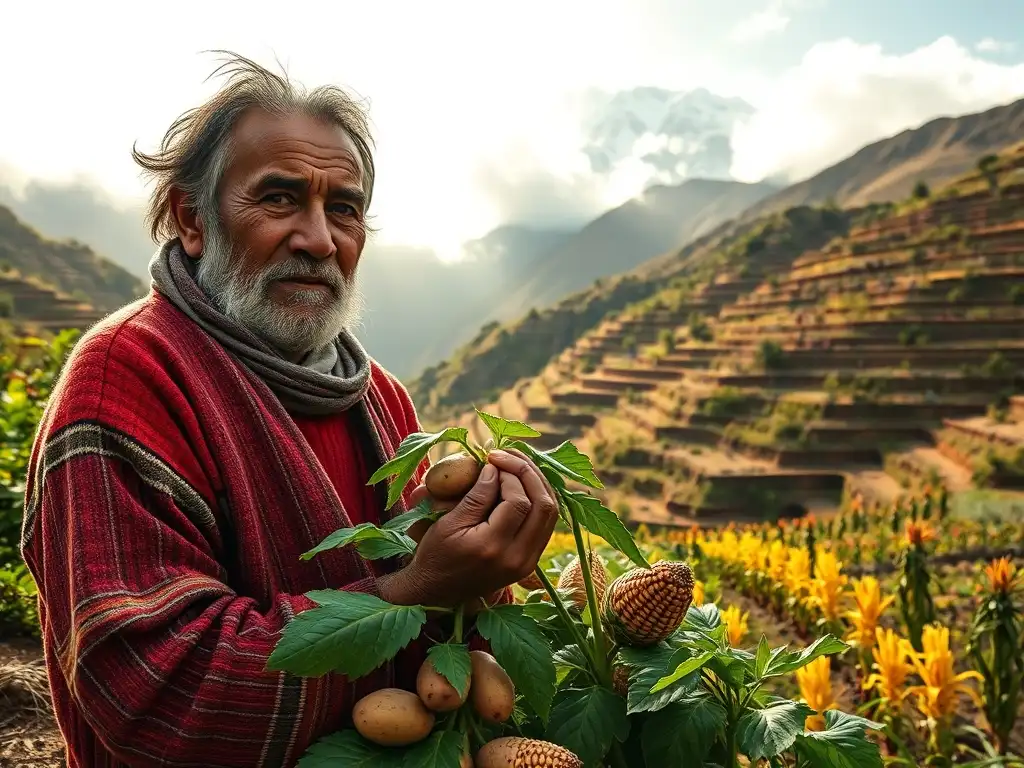
This section delves into specific examples of Andean communities successfully adapting their agricultural practices to mitigate the impacts of climate change. These case studies highlight innovative techniques and resilient crops, offering valuable insights for future strategies in Andean crop cultivation. Understanding these successes is crucial for bolstering the resilience of Andean agriculture in the face of an increasingly unpredictable climate. The focus will be on showcasing practical applications of climate change adaptation strategies relevant to Andean crops.
Case Study 1: Community in the Sacred Valley, Peru, and their terracing techniques
A community nestled in the Sacred Valley of Peru, renowned for its potato cultivation, exemplifies successful adaptation to climate change through the meticulous maintenance and expansion of their ancient terracing systems. These terraces, carved into the mountain slopes centuries ago, are not merely historical relics; they are a dynamic climate adaptation strategy.
The intricate network of terraces reduces water runoff, minimizing soil erosion during intense rainfall events, which have become more frequent and severe due to climate change. Furthermore, the varied microclimates created by the terraced landscape allow for the cultivation of a wider range of potato varieties, each suited to specific temperature and moisture conditions. This diversification minimizes the risk of total crop failure due to unpredictable weather patterns. The community has also implemented water harvesting techniques, collecting rainwater in reservoirs for irrigation during dry spells.
Data collected over the past decade shows a significant increase in potato yields in this community compared to neighboring areas without similarly well-maintained terraces. This highlights the direct link between traditional knowledge, sustainable agricultural practices, and climate change resilience in Andean crop production. The community’s success is directly attributable to their proactive management of their ancestral agricultural infrastructure. They actively monitor soil health, employing traditional methods alongside modern techniques to ensure optimal conditions for potato growth. Their success represents a model for other communities facing similar challenges.
Case Study 2: Focus on the resilience of different Quinoa varieties
Quinoa, a staple Andean crop, exhibits remarkable resilience to various environmental stresses, making it a key player in climate change adaptation strategies. However, not all quinoa varieties are created equal. This case study focuses on the inherent resilience of specific quinoa genotypes and their potential for widespread cultivation in the face of climate change.
Research indicates that certain quinoa varieties display superior drought tolerance, salinity tolerance, and resistance to extreme temperatures. These traits are crucial in adapting to the changing climatic conditions across the Andean region. For example, studies have identified specific varieties that thrive in high-altitude regions characterized by intense solar radiation and limited water availability. These resilient varieties boast a higher yield and better nutritional value even under stressful conditions, making them ideal candidates for widespread adoption.
The identification and promotion of these resilient quinoa varieties is a critical step in ensuring food security in the Andes. [Specific data on yield comparisons between resilient and less-resilient quinoa varieties pending]. Further research is needed to fully understand the genetic basis of these traits and develop even more resilient quinoa varieties through selective breeding and genetic modification. This research is vital for the future of Andean food security in a changing climate.
Lessons Learned from Successful Adaptation Initiatives
Several key lessons emerge from these and other successful climate adaptation initiatives in Andean farming:
- The importance of traditional knowledge: Indigenous communities possess centuries of accumulated knowledge about local ecosystems and climate patterns. Integrating this traditional knowledge with modern scientific techniques is crucial for developing effective and sustainable adaptation strategies.
- Diversification of crops and varieties: Cultivating a diverse range of crops and varieties reduces the risk of total crop failure due to unpredictable weather events. This approach enhances the overall resilience of the agricultural system.
- Sustainable water management: Implementing water harvesting and efficient irrigation techniques is vital for ensuring sufficient water availability during dry spells.
- Soil conservation: Protecting soil health through techniques like terracing and agroforestry is crucial for maintaining soil fertility and preventing erosion.
- Community participation: Successful adaptation initiatives require the active participation and engagement of local communities. Empowering communities to manage their own resources and adapt to changing conditions is essential.
These lessons underscore the need for a holistic approach to climate change adaptation in Andean agriculture, one that integrates traditional knowledge, modern science, and community participation to build resilient and sustainable farming systems. The future of Andean crops hinges on the successful implementation of such integrated strategies, enabling Andean communities to thrive despite the challenges posed by a changing global climate.
The Future of Andean Crops and Food Security
The future of Andean crops is inextricably linked to the challenges posed by climate change. The Andean region, already characterized by diverse and often fragile ecosystems, faces increasing threats from erratic rainfall patterns, rising temperatures, and the spread of pests and diseases. These factors directly impact crop yields and the food security of millions who depend on Andean agriculture.
Understanding and mitigating these risks is crucial for ensuring the long-term sustainability of Andean food systems and the livelihoods of the communities that rely on them. The resilience of Andean crops, honed over millennia of adaptation, offers a valuable foundation for building a more climate-resilient agricultural future. However, proactive strategies are needed to bolster this inherent resilience and ensure food security for generations to come.
This requires a multifaceted approach encompassing both technological advancements and the preservation of traditional knowledge. The stakes are high; the future of food security in the Andes hinges on successful adaptation strategies.
Ensuring Food Security in a Changing Climate
Ensuring food security in the face of climate change requires a proactive, multi-pronged approach. One key strategy involves developing and promoting climate-resilient crop varieties. This includes identifying and breeding crops with enhanced drought tolerance, improved pest resistance, and greater adaptability to fluctuating temperatures. For example, research into quinoa varieties that thrive in drier conditions is crucial, as quinoa is a staple crop in the Andes.
Similarly, research into potato varieties that resist late blight, a devastating disease exacerbated by climate change, is paramount. Furthermore, improving water management techniques, such as implementing efficient irrigation systems and promoting water harvesting methods, is essential for optimizing water use and reducing vulnerability to drought. Data from recent studies show a significant correlation between improved irrigation techniques and increased yields in drought-prone regions. Diversification of crops is another crucial element.
By planting a range of crops with varying sensitivities to climate fluctuations, farmers can reduce the risk of complete crop failure. This approach mirrors traditional Andean farming practices, highlighting the value of integrating modern technology with time-tested methods. Finally, strengthening early warning systems for extreme weather events enables farmers to take timely preventative measures, mitigating potential losses. This involves leveraging advancements in weather forecasting and communication technologies to disseminate vital information effectively to farming communities.
The Importance of Preserving Agrobiodiversity
The preservation of agrobiodiversity—the diversity of crops, livestock breeds, and other agricultural resources—is fundamental to adapting Andean crops to climate change. Andean agriculture boasts an exceptionally rich diversity of crops, many uniquely adapted to the region's challenging conditions. This genetic diversity holds the key to developing climate-resilient varieties. Loss of this biodiversity, however, weakens the resilience of the entire agricultural system, leaving it more vulnerable to shocks.
Protecting and promoting the cultivation of traditional Andean crops, many of which possess remarkable resilience traits, is therefore critical. For example, the diverse varieties of potatoes found in the Andes represent a vast genetic resource for developing disease-resistant and drought-tolerant strains. Similarly, the unique adaptation of various quinoa varieties to high-altitude environments provides valuable insights for developing climate-resilient crops for other regions. Furthermore, preserving traditional farming practices, including crop rotation, intercropping, and agroforestry, contributes to maintaining soil fertility, enhancing water retention, and promoting biodiversity within farming systems.
These practices, passed down through generations, represent a wealth of knowledge that can inform modern adaptation strategies. The systematic documentation and conservation of this traditional knowledge, alongside genetic resources, are essential for ensuring the long-term sustainability of Andean agriculture. The need for dedicated seed banks and genetic resource centers focused on Andean crops cannot be overstated.
Supporting Andean Farmers and Their Knowledge
Supporting Andean farmers is crucial for successful climate change adaptation. This involves empowering them with the knowledge, resources, and technologies necessary to implement effective adaptation strategies. Providing access to climate-smart agricultural techniques, improved seeds, and efficient irrigation systems is essential. Furthermore, investing in agricultural extension services that provide targeted training and support to farmers is crucial for disseminating knowledge and best practices. This includes providing training on climate-resilient farming techniques, pest and disease management, and improved post-harvest handling.
Equally important is fostering collaboration and knowledge sharing among farmers. This can be achieved through farmer field schools, participatory research initiatives, and the establishment of farmer networks. These platforms facilitate the exchange of experiences, the dissemination of best practices, and the collective problem-solving of challenges related to climate change. Recognizing and valuing the traditional knowledge held by Andean farmers is also paramount.
Integrating this knowledge with modern scientific approaches can lead to more effective and culturally appropriate adaptation strategies. Finally, ensuring fair market access and providing economic incentives for farmers to adopt climate-resilient practices is essential for ensuring the long-term sustainability of these efforts. Policy support, including access to credit and insurance schemes, is vital in promoting climate-resilient agriculture and strengthening the livelihoods of Andean farming communities. The success of Andean crops climate change adaptation hinges on a holistic approach that prioritizes the needs and knowledge of the farmers who are on the front lines of this challenge.
Policy and Action for Andean Crop Protection

The survival and prosperity of Andean crops in the face of climate change necessitate a multi-pronged approach involving robust policy frameworks and concerted action. This section details crucial initiatives focused on safeguarding these vital agricultural resources for future generations. The impact of climate change on Andean agriculture is undeniable, demanding immediate and effective responses to mitigate the risks and build resilience.
The future of Andean crops hinges on the successful implementation of these strategies. This includes a shift towards more sustainable agricultural practices and a greater appreciation for the intrinsic value of biodiversity in Andean farming systems. The challenge is not only to adapt to the changing climate but also to enhance the long-term sustainability of Andean agriculture.
Government Initiatives and Support for Farmers
Governments across the Andes region are increasingly recognizing the urgent need to support farmers in adapting to climate change. Many initiatives focus on providing farmers with access to climate-resilient crop varieties, improved irrigation techniques, and financial assistance. For example, Peru's Ministry of Agriculture and Irrigation (MINAGRI) has implemented programs promoting drought-resistant potato varieties and providing subsidies for water-efficient irrigation systems. Bolivia has invested in research and development of climate-smart agricultural practices, focusing on diversification and improved soil management.
However, the extent and effectiveness of these programs vary significantly across countries and regions. Challenges include limited resources, bureaucratic hurdles, and the need for greater farmer participation in program design and implementation. A crucial aspect is ensuring that support reaches smallholder farmers, who are often the most vulnerable to climate change impacts.
More comprehensive data collection on the effectiveness of these government interventions is needed to ensure optimal resource allocation and program refinement. Further, building local capacity for climate change adaptation through education and training programs is key to long-term success. The effectiveness of these initiatives is often hampered by a lack of access to reliable climate information and forecasting.
International Collaboration and Research
International collaboration is crucial for addressing the complex challenges posed by climate change to Andean crops. Research institutions and development organizations are working together to develop climate-resilient crop varieties, improve farming practices, and strengthen early warning systems. The CGIAR (Consultative Group for International Agricultural Research) plays a significant role, conducting research on Andean crops and disseminating knowledge to farmers and policymakers.
International funding mechanisms, such as the Green Climate Fund, also provide crucial financial support for climate change adaptation projects in the Andes. However, challenges remain in coordinating efforts across different organizations and ensuring that research findings are effectively translated into practical solutions for farmers. A major focus is on building capacity within Andean countries to conduct their own research and develop locally appropriate adaptation strategies.
This includes providing training and mentorship to local researchers and fostering collaboration between international and national institutions. Sharing best practices and lessons learned across different Andean countries is also critical for enhancing regional resilience. International collaboration must be guided by principles of equity and inclusivity, ensuring that the benefits of research and development are shared equitably among all stakeholders.
Promoting Sustainable Consumption of Andean Products
Sustainable consumption patterns are essential for ensuring the long-term viability of Andean crops. Promoting the consumption of locally produced Andean products not only supports farmers but also contributes to biodiversity conservation and reduces the environmental impact of food systems. This involves raising awareness among consumers about the nutritional value and cultural significance of Andean crops, as well as the challenges faced by farmers in producing them under changing climatic conditions. Marketing campaigns and educational initiatives can help to increase demand for Andean products, creating incentives for farmers to continue cultivating these vital crops.
Supporting fair trade practices and ensuring fair prices for farmers are also crucial for promoting sustainable consumption. Furthermore, reducing food waste and promoting efficient food distribution systems can help to improve the overall sustainability of Andean food systems. The development of value-added products from Andean crops can also create new market opportunities and enhance their economic viability.
Government policies, such as subsidies or tax incentives, can play a crucial role in promoting sustainable consumption and supporting farmers. Encouraging a shift towards more plant-based diets could also lessen the overall pressure on agricultural resources. Ultimately, a holistic approach that integrates production, consumption, and policy is needed to ensure the sustainable future of Andean crops.
Conclusion: Securing the Future of Andean Agriculture
This exploration of Andean crops and their adaptation to climate change reveals a complex interplay of factors impacting the future of Andean agriculture. The unique genetic diversity of these crops, honed over millennia of adaptation to challenging high-altitude environments, presents both an opportunity and a responsibility. The resilience demonstrated by these plants in the face of existing climatic variability provides a valuable foundation for future breeding programs and sustainable agricultural practices.
However, the accelerating pace of climate change demands proactive and innovative strategies to ensure the continued cultivation and utilization of these vital resources. Ignoring the challenges posed by shifting rainfall patterns, increased temperatures, and the growing threat of extreme weather events will have severe consequences, not only for the Andean region but also for global food security.
The Critical Role of Climate Adaptation
Climate change adaptation for Andean crops is not merely an optional strategy; it's a critical necessity. The survival of many traditional Andean crops, and the livelihoods that depend on them, hinges on our ability to implement effective adaptation measures. This involves a multi-pronged approach:
- Improved water management: Implementing efficient irrigation systems, developing drought-resistant varieties, and promoting water harvesting techniques are crucial. For example, the ancient Inca andenes (terraces) offer a model for sustainable water management that can be adapted and improved upon with modern technology. Data suggests that improved water management can increase yields by up to 30% in some areas.
- Developing climate-resilient varieties: Breeding programs focused on developing varieties resistant to drought, frost, and pests are paramount. This requires collaboration between researchers, farmers, and policymakers to identify and prioritize traits relevant to the specific challenges faced in different Andean regions. Genetic resources held within Andean communities represent a wealth of untapped potential.
- Promoting sustainable agricultural practices: Shifting away from intensive agriculture towards more sustainable practices, including agroforestry and crop diversification, can enhance resilience to climate change. Agroforestry, for instance, can improve soil health, increase biodiversity, and provide additional income streams for farmers. Studies show that diversified farming systems are significantly more resilient to shocks than monocultures.
- Strengthening community resilience: Supporting Andean farming communities through access to information, training, and resources is essential. This includes promoting traditional knowledge alongside modern techniques, empowering communities to adapt and innovate in response to changing conditions. Investing in infrastructure and market access can also significantly bolster community resilience.
The Potential of Andean Crops for Global Food Security
The remarkable adaptability of Andean crops, particularly quinoa, potatoes, and amaranth, holds significant potential for enhancing global food security. These crops are not only nutritionally rich, offering vital micronutrients, but also possess characteristics that make them well-suited to challenging environments. Their resilience to various stresses, including drought and salinity, positions them as valuable assets in the face of climate change.
| Crop | Key Characteristics | Potential Applications |
|---|---|---|
| Quinoa | High protein, drought-tolerant, salt-tolerant | Food security in arid and semi-arid regions |
| Potatoes | Diverse varieties, adaptable to various altitudes | Food security in mountainous regions, processed foods |
| Amaranth | High protein, drought-tolerant, nutrient-rich | Food security, animal feed, industrial applications |
The cultivation and consumption of these crops outside the Andean region can contribute to diversifying food systems and reducing dependence on more vulnerable crops. However, preserving the genetic diversity of these crops is crucial to maintain their adaptability and ensure their long-term viability.
A Call to Action for Preserving Andean Agricultural Heritage
Preserving the rich agricultural heritage of the Andes is not just a matter of cultural preservation; it's a crucial step towards securing global food security in a changing climate. This requires concerted action from governments, researchers, and international organizations. Investing in research and development, supporting sustainable agricultural practices, and empowering Andean communities are vital steps towards this goal. The knowledge and experience held within Andean communities must be valued and integrated into broader strategies for climate change adaptation.
Failure to act decisively risks losing irreplaceable genetic resources and jeopardizing the livelihoods of millions. The future of Andean agriculture, and indeed global food security, depends on our commitment to preserving this invaluable heritage and adapting it to the challenges of a changing world. The time for action is now. 🌍
Frequently Asked Questions
How did Andean civilizations adapt their crops to the challenging climate?
Andean civilizations developed remarkable agricultural techniques, such as terracing and irrigation, to overcome the varied and challenging climates of the Andes Mountains. They also selected and cultivated crops suited to high altitudes and diverse conditions.
What crops were particularly important for Andean civilizations?
Potatoes, quinoa, maize (corn), and beans were staple crops for many Andean cultures. These crops provided nutritional diversity and resilience against climate fluctuations and crop failures.
How is climate change currently affecting Andean crops?
Climate change is causing more frequent and intense droughts, floods, and frosts, harming crop yields. Changes in temperature and precipitation patterns are also impacting the suitability of traditional growing areas.
What strategies are being used to adapt Andean crops to climate change?
Scientists and farmers are employing various strategies, including developing drought-resistant crop varieties, improving water management techniques, and promoting agroforestry systems to enhance resilience.
What is the role of traditional knowledge in adapting Andean crops?
Traditional farming practices hold valuable insights for climate change adaptation. Indigenous communities possess extensive knowledge about locally adapted crops and sustainable agricultural techniques, which can inform modern strategies.
Final Reflection: Cultivating Resilience in the Face of Climate Change
The future of Andean crops is not merely a matter of agricultural production; it is a critical component of global food security and cultural preservation in a rapidly changing world. The interconnectedness of climate change, biodiversity loss, and food systems has never been clearer, demanding immediate and innovative solutions to protect these vital resources. The unique genetic diversity within Andean crops holds the key to unlocking resilience against the escalating challenges posed by a warming planet.
The impact of climate change on Andean agriculture is profoundly felt, not only in terms of yield but also in the erosion of traditional farming practices and the loss of invaluable indigenous knowledge. These crops, deeply intertwined with the cultural identity of Andean communities for millennia, are facing unprecedented threats. The land is not merely soil; it is a living entity, a source of life and sustenance, and we must treat it with respect.
This sentiment, echoing across generations, underscores the urgency of our collective responsibility to protect these vital resources and the communities that depend on them.
The information presented in this article serves as a call to action. Consider the choices you make as a consumer, and how they impact the farmers who cultivate these resilient crops. Support sustainable agricultural practices, advocate for policies that protect biodiversity, and learn more about the incredible resilience of Andean crops and the people who cultivate them. Let us work together to ensure that the vibrant tapestry of Andean agriculture continues to thrive, providing nourishment and cultural richness for generations to come.
Embrace the Future of Andean Crops Today!
Thank you for exploring the vital role of Andean crops and their remarkable resilience in the face of climate change. Your interest can significantly benefit our agricultural practices and the communities that depend on these crucial resources. Let's turn your passion into action!
- Support local farmers by purchasing quinoa, potatoes, or other Andean crops at your local farmers' market or cooperative. Your purchases directly support their livelihoods and the sustainability of these ancient farming traditions.
- Share this information with friends and family – help spread awareness of the incredible agricultural heritage of the Andes and the importance of preserving it for future generations.
- Consider starting a community garden featuring Andean crops like amaranth or oca. You can create a valuable educational resource and a hub for sustainable practices within your community.
How will you contribute to a thriving future for Andean agriculture in your area? We are eager to hear your ideas!