
The Mystery of Inca Storage: How They Preserved Food for the Masses

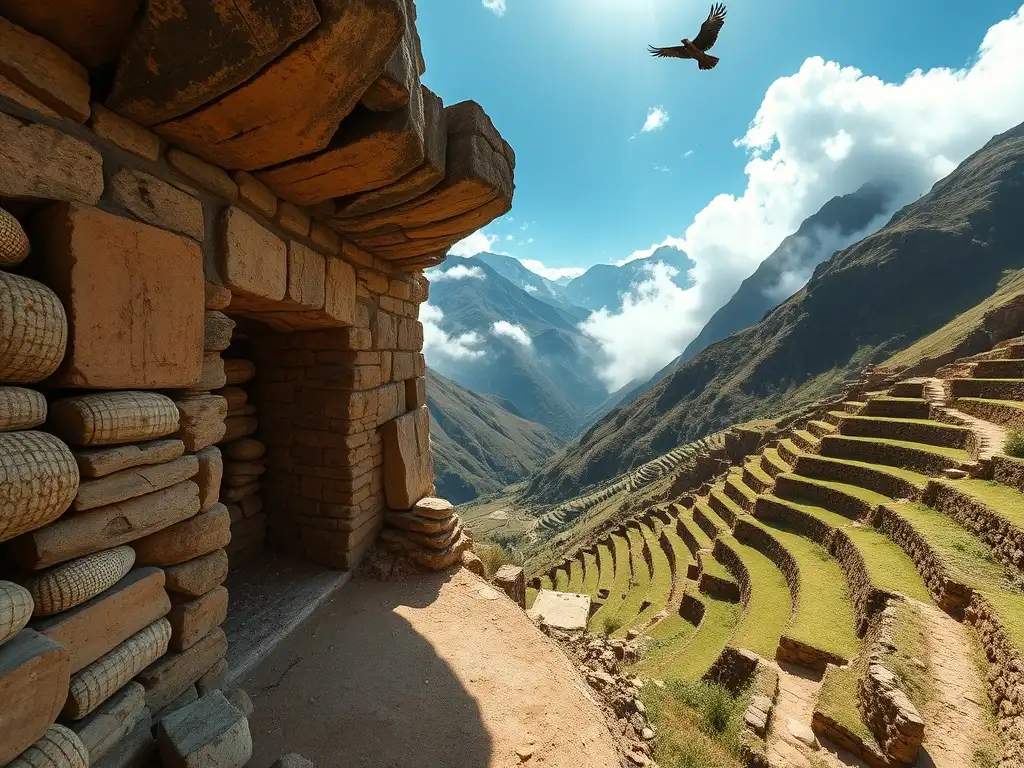
Step into a world lost to time, yet echoing with echoes of ingenuity and resilience. For centuries, the towering Andes Mountains witnessed the rise and fall of remarkable civilizations. Here, on Andean Civilizations, we unravel the mysteries of these ancient empires. But first, prepare to be amazed: discover the secrets behind Inca food preservation techniques, a testament to their advanced understanding of agriculture and survival that allowed them to feed their vast empire. Uncover the ingenuity that secured their sustenance—a story as rich and layered as the Andes themselves.
The Inca Empire, a marvel of ancient engineering and societal organization, thrived in the challenging Andean environment. Their success wasn't solely due to their intricate road systems or sophisticated architecture; a crucial element was their mastery of food preservation techniques. This article delves into the fascinating world of Inca food storage, exploring the methods they employed to ensure food security for their vast population, a feat particularly impressive considering the limitations of their technology and the harsh realities of their environment.
We'll examine the ingenuity behind their storage systems, the diverse preservation techniques they utilized, and the impact these methods had on the empire's stability and longevity. Understanding Inca food preservation techniques is key to comprehending the remarkable resilience and organizational prowess of this civilization.
This exploration will reveal not only how the Inca preserved food but also why these methods were so crucial to their societal success, shedding light on their sophisticated agricultural practices and resource management strategies. The mystery of Inca storage unveils a story of innovation and adaptation in the face of adversity.
Understanding Inca Food Security and Storage Needs
The Inca Empire, spanning across diverse and challenging terrains from the arid coastal deserts to the high-altitude Andes, faced significant challenges in ensuring food security for its millions of inhabitants. The agricultural practices varied greatly depending on the altitude and climate. The Incas relied heavily on potatoes, maize, quinoa, and beans, along with various other crops and livestock. However, the unpredictable nature of the Andean climate, prone to droughts, floods, and frost, necessitated sophisticated food preservation methods to prevent widespread famine and maintain a stable food supply year-round.
This need wasn't just about survival; it was about maintaining social order and the power of the empire. The Inca's ability to store and distribute food effectively was integral to their ability to support large-scale public works projects, armies, and religious ceremonies. Failure to do so would have had catastrophic consequences.
The Inca storage system wasn't haphazard; it was a well-organized network managed by a complex bureaucracy. Evidence suggests the existence of vast storehouses, strategically located throughout the empire, often near agricultural centers and along major transportation routes. These storehouses, known as qollqas, were built using a variety of techniques adapted to the local environment, showcasing the Incas' remarkable building skills and their deep understanding of the environmental conditions.
The size and complexity of these qollqas varied depending on their location and the needs of the surrounding population. Some were relatively small, serving local communities, while others were massive structures capable of storing enormous quantities of food.
The Importance of Food Preservation in the Inca Empire
Food preservation wasn't merely a logistical concern for the Inca; it was fundamentally linked to their social and religious structures. The surplus stored in the qollqas wasn't just for emergencies; it played a critical role in supporting the state's authority and the distribution of resources among different social groups. The Inca state maintained control over the food supply, using it to reward loyal subjects, provide for the elderly and infirm, and support religious festivals and ceremonies.
This centralized system ensured social stability and reduced the risk of internal conflict over scarce resources. The efficient preservation of food allowed for the mobilization of large workforces for projects like building roads, irrigation systems, and monumental structures – a testament to their resource management efficiency.
The Inca employed a range of preservation methods, reflecting their deep understanding of food science and environmental conditions. These included:
- Drying: This was a common method, particularly for potatoes, maize, and other crops. The sun's intense radiation in the Andes provided a natural means for drying, reducing moisture content and inhibiting microbial growth.
- Freezing: At higher altitudes, freezing temperatures provided a natural preservation method. This was particularly useful for preserving potatoes and other root vegetables.
- Storage in Cool, Dry Places: The qollqas themselves were designed to maintain cool, dry conditions, slowing down the spoilage process. Their construction often incorporated ventilation systems and strategic placement to utilize natural air currents.
- Salting: This method was used to preserve meat and fish, though less extensively than drying due to the limited availability of salt in some regions. The use of salt was a more sophisticated technique requiring trade and control of salt resources.
The Inca's mastery of food preservation was not merely a matter of survival but a cornerstone of their economic and political power. Their ability to store and distribute food effectively played a crucial role in enabling the vast expansion and stability of their empire, ultimately shaping the rich history and legacy of the Andean civilizations. The sophisticated strategies they employed remain a testament to their ingenuity and foresight.
Key Inca Food Preservation Techniques
The Inca Empire, renowned for its sophisticated agricultural practices, developed a range of ingenious food preservation techniques crucial for sustaining its large population and navigating the challenges of the Andean environment. These techniques weren't just about extending shelf life; they were integral to the empire's social and economic stability. The ability to store surplus food ensured food security during lean seasons, supported the large labor force required for public works projects, and facilitated trade and tribute systems. Understanding these methods offers a fascinating glimpse into the ingenuity and resourcefulness of Inca civilization, highlighting their deep understanding of both agriculture and engineering. The effectiveness of these techniques is evident in the empire's remarkable longevity and its ability to feed millions. Their mastery of food preservation was a key factor contributing to the empire's success and stability. Without these methods, the Inca state's complex social and political organization would have been unsustainable.
Freeze-Drying: The Inca Method of Chuño Production
Chuño, a freeze-dried potato, stands as a testament to Inca ingenuity. This process involved harvesting potatoes at high altitudes during the coldest months, then spreading them out on the ground to freeze overnight. The following day, the frozen potatoes were trampled underfoot to remove excess water, and then left to freeze again at night.
This cycle of freezing and thawing was repeated several times, effectively dehydrating the potatoes. The result was chuño, a lightweight, long-lasting food source that could be stored for years without spoiling. Its resilience to spoilage was essential for the Inca, allowing them to maintain a stable food supply throughout the year and mitigate the risks associated with unpredictable harvests.
The production of chuño wasn't just a practical method of preservation; it was an integral part of Inca agricultural practices, deeply ingrained in their cultural and economic systems. The process required significant labor and coordination, highlighting the importance of communal effort within Inca society.
Sun-Drying: Preserving Crops under the Andean Sun
Sun-drying was another widely employed Inca food preservation technique, particularly effective for fruits, vegetables, and meats. The abundant sunshine in the Andean highlands provided ideal conditions for this method. Crops were carefully cleaned and sliced or cut into smaller pieces to maximize surface area for faster drying. They were then spread out on mats or rocks in the sun for several days, regularly turned to ensure even drying.
The process reduced moisture content, inhibiting microbial growth and preventing spoilage. This method was particularly important for preserving seasonal produce, ensuring access to vital nutrients throughout the year. Various crops, including maize, quinoa, and tomatoes, were preserved using this method, demonstrating its versatility and adaptability to the diverse Andean agricultural landscape. The effectiveness of sun-drying depended heavily on weather conditions, highlighting the Inca's intimate knowledge of their environment and their ability to adapt their agricultural practices to climatic variations.
Fermentation: An Ancient Inca Food Preservation Method
Fermentation, a process known to many ancient cultures, played a significant role in Inca food preservation. By utilizing naturally occurring microorganisms, the Inca extended the shelf life of various foods, including maize and other grains. Fermentation altered the food's chemical composition, creating an environment inhospitable to spoilage-causing microorganisms. This process not only preserved food but also often enhanced its flavor and nutritional value.
Examples of fermented Inca foods, while not fully documented, likely included fermented maize beverages and possibly fermented dairy products, given the presence of llamas and alpacas in their agricultural system. Further research is needed to fully uncover the extent and diversity of Inca fermentation techniques. The development and application of fermentation techniques showcases the Inca's advanced understanding of microbiology and its practical application to food preservation and resource management.
Storage in Underground Structures: Utilizing the Earth’s Natural Cooling
The Inca cleverly utilized the earth's natural cooling properties to preserve food. Underground storage structures, often built into hillsides or caves, provided a cool, dark, and stable environment that significantly slowed down spoilage. These structures, which we'll explore in more detail below, maintained a relatively constant temperature and humidity, creating ideal conditions for long-term food storage.
The temperature stability of these underground structures was crucial in preserving perishable goods, minimizing the risk of spoilage due to temperature fluctuations. This method, combined with other preservation techniques, allowed the Inca to store food for extended periods, ensuring food security even during times of scarcity. The use of underground storage exemplifies the Inca's deep understanding of their environment and their ability to leverage natural resources for practical purposes.
Types of Inca Storage Facilities
The Inca Empire's remarkable ability to feed its large population relied heavily on its sophisticated storage infrastructure. Different types of storage facilities were strategically located throughout the empire to ensure efficient distribution and preservation of food supplies. These facilities were not simply storage spaces; they were integral components of the Inca's logistical and economic systems, reflecting a highly organized and efficient society. The design and construction of these facilities demonstrate the Inca's advanced engineering skills and their understanding of architectural principles related to preservation.
Colcas: Inca Warehouses for Mass Storage
Colcas, the most iconic Inca storage structures, were large, stone-built warehouses typically found in agricultural areas. These structures were often built into hillsides or cliffs, taking advantage of natural topography for stability and temperature regulation. Their design incorporated features such as ventilation shafts and sloping floors to facilitate drainage and prevent moisture buildup, ensuring the preservation of stored goods. The size and number of colcas varied according to the region and the size of the local population.
Some colcas were relatively small, while others were massive structures capable of storing vast quantities of food. Their construction demonstrates the Inca's advanced stone-cutting and masonry techniques and their organizational capacity to manage large-scale construction projects. The strategic placement of colcas within the agricultural landscape reflects the Inca's sophisticated understanding of resource management and logistics.
Tambos: Inca Roadside Storage and Supply Depots
Tambos were strategically located along the extensive Inca road network, serving as roadside storage and supply depots. These structures provided vital resting places for travelers and messengers, but also served as critical points for the storage and distribution of food and supplies. The location of tambos ensured the efficient movement of goods throughout the empire, supporting both trade and the maintenance of the vast Inca infrastructure.
They were not only storage facilities but also played a crucial role in facilitating communication and transportation within the empire. The strategic placement of tambos along the road network showcases the Inca's advanced logistical capabilities and their understanding of the importance of efficient transportation and communication in supporting a large and complex empire. Their presence contributed significantly to the economic and political stability of the Inca state.
Specialized Storage for Specific Foods
Beyond the general-purpose colcas and tambos, the Inca also employed specialized storage facilities tailored to the specific needs of different food types. For instance, certain structures might have been designed to store dried meats, while others were used for grains or fermented products. While detailed information on these specialized structures is limited, archaeological evidence suggests the existence of such facilities.
Further research is needed to fully understand the range and specific characteristics of these specialized storage facilities. The existence of specialized storage facilities highlights the sophistication of Inca food preservation practices and their attention to detail in preserving the quality and longevity of various food types. This specialized approach reflects a high level of knowledge about food preservation and the specific needs of different food products.
The Inca Agricultural System and Its Relationship with Food Preservation
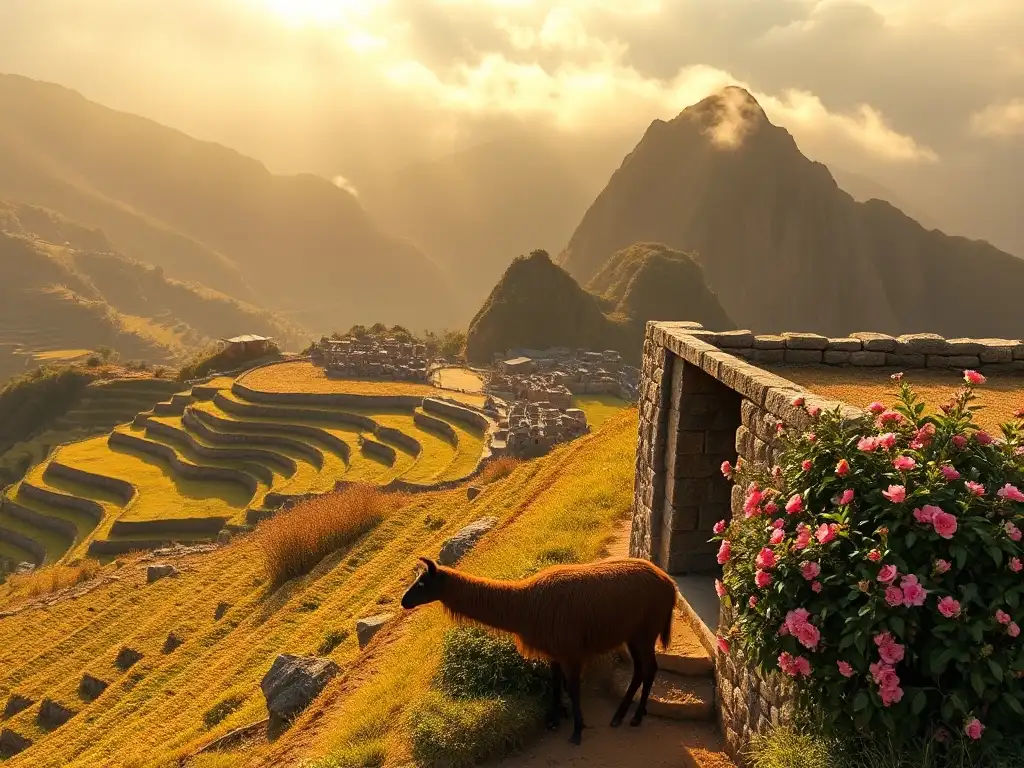
The Inca agricultural system was intricately linked to their remarkable food preservation techniques. The Incas weren't simply farmers; they were master engineers of their environment, developing sophisticated methods to maximize crop yields and ensure food security for their vast empire. Their success wasn't solely reliant on innovative preservation methods, but on a holistic approach to agriculture that prioritized efficiency and sustainability. This integrated system allowed them to produce surplus food, which was crucial for their preservation strategies.
Without the agricultural infrastructure, the preservation techniques would have been far less effective. The abundance of food produced enabled the Incas to store significant quantities for later use, mitigating the risks associated with fluctuating harvests and ensuring the empire's stability. This intricate connection between cultivation and preservation is a testament to the Incas' advanced understanding of resource management.
Diverse Agricultural Practices Supporting Food Abundance
The Incas employed a remarkably diverse range of agricultural practices to ensure food abundance. They cultivated a wide variety of crops adapted to different altitudes and climates, from potatoes and maize in the highlands to quinoa and beans in the valleys. This diversification minimized the risk of total crop failure due to localized weather events or pests.
They also utilized crop rotation techniques and intercropping, planting different crops together to improve soil health and maximize yields. This strategic approach to farming maximized productivity and ensured a consistent supply of food throughout the year. Furthermore, the Incas understood the importance of soil fertility and employed techniques such as composting and terracing to enhance soil quality and prevent erosion.
This commitment to sustainable agricultural practices contributed significantly to their long-term food security. Their agricultural prowess was a cornerstone of their success. For example, the intricate understanding of different potato varieties allowed them to cultivate over 3,000 types, ensuring resilience against crop failure.
Terracing Techniques for Maximizing Crop Yields
Terracing was a cornerstone of Inca agricultural ingenuity, transforming steep slopes into productive farmland. These meticulously constructed terraces, often supported by elaborate stone walls, created level plots that optimized water retention and reduced soil erosion. The terraces also allowed for efficient irrigation, further enhancing crop yields. The construction of these terraces required immense labor and meticulous planning, highlighting the importance the Incas placed on agriculture.
The scale of these projects is astounding, with some terraces stretching for kilometers along mountain slopes. The precision and durability of their construction are a testament to their advanced engineering skills. Furthermore, the terraces helped to regulate temperatures, creating microclimates that were ideal for growing various crops. This sophisticated use of terracing significantly boosted agricultural productivity, contributing significantly to the empire's food surplus.
The Role of Irrigation in Inca Food Security
Irrigation played a vital role in Inca food security. The Incas developed extensive canal systems to divert water from rivers and streams to irrigate their fields, ensuring a reliable water supply even in dry seasons. This sophisticated irrigation infrastructure was crucial for supporting their intensive agricultural practices, enabling them to cultivate crops in areas that would otherwise have been unsuitable for farming. The canals were often built with incredible precision, utilizing ingenious techniques to manage water flow and prevent erosion.
Their construction required significant engineering expertise and a deep understanding of hydrology. Some of these irrigation systems remain functional even today, a testament to the Incas’ engineering skills. The reliable water supply ensured consistent crop yields, contributing significantly to the empire's food surplus and overall stability. The ability to control water resources was a key factor in the Incas’ ability to feed their large population.
The Impact of Inca Food Preservation on the Empire's Expansion
The Incas' mastery of food preservation was intrinsically linked to their ability to expand their empire. Efficient preservation techniques allowed them to support larger armies on extended military campaigns and to sustain a growing population in newly conquered territories. The ability to store food for long periods meant that they could move troops and supplies quickly and efficiently, reducing logistical challenges. This greatly increased their military effectiveness and facilitated their territorial expansion.
Without these techniques, the logistical demands of maintaining a large empire would have been insurmountable. The capacity to store and transport food was a critical factor in their strategic success. Their ability to sustain their armies for extended periods gave them a considerable advantage over their rivals.
Sustaining a Large Population Through Effective Food Storage
The Incas' effective food storage methods were crucial for sustaining their large population. Their ability to preserve surplus food throughout the year mitigated the risks of famine and ensured a consistent food supply, even during times of drought or other natural disasters. This reduced the likelihood of widespread starvation and social unrest, contributing to the stability and longevity of the empire.
The sophisticated storage facilities, coupled with their preservation techniques, ensured that the population had access to food even during lean times. This consistent food supply was essential for maintaining social order and supporting the empire's growth. The ability to store food for extended periods allowed them to manage fluctuations in agricultural production, ensuring food security for the entire population.
Military Campaigns and the Need for Preserved Food Supplies
Inca military campaigns relied heavily on effective food preservation. Transporting sufficient fresh food for large armies over long distances and for extended periods was logistically impossible. The Incas’ ability to preserve food, such as freeze-drying potatoes and other crops, allowed them to sustain their troops during lengthy expeditions. This logistical advantage was crucial for their military success.
The preservation of food allowed them to launch and sustain campaigns that would have otherwise been unfeasible. The ability to feed their armies effectively allowed them to conquer and control vast territories. This crucial aspect of logistical planning contributed significantly to their military dominance.
The Role of Food Reserves in Times of Famine
The Inca’s extensive food reserves played a vital role in mitigating the impact of famines. The strategic storage of surplus food allowed them to provide relief to affected populations during times of drought or crop failure. This prevented widespread starvation and social upheaval, maintaining the stability of the empire. The system of storing food in strategically located warehouses, often in elevated, dry locations, ensured the availability of supplies even during extended periods of hardship.
The centralized control of food reserves allowed the Inca government to effectively manage food distribution during emergencies. This ability to respond to crises was a crucial factor in maintaining social order and preserving the empire's integrity. The existence of these well-managed reserves is a testament to the Inca's forethought and their commitment to the well-being of their people.
Lessons from Inca Food Preservation for Modern Times
The Inca's sophisticated food preservation techniques offer invaluable lessons for contemporary societies grappling with food security and sustainability challenges. Their methods, honed over centuries, prioritized resourcefulness, minimizing waste, and adapting to diverse climates and terrains. Understanding these practices allows us to re-evaluate our own approaches to food storage and distribution, potentially leading to more efficient and environmentally friendly systems. The Inca's success in feeding a large population, even in challenging environments, highlights the importance of planning, infrastructure, and community collaboration in food management.
Their understanding of natural preservation methods, such as drying and freezing, provides a blueprint for reducing reliance on energy-intensive modern techniques. By studying their strategies, we can develop more sustainable and resilient food systems for the future. The Inca Empire's success underscores the importance of adapting food preservation methods to specific environmental conditions, a crucial lesson for a world facing climate change and resource scarcity.
Sustainable Food Storage Practices from the Past
The Inca's commitment to sustainable food storage is evident in their widespread use of natural preservation methods. Drying, a cornerstone of their approach, extended the shelf life of various crops like potatoes, maize, and quinoa, making them available year-round. They employed sophisticated techniques like sun-drying and freeze-drying, leveraging the natural environment to minimize energy consumption. The construction of strategically located storehouses, qollqas, further exemplifies their sustainable approach.
These structures were meticulously designed to regulate temperature and humidity, optimizing storage conditions and minimizing food spoilage. The qollqas were not only functional but also integrated into the landscape, minimizing their environmental impact. Furthermore, their careful selection of storage locations, considering factors like altitude and airflow, demonstrates a deep understanding of environmental factors affecting food preservation. This sustainable model, centered around natural processes and efficient infrastructure, provides a compelling alternative to modern practices often reliant on energy-intensive technologies.
Applying Ancient Techniques to Modern Challenges
Many Inca food preservation techniques remain remarkably relevant today. Drying, for example, is experiencing a resurgence as a sustainable alternative to refrigeration and freezing, particularly in areas with limited access to electricity. The principles behind the qollqas—controlling temperature and humidity—are directly applicable to modern storage facilities, potentially leading to improved food preservation and reduced waste. Furthermore, the Inca's emphasis on community-based food distribution can inspire modern initiatives aimed at enhancing food security and reducing food miles.
The challenges of food waste and spoilage in the modern world echo those faced by the Inca. However, by adapting and innovating upon ancient methods, we can create more sustainable and resilient food systems capable of meeting the needs of a growing global population. The Inca's success in managing food resources, despite limited technology, provides a valuable framework for addressing contemporary challenges.
The Legacy of Inca Ingenuity in Food Management
The Inca legacy in food management extends far beyond their remarkable preservation techniques. Their intricate agricultural systems, including terracing and irrigation, ensured high yields even in challenging terrains. Their understanding of crop diversity and rotation further promoted soil health and resilience.
The integrated approach to agriculture, storage, and distribution—a sophisticated system connecting production to consumption—is a testament to their ingenuity and organizational prowess. This comprehensive approach highlights the interconnectedness of various aspects of food security, a lesson often overlooked in modern food systems. The Inca's ability to feed a vast and diverse population, across varying altitudes and climates, underscores the importance of holistic and integrated approaches to food management.
Their ingenuity continues to inspire researchers and practitioners working towards sustainable and resilient food systems worldwide, demonstrating the enduring relevance of ancient wisdom in addressing modern challenges. The Inca's sophisticated food management system stands as a powerful example of how careful planning, community engagement, and adaptation to environmental conditions can ensure food security for large populations, even under challenging circumstances.
- Understanding Inca Food Security and Storage Needs
- The Importance of Food Preservation in the Inca Empire
- Key Inca Food Preservation Techniques
- Types of Inca Storage Facilities
- The Inca Agricultural System and Its Relationship with Food Preservation
- The Impact of Inca Food Preservation on the Empire's Expansion
- Lessons from Inca Food Preservation for Modern Times
- What were the primary methods of Inca food preservation?
- How did the Inca preserve potatoes, a staple crop?
- What role did storage facilities play in Inca food preservation?
- Beyond storage, what other techniques did the Inca use to ensure food security?
- How effective were Inca food preservation methods compared to modern techniques?
Frequently Asked Questions
What were the primary methods of Inca food preservation?
The Inca employed several ingenious techniques, including sun drying, freeze-drying, and storage in specially designed granaries. These methods ensured food availability throughout the year.
How did the Inca preserve potatoes, a staple crop?
Potatoes were preserved using various methods, most prominently freeze-drying (chuño) and sun drying (tunta). These techniques extended the shelf life significantly, combating spoilage and ensuring food security.
What role did storage facilities play in Inca food preservation?
Qollqas, or Inca granaries, were crucial. These strategically located structures, often built into hillsides, provided controlled environments with optimal temperature and humidity for preserving food.
Beyond storage, what other techniques did the Inca use to ensure food security?
Inca agricultural practices, such as terracing and irrigation, maximized crop yields. They also developed sophisticated systems for transporting and distributing food throughout the empire.
How effective were Inca food preservation methods compared to modern techniques?
While lacking modern technology, Inca methods were remarkably effective, allowing for long-term storage of diverse foods and supporting a large population. Their techniques demonstrate a deep understanding of food science and environmental conditions.
Final Reflection: Echoes of the Andes: A Legacy of Ingenuity in Food Preservation
The Inca's mastery of food preservation wasn't just a matter of survival; it was a testament to their profound understanding of their environment and a cornerstone of their societal success. Their innovative techniques, developed over centuries, offer valuable lessons for a world grappling with food security and sustainability challenges in the 21st century. The ingenuity displayed in their methods continues to inspire modern approaches to food storage and waste reduction.
The impact of Inca food preservation techniques extends far beyond the realm of historical curiosity. Their methods, born from necessity and honed by generations of experience, shaped the very fabric of Inca society, enabling population growth, stability, and the construction of a vast empire. Necessity is the mother of invention,
a proverb that perfectly encapsulates the Inca's remarkable achievements in this field. Their sophisticated understanding of drying, freezing, and storage techniques allowed them to overcome the limitations of their environment and build a resilient food system that supported a large and complex civilization. This legacy continues to resonate today, reminding us of the importance of resourcefulness and adaptation in the face of environmental challenges.
Consider the ingenuity of the qollqa storage structures, the intricate network of agricultural practices, and the deep understanding of Andean ecosystems that underpinned their success. These are not just historical artifacts; they are blueprints for a more sustainable future. You, too, can draw inspiration from the Inca's resourcefulness. Think about how you can reduce food waste in your own life, explore traditional preservation methods, and appreciate the interconnectedness of food systems and environmental sustainability. Let the echoes of the Andes inspire you to build a more resilient and responsible relationship with the food you consume.
Unveil the Secrets of Inca Preservation!
Thank you for exploring the fascinating world of Inca food preservation with us! We hope you gained valuable insights into the ingenuity and resourcefulness this remarkable civilization used to sustain its large population. Now, let's put that newfound knowledge into practice.
Here are some ways to further your understanding and appreciation of Inca innovation:
- Experiment with ancient preservation techniques by trying methods like drying or fermenting local foods. Share your culinary creations with friends and family for a truly rewarding experience!
- Join our online Andean Civilizations community to discuss and share your experiments, exchange ideas on traditional food preservation, and connect with fellow enthusiasts.
- Visit a local museum to explore exhibits on ancient civilizations and discover how past cultures have influenced modern food preservation practices.
What surprising preservation techniques are used in your own culture? Let's start a conversation in the comments!