
The Echo of Ancestors: How Andean Cultural Practices Shape Modern Identity

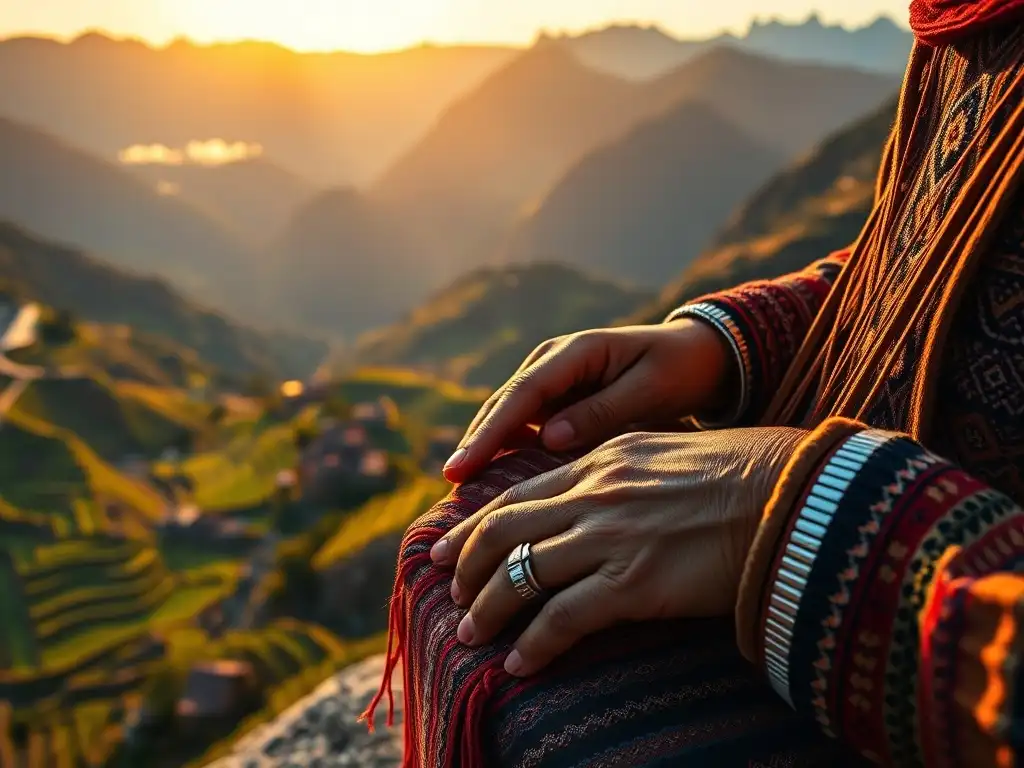
Step into a world lost in time, yet echoing powerfully in the present. Discover the intricate tapestry of Andean civilizations, from the awe-inspiring Incas to the enigmatic Nazca. How did the vibrant cultural practices of these ancient societies shape the identities of modern Andean communities? Unravel the mystery and explore the enduring legacy in our feature article, "The Echo of Ancestors: How Andean Cultural Practices Shape Modern Identity," a journey through time that will leave you pondering the profound connections between past and present.
- The Woven Threads of Identity: Andean Ancestral Practices Today
- Spirituality and Beliefs: The Andean Worldview in Modern Life
- Community and Social Structures: The Andean Collective Spirit
- Challenges and Transformations: Navigating Modernity While Preserving Cultural Roots
- The Future of Andean Identity: A Legacy in Constant Evolution
-
Frequently Asked Questions
- How did ancient Andean cultures influence modern Andean identity?
- What role does language play in maintaining Andean cultural identity?
- How are ancient Andean art forms expressed in modern Andean society?
- What is the significance of Andean festivals and celebrations in modern life?
- How do modern Andeans connect with their ancestral heritage?
- Final Reflection: Weaving the Threads of Andean Heritage
- Embrace Your Heritage and Transform Your Identity!
The Woven Threads of Identity: Andean Ancestral Practices Today
The Andes Mountains, a spine of towering peaks running down the western coast of South America, have been home to thriving civilizations for millennia. From the intricate artistry of the Nazca Lines to the sophisticated engineering of Machu Picchu, the legacy of these Andean cultures is undeniable. But the impact of these ancient societies extends far beyond impressive ruins; their cultural practices continue to resonate deeply within the modern Andean identity, shaping everything from daily life to artistic expression.
This article explores how ancient Andean traditions in textiles, agriculture, and music and dance continue to inform and enrich the lives of Andean communities today, demonstrating the enduring power of ancestral heritage. We will delve into the specific ways these practices are preserved, adapted, and celebrated, highlighting their vital role in forging a strong sense of cultural identity in the modern era.
Understanding this connection is key to appreciating the vibrant tapestry of Andean culture and its remarkable resilience. The enduring echoes of these ancestral practices provide a powerful testament to the enduring strength and adaptability of Andean cultures.
Textile Traditions: Preserving Heritage Through Weaving
Textile production has been a cornerstone of Andean culture for thousands of years. From the vibrant textiles of the Paracas culture to the intricate designs of Inca tunics, weaving was not merely a craft; it was a powerful form of artistic expression, storytelling, and social commentary. Modern Andean communities continue this rich tradition, with weaving remaining a vital part of their cultural identity. The techniques, designs, and materials used often directly reflect ancestral practices.
For instance, the use of natural dyes derived from plants and minerals, a practice dating back centuries, is still prevalent today. Moreover, traditional patterns and motifs, often imbued with symbolic meaning related to mythology, cosmology, or social structures, are meticulously preserved and passed down through generations. This continuity ensures that the ancient narratives and knowledge embedded within these textiles remain alive and relevant.
The intricate process of weaving itself serves as a powerful link to the past, fostering a sense of connection to ancestors and a shared cultural heritage. Weaving workshops and community initiatives actively support the preservation of these techniques, ensuring that this vital aspect of Andean cultural identity thrives for generations to come. The vibrant colors and intricate designs found in modern Andean textiles are a testament to the enduring power of this ancient craft.
Agricultural Practices: The Legacy of Andean Farming Techniques
Andean agriculture is renowned for its ingenuity and adaptability to the challenging terrain of the Andes Mountains. The ancient Incas, for example, developed sophisticated terracing systems, irrigation canals, and innovative farming techniques that allowed them to cultivate crops at high altitudes. These practices, refined over centuries, were crucial to their survival and prosperity. Many of these techniques are still employed by Andean farmers today.
Terracing continues to prevent soil erosion and maximize arable land in mountainous regions. Traditional irrigation systems, though often modernized with new materials, still utilize the basic principles established by ancient Andean engineers. The cultivation of native crops like potatoes, quinoa, and maize, staples of the Andean diet for millennia, remains central to the region's agricultural landscape.
Furthermore, traditional knowledge about crop rotation, pest control, and soil management, passed down through generations, ensures the sustainability of Andean agriculture. The resilience of Andean agricultural practices in the face of modern challenges demonstrates the enduring wisdom and adaptability of these farming techniques. This deep connection to the land and its resources is a defining aspect of modern Andean identity.
Music and Dance: Rhythms That Connect Generations
Music and dance have always played a central role in Andean social life, religious ceremonies, and cultural expression. The rhythmic sounds of panpipes, drums, and other traditional instruments echo across the mountains, carrying the voices of ancestors and weaving together the threads of community. Modern Andean communities continue to preserve and celebrate their musical traditions. Traditional instruments are still crafted and played, often within the context of communal celebrations and religious festivals.
The music itself, often imbued with deep social and spiritual meaning, serves as a powerful vehicle for cultural transmission. Dance forms, too, remain integral to Andean cultural practices, with many traditions meticulously passed down through generations. These dances, frequently accompanied by traditional music, often depict aspects of daily life, mythology, or historical events, reinforcing a strong connection to the past.
The vibrant energy and collective participation in musical and dance performances further solidifies the sense of community and cultural identity. The enduring power of Andean music and dance demonstrates the deep connection between the past and present, fostering a shared sense of belonging and cultural pride. The rhythmic pulse of Andean music and dance is a heartbeat that resonates through time, connecting modern generations to their rich ancestral heritage.
Language and Oral Traditions: Keeping Andean Stories Alive
The vibrant tapestry of Andean culture is intricately woven with threads of language and oral tradition. For centuries, Quechua, Aymara, and other indigenous languages have served as the vessels carrying ancestral knowledge, stories, and beliefs across generations. These languages aren't simply tools for communication; they are living repositories of cultural memory, embodying a worldview profoundly different from the dominant Western perspectives.
The continued use of these languages in daily life, despite the pressures of globalization and Spanish dominance, is a powerful testament to the enduring strength of Andean identity. Many communities actively work to preserve and revitalize these languages through education initiatives, storytelling events, and the creation of multilingual resources. This preservation isn't merely an academic exercise; it's a vital act of cultural resistance and a means of maintaining a connection to the past.
The oral tradition plays a crucial role in this preservation. Stories, songs, and myths are passed down orally, often accompanied by intricate rituals and ceremonies. These narratives often recount the creation of the world, the exploits of mythical heroes, and the historical experiences of the Andean peoples. They serve as moral compasses, providing guidance on how to live in harmony with nature and within the community.
The elders, often considered keepers of this living knowledge, play a vital role in transmitting these stories to younger generations. Their storytelling skills aren't just about entertainment; they are a means of education, cultural transmission, and the reinforcement of shared values. The loss of these oral traditions would represent an irreplaceable loss to Andean cultural heritage and the collective memory of the region.
Modern efforts to document and archive these oral traditions, through recordings and written transcriptions, are crucial to ensuring their survival for future generations. However, the power of the oral tradition truly lies in its living, dynamic nature, passed from storyteller to listener, generation after generation. The act of listening and participating actively in these oral performances is what truly keeps the stories alive and relevant, shaping a sense of belonging and shared history.
Spirituality and Beliefs: The Andean Worldview in Modern Life
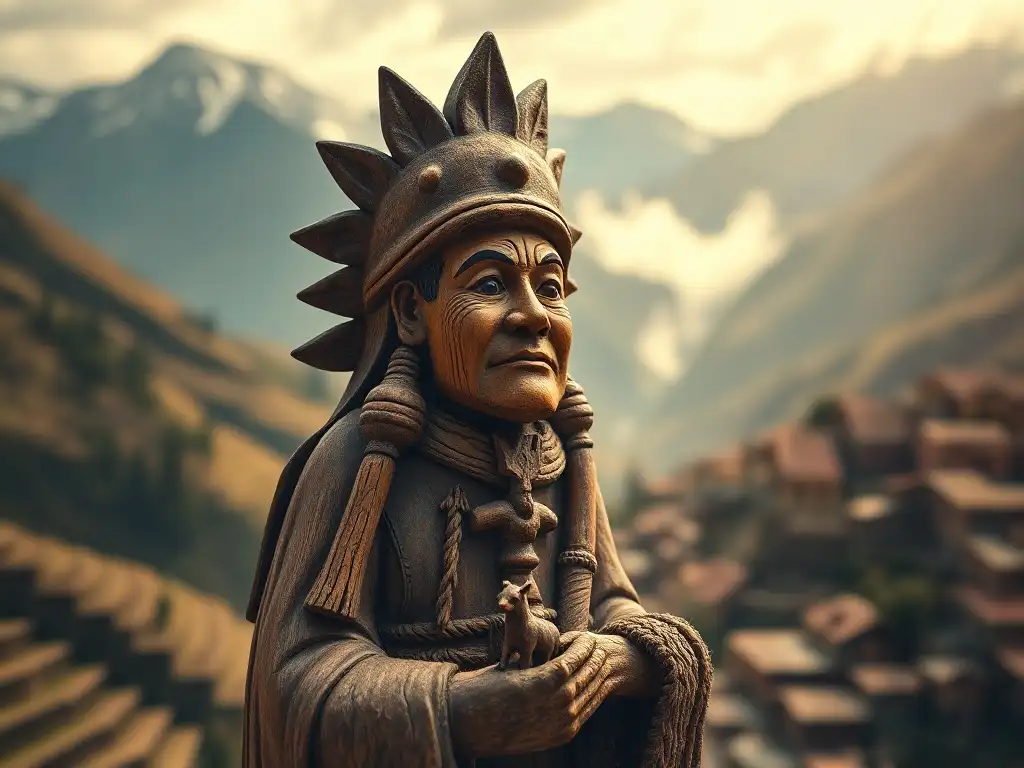
This section explores how ancient Andean spirituality and beliefs continue to resonate in the lives of modern Andean communities, shaping their worldview and daily practices. The enduring influence of ancestral Andean cultural practices on modern identity is profound, woven into the fabric of their social structures, artistic expressions, and deeply held spiritual convictions. We will examine the enduring connection to Pachamama, the understanding of the interconnectedness of all things within the Andean cosmovision, and the continued practice of ancestral rituals and ceremonies.
The Connection to Pachamama: Honoring Mother Earth
The reverence for Pachamama, Mother Earth, remains a cornerstone of Andean spirituality. This isn't merely a symbolic representation; it's a deeply ingrained belief system that informs daily life. Modern Andean communities continue to perform pagos (offerings) to Pachamama, seeking her blessings for a successful harvest, good health, and overall well-being.
These offerings, often consisting of coca leaves, chicha (a fermented corn beverage), and other local products, are a tangible expression of gratitude and a recognition of humanity's dependence on the natural world. The concept of reciprocity – ayni – is central to this relationship; people give back to the Earth to receive its bounty. This deep-rooted connection to the land is evident in sustainable agricultural practices, a strong sense of place, and a profound respect for the environment.
The impact of mining and other extractive industries on Pachamama is a significant concern for many modern Andean communities, highlighting the ongoing tension between tradition and modern development. Many communities are actively working to protect their sacred sites and advocate for environmentally responsible practices, demonstrating the enduring power of their ancestral beliefs in shaping their response to contemporary challenges.
Andean Cosmovision: Understanding the Interconnectedness of All Things
The Andean cosmovision, a holistic worldview encompassing the interconnectedness of all living things, significantly impacts modern Andean identity. Unlike Western perspectives that often compartmentalize the world, the Andean worldview emphasizes the harmonious relationship between humanity, nature, and the supernatural. This understanding manifests in various aspects of life, from the intricate designs of textiles reflecting celestial patterns to the careful management of resources based on an understanding of ecological balance.
The concept of kay pacha (the here and now), ukhu pacha (the underworld), and hanan pacha (the upper world) frames their understanding of existence, influencing their social structures, artistic expressions, and even their understanding of time. For example, the cyclical nature of time, reflected in agricultural cycles and seasonal celebrations, contrasts sharply with the linear perception of time prevalent in many Western cultures.
This holistic perspective fosters a sense of community and shared responsibility, promoting cooperation and mutual support within Andean communities. The preservation of this worldview is crucial for understanding the unique cultural identity of Andean peoples and their continued resilience in the face of globalization.
Rituals and Ceremonies: Celebrating Ancestral Wisdom
Andean rituals and ceremonies are not simply historical relics; they are vibrant expressions of living culture that actively shape modern Andean identity. These ceremonies, often involving music, dance, and symbolic offerings, serve to connect individuals with their ancestors, reaffirm community bonds, and honor the spiritual forces that govern their lives. The Fiesta de la Virgen de la Candelaria in Puno, Peru, for instance, is a massive celebration blending Catholic and Andean traditions, demonstrating the dynamic interplay between indigenous beliefs and external influences.
Similarly, the Inti Raymi, the Inca festival celebrating the winter solstice, continues to be observed in various forms, showcasing the enduring legacy of Inca traditions. These ceremonies are not static; they adapt and evolve over time, incorporating new elements while retaining their core essence.
The continued practice of these rituals strengthens community ties, transmits cultural knowledge across generations, and provides a powerful sense of belonging and continuity, reinforcing the enduring influence of Andean cultural practices on modern identity. The preservation and promotion of these ceremonies are essential for the maintenance of cultural heritage and the empowerment of Andean communities.
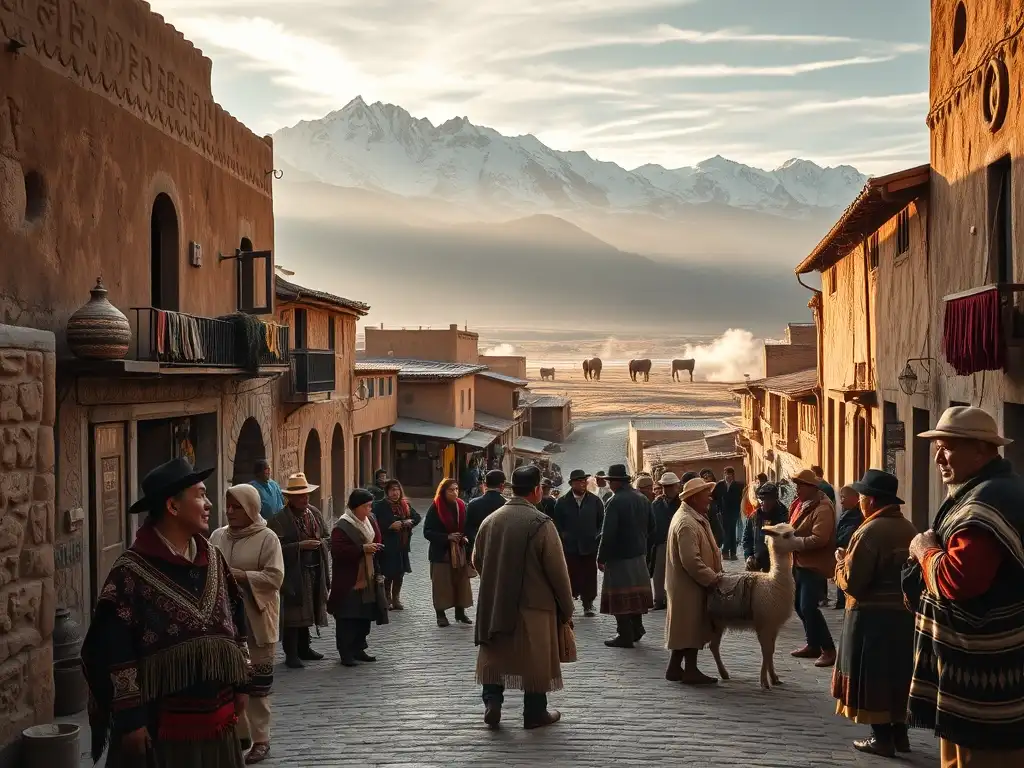
The enduring legacy of Andean civilizations profoundly impacts modern Andean identity, particularly in the realm of community and social structures. The emphasis on collective well-being, cooperation, and reciprocal relationships remains a cornerstone of Andean societies, shaping everything from economic activity to conflict resolution. Understanding these historical social structures is crucial to appreciating the complexities of modern Andean life and the ways in which ancient traditions continue to resonate today. The spirit of ayni and minka, alongside strong family and kinship ties, and adapted governance systems, all contribute to a unique cultural identity rooted in the past.
Ayni and Minka: The Power of Reciprocal Labor
Ayni and minka, deeply ingrained Andean cultural practices, represent a powerful system of reciprocal labor. Ayni refers to the exchange of goods and services between individuals or families, often without immediate expectation of repayment, based on trust and mutual benefit. This system fosters strong social bonds and ensures community resilience, particularly in times of need. Think of it as a sophisticated form of social insurance, where neighbors help neighbors without formal contracts or monetary transactions.
Minka, on the other hand, is a form of collective labor where community members work together on a common project, such as building a house, irrigation canals, or harvesting crops. This communal effort is not only efficient but also strengthens community ties and fosters a sense of shared responsibility. The participation is often voluntary, driven by a sense of collective good and social obligation.
Even today, minka continues to be practiced in many Andean communities, demonstrating the enduring relevance of this ancient system in modern contexts. Studies have shown that communities that actively participate in minka exhibit higher levels of social cohesion and economic stability. The practice transcends mere economic exchange; it is a powerful expression of social solidarity and reinforces the collective Andean identity.
Family and Kinship: The Importance of Community Bonds
Family and kinship structures form the bedrock of Andean societies, both historically and presently. Extended family networks are incredibly important, providing social support, economic assistance, and a strong sense of belonging. This emphasis on familial ties transcends the nuclear family, encompassing a wide range of relatives, creating robust support systems that buffer individuals against hardship. The concept of pachamama, Mother Earth, also plays a crucial role, linking families to the land and reinforcing the importance of intergenerational responsibility. Respect for elders and the wisdom they embody is paramount, reflecting a deep appreciation for ancestral knowledge and continuity.
The strength of these family bonds contributes significantly to the Andean cultural identity. These tightly knit communities provide a sense of security and belonging, fostering resilience in the face of economic and social challenges. This is particularly true in rural areas where extended family networks often form the basis of economic and social life. The preservation of traditional family structures, adapted to modern contexts, is a testament to their enduring importance in shaping modern Andean identity. The emphasis on intergenerational knowledge transfer, for instance, ensures the continuation of traditional practices and beliefs.
Traditional Governance: Adapting Ancient Systems to Modern Needs
While modern Andean nations operate within established governmental frameworks, echoes of traditional governance systems persist. Ancient Andean societies employed sophisticated forms of community governance, often based on consensus-building and participatory decision-making. These methods emphasized inclusivity and the collective good, prioritizing the needs of the community over individual interests. Though formal structures have evolved, the underlying principles of community participation and collective responsibility remain influential in shaping modern political and social dynamics.
Indigenous communities in the Andes frequently incorporate elements of traditional governance into their modern structures. This could involve incorporating traditional leaders or councils into local decision-making processes, or utilizing traditional conflict resolution mechanisms to address disputes within the community. The integration of ancient and modern systems highlights the adaptability and resilience of Andean cultural practices, demonstrating a capacity to navigate the complexities of globalization while preserving core values.
This blend of traditional and modern governance approaches contributes to a unique Andean identity, one that balances the demands of modernity with the enduring wisdom of its ancestors. The ongoing negotiation between tradition and modernity is a hallmark of Andean societies, shaping their identity in dynamic and evolving ways.
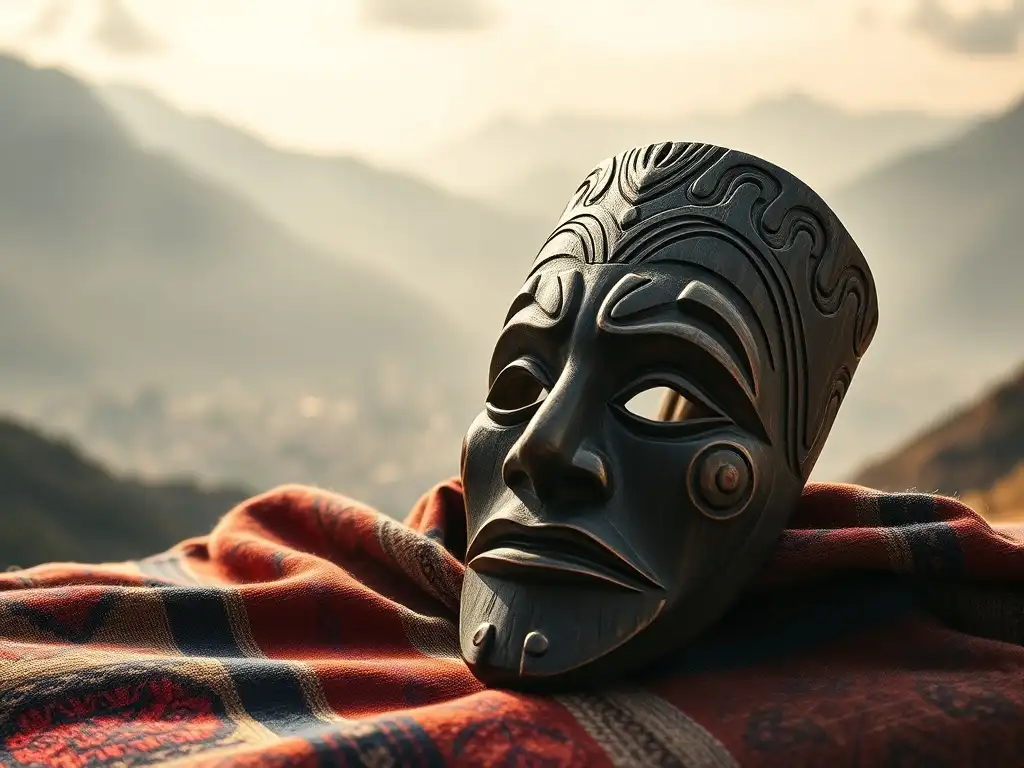
The enduring legacy of Andean civilizations presents a complex interplay between tradition and modernity. Modern Andean societies grapple with the challenge of preserving their rich cultural heritage while navigating the rapid pace of globalization and its associated transformations. This dynamic tension shapes the very fabric of modern Andean identity, forcing communities to constantly re-evaluate and redefine their cultural practices in the face of evolving societal pressures.
The impact is multifaceted, affecting everything from language and religious practices to artistic expression and economic livelihoods. Understanding these challenges is crucial to appreciating the resilience and adaptability of Andean cultures in the 21st century. The preservation of Andean cultural practices is not merely a historical endeavor; it is a vital component of maintaining a vibrant and distinct modern identity.
The Impact of Globalization: Balancing Tradition and Modernization
Globalization's influence on Andean cultural practices is profound and multifaceted. The influx of global media, consumer goods, and economic systems often leads to the erosion of traditional ways of life. For example, the adoption of Western clothing styles has, in many cases, supplanted the use of traditional textiles and attire, impacting both the economic viability of traditional craft production and the symbolic significance of these garments within Andean communities.
Similarly, the proliferation of fast food chains and processed foods threatens the preservation of indigenous agricultural practices and dietary habits, which are deeply intertwined with Andean cultural identity. However, globalization also presents opportunities. Increased access to technology and global markets can help artisans promote and sell their traditional crafts to a wider audience, fostering economic empowerment and cultural preservation simultaneously.
The key lies in finding a balance—a delicate negotiation between embracing beneficial aspects of globalization while safeguarding the integrity of Andean cultural practices against homogenizing forces. This requires conscious efforts from both Andean communities and external actors to support sustainable and culturally sensitive development initiatives. The challenge is to leverage globalization's potential for positive change without sacrificing the unique cultural tapestry that defines Andean societies.
Cultural Revitalization Efforts: Strengthening Andean Heritage
Across the Andes, numerous initiatives are underway to revitalize and protect Andean cultural heritage. These efforts range from community-based projects focused on preserving traditional agricultural techniques and textile production to national-level programs aimed at promoting indigenous languages and artistic expressions. Many organizations work to document traditional knowledge, stories, and practices before they are lost to time or assimilation. This often involves collaborating closely with community elders and knowledge keepers to ensure the accuracy and cultural sensitivity of the documentation process.
Furthermore, educational programs are playing a vital role in transmitting Andean cultural heritage to younger generations, fostering a sense of pride and ownership in their cultural identity. These programs often integrate traditional storytelling, music, dance, and craft-making into the curriculum, making learning engaging and relevant to students' lives. The success of these revitalization efforts relies heavily on community participation and ownership.
When communities actively engage in the preservation of their cultural heritage, the initiatives are far more likely to thrive and achieve lasting impact. The ongoing support from government agencies, NGOs, and international organizations is also crucial for providing the necessary resources and infrastructure to sustain these vital programs. The preservation of Andean cultural practices is not just a matter of archiving the past; it is about actively shaping a vibrant and sustainable future.
The Quechua Language Revitalization Program in Peru
Peru's Quechua language revitalization program exemplifies a successful approach to cultural preservation. Facing the threat of linguistic homogenization, the program implements a multifaceted strategy incorporating language immersion programs in schools, community-based language learning initiatives, and the development of Quechua-language media. The program also focuses on integrating Quechua into various aspects of public life, such as government services and signage, to increase its visibility and usage. Data suggests that participation in these programs has led to a noticeable increase in Quechua speakers, particularly among younger generations.
However, challenges remain, including the need for greater investment in teacher training and the development of high-quality educational materials in Quechua. The program's success underscores the importance of comprehensive and culturally sensitive approaches to language revitalization. It demonstrates that a concerted effort, involving government, educational institutions, and communities, can effectively combat language loss and promote linguistic diversity.
The program serves as a model for other regions striving to preserve their indigenous languages and cultural heritage, highlighting the crucial role of education and community engagement in safeguarding linguistic diversity. The program's ongoing evaluation and adaptation to evolving community needs are essential to its long-term success and impact on maintaining Quechua as a vibrant and integral part of Peruvian cultural identity. The continued success of this initiative offers hope for the preservation of other endangered Andean languages.
The Future of Andean Identity: A Legacy in Constant Evolution
The enduring legacy of Andean civilizations profoundly shapes modern Andean identity, a vibrant tapestry woven from threads of ancient practices and contemporary adaptations. Understanding how this legacy continues to evolve is crucial to appreciating the richness and complexity of Andean cultures today. The challenge lies in navigating the delicate balance between preserving ancestral traditions and embracing the dynamism of modern life.
This section explores the key factors influencing the future of Andean identity, focusing on the transmission of cultural heritage and the ongoing dialogue between past and present. The keyword phrase "Andean cultural practices modern identity" is central to this discussion, highlighting the continuous interplay between tradition and innovation.
Passing on Traditions to Younger Generations
The transmission of Andean cultural practices to younger generations is paramount for the survival and flourishing of Andean identity. This process, however, faces significant hurdles in the 21st century. Globalization, urbanization, and the allure of Westernized lifestyles often compete with traditional ways of life. Many young Andeans are increasingly exposed to global media and consumer culture, potentially leading to a disconnect from their ancestral heritage.
To counteract this trend, numerous initiatives are underway. Community-based programs focused on traditional arts, crafts, and languages are gaining traction. These programs often involve hands-on workshops, storytelling sessions, and intergenerational learning opportunities. For instance, weaving workshops, where experienced artisans teach younger generations the intricate techniques of creating traditional textiles, are common. This active participation ensures the continuity of these valuable skills and fosters a sense of cultural pride.
Furthermore, the integration of Andean history and cultural practices into school curricula is crucial. However, the effectiveness of these educational efforts depends on the quality of teaching and the availability of resources. More research is needed to assess the impact of these initiatives and identify best practices for effectively transmitting Andean cultural heritage. The success of these efforts will largely depend on the degree to which they engage young people and make the learning process relevant and exciting.
Fostering Cultural Pride and Awareness
Fostering cultural pride and awareness is intrinsically linked to the preservation of Andean identity. This involves promoting a positive self-image among Andean communities, celebrating their unique cultural heritage, and challenging negative stereotypes. One effective strategy is highlighting the achievements and contributions of Andean civilizations throughout history. For example, showcasing the ingenuity of Inca engineering in their road systems or the sophistication of Moche artistry in their ceramics can instill a sense of pride and accomplishment.
Furthermore, promoting Andean art, music, and literature in both local and international contexts is vital. Festivals, exhibitions, and cultural events provide platforms for showcasing Andean creativity and talent, thereby increasing visibility and appreciation. The use of digital media and social networks can also amplify the reach of these cultural expressions, connecting Andean communities across geographical boundaries and fostering a global sense of shared heritage.
However, it's crucial to ensure that these representations are authentic and avoid exoticizing or misrepresenting Andean cultures. Careful consideration must be given to the narratives presented and the voices included in order to foster a truly inclusive and empowering representation of Andean identity. [Specific data on the impact of cultural promotion initiatives pending].
The Ongoing Dialogue Between Past and Present
The evolution of Andean identity is not a static process but rather an ongoing dialogue between past and present. Modern Andeans are actively reinterpreting and reimagining their ancestral heritage within the context of contemporary challenges and opportunities. This involves creatively blending traditional practices with modern innovations, resulting in a dynamic and ever-evolving cultural landscape.
For instance, many Andean artisans are incorporating modern materials and techniques into their traditional crafts, creating unique and contemporary pieces that resonate with both younger and older generations. Similarly, Andean music is constantly evolving, incorporating elements of other musical genres while retaining its distinctive Andean character. This fusion of tradition and modernity is a testament to the resilience and adaptability of Andean cultures. However, this process must be carefully managed to ensure that the integrity of traditional practices is not compromised.
Striking a balance between preserving authenticity and embracing innovation is a key challenge for the future of Andean identity. The ongoing dialogue between past and present is crucial for ensuring that Andean cultural practices remain relevant and vital in the 21st century and beyond. This dynamic interplay of tradition and innovation is precisely what defines the enduring power of "Andean cultural practices modern identity."
Frequently Asked Questions
How did ancient Andean cultures influence modern Andean identity?
Ancient Andean cultural practices, such as agriculture, textile production, and religious beliefs, continue to shape modern Andean identity. These traditions are interwoven into daily life, festivals, and art forms, creating a strong sense of heritage. Many communities still utilize ancient agricultural techniques.
What role does language play in maintaining Andean cultural identity?
Indigenous Andean languages, like Quechua and Aymara, are crucial to preserving cultural identity. Their continued use strengthens community bonds and transmits ancestral knowledge and stories across generations. Revitalization efforts are underway to combat language loss.
How are ancient Andean art forms expressed in modern Andean society?
Traditional Andean art forms, such as textiles, pottery, and music, are still prevalent. Modern artists often draw inspiration from ancient styles and motifs, incorporating them into contemporary works. This keeps ancient aesthetics and techniques alive.
What is the significance of Andean festivals and celebrations in modern life?
Andean festivals and celebrations are vital for maintaining cultural identity. These events, often rooted in ancient agricultural cycles and religious beliefs, bring communities together. They serve as a powerful demonstration of cultural continuity and shared heritage.
How do modern Andeans connect with their ancestral heritage?
Modern Andeans connect with their heritage through various means, including participation in traditional festivals, the use of indigenous languages, and the practice of ancient agricultural techniques. A strong sense of ancestral connection is maintained through storytelling and family traditions.
Final Reflection: Weaving the Threads of Andean Heritage
The enduring legacy of Andean cultural practices continues to resonate powerfully in the modern world, shaping not only individual identities but also the very fabric of contemporary society. These practices, far from being relics of the past, offer vital tools for navigating the complexities of the present and building a more equitable and sustainable future. Their resilience in the face of globalization underscores their profound significance and enduring relevance.
The vibrant tapestry of Andean traditions – from intricate textiles to deeply spiritual ceremonies – serves as a constant reminder of the interconnectedness of past, present, and future. These practices are not merely historical artifacts; they are living expressions of a rich cultural heritage that continues to evolve and adapt. They offer a powerful counterpoint to the homogenizing forces of globalization, reminding us of the importance of preserving and celebrating cultural diversity. The past is never dead. It's not even past.
– William Faulkner. This quote perfectly encapsulates the enduring influence of Andean cultural practices on modern identity, demonstrating how the past actively shapes the present and informs our future.
Consider the ways in which Andean wisdom, emphasizing community, respect for nature, and a deep connection to the land, can enrich your own life. Embrace the opportunity to learn from these ancient traditions, to find inspiration in their resilience, and to weave their threads into the fabric of your own identity. Let the echo of your ancestors guide you towards a more meaningful and connected existence, one that honors both the past and the future.
Embrace Your Heritage and Transform Your Identity!
Thank you for exploring how Andean cultural practices shape contemporary identities. Understanding these rich traditions can empower us to connect deeply with our roots and redefine ourselves. Now, it's your turn to act!
- Explore your ancestry: Research your family history and discover how ancestral traditions influence your life.
- Engage with your community: Share cultural practices or learn from local artisans to foster appreciation and connection.
- Start a conversation: Share your insights on social media and discuss how ancestral traditions impact identity with friends and family.
How does your heritage influence your perspective? Share your thoughts in the comments below!