
The Tapestry of Culture: How Andean Traditions Enrich Global Diversity

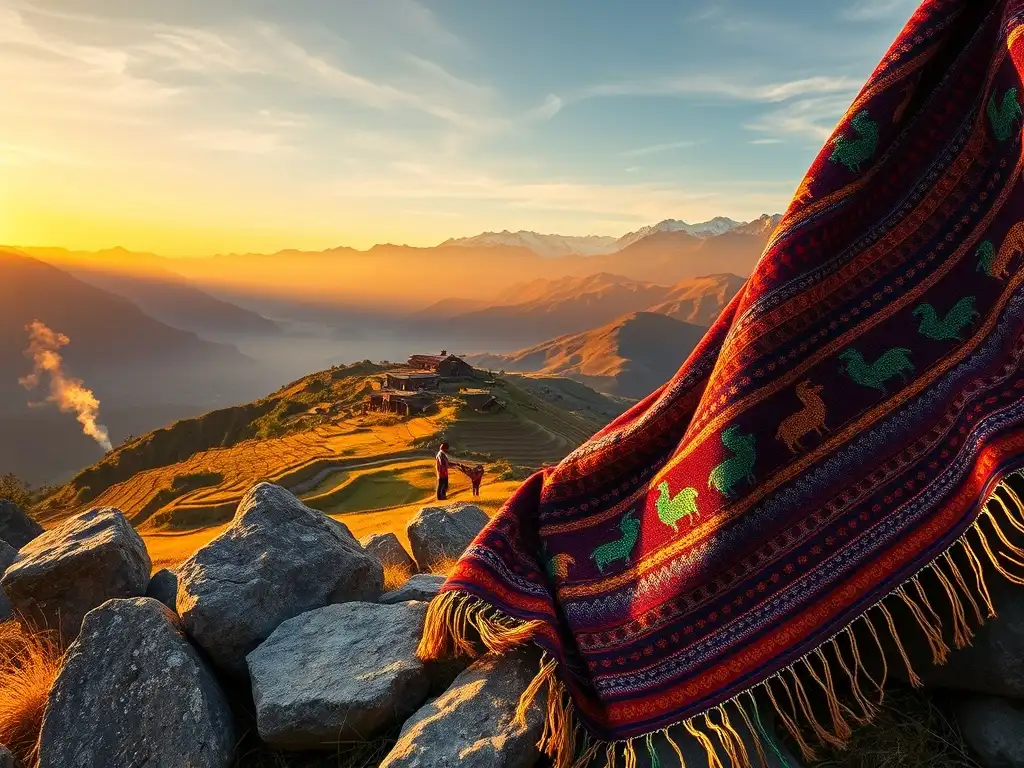
Unravel the mysteries of a lost world. For centuries, the towering peaks of the Andes have guarded the secrets of extraordinary civilizations. From the intricate artistry of the Nazca lines to the sophisticated engineering of Machu Picchu, the Andean civilizations' cultural impact resonates even today. Prepare to be amazed as we delve into the vibrant tapestry of their legacy, revealing how these ancient cultures continue to shape our world. Discover the profound influence of their traditions and unlock the hidden stories behind their enduring power.
The Andes Mountains, a majestic spine running down the western coast of South America, are not just a geographical feature; they are the cradle of vibrant and sophisticated civilizations that have profoundly impacted the global cultural landscape. This article delves into the enduring legacy of Andean civilizations, exploring how their traditions, innovations, and artistic expressions continue to enrich global diversity.
From the intricate textiles of the Nazca to the sophisticated agricultural techniques of the Incas, the Andean cultural impact resonates even today, influencing everything from artistic styles to modern agricultural practices. We will examine the specific ways in which these ancient societies have shaped the world we live in, highlighting their contributions to art, agriculture, social structures, and spiritual beliefs.
Understanding the Andean civilizations' cultural impact is crucial to appreciating the rich tapestry of human history and the interconnectedness of global cultures. The enduring influence of these societies serves as a powerful reminder of the importance of preserving and celebrating cultural heritage worldwide.
Introduction to Andean Civilizations and Their Global Influence
The Andes Mountains have witnessed the rise and fall of numerous impressive civilizations, each leaving an indelible mark on the region and beyond. The Incas, with their vast empire and intricate societal structures, are perhaps the most widely known. However, pre-Inca cultures like the Moche, Nazca, and Tiahuanaco were equally remarkable, developing sophisticated technologies, unique artistic styles, and complex social systems.
Their achievements in agriculture, particularly terrace farming and irrigation systems, allowed them to thrive in challenging environments and are still studied and admired today. The intricate textiles, ceramics, and metalwork of these cultures showcase an unparalleled mastery of craftsmanship, influencing artistic movements and inspiring contemporary artists centuries later. Furthermore, their astronomical observations and calendrical systems demonstrate an advanced understanding of science and mathematics.
The Andean civilizations' global influence isn't solely confined to artistic inspiration; their innovative agricultural practices, for example, continue to inform sustainable farming techniques in challenging terrains worldwide. Understanding the innovations and achievements of these ancient societies is key to understanding their enduring legacy.
The Enduring Cultural Legacy of the Andes
The impact of Andean civilizations extends far beyond museum exhibits and academic studies. Their cultural legacy is woven into the fabric of modern Andean societies and has influenced global trends in several key areas. For instance, traditional Andean textiles, known for their vibrant colors, intricate designs, and use of natural dyes, are highly sought after globally, representing a fusion of ancient techniques and contemporary artistry.
Similarly, Andean musical traditions, with their distinctive instruments and rhythms, continue to evolve and inspire musicians worldwide. Furthermore, the Andean worldview, characterized by a deep respect for nature and a strong sense of community, offers valuable insights for contemporary society grappling with environmental challenges and social inequalities. The principles of ayni (reciprocity) and mita (labor obligation), while adapted and modified over time, continue to shape social interactions and community development in many Andean communities.
Even the modern culinary landscape of the Andes showcases the enduring legacy of ancient agricultural practices and food traditions, with many dishes incorporating ingredients and techniques that have been passed down through generations. The continued relevance and adaptation of these traditions demonstrate the vibrant and enduring nature of the Andean cultural impact on a global scale. The legacy is not just a static collection of artifacts; it is a living, breathing testament to the ingenuity and resilience of the human spirit.
- Introduction to Andean Civilizations and Their Global Influence
- The Enduring Cultural Legacy of the Andes
- What is the main focus of the "Andean Civilizations" website?
- How did Andean civilizations impact global culture?
- What specific cultural aspects of Andean civilizations are highlighted?
- Which Andean civilizations are covered on the site?
- Where can I find more information about the Andean civilizations' cultural impact?
Andean Weaving: A Global Textile Inspiration
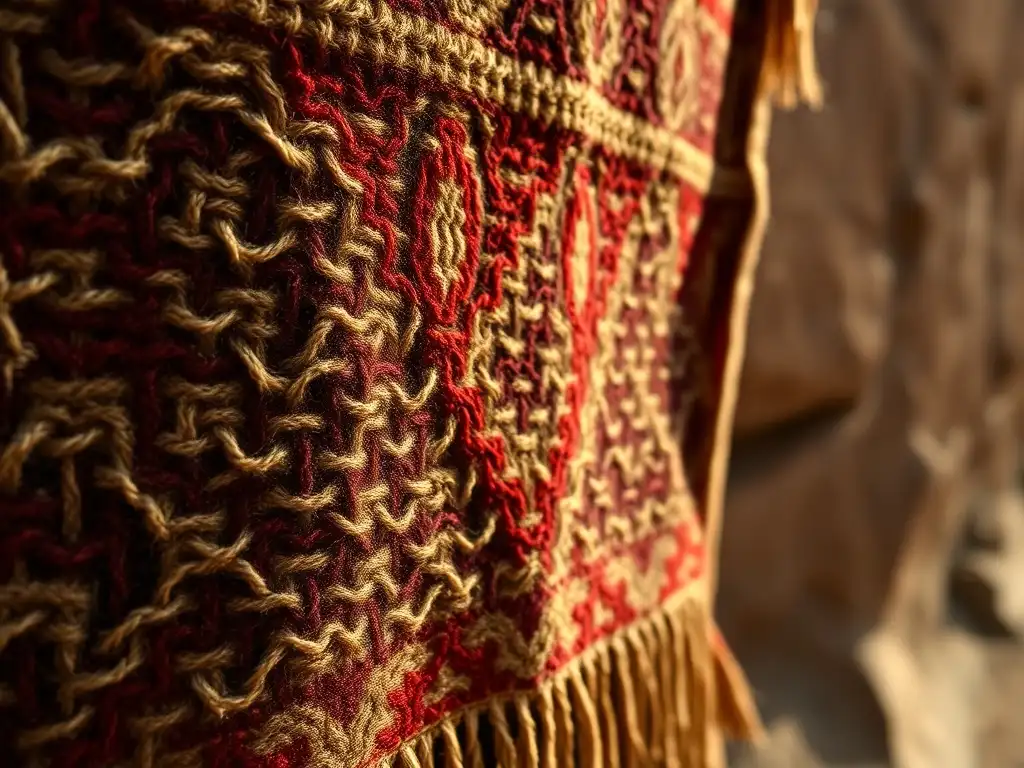
The enduring legacy of Andean civilizations is profoundly woven into the textiles that continue to captivate the world. More than just clothing, Andean textiles represent a complex interplay of artistry, spirituality, and social structure, leaving an indelible mark on global textile traditions.
The intricate designs, vibrant colors, and innovative techniques employed by ancient Andean cultures—from the Incas to the pre-Inca societies— continue to inspire contemporary artists and designers, demonstrating the remarkable and lasting impact of Andean civilizations cultural impact on global aesthetics. This section will explore the evolution and influence of Andean weaving, highlighting its enduring power and its continued relevance in the modern world.
Ancient Andean Textile Techniques and Their Modern Applications
Ancient Andean weavers mastered techniques that remain astonishing even today. Their mastery of natural dyes derived from plants, insects, and minerals resulted in a breathtaking palette of colors, with hues that retain their vibrancy even after centuries. Techniques like ikat, where the yarn is dyed before weaving, creating intricate patterns, and spindle whorl spinning, which allowed for the production of fine, strong threads, showcase the sophistication of their technology. The use of camelid fibers—alpaca and llama wool—provided incredibly soft and durable materials, perfectly suited to the Andean climate.
These ancient techniques aren't merely relics of the past; they are actively preserved and adapted by contemporary Andean communities. Many artisans continue to use traditional methods, passing down their skills through generations, while others creatively incorporate modern tools and technologies to enhance their craft. This blend of tradition and innovation ensures the continued evolution and relevance of Andean textile traditions.
For example, the intricate tapestry weaving techniques used by the Nazca culture, known for their complex geometric patterns and representations of their rich mythology, are still being studied and replicated today. The vibrant colors and precise execution of these ancient textiles inspire modern artists and designers seeking to create unique and sustainable products.
Similarly, the Incas' mastery of knotting techniques, evident in their intricate quipu (accounting devices), informs contemporary knotting practices and serves as a source of inspiration for modern textile art. The persistence of these techniques demonstrates the enduring power of Andean heritage and its capacity to adapt to the changing times.
The Cultural Significance Woven into Andean Textiles
Andean textiles are not simply decorative; they are deeply imbued with cultural significance. Designs often carry symbolic meaning, reflecting the beliefs, social status, and cosmology of the wearer. Geometric patterns, animal representations, and stylized human figures all convey specific messages, often related to agricultural cycles, ancestor veneration, or social hierarchy.
For example, the presence of specific motifs on a textile could indicate the wearer's clan affiliation, marital status, or even their role within the community. This rich symbolic language underscores the intricate relationship between Andean textiles and their cultural context. This complexity adds another layer to the "Andean civilizations cultural impact," showcasing the profound integration of art and social life.
The use of specific colors also held significant meaning. Certain hues were associated with deities, important events, or specific geographical locations. The careful selection and arrangement of colors on a textile, therefore, served as a visual form of communication, conveying information about the wearer and their connection to the broader Andean world. This intricate system of symbolism is a testament to the sophisticated understanding of textile art within Andean societies. Understanding this symbolic language is crucial to appreciating the true depth and richness of Andean textile traditions.
Influence of Andean Weaving on Luxury Fashion Brands
The exquisite craftsmanship and unique aesthetic of Andean textiles have not gone unnoticed by the global fashion industry. Luxury brands increasingly draw inspiration from Andean weaving techniques and designs, incorporating elements of Andean artistry into their collections. The use of high-quality alpaca and llama wool, combined with traditional weaving techniques, creates luxurious and sustainable garments that command high prices. This adoption by luxury fashion brands elevates Andean weaving to a global stage, introducing these traditions to a wider audience and contributing to their preservation.
This trend reflects a growing appreciation for artisanal craftsmanship and sustainable practices within the fashion world. The demand for authentic Andean textiles fuels the economies of Andean communities, providing opportunities for artisans to preserve their traditional skills and share their cultural heritage with the world. However, it's crucial to ensure that this collaboration is ethical and sustainable, prioritizing fair trade practices and protecting the intellectual property of Andean artisans.
The incorporation of Andean designs in luxury fashion is a powerful example of the "Andean civilizations cultural impact," demonstrating the enduring appeal and global relevance of these ancient traditions. The challenge lies in ensuring this influence is mutually beneficial, supporting the communities that have preserved these invaluable crafts for centuries.
Andean Music and Rhythms: Echoes Across the World
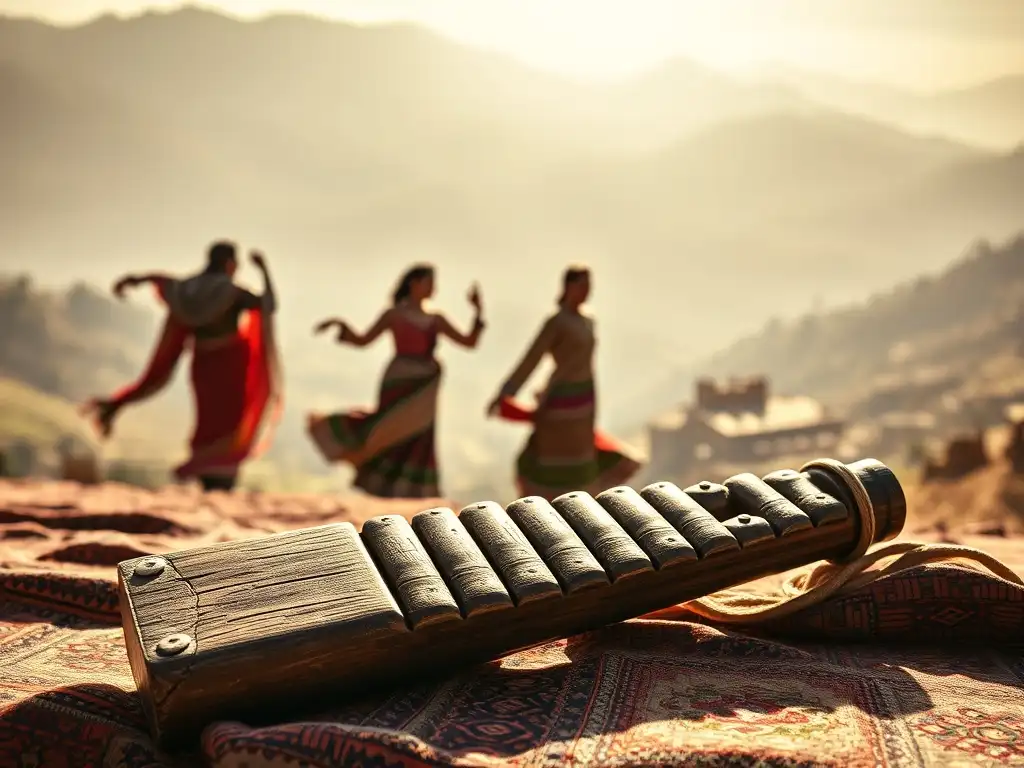
The vibrant tapestry of Andean civilizations extends far beyond its impressive architectural feats and intricate textiles. Its rich musical heritage continues to resonate globally, influencing contemporary artists and enriching the world's musical landscape. The impact of Andean music, characterized by its unique instrumentation, scales, and rhythms, is a testament to the enduring legacy of these ancient cultures. This enduring influence on "Andean civilizations cultural impact" is undeniable. Understanding this musical legacy provides a deeper appreciation for the complexities and creativity of these societies.
The Diverse Musical Instruments of the Andes
The Andes boast a remarkable diversity of musical instruments, many of which have survived for centuries, evolving and adapting alongside the cultures that created them. These instruments are not mere tools for making music; they are integral parts of Andean cultural identity, often imbued with spiritual significance. Consider the panpipes, for instance, whose hauntingly beautiful melodies have captivated audiences worldwide. Their delicate tones evoke the vast landscapes and spiritual beliefs of the Andes.
The charango, a small lute-like instrument made from armadillo shell, is another iconic example. Its distinctive sound, often described as bright and twangy, adds a unique flavor to Andean music. Its smaller size makes it easily portable, reflecting the nomadic lifestyles of some Andean communities. Then there's the zampoña, a type of panpipes often played in pairs, creating a rich and layered sound.
The tarka, a type of transverse flute, also plays a significant role in Andean musical traditions. Each instrument possesses its own unique timbre and playing style, contributing to the richly textured soundscapes of Andean music. The continued use and adaptation of these instruments demonstrate the enduring power of Andean cultural traditions. The impact of these instruments on global music is undeniable, with many modern musicians incorporating their unique sounds into their compositions.
| Instrument | Material | Sound Characteristics | Cultural Significance |
|---|---|---|---|
| Panpipes | Reed | Delicate, ethereal | Associated with nature spirits and Andean deities |
| Charango | Armadillo shell | Bright, twangy | Represents the resilience and adaptability of Andean culture |
| Zampoña | Reed | Rich, layered | Used in ceremonial and social gatherings |
| Tarka | Wood | Clear, bright | Often used in pastoral music and celebratory occasions |
Andean Musical Scales and Their Influence on Global Music
Andean music often utilizes pentatonic and diatonic scales, differing significantly from Western musical traditions. These scales create a unique harmonic landscape, characterized by its modal qualities and evocative melodies. The use of these unconventional scales has influenced composers and musicians globally, inspiring new musical explorations and expanding the boundaries of Western musical theory. The unique intervals and melodic contours found in Andean music have been incorporated into various genres, adding a layer of exoticism and depth to contemporary compositions.
The impact of Andean musical scales on global music is a testament to the universal appeal of musical innovation. Further research is needed to fully quantify the extent of this influence, but anecdotal evidence suggests a significant impact on contemporary music composition. [Specific data on global musical influences pending].
Contemporary Artists Incorporating Andean Sounds into Electronic Music
The fusion of traditional Andean music with contemporary electronic music has resulted in fascinating and innovative soundscapes. Modern artists are incorporating traditional Andean instruments, scales, and rhythms into electronic music genres such as ambient, world music, and even techno. This blending of ancient and modern creates a unique sonic tapestry that honors the past while embracing the future. The use of Andean sounds in electronic music not only introduces these traditions to a wider audience but also revitalizes and reimagines them for a contemporary context, further highlighting the enduring "Andean civilizations cultural impact".
This innovative approach expands the boundaries of both electronic music and Andean musical traditions, demonstrating the versatility and enduring appeal of Andean musical heritage. Many contemporary artists are actively engaging with this fusion, creating sounds that are both familiar and surprisingly new. [Examples of specific artists and their works pending].
Andean Agriculture and Culinary Traditions: Feeding the World
The enduring legacy of Andean civilizations extends far beyond impressive architectural feats and intricate textiles. Their sophisticated understanding of agriculture and their innovative culinary practices continue to nourish the world today. The ingenuity of Andean agricultural techniques, coupled with the global dissemination of their staple crops, has profoundly impacted global food security and culinary diversity. Understanding this aspect of Andean cultural impact is crucial to appreciating the complete tapestry of their influence on modern society.
The Ingenious Agricultural Practices of Andean Civilizations
Andean civilizations, facing diverse and challenging terrains, developed remarkable agricultural techniques to maximize food production. Terracing, for instance, was not merely a method of land management; it was a testament to their deep understanding of hydrology and soil conservation. By carving intricate terraces into steep mountain slopes, they created level fields that captured rainwater, prevented soil erosion, and optimized sunlight exposure.
This ingenious system allowed them to cultivate crops at high altitudes, significantly expanding arable land and enhancing crop yields. Furthermore, the waru waru system, a sophisticated form of raised-bed agriculture, demonstrated their mastery of water management. This technique involved creating raised beds separated by irrigation canals, improving drainage, reducing frost damage, and optimizing soil fertility.
The efficiency and sustainability of these methods are still studied and implemented today, highlighting their enduring relevance in sustainable agriculture practices. The impact of these techniques is visible in the modern-day Andean landscape, where terraced fields and waru waru systems are still used, demonstrating the continuous adaptation and evolution of these ancient practices. Their ingenuity in the face of environmental challenges provides valuable lessons for modern agriculture, especially in the context of climate change and increasing food insecurity.
The Global Spread of Andean Crops: Potatoes, Quinoa, and More
The Andean civilizations gifted the world with a treasure trove of crops that now form the basis of diets across the globe. The potato, perhaps the most globally recognized example, originated in the Andes and quickly spread to other parts of the world following the European colonization of the Americas. Its versatility, nutritional value, and adaptability to diverse climates made it a staple crop in numerous countries, contributing significantly to food security in many regions.
Similarly, quinoa, a protein-rich grain, has gained immense popularity worldwide in recent years for its nutritional benefits and adaptability to harsh conditions. Its resilience to drought and its high protein content make it a valuable crop in addressing food shortages and promoting healthy diets. Beyond potatoes and quinoa, the Andean region is the origin of other crucial crops, such as tomatoes, beans, and chili peppers, all integral parts of global cuisines.
The widespread adoption of these crops demonstrates the far-reaching impact of Andean agricultural innovation on global food systems, underscoring the enduring legacy of their agricultural prowess. The continued cultivation and improvement of these crops illustrate the ongoing relevance of Andean agricultural knowledge and its contribution to global food security.
Andean Ceviche Variations and Their Global Popularity
Andean culinary traditions are equally impressive. Ceviche, a dish consisting of marinated raw fish, is a prime example of the region's unique culinary heritage. While variations exist across the Andes, the core principle remains consistent: the "cooking" of the fish through the acidic marinade of citrus juices.
This technique, developed centuries ago, not only preserves the freshness of the fish but also enhances its flavor profile. The popularity of ceviche has extended far beyond the Andes, becoming a globally recognized dish. Its adaptability has allowed for regional variations, with chefs incorporating local ingredients and spices to create unique interpretations.
From the classic Peruvian ceviche to its Ecuadorian, Chilean, and even Mexican counterparts, the dish's global popularity demonstrates the enduring power of Andean culinary traditions. The global spread of ceviche showcases the cultural exchange and culinary fusion that have resulted from the dissemination of Andean food practices. The dish's versatility and adaptability underscore the enduring influence of Andean culinary innovation on global gastronomy, further solidifying the Andean civilizations' cultural impact on the world.
The Andean Worldview and its Influence on Global Thought
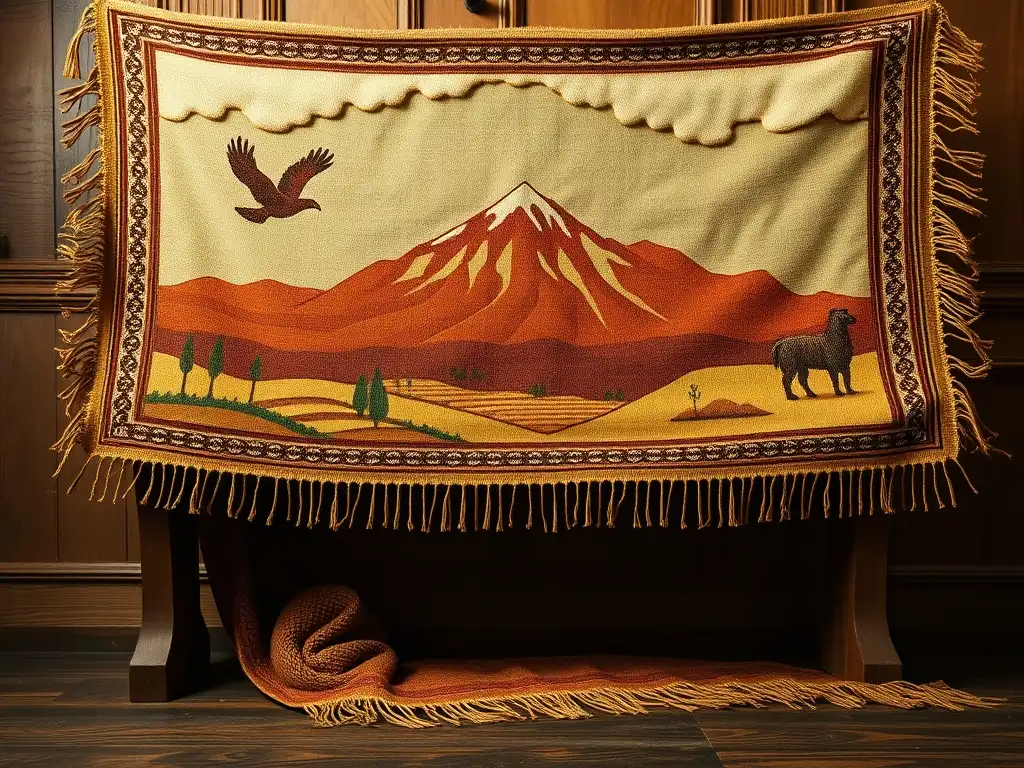
The Andean worldview, a complex tapestry woven from millennia of interaction with the Andes mountains and their unique environment, significantly impacted global thought and continues to resonate today. Unlike many Western philosophies that emphasize a separation between humanity and nature, the Andean perspective emphasizes a profound interconnectedness, a holistic view where humans are integral parts of a larger, living ecosystem. This inherent respect for the natural world, deeply ingrained in Andean culture, offers valuable insights for addressing contemporary global challenges.
The influence of Andean thought is subtly yet powerfully felt in various modern movements focused on sustainability, environmentalism, and social justice. Understanding this worldview is crucial for appreciating the lasting legacy of Andean civilizations and their contribution to global cultural diversity.
The Andean concept of ayni, reciprocal exchange, and the deep reverence for Pachamama, Mother Earth, are key elements shaping this profound influence. The impact is not merely historical; it's a living legacy, actively shaping modern perspectives on environmental stewardship and community building.
The Andean Concept of Pachamama and its Relevance Today
The Andean concept of Pachamama, often translated as "Mother Earth," is far more than a simple metaphor. It represents a profound spiritual and ecological connection, a living entity deserving of respect and reciprocity. This isn't a passive reverence; it's an active relationship characterized by offerings, ceremonies, and a constant awareness of the interconnectedness between human actions and the well-being of the planet.
The importance of Pachamama is reflected in numerous Andean traditions, from agricultural practices to healing rituals. For example, the pago a la tierra (payment to the earth), a ritual offering to appease and thank Pachamama for her bounty, highlights the deep-seated belief in the reciprocal nature of the relationship between humans and nature. The relevance of Pachamama in the 21st century is undeniable.
As environmental concerns escalate globally, the Andean concept offers a powerful counterpoint to anthropocentric views that prioritize human needs above all else. The inherent wisdom embedded in the Pachamama concept provides a framework for sustainable living, emphasizing the importance of environmental stewardship and a harmonious relationship with the natural world. The growing interest in indigenous knowledge systems and eco-spiritualities further underscores the enduring relevance of this ancient Andean belief.
Andean Cosmology and its Impact on Environmental Awareness
Andean cosmology, a rich and complex system of beliefs about the universe and humanity's place within it, profoundly influenced environmental awareness. Unlike linear Western cosmologies, the Andean worldview embraces a cyclical understanding of time and nature, emphasizing continuous renewal and interconnectedness. This cyclical perspective fosters a deep respect for the natural rhythms of the earth, promoting sustainable practices that work with nature, rather than against it.
Andean cosmology is deeply intertwined with the agricultural calendar, with ceremonies and rituals timed to coincide with the seasons and the agricultural cycle. This intricate relationship between cosmology and agriculture reflects a deep understanding of ecological balance and the importance of respecting natural processes. The impact of Andean cosmology on modern environmental awareness is seen in the growing interest in indigenous knowledge systems and their application to contemporary ecological challenges.
The cyclical understanding of time, for instance, offers a powerful alternative to linear models of progress that often lead to unsustainable practices. Furthermore, the emphasis on interconnectedness within Andean cosmology highlights the importance of considering the wider environmental consequences of human actions, fostering a more holistic and sustainable approach to environmental management. The study of Andean cosmology provides valuable insights for developing more sustainable and ecologically conscious practices in the modern world.
Andean Philosophy's Influence on Sustainable Living Movements
Andean philosophy, with its emphasis on community, reciprocity ( ayni), and respect for nature, has significantly influenced modern sustainable living movements. The concept of ayni, a system of reciprocal exchange and mutual obligation, promotes social and environmental responsibility. It highlights the interconnectedness of individuals and their shared responsibility for the well-being of the community and the environment.
This philosophy contrasts sharply with individualistic Western perspectives that often prioritize personal gain over collective well-being. The influence of ayni can be seen in various contemporary sustainable living initiatives that emphasize community-based solutions and collaborative efforts to address environmental challenges. Furthermore, the Andean emphasis on living in harmony with nature has inspired many eco-conscious movements.
The focus on sustainable agriculture, traditional resource management techniques, and a holistic approach to environmental stewardship all draw inspiration from Andean philosophies and practices. The enduring relevance of Andean philosophy in the context of contemporary sustainable living movements is evident in the growing interest in indigenous knowledge systems and their application to address climate change, biodiversity loss, and other environmental challenges. These movements recognize the value of traditional Andean perspectives in fostering more just and sustainable ways of life, proving the lasting cultural impact of Andean civilizations.
Andean Art and Architecture: Shaping Global Aesthetics
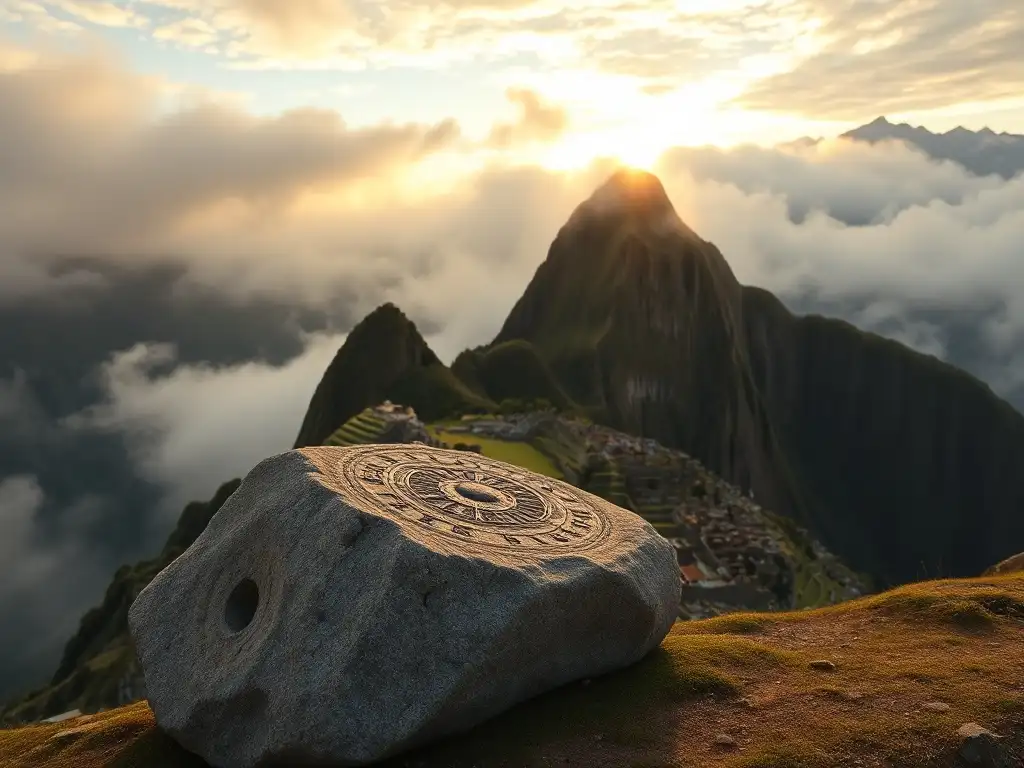
The enduring legacy of Andean civilizations is profoundly visible in their artistic and architectural achievements, impacting global aesthetics in ways that continue to resonate today. Their unique styles, innovative techniques, and breathtaking structures serve as a testament to their ingenuity and artistic vision, leaving an indelible mark on the world's cultural landscape. Understanding the Andean civilizations' cultural impact requires appreciating the depth and breadth of their artistic contributions.
The vibrant colors, intricate designs, and symbolic representations found in their art and architecture continue to inspire artists, designers, and architects worldwide, enriching global artistic expression. The study of Andean art is not merely an academic pursuit; it's a journey into a world of creative brilliance that continues to shape our visual world.
The Unique Styles of Andean Art and Their Global Impact
Andean art is characterized by its vibrant use of color, intricate textile work, and the symbolic representation of their cosmology. The Moche culture, for example, is renowned for its exquisite pottery depicting scenes of daily life, mythology, and warfare. These ceramic pieces, often highly detailed and realistically rendered, showcase a mastery of form and narrative that influenced subsequent artistic styles.
The Nazca lines, while primarily known for their enigmatic geoglyphs, also demonstrate a sophisticated understanding of geometry and spatial arrangement, influencing contemporary land art and conceptual art. Furthermore, the Inca's mastery of metalwork, particularly in gold and silver, produced stunning artifacts that exemplified their technical skill and artistic vision. The intricate designs and symbolic motifs found in their textiles, jewelry, and other artifacts continue to inspire modern designers and artists.
The impact of Andean textiles, with their complex weaving techniques and symbolic patterns, is particularly noteworthy, influencing contemporary fashion and textile design globally. The use of natural dyes and the incorporation of local materials demonstrate a deep connection between the Andean people and their environment, a theme often revisited in modern sustainable art practices.
Ancient Andean Architectural Marvels and Their Modern Relevance
The architectural achievements of the Andean civilizations are equally impressive. The monumental structures of Tiahuanaco, with their precise stonework and colossal statues, stand as a testament to their engineering prowess. The ingenuity displayed in their construction techniques, adapted to the challenging Andean terrain, continues to intrigue and inspire architects and engineers today.
The Inca's mastery of stonework, evident in sites like Machu Picchu, is particularly noteworthy. Their ability to create seamless joints without mortar, creating structures that have withstood the test of time, is a marvel of engineering. This precise stonework, combined with their understanding of landscape integration, continues to inspire contemporary sustainable architecture.
Modern architects often draw inspiration from the Inca's ability to integrate their buildings into the natural environment, creating structures that are both functional and aesthetically pleasing. The concept of "living architecture," where buildings blend harmoniously with their surroundings, finds its roots in the Andean architectural tradition. The principles of sustainable design and resource management, evident in Andean architecture, are increasingly relevant in today's world.
Inspiration from Andean Art in Modern Graphic Design
The influence of Andean art is readily apparent in contemporary graphic design. The bold colors, geometric patterns, and symbolic imagery found in Andean textiles and pottery have become sources of inspiration for designers seeking unique and culturally rich visual elements. The use of Andean motifs in logos, branding, and packaging reflects a growing appreciation for the aesthetic richness and cultural significance of these ancient traditions.
Modern designers often incorporate elements of Andean art to convey a sense of authenticity, heritage, and connection to nature. The symbolic representations found in Andean art, often related to cosmology, mythology, and spirituality, add depth and meaning to graphic designs, creating visually appealing and culturally relevant pieces. Furthermore, the use of traditional Andean color palettes, often characterized by earthy tones and vibrant accents, contributes to the overall aesthetic appeal and cultural resonance of modern designs.
The ongoing exploration and adaptation of Andean artistic elements in contemporary graphic design demonstrate the enduring power and global impact of Andean civilizations' cultural legacy. The vibrant tapestry of Andean art and architecture continues to enrich global diversity, providing inspiration for artists, designers, and architects across the world. 🌎
Preserving the Richness of Andean Traditions
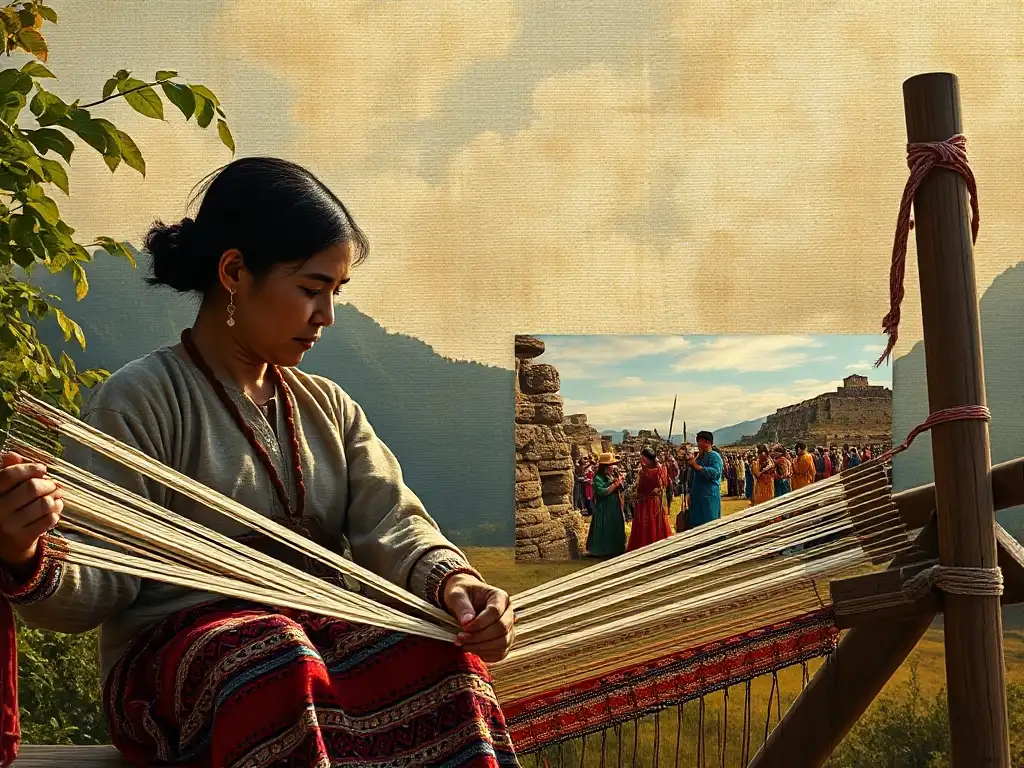
The enduring legacy of Andean civilizations profoundly impacts modern life in the Andes and beyond. Understanding and preserving this rich tapestry of culture is not merely an academic exercise; it's crucial for maintaining a vibrant and diverse global society. The unique artistic expressions, agricultural techniques, and social structures developed by Andean peoples offer valuable lessons and perspectives that continue to resonate today. Their innovative approaches to sustainable living, intricate textile artistry, and complex astronomical observations stand as testaments to their ingenuity and adaptability.
However, the ongoing challenges of globalization, modernization, and economic pressures threaten the delicate balance of preserving this invaluable heritage. Therefore, a multifaceted approach is necessary to safeguard and celebrate the cultural richness of Andean traditions for future generations. This requires a comprehensive strategy encompassing governmental policies, community involvement, and international collaboration.
The Importance of Protecting Andean Cultural Heritage
Protecting Andean cultural heritage is paramount for several reasons. Firstly, it ensures the continuity of unique traditions and knowledge systems that have been passed down through generations. These traditions often embody profound spiritual beliefs, intricate social structures, and sophisticated environmental management practices. Losing these traditions means losing a vital part of human history and cultural diversity.
Secondly, the preservation of Andean heritage contributes to economic development. Cultural tourism, for instance, can provide significant economic opportunities for local communities, while simultaneously raising awareness and appreciation for their heritage. Finally, preserving Andean cultural heritage strengthens social cohesion and identity. By valuing and celebrating their cultural legacy, Andean communities can foster a sense of pride, belonging, and collective identity, which is essential for social stability and progress.
The loss of tangible and intangible cultural heritage can lead to a loss of identity and contribute to social fragmentation. For example, the decline in traditional weaving techniques not only results in the loss of a valuable art form but also impacts the livelihoods of those who depend on it. Protecting this heritage is therefore an investment in the future well-being of Andean communities and the global cultural landscape.
Initiatives and Projects Focused on Andean Cultural Preservation
Numerous initiatives and projects actively work to preserve Andean cultural heritage. Governmental agencies in Andean countries often implement policies aimed at protecting archaeological sites, promoting traditional arts, and supporting cultural education programs. These initiatives range from the establishment of national parks and museums to the funding of research projects and cultural festivals. Furthermore, numerous non-governmental organizations (NGOs) play a crucial role in community-based projects focused on cultural preservation.
These organizations often collaborate with local communities to document traditional practices, revive lost skills, and promote sustainable tourism initiatives. For instance, some NGOs focus on preserving traditional Andean music by supporting musicians, documenting musical traditions, and promoting cultural exchange programs. Others concentrate on documenting and preserving indigenous languages, which are vital components of Andean cultural identity.
Academic institutions also contribute significantly, conducting research, training future generations of researchers and cultural preservationists, and disseminating knowledge about Andean cultures to a wider audience. The success of these initiatives often depends on effective collaboration between government agencies, NGOs, local communities, and international organizations. Data on the specific impact of these projects is often fragmented and requires further collation and analysis for a complete picture of their effectiveness.
Cultural Preservation Efforts Through Community-Based Tourism
Community-based tourism (CBT) presents a powerful approach to cultural preservation in the Andes. By directly involving local communities in the tourism industry, CBT empowers them to protect and showcase their cultural heritage while generating economic benefits. This approach contrasts with mass tourism models, which often lead to cultural commodification and environmental degradation. In CBT, local communities manage and control tourism activities, ensuring that tourism benefits directly flow back to them.
This participatory approach fosters a sense of ownership and responsibility towards the preservation of their cultural heritage. Successful examples of CBT include initiatives where communities offer guided tours of their villages, demonstrating traditional crafts, sharing their history and customs, and providing authentic cultural experiences to visitors. These experiences often include traditional meals, music performances, and workshops teaching traditional skills. The economic benefits generated through CBT can be reinvested in local infrastructure, education, and the preservation of cultural sites.
Data demonstrating the economic impact of CBT on Andean communities is crucial to understanding its long-term sustainability and effectiveness as a cultural preservation tool. Further research is needed to quantify these positive impacts and to identify best practices for implementing successful CBT projects in diverse Andean contexts. The effective implementation of CBT requires careful planning, community participation, and sustainable management practices to ensure long-term success and avoid negative environmental and social impacts.
The Ongoing Dialogue Between Andean Culture and the World
The enduring legacy of Andean civilizations continues to resonate globally, impacting various aspects of modern life. Understanding the extent of this influence requires acknowledging the intricate tapestry woven from ancient traditions and contemporary adaptations. The Andean cultural impact isn't a static entity; it's a dynamic, evolving dialogue between past and present, local and global.
This interaction is multifaceted, encompassing artistic expression, culinary practices, spiritual beliefs, and even technological innovations. The vibrancy of Andean culture today is a testament to its resilience and adaptability, demonstrating its capacity to both preserve its unique identity and engage with the wider world. The impact is not solely a one-way street; the global community has also shaped and influenced Andean culture, creating a rich, complex, and ever-changing cultural landscape.
The Cultural Exchange Between Andean Communities and Global Society
The exchange between Andean communities and global society is a two-way street, marked by both the dissemination of Andean traditions and the adoption of external influences. For instance, Andean textiles, renowned for their intricate designs and vibrant colors, have gained international recognition, inspiring fashion designers and artists worldwide. Similarly, Andean musical instruments, such as the panpipes and charango, have transcended geographical boundaries, enriching musical genres globally.
However, this exchange isn't without its complexities. The appropriation of Andean cultural elements without proper acknowledgment or understanding can lead to cultural misrepresentation and the erosion of traditional practices. This highlights the crucial need for respectful cultural exchange, ensuring the preservation of authenticity and the equitable sharing of benefits.
A balanced approach fosters mutual understanding and appreciation, enriching both Andean communities and the global society. The challenge lies in navigating this delicate balance, promoting appreciation while safeguarding against exploitation. Successful initiatives often involve collaborative projects that empower Andean communities to share their heritage on their own terms.
The Continued Evolution of Andean Cultural Practices
Andean cultural practices are not static relics of the past; they are dynamic traditions that continue to evolve in response to changing social, economic, and environmental conditions. Modern Andean communities creatively adapt ancient techniques and beliefs to contemporary contexts. For example, traditional Andean agriculture, characterized by sustainable practices like terracing and crop rotation, is being re-evaluated and integrated into modern agricultural strategies to address climate change and food security challenges.
Similarly, traditional healing practices, incorporating medicinal plants and holistic approaches, are being researched and integrated into modern healthcare systems. This continuous evolution ensures the relevance and sustainability of Andean traditions, demonstrating their adaptability and resilience in the face of modern challenges.
The ongoing integration of ancient wisdom with contemporary needs underscores the enduring value of Andean cultural practices and their potential to contribute to global solutions. Examples of this adaptive evolution can be found in the revitalization of ancient languages, the integration of traditional art forms into contemporary media, and the ongoing use of ancestral knowledge in sustainable development initiatives.
The Role of Digital Platforms in Promoting Andean Culture
Digital platforms have emerged as powerful tools for promoting and preserving Andean culture on a global scale. Websites, social media, and online museums provide unprecedented access to Andean art, music, literature, and history, reaching audiences far beyond geographical limitations. These platforms not only showcase the richness of Andean heritage but also facilitate cross-cultural dialogue and collaboration.
Furthermore, digital technologies are being utilized to document and preserve endangered languages and traditional knowledge, combating the loss of cultural heritage. However, it’s crucial to acknowledge the potential drawbacks. The digital space can also be susceptible to misrepresentation and cultural appropriation, requiring careful curation and community involvement to ensure authenticity and respect.
Effective strategies for promoting Andean culture online involve collaboration with Andean communities, emphasizing accurate representation, and fostering a sense of ownership and control over their digital presence. The responsible use of digital platforms holds immense potential for amplifying Andean voices and preserving this invaluable cultural heritage for generations to come. The future of Andean cultural preservation relies on a careful balance of technological advancement and community empowerment.
Frequently Asked Questions
What is the main focus of the "Andean Civilizations" website?
The website explores the rich history, culture, art, and technology of ancient Andean civilizations like the Incas, Moche, Nazca, and Tiahuanaco. It aims to showcase the diversity and complexity of these fascinating societies.
How did Andean civilizations impact global culture?
Andean cultures significantly impacted global culture through their advanced agricultural techniques, unique artistic styles (textiles, ceramics), and complex societal structures. Their influence is still visible today.
What specific cultural aspects of Andean civilizations are highlighted?
The website highlights various aspects, including religious beliefs, architectural marvels, metallurgy, and social organization. It also delves into their impact on modern-day cultures.
Which Andean civilizations are covered on the site?
The website focuses on the Inca, Moche, Nazca, and Tiahuanaco civilizations, but also touches upon other important groups within the Andean region, showcasing the diversity of cultural expressions.
Where can I find more information about the Andean civilizations' cultural impact?
The website itself provides detailed information; you can also explore its resources and links to further enrich your understanding of the lasting legacy of Andean cultures and their global influence.
Final Reflection: Weaving the Andean Legacy into Our Future
The enduring legacy of Andean civilizations continues to resonate in our globally interconnected world, reminding us of the power of cultural preservation and the richness of diverse perspectives. Their sophisticated agricultural techniques, intricate artistic expressions, and complex social structures offer invaluable lessons for navigating the challenges of the 21st century, proving that ancient wisdom holds profound relevance today. The tapestry they wove, though centuries old, remains remarkably vibrant and influential.
The impact of Andean culture extends far beyond museums and academic studies; it permeates our understanding of sustainable living, artistic innovation, and social justice. Their innovative agricultural practices, developed over millennia to thrive in challenging environments, offer crucial insights for addressing modern food security concerns. Their intricate textiles and vibrant artistic traditions continue to inspire contemporary artists and designers worldwide. The past is never dead. It's not even past.
- William Faulkner. This quote perfectly encapsulates the enduring power of Andean culture, its continued presence in our present, shaping our understanding of the world and our place within it.
Consider the threads of this ancient tapestry: the ingenuity of their engineering, the depth of their spiritual beliefs, the resilience of their communities. These are not relics of a bygone era, but rather vibrant strands woven into the fabric of our shared human experience. Take a moment to reflect on how you can incorporate the lessons of resilience, innovation, and respect for diverse perspectives learned from Andean civilizations into your own life. Let their legacy inspire you to appreciate the beauty of cultural diversity and to actively contribute to a more just and sustainable future for all.
**Unveil the Richness of Andean Culture Today! **
Thank you for exploring the vibrant tapestry of Andean traditions! We hope this journey has inspired you to appreciate the profound impact of Andean civilizations on our global heritage. Now, you can integrate these insights into your own life and community.
- **Dive deeper:** Expand your understanding and appreciation by exploring further resources and literature on Andean cultures.
- **Share your insights:** Discuss your newfound knowledge with friends, family, or on social media – help spread awareness of the beauty and significance of Andean traditions!
- **Experience it firsthand:** Immerse yourself in these rich traditions by planning a visit to an Andean cultural festival or museum exhibit.
Which aspect of Andean culture resonates most with you, and how will you incorporate it into your life? We'd love to hear your thoughts!