
The Priest's Role in Agriculture: Ensuring Successful Harvests through Ritual and Ceremony

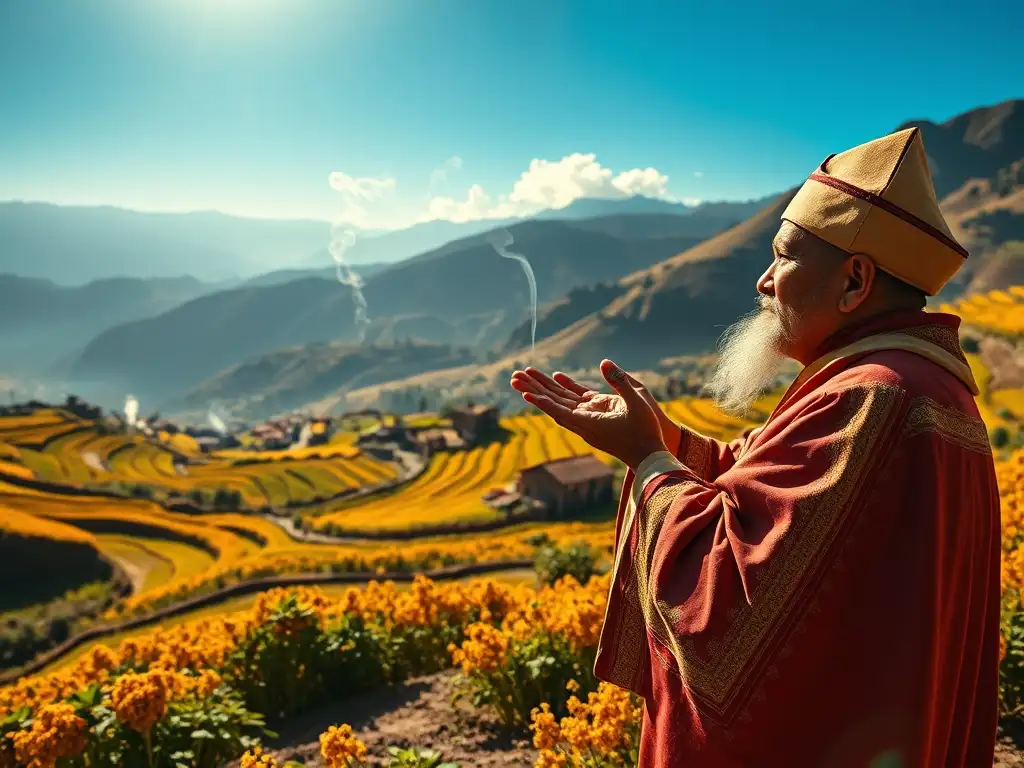
Uncover the secrets whispered on the wind across the Andes Mountains. For centuries, the fate of Andean civilizations hinged on something more than fertile soil: ritual. Journey with us into the fascinating world of Andean agriculture rituals, where the priest played a pivotal role in ensuring bountiful harvests. Discover how intricate ceremonies and deeply held beliefs shaped the lives and prosperity of these remarkable cultures. Prepare to be amazed by the power of faith and its impact on the daily lives of the ancient Andes.
The Andean civilizations, renowned for their sophisticated agricultural techniques and intricate social structures, deeply intertwined their spiritual beliefs with the practice of farming. This article delves into the crucial role Andean priests played in ensuring bountiful harvests, exploring the rituals and ceremonies they performed to maintain a harmonious relationship between the human world and the fertile lands that sustained them.
We will examine how their understanding of the cosmos directly influenced agricultural practices, highlighting the intricate connection between spirituality and the practicalities of farming in societies like the Inca, Moche, Nazca, and Tiahuanaco. Understanding these Andean agriculture rituals provides critical insight into the complex worldview that shaped their societies and their remarkable ability to thrive in challenging environments.
This exploration will reveal how deeply embedded religious beliefs were in the daily life of Andean communities, influencing not just their spiritual lives but also their economic survival and social organization. The success of their agricultural system was not solely reliant on technological innovation but also on the spiritual guidance and rituals meticulously performed by their priests.
Andean Cosmovision and the Importance of Agriculture
Andean cosmovision, a holistic worldview encompassing the spiritual and physical realms, placed immense importance on agriculture. The fertile land was not merely a source of sustenance; it was considered sacred, a manifestation of the divine. Mountains, revered as apus (mountain spirits), were believed to be the source of life-giving waters and fertile soil.
The intricate relationship between the celestial bodies, the earth, and the people was reflected in elaborate agricultural practices and rituals. Priests, acting as intermediaries between the human and spiritual worlds, played a vital role in maintaining this delicate balance. Their understanding of the agricultural cycle was deeply intertwined with their knowledge of the cosmos, enabling them to predict weather patterns and plan planting and harvesting times effectively.
They meticulously observed the movements of the stars and the sun, correlating them with the growth cycles of crops. This intricate knowledge, passed down through generations, was fundamental to the success of Andean agriculture.
Examples of Cosmological Influence on Farming Practices
For instance, the Inca calendar, based on celestial observations, guided the timing of agricultural activities. Specific rituals were performed at key moments in the agricultural year, such as the sowing and harvesting seasons, to ensure the blessings of the *apus* and other deities. The positioning of fields and irrigation systems also reflected a deep understanding of the landscape's spiritual significance.
The Interconnection Between Spirituality and Farming in the Andes
The connection between spirituality and farming in the Andes wasn't simply a matter of performing rituals before planting or harvesting. It was a pervasive and continuous interaction. Priests weren't merely religious figures; they were also agricultural experts, advising farmers on optimal planting techniques, irrigation methods, and crop diversification strategies. They oversaw the distribution of land and resources, ensuring equitable access to fertile lands and water.
Their knowledge extended beyond the spiritual realm, encompassing practical agricultural skills. This holistic approach ensured the efficiency and sustainability of Andean agricultural systems. The success of the harvests was not seen as a purely material achievement but as a testament to the community's successful interaction with the spiritual world, mediated by the priests' expertise and rituals.
| Ritual | Purpose | Crop/Season |
|---|---|---|
| Capacocha (human sacrifice) | Ensure good harvests and appease the gods. | Various, often associated with significant events. |
| Offering of coca leaves and chicha | Request fertility and protection from natural disasters. | Planting and harvesting seasons. |
| Processions and prayers to the *apus* | Seek blessings for abundant harvests and good weather. | Throughout the agricultural cycle. |
The priest's role in Andean agriculture was multifaceted, highlighting the deep integration of spiritual beliefs and practical knowledge in ensuring successful harvests. Their understanding of the cosmos, their expertise in agricultural techniques, and their ability to mediate between the human and spiritual worlds were essential to the prosperity and sustainability of these remarkable civilizations. Further research into specific regional variations and the details of individual rituals will undoubtedly enrich our understanding of this fascinating aspect of Andean history.
- Andean Cosmovision and the Importance of Agriculture
- The Interconnection Between Spirituality and Farming in the Andes
Andean Priests as Guardians of Agricultural Cycles

The Andean worldview deeply intertwined religious beliefs with agricultural practices. Life itself was seen as intrinsically connected to the cyclical nature of the cosmos, with the success of harvests directly reflecting the favor of the gods and the effectiveness of priestly interventions. Andean agriculture rituals, therefore, weren't merely superstitious practices; they were crucial mechanisms for maintaining cosmic balance and ensuring the community's survival.
The priests, acting as intermediaries between the human and spiritual realms, played a pivotal role in this delicate equilibrium. Their knowledge of celestial movements, their meticulous observation of natural cycles, and their ability to perform elaborate ceremonies were essential for maintaining the productivity of the land and fostering a harmonious relationship with the environment.
The success or failure of the harvest wasn't just a matter of chance or human effort; it was a reflection of the community's spiritual alignment and the priest's competence in managing the sacred dimension of agriculture. This section delves into the specific ways Andean priests ensured bountiful harvests through their deep understanding of the natural world and their mastery of ritual practices.
The Priest's Understanding of Seasons and Celestial Movements
Andean priests possessed a sophisticated understanding of astronomy and its relationship to agricultural cycles. They weren't simply observing the stars; they were interpreting their movements to predict weather patterns, optimal planting times, and potential threats to the crops. Their knowledge, passed down through generations, was crucial for effective agricultural planning.
For instance, the appearance of specific constellations signaled the beginning of the rainy season or the ideal time for sowing particular crops. The priests meticulously tracked the sun's path, using sophisticated instruments like the Intihuatana (sun dial) to determine the solstices and equinoxes, critical markers for the agricultural calendar. This detailed knowledge allowed them to advise farmers on the best practices for cultivating their lands, maximizing yields, and minimizing risks associated with unpredictable weather.
Their expertise extended beyond simple observation; it involved a deep understanding of the interplay between celestial events and the earthly realm, a cornerstone of Andean cosmology. The accuracy of their predictions directly impacted the community's survival, highlighting the vital role of the priest in ensuring food security.
Detailed records of these observations, however, are scarce, and much of our understanding is based on archaeological findings and interpretations of surviving myths and legends. Further research is needed to fully understand the complexity and accuracy of the priest's astronomical knowledge and its precise application to agricultural practices. [Specific details on utilized instruments and predictive accuracy pending].
Ritual Calendar: Guiding Agricultural Practices
The Andean agricultural year wasn't simply a sequence of planting and harvesting; it was a sacred calendar punctuated by numerous rituals and ceremonies. Each stage of the agricultural cycle, from land preparation to harvest, was marked by specific rituals designed to solicit the blessings of the gods and ensure a successful outcome. The priest played a central role in orchestrating these events, ensuring their proper execution according to established traditions and ensuring community participation.
This ritual calendar wasn't a fixed, immutable set of practices; it was adaptable to local conditions and specific needs. For example, a particularly dry season might necessitate additional rain-making ceremonies, while a pest infestation could trigger rituals aimed at appeasing malevolent spirits.
The calendar was structured around key moments in the agricultural year:
- Preparation of the land: Rituals to purify the soil and invoke fertility.
- Sowing: Ceremonies to ensure seed germination and healthy growth.
- Growth period: Offerings and prayers to protect crops from pests and adverse weather.
- Harvest: Celebrations of abundance and thanksgiving to the gods.
This intricate system ensured that the entire community was engaged in the agricultural process, fostering a sense of shared responsibility and collective well-being. The priest, as the spiritual leader, guided and unified these efforts, ensuring the spiritual dimension of agriculture remained central to the community's life.
Conducting Ceremonies to Guarantee Crop Fertility
The ceremonies conducted by Andean priests to ensure crop fertility were complex and often involved elaborate rituals, offerings, and symbolic actions. These weren't simply prayers; they were carefully choreographed performances designed to engage the spiritual realm and influence the forces of nature. The priests, often adorned in elaborate costumes and using sacred objects, would perform specific actions aimed at ensuring the fertility of the land and the abundance of the harvest. These ceremonies might involve:
- Offerings: These could range from agricultural products (corn, coca leaves, potatoes) to precious metals and animal sacrifices, all intended to appease the deities and secure their favor.
- Incantations and prayers: The priests would recite sacred texts and chants, invoking the power of the gods and requesting their assistance in ensuring a successful harvest.
- Symbolic actions: Certain gestures, dances, and processions were performed to represent the cycle of life, death, and regeneration, reflecting the cyclical nature of Andean cosmology.
The effectiveness of these ceremonies was believed to depend on the priest's skill, knowledge, and piety. A well-executed ceremony could bring about bountiful harvests, while a poorly performed one could result in crop failure. This underscores the importance of the priest's role not only in understanding the natural world but also in manipulating the spiritual forces that governed it.
The Andean agriculture rituals were not simply symbolic; they were practical strategies for ensuring food security, reflecting a deep understanding of the interconnectedness between the spiritual and material realms. The priests, as masters of these rituals, played a crucial role in maintaining this delicate balance and ensuring the well-being of their communities.
Specific Rituals and Ceremonies for a Bountiful Harvest
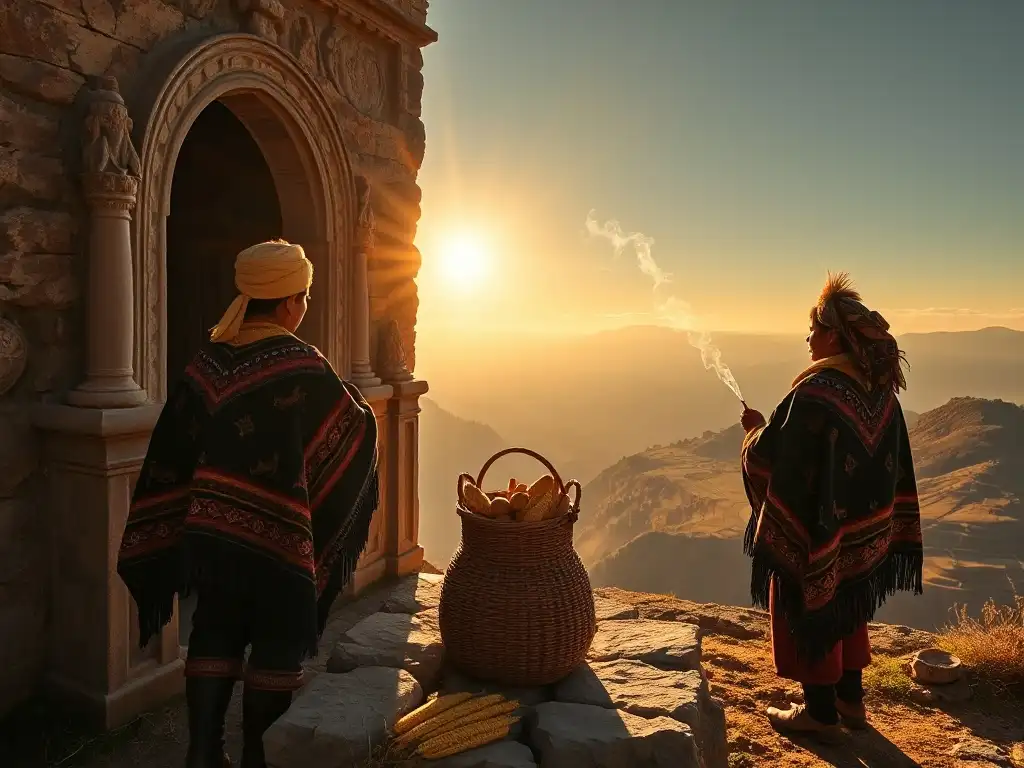
This section delves into the specific rituals and ceremonies employed by Andean priests to ensure successful harvests. These practices weren't merely superstitious; they were integral to the Andean worldview, reflecting a deep understanding of environmental factors and a sophisticated agricultural system. The success of Andean agriculture, famed for its terraced farming and diverse crops, was inextricably linked to these rituals, demonstrating the crucial role of religion in their daily lives. Understanding these Andean agriculture rituals provides a crucial insight into the complex interplay between spirituality and practicality in ancient Andean societies.
The Importance of Offerings to Pachamama (Earth Mother)
Pachamama, the Earth Mother, was central to Andean cosmology and agriculture. Her benevolence was considered essential for fertile land and abundant harvests. Offerings to Pachamama were therefore a cornerstone of Andean agriculture rituals. These weren't simply symbolic gestures; they were believed to directly influence the earth's productivity. The offerings varied depending on the region, season, and specific needs, but commonly included:
- Agricultural Products: The first fruits of the harvest – corn, potatoes, quinoa, coca leaves – were frequently offered. This demonstrated respect and gratitude for the bounty provided.
- Llama and Alpaca Sacrifices: In some instances, particularly during significant festivals or times of drought, the sacrifice of llamas or alpacas was performed. These animals held considerable economic and symbolic value, highlighting the importance of the request.
- Chicha (Fermented Corn Beer): Chicha, a staple beverage, was often offered as a libation, poured onto the earth or shared amongst participants in the ceremony. This act symbolized sharing the harvest's bounty with the divine.
- Other Offerings: Other offerings might include coca leaves (chewed for its stimulating effects and used in rituals), textiles, and crafted objects, all demonstrating the community's commitment to appeasing Pachamama.
The rituals themselves involved specific procedures, often led by priests or community leaders. These might involve prayers, songs, and specific gestures designed to communicate with Pachamama and ensure her continued favor. The timing of these offerings was also crucial, often coinciding with planting, harvesting, or significant seasonal changes. The meticulous nature of these practices underscores the deep-seated belief in the power of ritual to influence the natural world.
Water Rituals: Ensuring Adequate Irrigation for Crops
Water, a precious resource in the often-arid Andean landscape, was another vital element in Andean agriculture. Rituals aimed at ensuring adequate irrigation were crucial for successful crop yields. These rituals frequently involved:
- Prayers and Offerings at Water Sources: Priests would perform rituals at springs, rivers, and other water sources, offering prayers and gifts to the water spirits (e.g., Apus) believed to control the flow of water. These ceremonies aimed to secure a sufficient water supply for irrigation throughout the growing season.
- Purification Rituals: Water itself played a role in purification rituals. Before planting, seeds or fields might be ritually cleansed with water to promote growth and ward off harmful influences. This practice demonstrates the symbolic power of water in Andean culture, its connection to fertility and life.
- Canal Maintenance and Rituals: The intricate canal systems used for irrigation were not simply engineering feats. Their construction and maintenance were often intertwined with ritual practices. Specific ceremonies might accompany the construction or repair of canals, ensuring the continued flow of water and the success of the irrigation system.
The effectiveness of these water rituals wasn't limited to supernatural beliefs. They also served a practical purpose, reinforcing the importance of water conservation and proper irrigation techniques within the community. This highlights the practical application alongside the spiritual significance within Andean agriculture rituals.
Seed Blessing Ceremonies: Promoting Germination and Growth
Before planting, seeds were often subjected to blessing ceremonies. These rituals aimed to ensure successful germination and healthy growth, further demonstrating the deep connection between spirituality and agriculture in Andean societies. These ceremonies involved:
- Preparation of the Seeds: Seeds were often carefully selected and prepared before the ceremony. This process might involve cleaning, sorting, and sometimes even storing them in special containers. This preparation showed respect for the seeds and foreshadowed the importance of the ritual.
- Ritualistic Actions: The ceremonies themselves might involve chanting, prayers, the burning of incense, and the offering of coca leaves. These actions were intended to imbue the seeds with spiritual energy, promoting their successful germination and growth.
- Community Participation: These ceremonies were often community events, reinforcing social bonds and shared responsibility for the success of the harvest. The collective participation emphasized the importance of the rituals for the entire community's well-being.
The careful attention paid to seed selection and blessing highlights the advanced agricultural knowledge of the Andean peoples, combining traditional techniques with religious beliefs to maximize their chances of a successful harvest. The success of Andean agriculture was not just a matter of skill and technique; it was deeply entwined with their spiritual practices, making these Andean agriculture rituals central to their survival and prosperity.
Harvest Festivals: Celebrating the Fruits of Labor
Harvest festivals in the Andes weren't merely celebrations of abundance; they were deeply interwoven with the agricultural cycle and the spiritual well-being of the community. These festivals served as a crucial link between the human world and the sacred, ensuring continued prosperity and expressing gratitude to the deities for a successful harvest. The timing of these festivals varied depending on the specific crop and the region's microclimate, but they generally coincided with the completion of the harvest season.
For instance, the potato harvest, a staple crop across the Andes, often culminated in vibrant festivities involving music, dance, and offerings to the apus (mountain spirits). These celebrations were not simply joyous occasions; they were vital rituals aimed at appeasing the spirits and ensuring the fertility of the land for the following year.
The meticulous preparation, the specific offerings presented, and the precise performance of rituals all held deep symbolic meaning, reflecting the Andean understanding of the interconnectedness between humans and nature. Failure to perform these rituals properly could, it was believed, lead to crop failure or other misfortunes.
The scale and complexity of these harvest festivals varied considerably across different Andean cultures. While some were small-scale community events, others involved participation from larger populations, even entire regions. These larger events often included elaborate processions, public feasts, and dramatic performances that reenacted mythological narratives related to agriculture and fertility.
These performances often involved masked dancers representing deities or spirits associated with agriculture, symbolizing the cyclical nature of life and death, and the continuous renewal of the land. The use of vibrant costumes, intricate masks, and rhythmic music created a powerful and immersive experience, reinforcing the community's shared beliefs and reaffirming their connection to the land and its supernatural forces.
The sheer scale of these celebrations, and the meticulous planning involved, highlights the profound importance of agriculture and the divine forces associated with it within Andean society. The legacy of these festivals, although adapted and transformed over time, continues to resonate in contemporary Andean communities.
Many of these festivals included specific offerings to the deities. These offerings were not random; they were carefully selected to represent the bounty of the harvest and to appease the spirits. Common offerings included fruits, vegetables, coca leaves, chicha (a fermented corn beverage), and llama or alpaca sacrifices in some instances.
The act of offering was not simply a matter of giving gifts; it was a symbolic act of reciprocity, acknowledging the deities' role in providing sustenance and seeking their continued favor. The meticulous preparation of these offerings, the way they were presented, and the specific prayers recited all held significant symbolic meaning, reinforcing the intricate relationship between humans and the spiritual world.
These offerings were not merely material goods; they were imbued with spiritual significance, representing the community's gratitude and their hopes for future prosperity. The careful selection and preparation of offerings underscores the deep respect and reverence held for the divine forces believed to govern the agricultural cycle.
Key Elements in Andean Agricultural Rituals

The success of Andean agriculture, crucial for the survival and prosperity of these civilizations, was deeply intertwined with religious beliefs and practices. Andean agriculture rituals weren't simply superstitious acts; they were complex systems designed to ensure bountiful harvests, appease deities, and maintain the cosmic balance believed essential for life itself. These rituals, often led by priests or shamans, incorporated a variety of elements, each carrying profound symbolic weight and contributing to the overall efficacy of the practice. Understanding these elements provides insight into the sophisticated worldview and agricultural expertise of Andean societies.
The efficacy of these rituals was deeply tied to the belief system that permeated every aspect of Andean life. The rituals themselves were not merely symbolic gestures; they were active participation in maintaining the cosmic order and ensuring the continuity of life. This belief system profoundly shaped the agricultural practices of these civilizations.
Sacred Plants and Their Role in Ceremonies
Sacred plants played a central role in Andean agricultural rituals, representing fertility, abundance, and the connection between the earthly and spiritual realms. Coca leaves, for example, were not only a source of energy and sustenance but also a vital element in many ceremonies. Chewed or offered as gifts to deities, coca symbolized respect, reciprocity, and the desire for a successful harvest.
Other plants, like maize, potatoes, and quinoa, held similar significance, often featured prominently in offerings and rituals as representations of the very bounty the people sought to cultivate. The preparation and presentation of these offerings were highly formalized, with specific procedures and protocols varying across different Andean cultures.
The use of sacred plants wasn't limited to offerings. Some plants, possessing hallucinogenic properties, were used in shamanistic rituals to commune with the spirits and gain insight into the future of the crops. These practices demonstrate the deep integration of religious beliefs and agricultural practices, where the spiritual and the material were inextricably linked.
The careful selection and preparation of these plants, often involving intricate processes passed down through generations, underscore the high level of knowledge and expertise in both botany and religious practices. Detailed accounts of these practices, however, remain scarce due to the oral nature of much of the traditional knowledge. Further research is needed to fully understand the nuanced roles of different sacred plants in various Andean agricultural rituals.
The Significance of Music and Dance in Agricultural Rites
Music and dance were integral components of Andean agricultural rituals, serving both practical and symbolic purposes. The rhythmic movements and melodic chants were believed to influence the growth of crops, summoning the energies of the earth and the favor of the deities. Different rhythms and melodies were associated with specific stages of the agricultural cycle, from planting to harvesting, reflecting the cyclical nature of life and the cosmos. These performances were not merely entertainment but rather powerful acts of communication with the spiritual world.
The participation of the entire community in these musical and dance rituals fostered social cohesion and strengthened communal bonds. It was a shared experience that reinforced the collective responsibility for the success of the harvest. The vibrant costumes and intricate choreography further added to the ritual's power and spectacle, enhancing the connection between the performers, the audience, and the divine.
The specific instruments used, such as panpipes, drums, and conch shells, also held symbolic meaning, often representing natural forces or deities associated with fertility and abundance. For example, the deep resonant sounds of drums could be interpreted as mimicking the heartbeat of the earth itself, while the airy melodies of panpipes could represent the breath of life. These soundscapes created a powerful atmosphere, conducive to invoking the desired spiritual influence on the crops.
Use of Symbolic Objects and their Meaning in Rituals
Beyond plants and music, Andean agricultural rituals incorporated a wide array of symbolic objects, each imbued with specific meanings. These objects, often crafted with meticulous detail and skill, served as powerful mediators between the human and spiritual realms. Ceremonial vessels, for instance, frequently depicted deities or agricultural scenes, visually representing the desired outcome of the rituals. These vessels were not only functional containers for offerings but also potent symbols of fertility and abundance. The intricate designs and craftsmanship displayed considerable artistic talent and underscored the importance of these rituals in Andean society.
Furthermore, figurines representing deities or ancestral spirits were commonly used in rituals, acting as intermediaries between humans and the supernatural world. These figurines, often made of clay, stone, or metal, were carefully prepared and placed in strategic locations during ceremonies. Their presence was believed to ensure the blessings of the deities and the protection of the crops from harm. The diversity of these objects reflects the rich tapestry of Andean beliefs and the variety of deities invoked to ensure successful harvests.
Specific objects and their associated meanings varied across different Andean cultures and regions, reflecting the regional diversity in agricultural practices and belief systems. For example, the significance of specific animal representations, such as llamas or condors, could vary depending on the local environment and its associated deities. Detailed studies of these objects are crucial for a deeper understanding of the intricacies of Andean agricultural rituals.
The Influence of Andean Agriculture Rituals on Modern Practices
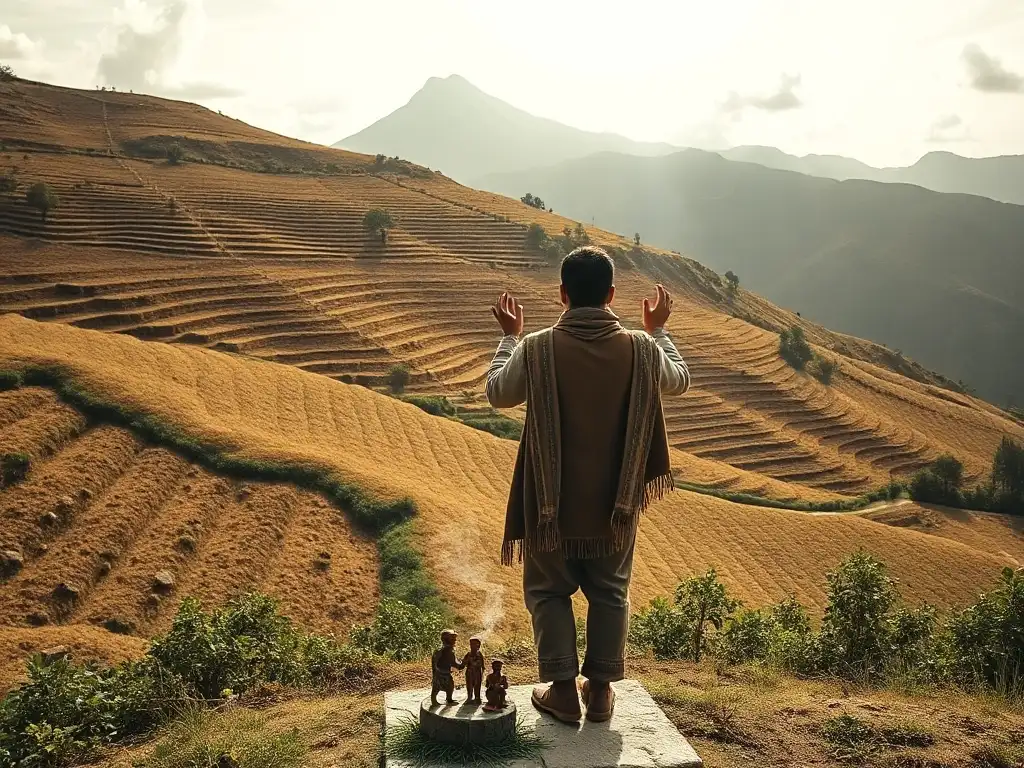
Andean agriculture rituals, deeply intertwined with the spiritual beliefs and cosmovision of ancient civilizations, continue to exert a subtle yet significant influence on contemporary agricultural practices. While large-scale industrial farming has encroached upon traditional methods in many areas, the echoes of ancient rituals persist, demonstrating a remarkable resilience of cultural heritage. The connection between spiritual well-being and agricultural success, a cornerstone of Andean worldview, remains a powerful force shaping how many Andean communities approach farming.
This influence isn't always overt; it's often embedded in seemingly mundane practices, reflecting a deep-seated respect for the land and its inherent power. The legacy of these rituals is not merely historical; it's a living tradition that continues to shape agricultural practices and environmental stewardship in the Andes. Understanding this enduring influence is crucial to appreciating the holistic approach to agriculture that characterized Andean societies and continues, in adapted forms, today.
Surviving Traditions in Contemporary Andean Communities
Many contemporary Andean communities still incorporate elements of ancient agricultural rituals into their farming practices. These traditions, passed down through generations, often involve specific ceremonies and offerings to ensure a bountiful harvest. For instance, the pago a la tierra (payment to the earth), a common practice across various Andean communities, involves leaving offerings of coca leaves, chicha (fermented corn beer), and other gifts at sacred sites or in the fields.
This act isn't simply symbolic; it's a way of acknowledging the earth's generosity and seeking its continued blessing. Furthermore, the timing of planting and harvesting often aligns with traditional calendars and celestial events, reflecting the ancient understanding of the interconnectedness between the cosmos and agricultural cycles. These practices aren't merely superstitious; they're integral to the social fabric of these communities, fostering a sense of community and shared responsibility towards the land.
Anthropological studies consistently document the persistence of these rituals, showcasing their vital role in maintaining agricultural productivity and social cohesion. The continued use of ancient Andean agricultural techniques, coupled with these rituals, contributes to biodiversity and sustainable agriculture in challenging Andean environments.
The Ongoing Relevance of Ancient Agricultural Beliefs
The enduring relevance of ancient Andean agricultural beliefs lies not just in the continuation of specific rituals, but also in the underlying worldview they reflect. The Andean cosmovision emphasizes a harmonious relationship between humanity, nature, and the supernatural. This perspective, deeply embedded in ancient rituals, encourages a sustainable approach to farming that respects ecological balance. For example, the concept of ayni (reciprocity) is central to Andean thought.
It emphasizes the mutual exchange and balance between humans and nature – what is taken from the land must be given back. This principle manifests in various ways, from sustainable farming practices to the careful management of water resources. The belief in the apus (mountain spirits) and other deities further underscores the importance of respecting the natural world.
These beliefs encourage responsible land management and discourage practices that could harm the environment. The ongoing relevance of these beliefs is evident in the growing interest in traditional Andean agricultural knowledge, which is increasingly seen as a valuable resource for sustainable development in the region. Modern agricultural challenges, such as climate change and soil degradation, highlight the wisdom of these ancient practices.
Preserving Andean Agricultural Heritage Through Rituals
Preserving Andean agricultural heritage, including its rich tapestry of rituals, is crucial for several reasons. First, these rituals represent a valuable repository of traditional ecological knowledge (TEK). This knowledge, accumulated over millennia, offers insights into sustainable farming practices that are particularly relevant in the face of climate change. Second, the preservation of these rituals helps maintain cultural identity and biodiversity.
The rituals are not isolated practices; they're integral to the social fabric of Andean communities, contributing to their sense of place and belonging. Third, the rituals serve as a powerful reminder of the interconnectedness between humans and the environment. By preserving them, we promote a more holistic and sustainable approach to agriculture.
Efforts to preserve this heritage involve documenting and studying these rituals, supporting community-based initiatives that promote traditional farming practices, and integrating traditional knowledge into modern agricultural development programs. This multi-faceted approach ensures that the wisdom embedded within Andean agricultural rituals continues to benefit both present and future generations, safeguarding a unique and valuable cultural and ecological legacy. The continued study and appreciation of "Andean agriculture rituals" are essential for a future where sustainable practices are valued and integrated into modern agricultural systems.

The success of Andean agriculture wasn't solely dependent on favorable weather or fertile land. A crucial element was the perceived influence and authority of the priestly class. Their role extended far beyond simple prayer; their pronouncements dictated planting times, crop selection, and even the allocation of resources.
This priestly authority, deeply ingrained in the Andean worldview, shaped agricultural practices and, consequently, the survival and prosperity of entire communities. The belief that the priests acted as intermediaries between the human world and the powerful forces of nature ensured their pronouncements were followed meticulously. Failure to heed their advice was seen not merely as a mistake in farming techniques, but as a transgression against the sacred order, potentially resulting in divine retribution – crop failure, drought, or even disease.
This system fostered a strong sense of community reliance on the priests, strengthening their social and political power while simultaneously impacting agricultural yields. The effectiveness of this system is evident in the sophisticated agricultural techniques employed by Andean civilizations, which demonstrate a deep understanding of both the natural world and the social structures that supported it.
The Role of Priests in Community Decision-Making Regarding Agriculture
Priests held a central position in community decision-making processes related to agriculture. They weren't merely advisors; they often acted as the ultimate arbiters in disputes over land allocation, irrigation systems, and the distribution of resources. For instance, in the case of a drought, the priest might interpret omens and divine messages to determine the best course of action – perhaps a communal ritual to appease the gods, or a redistribution of scarce water resources.
Their decisions, rooted in a complex system of religious beliefs and astronomical observations, guided the community's response to challenges and opportunities. This involved analyzing celestial events, interpreting natural phenomena, and communicating the divine will to the community leaders. Evidence suggests that this system wasn't arbitrary; archaeological findings often reveal sophisticated calendars and astronomical observatories that priests used to predict seasonal changes and plan agricultural activities.
The priest's role in decision-making ensured a coordinated and efficient approach to agriculture, minimizing conflict and maximizing the chances of a successful harvest. This centralized decision-making process, while perhaps seeming autocratic by modern standards, was fundamental to the success of Andean agricultural systems.
Priestly Guidance and Agricultural Planning
Priestly guidance wasn't limited to crisis management; it was integral to the entire agricultural cycle. From the initial preparations for planting to the harvest and storage of crops, priests played a vital role in planning and execution. This involved determining optimal planting times based on astronomical observations and interpreting natural signs, such as the behavior of animals or the growth of specific plants, to predict the coming season's conditions.
The priests might recommend specific crops suited to the predicted conditions, advising on appropriate techniques for cultivation and irrigation. Detailed records, possibly kept on quipu (knotted strings), might have documented past harvests, weather patterns, and the effectiveness of different agricultural practices. This information, interpreted through a lens of religious and cosmological understanding, formed the basis of their advice.
The priests, therefore, were not only spiritual leaders but also agricultural experts, utilizing a blend of empirical observation and religious knowledge to guide the community towards successful harvests. This holistic approach to agricultural planning is a testament to the sophisticated integration of religion and practical knowledge in Andean societies.
Maintaining Harmony Between the Community and the Natural World
A core aspect of the priest’s role was maintaining ayni, a principle of reciprocity and balance within the Andean worldview. This concept extended beyond human interactions to encompass the relationship between the community and the natural world. Agricultural success, therefore, depended not only on human effort but also on maintaining a harmonious relationship with the environment and the supernatural forces that governed it.
Priests performed numerous rituals and ceremonies designed to ensure this harmony, offering prayers, sacrifices, and conducting elaborate festivals to appease the gods associated with fertility, rain, and the harvest. These rituals were often intricately tied to the agricultural calendar, marking specific points in the growing season. Failure to conduct these rituals properly could be interpreted as a disruption of this delicate balance, potentially leading to crop failure or other misfortunes.
The emphasis on ayni highlights the deeply spiritual nature of Andean agriculture, emphasizing the interconnectedness of all things and the importance of respecting the natural world. This holistic approach, deeply rooted in their religious beliefs, contributed significantly to the sustainability of Andean agricultural practices for centuries.
Conclusion: The Enduring Legacy of Andean Agricultural Rites
The intricate relationship between Andean societies and their agricultural practices extended far beyond mere sustenance. The role of priests and shamans in ensuring bountiful harvests highlights the deeply ingrained spiritual beliefs woven into the fabric of Andean life.
These rituals, far from being mere superstitions, represented a sophisticated understanding of the environment and a profound connection to the cosmos. The meticulous observation of celestial events, the precise timing of ceremonies, and the symbolic offerings all contributed to a holistic approach to agriculture that ensured the survival and prosperity of these remarkable civilizations.
The legacy of these Andean agricultural rituals continues to resonate today, offering valuable insights into the complexities of human-environment interaction and the enduring power of spiritual beliefs in shaping agricultural practices. Understanding these ancient practices allows us to appreciate the ingenuity and resilience of Andean civilizations, while also prompting reflection on our own relationship with the land and its resources.
The Deep Connection Between Spirituality and Sustenance in the Andes
The Andean worldview saw no clear separation between the spiritual and the material realms. For these societies, sustenance wasn't simply a matter of planting seeds and harvesting crops; it was a sacred act deeply intertwined with their cosmological beliefs. The success of the harvest was not solely dependent on agricultural techniques but also on maintaining a harmonious relationship with the apus (mountain spirits), the pachamama (Earth Mother), and other supernatural forces.
This belief system fostered a profound respect for the land and its resources, resulting in sustainable agricultural practices that were carefully adapted to the challenging Andean environment. Failure to perform the necessary rituals or to show proper respect for the natural world was believed to invite misfortune, such as crop failure, drought, or disease. This deep-seated connection between spirituality and sustenance ensured the continuity of agricultural practices across generations, shaping the cultural identity and survival of Andean communities.
The Importance of Understanding Andean Cosmovision for Agricultural Practices
Understanding the Andean cosmovision is crucial for interpreting their agricultural practices and the role of rituals within them. The Andean worldview, characterized by its cyclical nature and emphasis on reciprocity, informed their understanding of agriculture as a reciprocal exchange between humans and the supernatural world. Offerings of coca leaves, chicha (fermented maize beverage), and other items were not simply gifts; they were acts of reciprocity aimed at appeasing the deities and ensuring a successful harvest.
Ignoring this spiritual dimension leads to a superficial understanding of Andean agriculture. Moreover, recognizing the importance of the apus in regulating water resources, for example, reveals a sophisticated understanding of the Andean ecosystem and the crucial role of mountain snowmelt in irrigation.
By studying these rituals, we gain insights into the intricate relationship between Andean societies, their environment, and their beliefs, revealing a holistic approach to agriculture that is both environmentally sustainable and spiritually fulfilling. This understanding can inform contemporary sustainable agricultural practices and contribute to a more balanced relationship between humans and the environment.
Future Research on Andean Agriculture and Ritual
Further research on Andean agriculture and rituals is essential to fully appreciate the complexity and sophistication of these ancient practices. Areas requiring further investigation include a more detailed analysis of the specific rituals associated with different crops and regions, the role of different types of priests and shamans in agricultural ceremonies, and the impact of climate change on Andean agricultural practices and beliefs.
Detailed ethnographic studies of contemporary Andean communities that still maintain traditional agricultural practices can offer valuable insights into the continuity and evolution of these rituals. Furthermore, interdisciplinary research involving archaeologists, anthropologists, historians, and agricultural scientists can provide a more comprehensive understanding of the interplay between religious beliefs, agricultural techniques, and environmental factors.
This integrated approach will enhance our understanding of Andean agriculture, revealing lessons that can inform modern agricultural practices and contribute to a more sustainable and harmonious relationship with the natural world. Specifically, research on the impact of climate change on the continuation of these rituals and the adaptation of Andean communities is crucial for preserving this vital part of their cultural heritage.
Frequently Asked Questions
What role did priests play in Andean agriculture?
Andean priests held a vital role, acting as intermediaries between the people and the gods. They performed rituals and ceremonies to ensure successful harvests, often involving offerings and prayers to ensure fertility and abundance. Their influence was deeply intertwined with agricultural practices.
What types of rituals were common in Andean agricultural practices?
Common rituals included offerings of food and drink to deities associated with agriculture, as well as processions and ceremonies to bless fields and crops. These rituals aimed to appease the gods and ensure a bountiful harvest, demonstrating a deep connection between spiritual and agricultural life.
How did Andean agricultural rituals impact the community?
These rituals served as important social events, uniting the community and reinforcing social bonds. They also provided a framework for understanding and coping with the uncertainties of agriculture, offering a sense of control and hope in the face of unpredictable weather patterns.
Were specific deities associated with Andean agriculture?
Yes, various deities were associated with agriculture and fertility. Important gods included those connected to water, sun, and the earth, reflecting the crucial elements for successful farming. Specific deities varied across different Andean cultures.
How did technology intersect with Andean agricultural rituals?
Andean technology, such as terracing and irrigation systems, was often integrated into rituals. The construction and maintenance of these systems were themselves seen as acts of religious significance, reinforcing the sacred nature of agricultural practices and the land itself.
Final Reflection: Harvesting Hope: The Enduring Power of Andean Ritual
The intricate relationship between Andean agriculture and ritual continues to resonate today, proving that the success of a harvest is not solely dependent on fertile land and diligent labor, but also on the spiritual connection fostered through ancient practices. The enduring legacy of these ceremonies speaks volumes about the deep-seated human need to find meaning and purpose in the cyclical nature of life and the precarious balance between humanity and nature.
The impact of these rituals extends far beyond the immediate act of ensuring a bountiful harvest. They represent a profound understanding of the interconnectedness of the community, the land, and the spiritual realm. These ceremonies fostered social cohesion, reinforcing shared values and responsibilities. They provided a framework for understanding the unpredictable forces of nature, offering solace and hope in the face of uncertainty. The earth gives us life, and we, in turn, must honor her with respect and reverence.
This sentiment, echoing through generations, underscores the enduring wisdom embedded within these traditions.
Consider, for a moment, the power of ritual in your own life. Perhaps it's not the planting of sacred seeds or the offering of coca leaves, but the simple act of pausing to appreciate the bounty before you, acknowledging the effort and the interconnectedness of all things. Let the legacy of Andean agricultural rituals inspire you to cultivate not only your fields, but also your connection to the earth and to the community that sustains you. Embrace the wisdom of the past to build a more sustainable and meaningful future.
**Embrace Agricultural Wisdom and Transform Your Harvest! **
Thank you for joining us on this exploration of the vital role Andean priests played in agriculture. You've discovered how ritual and ceremony contributed to successful harvests. Now, let's apply this knowledge to transform your own farming practices!
Here's how you can begin:
- Incorporate Ritual: Begin by incorporating a simple ritual into your farming routine to honor the earth and cultivate positive intentions for your crops. A simple expression of gratitude before planting can be a powerful start.
- Connect with Fellow Farmers: Engage with your local farming community or agricultural groups to exchange knowledge and learn about traditional practices and ceremonies that deepen your understanding and connection to the land.
- Share Your Knowledge: Share your newfound knowledge by hosting a workshop or discussion within your community. Educate others about the importance of cultural rituals in agriculture, inspiring a renewed appreciation for traditional farming methods.
What unique rituals or practices could you explore to enrich your farming journey? Let's discuss!