
The Legacy of Inca Agriculture: Its Influence on Modern Practices

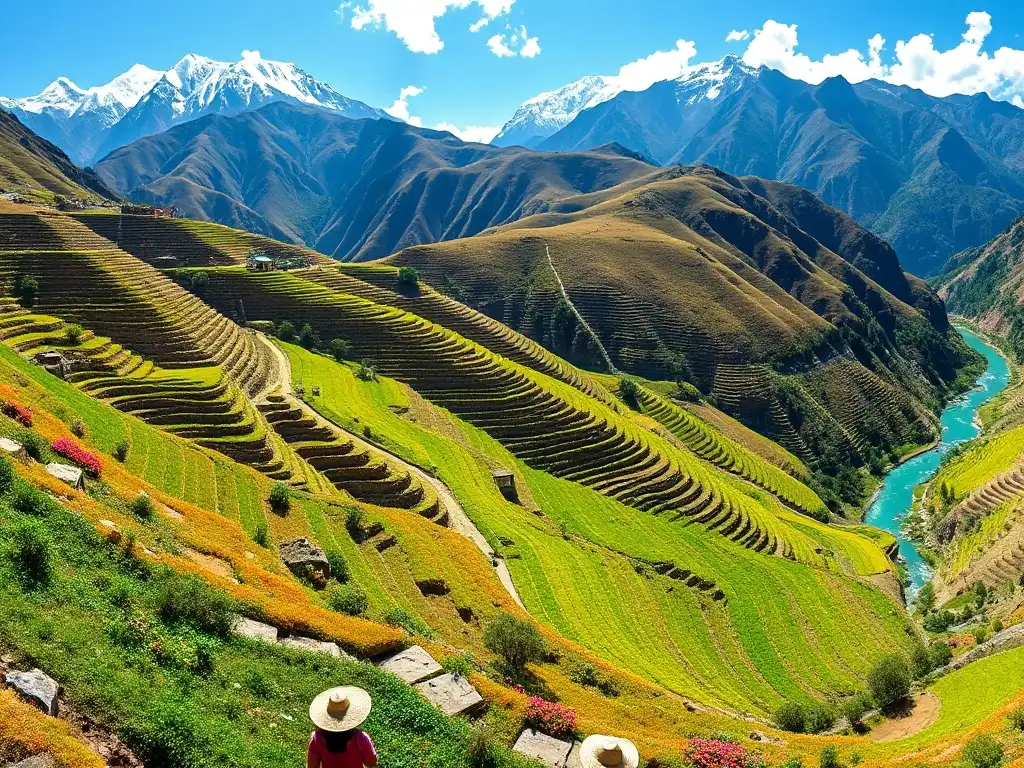
Dive into the mesmerizing world of Andean Civilizations, where lost empires whisper secrets of ingenuity and resilience. From the towering heights of the Andes to the intricate artistry of their crafts, we unravel the mysteries of cultures like the Incas, Moche, Nazca, and Tiahuanaco. But what truly sustained these powerful societies? Prepare to be amazed by the remarkable ingenuity of Inca agricultural techniques, a testament to their mastery of the environment. Discover how their innovations continue to influence modern practices – a legacy that echoes through time. Uncover the story…
The Inca Empire, renowned for its sophisticated social structures and impressive architectural feats, also possessed a remarkably advanced agricultural system. This system, far from being a simple subsistence model, was a complex and ingenious network of techniques designed to maximize food production in diverse and often challenging Andean environments. This article explores the ingenuity of Inca agricultural practices, examining their key methods and analyzing their lasting impact on modern agricultural techniques.
We will delve into the specific techniques employed by the Inca, demonstrating how their innovative solutions to problems of altitude, terrain, and climate continue to inspire sustainable agricultural practices today. Understanding the Inca's mastery of agriculture provides valuable insights into both the resilience of ancient civilizations and the potential for modern agriculture to adopt more sustainable and environmentally friendly approaches. The keyword "Inca agricultural techniques" will be explored throughout the article, highlighting their remarkable effectiveness and enduring relevance.
Introduction to Inca Agricultural Ingenuity
The Inca Empire, spanning across a vast and geographically diverse territory in the Andes Mountains, faced significant agricultural challenges. Steep slopes, varying altitudes, and unpredictable weather patterns demanded innovative solutions. Rather than succumb to these obstacles, the Inca developed a remarkably sophisticated agricultural system characterized by its adaptability and efficiency.
Their ingenuity is evident in their mastery of terracing, irrigation, and crop diversification, techniques that allowed them to cultivate a wide range of crops, ensuring food security for a large and densely populated empire. The Inca's success wasn't solely reliant on technological advancements; their sophisticated understanding of the environment and their ability to implement sustainable practices played a crucial role in their agricultural achievements. This understanding of ecological principles is a key factor in the enduring relevance of their methods.
They weren't just farmers; they were environmental engineers, meticulously managing their resources to ensure the long-term sustainability of their food production. This approach serves as a valuable lesson for modern agriculture, which often prioritizes short-term gains over long-term sustainability.
Understanding Inca Farming Methods
Inca agricultural techniques were incredibly diverse, adapting to the specific conditions of each region. Several key methods stand out:
- Terracing: This involved carving flat platforms into steep hillsides, creating level fields for cultivation. This ingenious technique prevented soil erosion, maximized arable land, and improved water retention. The scale and precision of Inca terracing are still awe-inspiring today, a testament to their advanced engineering capabilities and understanding of hydrology. The terraces were often built in a series of cascading levels, with carefully constructed channels to manage water flow. This system not only conserved water but also ensured that each terrace received the optimal amount of irrigation.
- Irrigation: The Inca understood the importance of water management in arid and semi-arid climates. They constructed intricate systems of canals, aqueducts, and reservoirs to divert water from rivers and streams to their fields. These systems were meticulously designed to ensure a consistent and reliable supply of water, even during periods of drought. The construction of these systems required a significant amount of labor and engineering expertise, reflecting the Inca's commitment to agricultural productivity. Many of these irrigation systems are still in use today, a testament to their durability and ingenuity.
- Crop Diversification: The Inca did not rely on a single crop but cultivated a wide variety of plants, including potatoes, maize, quinoa, beans, and squash. This strategy minimized the risk of crop failure and ensured a diverse and nutritious diet. The practice of crop rotation was also employed to maintain soil fertility and prevent the depletion of nutrients. This diverse approach to agriculture provides a valuable example for modern farming, which often focuses on monoculture practices that can be vulnerable to disease and environmental changes.
The Inca's agricultural techniques weren't merely practical; they were deeply intertwined with their religious and social beliefs. Agriculture was viewed as a sacred activity, and the success of their crops was attributed to the favor of their gods. This perspective fostered a strong sense of responsibility towards the land and its resources, contributing to the sustainability of their agricultural practices.
The legacy of Inca agriculture continues to resonate today, offering valuable lessons in sustainable resource management and the importance of adapting agricultural practices to specific environmental conditions. Understanding these techniques is crucial for developing more resilient and environmentally friendly agricultural systems in the future. The impact of Inca agricultural techniques on modern farming practices is undeniable, prompting ongoing research and adaptation of these innovative methods.
- What innovative agricultural techniques did the Incas develop?
- How did Inca terrace farming impact their food production?
- What role did irrigation play in Inca agriculture?
- Besides terracing and irrigation, what other agricultural practices did the Incas use?
- How do Inca agricultural techniques still influence modern practices?
Key Inca Agricultural Techniques and Innovations

The Inca Empire, renowned for its impressive architectural feats and sophisticated social structure, also possessed remarkably advanced agricultural techniques. Their ingenuity in adapting to the challenging Andean terrain allowed them to cultivate diverse crops and sustain a large population. Understanding these Inca agricultural techniques provides valuable insights into their societal success and offers potential lessons for modern sustainable agriculture. The mastery of water management, land modification, and crop diversification showcases their deep understanding of their environment and their commitment to agricultural innovation. Their legacy continues to inspire sustainable farming practices today.
The Andean Terraces: Maximizing Land Use
Andean terraces, also known as andenes, represent one of the most striking examples of Inca agricultural ingenuity. These meticulously constructed stone walls carved into steep mountain slopes transformed otherwise unusable land into productive farmland. The terraces not only increased arable land significantly but also served several crucial functions.
The walls helped to retain soil and moisture, crucial in the arid Andean climate. The flat surfaces created by the terraces allowed for easier plowing and planting, increasing efficiency. Furthermore, the varied microclimates created by the terraced landscapes permitted the cultivation of a wider range of crops, enhancing biodiversity and food security.
The construction of these terraces was a massive undertaking, requiring skilled labor and sophisticated engineering knowledge. The precise placement of stones, their interlocking design, and the careful grading of the terraces demonstrate an advanced understanding of hydrology and soil mechanics. Archaeological evidence suggests that the construction process involved community participation, highlighting the social and economic importance of agriculture within Inca society.
The terraces weren't just about farming; they were a testament to the Inca's ability to modify their environment to meet their needs. The sheer scale and precision of these structures continue to amaze researchers and demonstrate the remarkable engineering capabilities of the Inca civilization. Even today, some terraces remain in use, a testament to their enduring effectiveness.
Waru Waru: Raised Fields for Water Management
Waru waru are another impressive example of Inca agricultural innovation. These raised fields, constructed in swampy areas, are characterized by raised planting beds separated by canals. This system offered several advantages. The raised beds improved drainage, preventing waterlogging and creating optimal conditions for crop growth. The canals served as irrigation channels, providing a regulated water supply to the crops. Furthermore, the canals also acted as a natural buffer against frost, protecting the crops from temperature fluctuations.
The waru waru system was particularly effective in areas with limited arable land and unpredictable rainfall. By creating a controlled microclimate within the raised fields, the Inca were able to enhance crop yields and ensure food security. The system also facilitated the diversification of crops, allowing farmers to cultivate a variety of plants, including potatoes, maize, quinoa, and beans.
The efficiency of this system is underscored by the fact that it was able to support a large population in challenging environmental conditions. Modern researchers are exploring the potential of waru waru as a sustainable agricultural technique for improving water management and increasing food production in similar environments around the world. The resilience and ingenuity of this ancient technique make it a compelling example of sustainable agricultural practices.
Inca Canal Systems: Efficient Irrigation Networks
The Inca's mastery of water management is also evident in their extensive canal systems. These sophisticated networks of canals, some stretching for kilometers, directed water from rivers and streams to irrigate fields located in otherwise arid regions. The canals were carefully engineered, with gradients adjusted to ensure a consistent flow of water. They often incorporated ingenious features such as aqueducts, siphons, and reservoirs to overcome topographical challenges.
The construction of these canals required advanced surveying and engineering skills. The Inca employed sophisticated techniques to determine the gradient of the land and to ensure that the canals were properly aligned. The use of stone and other materials in the construction of canals demonstrates their understanding of material science and their ability to adapt to different geological conditions.
The effectiveness of these irrigation systems allowed the Inca to cultivate a wide range of crops, contributing significantly to their economic prosperity and societal stability. The legacy of these canal systems is not only visible in the surviving infrastructure but also in the continuing impact on agricultural practices in the Andean region.
The Inca's understanding of hydrology and their ability to manage water resources effectively remain relevant today, offering valuable lessons for modern irrigation practices. The precision and scale of their canal networks serve as a testament to their advanced engineering capabilities and their commitment to sustainable agriculture.
Agricultural Experimentation and Crop Diversity
The Inca Empire, renowned for its sophisticated agricultural practices, didn't achieve its remarkable productivity through chance. A cornerstone of their success was a dedicated commitment to agricultural experimentation and the cultivation of an astonishing array of crops. This wasn't simply a matter of planting seeds and hoping for the best; the Inca developed a systematic approach to understanding the needs of different plants and optimizing their growth in diverse environments. They meticulously observed plant growth, meticulously recording which varieties thrived in specific altitudes, soil types, and microclimates.
This involved extensive trial-and-error, with farmers constantly experimenting with new planting techniques, irrigation methods, and crop rotations. The results of these experiments were shared across the vast empire, ensuring that best practices were disseminated efficiently. This constant experimentation led to a remarkable level of crop diversity, far exceeding that of many contemporary societies.
The Inca's commitment to experimentation wasn't limited to individual crops. They actively crossbred different varieties to develop new strains with improved characteristics, such as disease resistance, higher yields, or better nutritional value. This process, though not explicitly understood in the same way as modern genetic engineering, laid the groundwork for future advancements in agricultural biotechnology. Evidence suggests that they understood the principles of hybridization and selection, carefully choosing the best specimens for propagation.
This dedication to improving existing crops, coupled with their willingness to introduce new species from different regions, resulted in an incredibly resilient and productive agricultural system. The empire's success hinged on this constant evolution and adaptation of its agricultural practices. This dedication to experimentation is a testament to the Inca’s forward-thinking approach to food production, a strategy that continues to inspire modern agricultural practices.
Their legacy serves as a reminder of the importance of ongoing research and development in ensuring food security for future generations. The vast array of crops cultivated by the Inca, from potatoes and maize to quinoa and beans, is a direct result of their innovative and systematic approach to agriculture. The Inca’s agricultural experimentation stands as a powerful example of the ingenuity and adaptability of ancient Andean civilizations.
The Impact of Inca Agriculture on Modern Practices

The Inca Empire, renowned for its sophisticated infrastructure and societal organization, also boasted remarkably advanced agricultural techniques. These techniques, honed over centuries, allowed them to thrive in the diverse and challenging Andean terrain. The legacy of Inca agriculture continues to resonate today, providing valuable lessons for sustainable farming practices and resource management in a world increasingly grappling with climate change and food security concerns.
Understanding their methods offers a powerful pathway to improving modern agricultural practices and ensuring food sovereignty for future generations. The ingenuity of Inca agricultural techniques is a testament to their deep understanding of their environment and their ability to adapt to its challenges.
Inspiration for Sustainable Farming
Inca agricultural practices were deeply rooted in the principles of sustainability. Their terracing methods, for example, transformed steep slopes into productive farmland, minimizing soil erosion and maximizing water retention. These terraces, often meticulously constructed with stone retaining walls, created a series of level platforms that allowed for efficient irrigation and cultivation.
This contrasts sharply with modern, large-scale monoculture farming which often leads to soil degradation and environmental damage. Furthermore, the Inca's emphasis on crop diversification, using a variety of crops adapted to different microclimates, created a resilient agricultural system less vulnerable to pests, diseases, and environmental fluctuations. They understood the importance of crop rotation and the use of organic fertilizers like guano (bird droppings), enriching the soil naturally and avoiding the harmful effects of chemical fertilizers.
The Inca's approach to sustainable farming serves as a powerful model for modern agriculture, advocating for practices that prioritize ecological balance and long-term productivity. Their legacy challenges us to move beyond short-term gains and embrace farming methods that are environmentally responsible and economically viable.
Lessons in Water Conservation
Water scarcity is a growing global concern, making the Inca's masterful water management techniques even more relevant today. Their sophisticated irrigation systems, including canals, aqueducts, and sophisticated water distribution networks, allowed them to efficiently utilize scarce water resources. The ingenuity of their waru waru system, a type of raised-bed agriculture, is particularly noteworthy.
These raised beds, surrounded by canals, allowed for better water retention and reduced evaporation, crucial in the arid Andean highlands. The canals also served as microclimates, moderating temperatures and protecting crops from frost. The system's effectiveness highlights the Inca's deep understanding of hydrology and their ability to engineer solutions to address water scarcity.
Modern agricultural practices could greatly benefit from studying and adapting these techniques, particularly in regions facing water stress. Implementing similar water-efficient irrigation methods and exploring the potential of raised-bed agriculture could significantly improve crop yields while conserving precious water resources. This is particularly critical in regions experiencing drought or facing increasing desertification.
Adapting Ancient Techniques to Modern Challenges
While directly replicating Inca agricultural practices might not always be feasible in modern contexts, many of the underlying principles remain highly valuable. The Inca's emphasis on biodiversity, for example, can be adapted to modern agriculture by promoting polyculture and agroforestry systems. Their understanding of soil health and the importance of organic fertilizers can inspire a shift away from chemical-intensive farming methods. Similarly, their water-efficient irrigation techniques can inform the development of more sustainable irrigation technologies.
However, adapting these ancient techniques requires careful consideration of modern agricultural contexts. We need to integrate traditional knowledge with modern scientific understanding to develop innovative solutions that address contemporary challenges. This includes using technology to optimize water management and soil health, incorporating genetic improvement for increased crop yields, and developing strategies to combat pests and diseases.
The challenge lies in finding the right balance between preserving the wisdom of Inca agricultural techniques and utilizing modern scientific advancements to create a more sustainable and resilient agricultural system for the future. The integration of ancient wisdom and modern technology holds the key to unlocking a future where food security and environmental sustainability go hand in hand. The legacy of Inca agricultural techniques provides a powerful framework for achieving this goal.
The Importance of Biodiversity in Inca Agriculture
The Inca Empire's agricultural success was significantly underpinned by its remarkable understanding and implementation of biodiversity. Unlike many contemporary agricultural systems that focus on monoculture, the Inca utilized a sophisticated system of crop diversification, employing a wide array of plants adapted to various altitudes and microclimates within their vast empire. This wasn't simply a matter of having a variety of food sources; it was a strategic approach to mitigating risk.
A single crop failure due to disease, pests, or unpredictable weather would not cripple the entire food supply. The diverse portfolio of crops ensured food security, even in the face of adversity. This included staple crops like potatoes, maize, quinoa, and beans, each cultivated in different ecological zones, optimizing yield and resilience.
Furthermore, the Inca integrated diverse crops within the same agricultural plots, a practice known as intercropping, further enhancing resilience and potentially increasing overall yields through synergistic effects. This intricate system of biodiversity was not limited to crops; it extended to livestock, with llamas and alpacas playing crucial roles in providing wool, meat, and transportation. The Inca's commitment to biodiversity showcases a deep understanding of ecological principles far ahead of its time.
The Inca's approach to biodiversity also involved the careful management of wild plant resources. They didn't simply focus on cultivated species; they actively preserved and utilized the diversity found in their natural environment. This included the use of medicinal plants, which were integrated into their sophisticated healthcare system, and the use of various plant species for construction and other purposes.
This holistic approach to biodiversity management contributed to the overall sustainability of their agricultural systems and ensured the long-term viability of their empire. The integration of wild and domesticated species demonstrates a profound understanding of the interconnectedness of ecosystems and the importance of maintaining a balance between human needs and environmental sustainability. This is a lesson that modern agricultural practices could greatly benefit from adopting.
The Inca's sustainable model of agricultural biodiversity offers a valuable case study for contemporary efforts to create resilient and environmentally conscious food systems. Their intricate understanding of ecological principles and their practical application in managing biodiversity serve as an inspiration for modern farmers and policymakers alike.
The implications of the Inca's approach to biodiversity are profound. Modern agricultural practices, often dominated by monoculture, face increasing challenges from climate change, pests, and diseases. The Inca's emphasis on biodiversity offers a powerful counterpoint, highlighting the importance of diversification as a key strategy for building resilience in the face of these challenges.
The Inca's legacy underscores the necessity of integrating biodiversity into modern agricultural practices to ensure food security and environmental sustainability in the long term. It is a testament to the wisdom of ancient agricultural techniques and a call for a return to more sustainable and ecologically sound methods. By learning from the Inca's example, we can create more resilient and environmentally responsible agricultural systems for future generations.
Comparing Traditional Inca Methods and Modern Farming
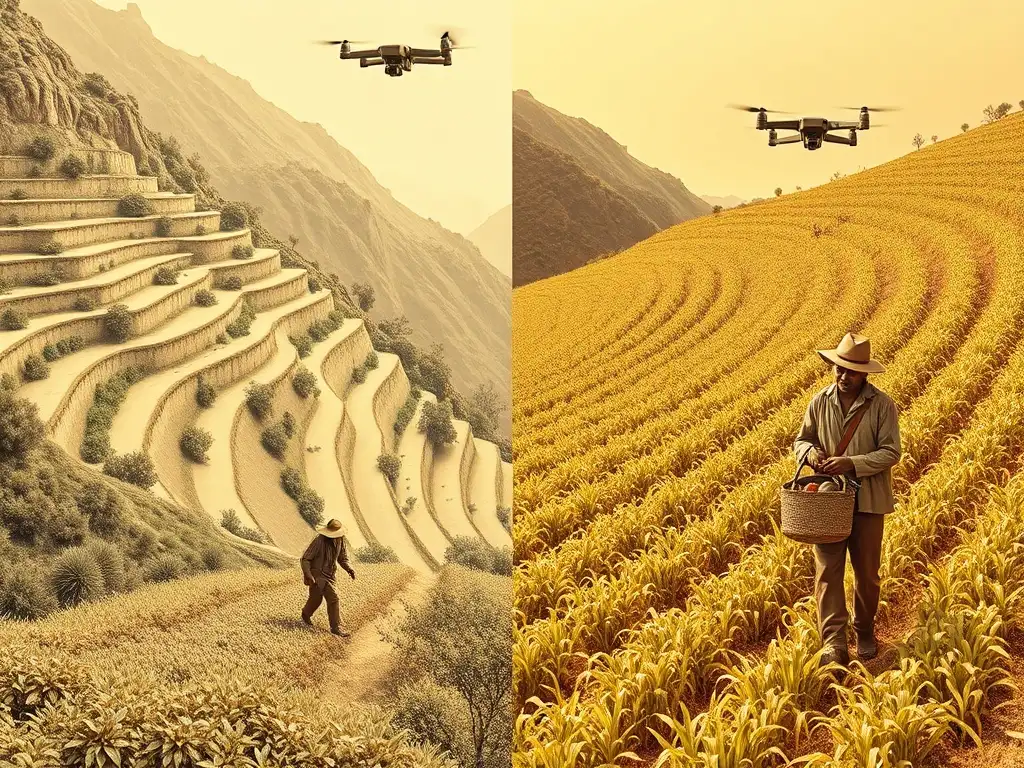
This section delves into a comparative analysis of Inca agricultural techniques and contemporary farming practices, highlighting both similarities and stark differences. The Inca, masters of their environment, developed sophisticated methods to maximize food production in challenging Andean terrains. Understanding these techniques offers valuable insights for modern agriculture, particularly in addressing issues of sustainability and resilience.
Advantages of Inca Techniques over Conventional Methods
Inca agricultural practices, honed over centuries, offer several advantages over many modern, large-scale farming methods. Their emphasis on terracing, for instance, significantly reduced soil erosion and maximized arable land on steep slopes. This contrasts sharply with contemporary practices in some regions, where deforestation and unsustainable farming lead to widespread land degradation. The Inca's use of crop rotation and intercropping, techniques that are gaining renewed interest today, promoted biodiversity and reduced reliance on chemical fertilizers and pesticides. Modern monoculture farming, while efficient in terms of yield per unit, often suffers from increased pest vulnerability and soil depletion.
Furthermore, the Inca's understanding of water management was exceptional. Their extensive network of canals, aqueducts, and irrigation systems allowed them to cultivate even arid areas, a feat that speaks volumes about their ingenuity and sustainable resource management. This contrasts with the water-intensive nature of some modern farming practices, which can lead to water scarcity and environmental damage.
The Inca's focus on local, adapted crop varieties, selected for their resilience to harsh conditions, also offers valuable lessons for developing drought-resistant and disease-resistant crops in the face of climate change. Their approach to in situ conservation of genetic diversity in crops is a stark contrast to the homogenization seen in some modern agricultural systems.
| Inca Technique | Advantage | Modern Counterpart | Drawbacks of Modern Counterpart |
|---|---|---|---|
| Terracing | Reduced erosion, increased arable land | Flatland farming | Soil erosion, habitat loss |
| Crop Rotation | Improved soil health, pest control | Monoculture | Soil depletion, pest outbreaks |
| Intercropping | Biodiversity, natural pest control | Monoculture | Reduced biodiversity, increased pesticide use |
| Water Management Systems | Efficient water use, cultivation in arid areas | Large-scale irrigation | Water waste, environmental damage, potential salinization |
| Locally Adapted Crops | Resilience to harsh conditions | Genetically modified crops | Potential unforeseen environmental consequences |
Limitations of Inca Agriculture in the Modern World
While Inca agricultural techniques offer valuable lessons, directly replicating them on a large scale in the modern world presents significant challenges. The labor-intensive nature of many Inca methods, such as terracing construction and manual irrigation, is not economically feasible for large-scale commercial agriculture. The relatively low yields per unit area compared to modern high-yield varieties also pose a challenge in feeding a rapidly growing global population. Furthermore, the Inca system was adapted to a specific environment and climate; applying these techniques indiscriminately to different regions would likely prove ineffective.
The Inca’s reliance on human and animal labor, while effective in their context, pales in comparison to the efficiency of modern machinery. The small scale of their agricultural plots, suited to their social structure and environmental conditions, contrasts with the needs of modern food production systems designed to feed millions. While the principles of sustainable practices employed by the Inca are highly relevant today, their direct application requires careful consideration and adaptation to modern contexts. Further research is needed to determine how best to integrate the wisdom of Inca agricultural practices with the technological advancements of modern farming.
Integration of Inca Wisdom into Modern Agricultural Systems
Despite the limitations, the core principles of Inca agriculture—sustainable resource management, biodiversity, and adaptation to local conditions—hold immense relevance for modern farming systems. Integrating these principles can lead to more resilient, environmentally friendly, and ultimately, more sustainable agricultural practices. For example, incorporating terracing techniques on a smaller scale, particularly in hilly or mountainous regions, can significantly reduce soil erosion. Similarly, adopting crop rotation and intercropping strategies can help improve soil health and reduce reliance on chemical inputs.
Modern agricultural research can leverage the Inca’s knowledge of locally adapted crops to breed new varieties that are more resistant to drought, pests, and diseases. Furthermore, integrating aspects of Inca water management systems into modern irrigation practices can improve water use efficiency and reduce environmental impact. The integration isn't about wholesale replacement, but rather a careful selection and adaptation of Inca principles to enhance the sustainability and resilience of modern farming.
This necessitates a collaborative approach involving agricultural scientists, policymakers, and local communities to develop effective strategies for incorporating this ancient wisdom into our modern world. The goal is not simply to mimic the past, but to learn from it and build a more sustainable future for agriculture. 🌱
Case Studies: Modern Applications of Inca Agricultural Concepts
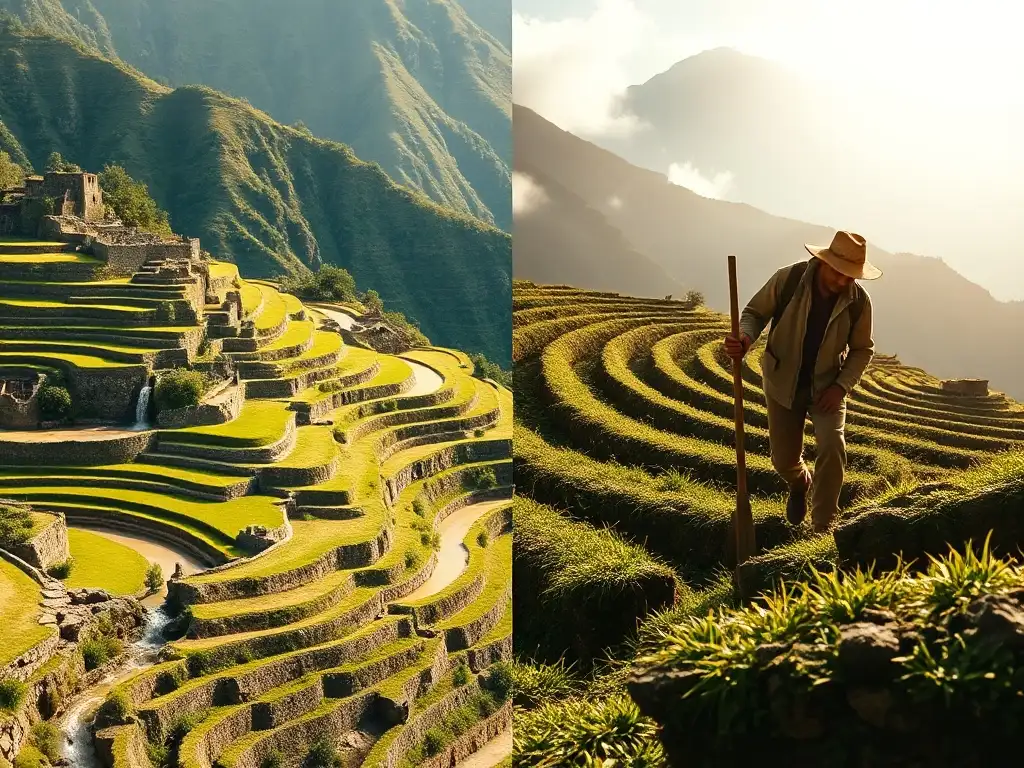
This section delves into specific examples of how Inca agricultural techniques, honed over centuries, continue to influence modern farming practices in the Andes region. We'll examine successful applications of terracing, raised bed farming, and other ingenious methods, showcasing their enduring relevance and adaptability. Understanding these case studies provides a powerful illustration of the ingenuity and sustainability of Inca agricultural innovations and their impact on "Inca agricultural techniques" today.
The Use of Terracing in Modern Peru
Terracing, a hallmark of Inca agricultural prowess, remains a crucial element of Peruvian agriculture. The dramatic slopes of the Andes present significant challenges for farming, but the Inca's mastery of terracing provided a solution that continues to be highly effective. Modern Peruvian farmers utilize terracing not only to cultivate crops on steep inclines but also to:
- Conserve Water: Terraces create level platforms that retain water more effectively than traditional hillside farming, minimizing runoff and maximizing water use efficiency. This is particularly vital in areas with limited rainfall. Studies have shown that terraced fields can retain up to 80% more water than unterrraced slopes.
- Reduce Soil Erosion: The level platforms interrupt the flow of water, preventing topsoil erosion, a major concern in mountainous regions. This leads to greater soil fertility and long-term agricultural sustainability. Farmers report significantly reduced soil loss in terraced fields compared to conventional hillside farming.
- Increase Crop Yields: By creating optimal conditions for plant growth, terracing leads to increased crop yields. This is crucial for food security in regions with challenging environmental conditions. Data from several Andean communities demonstrates a significant increase in crop yields following the implementation or restoration of terracing systems.
Raised Bed Farming in Bolivia
Raised bed farming, another clever Inca technique, finds widespread application in modern Bolivian agriculture. This method involves creating elevated planting beds, often with drainage channels between them. This technique offers several advantages:
- Improved Drainage: Raised beds enhance drainage, crucial in areas prone to waterlogging. This prevents root rot and other water-related diseases, improving plant health and yields. Farmers using raised beds report a significant reduction in crop losses due to water damage.
- Enhanced Soil Aeration: The elevated beds promote better soil aeration, which is essential for healthy root development and nutrient uptake. This leads to stronger plants and increased productivity. Improved aeration is particularly beneficial for crops sensitive to compacted soils.
- Reduced Weed Growth: Raised beds make weed control easier and more efficient, reducing the need for herbicides. This contributes to more sustainable and environmentally friendly farming practices. The raised beds also make harvesting easier and reduces soil compaction from foot traffic.
Success Stories of Applying Inca Techniques
The continued relevance of Inca agricultural techniques is evident in numerous success stories across the Andes. Many communities have revitalized traditional methods, integrating them with modern agricultural knowledge to create sustainable and resilient farming systems. For instance:
| Community | Technique Applied | Outcome | Challenges Overcome |
|---|---|---|---|
| Pisac, Peru | Terracing Restoration | Increased crop yields, reduced soil erosion | Land degradation, limited resources |
| Tiwanaku, Bolivia | Raised Bed Farming | Improved drainage, enhanced soil fertility | Water scarcity, soil salinity |
| Ollantaytambo, Peru | Andean Irrigation Systems | Improved water management, increased productivity | Climate change impacts, water rights conflicts |
These examples highlight the enduring legacy of Inca agricultural ingenuity. By adapting and integrating these time-tested techniques, modern Andean farmers are building sustainable and resilient agricultural systems capable of meeting the challenges of a changing world. The success of these methods underscores the importance of preserving and understanding "Inca agricultural techniques" for future generations. Further research is needed to fully document and quantify the long-term benefits of these practices across diverse Andean ecosystems. The impact of climate change on the efficacy of these traditional techniques also warrants further investigation.
The Continuing Relevance of Inca Agricultural Practices
The ingenuity of Inca agricultural techniques continues to resonate in modern agricultural practices, offering valuable lessons in sustainability and resource management. Their mastery of challenging terrains and diverse climates provides a blueprint for addressing contemporary agricultural challenges, particularly in the face of climate change and growing global food insecurity. Understanding the sophisticated methods employed by the Inca allows us to appreciate the depth of their knowledge and adapt their strategies for the benefit of modern farming. This section will explore the enduring legacy of Inca agriculture and its implications for the future of food production.
Preserving Agricultural Heritage
Preserving Inca agricultural heritage is crucial not only for historical understanding but also for practical application. Many traditional Inca farming methods, such as waru waru (raised bed agriculture) and andenes (terraces), are being revived and studied for their potential to improve soil health, water management, and crop yields in diverse environments. These techniques, developed over centuries, demonstrate a deep understanding of ecological principles and offer robust solutions to contemporary issues.
For example, waru waru systems, by improving drainage and microclimate, enhance crop production even in harsh conditions, significantly increasing resilience to droughts and floods. Efforts to document and disseminate this knowledge are vital, ensuring that these time-tested techniques are not lost and can be adapted to modern contexts. This involves not only archaeological research but also collaboration with indigenous communities who continue to practice these methods, preserving invaluable traditional ecological knowledge (TEK).
The preservation of these techniques is a testament to the enduring wisdom of the Inca and a crucial step towards a sustainable future. Further research is needed to fully understand the long-term benefits of these techniques under varying climatic conditions and soil types. [Specific data on long-term yield comparisons between traditional and modern methods pending].
Promoting Food Security
Inca agricultural techniques offer powerful tools to address global food security challenges. The Inca's innovative approaches to water management, soil conservation, and crop diversification provide sustainable models for food production in regions facing water scarcity, land degradation, and climate change impacts. Their sophisticated irrigation systems, adapted to diverse terrains, are remarkably efficient in water use, a critical factor in arid and semi-arid regions. The Inca's emphasis on crop diversification, utilizing a wide range of crops adapted to different altitudes and microclimates, also provides valuable lessons in resilience against crop failures.
By integrating multiple crops and livestock, they created a robust and resilient food system. Modern agricultural systems often prioritize monoculture, making them vulnerable to pests, diseases, and climate variability. The Inca approach, emphasizing biodiversity and ecological integration, offers a more sustainable and resilient alternative, crucial for ensuring food security in the face of increasing environmental uncertainty.
The adoption of Inca-inspired techniques, combined with modern agricultural technologies, could significantly enhance food production and security in many parts of the world. Detailed studies comparing the yield and resource efficiency of Inca-inspired techniques with modern methods are needed to fully quantify their impact on food security. [Specific data on comparative yield and resource efficiency pending].
Future of Sustainable Agriculture Inspired by the Incas
The future of sustainable agriculture is inextricably linked to the lessons learned from the Inca. Their emphasis on ecological balance, resource efficiency, and community-based management provides a valuable framework for developing sustainable farming practices. By integrating traditional Inca techniques with modern technologies, we can create more resilient and productive agricultural systems. This includes incorporating elements such as: terracing to reduce erosion and improve water retention; raised bed agriculture to enhance drainage and microclimate; intercropping to promote biodiversity and pest control; and crop rotation to maintain soil fertility.
The Inca's understanding of agroecology, the integration of ecological principles into agricultural practices, offers a powerful roadmap for the future. Furthermore, the Inca's emphasis on community-based resource management highlights the importance of collaborative approaches to sustainable agriculture. By learning from the Inca, we can move towards a more sustainable and equitable food system that ensures food security for future generations.
The integration of Inca-inspired sustainable agricultural techniques requires further research and development to fully unlock their potential in diverse contexts. [Specific examples of ongoing research and development projects pending]. The emoji 🌱 represents the growth and sustainability that the Inca agricultural techniques can provide for the future.
Conclusion: A Lasting Agricultural Legacy
The ingenuity of Inca agricultural techniques continues to resonate in modern agricultural practices, offering valuable lessons for sustainable food production in challenging environments. Their mastery of terracing, irrigation, and crop diversification provides a blueprint for addressing contemporary issues such as soil erosion, water scarcity, and the need for resilient food systems. While modern technology has advanced significantly, the fundamental principles of Inca agriculture—respect for the land, careful resource management, and the prioritization of biodiversity—remain strikingly relevant.
The Inca's ability to cultivate diverse crops in varied and often harsh terrains serves as a powerful example of adaptability and resourcefulness, a crucial lesson for today's farmers facing climate change and increasing environmental pressures. Their legacy is not merely historical; it's a living testament to the enduring wisdom of sustainable agricultural practices, offering invaluable insights for building more resilient and equitable food systems worldwide. Understanding and applying these principles can contribute significantly to food security and environmental sustainability, ensuring a brighter future for generations to come.
The study of Inca agricultural techniques provides a rich source of inspiration and practical knowledge, helping us to create more efficient and environmentally conscious farming methods that can feed a growing global population without compromising the health of our planet. The Inca's deep understanding of their environment and their innovative solutions to agricultural challenges offer a powerful model for sustainable development and demonstrate the importance of traditional knowledge in addressing contemporary issues.
Frequently Asked Questions
What innovative agricultural techniques did the Incas develop?
The Incas employed several ingenious techniques, including terracing on steep slopes to create level farming plots, irrigation systems to channel water efficiently, and the use of fertilizers like guano to enrich the soil. These methods maximized crop yields in diverse environments.
How did Inca terrace farming impact their food production?
Terrace farming allowed the Incas to cultivate crops on otherwise unusable land, significantly increasing their arable land and food production. This was crucial to supporting their large population and complex social structure.
What role did irrigation play in Inca agriculture?
Irrigation was essential for Inca agriculture, especially in arid regions. They built intricate canals and aqueducts to divert water from rivers and streams to their fields, ensuring a reliable water supply for crops.
Besides terracing and irrigation, what other agricultural practices did the Incas use?
The Incas also utilized crop rotation, intercropping, and freeze-drying (known as chuño) to preserve potatoes. These practices ensured soil health and food security throughout the year.
How do Inca agricultural techniques still influence modern practices?
Many Inca techniques, particularly terracing and irrigation, are still used today in the Andes and other mountainous regions. Their ingenuity provides valuable lessons in sustainable agriculture and land management.
Final Reflection: Harvesting the Past, Cultivating the Future
The ingenuity of Inca agricultural techniques continues to resonate today, offering vital lessons in sustainable food production in the face of climate change and growing global populations. Their mastery of terracing, irrigation, and crop diversification wasn't merely a feat of engineering; it was a testament to a deep understanding of ecological balance and resource management, a wisdom we desperately need to rediscover.
The Inca's profound impact on the Andean landscape and its people is undeniable, shaping not only the physical geography but also the cultural identity of the region. Their agricultural practices, passed down through generations, continue to inform farming methods in the Andes and inspire innovative approaches to sustainable agriculture worldwide. The earth provides enough to satisfy every man's needs but not every man's greed.
– Mahatma Gandhi. This quote speaks volumes about the Inca's approach, highlighting their focus on community and responsible resource use, a stark contrast to many modern practices.
Consider the challenges we face today: food security, climate change, land degradation. The Inca's legacy offers a powerful counterpoint to these issues. You, the reader, hold the power to apply these ancient principles to your own life. Whether it's supporting sustainable farming practices, reducing food waste, or simply appreciating the interconnectedness of our food systems, let the wisdom of the Inca inspire you to cultivate a more sustainable and equitable future. Let us learn from the past to build a better tomorrow.
Cultivate Your Connection to Ancient Wisdom!
Thank you for exploring the rich legacy of Inca agriculture with us! Discovering how their innovative techniques still influence modern sustainable practices provides invaluable insights. Now, let's put that knowledge to work!
- Experiment with traditional Andean crops: Growing quinoa or amaranth in your garden offers a direct connection to Inca agricultural heritage, while also enriching your diet with nutritious, flavorful foods.
- Share your newfound knowledge: Discuss the ingenuity of Inca farming methods with friends and family, sparking conversations about sustainable living and food production.
- Join a local gardening or farming community: Connect with like-minded individuals who share a passion for heritage farming techniques, exchanging ideas and fostering a collective appreciation for sustainable practices inspired by ancient wisdom.
Reflecting on this journey, consider how the ingenuity and resourcefulness of Inca farming can inspire your own sustainable practices. Let's continue the conversation!