
The Dark Side of Andean Religion: Exploring the Role of Sorcery and Curses

Step into a world shrouded in mystery, where the breathtaking landscapes of the Andes Mountains conceal a history far more complex than glittering gold and towering citadels. Forget the postcard images; we delve into the chilling reality of Andean sorcery and curses. Discover the hidden power wielded by ancient Andean shamans and the terrifying consequences that awaited those who dared to cross them. Prepare to uncover a side of Andean civilization rarely explored – a realm of dark rituals and potent magic. Are you brave enough to learn more?
The vibrant tapestry of Andean civilizations, renowned for their intricate artistry, sophisticated engineering, and complex social structures, also concealed a darker, more mystical side. While reverence for gods and nature formed the bedrock of Andean religion, a potent undercurrent of sorcery and curses played a significant role in daily life, shaping social dynamics, influencing political power, and even impacting personal destinies. This exploration delves into the shadowy aspects of Andean spirituality, examining the practices, beliefs, and consequences associated with Andean sorcery and curses, revealing a nuanced understanding of the complexities of their religious worldview.
We will investigate how these practices intertwined with the roles of shamans and priests, highlighting the power dynamics and social control mechanisms inherent in this often-overlooked facet of Andean culture. Understanding this "dark side" provides crucial context for a complete appreciation of Andean religion and its enduring legacy.
Introduction to Andean Beliefs and the Supernatural
Andean cosmology was deeply intertwined with the supernatural. The visible world was believed to be permeated by a complex network of spirits, deities, and ancestral forces, all interacting within a dynamic, interconnected system. This wasn't simply a belief in a separate spiritual realm; rather, the supernatural was understood as an integral part of everyday life.
Mountains were considered sacred, inhabited by powerful apus (mountain spirits) who could influence weather patterns, harvests, and even human fate. Similarly, rivers, lakes, and other natural features held spiritual significance, often associated with specific deities or ancestral beings. This pervasive belief in the supernatural laid the groundwork for the practices of both benevolent ritual and, conversely, the darker arts of sorcery and curses.
Shamans and priests, acting as intermediaries between the human and spirit worlds, held significant power, capable of both healing and harming through their rituals and knowledge. The line between sacred and profane, healing and harming, was often blurred, reflecting the ambivalent nature of the supernatural forces at play.
Understanding Andean Cosmology and the Spirit World
The Andean worldview posited a complex interplay between the human world and the spirit world. This intricate relationship was not always harmonious. Negative forces, often associated with malevolent spirits or disgruntled ancestors, were believed to cause illness, misfortune, and even death. The concept of huacas, sacred places or objects imbued with supernatural power, could be both protective and dangerous.
While some huacas offered blessings and prosperity, others were associated with malevolent spirits and were to be avoided. This concept highlights the inherent ambiguity within Andean spiritual beliefs – the potential for both immense benefit and devastating harm from the supernatural realm. The ability to manipulate these forces, whether for good or ill, was a key source of power for shamans and priests, making them central figures in Andean society. Their rituals, often involving offerings, prayers, and sometimes more sinister practices, aimed to appease or control these powerful, unpredictable forces.
The Significance of Power and Control in Andean Societies
The practice of sorcery and curses within Andean societies was fundamentally linked to issues of power and social control. The ability to inflict harm through supernatural means could be a potent tool for manipulating social dynamics. Disputes over land, resources, or social status could be resolved (or escalated) through the use of sorcery.
Accusations of witchcraft were often used to settle scores or eliminate rivals, highlighting the deeply intertwined nature of religious beliefs and social politics. Shamans and priests, possessing the knowledge and skills to perform these rituals, held considerable power and influence, often acting as judges, mediators, or even enforcers within their communities. The fear of curses and the power of those who could inflict them served as a powerful mechanism of social control, reinforcing existing hierarchies and maintaining social order.
This intricate interplay between religion, power, and social control reveals a complex and multifaceted aspect of Andean civilizations, often overshadowed by narratives focused solely on their impressive achievements. The fear of Andean sorcery and curses was as real and potent as the awe inspired by their magnificent temples and intricate textiles.
- Introduction to Andean Beliefs and the Supernatural
- Understanding Andean Cosmology and the Spirit World
- The Significance of Power and Control in Andean Societies
- What role did sorcery play in Andean societies?
- Were curses common in Andean cultures?
- How did Andean sorcery differ between different cultures (Inca, Moche, etc. )?
- What evidence exists to support the existence of Andean sorcery and curses?
- How did the Spanish conquest affect Andean beliefs about sorcery and curses?
Andean Sorcery and Curses: Defining the Dark Arts
This section delves into the often-overlooked darker aspects of Andean religion, specifically exploring the practices of sorcery and the casting of curses. While Andean spirituality is frequently associated with vibrant rituals and intricate cosmology, a significant, albeit less celebrated, component involved the manipulation of supernatural forces for less benevolent purposes. Understanding Andean sorcery and curses requires moving beyond romanticized notions and acknowledging the very real power attributed to these practices within the cultural context. The fear and respect surrounding these dark arts were integral to the social fabric of many Andean communities.
What Constitutes Sorcery in Andean Traditions?
The definition of "sorcery" in Andean contexts is nuanced and varies across different cultures and time periods. It wasn't a monolithic practice but rather a spectrum of activities involving the use of supernatural powers for harmful ends. This could range from relatively minor acts of mischief, like causing minor illness or disrupting harvests, to far more serious acts intended to cause death or inflict significant misfortune. Key elements often associated with Andean sorcery include:
- The use of magical objects: This might involve specific plants, minerals, animal parts, or even human remains, imbued with supernatural power through rituals and incantations. For example, certain types of stones or herbs were believed to possess inherent magical properties, capable of channeling negative energy.
- The invocation of malevolent spirits: Many Andean belief systems recognized both benevolent and malevolent spirits. Sorcerers were believed to be able to summon and control these malevolent entities to carry out their wishes. These spirits varied greatly in their nature and power depending on the specific tradition.
- The performance of specific rituals: These rituals often involved complex procedures, specific chants, and offerings intended to activate the desired supernatural effect. The secrecy surrounding these rituals further enhanced their perceived power and effectiveness.
The practice of sorcery wasn't limited to a specific social class. While some individuals might have held more specialized knowledge or power, the potential to engage in sorcery was, to a degree, accessible to anyone with the necessary knowledge and resources. This widespread potential for malevolent action underscores the importance of protective measures and counter-magic within Andean societies.
The Purpose and Intent Behind Andean Curses
Andean curses, a potent form of sorcery, were not casually invoked. They were typically employed as a form of retribution, often stemming from perceived injustices, breaches of social norms, or acts of aggression. The intent behind these curses varied depending on the specific circumstances, but common motivations included:
- Revenge: Curses were frequently employed to exact revenge against perceived enemies or those who had wronged the individual or community. This could be for anything from theft or infidelity to more serious crimes.
- Social control: The fear of curses served as a powerful mechanism of social control. The threat of supernatural retribution could deter individuals from engaging in harmful or disruptive behavior.
- Protection: In some cases, curses were used defensively, to ward off evil or protect oneself or one's family from harm. This protective use represents a more complex understanding of the power dynamics within Andean cosmovision.
The effectiveness of a curse was believed to be directly related to the strength of the sorcerer's power, the severity of the offense, and the intensity of the emotional charge behind the curse. The belief in the potency of these curses had a significant impact on social interactions and conflict resolution within Andean communities. Evidence of curses, sometimes involving the use of muña (a type of Andean herb) or other ritual objects, has been found in archaeological contexts, suggesting the widespread and long-lasting nature of this practice.
The Role of the Yachaq (Andean Shaman) in Sorcery
While the yachaq (Andean shaman) was primarily associated with healing and communicating with the spirit world, some yachaqs also possessed the knowledge and ability to practice sorcery. This duality highlights the complex and often ambiguous nature of spiritual power within Andean traditions. A yachaq's ability to harness supernatural forces could be used for both beneficial and harmful purposes.
- The duality of power: Many yachaqs were believed to possess the ability to both cure and inflict illness, to protect and to curse. This duality reflects a broader understanding of supernatural power as something that could be channeled for good or evil, depending on the intent and actions of the practitioner.
- Counter-magic: A significant aspect of the yachaq's role involved counter-magic—the ability to counteract curses or other forms of malevolent sorcery. This defensive role was crucial to maintaining social harmony and protecting individuals and communities from harm.
- Social implications: The potential for yachaqs to engage in sorcery added another layer of complexity to their position within Andean society. Their power commanded both respect and fear, reinforcing their importance as both healers and potential agents of harm. The ambiguity surrounding their powers highlights the blurred lines between religion and magic in Andean cosmology.
The existence of both benevolent and malevolent yachaqs underscores the multifaceted nature of Andean spirituality and the importance of understanding the context within which these practices were carried out. It's crucial to avoid simplistic interpretations that cast all yachaqs as either purely good or purely evil. The reality was far more nuanced and reflected the complexities of the Andean worldview.
Types of Andean Sorcery Practices
This section delves into the diverse practices associated with Andean sorcery, moving beyond simplistic notions of "good" and "evil" to explore the complex interplay of power, belief, and social control within Andean societies. Understanding these practices requires acknowledging the nuanced relationship between shamanistic healing and the potential for malicious intent. The line between beneficial ritual and harmful magic was often blurred, depending on the practitioner's motives and the context of the spell. The concept of Andean sorcery and curses encompasses a wide spectrum of activities, ranging from targeted attacks to preventative measures.
Harmful Magic: Causing Illness and Misfortune
Harmful magic, aimed at inflicting illness, misfortune, or even death, formed a significant aspect of Andean sorcery. Practitioners believed they could manipulate supernatural forces to direct negative energies towards specific individuals or communities. This often involved the use of ahuayos (small, woven bags) containing potent ingredients like herbs, hair, nails, or miniature effigies representing the target. These ahuayos might be buried near the victim's home, placed in sacred sites, or even thrown into rivers, symbolizing the expulsion of the negative energy.
The effects of such curses were believed to manifest in various ways. Illnesses, unexplained misfortunes, crop failures, or even livestock deaths could be attributed to the power of these spells. The severity of the consequences often depended on the skill and reputation of the sorcerer, as well as the strength of the victim's own protective measures or spiritual defenses.
Evidence suggests that such accusations were frequently used in social conflicts, providing a potent tool for settling scores or exerting control within a community. For instance, a dispute over land or resources might lead to accusations of sorcery, triggering a community-wide investigation and social ramifications for the accused.
Love Spells and Manipulation in Andean Rituals
Beyond inflicting harm, Andean sorcery encompassed practices designed to manipulate emotions and relationships. Love spells, aimed at attracting a desired partner or binding someone to a relationship, were not uncommon. These rituals often involved the use of specific herbs, prayers, and offerings to deities associated with love and fertility. The spells sometimes included personal items of the target, like a lock of hair or a piece of clothing, imbued with the practitioner's intention.
However, the ethical implications were complex. While some might view these spells as harmless attempts at finding love, others might see them as a form of coercion or manipulation, violating the agency of the individual targeted. The social consequences of unsuccessful love spells or accusations of such practices could be severe, leading to social ostracization or even violence.
The use of love spells thus highlights the ambiguous nature of Andean sorcery and its potential for both personal gain and social disruption. Further research is needed to fully understand the frequency and social impact of such practices across different Andean cultures.
Protecting Against Evil: Counter-Sorcery Techniques
Given the prevalence of beliefs in harmful magic, the development of counter-sorcery techniques was crucial within Andean societies. These protective measures aimed to neutralize the effects of curses, ward off evil spirits, and shield individuals and communities from supernatural attacks. The methods employed varied significantly, reflecting the diverse spiritual beliefs and practices across different Andean regions.
One common approach involved the use of amulets and talismans, often crafted from natural materials like stones, bones, or shells, believed to possess protective powers. These were worn as personal ornaments or placed in homes and fields to ward off evil. Another strategy involved performing counter-spells or rituals, designed to counteract the effects of harmful magic.
These might involve the use of specific herbs, prayers, or offerings, intended to appease or redirect negative energies. Furthermore, the involvement of respected shamans or priests was often sought to diagnose and treat illnesses believed to be caused by sorcery, emphasizing the interconnectedness of healing and spiritual protection within Andean cosmology. The effectiveness of these counter-sorcery techniques was deeply rooted in the community's belief system and the social standing of those who performed them.
The Materials of Andean Witchcraft
The practice of Andean sorcery and curses, often intertwined with shamanistic rituals, relied heavily on specific materials believed to possess potent magical properties. These materials weren't simply tools; they were imbued with spiritual significance, acting as conduits for channeling supernatural forces. Understanding these components is crucial to appreciating the complexity and power attributed to Andean witchcraft.
The effectiveness of the spells and curses was intrinsically linked to the correct sourcing and preparation of these materials, highlighting the profound connection between the physical world and the spiritual realm in Andean cosmovision. The skillful manipulation of these materials was a hallmark of a powerful sorcerer or yatiri.
The Use of Sacred Plants and Herbs in Rituals
Sacred plants and herbs formed a cornerstone of Andean sorcery and curses. These weren't just randomly chosen; specific plants held unique symbolic meanings and were believed to possess specific magical properties. For example, coca leaves, ubiquitous in Andean culture, played a crucial role in rituals, both for divination and for enhancing the effectiveness of spells.
The preparation of coca infusions, often combined with other herbs, was a meticulous process, requiring precise timing and incantations to activate their magical potential. Other plants, such as ayahuasca (though its use might have been more prevalent in Amazonian cultures, its influence spread to the Andes), were used to induce altered states of consciousness, allowing shamans to communicate with the spirit world and cast powerful spells.
The precise combinations and preparation methods of these plants were closely guarded secrets, passed down through generations within shamanic lineages. Detailed accounts of specific plant combinations used in particular curses are unfortunately scarce in surviving historical records; further research is needed to fully illuminate this aspect of Andean witchcraft.
Furthermore, the timing of the ritual was also considered crucial. The phases of the moon, the position of the stars, and even the specific time of day all played a role in determining the potency of a spell or curse. This intricate understanding of the cosmos underscores the deeply interwoven nature of Andean religion and magic. The effectiveness of these rituals was not simply a matter of technical skill; it also depended on the shaman's connection to the spirit world and their ability to manipulate the forces of nature.
Animal Sacrifice and its Connection to Dark Magic
Animal sacrifice was an integral part of Andean religious practices, but in the context of sorcery and curses, it took on a darker, more sinister connotation. The sacrifice wasn't merely a offering to appease deities; it was often viewed as a way to transfer negative energy or inflict harm. The choice of animal was significant.
Certain animals were associated with specific negative energies or spirits. For instance, a black llama might have been chosen for a curse intended to bring misfortune or illness. The manner of sacrifice was also crucial; the details—the specific incantations, the orientation of the body, the tools used—were all carefully considered to maximize the curse's impact.
While detailed descriptions of these dark rituals are rare, archaeological evidence, such as the discovery of animal remains in unusual contexts, suggests the prevalence of such practices. The ritualistic slaughter of animals was not simply a matter of killing; it was a complex act imbued with symbolic meaning and aimed at manipulating supernatural forces. The blood, often seen as a vital force, played a significant role in these dark rituals, acting as a medium to transfer the curse to the intended victim.
Amulets and Talismans for Protection and Offense
Amulets and talismans played a vital role in both protecting against and inflicting curses. These objects, often crafted from various materials such as bone, stone, metal, or even dried plants, were believed to possess inherent magical properties. Their effectiveness depended on the materials used, the craftsmanship involved, and the specific incantations used during their creation. Protective amulets might incorporate symbols associated with benevolent spirits or deities, providing a shield against malevolent forces.
Offensive amulets, on the other hand, were designed to channel negative energy, inflicting harm or misfortune on the intended target. These might incorporate images or symbols representing dark spirits or negative forces. The construction of these amulets was a complex process, requiring specialized knowledge and skill. The creation of a powerful amulet was not merely a craft; it was a sacred act, requiring a deep understanding of the spiritual world and its forces.
The use of these amulets showcases the practical application of Andean sorcery and curses, highlighting their integral role in daily life and social interactions. The variety of materials and designs found in archaeological contexts underscores the diversity and complexity of this practice. Unfortunately, the precise meaning and function of many amulets remain shrouded in mystery, awaiting further research and interpretation.
The Impact of Andean Sorcery on Communities
The pervasive belief in Andean sorcery and curses significantly impacted the social fabric of ancient Andean communities. Far from being a fringe belief, the power attributed to hechicería (sorcery) and mal de ojo (evil eye) permeated daily life, shaping social interactions, influencing political dynamics, and even impacting agricultural practices. This wasn't simply a matter of individual superstition; rather, it formed a complex system interwoven with the broader religious and cosmological beliefs of the time. The fear and suspicion generated by these beliefs profoundly affected community cohesion and stability.
Fear of Andean sorcery was a powerful tool for social control. The potential for unseen harm, inflicted through spells, curses, or malevolent spirits, fostered an atmosphere of suspicion and distrust. Individuals were wary of their neighbors, and accusations of sorcery could easily disrupt social harmony. This fear wasn't just irrational; it was strategically leveraged by those in positions of power. Shamans and priests, for instance, could use the threat of sorcery to maintain their authority and influence. By claiming the ability to detect, counteract, or even inflict curses, they solidified their roles as essential intermediaries between the community and the supernatural realm. The very real consequences of being accused—ostracization, violence, or even death—reinforced the power of the belief system itself. This created a climate where social conformity was highly valued, as deviance could be readily interpreted as evidence of malevolent intent, potentially leading to accusations of sorcery and subsequent punishment.
The Role of Accusations and Witch Hunts
Accusations of Andean sorcery often resulted in witch hunts, mirroring similar phenomena in other cultures throughout history. While specific historical accounts may vary between different Andean societies, the pattern of accusations, trials (often informal and community-based), and punishments was relatively consistent. These accusations weren’t always based on concrete evidence; suspicion, rumors, and even personal vendettas frequently played a significant role.
The lack of formal legal systems in many Andean communities meant that accusations could have devastating consequences, leaving accused individuals vulnerable to the wrath of their peers. The social and economic repercussions of being labeled a sorcerer were severe, leading to exile, loss of property, or even violent retribution.
This highlights the deeply ingrained nature of the belief in sorcery and its profound impact on the social dynamics of these communities. Detailed ethnographic studies are needed to fully explore the nuances of these accusations and their consequences across different Andean regions and time periods.
The Enduring Legacy of Sorcery in Modern Andean Culture
The belief in Andean sorcery and curses hasn't simply vanished with the passage of time. While modern Andean societies have integrated elements of Christianity and other world religions, many traditional beliefs, including the fear of hechicería, persist. This enduring legacy is evident in contemporary practices, such as the continued use of amulets and protective rituals aimed at warding off evil spells.
Furthermore, accusations of sorcery, though perhaps less frequent than in the past, still occur, highlighting the enduring power of these ancient beliefs. The continued relevance of these beliefs demonstrates the deep-rooted connection between Andean cosmology, social structures, and the enduring power of the supernatural in shaping daily life.
The persistence of these beliefs underscores the need for continued research into the complex interplay between traditional Andean worldviews and the evolving social landscape of the Andes. Understanding this enduring legacy is crucial for comprehending the full spectrum of Andean culture, both past and present.
Case Studies of Andean Curses and Sorcery

This section delves into specific instances of Andean sorcery and curses, illustrating their historical impact and continued relevance in contemporary Andean societies. We will examine documented cases and explore the societal implications of these beliefs. The practice of Andean sorcery wasn't merely a superstitious belief; it held significant social and political weight, influencing everything from interpersonal conflicts to land ownership disputes. Understanding these case studies provides crucial insight into the complex interplay between belief systems, social structures, and power dynamics within Andean cultures.
The Curse of the Pishtaco: A Historical Account
The legend of the pishtaco, a mythical figure who murders Indigenous people to steal their fat, is a chilling example of Andean sorcery and its enduring power. This belief, prevalent across various Andean communities, paints a picture of a malevolent sorcerer exploiting the vulnerable. The pishtaco myth isn't merely a folklore tale; it reflects historical realities of exploitation and oppression suffered by Indigenous populations. Accounts describe the pishtaco as a wealthy individual, often a Spaniard or criollo, who uses their social standing to mask their nefarious activities.
The fat, believed to have medicinal or magical properties, was supposedly used in various rituals or sold for profit. The fear surrounding the pishtaco led to widespread panic and distrust, further marginalizing already vulnerable communities. While the pishtaco is largely understood as a legend today, its persistence highlights the enduring anxieties surrounding power imbalances and social injustice within Andean societies. The legend continues to be recounted in various forms, acting as a cautionary tale and a reflection of historical trauma. This persistent fear underscores the deep-seated impact of beliefs surrounding Andean sorcery and curses on the collective consciousness.
Sorcery and the Ailment of Susto: A Case of Illness
Susto, often translated as "fright," is a culturally specific illness recognized within Andean communities. It's not simply a psychological condition; rather, it's understood as a spiritual ailment caused by a supernatural event or a powerful experience, often linked to sorcery or a curse. The symptoms of susto are varied and can manifest physically, emotionally, and spiritually. These include lethargy, loss of appetite, insomnia, and a general sense of unease.
Traditional Andean healers, often curanderos or yatiri, play a crucial role in diagnosing and treating susto. Their methods involve a combination of spiritual cleansing, herbal remedies, and psychological support. The belief that susto can be induced through sorcery highlights the pervasive influence of supernatural beliefs on health and well-being in Andean cultures.
The treatment of susto demonstrates a holistic approach to healing that integrates the spiritual and physical dimensions of illness, reflecting a deep understanding of the interconnectedness between the individual, their community, and the supernatural world. Detailed ethnographic studies are needed to further quantify the prevalence and impact of susto in modern Andean societies. [Specific data on the prevalence of susto pending]
Modern Andean Beliefs: The Use of Sorcery in Land Disputes
Even in contemporary Andean societies, beliefs surrounding sorcery and curses remain relevant, particularly in the context of land ownership disputes. The use of brujería (witchcraft) or hechizos (spells) to gain an advantage in land conflicts is a documented phenomenon. These practices are often clandestine, making it difficult to gather concrete statistical data. However, anecdotal evidence suggests that accusations of sorcery can escalate land disputes, leading to social conflict and even violence.
The use of sorcery in land disputes illustrates the persistence of traditional belief systems within a modernizing context. Land, often viewed as sacred and connected to ancestral spirits, holds immense cultural and economic significance. Disputes over land ownership can thus become deeply personal and emotionally charged, making the involvement of supernatural beliefs understandable.
The perceived ability to influence outcomes through sorcery reflects a complex interplay between traditional beliefs and the realities of power struggles in contemporary Andean communities. Further research is required to fully understand the socio-economic implications of these practices and their impact on land tenure security. [Data on the frequency of sorcery accusations in land disputes pending].
This section highlights the multifaceted nature of Andean sorcery and curses, demonstrating their historical significance and enduring relevance in shaping social dynamics and cultural beliefs. The examples presented showcase the interplay between the supernatural and the material world within Andean cosmovision.
The Relationship Between Sorcery and Andean Cosmovision
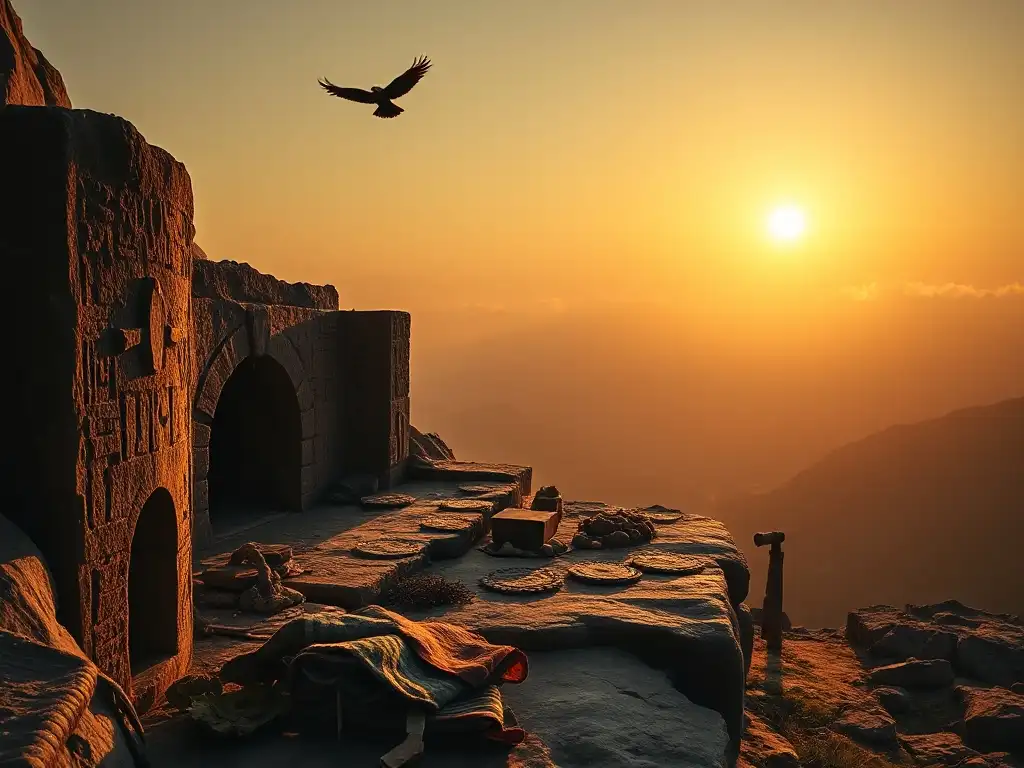
This section explores the intricate relationship between sorcery and the Andean cosmovision, demonstrating how magical practices weren't simply isolated phenomena but deeply intertwined with the Andean worldview. Understanding Andean sorcery requires acknowledging its place within a complex system of beliefs about the cosmos, the interaction between the human and spirit worlds, and the power dynamics inherent in Andean society.
The practice wasn't seen as separate from daily life; rather, it was a tool, a resource, and a reflection of the beliefs that governed Andean existence. This perspective is crucial for avoiding simplistic interpretations of Andean sorcery as merely "evil" or "primitive."
How Sorcery Reflects the Andean Worldview
Andean sorcery, far from being a deviation from the norm, reflected the fundamental principles of Andean cosmology. The belief in the interconnectedness of the natural and supernatural worlds, for instance, is central to understanding the practice. Shamans and sorcerers were believed to navigate this interconnectedness, utilizing their knowledge of plants, animals, and spirits to influence events in the material world.
This influence wasn't necessarily malevolent; it could be used for healing, protection, or even agricultural prosperity. The use of specific plants with psychoactive properties, for example, wasn't viewed as inherently evil but as a means to access other realms and interact with powerful entities. The effectiveness of the sorcery was directly tied to the shaman's understanding of the Andean worldview and their ability to manipulate the forces within it.
This highlights the sophisticated understanding of the natural world possessed by Andean practitioners. Consider, for example, the intricate knowledge of medicinal plants and their properties needed for successful healing rituals, a skill often intertwined with the ability to perform sorcery. This nuanced approach shows that Andean sorcery was not simply a primitive form of magic but a complex system of beliefs and practices embedded within a broader cosmological framework.
The Duality of Power: Good vs. Evil in Andean Beliefs
The simplistic dichotomy of "good" versus "evil" often applied to Western understandings of magic doesn't adequately capture the Andean perspective. Andean beliefs recognized a duality of power, with both beneficial and harmful forces at play. Sorcery could be utilized for constructive purposes, such as healing the sick or ensuring a successful harvest, or for destructive ones, such as inflicting illness or causing misfortune on an enemy.
The morality of the act, therefore, depended heavily on the intent and the context within which the sorcery was performed. This is not to say that there were no ethical considerations; Andean societies had elaborate systems of social control and justice, and the misuse of sorcery could certainly have serious consequences. However, the focus was not on inherent "goodness" or "evilness" of the practice itself, but rather on the ethical implications of its application.
The power to manipulate the supernatural world was seen as a double-edged sword, capable of both creation and destruction, depending on the practitioner's skill and intentions. The potential for both positive and negative outcomes is a key characteristic distinguishing Andean sorcery from some Western conceptions of magic.
The Interconnectedness of the Living and Spirit Worlds
Central to Andean sorcery is the belief in the permeable boundary between the living and spirit worlds. This wasn't a separation but rather a dynamic interaction, with spirits, ancestors, and deities actively influencing the lives of the living. Sorcerers acted as intermediaries, navigating this complex landscape to negotiate with these spiritual forces.
They used rituals, offerings, and incantations to communicate with the spirit world, seeking assistance, protection, or revenge. The effectiveness of this interaction was directly related to the sorcerer's understanding of these spiritual entities and their relationship to the physical world. Many rituals involved the use of specific objects or substances believed to possess spiritual power, such as coca leaves, hallucinogenic plants, or animal bones.
These weren't mere props but integral components of the ritual, facilitating communication and interaction with the spirit world. This interconnectedness underscores the holistic nature of Andean beliefs and highlights the crucial role of sorcery within this system, emphasizing the importance of maintaining a harmonious relationship between the human and spirit worlds to ensure wellbeing and prosperity. The use of these tools, therefore, wasn't simply about manipulating spirits but about establishing and maintaining balance within the Andean cosmos.
Andean Sorcery and Curses: A Conclusion
This exploration of Andean sorcery and curses reveals a complex interplay of beliefs, practices, and social dynamics within the diverse Andean cultures. It's crucial to avoid simplistic interpretations of "good" versus "evil," as the Andean worldview encompassed a nuanced understanding of the supernatural forces at play. The use of sorcery and curses wasn't simply about malevolent intent; it was often intricately woven into social control, conflict resolution, and the maintenance of cosmic balance.
The very definition of a "curse" itself varied depending on the specific culture and historical period. What might be considered a malicious hex in one context could serve a ritualistic purpose in another. Understanding this complexity is key to appreciating the true nature of Andean religious practices.
The Complexity and Nuances of Andean Dark Magic
Andean "dark magic," or ahuayo (a Quechua term encompassing a range of supernatural practices), wasn't a monolithic entity. It manifested differently across various Andean cultures. For instance, the Moche civilization, known for its elaborate iconography depicting ritual sacrifice and warfare, might have employed sorcery in the context of military campaigns or to ensure successful harvests, while the Inca might have used it to maintain social order and consolidate power.
The techniques employed also varied widely, ranging from the use of herbal concoctions and spells to more elaborate rituals involving human sacrifice – although the prevalence and significance of human sacrifice are still debated among scholars. Furthermore, the power of these practices was often believed to be tied to the shaman's or priest's ability to manipulate the spiritual world, making their social standing and expertise crucial elements in determining the efficacy of the curse or spell.
The effectiveness of Andean sorcery was not solely dependent on the incantation or ritual itself but also on the social standing and perceived power of the individual performing it. A curse from a respected shaman would hold significantly more weight than one from an outcast.
We can see examples of this complexity in the surviving archaeological evidence. While direct depictions of curses are rare, the presence of ritual objects, such as intricately carved figurines or amulets with potentially apotropaic (protective) qualities, suggests a widespread belief in the power of the supernatural to influence the physical world. The discovery of mummies with unusual burial practices, potentially indicating the victims of ritual killings, further complicates our understanding, highlighting the need for careful interpretation and avoidance of generalizations.
The Importance of Understanding Cultural Context
Interpreting Andean sorcery and curses requires a deep understanding of the cultural context in which these practices occurred. Western concepts of "good" and "evil" often fail to adequately capture the nuances of Andean cosmovision. The Andean worldview encompassed a complex interplay of deities, spirits, and forces, where the lines between positive and negative influences were often blurred. For example, a shaman might employ sorcery to heal an illness, but the same techniques could also be used to inflict harm.
The intent and context, therefore, were paramount in determining the nature of the action. Furthermore, the social structures and power dynamics of Andean societies significantly influenced the use and perception of sorcery. Powerful individuals may have used curses to maintain their authority or to punish enemies, while others might have sought out shamans for protection or revenge.
Therefore, approaching Andean sorcery without acknowledging its social and cultural embedding risks creating a distorted and inaccurate picture. It is crucial to avoid imposing anachronistic frameworks onto ancient beliefs and practices. The study of Andean sorcery necessitates an understanding of the cultural context in which it was embedded, avoiding the pitfalls of ethnocentrism and misinterpretations.
Further Research into Andean Sorcery and the Supernatural
Further research into Andean sorcery and the supernatural requires a multidisciplinary approach, integrating archaeological, anthropological, and historical perspectives. More detailed studies of specific Andean cultures are needed to understand the regional variations in beliefs and practices. The analysis of surviving texts (where available), archaeological artifacts, and iconography can provide valuable insights into the role of sorcery in Andean societies.
Additionally, a deeper understanding of Quechua and Aymara languages and their associated terminologies related to the supernatural is crucial for accurate translation and interpretation. [Specific information pending: A detailed list of ongoing research projects focusing on Andean sorcery]. Moreover, interdisciplinary collaboration between archaeologists, anthropologists, linguists, and historians is essential to unravel the complexities of Andean beliefs and practices.
This collaborative effort will allow for a more complete and nuanced understanding of Andean sorcery and its place within the broader context of Andean religion and cosmology. This rich and fascinating field of study promises to yield many more discoveries in the years to come, further enriching our understanding of these ancient and complex cultures.
Frequently Asked Questions
What role did sorcery play in Andean societies?
Sorcery held a significant role, often intertwined with religious practices. It wasn't simply "evil," but a force believed to influence daily life, impacting everything from harvests to social standing. Shamans were key figures in wielding this power.
Were curses common in Andean cultures?
Yes, curses were a very real aspect of Andean belief systems. They were employed to inflict harm on enemies or to ensure compliance, demonstrating the power imbalances within society. The threat of a curse could be a potent form of social control.
How did Andean sorcery differ between different cultures (Inca, Moche, etc. )?
While the basic concepts of spiritual power and supernatural intervention were common, specific practices and beliefs varied greatly. The Incas, for example, had a more formalized system compared to the decentralized beliefs of other groups. Regional variations were significant.
What evidence exists to support the existence of Andean sorcery and curses?
Archaeological findings, such as mummified remains showing signs of possible ritualistic violence, and written accounts from Spanish chroniclers (though potentially biased) provide evidence. Ethnographic studies of surviving Andean traditions also offer insight.
How did the Spanish conquest affect Andean beliefs about sorcery and curses?
The Spanish actively suppressed indigenous religious practices, including sorcery, often labeling them as "devil worship." However, many Andean beliefs persisted underground, adapting and evolving in response to colonization. Syncretism resulted in blended belief systems.
Final Reflection: Unveiling the Enduring Power of Andean Sorcery
The enduring legacy of Andean sorcery and curses remains a potent force, shaping not only historical narratives but also the contemporary realities of Andean communities. Understanding these practices, often shrouded in mystery and fear, is crucial to appreciating the complex tapestry of Andean culture and its ongoing struggle against exploitation and injustice. The beliefs surrounding mal de ojo (evil eye), brujería (witchcraft), and the power of ancestral spirits continue to resonate deeply within the region.
The exploration of Andean sorcery and curses reveals a profound connection between the spiritual and material worlds, a connection that has been both a source of strength and vulnerability for Andean peoples. These beliefs are not simply remnants of a bygone era; they are living traditions that continue to shape social interactions, conflict resolution, and even political dynamics. The line between the supernatural and the natural is blurred in Andean cosmology, making sorcery and curses not just spiritual phenomena, but deeply embedded in the social fabric.
This quote encapsulates the intricate relationship between belief systems and social realities, highlighting the importance of understanding these practices within their cultural context.
Consider the power dynamics inherent in accusations of sorcery and the potential for manipulation and control. But also consider the resilience and resourcefulness of communities that utilize these beliefs to navigate hardship and maintain social cohesion. You, the reader, are now equipped with a deeper understanding of this complex reality. Reflect on how these ancient practices continue to shape modern perceptions, and consider the ethical implications of engaging with such potent beliefs. Let this exploration inspire a more nuanced and respectful approach to understanding the rich, multifaceted heritage of the Andes.
**Unveil the Mysteries of Andean Sorcery! **
Thank you for exploring the complex world of Andean religion and its fascinating, sometimes dark, side of sorcery and curses. Your curiosity is key to understanding and connecting with these ancient beliefs.
Now, let's put your knowledge into practice! Here are some ways to delve deeper into this captivating topic:
- **Join a discussion group**, either online or in person, focused on Andean cultures. Sharing insights with others is a great way to learn.
- **Visit a museum or library** with a collection of Andean artifacts and indigenous practices. Experiencing these firsthand offers invaluable perspective.
- Reflect on the role of Andean sorcery in the modern world. How do these ancient beliefs shape contemporary society?
What aspect of Andean sorcery most intrigues you, and how might it reshape our understanding of modern spirituality?