
From Myth to Reality: The Inca's Journey from Legend to Empire

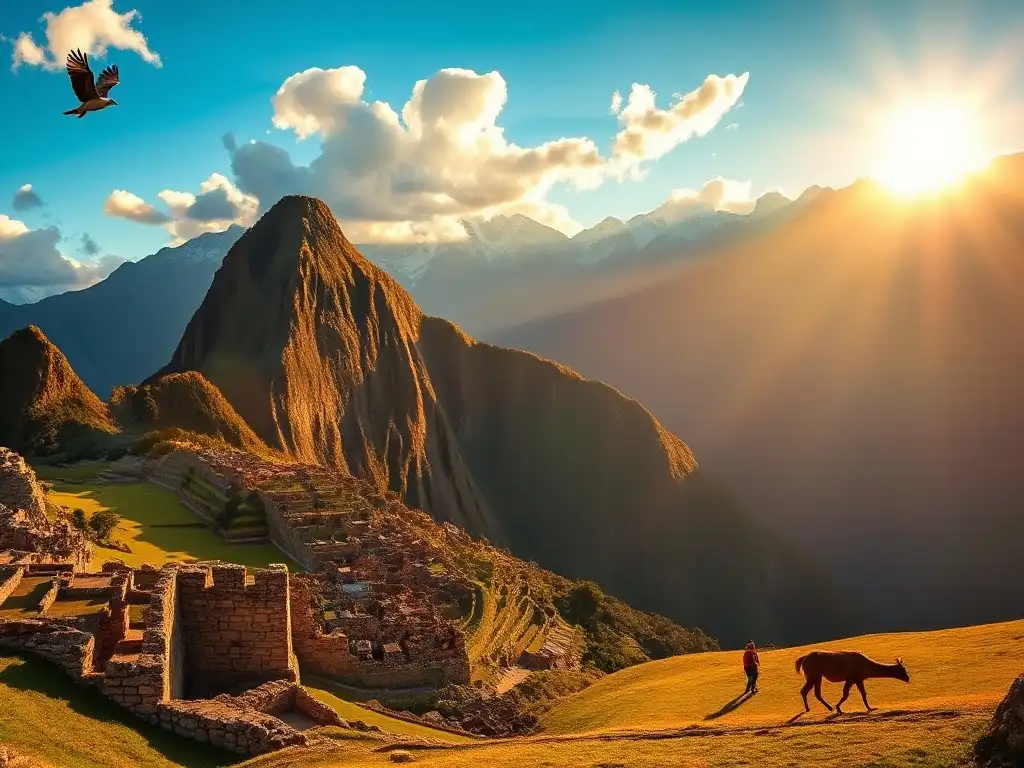
Unravel the mysteries shrouding one of history's most enigmatic empires. Journey with us through the breathtaking landscapes of the Andes, where the echoes of a vanished world still resonate. Discover the secrets behind the Inca empire's history and origins, a tale woven from myth and ambition, innovation and conquest. Prepare to be captivated by the story of a civilization that defied the elements and built a legacy that continues to inspire awe. Dive in and explore the fascinating rise of the Inca Empire – their journey is just beginning, and yours is about to start.
The Inca Empire, a civilization that once dominated the Andes Mountains, continues to captivate imaginations worldwide. Its sophisticated infrastructure, intricate social structures, and impressive agricultural techniques stand as testaments to human ingenuity.
But the Inca story isn't just one of impressive achievements; it's also a compelling narrative woven from myth and reality, a journey from obscure origins to unparalleled power. This exploration delves into the fascinating history and origins of the Inca Empire, examining the legendary accounts alongside the archaeological and historical evidence that sheds light on their rise to prominence.
We will unravel the threads of their story, separating fact from fiction to paint a clearer picture of this remarkable civilization, addressing key aspects of their origins and the growth of their empire, ultimately enriching our understanding of the Inca empire history and origins. Understanding their beginnings is crucial to appreciating the full scope of their impact on South American history and culture.
The Legend of Manco Cápac and Mama Ocllo
The most well-known origin story of the Inca people centers around the legendary figures of Manco Cápac and Mama Ocllo. According to this myth, these siblings emerged from the sacred Lake Titicaca, tasked by the sun god Inti to establish a great civilization. Armed with a golden staff, Manco Cápac was instructed to find the perfect place to found their kingdom – a spot where the staff would sink into the earth.
This location, according to the legend, became the site of Cusco, the future capital of the Inca Empire. This foundational myth, passed down through generations of oral tradition, provided the Inca with a powerful sense of identity and divine legitimacy.
The story not only explains their origins but also underscores their belief in their divine right to rule, a cornerstone of their imperial ideology. The legend emphasizes the Inca's connection to the sun god and the sacred landscape, shaping their religious beliefs and practices for centuries.
This narrative, while undoubtedly a myth, highlights important aspects of Inca culture. The emphasis on the sun god Inti reflects the crucial role of solar worship in their religious practices. The selection of Cusco as the capital, a city strategically located in the heart of the Andes, further underscores the importance of geography and resource control in the Inca's rise to power. While we cannot confirm the literal truth of the myth, analyzing it provides valuable insights into the Inca worldview and their self-perception as a chosen people.
Archaeological Evidence and Early Inca Settlements
While the legend of Manco Cápac and Mama Ocllo provides a captivating narrative, archaeological findings offer a more grounded perspective on the Inca's early history. Evidence suggests that the Inca civilization didn't spring forth fully formed but rather evolved gradually from smaller, pre-existing communities in the Cusco region. Archaeological digs have unearthed settlements dating back centuries before the Inca Empire's formal establishment, revealing a complex process of cultural interaction and development. These early settlements reveal evidence of sophisticated agricultural techniques, intricate pottery, and early forms of social organization, laying the groundwork for the later Inca expansion.
The transition from these smaller communities to the unified Inca Empire was a complex process, likely involving conquest, assimilation, and strategic alliances. Researchers are continuously uncovering new evidence that helps us piece together the puzzle of the Inca's early development, challenging and refining our understanding of their origins. The interplay between legendary accounts and archaeological findings provides a richer and more nuanced understanding of the Inca's journey from local groups to a dominant imperial power. The meticulous study of these early settlements continues to be crucial in understanding the building blocks of the Inca Empire.
Expansion and Consolidation of Power: From Cusco to an Empire
The Inca's expansion wasn't a sudden event but rather a gradual process of conquest and assimilation, extending over several centuries. Starting from their base in Cusco, they strategically expanded their influence through military campaigns and diplomatic alliances. Their military prowess, combined with their sophisticated administrative and organizational skills, allowed them to effectively control and govern vast territories.
The Inca employed a system of mita, a form of labor tribute, to maintain their infrastructure and manage their resources effectively. This system, while demanding, ensured the construction of extensive road networks, impressive agricultural terraces, and monumental buildings that continue to amaze us today.
The Inca's ability to integrate conquered populations into their empire was a key factor in their success. They skillfully implemented a policy of cultural assimilation, allowing conquered peoples to retain certain aspects of their own traditions while simultaneously integrating them into the broader Inca system. This strategy helped to maintain stability and prevent widespread rebellion, ensuring the longevity of the empire.
The Inca's ingenious system of administration, combined with their military strength and diplomatic acumen, allowed them to build an empire that stretched across the Andes, leaving an enduring legacy in its wake. The sheer scale of their expansion and the enduring nature of their administrative systems are a testament to their remarkable organizational capabilities.
---
The story of the Inca Empire is a captivating blend of myth and verifiable history, a narrative that continues to be enriched by new discoveries and interpretations. The following sections will delve deeper into specific aspects of their culture, technology, and eventual decline, offering a more complete picture of this remarkable civilization.
- The Legend of Manco Cápac and Mama Ocllo
- Archaeological Evidence and Early Inca Settlements
- Expansion and Consolidation of Power: From Cusco to an Empire
Inca Origins: Unraveling the Myths and Legends
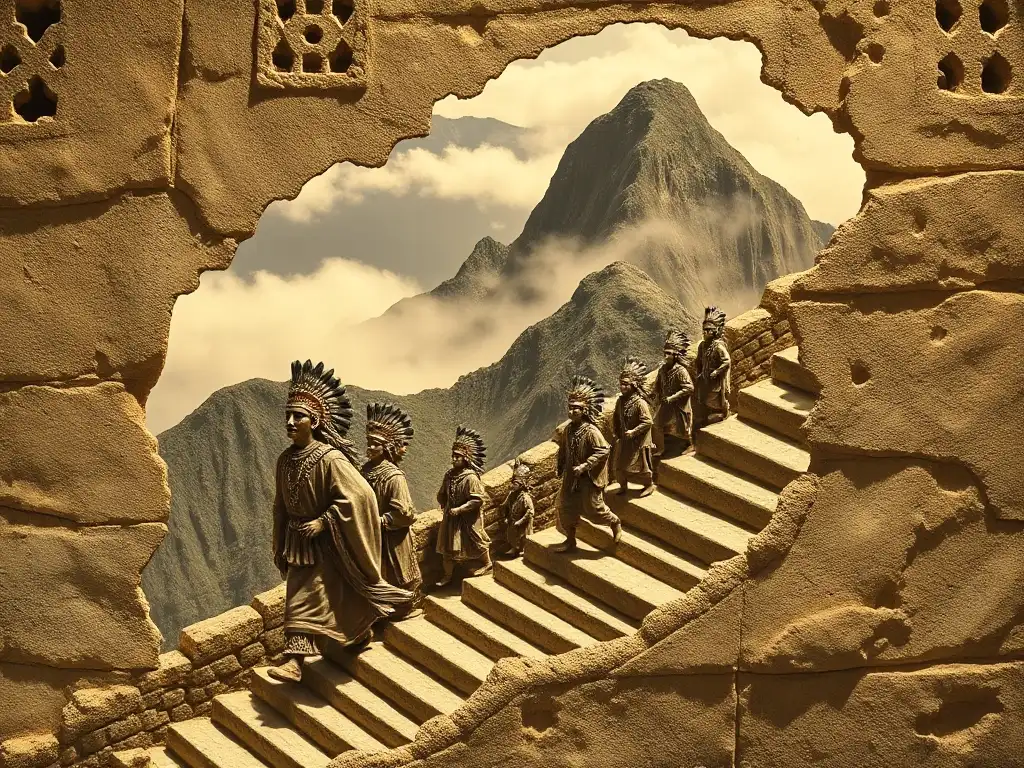
This section delves into the fascinating origins of the Inca Empire, separating historical fact from enduring myths and legends. Understanding the Inca's own narratives about their beginnings is crucial to grasping their worldview and the subsequent development of their powerful empire. The Inca's narrative of their origins, heavily intertwined with religious beliefs and legitimizing their rule, offers a compelling lens through which to examine their early history. We will explore the key elements of this narrative, examining its symbolic significance and its potential connections to archaeological findings.
The Creation Myth of the Inca: Lake Titicaca and the Divine Mandate
The most prevalent Inca creation myth centers around Lake Titicaca, the highest navigable lake in the world, located on the border between modern-day Peru and Bolivia. This sacred body of water is presented not merely as a geographical feature, but as the birthplace of the Inca civilization. According to legend, the first Inca, Manco Cápac, and his sister-wife, Mama Ocllo, emerged from the lake, sent by the sun god, Inti, to establish a new civilization. This divine mandate provided the Inca rulers with a powerful justification for their authority, portraying them as divinely appointed leaders.
The myth details their emergence from the waters, carrying a golden staff, a symbol of power and authority. The staff's purpose was to locate the ideal site for the founding of their empire – a place where the staff would sink into the earth. This journey, fraught with challenges and symbolic significance, represents the Inca's struggle to establish themselves in the harsh Andean landscape.
The specific location of their emergence, Lake Titicaca, highlights the importance of this geographical area in Inca cosmology and its role as a source of both life and power. The lake's unique characteristics, its altitude, and its strategic location, all contribute to the myth's enduring power and its connection to the actual development of early Inca settlements. The story's emphasis on divine origin underscores the Inca’s belief in their unique connection to the cosmos and their right to rule.
The Emergence of Manco Capac and Mama Ocllo: Founding Figures of the Inca Dynasty
Manco Cápac and Mama Ocllo, the legendary founders of the Inca dynasty, are not simply historical figures; they are archetypes representing the ideal Inca ruler and the embodiment of Inca values. Manco Cápac, the first Inca, is depicted as a wise and courageous leader, possessing both military prowess and diplomatic skills. His sister-wife, Mama Ocllo, is portrayed as a skilled administrator and teacher, responsible for introducing agriculture and weaving to the nascent Inca society. Their union symbolizes the harmonious integration of power and nurturing, a key element of Inca ideology.
The story of their emergence from Lake Titicaca and their subsequent journey to Cusco is rich in symbolic meaning. The choice of Cusco as the capital city, allegedly determined by the sinking of Manco Cápac's golden staff, is not arbitrary. Cusco's strategic location in the heart of the Andes, its fertile valley, and its proximity to crucial trade routes all contributed to its selection as the center of the burgeoning Inca Empire.
The myth serves to legitimize Cusco's importance and the Inca's claim to the land. The legend of Manco Cápac and Mama Ocllo, therefore, is not just a historical narrative; it's a powerful statement about Inca identity, their divine right to rule, and the values that shaped their society. Further research into archaeological evidence in and around Lake Titicaca and Cusco could shed more light on the potential historical basis for this foundational myth.
Early Inca Settlements: Tracing the Beginnings of the Cusco Valley
While the legendary account of Manco Cápac and Mama Ocllo provides a compelling narrative, archaeological evidence suggests a more complex and gradual process of Inca development. The Cusco Valley, the heartland of the Inca Empire, shows evidence of pre-Inca settlements and a long history of human occupation. The Inca’s rise to power was not a sudden event but rather a gradual process of integration and expansion, building upon existing cultural structures and incorporating diverse populations.
Archaeological excavations in the Cusco Valley reveal evidence of various pre-Inca cultures, suggesting that the Inca did not emerge in a vacuum. They interacted with, and ultimately incorporated, existing communities, gradually expanding their influence and consolidating their power. This process, involving both conquest and assimilation, contributed to the unique cultural blend that characterized the Inca Empire.
The Inca's mastery of administration and their ability to integrate diverse populations were key factors in their success. Studying the architecture, pottery, and other artifacts from these early settlements helps us understand the gradual evolution of Inca culture and the transition from small, localized communities to the vast and sophisticated Inca Empire. The integration of these early settlements into the Inca narrative highlights the complex interplay between myth and reality in understanding the origins of the Inca Empire.
Further research, including detailed analysis of architectural styles and ceramic traditions, is needed to fully understand the complex dynamics of the early Inca settlements. This detailed examination will help to refine our understanding of the Inca empire history and origins.
Transitioning from Mythical Origins to Historical Foundations
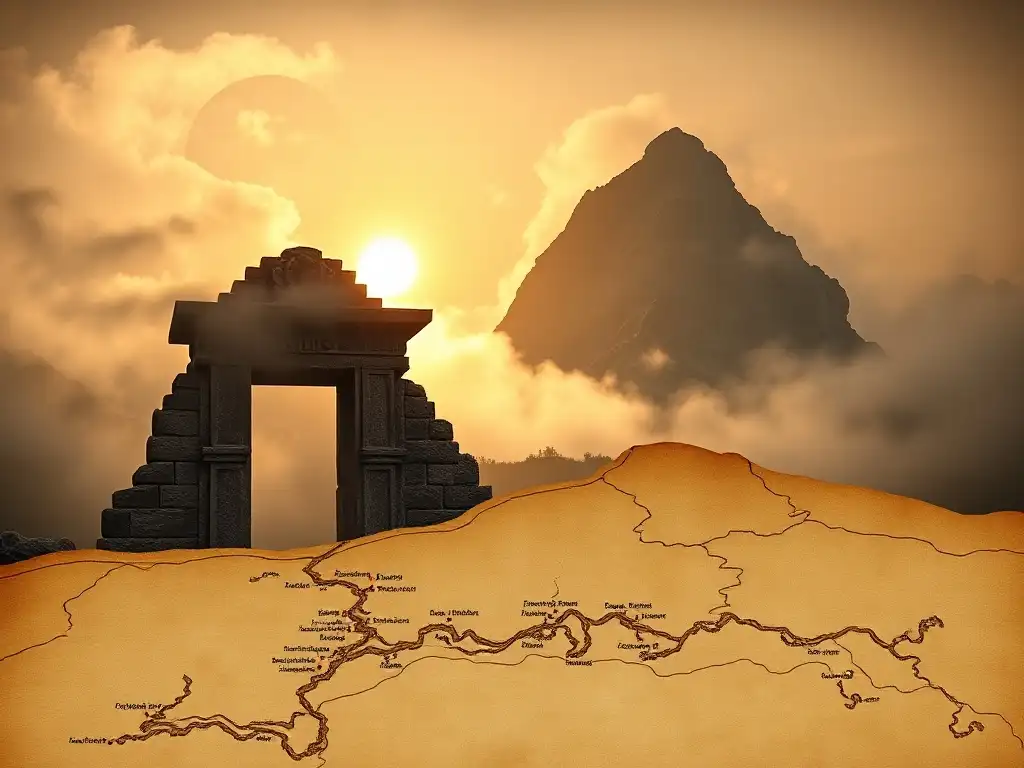
The Inca empire's history, often shrouded in myth and legend, gradually transitions into a more concrete historical narrative around the 15th century CE. While the precise origins remain debated among scholars specializing in Inca empire history and origins, archaeological evidence and surviving accounts from Spanish chroniclers paint a picture of a relatively small group evolving into a powerful and sophisticated empire. This transformation wasn't instantaneous; it was a process of gradual consolidation, strategic alliances, and, undeniably, military prowess.
Understanding this evolution requires examining the complex interplay of political maneuvering, territorial expansion, and cultural assimilation. The narrative shifts from the realm of mythical ancestors, like Manco Cápac and Mama Ocllo, to the tangible achievements of early Inca rulers who laid the groundwork for the vast empire that would eventually stretch across the Andes.
The transition is marked by a shift from oral traditions, rich in symbolic meaning, to a more verifiable record of events, albeit one filtered through the lens of later Spanish accounts. This section explores this fascinating transition, focusing on the key factors that fueled the Inca's rise to dominance.
The Inca Confederation: The Formation of a Regional Power
The Inca empire's origins weren't a sudden burst of power, but rather a slow and deliberate process of consolidation. Initially, the Inca were a relatively small group inhabiting the Cusco region. Through a combination of shrewd diplomacy and military might, they gradually brought neighboring groups under their control, forming a confederation. This wasn't a process of simple conquest, but rather one of incorporating existing power structures and integrating them into a larger, more centralized system.
This confederation involved a sophisticated system of alliances, tribute, and reciprocal obligations. Smaller groups, while retaining some degree of autonomy, were incorporated into the Inca's expanding network, contributing resources and manpower in exchange for protection and access to trade routes. This strategy allowed the Inca to expand their influence without resorting to constant warfare, minimizing the risk of rebellion and fostering a sense of shared identity, albeit a hierarchical one.
The development of effective administrative systems, including a sophisticated network of roads and communication, further solidified the Inca confederation's power and stability. Their ability to manage and integrate diverse populations played a crucial role in their later successes. The precise timeline of this confederation's formation remains a subject of ongoing research within Inca empire history and origins studies.
Early Inca Rulers: Consolidating Power and Expanding Influence
Several early Inca rulers played pivotal roles in consolidating power and expanding the empire's influence. While the details of their reigns are often debated due to limited primary sources, their impact is undeniable. Figures like Pachacuti Inca Yupanqui, considered one of the most important Inca rulers, are credited with significant territorial expansions and administrative reforms.
His reign marked a turning point, transforming the Inca from a regional power into a formidable empire. He implemented innovative strategies to govern the diverse territories under his control, establishing a highly structured administrative system. This system involved a complex network of officials, tasked with collecting tribute, managing resources, and maintaining order.
The implementation of standardized weights and measures, as well as the construction of extensive infrastructure projects such as roads and irrigation systems, further solidified the Inca's control and facilitated communication and trade throughout the empire. The legacy of these early rulers is intricately woven into the fabric of Inca empire history and origins, shaping the foundations upon which the later empire would be built. Further research is needed to fully understand the nuances of their individual contributions.
The Role of Warfare and Alliances in Inca Expansion
While diplomacy and integration played significant roles in the Inca's expansion, warfare was also a crucial element. The Inca army was highly organized and effective, utilizing sophisticated military tactics and weaponry. Their conquests weren't solely driven by a thirst for domination; they often served strategic purposes, securing access to vital resources, crucial trade routes, or consolidating control over rebellious territories. The Inca often incorporated conquered peoples into their army, further bolstering their military strength and fostering a sense of loyalty among formerly hostile groups.
However, the Inca empire's expansion wasn't solely based on military victories. Strategic alliances played a crucial role, allowing them to expand their influence without engaging in costly and protracted wars. The Inca skillfully used diplomacy to forge alliances with neighboring groups, often integrating them into the empire through marriage alliances and carefully negotiated treaties.
This nuanced approach, combining military might with shrewd political maneuvering, was a key component of their success. Analyzing the balance between warfare and alliances offers crucial insights into the complex dynamics of Inca empire history and origins. Further research into specific military campaigns and alliance agreements would greatly enhance our understanding of this multifaceted aspect of their expansion.
The Rise of the Inca Empire: Historical and Archaeological Evidence
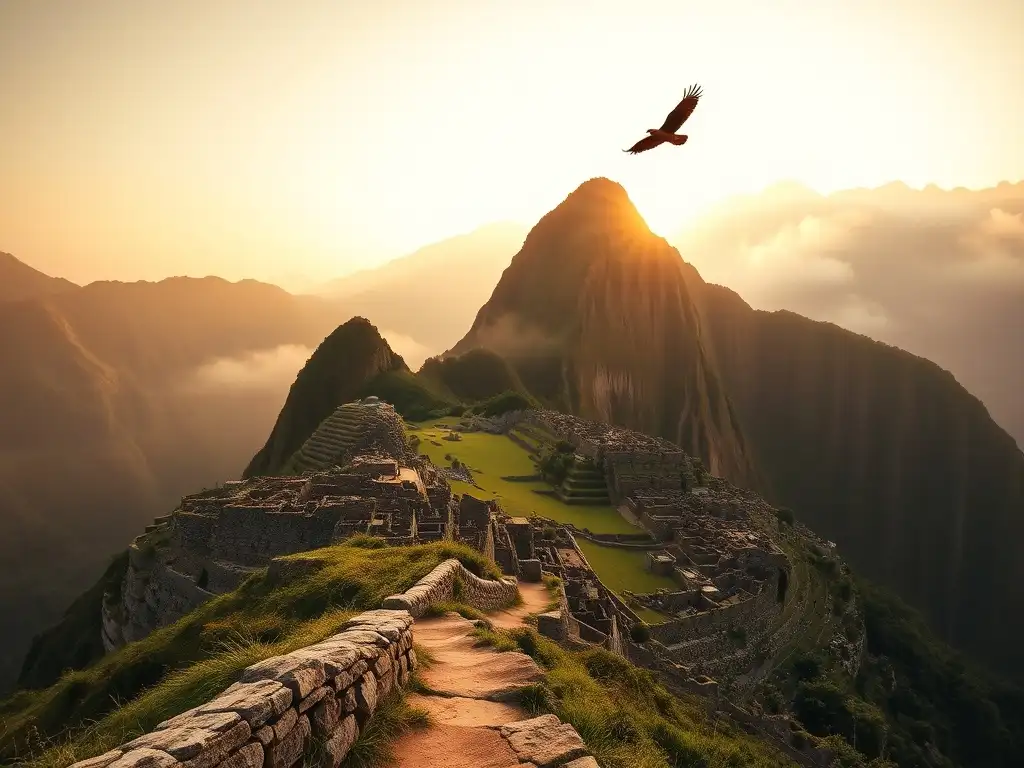
The Inca empire, a civilization renowned for its sophisticated engineering, intricate social structures, and vast territorial reach, didn't spring forth overnight. Understanding its origins requires a careful examination of both historical accounts – primarily those recorded by Spanish chroniclers after the conquest – and the growing body of archaeological evidence unearthed across the Andes. Reconstructing the Inca's journey from a small group to a dominant empire necessitates acknowledging the limitations of our sources, acknowledging biases and gaps in the historical record.
While Spanish accounts provide valuable insights into Inca society and governance, they must be critically analyzed, cross-referenced with archaeological findings, and interpreted within their historical context. The conquest itself dramatically altered the landscape and the transmission of knowledge, resulting in a somewhat fragmented and often incomplete picture.
Archaeological findings, however, are gradually filling in some of these gaps. Excavations at sites like Cusco, the Inca capital, and Ollantaytambo, a significant Inca fortress, reveal detailed information about Inca urban planning, architecture, and daily life. The discovery of sophisticated irrigation systems, intricate road networks, and meticulously crafted stonework provides tangible evidence of the Inca's engineering prowess and organizational capabilities.
Analysis of ceramic artifacts, textiles, and other material culture reveals insights into Inca art, religious beliefs, and social hierarchies. The study of Inca mummies, too, offers invaluable information on health, diet, and even genetic ancestry, providing a more nuanced understanding of the population and its origins.
Carbon dating and other scientific techniques are vital in establishing chronologies and contextualizing discoveries within the broader history of the Andean region. The ongoing research and analysis of these diverse sources are crucial to building a more comprehensive and accurate understanding of the Inca empire's origins and rise to power.
The Reign of Pachacuti: The Architect of the Inca Empire
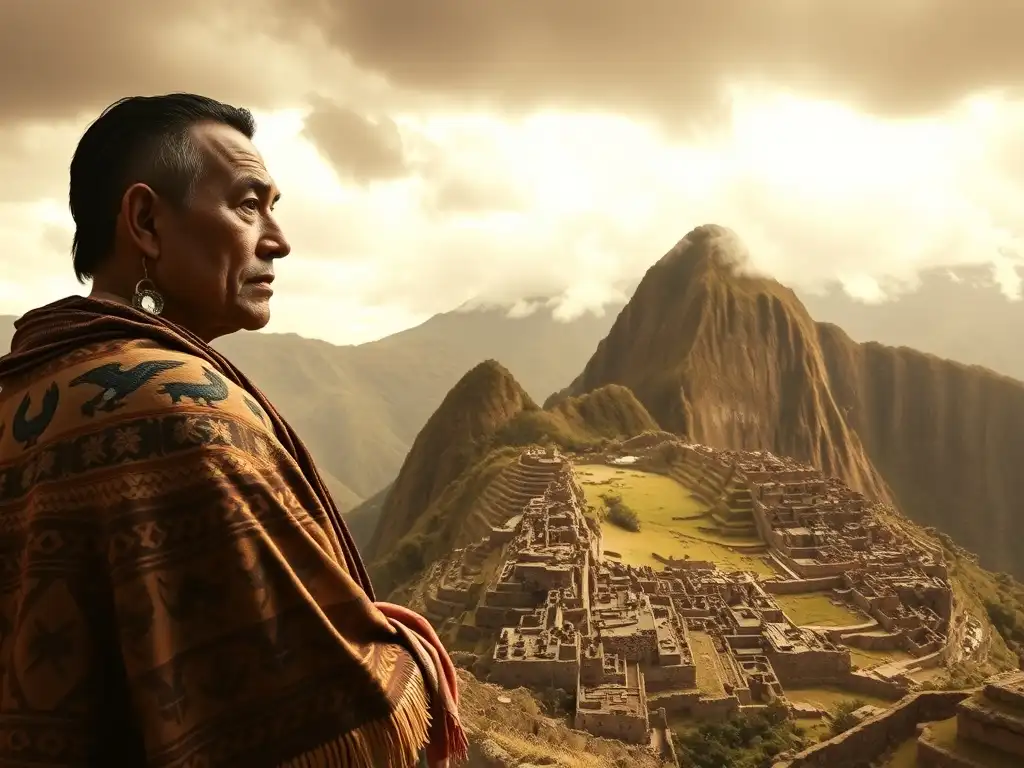
Pachacuti Inca Yupanqui (circa 1438-1471 CE) is widely considered the architect of the Inca Empire's expansion and consolidation. Before his reign, the Inca were a relatively small group inhabiting the Cusco region. However, Pachacuti's military genius and strategic leadership transformed the Inca from a regional power into a formidable empire. His reign marks a pivotal moment in Inca history, a period of rapid expansion and the establishment of crucial administrative and military structures that would define the empire for generations.
Inca Territorial Expansion: Reaching the Zenith of Power
Pachacuti's military campaigns were remarkably successful, significantly expanding Inca territory. He implemented innovative military strategies, utilizing a combination of diplomacy and force to subdue neighboring groups. This involved carefully planned offensives, the construction of strategic fortifications, and the incorporation of conquered populations into the Inca system through a process of assimilation and tribute.
The expansion wasn't simply a matter of conquest; it involved the integration of diverse cultures, languages, and traditions into the broader Inca world. This integration, however, often came with a significant cost. Resistance was met with force, and conquered peoples were expected to conform to Inca customs and practices.
The empire's growth was fueled by a complex interplay of military might, political maneuvering, and the Inca's ability to effectively administer and integrate vast and diverse populations. The zenith of Inca power, largely achieved during Pachacuti's reign and that of his successors, resulted in an empire spanning a vast geographical area, encompassing diverse ecological zones and a multitude of ethnic groups.
The Inca Administrative System: Organizing a Vast and Diverse Empire
The Inca administrative system was crucial to maintaining control over their vast empire. This involved a highly centralized system of governance with the Sapa Inca, the emperor, at its apex. The empire was divided into four provinces, each governed by a designated official, ensuring efficient control and communication across vast distances.
The mit'a system, a form of mandatory labor service, was a cornerstone of Inca administration, mobilizing the population for construction projects, agricultural work, and military campaigns. This system, while demanding, provided a mechanism for integrating conquered populations into the Inca economy and society. The Inca also developed an intricate network of roads, qhapaq ñan, that facilitated communication, trade, and military movements across the empire, further strengthening their control and allowing for the rapid response to potential threats or rebellions.
The impressive organization and efficiency of the Inca administrative system were critical factors in their ability to maintain control over such a vast and diverse empire, cementing their legacy as masters of administration and governance. Further research is needed on the details of regional governance and local power structures within the Inca empire to fully understand the nuances of their administrative system.
Inca Society and Culture: From Legend to Daily Life
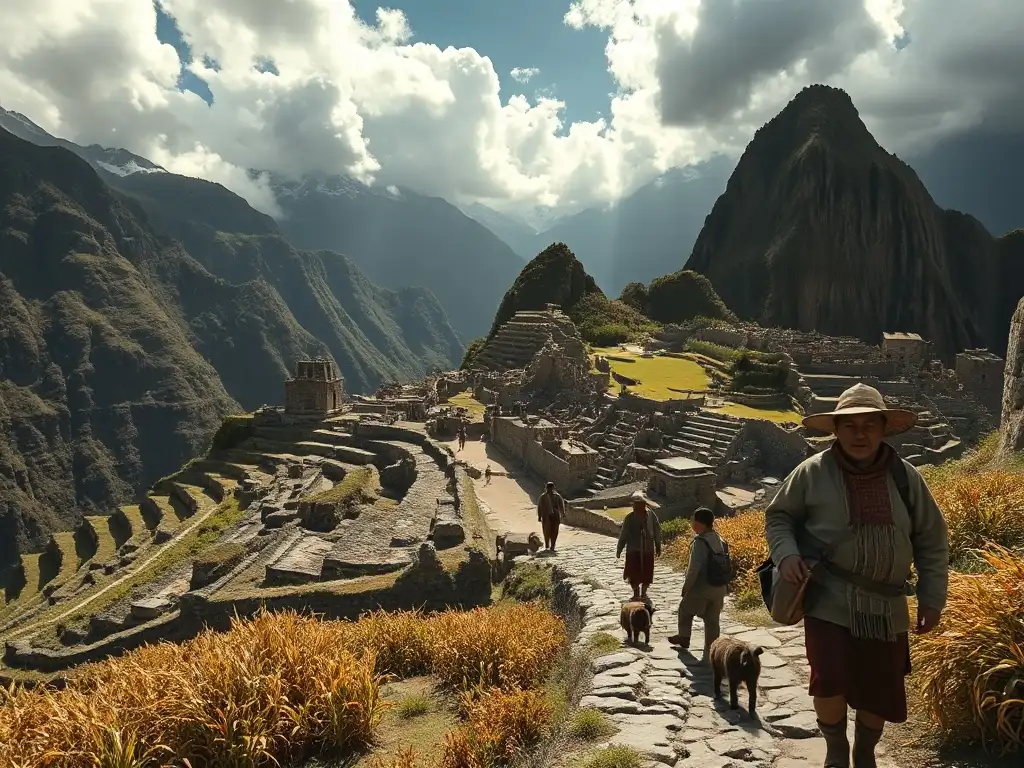
The Inca empire's history and origins are intertwined with a complex social structure that underpinned its remarkable achievements. Understanding this societal framework is crucial to grasping the Inca's rise to power and their lasting legacy. Moving beyond the myths of origin, we delve into the practical realities of Inca daily life, revealing a sophisticated system of organization and social control. The Inca civilization wasn't simply a powerful military force; it was a meticulously organized society with a highly stratified social hierarchy, intricate religious practices, and impressive artistic and architectural accomplishments.
At the apex of Inca society stood the Sapa Inca, the emperor, considered a divine ruler, a direct descendant of the sun god Inti. His authority was absolute, extending to all aspects of life, from religious ceremonies to economic policies. The Sapa Inca wasn't merely a political leader; he was the focal point of the entire Inca worldview. His power was reinforced by a complex system of beliefs and rituals, ensuring unquestioning obedience.
Below the Sapa Inca came the nobility, comprised of his relatives, high-ranking officials, and priests. This elite class enjoyed significant privileges, including access to resources, land, and labor. Their loyalty to the Sapa Inca was paramount, and they played a crucial role in administering the empire and maintaining social order.
The nobility often controlled significant regional territories, acting as intermediaries between the central government and the common people. This system, while seemingly rigid, allowed for a degree of decentralized governance, essential for managing such a vast and diverse empire. Evidence of this hierarchical structure is found in archaeological sites showcasing elaborate palaces and tombs reserved for the elite, contrasting sharply with the simpler dwellings of the common people.
Inca Religious Beliefs and Practices: Beyond the Myths of Origin
Inca religion wasn't just a set of beliefs; it was deeply embedded in every aspect of their lives. While myths of origin played a crucial role in shaping their worldview, the day-to-day practice of religion involved a complex system of rituals, sacrifices, and veneration of various deities. The sun god, Inti, held the most prominent position, but numerous other deities, including the moon goddess, Mama Killa, and the earth goddess, Pachamama, were also worshipped.
Religious practices were interwoven with agriculture, a cornerstone of Inca society. Festivals and ceremonies were often timed to coincide with agricultural cycles, reflecting the deep connection between religion and the practicalities of daily life. Priests, belonging to the nobility, held significant power, interpreting omens and conducting rituals aimed at ensuring a bountiful harvest and appeasing the gods.
Evidence suggests the use of sophisticated astronomical knowledge to determine the timing of these rituals, highlighting the advanced level of Inca scientific understanding. The construction of impressive temples and religious sites further demonstrates the importance of religion in Inca culture. These structures served not only as places of worship but also as centers of power and social control.
Inca Art and Architecture: Reflecting the Imperial Power
Inca art and architecture stand as testaments to their ingenuity and organizational prowess. The Inca empire's history and origins are powerfully reflected in their monumental constructions. From the meticulously crafted textiles to the imposing stone structures of Machu Picchu, Inca artistry served both practical and symbolic purposes. The impressive stonework, characterized by its precision and lack of mortar, is a marvel of engineering, demonstrating a deep understanding of stone cutting and construction techniques.
The iconic structures, such as Sacsayhuamán and Ollantaytambo, showcase not only architectural skill but also the immense power and resources of the Inca empire. These structures served various functions, including administrative centers, religious sites, and fortifications, all contributing to the cohesion and control of the vast empire. The intricate designs found in Inca pottery, textiles, and metalwork further reveal their artistic sophistication and attention to detail.
These artifacts often depict religious motifs, scenes of daily life, or symbolic representations of the Inca worldview. The artistic achievements of the Inca are not merely decorative; they offer valuable insights into their beliefs, social structures, and imperial ambitions. The sheer scale and grandeur of Inca architecture and artistry served as powerful symbols of imperial power, reinforcing the authority of the Sapa Inca and the prestige of the empire itself.
The Legacy of the Inca Empire: From Historical Accounts to Modern Understanding
The Inca empire, a civilization renowned for its sophisticated infrastructure, intricate social structures, and remarkable engineering feats, left an indelible mark on history. Understanding its legacy requires navigating a complex interplay of historical accounts, archaeological discoveries, and ongoing research. The Inca empire's history isn't just a narrative of conquest and expansion; it's a story of adaptation, innovation, and resilience, woven into the very fabric of modern Andean societies. The impact of the Inca empire on "Inca empire history and origins" is profound, shaping our understanding of pre-Columbian civilizations and their lasting influence.
The Spanish Conquest: The Fall of the Inca Empire
The Spanish conquest, beginning in the early 16th century, drastically altered the course of Inca history. While accounts vary, the arrival of Francisco Pizarro and his conquistadors marked a turning point, leading to the downfall of the empire. The Inca's advanced civilization, characterized by its centralized government, sophisticated agriculture (terracing, irrigation systems), and intricate road networks, proved surprisingly vulnerable to European weaponry, disease (smallpox devastated the population), and internal conflicts exploited by the Spanish.
The execution of Atahualpa, the last Sapa Inca, symbolized the complete collapse of the Inca political system. The ensuing colonial period saw the suppression of Inca traditions and the imposition of Spanish culture, yet Inca influence persisted, albeit in altered forms.
The Spanish chronicles, though often biased, provide invaluable, albeit incomplete, primary sources for understanding this crucial period in "Inca empire history and origins." The systematic destruction of Inca records further complicates the reconstruction of this pivotal moment.
Inca Cultural Survivals: Traces of the Past in the Present
Despite the devastation of the conquest, significant aspects of Inca culture survived. Quechua, the language of the Inca, remains widely spoken in the Andes, a testament to the empire's enduring linguistic legacy. Traditional Andean weaving techniques, incorporating intricate designs and vibrant colors, continue to flourish, reflecting the artistic mastery of Inca artisans.
Furthermore, many agricultural practices, such as terraced farming, still employed in the region, are direct descendants of Inca innovations. These cultural survivals are not merely relics of the past; they represent a living connection to Inca heritage, enriching the understanding of "Inca empire history and origins" by offering tangible links to the past.
The persistence of these traditions highlights the resilience and adaptability of Inca cultural practices, even in the face of immense societal upheaval. Furthermore, the ongoing use of traditional medicinal plants and practices provides further insight into the Inca's deep understanding of their environment and its resources.
The Ongoing Study of Inca History and Archaeology: Radiocarbon Dating and Genetic Analysis
Modern scientific techniques have significantly enhanced our understanding of Inca history and origins. Radiocarbon dating, for instance, allows archaeologists to precisely determine the age of organic materials found at Inca sites, providing crucial chronological data for reconstructing the timeline of the empire's development. Genetic analysis of ancient Inca remains offers further insights into population movements, migration patterns, and the genetic diversity within the empire.
These scientific approaches, coupled with meticulous archaeological excavations and the careful analysis of textual sources, contribute to a more nuanced and accurate picture of "Inca empire history and origins" than was previously possible. The integration of these diverse methodologies is crucial for moving beyond simplistic narratives and toward a more comprehensive understanding of this fascinating civilization. Ongoing research continues to refine our understanding, challenging existing theories and revealing new facets of Inca society.
For example, recent studies using ancient DNA analysis have shed light on the genetic relationships between different Inca populations and their interactions with neighboring groups. The future holds the promise of even more detailed and accurate reconstructions of Inca history and origins, aided by continuous advancements in scientific techniques.
Frequently Asked Questions
What are the origins of the Inca Empire?
The Inca Empire's origins trace back to the 13th century in the Cusco region of modern-day Peru. A small group, possibly led by Manco Capac, gradually expanded their influence through military conquest and diplomacy, eventually forging a vast empire.
How did the Inca Empire grow so large?
The Incas employed sophisticated military strategies and a highly organized administrative system. They also integrated conquered peoples through cultural exchange and infrastructure projects, such as roads and irrigation systems, fostering loyalty and minimizing rebellion.
What was the role of religion in the Inca Empire?
Religion played a crucial role, with the Sapa Inca considered a divine ruler. State-sponsored religious practices centered on ancestor veneration, agricultural cycles, and the worship of various deities, including the sun god Inti. Temples and religious festivals were central to Inca life.
What significant technological advancements did the Incas achieve?
The Incas were renowned for their advanced engineering, particularly in road construction, irrigation systems, and stonework. Their mastery of terracing allowed them to cultivate steep slopes, and their intricate stone structures, like Machu Picchu, remain marvels of engineering.
What ultimately led to the downfall of the Inca Empire?
The Spanish conquest in the 16th century, led by Francisco Pizarro, marked the end of the Inca Empire. Disease, internal conflicts, and the superior military technology of the Spanish conquistadors proved devastating to the Inca civilization.
Final Reflection: Echoes of the Andes: The Enduring Legacy of the Inca
The Inca Empire, a civilization born from the rugged Andes, continues to resonate in our modern world, a testament to human ingenuity and the enduring power of cultural legacy. Its sophisticated infrastructure, innovative agricultural practices, and complex social structures offer invaluable lessons in adaptation, resilience, and the importance of community, lessons that remain strikingly relevant in our increasingly interconnected and complex global society. The echoes of their achievements still reverberate, shaping our understanding of history and inspiring awe.
The Inca's story is not merely a historical account; it's a powerful narrative of human potential, a reminder that even in the face of seemingly insurmountable challenges, remarkable achievements are possible. Their story underscores the importance of understanding diverse cultures and perspectives, fostering empathy and appreciation for the richness of human experience. A people without the knowledge of their past history, origin and culture is like a tree without roots.
This quote, though not directly attributed to an Inca source, perfectly encapsulates the significance of understanding the Inca's journey, not just for its historical value, but for its profound implications for our collective future.
Consider the ingenuity of their terrace farming, their intricate road systems, and their sophisticated understanding of astronomy. These achievements weren't born of magic, but of careful observation, collaboration, and a deep connection to their environment. You too possess the capacity for innovation and resilience.
Reflect on the challenges you face, and consider how the Inca's story might inspire you to approach them with creativity, determination, and a commitment to building a better future, not just for yourself, but for your community and the world at large. Let the legacy of the Inca Empire ignite your own journey of discovery and achievement.
Embrace the Inca Legacy: Take Action Today!
Thank you for exploring the captivating journey of the Inca, from mythical origins to a vast empire. We hope their incredible story and enduring lessons resonated with you. Now, let's build on this inspiration and take action.
Here are some ways to connect further with the spirit of the Inca civilization:
- Explore your heritage: Research your family history and share your discoveries with loved ones. Understanding your roots can be deeply enriching.
- Join a community of Andean history enthusiasts: Connect with like-minded individuals online or in your local area to expand your knowledge and appreciation of these fascinating cultures.
- Share this inspiring story: Spread the word about the Inca's remarkable journey by sharing this article on social media or with your community.
Reflect on the aspects of the Inca's extraordinary journey that most moved you, and consider how you can apply those lessons to your own life.