
A Tapestry of Time: Connecting with the Threads of Andean Heritage

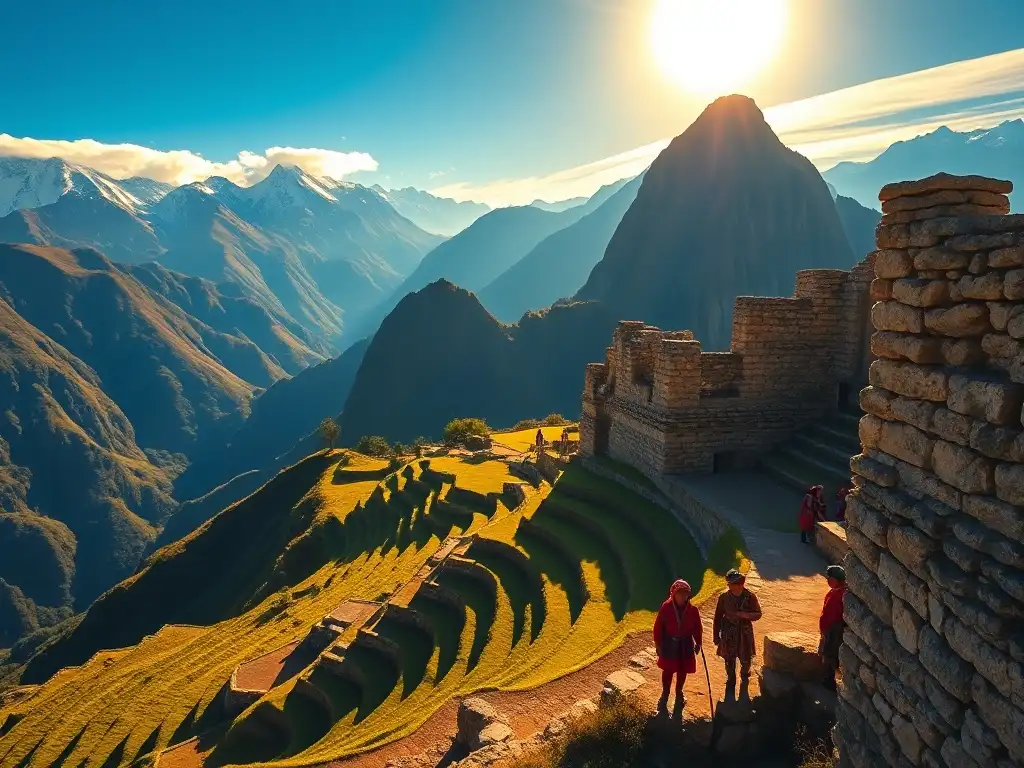
Unravel the mysteries of a lost world. Journey with us into the heart of the Andean Civilizations, where breathtaking artistry and ingenious engineering meet the echoes of a vibrant past. Prepare to be captivated by the Ancient Andean civilizations history, a narrative woven from threads of Inca ingenuity, Nazca artistry, and the enduring legacies of the Moche and Tiahuanaco. Discover how these remarkable cultures shaped a landscape and left behind a legacy that continues to resonate today – a legacy waiting to be explored. Dive in and uncover the secrets that lie hidden within this rich tapestry of time.
The Andes Mountains, a spine of rock and ice running down the western edge of South America, are not merely a geographical feature; they are the cradle of a rich and complex tapestry of human history. For millennia, vibrant civilizations have risen and fallen amidst these towering peaks, leaving behind an astonishing legacy of ingenuity, artistry, and cultural innovation.
This exploration delves into the fascinating world of Ancient Andean civilizations history, examining the remarkable achievements of cultures like the Incas, Moche, Nazca, and Tiahuanaco, and uncovering the threads that connect their diverse yet interconnected narratives. Understanding their societal structures, technological advancements, and spiritual beliefs provides invaluable insight into the ingenuity and resilience of humanity, offering a compelling narrative for both historical enthusiasts and those seeking to connect with a profoundly significant cultural heritage.
This journey through time will illuminate the enduring impact of these ancient societies and their lasting contribution to the vibrant cultural landscape of the Andes today.
Unveiling the Rich History of Ancient Andean Civilizations
The history of Andean civilizations is a long and intricate story, spanning thousands of years. It's not a linear progression, but rather a complex interplay of diverse cultures, each with its own unique characteristics and contributions. From the early hunter-gatherer societies to the sophisticated empires of the Inca, the region witnessed remarkable transformations in social organization, agricultural practices, and technological innovation.
Understanding this evolution requires recognizing the distinct phases and the interconnectedness of various cultural groups. The development of sophisticated irrigation systems, for example, was crucial to the rise of many Andean civilizations, enabling them to cultivate fertile lands and support larger populations. Similarly, advancements in metallurgy and textile production played significant roles in shaping their social hierarchies and economic systems.
The legacy of these achievements is still visible today in the breathtaking ruins, intricate textiles, and enduring traditions that continue to shape the Andean region. The study of these ancient societies provides a profound understanding of human adaptation, resilience, and the enduring power of cultural heritage.
The Inca Empire: A Legacy of Power and Precision
The Inca Empire, flourishing from roughly 1438 to 1533 CE, stands as a testament to the organizational prowess and engineering skills of the Andean people. Their vast empire, stretching across a significant portion of the Andes, was characterized by a highly centralized political system, sophisticated infrastructure, and a complex social hierarchy. The Incas were master builders, creating impressive road networks, intricate irrigation systems, and monumental stone structures that still stand as awe-inspiring testaments to their advanced engineering capabilities.
Their mastery of stonework, particularly evident in sites like Machu Picchu, is unparalleled, showcasing their understanding of architecture, engineering, and astronomy. Furthermore, the Inca's intricate system of record-keeping, using quipus (knotted cords), highlights their sophisticated administrative abilities.
Their societal structure, with its emphasis on communal labor and redistribution of resources, contributed to the empire's stability and longevity, although it ultimately fell to the Spanish conquest. The impact of the Inca Empire remains deeply ingrained in the cultural identity and landscape of the Andes.
Beyond the Inca: Exploring the Diverse Andean Cultures
While the Inca Empire often dominates narratives surrounding Andean civilizations, it's crucial to acknowledge the rich diversity of cultures that preceded and existed concurrently with them. The Moche civilization, known for its elaborate pottery depicting scenes of daily life and ritual practices, flourished on the northern coast of Peru between approximately 100 and 800 CE. Their intricate metalwork and sophisticated irrigation systems demonstrated remarkable technological skill.
Similarly, the Nazca culture (100 BCE – 800 CE), famous for its enigmatic geoglyphs etched into the desert plains, showcases a deep understanding of astronomy and a unique artistic vision. The Tiahuanaco civilization (c. 1500 BCE – 1200 CE), centered around Lake Titicaca, developed a powerful empire with sophisticated monumental architecture and a complex religious system.
These are just a few examples of the many vibrant cultures that shaped the Andean region, each leaving its unique mark on the landscape and the historical record. Understanding this diversity is essential to appreciating the full richness and complexity of Andean history.
The Enduring Legacy: Ancient Andean Civilizations and Modern Society
The impact of ancient Andean civilizations extends far beyond the ruins and artifacts they left behind. Their innovations in agriculture, engineering, and social organization continue to inspire and inform modern societies. Moreover, their artistic expressions, from intricate textiles to stunning pottery, continue to captivate and inspire artists and designers today. The enduring legacy of these societies is also reflected in the cultural traditions, languages, and spiritual beliefs that persist in the Andes today.
Understanding their history is not merely an academic exercise; it's a way of connecting with the living heritage of a region and appreciating the remarkable achievements of past generations. By studying these ancient civilizations, we gain a deeper understanding of human resilience, ingenuity, and the enduring power of culture. The threads of Andean heritage continue to weave their way into the fabric of modern life, reminding us of the rich tapestry of human experience.
- Unveiling the Rich History of Ancient Andean Civilizations
- The Inca Empire: A Legacy of Power and Precision
- Beyond the Inca: Exploring the Diverse Andean Cultures
- The Enduring Legacy: Ancient Andean Civilizations and Modern Society
- What were the major ancient Andean civilizations?
- How did the geography of the Andes influence Andean civilizations?
- What were some of the significant technological advancements of the ancient Andean civilizations?
- What is the significance of Machu Picchu in the context of ancient Andean history?
- How did the different Andean civilizations interact with each other?
The Cradle of Andean Cultures: A Journey Through Time

This section delves into the fascinating history of the pre-Inca civilizations that laid the groundwork for the later Inca Empire, significantly contributing to the rich tapestry of Ancient Andean civilizations history. These cultures, each with unique characteristics, left behind a legacy of impressive achievements in art, engineering, and social organization, shaping the Andean landscape and influencing subsequent societies. Understanding these precursors is crucial to appreciating the full complexity of Inca achievements and the broader Ancient Andean civilizations history.
Pre-Inca Civilizations: Laying the Foundation
The pre-Inca period witnessed the flourishing of several remarkable Andean cultures, each leaving its unique mark on the region's history and shaping the landscape we see today. Their innovations in agriculture, architecture, and social structures paved the way for the Inca Empire's later success. The study of these civilizations provides a deeper understanding of the Ancient Andean civilizations history and the gradual development of complex societies in the Andes.
The Moche: Masters of Art and Irrigation
The Moche civilization (c. 100-800 CE) flourished along the northern coast of Peru. Remarkably skilled artisans, they are renowned for their intricate pottery, often depicting scenes of daily life, warfare, and religious rituals. These ceramics offer invaluable insights into their beliefs, social structures, and artistic sensibilities. Beyond their artistic prowess, the Moche were also master irrigators, developing sophisticated canal systems to cultivate the arid coastal lands, a testament to their ingenuity and vital for understanding Ancient Andean civilizations history. Their sophisticated understanding of water management allowed for thriving agricultural communities, supporting a large and complex society.
The Nazca: Enigmatic Lines on the Desert
The Nazca culture (c. 100 BCE – 800 CE) is perhaps best known for the enigmatic Nazca Lines, vast geoglyphs etched into the desert surface. The purpose of these colossal figures and lines remains a subject of debate, with theories ranging from astronomical observations to ritualistic practices. However, the Nazca's achievements extended far beyond these mysterious markings.
They were skilled textile producers, creating intricate weavings with vibrant colors and complex designs. The Nazca's mastery of irrigation techniques, similar to the Moche, also contributed significantly to the overall Ancient Andean civilizations history narrative. Their ability to thrive in such a harsh environment showcases remarkable adaptation and technological prowess.
Tiahuanaco: The High-Altitude Metropolis
Tiahuanaco (c. 1500 BCE – 1100 CE), located on the Altiplano, thrived at a high altitude, presenting a significant challenge to its inhabitants. This impressive civilization constructed monumental structures, including the iconic Puerta del Sol (Sun Gate), showcasing advanced architectural and engineering skills. Tiahuanaco’s influence extended across a vast region, suggesting a powerful and well-organized empire.
Their mastery of agriculture in challenging high-altitude conditions is a key aspect of their legacy and a noteworthy contribution to the Ancient Andean civilizations history. The sophisticated organization needed to manage such a large-scale society in a challenging environment speaks volumes about their societal structure.
Chavin: The Dawn of Andean Civilization
The Chavin culture (c. 1200 – 200 BCE) is considered one of the earliest complex societies in the Andes, laying the foundation for many subsequent cultures. Their distinctive artistic style, characterized by stylized jaguars and other mythical creatures, influenced later Andean art traditions. The Chavin's impact on the development of religious beliefs and artistic conventions is profound and fundamental to understanding the broader Ancient Andean civilizations history. The spread of their artistic motifs across a wide geographical area points to a significant level of cultural and possibly political influence during their time.
The Rise of the Inca Empire: A Culmination of Traditions
The Inca Empire (c. 1438-1533 CE), the most well-known of the Andean civilizations, built upon the foundations laid by its predecessors. Their sophisticated political organization, impressive engineering feats, and intricate social structure left an indelible mark on the region and continues to fascinate scholars and the public alike, contributing significantly to the study of Ancient Andean civilizations history.
Inca Expansion and Political Organization
The Inca Empire's expansion was remarkable, driven by military prowess and skillful diplomacy. Through a system of alliances and conquests, they brought a vast territory under their control, stretching along the Andes from modern-day Ecuador to Chile. Their effective administrative system, based on a hierarchical structure with governors and officials overseeing different regions, enabled them to manage and control this expansive territory efficiently. The meticulous record-keeping using quipus (knotted cords) further facilitated their administration.
The Inca Social Structure and Daily Life
Inca society was highly stratified, with the Sapa Inca (emperor) at the apex, followed by nobles, priests, artisans, and farmers. The ayllu, a community-based system, played a vital role in the Inca social fabric, organizing labor and resource distribution. Daily life revolved around agriculture, with a focus on terrace farming to maximize land use. The Inca’s profound understanding of their environment and ability to construct complex societal structures are crucial to understanding Ancient Andean civilizations history.
Inca Engineering and Architectural Marvels
Inca engineering achievements are legendary. Their mastery of stonework is evident in the precision-cut stones used in structures like Machu Picchu and Sacsayhuamán. Their road system, spanning thousands of kilometers across challenging terrain, facilitated communication and trade throughout the empire. Their sophisticated irrigation systems, building on the knowledge of previous Andean civilizations, allowed for efficient agricultural production. These impressive feats of engineering and architecture continue to inspire awe and provide invaluable insights into Ancient Andean civilizations history. The enduring legacy of Inca ingenuity is a cornerstone of Andean heritage.
Exploring Andean Cultural Heritage: Art, Technology, and Beliefs
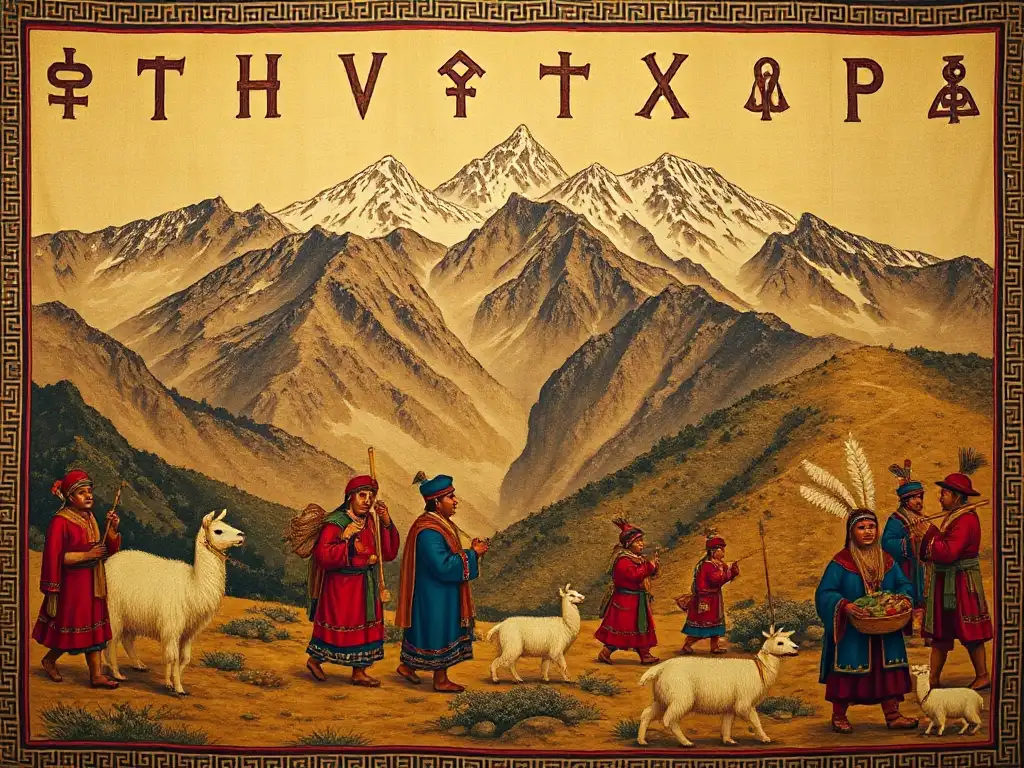
This section delves into the fascinating interplay between art, technology, and belief systems that shaped the ancient Andean civilizations. Understanding these interconnected aspects provides a richer appreciation for the ingenuity and complexity of these societies, offering a glimpse into their worldview and daily lives. We will explore how their artistic expressions reflected cosmological beliefs, and how their technological advancements supported their social structures and spiritual practices. The study of "Ancient Andean civilizations history" reveals a sophisticated culture that continues to inspire awe and admiration.
Andean Art: A Reflection of the Cosmos
Andean art wasn't merely decorative; it was a powerful medium for communicating religious beliefs, social structures, and historical narratives. The intricate detail and symbolic language embedded within these artifacts provide invaluable insights into the minds and hearts of the ancient Andean peoples. Their artistic achievements demonstrate a profound understanding of their environment and a deep connection with the spiritual realm.
Pottery and Ceramics: Stories Told in Clay
Pottery and ceramics served diverse purposes, from utilitarian vessels for everyday use to elaborate ceremonial objects. The Moche culture, for instance, is renowned for its highly realistic and expressive pottery depicting scenes of warfare, daily life, and mythological figures. These intricate depictions offer a window into Moche society, revealing details about their social hierarchy, religious practices, and even their understanding of the natural world.
The clay itself, sourced from specific regions, held symbolic significance, further enriching the meaning embedded within each piece. Analysis of the chemical composition of the clay allows archaeologists to trace the origins of the pottery and understand trade networks.
Weaving and Textiles: Intricate Patterns of Meaning
Textiles in the Andes were far more than just clothing; they were complex works of art laden with symbolic meaning. The intricate patterns, vibrant colors, and high-quality materials used in weaving reflect the advanced technological skills and aesthetic sensibilities of these civilizations. The use of camelid fibers, such as alpaca and llama wool, along with cotton, showcases their mastery of animal husbandry and textile production.
Specific patterns and colors held significant meaning, often related to social status, religious beliefs, or clan affiliations. For example, certain motifs might represent deities, ancestors, or natural phenomena. The preservation of these textiles, often found in burial sites, provides us with a tangible link to the past, allowing us to study their techniques and decipher their symbolism.
Gold and Metalwork: Expressions of Power and Spirituality
The mastery of gold and metalwork in the Andes is a testament to their advanced metallurgical skills. Gold, a highly valued material, was often used to create elaborate ornaments, ceremonial objects, and prestigious items associated with power and spirituality. The intricate designs, often incorporating feathers, animals, and other symbolic motifs, reflect the sophisticated artistry and technical expertise of Andean metalworkers.
The techniques employed, such as lost-wax casting and hammering, required advanced knowledge and skill, demonstrating the high level of technological development achieved by these ancient societies. The use of gold in religious contexts highlights its symbolic association with the sun, and its importance in ceremonies and rituals.
Technological Innovations of Ancient Andean Peoples
Beyond their artistic achievements, the ancient Andean civilizations displayed remarkable technological prowess, developing sophisticated systems that supported their complex societies and enabled their survival in challenging environments. Their ingenuity in agriculture, infrastructure, and astronomy is particularly noteworthy.
Agricultural Techniques: Terraces and Irrigation Systems
The Andes' steep slopes presented significant challenges for agriculture. However, Andean peoples overcame these limitations by developing ingenious agricultural techniques, including terraced farming and intricate irrigation systems. Terraces transformed steep hillsides into arable land, increasing the amount of cultivable area and reducing soil erosion. Irrigation systems, often involving canals and aqueducts, provided a reliable water source for crops, even in arid regions.
The careful planning and engineering involved in these systems demonstrate a deep understanding of both agriculture and hydrology. The scale and complexity of these projects underscore the social organization and collaborative efforts necessary for their construction and maintenance. For example, the Nazca lines, although their purpose is still debated, might have played a role in agricultural practices.
Road Networks and Communication Systems
The Inca Empire, in particular, is renowned for its extensive network of roads, which facilitated communication, trade, and military movements throughout their vast empire. These roads, often paved and well-maintained, connected distant regions, allowing for the efficient transportation of goods and information. The construction of these roads involved significant engineering feats, including the use of bridges, tunnels, and suspension bridges across ravines and rivers. The efficiency of the Inca road system is a testament to their advanced understanding of engineering and logistics. Further research is needed to fully understand the specific construction techniques employed in different regions.
Advanced Understanding of Astronomy
Andean civilizations possessed a sophisticated understanding of astronomy, which played a significant role in their religious beliefs and agricultural practices. Their observations of celestial bodies allowed them to develop accurate calendars and predict seasonal changes, crucial for agricultural planning. The precise alignment of certain structures, such as temples and ceremonial centers, with astronomical events suggests a deep knowledge of celestial mechanics.
Further research into the astronomical knowledge of different Andean cultures is needed to better understand the extent of their astronomical achievements and their impact on their daily lives. [Specific information pending on the precise astronomical knowledge of various Andean groups].
Spiritual Beliefs and Rituals of the Andes
The Andes Mountains were not merely a geographical feature to the ancient Andean civilizations; they were a living, breathing entity deeply interwoven with their spiritual beliefs and daily practices. Understanding the complex tapestry of Andean spirituality is crucial to grasping their rich history and cultural heritage. Their worldview was profoundly animistic, imbuing the natural world—mountains, rivers, animals, plants—with spiritual power and agency.
This interconnectedness shaped their rituals, art, and social structures. The spiritual realm was not separate from the physical world but rather inextricably linked, influencing every aspect of life from agriculture to warfare. This holistic approach to spirituality is a defining characteristic of the ancient Andean civilizations and a key element in understanding their "Ancient Andean civilizations history."
The Importance of Pachamama and Inti
Pachamama, the Earth Mother, and Inti, the Sun God, were central figures in the Andean pantheon. Pachamama represented the fertile earth, providing sustenance and life. Rituals honoring Pachamama were essential for ensuring successful harvests and maintaining the balance of nature.
Offerings, often including coca leaves, chicha (a fermented maize beverage), and llama sacrifices, were made to appease her and ensure her continued benevolence. The importance of Pachamama highlights the deep connection between the Andean peoples and their environment, a connection that shaped their agricultural practices, settlement patterns, and overall worldview. Understanding the reverence for Pachamama offers a powerful lens through which to view the agricultural innovations and societal structures of these ancient civilizations, contributing significantly to our understanding of "Ancient Andean civilizations history."
Inti, the Sun God, was equally revered, representing life-giving energy and power. His daily journey across the sky was observed with meticulous attention, as his movements were believed to influence the weather patterns and agricultural cycles. Temples and observatories were constructed to track Inti's movements, reflecting the sophisticated astronomical knowledge of the Andean cultures.
The festivals dedicated to Inti were elaborate affairs, often involving large-scale communal participation and highlighting the importance of solar worship in shaping Andean society and its relationship with the cosmos. The intricate interplay between the worship of Inti and Pachamama underscores the complex and nuanced nature of Andean spirituality.
Shamanism and Sacred Sites
Shamanism played a pivotal role in Andean spiritual life. Shamans, or paqos, acted as intermediaries between the human and spiritual worlds, possessing the ability to communicate with deities and spirits. They were vital in healing rituals, divination, and maintaining social order. Their expertise was highly valued, and they often held significant social influence within their communities.
The use of hallucinogenic plants, such as ayahuasca and San Pedro cactus, facilitated shamanic journeys into the spirit world, allowing for deeper connections with the divine and the ancestors. The use of these plants wasn't simply recreational but rather a crucial component of spiritual practices, enhancing the shaman's ability to diagnose illness, predict the future, and interact with the spiritual realm. Studying shamanic practices provides invaluable insights into the beliefs and practices of these ancient societies, adding another layer to our comprehension of "Ancient Andean civilizations history."
Sacred sites, often located on mountaintops or in caves, served as focal points for rituals and ceremonies. These locations were believed to possess a potent spiritual energy, connecting the earthly and celestial realms. Many of these sites, such as Machu Picchu, remain today as testaments to the spiritual significance of these locations and the profound impact of Andean beliefs on their landscape.
The construction and utilization of these sites reflect not only the spiritual beliefs but also the advanced architectural and engineering capabilities of the Andean civilizations. The meticulous planning and execution involved in the creation of these sacred spaces underscores the deep commitment to their spiritual beliefs.
Ancestor Veneration and Ritual Practices
Ancestor veneration was a crucial aspect of Andean spirituality. The ancestors were believed to continue to exert influence on the living, offering protection and guidance. Rituals were performed to honor and appease the ancestors, ensuring their continued support. These rituals often involved offerings of food, drink, and other valuable items placed at burial sites or family shrines.
Mummies, often elaborately adorned, were treated with great respect and sometimes even consulted for advice. This deep reverence for ancestors reflects the importance of family lineage and community cohesion in Andean society. The elaborate funerary practices and the preservation of mummies provide a unique window into their social structures and beliefs concerning the afterlife, adding significantly to our understanding of "Ancient Andean civilizations history."
The continuity of ancestral influence highlights the cyclical nature of Andean worldview, where the past, present, and future were inextricably intertwined. The careful preservation of mummies and the elaborate rituals surrounding them showcase the reverence for their ancestors and the profound impact this had on their social structures and daily lives. These practices played a significant role in shaping their social cohesion and cultural identity.
Connecting with the Past: Tourism and Cultural Preservation
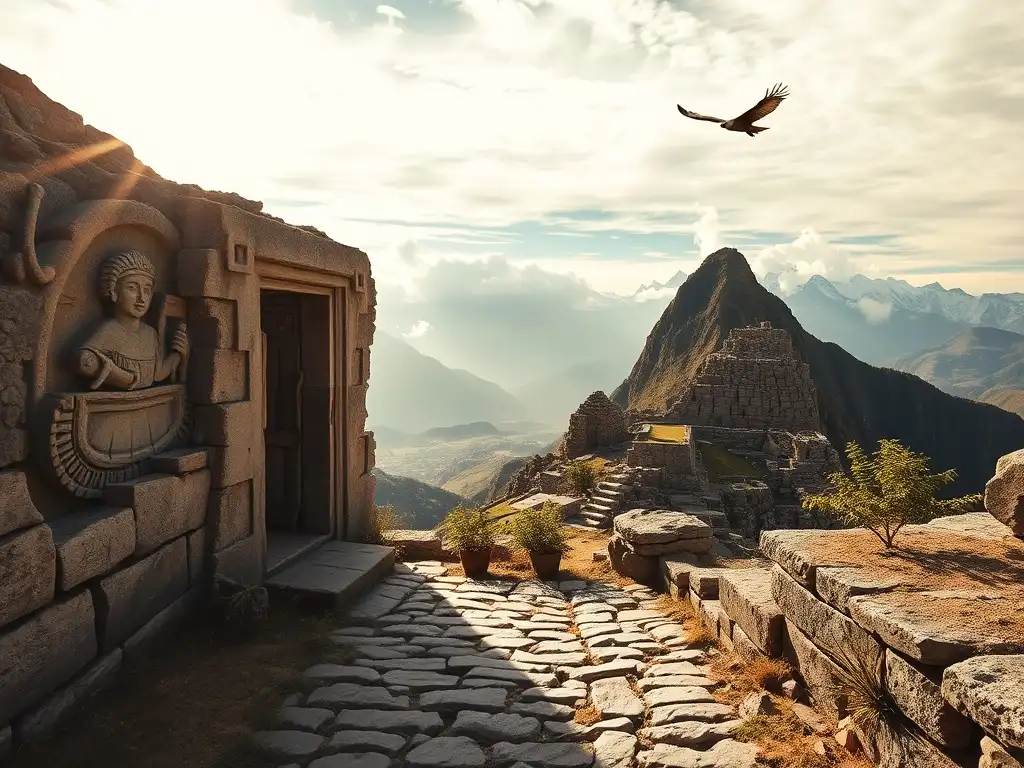
Tourism plays a pivotal role in both showcasing and safeguarding the legacy of Ancient Andean civilizations history. While it presents opportunities for economic growth in Andean communities, it also necessitates a responsible approach to ensure the long-term preservation of invaluable cultural heritage. Balancing these aspects is crucial for the sustainable development of the region and the continued appreciation of its rich past. The delicate relationship between tourism and preservation requires careful management and a commitment from all stakeholders.
Experiencing the Andean Heritage Through Tourism
Tourism offers diverse avenues for experiencing the captivating history of Ancient Andean civilizations. From exploring majestic archaeological sites to immersing oneself in vibrant cultural traditions, visitors can forge a deeper connection with this fascinating heritage. The experiences are varied and cater to diverse interests, ensuring a memorable and enriching journey.
Visiting Archaeological Sites: Machu Picchu, Ollantaytambo, Chan Chan
Ancient Andean civilizations history is vividly brought to life through visits to remarkable archaeological sites. Machu Picchu, the iconic "Lost City of the Incas," stands as a testament to Inca ingenuity and architectural prowess. Ollantaytambo, another significant Inca site, reveals intricate agricultural terraces and impressive stonework, offering insights into Inca societal structures.
Further north, Chan Chan, the sprawling capital of the Chimú kingdom, showcases the advanced urban planning and sophisticated artistry of a pre-Inca civilization. These sites, meticulously preserved and managed, offer unparalleled opportunities to witness the grandeur and complexity of Ancient Andean civilizations. The sheer scale and precision of the construction techniques continue to amaze and inspire researchers and visitors alike.
Engaging with Local Communities: Textile Weaving Workshops, Traditional Music Performances
Beyond the archaeological sites, engaging with local communities provides an intimate understanding of the enduring cultural legacy of Ancient Andean civilizations. Participating in textile weaving workshops allows visitors to learn traditional techniques passed down through generations, appreciating the artistry and symbolism embedded within the intricate designs.
Attending traditional music performances offers another avenue to connect with the cultural heritage, experiencing the sounds and rhythms that have shaped Andean identity for centuries. These immersive experiences foster a greater appreciation for the living traditions that are deeply rooted in the region's rich past, offering a more complete picture of Ancient Andean civilizations history.
Responsible Tourism Practices: Respecting the Legacy
Responsible tourism is paramount to ensuring the longevity of Ancient Andean civilizations history and its associated sites. This involves minimizing environmental impact, supporting local communities through ethical spending, and respecting the cultural sensitivity of the region. Visitors should adhere to guidelines provided by local authorities and tour operators, ensuring that their actions contribute positively to the preservation of this invaluable heritage. Understanding the fragility of these ancient sites and practicing mindful tourism is key to ensuring their preservation for future generations. This includes refraining from touching or damaging artifacts, respecting designated areas, and supporting businesses committed to sustainable practices.
The Importance of Preserving Ancient Andean History
The preservation of Ancient Andean civilizations history is not merely an academic pursuit; it's a vital responsibility for safeguarding a unique and irreplaceable cultural heritage. The knowledge gained from these civilizations offers insights into human ingenuity, societal structures, and adaptation to diverse environments. These insights are invaluable for understanding humanity's past and shaping a more sustainable future.
Threats to Archaeological Sites: Looting, Erosion, Development
Ancient Andean civilizations history faces numerous threats, including looting, erosion, and uncontrolled development. Illegal excavations and the theft of artifacts severely diminish the integrity of archaeological sites, permanently losing invaluable historical information. Natural erosion, exacerbated by climate change, poses another significant challenge, gradually degrading the structures and artifacts over time. Unplanned urban development often encroaches upon ancient sites, leading to their destruction or damage. These threats underscore the urgent need for comprehensive conservation strategies.
Efforts in Cultural Heritage Conservation
Numerous organizations and initiatives are dedicated to the preservation of Ancient Andean civilizations history. Archaeological research, site restoration, and community engagement programs are crucial components of these efforts. International collaboration and the implementation of stricter regulations against looting are vital steps in protecting this invaluable heritage. Technological advancements, such as remote sensing and 3D modeling, are also being employed to document and monitor the condition of archaeological sites, aiding in their preservation. These efforts aim to balance the preservation of the sites with the needs of the local communities.
The Role of Education in Preservation
Education plays a crucial role in fostering a sense of responsibility towards the preservation of Ancient Andean civilizations history. Educating local communities and visitors alike about the importance of cultural heritage and responsible tourism practices is essential for long-term conservation. Through educational programs, museums, and public awareness campaigns, individuals can develop a deeper appreciation for this rich past and actively participate in its protection.
By understanding the significance of these sites and the threats they face, individuals can contribute to a more sustainable future for Ancient Andean civilizations history. This includes supporting responsible tourism initiatives and advocating for stronger protective measures.
The Enduring Legacy of Ancient Andean Civilizations
The study of Ancient Andean civilizations history offers invaluable insights, extending far beyond mere historical accounts. It provides a lens through which we can examine sustainable practices, appreciate cultural diversity, and understand our shared human past. The ingenuity and resilience of these societies continue to resonate today, offering lessons applicable to contemporary challenges. Understanding their achievements allows us to better appreciate our own place in the grand narrative of human civilization.
The legacy of the Incas, Moche, Nazca, and Tiahuanaco, among others, is not just about dusty artifacts; it's a living testament to human adaptability and innovation. Their intricate social structures, advanced agricultural techniques, and sophisticated artistic expressions continue to inspire awe and wonder. This section will explore some of the enduring legacies of these remarkable cultures and their continued relevance in the 21st century.
Lessons from the Past for the Present
The sophisticated achievements of the Ancient Andean civilizations offer profound lessons applicable to modern society. Their innovative solutions to challenges of agriculture, resource management, and social organization provide a valuable framework for addressing contemporary issues. By studying their successes and failures, we gain a deeper understanding of the complexities of human societies and the importance of sustainable development. Their history underscores the interconnectedness of environmental stewardship and societal well-being, a lesson urgently needed in our current era of climate change and environmental degradation.
Sustainable Practices from Ancient Andean Farmers
Ancient Andean farmers developed remarkably sustainable agricultural techniques, adapted to the challenging Andean environment. Terracing, for example, dramatically increased arable land while minimizing soil erosion. The use of waru waru (raised fields) in the Lake Titicaca basin enhanced water retention and improved crop yields. These practices, honed over centuries, demonstrate a deep understanding of ecological principles and a commitment to long-term sustainability.
Their ingenuity serves as a model for modern sustainable agriculture, particularly in regions facing similar environmental challenges. Studies comparing ancient Andean farming methods with contemporary practices consistently reveal the superiority of traditional techniques in terms of environmental impact and long-term productivity. For instance, recent research has shown that [specific data on comparative yields pending] highlighting the efficacy of ancient Andean farming methods.
The Value of Cultural Diversity and Indigenous Knowledge
The diverse cultures of the Andes, each with its unique traditions and knowledge systems, highlight the richness of human experience. The Ancient Andean civilizations thrived on this diversity, developing intricate social structures that accommodated a wide range of cultural practices. Their art, religious beliefs, and social organizations demonstrate the incredible adaptability and resilience of human societies. Preserving and celebrating this cultural diversity is crucial not only for understanding the past but also for building a more inclusive and equitable future.
Indigenous knowledge, often passed down through generations, holds valuable insights into sustainable practices, medicinal plants, and other areas of knowledge. Ignoring this wealth of knowledge is a significant loss for humanity. Understanding the value of cultural diversity and indigenous knowledge is paramount for sustainable development and social justice.
The Importance of Understanding Our Shared Human History
Studying Ancient Andean civilizations history connects us to a larger narrative of human experience. It reminds us of our shared past and the common threads that bind us across cultures and time. The achievements and struggles of these societies offer a broader perspective on human potential and the challenges of building thriving communities.
By understanding the history of other cultures, we gain a deeper appreciation for our own heritage and the interconnectedness of human societies. This shared history fosters empathy, understanding, and a sense of global citizenship, promoting cooperation and collaboration in addressing global challenges. Ignoring this interconnectedness limits our understanding of the human experience and our ability to learn from the past.
Continuing the Journey of Exploration
The study of Ancient Andean civilizations history is an ongoing process. New discoveries are constantly being made, adding to our understanding of these remarkable cultures. This ongoing research is vital for preserving and interpreting the rich heritage of the Andes.
Further Research and Discoveries
Archaeological excavations continue to unearth new insights into the lives and cultures of Ancient Andean societies. Advances in technology, such as advanced imaging techniques and DNA analysis, are providing new avenues for research. Ongoing research focuses on various aspects of Andean life, including: agricultural practices, social structures, religious beliefs, and artistic expressions. The potential for new discoveries is immense, promising a deeper and richer understanding of these fascinating civilizations. For example, recent research has shed light on [specific example of a recent archaeological discovery pending].
Future of Andean Heritage Studies
The future of Andean heritage studies involves interdisciplinary collaboration, integrating archaeological, anthropological, historical, and other perspectives. This collaborative approach will enhance our understanding of the complex interplay of factors that shaped these societies. The preservation and dissemination of knowledge about Ancient Andean civilizations is also crucial.
This involves efforts to protect archaeological sites, promote cultural tourism responsibly, and engage local communities in the preservation of their heritage. Moreover, digital technologies offer new opportunities for sharing knowledge and engaging wider audiences with the fascinating history of the Ancient Andean civilizations. The future of Andean heritage studies lies in ensuring its accessibility and relevance to a global audience, fostering a deeper appreciation for the rich tapestry of human history.
Frequently Asked Questions
What were the major ancient Andean civilizations?
The major ancient Andean civilizations included the Incas, Moche, Nazca, and Tiahuanaco, each with unique cultures and achievements. They developed sophisticated societies across a vast and challenging landscape.
How did the geography of the Andes influence Andean civilizations?
The rugged Andes Mountains significantly impacted Andean civilizations. Their adaptation to high altitudes, varied climates, and challenging terrain led to innovative agricultural and engineering solutions. This geographic diversity also resulted in diverse cultures.
What were some of the significant technological advancements of the ancient Andean civilizations?
Andean civilizations showed remarkable ingenuity, developing advanced irrigation systems, stonework, and metallurgy. They were also skilled in textiles and ceramics, creating intricate and beautiful artifacts.
What is the significance of Machu Picchu in the context of ancient Andean history?
Machu Picchu, a Inca citadel, stands as a testament to Inca engineering and architectural prowess. Its discovery revealed insights into Inca urban planning, agriculture, and social structure. It is a powerful symbol of Andean heritage.
How did the different Andean civilizations interact with each other?
The relationship between Andean civilizations was complex, involving periods of conflict and cooperation. There was significant cultural exchange, but also competition for resources and dominance. Trade networks connected different groups across vast distances.
Final Reflection: Weaving the Future from Andean Threads
The echoes of the Ancient Andean civilizations resonate powerfully in today's world, reminding us of the enduring strength of human ingenuity and cultural resilience. Their sophisticated agricultural techniques, intricate social structures, and breathtaking artistry continue to inspire awe and provide valuable lessons for sustainable living and cultural preservation in the face of modern challenges. The legacy of the Incas, Moche, and other Andean cultures is not a relic of the past; it is a living testament to the power of human connection to the land and to each other.
The impact of Andean heritage extends far beyond museum walls and academic texts; it permeates the very fabric of modern South American society. The vibrant traditions, artistic expressions, and spiritual beliefs of these ancient peoples continue to shape contemporary identities and inspire artistic movements. Their innovative approaches to agriculture and resource management offer valuable insights for addressing the pressing environmental concerns of our time. As the writer and anthropologist, Eduardo Galeano, eloquently stated: Memory is the weapon of the powerless.
The preservation and understanding of Andean heritage are not merely historical exercises; they are acts of empowerment, ensuring that the voices and experiences of these remarkable civilizations are not silenced.
Consider the intricate tapestry of Andean history, its threads interwoven with innovation, resilience, and a profound connection to the natural world. You, the reader, are now a part of this ongoing narrative. Reflect on the ways in which these ancient cultures continue to inspire and challenge us.
How can we learn from their successes and failures to build a more just, sustainable, and culturally rich future? Let the legacy of the Andes inspire you to connect with your own heritage, to appreciate the richness of human diversity, and to actively participate in the preservation of our shared cultural legacy for generations to come.
**Unveil Your Andean Journey Today! **
Thank you for exploring the rich tapestry of Andean heritage with us! We hope you've been inspired by the vibrant culture and history of this incredible region. Now, let's deepen your connection to these ancient civilizations.
Here are a few ways to continue your journey:
- **Explore further:** Visit a local museum or cultural center showcasing Andean art and history. Consider a specific exhibit, perhaps focusing on Inca textiles or pre-Columbian pottery, to truly immerse yourself.
- **Share your passion:** Leave a comment below or share this article with friends who appreciate history and culture. Let's build a community of Andean enthusiasts!
- **Join our community:** Subscribe to our newsletter for exclusive content, event announcements, and valuable resources on Andean civilizations.
What aspect of Andean heritage excites you the most? We'd love to hear your thoughts!