
The Use of Sacred Textiles: Representing Deities and Cosmic Forces

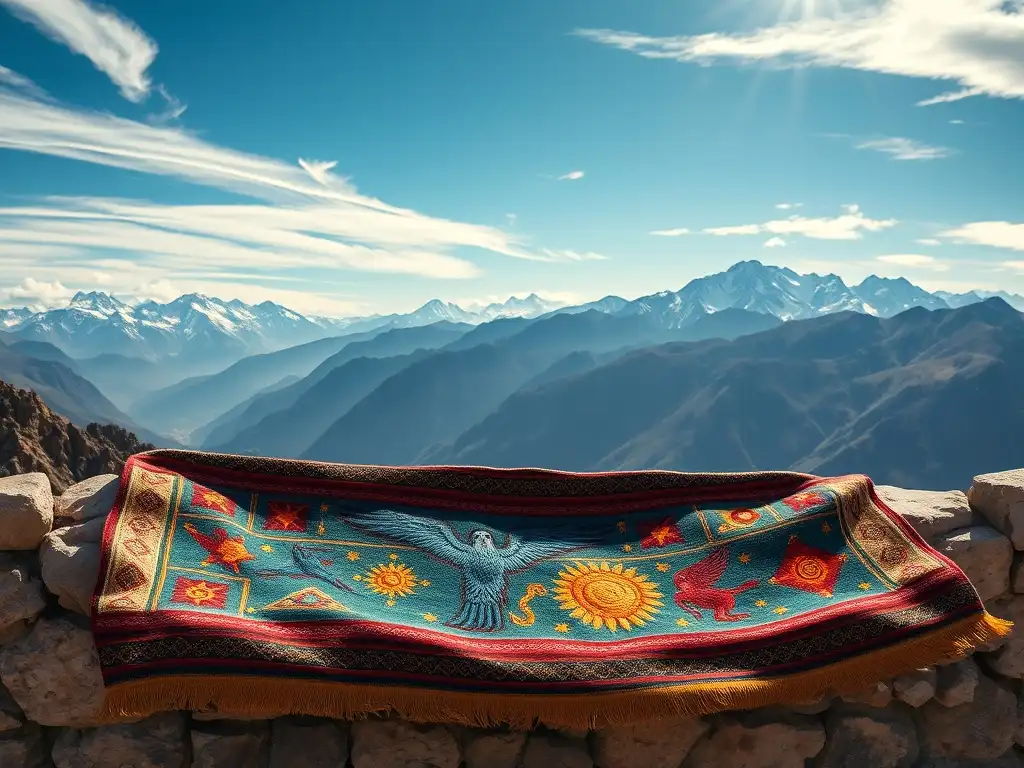
Unravel the mysteries woven into the very fabric of the Andes! Journey with us through time as we explore the astonishing world of Andean civilizations. From the intricate artistry of the Incas to the enigmatic symbols of the Nazca, prepare to be captivated by the power and complexity of Andean textiles religious symbolism. Discover how these sacred cloths weren't mere garments, but rather powerful representations of deities and cosmic forces – a story waiting to be unveiled. Read on to uncover the secrets held within these ancient threads.
- Andean Textiles Religious Symbolism: Representing Deities and Cosmic Forces
- The Significance of Textiles in Andean Cosmovision
- Depicting Deities Through Sacred Andean Fabrics
- Cosmic Forces Woven into Andean Textile Art
- Techniques and Materials in Sacred Andean Textile Production
- Regional Variations in Andean Religious Textile Iconography
- The Legacy of Andean Sacred Textiles
-
Frequently Asked Questions
- What role did textiles play in Andean religions?
- How did Andean textile designs represent deities?
- What materials were used in the creation of these sacred textiles?
- Can you give examples of Andean textile designs with religious symbolism?
- Where can I learn more about Andean textiles and their religious symbolism?
- Final Reflection: Weaving Threads of Faith Through Time
- Unveil the Power of Sacred Textiles!
Andean Textiles Religious Symbolism: Representing Deities and Cosmic Forces
The vibrant tapestry of Andean culture is interwoven with profound religious beliefs, and nowhere is this more evident than in their sacred textiles. For centuries, Andean civilizations—including the Inca, Moche, Nazca, and Tiahuanaco—utilized textiles not merely as clothing or adornment, but as powerful mediums to represent deities, cosmic forces, and the intricate relationship between the human and spiritual realms. This article delves into the rich symbolism embedded within these textiles, exploring how Andean artisans skillfully translated their complex cosmovision into breathtakingly detailed and enduring works of art.
We will examine specific examples, techniques, and the broader cultural context that elevated these textiles from mere fabrics to potent religious artifacts, providing a deeper understanding of Andean textiles religious symbolism. Understanding these intricate designs offers a unique window into the hearts and minds of these ancient peoples, revealing their profound connection to the supernatural.
Deities Depicted in Andean Textiles
Andean textiles frequently featured representations of their pantheon of gods and goddesses. Detailed iconography, often incorporating stylized figures and symbolic elements, identified specific deities. For example, the creator god Viracocha, a central figure in Inca mythology, was often depicted in textiles with specific attributes like a staff or a beard, easily recognizable to those familiar with the iconography. Similarly, representations of the sun god Inti and the moon goddess Mama Killa were common, often displayed in conjunction with other celestial bodies, highlighting their importance in the Andean worldview.
The intricate weaving techniques, the choice of colors (often imbued with symbolic meaning), and the specific placement of the figures within the overall design all contributed to the religious significance of the textile. Unfortunately, precise details on the frequency of specific deity representations across different cultures require further research. [Specific data on deity representation frequency pending].
Cosmic Forces and the Andean Cosmovision
Beyond specific deities, Andean textiles also reflected the broader Andean cosmovision, a worldview that emphasized the interconnectedness of the cosmos. The representation of celestial bodies—the sun, moon, stars, and constellations—was prevalent, often integrated with terrestrial elements to showcase the harmonious relationship between the heavens and the earth. For example, the use of specific geometric patterns, such as stepped pyramids or spirals, symbolized mountains, rivers, and other natural features, all reflecting the Andean belief in the cyclical nature of time and the continuous interplay between the human and the divine.
The use of color further enhanced this cosmic representation. [Specific examples of color symbolism in cosmic representations pending]. The meticulous detail and precision of these woven images demonstrate the importance placed on accurately representing the cosmos in these sacred textiles.
Techniques and Materials: A Sacred Process
The creation of sacred Andean textiles was not merely a craft; it was a sacred ritual. The selection of materials—from the alpaca and llama wool to the natural dyes derived from plants and minerals—was itself imbued with symbolic meaning. Specific techniques, such as tapestry weaving and brocade, allowed for intricate designs and a high level of detail, further enhancing the religious significance of the finished product.
The artisans, often women, were highly skilled and held a respected position within their communities, demonstrating the importance of their role in preserving and transmitting the cultural heritage through these sacred objects. [Detailed information on specific weaving techniques and their symbolic significance pending]. The process itself, from shearing the animals to the final weaving, was likely accompanied by rituals and prayers.
Examples of Specific Textiles and Their Interpretations
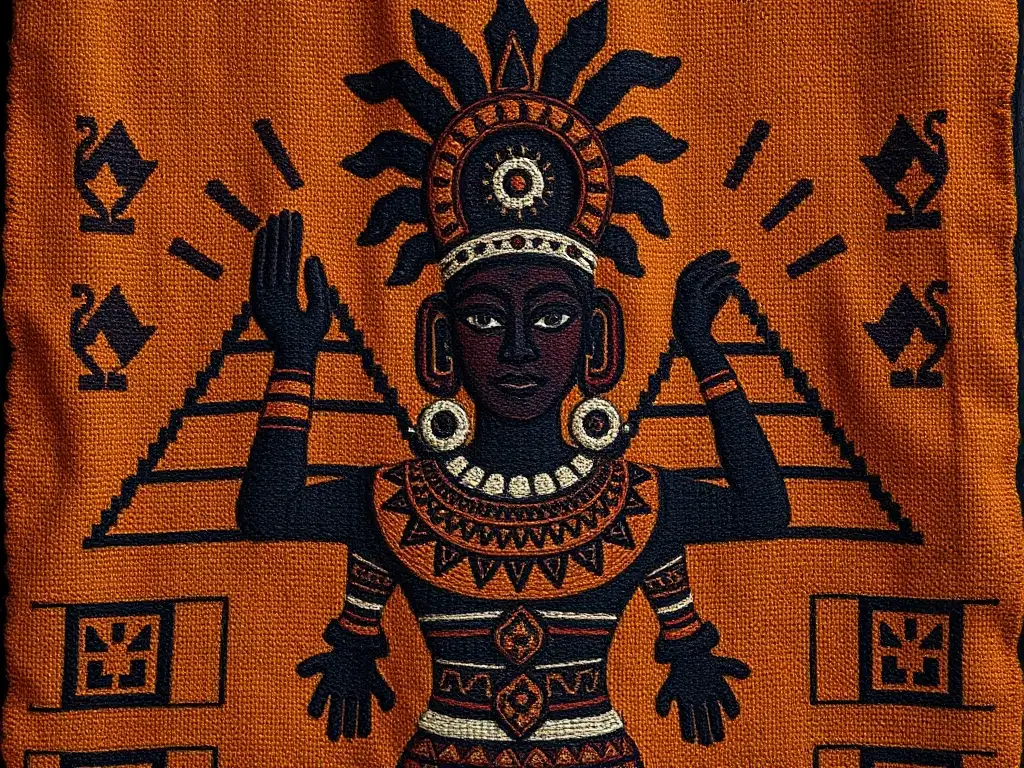
While many examples have been lost to time or damaged, surviving Andean textiles offer invaluable insights into their religious symbolism. For instance, [Specific Example Textile 1, location pending] displays [description of design and its interpretation pending], offering a compelling illustration of [aspect of religious belief or practice]. Another example, [Specific Example Textile 2, location pending], features [description of design and its interpretation pending], furthering our understanding of [aspect of religious belief or practice].
These surviving artifacts provide tangible evidence of the profound religious significance attached to these textiles, underscoring their role as powerful mediums for expressing Andean beliefs. Further research is needed to fully catalog and analyze the vast array of surviving textiles to uncover the full extent of their religious symbolism.
The Legacy of Andean Textiles
The legacy of Andean textiles continues to inspire awe and wonder. Their intricate designs, rich symbolism, and exceptional craftsmanship serve as a powerful testament to the ingenuity and spiritual depth of the Andean civilizations. The study of these textiles provides invaluable insights into their religious beliefs, social structures, and artistic achievements.
By understanding the religious symbolism embedded within these ancient fabrics, we gain a deeper appreciation for the rich cultural heritage of the Andes and the enduring power of their artistic expressions. The continued study and preservation of these remarkable textiles are crucial for understanding and appreciating the profound spiritual and cultural significance they hold.
The Significance of Textiles in Andean Cosmovision
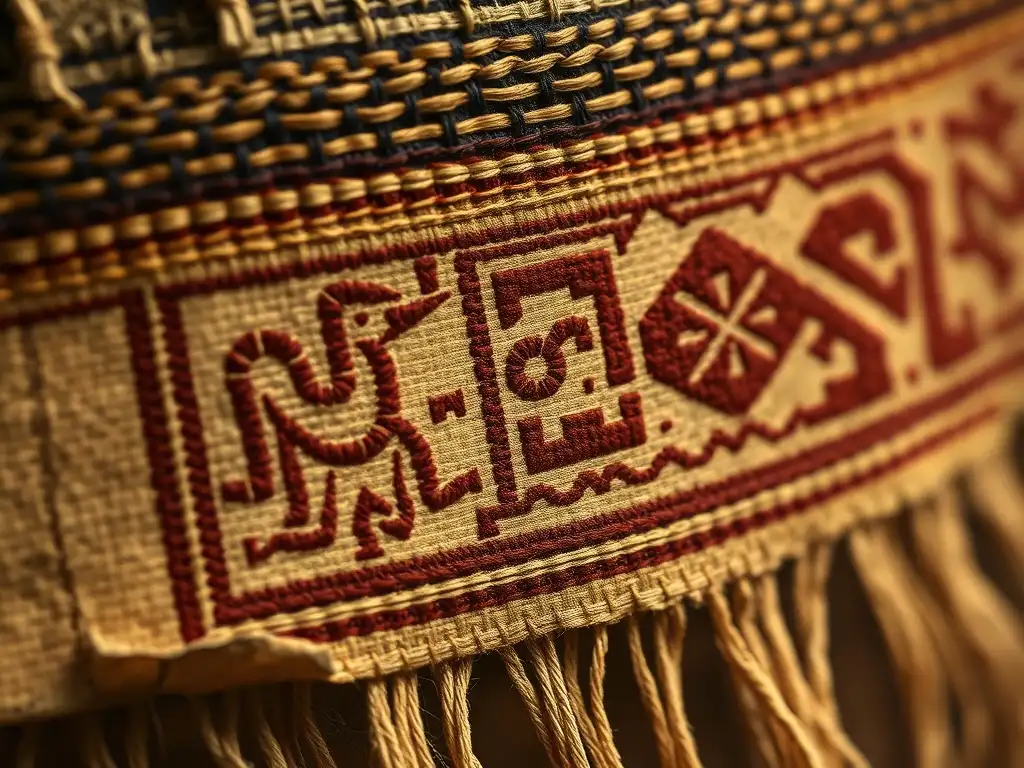
The Andean worldview was deeply intertwined with the natural world, and textiles served as a powerful medium to express this intricate relationship. More than mere clothing or decoration, Andean textiles were imbued with profound religious symbolism, reflecting a complex cosmology and a sophisticated understanding of the forces shaping their lives. The creation of these textiles was not simply a craft; it was a sacred act, connecting the weaver to the divine and the community to the cosmos.
Understanding the significance of Andean textiles requires appreciating their role as potent symbols reflecting the Andean people's belief system and their connection to the supernatural. This section will explore the multifaceted religious symbolism woven into these remarkable artifacts, focusing on how they represented deities and cosmic forces. The intricate designs, the choice of materials, and the very act of weaving itself all contributed to the sacred nature of these textiles, providing a tangible link between the human and spiritual realms.
The enduring legacy of these textiles provides invaluable insight into the Andean people's spiritual beliefs and their enduring connection to their ancestors. Analyzing the patterns, colors, and techniques used in Andean textiles allows us to decipher the complex religious narratives encoded within them, offering a window into the rich tapestry of Andean cosmovision.
Beyond Decoration: The Spiritual Role of Andean Weaving
Andean weaving wasn't just about creating aesthetically pleasing garments; it was a deeply spiritual practice. The act of spinning the yarn from natural fibers like alpaca and llama wool was itself a ritual, connecting the weaver to the animals and the earth. The colors used – derived from natural sources like plants and minerals – held specific symbolic meanings, often representing deities, celestial bodies, or elements of nature. For example, red might represent blood, sacrifice, and the sun, while yellow could symbolize gold, maize, and the power of the sun.
The intricate designs, often incorporating geometric patterns, zoomorphic figures, and anthropomorphic representations, were carefully planned and executed, reflecting a complex system of beliefs and narratives. These designs weren't randomly chosen; they were carefully selected to convey specific meanings, often related to fertility, abundance, and the cyclical nature of life and death. The precision and skill involved in creating these textiles underscore their sacred significance. Even the tools used – the spindles, looms, and other implements – held symbolic importance, often passed down through generations within families, accumulating spiritual weight over time.
The entire process, from the gathering of raw materials to the final weaving, was infused with ritual and prayer, ensuring that the resulting textiles were imbued with spiritual power. We can observe this connection to the divine in the meticulous detail and the evident spiritual intention embedded within each piece. The preservation of these textiles, often found in burial sites, highlights their importance in the afterlife as well.
Textiles as a Medium of Communication with the Divine
Andean textiles served as a vital means of communication with the divine. They were not just representations of deities; they were considered to be vessels through which the spiritual world could interact with the human realm. Certain designs were believed to possess the power to influence events, protect the wearer from harm, or bring good fortune. For instance, representations of specific deities, like the sun god Inti or the moon goddess Mama Killa, were thought to provide protection and blessings. The use of specific colors and patterns could also invoke the power of nature, ensuring a good harvest or favorable weather conditions.
The textiles were often used in ceremonies and rituals, acting as intermediaries between the human and spiritual worlds. Shamans and other religious figures would use textiles in their practices, employing them as tools for divination, healing, or communication with the spirits. The intricate designs often served as visual prayers or offerings to the gods, communicating the hopes and desires of the community. Furthermore, the textiles were sometimes used to adorn sacred objects or spaces, further enhancing their spiritual significance. The placement of textiles within specific contexts, such as temples or burial sites, further reinforces their role as mediators between the human and spiritual realms.
The enduring presence of these textiles in archaeological discoveries underscores their profound religious importance within Andean societies. The intricate designs, carefully chosen colors, and the very act of creation all contributed to the power and sacredness of these textiles, making them far more than simple articles of clothing. They were active participants in the Andean religious experience, facilitating communication and interaction with the divine world. The study of these textiles provides invaluable insights into the complex relationship between the Andean people and their spiritual beliefs.
Depicting Deities Through Sacred Andean Fabrics
Andean textiles are renowned for their intricate designs and vibrant colors, but their significance extends far beyond mere aesthetics. They served as powerful mediums for representing deities and cosmic forces, embodying a profound religious symbolism integral to Andean cosmovision. The careful selection of colors, fibers (alpaca, llama, vicuña), and weaving techniques all contributed to the sacred nature of these textiles, transforming them from simple garments into potent religious objects.
The study of these textiles offers invaluable insights into the beliefs and practices of ancient Andean cultures, revealing a complex tapestry of spiritual understanding. Analyzing the iconography found within these fabrics provides a window into the rich religious landscape of the Andes.
The meticulous detail and symbolic richness embedded in these textiles highlight the deep reverence and spiritual significance placed upon them by Andean civilizations. This section will explore some key examples of how specific deities were represented in these sacred fabrics.
Representations of Inti, the Sun God, in Andean Cloth
Inti, the Sun God, held paramount importance in the Andean pantheon. His representation in textiles frequently involved the use of gold and yellow hues, symbolizing his radiant power and life-giving energy. Many examples show Inti depicted as a stylized sun disc, often with radiating lines or triangular shapes representing sun rays.
These designs were frequently incorporated into royal garments, signifying the ruler's divine connection to the sun god and reinforcing their legitimacy. The complexity of the weaving, often featuring intricate geometric patterns surrounding the central sun motif, further emphasized the sacredness of the representation. Detailed studies of these textiles reveal a sophisticated understanding of astronomy, with the precise placement of symbols potentially reflecting celestial events or constellations.
For example, some textiles incorporate specific knots or patterns that may correspond to the solstices or equinoxes, suggesting a deep connection between the religious and astronomical practices of the culture. The use of specific types of knots, such as the khipu knots, further adds layers of meaning to the depictions, possibly encoding narratives or prayers related to Inti's power and influence. These intricate details showcase the mastery of Andean textile techniques and the profound religious significance imbued within each piece.
Pachamama's Presence in Woven Designs
Pachamama, the Earth Mother, represents another crucial deity in Andean religion. Her presence in textiles is often depicted through imagery associated with fertility, abundance, and the earth itself. Brown, green, and other earth tones dominate these designs, reflecting Pachamama’s connection to the land. Common motifs include stylized mountains, plants, animals (such as llamas and alpacas), and agricultural symbols, all representing the bounty provided by the earth.
These representations were not merely decorative; they were active participants in rituals and ceremonies designed to appease and honor Pachamama. The textiles themselves might be offered as gifts to the earth during agricultural festivals or worn by individuals seeking her blessings. The weaving techniques used to depict these motifs often reflect the cyclical nature of life and death, with intertwining patterns symbolizing the continuous renewal of the earth.
Analysis of these textiles suggests that different regions had distinct stylistic variations in representing Pachamama, reflecting regional variations in beliefs and practices. This demonstrates the widespread reverence for Pachamama across diverse Andean communities. The intricate detail and symbolic depth of these woven representations underline the integral role of Pachamama in Andean cosmology.
Illustrations of Viracocha and Other Andean Deities on Textiles
Viracocha, the creator god, is often depicted in Andean textiles with a more abstract and less easily identifiable iconography compared to Inti and Pachamama. His representations frequently involve complex geometric patterns and stylized human figures, often carrying staffs or other symbols of power. These representations are frequently found on ceremonial textiles or those associated with elite members of society.
The use of rare and luxurious fibers like vicuña further emphasizes the sacredness of these depictions. Beyond Viracocha, other deities, such as the moon goddess Mama Killa or various local mountain spirits, also find their place in Andean textile art, though their representations are often less frequent and more regionally specific. Unfortunately, detailed documentation of these less prominent deities' representations in textiles is limited, requiring further research to fully understand the diversity of religious iconography within Andean textile traditions.
The study of surviving examples, however, reveals a remarkable level of artistic skill and a profound understanding of the complex Andean pantheon. The continued study of Andean textiles promises to reveal even more insights into the religious beliefs and practices of these ancient civilizations. Further research into lesser-known deities and regional variations in textile design is crucial for a complete understanding of "Andean textiles religious symbolism."
Cosmic Forces Woven into Andean Textile Art
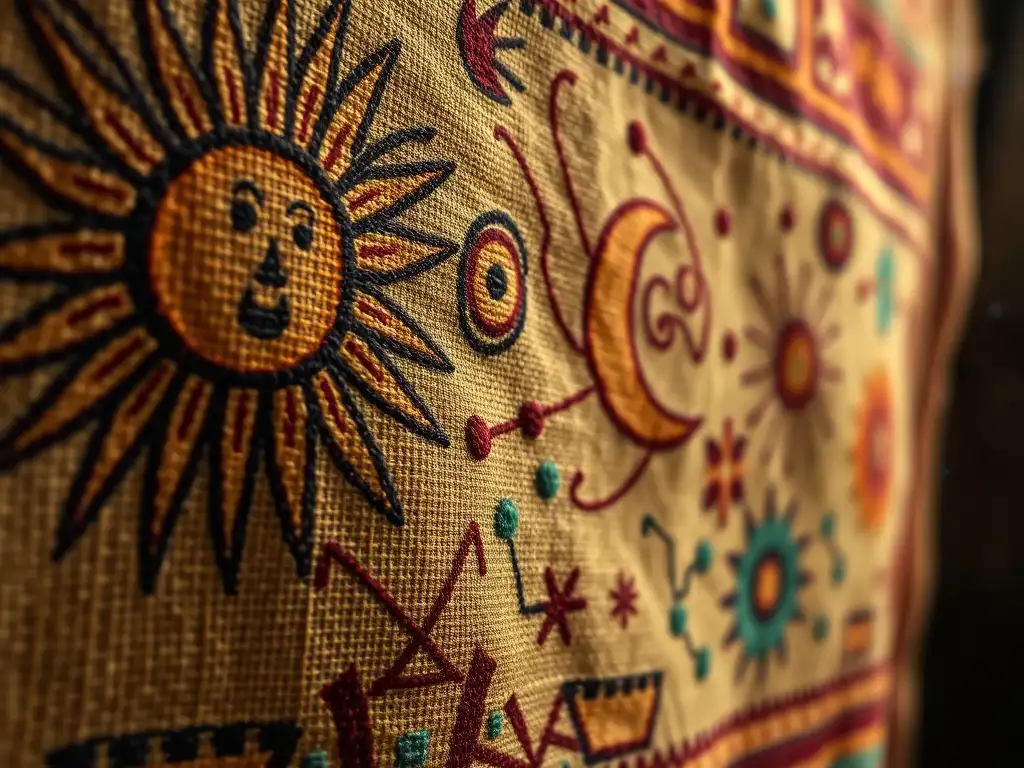
This section delves into the intricate relationship between Andean textiles and the representation of cosmic forces, a crucial aspect of Andean religious symbolism. The textiles weren't merely clothing or decorative items; they served as powerful mediums to connect the earthly realm with the sacred, embodying the Andean worldview and their understanding of the universe. The creation and use of these textiles were deeply ritualistic, often involving specialized artisans and complex ceremonies.
Understanding the symbolism embedded within these fabrics provides invaluable insight into the beliefs and practices of these ancient cultures. The careful selection of materials, the intricate weaving techniques, and the symbolic motifs all contributed to the textile's sacred power. The study of Andean textiles religious symbolism reveals a sophisticated cosmology, richly expressed through vibrant colors, geometric patterns, and representations of deities.
The Andean Worldview Reflected in Textile Motifs
Andean textiles frequently depict motifs reflecting their cyclical understanding of time and the cosmos. The recurring imagery of animals, such as condors (representing the upper world), snakes (representing the underworld), and llamas (representing the earthly realm), illustrates their belief in a three-tiered universe. Furthermore, depictions of celestial bodies like the sun, moon, and stars are common, emphasizing the importance of these elements in their cosmology.
Many textiles showcase intricate representations of mythical beings and deities, further reinforcing the religious significance of these artifacts. For example, the khipu, a complex system of knotted cords, though not strictly a textile, is often included in discussions of Andean textiles religious symbolism due to its role in recording religious and administrative information.
Analyzing these motifs provides a window into their beliefs about creation, life, death, and the interconnectedness of all things. The precise meaning of many motifs remains a subject of ongoing scholarly research, but the overall impression is one of a deeply spiritual and interconnected worldview.
The Symbolic Meaning of Colors in Andean Religious Textiles
Color played a pivotal role in Andean textiles religious symbolism. Each color held specific meaning, often associated with deities, elements, or cosmic forces. For instance, red frequently symbolized blood, fertility, and the sun; yellow represented gold, power, and royalty; while white signified purity and the celestial realm.
The careful selection and combination of colors in a textile therefore conveyed complex messages, often reflecting the specific purpose or ritual context of the piece. The use of natural dyes, derived from plants and minerals, added another layer of significance, connecting the textiles to the natural world and its inherent spiritual power.
Detailed studies of surviving textiles and archaeological records reveal a sophisticated understanding of color symbolism, demonstrating the meticulous attention paid to even the smallest details in the creation of these sacred objects. Further research is needed to fully understand the nuanced meanings of color combinations in different Andean cultures and time periods.
Geometric Patterns: Understanding the Cosmic Order
Geometric patterns, particularly those found in Paracas and Nazca textiles, are often interpreted as representations of the cosmic order. These patterns, featuring intricate designs of triangles, squares, zigzags, and spirals, are believed to symbolize the structured organization of the universe, mirroring their understanding of celestial movements and the cyclical nature of life and death. The precision and complexity of these patterns demonstrate a high level of mathematical and artistic skill.
Some scholars suggest that these geometric patterns represent constellations or celestial maps, reflecting their advanced astronomical knowledge. The repetition of these patterns also suggests a connection to the repetitive cycles of nature, further reinforcing the textile's role in representing the cosmic order.
The analysis of these patterns provides valuable insights into the Andean understanding of mathematics, astronomy, and cosmology, all intricately woven into the very fabric of their religious beliefs. The precise symbolic meanings of specific geometric patterns remain a subject of ongoing scholarly debate, requiring further analysis of textile fragments and contextual archaeological evidence.
Techniques and Materials in Sacred Andean Textile Production
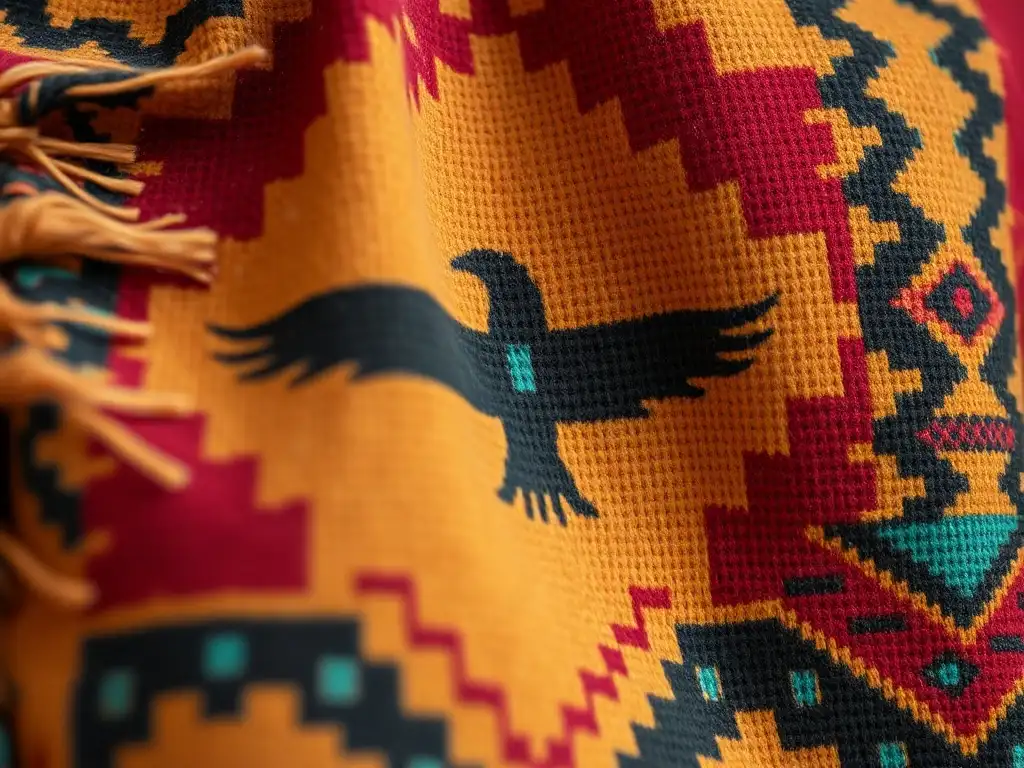
This section delves into the meticulous techniques and materials employed in the creation of sacred Andean textiles, revealing the deep connection between craftsmanship and religious symbolism. The production of these textiles wasn't merely a craft; it was a ritualistic act imbued with spiritual meaning, reflecting the Andean worldview and their understanding of the cosmos. Understanding the methods and materials used allows us to better appreciate the profound religious significance embedded within each piece.
The choice of fiber, dye, and weaving technique all contributed to the overall power and meaning of the finished textile. The Andean people believed that the very act of creation infused the textile with spiritual energy, making it a powerful tool for communication with the supernatural.
Natural Dyes and Their Spiritual Significance
The vibrant colors adorning Andean textiles weren't accidental; they were carefully chosen natural dyes, each possessing its own symbolic meaning and spiritual power. The sources of these dyes – plants, insects, and minerals – were themselves imbued with sacred significance within the Andean cosmology. For instance, the deep reds derived from cochineal insects were associated with blood, sacrifice, and the sun's energy, while the earthy tones from ochre represented the connection to the land and its fertility.
The process of dye extraction and application was often accompanied by rituals, ensuring the dyes absorbed the desired spiritual properties. The precise shades and their subtle variations were carefully controlled, adding another layer of complexity to the religious symbolism encoded within the textiles. Detailed studies of surviving textiles have revealed a complex palette, with each color contributing to the overall narrative of the piece.
Further research is needed to fully understand the nuanced meanings attributed to specific color combinations and their regional variations. For example, the use of indigo, while prevalent, might have held different connotations in the Nazca region compared to the Inca Empire.
The Importance of Andean Weaving Techniques in Religious Context
Andean weaving techniques were not simply functional; they were integral to the religious significance of the textiles. Specific weaving styles, such as k'ipi (a tapestry weave) and chuncho (a brocade technique), held distinct cultural and spiritual connotations. The intricate patterns and designs, often depicting deities, celestial bodies, or mythical creatures, were painstakingly woven into the fabric, requiring immense skill and patience.
The very act of weaving was considered a form of prayer, a way to connect with the spiritual realm and imbue the textile with sacred energy. The precision and complexity of the designs acted as a visual manifestation of the Andean worldview, demonstrating a deep understanding of their cosmology and their relationship with the supernatural.
Consider the intricate representations of celestial events or mythological narratives woven into the textiles. These weren't mere decorations; they were powerful visual aids used in rituals and ceremonies, helping to connect the living with the spiritual world.
Alpaca and Vicuña Fibers in Religious Textile Making
The choice of fiber—alpaca and vicuña—also played a crucial role in the religious significance of Andean textiles. Vicuña wool, being exceptionally soft and rare, was reserved for elite members of society and religious leaders, signifying high status and a connection to the sacred. Alpaca wool, while more readily available, was still considered a valuable material, often used in textiles intended for ceremonial purposes.
The quality of the fiber, its softness, and its warmth were all believed to contribute to the textile's spiritual power. The careful selection and preparation of the fibers before weaving further enhanced the sacred nature of the process. The shearing of vicuñas, for instance, was often accompanied by rituals to appease the spirits and ensure a bountiful harvest.
The use of these fibers, therefore, transcends mere materiality; it becomes a symbolic representation of status, power, and connection to the spiritual realm, adding another layer to the complex tapestry of Andean religious symbolism found in their textiles. Further research into the specific practices surrounding fiber preparation and selection would provide invaluable insights into the deeply rooted religious beliefs of Andean cultures.
Regional Variations in Andean Religious Textile Iconography
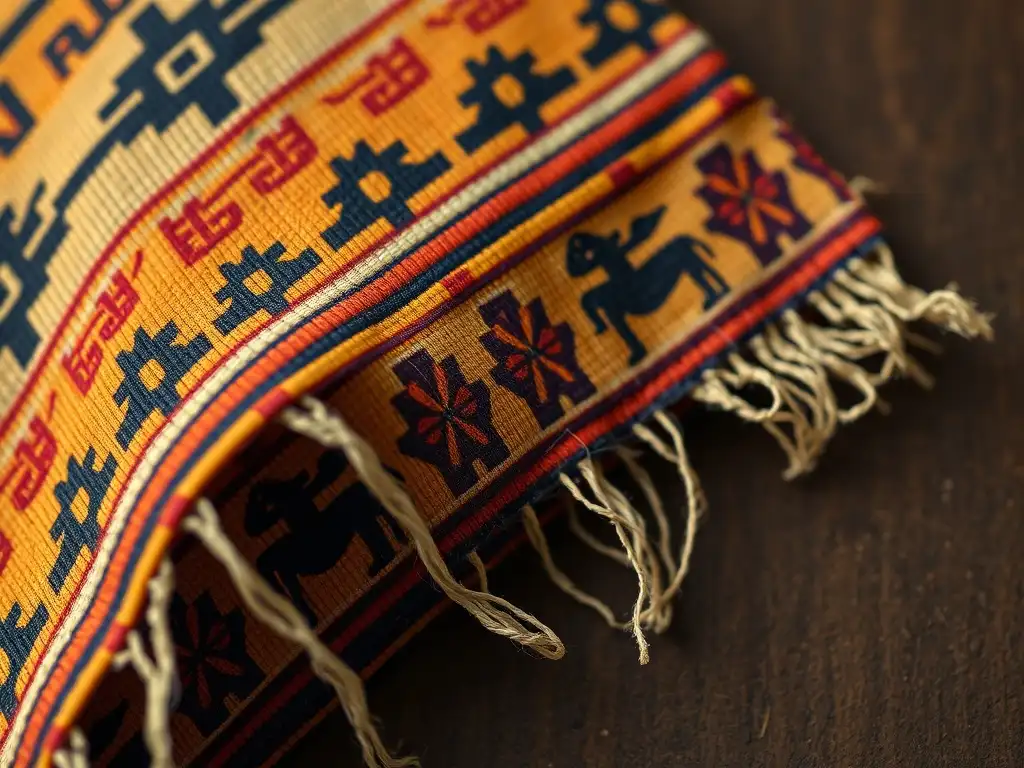
The vibrant tapestry of Andean religious beliefs is vividly reflected in the diverse iconography found across different regional textile traditions. While common threads—pun intended—of cosmic symbolism and deity representation unite these cultures, significant stylistic and thematic variations exist, offering fascinating insights into the nuanced religious practices of each civilization. This section will explore these regional differences, focusing on the Moche, Inca, and Nazca cultures, showcasing how Andean textiles religious symbolism manifested uniquely in each.
Analyzing these variations allows for a richer understanding of the complex interplay between faith, art, and societal structure in the Andes. The meticulous craftsmanship and symbolic richness of these textiles highlight the profound importance placed on religious expression in daily life.
Moche Textile Art: Depictions of Rituals and Gods
Moche textiles, dating from approximately 100 CE to 800 CE, are renowned for their dynamic depictions of ritual scenes and powerful deities. Unlike later Andean traditions that often emphasized geometric patterns, Moche textile art favored representational imagery, providing unparalleled glimpses into their religious practices. Many textiles depict elaborate ceremonies, featuring priests, shamans, and possibly even human sacrifices, all rendered with remarkable detail.
The vibrant colors and intricate weaving techniques further amplify the dramatic narratives woven into the fabric. For example, some textiles illustrate the Moche's veneration of Ai Apaec, a fearsome deity often depicted with fanged jaws and clawed hands, reflecting the culture's complex relationship with both fertility and violence. These representations weren't merely decorative; they were integral to the religious rituals and served as powerful visual aids in communicating spiritual beliefs.
The use of specific colors, such as deep reds and vibrant blues, likely held symbolic meaning, possibly representing blood, earth, or the sky—elements central to Moche cosmology. Further research into the pigments used could reveal even more about the symbolic significance of these colors within the context of Andean textiles religious symbolism.
Inca Textiles: Royal Garments and Sacred Cloth
Inca textiles (1438-1533 CE), produced during the height of the Inca Empire, displayed a distinct stylistic shift toward a more formalized and standardized iconography. While still imbued with religious symbolism, Inca textiles often emphasized geometric patterns and symbolic motifs, reflecting the empire's centralized power structure. Royal garments, particularly those worn by the Sapa Inca and his elite, were lavishly decorated with intricate designs representing the sun, the moon, and other celestial bodies – key components of Inca religious cosmology.
These garments served not only as indicators of status but also as powerful conduits of divine authority. The use of specific fibers, such as vicuña wool, further reinforced their sacred nature. Vicuña, a rare and highly prized camelid, was reserved for the elite, highlighting the connection between the divine and the ruling class.
The highly sophisticated weaving techniques, including techniques like tapestry and brocade, demonstrate the advanced technical capabilities of Inca artisans and their devotion to creating textiles that were both aesthetically pleasing and deeply symbolic within the context of Andean textiles religious symbolism. The continuity of certain motifs across various textiles suggests a carefully constructed system of visual communication, reinforcing the imperial ideology.
Nazca Textile Symbolism: Geometric and Zoomorphic Motifs
Nazca textiles (100 BCE – 800 CE), characterized by their distinctive geometric and zoomorphic designs, offer a different perspective on Andean textiles religious symbolism. Unlike the representational style of the Moche, Nazca textiles frequently employed abstract patterns, often incorporating intricate geometric designs alongside stylized representations of animals, particularly birds and felines. These motifs are believed to have encoded complex cosmological and ritualistic meanings.
For example, the repetitive use of stepped triangles and zigzags might have represented mountains, signifying the connection between the earthly and supernatural realms. The presence of stylized birds, such as hummingbirds and condors, could symbolize shamanic journeys or divine messengers. Analyzing the combination and arrangement of these motifs is crucial to understanding the nuanced layers of meaning embedded within Nazca textiles.
The sophisticated use of color and the precise execution of the designs emphasize the importance of these textiles in religious practices, suggesting that the textiles themselves were active participants in rituals, possibly used as offerings or worn during ceremonies. The enduring mystery surrounding the precise meaning of many of these symbols underscores the continued fascination with and the ongoing scholarly investigation into Andean textiles religious symbolism within the Nazca culture. More research into the social context of textile production and use could shed further light on these enigmatic designs.
Tiahuanaco Textiles: The Gateway of the Sun and its Representation
Tiahuanaco textiles, originating from the eponymous city in modern-day Bolivia, stand as a testament to the sophisticated artistry and deeply ingrained religious beliefs of this pre-Columbian civilization. Their iconography, often intricately woven into fabrics of alpaca and llama wool, reveals a complex cosmology centered around the worship of deities and the veneration of cosmic forces. The Gateway of the Sun, a monumental stone structure at Tiahuanaco, serves as a powerful symbol frequently represented in their textiles.
The Gateway's central figure, often interpreted as a deity or a representation of the creator god Viracocha, is a recurring motif. Textile fragments show stylized depictions of this figure, emphasizing its central role in the Tiahuanaco worldview. The intricate details, including the headdress, staff, and surrounding figures, are meticulously rendered in the textiles, reflecting the importance given to accurate representation.
The use of specific colors, such as deep reds and rich blues, likely held symbolic meaning, further enhancing the religious significance of the textile depictions. Researchers are still uncovering the nuances of these color choices and their connections to specific deities or cosmic events.
Furthermore, the Gateway's design, featuring various stylized figures and celestial symbols, frequently appears in Tiahuanaco textiles. These symbols, often intricate geometric patterns and representations of animals, likely represent constellations, celestial bodies, and other elements of the Tiahuanaco cosmology. The weaving techniques themselves, showcasing complex designs and masterful control over color and texture, served as a medium to transmit these sacred narratives and beliefs across generations.
The creation of these textiles was not merely a craft; it was a sacred act, deeply intertwined with religious practices and ritualistic events. The textiles themselves may have been used in ceremonies, worn by priests or elites, or even served as offerings to the deities.
The survival of these fragmented textiles, despite the ravages of time, provides invaluable insights into the religious beliefs and artistic capabilities of the Tiahuanaco civilization. Their study continues to shed light on the intricate relationship between Andean textiles and religious symbolism, highlighting the profound role textiles played in the transmission and reinforcement of their cosmological worldview. The meticulous attention to detail in representing the Gateway of the Sun underscores the centrality of this monumental structure in their religious and cultural life.
Analyzing the variations in the textile representations of the Gateway across different periods and contexts can offer a deeper understanding of the evolution of Tiahuanaco religious thought and artistic expression. Further research, including advanced technological analysis of the dyes and fibers, promises to unlock even more secrets held within these remarkable textiles.
The Legacy of Andean Sacred Textiles
The legacy of Andean sacred textiles is profound, extending far beyond their aesthetic appeal. These weren't merely garments; they were powerful conduits connecting the earthly realm with the spiritual world, imbued with intricate religious symbolism reflecting the Andean cosmovision. The vibrant colors, complex designs, and the very act of weaving itself held deep significance, representing a profound connection between the human and divine.
The use of specific fibers like alpaca and vicuña, often associated with deities and celestial bodies, further enhanced their sacred nature. Analyzing these textiles provides invaluable insights into the religious beliefs, social structures, and artistic capabilities of Andean cultures. The enduring influence of these textiles is evident in contemporary Andean societies, where traditional weaving techniques and designs continue to be practiced and revered.
Understanding this legacy allows us to appreciate the sophisticated religious systems and artistic mastery of these ancient civilizations. The careful study of Andean textiles reveals a complex interplay between religious beliefs, social structures, and artistic expression.
Contemporary Interpretations of Ancient Textile Traditions
Contemporary artisans continue to weave intricate designs inspired by ancient Andean textiles, demonstrating the enduring relevance of these traditions. However, the interpretation of the symbolism often shifts, reflecting modern perspectives and cultural changes. While the original meaning of certain motifs might be lost to time, contemporary weavers often imbue them with new interpretations, blending ancient knowledge with contemporary experiences.
For example, the khipu, a system of knotted cords used for record-keeping, continues to inspire contemporary artists who explore its potential as a form of abstract expression, connecting past and present through the medium of fiber. The modern revival of these techniques isn't merely a replication but a dynamic process of reinterpretation and innovation, reflecting the ongoing evolution of Andean cultural identity. This ongoing engagement ensures that the knowledge and skill involved in creating these sacred textiles are not lost, but rather, are adapted and reinterpreted in the modern context.
The vibrant colors and intricate designs found in contemporary Andean textiles demonstrate a powerful connection to the past, while simultaneously showcasing the creativity and adaptability of modern artisans. This continuous dialogue between tradition and innovation ensures the survival and evolution of Andean textile art.
The Enduring Importance of Andean Weaving for Cultural Identity
Andean weaving isn't just a craft; it's a cornerstone of cultural identity, passing down knowledge and traditions through generations. The intricate designs often depict mythological beings, celestial events, and agricultural cycles, reinforcing the connection between the community and the cosmos. The techniques themselves, passed down orally and through practical demonstration, serve as a powerful means of preserving ancestral knowledge.
For many Andean communities, weaving is a communal activity, fostering social cohesion and reinforcing cultural identity. The continued practice of weaving not only preserves the aesthetic legacy but also safeguards the cultural heritage and strengthens community bonds. This practice embodies the enduring spirit of Andean culture, demonstrating its resilience and adaptability in the face of modernization.
The vibrant colors and intricate designs reflect the diversity and richness of Andean traditions, ensuring their continued relevance in a rapidly changing world. The significance of Andean weaving extends beyond mere artistry; it's a vital thread in the tapestry of Andean cultural identity.
Preserving and Promoting Andean Textile Art and Religious Symbolism
The preservation and promotion of Andean textile art and religious symbolism are crucial for safeguarding cultural heritage. Efforts to document and catalog existing textiles, along with supporting contemporary artisans, are essential for ensuring the continuity of these traditions. Museums play a vital role in showcasing these artifacts, while educational initiatives can help raise awareness and appreciation for the cultural significance of Andean textiles.
Moreover, promoting sustainable practices in the production of textiles is essential for the long-term preservation of this art form and the Andean environment. The challenge lies in balancing the need for conservation with the desire to make these textiles accessible to a wider audience. This requires a collaborative effort involving researchers, artisans, museums, and policymakers to create sustainable strategies for preserving and promoting this invaluable cultural heritage.
The task requires careful consideration of ethical collecting practices, community engagement, and the development of educational resources that accurately reflect the cultural significance of Andean textiles and their religious symbolism. The future of Andean textile art depends on a multifaceted approach that values both preservation and promotion. 🤝
Frequently Asked Questions
What role did textiles play in Andean religions?
Textiles held immense religious significance in Andean cultures. They were not merely clothing; they were used in rituals, ceremonies, and as offerings to deities, representing cosmic forces and embodying spiritual power.
How did Andean textile designs represent deities?
Specific designs and colors in Andean textiles symbolized particular deities or spirits. For example, certain motifs might represent the sun god Inti or the fertility goddess Pachamama, while colors held specific meanings related to the sacred landscape and spiritual world.
What materials were used in the creation of these sacred textiles?
Andean textiles were often made from alpaca, llama, and vicuña wool, chosen for their softness, warmth, and association with sacred animals. Cotton was also used, particularly in warmer coastal regions.
Can you give examples of Andean textile designs with religious symbolism?
Many designs featured geometric patterns, zoomorphic figures (animals), and anthropomorphic figures (humans), each with specific religious meanings. Staircase motifs often represented the connection between the earthly and spiritual realms.
Where can I learn more about Andean textiles and their religious symbolism?
You can explore museums showcasing Andean artifacts, such as the Larco Museum in Lima, Peru, and research academic articles and books focusing on Andean archaeology and textile studies. Many online resources also offer valuable information.
Final Reflection: Weaving Threads of Faith Through Time
The vibrant tapestries and intricate weavings of the Andes continue to resonate today, not merely as artifacts of a bygone era, but as powerful testaments to the enduring human need to connect with the divine. These textiles, imbued with profound religious symbolism, offer a window into a rich spiritual world that continues to influence Andean culture and inspire awe in those who encounter them. Their enduring power lies in their ability to translate complex cosmological beliefs into tangible, visually stunning forms.
The impact of Andean textile traditions extends far beyond the realm of religious practice; they represent a sophisticated understanding of the cosmos and a deep connection to the land. These textiles are not simply decorative; they are active participants in ritual, embodying the very essence of the deities and forces they represent. Their intricate designs, vibrant colors, and carefully chosen materials speak volumes about the beliefs and values of the Andean people. The textiles are not just cloth; they are living embodiments of the sacred.
This sentiment, though paraphrased, captures the essence of the profound spiritual significance woven into each thread.
Consider the intricate details, the symbolic animals, the celestial patterns – each element tells a story, a narrative of creation, of connection, and of the ongoing dialogue between humanity and the divine. You, the reader, are now invited to reflect on the power of visual storytelling and its ability to transcend time and culture. How do you connect with the sacred in your own life?
What symbols resonate with you, and how do they shape your understanding of the world? Let the legacy of Andean textiles inspire you to explore your own spiritual landscape and find your own unique way to weave meaning into the fabric of your existence.
Unveil the Power of Sacred Textiles!
Thank you for joining us on this exploration of the rich tapestry of Andean civilizations! You've discovered the fascinating role sacred textiles played in expressing ancient beliefs and connecting with the cosmos. Let's delve deeper into the vibrant world of these cultural treasures.
Here are some ways to further your understanding and appreciation:
- **Meet contemporary artisans:** Seek out artisans creating textiles inspired by traditional Andean designs. Choose a piece that speaks to you and carries a story.
- **Share your newfound knowledge:** Discuss your discoveries with friends and family, or share this article on social media to spark a conversation about the cultural significance of textile arts.
- **Visit a museum:** Explore a local museum showcasing Andean textiles. Immerse yourself in the exhibits to see how these objects narrate stories of the earth and the cosmos.
What significance do you believe sacred textiles hold in today's world, and how might they inspire contemporary creativity? Share your thoughts below!