
A Journey Through Sound and Motion: Immersing Yourself in the Andean Festival Experience

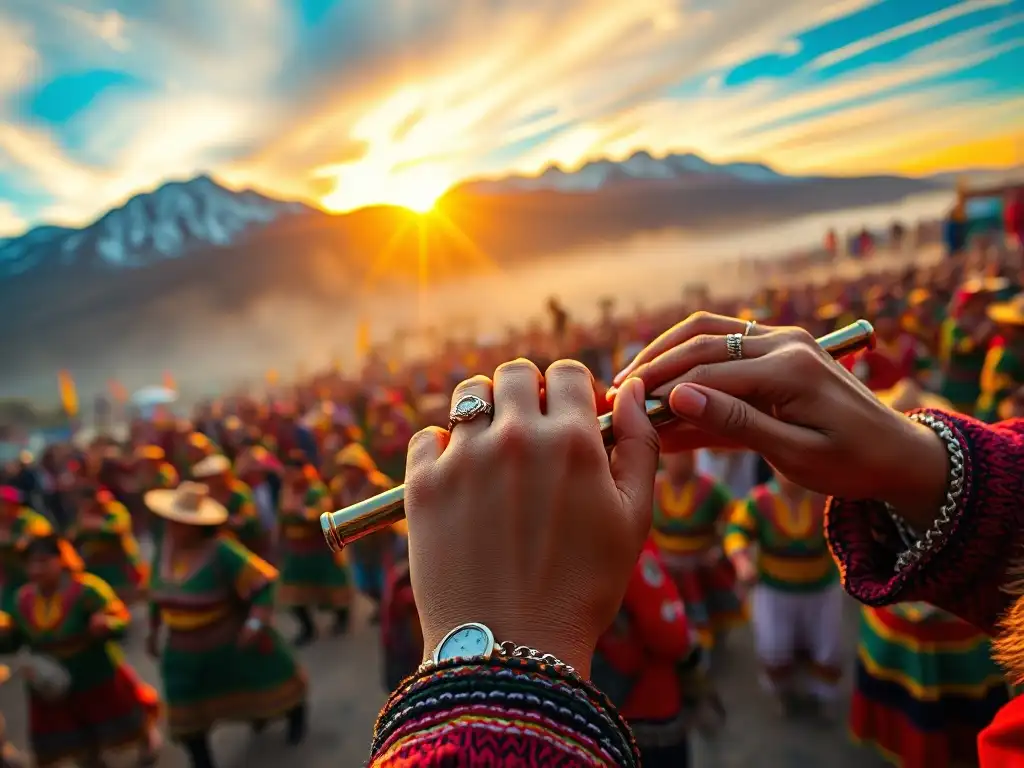
Dive into a world lost in time, yet vibrantly alive. Imagine the echoes of ancient drums and the swirling colours of a forgotten celebration. This is more than just history; it's an immersive journey into the heart of Andean culture. Prepare to be captivated by the Andean festival experience, a spectacle of sound and motion that will leave you breathless. Unlock the secrets of these magnificent civilizations and discover a world waiting to be explored.
The Andes Mountains, a spine of majestic peaks running down the western coast of South America, have nurtured vibrant civilizations for millennia. From the intricate artistry of the Nazca lines to the sophisticated engineering of Machu Picchu, the Andean region boasts a rich tapestry of history and culture. But beyond the archaeological wonders and breathtaking landscapes lies another layer of Andean heritage: its vibrant and deeply spiritual festivals.
This article delves into the immersive experience of Andean music and dance festivals, providing insights into what to expect, how to prepare, and how to fully appreciate the unique energy and traditions of these captivating events. We’ll explore the authentic heart of these celebrations, uncovering the layers of meaning embedded within the music, dance, and rituals, and providing a guide for those seeking a truly unforgettable Andean festival experience.
Prepare to be transported to a world of vibrant colors, rhythmic sounds, and ancient traditions. 🎉
Discovering the Authentic Andean Festival Experience
Andean festivals aren't merely spectacles; they are living expressions of cultural identity, deeply rooted in ancient agricultural cycles, religious beliefs, and community bonds. These celebrations offer a powerful glimpse into the enduring spirit of Andean peoples. The atmosphere is electric, a potent blend of reverence and jubilation.
Participants, often adorned in colorful traditional clothing, engage in elaborate dances that tell stories passed down through generations. The music, a captivating mix of panpipes, drums, and other indigenous instruments, fills the air, creating a mesmerizing soundscape that resonates with the rhythm of the Andes themselves. Each festival holds unique significance, reflecting the diverse traditions of the different Andean communities.
For example, the Inti Raymi festival, celebrating the Inca sun god, is a spectacular display of Inca traditions, while other festivals may focus on local deities or agricultural harvests. Understanding the context of these celebrations significantly enhances the overall experience, allowing for a deeper appreciation of the cultural nuances and significance. The feeling of community is palpable; strangers become friends, united by the shared experience of celebrating Andean culture.
Preparing for Your Andean Cultural Immersion
Attending an Andean festival requires careful planning to ensure a respectful and enriching experience. Researching the specific festival you plan to attend is crucial. Understanding the local customs, appropriate attire, and any specific rituals or traditions will help you participate respectfully and avoid any unintentional cultural faux pas.
Learning a few basic Quechua phrases, the language spoken by many Andean communities, can also enhance your interactions and show respect for the local culture. Beyond language, understanding the significance of offerings, specific dances, and musical instruments will greatly deepen your appreciation for the cultural richness on display. Remember to pack appropriately for the altitude and weather conditions, as Andean festivals often take place in high-altitude regions with varying climates.
Essential Gear for an Immersive Andean Festival
Preparing for your Andean cultural immersion involves packing strategically. Consider the following:
- Appropriate Clothing: Layers are key! The weather in the Andes can change rapidly. Pack warm clothing, including a jacket, sweater, and hat, as well as lighter clothing for warmer periods. Respectful attire is essential; avoid revealing clothing.
- Comfortable Shoes: You'll likely be doing a lot of walking, so comfortable, sturdy shoes are a must.
- Sun Protection: The sun at high altitudes can be intense. Pack sunscreen, sunglasses, and a hat.
- Altitude Sickness Medication: If you're traveling to high altitudes, consult your doctor about altitude sickness medication.
- Camera: Capture the vibrant colors, intricate costumes, and energetic dances.
- Small Gifts: A small, thoughtful gift for local artisans or community members can be a wonderful gesture of appreciation. Consider something handmade or representing your own culture.
- Cash: Credit cards may not be widely accepted in all areas.
Remember, the most important element you bring to an Andean festival is an open mind and a spirit of respect for the rich cultural heritage you are about to experience. 🤝
Understanding the Rhythms of Andean Music Festivals
Andean music festivals are vibrant celebrations of life, history, and community, deeply rooted in the rich cultural heritage of the Andes. The music itself is a powerful force, often used to tell stories, express emotions, and connect with the spiritual world. Understanding the rhythms is key to appreciating the full experience.
The pulsating beats of drums, the haunting melodies of panpipes, and the soaring voices of singers all work together to create a captivating soundscape. These rhythms are not merely musical patterns; they are reflections of the Andean worldview, mirroring the cycles of nature, the rhythms of daily life, and the spiritual beliefs of the people. The tempo and intensity can vary dramatically depending on the specific festival and the purpose of the music—a slower, more meditative rhythm might accompany a ritual, while a faster, more energetic beat could mark a celebration of harvest or a community gathering.
The Significance of Traditional Andean Instruments
The instruments themselves are imbued with cultural significance. The charango, a small lute-like instrument, is a staple in Andean music, its delicate yet powerful sound often used to convey both joy and sorrow. The zampoña, or panpipes, with their haunting melodies, evoke the vast landscapes and mystical energies of the Andes. The tinku, a type of Andean dance often accompanied by powerful drumming, features instruments like the bombo (bass drum) and the tinya, smaller drums that provide a percussive backbone to the music and dance.
The materials used to create these instruments—often wood, animal hide, and reeds—further connect the music to the natural world. The crafting of these instruments is often a family tradition passed down through generations, reinforcing the cultural continuity and significance of Andean music. The sounds produced aren’t just music; they’re a tangible link to the past and a reflection of ongoing cultural practices.
Decoding Andean Dance Performances
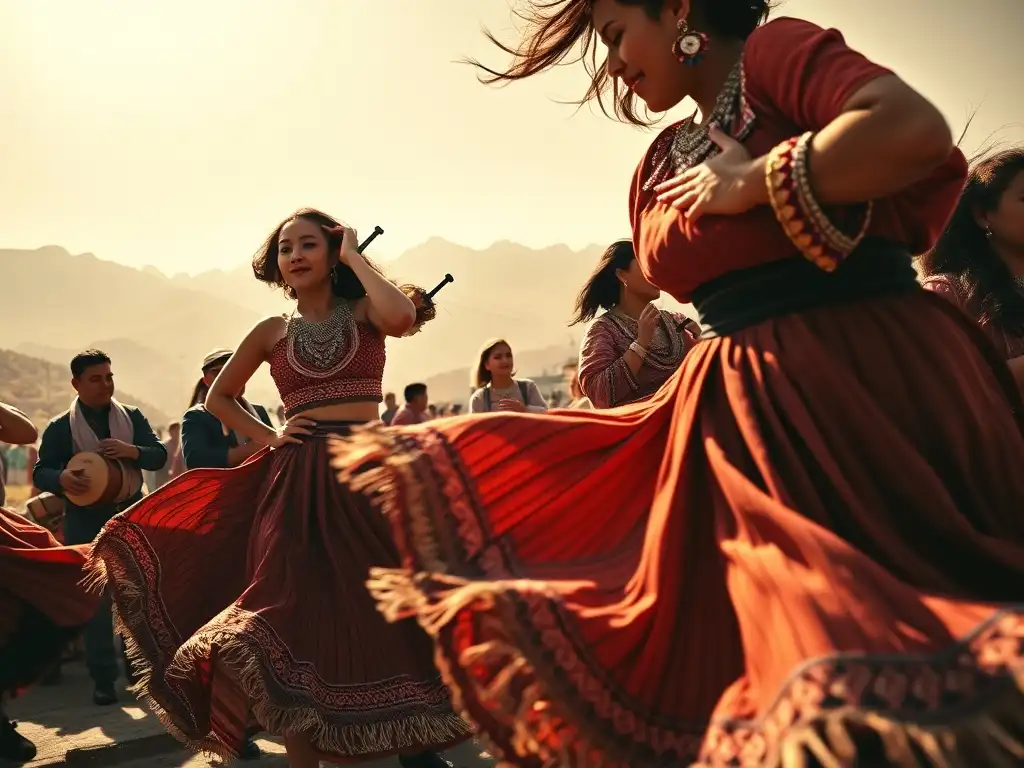
Andean dance is not simply a form of entertainment; it’s a powerful form of storytelling, ritual, and social expression. Performances often depict myths, legends, and historical events, providing a window into the Andean worldview. The movements are often symbolic, with specific gestures and steps carrying deep cultural meaning. For example, certain movements might represent the cycles of agriculture, the movements of animals, or the worship of deities.
The costumes worn by dancers are also significant, often reflecting the region of origin and the specific story being told. Vibrant colors, intricate designs, and symbolic adornments all contribute to the visual richness of the performance. Observing the costumes and movements allows for a deeper appreciation of the cultural narratives embedded within the dance. The dances themselves often involve community participation, reinforcing the social bonds that are central to Andean culture.
Experiencing the Andean Festival: A Step-by-Step Guide
Attending an Andean festival is an immersive experience that engages all the senses. Planning ahead is crucial to maximize your enjoyment.
Finding the Right Andean Festival for You
With a wide variety of festivals across the Andes, choosing the right one depends on your interests and preferences. Researching festivals beforehand is essential. Consider factors such as the size of the festival (some are small, local events, while others are large-scale celebrations), the specific cultural traditions represented, the location, and the time of year.
Some festivals are primarily focused on music, while others may incorporate dance, ritual, and other cultural practices. Matching your interests to the specific offerings of each festival ensures a more fulfilling experience. Consider also the accessibility of the location and the level of participation you desire.
Participating in Andean Festival Rituals
Many Andean festivals incorporate ritualistic elements, reflecting the deep spiritual beliefs of the Andean people. These rituals often involve offerings to the earth, the ancestors, or the deities. While participation in these rituals may vary depending on the festival and the level of interaction desired by the attendees, observing them with respect and understanding is crucial to appreciating the cultural significance.
It's advisable to research the specific rituals associated with the festival you plan to attend to ensure respectful participation or observation. Understanding the context of these rituals enhances the overall experience and demonstrates respect for the rich cultural heritage of the Andes.
Immersing Yourself in the Andean Festival Atmosphere
The true magic of an Andean festival lies in its atmosphere. Engage with the local community, try the traditional food, and allow yourself to be swept away by the energy and excitement. The vibrant colors, the sounds of the music, the smells of the food, and the warmth of the people all contribute to a truly unforgettable sensory experience.
Embrace the opportunity to learn about the local customs and traditions, and don't be afraid to participate in the festivities. By actively engaging with the festival, you'll gain a much deeper understanding and appreciation of Andean culture, creating memories that will last a lifetime. The Andean festival experience is not just about witnessing a performance; it's about becoming part of a living, breathing tradition.
Preserving the Memories of Your Andean Festival Journey
Experiencing an Andean festival is more than just witnessing vibrant colors and rhythmic dances; it's about immersing yourself in a rich tapestry of culture and tradition. To truly capture the essence of this unforgettable experience, preserving your memories is key. This goes beyond simply taking snapshots; it's about creating a lasting record that allows you to relive the magic long after the festival concludes. Careful planning and a thoughtful approach will ensure your memories remain vivid and accessible for years to come.
Curating Your Andean Festival Photography
Photography plays a vital role in preserving the vibrancy and energy of an Andean festival. However, snapping countless photos without a plan often results in a disorganized collection of images. Instead, consider a curated approach. Before the festival, plan your shots. Identify key moments you want to capture, such as the intricate details of costumes, the expressive faces of dancers, and the breathtaking landscapes surrounding the festival grounds.
Experiment with different angles and perspectives to create a diverse and compelling visual narrative. Don't forget to capture the atmosphere – the bustling crowds, the aroma of traditional food, and the overall energy of the event. After the festival, take the time to edit your photos, focusing on quality over quantity. A carefully selected collection of high-quality images will be far more impactful than a large number of mediocre ones. Consider using photo editing software to enhance colors, adjust lighting, and crop images to improve their composition.
Remember, your photographs should reflect the richness and authenticity of your Andean festival experience. Think beyond the typical tourist snapshots; aim for images that evoke emotion and tell a story. Consider focusing on specific elements: the intricate weaving of a chumpi, the powerful expressions of a dancer, or the vibrant colors of a festival mask. These details will elevate your photographs from simple records to treasured keepsakes.
Sharing Your Andean Festival Experience
Sharing your Andean festival experience is a beautiful way to extend the joy and appreciation you've gained. It's an opportunity to inspire others to embark on their own Andean adventures and to foster a deeper understanding and appreciation for this rich culture. Consider creating a photo album or slideshow to share with friends and family, meticulously curating your favorite images and adding captions that describe the context and emotion of each moment. You could even create a travel blog or journal documenting your experience in detail, weaving together your personal reflections, insightful observations, and stunning visuals.
Moreover, sharing your experiences on social media can connect you with a wider community of Andean culture enthusiasts. However, remember to be mindful and respectful when sharing images and stories online. Obtain consent before photographing individuals, and always represent the culture authentically and respectfully.
Avoid stereotypes and generalizations, instead focusing on the beauty and diversity of the Andean festival experience. Sharing your experience responsibly ensures that the positive impact of your journey extends beyond your personal memories. It’s a chance to educate, inspire, and promote cultural understanding.
Conclusion: Embrace the Magic of the Andean Festival Experience
The Andean festival experience is a journey for the senses, a vibrant tapestry woven from music, dance, and the rich traditions of ancient civilizations. From the mesmerizing rhythms to the breathtaking costumes, every aspect of these festivals offers a unique opportunity for immersion and discovery.
By actively engaging with the culture, documenting your journey, and sharing your experiences, you contribute to the preservation and celebration of this invaluable heritage. More than just a vacation, an Andean festival is a transformative experience, leaving an indelible mark on your soul and a lasting appreciation for the beauty and resilience of Andean culture.
Remember to embrace the magic, respect the traditions, and cherish the memories that will undoubtedly last a lifetime. The rhythmic pulse of the drums, the swirling colors of the costumes, and the warmth of the Andean people will remain etched in your memory, a testament to the unforgettable Andean festival experience.
- Discovering the Authentic Andean Festival Experience
- Preparing for Your Andean Cultural Immersion
- Understanding the Rhythms of Andean Music Festivals
- Experiencing the Andean Festival: A Step-by-Step Guide
- Preserving the Memories of Your Andean Festival Journey
- Conclusion: Embrace the Magic of the Andean Festival Experience
Frequently Asked Questions
What makes an Andean festival experience unique?
Andean festivals offer a unique blend of vibrant indigenous culture, ancient traditions, and festive celebrations. They are deeply rooted in history and showcase captivating music, dance, and rituals.
Are there specific festivals I should prioritize for an authentic experience?
While many festivals are worthwhile, Inti Raymi (Inca Sun Festival) and Fiesta de la Virgen de la Candelaria are particularly renowned for their scale and authenticity. Research dates to plan your trip accordingly.
How can I best prepare for an Andean festival experience?
Research the specific festival you plan to attend. Learn a few basic Quechua phrases, pack comfortable clothing and shoes suitable for walking and dancing, and be prepared for crowds.
What kind of food and drink can I expect at these festivals?
Expect a rich variety of Andean cuisine, including local delicacies like cuy (guinea pig), chicha (fermented corn beverage), and various hearty stews and breads. Food is a central part of the festival experience.
Are Andean festivals family-friendly?
Most Andean festivals are family-oriented events, welcoming people of all ages. However, some aspects might be more intense or late-night, so consider the ages of your children when planning your attendance.
Final Reflection: Echoes of the Andes, Whispers of the Future
The vibrant tapestry of Andean festivals, woven with music, dance, and deeply rooted traditions, continues to resonate powerfully in our increasingly globalized world. These celebrations are not merely spectacles; they are living testaments to cultural resilience, offering a potent antidote to the homogenizing forces of modern life. Their enduring power lies in their ability to connect us to something larger than ourselves, to a shared human experience that transcends geographical boundaries.
The profound impact of witnessing these festivals firsthand is something I carry with me still. The sheer energy, the communal spirit, the breathtaking beauty of the landscapes against which these events unfold – it all coalesced into an experience that shifted my perspective. The rhythm of the Andes is the rhythm of life itself,
a local artisan told me, and his words continue to echo in my mind. These festivals are not static events; they are dynamic expressions of a culture constantly evolving, yet deeply rooted in its ancestral past. They represent a powerful dialogue between tradition and modernity.
Now, it's your turn. Consider how the vibrant energy and profound cultural richness of Andean festivals might enrich your own life. Perhaps it's time to seek out a similar experience in your own community, or to explore the diverse cultural traditions that exist around the world. Let the echoes of the Andes inspire you to embrace the beauty and power of cultural exchange, to connect with the rhythms of life, and to celebrate the vibrant tapestry of human experience. The journey awaits.
**Immerse Yourself in the Andean Experience Today! **
Thank you for joining us on this journey through the vibrant world of Andean festivals! We hope you've been inspired by the rich tapestry of music, dance, and traditions that define these culturally significant celebrations. Now, it's time to take the next step and truly immerse yourself in this unique experience.
Here are some ways to delve deeper into Andean festival culture:
- **Attend a local Andean festival:** Search for events in your area or plan a trip to the Andes to experience the music, dance, and traditions firsthand. Many communities host celebrations throughout the year.
- **Share the wonder:** Share this article with friends and family who might be interested in learning about Andean festivals. Use social media to inspire others to appreciate this beautiful culture!
- **Expand your knowledge:** Explore books, documentaries, or online resources that focus on Andean civilizations to enrich your understanding. You'll find a wealth of information available.
What aspect of Andean festivals resonates most with you, and how will you incorporate that joy into your life?