
The Andean Moon Goddess Quilla: Rituals and Offerings to the Lunar Power

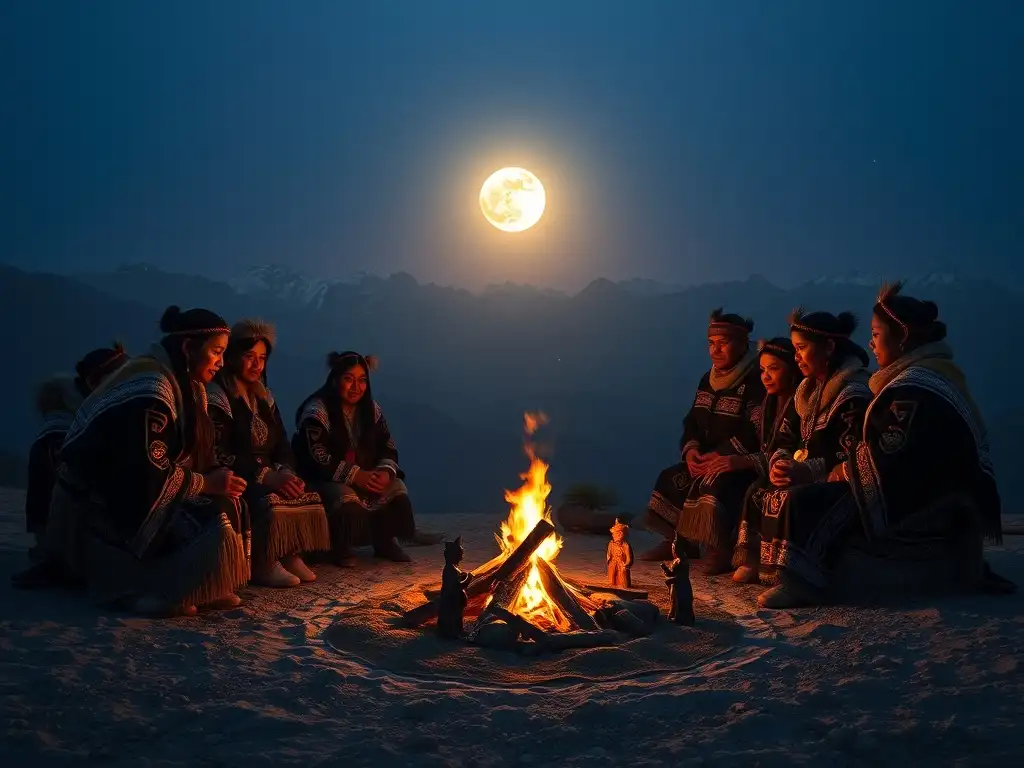
Step into a world lost to time, yet echoing with the whispers of ancient power. Journey with us into the heart of the Andes, where the celestial dance of the moon held sway over the lives of magnificent civilizations. Uncover the captivating secrets surrounding Andean moon goddess rituals, and discover how the lunar cycles shaped the beliefs and practices of the Incas, Moche, and other remarkable Andean cultures. Prepare to be amazed by the intricate tapestry of faith and tradition that awaits you in the realm of Quilla, the Andean Moon Goddess.
The Andean civilizations, renowned for their intricate societal structures and advanced engineering, held a deeply spiritual worldview profoundly shaped by their environment. The celestial bodies, particularly the sun and moon, played pivotal roles in their cosmology, influencing agricultural cycles, social organization, and religious practices. This article delves into the fascinating world of Quilla, the Andean moon goddess, exploring the rituals and offerings dedicated to her lunar power.
We will examine how her influence permeated various aspects of Andean life, from agricultural practices to the intricate ceremonies performed in her honor. Understanding Quilla's significance offers a crucial lens through which to interpret the complexities of Andean religion and its enduring legacy.
This exploration will reveal the profound connection between the Andean people and the celestial realm, highlighting the rich tapestry of their spiritual beliefs and practices. We will uncover the fascinating details of how these rituals helped shape the social fabric of these remarkable civilizations.
Quilla: The Lunar Deity and Her Symbolic Representation
Quilla, the moon goddess, was not merely a celestial body; she was a powerful deity deeply interwoven into the fabric of Andean life. Different Andean cultures, including the Inca, Moche, and Nazca, each held unique interpretations of Quilla, yet common threads of reverence and symbolic representation persisted. She was often depicted as a beautiful woman, sometimes adorned with crescent moon-shaped ornaments or holding a vessel representing the night sky.
These representations varied across cultures, reflecting regional differences in artistic styles and beliefs. However, Quilla consistently embodied femininity, fertility, and the cyclical nature of life and death, mirroring the moon's phases. Her association with water and the night sky further solidified her importance in a predominantly agricultural society deeply reliant on seasonal patterns.
The precise details of her iconography and attributes often differed based on the specific Andean group, offering a rich tapestry of interpretations across time and space. Archaeological discoveries continue to reveal new insights into the diverse ways Quilla was venerated and portrayed.
Rituals Dedicated to Quilla: A Celebration of Lunar Cycles
The Andean people meticulously observed the lunar cycles, aligning their agricultural activities and religious ceremonies with the moon's phases. Rituals dedicated to Quilla were not isolated events but rather integral parts of their yearly calendar. These ceremonies often involved offerings of food, drink, textiles, and precious metals, reflecting the abundance and prosperity sought from the goddess. The New Moon, a time of renewal, often marked significant celebrations. For example, [specific ritual details for the New Moon pending].
Similarly, the Full Moon, signifying abundance and power, was also a time for elaborate ceremonies and offerings. We know, for example, that [specific ritual details for the Full Moon pending]. The precise nature of these rituals varied across different Andean communities, reflecting the diverse cultural expressions within the larger Andean region. However, the core belief in Quilla's influence and the need to appease her remained constant.
Offerings to Quilla: Material and Symbolic Gifts
Offerings to Quilla were not simply acts of appeasement; they were symbolic expressions of gratitude and a quest for her continued favor. These gifts reflected the richness of Andean society and its intricate relationship with its environment. Agricultural products, such as maize, coca leaves, and potatoes, were commonly offered, representing the bounty of the land and the people's dependence on Quilla's influence over the agricultural cycle.
Textiles, intricately woven and dyed, often displayed celestial motifs, further demonstrating the connection between earthly creations and the celestial realm. Precious metals, like gold and silver, were also used in offerings, highlighting the value placed on Quilla's blessings and the importance of her favor in ensuring societal prosperity. The specific types and quantities of offerings varied according to the occasion, the community, and the individual's social standing.
Some offerings might have been consumed during the ceremony, while others were likely left at sacred sites as permanent tributes. The act of offering itself was as important as the gift, representing a direct interaction between the human and divine realms. The meticulous craftsmanship evident in many of these offerings underscores the deep reverence and respect held for Quilla.
The Legacy of Quilla: Enduring Influence on Andean Culture
The worship of Quilla and the associated rituals represent a significant aspect of Andean religious practices, leaving a lasting impact on Andean culture. While the specific forms of worship may have evolved or been suppressed over time, the underlying reverence for the moon and its influence continues to resonate in contemporary Andean communities. Many traditions and beliefs related to the moon's cycles persist, demonstrating the enduring power of ancient Andean cosmovision.
The legacy of Quilla can be seen in various aspects of modern Andean life, from traditional agricultural practices to artistic expressions and storytelling. Understanding Quilla's role within the broader context of Andean religion provides invaluable insights into the rich cultural heritage of the region and its enduring connections to the natural world.
Further research and study will undoubtedly reveal even more about the intricate details of Quilla's worship and its lasting influence on Andean societies. The ongoing exploration of Andean archaeological sites and the preservation of traditional knowledge continue to shed light on this fascinating aspect of Andean history and culture.
- Quilla: The Lunar Deity and Her Symbolic Representation
- Rituals Dedicated to Quilla: A Celebration of Lunar Cycles
- Offerings to Quilla: Material and Symbolic Gifts
- The Legacy of Quilla: Enduring Influence on Andean Culture
Understanding Quilla: The Andean Lunar Deity
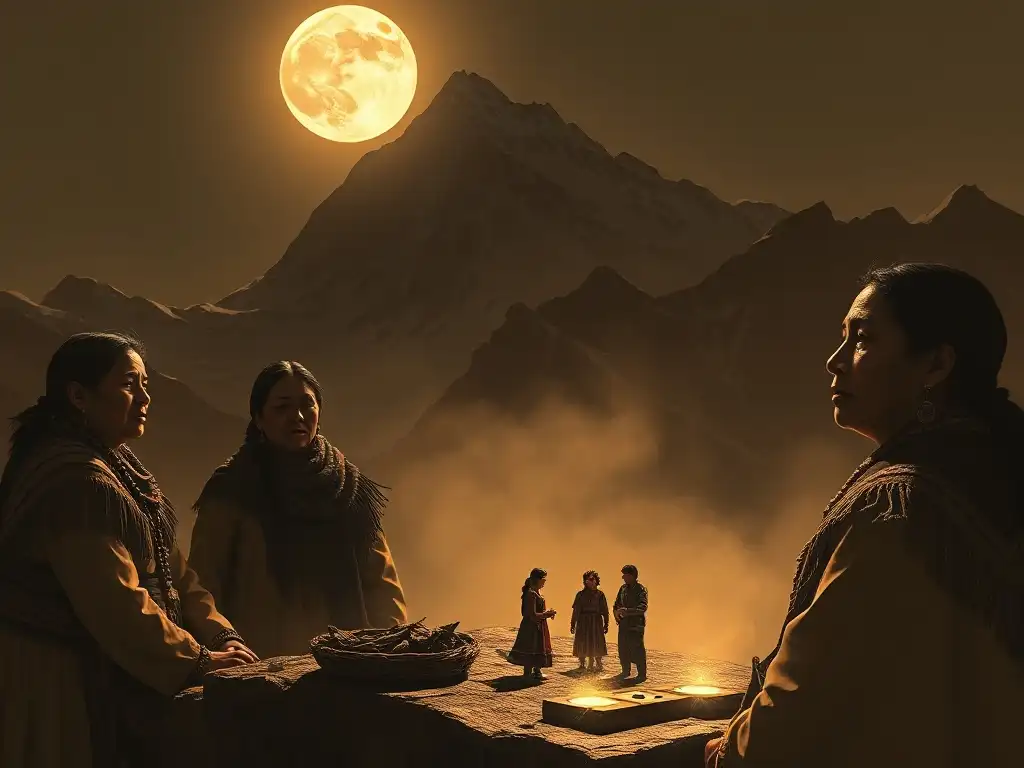
Quilla, the Andean moon goddess, holds a prominent place in the rich tapestry of Andean religious beliefs and practices. Unlike a simple celestial body, Quilla represented a powerful and complex deity, deeply interwoven with the lives and cosmovision of various Andean cultures, including the Inca, Moche, and Nazca. Understanding Quilla requires moving beyond a superficial understanding of her as merely a lunar deity; rather, she embodies fertility, cycles of life and death, and the feminine principle itself.
The influence of Quilla extended across all aspects of Andean society, impacting agriculture, social structures, and even warfare. Her worship involved intricate rituals and offerings, reflecting the profound respect and reverence she commanded. Many archaeological finds, including pottery, textiles, and even astronomical observatories, provide tangible evidence of Quilla's significant role in Andean life.
Analyzing these artifacts allows us to piece together a more comprehensive image of Quilla's influence and the nature of her worship. The intensity of Quilla veneration highlights the importance of the lunar cycle in shaping Andean agricultural practices and their understanding of the cosmos.
Quilla's Role in Andean Cosmovision
Quilla's role in Andean cosmovision wasn't isolated; it was intrinsically linked to the broader understanding of the universe. The Andes were viewed as a microcosm of the cosmos, with celestial bodies directly influencing earthly events. Quilla, as the moon goddess, represented the cyclical nature of life, death, and rebirth, mirroring the agricultural cycles crucial to Andean survival.
Her phases – new moon, full moon, and waning moon – were interpreted as symbolic representations of these cycles. The new moon symbolized potential and new beginnings, while the full moon represented abundance and fertility. The waning moon signified a period of reflection and preparation for the next cycle.
This intricate connection between the lunar cycle and earthly life fueled the development of detailed agricultural calendars and rituals designed to appease and honor Quilla, ensuring bountiful harvests and overall societal prosperity. The precise astronomical observations made by Andean cultures, evident in sites like Machu Picchu, demonstrate a deep understanding of Quilla's movements and their implications for their society.
The Significance of the Moon in Andean Cultures
The moon's significance in Andean cultures transcended mere agricultural concerns. It played a pivotal role in their social structures, shaping their understanding of gender roles and the balance of the cosmos. Quilla, as the embodiment of the feminine principle, was often associated with water, fertility, and nurturing.
This contrasted with the sun god, Inti, who represented the masculine principle of power and strength. The interplay between Inti and Quilla highlights the Andean belief in a balanced cosmos, where both masculine and feminine energies were essential for maintaining harmony. Furthermore, the moon's influence extended to the realm of divination and prophecy.
Andean shamans and priests often consulted the moon's phases to interpret omens and predict future events. This practice underscores the deep-seated belief in the moon's power to influence human destiny and the interconnectedness of the celestial and earthly realms. Many Andean myths and legends feature Quilla as a powerful and sometimes capricious deity, capable of both bestowing blessings and inflicting curses.
Quilla and the Feminine Principle in the Andes
The association of Quilla with the feminine principle was not merely symbolic; it was deeply embedded in the social fabric of Andean societies. Women held significant roles within Andean communities, particularly in agriculture and domestic life. Quilla's influence reinforced the importance of women's contributions to society and their connection to the natural world.
The veneration of Quilla provided a powerful female archetype, reflecting the Andean cultures' respect for feminine power and its crucial role in maintaining societal balance. Archaeological evidence, such as depictions of Quilla on textiles and pottery, often portrays her with attributes associated with fertility and motherhood, further solidifying her connection to the feminine principle. This emphasis on the feminine, as exemplified by Quilla's worship, provides a counterpoint to Eurocentric narratives that often overlook or diminish the roles of women in ancient societies.
Understanding Quilla's role helps to illuminate the complexity and richness of Andean gender dynamics and their integrated view of the cosmos. The reverence for Quilla, therefore, wasn't just a religious practice; it was an affirmation of the inherent value of the feminine in Andean society and its crucial role in maintaining cosmic harmony.
Andean Moon Goddess Rituals: Honoring Lunar Cycles
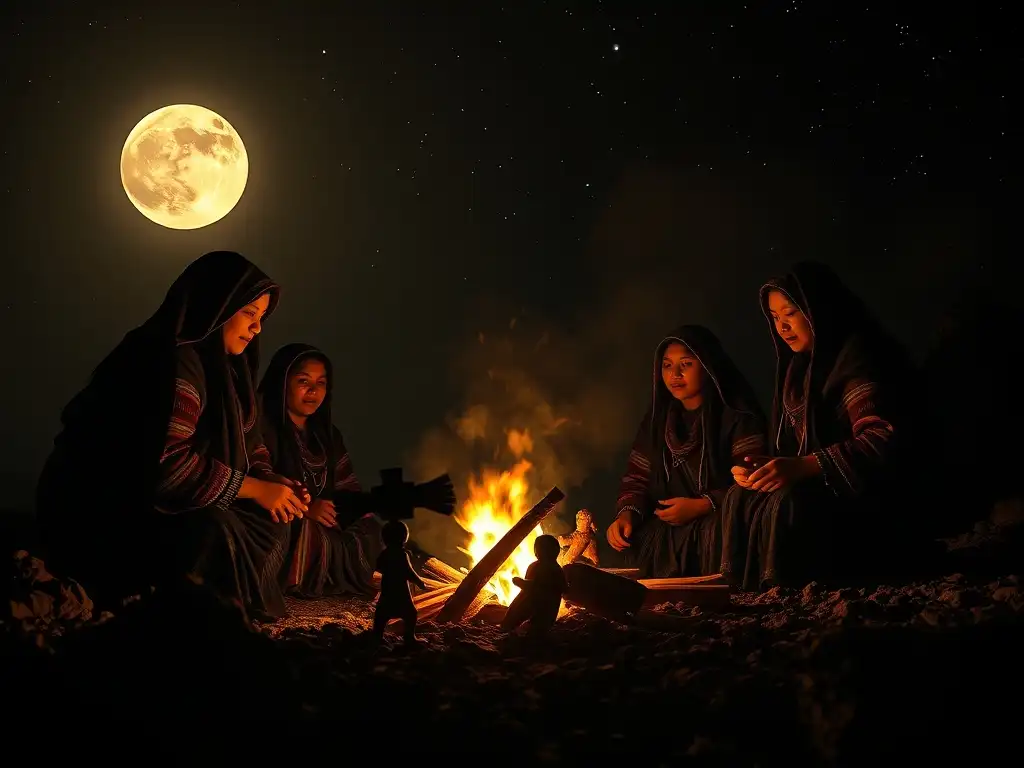
This section delves into the fascinating world of Andean moon goddess rituals, specifically focusing on the veneration of Quilla, the prominent lunar deity in the Andean cosmology. Understanding these rituals provides crucial insight into the intricate relationship between Andean societies and the celestial bodies, highlighting the deep spiritual significance attributed to the moon's cycles. We will explore key rituals, lunar observances, and the crucial role of the lunar calendar in shaping Andean religious practices. The keyword "Andean moon goddess rituals" will be explored through various semantic variations throughout this section.
Key Andean Rituals Dedicated to Quilla
Numerous rituals were dedicated to Quilla, reflecting the diverse practices across different Andean cultures. These weren't uniform; instead, they varied based on location, specific ethnic group, and the phase of the moon. However, common themes emerge. Many rituals involved offerings, aiming to appease and garner favor from the moon goddess. These offerings often included:
- Llama sacrifices: The llama, a sacred animal, was often sacrificed during important lunar events, its blood and flesh considered vital components of the offering. The significance of the llama stemmed from its perceived connection to the celestial realm.
- Agricultural products: Fruits, vegetables, and grains were presented as offerings, symbolizing the moon's influence on agricultural cycles and fertility. This was a particularly crucial aspect of Andean life, heavily reliant on successful harvests.
- Precious metals and textiles: Elaborately woven textiles and objects made of gold and silver, showcasing remarkable Andean craftsmanship, were presented as tributes reflecting the society’s wealth and devotion. The quality of these offerings often correlated with the importance of the lunar event being celebrated.
- Chicha (fermented corn beverage): This sacred drink played a pivotal role in numerous Andean ceremonies, acting as a conduit between the human and spiritual realms. It was believed to enhance the potency of the offerings and facilitate communication with Quilla.
The rituals themselves varied, sometimes involving elaborate processions, dances, and music, intended to honor and celebrate Quilla's power. The specifics of these rituals remain partly shrouded in mystery, yet archaeological evidence and surviving accounts offer valuable glimpses into these practices. For example, [specific details of a particular ritual from a specific Andean culture pending].
Lunar Observances and Ceremonial Practices
The Andean people were meticulous observers of the moon's phases, each phase holding specific significance within their religious framework. The new moon, for instance, was often associated with renewal and rebirth, triggering rituals focused on planting, cleansing, and preparing for the upcoming lunar cycle. Conversely, the full moon, representing maximum lunar power, was often a time for major celebrations and offerings, seeking Quilla's blessings for abundance and prosperity.
Observing the moon wasn't simply a passive activity; it was an integral part of their daily lives, influencing their agricultural practices, social events, and even personal decisions. The moon's cyclical nature resonated deeply with their understanding of life's rhythms, reinforcing their reverence for Quilla's influence. This close observation also meant that timing was critical in many Andean rituals, with specific ceremonies being scheduled to coincide with particular lunar phases.
The Importance of the Lunar Calendar in Andean Rituals
The lunar calendar played a vital role in structuring Andean religious life. Unlike the solar calendar which tracked the year, the lunar calendar dictated the timing of many moon-related festivals and ceremonies. This lunar calendar was not standardized across all Andean cultures; its specifics varied regionally, reflecting the diversity of Andean societies. However, the fundamental principle of aligning ritual practices with the moon's cycles remained consistent.
The precise details of these lunar calendars, including their length and specific cycles, are still being researched. Archaeological discoveries continue to shed light on the methods used by Andean civilizations to track lunar phases, often employing intricate systems of observation and record-keeping. These methods often involved meticulous observation of the moon's position in the night sky and its interaction with other celestial bodies.
Understanding these ancient calendrical systems is crucial to deciphering the true depth and complexity of Andean moon goddess rituals and their profound influence on Andean life. Further research into [specific Andean culture's lunar calendar data pending] would greatly enhance our understanding of this fascinating aspect of Andean culture. 🌕
Offerings to Quilla: Appeasing the Moon Goddess
The Andean moon goddess, Quilla, held immense power in the cosmology of numerous Andean cultures. Appeasing her was crucial for ensuring successful harvests, fertility, and overall societal well-being. Offerings to Quilla weren't simply acts of appeasement; they were complex rituals deeply embedded in Andean spiritual practices, reflecting a sophisticated understanding of the lunar cycles and their influence on the natural world.
The types of offerings, their preparation, and the locations where they were presented all held significant symbolic weight, revealing a rich tapestry of beliefs and practices. Understanding these offerings provides crucial insight into the Andean worldview and the profound respect held for the celestial bodies. The frequency of these rituals likely varied depending on the specific community and the lunar phase, with heightened activity during significant lunar events like the new moon and full moon.
Types of Offerings Presented to Quilla
The offerings presented to Quilla were diverse, reflecting the abundance and variety of the Andean environment. Common offerings included:
- Agricultural Products: Maize, coca leaves, potatoes, and other crops were frequently offered, symbolizing the dependence on the moon's influence for successful harvests. The quality of the offering was often considered important; the finest produce was reserved for the goddess. For example, perfectly formed ears of corn, free from blemishes, would be chosen for particularly important ceremonies.
- Textiles and Clothing: Finely woven textiles, often adorned with intricate designs representing lunar symbolism, were presented as offerings. These represented human craftsmanship and devotion. The colors and patterns used likely held specific meanings related to lunar phases or celestial events. [Specific color and pattern meanings pending further research].
- Precious Metals and Stones: Gold, silver, and precious stones, such as turquoise and lapis lazuli, were offered in smaller quantities, particularly by elites. These luxurious items represented wealth and status, demonstrating the devotion of the community's leaders. The use of gold, associated with the sun, alongside offerings to the moon goddess, might indicate a belief in the balance between solar and lunar energies.
- Llama and Alpaca Sacrifices: While less frequent than other offerings, animal sacrifices, particularly of llamas and alpacas, were performed on important occasions. These were likely considered to be particularly powerful offerings, connecting the spiritual and material realms. The selection of the animal and the manner of sacrifice likely followed specific ritualistic guidelines. [Details of sacrifice rituals pending].
- Liquids: Chicha, a fermented corn beverage, was a common liquid offering. The act of pouring the chicha onto the earth or into a sacred vessel could be interpreted as a libation, a symbolic offering to the goddess. [Specific rituals involving chicha and other beverages pending].
The Symbolic Meaning of Andean Offerings
The symbolic meaning of the offerings extended beyond their material value. Each offering played a role in a complex system of symbolic communication with Quilla.
- Agricultural Products symbolized fertility and abundance, reflecting the dependence on the moon's influence over agricultural cycles. The offering of the first fruits of the harvest was a common practice, emphasizing gratitude and seeking continued prosperity.
- Textiles represented human creativity and skill, demonstrating the dedication and devotion of the community. The intricate designs woven into the fabrics often depicted lunar symbolism, further reinforcing the connection between the offerings and the celestial body.
- Precious metals and stones symbolized wealth and power, showcasing the community's prosperity and its commitment to honoring Quilla. The selection of specific materials might have carried additional symbolic weight, reflecting specific beliefs about the properties of the materials themselves.
- Animal sacrifices represented a profound act of communion, connecting the human and spiritual realms. The sacrifice was not simply a killing; it was a ritualistic act that symbolized the community's willingness to make a significant offering to appease the goddess and ensure her continued favor.
The selection and preparation of each offering were crucial aspects of the ritual, highlighting the meticulous attention paid to detail in Andean religious practices. The act of offering itself was a symbolic act of giving back to the goddess, ensuring continued harmony between the human and spiritual worlds.
Sacred Sites for Quilla Offerings
Offerings to Quilla were not made haphazardly. Specific locations, often possessing natural or cultural significance, were chosen for their perceived connection to the moon goddess. These sites often featured unique geographical characteristics, reinforcing their sacred status.
- Mountain Peaks: High mountain peaks, often shrouded in mist and considered sacred spaces, were important sites for Quilla offerings. Their elevation might have been seen as bridging the terrestrial and celestial realms, allowing for a closer connection with the moon goddess.
- Caves and Grottoes: Caves and grottoes, often associated with the underworld and considered portals to the spirit world, were also significant locations for offerings. These spaces provided a sense of seclusion and mystery, enhancing the ritual's sacred atmosphere.
- Water Sources: Springs, rivers, and lakes were often considered sacred, particularly those associated with lunar cycles or believed to possess special properties. The act of offering to Quilla near a water source might have symbolized purification and renewal.
- Temple Complexes: Larger temple complexes, dedicated to various deities, often included designated areas or altars for offerings to Quilla. These structured sites provided a formal setting for communal rituals, emphasizing the importance of the offerings within the broader religious context.
The choice of location was not arbitrary. The selection of a specific site for an offering to Quilla likely reflected a deeper understanding of the landscape and its relationship to the lunar cycles and the spirit world. Each location enhanced the ritual's significance, reinforcing the connection between the community and the celestial power of the Andean moon goddess.
Quilla and Fertility: The Lunar Influence on Agriculture
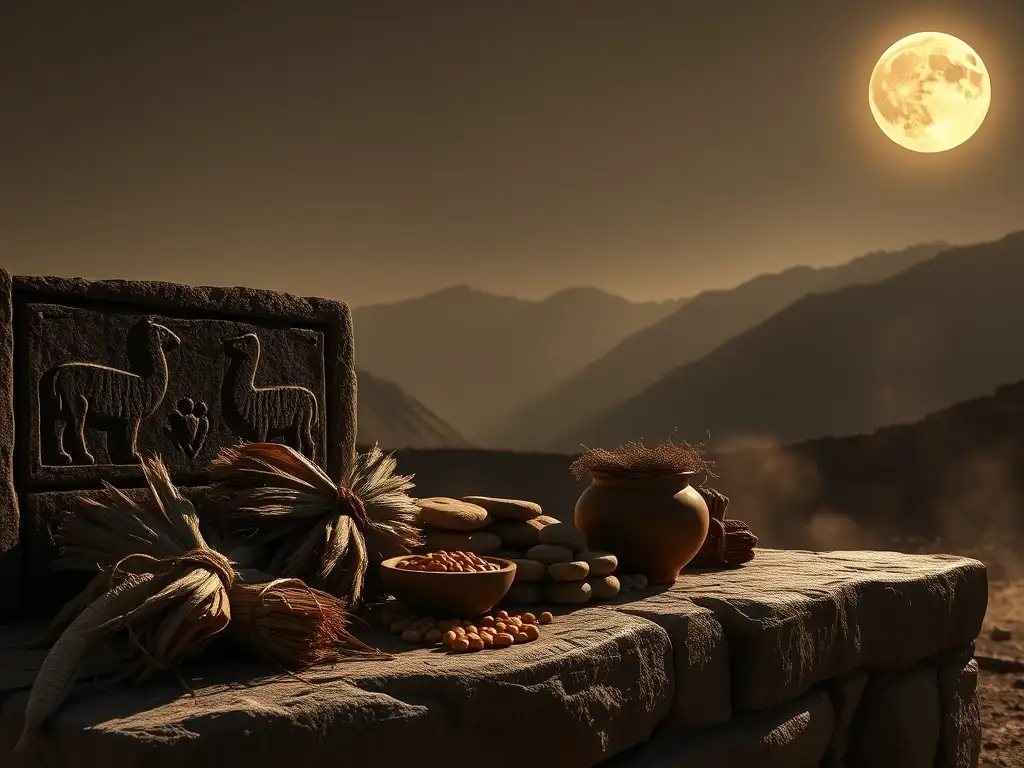
The Andean moon goddess Quilla wasn't just a celestial deity; she was deeply intertwined with the agricultural success of Andean civilizations. Her phases, meticulously observed by Andean farmers, dictated planting and harvesting cycles, influencing the very rhythm of life in the mountainous regions. Understanding Quilla's influence on fertility is key to understanding the sophisticated agricultural practices of these cultures.
The reverence for Quilla extended far beyond simple astronomical observation; it manifested as a complex system of rituals and offerings designed to secure bountiful harvests and ensure the prosperity of the community. This deep connection between the lunar cycle and agricultural productivity highlights the profound integration of religious belief and practical farming techniques in Andean society. The cyclical nature of Quilla's phases mirrored the cyclical nature of Andean agriculture, creating a symbiotic relationship that sustained their communities for centuries.
The Connection Between Quilla and Agricultural Cycles
The Andean people possessed an intimate knowledge of the lunar calendar. Their observations weren't merely casual; they were incredibly precise, allowing them to predict the optimal times for planting and harvesting based on Quilla's phases. For instance, the new moon might have been associated with planting, symbolizing new beginnings and the promise of growth.
The full moon, representing abundance and maturity, might have signaled the ideal time for harvesting. This intricate understanding of lunar cycles allowed them to maximize crop yields and minimize losses due to unfavorable weather conditions or pests. Evidence of this sophisticated understanding can be found in the detailed agricultural terraces and irrigation systems they developed, perfectly attuned to the rhythms of the lunar year.
The precise timing of agricultural activities, guided by Quilla's phases, showcases the advanced level of astronomical knowledge and practical application possessed by Andean communities. Further research is needed to fully uncover the specific details of this lunar-agricultural calendar for each Andean culture, as regional variations likely existed. [Specific information pending on regional variations in lunar-agricultural calendars]
Fertility Rites and Lunar Celebrations
To ensure Quilla's continued favor and abundant harvests, Andean communities performed various fertility rites and lunar celebrations. These rituals often involved offerings of coca leaves, chicha (a fermented corn beverage), and other agricultural products. These weren't merely symbolic gestures; they were acts of reciprocity, expressing gratitude for the bounty provided and seeking continued blessings for future harvests.
These ceremonies likely varied across different Andean cultures, reflecting regional differences in agricultural practices and beliefs. Evidence suggests that some celebrations involved communal feasts and dances, strengthening community bonds and reinforcing the importance of Quilla's role in their lives. The vibrant nature of these celebrations, fueled by both religious devotion and social cohesion, underscored the centrality of Quilla in the Andean worldview.
[Further research is needed into the specific rites and offerings made to Quilla in different Andean regions]. The frequency of these celebrations likely varied according to the lunar phases, with particular emphasis placed on key moments such as the new moon and the full moon.
How the Moon Goddess Influenced Andean Farming Practices
Quilla's influence transcended the mere timing of planting and harvesting. Her phases likely informed decisions regarding crop selection, irrigation techniques, and even pest control strategies. For example, the understanding of the moon's influence on water cycles might have guided the construction of sophisticated irrigation systems, maximizing water availability during crucial growing periods.
Similarly, knowledge of the moon's impact on plant growth might have influenced the selection of specific crops suited to particular lunar cycles. The integration of these moon-based farming practices demonstrates a holistic approach to agriculture, where astronomical knowledge was seamlessly interwoven with practical farming techniques. This close relationship between the lunar cycle and agricultural practices highlights the ingenuity and adaptability of Andean farmers in harnessing the power of nature to sustain their communities.
Detailed analysis of archaeological findings and ethnobotanical studies is required to fully elucidate the intricate relationship between Quilla's influence and the specific methods employed in Andean agriculture. The study of ancient Andean agricultural practices offers valuable insights into sustainable and environmentally conscious farming techniques, relevant even in modern times. The wisdom embedded in these practices serves as a testament to the deep understanding and respect that Andean civilizations held for the natural world and its cyclical rhythms.
Quilla in Andean Art and Iconography
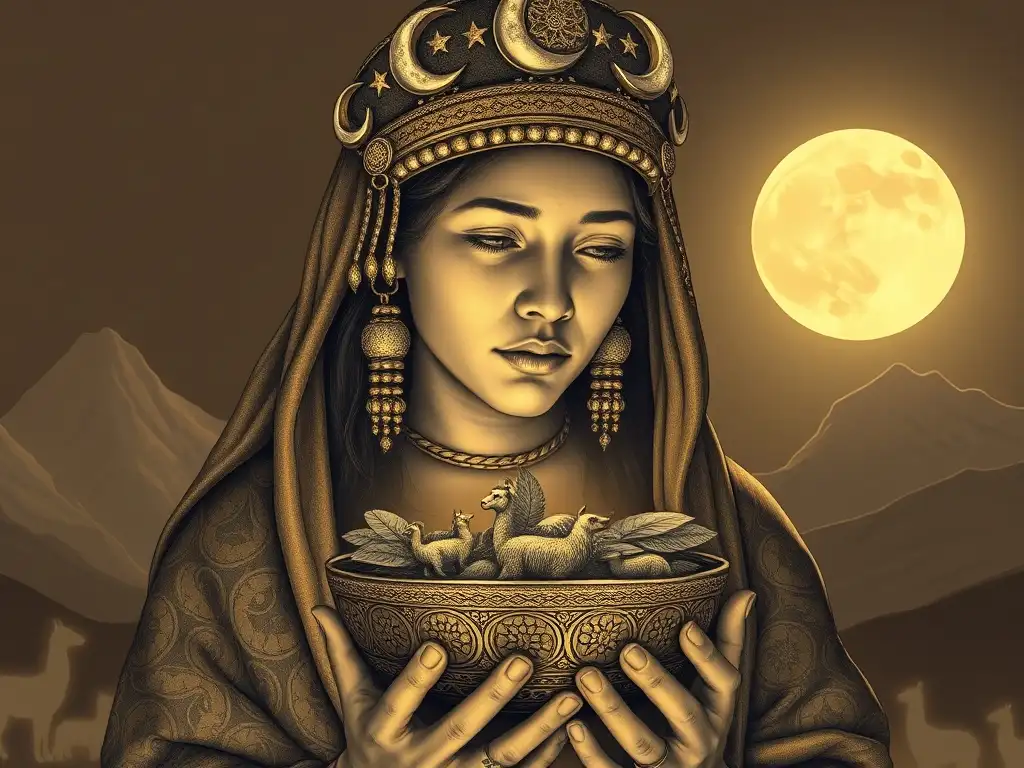
The Andean moon goddess Quilla, a powerful figure in the cosmology of several Andean cultures, is richly represented in their art and iconography. Her visual depictions offer invaluable insights into the beliefs and practices surrounding lunar worship. Understanding these artistic representations allows us to better grasp the significance of Quilla within the broader Andean religious landscape and her role in the daily lives of the people.
The prevalence of Quilla's image across diverse Andean cultures highlights the unifying power of lunar veneration across geographical boundaries and differing cultural expressions. Analyzing these artistic expressions provides a window into the shared beliefs and spiritual practices that connected these seemingly disparate communities.
Representations of Quilla in Ancient Andean Art
Quilla's artistic representations vary across different Andean cultures, reflecting unique regional styles and artistic traditions. While a standardized, universally recognized image of Quilla doesn't exist, common themes emerge. Often, she is depicted as a serene, feminine figure, sometimes holding a crescent moon or other lunar symbols.
In some instances, she is shown accompanied by stars or celestial bodies, emphasizing her connection to the night sky. The Moche culture, known for its elaborate ceramics, frequently portrayed Quilla in scenes of ritual sacrifice or celestial events, highlighting her role in the cosmos and the intricate relationship between the earthly and the divine. Conversely, Nazca pottery often shows Quilla with stylized features, emphasizing symbolic representation over realistic portraiture.
The specific attributes and accompanying imagery help scholars understand the nuanced roles Quilla played within each culture's belief system. For instance, the presence of specific animals or plants alongside Quilla could indicate associations with specific agricultural cycles or seasonal changes. Further research into the iconography of specific sites and artifacts is needed to fully understand the diversity of Quilla's representations.
Symbolic Motifs Associated with the Lunar Goddess
Beyond direct depictions of Quilla herself, several symbolic motifs consistently appear in Andean art, strongly suggesting an association with the lunar goddess. These include:
- Crescent Moons: The most obvious symbol, representing the waxing and waning of the moon, mirroring cyclical processes of life, death, and rebirth.
- Stars and Constellations: Frequently depicted alongside Quilla, reinforcing her celestial nature and her role in the Andean understanding of the cosmos.
- Water Bodies: Lakes, rivers, and oceans are often linked to Quilla, reflecting the moon's influence on tides and water cycles. This association highlights the importance of water in Andean agriculture and life.
- Feathered Serpents: In some cultures, feathered serpents, powerful symbols in Andean mythology, are associated with Quilla, hinting at a complex interplay of lunar and chthonic forces. The exact nature of this connection requires further investigation.
- Specific Animals: Certain animals, such as felines or birds of prey, might appear alongside Quilla, possibly representing specific aspects of her power or her connection to the natural world. More research is needed to fully interpret these symbolic connections.
Quilla's Depiction in Ceramics, Textiles, and Architecture
Quilla's image is not limited to a single artistic medium. Her presence is evident across various forms of Andean artistic expression:
| Medium | Example of Quilla's Depiction | Significance |
|---|---|---|
| Ceramics | Moche stirrup-spout vessels depicting Quilla in ritual scenes | Shows Quilla's integral role in rituals and her connection to the supernatural. |
| Textiles | Woven patterns incorporating crescent moons and stars | Highlights the importance of lunar cycles in Andean daily life and cosmology. |
| Architecture | Architectural features mimicking lunar phases (e.g., window shapes) | Suggests a conscious effort to integrate lunar symbolism into built environments. |
The diversity of these mediums underscores the pervasive influence of Quilla in Andean society and the importance given to her worship. The careful execution and intricate detail found in these artifacts indicate the reverence and respect held for the lunar deity. Further research into the specific techniques and materials used in these artistic expressions could reveal additional insights into the beliefs and practices associated with Quilla.
For example, the use of specific pigments or the orientation of architectural elements could provide clues about the rituals and ceremonies dedicated to the moon goddess. The continued study of Andean art promises to reveal even more about the profound influence of Quilla on Andean civilization.
The Legacy of Quilla: Modern-Day Andean Lunar Traditions
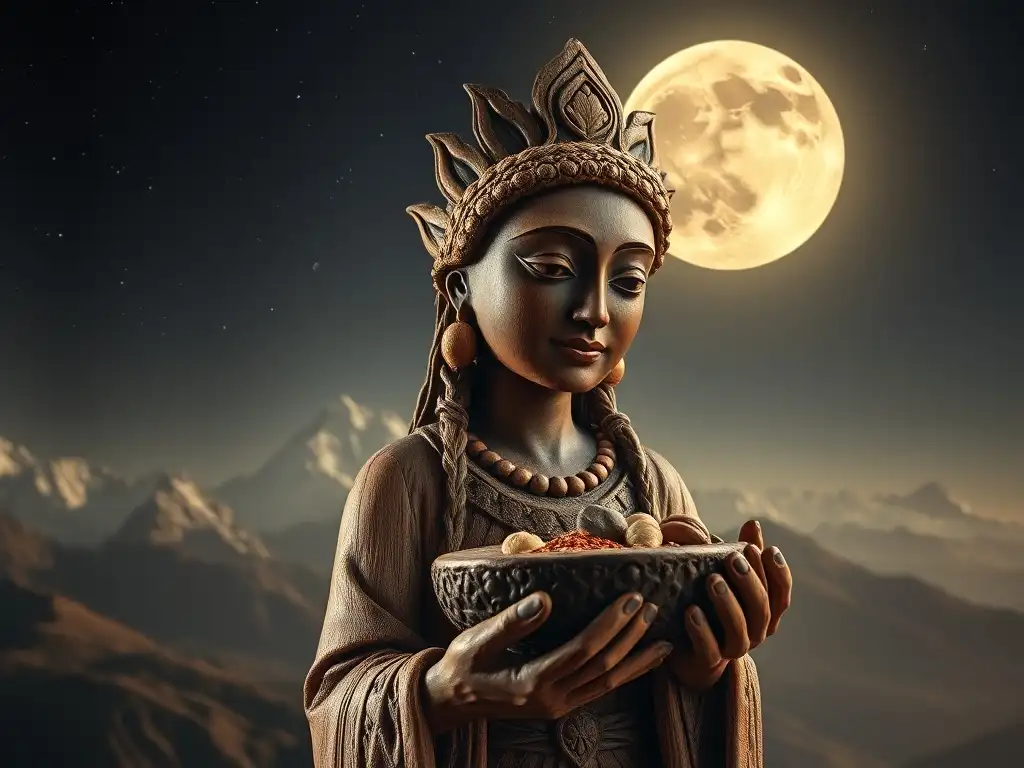
The worship of Quilla, the Andean moon goddess, wasn't simply relegated to the dustbins of history with the arrival of the Spanish conquistadors. While the grand, centralized rituals may have been suppressed, the reverence for the lunar deity persisted, adapting and evolving within the fabric of Andean communities. Understanding the legacy of Quilla requires acknowledging the enduring power of her symbolism and the ways in which her worship has survived, albeit in transformed forms, to the present day.
This enduring connection highlights the deep-rooted spiritual significance of the moon within Andean cosmovision. The moon, as a powerful symbol of fertility, cycles, and feminine energy, continues to hold a prominent place in the lives of many Andean people.
Surviving Quilla Rituals in Contemporary Andean Communities
Despite centuries of cultural upheaval, certain Quilla-related rituals have managed to endure, albeit often subtly integrated into broader religious practices or syncretized with Catholicism. These rituals often center around agricultural cycles, reflecting the moon's perceived influence on planting, harvesting, and animal husbandry. For example, in some communities, specific prayers and offerings are still made to Quilla during the full moon, seeking blessings for a bountiful harvest. These offerings might include coca leaves, chicha (a fermented corn beverage), or other locally significant items.
The specific practices vary considerably from region to region, reflecting the diversity of Andean cultures and their unique interpretations of Quilla's influence. Detailed ethnographic studies are needed to fully document the diversity of these practices and their regional variations. [Specific examples of surviving rituals in different Andean communities pending].
The Enduring Significance of the Moon Goddess in Andean Culture
Quilla's enduring significance transcends mere ritual practice. Her symbolism continues to resonate deeply within Andean culture, manifesting in various artistic expressions, folklore, and even everyday language. The moon's phases are often incorporated into Andean calendars and agricultural practices, underscoring its practical and spiritual importance. Many Andean narratives and legends feature Quilla prominently, often portraying her as a powerful and benevolent deity, sometimes associated with Inti, the sun god, in a cosmic duality representing balance and harmony.
The ongoing presence of Quilla's imagery in contemporary textiles, pottery, and other crafts demonstrates the enduring power of her iconography. The moon continues to be a powerful symbol of feminine energy, fertility, and the cyclical nature of life and death within Andean cosmovision. Even today, many Andean women identify with Quilla's power and grace, viewing her as a protector and a source of inspiration.
Adaptation and Evolution of Quilla's Worship
The worship of Quilla has not remained static. Over time, it has undergone significant adaptation and evolution, particularly in response to external influences, such as the introduction of Catholicism. In many instances, elements of Quilla's worship have been subtly integrated into Catholic practices, creating a form of syncretism where indigenous beliefs and traditions are blended with those of the dominant religion.
This syncretism is not merely a superficial overlay; it represents a complex process of cultural negotiation and adaptation, where Andean communities have creatively preserved their indigenous heritage while navigating the pressures of colonialism and globalization. The adaptation of Quilla's worship highlights the resilience and adaptability of Andean cultures in the face of external pressures. Understanding this process requires careful analysis of the interplay between indigenous beliefs and the imposed religious systems.
Further research is needed to fully understand the complex dynamics of this religious syncretism and its impact on contemporary Andean spiritual practices. [Further research on the specific examples of syncretism in Quilla worship pending].
Conclusion: The Enduring Power of the Andean Moon Goddess
The worship of Quilla, the Andean moon goddess, reveals a profound connection between the ancient inhabitants of the Andes and the celestial rhythms governing their lives. Her influence extended far beyond simple lunar observation; she was deeply intertwined with fertility, water cycles, and the very fabric of Andean society. Understanding Quilla's role provides a crucial lens through which to interpret the complex religious and social structures of these civilizations.
The meticulous nature of the rituals and offerings, as detailed above, underscores the significant place she held in the hearts and minds of the Andean people. The persistence of certain lunar-based traditions even today hints at the enduring power of this ancient deity.
Recapitulating the Key Aspects of Quilla's Importance
Quilla's importance within the Andean pantheon cannot be overstated. She wasn't merely a celestial body; she was a powerful force shaping daily life. Several key aspects highlight her significance:
- Fertility and Reproduction: Quilla's association with the lunar cycle directly linked her to fertility, both human and agricultural. Offerings often included symbolic representations of fertility, such as llamas and maize, emphasizing her role in the prosperity of the community. The timing of agricultural activities frequently coincided with lunar phases, reflecting a deep understanding of the moon's influence on growth and reproduction.
- Water Control: In a region heavily reliant on water resources, Quilla's control over the water cycle was paramount. The cyclical nature of the moon mirrored the ebb and flow of rivers and rainfall, making her a crucial deity for ensuring sufficient water for agriculture and survival. Rituals aimed at appeasing Quilla often focused on maintaining a harmonious relationship with water sources.
- Female Power and Authority: Unlike many patriarchal societies, the Andean civilizations often placed considerable emphasis on female deities and their influence. Quilla, as a powerful lunar goddess, represented female strength and authority, challenging conventional notions of gender roles in ancient societies. Her prominence in religious practices suggests a significant level of female participation and influence within Andean communities.
- Timekeeping and Calendrical Systems: The phases of the moon were integral to the development of Andean calendrical systems. The precise tracking of lunar cycles allowed for the accurate prediction of agricultural seasons, planning of ceremonies, and the organization of communal activities. This demonstrates a sophisticated understanding of astronomy and its practical applications within Andean society.
Continued Relevance of Lunar Worship in the Andes
While the Inca Empire and other major Andean civilizations have long since passed, remnants of lunar worship persist in various Andean communities today. Although the exact practices may have evolved, the fundamental connection to the moon and its influence remains. This continuity highlights the deep-rooted significance of Quilla and her enduring legacy.
Many contemporary Andean traditions still incorporate elements of lunar observation into their agricultural practices and celebrations. For example, [Specific examples of continued lunar worship in modern Andean communities pending]. This enduring connection underlines the profound impact of Quilla on Andean cultures throughout history and into the present day.
The moon, as a constant and powerful celestial body, continues to inspire awe and reverence, echoing the deep spiritual connection forged with Quilla centuries ago. The study of these modern traditions offers invaluable insight into the enduring power and influence of the Andean moon goddess and her continued relevance in the lives of Andean people.
Frequently Asked Questions
What is the significance of the Andean moon goddess, Quilla?
Quilla, the Andean moon goddess, held immense importance in ancient Andean cultures. She was associated with fertility, water, and the feminine principle, influencing agricultural cycles and daily life. Her worship was widespread and integral to their beliefs.
What types of rituals were performed to honor Quilla?
Rituals dedicated to Quilla varied across different Andean cultures but often involved offerings of food, drink, and textiles. These offerings were presented during specific lunar phases, aiming to appease and gain favor from the goddess. Ceremonies often included music, dance, and prayers.
Were there specific locations dedicated to Quilla's worship?
While not always centralized in specific temples, sacred sites linked to water sources such as springs and lakes were often chosen for Quilla's rituals. Mountaintops and caves also held significance, reflecting her connection to the lunar cycles and the celestial realm.
How did the Incas specifically honor Quilla?
The Inca incorporated Quilla's worship into their elaborate state religion. They held large-scale festivals in her honor, and her image appeared on textiles and pottery. The lunar calendar influenced their agricultural practices and administrative decisions.
What kind of offerings were made to the Andean moon goddess?
Offerings varied depending on the culture and the specific need, but common items included lama meat, chicha (corn beer), coca leaves, and precious metals. These items were considered gifts to appease the goddess, ensuring good harvests, health, and overall prosperity.
Final Reflection: Quilla's Enduring Lunar Legacy
The reverence for Quilla, the Andean moon goddess, resonates far beyond the ancient Inca Empire; her influence continues to shape spiritual practices and cultural identities today. Understanding her rituals offers a powerful lens through which to examine the enduring human need to connect with the natural world and find meaning in the celestial rhythms that govern our lives. The echoes of her worship are a testament to the enduring power of feminine divinity and the cyclical nature of existence.
The exploration of Quilla's rituals has been a deeply enriching journey, revealing the intricate tapestry of Andean spirituality and its profound connection to the lunar cycle. Her influence extends beyond mere religious practice; it permeates art, storytelling, and even agricultural practices in the Andes. The cyclical nature of Quilla's worship mirrors the cyclical nature of life itself, reminding us of the constant ebb and flow of energy and the importance of honoring both light and darkness. The moon is a loyal companion. It never leaves. It’s always there, watching, steadfast, knowing, reassuring.
– This quote encapsulates the unwavering presence of Quilla in Andean culture and the comfort her worship offered.
Now, consider the moon in your own life. How do its phases influence your emotions, your energy levels, your creativity? Take a moment to connect with the lunar energy, to acknowledge its power, and to appreciate the ancient wisdom embedded in the rituals dedicated to Quilla. By understanding the past, we can better appreciate the present and create a more meaningful future, one that honors the enduring connection between humanity and the cosmos.
Embrace Lunar Wisdom: Connect with Quilla Today!
Thank you for exploring the fascinating rituals and offerings dedicated to Quilla, the Andean moon goddess. Discovering her lore reveals not just history, but the enduring connection between spirituality and the natural world. Now, let's put that knowledge into practice!
Here are some meaningful ways to honor Quilla and integrate her wisdom into your life:
- Create a Moon Journal: Document your feelings and observations throughout the lunar cycle. Reflect on how the moon's phases influence your emotions and choices.
- Conduct a Full Moon Ritual: Gather herbs, candles, and meaningful offerings to connect with the lunar energies. Express gratitude and set intentions for the month ahead.
- Join a Community: Find or create a group focused on lunar rituals and Andean spirituality. Sharing experiences enhances your practice and fosters meaningful connections.
What unique rituals will you incorporate to honor the moon's power? Share your thoughts and ideas in the comments!