
Sacred Plants and Visions: The Shamanic Path to Healing and Prophecy in the Andes

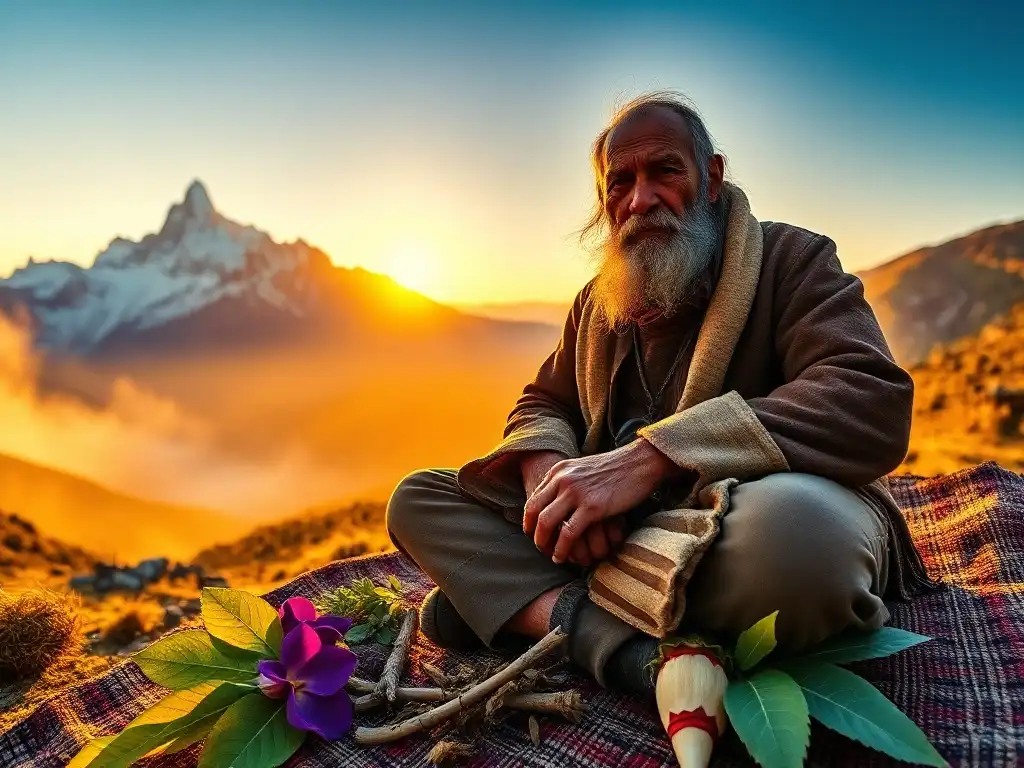
Step into a world lost in time, yet echoing with vibrant life. Imagine the soaring peaks of the Andes, shrouded in mist and mystery, where ancient civilizations thrived. This is where we unravel the secrets of the Andean civilizations, their breathtaking artistry, and profound spiritual practices. But there's more... Prepare to be captivated by the power of Andean shamanic plant medicine – a journey into healing, prophecy, and a connection with the cosmos unlike any other. Discover the truth behind the visions...
The Andes Mountains, a spine of towering peaks stretching along the western coast of South America, are not only a breathtaking geographical feature but also a cradle of rich and complex cultures. For millennia, Andean civilizations have developed intricate spiritual systems deeply intertwined with their environment.
Central to their religious and medicinal practices was the use of sacred plants, acting as conduits to the spirit world, facilitating healing, and offering glimpses into the future. This exploration delves into the fascinating world of Andean shamanic plant medicine, examining the role of these plants in healing, prophecy, and the broader Andean cosmovision.
We will uncover the significance of specific plants, the rituals surrounding their use, and the enduring legacy of this potent tradition, providing a nuanced understanding of "Andean shamanic plant medicine" within the context of the Andean worldview. Understanding this practice illuminates a crucial aspect of Andean religion and the profound relationship between humans and nature within these ancient societies.
The Role of the Shaman in Andean Society
Andean shamans, often referred to as paqos or yatiri, weren't simply healers; they were spiritual leaders, intermediaries between the human and spirit worlds. Their expertise lay in harnessing the power of sacred plants to diagnose illnesses, both physical and spiritual, and to predict the future. Shamans underwent rigorous training, often involving years of apprenticeship and intense spiritual journeys fueled by these very plants.
This training instilled in them a deep understanding of the plant's properties, the rituals surrounding their preparation and use, and the intricate web of Andean cosmology that underpinned their practice. Their role was vital to the community, providing not only medical care but also spiritual guidance and social cohesion.
They were responsible for maintaining the balance between the human world and the supernatural, ensuring the well-being of their communities through rituals, ceremonies, and the careful use of sacred plants. The shaman's authority stemmed from their connection to the spiritual realm and their ability to interpret the messages conveyed through altered states of consciousness induced by plant medicines.
Key Plants Used in Andean Shamanic Practices
Several plants held paramount significance in Andean shamanic traditions. Each plant possessed unique properties and was associated with specific deities or spirits. The precise combinations and preparations varied depending on the specific ailment, the shaman's expertise, and the desired outcome – healing, divination, or spiritual insight. For example, [Specific plant 1 and its uses pending] and [Specific plant 2 and its uses pending] were frequently employed.
The careful selection and preparation of these plants was a crucial aspect of the ritual, reflecting the deep respect and understanding that Andean cultures held for the natural world. The plants weren't simply tools; they were considered sacred entities, possessing inherent power and deserving of reverence. The use of these plants was often accompanied by elaborate ceremonies, prayers, and offerings, further highlighting their spiritual significance.
Rituals and Ceremonies Involving Sacred Plants
The use of Andean shamanic plant medicine was far from casual. It was embedded within elaborate rituals and ceremonies, meticulously planned and executed to maximize the plant's effect and ensure a successful outcome. These rituals often involved fasting, purification rites, and specific offerings to appease the spirits. The setting itself was also significant, often taking place in sacred locations such as mountaintops, caves, or near significant water sources.
The shaman's expertise extended beyond the preparation and administration of the plant medicine; it encompassed the entire ritual process, ensuring its efficacy and safety. The detailed preparations, the precise timing of the ceremonies, and the careful attention to the surrounding environment all contributed to the effectiveness and spiritual significance of the experience. [Specific details of a ritual or ceremony pending]
The Legacy of Andean Shamanic Plant Medicine
Despite centuries of colonial influence and modernization, the practice of Andean shamanic plant medicine persists. While many aspects of the tradition have adapted to modern contexts, the core principles and beliefs remain largely intact. The knowledge of these practices is often passed down through generations within families, maintaining a strong connection to ancestral traditions. [Specific example of the continuation of the tradition pending].
However, the increasing demand for these plants raises concerns about sustainability and responsible use. The preservation of this invaluable cultural heritage requires a careful balance between respecting traditional practices and ensuring the long-term protection of the plants and the environment. The future of Andean shamanic plant medicine depends on the continued efforts to educate and raise awareness about its importance while simultaneously implementing sustainable practices to safeguard this precious cultural and natural legacy for generations to come.
- The Role of the Shaman in Andean Society
- Key Plants Used in Andean Shamanic Practices
- Rituals and Ceremonies Involving Sacred Plants
- The Legacy of Andean Shamanic Plant Medicine
The Significance of Andean Shamanism and Plant Medicine

Andean shamanism, deeply intertwined with the natural world, represents a complex system of healing, prophecy, and spiritual connection. For centuries, Andean cultures have utilized plant-based medicines as integral components of their spiritual practices. This wasn't simply a matter of herbal remedies; rather, the ingestion of specific plants facilitated altered states of consciousness, allowing shamans to access otherworldly realms and interact with spirits. This practice, known as Andean shamanic plant medicine, played a crucial role in maintaining social harmony, resolving conflicts, and ensuring the well-being of the community.
The efficacy of these practices, passed down through generations, speaks volumes about their enduring power and significance within Andean cosmovision. The deep understanding of plant properties and their spiritual implications demonstrates a sophisticated level of botanical and spiritual knowledge. The use of these plants wasn't arbitrary; each plant held specific symbolic meaning and was associated with particular deities or spirits.
Understanding the Role of Yatiris in Andean Societies
The yatiri, a term often used interchangeably with "shaman," were (and in some communities still are) highly respected figures in Andean societies. Their expertise extended beyond healing; they served as intermediaries between the human and spiritual worlds. Yatiris possessed intricate knowledge of Andean shamanic plant medicine, employing various techniques to diagnose illnesses, predict the future, and guide spiritual journeys.
Their rituals often involved the use of sacred plants like coca, ayahuasca (in certain regions), and various hallucinogenic cacti, which induced altered states of consciousness facilitating communication with spirits and the divine. The yatiri's role wasn't solely limited to individual healing; they also played a critical role in community rituals, ensuring the fertility of the land, the success of harvests, and the overall well-being of the community. Their knowledge was carefully guarded and passed down through oral traditions, apprenticeships, and rigorous initiation rites.
Detailed accounts of their practices, though scarce due to the oral nature of transmission, reveal a highly structured and sophisticated system of spiritual practice. The social standing of the yatiri varied depending on the specific Andean culture and time period, but their influence and importance were undeniable. Their expertise was invaluable, and their pronouncements carried significant weight within their communities.
The Importance of Sacred Plants in Andean Cosmology
Sacred plants in the Andes weren't merely medicinal; they were imbued with profound spiritual significance, acting as conduits to the spirit world. Coca, for example, played a central role in daily life and religious ceremonies. It wasn't simply a stimulant; it was considered a sacred offering to the deities and a means of establishing communication with the spirit world. The careful preparation and consumption of coca leaves followed specific rituals and protocols, underscoring their sacred nature.
Similarly, other plants like san pedro cactus ( Echinopsis pachanoi) were used in shamanic ceremonies to induce visions and facilitate communication with deities and ancestors. The specific plants utilized often varied depending on the region and the specific spiritual purpose. The Andean worldview saw the plant kingdom as a source of immense power and knowledge, a reflection of the interconnectedness of all living things.
Understanding the role of these plants within Andean cosmology is essential to grasping the depth and complexity of Andean shamanic practices. The use of these plants wasn't simply a matter of achieving altered states of consciousness; it was a deeply spiritual act, a form of communion with the divine and the ancestors, integral to the Andean understanding of the universe and their place within it. Further research into specific plant uses and their associated rituals would illuminate the nuanced understanding of Andean shamanic plant medicine and its impact on Andean societies.
Key Sacred Plants Used in Andean Shamanic Practices
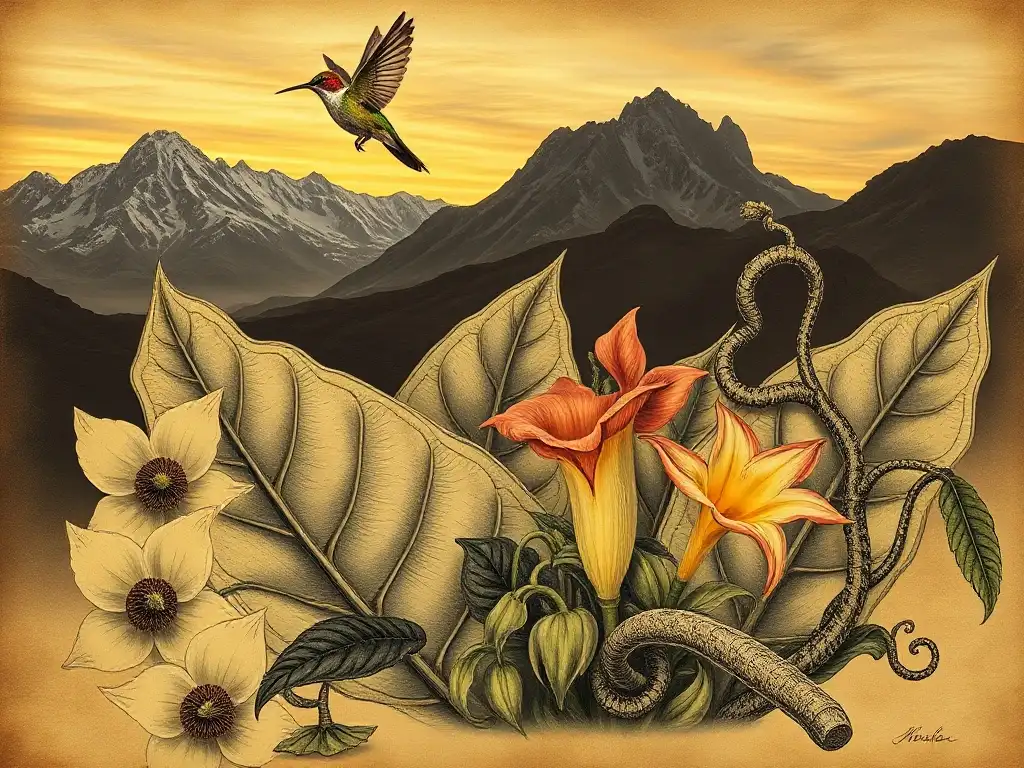
This section delves into the crucial role of specific plants in Andean shamanic practices, exploring their significance beyond simple medicinal properties. These plants were, and in some cases still are, integral to achieving altered states of consciousness, facilitating communication with the spirit world, and providing healing and prophecy. The careful preparation and ritualistic use of these plants highlight the deep spiritual connection between the Andean people and their environment, emphasizing the holistic nature of Andean shamanic plant medicine. Understanding these practices offers a glimpse into the complex cosmology and religious beliefs of these ancient cultures.
Ayahuasca: The Vine of Souls and its Ceremonial Use
Ayahuasca, while strongly associated with the Amazon basin, also holds a place, albeit perhaps a less prominent one, within some Andean shamanic traditions, particularly in areas bordering the Amazon rainforest. Its use wasn't as widespread as other plants discussed here, but its potent psychoactive properties made it a valuable tool for certain specialized rituals. The preparation of Ayahuasca involves a complex process, often involving several days of meticulous work. This process itself is imbued with spiritual significance, with each step contributing to the potency and sacredness of the final brew.
The ceremonial use of Ayahuasca frequently involved the shaman guiding the participant through visions, interpreting their meaning, and providing healing or guidance based on the experience. The visions were not merely recreational; they were believed to offer insights into the spiritual realm, revealing hidden illnesses, future events, or ancestral knowledge. Detailed accounts of these ceremonies, though limited in readily available documentation, often describe the intense physical and psychological effects, emphasizing the need for experienced shamans to guide the process safely and effectively.
The experience is often described as profoundly transformative, capable of inducing profound healing on multiple levels: physical, emotional, and spiritual. Further research is needed to fully understand the nuances of Ayahuasca's use within specific Andean communities.
San Pedro Cactus: The Wachuma and its Role in Divination
The San Pedro cactus ( Echinopsis pachanoi), also known as Wachuma in Quechua, stands as one of the most important sacred plants in Andean shamanic traditions. Unlike Ayahuasca, its use was widespread across various Andean cultures, from the pre-Inca periods to the present day. Its mescaline content induces powerful hallucinogenic effects, allowing shamans to enter altered states of consciousness and interact with the spirit world.
The Wachuma ceremonies were often elaborate affairs, involving specific preparations, prayers, and offerings. The shaman's role was crucial, not only in preparing the cactus but also in guiding the participant through the experience, interpreting the visions, and providing healing and spiritual guidance. The visions obtained through Wachuma were frequently used for divination, diagnosing illnesses, and predicting future events.
Specific patterns or symbols appearing during the visions were meticulously interpreted, providing insights into the participant's life and the surrounding community. The impact of the Wachuma experience extended beyond the immediate ritual, shaping personal beliefs, decisions, and community interactions. Detailed ethnographic studies reveal a rich tapestry of rituals and beliefs surrounding the use of this powerful cactus.
Coca Leaves: Beyond Stimulant, a Sacred Andean Offering
Coca leaves ( Erythroxylum coca) hold a deeply significant place within Andean culture, extending far beyond their use as a stimulant. While the stimulating properties of coca are widely known, their sacred and ritualistic use within Andean shamanic practices often goes overlooked. For Andean peoples, coca leaves are not merely a plant; they are a sacred offering, a conduit for communication with the spirit world, and an integral part of daily life and religious ceremonies.
The chewing of coca leaves, often accompanied by specific rituals and prayers, was (and in some cases still is) a common practice across various Andean communities. The leaves were offered to deities and ancestors, used in divination rituals, and incorporated into healing ceremonies. The shaman's role often included interpreting the way the coca leaves behaved during a ritual – their arrangement, the way they were chewed, or any unusual occurrences – as signs from the spirit world.
The coca leaf's significance underscores the holistic worldview of the Andean cultures, where the physical and spiritual realms are inextricably linked. Its continued use in many Andean communities today testifies to its enduring spiritual importance and its role in maintaining cultural identity and traditions. The subtle nuances of coca leaf use in Andean shamanic practices require further in-depth study to fully appreciate their complexity and significance.
Wilka: The Sacred Tree and its Entheogenic Properties
The Wilka, or Anadenanthera colubrina, holds a prominent place in Andean shamanic plant medicine. This sacred tree, often referred to as the "sacred cebil," wasn't just a source of wood for construction; its seeds were, and in some communities still are, a crucial element in visionary ceremonies. The seeds contain psychoactive compounds, primarily bufotenine, which induce powerful altered states of consciousness. These states are not merely recreational; they are believed to be pathways to communication with the spirit world, facilitating healing, prophecy, and divination.
The preparation of the Wilka seeds for shamanic use is a ritualistic process in itself. Traditionally, the seeds are carefully ground into a fine powder, often mixed with other ingredients like Nicotiana tabacum (tobacco) to enhance the effects and mitigate potential side effects. This mixture might then be snuffed, ingested as a tea, or used in other forms depending on the specific tradition and the desired outcome of the ceremony. The shaman, a highly trained and respected spiritual leader, guides the participant through this experience, interpreting the visions and offering guidance based on the messages received.
The visions induced by Wilka are often described as intensely vivid and deeply symbolic. They are not simply hallucinations; they are seen as encounters with spirits, ancestors, and otherworldly entities. These encounters can provide valuable insights into personal problems, predict future events, or offer guidance on healing physical or spiritual ailments. The interpretation of these visions is a critical aspect of the shamanic practice, requiring years of training and experience to accurately understand the complex symbolism.
The use of Wilka isn't without its risks. The effects of bufotenine can be unpredictable, and improper preparation or use can lead to adverse reactions. Therefore, the consumption of Wilka is strictly controlled within the community, with only experienced shamans administering the sacred plant.
The responsible and respectful use of Wilka, within the context of traditional Andean shamanic practices, underscores the profound connection between humans and the natural world, emphasizing the power of plants as conduits to the spiritual realm. The careful preparation and ritualistic context are vital in ensuring the safety and efficacy of the experience, highlighting the deeply ingrained knowledge and tradition surrounding Andean shamanic plant medicine.
The Shamanic Journey and the Power of Visions
This section delves into the core practices of Andean shamanism, focusing on the journey undertaken by yatiri (Andean shamans) and the profound impact of visionary experiences on their healing and prophetic abilities. The use of Andean shamanic plant medicine played a crucial role in facilitating these journeys and achieving altered states of consciousness. Understanding this intricate relationship is key to appreciating the depth and complexity of Andean spiritual practices. We will explore the rigorous training, the meticulous ritual preparation, and the ultimate purpose of these visionary experiences within the context of Andean cosmovision.
Initiations and Training of Yatiris
Becoming a yatiri wasn't a casual undertaking; it demanded years of rigorous training and initiation. Aspiring shamans underwent apprenticeships, often starting in childhood, under the tutelage of experienced practitioners. This training involved a multifaceted approach encompassing spiritual, physical, and intellectual disciplines.
The apprentices learned to identify and prepare various Andean shamanic plant medicines, understanding their properties and potential effects. This included not only the harvesting and processing of plants but also the intricate knowledge of dosage and preparation techniques crucial for safe and effective use. They also learned about the complex cosmology of the Andes, understanding the interconnectedness of the earthly and spiritual realms. Mastering this knowledge was fundamental to their ability to interpret visions and communicate with the spirit world.
Furthermore, physical endurance and discipline were essential. Many initiations involved prolonged fasting, exposure to extreme conditions, and rigorous physical trials, all designed to test the aspirant's commitment and resilience. The process aimed to purify the body and spirit, preparing the initiate for the intense experiences of shamanic practice. The entire training process was a profound and transformative experience, shaping the yatiri’s worldview and their connection to the Andean spiritual landscape. Detailed records of specific initiation rites and plant medicine usage are unfortunately scarce, requiring further research to fully uncover the intricacies of this process.
The Shamanic Ritual and the Induced Altered States of Consciousness
The Andean shamanic ritual was a meticulously orchestrated event, designed to induce altered states of consciousness and facilitate communication with the spirit world. The yatiri, aided by the power of Andean shamanic plant medicine, guided participants through a journey into the unseen realms. The preparation for these rituals was crucial.
The selection of the specific plant medicine was dependent on the desired outcome – healing, prophecy, or communication with specific deities. The preparation involved complex procedures, including specific prayers and offerings, ensuring the proper alignment with the spiritual forces at play. The ritual setting itself was also significant, often taking place in sacred spaces such as caves, mountains, or specially prepared ceremonial grounds.
The ritual often involved chanting, music (played on instruments like the pututu or antara), and the controlled consumption of Andean shamanic plant medicine. The yatiri's role was paramount; they acted as guides and interpreters, navigating the participants through the visions and translating the messages received from the spirit world.
The induced altered states of consciousness were not merely a means to an end; they were a fundamental aspect of Andean spiritual practice, allowing for direct interaction with the spiritual forces that shaped their world. Further research into the specific chemical compounds and their effects on the brain is needed to fully understand the neurological basis of these induced states.
Visions, Healing, and Prophecy: The Core of Shamanic Practice
The visions experienced during these shamanic journeys were not random occurrences. They were considered profound insights into the spiritual realm, offering guidance for healing, prophecy, and understanding the cosmic order. The yatiri skillfully interpreted these visions, translating the symbolic language of the spirit world into practical applications in the human realm.
Healing was a central aspect of shamanic practice. Visions revealed the root causes of illness, often attributed to imbalances within the individual or disruptions in the cosmic harmony. The yatiri, guided by their visions, prescribed remedies that could range from herbal concoctions and physical treatments to spiritual interventions and rituals. Prophecy, too, was a vital function. Visions provided insights into the future, guiding community decisions and offering warnings or guidance during times of uncertainty.
The interpretation of visions was not a straightforward process. It required extensive knowledge of Andean cosmology, mythology, and symbolism. The yatiri had to discern the meaning behind the symbolic imagery, integrating it into a coherent understanding of the situation at hand. The effectiveness of Andean shamanic plant medicine in facilitating these visionary experiences underscored its importance within the broader context of Andean healing and spiritual practices. The precise methods of interpretation and the specific types of visions experienced warrant further investigation to fully document the richness and complexity of this aspect of Andean shamanism.
Healing Practices and the Use of Plant Allies
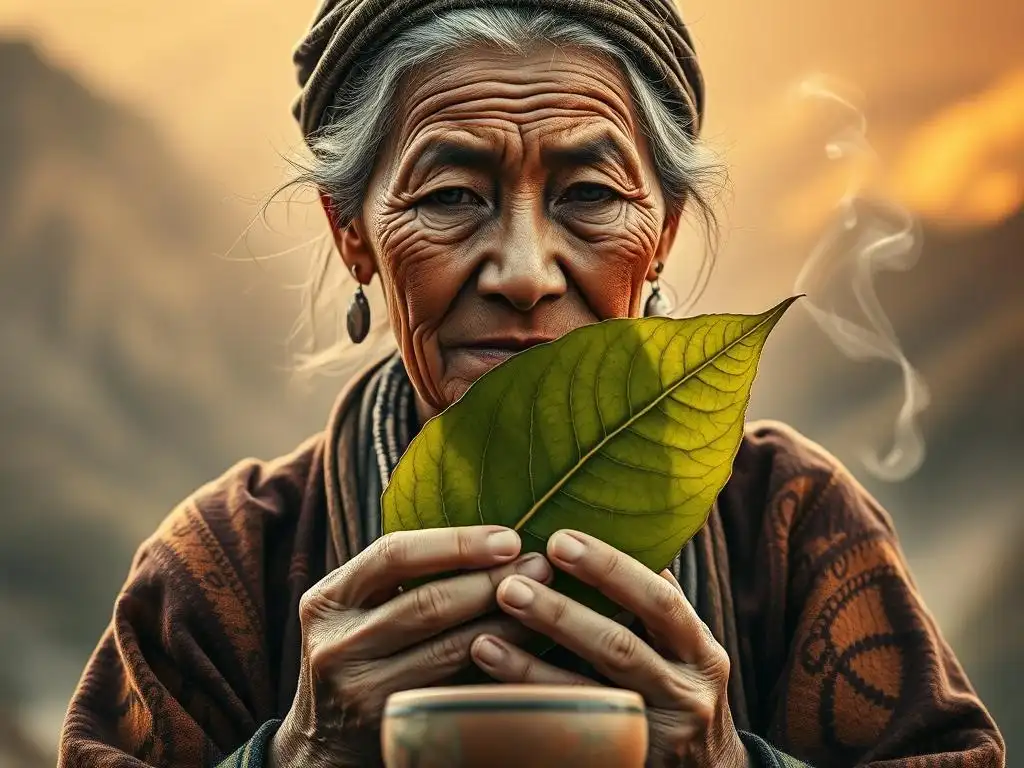
The Andean shamanic plant medicine tradition wasn't solely about altering consciousness; it was a sophisticated system of healing deeply intertwined with spiritual beliefs and practices. Shamans, acting as intermediaries between the human and spirit worlds, utilized a vast pharmacopoeia of plants to address both physical and spiritual ailments. Their knowledge, passed down through generations, encompassed detailed understanding of plant properties, preparation methods, and the appropriate rituals for their effective application.
The efficacy of Andean shamanic plant medicine wasn't merely based on the plants' chemical properties; it was inextricably linked to the shaman's spiritual power and their ability to harness the plants' inherent energies. This holistic approach highlights the profound integration of nature, spirituality, and healing within Andean cosmovision. The understanding and respect for the plant allies themselves was paramount, as shamans believed each plant possessed a unique spirit and power requiring careful consideration and reverence.
Spiritual Healing and Diagnosis Through Plant Medicine
Spiritual healing in Andean traditions often involved diagnosing the root cause of illness, which was frequently attributed to imbalances in the individual's relationship with the spiritual world or a disruption in the flow of energy ( kawsay). Shamans employed various plant-based techniques to diagnose these imbalances. One common method involved the use of divination, using specific plants to induce altered states of consciousness and receive guidance from spirits.
For example, the leaves of certain coca varieties were chewed not only for their stimulant properties but also for their purported ability to facilitate communication with spirits and provide insights into the nature of the illness. The interpretation of dreams, often induced through plant-based preparations, played a crucial role in diagnosis. Different plants were believed to elicit specific types of dreams, revealing information about the patient's spiritual state and the underlying causes of their affliction.
The shaman's expertise lay not only in administering the plant medicine but also in interpreting the resulting visions and messages. This process of spiritual diagnosis was paramount before any physical treatment could begin, emphasizing the interconnectedness of the physical and spiritual realms in Andean healing. The careful selection of the plant medicine was crucial, as different plants were associated with different spirits and energies, requiring a nuanced understanding of their properties and potential effects.
Physical Healing and the Application of Traditional Remedies
Beyond spiritual healing, Andean shamanic plant medicine encompassed a wide range of physical remedies. Plants were used to treat a variety of ailments, from common colds and fevers to more serious conditions. The knowledge of these remedies was often highly specialized, with different shamans specializing in treating specific conditions or using particular plants.
For example, certain plants were known for their analgesic properties, others for their anti-inflammatory or antibacterial effects. These plants were often prepared in various ways, including infusions, decoctions, poultices, and ointments, depending on the intended use and the nature of the ailment. Detailed records of these preparations, unfortunately, often relied on oral traditions and are not widely documented in written form, making the precise details of many remedies lost to time.
However, ethnobotanical studies continue to uncover new insights into the traditional uses of Andean plants and their potential medicinal applications. The use of coca leaves, for example, extended beyond spiritual divination; they were also used for their nutritional and medicinal properties, providing energy and relieving symptoms of altitude sickness. This demonstrates the multifaceted role of plants in Andean life, blurring the lines between nourishment, medicine, and spirituality.
The Connection Between Plant Spirits and Human Well-being
The Andean worldview emphasizes a profound interconnectedness between humans, plants, and the spirit world. Plants were not merely seen as sources of medicine but as sentient beings, each possessing its own spirit and possessing unique energies and properties. Shamans held a deep respect for these plant spirits, recognizing their power and potential to both heal and harm.
The success of any treatment was believed to depend not only on the shaman's skill but also on the willingness of the plant spirit to cooperate. Rituals and offerings were often performed to appease the plant spirits and ensure their assistance in the healing process. This belief system fostered a sustainable relationship with nature, emphasizing the importance of respecting and preserving the environment and its resources.
The concept of Ayni, the principle of reciprocity and balance, was central to this relationship, emphasizing the need for humans to give back to nature in exchange for its gifts. The use of Andean shamanic plant medicine was therefore not simply a matter of extracting medicinal properties from plants but rather a sacred act of interacting with the spirit world and maintaining harmony within the cosmos. This deep spiritual connection underscores the holistic nature of Andean healing practices and their enduring relevance in contemporary discussions of holistic wellness and environmental sustainability.
Prophecy, Divination, and the Andean Shaman's Role

The Andean shaman, a pivotal figure in pre-Columbian societies, wasn't merely a healer; they were also a conduit to the spiritual world, a seer interpreting the cosmos and guiding their communities through prophecy and divination. Their knowledge, deeply intertwined with the use of Andean shamanic plant medicine, allowed them to access altered states of consciousness, facilitating communication with spirits and interpreting the signs woven into the fabric of reality.
This section delves into the shaman's multifaceted role in prophecy, divination, and maintaining cosmic balance, focusing specifically on the ways in which sacred plants acted as essential tools in this process. The importance of these practices cannot be overstated; they were integral to the social, political, and spiritual well-being of Andean communities.
Communicating with the Spirit World through Plant Teachers
The use of plant medicines was central to the Andean shaman's ability to communicate with the spirit world. Substances like coca, tobacco, and various hallucinogens, carefully prepared and administered, served as "plant teachers," facilitating visionary journeys and opening channels of communication with ancestral spirits, deities, and other entities inhabiting the unseen realms. These weren't merely recreational experiences; they were meticulously orchestrated rituals, infused with deep spiritual meaning and intended to gain insight, guidance, and healing.
The shaman's expertise lay not only in the preparation and administration of these plants but also in the interpretation of the resulting visions. The selection of the specific plant, the timing of the ritual, and the accompanying prayers and chants all contributed to the success of the communication process. The shaman's skill in navigating these altered states of consciousness, discerning relevant information from the often-surreal imagery, and translating it into practical guidance for the community was paramount.
Understanding the language of the spirits, the symbolism of the visions, and the nuances of the plant's effects was a skill honed through years of apprenticeship and dedicated practice. This intricate knowledge system, passed down through generations, ensured the continuity of Andean shamanic traditions and their continued efficacy.
Interpreting Visions and Guidance for the Community
The visions induced by Andean shamanic plant medicine were not random; the shaman understood them as messages, often intricately coded, requiring careful interpretation. These visions could provide guidance on various aspects of community life, from predicting crop yields and impending natural disasters to resolving conflicts and providing healing remedies. For example, a vision might reveal the location of a hidden water source during a drought, or warn of an impending epidemic, allowing the community to take preventative measures. The shaman's role was crucial in deciphering these messages and translating them into actionable steps for the community's benefit.
The interpretations weren't delivered arbitrarily; they were often shared through symbolic narratives, songs, dances, and other forms of artistic expression. These performances served not only to communicate the prophecy but also to engage the community, fostering a sense of shared understanding and collective responsibility in addressing the challenges revealed in the visions. The shaman, therefore, acted as a bridge between the spiritual and material worlds, interpreting the messages of the unseen and guiding the community towards a harmonious coexistence with both. This process involved deep empathy and a profound understanding of the community's needs and concerns.
Predicting the Future and Maintaining Balance in the Cosmos
Andean shamans were also deeply involved in predicting the future and maintaining cosmic balance. Their prophecies weren't simply about predicting specific events; they were often intertwined with the broader concept of Pachakuti, a cyclical process of cosmic renewal and transformation. By interpreting visions and signs from the natural world, the shaman could identify imbalances in the cosmos and offer rituals and practices to restore harmony. This included predicting significant events, like changes in weather patterns or political upheavals, but also involved understanding the interconnectedness of all things – the spiritual, the physical, and the social.
The shaman's role in maintaining cosmic balance involved a profound understanding of Andean cosmology. They were acutely aware of the intricate relationships between the celestial bodies, the earth, and human society. Their prophecies often served as warnings or guidance for navigating these complex relationships, ensuring the community's continued prosperity and survival.
The accurate prediction of events, and the subsequent actions taken to maintain balance, reinforced the shaman's authority and the importance of their role within the community. The use of Andean shamanic plant medicine was a crucial component of this process, allowing access to the knowledge and wisdom necessary to maintain harmony between the human and spiritual realms. The shaman’s ability to interpret these visions was crucial for the well-being of the entire community.
The Contemporary Relevance of Andean Shamanic Traditions

The enduring legacy of Andean shamanic practices extends far beyond historical accounts. Understanding their continued relevance requires acknowledging their ongoing influence on contemporary Andean communities and their growing global recognition. While the specific rituals and plant-based medicines may have evolved over centuries, the core principles of healing, spiritual connection, and community well-being remain central.
The vibrant traditions of shamanism are not relics of the past; they are living expressions of a deep-rooted relationship between humans and the natural world, a relationship that continues to shape Andean identities and perspectives. This enduring connection underscores the importance of understanding Andean shamanic plant medicine not just as a historical curiosity, but as a dynamic and vital aspect of contemporary Andean life. The intricate interplay between spiritual beliefs, medicinal knowledge, and social structures serves as a testament to the enduring power of these traditions.
The Preservation of Ancient Knowledge and Practices
The transmission of Andean shamanic knowledge has traditionally occurred through an oral tradition, passed down through generations within families and communities. This organic process, however, faces challenges in the modern era. The pressures of globalization, urbanization, and the encroachment of Western ideologies threaten to erode the delicate balance of this knowledge transmission.
Many communities are actively working to counteract these threats. Initiatives focused on documenting traditional practices, establishing apprenticeships, and creating educational programs are crucial in ensuring the survival of this rich cultural heritage. The documentation of specific plant preparation techniques, ritual songs, and healing ceremonies is essential for the preservation of Andean shamanic plant medicine.
Detailed ethnographic studies and collaborative projects involving indigenous communities are vital steps towards safeguarding this invaluable knowledge for future generations. For example, [specific community initiatives pending] are currently working to document and preserve traditional practices, highlighting the importance of community-led initiatives in protecting Andean cultural heritage.
The Growing Interest in Andean Plant Medicine in the West
The growing global interest in Andean plant medicine presents both opportunities and challenges. While this increased attention can lead to greater appreciation and understanding of Andean cultures, it also raises concerns about cultural appropriation and the potential for unsustainable harvesting practices. The rise of "ayahuasca tourism" exemplifies this complex dynamic.
While some initiatives promote responsible interaction and cultural exchange, others prioritize profit over ethical considerations, leading to the exploitation of indigenous communities and the depletion of sacred plant resources. The need for careful regulation and ethical guidelines is paramount to ensure the sustainable use of these resources and the preservation of indigenous knowledge. A deeper understanding of the cultural context surrounding the use of these plants is crucial to avoid misinterpretations and to promote respectful engagement.
The careful balance between sharing this knowledge and protecting it from exploitation remains a critical issue. Furthermore, accurate information regarding the potential risks and benefits of Andean plant medicine is essential to mitigate potential harm. [Specific data on the growth of interest and its impact pending].
Ethical Considerations and Responsible Use of Sacred Plants
The ethical use of Andean shamanic plant medicine necessitates a profound respect for the cultural context within which these plants are utilized. It is not simply a matter of accessing potent substances; it involves a deep engagement with the spiritual beliefs and traditions that have shaped their use for millennia. The use of these plants should never be treated as a casual endeavor, but rather as a deeply spiritual journey that requires preparation, respect, and guidance from experienced practitioners within the relevant Andean communities.
Furthermore, sustainable harvesting practices are crucial to ensure the long-term availability of these sacred plants. [Specific examples of sustainable harvesting practices pending]. The responsible use of Andean shamanic plant medicine requires a commitment to cultural sensitivity, environmental sustainability, and the well-being of the communities that hold this sacred knowledge.
Ignoring these ethical considerations could lead to irreversible damage to both the environment and the cultural heritage of the Andes. The future of Andean shamanic plant medicine hinges on a careful balance between sharing its benefits and protecting its integrity.
Conclusion: The Enduring Legacy of Andean Shamanism
The vibrant tapestry of Andean shamanic practices, deeply interwoven with the landscape and its sacred plants, continues to resonate through time. Understanding the role of Andean shamanic plant medicine in their healing and prophetic traditions provides a crucial window into the rich spiritual world of these ancient cultures. The sophisticated understanding of medicinal plants, combined with intricate rituals and spiritual practices, created a powerful system of healing and spiritual guidance that impacted every aspect of Andean life.
From the everyday ailments of the community to the most profound spiritual quests, the shaman served as a vital link between the human world and the spirit world, offering both physical and spiritual remedies. This legacy extends far beyond historical accounts; its echoes reverberate in contemporary Andean communities where many traditional practices persist.
The Deep Connection Between Humans, Nature, and Spirit
The Andean worldview emphasizes a profound interconnectedness between humanity, nature, and the spirit world. This holistic perspective is central to understanding the use of Andean shamanic plant medicine. Plants weren't merely medicinal; they were considered sacred beings, imbued with spiritual power and possessing unique capacities to facilitate communication with the spirit world.
The shaman's role wasn't simply to administer remedies; it was to act as a mediator, interpreting the messages conveyed through altered states of consciousness induced by plant medicines. This intricate relationship was not merely transactional; it was a deeply respectful partnership built upon reciprocal exchange and a profound understanding of the delicate balance within the ecosystem. The careful cultivation and harvesting of these plants, coupled with elaborate rituals, underscored this reverence for the natural world and its inherent spiritual potency.
For example, the coca leaf, a staple in Andean life, wasn't just a stimulant; it was an offering, a tool for communication with the spirits, and a central element in many rituals. This holistic, deeply spiritual approach to healing underscores the sophisticated understanding of the interconnectedness of all living things within the Andean cosmology.
The Importance of Respecting Indigenous Traditions and Knowledge
The study and appreciation of Andean shamanic plant medicine necessitate a profound respect for indigenous traditions and knowledge. Approaching these practices with an attitude of cultural appropriation or exploitation is not only unethical but also fundamentally misunderstands the intricate relationship between the plants, the shamans, and the communities they served. It's crucial to acknowledge the profound spiritual significance of these practices and to refrain from commodifying or trivializing them.
Respectful engagement involves acknowledging the intellectual property rights of indigenous communities and actively supporting their efforts to preserve and protect their cultural heritage. This includes supporting initiatives that promote sustainable harvesting practices and ensure the continued transmission of traditional knowledge within Andean communities.
The responsible approach emphasizes the importance of learning from indigenous experts, respecting their authority, and avoiding the exploitation of their knowledge for personal gain. This mindful engagement is essential for preserving the integrity of these ancient traditions and ensuring their continued relevance in the modern world.
The Continued Exploration of the Andean Shamanic Path
The study of Andean shamanic plant medicine remains a vibrant area of ongoing research. Ethnobotanical studies continue to shed light on the diverse range of plants used in Andean shamanic practices and their pharmacological properties. Further investigation into the specific rituals, techniques, and spiritual beliefs associated with these practices is crucial for a comprehensive understanding of their effectiveness and significance.
Anthropological research continues to explore the social and cultural contexts of Andean shamanism, shedding light on the role of shamans within their communities and the ways in which these practices have adapted to changing social and environmental conditions. Furthermore, ongoing research into the neurobiological effects of these plant medicines could provide valuable insights into their therapeutic potential and the mechanisms underlying their effects on consciousness and perception.
This continued exploration requires a multidisciplinary approach, integrating perspectives from ethnobotany, anthropology, neuroscience, and other relevant fields, all while prioritizing ethical considerations and respecting indigenous knowledge. The careful and respectful investigation of these practices will undoubtedly continue to enrich our understanding of Andean culture and the enduring power of shamanic traditions.
Frequently Asked Questions
What role did plants play in Andean shamanic practices?
Andean shamans used a wide variety of sacred plants, including coca, ayahuasca, and tobacco, to induce altered states of consciousness for healing, divination, and spiritual journeys. These plants were seen as powerful tools connecting the shaman to the spirit world.
How did Andean shamans use plant medicine for healing?
Shamans used plant-based medicines to treat a range of illnesses, both physical and spiritual. The plants were often administered in ceremonies, combined with rituals and prayer, to address the root causes of illness, believed to be linked to imbalances in the spiritual realm.
Were all Andean cultures involved in shamanic plant use?
While the use of shamanic plant medicine was widespread throughout the Andes, its specific practices and the plants used varied considerably between different cultures and regions. The Incas, Moche, Nazca, and Tiahuanaco all had unique traditions related to plant use in their shamanic practices.
What is the significance of ayahuasca in Andean shamanism?
While not as prominent in all Andean traditions as coca, ayahuasca played a significant role in some cultures, particularly in the Amazonian regions of the Andes. It was used to facilitate visions and communication with spirits, aiding in healing and spiritual growth.
How is the use of Andean shamanic plant medicine viewed today?
Today, the use of Andean shamanic plant medicine is a complex issue. While some continue traditional practices, others are concerned about ethical considerations and potential risks associated with unregulated use. Responsible and respectful approaches are crucial.
Final Reflection: Echoes of the Andes: A Legacy of Healing and Prophecy
The ancient wisdom woven into Andean shamanic plant medicine remains profoundly relevant today, offering a powerful counterpoint to the frenetic pace of modern life and a potent pathway to self-discovery. The resurgence of interest in these practices speaks volumes about a growing need for holistic healing and a deeper connection to the natural world, a yearning for something beyond the purely material. This thirst for meaning resonates deeply with the timeless wisdom held within these sacred plants.
The enduring influence of Andean shamanic traditions on contemporary spiritual and healing practices is undeniable. These practices, passed down through generations, continue to shape our understanding of consciousness, healing, and the interconnectedness of all things. They offer a potent reminder of the power of nature and the profound wisdom embedded within indigenous cultures. The earth is what we all have in common.
– Wendell Berry. This simple statement encapsulates the core message of the Andean shamanic path: a deep respect for and connection with the natural world as a source of both healing and spiritual insight.
Consider the profound implications of this ancient knowledge. How might incorporating elements of mindful connection with nature, a deep respect for the earth, and a willingness to explore altered states of consciousness enrich your own life? You, too, possess the innate capacity for healing and self-discovery. Embrace the opportunity to explore these powerful traditions responsibly and respectfully, seeking guidance from experienced practitioners and always prioritizing ethical and sustainable practices. Let the echoes of the Andes inspire your journey toward wholeness and understanding.
Embark on Your Healing Journey Today!
Thank you for exploring the powerful world of Andean shamanic practices and discovering the profound connection between sacred plants and healing. Now, it's time to take the next step on your path to wellness.
Here are some practical steps you can take:
- Find a qualified practitioner: Seek out local resources or workshops on shamanic healing to find an experienced guide.
- Connect with a supportive community: Join a group focused on herbal medicine or spiritual growth to share experiences and learn from others.
- Deepen your understanding: Choose a plant mentioned in this article to research further. Keep a journal to record your findings and personal reflections.
What new perspectives are you ready to uncover as you begin this transformative journey?