
Woven Stories: Exploring the Narrative Art of Andean Cloth

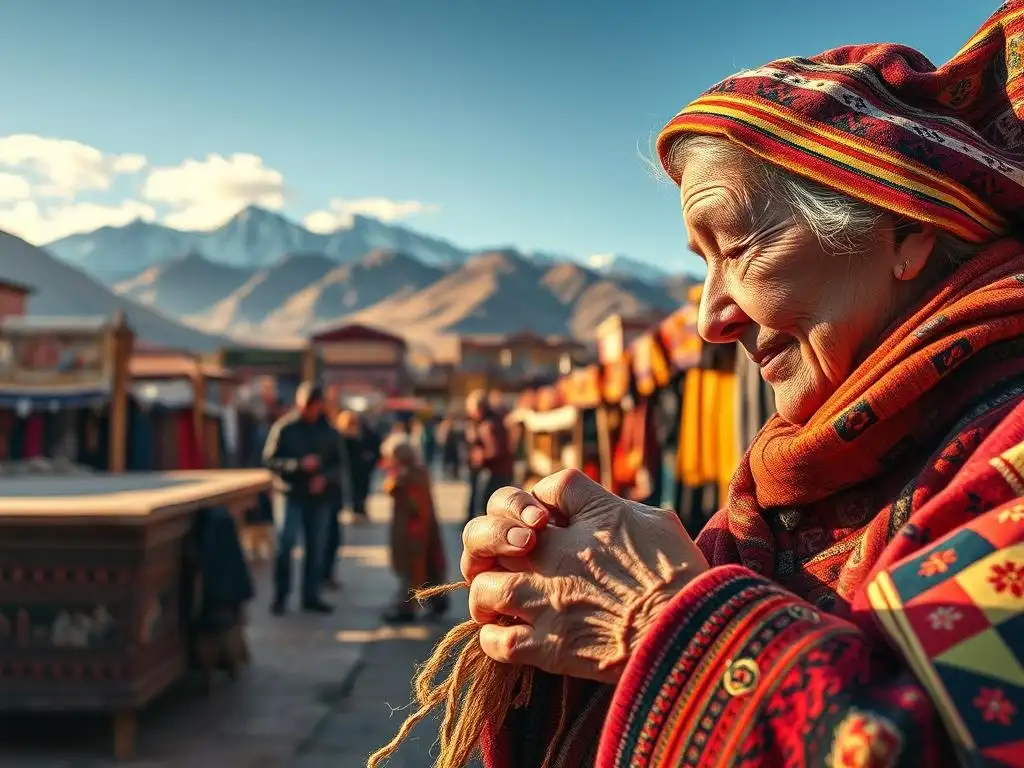
Unravel the mysteries of a lost world woven into vibrant threads. Prepare to be captivated by the Andean textiles narrative art—a visual language richer than any spoken tongue. Journey with us through the breathtaking artistry of ancient Andean civilizations, from the Incas to the Nazca, where intricate designs whisper tales of gods, heroes, and everyday life. Discover how these remarkable textiles weren't merely cloth, but powerful narratives waiting to be deciphered. Dive in and explore the secrets held within these extraordinary woven stories.
Andean textiles are far more than just beautiful fabrics; they are living archives, vibrant tapestries woven with stories, beliefs, and histories of ancient civilizations. This article delves into the fascinating world of Andean textile narrative art, exploring how these intricate pieces communicate complex narratives through color, design, and symbolic elements.
We will journey through the rich tapestry of Andean weaving, examining its historical significance, and deciphering the intricate symbolism embedded within these remarkable artifacts. From the intricate designs of the Nazca lines reflected in their textiles to the sophisticated artistry of Inca royal garments, we will uncover the power and artistry of Andean textile narrative art, a legacy that continues to inspire awe and wonder.
This exploration will provide a deeper understanding of the Andean worldview and its rich cultural heritage, highlighting the enduring power of storytelling through textile art. Prepare to be amazed by the ingenuity and artistry of these ancient Andean peoples and the enduring legacy they left behind in their exquisitely crafted textiles.
Unveiling the Rich Tapestry of Andean Textiles Narrative Art
Andean textiles narrative art is a captivating field of study, revealing a complex system of visual communication. The intricate designs weren't merely decorative; they served as powerful storytelling mediums, conveying historical events, religious beliefs, social structures, and even personal narratives. Consider, for instance, the intricate geometric patterns found in many pre-Columbian textiles.
These seemingly simple designs often encode complex information, reflecting the astronomical knowledge, agricultural practices, and social hierarchies of the time. The use of specific colors also held significant meaning, often representing deities, natural elements, or social status. For example, the vibrant reds often associated with power and divinity, while deep blues symbolized the sky and cosmic forces.
The skillful use of dyes, sourced from natural ingredients such as plants and minerals, further enhanced the expressive power of these textiles. The precision and detail in the weaving techniques themselves – from the intricate tapestry weaving of the Paracas culture to the complex backstrap loom techniques used across various Andean societies – demonstrate the high level of skill and artistry involved in creating these remarkable pieces. The sheer diversity of techniques and styles across different Andean cultures further emphasizes the importance of textiles as a key element of their unique identities.
Understanding the Historical Significance of Andean Weaving
The historical significance of Andean weaving is undeniable. Textiles served as crucial elements within Andean societies, functioning far beyond mere clothing. They held immense social, political, and religious importance. For example, the intricate textiles found in elite tombs often reveal detailed information about the social status and power of the deceased.
Royal garments, adorned with elaborate designs and precious materials, reflected the wearer's high standing within the society. Furthermore, the continuity of weaving techniques and styles across generations highlights the importance of textile traditions in maintaining cultural identity and transmitting knowledge across time. The use of specific weaving techniques, knotting styles, and patterns often served as markers of regional identity, clan affiliation, or even specialized roles within the community.
The longevity and durability of many Andean textiles, achieved through the use of high-quality materials and sophisticated weaving techniques, ensured the transmission of cultural narratives across centuries. Detailed analyses of ancient textiles have provided invaluable insights into the daily lives, religious practices, and social structures of past Andean civilizations. This historical evidence, preserved in the form of textiles, helps us understand the complexities of these fascinating cultures in ways that few other artifacts can.
Decoding the Symbolism in Ancient Andean Textiles
The symbolism embedded within Andean textiles is remarkably rich and complex. Scholars have dedicated years to deciphering the meaning behind the intricate designs and colors, often uncovering layers of meaning that speak to the spiritual beliefs, cosmological understandings, and social structures of the ancient Andean cultures. Specific motifs, such as stylized animals, plants, and geometric patterns, often held profound religious or symbolic significance. For instance, the depiction of a particular bird might represent a specific deity or a mythical creature associated with fertility or power.
Similarly, geometric patterns could represent celestial events, agricultural cycles, or social hierarchies. The arrangement and combination of different motifs within a textile further added to the complexity of its message, creating a layered narrative that required careful analysis to fully understand. The use of color also played a crucial role in conveying symbolic meaning.
Certain colors were associated with specific deities, events, or concepts, and their strategic use within a textile helped to reinforce its overall narrative. Understanding this rich symbolism requires a multidisciplinary approach, combining art historical analysis with anthropological insights and archaeological evidence. The careful study of Andean textiles continues to unlock new layers of meaning, offering invaluable insights into the worldview and cultural practices of these ancient civilizations.
How to Recognize Narrative Elements in Andean Cloth
Andean textiles are far more than just beautiful fabrics; they are rich tapestries woven with stories. Understanding how to decipher these narratives requires a keen eye for detail and a grasp of the cultural context. Unlike written narratives, Andean textile stories are told through a complex interplay of motifs, colors, and techniques. Recognizing these elements is key to unlocking the secrets embedded within these ancient artworks.
The narratives often depict mythological creatures, significant events, or everyday life, offering a glimpse into the beliefs, social structures, and daily activities of the Andean people. The challenge lies in understanding the symbolic language used, which often requires cross-referencing with archaeological findings and ethnographic studies. For example, the presence of a specific bird might represent a deity, while a particular geometric pattern could symbolize a specific clan or geographic location. The more you familiarize yourself with the various symbols and their potential meanings, the more effectively you can interpret the stories woven into the cloth.
This requires patience, careful observation, and a willingness to delve into the rich history and cultural context of the Andean civilizations. Remember, the interpretation of Andean textile narratives is often open to discussion and debate, making the process of understanding them both challenging and rewarding. Different scholars may offer varying interpretations based on their expertise and the available evidence.
Step 1: Identifying Motifs and Iconography in Andean Weaving
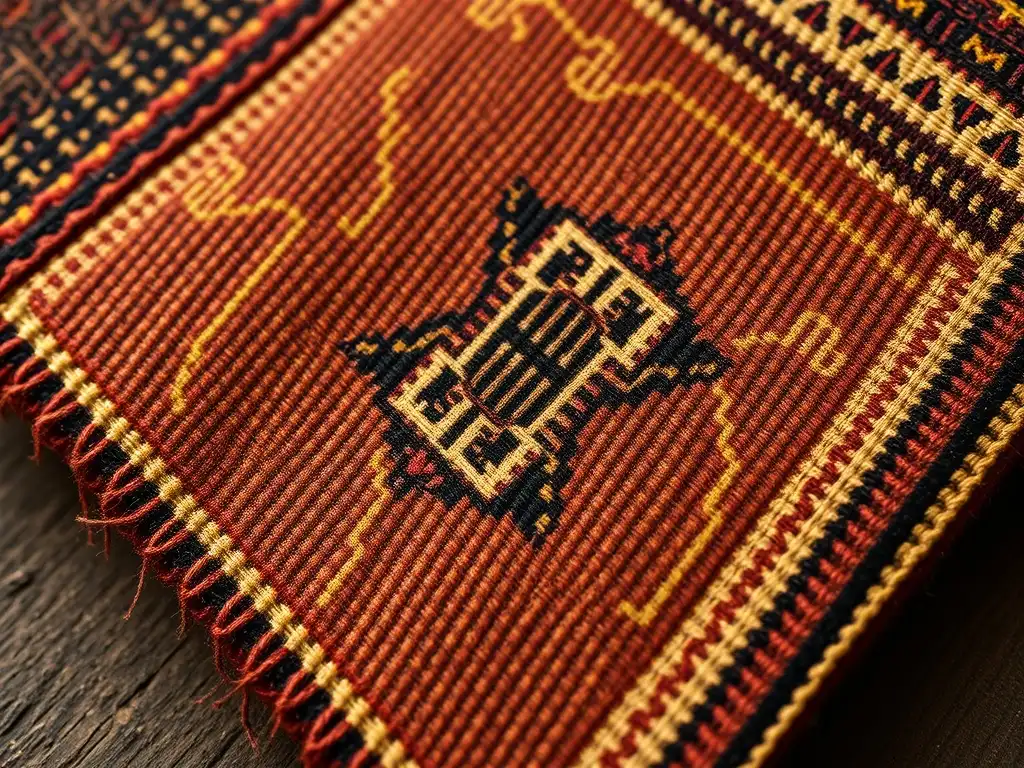
The first step in understanding the narrative art of Andean textiles involves meticulously identifying the recurring motifs and iconography. These are the visual elements—the repeated patterns, figures, and symbols—that form the building blocks of the story. Often, these motifs are highly stylized representations of animals, plants, humans, and supernatural beings. For instance, the depiction of a condor might represent power and royalty, while a llama could symbolize wealth and prosperity.
Geometric patterns, too, hold significant meaning, often representing celestial bodies, agricultural cycles, or social structures. Detailed examination is crucial; even subtle variations in the design can alter the meaning. Consider the size, placement, and orientation of the motifs. A larger, centrally placed figure might be the protagonist of the narrative, while smaller, peripheral motifs could represent supporting characters or elements of the setting.
Cataloging these motifs and noting their variations across different textiles is a critical first step in unraveling the narrative. Researchers often use detailed photographic records and meticulous drawings to document these intricate details, creating a comprehensive visual database for analysis and comparison. Careful observation and detailed documentation are essential for accurate interpretation.
Step 2: Examining Color and Dye Techniques in Andean Textile Art
Color plays a pivotal role in Andean textile narratives, adding another layer of complexity to the visual storytelling. The choice of dyes, the specific color combinations, and even the techniques used to apply the dye all contribute to the overall meaning. Natural dyes, derived from plants, minerals, and insects, were prevalent, resulting in a limited but highly evocative palette. Each color held symbolic significance, with different hues associated with various concepts, such as fertility, death, power, or spiritual realms.
For instance, red might represent blood, sacrifice, or fertility, while yellow could symbolize the sun or gold. The skilled artisans understood these color codes and used them to convey specific messages within their weavings. Beyond the color itself, the techniques of dyeing and application also hold clues. The use of resist dyeing, for example, could create intricate patterns and symbolic imagery.
Analyzing the dye techniques, in conjunction with the motifs and color choices, allows for a more nuanced understanding of the narrative. Furthermore, the condition of the dyes, their fading, or any alterations over time can offer insights into the age and history of the textile itself, providing additional context for interpretation. By carefully studying the colors and dyeing techniques, we can gain a deeper understanding of the richness and complexity of the narratives woven into these remarkable textiles.
Step 3: Investigating Weaving Techniques and Structures
Understanding the narrative embedded within Andean textiles requires a close examination of the weaving techniques and structures employed. The seemingly simple act of weaving threads together is, in reality, a complex process laden with symbolic meaning. Different techniques, such as tapestry weaving, brocade, and plain weave, each convey distinct visual and symbolic information. For instance, the intricate tapestry technique, where weft threads are interwoven to create detailed images, allowed Andean weavers to depict complex scenes and narratives with remarkable precision.
This contrasts with simpler techniques like plain weave, often used for utilitarian items, suggesting a hierarchy of meaning tied to the weaving method itself. Furthermore, the structure of the textile—the arrangement of warp and weft threads, the density of the weave, and the use of different materials—all contribute to the overall narrative. Analyzing these structural elements provides key insights into the intended message of the textile. For example, the use of specific knots or the incorporation of unusual materials might signify particular events or beliefs.
The careful study of these technical aspects is crucial for unlocking the deeper meanings hidden within the textile's visual elements. Researchers frequently employ microscopic analysis and detailed documentation of weave structures to achieve a comprehensive understanding of the textile’s construction and its implications for interpretation. This meticulous approach ensures a nuanced understanding of the weaver's skill and intention.
Step 4: Interpreting the Narrative within the Textile
Once the weaving techniques and structures are understood, the next step involves interpreting the narrative depicted within the textile itself. This is often a challenging process, requiring a multidisciplinary approach combining art history, anthropology, and textile studies. The imagery depicted on Andean textiles is often rich in symbolism, drawing from a complex cosmology and worldview. Animals, such as condors and jaguars, represent powerful forces in the Andean world, while geometric patterns often symbolize celestial bodies or agricultural cycles.
The arrangement and interaction of these figures within the textile's composition contribute to the overall narrative. For example, the depiction of a battle scene might convey a historical event or a mythical story, while a textile showcasing agricultural motifs could represent the importance of farming in the Andean society. Moreover, the textile's context—where it was found, who might have owned it, and its associated artifacts—provides valuable clues for interpretation.
Careful consideration of color symbolism is also critical; specific colors often hold profound meaning in Andean cultures, further enriching the narrative. The interpretation of Andean textile narratives is an ongoing process of discovery, constantly evolving as new research emerges and our understanding of Andean culture deepens. This interpretive work requires a sensitive and nuanced approach, acknowledging the limitations of our knowledge and the complexities of cultural translation.
Step 5: Appreciating the Cultural Significance of Andean Textile Art
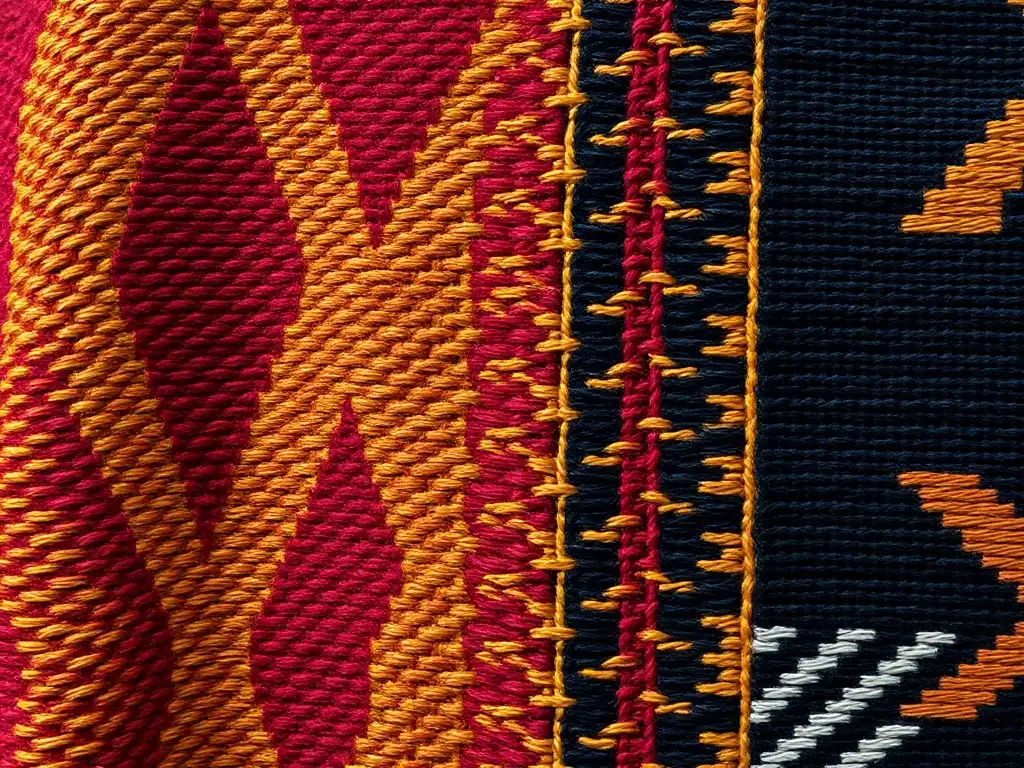
Appreciating Andean textile art goes beyond simply admiring its aesthetic beauty; it involves understanding its profound cultural significance. These textiles weren't merely decorative items; they were integral parts of Andean societies, serving various social, religious, and political functions. They were used in ceremonies, worn as status symbols, and served as valuable trade goods. The creation of these textiles was often a communal activity, passed down through generations, embedding knowledge and tradition within each piece.
The intricate designs and complex weaving techniques reflect the high level of skill and artistry possessed by Andean weavers. Textiles served as visual records of history, transmitting knowledge, beliefs, and customs across generations. Furthermore, they played a crucial role in social structures, reflecting the social status and identity of their owners. The use of specific colors, motifs, and weaving techniques could indicate a person's lineage, social standing, or even their participation in specific rituals.
By understanding the cultural context of Andean textiles, we gain a deeper appreciation for the ingenuity, artistry, and cultural richness of these ancient civilizations. These textiles are powerful testimonies to the enduring legacy of Andean cultures and their enduring connection to their ancestral past. Their continued study and preservation are crucial for maintaining this invaluable cultural heritage. The intricate details woven into these textiles offer a window into a vibrant and complex past, allowing us to connect with the people who created them and the world they inhabited.
How to Engage with Andean Textile Art Today
Engaging with the narrative art of Andean textiles today is surprisingly accessible, extending beyond simply admiring museum pieces. The vibrant legacy of Andean weaving continues to thrive, offering numerous avenues for connection and appreciation. One significant way to engage is through educational resources.
Museums worldwide, such as the [museum name pending] and the [museum name pending], frequently host exhibitions and workshops dedicated to Andean textiles, providing in-depth insights into their creation and symbolism. These institutions often feature detailed catalog entries and online resources that delve into the intricate narratives woven into the cloth. Furthermore, scholarly articles and books, readily available in libraries and online databases, offer a wealth of information for serious enthusiasts of Andean textile art.
These resources often include high-resolution images, allowing for detailed examination of the complex designs and techniques employed by Andean weavers. Finally, documentaries and online videos frequently explore the techniques and cultural significance of Andean textiles, providing a dynamic and visually engaging way to learn about this rich artistic tradition. These options cater to different learning styles, ensuring accessibility for a broad audience eager to understand the story behind each thread.
Options for Experiencing Andean Weaving Firsthand
For a truly immersive experience, venturing beyond the digital realm and engaging with Andean weaving firsthand offers unparalleled insight. One compelling option is to visit communities in the Andes where traditional weaving practices are still alive. Experiencing the craft in its original context provides invaluable understanding of the cultural significance and the intricate processes involved.
Observing master weavers at work offers a unique opportunity to witness their skill and dedication, and potentially even participate in a workshop. Several organizations offer ethical and sustainable tourism opportunities that support local communities and their craft traditions. These tours often provide guided visits to weaving workshops, allowing participants to directly engage with artisans and learn about the stories embedded in their creations.
Moreover, some organizations offer hands-on workshops, providing a chance to learn basic weaving techniques and appreciate the intricate skill involved. This firsthand engagement fosters a deeper appreciation for the artistry and cultural heritage embodied in Andean textiles. Remember to always prioritize ethical and sustainable tourism practices when choosing your experience.
Purchasing Authentic Andean Textiles Responsibly
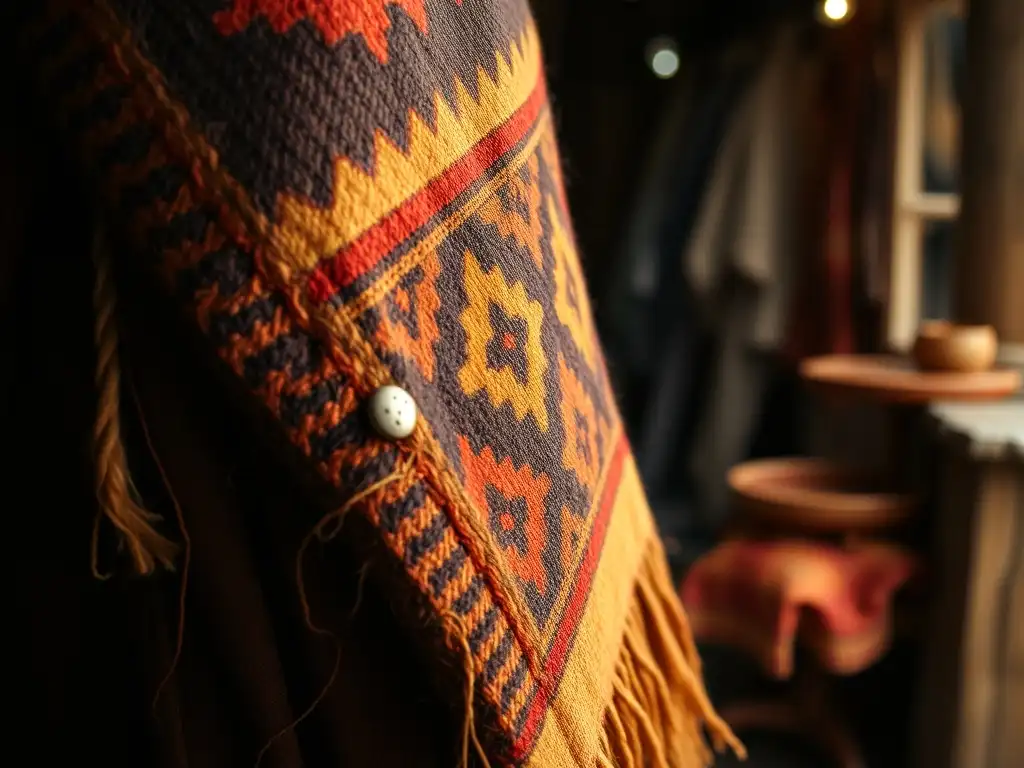
Acquiring authentic Andean textiles responsibly is crucial to supporting the artisans and preserving the cultural heritage they represent. The market for Andean textiles can be complex, with a range of quality and authenticity. To ensure ethical purchasing, prioritize reputable sources that directly support Andean communities. This may involve purchasing directly from artisans, through cooperatives, or from organizations that guarantee fair trade practices.
Be wary of items sold at significantly lower prices than expected, as this often indicates exploitation of the artisans or use of inferior materials. Authentic Andean textiles often bear distinct characteristics, such as specific weaving techniques, natural dyes, and unique designs reflecting specific Andean cultures. Researching these identifying features can help in discerning authenticity. When purchasing, ask questions about the origin of the textile, the materials used, and the techniques employed.
Support organizations and initiatives dedicated to preserving Andean weaving traditions, ensuring the longevity of this rich artistic heritage. By making conscious purchasing decisions, you contribute to the sustainability of this ancient art form and the well-being of the communities that perpetuate it. Remember, responsible consumption is key to preserving the narrative woven into each piece of Andean textile art.
Preserving and Learning More about Andean Textiles Narrative Art
The preservation of Andean textiles, crucial for understanding their narrative art, faces numerous challenges. The fragility of the materials, often natural fibers like alpaca and llama wool, necessitates careful handling and storage in controlled environments. Museums and archives play a vital role, employing specialized techniques to conserve these delicate artifacts. These techniques range from careful cleaning and repair using traditional methods to advanced digital documentation and 3D scanning to create virtual copies for study and prevent further deterioration of the originals.
Furthermore, ethical considerations are paramount. Many textiles hold significant cultural value for indigenous communities, and their repatriation and involvement in preservation efforts are essential. This collaborative approach ensures that the knowledge associated with the textiles remains within the communities that created and continue to value them. Research projects focusing on textile analysis, often involving interdisciplinary teams of archaeologists, anthropologists, and textile conservators, contribute significantly to our understanding.
These studies analyze dyes, weaving techniques, and iconography to unravel the stories embedded within the cloth. The development of accessible databases and online resources makes this knowledge available to a wider audience, fostering appreciation and further research on Andean textiles narrative art. The ongoing efforts to preserve and study these textiles are vital not only for historical understanding but also for the continued cultural relevance of Andean weaving traditions. For example, the meticulous work of the [Specific Museum Name Pending] in [Specific City Pending] showcases the dedication to preserving these invaluable pieces of history.
Further Exploration of Andean Weaving Techniques and Symbolism
Andean weaving techniques are incredibly diverse, reflecting the ingenuity and artistry of different cultures across the Andes. The intricate interplay of warp and weft threads, the use of various supplementary weft techniques, and the incorporation of different fiber types all contribute to the rich visual tapestry and the narratives embedded within. Specific techniques, such as brocade, tapestry, and resist dyeing, were employed to create complex patterns and designs, each with its own symbolic meaning. For instance, the use of specific colors like red, often associated with blood and power, or the intricate representations of animals like the condor or llama, all speak to the cultural beliefs and cosmology of the weavers.
Symbolism within Andean textiles is multifaceted, often representing mythological figures, agricultural cycles, or societal hierarchies. Specific motifs, such as stepped pyramids or stylized representations of deities, recur across different cultures and time periods, indicating a shared understanding of symbolic language. However, the exact meanings of many symbols remain debated and require further research, often relying on archaeological context and ethnographic studies of contemporary Andean communities.
The continuing study of these techniques and symbols allows for a deeper understanding of the cultural sophistication and the intricate narratives woven into the Andean textiles. The analysis of these techniques, often paired with studies of contemporary Andean weaving practices, provides a deeper understanding of the continuity and evolution of these artistic traditions. For example, the [Specific Weaving Technique Pending] used by the [Specific Andean Group Pending] reveals [Specific Detail About Technique and Symbolism Pending].
- Unveiling the Rich Tapestry of Andean Textiles Narrative Art
- Understanding the Historical Significance of Andean Weaving
- Decoding the Symbolism in Ancient Andean Textiles
- How to Recognize Narrative Elements in Andean Cloth
- Step 1: Identifying Motifs and Iconography in Andean Weaving
- Step 2: Examining Color and Dye Techniques in Andean Textile Art
- Step 3: Investigating Weaving Techniques and Structures
- Step 4: Interpreting the Narrative within the Textile
- Step 5: Appreciating the Cultural Significance of Andean Textile Art
- How to Engage with Andean Textile Art Today
- Options for Experiencing Andean Weaving Firsthand
- Purchasing Authentic Andean Textiles Responsibly
- Preserving and Learning More about Andean Textiles Narrative Art
- Further Exploration of Andean Weaving Techniques and Symbolism
- What is "narrative art" in the context of Andean textiles?
- How did Andean civilizations use textiles to tell stories?
- Which Andean cultures are known for their narrative textiles?
- What are some common themes depicted in Andean narrative textiles?
- Where can I learn more about Andean textile narrative art?
Frequently Asked Questions
What is "narrative art" in the context of Andean textiles?
Andean narrative art in textiles refers to the complex designs and imagery woven into cloth that tell stories. These stories often depict mythological figures, historical events, or daily life, providing valuable insights into Andean cultures.
How did Andean civilizations use textiles to tell stories?
Textiles served as a crucial medium for storytelling, using symbols, colors, and patterns to convey complex narratives. Weavers employed specific iconography to represent events, beliefs, and social structures, creating a visual language.
Which Andean cultures are known for their narrative textiles?
Many Andean cultures, including the Inca, Moche, Nazca, and Paracas, created textiles with rich narrative elements. Each culture had its own distinct style and iconography, reflecting their unique worldviews and traditions.
What are some common themes depicted in Andean narrative textiles?
Common themes include mythological beings, agricultural cycles, rituals, and social hierarchies. Representations of animals, plants, and celestial bodies are also frequently found, reflecting the importance of nature in Andean cosmologies.
Where can I learn more about Andean textile narrative art?
You can explore museums with Andean textile collections, such as the Textile Museum of Canada or the Larco Museum in Lima, Peru. Academic journals and books focusing on Andean archaeology and textile studies also offer in-depth information.
Final Reflection: The Enduring Voices of Andean Cloth
The vibrant threads of Andean textiles continue to speak, weaving a powerful narrative that resonates deeply with our contemporary world. Their intricate designs are not merely aesthetic embellishments; they are living archives, preserving ancient stories, beliefs, and social structures that offer invaluable insights into human resilience and cultural continuity. These aren't just fabrics; they are tangible links to a rich past, offering a powerful counterpoint to the homogenizing forces of globalization.
The enduring legacy of Andean textile art lies not only in its breathtaking beauty but also in its capacity to transmit knowledge across generations. These textiles are a testament to the power of storytelling through a medium often overlooked. They are a living library, preserving cultural memory in a way that transcends written language. The cloth itself is a story, a history, a memory, a prayer.
This sentiment, though not directly from an Andean weaver, captures the essence of the profound connection between the creator, the cloth, and the stories it holds. The ongoing study and appreciation of these textiles are crucial to understanding the complexities of Andean cultures and their continued evolution.
Consider, for a moment, the intricate detail in each piece, the symbolism woven into every thread. You, the reader, are now part of this ongoing conversation. Take the time to seek out examples of Andean textiles, to learn more about their creation and the stories they tell. Engage with the rich history and artistic expression embedded within these remarkable works of art. Let their enduring voices inspire you to appreciate the power of storytelling in all its forms, and to recognize the importance of preserving cultural heritage for future generations.
**Unveil the Rich Tapestry of Andean Culture! **
Thank you for exploring the captivating world of Andean woven stories! Your journey through the narrative art of Andean textiles has deepened your understanding and connected you to the vibrant traditions of these remarkable civilizations. Now, let's build on that knowledge!
Here are some exciting next steps:
- **Deepen your appreciation by visiting local exhibitions or museums** showcasing Andean textiles. A firsthand encounter will truly bring the art to life!
- Share this article with friends and on social media to **raise awareness** of the rich traditions of Andean weaving and storytelling.
- Consider exploring textile art yourself by **taking a weaving or embroidery class**, or even trying some simple projects at home; you might discover a hidden talent!
What aspects of Andean weaving resonate most with you, and how will you integrate them into your own creative endeavors?