
The Future of Andean Art: How Collectors Can Help Preserve Cultural Heritage

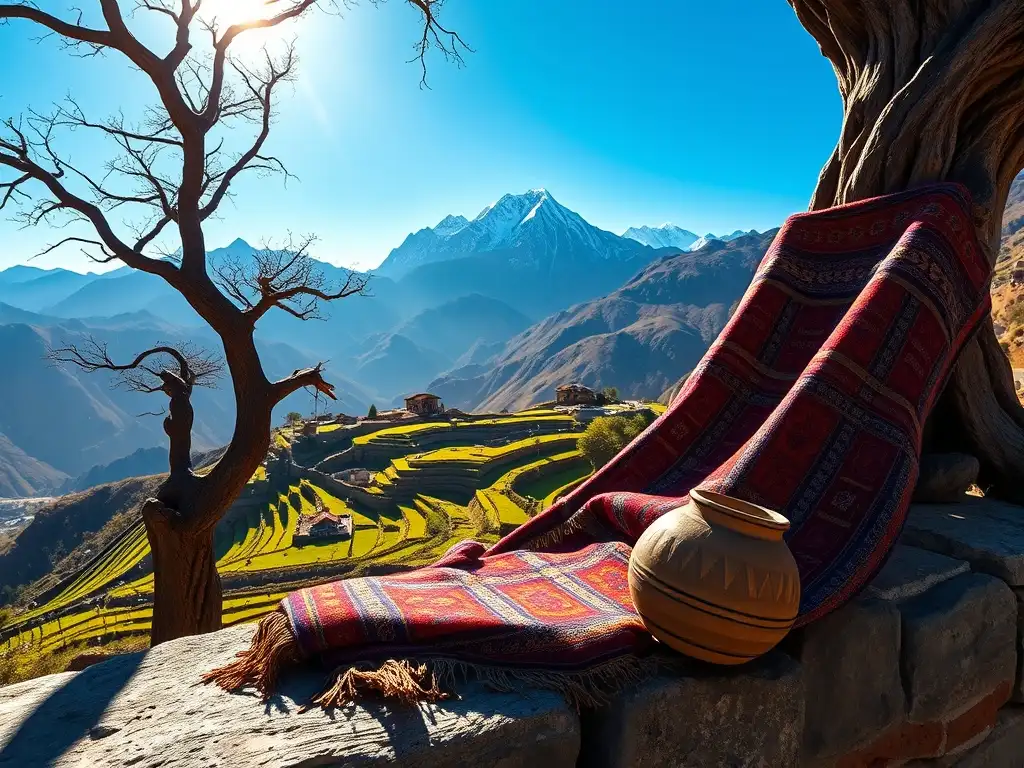
Step into a world lost to time, yet echoing with vibrant life. Imagine the intricate artistry of the Nazca Lines, the majestic architecture of Machu Picchu, and the untold stories woven into every Andean artifact. But the legacy of these incredible civilizations is fragile. This website delves into the fascinating history and culture of the Andes, and in this article, we explore crucial Andean art preservation strategies – uncovering how you can play a vital role in safeguarding this precious heritage for generations to come. Discover the secrets and the challenges facing Andean art today; your journey begins now.
The vibrant tapestry of Andean art, spanning millennia and encompassing the breathtaking artistry of civilizations like the Inca, Moche, Nazca, and Tiahuanaco, faces an uncertain future. The looting of archaeological sites, the deterioration of artifacts due to environmental factors, and the lack of resources dedicated to preservation threaten this invaluable cultural heritage.
This article explores the critical importance of Andean art preservation strategies and examines how discerning collectors can play a crucial role in safeguarding these irreplaceable treasures for future generations. We will delve into the vulnerabilities faced by Andean artifacts and propose proactive measures that collectors can undertake to ensure the ethical acquisition and long-term protection of these significant pieces of history.
Understanding the challenges and opportunities inherent in collecting authentic Andean art is paramount to its continued survival and appreciation. This is not merely about collecting beautiful objects; it's about actively participating in the preservation of a rich and complex cultural legacy.
Understanding the Importance of Andean Art Preservation Strategies
Andean art preservation is not simply about preventing physical decay; it's about safeguarding the cultural memory and identity of entire peoples. These artifacts are not mere objects; they are tangible links to a past filled with intricate social structures, sophisticated technologies, and profound spiritual beliefs. The loss of these artifacts represents the erasure of knowledge, the silencing of voices, and the severing of a vital connection to the past. Effective preservation strategies must therefore encompass a multi-faceted approach, including:
- Archaeological Site Protection: Stringent measures are needed to combat looting and illegal excavations, often fueled by the black market demand for Andean artifacts. This includes increased surveillance, improved security protocols, and international cooperation to prevent the trafficking of stolen goods.
- Scientific Conservation: Advanced techniques are required to stabilize and restore damaged artifacts. This involves careful analysis of materials, environmental monitoring, and the application of appropriate conservation methods to prevent further degradation.
- Documentation and Research: Meticulous documentation of artifacts, including their provenance, materials, and cultural significance, is essential for future study and understanding. Ongoing research is crucial to expand our knowledge of Andean art and its place within the broader context of human history.
- Community Engagement: Involving local communities in preservation efforts is essential, as they are often the custodians of traditional knowledge and practices relevant to the care and interpretation of these artifacts. This collaborative approach fosters a sense of ownership and ensures that preservation efforts align with the values and priorities of the communities concerned. This participatory approach is crucial for the long-term sustainability of any preservation initiative.
The Vulnerability of Andean Cultural Heritage
The fragility of Andean cultural heritage is amplified by several factors. Many artifacts are made from materials susceptible to deterioration, such as textiles, wood, and ceramics, which are vulnerable to environmental damage, including humidity, temperature fluctuations, and pests. Furthermore, the lack of adequate resources and infrastructure in many regions hampers effective preservation efforts.
The ongoing effects of climate change also pose a significant threat, exacerbating existing vulnerabilities and creating new challenges. The illegal trade in Andean artifacts further compounds these issues, draining resources and disrupting cultural heritage sites. The lack of awareness among collectors regarding the ethical sourcing and responsible ownership of these artifacts also contributes to the problem.
Collectors must be educated on the importance of verifying provenance and supporting reputable dealers who prioritize ethical acquisition. The long-term survival of Andean art depends on a collective effort involving governments, institutions, communities, and individual collectors. Only through a concerted and responsible approach can we ensure the preservation of this invaluable legacy.
Threats to Ancient Andean Artifacts
The survival of ancient Andean art is threatened by a complex interplay of factors, many of which are interconnected and exacerbate each other. Understanding these threats is crucial for developing effective preservation strategies. The fragility of the materials themselves, combined with the often harsh environmental conditions in the Andes, creates a precarious situation for these invaluable pieces of history.
Furthermore, the increasing demand for these artifacts in the global art market fuels illicit activities that further jeopardize their survival. We must address these challenges proactively to ensure the legacy of Andean artistry is passed on to future generations. The consequences of inaction are dire, potentially leading to the irreversible loss of irreplaceable cultural treasures.
Illegal Excavation and Looting of Andean Sites
Illegal excavation and looting pose a significant threat to the preservation of Andean art. Driven by profit, these activities often result in the destruction of archaeological contexts, making it impossible to accurately date, interpret, or understand the artifacts’ significance. The process of removal is often brutal, damaging artifacts beyond repair. For example, the looting of pre-Columbian tombs in the Nazca region has resulted in the loss of countless intricately woven textiles and precious metalwork, forever severing their connection to their original cultural context.
These actions not only rob future generations of the opportunity to learn from these artifacts but also contribute to the erosion of cultural heritage sites themselves. Strengthening legal frameworks and international cooperation is crucial in combating this pervasive problem. Furthermore, educating local communities about the importance of protecting their heritage can empower them to become active participants in its preservation.
The Impact of Climate Change on Andean Art
The impact of climate change on Andean art is a growing concern. Increased frequency and intensity of extreme weather events, such as floods, landslides, and droughts, pose a direct threat to archaeological sites and museum collections. Changes in temperature and humidity can also accelerate the deterioration of organic materials, such as textiles, wood, and bone. For instance, the fluctuating temperatures in high-altitude museums can cause significant damage to delicate ceramics and metalwork.
The melting of glaciers in the Andes also poses a risk, potentially exposing previously inaccessible sites to looting and environmental damage. Developing climate-resilient conservation strategies is therefore crucial, involving measures such as improved storage facilities, climate-controlled environments, and proactive site monitoring. This requires a multi-faceted approach, combining scientific expertise with community engagement and governmental support.
Insufficient Funding for Andean Art Conservation
Insufficient funding for Andean art conservation is a major obstacle to preservation efforts. Museums and archaeological institutions often lack the resources needed to properly maintain and restore artifacts, leading to deterioration and loss. The cost of conservation is substantial, requiring specialized expertise, advanced equipment, and long-term storage solutions. Furthermore, the lack of funding can hinder research initiatives aimed at understanding and protecting Andean art.
This lack of resources particularly affects smaller museums and institutions in remote areas, where access to expertise and technology is limited. Increased government funding, private philanthropy, and international collaboration are essential to address this critical funding gap. A strategic approach to resource allocation, prioritizing the most vulnerable artifacts and sites, is crucial for maximizing the impact of available funds.
The Role of Collectors in Andean Art Preservation
Collectors of Andean art play a crucial role in its preservation. By acquiring and carefully storing artifacts, collectors can prevent them from being lost or destroyed. However, responsible collecting is paramount.
Collectors should prioritize acquiring artifacts with verifiable provenance, ensuring that they were obtained legally and ethically. This means thoroughly researching the history of each piece and verifying its authenticity to avoid contributing to the illegal antiquities trade. Moreover, collectors should support conservation efforts by donating to museums and research institutions, and by sharing their knowledge and collections with the public through exhibitions and educational programs.
This active engagement with the preservation community is crucial for ensuring the long-term survival of Andean art. The ethical collector acts as a steward of cultural heritage, contributing not only to the preservation of individual objects but also to a broader understanding and appreciation of Andean civilizations. This responsible approach is essential for ensuring that these treasures are not only preserved but also celebrated for generations to come.
Ethical Considerations for Andean Art Collectors
Collecting Andean art is a rewarding pursuit, offering a window into a rich and complex cultural heritage. However, it's crucial to approach collecting ethically, ensuring the preservation of these invaluable artifacts for future generations. The ethical collector understands that these objects are not mere commodities but tangible links to the past, carrying significant cultural and historical weight. Responsible collecting goes beyond mere acquisition; it involves a commitment to preserving the integrity of these pieces and respecting the cultures from which they originate. This commitment requires careful consideration of several key aspects, discussed in the following sections.
Due Diligence in Acquiring Andean Artifacts
Before acquiring any Andean artifact, thorough due diligence is paramount. This involves researching the piece's history, its materials, and its potential origin. Collectors should seek out detailed information regarding the artifact's provenance, ideally tracing its ownership back as far as possible. This process helps ensure that the piece wasn't looted or illegally removed from its original context.
Reputable dealers and auction houses often provide detailed provenance reports, which should be carefully examined. Ignoring this crucial step can inadvertently contribute to the illegal trade of cultural artifacts. A lack of due diligence not only undermines ethical collecting practices but also risks supporting illicit activities that damage cultural heritage.
Verifying Authenticity of Andean Art Pieces
The Andean art market, like many others, faces challenges with forgeries and misattributions. Verifying the authenticity of an Andean art piece is therefore a crucial step in responsible collecting. Collectors should consult with experts in Andean art and archaeology, ideally those with recognized expertise and a strong reputation.
These experts can analyze the piece's materials, techniques, and stylistic features to determine its authenticity and potential age. Detailed photographic documentation and comparative analysis with known authentic pieces are essential components of this verification process. Failing to verify authenticity risks acquiring a worthless forgery and, potentially, contributing to the spread of misinformation about Andean art.
Avoiding the Purchase of Illegally Obtained Andean Art
The illegal trade of cultural artifacts is a serious global issue, significantly impacting the preservation of Andean heritage. Collectors must actively avoid contributing to this illicit market. This means carefully scrutinizing the provenance of any potential purchase, ensuring that the piece's history is documented and transparent. Red flags include a lack of clear ownership history, vague descriptions of origin, or unusually low prices.
Collectors should be aware of international laws and regulations concerning the import and export of cultural artifacts. Supporting the illegal trade not only damages cultural heritage but also often fuels conflict and instability in the regions where these artifacts originate. The ethical collector actively seeks to protect cultural heritage, not exploit it.
Investing in Legitimate Andean Art Galleries and Dealers
One of the most effective ways to ensure ethical collecting is by investing in legitimate Andean art galleries and dealers. These businesses typically adhere to strict ethical standards and comply with relevant laws and regulations. They often provide detailed provenance information and work closely with experts to authenticate their pieces. By supporting reputable dealers, collectors contribute to a sustainable art market that values ethical practices and the preservation of cultural heritage. Choosing to work with established galleries and dealers is a clear signal of commitment to responsible collecting practices.
Supporting Reputable Andean Art Businesses
Supporting reputable Andean art businesses goes beyond simply purchasing artifacts. It involves engaging with businesses that actively contribute to the preservation and promotion of Andean culture. This might include galleries that donate a portion of their profits to cultural preservation initiatives, or dealers who work closely with Andean communities to ensure fair trade practices. By prioritizing such businesses, collectors directly support the sustainable development of Andean communities and the ongoing preservation of their cultural heritage. This active participation in a responsible market significantly contributes to the long-term preservation of Andean art.
Understanding the Provenance of Andean Art Objects
Provenance – the documented history of ownership of an artwork – is a cornerstone of ethical Andean art collecting. A well-documented provenance provides a clear chain of custody, tracing the object's ownership from its creation or discovery to its present owner. This transparency helps ensure that the piece wasn't looted or illegally acquired. Collectors should always request and carefully examine provenance documentation before making a purchase. Gaps in the provenance can be a major red flag, suggesting the possibility of illicit acquisition. A complete and transparent provenance is not just desirable; it is essential for ethical collecting.
Building Relationships with Andean Art Experts
Building strong relationships with Andean art experts is an invaluable asset for any collector. These experts can provide guidance on authenticity, provenance, and ethical collecting practices. They can also offer insights into the historical and cultural significance of specific pieces. This ongoing engagement with experts ensures that collectors are informed and make responsible choices, actively contributing to the preservation of Andean cultural heritage. Regular consultation with experts demonstrates a commitment to responsible collecting and helps safeguard against potential pitfalls. The knowledge and expertise of these professionals are crucial for ethical and informed collecting.
Specific Ways Collectors Can Contribute to Andean Art Preservation
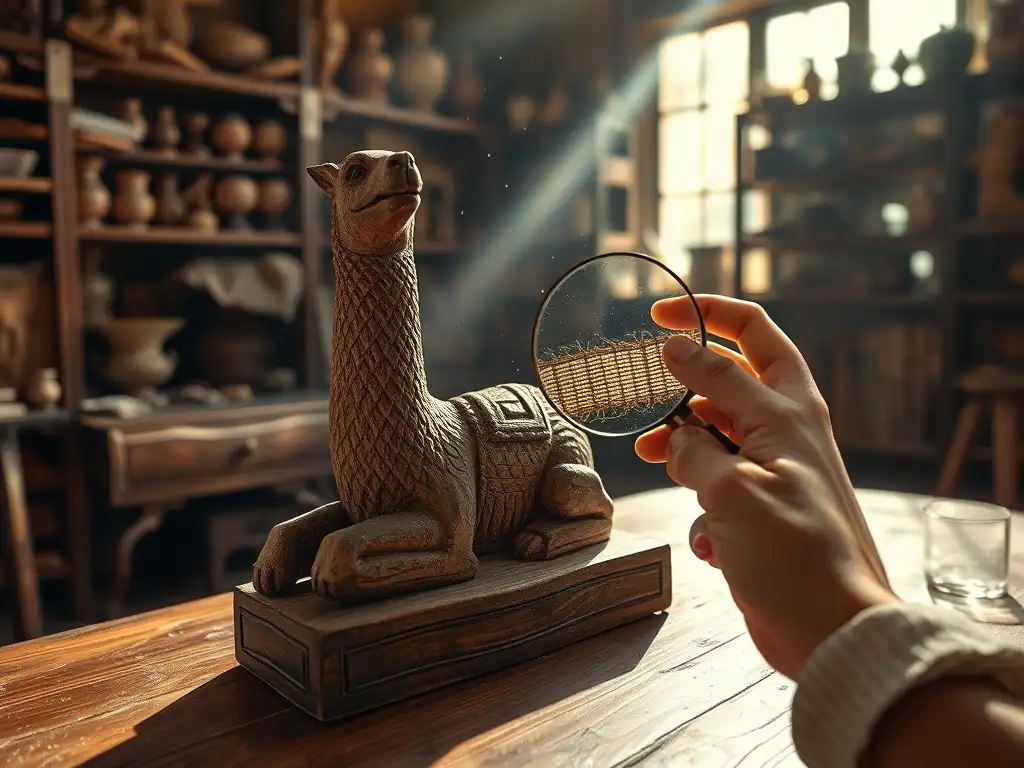
Collectors of Andean art play a crucial role in the preservation of this invaluable cultural heritage. Their actions, both large and small, can significantly impact the long-term survival of these artifacts. Beyond simply acquiring pieces, responsible collecting involves active participation in preservation efforts.
This includes meticulous documentation of acquired pieces, ensuring proper storage and care, and actively supporting organizations dedicated to Andean art conservation. Understanding the provenance of an artifact is paramount; knowing its history helps researchers understand the cultural context and techniques employed in its creation. This knowledge is essential for accurate dating, attribution, and ultimately, informed conservation strategies.
Furthermore, collectors can contribute to the wider community by sharing their knowledge and expertise with museums, researchers, and other collectors, fostering a collaborative environment for the protection of Andean art. By acting as stewards of this heritage, collectors ensure the legacy of Andean artistry continues to inspire and educate future generations. The ethical acquisition and responsible stewardship of Andean art are not merely optional; they are fundamental to its survival.
Funding Andean Art Conservation Projects
The financial resources required for the effective preservation of Andean art are substantial. Conservation is a complex and costly process, demanding specialized expertise, advanced equipment, and meticulous attention to detail. Funding is crucial for everything from preventative conservation measures (like climate control in storage facilities) to the complex restoration of damaged artifacts. Fortunately, there are numerous avenues through which collectors can contribute financially to these vital projects.
Donations to Reputable Conservation Organizations
Donating to established organizations dedicated to Andean art conservation is one of the most direct ways collectors can make a difference. These organizations often possess the necessary infrastructure, expertise, and networks to effectively manage and allocate funds to where they are most needed. Researching the financial transparency and impact of different organizations is crucial to ensure that donations are used responsibly and effectively.
Look for organizations with clear mission statements, detailed annual reports, and a proven track record of successful conservation projects. Supporting these organizations not only provides vital funding but also demonstrates a commitment to the preservation of Andean cultural heritage on a broader scale. Even relatively small donations, when aggregated, can make a significant impact on larger-scale projects.
Supporting Archaeological Research on Andean Sites
Archaeological research is fundamental to understanding the context and significance of Andean art. By funding archaeological digs and research projects, collectors directly support the discovery and preservation of new artifacts and the expansion of our knowledge about Andean civilizations. This research often uncovers valuable information regarding the creation, use, and significance of existing artifacts, informing conservation strategies and enhancing our understanding of their cultural context. Funding can be channeled through universities, museums, or independent research teams working on Andean sites. Supporting these endeavors ensures the long-term preservation of not only the artifacts themselves but also the stories they tell.
Investing in the Restoration of Andean Art
The restoration of damaged Andean art requires specialized skills and resources. Collectors can actively support restoration projects by providing funding directly to conservators or museums undertaking such work. This might involve contributing to the restoration of a specific artifact or providing general funding for a museum’s conservation department.
Detailed proposals outlining the restoration process, the required funding, and the expected outcomes are crucial for collectors to make informed decisions. Transparency and accountability are key to ensuring that investments are used effectively and that the restoration process adheres to the highest ethical and professional standards. By supporting restoration projects, collectors actively contribute to the preservation of Andean art for future generations.
Promoting Education and Awareness of Andean Art
Andean art preservation strategies must prioritize education and awareness. A well-informed public is less likely to support the illicit trade of artifacts and more likely to appreciate the cultural significance of these pieces. This heightened awareness translates into increased support for preservation efforts. Without a broad understanding of the history, techniques, and cultural context of Andean art, the fight for its preservation will be significantly hampered.
A lack of appreciation can lead to a devaluation of these irreplaceable treasures, making them more vulnerable to exploitation and destruction. Therefore, initiatives focused on educating the public are crucial for long-term preservation. This includes not only formal education but also engaging the wider community through accessible and engaging resources.
Supporting Educational Programs on Andean Culture
Supporting educational programs directly contributes to the long-term preservation of Andean art. Funding initiatives that teach Andean history, art techniques, and cultural significance empowers future generations to become active participants in conservation. This could involve sponsoring scholarships for students studying Andean art history or archaeology, providing resources for schools in Andean communities, or supporting museums that offer educational programs on Andean culture.
Investing in educational resources, like creating interactive online exhibits or developing educational kits for schools, makes learning about Andean art accessible to a wider audience. This ensures that the knowledge and appreciation of Andean art are passed down through generations, fostering a sense of responsibility towards its preservation. The more informed the public, the stronger the collective effort towards protecting this rich cultural heritage.
Sharing Knowledge about Andean Art and its Significance
Beyond formal educational programs, spreading knowledge about Andean art through various channels is vital. This involves actively disseminating information about the historical and cultural context of various pieces. Sharing stories associated with specific artifacts, explaining the techniques used in their creation, and highlighting their cultural significance brings Andean art to life, making it more relatable and engaging for a wider audience.
This can be achieved through public lectures, workshops, online articles and videos, social media campaigns, and collaborations with museums and cultural institutions. By making this information readily available, we foster a deeper understanding and appreciation, ultimately strengthening the case for its preservation. The more people understand the value and fragility of Andean art, the more likely they are to support its protection.
Contributing to Publications on Andean Art History
Supporting scholarly publications on Andean art history is crucial for accurate documentation and preservation of knowledge. These publications act as invaluable resources for researchers, students, and enthusiasts alike, providing in-depth analysis and contextual information that enriches our understanding of Andean art. Funding research projects, contributing to academic journals focused on Andean studies, or supporting the publication of books and catalogues on Andean art helps ensure that this vital knowledge is preserved and disseminated widely.
This scholarly work is essential for establishing accurate provenance, identifying threats to Andean art, and developing effective preservation techniques. By supporting these publications, collectors contribute directly to the intellectual infrastructure necessary for long-term conservation efforts.
Supporting Sustainable Tourism in Andean Regions
Sustainable tourism plays a critical role in Andean art preservation strategies. Responsible tourism practices can generate economic benefits for local communities, encouraging them to actively participate in preserving their cultural heritage. Conversely, uncontrolled tourism can lead to the exploitation of resources, damage to historical sites, and the loss of cultural authenticity. Therefore, promoting ethical and sustainable tourism is paramount for the long-term preservation of Andean art and culture. This requires a multifaceted approach, focusing on minimizing environmental impact, respecting local communities, and ensuring that tourism benefits directly contribute to conservation efforts.
Choosing Eco-Friendly Andean Tourism Options
Choosing eco-friendly tourism options is a direct way for individuals to support the preservation of Andean art and culture. This involves selecting tour operators committed to sustainable practices, such as minimizing their carbon footprint, using local resources, and supporting local businesses. Eco-tourism initiatives often involve community-based projects, ensuring that local communities benefit directly from tourism, thus creating a vested interest in preserving their cultural heritage.
By choosing these options, tourists become active participants in sustainable development, contributing to the economic stability of Andean communities and indirectly supporting the preservation of their cultural treasures. This responsible approach ensures that tourism becomes a force for good, rather than a threat to the environment and cultural heritage.
Respecting Local Andean Communities and Their Traditions
Respecting local Andean communities and their traditions is paramount in sustainable tourism. This involves engaging with communities respectfully, learning about their customs and beliefs, and supporting local artisans and businesses. This respectful interaction fosters a sense of partnership between tourists and local communities, contributing to a more authentic and enriching travel experience.
Furthermore, it ensures that tourism benefits directly contribute to the economic well-being of local communities, incentivizing them to actively participate in the preservation of their cultural heritage. Ignoring or disrespecting local traditions can lead to cultural appropriation and the erosion of valuable cultural practices. Responsible tourism prioritizes cultural sensitivity and mutual respect, contributing to the long-term preservation of both the tangible and intangible aspects of Andean heritage.
Purchasing Authentic Andean Crafts Directly from Artisans
Purchasing authentic Andean crafts directly from artisans is a powerful way to support both the preservation of traditional art forms and the economic well-being of Andean communities. This practice ensures that artisans receive fair compensation for their work, incentivizing them to continue producing and preserving traditional crafts. It also helps to combat the illegal trade of counterfeit artifacts, which often undercuts local artisans and contributes to the loss of cultural heritage.
By purchasing directly from artisans, collectors become active participants in supporting sustainable livelihoods and preserving the rich artistic traditions of the Andes. This direct engagement fosters a deeper connection between collectors and the cultural heritage they are preserving, making the collecting experience more meaningful and impactful. It also helps to ensure the continuation of these valuable traditions for future generations.
Examples of Successful Andean Art Preservation Initiatives
Numerous successful initiatives demonstrate the power of collaborative efforts in preserving Andean art. These range from large-scale museum projects to smaller, community-focused endeavors. A common thread uniting these successes is a commitment to ethical acquisition, meticulous documentation, and active engagement with local communities. The preservation of Andean art isn't just about maintaining physical artifacts; it's about safeguarding the cultural narratives and knowledge systems embedded within them.
Successful initiatives prioritize education and outreach, ensuring that future generations can appreciate and understand the significance of these invaluable pieces of history. This holistic approach recognizes that the true value of Andean art lies not only in its aesthetic qualities but also in its profound cultural and historical context. By understanding this, preservation efforts move beyond mere conservation to the active promotion and celebration of Andean cultural heritage.
The Museo Chileno de Arte Precolombino Initiative in Chile
The Museo Chileno de Arte Precolombino in Santiago, Chile, stands as a shining example of a successful Andean art preservation initiative. Their commitment extends beyond the museum's walls, actively engaging in research, conservation, and community outreach programs. Their work demonstrates a multi-pronged approach to Andean art preservation, encompassing several key strategies. They are particularly renowned for their meticulous cataloging and documentation of artifacts, ensuring a comprehensive record of each piece's history and provenance.
This detailed record is essential for future research and conservation efforts. Further, they have invested significantly in advanced conservation techniques, employing experts trained in the preservation of delicate textiles and fragile ceramics. Their commitment to transparency and collaboration with other institutions further enhances their impact on Andean art preservation.
Focusing on Community-Based Conservation of Andean Textiles
A significant aspect of the Museo Chileno de Arte Precolombino's work involves community-based conservation of Andean textiles. Recognizing the importance of local knowledge and expertise, they partner with artisans and community members to preserve traditional textile techniques. This collaborative approach ensures that the knowledge required for future repair and restoration remains within the community. Workshops and training programs are conducted to train new generations of artisans in traditional methods.
This not only preserves the physical artifacts but also safeguards the intangible cultural heritage associated with textile production. The museum actively supports the creation of new textiles, inspired by traditional designs, fostering a living tradition that continues to evolve. This active participation ensures the long-term survival of both the textiles and the cultural practices that created them.
Funding the Restoration of the "San Pedro de Atacama Mummy"
One notable example of the Museo's commitment to restoration is their work on the "San Pedro de Atacama Mummy." This significant artifact, a remarkable example of pre-Columbian mummification techniques, required extensive and delicate restoration work. The museum secured funding through a combination of public and private sources to finance the project.
The restoration process was meticulously documented, and the museum shared updates with the public, fostering engagement and transparency. The successful restoration of the mummy not only preserves a significant artifact but also provides valuable insights into ancient Andean burial practices and beliefs. The museum's commitment to transparency and public engagement ensured that the restoration work benefited both the artifact and the wider community.
Partnering with Local Indigenous Communities
The Museo Chileno de Arte Precolombino’s success is significantly linked to its strong partnerships with local indigenous communities. They actively involve these communities in all stages of the preservation process, from the initial identification of artifacts to their eventual display in the museum. This collaborative approach ensures that the cultural significance of the artifacts is accurately represented and respected. The museum works to return artifacts to their communities of origin where appropriate and feasible.
This repatriation policy demonstrates a commitment to ethical stewardship and the recognition of indigenous rights. Furthermore, the museum provides training and employment opportunities for community members, strengthening local capacity for future preservation efforts. This model of partnership ensures that the preservation of Andean art is not just a top-down initiative but a collaborative effort that benefits both the museum and the communities whose heritage is being preserved.
The Metropolitan Museum of Art Exhibition on Inca Gold
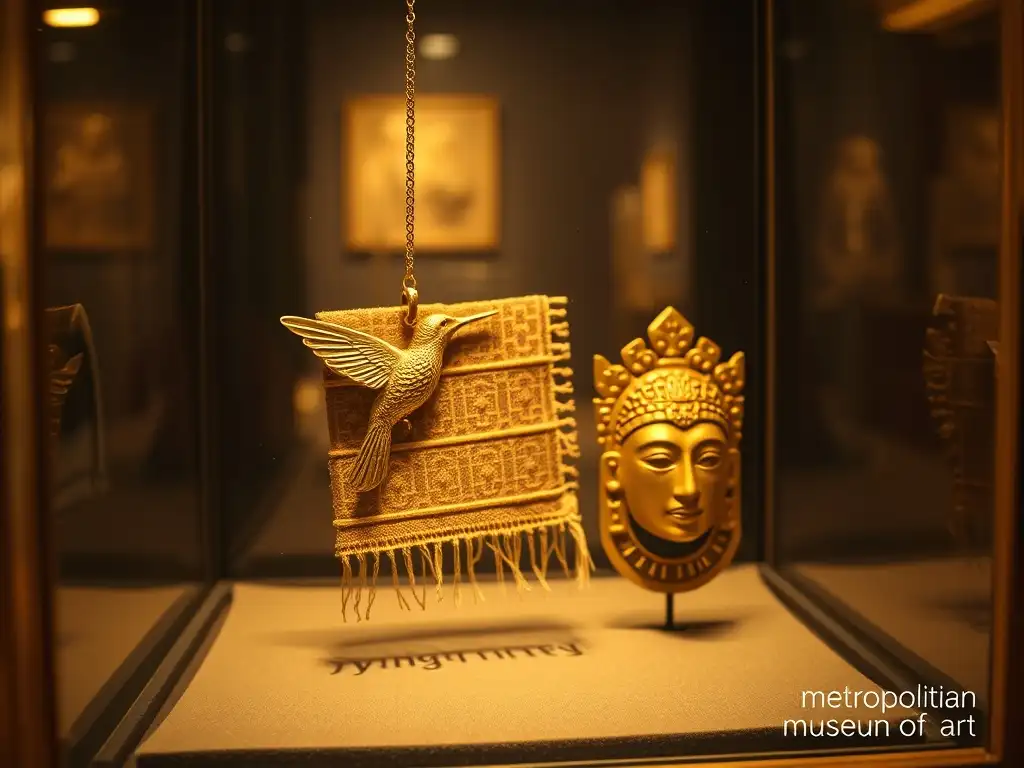
The Metropolitan Museum of Art's exhibition on Inca gold, while not explicitly focused on preservation strategies, played a crucial role in raising awareness about Andean art and its vulnerability. The sheer scale of the exhibition, showcasing a significant collection of Inca gold artifacts, captivated the public and highlighted the artistry and sophistication of Inca metalworking. This increased visibility, in turn, fueled interest in the preservation of such irreplaceable pieces.
The meticulous cataloging and detailed descriptions accompanying the exhibition also served as valuable resources for researchers and conservators, contributing to a deeper understanding of Inca goldworking techniques and the challenges involved in their long-term preservation. The exhibition also indirectly supported preservation efforts by generating revenue which, although not directly allocated to conservation, contributes to the museum's overall ability to fund preservation initiatives.
Furthermore, the museum's commitment to responsible acquisition and ethical display practices, evident in the exhibition, sets a positive example for other institutions and collectors. By showcasing the fragility of these artifacts and the importance of their careful handling, the exhibition implicitly promoted responsible collecting practices.
Showcasing the Rich Diversity of Inca Metalwork
The exhibition went beyond simply displaying shiny gold objects. It meticulously showcased the vast range of Inca metalworking techniques, from hammering and repoussé to casting and soldering. This detailed presentation revealed the incredible skill and artistry of Inca artisans and emphasized the diverse forms that Inca metalwork took – from intricately decorated vessels and jewelry to ceremonial objects and tools.
By demonstrating the complexity and artistry of Inca metalwork, the exhibition fostered a greater understanding of its cultural significance and, consequently, the importance of its preservation. The diverse range of materials used, including gold, silver, copper, and alloys, further emphasized the sophistication of Inca metallurgy and the need to preserve these examples of ancient technology. The exhibition's impact extended beyond the visual, inspiring many to learn more about the cultural context surrounding these objects and their place within Inca society.
Educating the Public on the Techniques of Inca Goldsmithing
A key element of the Met's exhibition was its educational component. Informative panels and interactive displays explained the intricate techniques used by Inca goldsmiths, detailing the processes of alloying, shaping, and decorating metal. This educational approach not only increased public understanding but also underscored the technical expertise required to create these masterpieces.
By revealing the intricacies of Inca metalworking, the exhibition fostered a deeper appreciation for the skill and knowledge of the artisans and, consequently, a stronger sense of responsibility towards preserving their legacy. The detailed explanations of the materials and techniques used also highlighted the vulnerability of these artifacts to environmental factors and the need for specialized conservation methods. This understanding is crucial for collectors, who can then make informed decisions about the proper storage and handling of their own Andean artifacts.
Inspiring a Deeper Appreciation for Andean Heritage
Ultimately, the exhibition's success lay in its ability to inspire a deeper appreciation for Andean heritage. By showcasing the beauty and sophistication of Inca goldwork within a broader cultural context, the exhibition connected with audiences on an emotional level. This emotional connection is crucial for fostering support for preservation efforts, as it transforms the artifacts from mere objects into tangible representations of a rich and complex civilization.
The exhibition effectively bridged the gap between the distant past and the present, making the Inca civilization and its artistic achievements relatable and relevant to contemporary audiences. This enhanced understanding translates into a greater willingness to support initiatives aimed at protecting and preserving Andean cultural heritage for future generations. The legacy of the exhibition extends beyond its physical run, continuing to inspire research, conservation efforts, and a renewed interest in Andean art.
The Impact of Digitalization on Andean Art Conservation
Digitalization offers unprecedented opportunities for Andean art conservation. High-resolution 3D scanning and imaging technologies allow for the creation of incredibly detailed digital replicas of fragile artifacts. These digital surrogates can be used for study, exhibition, and education, minimizing the handling of the original objects and thus reducing the risk of damage.
Furthermore, digital documentation provides a comprehensive record of an artifact's condition over time, enabling researchers to track deterioration and assess the effectiveness of conservation treatments. This detailed record is invaluable for long-term preservation planning and can inform future conservation strategies. Moreover, digital platforms offer access to Andean art for a global audience, fostering wider appreciation and support for preservation efforts.
This increased visibility can, in turn, lead to increased funding and collaboration among researchers, conservators, and collectors. However, the effective implementation of these digital technologies requires significant investment in equipment, training, and data management infrastructure. The challenge lies in ensuring that these digital resources are accessible and usable by researchers and conservators worldwide, bridging the digital divide and fostering equitable access to these valuable tools.
Utilizing Technology for Andean Art Documentation
Technological advancements offer unprecedented opportunities for Andean art preservation. High-resolution imaging, digital archiving, and 3D modeling are revolutionizing how we document, study, and protect this invaluable cultural heritage. The meticulous recording of details, previously a painstaking manual process, is now significantly expedited and enhanced by digital tools. This not only improves the accuracy and efficiency of documentation but also allows for wider accessibility to researchers and the public alike.
The digital realm offers a powerful platform for disseminating knowledge and fostering a deeper appreciation for Andean art. The potential for collaborative projects, facilitated by shared digital platforms, is particularly exciting. This collaborative approach allows for a more comprehensive understanding of Andean art and culture, leveraging the expertise of scholars and institutions worldwide. The digital preservation of Andean art is not simply about archiving; it's about fostering a dynamic, evolving understanding of these ancient civilizations.
High-Resolution Imaging of Andean Artifacts
High-resolution imaging is crucial for Andean art preservation strategies. Detailed photographs capture intricate designs, subtle color variations, and even microscopic wear patterns, providing invaluable information for researchers studying material composition, artistic techniques, and the passage of time. This level of detail is essential for conservation efforts, allowing experts to identify areas requiring attention and monitor the condition of artifacts over time. Furthermore, high-resolution images are vital for creating accurate digital records, safeguarding against the loss or damage of original artifacts.
The creation of comprehensive photographic archives allows for detailed study without the need for constant handling of fragile pieces, minimizing the risk of further deterioration. This non-invasive approach ensures the longevity of these irreplaceable cultural treasures. Advanced imaging techniques, such as multispectral imaging, can even reveal hidden details invisible to the naked eye, providing insights into the artistic processes and materials used by ancient Andean artisans.
Creating Digital Archives of Andean Art Collections
The creation of digital archives is a cornerstone of Andean art preservation. These archives serve as repositories of information, accessible to researchers, educators, and the public worldwide. By consolidating information from various sources – including high-resolution images, detailed descriptions, provenance records, and scholarly analyses – digital archives create a comprehensive resource for the study of Andean art. This centralized approach ensures that knowledge is not lost or fragmented.
Furthermore, digital archives provide a safeguard against physical loss or damage. The ability to access digital copies of artifacts reduces the need to handle original pieces, thus minimizing the risk of accidental damage. Well-structured databases, utilizing advanced search functionalities, allow for easy retrieval of specific information, facilitating research and scholarly collaborations. The accessibility of these archives promotes a wider understanding and appreciation of Andean art, fostering a global community dedicated to its preservation.
3D Modeling for the Study of Machu Picchu Architecture
3D modeling offers a powerful tool for studying and preserving the architectural marvels of Machu Picchu and other Andean sites. By creating digital replicas of structures, researchers can analyze their construction techniques, understand the spatial relationships between different buildings, and assess the impact of environmental factors on their stability. This non-invasive approach allows for detailed study without causing any damage to the original structures.
Moreover, 3D models can be used to simulate different scenarios, such as earthquakes or landslides, enabling researchers to predict potential risks and develop effective conservation strategies. These models also have significant educational value, allowing students and the general public to explore Machu Picchu and other sites virtually, fostering a deeper appreciation for Andean architectural achievements. The ability to manipulate and analyze 3D models provides new insights into the ingenuity and complexity of Andean construction methods, offering a deeper understanding of this remarkable civilization.
The Future of Andean Art: A Collective Responsibility
The future of Andean art depends on a collective commitment to its preservation. This requires collaboration between governments, museums, researchers, collectors, and the public. Collectors, in particular, have a crucial role to play in ensuring the long-term survival of these cultural treasures.
By purchasing authentic Andean art from reputable sources, collectors support sustainable practices that benefit local communities and help prevent the illicit trafficking of artifacts. Furthermore, collectors can contribute to research and preservation efforts by sharing information about their collections and collaborating with museums and researchers. The responsible acquisition and stewardship of Andean art is not merely a matter of personal enjoyment; it is a commitment to preserving a vital part of humanity's shared cultural heritage.
Through informed collecting practices and active participation in preservation initiatives, collectors can ensure that future generations can appreciate and learn from the artistry and ingenuity of the Andean civilizations. The preservation of Andean art is a shared responsibility, and the active participation of collectors is essential to its success. This collective effort will ensure that the rich tapestry of Andean culture continues to inspire and educate for generations to come.
Moving Forward with Sustainable Andean Art Preservation
The preservation of Andean art is not merely a matter of safeguarding physical objects; it's about protecting a living cultural heritage. Sustainable preservation strategies must consider the ethical, economic, and social dimensions of Andean art's legacy. This involves a multifaceted approach that goes beyond simply storing artifacts in climate-controlled environments.
We must actively engage with the communities whose ancestral knowledge and artistic practices are intrinsically linked to these objects. Ignoring these communities risks perpetuating a colonial mindset that separates art from its cultural context, diminishing its true value and significance. Sustainable preservation necessitates a shift towards collaborative models that prioritize the voices and needs of indigenous communities.
Only through respectful partnerships can we ensure that the preservation efforts genuinely benefit those most connected to the heritage. This holistic approach considers the long-term implications of our actions, aiming for a future where Andean art thrives not just in museums and private collections, but also within the vibrant tapestry of Andean cultures.
Collaboration between Collectors, Institutions, and Communities
Effective Andean art preservation demands a collaborative spirit. Collectors, museums, universities, and most importantly, Andean communities themselves, must work together. Museums can offer expertise in conservation and storage, while collectors can contribute to the financial support of preservation projects and research. However, the crucial element lies in partnering directly with Andean communities. Their knowledge of the art's history, significance, and proper handling is irreplaceable.
Collaborative projects could involve community members in the cataloging, documentation, and even conservation processes. This participatory approach not only ensures respectful handling but also fosters a sense of ownership and pride in the preservation efforts. Sharing research findings and exhibition opportunities with Andean communities allows them to reclaim their narratives and contribute to the wider understanding and appreciation of their art. A successful collaborative model empowers communities, ensuring their cultural heritage remains a source of strength and identity.
A Shared Commitment to Protecting Andean Cultural Heritage
The preservation of Andean art is a shared responsibility. It transcends national borders and disciplinary boundaries. This shared commitment involves governments enacting legislation that protects cultural heritage from looting and illegal trafficking. International organizations can play a vital role by providing funding and technical assistance for preservation projects.
Academic institutions can contribute by conducting research on the materials and techniques used in Andean art, leading to better conservation methods. The media can help raise public awareness about the importance of preserving this irreplaceable heritage. Ultimately, a collective commitment, fueled by a deep understanding and respect for Andean cultures, is crucial for the long-term survival of this invaluable artistic legacy. This shared responsibility extends to every individual who appreciates and values Andean art, encouraging ethical collecting practices and supporting organizations dedicated to its preservation.
Ensuring the Legacy of Andean Art for Future Generations
Preserving Andean art for future generations necessitates a multi-pronged strategy. This includes not only the physical preservation of artifacts but also the safeguarding of the knowledge and skills associated with their creation. Documenting traditional techniques, materials, and artistic practices through thorough research and collaboration with Andean artisans is critical. This documentation can inform future conservation efforts and inspire new generations of artists.
Furthermore, educational programs that promote appreciation and understanding of Andean art among young people are essential. By fostering a sense of cultural pride and responsibility, we can ensure that the legacy of Andean art continues to inspire and enrich lives for centuries to come. Investing in research, education, and community engagement is an investment in the future of Andean art and the cultures it represents.
Recommended Resources for Andean Art Collectors
Navigating the world of Andean art requires careful consideration and responsible practices. Collectors seeking authentic pieces and contributing to ethical preservation should utilize reliable resources and engage with reputable entities. This ensures both the authenticity of acquisitions and the preservation of cultural heritage. Here are some key resources to consider:
Books and Publications on Andean Art History
A thorough understanding of Andean art history is paramount for responsible collecting. Several reputable publications offer detailed insights into the various Andean cultures and their artistic traditions. These books often delve into the historical context, artistic techniques, and cultural significance of Andean artifacts.
They provide a valuable framework for collectors to assess the authenticity and historical importance of potential acquisitions. Engaging with scholarly literature empowers collectors to make informed decisions and contribute to the responsible stewardship of this irreplaceable heritage. Look for publications authored by leading experts in the field, those that utilize rigorous academic methodologies, and those that engage with the latest archaeological and art historical research.
Reputable Andean Art Dealers and Galleries
When acquiring Andean art, it is crucial to work with reputable dealers and galleries. These establishments prioritize ethical sourcing and provide detailed provenance information for their pieces. They should be able to demonstrate that the artifacts were acquired legally and ethically, without contributing to the illicit trade of cultural artifacts.
Reputable dealers often have strong relationships with Andean communities and support preservation initiatives. Choosing to work with such dealers ensures that your acquisitions contribute to the preservation of Andean cultural heritage rather than its exploitation. Thorough due diligence, including verifying provenance and seeking expert opinions, is crucial for responsible collecting.
Organizations Dedicated to Andean Art Preservation
Numerous organizations worldwide are dedicated to the preservation and study of Andean art. These institutions often undertake research projects, conservation efforts, and educational programs. Supporting these organizations, either through donations or volunteer work, is a crucial way for collectors to contribute to the long-term preservation of Andean cultural heritage. Many of these organizations also offer resources and guidance to collectors, helping them make informed decisions and engage in ethical collecting practices. Supporting these organizations not only helps preserve the physical artifacts but also supports the communities whose cultures are inextricably linked to these artistic traditions.
- Understanding the Importance of Andean Art Preservation Strategies
- The Vulnerability of Andean Cultural Heritage
- Threats to Ancient Andean Artifacts
- The Role of Collectors in Andean Art Preservation
- Ethical Considerations for Andean Art Collectors
- Investing in Legitimate Andean Art Galleries and Dealers
- Specific Ways Collectors Can Contribute to Andean Art Preservation
- Funding Andean Art Conservation Projects
- Promoting Education and Awareness of Andean Art
- Supporting Sustainable Tourism in Andean Regions
- Examples of Successful Andean Art Preservation Initiatives
- The Museo Chileno de Arte Precolombino Initiative in Chile
- The Metropolitan Museum of Art Exhibition on Inca Gold
- The Impact of Digitalization on Andean Art Conservation
- Utilizing Technology for Andean Art Documentation
- The Future of Andean Art: A Collective Responsibility
- Moving Forward with Sustainable Andean Art Preservation
- Recommended Resources for Andean Art Collectors
- What are the biggest threats to Andean art preservation?
- How can private collectors contribute to Andean art preservation?
- What role do museums play in Andean art preservation?
- What are some innovative Andean art preservation strategies?
- How can I learn more about supporting Andean art preservation?
Frequently Asked Questions
What are the biggest threats to Andean art preservation?
The biggest threats include environmental damage (earthquakes, humidity), looting and illegal trafficking, and lack of funding for conservation efforts. These factors contribute to the deterioration and loss of irreplaceable artifacts.
How can private collectors contribute to Andean art preservation?
Collectors can help by ensuring proper storage and handling of their pieces, supporting museum acquisitions and conservation programs, and reporting any suspicious sales or artifacts. Ethical collecting practices are crucial.
What role do museums play in Andean art preservation?
Museums play a vital role through research, conservation, and public education. They provide safe storage, conduct scientific analysis to understand deterioration, and educate the public about the importance of preserving this cultural heritage.
What are some innovative Andean art preservation strategies?
Innovative strategies include 3D scanning and digital archiving, which create detailed records of artifacts, and the development of new conservation materials and techniques tailored to the specific challenges of Andean art.
How can I learn more about supporting Andean art preservation?
You can find information on reputable organizations dedicated to cultural heritage preservation in the Andes through online research. Many museums and NGOs offer opportunities to donate or volunteer to support their efforts.
Final Reflection: Weaving a Future for Andean Art
The vibrant tapestry of Andean art, a testament to millennia of cultural expression, faces unprecedented challenges in the 21st century. Its survival hinges not only on preservation efforts but also on a fundamental shift in how we, as global citizens, value and engage with this rich heritage. The future of Andean art is not simply a matter of safeguarding artifacts; it's about ensuring the continuation of a living tradition.
The impact of globalization, coupled with the pressures of climate change and economic disparity, threatens to unravel the intricate threads that bind Andean communities to their artistic legacy. This is not merely an aesthetic concern; it's a loss of invaluable cultural knowledge and identity. The destruction of a culture is not merely the loss of artifacts; it is the silencing of a voice, the extinguishing of a light.
This quote underscores the profound implications of neglecting the preservation of Andean art, a responsibility we all share. The article has highlighted the crucial role collectors can play, not just as patrons, but as active participants in ensuring the ethical and sustainable acquisition and preservation of these invaluable pieces.
Consider the power you hold. As readers, you are now equipped with a deeper understanding of the challenges facing Andean art and the concrete steps that can be taken to support its preservation. Will you become a conscious collector, prioritizing ethical sourcing and supporting initiatives that empower Andean artists and communities?
Will you share this knowledge with others, fostering a wider appreciation for this extraordinary cultural heritage? The future of Andean art rests not only in the hands of experts and institutions, but also in the choices we make as individuals. Let us weave a future where the vibrant threads of Andean art continue to enrich our world for generations to come.
Embrace and Elevate Andean Art Today!
Thank you for exploring the vibrant world of Andean art and culture! Your interest helps preserve this rich heritage. As a collector, you can make a significant contribution. Let's work together to support Andean artists and their traditions.
- Begin your Andean art collection by visiting local galleries or reputable online marketplaces that feature indigenous artists. Look for pieces that speak to you personally.
- Share your passion with friends and family, inspiring them to appreciate the beauty and cultural significance of Andean art.
- Support organizations dedicated to preserving Andean art and culture, ensuring its survival for generations to come. Consider volunteering your time or making a donation.
What piece of Andean art most captivates you, and how will you share its story?