
The Significance of the Chakana Cross: A Cosmic Symbol of Andean Worldview

Unravel the mysteries of the Andes! Journey through time and discover the breathtaking legacy of ancient civilizations, from the intricate artistry of the Moche to the architectural marvels of the Incas. But first, prepare to be captivated by the Chakana cross, a symbol deeply woven into the fabric of Andean life. What secrets does this cosmic emblem hold, and what can it reveal about the Tiahuanaco worldview? Delve into its profound meaning and unlock a deeper understanding of this fascinating culture – explore the Chakana cross Andean meaning now.
The Chakana cross, also known as the Inca cross, is far more than a simple religious symbol; it's a profound representation of the Andean worldview, encapsulating their intricate cosmology, social structure, and connection to the natural world. This intricate symbol, deeply rooted in the pre-Inca Tiahuanaco culture and later adopted and adapted by the Inca, offers a window into the spiritual and philosophical beliefs of these powerful Andean civilizations.
Understanding the Chakana cross's significance provides crucial insight into the complex tapestry of Andean religion and cosmology, revealing a sophisticated understanding of the universe and humanity's place within it. This article delves into the multifaceted meaning of the Chakana, exploring its various interpretations and its enduring legacy in Andean culture.
We will examine its connection to the cosmos, its representation of the Andean worldview, and its continued relevance in contemporary Andean societies. Prepare to journey into the heart of Andean spirituality and uncover the secrets held within this powerful symbol.
The Chakana Cross: A Cosmic Map
The Chakana's most striking feature is its resemblance to a bridge connecting different levels of reality. This three-level structure is often interpreted as representing the three worlds recognized in Andean cosmology: the Hanan Pacha (upper world), the Kay Pacha (middle world, where humans reside), and the Ukhu Pacha (underworld). Each level is interconnected, illustrating the Andean belief in the cyclical nature of life, death, and rebirth. The horizontal beams represent the four cardinal directions, further emphasizing the connection between the earthly and celestial realms.
The central square is often seen as representing the axis mundi, the central point connecting all three worlds, symbolizing balance and harmony. Ancient texts and archaeological evidence, though limited, strongly suggest this interpretation was central to the understanding of the Chakana's purpose. Further research into the specific iconography surrounding the Chakana in Tiahuanaco sites could provide more detailed information on this cosmological interpretation.
Beyond its cosmic significance, the Chakana also reflects the hierarchical social structure of Andean societies. The three levels of the cross can be interpreted as mirroring the social hierarchy: the upper world representing the gods and celestial beings, the middle world representing humanity, and the underworld representing the ancestors and spirits. The four cardinal directions could also symbolize the four provinces of the Inca Empire, highlighting the political and administrative organization of the civilization.
This interpretation, while less explicitly supported by direct evidence than the cosmological one, is consistent with the overall Andean worldview and understanding of power structures. The precise relationship between the social structure and the Chakana's representation, however, requires further investigation and analysis of archaeological finds.
The Chakana Cross: Enduring Legacy and Modern Interpretations
Despite the passage of centuries, the Chakana cross remains a potent symbol in Andean cultures. It continues to be used in various contexts, from religious ceremonies and traditional art to contemporary designs and political movements. The enduring power of the Chakana reflects its capacity to transcend time and adapt to changing cultural contexts while maintaining its core meaning. Many modern interpretations integrate elements of the Chakana into contemporary artistic expressions, highlighting its versatility and its continued resonance with Andean identity.
Its symbolism is rich and multi-layered, making it a powerful and compelling symbol for both past and present Andean communities. The Chakana's continued relevance is a testament to the depth and richness of the Andean worldview. Further study into contemporary uses of the Chakana, particularly in indigenous communities, would provide valuable insights into its evolving meaning.
Further Research and Unanswered Questions
While substantial research has been conducted on the Chakana cross, many questions remain unanswered. The precise origins of the symbol, the extent of its use in different Andean cultures, and the specific rituals associated with it require further investigation. A more comprehensive understanding of the Chakana requires collaboration between archaeologists, anthropologists, and historians, alongside engagement with contemporary Andean communities to understand the living traditions surrounding this significant symbol.
The more we learn, the more we can appreciate the complexity and profound significance of this enduring symbol of Andean culture. The ongoing research into the Chakana cross promises to reveal further insights into the vibrant and multifaceted world of Andean civilization.
- The Chakana Cross: A Cosmic Map
- The Chakana and the Andean Social Structure
- The Chakana Cross: Enduring Legacy and Modern Interpretations
- Further Research and Unanswered Questions
Understanding the Chakana: Andean Cross Symbolism
The Chakana cross, often referred to as the Inca cross, holds profound significance within the Andean worldview, particularly for the Tiahuanaco culture. Far from a simple religious symbol, the Chakana represents a complex cosmology, integrating astronomical observations, agricultural practices, and spiritual beliefs. Understanding its intricacies requires examining its geometric form, its symbolic representation of the cosmos, and its role as a bridge between different realms of existence. This section will delve into these aspects, exploring the rich tapestry of meaning woven into this powerful symbol, frequently searched for under variations of "Chakana cross Andean meaning".
The Chakana's Geometric Form and its Cosmic Representation
The Chakana's distinctive form—a stepped cross with three levels—is not arbitrary. Each level corresponds to a specific realm within the Andean cosmology. The lower level often represents the Ukhu Pacha, the underworld, associated with death, rebirth, and the origins of life. This is frequently depicted as a dark, fertile space, crucial for the cycle of life and agricultural bounty. Think of it as the source of the earth's nutrients, a hidden realm that sustains all life above.
The middle level symbolizes the Kay Pacha, the earthly plane. This is the world of human experience, where life unfolds, and where the daily routines of Andean communities were carried out. It's the realm of interaction between humans, animals, and the natural world. This level emphasizes balance, harmony, and the interconnectedness of all things. Agricultural cycles, social structures, and daily life all find their place within this central realm. The emphasis on balance in this earthly plane directly reflects the importance of reciprocity and harmony within Andean societies.
Finally, the upper level represents the Hana Pacha, the celestial world. This is the realm of the gods, the sun, the stars, and the spiritual forces that govern the universe. It's a realm of light, energy, and spiritual ascension. The Hana Pacha was observed and revered through celestial events, influencing agricultural practices and religious rituals. The precise alignment of the Chakana with celestial bodies, particularly during solstices and equinoxes, strengthens this interpretation. Evidence suggests that Tiahuanaco structures were carefully aligned to track these significant astronomical events, further emphasizing the Chakana's cosmic significance.
The three levels are interconnected, demonstrating the cyclical nature of life, death, and rebirth, a fundamental concept within Andean spirituality. The steps themselves are often interpreted as representing the path of spiritual ascension or the stages of life. This intricate layering reflects a nuanced understanding of the universe and the human place within it, a worldview deeply rooted in observation and spiritual insight. Variations in the Chakana's representation across different Andean cultures offer further insights into the diverse yet interconnected interpretations of this powerful symbol.
Chakana Cross: A Bridge Between Worlds
The Chakana's significance extends beyond its representation of the three worlds. Its very structure acts as a bridge, connecting the Ukhu Pacha, Kay Pacha, and Hana Pacha. This bridging function emphasizes the interconnectedness and interdependence of these realms. The Andean worldview didn't see these realms as separate entities but rather as interwoven aspects of a single, holistic reality.
The Chakana, therefore, is not merely a symbolic representation, but a powerful tool for understanding and navigating this complex reality. It served as a visual aid for understanding the cyclical nature of life, the importance of balance, and the interconnectedness of all things. This understanding was crucial for Andean societies, influencing their agricultural practices, social structures, and spiritual beliefs.
The Chakana’s presence on textiles, pottery, and architecture highlights its pervasive influence on Andean culture and its enduring legacy. The continued study of the Chakana and its variations across different Andean cultures continues to reveal new layers of meaning, solidifying its position as a cornerstone of Andean cosmology and a testament to the sophistication of Andean thought. The enduring popularity of searches like "Chakana cross Andean meaning" demonstrates the continued fascination with this powerful symbol and its rich cultural heritage.
The Chakana in Inca Cosmology and Religion
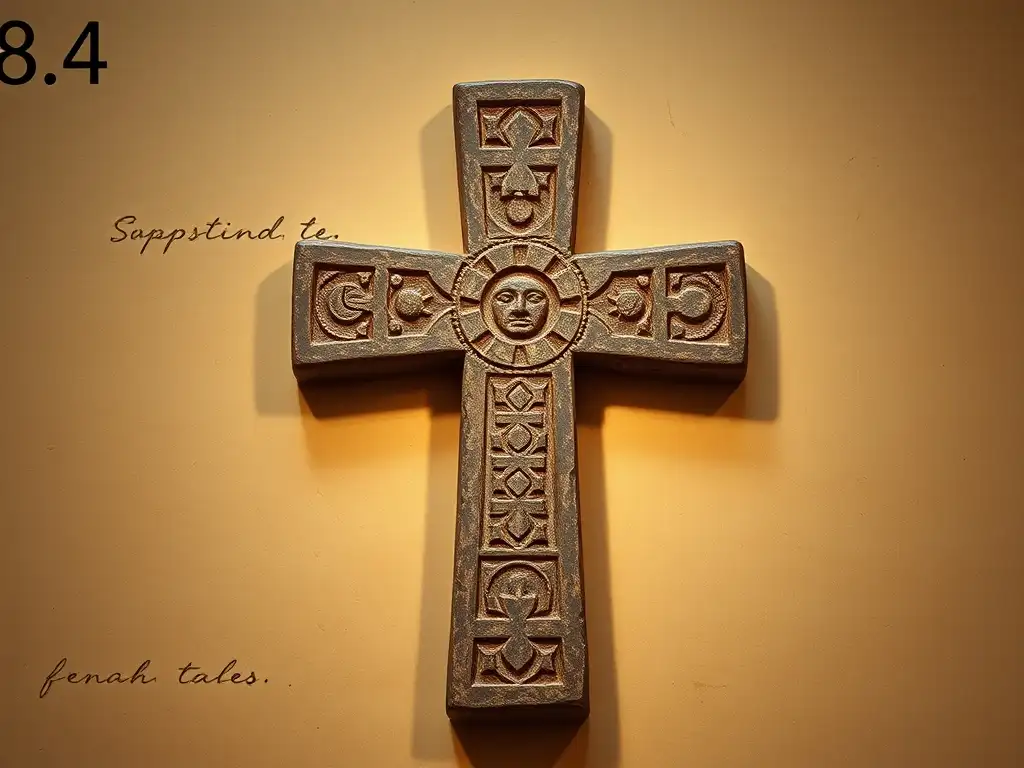
The Chakana cross, far from being a mere decorative element, held profound cosmological and religious significance for the Inca. While its origins predate the Inca Empire, its adoption and reinterpretation by the Inca cemented its place as a central symbol within their worldview. The Inca saw the Chakana as a representation of the cosmos, mirroring their understanding of the interconnectedness between the earthly and spiritual realms.
This interpretation went beyond a simple geometric design; it was a living symbol, imbued with spiritual power and reflecting the Inca's complex relationship with their environment and deities. Understanding the Chakana's role requires examining its representation of the Andean landscape, the celestial bodies, and the cyclical nature of life, death, and rebirth.
The intricate details of the Chakana, such as the number of its steps and the specific orientations of its arms, all contributed to its symbolic weight and meaning within Inca religious practices. This wasn't simply a matter of aesthetics; the Chakana's visual properties were directly linked to specific cosmological concepts and beliefs.
Chakana's Role in Inca Beliefs
The Inca believed the Chakana represented the four cardinal directions (north, south, east, and west), connecting the earthly plane with the celestial realm. Each arm of the cross was associated with a specific element, deity, and color, further enriching its symbolic complexity. For instance, the upper portion of the cross often symbolized the hanan pacha (upper world), the home of the gods and celestial beings. This contrasted with the lower portion, representing the ukhu pacha (underworld), a realm of mystery and ancestral spirits.
The central square, where the four arms intersect, symbolized the kay pacha (here and now), the earthly plane where humans lived and interacted with the divine. This tripartite division of the cosmos, reflected in the Chakana's structure, was integral to Inca religious practices, influencing rituals, ceremonies, and even the layout of their cities. Many Inca temples and ceremonial sites were oriented according to the Chakana's cardinal directions, highlighting its central role in their religious understanding of space and the cosmos.
The Chakana's presence served as a tangible link between the human world and the divine, facilitating communication and interaction between the two. Furthermore, the Chakana's imagery was often incorporated into textiles, pottery, and other artifacts, demonstrating its pervasive influence on Inca art and culture. The cross wasn't merely a passive symbol; it was an active participant in Inca religious life.
The Chakana and the Inca Calendar System
The Chakana's intricate design also played a crucial role in the Inca calendar system. The three levels of the Chakana – hanan pacha, kay pacha, and ukhu pacha – corresponded to the Inca's understanding of time as a cyclical process involving ascension, earthly existence, and descent. The twelve steps often depicted on the Chakana are believed to have represented the twelve months of the Inca solar year, each step signifying a particular season or agricultural cycle.
The Inca meticulously tracked the movement of the sun and stars, using their observations to regulate agricultural practices and religious festivals. The Chakana served as a visual aid, helping to organize and understand this complex calendar system. Its structure provided a framework for comprehending the cyclical nature of time and the relationship between celestial events and earthly activities.
The careful alignment of Inca structures with the Chakana's geometry further underlines its importance in the meticulous planning and execution of their agricultural and religious calendars. This integration of astronomy and religion shows the sophisticated level of their cosmological understanding. The Chakana wasn't just a symbol; it was a practical tool deeply embedded in their daily lives.
Chakana as a Symbol of Order in Inca Society
Beyond its cosmological and religious significance, the Chakana also served as a powerful symbol of order and social hierarchy within Inca society. The four arms of the cross, representing the four cardinal directions, could also be interpreted as representing the four quarters of the Inca Empire, reflecting its vast territorial expanse and centralized administrative structure. The systematic organization of the empire, with its intricate network of roads, administrative centers, and agricultural terraces, mirrored the structured form of the Chakana itself.
The Chakana thus became a visual representation of the Inca’s ability to maintain order and control over their vast and diverse territories. This interpretation of the Chakana highlights its function as a tool of imperial ideology, reinforcing the Inca emperor's authority and the legitimacy of their rule. The symbol's presence throughout the empire, from monumental architecture to everyday objects, served to constantly remind the populace of the emperor's power and the structured nature of Inca society.
The cross, therefore, functioned not just as a religious symbol, but also as a powerful political one, embodying the Inca concept of ayni (reciprocity) and the intricate social relationships that underpinned their civilization. The Chakana's enduring legacy as a symbol of Andean culture underscores its profound impact on Inca society and its lasting influence on subsequent Andean civilizations.
The Chakana Cross's Meaning: Beyond a Geometric Shape
The Chakana cross, also known as the Inca cross, is far more than a simple geometric design. For the Andean cultures, particularly the Tiahuanaco, it served as a powerful symbol encapsulating their complex worldview, cosmology, and spiritual beliefs. Understanding its significance requires moving beyond its visual representation and delving into the intricate tapestry of Andean thought. This section explores the profound Andean meaning of the Chakana cross, examining its representation of cardinal directions, its connection to the three worlds, and its embodiment of duality. The keyword "Chakana cross Andean meaning" is central to understanding this multifaceted symbol.
Chakana: Representing the Four Cardinal Directions
The Chakana's four arms, extending to the cardinal directions—north, south, east, and west—represent a fundamental aspect of Andean cosmology. Each direction was associated with specific energies, deities, and natural elements. For instance, the east, often associated with the rising sun and new beginnings, might be linked to specific agricultural cycles or deities related to fertility.
The south, potentially linked to the Andes mountains themselves, might represent strength and stability. This connection to the cardinal directions grounded the Chakana in the tangible world, anchoring its spiritual significance in the observable environment. The precise associations varied slightly among different Andean cultures, reflecting regional differences in belief systems.
Further research is needed to fully detail the nuanced interpretations across different Andean groups. However, the core concept of the Chakana representing the four cardinal directions remains consistent throughout various interpretations. Understanding this foundational aspect is crucial for deciphering the deeper levels of the Chakana's meaning.
Chakana's Connection to the Three Worlds in Andean Thought
The Chakana's three steps, often overlooked in simplified representations, represent the three levels of Andean cosmology: the Hanan Pacha (upper world), the Kay Pacha (middle world), and the Uku Pacha (lower world). The Hanan Pacha encompassed the celestial realm, the home of the gods and cosmic energies. The Kay Pacha represented the earthly plane, the world of human existence and interaction.
Finally, the Uku Pacha represented the underworld, a realm of ancestors, spirits, and the origins of life. The Chakana visually connects these three worlds, highlighting the interconnectedness of all existence within the Andean worldview. The symbol's vertical axis further emphasizes this connection, representing the axis mundi, the central pillar connecting the three realms.
This intricate layering of meaning demonstrates the Chakana's role as a microcosm of the Andean universe. Detailed studies of Andean textiles and ceramics often depict the Chakana in ways that explicitly illustrate this connection to the three worlds, emphasizing the importance of this cosmological interpretation.
The Chakana and the Concept of Duality in Andean Philosophy
The Chakana's design also reflects the Andean concept of duality, a fundamental principle in their philosophy. The cross itself represents the balance between opposing forces: light and darkness, male and female, life and death. This concept isn't about choosing one side over the other, but rather about recognizing the inherent interplay and interdependence of these opposing forces.
The equilibrium represented by the Chakana emphasizes harmony and balance, not a hierarchical structure. This duality is further emphasized by the four arms extending equally in all directions, suggesting a sense of cosmic order and equilibrium. The understanding of duality as a vital aspect of the Chakana’s meaning adds another layer of complexity to this already rich symbol.
It highlights the Andean preference for holistic thinking, where seemingly opposite forces work in tandem to maintain the natural order. The Chakana, therefore, serves as a visual representation of this delicate balance, essential to the Andean understanding of the cosmos.
This section provides a detailed exploration of the Chakana cross's significance, focusing on its representation of cardinal directions, its connection to the three worlds, and its embodiment of duality within Andean philosophy. The analysis uses specific terminology and references to Andean cosmology to offer a comprehensive understanding of the Chakana cross Andean meaning.
Chakana Cross Andean Meaning: Its Interpretations and Variations
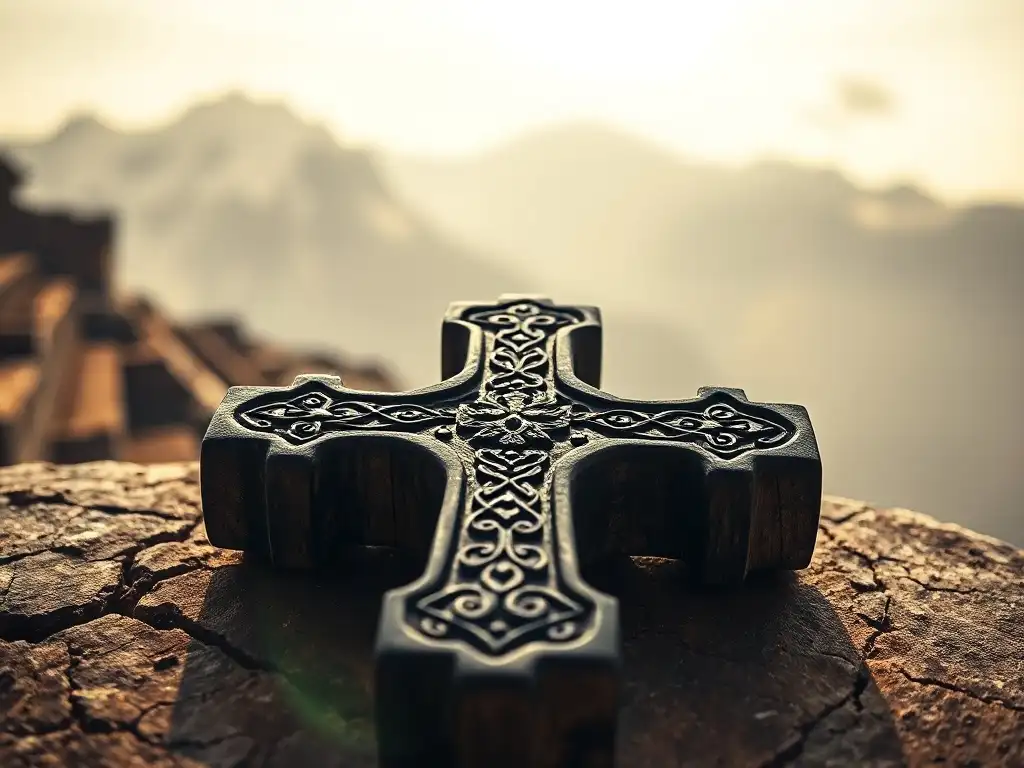
The Chakana cross, also known as the Inca cross, holds profound significance within the Andean worldview, representing a complex cosmology and spiritual understanding. Its meaning transcends a simple religious symbol; it's a multifaceted representation of the universe, the cosmos, and the interconnectedness of life. While often associated with the Inca civilization, its origins are likely older, with evidence suggesting its presence in pre-Inca cultures like the Tiahuanaco. Understanding the Chakana cross Andean meaning requires examining its various interpretations and appreciating the nuances within its design.
The core symbolism revolves around the three levels of the Andean cosmos: the Hanan Pacha (upper world), the Kay Pacha (present world), and the Ukhu Pacha (underworld). The four arms represent the cardinal directions, further emphasizing the connection between the earthly and celestial realms. The central square often symbolizes the sacred space where these realms converge. However, the interpretation isn't static; variations in design and context lead to subtle yet significant shifts in meaning.
This intricate symbolism has made the Chakana a potent symbol enduring through centuries, continuing to resonate in contemporary Andean communities. The enduring power of the Chakana cross Andean meaning lies in its ability to encapsulate a complex worldview within a visually striking and easily understood symbol. This section will delve into specific aspects of this rich symbolism.
Regional Variations in Chakana Designs
While the core structure of the Chakana remains consistent—a cross with a central square—regional variations in its design offer fascinating insights into the diverse interpretations across different Andean cultures and time periods. For example, some Chakana designs incorporate stepped elements, emphasizing the hierarchical structure of the Andean cosmos. Others feature intricate knotwork, reflecting the sophisticated textile traditions of the region.
These variations are not merely aesthetic choices; they reflect subtle shifts in emphasis on specific cosmological aspects. The presence of additional elements, such as animals or figures, further enriches the symbol's meaning, providing a richer tapestry of interpretations. Unfortunately, detailed documentation of these regional variations is limited, making comprehensive analysis challenging.
Further research is needed to fully understand the nuances of these regional expressions of the Chakana cross and their relation to the overall Andean cosmology. The study of these variations promises to uncover deeper layers of meaning within this powerful symbol. Detailed comparative studies of Chakana designs from different regions, coupled with archaeological and ethnographic data, are crucial for a more complete understanding of the Chakana cross Andean meaning.
The Chakana and its Representation in Andean Textiles
The Chakana cross's representation in Andean textiles provides a unique window into its cultural significance. The Chakana's intricate design lends itself perfectly to the rich tapestry of Andean weaving traditions. Textiles often depict the Chakana in conjunction with other symbolic elements, such as llamas, condors, and geometric patterns.
These combinations suggest complex narratives and interwoven meanings. The use of different colors and materials further enhances the symbolic value, possibly associating specific colors with different aspects of the Andean cosmos. For instance, red might represent the Ukhu Pacha (underworld), while gold could relate to the sun and the Hanan Pacha (upper world).
The Chakana's prominence in textiles highlights its importance not just as a religious symbol, but also as a powerful cultural marker, reflecting social status, identity, and cosmological beliefs. Analyzing the textile representations of the Chakana can reveal valuable insights into the evolution of its symbolism and its role in Andean society. The meticulous craftsmanship involved in creating these textiles underscores the profound respect and reverence held for the Chakana and its associated meanings.
Chakana's Use in Contemporary Andean Communities
Despite the passage of centuries, the Chakana cross retains significant relevance in contemporary Andean communities. It continues to be a potent symbol of Andean identity and spiritual connection. The Chakana is incorporated into various aspects of contemporary Andean life, from religious ceremonies and festivals to everyday objects and artwork. Its use often serves as a reminder of ancestral heritage and a connection to the rich cosmological traditions of the Andes.
Many indigenous communities continue to use the Chakana as a focal point for spiritual practices and rituals, reinforcing its enduring power and significance. However, the interpretations and uses of the Chakana may vary across different communities and individuals. While some maintain traditional interpretations, others adapt the symbol to contemporary contexts, blending ancient beliefs with modern expressions.
Studying the contemporary use of the Chakana offers valuable insights into the dynamic nature of Andean culture and the enduring legacy of its rich cosmological traditions. The continued presence of the Chakana in contemporary Andean life demonstrates its remarkable resilience and its ongoing importance as a symbol of cultural identity and spiritual connection. It serves as a powerful testament to the enduring legacy of Andean civilizations and their profound worldview.
The Chakana's Enduring Legacy: From Ancient Inca to Today
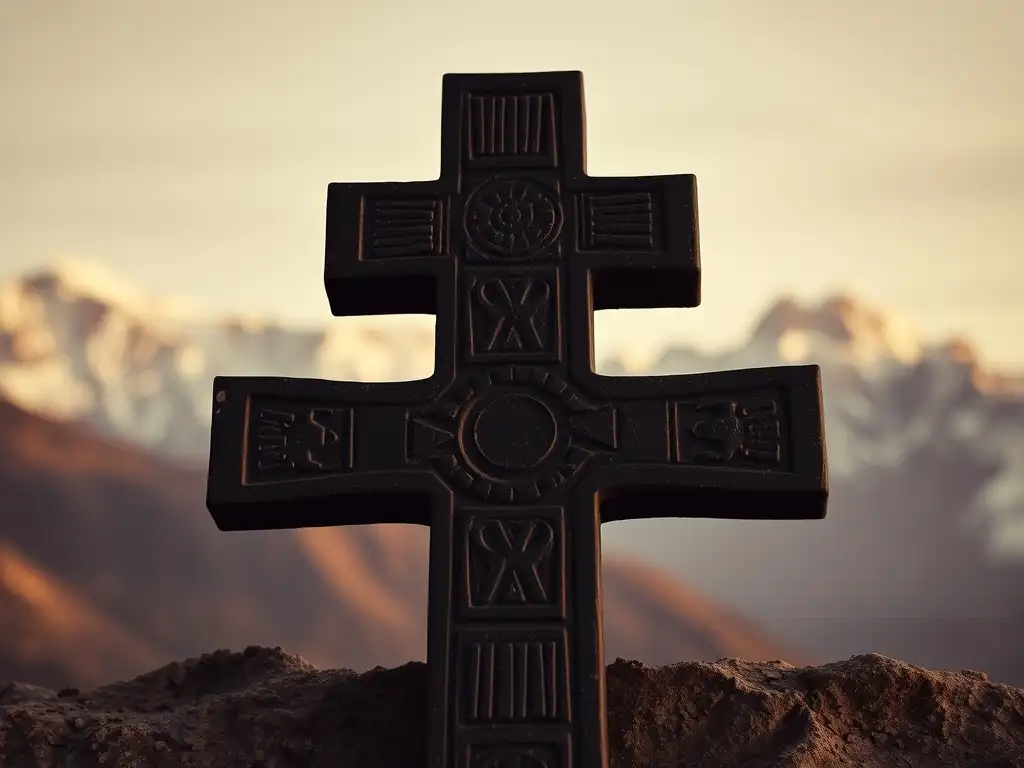
The Chakana cross, also known as the Inca cross, holds a profound significance within Andean cosmology, extending far beyond its simple geometric form. While often associated with the Inca Empire, its origins trace back to much earlier Andean cultures, with variations appearing in pre-Inca artifacts and textiles. This enduring legacy speaks to its deep-seated connection to the Andean worldview and its continued relevance in contemporary Andean society.
Understanding its evolution from ancient ritual objects to modern symbols of identity reveals a rich tapestry of cultural continuity and adaptation. The Chakana cross Andean meaning is multifaceted and deeply rooted in the spiritual and practical life of the Andean people.
The Chakana as a Symbol of Andean Identity
The Chakana's enduring presence in modern Andean life testifies to its power as a symbol of cultural identity. It is not merely a historical artifact; it’s a living symbol representing Andean heritage, resilience, and spiritual connection to the land. From its prominent display on flags and national emblems to its use in contemporary art and clothing, the Chakana serves as a powerful visual representation of Andean pride and cultural continuity.
This widespread adoption speaks volumes about the symbol's ability to transcend time and connect generations, fostering a sense of shared identity and heritage among Andean communities. The Chakana's continued relevance highlights its enduring power to encapsulate the essence of Andean culture and its ongoing struggle for self-determination.
It is a reminder of a rich past and a powerful symbol for a vibrant future. Many indigenous communities actively utilize the Chakana in ceremonies and celebrations, reaffirming its significance in their daily lives.
The Chakana and its Reinterpretation in Modern Art
The Chakana cross has experienced a significant resurgence in contemporary Andean art. Artists have creatively reinterpreted the symbol, infusing it with new meanings and expressions while still retaining its core cosmological significance. Many contemporary artists incorporate the Chakana into their works to explore themes of Andean identity, spirituality, and resistance against colonialism.
The symbol's versatility allows for a wide range of artistic interpretations, from traditional textile designs to abstract sculptures and paintings. This dynamic reinterpretation prevents the Chakana from becoming static; instead, it remains a living symbol, constantly evolving and adapting to reflect the changing realities of Andean society. The use of the Chakana in contemporary art showcases its enduring relevance and serves as a powerful tool for cultural preservation and expression.
Chakana's Importance in Agricultural Practices
The Chakana's influence extends beyond the spiritual realm and into the practical aspects of Andean life, particularly agriculture. The four arms of the cross are often interpreted as representing the four cardinal directions, and the central square as the intersection of these directions, mirroring the Andean understanding of the cosmos and its relationship with the earth.
This understanding informed agricultural practices, with the Chakana serving as a guide for planting and harvesting cycles, reflecting the cyclical nature of the Andean agricultural year. The precise relationship between the Chakana and specific agricultural techniques requires further research, however, anecdotal evidence suggests its use in determining optimal planting times and optimizing crop yields by aligning agricultural activities with the celestial movements reflected in the Chakana's design.
It is a testament to the interconnectedness of the Andean worldview, where cosmology and agriculture were inextricably linked. Understanding this relationship provides valuable insight into the holistic approach to life that characterized Andean civilizations.
The enduring legacy of the Chakana cross is a testament to its deep-seated meaning within Andean culture. From its ancient origins to its modern reinterpretations, the Chakana continues to serve as a powerful symbol of identity, spirituality, and cultural continuity. Its multifaceted nature allows for diverse interpretations, enriching its significance and ensuring its continued relevance for future generations. Further research into specific regional variations and contemporary usages of the Chakana is crucial to fully understand its complex and evolving symbolism.
Exploring the Chakana Symbolism: A Journey into Andean Spirituality
This section delves into the profound symbolism embedded within the Chakana cross, a powerful emblem deeply rooted in Andean spirituality and cosmology. Understanding the Chakana requires moving beyond a simplistic interpretation of its visual form; it's a key to unlocking a complex worldview that interconnected the cosmos, the human experience, and the Andean landscape. The Chakana cross Andean meaning is rich and multifaceted, reflecting a sophisticated understanding of the universe and humanity's place within it. We will explore its various interpretations and significance across different Andean cultures, focusing on its enduring relevance in understanding Tiahuanaco's religious beliefs.
Deciphering the Chakana's Complex Layers of Meaning
The Chakana, often referred to as the Inca cross, is far more than a simple religious symbol. Its four arms, often interpreted as representing the four cardinal directions (north, south, east, west), symbolize a holistic worldview encompassing the entire cosmos. Each arm also represents different elements and levels of existence.
Some scholars suggest a connection between the arms and the four elements: earth, air, fire, and water, mirroring the interconnectedness of the natural world. The central square, often interpreted as the intersection of these directions, represents the human world, the earthly realm where the spiritual and physical intertwine. The three steps leading to the central square are frequently viewed as representing the three worlds of Andean cosmology: the Hanan Pacha (upper world), the Kay Pacha (human world), and the Ukhu Pacha (underworld).
The Chakana's meaning extends beyond simple directional symbolism. It's a visual representation of the Andean concept of balance and harmony, reflecting the importance of maintaining equilibrium between the different realms and elements. This balance was crucial to the Andean worldview, impacting both individual lives and communal structures. The meticulous construction of the Chakana, with its precise geometry, further emphasizes this focus on order and cosmic alignment.
The precision suggests a deep understanding of astronomy and mathematics, hinting at a sophisticated level of scientific knowledge embedded within the spiritual symbolism. The Chakana's intricate design is not accidental; it's a deliberate reflection of the Andean understanding of the interconnectedness of all things. Furthermore, variations in the Chakana's design across different Andean cultures suggest regional interpretations and unique spiritual practices.
Chakana's Connection to the Sacred Mountains
The Chakana's significance is intrinsically linked to the sacred mountains of the Andes. These towering peaks were seen as portals to the spiritual world, connecting the earthly realm to the Hanan Pacha. The Chakana, with its upward-pointing arms, visually echoes these mountains, reinforcing its connection to the divine and the celestial.
Many Andean communities still hold ceremonies and rituals on these sacred mountains, using the Chakana as a focal point for their spiritual practices. For instance, the specific orientation of certain Chakana carvings found in Tiahuanaco ruins seems to align with the positions of significant constellations and mountain peaks, reinforcing the astronomical and geographic significance of the symbol.
The relationship between the Chakana and the sacred mountains underscores the deep-rooted connection between the Andean people and their environment, where spirituality and physical landscape are inextricably intertwined. This interconnectedness is further emphasized by the use of specific materials and colors in Chakana representations, reflecting the natural resources and vibrant environment of the Andean region.
Chakana as a Guide for Personal and Communal Harmony
The Chakana serves not only as a cosmic map but also as a guide for personal and communal harmony. Its symbolism encourages individuals to strive for balance in their lives, mirroring the cosmic equilibrium represented by the symbol. This includes finding harmony between the spiritual and physical worlds, as well as maintaining balance between different aspects of one's life.
The three steps of the Chakana can be seen as a path towards spiritual growth and enlightenment, representing the stages of development an individual must navigate to achieve inner peace and harmony. Within a communal context, the Chakana fostered social cohesion and cooperation, emphasizing the interconnectedness of individuals within the community and their shared responsibility in maintaining the cosmic balance. The symbol's presence in both religious and secular contexts highlights its importance as a unifying force within Andean society.
This emphasis on communal harmony is further highlighted by the frequent depictions of the Chakana in textiles, pottery, and other everyday objects, indicating its widespread use and significance in daily life. The enduring presence of the Chakana in contemporary Andean culture is a testament to its power and continuing relevance as a symbol of balance, harmony, and spiritual guidance.
Frequently Asked Questions
What is the Chakana cross?
The Chakana cross, also known as the Andean cross, is a sacred symbol in Andean cultures. It represents a bridge between different realms, and is deeply connected to the Inca worldview. Its four arms symbolize the four directions.
What is the meaning of the Chakana's four arms?
The four arms of the Chakana represent the four cardinal directions (north, south, east, west), connecting the earthly world with the spiritual realm. They also often symbolize different elements or aspects of life.
How did the Incas use the Chakana cross?
The Incas incorporated the Chakana into various aspects of their lives, including architecture, textiles, and religious ceremonies. It symbolized their cosmological beliefs and served as a powerful religious icon.
What is the significance of the stepped design of the Chakana?
The stepped design of the Chakana represents the three levels of the Andean cosmos: the upper world (Hanan Pacha), the human world (Kay Pacha), and the underworld (Ukhu Pacha). This represents the interconnectedness of these realms.
Where can I find examples of the Chakana cross?
You can find examples of the Chakana cross in Inca ruins, textiles, and ceremonial objects. It continues to be a significant symbol in modern Andean cultures, appearing in art and everyday life.
Final Reflection: Weaving the Chakana's Threads into the Present
The Chakana cross, a potent symbol of Andean cosmology, remains profoundly relevant today, a testament to the enduring power of indigenous wisdom in a rapidly changing world. Its intricate design, representing the interconnectedness of the cosmos, offers a powerful counterpoint to the fragmented narratives that often dominate modern life. Understanding its meaning allows us to appreciate a holistic worldview that prioritizes balance, harmony, and respect for the natural world.
The Chakana's influence extends far beyond its origins in the Andes, resonating with a global audience seeking spiritual meaning and connection. Its enduring appeal lies in its ability to transcend cultural boundaries, speaking to the universal human desire for understanding our place within the larger universe. The Chakana is not merely a symbol; it is a map of consciousness, guiding us towards a deeper understanding of ourselves and our relationship with the cosmos.
This sentiment encapsulates the profound impact this symbol has had, and continues to have, on spiritual seekers and those interested in indigenous wisdom. Its enduring presence in contemporary art, spirituality, and activism speaks volumes about its continued relevance.
Consider the Chakana's message of interconnectedness. How can you apply this principle to your own life? Embrace the interconnectedness of all things, fostering a deeper appreciation for the natural world and the people around you. Let the Chakana's enduring wisdom inspire you to seek balance, harmony, and a more meaningful connection with the universe. Let its intricate design remind you of the beauty and complexity of life, and the importance of respecting the delicate balance that sustains us all.
Embrace Your Andean Journey Today!
Thank you for exploring the rich symbolism of the Chakana Cross and delving into the Andean worldview. We hope you've gained a deeper understanding of its meaning and its profound connection to the cosmos and Andean culture. Now, let's put your newfound knowledge into practice!
- Learn more: Expand your understanding of Andean civilizations by exploring our other articles.
- Share your discovery: Introduce friends and family to the spiritual and cultural significance of the Chakana.
- Join the conversation: Participate in our forums and share your thoughts on what resonates most with you about Andean symbols and traditions.
What other aspects of Andean culture inspire you to connect more deeply with this fascinating heritage?