
Tiahuanaco's Legacy of Power: How its Political Model Influenced Later Andean Kingdoms

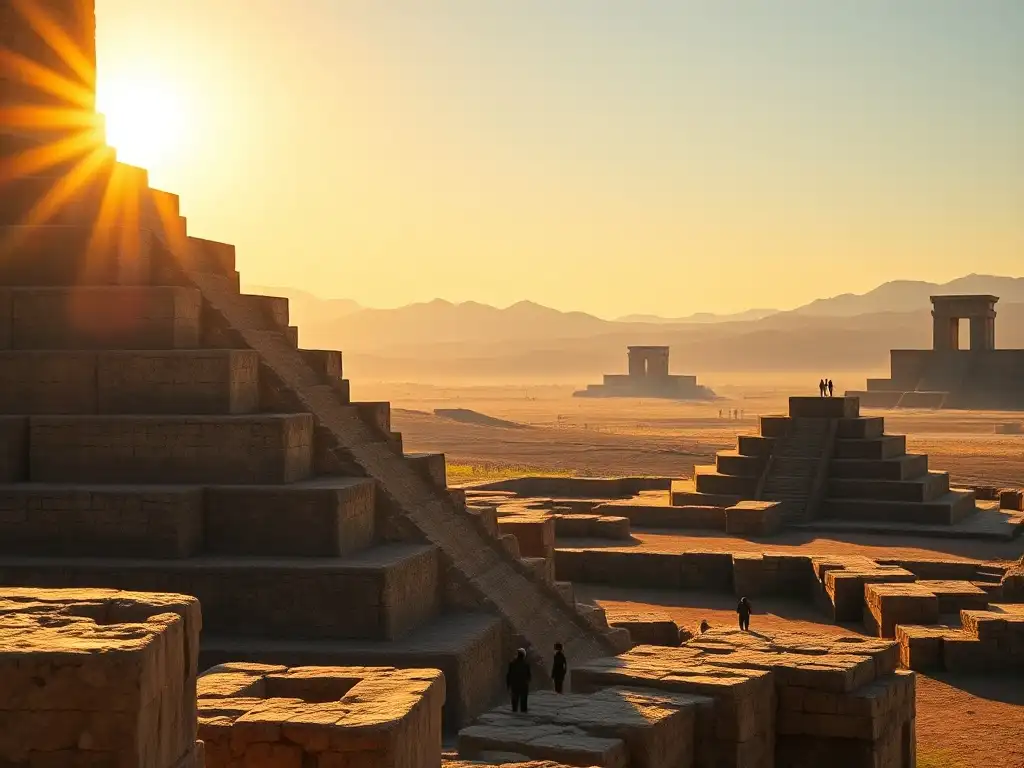
Uncover the mysteries of a lost world, where colossal monuments whispered secrets of power and influence. Prepare to be captivated by the enigmatic legacy of Tiahuanaco, a civilization whose reach extended far beyond its breathtaking ruins. Discover how Tiahuanaco's political influence on Andean kingdoms shaped the destinies of empires, leaving an indelible mark on the very fabric of Andean society.
Delve into this fascinating story and unravel the threads of a complex political tapestry that continues to intrigue historians and archaeologists alike. Journey with us as we explore the rise and fall of a civilization whose impact resonates even today.
The rise and fall of Tiahuanaco, a powerful pre-Columbian civilization flourishing in the Andes between approximately 500 and 1000 CE, left an indelible mark on the political landscape of the region. This article explores the profound influence of Tiahuanaco's unique political model on subsequent Andean kingdoms, examining how its administrative structures, religious ideologies, and economic strategies shaped the development of later societies. We will delve into specific examples, demonstrating the enduring legacy of Tiahuanaco's power and its lasting impact on the organization and governance of the Andean world.
Understanding Tiahuanaco's political influence is crucial to comprehending the complex tapestry of Andean history and the interconnectedness of its diverse cultures. The keyword "Tiahuanaco political influence on Andean kingdoms" will be explored through a multifaceted lens, revealing the subtle and overt ways in which this remarkable civilization shaped the destiny of its successors.
Tiahuanaco's Centralized Administration: A Blueprint for Future Empires
Tiahuanaco's sophisticated administrative system, characterized by a highly centralized government, served as a blueprint for later Andean empires. Evidence suggests a complex bureaucratic structure, with specialized officials managing different aspects of society, from agriculture and infrastructure to religious ceremonies and military affairs. This centralized control allowed for efficient resource management, large-scale public works projects (such as the construction of monumental architecture), and the effective mobilization of labor across vast territories.
The intricate network of roads and administrative centers facilitated communication and trade, solidifying Tiahuanaco's dominance and providing a model for subsequent states seeking to consolidate their power. This efficient system of governance stands in stark contrast to earlier, more decentralized Andean societies and represents a significant shift in political organization. The scale and sophistication of Tiahuanaco's administrative achievements are directly reflected in the political structures adopted by later Andean kingdoms, demonstrating a clear line of influence.
The Role of Religion and Ideology in Consolidating Power
The religious beliefs and practices of Tiahuanaco played a crucial role in legitimizing its political authority and influencing the development of subsequent Andean religions. The prominence of the deity Viracocha, often depicted in monumental sculptures and ceramics, suggests a sophisticated religious ideology that underpinned the state's power. The construction of grand temples and ceremonial centers, such as the Kalasasaya complex, served as powerful symbols of religious and political authority, reinforcing the ruler's divine legitimacy.
The spread of Tiahuanaco's religious iconography and beliefs across the Andes demonstrates the far-reaching impact of its ideology. Later Andean kingdoms often incorporated elements of Tiahuanaco's religious system into their own beliefs, reflecting the persistent influence of Tiahuanaco's religious and political power. The adoption of similar religious practices served to unify diverse populations under a common cultural and political banner.
Economic Strategies and Their Impact on Regional Development
Tiahuanaco's economic success was built upon a sophisticated system of agriculture, trade, and resource management. The development of advanced agricultural techniques, such as terracing and irrigation, allowed for increased food production and supported a large, densely populated urban center. Control over key resources, such as metals and textiles, further strengthened Tiahuanaco's economic power and facilitated trade networks extending throughout the Andes.
The economic prosperity achieved by Tiahuanaco served as a model for later Andean kingdoms, many of which adopted similar strategies to develop their own economies. This economic influence is reflected in the agricultural practices and trade networks established by subsequent Andean states, clearly demonstrating the enduring impact of Tiahuanaco's economic model on regional development. The ability to effectively manage resources and stimulate economic growth was a key factor in the success of later Andean empires.
The Spread of Tiahuanaco Influence: Case Studies of Andean Kingdoms
The influence of Tiahuanaco wasn't limited to a single kingdom; its impact is visible in various Andean societies. For example, the Wari and Huari cultures, which flourished after the decline of Tiahuanaco, exhibited clear similarities in their administrative structures, religious practices, and urban planning. The architectural styles, ceramic designs, and even the layout of cities in these later cultures show striking parallels to Tiahuanaco, suggesting a significant cultural and political inheritance.
Further research into specific sites and artifacts from various Andean kingdoms will reveal even more nuanced examples of Tiahuanaco's enduring legacy. Detailed comparative studies will illuminate the specific mechanisms through which Tiahuanaco’s political model was adapted and transformed by different successor cultures. This ongoing research continues to refine our understanding of the complex interplay between Tiahuanaco and later Andean societies.
Further Research Areas
Further research is needed to fully understand the nuances of Tiahuanaco's influence. This includes:
- More detailed analysis of administrative records and artifacts.
- Comparative studies of Tiahuanaco and later Andean religious practices.
- In-depth examination of economic systems and trade networks.
- Tiahuanaco's Centralized Administration: A Blueprint for Future Empires
- The Role of Religion and Ideology in Consolidating Power
- Economic Strategies and Their Impact on Regional Development
- The Spread of Tiahuanaco Influence: Case Studies of Andean Kingdoms
The Rise of Tiahuanaco and its Political Structure
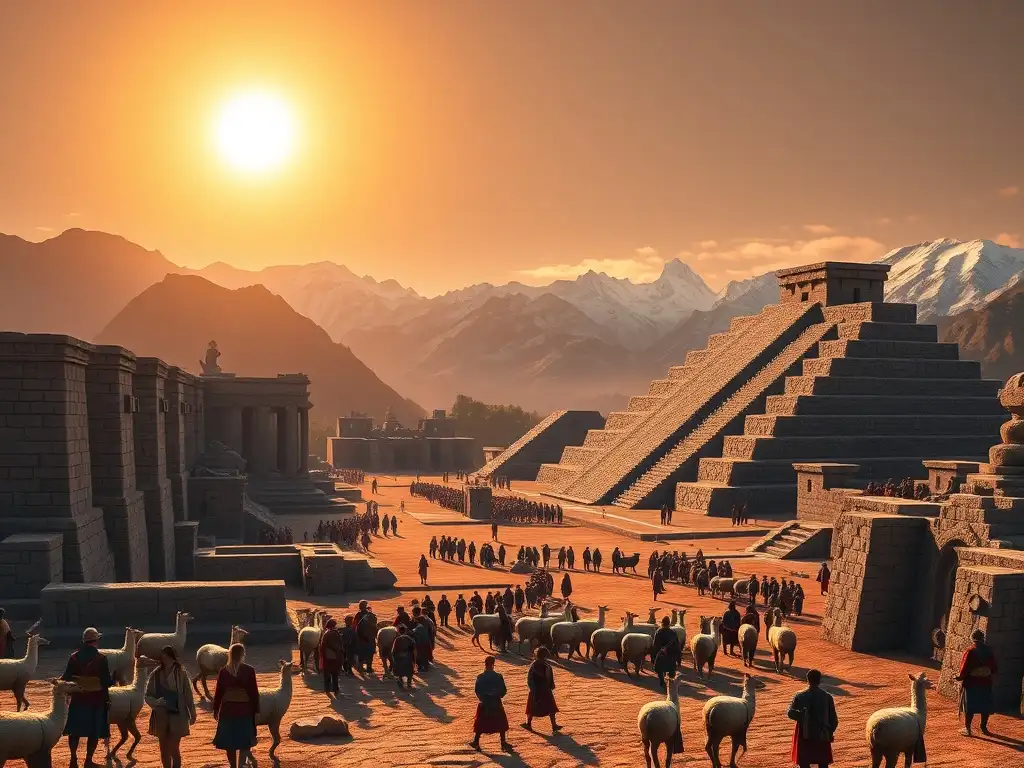
This section delves into the origins and political organization of the Tiahuanaco civilization, laying the groundwork for understanding its profound influence on subsequent Andean kingdoms. We'll explore the environmental factors that shaped its rise, the nature of its centralized authority, and the key elements that defined its unique political system. Understanding Tiahuanaco's political model is crucial to grasping its lasting legacy on the Andean region's political landscape.
The impact of Tiahuanaco's political structures resonates even today, shaping our understanding of the complex power dynamics of ancient Andean societies. The keyword phrase "Tiahuanaco political influence on Andean kingdoms" is central to this analysis.
Tiahuanaco's Geographical and Environmental Context
Tiahuanaco's location, on the shores of Lake Titicaca at an altitude of approximately 12,500 feet, presented both challenges and opportunities. The high-altitude environment, characterized by a harsh climate and limited arable land, necessitated sophisticated agricultural techniques. This environmental pressure likely contributed to the development of a centralized authority capable of managing resources and coordinating large-scale irrigation projects. Evidence suggests sophisticated water management systems, including canals and raised fields ( waru waru), were crucial for sustaining the large population of Tiahuanaco.
This control over vital resources was undoubtedly a cornerstone of its political power. The unique geographical setting, therefore, directly influenced the development of Tiahuanaco's political organization and its capacity for expansion. The ability to successfully manage this challenging environment became a key element in their political strength and subsequent influence on other Andean kingdoms.
Tiahuanaco's political organization was characterized by a highly centralized state. Archaeological evidence points towards a powerful ruling elite who controlled the economy, religious institutions, and the vast infrastructure projects that defined the city. The distribution of elite goods, such as fine ceramics and textiles, suggests a hierarchical social structure with clear distinctions between the ruling class and the common population.
The construction of monumental architecture, such as the Kalasasaya and Puma Punku, required the mobilization of enormous labor forces, further illustrating the state's capacity for centralized control and organization. This centralized power, based on control of resources and labor, allowed Tiahuanaco to exert significant political influence over neighboring regions and contributed to its expansion and the spread of its political ideas. The efficiency of this governance model served as a blueprint for later Andean states.
A crucial aspect of Tiahuanaco's political power was the close intertwining of religious authority and elite control. The ruling elite likely held significant religious authority, using religious ideology to legitimize their power and control over the population. The iconography found on Tiahuanaco artifacts suggests a complex religious system, with deities and symbols that were likely used to reinforce the power of the ruling class.
The monumental architecture itself may have served as a powerful symbol of religious and political authority, reinforcing the elite's control over the population and resources. The fusion of religious and political power was a hallmark of Tiahuanaco's influence. This model of theocratic rule and its inherent power dynamics greatly impacted the political systems of later Andean kingdoms.
The religious legitimization of political power is a significant element of the Tiahuanaco legacy that continues to fascinate researchers. Further research is needed to fully understand the nuances of this complex interplay, but the existing evidence strongly suggests a powerful synergy between religious and political control in shaping Tiahuanaco's influence.
Tracing Tiahuanaco's Political Influence on Andean Kingdoms
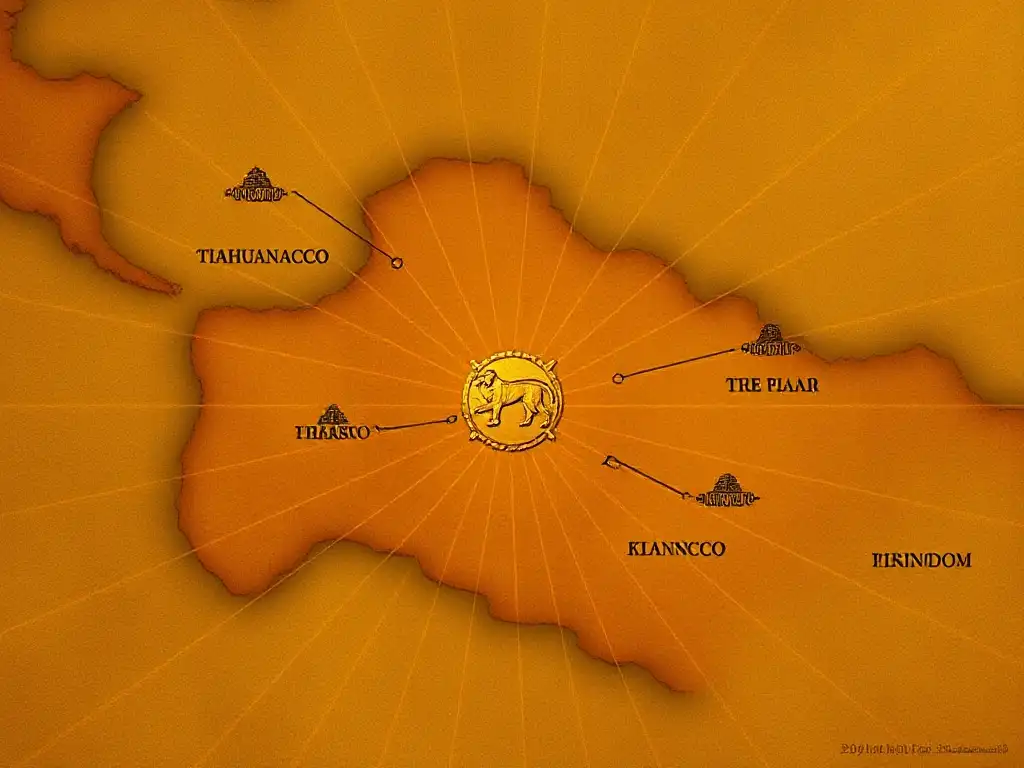
This section delves into the tangible and intangible ways Tiahuanaco's political model impacted subsequent Andean kingdoms. We will examine the dissemination of its ideology, the demonstrable presence of its administrative structures in later societies, and the lasting effects on regional power structures. Understanding Tiahuanaco's influence is crucial to comprehending the complex tapestry of Andean political development. The far-reaching effects of Tiahuanaco's political organization on the Andean region are a testament to its sophisticated governance and enduring legacy.
The Spread of Tiahuanaco's Ideological Influence
Tiahuanaco's influence extended far beyond its immediate geographical reach. The spread of its distinctive iconography, religious beliefs, and artistic styles provides compelling evidence of a wider ideological impact. We see this in the adoption of Tiahuanaco-style ceramics, textiles, and monumental architecture in geographically distant sites. This wasn't simply imitation; it suggests a deeper cultural exchange, possibly facilitated by trade networks, migration, or even military conquest. The pervasive nature of Tiahuanaco's artistic motifs in later Andean cultures signifies a profound ideological penetration.
For instance, the presence of characteristic Tiahuanaco-style stepped pyramids and monumental sculptures in sites hundreds of kilometers from Lake Titicaca suggests a deliberate emulation of Tiahuanaco's power and prestige. This wasn't a passive adoption; adaptations and reinterpretations of Tiahuanaco's symbols appear, indicating an active engagement and re-contextualization within the unique cultural settings of successor societies.
The consistent presence of specific stylistic elements throughout the Andes, even with local variations, strongly suggests the diffusion of a core set of beliefs and values emanating from Tiahuanaco. Further research into the specific patterns of diffusion could illuminate the mechanisms of this ideological spread, potentially revealing details about migration routes or trade networks.
Evidence of Tiahuanaco's Political Model in Later Andean Societies
The influence of Tiahuanaco’s political model is not limited to mere ideological diffusion. Evidence suggests a more direct impact on the administrative and organizational structures of later Andean societies. The adoption of specific administrative techniques, such as centralized control over resource distribution or the implementation of standardized weights and measures, points to a direct inheritance from Tiahuanaco's sophisticated system of governance.
We can observe this in the organization of settlements and the management of agricultural production in various post-Tiahuanaco societies. While the specifics varied, the underlying principles of centralized control and efficient resource management appear consistently, suggesting a direct or indirect influence from Tiahuanaco's administrative model. [Specific examples of administrative techniques and their Tiahuanaco origins pending]. Detailed comparative studies of administrative structures across different Andean societies could reveal further evidence of Tiahuanaco's enduring impact on governance. This comparative analysis should include a detailed examination of the organization of labor, the control of resources, and the implementation of public works projects.
How Tiahuanaco's Statecraft Shaped Regional Power Dynamics
Tiahuanaco's sophisticated statecraft profoundly affected the regional power dynamics of the Andes. Its ability to maintain control over a vast territory and exert influence over distant communities shaped the political landscape for centuries. The collapse of Tiahuanaco didn't erase its influence; rather, it created a power vacuum that several successor states sought to fill, often adopting and adapting elements of Tiahuanaco's political strategies.
The legacy of Tiahuanaco's centralized authority is evident in the competitive nature of later Andean kingdoms. The struggle for dominance often involved emulating or challenging aspects of Tiahuanaco's political model. Some states attempted to replicate Tiahuanaco's vast empire, while others focused on specific aspects of its administrative or religious systems.
This competition, fueled by the legacy of Tiahuanaco, led to both cooperation and conflict among successor states, shaping the political landscape of the Andes for centuries. Understanding the impact of Tiahuanaco's political model is essential for a comprehensive understanding of the complex interplay of power and influence in the later Andean world. Further research into the specific interactions between successor states could illuminate the long-term effects of Tiahuanaco’s legacy on regional power dynamics.
Specific Examples of Tiahuanaco's Impact on Later Cultures
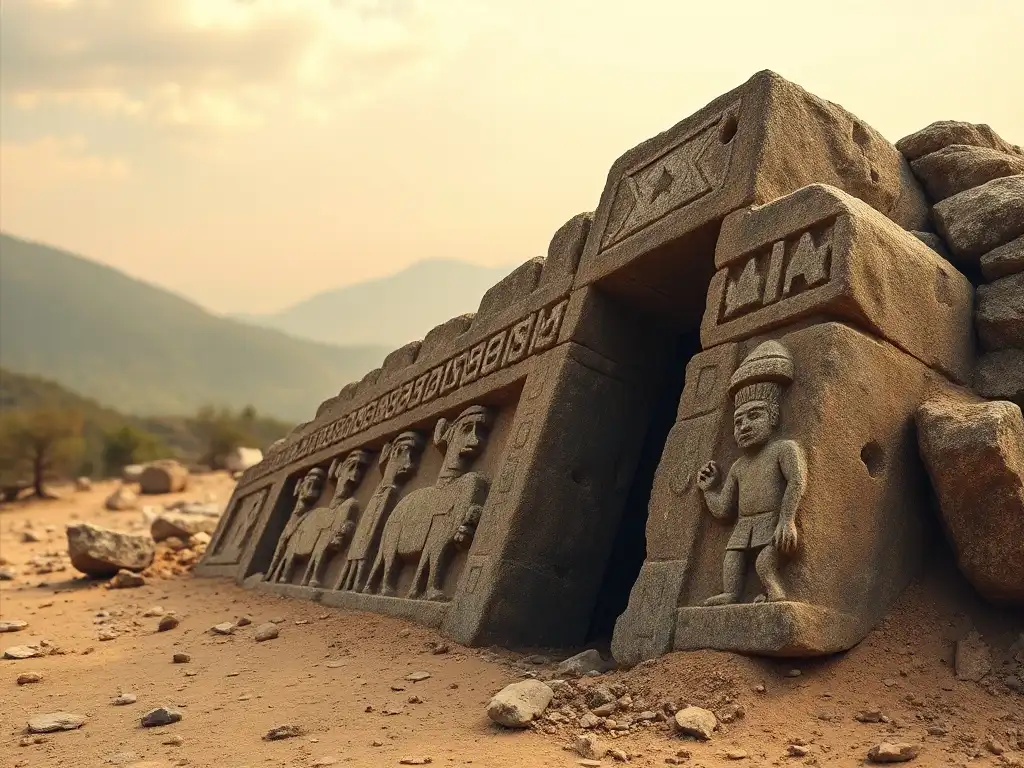
This section delves into concrete examples illustrating Tiahuanaco's profound political influence on subsequent Andean kingdoms. We will explore how specific aspects of Tiahuanaco's societal structure, administrative systems, and urban planning were adopted and adapted by later civilizations, leaving an indelible mark on the political landscape of the Andes. The enduring legacy of Tiahuanaco's power is evident in the shared characteristics observed across various kingdoms that flourished in its wake.
This influence wasn't simply a matter of imitation; rather, it involved a complex process of cultural exchange and adaptation, shaped by the unique circumstances and needs of each succeeding culture. The examination of these specific examples provides a nuanced understanding of the depth and breadth of Tiahuanaco's impact on the Andean region.
The Wari Empire, a powerful civilization that rose to prominence after the decline of Tiahuanaco, demonstrates a clear continuity with Tiahuanaco's political and administrative models. Evidence suggests a significant degree of shared urban planning principles. Both Tiahuanaco and Wari cities exhibited a similar layout, characterized by a centralized administrative core surrounded by residential areas, often organized along a grid pattern. This standardized urban design likely facilitated efficient administration and control over a vast territory.
Furthermore, the Wari administrative system bears striking similarities to Tiahuanaco's. While the specifics remain a topic of ongoing research, archaeological findings suggest a hierarchical structure with specialized officials and a complex bureaucracy responsible for managing resources and maintaining order across the empire. The Wari's sophisticated road network, facilitating communication and trade, mirrors the infrastructure developed by Tiahuanaco, suggesting the adoption of similar logistical strategies for controlling and governing their expansive territories.
This shared infrastructure and administrative structure strongly suggests a direct lineage, with the Wari building upon and adapting Tiahuanaco's established political framework. The adoption of these techniques allowed the Wari to effectively govern a large and diverse population, showcasing the enduring effectiveness of Tiahuanaco’s political model.
Tiahuanaco's Influence on the Political Landscape of the Altiplano
Tiahuanaco's influence on the Altiplano region, its heartland, was particularly profound and long-lasting. Even after its decline, the region continued to bear the imprint of Tiahuanaco's political legacy. The iconic architecture of Tiahuanaco, its monumental structures and sophisticated stonework, served as a potent symbol of power and authority for centuries. Later cultures, such as the Lupaca and Colla, often incorporated Tiahuanaco-style motifs and building techniques into their own constructions, suggesting a conscious effort to connect themselves to the prestige and authority associated with the earlier civilization.
Moreover, the control of key resources and strategic locations within the Altiplano—such as fertile agricultural lands and access to vital trade routes—continued to be a source of power and conflict among later Andean kingdoms. The very geography of the Altiplano, shaped by Tiahuanaco's prior dominance, influenced the political dynamics of the region.
The legacy of Tiahuanaco’s sophisticated irrigation systems, for instance, profoundly affected agricultural practices and population distribution in the Altiplano for centuries after its decline. The strategic placement of settlements, often near existing irrigation infrastructure, reveals a clear connection to Tiahuanaco's prior control over these essential resources and its influence on the political structuring of the region.
The Kingdom of Lupaqa, located on the shores of Lake Titicaca, provides another compelling example of Tiahuanaco's enduring influence. While geographically distant from Tiahuanaco's core, the Lupaca kingdom adopted several key aspects of Tiahuanaco's socio-political structure. Their sophisticated agricultural practices, particularly their mastery of terracing and irrigation systems, echo the advanced techniques developed by Tiahuanaco. This suggests a transfer of agricultural knowledge and technology, possibly facilitated by migration or cultural exchange.
Furthermore, the Lupaca kingdom exhibited a clear social hierarchy, with a ruling elite controlling resources and power. While the specifics of their social organization differ from Tiahuanaco's, the presence of a stratified society with a powerful ruling class mirrors the hierarchical structure observed in Tiahuanaco. This suggests the adoption of a broader political model, emphasizing centralized authority and control over resources.
The Lupaca's success in managing their agricultural resources and maintaining social order highlights the adaptability and enduring effectiveness of certain elements of Tiahuanaco’s political model, even in vastly different geographical and environmental contexts. The echoes of Tiahuanaco’s influence are clearly visible in the Lupaca kingdom's agricultural practices and social structure, demonstrating the far-reaching impact of Tiahuanaco's political and societal organization.
The Enduring Legacy of Tiahuanaco's Political System
The Tiahuanaco civilization, flourishing in the altiplano region of the Andes between approximately 500 and 1000 CE, left an indelible mark on the political landscape of subsequent Andean kingdoms. Its influence extended far beyond its geographical boundaries, shaping the administrative structures, religious beliefs, and even the artistic styles of later cultures. Understanding Tiahuanaco's political system is crucial to comprehending the trajectory of Andean power dynamics for centuries to come.
The profound impact of Tiahuanaco's political model on the Andean region is a testament to its sophisticated organizational capabilities and its ability to project power across vast distances. This legacy is reflected in the organizational structures and ideologies of succeeding civilizations, underscoring its lasting significance in the development of Andean societies. The Tiahuanaco political influence on Andean kingdoms is a subject of ongoing scholarly investigation, with new archaeological discoveries continually enriching our understanding.
Tiahuanaco's Political Innovations and their Long-Term Effects
Tiahuanaco's political innovations were remarkable for their time. Evidence suggests a highly centralized state, capable of mobilizing vast resources for monumental construction projects like the Kalasasaya temple complex and its intricate network of irrigation canals. This centralized control required sophisticated administrative mechanisms, likely involving a hierarchical bureaucracy with specialized officials responsible for tax collection, labor organization, and resource management.
This efficient system allowed for the efficient distribution of resources and the maintenance of social order across a considerable territory. The scale of Tiahuanaco's public works projects speaks volumes about its ability to organize and direct a large labor force, a feat replicated and adapted by later Andean states.
Furthermore, Tiahuanaco’s religious ideology likely played a critical role in consolidating its political power. The worship of deities associated with water and fertility likely contributed to the state's control over vital resources, reinforcing its authority and legitimacy. The standardization of iconography and artistic styles across the vast empire suggests a powerful ideological influence that helped unify diverse populations under a single political banner.
This strategy of blending political control with religious authority would be emulated by many subsequent Andean kingdoms, demonstrating the enduring impact of Tiahuanaco’s political and religious strategies. The adoption of similar religious iconography and administrative techniques in later cultures provides strong evidence for the continuation of Tiahuanaco's influence.
The Importance of Tiahuanaco's Political Model in Understanding Andean History
The Tiahuanaco political model provides a crucial framework for understanding the development of subsequent Andean states. Its influence can be traced in the administrative structures, religious practices, and artistic styles of later kingdoms such as the Wari and Inca. The Wari, for example, adopted many aspects of Tiahuanaco's administrative system, establishing regional administrative centers and implementing a system of standardized pottery and architecture. This suggests a conscious emulation of Tiahuanaco’s successful model of state organization. The similarities between Wari and Tiahuanaco administrative systems are striking, demonstrating the direct legacy of Tiahuanaco's political influence.
Moreover, the Inca Empire, the largest and most powerful Andean kingdom, incorporated elements of Tiahuanaco’s political system, such as its emphasis on centralized control and the use of standardized administrative practices. The Inca's sophisticated road network, mirroring Tiahuanaco's ability to connect disparate parts of its empire, enabled efficient communication and movement of resources. The parallels between Inca and Tiahuanaco infrastructure highlight the continuity of successful political strategies across centuries.
The Inca’s adoption of certain elements from Tiahuanaco’s infrastructure and administrative system clearly demonstrates the continuing relevance of Tiahuanaco’s political model, even centuries after its decline. This highlights the lasting impact of Tiahuanaco's political organization on the subsequent development of Andean societies.
Tiahuanaco's Political Influence: Archaeological Discoveries and Scholarly Debate
Ongoing archaeological discoveries continue to shed light on the extent and nature of Tiahuanaco's political influence. Recent excavations have unearthed evidence of Tiahuanaco-style architecture and artifacts in sites far removed from the Tiahuanaco heartland, suggesting a wider reach of its political and ideological influence than previously thought. The discovery of similar administrative structures and religious iconography in distant locations strengthens the argument for a widespread adoption of Tiahuanaco's political model. This demonstrates the expansive nature of Tiahuanaco’s cultural and political influence.
However, scholarly debate continues regarding the precise nature of Tiahuanaco's political control. Some scholars argue for a more direct form of imperial rule, while others emphasize the importance of indirect influence and cultural exchange. The debate focuses on whether Tiahuanaco exerted direct military control over its vast territory or whether its influence was primarily cultural and ideological, leading to the voluntary adoption of its political and administrative models by other societies.
The ongoing research and new archaeological findings continue to shape our understanding of the complexities of Tiahuanaco's political influence on Andean kingdoms. Further research is needed to fully elucidate the dynamics of Tiahuanaco's interaction with other Andean societies and the precise mechanisms through which its political model was disseminated. The ongoing debate underscores the complexity of interpreting archaeological evidence and the need for continued interdisciplinary research to fully understand Tiahuanaco's legacy.
Frequently Asked Questions
What was the extent of Tiahuanaco's political influence?
Tiahuanaco's influence spanned a vast area of the Andes, impacting numerous smaller kingdoms and chiefdoms. Their power extended through political alliances, military campaigns, and economic control, leaving a lasting mark on the region.
How did Tiahuanaco exert its political power?
Tiahuanaco employed a variety of strategies, including diplomatic negotiations, military conquests, and the establishment of administrative centers. They also controlled vital trade routes and resources, solidifying their dominance.
Which Andean kingdoms were most influenced by Tiahuanaco?
Several Andean kingdoms felt Tiahuanaco's impact, including the Wari and later Inca. These cultures adopted aspects of Tiahuanaco's administrative systems, religious beliefs, and artistic styles.
What aspects of Tiahuanaco's political system were adopted by other kingdoms?
Later Andean societies often adopted Tiahuanaco's centralized administrative structures, monumental architecture, and religious ideologies. This adoption facilitated the expansion and organization of their own empires.
How did Tiahuanaco's decline affect its political influence?
The decline of Tiahuanaco, while debated, likely resulted in a fragmentation of power within the Andes. However, its legacy and influence on later Andean kingdoms persisted despite its downfall, shaping their political and cultural development.
Final Reflection: The Enduring Echo of Tiahuanaco
The sophisticated political model of Tiahuanaco, far from being a relic of the past, continues to resonate in the complex tapestry of Andean societies today. Its influence, woven into the fabric of subsequent kingdoms, serves as a powerful reminder of the enduring legacy of pre-Columbian civilizations and the interconnectedness of history. Understanding Tiahuanaco's impact is not merely an academic exercise; it's crucial for comprehending the intricate political dynamics that shaped, and continue to shape, the Andean region.
The echoes of Tiahuanaco's administrative prowess, its intricate system of resource management, and its ability to forge a vast, integrated empire are still perceptible in the organizational structures and cultural practices of later Andean civilizations. Its influence extended beyond mere imitation; it sparked innovation and adaptation, demonstrating the remarkable capacity for cultural exchange and evolution. As the historian John Murra eloquently stated, The Inca state was not a sudden invention, but rather the culmination of a long process of development, with roots deep in the pre-Inca past, and Tiahuanaco played a significant role in that process.
This highlights the importance of viewing Tiahuanaco not in isolation, but as a crucial stepping stone in the development of Andean political thought and practice.
Consider the implications of Tiahuanaco's legacy for your own understanding of power, governance, and cultural transmission. How can we learn from Tiahuanaco's successes and failures to build more equitable and sustainable societies today? Take a moment to reflect on the enduring power of ideas and the ripple effects of historical events. Let the story of Tiahuanaco inspire you to explore the intricate connections between past and present, and to appreciate the rich tapestry of human history that continues to unfold around us.
Unveil the Power of Tiahuanaco: Take Action Now!
Thank you for exploring the fascinating legacy of Tiahuanaco's political model with us! Your interest in this ancient civilization's influence on subsequent Andean kingdoms is crucial to understanding our shared history. Let's turn that curiosity into action!
- Join our community! Sign up for our newsletter to receive exclusive insights, stories, and resources about Andean civilizations.
- Expand your knowledge! Explore our featured articles to delve deeper into the interconnectedness of ancient Andean cultures.
- Share your discoveries! Discuss this topic with friends or on social media—what aspect of Tiahuanaco's influence intrigues you most?
What new perspectives have you gained on the lasting impact of Tiahuanaco's political structure?