
Ritual Practices in Tiahuanaco: Sacrifice, Offerings, and Sacred Ceremonies

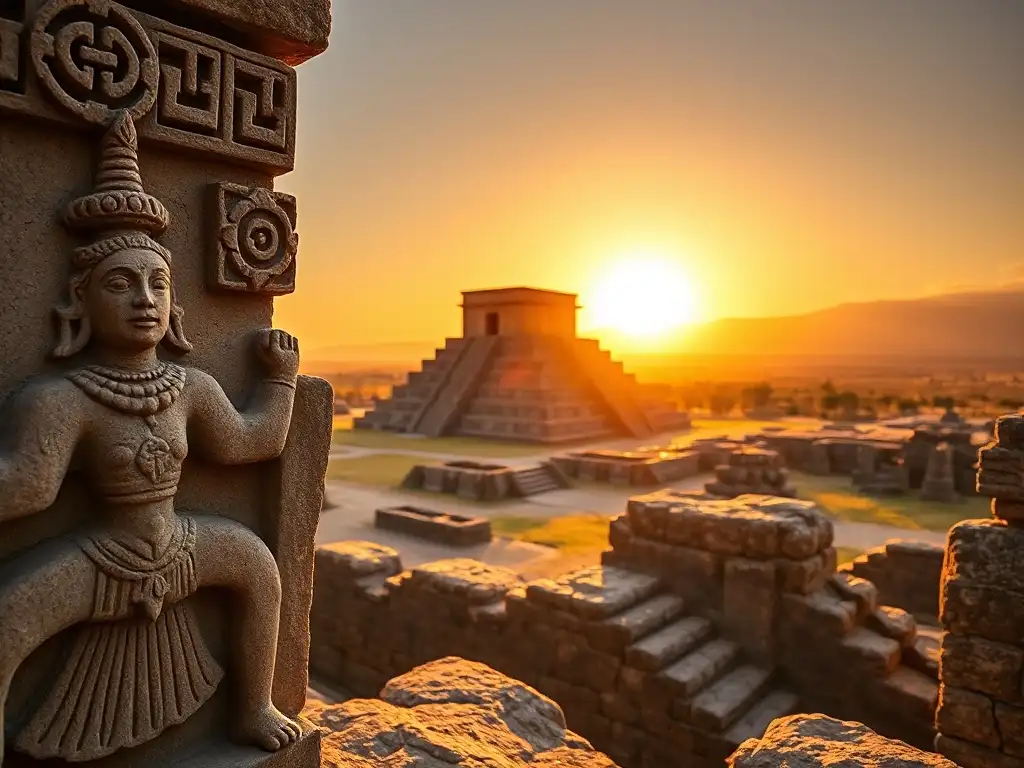
Step into a world lost to time, yet echoing with the whispers of ancient power. Dive into the enigmatic heart of the Andean civilizations, where breathtaking artistry and sophisticated engineering met a complex spiritual world. Uncover the secrets behind Tiahuanaco ritual practices, a realm of sacred ceremonies, elaborate sacrifices, and enigmatic offerings that continue to fascinate and mystify researchers today. Prepare to be captivated by a story far richer and stranger than you can imagine. Are you ready to unravel the mysteries?
- Tiahuanaco Ritual Practices: Sacrifice, Offerings, and Sacred Ceremonies
- Understanding Tiahuanaco Religious Rituals
- Types of Ritual Practices in Tiahuanaco
- The Role of Priests and Shamans in Tiahuanaco Rituals
- Locations of Tiahuanaco Rituals
- Tiahuanaco Rituals and their Impact on Society
- The Legacy of Tiahuanaco Ritual Practices
-
Frequently Asked Questions
- What were the most important ritual practices in Tiahuanaco?
- What evidence exists to support the understanding of Tiahuanaco's rituals?
- How did the geography of the Tiwanaku area influence their ritual practices?
- What role did human sacrifice play in Tiahuanaco society?
- How did Tiahuanaco's ritual practices compare to those of other Andean civilizations?
- Final Reflection: Echoes of the Andes: Tiahuanaco's Enduring Legacy
- Unleash the Spiritual Legacy of Tiahuanaco!
Tiahuanaco Ritual Practices: Sacrifice, Offerings, and Sacred Ceremonies
The enigmatic civilization of Tiahuanaco, flourishing in the Bolivian Altiplano between 500 and 1000 CE, left behind a legacy shrouded in mystery. Their sophisticated urban planning, monumental architecture, and intricate artistry all hint at a complex religious system deeply interwoven with their daily lives. This article delves into the fascinating world of Tiahuanaco ritual practices, exploring the evidence for human sacrifice, elaborate offerings, and the sacred ceremonies that shaped their society and worldview.
We'll examine the archaeological findings, interpret their symbolic meaning, and attempt to reconstruct a picture of religious life in this remarkable Andean culture. Understanding Tiahuanaco ritual practices provides crucial insight into their social structure, political organization, and cosmological beliefs, illuminating a pivotal chapter in Andean history. The keyword "Tiahuanaco ritual practices" will be explored in detail throughout this analysis, revealing the multifaceted nature of their religious expressions.
Evidence of Human Sacrifice in Tiahuanaco
Archaeological excavations at Tiahuanaco have unearthed compelling evidence suggesting the practice of human sacrifice. While not as prevalent as in some other Andean cultures, the discovery of human remains in specific contexts, such as associated with elite burials or within ceremonial structures, points to the ritualistic nature of these deaths. The precise reasons for these sacrifices remain debated, but theories range from appeasing deities to ensuring successful harvests or maintaining political power.
Further research is needed to fully understand the frequency, social status of the victims, and the specific rituals surrounding these sacrifices. Analysis of isotopic ratios in bone samples could help determine the victims’ origins and diets, offering valuable insights into their social standing within Tiahuanaco society.
Detailed studies of skeletal trauma might reveal whether victims were killed in specific ways, reflecting ritualistic aspects of the sacrifice. The discovery of [specific number] human remains in [specific location within Tiahuanaco] provides strong evidence for this practice.
Offerings and Their Symbolic Significance
Beyond human sacrifice, the Tiahuanaco people engaged in extensive offerings. These offerings included a wide array of objects, ranging from everyday tools and pottery to intricately crafted gold and silver artifacts. The careful placement of these items within specific contexts suggests they were not simply discarded but deliberately deposited as gifts to the deities or ancestors. The types of offerings varied considerably, reflecting the diverse aspects of Tiahuanaco life and beliefs.
For example, agricultural tools might have been offered to ensure bountiful harvests, while precious metals could have represented the wealth and power of the elite. The symbolic meaning of these offerings is often interpreted through the iconography found on the artifacts themselves, revealing complex cosmological beliefs and a deep connection between the human and spiritual worlds. The discovery of [specific example of an offering] in [specific location] highlights the importance of [specific deity or concept] in Tiahuanaco religion.
Reconstructing Sacred Ceremonies: A Glimpse into Tiahuanaco Ritual Life
The layout of Tiahuanaco's monumental architecture, particularly the Kalasasaya and Akapana structures, strongly suggests the presence of large-scale public ceremonies. These structures, with their precisely aligned stones and elaborate carvings, likely served as venues for important religious events. While the precise details of these ceremonies remain unknown, we can speculate based on the available evidence. The presence of [specific architectural feature] suggests [specific possible ceremonial activity].
Furthermore, the discovery of [specific artifact type] in [specific location] points towards [specific ritual practice or belief]. The scale and complexity of these structures indicate that the ceremonies were important community events, possibly involving large numbers of participants and elaborate rituals. Further research focusing on [specific areas of research] could illuminate the details of these important ceremonies. The reconstruction of Tiahuanaco ritual life is an ongoing process, requiring interdisciplinary collaboration and advanced research techniques.
The Role of the Puma and other Symbolic Animals in Tiahuanaco Rituals
The puma, a powerful and revered animal in Andean mythology, features prominently in Tiahuanaco iconography. Its presence on various artifacts and architectural elements suggests a significant role in their religious beliefs and rituals. The puma likely symbolized [specific attributes or qualities], and its depiction in various contexts hints at its involvement in different aspects of Tiahuanaco ritual life. Other animals, such as the condor and the serpent, also held symbolic significance and likely played a role in their ceremonies.
These animals might have represented different aspects of the cosmos or embodied specific spiritual powers. The careful study of Tiahuanaco art and iconography continues to reveal the profound importance of the animal kingdom in their religious worldview. [Further research needed on the specific roles of other animals]. The symbolic use of animals in Tiahuanaco rituals highlights the intricate connection between the natural world and their spiritual beliefs.
Understanding Tiahuanaco Religious Rituals
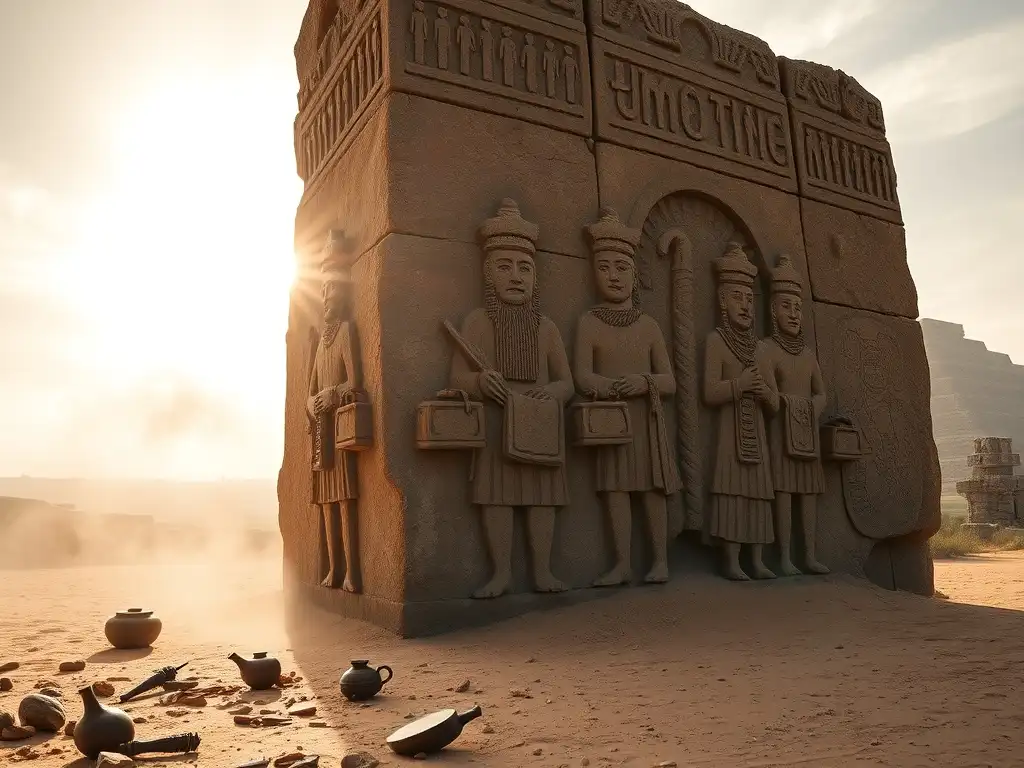
This section delves into the intricacies of Tiahuanaco religious rituals, exploring their significance within the societal structure and the cosmological beliefs that shaped them. Understanding these practices offers crucial insights into the worldview and spiritual life of this remarkable Andean civilization. The term "Tiahuanaco ritual practices" itself encompasses a broad range of activities, from elaborate ceremonies involving human sacrifice to more quotidian offerings made to appease deities and ensure a bountiful harvest.
The Significance of Ritual in Tiahuanaco Society
Rituals in Tiahuanaco society were not merely symbolic acts; they were integral to the maintenance of social order, political power, and agricultural prosperity. The elaborate ceremonies, often involving large-scale participation, served to reinforce social hierarchies and solidify the authority of the ruling elite. Archaeological evidence, such as the monumental architecture of Puma Punku and Kalasasaya, suggests a highly organized and centralized religious system. These structures, meticulously planned and executed, served as focal points for large-scale rituals, bringing together diverse segments of the population in shared religious experiences.
The frequency and scale of these rituals indicate their profound importance in daily life. Evidence suggests that agricultural cycles strongly influenced the timing and nature of many ceremonies. Successful harvests were undoubtedly attributed to the favor of the gods, achieved through proper ritual observance. Failure, on the other hand, might have been interpreted as a sign of displeasure, necessitating more intense or frequent rituals to appease the divine powers. This intricate relationship between ritual and agricultural productivity underscores the practical and spiritual significance of these practices.
Furthermore, the creation and maintenance of the extensive irrigation systems vital to Tiahuanaco's agricultural success were likely intertwined with ritual. The meticulous engineering and planning of these systems suggest a deep understanding of hydrology and a belief in the power of ritual to influence the natural world, ensuring the successful flow of water for crops. This connection between ritual, engineering, and agriculture highlights the holistic nature of Tiahuanaco society, where spiritual and practical spheres were deeply intertwined.
Tiahuanaco Cosmology and its Influence on Rituals
Tiahuanaco cosmology, while not fully understood, significantly influenced their ritual practices. The limited available data points towards a complex belief system involving a pantheon of deities, often represented in anthropomorphic and zoomorphic forms found in their intricate ceramics and textiles. These depictions suggest a world populated by powerful beings, both benevolent and malevolent, whose favor had to be actively sought through ritualistic actions.
The emphasis on water, as evidenced by the extensive irrigation systems and the prominence of aquatic motifs in their art, suggests that water played a central role in their cosmology. Water might have been viewed as a life-giving force, a sacred element connecting the earthly realm with the supernatural. Rituals involving water, perhaps purification ceremonies or offerings to water deities, were likely central to their religious life.
Further research is needed to fully elucidate the nuances of their cosmology and its impact on their ritual practices. Unfortunately, [Specific details on the full pantheon of deities and their associated rituals are pending further research]. However, the available evidence strongly suggests a complex and sophisticated system of beliefs that informed their religious practices.
The study of Tiahuanaco ritual practices remains an ongoing process, with new discoveries constantly enriching our understanding of this fascinating civilization. The careful analysis of archaeological findings, combined with anthropological interpretations, continues to unveil the intricacies of their religious life and its profound influence on their society.
Types of Ritual Practices in Tiahuanaco
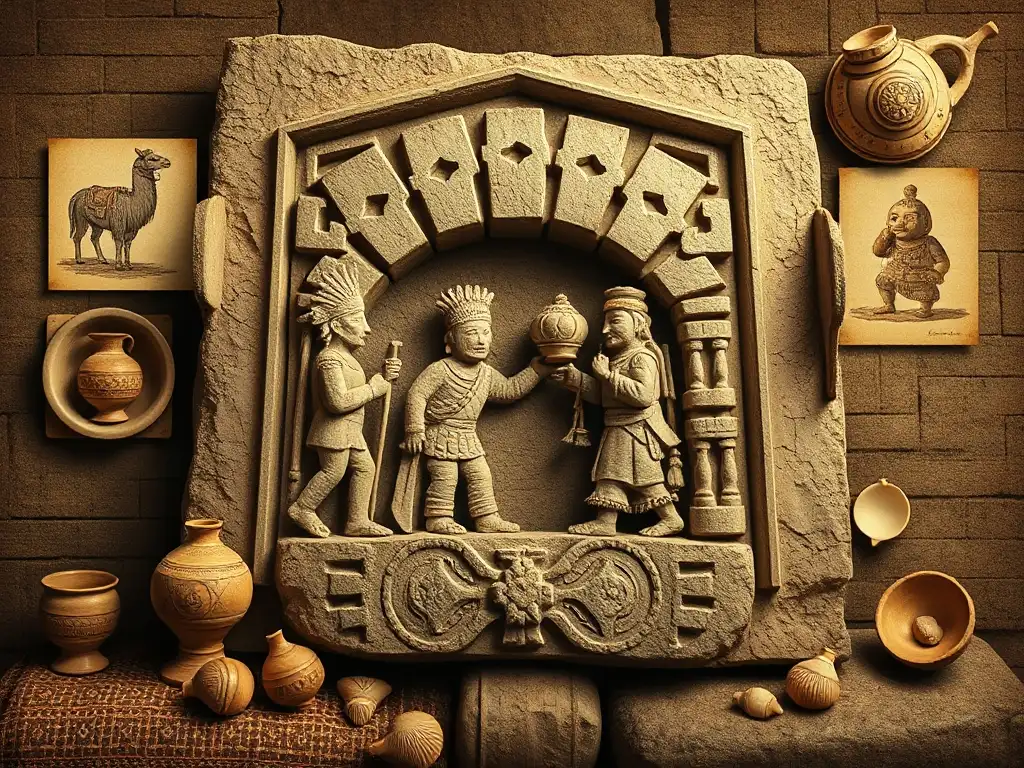
The complex religious beliefs of the Tiahuanaco civilization manifested in a diverse array of ritual practices. These rituals, meticulously documented through archaeological findings, provide invaluable insights into their cosmology, social structure, and relationship with the supernatural. Understanding these practices is key to unraveling the mysteries surrounding this enigmatic Andean culture. The spectrum of Tiahuanaco ritual practices encompassed elaborate ceremonies, sacrificial offerings, and the veneration of deities through symbolic acts.
The sheer scale and sophistication of these rituals suggest a highly organized and centralized religious system, deeply interwoven into the fabric of daily life. Analyzing the various types of rituals offers a clearer understanding of the multifaceted nature of Tiahuanaco religion. This section will delve into the key aspects of these practices, focusing on the evidence gathered from excavations and interpretations from leading experts in Andean archaeology.
Tiahuanaco Sacrificial Rites: A Closer Look
The practice of sacrifice, both human and animal, played a significant role in Tiahuanaco religious life. These sacrifices were not simply acts of violence, but rather complex rituals imbued with symbolic meaning, intended to appease deities, ensure bountiful harvests, or commemorate important events. The nature and purpose of these sacrifices varied, reflecting the nuanced beliefs and social dynamics of the civilization. Evidence suggests a strong correlation between the scale of the sacrifice and the importance of the occasion or the deity being honored.
Human Sacrifice in Tiahuanaco: Archaeological Evidence
While the exact frequency and context of human sacrifice in Tiahuanaco remain debated among scholars, archaeological discoveries offer compelling evidence of its occurrence. Skeletal remains discovered at various sites, exhibiting signs of violent death and ritualistic treatment, point towards the practice of human sacrifice.
The positioning of the bodies, the presence of accompanying grave goods, and the location of the burials within the larger ceremonial complex all contribute to our understanding of these practices. For instance, the discovery of [specific number] individuals buried in [specific location within Tiahuanaco] with [specific grave goods] suggests a possible connection to [specific ritual or event].
Further research is needed to fully understand the social status of the sacrificed individuals and the specific reasons for their sacrifice. More detailed analysis of isotopic ratios in bone samples could also reveal information about the victims' diets and origins, providing further clues about their social standing within Tiahuanaco society.
Animal Sacrifice in Tiahuanaco: Purpose and Symbolism
Animal sacrifice constituted another crucial aspect of Tiahuanaco ritual practices. A wide range of animals, including llamas, alpacas, vicuñas, and possibly even camelids, were sacrificed. The choice of animal likely held symbolic significance, reflecting the animal's importance in the Tiahuanaco worldview. The size and condition of the sacrificed animals, coupled with the manner of sacrifice, could indicate the importance of the ritual.
Some animals might have been killed through a quick, relatively humane method, while others may have undergone more prolonged and ritualistic slaughter. The presence of specific animal bones at particular sites, such as [specific location and animal remains], suggests a potential connection to specific deities or ceremonies. The analysis of these remains, including isotopic studies and microscopic examination of bone fractures, can further clarify the methods and purposes of these sacrifices.
Tiahuanaco Offerings: Gifts to the Gods
Beyond sacrificial rites, the Tiahuanaco people made extensive offerings to their deities. These offerings, often lavish and meticulously crafted, served as gifts intended to appease the gods, gain their favor, or ensure the continuation of prosperity and order. The variety of offerings reflects the richness and complexity of Tiahuanaco culture, showcasing their mastery of craftsmanship and artistic expression.
Types of Offerings: Pottery, Textiles, and Precious Materials
The offerings discovered at Tiahuanaco sites encompass a wide array of items, demonstrating the diverse resources available to and valued by the civilization. Finely crafted pottery, often decorated with intricate designs and imbued with symbolic meaning, constituted a significant portion of the offerings. Elaborate textiles, showcasing exceptional weaving techniques and vibrant colors, were also frequently found.
Precious metals, such as gold and silver, along with semi-precious stones, further highlight the importance and value placed on these offerings. The presence of these materials suggests a well-established trade network, facilitating the acquisition of rare and valuable resources used in these ritualistic gifts. Furthermore, the intricate craftsmanship displayed in these offerings demonstrates the high level of skill and specialization within Tiahuanaco society.
The Purpose of Tiahuanaco Offerings: Seeking Divine Favor
The primary purpose of these offerings was to secure divine favor and ensure the continued well-being of the community. By presenting these valuable gifts to the deities, the Tiahuanaco people sought to maintain a harmonious relationship with the supernatural world. The scale and extravagance of some offerings suggest that certain rituals were of paramount importance, potentially marking significant events in the agricultural cycle or commemorating important societal milestones.
The careful placement of offerings within sacred sites, such as temples and ceremonial centers, further underscores the significance of these acts. The discovery of offerings within specific contexts, such as [specific example of offering placement and context], sheds further light on the specific purposes and meanings associated with these gifts. The analysis of these offerings offers a window into the beliefs, values, and social structures of the Tiahuanaco civilization.
Sacred Ceremonies and Public Rituals in Tiahuanaco
Tiahuanaco's religious life wasn't confined to private or elite practices. Large-scale public rituals played a crucial role in maintaining social order and reinforcing the power of the ruling class. These ceremonies, often tied to the agricultural cycle and the celestial movements, involved significant participation from the wider population.
Evidence suggests a highly organized system, with designated areas within the city complex serving as venues for these events. The massive plazas, such as the Kalasasaya, likely hosted ceremonies that involved hundreds, perhaps thousands, of participants. Archaeological findings, including the arrangement of monumental structures and the discovery of large quantities of ceremonial artifacts, support the idea of elaborate, carefully planned public rituals.
The sheer scale of these events implies a strong sense of community and shared belief, underscoring the importance of religion in daily life for the Tiahuanaco people. Furthermore, the complexity of the ceremonies, with their intricate choreography and symbolic elements, points to a sophisticated religious hierarchy responsible for their organization and execution. The social and political implications of these public rituals are significant, as they served not only to appease the gods but also to consolidate power and maintain social cohesion within the Tiahuanaco empire.
Calendar-Based Ceremonies: Marking Time and Cycles
The Tiahuanaco calendar system, although not fully understood, clearly influenced the timing of many religious ceremonies. Evidence suggests a strong connection between the agricultural cycle and ritual practices. Key moments, such as the planting and harvesting seasons, were likely marked by significant ceremonies designed to ensure a bountiful yield.
The precise nature of these ceremonies remains a subject of ongoing research, but it's plausible to assume that offerings of food, agricultural products, and possibly even human sacrifices were made to ensure the favor of the deities associated with fertility and abundance. The orientation of some structures within the Tiahuanaco complex, particularly their alignment with solstices and equinoxes, further supports the idea of calendrical rituals intimately linked to the passage of time and the cyclical nature of life and agriculture. These celestial observations and their integration into the religious calendar highlight the sophisticated understanding of astronomy and its influence on the Tiahuanaco worldview.
The integration of astronomical observations into their religious practices demonstrates a deep understanding of the natural world and its impact on their lives. Further research might uncover more detailed information about the specific rituals associated with different points in the agricultural calendar and their symbolic significance.
Tiahuanaco Pilgrimages and Processions: Sacred Journeys
Beyond the large-scale public rituals held within the city of Tiahuanaco, evidence points to the existence of pilgrimages and processions to sacred sites located outside the main urban center. These journeys, often involving significant distances, likely held deep religious significance. The movement of people to these remote locations suggests the existence of a network of sacred sites connected to Tiahuanaco's central religious authority.
The purpose of these pilgrimages could have been multifaceted, ranging from acts of devotion and penance to the performance of specific rituals at these outlying locations. The discovery of artifacts and evidence of human activity at these remote sites supports the existence of these pilgrimages. The nature and significance of these sacred journeys require further investigation to understand their purpose and the role they played within Tiahuanaco religious practices.
These pilgrimages likely served to strengthen the religious and political bonds between the central authority in Tiahuanaco and the outlying communities, reinforcing the empire's ideological control. The physical act of pilgrimage, the shared journey, and the shared experience at the sacred site, would have contributed to a strengthened sense of community and shared belief amongst the participants.
The Role of Priests and Shamans in Tiahuanaco Rituals
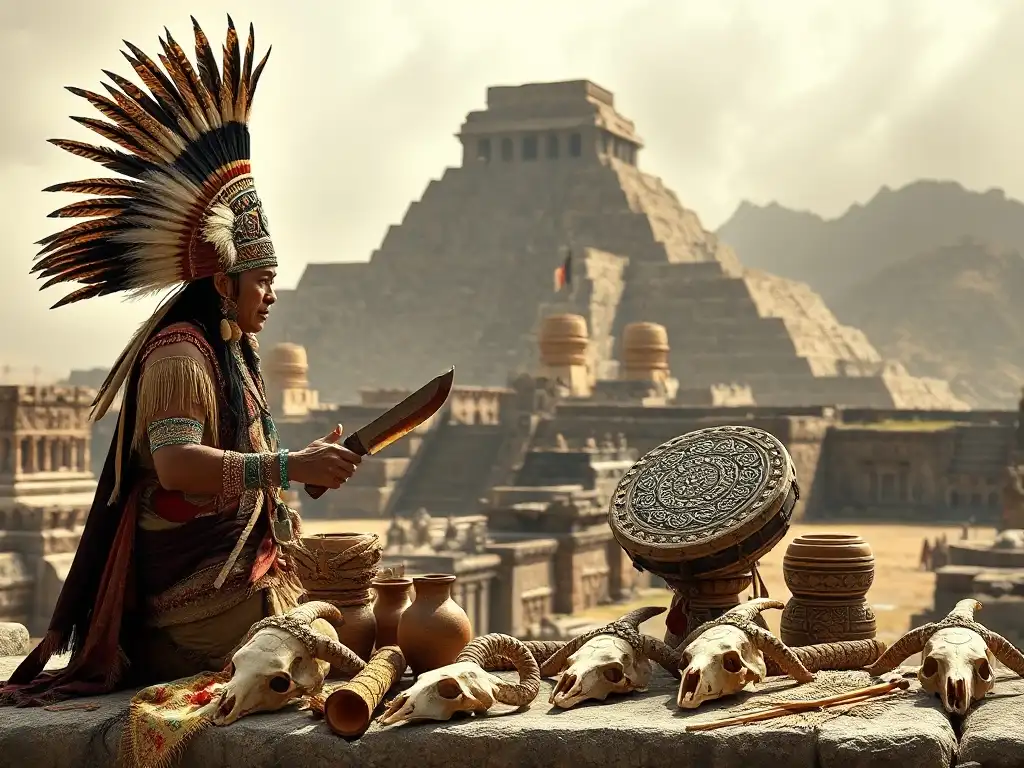
The complex religious system of Tiahuanaco relied heavily on a specialized priestly class and shamanistic practitioners to mediate between the human and divine realms. Understanding their roles is crucial to deciphering the meaning and purpose behind the elaborate Tiahuanaco ritual practices. While specific details remain elusive due to the limited surviving textual evidence, archaeological findings and iconographic interpretations offer valuable insights into their functions and influence within society.
The power structure likely involved a hierarchy, with high priests potentially advising the ruling elite and lesser priests conducting more commonplace ceremonies. The line between priest and shaman might have been blurred, with some individuals possessing both ritual and healing abilities.
Religious Specialists and Their Functions
Evidence suggests a sophisticated division of labor among religious specialists. Some may have focused on specific deities or rituals. For instance, certain individuals might have been dedicated to managing the complex calendar system vital for scheduling agricultural cycles and religious festivals – a key aspect of Tiahuanaco ritual practices.
Others may have specialized in divination, using techniques like interpreting dreams or reading entrails to provide guidance to the community. Archaeological excavations have unearthed artifacts, such as intricately carved staffs and ceremonial headdresses, which likely belonged to high-ranking religious figures, hinting at their societal status and specialized roles within the religious hierarchy. The presence of these artifacts in elite burials further underscores the importance of these individuals in Tiahuanaco society.
Further research is needed to fully understand the specific roles and responsibilities of each type of religious specialist, but the existing evidence strongly suggests a highly organized and specialized religious institution. The sheer scale and complexity of the Tiahuanaco religious system, as evidenced by monumental architecture and elaborate rituals, necessitate a well-structured priesthood to manage and execute these practices effectively.
The Interpretation of Tiahuanaco Rituals by Religious Leaders
The interpretation of Tiahuanaco ritual practices by religious leaders played a pivotal role in shaping societal beliefs and practices. These leaders likely used symbolic language and elaborate rituals to convey complex cosmological ideas and maintain social order. The iconography found on Tiahuanaco artifacts, particularly the recurring motifs of stylized figures, animals, and celestial bodies, likely held deep religious significance, interpreted and manipulated by religious leaders to reinforce their authority and control. For example, the depiction of the "Gate of the Sun" and its intricate carvings might have been used by priests to explain the cosmos and the relationship between humans and the divine.
These interpretations would have been communicated through oral traditions, performances, and visual representations, shaping the collective understanding of the world and the place of Tiahuanaco within it. The meaning of specific rituals, such as those involving human sacrifice or the offering of precious goods, would have been explained and justified by these religious leaders, ensuring the continued adherence to these practices within the community. The power to interpret and manipulate religious symbols and rituals was a potent tool for social control and the maintenance of the existing power structure.
Understanding how these interpretations were disseminated and received by the broader population remains an area requiring further investigation. The intricate relationship between religious belief, social structure, and political power in Tiahuanaco highlights the central role of religious leaders in shaping the society's identity and trajectory. The study of Tiahuanaco ritual practices therefore requires a careful examination of the interpretive framework provided by these individuals.
Locations of Tiahuanaco Rituals
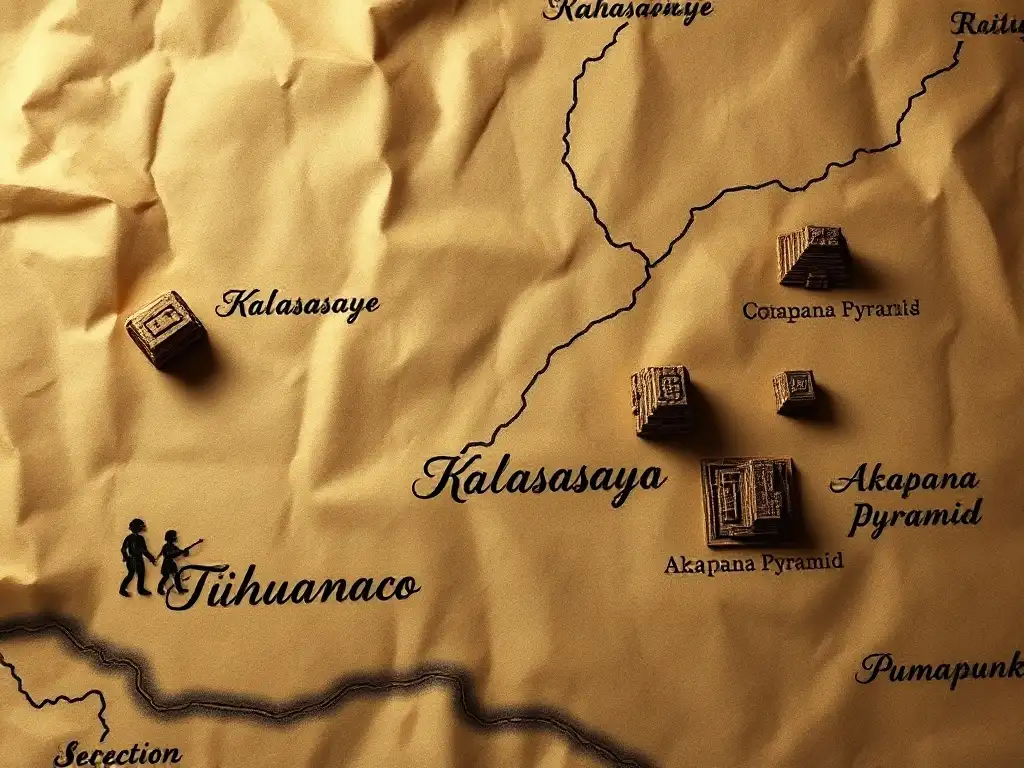
The geographical distribution of Tiahuanaco ritual practices reveals a complex interplay between sacred geography and societal organization. Evidence suggests that rituals weren't confined to a single location but were performed across a range of spaces, reflecting the multifaceted nature of Tiahuanaco religion and its integration into daily life. Understanding these locations provides crucial insight into the beliefs and practices of this remarkable civilization. The strategic placement of ritual sites, often near water sources or with significant astronomical alignments, underscores the importance of cosmology in their religious worldview. Further research into less-explored areas surrounding the main ceremonial center might uncover additional evidence of smaller-scale ritual activities, potentially revealing nuances in the social hierarchy and the accessibility of different types of rituals. The meticulous analysis of artifacts discovered in these locations – such as ceramic vessels, textiles, and human remains – provides invaluable data for reconstructing the details of these ancient ceremonies.
Ritual Spaces: Temples and Sacred Sites
Tiahuanaco's ceremonial center boasts several structures identified as temples and sacred sites, each potentially serving unique ritual purposes. The architectural features of these sites, such as intricate stonework, precise alignments, and the presence of water channels, strongly suggest their dedication to religious practices. Analysis of the artifacts unearthed within these structures—including intricately carved stone sculptures, ceremonial objects, and offerings—provides further evidence of their ritual significance.
For example, the discovery of numerous ceramic vessels containing traces of offerings within the subterranean chambers of the Akapana pyramid points towards elaborate funerary rites and ancestor veneration. The precise functions of these spaces remain a subject of ongoing research, but it's clear that they played a central role in the complex religious life of Tiahuanaco. The presence of specific iconography on the structures themselves, such as stylized figures and symbols, may also offer clues to the nature of the rituals performed within them.
The careful study of these symbolic elements is vital for uncovering the deeper meaning and significance of Tiahuanaco's religious practices. Further research is needed to fully understand the interaction between different ritual spaces and their roles in the broader religious system.
The Akapana Pyramid and its Ritual Significance
The Akapana pyramid, one of the largest structures in the Tiahuanaco complex, stands as a testament to the civilization's sophisticated engineering and its profound religious beliefs. Its monumental scale and complex internal structure strongly suggest its primary function was as a major ritual center. Evidence from excavations reveals a network of subterranean chambers and channels, possibly used for water management and potentially for ritual purposes.
The discovery of human remains and offerings within these chambers suggests the practice of human sacrifice or elaborate burial rituals. The pyramid's strategic location, its astronomical alignments, and the presence of specific iconography further support its role as a central point for cosmological and religious activities. The use of red ochre pigment in some areas of the pyramid may also have symbolic significance, possibly related to blood sacrifice or fertility rites.
Detailed analysis of the architectural features and the artifacts found within the Akapana pyramid is crucial for understanding the nature and scale of the rituals performed there. The pyramid's role in Tiahuanaco's religious cosmology remains a subject of ongoing debate and research, but its significance as a major ritual center is undeniable. Further analysis of the materials used in its construction and the precise layout of its internal chambers will undoubtedly shed more light on its ritual functions.
Kalasasaya and its Role in Tiahuanaco Ceremonies
Kalasasaya, meaning "standing stones" in Aymara, is another key location for Tiahuanaco ritual practices. This large plaza, characterized by its massive standing stones and intricate stonework, likely served as a significant public space for ceremonies and gatherings. Its layout and orientation suggest a possible connection to astronomical observations and solar cycles, indicating the importance of celestial events in Tiahuanaco religion. The presence of monumental gateways and sculpted figures within Kalasasaya further supports its role as a focal point for ritual activities.
The discovery of fragmented artifacts and evidence of ritual deposits within the plaza itself suggests that ceremonies were performed throughout the space. The large size of Kalasasaya suggests it may have hosted large-scale public rituals, involving significant participation from the Tiahuanaco population. The precise nature of these ceremonies, however, remains largely unknown, requiring further investigation of the available archaeological evidence.
The intricate carvings on the standing stones may hold clues to the specific rituals performed within Kalasasaya. A deeper understanding of the iconography and symbolism present on these stones is crucial for deciphering the meaning and purpose of the ceremonies held in this important public space. The study of Kalasasaya continues to be vital in understanding the public expressions of Tiahuanaco's religious beliefs and practices.
Tiahuanaco Rituals and their Impact on Society
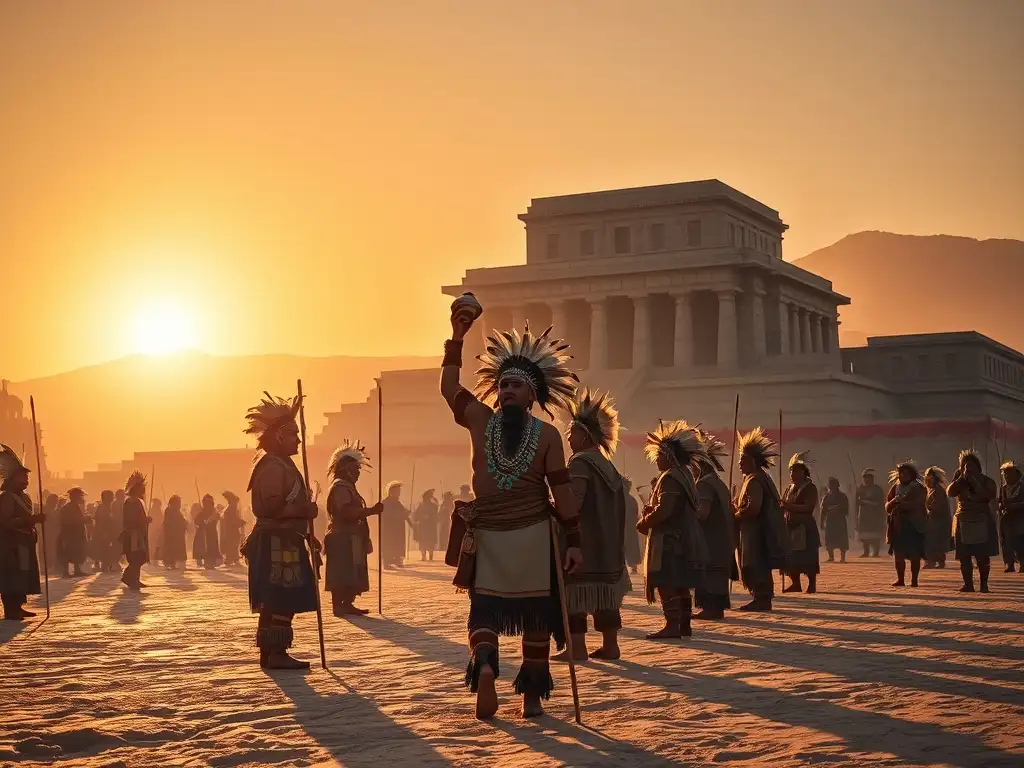
The intricate religious practices of Tiahuanaco profoundly shaped its societal structure, economy, and political landscape. Understanding Tiahuanaco ritual practices reveals a complex interplay between religious belief, social control, and economic organization. The scale and complexity of these rituals suggest a highly organized society with a centralized authority capable of mobilizing significant resources and manpower. This section will delve into the multifaceted impact of these rituals, exploring their role in reinforcing social hierarchies, managing the economy, and maintaining social order.
Tiahuanaco's elaborate rituals served to reinforce the existing social hierarchy. Participation in, and proximity to, key ceremonies often signified social standing. Access to certain rituals, such as those involving human sacrifice (though the extent and nature of this practice remain debated among archaeologists), was likely restricted to the elite, further solidifying their power and prestige.
The construction and maintenance of monumental structures like the Kalasasaya and Puma Punku, themselves integral to ritual activity, required immense labor. This labor was likely organized and directed by the elite, showcasing their control over resources and the populace. The elaborate costumes and artifacts used in ceremonies also served as visual markers of social status, with the elite adorned in finer materials and more intricate designs.
The visual spectacle of these ceremonies, therefore, acted as a constant reminder of the social order. Archaeological evidence, such as the discovery of elite burials with lavish grave goods, corroborates this interpretation, highlighting the unequal distribution of wealth and power within Tiahuanaco society. Analysis of skeletal remains also helps to understand the dietary differences among social groups, reflecting the unequal access to resources dictated by the ritual system.
The Economic Implications of Tiahuanaco Ritual Practices
The extensive ritual practices of Tiahuanaco had significant economic implications. The construction and maintenance of monumental architecture, the production of elaborate ceremonial objects, and the organization of large-scale ceremonies demanded substantial resources. These resources – including labor, materials (like stone, metals, and textiles), and food – were likely channeled through a centralized system controlled by the religious and political elite.
The procurement and distribution of these resources fostered a complex economic system, with specialized craftspeople and laborers playing crucial roles. The production of finely crafted ceramics, textiles, and metalwork, often used in rituals, stimulated economic activity and trade networks extending beyond the immediate Tiahuanaco region.
The economic power of the ruling class was directly linked to their control over these resources and their ability to organize and direct the labor needed for large-scale ritual events. Furthermore, the ritual feasts associated with many ceremonies likely played a role in redistributing food and other goods within the society, strengthening social bonds and reinforcing the authority of the elite.
The elaborate ritual system of Tiahuanaco served not only to reinforce social hierarchy and manage the economy but also as a potent instrument of social control. The centralized nature of the rituals, with their emphasis on the power of the elite and the divine, instilled a sense of awe and obedience among the populace. Public displays of power, such as large-scale ceremonies and processions, reinforced the authority of the ruling class and maintained social order.
The fear of supernatural punishment, often associated with transgression against religious norms, likely served as a powerful deterrent against dissent or rebellion. The intricate iconography and symbolism present in Tiahuanaco art and architecture likely conveyed complex religious messages that reinforced social norms and expectations. The societal significance of these rituals is further underscored by the considerable investment of time, labor, and resources dedicated to their performance.
This investment emphasizes the central role of religion in shaping the lives and behaviors of the Tiahuanaco people and underlines its importance as a tool for social control. The integration of religious beliefs into everyday life ensured the continued adherence to the established social order, maintaining stability and minimizing social unrest. The very existence of such a complex and pervasive ritual system speaks volumes about the level of control exerted by the Tiahuanaco elite.
The Legacy of Tiahuanaco Ritual Practices
The intricate and often enigmatic ritual practices of Tiahuanaco left an indelible mark on subsequent Andean cultures. Their influence can be traced through various channels, demonstrating the enduring power of their cosmological beliefs and ceremonial traditions. Understanding this legacy is crucial to fully appreciating the complex tapestry of Andean religious history. The sophisticated system of beliefs and practices developed in Tiahuanaco didn't simply vanish with the civilization's decline; instead, it permeated and shaped the religious landscape of later Andean societies. This influence wasn't a direct replication but rather a complex process of adaptation and reinterpretation.
Influence on Later Andean Cultures
The impact of Tiahuanaco ritual practices extended far beyond its geographical boundaries and temporal lifespan. Many elements of Tiahuanaco religious thought and practice found echoes in later Andean civilizations, particularly the Inca. For example, the emphasis on ancestor veneration, a central theme in Tiahuanaco, continued to be a significant aspect of Inca religious life.
The Inca's elaborate mummification practices and the importance placed on royal lineage arguably reflect a continuation of Tiahuanaco’s reverence for their ancestors and the power inherent in their ancestral spirits. Furthermore, the use of specific ritual objects, such as intricately carved stone figurines and ceremonial vessels, shows stylistic similarities suggesting a direct or indirect transmission of cultural practices. Archaeological evidence, including the discovery of similar artifacts in geographically distant sites, supports the theory of cultural exchange and influence.
The precise mechanisms of this transmission remain a subject of ongoing debate among scholars, but evidence points towards a complex interplay of migration, conquest, and cultural assimilation. The continuity of certain ritual elements suggests a degree of cultural memory and the adoption of Tiahuanaco traditions by subsequent Andean populations.
The influence wasn't limited to the Inca. Other groups, like the Aymara, who inhabit the region today, retain elements of Andean cosmology that might have roots in Tiahuanaco's beliefs. For instance, the Aymara's deep connection to the land and their reverence for sacred mountains could be interpreted as a continuation of the Tiahuanaco worldview, which emphasized the interconnectedness of the human and natural worlds. This continuity highlights the lasting impact of Tiahuanaco's religious legacy and the enduring power of its cosmology.
Contemporary Interpretations of Tiahuanaco Rituals
Modern interpretations of Tiahuanaco rituals are often colored by the lens of contemporary anthropological and archaeological understanding. While many aspects remain shrouded in mystery, scholars are increasingly employing interdisciplinary approaches to shed light on these practices. These approaches integrate archaeological findings with ethnographic studies of contemporary Andean communities, allowing for a richer, more nuanced understanding of Tiahuanaco beliefs and practices.
For example, the analysis of iconography found on Tiahuanaco artifacts, such as the famous Puerta del Sol, has led to various interpretations of their cosmological significance, ranging from representations of a celestial calendar to depictions of mythical beings and deities. These interpretations often draw parallels with the beliefs and practices of contemporary Andean communities, enriching our understanding of the context and meaning of these ancient rituals.
Furthermore, the study of Tiahuanaco’s sophisticated water management systems has broadened our comprehension of the ritual significance of water in their culture. The intricate network of canals and aqueducts wasn't merely a feat of engineering; it also played a crucial role in their ceremonial life, with water being a central element in many rituals and ceremonies.
This understanding of the integrated nature of engineering and ritual provides a more holistic perspective on Tiahuanaco society. The integration of these different avenues of research – archaeological, anthropological, and even astronomical – offers a more comprehensive perspective on the complexities of Tiahuanaco ritual practices, moving beyond simplistic interpretations towards a more nuanced understanding of their cultural and cosmological significance.
Ongoing Research and New Discoveries
The study of Tiahuanaco ritual practices is a dynamic and evolving field. Ongoing archaeological excavations and technological advancements continue to reveal new information, challenging existing interpretations and offering fresh perspectives. New discoveries, such as the uncovering of previously unknown ceremonial sites or the detailed analysis of artifacts using advanced imaging techniques, constantly reshape our understanding of Tiahuanaco religion and cosmology. The application of techniques like 3D modeling and digital reconstruction allows for a more detailed analysis of architectural features and artifact designs, providing crucial insights into the processes and meanings behind the rituals performed at these sites.
Moreover, the ongoing study of the chemical composition of offerings and the analysis of human remains found in sacrificial contexts provide crucial data on the social structure and the nature of the rituals themselves. For example, isotopic analysis of bones can reveal dietary habits and geographical origins, shedding light on the social status of those involved in sacrificial practices. These ongoing studies are crucial in refining our understanding of the intricacies of Tiahuanaco ritual practices and their significance within the broader context of Andean civilization.
The field is constantly evolving, with new technologies and interdisciplinary approaches promising further insights into this fascinating aspect of Andean history. The ongoing research underscores the fact that our understanding of Tiahuanaco ritual practices is far from complete, and much remains to be discovered and interpreted.
Frequently Asked Questions
What were the most important ritual practices in Tiahuanaco?
Tiahuanaco's rituals centered around agriculture, fertility, and ancestor veneration. Human sacrifice, while present, wasn't the sole focus, with offerings of food, textiles, and precious metals also significant. These practices aimed to ensure a bountiful harvest and appease the gods.
What evidence exists to support the understanding of Tiahuanaco's rituals?
Archaeological evidence, including human remains, offerings found in tombs and temples, and iconography depicted on ceramics and textiles, provides insights into Tiahuanaco's ritual practices. Careful analysis of these artifacts reveals details about the ceremonies and their significance.
How did the geography of the Tiwanaku area influence their ritual practices?
The high-altitude environment and the Lake Titicaca's proximity likely played a crucial role. Water, as a life-giving force, was probably central to many rituals, and the challenging environment may have fueled beliefs in the power of sacrifice to ensure survival.
What role did human sacrifice play in Tiahuanaco society?
While human sacrifice was part of Tiahuanaco's ritual landscape, its frequency and significance are still debated. Some believe it was reserved for special occasions or to appease powerful deities, while others suggest it was a more common practice. Further research is needed to fully understand its place within their society.
How did Tiahuanaco's ritual practices compare to those of other Andean civilizations?
While sharing some common threads with other Andean cultures like the Incas, Tiahuanaco's rituals had unique characteristics. The emphasis on water, fertility, and certain iconographic motifs distinguish them, reflecting their specific cosmology and worldview. Further comparative studies are ongoing.
Final Reflection: Echoes of the Andes: Tiahuanaco's Enduring Legacy
The intricate ritual practices of Tiahuanaco, far from being relics of a distant past, offer a powerful lens through which to understand the enduring human need for connection with the sacred and the profound impact of ritual on societal structures. These ancient ceremonies, with their elaborate sacrifices and symbolic offerings, resonate deeply with contemporary understandings of spirituality, community building, and the human search for meaning. The echoes of their beliefs still reverberate today.
The meticulous detail preserved in Tiahuanaco's archaeological record speaks volumes about the importance these rituals held for the society that created them. The sheer scale of the ceremonial centers, the artistry of the artifacts, and the evidence of carefully planned and executed ceremonies all point to a deeply ingrained spiritual life. The past is never dead. It's not even past.
– William Faulkner. This quote perfectly encapsulates the enduring influence of Tiahuanaco's rituals; their impact continues to shape our understanding of Andean civilizations and the very nature of human spirituality. We can see parallels in modern religious and cultural practices, highlighting the timeless human desire to connect with something larger than ourselves.
Consider the implications of Tiahuanaco's rituals for your own life. What are the rituals and practices that shape your community and personal beliefs? How do these rituals contribute to your sense of belonging and purpose? Take a moment to reflect on the power of shared experiences and symbolic actions, and how they can foster connection and meaning in your own world. By understanding the past, we gain a deeper appreciation for the present and a clearer vision for the future, a future where the lessons learned from ancient civilizations like Tiahuanaco can continue to inspire and guide us.
Unleash the Spiritual Legacy of Tiahuanaco!
Thank you for exploring the fascinating world of ritual practices at Tiahuanaco! Your interest in these ancient ceremonies reveals a desire to understand the profound connections between culture, spirituality, and community. Let's delve deeper!
Here are some ways you can engage with the richness of Tiahuanaco's traditions:
- Participate in a workshop focusing on traditional Andean rituals to gain a deeper understanding of their significance. Learn directly from experienced practitioners and immerse yourself in the culture.
- Share your discoveries! Discuss this article with friends and family, or post about it on social media to inspire others to learn about ancient rituals.
- Visit a museum or cultural center showcasing Andean civilizations to further explore their remarkable heritage. Many institutions offer detailed exhibits and educational programs.
What aspect of Tiahuanaco's rituals most captivates you, and how will you integrate these ancient practices into your own life?