
The Calendar System of Tiahuanaco: Tracking Time and Cosmic Cycles

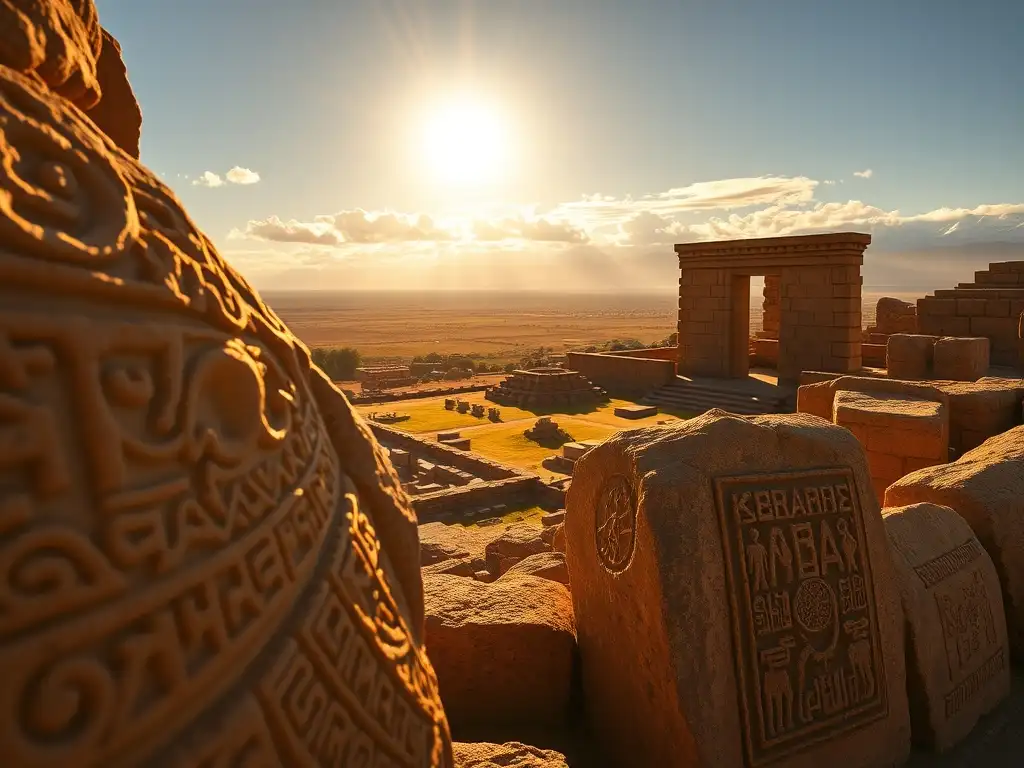
Unravel the mysteries of a lost world! Dive into the enigmatic Andean civilizations and discover a legacy far beyond Inca dominance. What secrets does the Tiahuanaco calendar system hold, a celestial masterpiece that tracked time and cosmic cycles with unparalleled precision? Journey with us to uncover the astonishing ingenuity of this ancient civilization and its profound connection to the cosmos. Prepare to be amazed.
- The Tiahuanaco Calendar System: Tracking Time and Cosmic Cycles
- Understanding the Tiahuanaco Civilization and its Cosmology
- The Fundamentals of the Tiahuanaco Calendar
- Key Elements of the Tiahuanaco Calendar System
- Tiahuanaco Calendar System vs. Inca Timekeeping
- The Function and Purpose of the Tiahuanaco Calendar
- Legacy of the Tiahuanaco Calendar System
-
Frequently Asked Questions
- What was the Tiahuanaco calendar system, and how did it work?
- How does the Tiahuanaco calendar relate to the Inca calendar?
- What evidence exists to support the existence of a Tiahuanaco calendar?
- Was the Tiahuanaco calendar used for predicting events?
- How does the Tiahuanaco calendar compare to other ancient Andean calendar systems?
- Final Reflection: Unraveling the Enigma of Tiahuanaco's Celestial Clock
- Embrace the Cosmic Wisdom of Tiahuanaco!
The Tiahuanaco Calendar System: Tracking Time and Cosmic Cycles
The Tiahuanaco civilization, flourishing in the Andes from approximately 500 CE to 1000 CE, left behind a complex and fascinating legacy. Beyond their impressive architectural feats like the enigmatic Akapana pyramid, their sophisticated understanding of astronomy and the development of a unique calendar system stand out as testaments to their advanced knowledge.
This article delves into the intricacies of the Tiahuanaco calendar system, exploring its function in tracking time, its connection to cosmic cycles, and its potential relationship with the later Inca civilization, addressing the keyword "Tiahuanaco calendar system Inca" and its variations. We will uncover the evidence suggesting a sophisticated understanding of celestial movements and the integration of this knowledge into their religious and social structures.
Understanding this system provides crucial insights into the worldview and societal organization of this remarkable Andean civilization. The research into this topic is ongoing, and some aspects remain debated among scholars, but we will present the current state of knowledge, highlighting areas of consensus and controversy.
Evidence of a Sophisticated Calendar System
The evidence for a Tiahuanaco calendar system is primarily derived from architectural alignments, astronomical observations recorded in artifacts, and the analysis of iconography found on various structures and objects. Researchers have meticulously documented the precise orientations of structures within the Tiahuanaco complex, suggesting a deliberate alignment with key astronomical events, such as solstices and equinoxes.
For example, the Kalasasaya temple's orientation is believed to have been carefully planned to mark the solstices, allowing for precise observations of the sun's position throughout the year. Furthermore, the intricate carvings and patterns found on numerous artifacts, including ceramics and stone sculptures, may encode calendrical information, though their precise meaning is still subject to ongoing interpretation and debate.
Many scholars believe these patterns are not merely decorative but rather represent complex astronomical calculations and symbolic representations of time cycles. The precise methods used to track time remain a subject of ongoing research, but the evidence strongly suggests that the Tiahuanaco people possessed a highly developed understanding of celestial mechanics.
The Role of Astronomy in Tiahuanaco Society
The Tiahuanaco calendar system was not merely a tool for tracking time; it was deeply interwoven with their religious beliefs and cosmology. Astronomy played a central role in their worldview, with the sun, moon, and stars holding significant religious importance. The precise alignment of structures and the detailed calendrical information encoded in their art suggest that astronomical observations were crucial for religious rituals and agricultural practices.
The timing of agricultural cycles, crucial for their survival, was likely determined through careful observation of celestial events, ensuring optimal planting and harvesting times. Religious ceremonies and festivals were probably synchronized with the movements of celestial bodies, highlighting the close relationship between their calendar system, their religious practices, and their practical needs. The integration of astronomy and religion underscores the profound influence of the cosmos on Tiahuanaco society.
Connecting Tiahuanaco and Inca Calendrical Systems: Points of Convergence and Divergence
While the exact nature of the relationship between the Tiahuanaco and Inca calendar systems remains a matter of ongoing research and scholarly debate, several points of potential connection exist. Some scholars suggest that the Inca calendar, known for its sophisticated organization and precision, may have been influenced by the earlier Tiahuanaco system. This influence could be seen in shared calendrical concepts or in the adoption of specific astronomical observations.
However, it is important to note significant differences as well. The Inca calendar, for instance, is more extensively documented and understood than its Tiahuanaco predecessor. Further research is needed to definitively establish the extent of any direct influence, but the possibility of a historical connection warrants continued investigation and analysis.
The investigation of potential links between the two systems requires careful comparison of available data and a nuanced understanding of the cultural contexts of both civilizations. The similarities and differences provide a valuable window into the evolution of Andean calendrical systems.
Unanswered Questions and Future Research
Despite significant progress in understanding the Tiahuanaco calendar system, many questions remain unanswered. The precise methods used for astronomical observations, the full meaning of the iconographic representations, and the exact relationship with later Andean cultures, particularly the Inca, require further investigation. Future research should focus on more detailed analysis of archaeological findings, including advanced imaging techniques and interdisciplinary approaches involving astronomy, anthropology, and mathematics.
The application of new technologies and methodologies could provide crucial insights into the intricacies of this remarkable system and further illuminate the sophisticated knowledge and worldview of the Tiahuanaco civilization. The ongoing exploration of this topic promises to yield further exciting discoveries, enriching our understanding of this fascinating ancient culture.
Understanding the Tiahuanaco Civilization and its Cosmology
This section delves into the intricate relationship between the Tiahuanaco civilization and its sophisticated understanding of the cosmos, focusing specifically on how their perception of time shaped their society and religious practices. The Tiahuanaco calendar system, a complex interplay of astronomical observations and religious beliefs, is a key element in understanding this unique culture.
Understanding their cosmology is crucial to interpreting their monumental architecture, intricate artwork, and elaborate rituals. The Tiahuanaco calendar system Inca, while not directly a product of Inca influence, shares some similarities with later Andean calendar systems, highlighting a continuity of astronomical observation and cosmological thought across different Andean cultures.
The Significance of Time in Tiahuanaco Society
Time, for the Tiahuanaco people, wasn't merely a linear progression; it was a cyclical process intrinsically linked to agricultural cycles, astronomical events, and their spiritual beliefs. Their sophisticated understanding of celestial movements, evidenced by the precise alignment of structures like the Kalasasaya complex, suggests a deep engagement with the passage of time and its impact on their lives. The ability to accurately predict agricultural seasons through astronomical observation was essential for their survival, making the calendar system not just a religious tool but a vital component of their socio-economic structure.
Evidence suggests that specific dates within their calendar were associated with important agricultural activities, religious festivals, and potentially even political events. This intricate relationship between timekeeping and various facets of their lives underscores the profound significance of their calendar system within their society.
The precision of their astronomical knowledge, reflected in the architecture and artifacts, points to a highly organized and sophisticated societal structure deeply rooted in a cosmological worldview. Further research is needed to fully understand the nuances of their timekeeping practices and their connection to specific social hierarchies and power structures.
Tiahuanaco's Religious Beliefs and their Connection to the Cosmos
Tiahuanaco religion was deeply intertwined with their understanding of the cosmos. The calendar system wasn't just a method of tracking time; it served as a framework for understanding their place within the universe and their relationship with the divine. Their deities were often associated with celestial bodies and natural phenomena, suggesting a pantheistic or animistic worldview where the spiritual and physical realms were intimately connected.
The calendar likely played a crucial role in rituals and ceremonies, marking significant dates for offerings, sacrifices, and other religious observances. The intricate carvings found on Tiahuanaco artifacts often depict celestial bodies, deities, and symbolic representations that likely relate to specific times or events within their calendar. Archaeological evidence, such as the arrangement of structures and the orientation of monuments, provides further clues about their religious practices and their connection to the cosmos.
The Tiahuanaco calendar system Inca connection, while not definitively established, suggests a possible transmission of cosmological knowledge and religious practices across different Andean cultures. Further analysis of the iconography and the astronomical alignments of Tiahuanaco sites is needed to fully unravel the complexities of their religious beliefs and their relationship with the calendar system. The intricate nature of their religious practices and their profound connection to the cosmos highlight the sophisticated intellectual and spiritual development of the Tiahuanaco civilization.
The Fundamentals of the Tiahuanaco Calendar
The Tiahuanaco calendar system, intricately linked to the broader Andean cosmological worldview, remains a subject of ongoing scholarly debate. While a fully comprehensive understanding eludes us, archaeological evidence and careful analysis of surviving artifacts suggest a sophisticated system for tracking time, deeply intertwined with agricultural cycles, astronomical observations, and religious practices. Unlike the more well-documented Inca calendar, the Tiahuanaco system presents unique challenges due to the fragmentary nature of the available evidence.
However, piecing together the available data allows us to glimpse the ingenuity of this ancient Andean civilization in their approach to timekeeping. The term "Tiahuanaco calendar system Inca" often arises due to the Inca's later influence across the region, but it's crucial to understand the Tiahuanaco system as distinct, with its own unique characteristics predating Inca expansion.
The Solar Year and its Division in the Tiahuanaco Calendar
The Tiahuanaco calendar undoubtedly incorporated the solar year, a fundamental element in agricultural societies across the Andes. Evidence suggests a division of the year into distinct seasons, likely reflecting the agricultural needs of the time. However, the precise number of days in a year, or the specific methods used to mark the solstices and equinoxes, remain uncertain.
Some scholars propose a system based on a 365-day year, similar to other Andean calendars, while others suggest the possibility of a more complex system incorporating intercalary days to account for the fractional part of the year. Further research into the intricate carvings on Tiahuanaco monuments, which may encode calendrical information, is crucial to clarify this aspect. The challenges lie in deciphering the symbolic language used in these carvings, which often combine astronomical, agricultural, and religious motifs.
The lack of extensive written records necessitates a multidisciplinary approach, combining astronomical analysis, anthropological interpretations, and archaeological findings to reconstruct this crucial aspect of Tiahuanaco culture. We need more detailed analysis of [specific monument carvings pending] to fully understand their calendrical implications.
Lunar Cycles and their Role in Tiahuanaco Timekeeping
While the solar year provided a framework for longer-term planning, lunar cycles likely played a more immediate role in Tiahuanaco timekeeping. The phases of the moon were undoubtedly significant for regulating agricultural activities and religious ceremonies. The cyclical nature of the moon, reflecting the rhythms of planting and harvesting, likely held deep symbolic importance, potentially linked to fertility rituals and the broader Andean cosmology. Evidence from other Andean cultures suggests a strong correlation between lunar cycles and social organization, and it's reasonable to assume a similar significance in Tiahuanaco society. The precise methods for tracking lunar cycles, however, are still unclear.
Did they use a lunar calendar alongside the solar calendar? Did they rely on direct observation, or did they employ more sophisticated techniques? These are questions that require further investigation. The discovery of [further archaeological evidence pending] could shed light on these aspects.
The following table illustrates potential correlations between lunar cycles and agricultural activities, based on similar practices in other Andean cultures:
| Lunar Phase | Potential Agricultural Activity | Religious Significance (Speculative) |
|---|---|---|
| New Moon | Planting | Renewal, rebirth |
| First Quarter | Weeding | Growth, progress |
| Full Moon | Harvesting | Abundance, culmination |
| Last Quarter | Preparation for next planting cycle | Reflection, preparation for renewal |
The Importance of Astronomical Observations at Tiahuanaco
The sophisticated nature of the Tiahuanaco calendar system strongly suggests a deep understanding of astronomy. The precise alignment of several structures at Tiahuanaco with celestial events, such as solstices and equinoxes, points to deliberate astronomical observations. These observations were not merely scientific endeavors; they were deeply intertwined with religious beliefs and cosmological understandings.
The positioning of monuments like the Kalasasaya, for example, suggests a careful consideration of the sun's path throughout the year. This suggests a calendar system that went beyond simple tracking of time; it was a tool for understanding the cosmos and the place of humanity within it. The alignment of structures with celestial events reflects a profound understanding of the relationship between the earthly and the heavenly realms, a crucial element in the Andean worldview.
Further research is needed to fully quantify the precision of these alignments and their implications for our understanding of the Tiahuanaco calendar. The precise nature of [astronomical observations and their relationship to the calendar system pending] requires further investigation using modern astronomical techniques.
Key Elements of the Tiahuanaco Calendar System
The Tiahuanaco calendar system, intricately linked to the Inca's later astronomical knowledge, remains a subject of ongoing scholarly debate. However, several key elements consistently emerge in analyses of Tiahuanaco's sophisticated understanding of time and cosmic cycles. This system wasn't merely a method of tracking days and years; it was deeply embedded in their religious beliefs and agricultural practices, reflecting a profound connection between the terrestrial and celestial realms.
Understanding this system requires examining the monumental architecture, intricate carvings, and astronomical alignments found throughout the Tiahuanaco site. The precision evident in these elements suggests a level of astronomical observation and mathematical calculation far surpassing what was previously assumed for this period. This sophisticated system, often referred to as a "Tiahuanaco calendar system Inca" by researchers, highlights the advanced civilization that flourished in the Andean highlands.
The Gate of the Sun and its Calendar Significance
The Gate of the Sun, a monolithic structure standing as a testament to Tiahuanaco's architectural prowess, is considered a central piece in understanding their calendar system. Its massive size and intricate carvings, depicting a variety of figures and symbols, have captivated researchers for centuries. While the precise function of the Gate of the Sun remains uncertain, many scholars believe it served as a crucial element in their calendrical observations.
Its orientation, aligned with specific celestial events, suggests it may have been used to track solstices and equinoxes, marking crucial points in the agricultural calendar. The central figure, often interpreted as a deity, may represent a cosmic force associated with the cyclical nature of time and the agricultural year.
Further research into the precise angles and alignments of the Gate of the Sun relative to the sun's path throughout the year could provide additional insights into its calendrical function. The meticulous craftsmanship involved in its creation further emphasizes the importance placed upon astronomical observation and its integration into their worldview.
The Calendar Glyphs on the Gate of the Sun and their Interpretations
The Gate of the Sun’s surface is adorned with numerous glyphs and figures, many of which are believed to be related to their calendar system. These glyphs, often depicted as stylized figures or geometric patterns, are not fully understood, leading to diverse interpretations among researchers. Some scholars suggest that these glyphs represent constellations, celestial bodies, or specific periods within their calendar. Others believe they encode cosmological myths or represent agricultural cycles. The complexity and density of these carvings make deciphering their meaning a challenging, yet rewarding, undertaking.
For example, the frequently depicted figure of the "condor" is believed by some to represent a specific time period or celestial event, possibly related to the winter solstice. Likewise, the recurring geometric patterns might represent numerical systems or units of time. Detailed analysis of these glyphs, utilizing comparative studies with other Andean iconography and advanced imaging techniques, is crucial for unraveling their meaning and further illuminating the Tiahuanaco calendar system. The potential for new discoveries in this area remains significant.
The Kalasasaya and its Alignment with Celestial Events
The Kalasasaya, another monumental structure at Tiahuanaco, demonstrates a clear connection to astronomical observation. Its precise alignment with celestial events, particularly the solstices and equinoxes, strongly suggests its function as an astronomical observatory. The orientation of the Kalasasaya's walls and the placement of its various structures, including the central monolith, are carefully aligned with the sun's path throughout the year. This suggests that the inhabitants of Tiahuanaco used the Kalasasaya to track the sun's movement and predict the changing seasons, crucial for their agricultural practices.
Researchers have proposed that the Kalasasaya's layout might have served as a giant sundial, with the shadows cast by its structures providing information about the time of year. Furthermore, its position relative to other structures within the site may have allowed for more complex astronomical observations. The meticulous planning and construction involved in creating such a precise alignment underscore the importance of astronomical knowledge within Tiahuanaco society.
The accurate tracking of celestial events was not merely a scientific pursuit but an integral aspect of their religious and social life, closely tied to the Inca legacy that followed. Further research into the Kalasasaya's astronomical alignments and its potential functions could greatly enhance our understanding of the Tiahuanaco calendar system and its role within their broader cosmology.
Tiahuanaco Calendar System vs. Inca Timekeeping
Comparing Tiahuanaco and Inca Calendar Systems
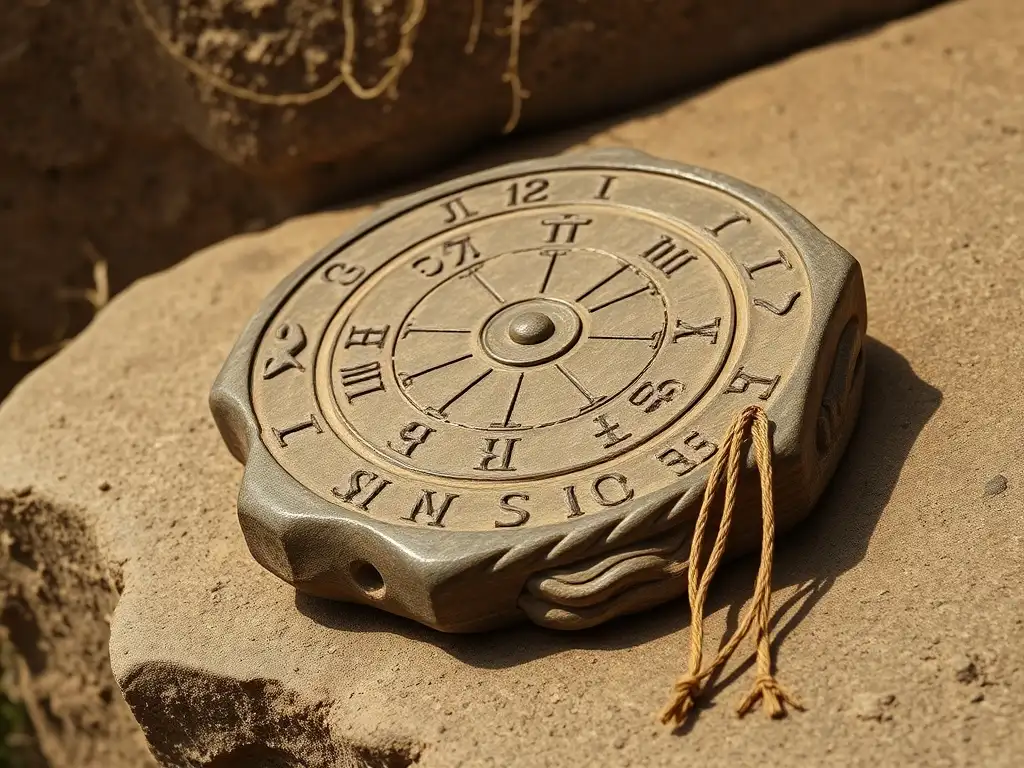
While both the Tiahuanaco and Inca civilizations developed sophisticated calendar systems intricately tied to their respective cosmologies and agricultural practices, significant differences exist in their structures and underlying principles. The Inca calendar, a complex system based on a solar year divided into twelve months, relied heavily on observation of the sun and its movements. This system, while sophisticated, lacked the overt astronomical alignments and complex mathematical underpinnings evident in the Tiahuanaco calendar.
The Tiahuanaco system, on the other hand, incorporated a more nuanced understanding of celestial cycles, integrating solar and lunar observations with a potentially more advanced understanding of precession and other astronomical phenomena. Scholars debate the precise workings of the Tiahuanaco calendar, but its monumental architecture, such as the Kalasasaya, strongly suggests a deep connection to astronomical events and the precise tracking of time over extensive periods.
The precise relationship between the two systems remains a subject of ongoing research, with some theories suggesting possible influences or shared knowledge, but no definitive conclusions have been reached. Further research, particularly detailed analysis of surviving artifacts and astronomical data, is needed to fully understand the intricacies and possible interconnections between these two remarkable systems of timekeeping.
Differences in Calendar Structure and Numerical Systems
A key divergence between the Tiahuanaco and Inca calendar systems lies in their fundamental structure and numerical bases. The Inca calendar, based on a 365-day solar year, utilized a decimal system for counting. This is evidenced in their quipu, a complex system of knotted cords used for recording numerical data.
The Tiahuanaco calendar, however, appears to have incorporated a different numerical base, possibly duodecimal (base-12) or even incorporating a complex interplay of different bases, reflecting a more sophisticated mathematical understanding. This is suggested by the arrangement of architectural elements at sites like Puma Punku, which displays a meticulous attention to geometric patterns and proportions that might reflect a sophisticated understanding of mathematics beyond simple decimal counting. The lack of extensive written records for the Tiahuanaco civilization makes precise reconstruction challenging; however, the architecture itself provides valuable clues to their numerical and calendrical systems.
The interpretation of these architectural elements remains a subject of ongoing scholarly debate, with different researchers proposing various models and interpretations. Further analysis of the precise measurements and geometric relationships within Tiahuanaco structures is vital for clarifying the exact nature of their numerical system and its connection to their calendar.
Similarities in the Importance of Agricultural Cycles
Despite structural differences, both the Inca and Tiahuanaco calendar systems shared a crucial commonality: their profound importance in regulating agricultural practices. The Inca calendar, with its twelve months, directly reflected the agricultural cycle, with each month associated with specific planting, harvesting, and other agricultural tasks. Similarly, evidence suggests that the Tiahuanaco calendar played a vital role in agricultural planning.
The precise alignment of structures with solstices and equinoxes indicates an awareness of seasonal changes and their impact on crop yields. The Tiahuanaco calendar may have allowed for more precise prediction of planting times, possibly allowing for more efficient utilization of limited resources and increased agricultural productivity. The importance of agriculture to both civilizations is undeniable, and their calendar systems served as essential tools for optimizing agricultural production and ensuring the survival and prosperity of their communities.
The interweaving of astronomical observations and agricultural practices highlights the deep connection between cosmology and everyday life in both the Inca and Tiahuanaco societies. Further research could focus on comparing the specific agricultural practices associated with different months in both calendar systems to reveal more detailed similarities and differences in their agricultural strategies.
The Function and Purpose of the Tiahuanaco Calendar
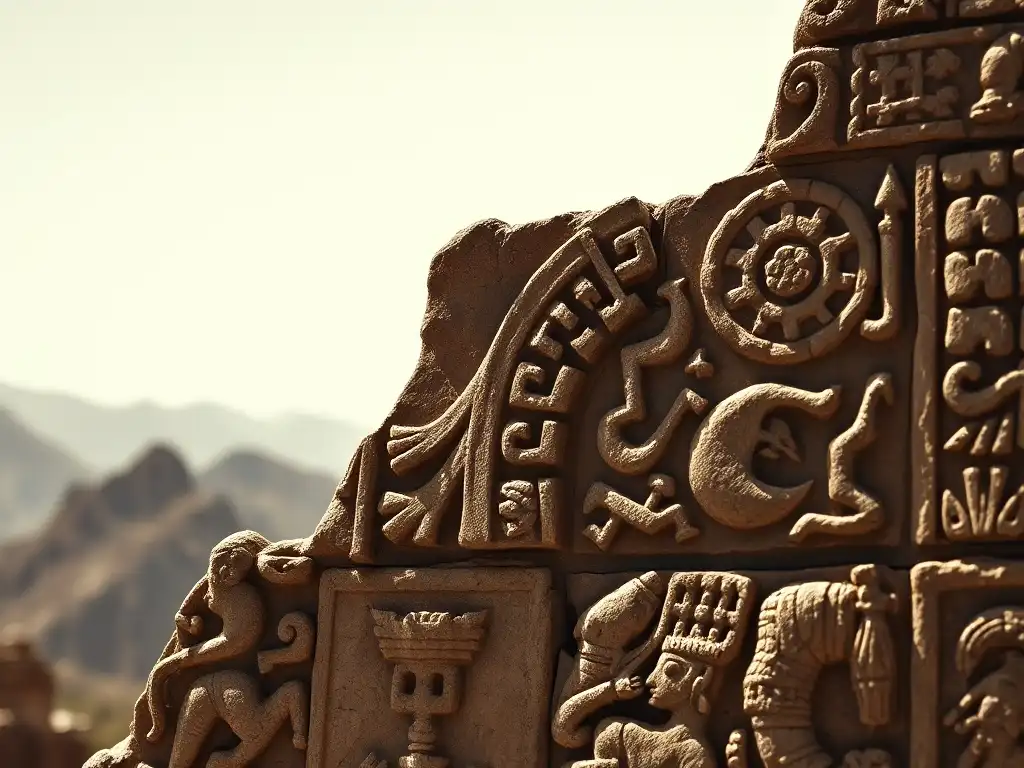
The Tiahuanaco calendar system, intricately linked to the Inca's later advancements, wasn't merely a method of tracking days and years; it was a fundamental aspect of Tiahuanaco society, deeply interwoven with their religious beliefs, agricultural practices, and socio-political structure. Unlike simpler calendar systems, the Tiahuanaco calendar likely incorporated astronomical observations, particularly of the sun and stars, to predict seasonal changes and important celestial events. This sophisticated understanding of cosmic cycles allowed for precise planning and control over various facets of their lives.
While the exact mechanics of the Tiahuanaco calendar remain a subject of ongoing research and debate among scholars, its profound influence on their civilization is undeniable. The system's complexity suggests a highly organized and centralized society capable of advanced astronomical calculations and calendrical management.
This points towards a sophisticated level of social organization and intellectual capacity often overlooked in discussions of pre-Columbian Andean cultures. The precision needed to accurately predict the agricultural cycle, for example, demonstrates a deep understanding of both astronomy and agriculture, highlighting the interconnectedness of these crucial aspects of Tiahuanaco life.
Agricultural Practices Guided by the Tiahuanaco Calendar
The Tiahuanaco calendar was instrumental in guiding agricultural practices. The precise prediction of solstices and equinoxes, crucial for planting and harvesting, was essential for the success of their farming. Evidence suggests that the Tiahuanaco people cultivated a variety of crops, including potatoes, quinoa, and maize, all heavily reliant on the timing of planting and harvesting. The calendar likely allowed for optimized planting schedules, maximizing yields and ensuring food security for the population.
This meticulous planning reflects a sophisticated understanding of agronomy and the environment. Furthermore, the calendar might have aided in predicting potential weather patterns, enabling the Tiahuanaco people to take preventative measures against droughts or floods. The ability to anticipate these events would have been a significant advantage, particularly in a challenging high-altitude environment. This intricate connection between the calendar and agriculture underscores its vital role in the Tiahuanaco's economic prosperity and social stability.
Rituals and Ceremonies Aligned with the Agricultural Cycle
Beyond its practical applications, the Tiahuanaco calendar was deeply intertwined with religious rituals and ceremonies. Many of these ceremonies were directly linked to the agricultural cycle, reflecting a belief system that saw the cosmos and the earth as interconnected. For example, rituals likely took place at solstices and equinoxes, marking the transition between seasons and signifying the renewal of life.
These ceremonial events would have served to reinforce community bonds and reaffirm the Tiahuanaco people's connection to their deities and the natural world. The calendar, therefore, played a crucial role in regulating the religious life of the community.
The precise timing of these rituals, governed by the calendar, suggests a hierarchical structure where religious leaders held significant authority in interpreting celestial events and guiding the community's spiritual practices. Further research into the iconography found in Tiahuanaco ruins might reveal more specific details about the nature of these rituals and their connection to the calendar.
Control over the Tiahuanaco calendar system likely held significant social and political power. Those who possessed the knowledge and ability to interpret the calendar's complexities – perhaps priests or elites – wielded considerable influence over the community. Their ability to predict important events, such as favorable planting times or celestial occurrences, gave them authority and prestige.
This control over information and knowledge would have been a powerful tool for maintaining social order and consolidating political power. The calendar, therefore, acted as a mechanism for reinforcing social hierarchies and maintaining the stability of the Tiahuanaco state. The centralized nature of the calendar system suggests a highly organized and stratified society, with power concentrated in the hands of those who understood and controlled its intricacies.
This aspect of the Tiahuanaco calendar system provides valuable insights into the socio-political dynamics of this fascinating civilization, illustrating how a seemingly simple tool for tracking time could have profound implications for power structures and social organization. Further study of Tiahuanaco architecture and artifacts could shed more light on the social and political ramifications of their advanced calendar system.
Legacy of the Tiahuanaco Calendar System
The Tiahuanaco calendar system, a sophisticated blend of astronomical observation and symbolic representation, didn't disappear with the civilization's decline. Its influence resonates deeply within the subsequent Andean cultures, particularly the Inca, shaping their own understanding of time and the cosmos. Understanding this legacy requires examining both direct and indirect influences, recognizing that the precise mechanisms of transmission remain a subject of ongoing scholarly debate.
The intricate interplay between the Tiahuanaco worldview and that of later Andean groups is a testament to the enduring power of their astronomical knowledge. This section will explore how the Tiahuanaco calendar's core principles, albeit perhaps transformed and adapted, contributed to the development of subsequent Andean chronological systems.
Influence on Later Andean Cultures
The Inca Empire, arising centuries after the decline of Tiahuanaco, inherited a rich tapestry of cultural and technological advancements from preceding Andean societies. While the Inca developed their own distinctive calendar system, incorporating elements of quipu record-keeping and solar observations, strong evidence suggests the influence of Tiahuanaco’s astronomical expertise. The Inca's meticulous tracking of solar cycles and their sophisticated agricultural practices, deeply intertwined with their understanding of time, bear a striking resemblance to the precision observed in Tiahuanaco's calendar.
The shared emphasis on precise agricultural planning based on astronomical cycles points towards a potential continuity, possibly through cultural transmission or the adoption of pre-existing knowledge. Furthermore, the symbolic representation of celestial events in Inca art and architecture displays similarities to those found in Tiahuanaco artifacts, hinting at a shared cosmological framework.
Specific examples of this influence, however, require further research to definitively establish a direct causal link. The precise nature of the cultural exchange and adaptation remains an area requiring further investigation, but the parallels are undeniable.
Modern Archaeological Studies of the Calendar
Modern archaeological studies employing advanced techniques are shedding new light on the Tiahuanaco calendar system. High-resolution 3D modeling of architectural structures, such as the Kalasasaya complex, allows for a more precise understanding of the alignment of key features with celestial bodies. This work, combined with analysis of artifacts bearing calendrical markings, is helping scholars reconstruct the complexities of the system.
Researchers are employing sophisticated astronomical software to simulate the celestial positions at the time of Tiahuanaco's flourishing, enabling them to verify the accuracy of proposed interpretations. Furthermore, the application of geochemical analysis to artifacts is providing insights into the materials used in the construction and decoration of calendrical markers, furthering our understanding of their creation and significance.
This multidisciplinary approach, integrating archaeology, astronomy, and material science, offers a more robust understanding of the Tiahuanaco calendar than previously possible. The results of ongoing studies promise to significantly refine our current knowledge of this remarkable system.
The Enduring Importance of Tiahuanaco’s Astronomical Knowledge
The Tiahuanaco calendar system, despite the passage of centuries, continues to hold immense importance. Its legacy extends beyond its influence on later Andean cultures; it serves as a powerful testament to the intellectual achievements of the Tiahuanaco people. Their profound understanding of astronomy, reflected in their intricate calendar, underscores their advanced level of societal organization and their capacity for complex scientific thought.
The precision of their astronomical observations and the sophistication of their calendrical system highlight the remarkable intellectual capabilities of this pre-Columbian civilization. Moreover, the study of the Tiahuanaco calendar offers valuable insights into the development of astronomical knowledge in the Andes and contributes to a broader understanding of the relationship between humans and the cosmos in ancient societies.
The continuing research and renewed interest in the Tiahuanaco calendar system ensures that this remarkable achievement will continue to inspire and inform for generations to come. The legacy of Tiahuanaco's astronomical knowledge remains a vital area of study for understanding the rich tapestry of Andean civilization and its lasting impact on the world.
Frequently Asked Questions
What was the Tiahuanaco calendar system, and how did it work?
The Tiahuanaco calendar system was a complex system likely used for agricultural planning and religious ceremonies. It possibly involved observations of the sun, moon, and stars to track seasonal changes and important dates. Details are still debated by scholars.
How does the Tiahuanaco calendar relate to the Inca calendar?
While both the Tiahuanaco and Inca civilizations had sophisticated calendar systems, their specific workings differed. The Inca calendar focused more on agricultural cycles and administrative organization, while the Tiahuanaco system seems to have had a stronger astronomical and ritualistic component. The Inca likely incorporated aspects of prior cultures' calendars, including Tiahuanaco's.
What evidence exists to support the existence of a Tiahuanaco calendar?
Evidence comes from archaeological findings at Tiahuanaco, including architectural features aligned with astronomical events and iconographic representations on artifacts suggesting celestial observations. Further research is needed to fully understand its complexities.
Was the Tiahuanaco calendar used for predicting events?
It's likely the Tiahuanaco calendar was used for predicting agricultural seasons and perhaps important astronomical events. However, the extent of its predictive capabilities remains uncertain due to incomplete understanding of the system.
How does the Tiahuanaco calendar compare to other ancient Andean calendar systems?
The Tiahuanaco calendar shows unique features compared to other Andean calendar systems like that of the Inca or Nazca, though shared elements exist. It appears to have been more deeply intertwined with complex astronomical observations and religious beliefs, while others focused more heavily on practical agricultural needs.
Final Reflection: Unraveling the Enigma of Tiahuanaco's Celestial Clock
The intricate calendar system of Tiahuanaco, far from being a relic of a bygone era, offers a powerful lens through which to understand our enduring fascination with time, cosmology, and the human relationship with the cosmos. Its sophisticated understanding of celestial mechanics continues to challenge and inspire modern astronomical research, reminding us of the advanced knowledge possessed by pre-Columbian civilizations.
The enduring legacy of Tiahuanaco's calendar system lies not only in its astronomical accuracy but also in its profound cultural impact. It speaks to a deep-seated human need to understand and connect with the rhythms of the universe, a need that transcends time and geography. The cosmos is within us. We are made of star-stuff. We are a way for the universe to know itself.
– Carl Sagan. This quote beautifully encapsulates the spiritual and scientific significance of Tiahuanaco's achievement, highlighting the inherent human desire to comprehend our place within the grand cosmic tapestry. The system's influence resonates even today, inspiring new interpretations and research into ancient Andean astronomy and its connection to Inca and other cultures.
Consider, for a moment, the implications of this ancient knowledge. How did the builders of Tiahuanaco achieve such precision in their astronomical observations? What societal structures and beliefs supported this level of scientific advancement?
You, the reader, are now invited to explore these questions further, to delve deeper into the mysteries of Tiahuanaco and to consider the ways in which our own understanding of time and the cosmos might be enriched by engaging with this remarkable legacy. Let the intricate carvings and alignments of Tiahuanaco's calendar system serve as a reminder of humanity's enduring quest for knowledge and our profound connection to the universe.
Embrace the Cosmic Wisdom of Tiahuanaco!
Thank you for exploring the fascinating Tiahuanaco calendar system! You've discovered valuable insights into how this ancient civilization meticulously tracked time and its alignment with celestial cycles. Now, let's explore how to apply this knowledge to enrich your own life.
Here are some ways to connect more deeply with this extraordinary heritage:
- Understand Your Personal Rhythms: Begin a journal to record and analyze your personal patterns, drawing inspiration from Tiahuanaco's meticulous approach. Observe the recurring rhythms in your daily, weekly, and monthly life.
- Share Your Discoveries: Discuss your insights with friends and family. Consider hosting a gathering where you can all share experiences and reflections on the relationship between time and nature.
- Immerse Yourself in the Culture: Join a local group dedicated to Andean civilizations or attend a lecture to further your understanding and appreciation of this remarkable culture.
What personal patterns or cycles have you observed that reflect the wisdom of Tiahuanaco? Let's share our thoughts in the comments below!