
Tiahuanaco's Astronomical Prowess: How its Knowledge of the Stars Influenced Later Andean Beliefs

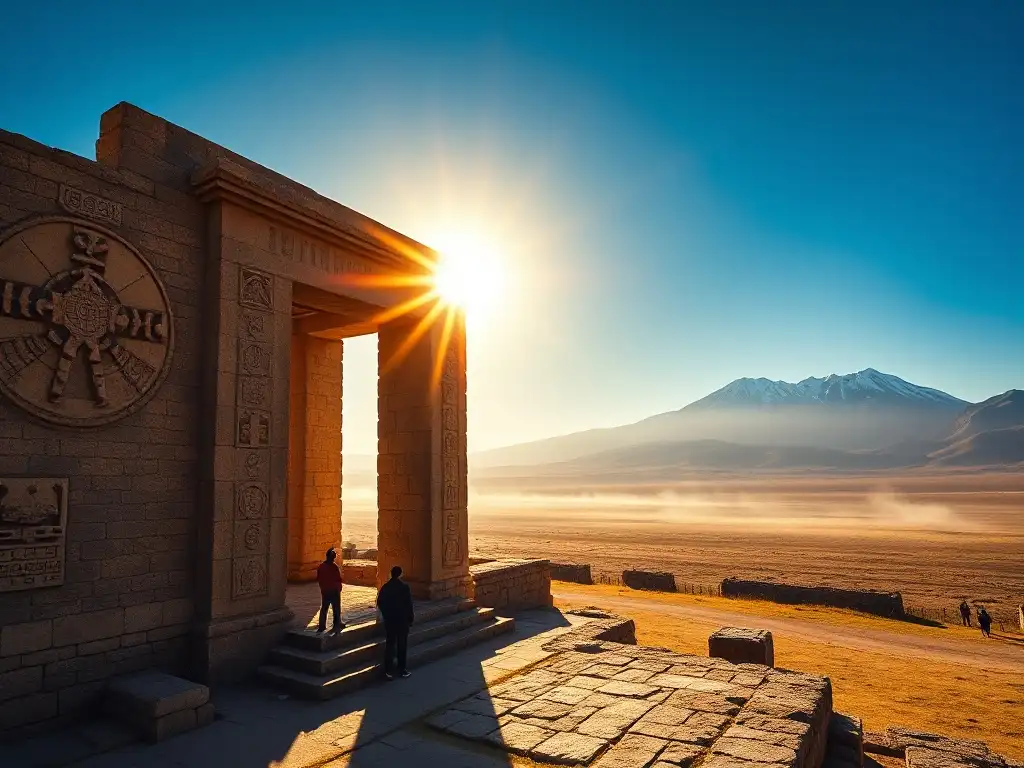
Prepare to be amazed. For centuries, the towering ruins of Tiahuanaco have whispered secrets to the wind. But what if those secrets held the key to understanding the astronomical prowess of an entire civilization? Dive into the fascinating world of Tiahuanaco astronomical knowledge, where celestial observations shaped Andean beliefs and practices in profound ways. Uncover the mysteries behind this ancient civilization's sophisticated understanding of the cosmos – a legacy that continues to resonate today. Discover more about this captivating link between the stars and the rise of Andean empires.
The enigmatic city of Tiahuanaco, flourishing in the Bolivian Altiplano between 500 and 1000 CE, remains a testament to the advanced astronomical knowledge of the Andean civilizations. This article delves into the sophisticated understanding of celestial movements possessed by the Tiahuanaco people and explores how this knowledge profoundly impacted the beliefs and practices of subsequent Andean cultures, leaving an enduring legacy across the region.
We will examine the evidence suggesting a deep connection between Tiahuanaco's monumental architecture, its intricate calendar systems, and the worship of celestial bodies, demonstrating how this astronomical prowess shaped the cosmological worldview of later Andean societies. Understanding Tiahuanaco's astronomical knowledge is crucial to grasping the broader context of Andean civilization and its enduring influence on the cultural landscape of South America.
The impact of Tiahuanaco's legacy extends far beyond its physical ruins; it resonates in the spiritual and cosmological beliefs of later Andean groups, highlighting the profound and lasting influence of this remarkable civilization.
The Architectural Alignment of Tiahuanaco Structures
Tiahuanaco's monumental architecture is strikingly aligned with significant astronomical events. The precise orientation of structures like the Kalasasaya temple and the Gate of the Sun suggests a deep understanding of solstices and equinoxes. Researchers have meticulously documented the alignment of key architectural features with the rising and setting points of the sun on these specific dates.
This deliberate placement wasn't accidental; it points to a sophisticated understanding of celestial mechanics and their cyclical nature, far beyond simple observation. Further study is needed to fully understand the intricacies of these alignments, but preliminary findings indicate a level of precision that is remarkable for the time period.
The meticulous planning and execution of these alignments showcase a society deeply invested in understanding and celebrating the celestial rhythms of the cosmos. The sheer scale of the structures themselves—the enormous stones and their precise placement—also underscores the collective effort and advanced technological capabilities of the Tiahuanaco people.
Tiahuanaco's Calendar Systems and their Astronomical Basis
Beyond the architectural alignments, evidence suggests the existence of intricate calendar systems in Tiahuanaco, deeply intertwined with their astronomical observations. Although deciphering these systems remains a challenge for researchers, the presence of complex iconography on artifacts and structures hints at a sophisticated understanding of timekeeping and the cycles of the cosmos. The integration of astronomical data into their calendar systems allowed for precise agricultural planning, predicting seasonal changes and optimizing crop yields.
This practical application of astronomical knowledge highlights its importance in the daily lives of the Tiahuanaco people and its essential role in their social organization. This knowledge likely informed religious practices and rituals, emphasizing the cyclical nature of life and death, reflecting the continuous movements of the celestial bodies. Further research into the iconography and surviving artifacts is crucial to unraveling the complexities of Tiahuanaco's calendrical systems.
The Influence of Tiahuanaco's Astronomy on Later Andean Cultures
The astronomical knowledge of Tiahuanaco didn't remain confined to its immediate geographical area. Evidence strongly suggests that its influence spread throughout the Andes, impacting the beliefs and practices of later cultures like the Inca. The Inca's sophisticated astronomical observatories and their integration of celestial events into their religious practices show clear parallels with Tiahuanaco's earlier achievements.
The reverence for the sun and other celestial bodies, the precise alignment of their own structures, and the incorporation of astronomical cycles into their agricultural practices all point towards a continuity of astronomical knowledge and its cultural significance. This cultural transmission highlights the lasting impact of Tiahuanaco's legacy, demonstrating how its advanced understanding of astronomy shaped the cosmological worldview of subsequent Andean civilizations.
Further comparative studies of Tiahuanaco and later Andean cultures are needed to fully understand the extent and nature of this transmission of knowledge. The continuity of certain cosmological beliefs and practices across various Andean cultures strongly supports the argument for a direct influence from Tiahuanaco.
Unanswered Questions and Future Research on Tiahuanaco's Astronomy
Despite significant progress in understanding Tiahuanaco's astronomical prowess, many questions remain unanswered. Further research is needed to fully decipher the intricacies of their calendar systems, to more precisely analyze the architectural alignments, and to explore the mechanisms through which their astronomical knowledge was transmitted to later Andean cultures. The application of modern technologies, such as advanced imaging techniques and computer modeling, can provide new insights into the complexities of Tiahuanaco's astronomical achievements.
The ongoing exploration of Tiahuanaco's ruins and the continued analysis of its artifacts hold the potential to reveal further insights into this fascinating aspect of Andean civilization. The mysteries surrounding Tiahuanaco’s astronomical knowledge continue to captivate researchers and offer a rich field for future investigations. The potential discoveries await, promising to further illuminate the remarkable achievements of this ancient civilization.
- The Architectural Alignment of Tiahuanaco Structures
- Tiahuanaco's Calendar Systems and their Astronomical Basis
- The Influence of Tiahuanaco's Astronomy on Later Andean Cultures
- Unanswered Questions and Future Research on Tiahuanaco's Astronomy
- What evidence suggests Tiahuanaco possessed advanced astronomical knowledge?
- How did Tiahuanaco's astronomical observations influence later Andean cultures?
- What specific astronomical events did Tiahuanaco likely track?
- How did Tiahuanaco's astronomical knowledge relate to their religious beliefs?
- What are some ongoing research areas regarding Tiahuanaco's astronomy?
The Significance of Tiahuanaco's Celestial Observations
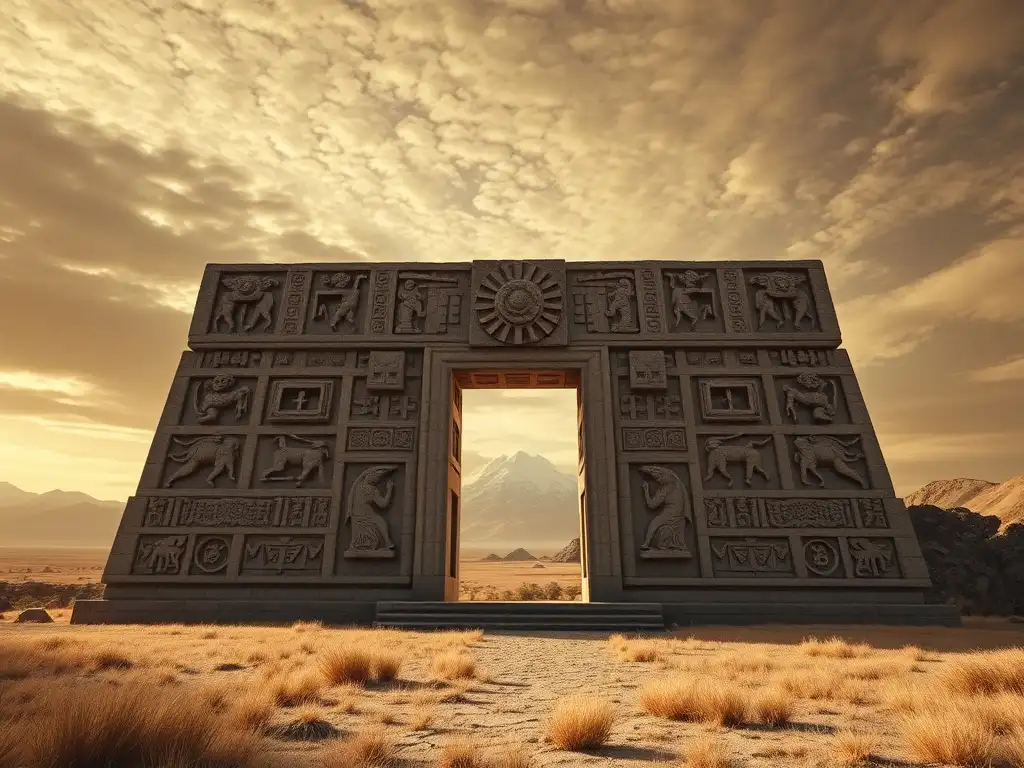
The astronomical knowledge of Tiahuanaco holds a pivotal position in understanding the civilization's societal structure, religious beliefs, and its lasting influence on subsequent Andean cultures. Their sophisticated understanding of celestial movements wasn't merely an intellectual pursuit; it was deeply interwoven with their daily lives, agricultural practices, and spiritual worldview. The meticulous observations and calculations made by Tiahuanaco astronomers provided a framework for their calendar system, rituals, and even urban planning.
This intricate connection between the cosmos and earthly existence is evident in the alignment of structures like the Kalasasaya complex and the Puerta del Sol with significant celestial events, suggesting a deliberate integration of astronomical knowledge into the very fabric of their society. The legacy of this profound understanding of the heavens continues to resonate through later Andean cultures, shaping their cosmology and influencing their artistic and architectural expressions. Understanding this significance allows us to appreciate the depth and complexity of Tiahuanaco's achievements and their lasting impact on Andean civilization.
Analyzing the evidence reveals a civilization deeply connected to the rhythms of the universe, a connection that shaped their identity and left an indelible mark on history. The precision and sophistication of their astronomical knowledge suggest a level of scientific understanding far exceeding previous assumptions about pre-Columbian civilizations.
Understanding Tiahuanaco's Interest in the Cosmos
Tiahuanaco's intense focus on the cosmos stemmed from a deeply ingrained belief system that viewed the celestial bodies as powerful deities and influential forces shaping their world. The sun, moon, and stars were not just physical entities; they were considered divine beings, directly impacting the agricultural cycles, the success of harvests, and the overall well-being of the community. This cosmology is reflected in their art, architecture, and religious practices.
For example, depictions of celestial bodies frequently appear on ceramics, textiles, and stone carvings, indicating their importance in everyday life. The meticulous alignment of structures within the city with astronomical events further underscores this profound connection between the earthly and the celestial realms. This wasn't a passive observation; it was an active engagement, a constant striving to understand and harness the power of the cosmos for the benefit of their society.
The intricate calendar system developed by Tiahuanaco astronomers, based on meticulous observations of the sun, moon, and stars, served as a vital tool for organizing agricultural activities and religious festivals, highlighting the practical applications of their astronomical knowledge. Their interest in the cosmos wasn't merely intellectual curiosity; it was a fundamental aspect of their cultural identity and spiritual life.
Tiahuanaco's Advanced Knowledge of Astronomy
Evidence suggests Tiahuanaco possessed a remarkably advanced understanding of astronomy for its time. The precision of the alignments of their monumental structures, such as the Kalasasaya and the Puerta del Sol, with solstices and equinoxes, points to sophisticated astronomical observations and calculations. These alignments weren't accidental; they were carefully planned and executed, demonstrating a deep knowledge of celestial mechanics and the ability to predict celestial events with remarkable accuracy. Furthermore, the sophisticated calendar system employed by Tiahuanaco, likely incorporating both solar and lunar cycles, showcases their advanced understanding of timekeeping.
This sophisticated calendar system, integrated into their daily lives and religious practices, demonstrates a level of astronomical understanding rarely seen in other pre-Columbian cultures. While the exact methods used by Tiahuanaco astronomers remain partly a mystery, the surviving evidence points to a remarkable level of scientific achievement, challenging previously held assumptions about the capabilities of pre-Columbian societies. The discovery of additional archeological data will further illuminate the extent of their astronomical knowledge and techniques.
Further research into their astronomical instruments and methods is needed to fully appreciate the scope of their achievements. The implications of this advanced knowledge are far-reaching, impacting our understanding of Andean cosmology and the development of scientific thought in the pre-Columbian world. The study of Tiahuanaco's astronomical prowess thus provides a crucial window into the intellectual capabilities and societal organization of this remarkable civilization, enriching our understanding of "Tiahuanaco astronomical knowledge".
Tiahuanaco's Architectural Alignments and Celestial Events
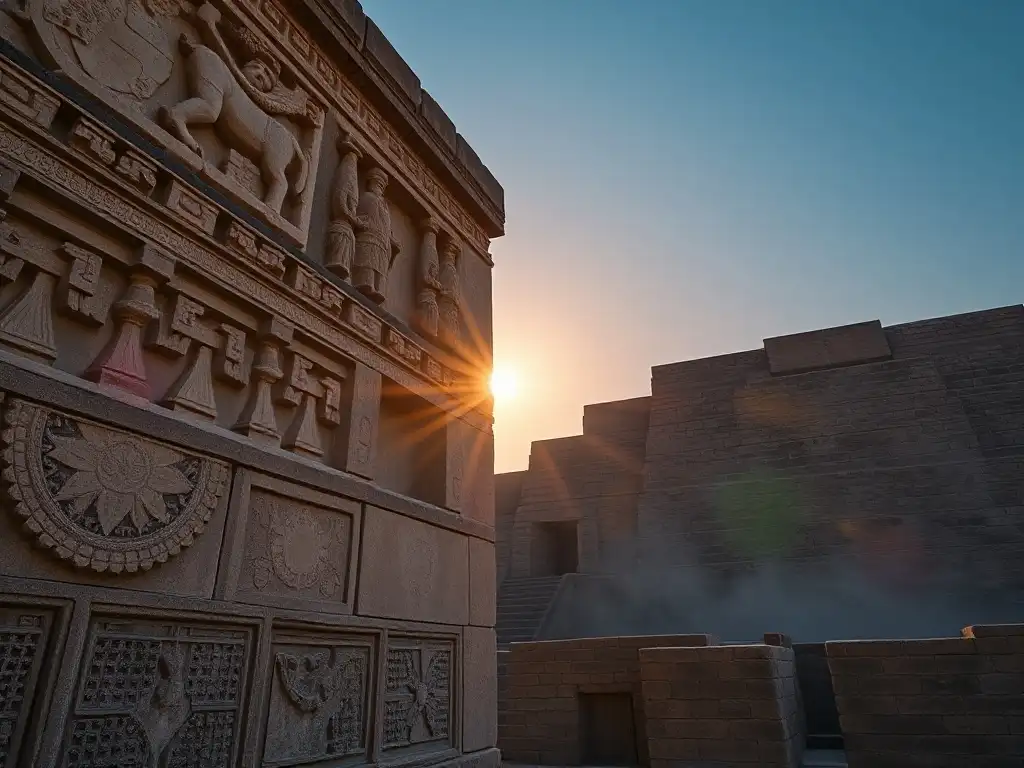
Tiahuanaco's astronomical knowledge is profoundly embedded within its impressive architecture. The meticulous planning and execution of its structures suggest a deep understanding of celestial movements, far surpassing what was previously believed about the civilization's capabilities. This understanding wasn't simply theoretical; it was directly integrated into the very fabric of their monumental constructions, shaping their religious beliefs and societal practices. The precise orientation of buildings and significant features strongly indicates a sophisticated system of astronomical observation and calendrical reckoning.
This sophisticated system of astronomical observation and calendrical reckoning is a testament to the advanced knowledge of the Tiahuanaco people. The precision involved suggests a level of astronomical understanding that rivaled, and potentially surpassed, that of many other contemporary civilizations. This section will delve into the specific architectural alignments that showcase this impressive knowledge.
Alignments with Solstices and Equinoxes in Kalasasaya Architecture
The Kalasasaya, a massive platform structure, stands as a prime example of Tiahuanaco's astronomical prowess. Careful analysis reveals that several key architectural elements are aligned with significant celestial events like the solstices and equinoxes. For example, the main axis of the Kalasasaya is aligned with the rising and setting points of the sun during the solstices, allowing for precise observation of these crucial dates in the agricultural calendar.
This alignment wasn't accidental; the precision involved points to a deliberate and highly developed understanding of solar movements. Furthermore, specific doorways and niches within the Kalasasaya appear to function as markers for observing the sun's position at other key times throughout the year, potentially marking important ceremonial dates or agricultural cycles. The meticulous nature of these alignments underscores the importance of celestial observation within Tiahuanaco society.
Further research is needed to fully understand the complex interplay between architecture and astronomy within the Kalasasaya, but the existing evidence powerfully suggests a deep and sophisticated understanding of the celestial sphere. This advanced astronomical knowledge likely played a crucial role in maintaining the social and religious order of the civilization.
Evidence of Astronomical Observatories at Puma Punku
While the Kalasasaya showcases impressive alignments, the Puma Punku complex offers further evidence of dedicated astronomical observation. Although much of Puma Punku lies in ruins, the remaining structures hint at a complex system of astronomical observation. The precise placement of large stones, some weighing many tons, suggests deliberate positioning to mark specific celestial events.
While the precise function of many structures remains debated, some researchers propose that certain features might have served as sophisticated astronomical observatories, capable of tracking the movements of stars and planets with remarkable accuracy. The sheer scale and precision of the stonework at Puma Punku, alongside its potential astronomical function, further emphasizes the advanced technological and intellectual capabilities of the Tiahuanaco civilization. The lack of readily available written records makes interpretation challenging, but the physical evidence strongly supports the hypothesis of dedicated astronomical observatories within the complex.
Further investigation, including advanced surveying techniques, could shed more light on the astronomical significance of Puma Punku's enigmatic structures. The potential for uncovering additional evidence of astronomical observations at Puma Punku is significant, offering the possibility of a greater understanding of Tiahuanaco's cosmological beliefs.
The Role of the Sun and Moon in Tiahuanaco Cosmology
The sun and moon held prominent positions within Tiahuanaco cosmology. Their movements were not merely observed; they were deeply integrated into the fabric of religious beliefs and societal practices. The precise alignment of structures with solar events, as seen in the Kalasasaya, suggests a profound reverence for the sun, possibly linking it to agricultural cycles and the prosperity of the civilization.
Similarly, the moon, with its cyclical nature, likely played a significant role in regulating the social and religious calendar. Evidence suggests that the Tiahuanaco people carefully tracked lunar cycles, potentially using them to predict harvests, plan ceremonies, and even guide their agricultural practices. The interplay between solar and lunar observations likely created a complex calendrical system, reflecting a sophisticated understanding of celestial mechanics and their impact on earthly life.
The integration of both solar and lunar observations into their societal and religious structures highlights the importance of these celestial bodies in shaping the worldview of the Tiahuanaco people. Further research into Tiahuanaco iconography and religious practices could reveal more about the specific symbolic meanings attributed to the sun and moon within their cosmology. The influence of this cosmological understanding on subsequent Andean cultures is a topic worthy of further exploration.
Tiahuanaco's Calendar System and Timekeeping
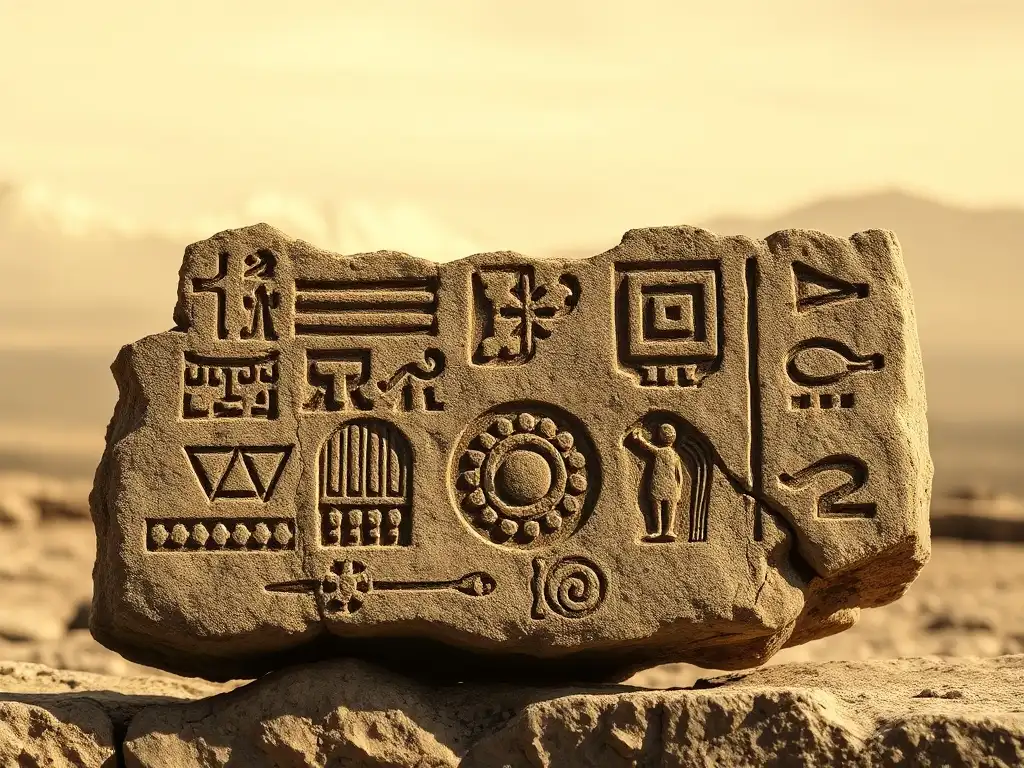
Tiahuanaco's sophisticated understanding of astronomy is evident in its remarkably accurate calendar system, a testament to their advanced knowledge of celestial mechanics. This wasn't just a simple tracking of days; it was a complex interplay of solar and lunar cycles intricately woven into the fabric of their society. The precision with which they observed and recorded these movements suggests a deep understanding of the cyclical nature of time and its profound impact on agriculture, religious practices, and social organization.
Understanding their timekeeping is key to unlocking the secrets of Tiahuanaco's astronomical prowess and its influence on later Andean cultures. This sophisticated system, far from being merely functional, served as a powerful tool shaping their worldview and influencing their beliefs about the cosmos and their place within it. The legacy of this precise calendar system is undeniably a significant contribution to the broader understanding of Tiahuanaco astronomical knowledge.
The Tiahuanaco Calendar: A Solar-Lunar System
The Tiahuanaco calendar wasn't solely based on the solar year, as many other ancient calendars were. Instead, evidence suggests a sophisticated system incorporating both solar and lunar cycles. This dual approach allowed for a more precise reckoning of time, accounting for the variations inherent in both the solar year (approximately 365.25 days) and the lunar cycle (approximately 29.5 days).
Archaeological findings, including the intricate carvings on various artifacts and the alignment of structures with specific celestial events, support the existence of this complex calendar. While the exact mechanics of this solar-lunar system remain a subject of ongoing research, the precision of their observations and the integration of both cycles point to a highly developed understanding of astronomical phenomena. This integration is a key aspect of Tiahuanaco astronomical knowledge that set them apart from many contemporary civilizations.
The precise calculations involved, even without the aid of modern instruments, are truly impressive. Further research is needed to fully decipher the complexities of their calendar, including [specific details of calendar calculations pending].
How Tiahuanaco Tracked Time and Seasons
The practical applications of Tiahuanaco's astronomical knowledge were far-reaching. Their ability to accurately track the solar and lunar cycles was crucial for agriculture. By precisely predicting the solstices and equinoxes, they could optimize planting and harvesting times, maximizing crop yields.
This precise agricultural planning, facilitated by their advanced understanding of astronomy, was essential for the survival and prosperity of their society. Furthermore, the precise tracking of the seasons likely played a significant role in their religious and ceremonial practices, as many rituals were likely timed to coincide with specific celestial events. The alignment of structures like the Puerta del Sol with celestial bodies further strengthens the argument for their precise timekeeping abilities.
Their methods for tracking time, which may have included [specific methods of timekeeping pending], demonstrate a remarkable level of sophistication in their understanding and utilization of astronomical principles. This practical application of Tiahuanaco astronomical knowledge had a profound impact on their societal structure and daily life.
The Importance of Time in Tiahuanaco Rituals
The cyclical nature of time, as understood by the Tiahuanaco, was deeply embedded in their religious beliefs and rituals. The precise tracking of celestial cycles wasn't merely a practical matter; it was intrinsically linked to their spiritual worldview. Many rituals were likely timed to coincide with specific astronomical events, such as solstices and equinoxes, reinforcing the significance of these events within their cosmology.
The alignment of temples and other structures with celestial bodies further highlights the importance of astronomy in their religious practices. The precise timing of these rituals, guided by their advanced understanding of the cosmos, suggests that the passage of time was not just a linear progression but a cyclical process reflecting the ongoing interaction between the earthly and celestial realms. The profound influence of their astronomical knowledge on their religious beliefs underscores the deeply integrated nature of their astronomical prowess and spiritual practices.
This close relationship between the celestial and the ritualistic is a crucial element of Tiahuanaco astronomical knowledge and its lasting impact. Further investigation is needed into [specific rituals and their astronomical connections pending] to fully comprehend the depth of this connection.
Tiahuanaco Astronomical Knowledge and its Legacy
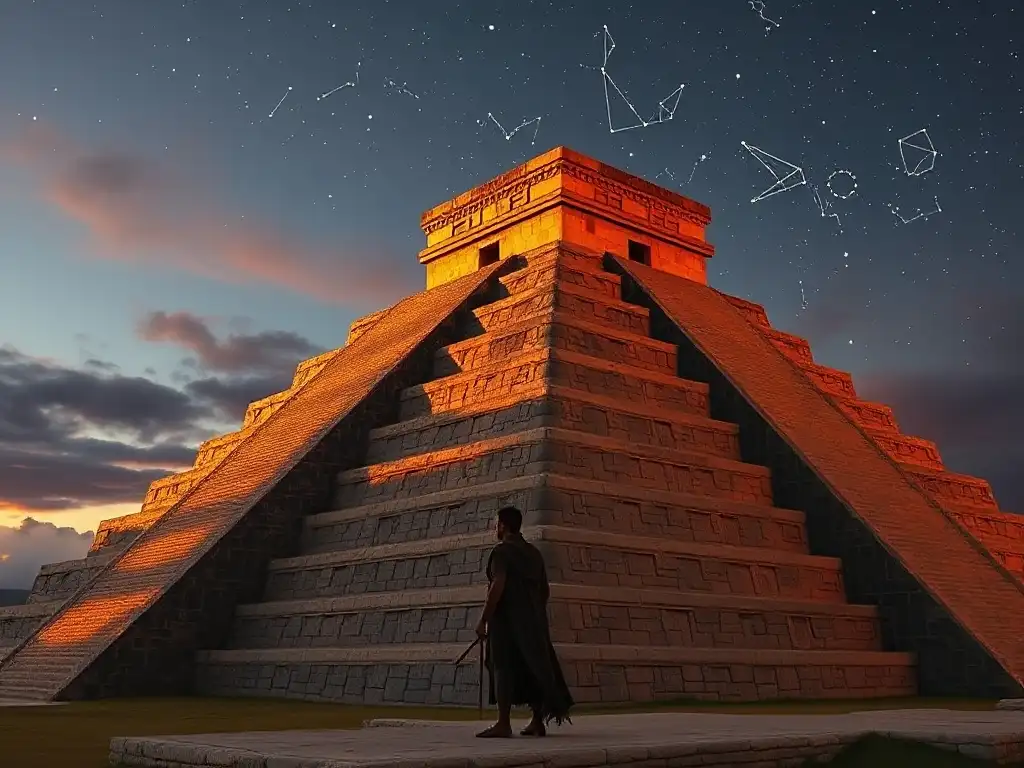
Tiahuanaco's astronomical knowledge represents a significant achievement in Andean civilization. Evidence suggests a sophisticated understanding of celestial movements, reflected in the precise alignment of structures like the Kalasasaya and Pumapunku. This knowledge wasn't confined to Tiahuanaco; its influence radiated outwards, shaping the astronomical practices and beliefs of subsequent Andean cultures, including the Inca.
The precise methods employed by the Tiahuanaco people to achieve such astronomical accuracy remain partially shrouded in mystery, fueling ongoing research and debate among archaeologists and astronomers. However, the enduring impact of their observations is undeniable, leaving an indelible mark on the spiritual and cosmological worldview of later Andean societies.
The legacy of Tiahuanaco's astronomical expertise is not merely a historical curiosity; it provides valuable insights into the interconnectedness of Andean cultures and the enduring power of astronomical observation in shaping human belief systems. Understanding this legacy helps us appreciate the depth and complexity of Andean cosmology and the remarkable continuity of astronomical traditions across millennia.
Transmission of Tiahuanaco's Astronomical Practices to Later Andean Cultures
The dissemination of Tiahuanaco's astronomical practices likely occurred through a combination of factors. Migration patterns played a crucial role, with Tiahuanaco artisans and priests potentially spreading their knowledge to new settlements. The influence of Tiahuanaco art and iconography, often depicting celestial events or deities associated with the cosmos, also served as a powerful vector for transmitting astronomical concepts.
Furthermore, the adoption of Tiahuanaco architectural styles and techniques, which often incorporated astronomical alignments, ensured the continuation of astronomical practices in newly established communities. While direct evidence of systematic teaching or formal transmission is limited, the widespread presence of astronomical alignments and related iconography in post-Tiahuanaco cultures strongly suggests a significant transfer of knowledge. This transmission wasn't necessarily a passive process; later cultures likely adapted and integrated Tiahuanaco's astronomical knowledge into their existing belief systems and practices, resulting in a dynamic interplay of tradition and innovation.
The continuity of astronomical themes across diverse Andean cultures underscores the enduring power of Tiahuanaco's cosmological legacy. Further research focusing on comparative iconography and architectural analysis could illuminate the specific mechanisms involved in this cultural exchange.
The Influence of Tiahuanaco's Star Lore on Inca Beliefs
The Inca Empire, which rose to prominence centuries after the decline of Tiahuanaco, inherited a rich astronomical heritage. Inca cosmology, with its emphasis on the cyclical nature of time and the importance of celestial events, bears a striking resemblance to the astronomical beliefs evident in Tiahuanaco artifacts and architecture. For example, the Inca's veneration of the sun, Inti, and the moon, Quilla, finds parallels in Tiahuanaco's sun-centered iconography and its potential association with lunar observations.
The Inca's sophisticated calendar system, which played a vital role in agricultural practices and religious ceremonies, likely incorporated elements of Tiahuanaco's astronomical knowledge. While the precise nature of this influence remains a topic of ongoing scholarly debate, the similarities between Inca and Tiahuanaco astronomical beliefs suggest a clear line of descent.
The Inca's meticulous record-keeping and their emphasis on precise astronomical observations further support the idea that they built upon the foundation laid by earlier Andean cultures, including Tiahuanaco. Analyzing Inca astronomical practices alongside Tiahuanaco's legacy offers a compelling glimpse into the evolution of Andean cosmology and the enduring influence of Tiahuanaco's astronomical expertise.
Examples of specific astronomical concepts inherited: The concept of 'Pacha'
The concept of Pacha, a Quechua term encompassing the cosmos, time, and space, is a prime example of an astronomical concept inherited from Tiahuanaco. While the precise meaning and connotations of Pacha evolved over time, its origins can be traced back to the cosmological worldview of Tiahuanaco. Tiahuanaco's architecture, with its precise alignments to celestial bodies, suggests a deep understanding of the cosmos and its influence on the earthly realm – a core tenet of the Pacha concept.
The interconnectedness between the celestial and terrestrial spheres, a central theme in Pacha, finds expression in Tiahuanaco's iconography, which often depicts deities and symbols associated with both the heavens and the earth. The cyclical nature of time, another key aspect of Pacha, is reflected in Tiahuanaco's apparent emphasis on solar and lunar cycles, evident in the design and orientation of its structures. The enduring presence of Pacha in later Andean cultures, including the Inca, highlights the persistent influence of Tiahuanaco's cosmological understanding.
Analyzing the evolution of the Pacha concept across different Andean cultures provides invaluable insight into the continuity and transformation of astronomical beliefs and practices within the Andean region. Further research, particularly cross-cultural comparisons of related terms and concepts, could shed light on the specific ways in which Tiahuanaco's cosmological vision shaped the development of Pacha.
Tiahuanaco's Impact on Andean Religious Practices
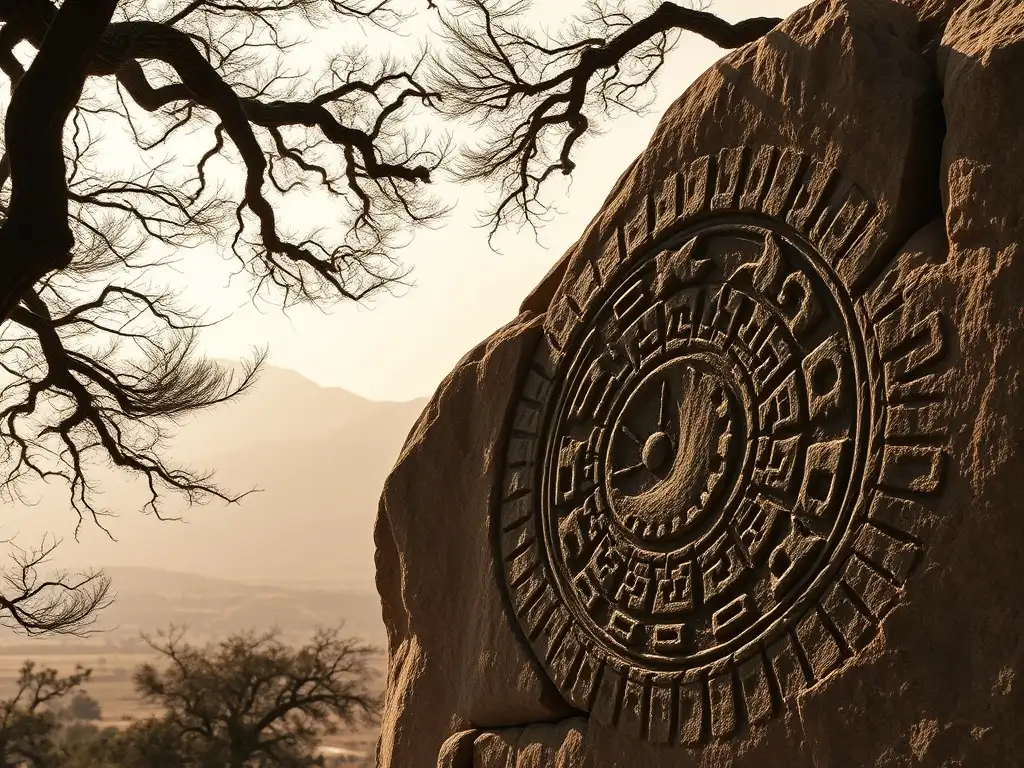
The sophisticated astronomical knowledge of the Tiahuanaco civilization profoundly impacted the religious practices of subsequent Andean cultures. Their understanding of celestial movements wasn't merely an intellectual pursuit; it was inextricably woven into their worldview, shaping their cosmology, rituals, and the very nature of their deities. The legacy of Tiahuanaco's astronomical prowess is evident in the religious beliefs and practices of later Andean societies, including the Inca, demonstrating a remarkable continuity in cosmological thought across centuries.
This section will explore this profound influence, focusing on the connection between astronomy and religious rituals, the nature of Tiahuanaco's celestial deities, and specific examples of their lasting impact. Understanding this connection provides crucial insight into the evolution of Andean religious thought and the enduring power of Tiahuanaco's legacy.
The Connection Between Tiahuanaco Astronomy and Religious Rituals
Tiahuanaco's advanced understanding of astronomy played a crucial role in regulating their religious calendar and rituals. Evidence suggests that their monumental structures, such as the Kalasasaya complex, were meticulously aligned with significant astronomical events, like solstices and equinoxes. These alignments weren't accidental; they were carefully planned and executed, demonstrating a deep understanding of the relationship between the celestial and terrestrial realms.
The precise positioning of structures allowed for the observation of specific celestial phenomena, which in turn likely dictated the timing of important religious ceremonies, agricultural cycles, and possibly even political decisions. For example, the rising or setting sun on specific dates might have signaled the beginning of planting seasons, or the appearance of certain constellations could have been linked to specific deities and their associated rituals. This intricate interplay between astronomy and religious practice underscores the holistic nature of Tiahuanaco's worldview, where the cosmos and human society were intimately connected.
Further research into the precise alignments of Tiahuanaco structures is needed to fully understand the complexities of their astronomical calendar and its influence on their religious life. Preliminary findings suggest a sophisticated system far beyond simple solar observations.
Tiahuanaco's Celestial Deities and their Worship
The deities worshipped in Tiahuanaco were likely deeply connected to celestial phenomena. While specific details remain debated among scholars, it's widely accepted that their pantheon reflected their profound astronomical knowledge. Many interpretations suggest that deities were associated with specific stars, constellations, or celestial events.
For instance, the sun god, often associated with Viracocha (discussed further below), would have held a prominent position, reflecting the sun's importance in their agricultural society and cosmological beliefs. Other deities might have been linked to the moon, planets, or other significant celestial bodies, each with their own unique attributes, powers, and associated rituals. The worship of these celestial deities involved elaborate ceremonies, likely performed in specific locations within the Tiahuanaco complex, taking advantage of the astronomical alignments to enhance the sacredness of the event.
Unfortunately, a complete understanding of the specific deities and their celestial counterparts remains elusive, due to the limited surviving textual evidence. Further archaeological investigation and iconographic analysis are crucial to unraveling the mysteries of Tiahuanaco's celestial pantheon.
Specific examples of Tiahuanaco-influenced religious practices: The worship of Viracocha
Viracocha, a creator god prominent in later Andean cultures, particularly among the Inca, shows strong ties to Tiahuanaco's astronomical influences. While the precise origins of Viracocha are debated, his association with water, creation, and the cosmos points towards a possible connection with Tiahuanaco's astronomical observations. The sun, a significant celestial body, is often linked to Viracocha's power and influence.
His depiction in later iconography sometimes shows him holding a celestial staff or wearing a headdress adorned with solar symbols, reinforcing the connection between this powerful deity and the sun's movements. The worship of Viracocha, with its emphasis on the creator god's cosmic power and influence, likely reflects the cosmological worldview established by Tiahuanaco's astronomers. This continuity in religious thought across centuries highlights the enduring impact of Tiahuanaco's astronomical knowledge on the development of Andean religious practices.
The persistence of Viracocha worship across various Andean cultures underscores the profound and lasting influence of Tiahuanaco's astronomical observations and their integration into religious beliefs. The detailed study of Viracocha's iconography and associated myths could provide further insights into the specific astronomical influences on his worship.
Conclusion: Tiahuanaco's Enduring Astronomical Legacy
The sophisticated astronomical knowledge possessed by the Tiahuanaco civilization wasn't simply a byproduct of their advanced society; it was deeply interwoven into the fabric of their culture, shaping their religious beliefs, agricultural practices, and social structures. Their understanding of celestial mechanics, evidenced by the precise alignment of structures like the Puerta del Sol and Kalasasaya, profoundly influenced subsequent Andean cultures. This legacy wasn't merely a passive inheritance; it was actively reinterpreted and adapted, becoming a cornerstone of Andean cosmology for centuries.
The echo of Tiahuanaco's astronomical prowess reverberates through the later Andean civilizations, demonstrating the enduring power of knowledge transfer and cultural continuity. Understanding Tiahuanaco's astronomical achievements is crucial to fully grasping the complexities and interconnectedness of Andean history.
The Importance of Tiahuanaco's Astronomical Contributions to Andean History
Tiahuanaco's astronomical contributions are paramount to understanding the development of Andean cosmology. Their precise observations and calendrical systems provided a framework for understanding the world and their place within it. This wasn't just a matter of intellectual curiosity; it was inextricably linked to their survival.
Accurate predictions of solstices and equinoxes were vital for planning agricultural cycles, ensuring the success of their harvests and the stability of their society. The influence of Tiahuanaco's astronomical knowledge is evident in the architectural designs and religious practices of later cultures, suggesting a continuous transmission of knowledge and a shared cosmological understanding across vast geographical areas and extended periods. Analyzing the astronomical orientations of structures in later Andean sites reveals a clear lineage connecting back to Tiahuanaco's pioneering observations.
For instance, [specific examples of architectural alignments in later Andean cultures pending]. This continuity highlights the profound and lasting impact of Tiahuanaco's astronomical legacy on the Andean worldview. The sophisticated understanding of the cosmos developed by the Tiahuanaco people served as a foundation for subsequent Andean civilizations, influencing their beliefs, practices, and ultimately, their survival.
Brief reflection on the lasting impact of Tiahuanaco's astronomical understanding
The legacy of Tiahuanaco's astronomical knowledge extends far beyond the physical ruins. Its impact resonates in the myths, legends, and religious practices of later Andean cultures. The intricate relationship between the celestial bodies and earthly events, as understood by the Tiahuanaco, shaped their worldview and continues to inform our understanding of their civilization.
Their astronomical observations were not merely scientific endeavors; they were deeply embedded within their religious and spiritual beliefs, contributing to a rich and complex cosmology. Even today, the enduring power of Tiahuanaco's astronomical knowledge is evident in the continued fascination with their achievements and the ongoing efforts to decipher the mysteries of their celestial observations. The meticulous alignments of their structures, the intricate carvings on their monuments, and the sophisticated calendrical systems they developed all speak to a remarkable level of astronomical understanding that shaped the course of Andean history and continues to inspire awe and wonder.
The study of Tiahuanaco's astronomical knowledge offers a unique window into the intellectual and spiritual achievements of a remarkable civilization and its lasting impact on the Andean world. Further research, particularly focused on [specific areas needing further research pending], is crucial to fully understand the extent of their influence.
Frequently Asked Questions
What evidence suggests Tiahuanaco possessed advanced astronomical knowledge?
Tiahuanaco's architecture, notably the Gate of the Sun, shows alignments with significant astronomical events like solstices and equinoxes. Precise measurements and intricate carvings further support the claim of sophisticated astronomical understanding. These alignments weren't accidental, but deliberate displays of their knowledge.
How did Tiahuanaco's astronomical observations influence later Andean cultures?
Tiahuanaco's cosmology, including its understanding of the sun, moon, and stars, significantly impacted subsequent Andean civilizations. Their beliefs and practices, particularly concerning agriculture and religious rituals, were likely influenced by Tiahuanaco's astronomical observations. This influence can be traced through various Andean cultures' shared beliefs.
What specific astronomical events did Tiahuanaco likely track?
Evidence suggests Tiahuanaco meticulously tracked the solstices and equinoxes, using architectural features to mark these events. They also possibly observed lunar cycles and the movements of certain stars, though further research is needed to confirm the extent of their observations. Their calendar system likely incorporated these astronomical phenomena.
How did Tiahuanaco's astronomical knowledge relate to their religious beliefs?
Tiahuanaco's religious beliefs were deeply intertwined with their astronomical observations. The sun, moon, and stars were likely seen as divine entities impacting harvests and daily life. Their religious rituals and ceremonies were possibly timed to coincide with significant astronomical events.
What are some ongoing research areas regarding Tiahuanaco's astronomy?
Researchers continue to investigate precise alignments within Tiahuanaco structures and their relationship to celestial events. Further analysis of ancient texts and artifacts could reveal more about their astronomical practices and beliefs. Understanding their calendar system is also a key area of ongoing research.
Final Reflection: Echoes of the Stars: Tiahuanaco's Enduring Legacy
The precise astronomical knowledge of the Tiahuanaco civilization continues to resonate today, a testament to the ingenuity and profound understanding of the cosmos achieved by a society thousands of years ago. Their sophisticated observations and architectural alignments, meticulously crafted to track celestial events, weren't merely scientific achievements; they were deeply intertwined with their spiritual beliefs and social structures, shaping their worldview in profound ways. This intricate connection between the heavens and earthly life offers a powerful lens through which to understand the enduring influence of ancient Andean cultures.
The legacy of Tiahuanaco's astronomical prowess extends far beyond its physical ruins; it permeates the cultural landscape of the Andes, influencing subsequent Andean cosmologies and artistic expressions. The reverence for celestial bodies, the intricate relationship between the earthly and the divine, and the deep-seated understanding of cyclical time – all these elements find echoes in the beliefs and practices of later Andean societies. As the anthropologist, John Murra, stated, The Andes are not just a geographical region, but a cosmos, a world where the human and the divine are inextricably linked.
This quote perfectly encapsulates the enduring power of Tiahuanaco's astronomical knowledge and its impact on the Andean worldview.
Consider, for a moment, the vastness of the cosmos and the intricate dance of the stars. Tiahuanaco's achievements remind us of humanity's innate curiosity and capacity for profound understanding, even in the absence of modern technology.
Let the legacy of Tiahuanaco inspire you to look up at the night sky with renewed wonder, to appreciate the intricate connections between humanity and the universe, and to recognize the enduring power of knowledge passed down through generations. Embrace the opportunity to explore the rich tapestry of Andean culture and the enduring influence of a civilization that dared to reach for the stars.
Unveil the Stars: Connect with Tiahuanaco's Legacy!
Thank you for exploring the incredible astronomical knowledge of Tiahuanaco! You've uncovered fascinating insights into how ancient Andean beliefs were intertwined with the cosmos. Now, let's put that knowledge to use!
Here are some ways to deepen your connection to Tiahuanaco's legacy:
- Dive Deeper: Expand your understanding of Tiahuanaco's astronomical significance by visiting a local planetarium or exploring online resources dedicated to ancient Andean star maps and alignments.
- Share the Knowledge: Engage your friends and family by hosting a stargazing event. Discuss how Tiahuanaco's celestial observations influenced both contemporary astronomy and Andean culture.
- Join the Conversation: Participate in online forums or social media groups focused on Andean civilizations and astronomy to share your insights and learn from others.
Are you ready to see how these ancient beliefs can reshape your understanding of the universe?