
The Modern Tourism Impact on Machu Picchu: Balancing Preservation and Access

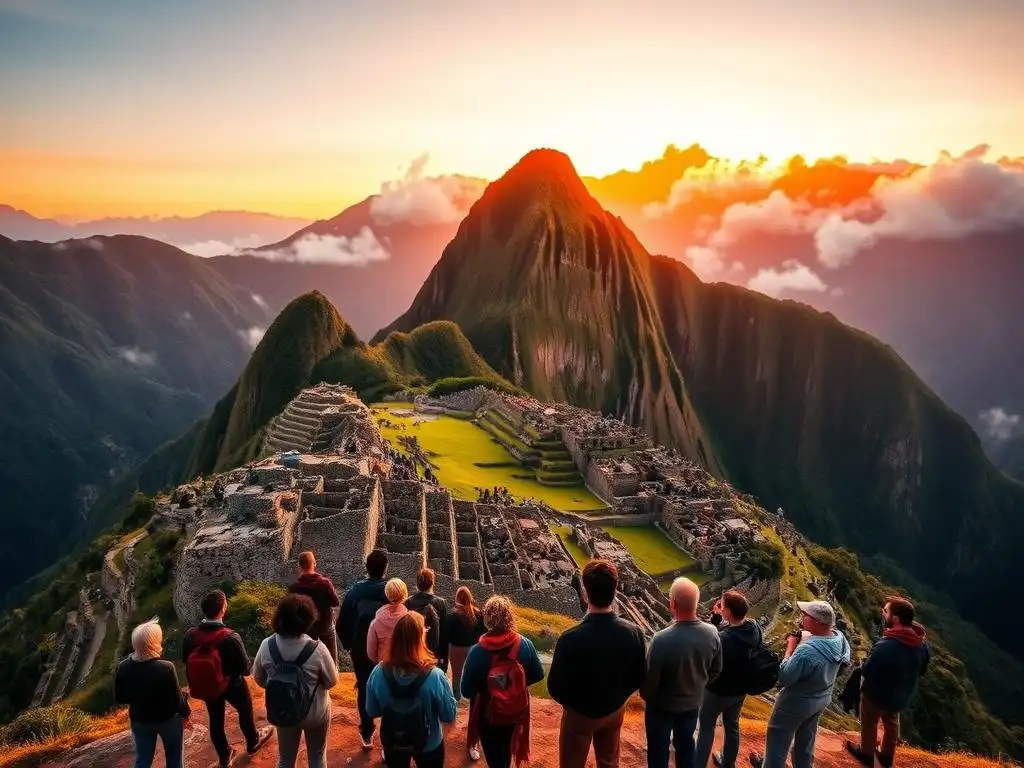
Welcome to Andean Civilizations, where the echoes of a lost world whisper secrets of ingenuity and power. Journey with us through the breathtaking landscapes and captivating cultures of the Andes, from the intricate artistry of the Nazca lines to the architectural marvels of the Inca. But the past isn't just a relic; it's a living conversation. Discover the complex legacy of Machu Picchu and the profound impact modern tourism has had on this sacred site. Are we preserving or destroying this irreplaceable heritage? Explore the fascinating debate and uncover the answers within.
-
Machu Picchu Modern Tourism Impact: Balancing Preservation and Access
- The Allure of Machu Picchu and the Rise of Tourism
- Historical Context of Machu Picchu
- The Growing Popularity of Machu Picchu as a Tourist Destination
- Negative Effects of Modern Tourism on Machu Picchu
- Balancing Preservation and Access: Challenges and Solutions
- The Future of Machu Picchu Tourism
- Conclusion: A Delicate Balance for the Inca Citadel
-
Frequently Asked Questions
- What is the biggest impact of modern tourism on Machu Picchu?
- How does tourism affect the archaeological site itself?
- What measures are in place to mitigate the negative impacts of tourism?
- How does tourism affect the local communities near Machu Picchu?
- What is the future of tourism at Machu Picchu?
- Final Reflection: Echoes of the Inca – Preserving Machu Picchu's Legacy
- Join the Movement to Protect Machu Picchu!
Machu Picchu Modern Tourism Impact: Balancing Preservation and Access
Machu Picchu, the iconic "Lost City of the Incas," perched dramatically in the Andes Mountains of Peru, attracts millions of visitors annually. This influx of modern tourism presents a complex challenge: how to balance the desire for widespread access to this breathtaking historical site with the crucial need for its preservation for future generations. This article delves into the multifaceted impact of modern tourism on Machu Picchu, exploring its historical context, the environmental and social consequences of mass tourism, and the ongoing efforts to mitigate negative impacts while ensuring responsible access for visitors.
We will examine the delicate balance between economic benefits, cultural preservation, and the ecological integrity of this invaluable world heritage site. Understanding this delicate equilibrium is crucial to ensuring the long-term survival of Machu Picchu and the sustainable development of the surrounding communities.
The sheer scale of modern tourism's effect on Machu Picchu requires careful consideration and innovative solutions to guarantee its preservation for years to come. This exploration will consider the “Machu Picchu modern tourism impact” from multiple perspectives, highlighting the urgency of responsible tourism practices.
The Allure of Machu Picchu and the Rise of Tourism
Machu Picchu's captivating beauty and mysterious history have captivated the world's imagination. Its dramatic setting, intricate stonework, and the lingering aura of the Inca Empire combine to create an unparalleled tourist experience. The rediscovery of Machu Picchu in 1911 by Hiram Bingham sparked a gradual, yet ultimately explosive, rise in tourism. Initially, access was limited, making the site an exclusive destination for adventurous explorers.
However, improved infrastructure, increased accessibility, and growing global interest transformed Machu Picchu into a major international tourist attraction. This surge in visitor numbers, while boosting the local economy, has also brought significant challenges, placing immense pressure on the site's fragile ecosystem and its cultural heritage. The sheer number of visitors now necessitates a critical examination of the long-term sustainability of tourism at this precious site. Balancing the economic benefits with environmental protection and cultural preservation remains a significant ongoing challenge.
Historical Context of Machu Picchu
Understanding the historical context of Machu Picchu is crucial to appreciating the significance of its preservation. The site's history is rich and complex, encompassing centuries of Inca occupation and subsequent periods of abandonment and rediscovery.
Rediscovering the Lost City
Hiram Bingham's 1911 expedition brought Machu Picchu to the world's attention, sparking international interest and initiating a wave of tourism that continues to this day. His initial explorations and subsequent publications dramatically increased awareness, transforming the site from a relatively unknown archaeological location into a globally recognized icon.
However, more recent scholarship has nuanced Bingham's role, highlighting the existing local knowledge and prior visits to the site. The rediscovery, while pivotal in bringing Machu Picchu to a wider audience, also marked the beginning of the complex relationship between the site and the modern world, particularly the profound impact of tourism.
Initial Inhabitants and Purpose
While the exact purpose of Machu Picchu remains a subject of ongoing scholarly debate, evidence suggests it served as a royal estate or religious center during the late Inca Empire. The intricate agricultural terraces, sophisticated water management systems, and the presence of residential and ceremonial structures point to a complex social and political organization. Understanding the original inhabitants' relationship with their environment is key to developing sustainable tourism practices that respect the site's historical and ecological significance.
The meticulous construction and planning evident in Machu Picchu's design underscores the advanced engineering and cultural sophistication of the Inca civilization. This understanding forms the foundation for responsible tourism management, aiming to preserve this legacy for future generations.
The Growing Popularity of Machu Picchu as a Tourist Destination
Machu Picchu's fame as a breathtaking and historically significant site has exploded in recent decades. Its iconic imagery, featured in countless travel brochures and documentaries, has captivated the global imagination. The site's unique blend of stunning natural beauty and intricate Inca architecture presents an unparalleled tourist experience.
Word-of-mouth recommendations, coupled with increased accessibility through improved infrastructure (though this is a double-edged sword, as discussed later), have fueled this surge in popularity. This increased visibility, amplified by social media's power to spread stunning visuals and personal travel narratives, has cemented Machu Picchu's position as a must-see destination on many travelers' bucket lists. The result is a dramatic increase in visitor numbers year after year, presenting both opportunities and challenges for the site's preservation and the surrounding communities.
Factors Contributing to Increased Visitation
Several factors have synergistically contributed to Machu Picchu's escalating popularity. The improved infrastructure, including better road access and the expansion of the train network, has significantly enhanced accessibility. This, in turn, has made the site more convenient for a wider range of travelers. Targeted marketing campaigns by both Peru's tourism board and private companies have also played a crucial role, showcasing the unique allure of Machu Picchu to international audiences.
The rise of adventure tourism, with its emphasis on experiencing unique and challenging destinations, has also drawn a significant number of visitors seeking a more active and immersive experience. Furthermore, the increasing global interest in ancient civilizations and historical sites has broadened the appeal of Machu Picchu beyond the niche market of history buffs. This broader appeal, coupled with the ease of access and effective marketing, has created a perfect storm of factors driving the unprecedented growth in tourism.
The Economic Benefits of Tourism to the Region
The influx of tourists to Machu Picchu has undeniably brought significant economic benefits to the surrounding region. The tourism industry has created numerous jobs, ranging from tour guides and transportation services to hospitality and souvenir sales. Local communities have benefited from increased income opportunities, boosting their overall standard of living.
The revenue generated from tourism has also been instrumental in funding infrastructure projects, improving local services, and supporting conservation efforts within the region. However, it's crucial to note that the distribution of these economic benefits is not always equitable, and some local communities may not be reaping the full rewards of this economic boom. A more sustainable and equitable distribution of tourism revenue is therefore a critical aspect of ensuring long-term benefits for the region.
Negative Effects of Modern Tourism on Machu Picchu
Despite the economic upsides, the rapid increase in tourism at Machu Picchu has generated several serious negative consequences, demanding careful management and sustainable strategies. The sheer volume of visitors is placing immense pressure on the site's fragile ecosystem and its invaluable historical artifacts.
Environmental Impact on the Site
The continuous flow of tourists significantly impacts Machu Picchu's delicate environment. Increased foot traffic contributes to soil erosion and trail degradation, damaging the fragile mountain ecosystem. Waste management presents a persistent challenge, with the potential for pollution affecting both the immediate environment and the surrounding waterways. The increased demand for resources, such as water and energy, strains the region's capacity to supply these necessities sustainably. Furthermore, the emissions from transportation, both to and within the site, contribute to air pollution, further exacerbating environmental concerns. Sustainable practices and stricter environmental regulations are urgently needed to mitigate these effects.
Impact on the Archaeological Site
The sheer number of visitors puts immense pressure on the archaeological site itself. The constant flow of people across the ancient Inca pathways and structures contributes to their physical deterioration. The risk of accidental damage or even vandalism, though hopefully unintentional, remains a significant concern. The vibrations from large tour groups can also cause damage to the delicate stonework over time. To address this, stricter visitor regulations, guided tours that emphasize respectful behavior, and enhanced monitoring of the site are crucial for long-term preservation.
Overcrowding and its Consequences
Overcrowding is perhaps the most visible and immediate negative consequence of Machu Picchu's tourism boom. The site's limited capacity struggles to cope with the overwhelming number of visitors, leading to long queues, strained resources, and a diminished visitor experience. The overcrowding compromises the integrity of the archaeological site, contributes to environmental damage, and impacts the quality of the tourist experience itself.
Implementing stricter visitor quotas, improving infrastructure to manage crowds more effectively, and promoting off-season travel are potential solutions to alleviate overcrowding and create a more sustainable tourism model. Careful planning and effective management are key to balancing the desire for accessibility with the need for preservation.
Balancing Preservation and Access: Challenges and Solutions
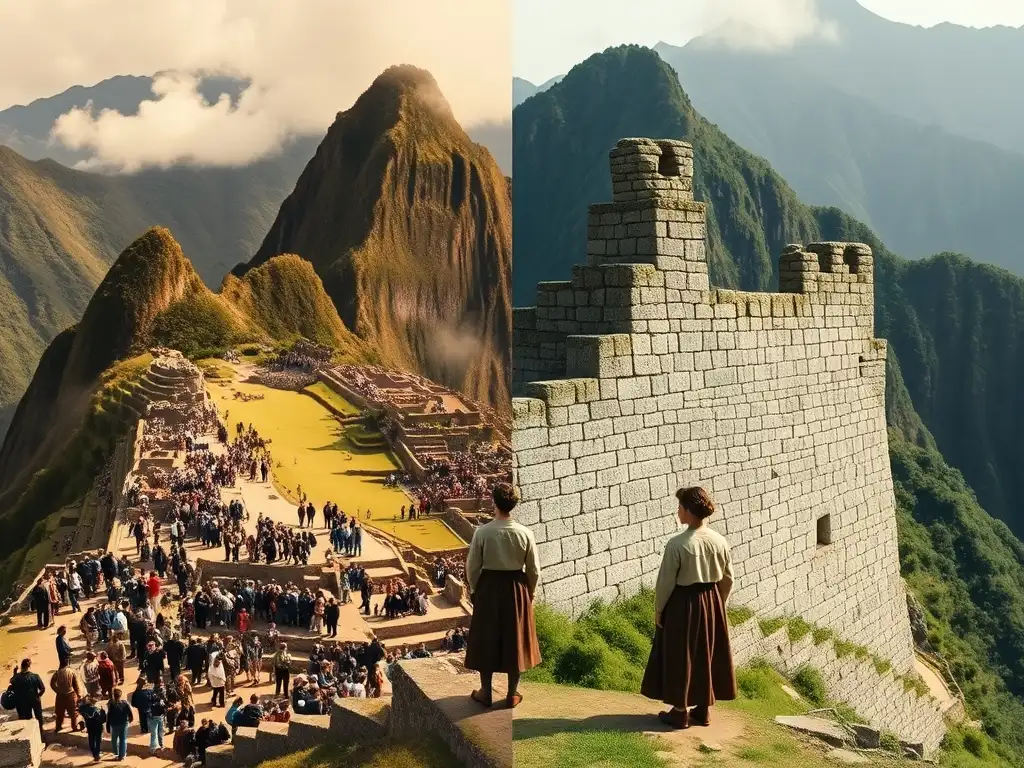
The influx of tourists to Machu Picchu presents a significant challenge: how to balance the desire for access with the urgent need for preservation. The sheer number of visitors puts immense strain on the fragile ecosystem and the ancient structures themselves. Erosion from foot traffic, damage from overcrowding, and the generation of waste all contribute to the degradation of this invaluable historical site.
Furthermore, the infrastructure required to support tourism – roads, hotels, and transportation – can encroach upon the surrounding environment and impact local communities. Finding solutions requires a multi-pronged approach that prioritizes sustainability and responsible tourism practices. This involves implementing strict visitor quotas, improving infrastructure to minimize environmental impact, and educating tourists about responsible behavior.
Effective management strategies are crucial to mitigate the negative consequences of modern tourism while ensuring the site remains accessible to future generations. Failure to adequately address these challenges risks irreversible damage to this irreplaceable heritage site.
Sustainable Tourism Practices
Sustainable tourism practices are vital for safeguarding Machu Picchu. This involves minimizing the environmental footprint of tourism through the implementation of eco-friendly initiatives. Examples include promoting the use of electric vehicles for transportation within the site, reducing reliance on single-use plastics, and investing in renewable energy sources to power visitor facilities. Furthermore, sustainable tourism necessitates responsible waste management systems, including efficient recycling and composting programs.
Educating tourists about the importance of respecting the environment and the historical significance of the site is also crucial. Implementing educational programs and clear guidelines on acceptable visitor behavior helps minimize damage caused by carelessness or lack of awareness. The adoption of sustainable practices isn't just about preserving the physical environment; it also extends to supporting the local economy and community in a fair and equitable manner.
Conservation Efforts and Strategies
Significant conservation efforts are underway to protect Machu Picchu. These range from meticulous restoration projects to implement preventative measures against further deterioration. Archaeological teams regularly assess the condition of the structures, implementing targeted repairs and stabilization techniques. Monitoring systems track environmental factors such as soil erosion, water damage, and vegetation growth to identify potential threats and proactively address them.
Furthermore, research into sustainable building materials and construction methods ensures that any new infrastructure blends seamlessly with the existing landscape and minimizes further environmental impact. The implementation of strict regulations regarding construction and development within the protected zone is crucial to prevent encroachment and preserve the integrity of the site. These conservation strategies are vital to ensuring the long-term preservation of Machu Picchu for future generations.
Community Involvement and Empowerment
The local communities surrounding Machu Picchu play a critical role in its preservation and sustainable tourism. Empowering these communities through job creation and economic opportunities within the tourism sector is vital. This approach ensures that the benefits of tourism are shared fairly and that residents have a stake in protecting the site. Involving local communities in decision-making processes related to tourism management ensures their voices are heard and their concerns are addressed.
This participatory approach fosters a sense of ownership and responsibility, leading to increased commitment to preservation efforts. Supporting local businesses and craftspeople helps stimulate the local economy and provides alternative income streams to reduce reliance on unsustainable practices. Investing in education and training programs for local residents equips them with the skills needed to participate effectively in the tourism sector.
The Future of Machu Picchu Tourism
The future of Machu Picchu tourism hinges on the successful implementation of long-term strategies that balance preservation with access. This requires a collaborative effort between government agencies, tourism operators, local communities, and international organizations. A key aspect of this is continuous monitoring and evaluation of tourism management practices to adapt to changing circumstances and ensure the effectiveness of conservation efforts.
Technological advancements can play a crucial role in managing visitor flow, monitoring environmental conditions, and providing tourists with educational information. The development of virtual reality experiences and digital archives can offer alternative ways to experience Machu Picchu, reducing the pressure on the physical site while still providing access to its wonders.
Long-Term Strategies for Preservation
Long-term strategies for the preservation of Machu Picchu must prioritize sustainable resource management and minimize the environmental impact of tourism. This includes developing comprehensive plans for waste management, water conservation, and energy efficiency. Investing in research and technological advancements is crucial for developing innovative solutions to address the challenges of preserving a site of such historical and cultural significance.
Developing detailed contingency plans for responding to natural disasters and other unforeseen events is paramount to ensuring the site's protection. Regular assessments of the site's condition and the effectiveness of conservation measures are necessary to adapt strategies as needed and ensure long-term success. International collaboration and the sharing of best practices are essential for maximizing the impact of preservation efforts.
Adapting to Changing Tourism Trends
The tourism landscape is constantly evolving, and Machu Picchu needs to adapt to changing trends to ensure its long-term viability. This includes responding to shifts in visitor demographics, preferences, and expectations. Diversifying tourism offerings beyond the traditional site visits can help reduce pressure on the main attraction while providing visitors with a more holistic and enriching experience.
This could involve developing thematic trails, creating interactive exhibits, and promoting cultural experiences that connect visitors with the living heritage of the region. Adapting to technological advancements such as online booking systems, virtual tours, and mobile applications can enhance the visitor experience while improving efficiency and sustainability. Responding to emerging sustainability standards and certification schemes can attract environmentally conscious tourists and enhance Machu Picchu's reputation as a responsible tourism destination.
Ensuring a Sustainable Future for Machu Picchu
Ensuring a sustainable future for Machu Picchu requires a holistic approach that integrates environmental protection, cultural preservation, and community empowerment. It's about creating a balance that allows future generations to appreciate this remarkable site while ensuring its long-term survival. This necessitates ongoing investment in research, education, and community engagement.
International cooperation and the sharing of best practices are essential for tackling the challenges associated with managing a site of global significance. The ultimate goal is to create a model for sustainable tourism that can be replicated in other vulnerable heritage sites around the world, ensuring that cultural treasures are preserved for generations to come. The success of these efforts will not only safeguard Machu Picchu but will also serve as a testament to humanity's commitment to preserving its shared cultural heritage.
Conclusion: A Delicate Balance for the Inca Citadel
Machu Picchu's modern tourism impact presents a complex challenge: how to allow access to this incredible site while safeguarding its fragile historical integrity and the surrounding environment. The sheer volume of visitors, while boosting the Peruvian economy, undeniably puts pressure on the ancient structures. Erosion from foot traffic, the impact of infrastructure development, and even the sheer number of people present can contribute to the deterioration of this irreplaceable historical treasure. Finding a balance requires a multifaceted approach.
The success of preserving Machu Picchu hinges on a collaborative effort. Governmental bodies must enforce sustainable tourism practices, implementing strict regulations and monitoring visitor numbers. This includes investing in improved infrastructure that minimizes environmental impact and efficiently manages visitor flow. Crucially, this infrastructure should be aesthetically sensitive, blending seamlessly with the landscape rather than detracting from the site's natural beauty. Furthermore, robust educational campaigns are needed to inform visitors about responsible behavior, encouraging respect for the site's history and fragility.
Local communities also play a vital role. Their involvement in managing tourism ensures economic benefits are directly channeled back into the region, fostering a sense of ownership and responsibility for the site's preservation. Empowering local guides and businesses who prioritize sustainable practices ensures both economic growth and environmental protection. This creates a positive feedback loop: a thriving local economy that is intrinsically linked to the long-term health of Machu Picchu.
Ultimately, the future of Machu Picchu depends on a delicate balance. The economic benefits of tourism are undeniable, providing crucial resources for conservation and community development. However, this must be carefully managed to prevent the very thing that fuels the economy – the site itself – from being irrevocably damaged.
Continued research, innovative solutions, and a commitment to sustainable practices are essential to ensure that Machu Picchu remains a vibrant testament to Inca ingenuity for generations to come. The challenge lies in ensuring that the modern tourism impact on Machu Picchu is a positive one, preserving its legacy for future appreciation while providing economic opportunities for the present. This requires constant vigilance, adaptation, and a commitment to responsible stewardship.
The weight of this responsibility rests on the shoulders of all involved—from government officials and tourism operators to individual visitors. Only through collective action can we ensure the enduring legacy of this magnificent site.
Frequently Asked Questions
What is the biggest impact of modern tourism on Machu Picchu?
The most significant impact is increased infrastructure development to manage the influx of visitors. This includes new roads, hotels, and transportation, which can lead to environmental damage and cultural disruption.
How does tourism affect the archaeological site itself?
High visitor numbers cause physical wear and tear on the structures, requiring constant maintenance and restoration. Erosion from foot traffic and pollution from waste are also major concerns.
What measures are in place to mitigate the negative impacts of tourism?
Regulations like limited daily visitor numbers, mandatory guided tours, and preservation projects aim to balance access with protection. Sustainable tourism initiatives are also being implemented.
How does tourism affect the local communities near Machu Picchu?
Tourism provides economic opportunities through employment in hospitality and related services. However, it can also lead to rising living costs, displacement of residents, and cultural commodification.
What is the future of tourism at Machu Picchu?
The future likely involves a sustainable approach, prioritizing preservation over unlimited access. This may include stricter regulations, innovative technologies, and a stronger focus on responsible tourism practices.
Final Reflection: Echoes of the Inca – Preserving Machu Picchu's Legacy
The delicate balance between preserving Machu Picchu's irreplaceable heritage and allowing access to its breathtaking beauty remains a critical challenge in the modern era. The sheer volume of tourists visiting this iconic site necessitates a constant reassessment of sustainable tourism practices, a challenge that echoes far beyond the Andes Mountains and speaks to the global responsibility we all share in protecting our shared cultural treasures.
The impact of modern tourism on Machu Picchu is a microcosm of the larger struggle to reconcile economic development with environmental and cultural preservation. The site's very existence is threatened by the sheer number of visitors, yet its economic importance to Peru is undeniable. This tension underscores the need for innovative solutions and a global conversation about responsible travel. Not everything that can be counted counts, and not everything that counts can be counted.
– Albert Einstein. This quote perfectly encapsulates the challenge: how do we measure the true value of Machu Picchu, beyond mere economic figures, and ensure its preservation for future generations?
Consider the weight of history you carry with you when you stand amidst the ancient stones of Machu Picchu. The echoes of the Inca civilization whisper through the ruins, a testament to a rich and complex past. You, the reader, hold the power to shape the future of this incredible site. Choose to travel responsibly, support sustainable tourism initiatives, and advocate for policies that prioritize preservation over profit. Let your visit be a moment of reverence, a pledge to protect this wonder for those who will follow in your footsteps.
Join the Movement to Protect Machu Picchu!
Thank you for your interest in the delicate balance between preserving Machu Picchu and allowing access to this iconic site. Your concern highlights the crucial need for sustainable tourism. Now, let's work together to make a difference. Here are some ways you can contribute:
- Advocate for responsible travel: Choose tour operators committed to environmental sustainability and promote eco-friendly practices whenever you travel.
- Spread the word: Share information about the challenges facing Machu Picchu on social media. Use the hashtag #PreserveMachuPicchu to join the global conversation and inspire others to act!
- Support local conservation: Consider donating to or volunteering with organizations dedicated to protecting this invaluable cultural treasure.
What role do you think tourists should play in ensuring Machu Picchu's preservation for future generations?