
The Rebirth of Andean Art: Contemporary Expressions of Ancient Cultures

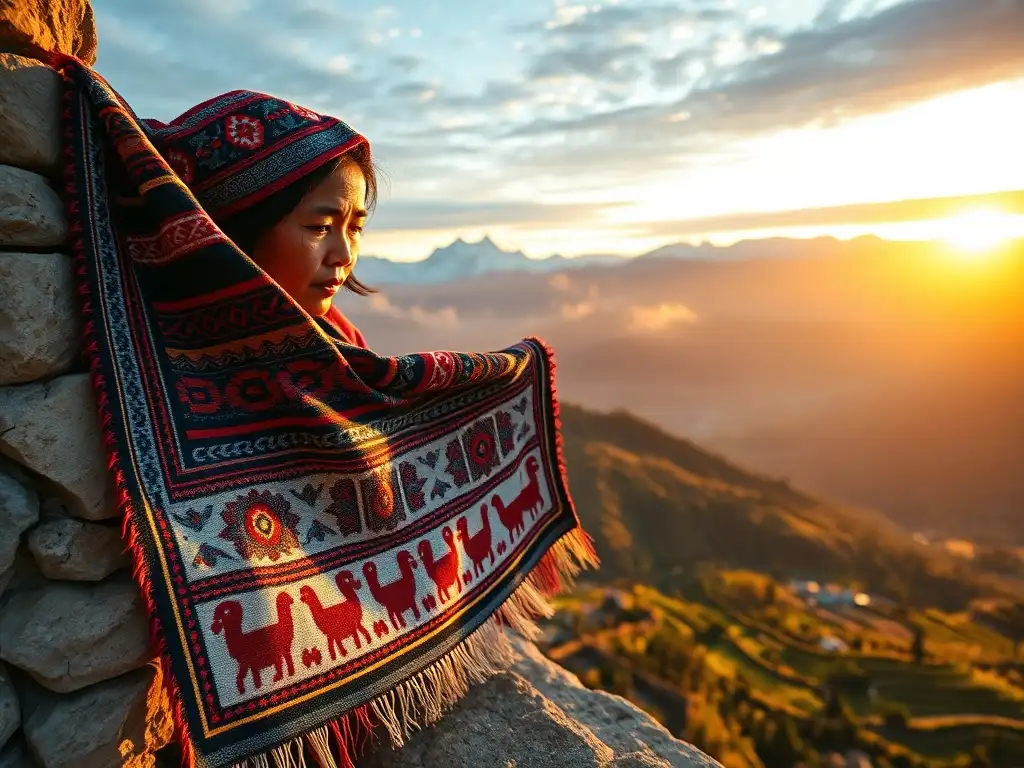
Step into a world lost to time, yet vibrantly alive. For centuries, the breathtaking artistry of the Andean civilizations has captivated the world. But what happens when ancient techniques meet modern sensibilities? Explore the fascinating story of the Andean art revival, a powerful resurgence that blends ancient traditions with contemporary expression. Discover how this captivating movement is breathing new life into a rich heritage—and learn how you can be a part of it. Prepare to be amazed.
- Andean Art Revival: Contemporary Expressions of Ancient Cultures
- The Resurgence of Andean Artistic Traditions
- Modern Interpretations of Andean Motifs
- The Cultural Significance of Andean Art Today
- Challenges and Opportunities for Andean Artists
- Showcasing the Diversity of Contemporary Andean Art
- The Future of Andean Artistic Expression
- Frequently Asked Questions
- Final Reflection: Echoes of the Andes in a Modern World
- Unleash Your Creativity: Get Inspired by Andean Art!
Andean Art Revival: Contemporary Expressions of Ancient Cultures
The vibrant tapestry of Andean art, woven through millennia by the Incas, Moche, Nazca, and Tiahuanaco, among others, continues to inspire and influence contemporary artistic expression. This enduring legacy is not merely a nostalgic echo of the past, but a dynamic force shaping the creative landscape of the Andes today. This article explores the remarkable "Andean art revival," examining how indigenous communities are reclaiming, reinterpreting, and revitalizing their ancestral artistic traditions in the 21st century.
We will delve into the diverse ways this revival manifests, highlighting the challenges and triumphs faced by artists who strive to bridge the gap between ancient techniques and modern sensibilities. The Andean art revival is not just about aesthetics; it's a powerful statement of cultural identity, resilience, and the enduring spirit of Andean civilizations. It's a testament to the enduring power of art to connect past, present, and future.
The Enduring Legacy of Andean Artistic Traditions
The artistic achievements of the ancient Andean cultures are breathtaking in their scope and sophistication. From the intricate textiles of the Nazca to the monumental stonework of the Inca, these civilizations left behind a rich legacy of artistic expression. These traditions, passed down through generations, often involved complex techniques and symbolic meanings deeply rooted in their cosmology and worldview. For example, the intricate knotwork found in Inca textiles wasn't merely decorative; it encoded complex narratives and social hierarchies.
Similarly, the vibrant colors and stylized depictions in Moche pottery served both aesthetic and ritualistic purposes. Understanding these ancient techniques and their cultural significance is crucial to appreciating the depth and complexity of the contemporary Andean art revival. The revival isn't simply mimicking ancient styles; it’s about understanding and reinterpreting their essence.
Contemporary Andean Artists: Guardians of Tradition and Innovators of Form
The contemporary Andean art revival is spearheaded by a diverse group of artists, many of whom are members of indigenous communities. These artists are not just replicating ancient forms; they are actively engaging with their heritage, blending traditional techniques with modern materials and styles. Some artists meticulously recreate ancient techniques, using natural dyes and traditional weaving methods to produce textiles and ceramics that echo the artistry of their ancestors.
Others integrate modern elements into their work, creating a dialogue between ancient and contemporary aesthetics. This fusion of old and new results in unique and powerful artistic expressions, reflecting the dynamism of Andean culture in the 21st century. [Specific examples of contemporary artists and their works pending]
Challenges and Triumphs in the Andean Art Revival
The Andean art revival is not without its challenges. The preservation of traditional techniques and knowledge requires dedication and resources. Many indigenous communities face economic and social pressures that threaten their ability to sustain their artistic traditions. Furthermore, balancing the preservation of cultural heritage with the demands of the global art market can be a complex undertaking.
However, despite these challenges, the revival has achieved significant triumphs. The growing recognition and appreciation of Andean art on a global scale has provided opportunities for indigenous artists to showcase their work and earn a livelihood. The revival has also played a crucial role in fostering cultural pride and strengthening community ties. [Specific examples of challenges and triumphs pending, including quantifiable data on market success, community engagement, etc.]
The Future of Andean Art: A Vision of Continuity and Change
The Andean art revival is not a static phenomenon; it’s an ongoing process of creation and reinterpretation. As new generations of artists emerge, they will continue to shape and redefine the meaning of Andean art in the 21st century.
The future of this revival hinges on several factors, including the continued support of indigenous communities, the preservation of traditional knowledge, and the integration of Andean art into the broader global artistic conversation. The success of the revival will depend on striking a balance between preserving the authenticity of ancient traditions and embracing the possibilities of innovation and change.
The ultimate goal is not simply to recreate the past, but to use the power of art to build a stronger, more vibrant future for Andean cultures. The continued flourishing of Andean art is a testament to the resilience and creativity of its people, and a powerful symbol of cultural continuity in a rapidly changing world.
The Resurgence of Andean Artistic Traditions
This section explores the fascinating revival of Andean artistic traditions, examining how indigenous communities are reclaiming and reinterpreting their ancestral heritage in contemporary art forms. This "Andean art revival" isn't simply a nostalgic look back; it's a vibrant, dynamic process of cultural preservation and innovation. We'll delve into the specific techniques, inspirations, and influences shaping this exciting movement.
Rediscovering Ancestral Techniques in Modern Andean Art
Many contemporary Andean artists are actively rediscovering and refining ancient techniques. For example, textile production, a cornerstone of Andean culture for millennia, sees a remarkable resurgence. Weaving techniques passed down through generations, like those using intricate backstrap looms, are being employed to create stunning contemporary textiles.
These aren't mere copies of ancient styles; rather, artists incorporate modern sensibilities and materials, resulting in unique pieces that blend tradition with innovation. The use of natural dyes derived from plants and minerals, a practice dating back centuries, also continues, ensuring the sustainability and authenticity of the art. Furthermore, the meticulous detail and symbolic richness found in pre-Columbian textiles are being meticulously recreated and reinterpreted, often with contemporary themes woven into the narrative.
This careful preservation of ancestral techniques is crucial for maintaining cultural identity and providing a tangible link to the past. The intricate knotting techniques used in traditional Andean textiles, for instance, are being applied to create innovative sculptural pieces and jewelry, demonstrating the adaptability and versatility of these ancient skills. This thoughtful approach ensures that these skills are not just preserved but are also adapted to meet the demands of modern aesthetics.
Contemporary Artists Drawing Inspiration from Andean Iconography
The rich iconography of pre-Columbian Andean cultures profoundly influences contemporary Andean art. Motifs like the stylized representations of animals (e.g., condors, llamas), geometric patterns, and anthropomorphic figures frequently appear in modern paintings, sculptures, and ceramics. However, these aren't mere reproductions; contemporary artists imbue these ancient symbols with new meanings, reflecting contemporary social and political issues.
For instance, the imagery of the chakana, the Andean cross, is frequently used to represent resistance, resilience, and the interconnectedness of Andean communities. Similarly, depictions of ancient deities and mythical creatures are often recontextualized to express contemporary concerns about environmental protection and cultural identity. The vibrant colors and bold forms characteristic of pre-Columbian art continue to inspire contemporary artists, resulting in works that are both visually striking and deeply meaningful.
The use of these ancient motifs within a modern context allows for a powerful dialogue between past and present, creating art that is both aesthetically pleasing and culturally relevant. The incorporation of contemporary themes within these traditional frameworks creates a unique artistic voice, showcasing the adaptability and resilience of Andean cultural expression.
The Influence of Pre-Columbian Art on Today’s Andean Creations
The legacy of pre-Columbian art extends far beyond mere visual inspiration. The artistic principles and philosophies of ancient Andean cultures—emphasizing balance, harmony, and the interconnectedness of all things—continue to resonate in contemporary works. The emphasis on natural materials and sustainable practices reflects the deep respect for the environment that characterized Andean civilizations.
This is particularly evident in the use of locally sourced clay, stone, and fibers in contemporary crafts and artworks. Furthermore, the community-based nature of much Andean art production—a hallmark of ancient traditions—persists today, with many artists working collaboratively to create large-scale installations and community projects. This collaborative approach fosters a sense of shared identity and cultural pride, strengthening the bonds within Andean communities.
The continuation of these artistic principles demonstrates a powerful connection to the past, ensuring the ongoing relevance and vitality of Andean artistic traditions in the modern world. The enduring influence of pre-Columbian aesthetics and philosophies underscores the enduring strength and resilience of Andean culture. The "Andean art revival" is not simply a trend; it's a testament to the enduring power of cultural heritage.
Modern Interpretations of Andean Motifs

The Andean art revival isn't simply a nostalgic revisiting of ancient styles; it's a vibrant, dynamic reimagining of ancestral traditions within a contemporary context. Indigenous artists are not merely replicating past forms, but rather using them as a springboard for innovative and powerful self-expression. This process involves a complex interplay between honoring heritage and forging new artistic paths, resulting in a unique fusion of ancient techniques and modern sensibilities.
This section will explore how contemporary Andean artists are reinterpreting traditional motifs in textiles, ceramics, and sculpture, showcasing the enduring power and relevance of Andean artistic legacies. The current resurgence of interest in Andean art reflects a growing global appreciation for indigenous cultures and their rich artistic contributions. This renewed focus isn't just about aesthetics; it's about reclaiming cultural identity and fostering economic empowerment within Andean communities.
Textiles: Weaving the Past into Present Andean Art
Textiles have always held a central position in Andean culture, serving not only as clothing and household items but also as powerful mediums for storytelling and spiritual expression. The Andean art revival witnesses a flourishing of textile traditions, with contemporary artisans employing ancient techniques like backstrap weaving and intricate dyeing processes to create stunning contemporary pieces. Many artists incorporate traditional Andean motifs—such as geometric patterns, stylized animals, and representations of deities—but reinterpret them through a modern lens.
For instance, some artists blend traditional designs with contemporary imagery, creating a dialogue between the past and the present. Others experiment with unconventional materials and color palettes, while still retaining the essence of Andean weaving techniques. The use of vibrant, naturally-sourced dyes remains a crucial aspect, further connecting the artwork to the land and its resources.
This continued use of traditional methods ensures the preservation of invaluable skills and knowledge, passed down through generations of Andean artisans. The result is a captivating blend of ancient wisdom and modern creativity, making these textiles highly sought after by collectors and enthusiasts alike. The continued demand for authentic, handcrafted Andean textiles contributes significantly to the economic well-being of indigenous communities, empowering them to preserve their cultural heritage while securing their livelihoods.
Ceramics: Reimagining Ancient Forms in Contemporary Andean Pottery
Andean ceramic traditions are renowned for their sophistication and artistry, spanning millennia and encompassing diverse styles across different cultures. The contemporary Andean art revival sees a resurgence of ceramic craftsmanship, with artists drawing inspiration from ancient forms while simultaneously pushing boundaries. Many contemporary potters utilize traditional techniques like hand-building and coil-pottery, but incorporate modern elements in their designs and glazing techniques.
The use of vibrant colors and intricate surface decorations, often inspired by ancient iconography, is a hallmark of this contemporary Andean pottery. However, unlike their ancient counterparts, many contemporary artists integrate social and political commentary into their work, using ceramics as a powerful medium for social critique and cultural revitalization. For example, some artists depict contemporary issues facing Andean communities, such as environmental degradation or social inequality, through symbolic imagery and innovative ceramic forms.
This fusion of traditional techniques with modern artistic expression demonstrates the versatility and adaptability of Andean ceramic traditions. The resulting pieces are not just aesthetically pleasing; they are powerful statements of cultural identity and social consciousness. The growing recognition of contemporary Andean ceramics in international art markets contributes to the economic empowerment of indigenous communities and the preservation of their ancestral heritage.
Sculpture: New Andean Art Forms Rooted in Traditional Craftsmanship
Contemporary Andean sculpture reveals a fascinating interplay between traditional craftsmanship and modern artistic expression. Artists often draw inspiration from ancient Andean iconography, such as representations of deities, animals, and mythical beings, but reinterpret them through a contemporary lens. The use of traditional materials like wood, stone, and metal is common, reflecting a deep connection to the land and its resources. However, artists often combine these materials with modern ones, creating unexpected and striking juxtapositions.
Some artists employ techniques like metal casting and welding, blending ancient Andean aesthetics with industrial processes. Others utilize found objects and recycled materials, creating sculptures that speak to both the past and the present. The themes explored in contemporary Andean sculpture are diverse, ranging from depictions of daily life in Andean communities to explorations of spirituality and environmental issues.
The resulting works are often powerful and evocative, reflecting the rich cultural heritage and the contemporary challenges facing Andean communities. The rise of contemporary Andean sculpture in both local and international art scenes is helping to increase awareness of Andean art and culture, while simultaneously providing economic opportunities for indigenous artists. The continued exploration and reinterpretation of ancient traditions ensure the continued evolution and vibrancy of Andean artistic expression.
Andean Muralism: Reviving Ancient Narrative Techniques
Andean muralism represents a powerful contemporary expression of ancient narrative techniques. Artists are not simply replicating past styles; they're actively engaging with them, reinterpreting ancient iconography and weaving it into modern social and political commentary. This isn't a mere imitation; it's a vibrant conversation between past and present. The bold colors and stylized figures often found in pre-Columbian art are re-emerging in contemporary murals, adorning urban walls and community centers alike. These aren't static displays; they are dynamic expressions of cultural pride and resilience.
One particularly striking aspect of this revival is the way artists incorporate traditional Andean materials into their work. While some utilize modern acrylics and spray paint, many seek out natural pigments derived from plants and minerals, echoing the methods of their ancestors. This commitment to authenticity extends beyond the materials; it also influences the very subject matter.
Many contemporary muralists depict scenes from Andean mythology, retelling ancient stories and legends in a visually arresting and accessible way. This revitalization of ancient narratives serves not only as an artistic endeavor but also as a crucial tool for cultural preservation and education. The murals become living testaments to the enduring power of Andean storytelling.
The scale of these murals is also noteworthy. Many are monumental in size, demanding attention and creating powerful visual statements within their urban environments. This recalls the impressive scale of ancient Andean structures and artwork, underscoring the continuity between past and present artistic practices. The sheer size of these works allows for a level of detail and narrative complexity that smaller formats simply cannot achieve.
Moreover, the public nature of these murals makes them accessible to everyone, fostering a sense of shared cultural heritage and pride within the community. This democratization of art, bringing ancient narratives into the everyday lives of Andean communities, is a key element of the Andean art revival. The murals serve as a powerful reminder of the ongoing relevance of Andean culture in the 21st century. They are not relics of the past, but vibrant, living expressions of a rich and enduring heritage.
The Cultural Significance of Andean Art Today
The resurgence of interest in Andean art isn't merely an aesthetic trend; it's a powerful testament to the enduring cultural significance of these ancient traditions. The vibrant colors, intricate designs, and symbolic imagery found in contemporary Andean art reflect a deep connection to the past, providing a vital link between ancestral knowledge and modern expression.
This revival represents a conscious effort to reclaim and celebrate a rich heritage that was, in many ways, suppressed during colonial periods and beyond. Understanding this significance requires examining the art's role in cultural preservation, the active participation of indigenous communities, and its use as a form of resistance and cultural identity assertion.
Andean Art as a Tool for Cultural Preservation
Contemporary Andean artists are actively involved in preserving traditional techniques and motifs. Many artists painstakingly recreate ancient pottery styles, weaving patterns, and metalworking processes, ensuring that these invaluable skills are not lost to time. For example, the meticulous reproduction of Nazca pottery designs not only produces beautiful works of art but also helps to decipher the complex iconography and narratives embedded within these ancient pieces. This preservation effort extends beyond mere replication; artists are also innovating, incorporating traditional elements into contemporary forms, thus breathing new life into ancient aesthetics while safeguarding them from oblivion. This careful balance between preservation and innovation is key to the ongoing Andean art revival, ensuring that these traditions are not merely preserved in museums but remain vibrant and relevant in contemporary society. The meticulous detail and dedication to authenticity are crucial aspects of this process, ensuring the legacy of Andean artistic traditions continues to thrive.
The Role of Indigenous Communities in the Andean Art Revival
The Andean art revival is not a phenomenon imposed from outside; it is fundamentally driven by the indigenous communities themselves. These communities are the keepers of traditional knowledge, skills, and narratives, and their active participation is crucial to the authenticity and vitality of the movement. Many artists are directly descended from ancient artisans, carrying on family traditions that span generations. Their work is not simply a commercial enterprise; it's a means of transmitting cultural heritage, sharing stories, and maintaining a connection to their ancestors.
The economic empowerment that comes from the growing appreciation of Andean art also plays a significant role, allowing communities to invest in their own cultural preservation initiatives and educational programs. This active participation ensures that the revival is not a superficial imitation but a genuine expression of living cultures. The empowerment of these communities is intrinsically linked to the success of the Andean art revival.
Andean Art as a Form of Resistance and Cultural Identity
For many Andean communities, the creation and appreciation of their art serves as a powerful form of resistance against historical oppression and cultural assimilation. The bold use of color, the intricate designs, and the symbolic imagery often carry layers of meaning, subtly challenging dominant narratives and reclaiming a sense of cultural pride.
The revival of traditional textile techniques, for example, is not only a preservation effort but also a statement of cultural identity, a visible assertion of the continued presence and strength of indigenous cultures. The very act of creating and sharing this art is a form of resistance, a refusal to allow these traditions to be erased or forgotten.
This cultural resilience is a vital component of the Andean art revival, making it more than just an artistic movement; it's a powerful expression of cultural survival and resurgence. The continued creation and appreciation of Andean art is a testament to the enduring spirit and resilience of these communities.
The Impact of Andean Art on Global Art Scenes
The resurgence of interest in Andean art isn't confined to the Andes themselves; it's having a significant impact on global art scenes. Contemporary Andean artists are increasingly participating in international exhibitions, biennials, and art fairs, showcasing their unique perspectives and techniques to a wider audience. This exposure has led to a growing appreciation for the aesthetic principles and cultural narratives embedded within Andean art, challenging dominant Western artistic canons and enriching the global conversation around art and identity. The vibrant colors, intricate textile designs, and powerful symbolism found in contemporary Andean art offer a fresh perspective, inspiring artists and designers worldwide to explore new forms of expression.
We see this influence in fashion, where Andean patterns and motifs are incorporated into clothing lines, and in contemporary sculpture and painting, where artists draw inspiration from ancient Andean techniques and iconography. This cross-cultural dialogue fosters a richer understanding of artistic traditions and promotes greater inclusivity within the global art world. The impact is not merely aesthetic; it also contributes to a more diverse and representative global artistic landscape, challenging preconceived notions and expanding the definition of what constitutes "high art."
The increasing global recognition of Andean art is a testament to its enduring power and its capacity to resonate with audiences across cultures and geographies. This global exchange ensures the continuation and evolution of Andean artistic traditions, while simultaneously enriching global art with its unique beauty and profound cultural significance. The “Andean art revival” is therefore not just a regional phenomenon, but a global movement that enriches the tapestry of contemporary art.
Challenges and Opportunities for Andean Artists
The Andean art revival is a vibrant movement, but it's not without its hurdles. Contemporary Andean artists face a complex interplay of challenges and opportunities as they strive to both honor their ancestral heritage and find success in the global art market. Understanding these dynamics is crucial to fostering a sustainable and authentic resurgence of Andean artistic traditions. The key lies in balancing the preservation of cultural integrity with the demands of a competitive market. This requires a multi-pronged approach encompassing market navigation, artist support, and heritage preservation.
One significant challenge for Andean artists is navigating the complexities of the global art market. Authentic Andean art often competes with mass-produced imitations, flooding the market with cheaper, less ethically sourced products. This undermines the value of genuine handcrafted pieces and makes it difficult for artists to earn a fair wage for their skills and artistry. Furthermore, many artists lack access to effective marketing and distribution channels, limiting their reach and hindering their ability to connect with potential buyers. Successful navigation requires a strategic approach:
- Developing strong branding and storytelling: Highlighting the unique cultural significance and craftsmanship behind each piece can command higher prices and attract discerning collectors. This involves crafting compelling narratives that connect the art to its Andean roots and the artist's personal journey.
- Utilizing digital platforms: Online marketplaces and social media offer valuable tools for reaching wider audiences and bypassing traditional gatekeepers. However, artists need training and support to effectively utilize these platforms.
- Collaborating with ethical retailers and galleries: Partnering with organizations committed to fair trade practices ensures that artists receive fair compensation and that the authenticity of their work is preserved.
- Protecting Intellectual Property: Many traditional Andean designs lack legal protection, leaving artists vulnerable to appropriation. Strengthening intellectual property rights is vital to safeguarding their creative work and economic interests.
Supporting Emerging Andean Artists and Craftspeople
The future of the Andean art revival hinges on supporting emerging artists and craftspeople. Many talented individuals lack the resources and opportunities needed to develop their skills and build sustainable careers. This necessitates a concerted effort to provide them with:
- Access to quality training and mentorship: Workshops, apprenticeships, and mentorship programs can help artists hone their skills, learn new techniques, and develop their professional networks.
- Financial assistance and micro-loans: Providing access to microfinance initiatives and grants can help artists overcome financial barriers and invest in their craft.
- Access to materials and tools: Ensuring that artists have access to high-quality materials and tools is crucial for maintaining the integrity of their work. This often involves facilitating sustainable sourcing of materials.
- Community-based initiatives: Collective workshops and collaborative projects can foster a sense of community among artists, share knowledge and resources, and strengthen their collective bargaining power. This collaborative approach also allows for the preservation of traditional techniques and knowledge.
Preserving the Integrity of Andean Artistic Heritage
The Andean art revival must prioritize the preservation of cultural heritage. This means actively combating the appropriation and misrepresentation of Andean artistic traditions. Key strategies for achieving this include:
- Promoting cultural awareness and education: Raising awareness about the cultural significance of Andean art can help prevent its exploitation and encourage appreciation for its authentic forms.
- Supporting indigenous communities' rights: Recognizing and respecting the intellectual property rights of indigenous communities is paramount in ensuring that they benefit from the commercial success of their cultural heritage.
- Documenting and archiving traditional techniques: Systematic documentation of traditional techniques and designs ensures that this knowledge is preserved for future generations. This includes detailed descriptions, videos, and even digital 3D models.
- Combating counterfeiting and plagiarism: Active measures are needed to identify and prosecute those who engage in the production and sale of counterfeit Andean art. This involves collaboration between law enforcement, customs officials, and consumer protection agencies.
The Andean art revival presents a unique opportunity to celebrate the rich artistic heritage of the Andes while empowering contemporary artists. By addressing the challenges and embracing the opportunities, we can ensure a vibrant and sustainable future for Andean art, enriching both the cultural landscape and the lives of the artists who create it.
The Complexities of Authenticity in the Andean Art Market
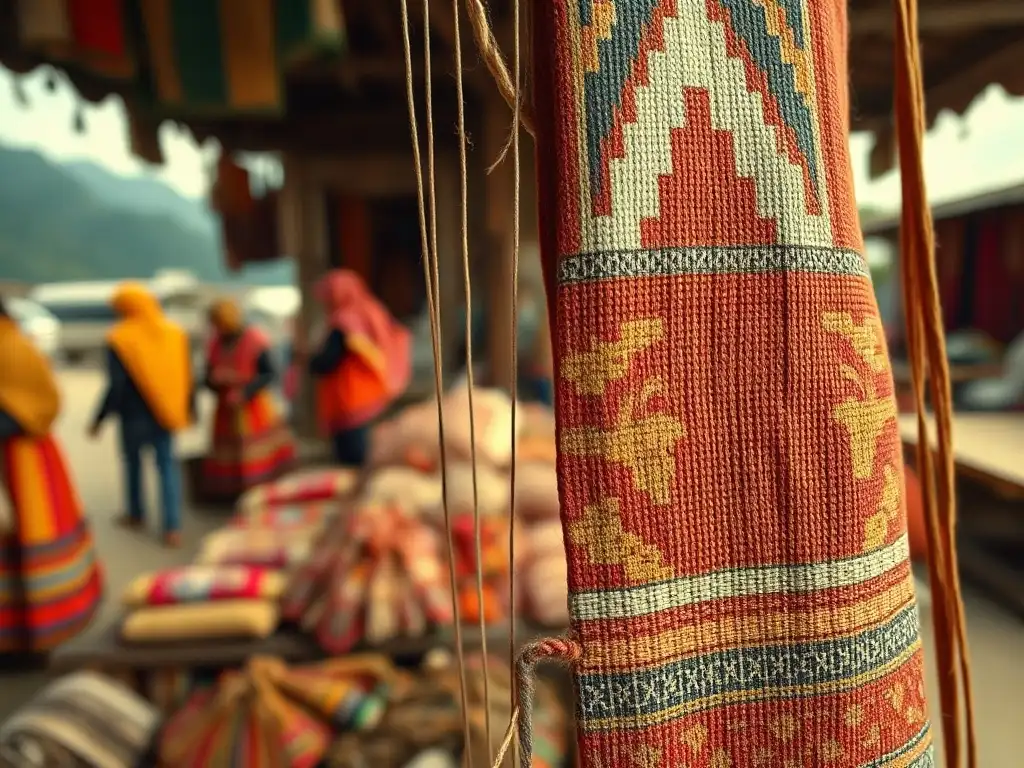
The Andean art market, experiencing a significant revival in interest, faces a crucial challenge: ensuring the authenticity of the artwork. This isn't simply about verifying whether a piece is genuinely ancient; it's about navigating the intricate layers of cultural appropriation, imitation, and the delicate balance between preserving tradition and adapting to contemporary demands. Many contemporary Andean artists strive to maintain a connection to ancestral techniques and motifs, but the line between genuine inspiration and outright copying can be blurry. The market itself contributes to this complexity, with varying levels of expertise and ethical standards among dealers and collectors.
For instance, the increasing demand for textiles woven using traditional techniques has led to a surge in production, but not all producers adhere to ethical labor practices or accurately represent the origin and creation process of their pieces. This lack of transparency can devalue the work of genuine artisans and perpetuate misconceptions about Andean art. Furthermore, the definition of "authenticity" itself is contested.
Does it solely refer to the adherence to ancient techniques, or does it encompass the artist's personal interpretation and contemporary expression within that framework? This debate highlights the need for greater transparency and education within the market, empowering both buyers and artists to make informed choices. The development of clear certification processes and educational initiatives could help to address this multifaceted challenge and foster a more sustainable and ethical Andean art market.
Ethical Sourcing Practices in Andean Art
Ethical sourcing is paramount to the sustainable growth of the Andean art revival. This involves considering the entire production chain, from the acquisition of raw materials to the final sale of the artwork. For example, the sourcing of alpaca wool, a crucial material in many Andean textiles, needs to prioritize animal welfare and fair compensation for shepherds. Similarly, the use of natural dyes, often derived from plants and minerals, should be environmentally responsible and support local communities involved in their production.
The exploitation of indigenous communities for cheap labor or the appropriation of traditional designs without proper acknowledgment are severe ethical breaches that undermine the very essence of the "Andean art revival." Many organizations and initiatives are working to promote ethical sourcing practices, providing training and support to Andean artisans and advocating for fair trade principles. However, challenges remain, particularly in regulating the vast informal market and ensuring traceability throughout the supply chain. Furthermore, the concept of "fair trade" itself requires careful consideration within the unique cultural and economic contexts of Andean communities.
What constitutes a fair price can vary greatly depending on local conditions and individual circumstances. Therefore, a nuanced approach is needed, one that acknowledges the complexities of the Andean art market while actively promoting ethical practices that benefit both artists and consumers. Transparency in the supply chain, fair pricing, and respect for indigenous knowledge are essential elements of a truly ethical and sustainable Andean art revival.
Showcasing the Diversity of Contemporary Andean Art
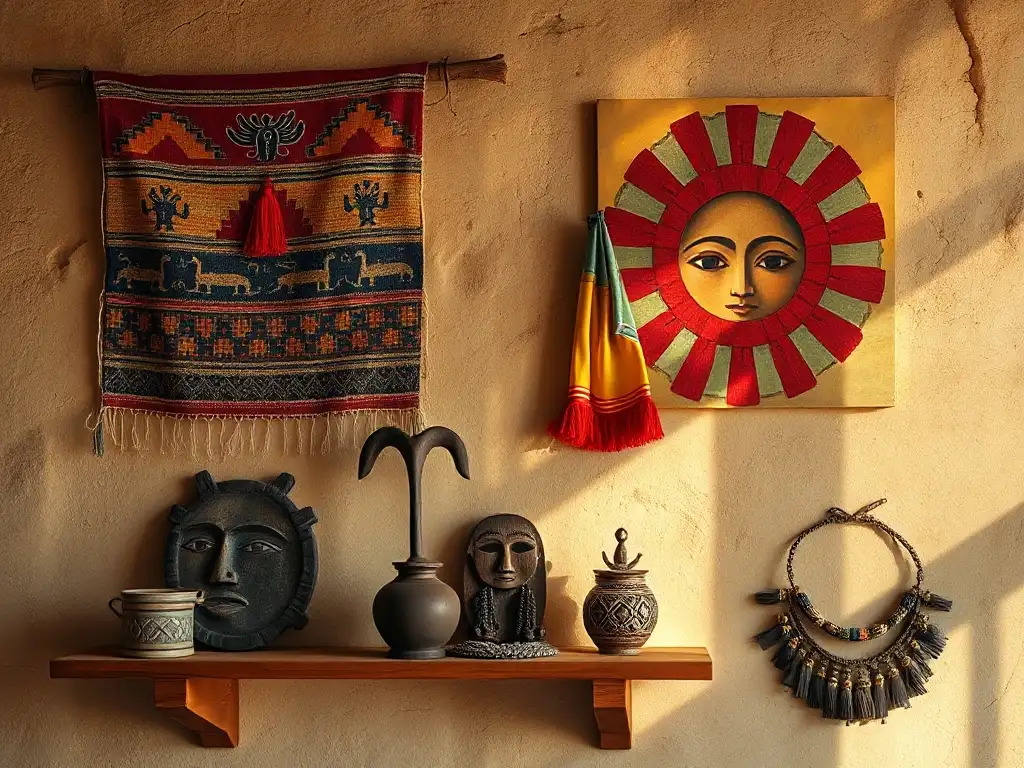
This section explores the vibrant tapestry of contemporary Andean art, demonstrating how ancient traditions are being reinterpreted and revitalized in the 21st century. The Andean art revival isn't a monolithic movement; instead, it's a multifaceted expression reflecting the diverse cultures and experiences of the Andean region. From the intricate textiles of the highlands to the bold, modern paintings of urban centers, contemporary Andean artists are forging new paths while honoring their ancestral heritage.
This dynamic interplay between tradition and innovation is what makes the current Andean art scene so compelling and worthy of study. We'll delve into specific examples to illustrate this rich diversity, highlighting both individual artists and collaborative projects that are contributing to this significant cultural resurgence. The continued interest and appreciation for Andean art, both nationally and internationally, signals a powerful affirmation of indigenous identity and cultural resilience.
The Work of Artist Olga Gutierrez
Olga Gutierrez, a Quechua artist from Cusco, Peru, exemplifies the innovative spirit of the Andean art revival. Her work seamlessly blends traditional Andean techniques with contemporary artistic sensibilities. Gutierrez is known for her striking use of vibrant colors and bold geometric patterns inspired by ancient Andean textiles and pottery. However, she doesn't simply replicate historical styles. Instead, she deconstructs and reassembles these motifs, creating entirely new visual languages that reflect her own experiences and perspectives as a contemporary Andean woman.
Her paintings often incorporate elements of nature, reflecting the deep spiritual connection between Andean communities and their environment. For instance, her series "Pachamama's Embrace" features swirling landscapes and stylized depictions of Andean deities, imbued with a palpable sense of energy and vitality. These pieces are not mere representations; they are powerful statements about the enduring relevance of Andean cosmology in the modern world.
Gutierrez’s work has garnered significant attention both within Peru and internationally, showcasing the growing global interest in contemporary Andean art. Her success is a testament to the power of art to bridge cultural divides and transmit powerful messages across generations.
The Choquekirao Textile Project
The Choquekirao Textile Project is a collaborative initiative that exemplifies the community-based nature of the Andean art revival. Located near the remote Inca citadel of Choquekirao, this project brings together women from local communities to revive traditional textile-making techniques. These women, many of whom are descendants of Inca artisans, are actively preserving and transmitting ancestral knowledge through their craft. The project not only supports the economic empowerment of these women but also plays a crucial role in safeguarding a vital aspect of Andean cultural heritage.
The textiles produced through this project are breathtakingly beautiful. They are characterized by their intricate designs, rich colors derived from natural dyes, and the meticulous craftsmanship that is a hallmark of Andean textile traditions. The project meticulously documents the techniques used, ensuring the preservation of this invaluable knowledge for future generations. Moreover, the sales of these textiles directly benefit the participating communities, fostering economic sustainability and cultural preservation. This model represents a successful strategy for ensuring the long-term survival of traditional Andean arts and crafts. The project's success underlines the importance of community involvement in the Andean art revival.
Diverse Styles in Contemporary Andean Art
The Andean art revival is not confined to a single style or medium. Instead, it encompasses a wide range of artistic expressions, reflecting the diverse cultural landscape of the Andes. From traditional pottery and weaving to contemporary painting, sculpture, and digital art, Andean artists are constantly exploring new avenues of creative expression. This diversity is a testament to the richness and complexity of Andean culture, demonstrating its capacity for adaptation and innovation.
The following table summarizes some of the diverse styles found within the contemporary Andean art scene:
| Style | Description | Examples |
|---|---|---|
| Textile Art | Traditional weaving techniques combined with modern designs and materials. | Tapestries, clothing, wall hangings |
| Ceramics | Traditional pottery techniques, often incorporating ancient motifs and forms. | Vessels, sculptures, decorative objects |
| Painting | Wide range of styles, from representational to abstract, often incorporating Andean themes. | Landscapes, portraits, abstract compositions |
| Sculpture | Traditional and modern forms, often using materials sourced from the Andean region. | Wood carvings, stone sculptures, metalwork |
| Digital Art | Using technology to reinterpret and disseminate Andean artistic traditions. | Animated films, digital paintings, interactive installations |
The ongoing evolution of Andean art demonstrates a vibrant and resilient cultural identity, constantly adapting and redefining itself while deeply rooted in its rich history. This dynamic interplay between tradition and modernity is what characterizes the compelling and significant Andean art revival.
The Future of Andean Artistic Expression
The resurgence of interest in Andean art isn't merely a nostalgic trend; it's a dynamic movement shaping the future of artistic expression in the region. This revival, fueled by a renewed appreciation for indigenous heritage and innovative artistic approaches, promises a vibrant and evolving landscape for Andean art. The future hinges on several key factors, including the participation of young artists, the continuous evolution of artistic styles, and the integration of technology. Understanding these elements is crucial to appreciating the ongoing significance of the Andean art revival.
Andean Art and the Next Generation of Artists
The future of Andean art rests heavily on the shoulders of the next generation of artists. These young creators are not simply replicating the styles of their ancestors; they are engaging in a powerful dialogue between tradition and modernity. Many are actively seeking mentorship from master artisans, learning traditional techniques like weaving, pottery, and metalwork, while simultaneously incorporating contemporary influences and perspectives.
This fusion results in breathtaking pieces that honor the past while forging a unique path forward. For example, some contemporary Andean artists are incorporating elements of street art and graffiti into traditional textile designs, creating a bold and visually striking juxtaposition. Others are experimenting with new materials and techniques, while retaining the core aesthetic principles of their ancestral traditions.
This generational shift ensures the continuation and evolution of Andean artistic traditions, preventing stagnation and fostering innovation. Their work represents not just a continuation, but a vital reimagining of Andean art for the 21st century. The continued support of these young artists through apprenticeships, workshops, and exhibition opportunities is paramount to the success of the Andean art revival.
The Ongoing Evolution of Andean Art
Andean art is not static; it's a constantly evolving entity. The "Andean art revival" isn't a singular event, but rather a continuous process of rediscovery, reinterpretation, and reinvention. Contemporary artists are constantly pushing boundaries, experimenting with new forms and techniques, and exploring fresh perspectives on traditional themes.
This evolution is evident in the diverse range of styles and mediums employed by contemporary Andean artists. From intricate silver jewelry incorporating modern design elements to vibrant paintings that blend traditional iconography with contemporary social commentary, the spectrum of artistic expression is vast and constantly expanding. The incorporation of new materials, such as recycled plastics or industrial metals, alongside traditional materials like alpaca wool and clay, further demonstrates this evolution.
This dynamic process ensures that Andean art remains relevant and engaging, resonating with both local communities and global audiences. The ongoing evolution ensures the Andean art revival remains a powerful force, continually shaping artistic landscapes.
Technology's Role in the Future of Andean Art
Technology is playing an increasingly significant role in the preservation and promotion of Andean art. Digital platforms are offering unparalleled opportunities for artists to connect with wider audiences, both nationally and internationally. Online marketplaces and social media provide avenues for selling artwork, sharing creative processes, and building communities of artists and enthusiasts.
Furthermore, 3D scanning and modeling techniques are being used to digitally archive and preserve fragile artifacts, ensuring that future generations can access and study these invaluable pieces of history. This digital preservation is critical for safeguarding the legacy of Andean art and facilitating further research and study. Moreover, technology is being integrated into the creative process itself.
Digital tools are enabling artists to experiment with new techniques and explore innovative ways of expressing their artistic vision. The synergy between traditional Andean artistry and modern technology is creating exciting new possibilities, ensuring the continued relevance and vibrancy of Andean art in the digital age. The responsible and ethical use of technology is crucial to maintaining the authenticity and cultural integrity of the Andean art revival.
Global Exchange and Andean Artistic Development
The contemporary Andean art revival isn't solely an internal phenomenon; it's deeply intertwined with global artistic dialogues and exchanges. The increased accessibility of information and communication technologies, coupled with globalization's impact on cultural exchange, has significantly influenced the development of Andean art. Artists now have unprecedented opportunities to connect with international audiences, participate in global exhibitions, and collaborate with artists from diverse backgrounds.
This exposure to different artistic styles, techniques, and perspectives enriches their creative processes and leads to innovative hybrid forms of expression. We see a fascinating blend of ancient Andean motifs and techniques with contemporary artistic sensibilities, resulting in a vibrant and dynamic art scene.
For example, the incorporation of digital technologies into traditional textile weaving techniques showcases this fascinating interplay between the old and the new, creating a unique artistic language that resonates with both local and global audiences. This international engagement not only fosters artistic growth but also contributes to a broader understanding and appreciation of Andean artistic heritage worldwide, further fueling the Andean art revival.
The impact of global art markets on the Andean art revival is also noteworthy. The increased demand for authentic and contemporary Andean art pieces has created economic opportunities for Andean artists, encouraging them to continue their artistic practices and pass down their skills to future generations. This economic incentive is a crucial factor in preserving traditional art forms while simultaneously fostering innovation and experimentation.
However, it's essential to acknowledge the potential challenges associated with commercialization. Maintaining the integrity of artistic expression and preventing exploitation of artists and their cultural heritage requires careful consideration and responsible practices within the art market. A balance must be struck between economic viability and the preservation of cultural authenticity.
Organizations and initiatives dedicated to fair trade and ethical sourcing of Andean art play a vital role in navigating these complexities and ensuring sustainable growth of the Andean art revival. The future success of this revival hinges on maintaining this delicate balance between global engagement and the protection of Andean artistic traditions.
Frequently Asked Questions
What is the Andean art revival?
The Andean art revival is a contemporary movement reclaiming and reinterpreting ancient Andean artistic traditions. It involves artists using traditional techniques and motifs while incorporating modern perspectives. This creates a vibrant fusion of old and new.
How do contemporary Andean artists connect to ancient styles?
Contemporary artists often draw inspiration from ancient pottery, textiles, and metalwork, studying pre-Columbian artifacts to understand techniques and iconography. They may use similar materials and patterns, but with a fresh, modern aesthetic.
What are some key themes explored in the Andean art revival?
Common themes include celebration of Andean heritage, environmental concerns, and social justice. Artists often address issues of colonialism, identity, and cultural preservation through their work.
Where can I find examples of the Andean art revival?
Examples can be found in museums, galleries, and online platforms showcasing contemporary Andean art. Many artists also sell their work directly, often highlighting their connection to specific Andean communities.
How does the Andean art revival contribute to cultural preservation?
By reviving and reinterpreting ancient techniques and motifs, the movement helps preserve and promote Andean cultural heritage. This ensures that these traditions continue to inspire and resonate with future generations.
Final Reflection: Echoes of the Andes in a Modern World
The vibrant tapestry of Andean art, once relegated to history books and museum displays, is experiencing a powerful resurgence, a testament to the enduring spirit and cultural resilience of its people. This revival is not merely a nostalgic return to the past; it's a dynamic reimagining of ancient traditions, infused with contemporary perspectives and techniques, creating a breathtaking dialogue between generations. This renewed interest reflects a growing global awareness of Indigenous cultures and a desire to understand and celebrate their rich heritage.
The impact of this Andean art revival extends far beyond the gallery walls; it's a powerful force shaping cultural identity and challenging dominant narratives. It's a reclamation of history, a celebration of ancestral knowledge, and a vibrant expression of contemporary Indigenous voices. Art washes away from the soul the dust of everyday life.
– Pablo Picasso. This quote, while not specifically about Andean art, perfectly encapsulates the transformative power of this artistic movement, cleansing away the apathy and ignorance that can obscure the beauty and significance of Indigenous cultures. The continued exploration and appreciation of this art form are crucial for fostering intercultural understanding and respect.
Consider the threads of history woven into each piece, the stories whispered through vibrant colors and intricate designs. You, the reader, are now part of this ongoing conversation. Engage with Andean art; seek out exhibitions, support Indigenous artists, and learn about the rich history and cultural significance behind each creation. Let the echoes of the Andes resonate within you, inspiring a deeper appreciation for the enduring power of art and culture to connect us across time and space.
Unleash Your Creativity: Get Inspired by Andean Art!
Thank you for exploring the vibrant world of contemporary Andean art! We hope you've gained a deeper understanding of how these modern expressions connect us to ancient cultures. Now, let's put that inspiration into action!
- Visit a Museum or Gallery: Immerse yourself in the creativity of Andean artists by visiting a local museum or gallery showcasing their work.
- Create Your Own Artwork: Find inspiration in traditional Andean motifs and techniques, and try creating your own piece of art.
- Share Your Discovery: Share this article with friends and family, or post it on social media to inspire others to appreciate the fascinating blend of ancient traditions and modern artistic expression in Andean art.
How do you think contemporary Andean art is changing our understanding of ancient Andean cultures? Join the conversation in the comments below!