
The Power of the Volcano: Exploring the Dual Nature of Volcanic Activity in Andean Beliefs

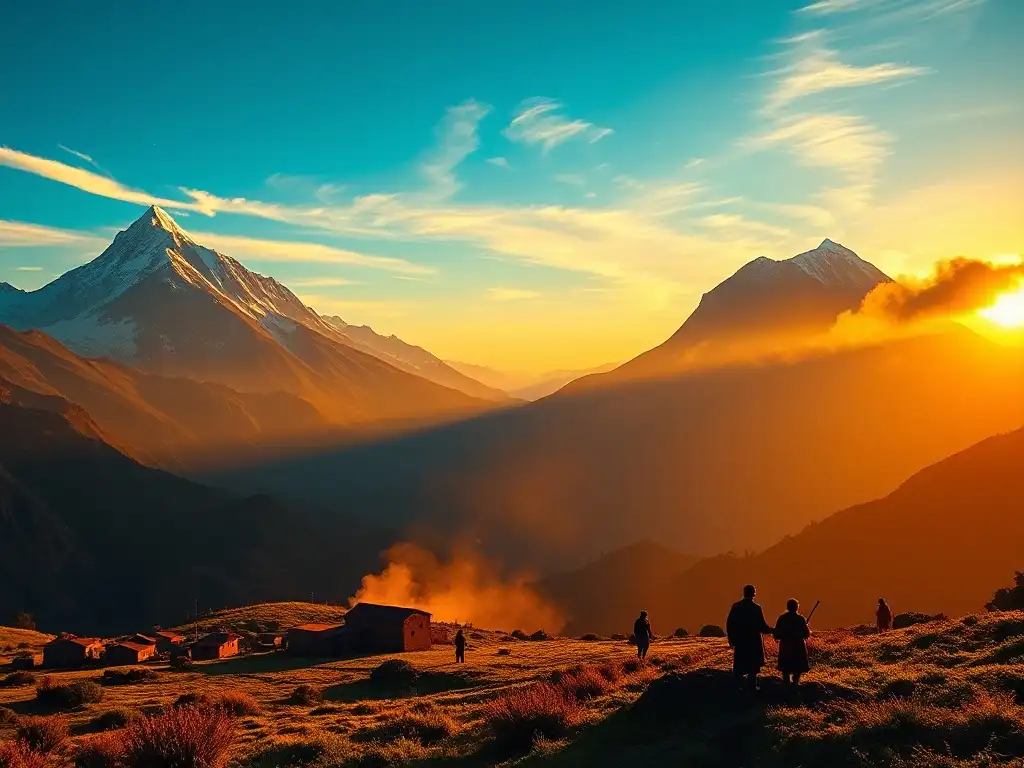
Unravel the mysteries of the Andes! Journey through millennia of vibrant cultures, from the intricate artistry of the Nazca to the sophisticated engineering of the Incas. But what fueled their beliefs, their societies, their very existence?
Prepare to be captivated by the powerful and often paradoxical role of Andean volcano mythology, a key element in understanding their complex cosmology. Discover how these towering peaks shaped not only the landscape but also the very soul of Andean civilizations. Explore the dual nature of volcanic activity – from destructive force to life-giving source – and uncover the fascinating stories woven into the fabric of their beliefs.
The Andes Mountains, a spine of towering peaks stretching along the western edge of South America, are not merely a geographical feature; they are the very heartbeat of Andean cosmology and worldview. For millennia, the indigenous peoples of this region have lived in intimate relationship with the dramatic landscape, particularly its most powerful and unpredictable element: volcanoes. This article delves into the fascinating world of Andean volcano mythology, exploring the complex and often paradoxical role volcanoes played—and continue to play—in shaping Andean beliefs, rituals, and societal structures.
We will examine how these powerful forces of nature were perceived not simply as destructive agents, but also as sources of life, fertility, and spiritual power, reflecting a nuanced understanding of the dual nature of volcanic activity. Understanding Andean volcano mythology provides a crucial key to unlocking the rich tapestry of Andean culture and its enduring connection to the land.
This exploration will uncover the intricate web of beliefs surrounding volcanic deities, creation myths, and the profound respect held for these majestic, volatile mountains. We will discover how the fearsome power of eruption coexisted with the life-giving properties of volcanic soil, shaping a unique and compelling spiritual landscape.
Andean Volcano Mythology: A Source of Creation and Destruction
Andean volcano mythology is characterized by a deep-seated awareness of the volcano's dual nature. Volcanoes were seen as both terrifying agents of destruction and powerful sources of creation. The fertile volcanic soil, essential for agriculture, was a constant reminder of the life-giving potential residing within these fiery mountains.
However, the unpredictable nature of volcanic eruptions, capable of devastating entire communities, instilled a profound sense of awe and reverence, often intertwined with fear. This duality is reflected in the rich tapestry of myths, legends, and rituals surrounding volcanic activity. Many Andean cultures believed that volcanoes were the dwelling places of powerful deities, capable of both bestowing blessings and inflicting devastating punishments.
The cyclical nature of volcanic activity – periods of dormancy interspersed with violent eruptions – mirrored the Andean understanding of the cyclical nature of life, death, and rebirth. This understanding shaped their worldview and influenced their agricultural practices, social structures, and spiritual beliefs. The very landscape itself, sculpted by volcanic forces, became a sacred space, imbued with spiritual significance.
Volcanic Deities and Their Significance in Andean Cosmology
The Andean worldview is populated by a pantheon of deities, many of whom are directly associated with volcanoes. These deities were not merely abstract concepts but powerful forces actively involved in the lives of the Andean people. Their moods, perceived through volcanic activity, dictated the success of harvests, the health of communities, and the overall well-being of the region.
Offerings and rituals were performed to appease these powerful beings, ensuring their favor and averting their wrath. The specific nature of these deities varied across different Andean cultures, but their fundamental role as powerful intermediaries between the human and supernatural realms remained consistent. The relationship between the people and these volcanic deities was complex and dynamic, reflecting a deep understanding of the power and unpredictability of the natural world.
This relationship shaped social hierarchies, religious practices, and the very fabric of Andean society. Understanding these deities is essential to understanding the Andean perception of the world and their place within it.
The Apu: Guardian Spirits of the Andean Peaks
Many Andean cultures believed that the highest mountains, including volcanoes, were inhabited by Apus, powerful mountain spirits. These Apus were considered to be guardians of the land and its people, possessing the ability to influence weather patterns, agricultural yields, and the overall prosperity of the communities living in their shadow. The Apus were revered and respected, and offerings were made to them to maintain their favor.
This reverence extended beyond simple appeasement; it represented a deep-seated recognition of the interconnectedness between the human and natural worlds. The Apus, representing the powerful forces of nature, were not to be feared but rather understood and respected as integral parts of the Andean ecosystem. Their presence was felt in the daily lives of the people, shaping their relationship with the land and influencing their social structures.
The Role of Volcanoes in Creation Myths of Inca Culture
In Inca mythology, volcanoes played a significant role in creation narratives. While specific details vary across different accounts, many myths depict volcanoes as the birthplace of powerful deities or as the sites of significant cosmological events. These myths often emphasized the connection between the underworld, the earthly realm, and the celestial sphere, with volcanoes serving as powerful symbols of this interconnectedness.
The volcanic landscape itself was viewed as sacred, imbued with the power and energy of the creator gods. These creation myths served not only to explain the origin of the world but also to reinforce the importance of respecting the natural world and maintaining a harmonious relationship with the powerful forces of nature, including the volatile yet life-giving volcanoes. Understanding these creation stories offers valuable insight into the Inca worldview and their profound connection to the Andean environment.
The Dual Nature of Volcanic Activity: A Metaphor for Life and Death
The Andes Mountains, a spine of towering peaks running along the western edge of South America, are not just a geographical feature; they are a fundamental element in the Andean worldview. Volcanic activity, a powerful and ever-present force in this landscape, was understood not as a purely destructive phenomenon, but as a duality, embodying both life-giving fertility and terrifying destruction. This dual nature mirrors the cyclical understanding of life and death prevalent in Andean cosmology.
The fertile volcanic soils, rich in minerals, supported thriving agriculture, providing the basis for the sophisticated civilizations that flourished in the region. This abundance, directly linked to volcanic activity, fostered a deep reverence for these powerful mountains. However, the unpredictable nature of volcanoes, their capacity for sudden and devastating eruptions, instilled a profound respect tinged with fear.
This inherent duality shaped Andean beliefs, rituals, and artistic expressions, reflecting a complex relationship between humans and the natural world. The constant interplay between creation and destruction, life and death, became deeply ingrained in their understanding of the cosmos.
Volcanoes as a Symbol of Fertility and Renewal
The rich, dark soil produced by volcanic activity was essential for the agricultural success of Andean societies. The Incas, for example, developed sophisticated agricultural techniques, such as terracing, to maximize the use of this fertile land. The abundance of crops, directly linked to the volcanic soil, was seen as a gift from the mountain gods.
This connection fueled the belief that volcanoes were sources of fertility and renewal, embodying the cyclical nature of life, death, and rebirth. Volcanic mountains were often considered sacred, the dwelling places of powerful deities who controlled the lifeblood of the land. The vibrant colors of the volcanic landscape, the lush vegetation springing from the fertile soil – all these served as constant reminders of the life-giving power inherent in these seemingly destructive forces.
This understanding shaped agricultural practices, influencing planting cycles and rituals aimed at ensuring bountiful harvests, further solidifying the volcano's role as a symbol of fertility and renewal. The annual cycles of planting and harvesting directly mirrored the cyclical nature of volcanic activity, reinforcing this powerful connection.
Volcanic Eruptions and Their Connection to Chaos and Destruction
While volcanoes provided life-sustaining fertility, their unpredictable nature also represented chaos and destruction. Eruptions, with their devastating power, were interpreted as expressions of the mountain gods' anger or displeasure. The sudden release of molten rock, ash, and gases could obliterate entire settlements, burying them under layers of volcanic debris.
These catastrophic events served as stark reminders of the immense power of nature and the vulnerability of human life. The destruction caused by volcanic eruptions was not simply seen as a random event but as a manifestation of divine power, a force that could both create and destroy.
This understanding profoundly influenced Andean worldview, shaping their perception of risk and reinforcing the need for appeasement rituals to maintain a balance between human activity and the volatile power of the mountains. Historical accounts and archaeological evidence reveal the devastating impact of volcanic eruptions on Andean communities, underscoring the fear and respect they inspired.
Andean Rituals and Offerings to Appease Volcanic Forces
To maintain a harmonious relationship with the powerful forces of nature, Andean peoples developed elaborate rituals and offerings aimed at appeasing the mountain gods. These practices were not simply superstitious acts but rather integral components of their worldview, reflecting a deep understanding of the interconnectedness between humans and the environment.
The offerings varied widely depending on the specific deity and the nature of the request, ranging from simple gifts of food and drink to elaborate ceremonies involving human sacrifice in extreme cases. The motivation behind these rituals was not simply to avoid volcanic eruptions but to maintain a balance in the cosmos, ensuring the continued fertility of the land and the well-being of the community.
These practices were deeply ingrained in the social fabric of Andean societies, providing a framework for understanding and interacting with the natural world. The rituals served as a means of communicating with the divine, seeking protection and ensuring the continuation of life.
The Capac Cocha Ritual: Child Sacrifice to Mountain Gods
The practice of capac cocha, the sacrifice of children to appease mountain gods, represents a particularly stark example of the extreme measures taken to maintain balance and ensure the well-being of the community. While highly controversial, this ritual highlights the profound fear and respect associated with volcanic activity and the perceived power of the mountain deities.
These sacrifices, often involving children deemed to possess special qualities, were believed to be essential to maintaining cosmic harmony and preventing catastrophic events. The selection process, the ceremonial preparations, and the actual act of sacrifice were all meticulously planned and executed, reflecting the significance of the ritual within Andean society.
Archaeological evidence, such as the discovery of mummified children at high-altitude sites, provides chilling testimony to this practice. The capac cocha ritual, though unsettling, offers crucial insight into the depth of Andean reverence for the mountains and their willingness to make extreme sacrifices to appease powerful forces beyond their control.
Coca Leaves and Chicha: Common Offerings to Volcanoes
Coca leaves and chicha, a fermented corn beverage, were commonly offered to volcanoes as tokens of respect and appeasement. Coca, a sacred plant with significant spiritual and medicinal importance in Andean culture, was chewed as a stimulant and offered to deities as a symbol of reverence. Chicha, a staple beverage, represented communal life and prosperity.
The offering of these items reflected the desire to maintain a harmonious relationship with the mountain gods, seeking their continued favor and protection. These offerings were not random acts but rather carefully considered gestures, imbued with symbolic meaning and intended to demonstrate respect and gratitude for the life-sustaining bounty provided by the volcanoes.
The act of offering these items was deeply embedded within Andean religious practices, underscoring the importance of maintaining a reciprocal relationship with the natural world. The regular provision of these offerings served as a constant affirmation of the interdependence between humans and the powerful forces of nature.
The Impact of Volcanic Activity on Andean Agriculture and Society
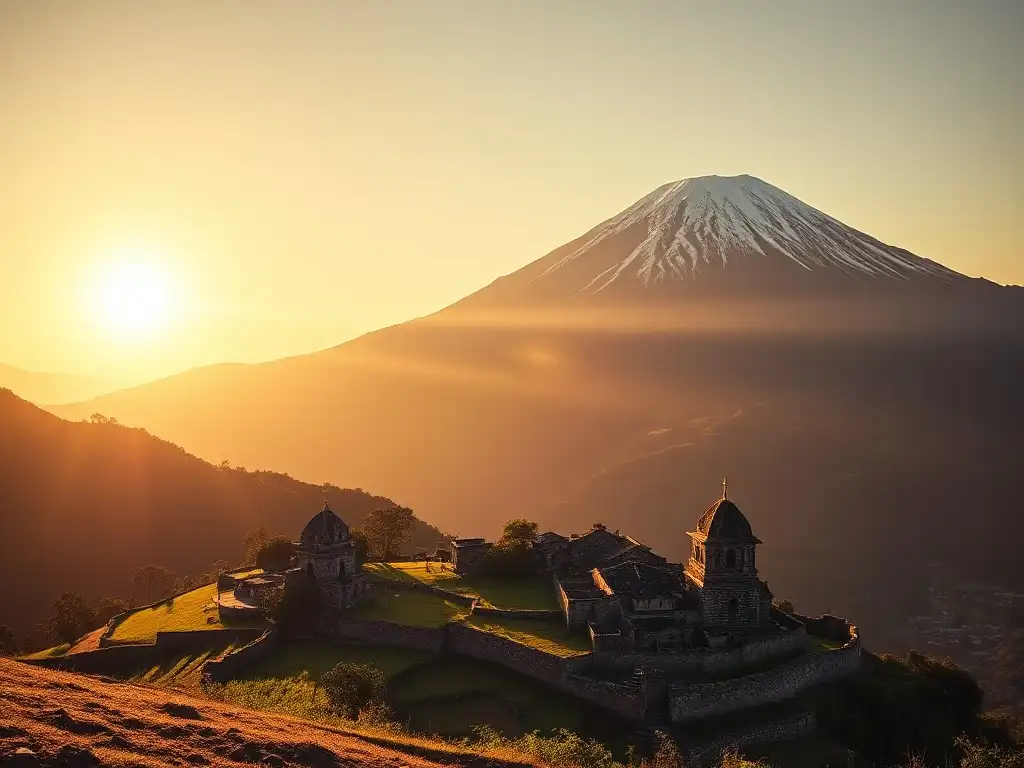
The Andes Mountains, a geographically imposing presence, profoundly shaped Andean civilizations. Volcanic activity, while potentially destructive, also played a crucial role in shaping the landscape and influencing agricultural practices and societal structures. The rich volcanic soil, though demanding careful management, provided fertile grounds for cultivating essential crops like potatoes, maize, and quinoa. This fertile land, however, was often interspersed with unpredictable volcanic events—eruptions, tremors, and lahars—that presented both challenges and opportunities.
The constant interaction with this powerful force of nature fostered a deep understanding of its rhythms and a sophisticated adaptation to its inherent risks. Communities developed intricate systems of land management and resource allocation, demonstrating a remarkable resilience in the face of adversity. The very survival of these societies depended on their capacity to balance the benefits of volcanic soil with the dangers of volcanic activity.
This constant negotiation between humanity and nature is a defining feature of Andean history and cultural identity. Their relationship with the volcanoes was not simply one of fear, but of profound respect and understanding. They learned to read the signs of the earth, interpreting the rumbling and smoke as signals that demanded attention and appropriate responses.
Terraced Farming and Irrigation Systems: Adapting to Volcanic Soil
The unique characteristics of volcanic soil—rich in minerals but prone to erosion and rapid water runoff—necessitated innovative agricultural techniques. Andean communities developed sophisticated terraced farming systems, carving steps into the steep mountain slopes to create level plots for cultivation. These terraces not only prevented soil erosion but also maximized land use in challenging terrain.
The intricate network of canals and irrigation systems, often built along the slopes of volcanoes, provided a controlled supply of water to the terraced fields. These systems demonstrated a deep understanding of hydrology and soil management, allowing for efficient cultivation despite the unpredictable nature of volcanic landscapes. For example, the impressive agricultural terraces of the Inca empire, many of which still stand today, are a testament to this ingenuity and the deep connection between Andean agriculture and the volcanic environment.
The intricate design of these systems, adapted to specific microclimates and soil types, reflects a remarkable level of knowledge and planning. These weren't simply agricultural solutions; they were expressions of a deep-seated understanding of the environment and the power of collaboration within Andean communities.
The Impact of the Huaynaputina Eruption on the Inca Empire
The Huaynaputina eruption in 1600 CE, one of the largest volcanic events in recorded history, dramatically impacted the Inca Empire, already weakened by internal strife and Spanish colonization. The eruption's ashfall blanketed vast areas, destroying crops and disrupting agricultural practices. The resulting famine and disease significantly contributed to the empire's decline.
The eruption serves as a stark reminder of the destructive potential of volcanic activity and its far-reaching consequences on human societies. The impact of this event was not limited to the immediate vicinity of the volcano; its effects rippled through the entire region, affecting trade routes, food supplies, and social stability.
The consequences of the Huaynaputina eruption demonstrate the vulnerability of even powerful empires to the forces of nature, highlighting the crucial role of environmental factors in shaping historical events. The eruption offers a compelling example of how natural disasters can interact with other social and political forces to shape the course of history.
The Enduring Legacy of Andean Volcano Beliefs in Modern Times
Andean volcano beliefs, deeply rooted in the region’s history and cosmology, continue to influence contemporary life and cultural expressions. While scientific understanding of volcanoes has advanced, the spiritual significance of these powerful natural forces remains central to Andean identity. The reverence for apus, or mountain spirits, which often inhabit volcanoes, is still prevalent in many Andean communities.
The deep-seated connection between the people and their environment continues to shape traditions, rituals, and artistic expressions. The enduring legacy of these beliefs reflects a rich and complex relationship between humans and the natural world, demonstrating the resilience of spiritual traditions in the face of modernization.
Annual Festivities Honoring Pachamama and the Apu
Annual festivals, such as the Pachamama celebrations (honoring Mother Earth) often incorporate rituals related to volcanoes. These events involve offerings, prayers, and ceremonies aimed at appeasing the apus and ensuring the fertility of the land. The festivities are not merely religious observances but also social events that reinforce community bonds and cultural identity.
Many communities perform rituals involving the offering of coca leaves, alcohol, and other gifts to the mountain spirits in the hope of ensuring a bountiful harvest and protection from natural disasters. These practices demonstrate the enduring importance of traditional beliefs in the daily lives of Andean communities and show how these beliefs integrate seamlessly with modern life. They underscore the continuing relevance of Andean cosmology in a rapidly changing world.
The Interpretation of Volcanoes in Contemporary Andean Art and Literature
Contemporary Andean art and literature frequently feature volcanoes as powerful symbols of nature's power, resilience, and spiritual significance. Artists and writers explore the dual nature of volcanic activity, portraying both its destructive potential and its life-giving properties. The imagery of volcanoes often represents the dynamic relationship between humanity and the natural world, reflecting the ongoing dialogue between tradition and modernity.
The integration of volcanic imagery into artistic expressions underscores the enduring influence of Andean cosmology and the continuing relevance of traditional beliefs in contemporary culture. These artistic representations serve as powerful reminders of the ongoing connection between Andean communities and the volcanic landscape that has shaped their history and identity. The artistic use of volcanoes offers an insightful lens through which to examine the rich tapestry of Andean culture and worldview.
Understanding the Andean Perspective on Volcanic Power
Andean cultures didn't view volcanoes as merely geological formations; they were powerful, sentient beings deeply interwoven into their cosmology and worldview. The Andean perspective on volcanic power wasn't simply one of fear or awe, but a complex understanding of duality, recognizing both the destructive and creative forces inherent in volcanic activity. This nuanced view is reflected in their myths, rituals, and daily lives, shaping their relationship with the landscape and their understanding of the cosmos.
Unlike a purely fearful response, Andean societies developed sophisticated strategies to coexist with these powerful forces, incorporating volcanic activity into their agricultural practices, religious ceremonies, and social structures. This intricate relationship demonstrates a profound respect for the power of nature and a deep understanding of its cyclical nature.
The Andean understanding wasn't just about survival; it was about integration and a harmonious existence within a volatile yet life-giving environment. Their worldview is a testament to human adaptability and the ability to find meaning and purpose even in the face of immense natural power.
This understanding wasn't static; it varied across different Andean cultures and even within the same culture over time. For example, the Inca's relationship with volcanoes, while incorporating elements of reverence and appeasement, also involved practical considerations like utilizing volcanic ash for agriculture. This demonstrates a pragmatic approach alongside the spiritual one, highlighting the interconnectedness of their beliefs and daily practices.
Furthermore, the specific myths and rituals associated with volcanoes differed regionally, reflecting the unique characteristics of individual volcanoes and the distinct cultural traditions of the various Andean communities. This diversity underscores the richness and complexity of Andean beliefs regarding volcanoes, emphasizing the importance of understanding the specific context when examining their interactions with these powerful natural phenomena. The common thread, however, remained a deep-seated understanding of the dual nature of volcanic power – both destructive and life-giving.
The Andean perspective offers a valuable lesson in understanding our relationship with nature. Their holistic approach, integrating spiritual beliefs with practical knowledge, provides a stark contrast to modern approaches that often compartmentalize nature into separate categories of scientific observation and spiritual contemplation. By studying Andean volcano mythology, we can gain a deeper appreciation for the interconnectedness of all things and a more nuanced understanding of the power and influence of the natural world.
Their wisdom holds valuable insights for contemporary societies grappling with the challenges of environmental stewardship and the need for a more sustainable coexistence with our planet's powerful forces. Understanding their perspective can help us develop more holistic and respectful approaches to managing our relationship with the natural world, moving beyond a purely utilitarian view to one of mutual respect and interdependence.
- Andean Volcano Mythology: A Source of Creation and Destruction
- Volcanic Deities and Their Significance in Andean Cosmology
- The Dual Nature of Volcanic Activity: A Metaphor for Life and Death
- Andean Rituals and Offerings to Appease Volcanic Forces
- The Impact of Volcanic Activity on Andean Agriculture and Society
- The Enduring Legacy of Andean Volcano Beliefs in Modern Times
- Understanding the Andean Perspective on Volcanic Power
- What role did volcanoes play in Andean mythology?
- How did different Andean cultures perceive volcanoes?
- Were volcanoes considered solely destructive forces in Andean beliefs?
- Are there specific Andean myths about volcanoes that are widely known?
- How did Andean people interact with volcanoes in their daily lives?
Frequently Asked Questions
What role did volcanoes play in Andean mythology?
Andean cultures viewed volcanoes as powerful, ambivalent forces. They were revered as sources of life and death, embodying both creation and destruction in their mythology. Many deities and spirits were associated with volcanic activity.
How did different Andean cultures perceive volcanoes?
Perceptions varied across cultures. Some, like the Inca, saw volcanoes as sacred mountains inhabited by powerful deities. Others, such as the Moche, incorporated volcanic imagery into their art and religious practices, reflecting their understanding of volcanic power.
Were volcanoes considered solely destructive forces in Andean beliefs?
No, volcanoes were seen as having a dual nature. While capable of destruction, they were also considered vital for agricultural fertility and providing essential resources. Their eruptions were often interpreted as expressions of divine power, rather than purely negative events.
Are there specific Andean myths about volcanoes that are widely known?
Yes, many legends exist, often involving powerful deities interacting with volcanoes. Stories often describe the origins of volcanoes, their eruptions, and the consequences for human communities. These narratives are frequently tied to agricultural cycles and the well-being of the people.
How did Andean people interact with volcanoes in their daily lives?
Their interaction varied. Some communities performed rituals and offerings at volcanic sites to appease the deities and ensure good harvests. Others developed sophisticated agricultural techniques to adapt to the volcanic landscape and utilize its fertile soils. Volcanoes were deeply integrated into their daily lives and spiritual world.
Final Reflection: Echoes of Fire and Creation in the Andes
The enduring legacy of Andean volcano mythology continues to shape our understanding of the relationship between humanity and the natural world. Volcanic activity, far from being merely a geological phenomenon, remains a potent force in the cultural consciousness of Andean communities, reminding us of the profound interconnectedness of all living things and the power of nature to both destroy and create.
The stories woven around Andean volcanoes are not simply ancient tales; they are living narratives that reflect the ongoing struggle for harmony between human society and the volatile forces of the earth. These myths, passed down through generations, offer invaluable insights into the resilience and spiritual depth of Andean cultures. They highlight the importance of respecting the power of nature and living in balance with its rhythms. The mountain is not just a mountain; it is a living being, a powerful spirit that must be respected and honored.
– (A hypothetical quote from an Andean elder, reflecting the core belief).
Consider the power of these stories. How might a deeper understanding of Andean volcano mythology enrich your own perspective on the environment and your place within it? I invite you to reflect on the profound connection between humanity and the natural world, and to explore how we can foster a more harmonious relationship with the planet, learning from the wisdom embedded within these ancient traditions. Let the echoes of fire and creation inspire you to act as stewards of our shared Earth.
Embrace the Power of Volcanoes and Ignite Your Curiosity!
Thank you for joining us on this captivating journey into the Andean understanding of volcanic activity. We hope this exploration has deepened your understanding of how these majestic forces of nature shape both the landscape and spiritual life in the Andes. Now, let's delve even deeper into this fascinating subject!
Here are some ways you can further explore the world of Andean volcanology:
- Explore Local Mythology: Research local legends and beliefs surrounding specific Andean volcanoes. Discover the stories that connect with your own experiences and perspectives.
- Visit a Museum or Online Exhibit: Many museums offer in-person and virtual tours showcasing Andean cultures and the significance of volcanoes, bringing this rich heritage to life.
- Share Your Insights: Discuss your newfound knowledge with friends, family, or online communities focused on Andean civilizations. Engaging in conversations can spark new perspectives and understanding.
What aspects of Andean volcanic beliefs most resonate with your own understanding of nature's power? We'd love to hear your thoughts!