
Tiahuanaco's Enigmatic Sun God: Unveiling the Secrets of Inti

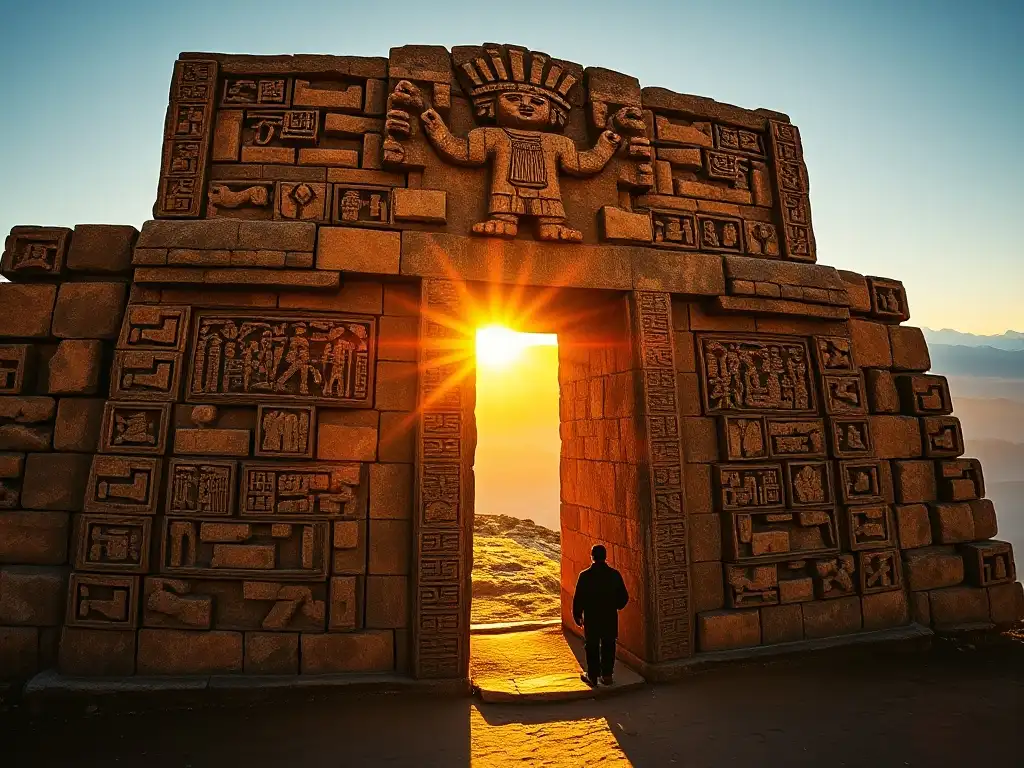
Step into a world lost to time, where the echoes of a magnificent empire still resonate. Prepare to be captivated by the enigmatic Andean civilizations, their breathtaking artistry, and advanced technology. But our journey begins with a mystery—the Tiahuanaco Sun God Inti, and the secrets he holds. Dare to uncover the truth behind his power and influence in this exploration of Tiahuanaco's Sun God Inti secrets. Discover a legacy unlike any other... if you're brave enough.
- Tiahuanaco's Enigmatic Sun God: Unveiling the Secrets of Wiracocha
- The Significance of Wiracocha in Tiahuanaco Religion
- Unraveling the Mysteries: Tiahuanaco Creator God Wiracocha Secrets
- Wiracocha's Influence on Tiahuanaco Culture and Society
- Comparing Wiracocha to Other Andean Deities
- The Legacy of Wiracocha: Understanding the Tiahuanaco Creator God Today
-
Frequently Asked Questions
- What is the significance of Inti in Tiahuanaco culture?
- How is Inti depicted in Tiahuanaco art and architecture?
- What are some of the mysteries surrounding Inti in Tiahuanaco?
- How did the worship of Inti influence the daily life of Tiahuanaco people?
- Where can I learn more about the Sun God Inti and Tiahuanaco?
- Final Reflection: The Enduring Legacy of Inti, Tiahuanaco's Sun God
- Unveil the Mysteries of Inti and Transform Your Understanding!
Tiahuanaco's Enigmatic Sun God: Unveiling the Secrets of Wiracocha
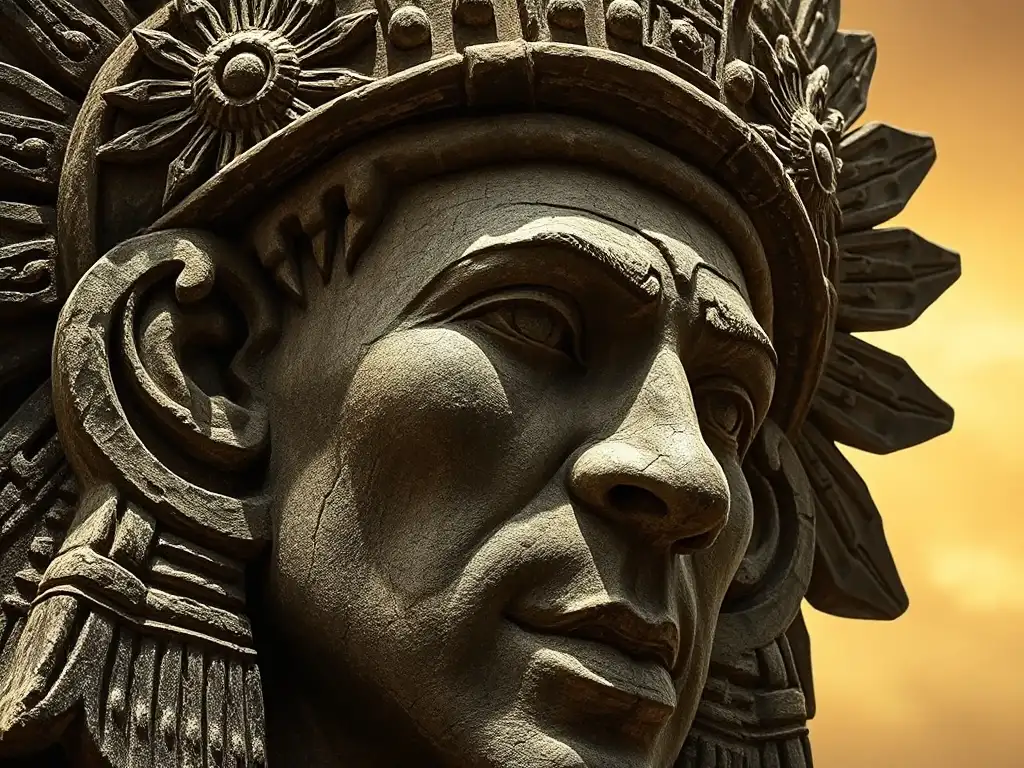
The ancient city of Tiahuanaco, nestled high in the Altiplano of Bolivia, remains shrouded in mystery, its monumental architecture and intricate iconography whispering tales of a sophisticated civilization and a complex religious system. Central to this cosmology was Inti, the Sun God, a powerful deity whose influence permeated every aspect of Tiahuanaco life, from its intricate agricultural practices to its awe-inspiring artistic creations.
This article delves into the enigmatic world of Inti, exploring the secrets embedded within the archaeological record and uncovering the layers of meaning associated with this revered figure. We will examine the representations of Inti in Tiahuanaco art, analyze the rituals likely performed in his honor, and consider the role he played in shaping the worldview of the Tiahuanaco people.
Understanding Inti provides a crucial key to unlocking the mysteries of this fascinating and influential Andean civilization, shedding light on their beliefs, social structures, and technological achievements. This exploration will be particularly focused on deciphering the secrets surrounding the Tiahuanaco Sun God Inti, a quest that involves piecing together fragmented evidence and interpreting symbolic representations to unveil the rich tapestry of their religious beliefs.
Inti: The Sun God's Manifestations in Tiahuanaco Art
Depictions of Inti in Tiahuanaco art are remarkably diverse, reflecting the multifaceted nature of this deity. He is often portrayed as a radiant sun disc, sometimes adorned with intricate designs and symbolic elements. These representations are found throughout the site, carved into stone monuments, depicted on ceramics, and woven into textiles.
The stylistic variations across different periods and mediums suggest an evolving understanding of Inti's role within the Tiahuanaco pantheon. For instance, early representations might focus on his life-giving power, while later depictions could emphasize his role as a cosmic ruler. Detailed analysis of these artistic expressions reveals subtle shifts in iconography, suggesting a complex interplay between religious beliefs and social changes within Tiahuanaco society.
The sheer volume of Inti imagery across various media underscores the paramount importance of this deity in the daily lives and spiritual beliefs of the Tiahuanaco people. Further research is needed to fully understand the nuances of these variations and their implications.
Rituals and Ceremonies Honoring Inti: Unveiling the Practices
While direct evidence of Tiahuanaco rituals dedicated to Inti is limited, archaeological findings provide clues to their likely nature. The monumental architecture of Tiahuanaco, particularly the Kalasasaya complex, suggests the existence of large-scale public ceremonies. The precise alignment of structures with celestial events, such as solstices and equinoxes, points towards a sophisticated understanding of astronomy and its integration into religious practice.
It's highly probable that these events were marked by elaborate rituals involving offerings, processions, and possibly human sacrifice, although the specifics remain largely speculative due to the limited surviving evidence. The discovery of ceremonial objects, such as intricately carved stone implements and finely crafted ceramics, further supports the hypothesis of elaborate rituals dedicated to Inti and other deities within the Tiahuanaco pantheon. [Specific information pending] regarding the nature and frequency of these ceremonies.
Inti's influence extended beyond the purely religious realm; he played a significant role in shaping the socio-political structure of Tiahuanaco society. His image served as a powerful symbol of authority, legitimizing the rule of the elite and reinforcing social hierarchies. The depiction of Inti on royal insignia and monumental architecture suggests his role as a divine patron of the ruling class.
Control over the Sun God's image and the rituals associated with him likely served as a key instrument of power, consolidating the authority of the ruling elite and maintaining social order within the vast Tiahuanaco empire. The extent of Inti's influence on political decision-making and the administration of justice remains a subject of ongoing research.
Further analysis of the archaeological data and a comparative study with other Andean cultures are needed to fully appreciate the intricate relationship between religion and power in Tiahuanaco. The symbolic power of Inti likely served as a cornerstone of the Tiahuanaco state’s legitimacy and cohesion.
Unanswered Questions and Future Research on Inti
Despite significant advancements in our understanding of Tiahuanaco culture, many questions surrounding Inti remain unanswered. The precise nature of his mythology, the details of his interactions with other deities, and the evolution of his worship over time require further investigation. Future research should focus on integrating interdisciplinary approaches, combining archaeological findings with ethnohistorical data and analyses of iconography to gain a more holistic understanding of this enigmatic deity.
Technological advancements in dating techniques and imaging technologies will also be crucial in unveiling new information about Inti's role in Tiahuanaco society. The continued exploration of the Tiahuanaco site and its surrounding areas promises to reveal more secrets about Inti and his enduring legacy. The enigmatic nature of Inti continues to fascinate researchers and underscores the enduring mystery of Tiahuanaco civilization.
The Significance of Wiracocha in Tiahuanaco Religion
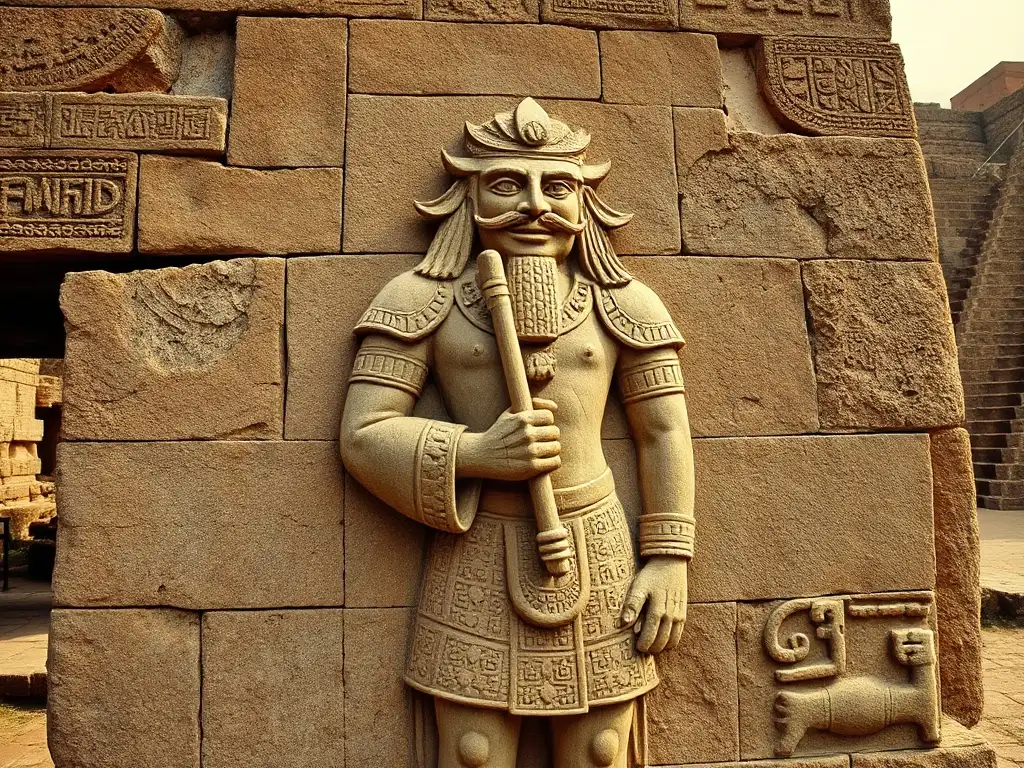
While Inti, the Sun God, undoubtedly held a prominent position in Tiahuanaco's pantheon, understanding the full scope of their religious beliefs requires acknowledging the crucial role of Wiracocha. This creator deity, often depicted as a bearded figure, wasn't simply a secondary god; his influence permeated various aspects of Tiahuanaco's cosmology and worldview. The interplay between Wiracocha and Inti, rather than a direct competition, suggests a complex, hierarchical structure within their religious system.
Further research is needed to fully decipher the nuanced relationship between these two powerful figures, however, the evidence strongly suggests a co-dependence rather than a conflict. The presence of both deities in numerous artistic representations and architectural designs points to a belief system that integrated both creator and solar power. This is a crucial element for understanding the Tiahuanaco Sun God Inti secrets, as the context of Inti's power is interwoven with the overarching authority of Wiracocha.
The Role of the Creator God in Andean Cosmology
Wiracocha's role as a creator god extended beyond the mere act of creation. In Andean cosmology, he was often associated with the origin of the universe, the emergence of humanity, and the establishment of cosmic order. Unlike some creation myths focusing solely on a singular event, Wiracocha's influence permeated the ongoing existence of the cosmos.
He was viewed as a sustaining force, responsible for maintaining balance and harmony within the world. This continuous role contrasted with the more cyclical nature of Inti's influence, focused on the daily and seasonal rhythms of the sun. Many scholars believe that Wiracocha's presence provided a foundational framework for understanding Inti's power, placing the sun god within a larger cosmic narrative.
This perspective helps to unlock some of the Tiahuanaco Sun God Inti secrets, highlighting the intricate web of beliefs that defined their religious practices. The cyclical nature of Inti's power, represented by the sun's daily journey, was balanced by the enduring presence and influence of Wiracocha, ensuring a stable cosmic order. This dynamic interaction between the creator god and the sun god is key to interpreting Tiahuanaco religious iconography and practices.
Wiracocha's Representation in Tiahuanaco Art and Architecture
The representation of Wiracocha in Tiahuanaco art and architecture is often subtle, yet powerful. Unlike Inti, whose solar imagery is immediately recognizable, Wiracocha's depiction is more nuanced. He is frequently represented as a bearded figure, sometimes wearing a headdress, possibly suggesting a connection to the sky or higher realms.
His presence is often inferred through context rather than explicit iconography. For example, his influence might be suggested through scenes depicting the creation of the world or the emergence of humanity, themes frequently found on Tiahuanaco's intricately carved stones and monumental structures. The lack of overtly prominent depictions of Wiracocha might be interpreted as a reflection of his transcendent nature, a supreme being whose presence permeates all aspects of existence.
This subtlety adds another layer to the Tiahuanaco Sun God Inti secrets, requiring careful analysis of artistic context and symbolism to fully appreciate the deity's influence. The careful study of architectural layouts and the positioning of sculptures within the city itself may also reveal more about the relationship between Wiracocha and Inti and their perceived roles in the Tiahuanaco worldview. The search for these subtle clues continues to be a focus of ongoing research, constantly revealing new insights into the complexities of Tiahuanaco's religious beliefs.
Unraveling the Mysteries: Tiahuanaco Creator God Wiracocha Secrets
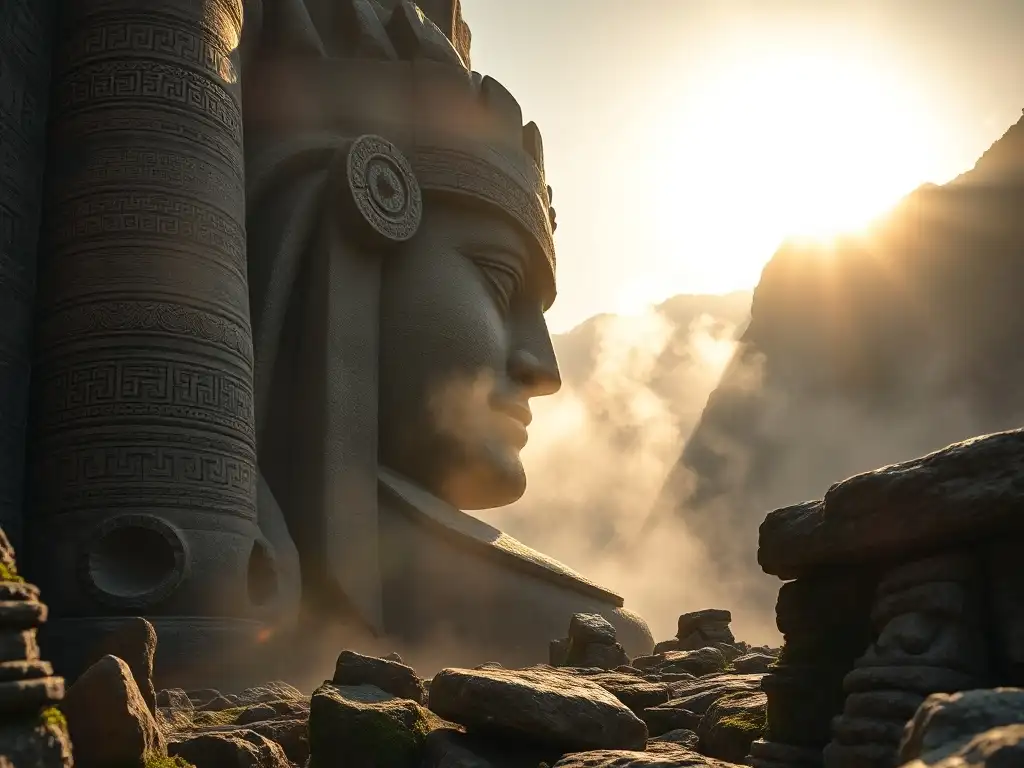
While the Sun God Inti holds a prominent place in Andean cosmology, particularly within the Inca empire, the Tiahuanaco civilization's religious landscape was significantly shaped by another powerful deity: Wiracocha. Understanding Wiracocha is crucial to deciphering the secrets of Tiahuanaco's religious beliefs and their influence on the later Andean cultures.
This section delves into the enigmatic figure of Wiracocha, exploring his iconography, his connection to Tiahuanaco's power structures, and the archaeological evidence supporting his significant role. The term "Tiahuanaco Sun God Inti secrets" often overshadows the complexities of Tiahuanaco's pantheon, but understanding Wiracocha offers a more complete picture of their religious beliefs.
Decoding the Iconography of Wiracocha at Tiahuanaco
Wiracocha's depiction in Tiahuanaco art is far from uniform, adding to the complexity surrounding his interpretation. He is often represented as a bearded, robed figure, sometimes with a staff, embodying a creator god's power and authority. The stylistic variations in his portrayal across different artifacts suggest a multifaceted understanding of the deity. Some depictions emphasize his benevolent nature, while others highlight his power and potential for both creation and destruction.
The use of specific symbols accompanying Wiracocha's image also provides valuable insights. For instance, the presence of stylized water features, such as waves or streams, might allude to his role in the creation of the world or his control over vital resources. Similarly, the use of specific colors or materials in his representations could have held symbolic meaning, reflecting aspects of his personality or power.
Further research into the specific pigments and materials used in these depictions is crucial to fully understand their significance. The stylistic differences, even within the same site, suggest that Wiracocha's representation evolved over time, reflecting changes in religious beliefs or artistic conventions. This evolution underlines the dynamic nature of Tiahuanaco religion.
The prominence of Wiracocha in Tiahuanaco art and architecture strongly suggests a close connection between the deity and the ruling elite. His image frequently appears on monumental structures, suggesting that the rulers legitimized their authority through their association with the creator god. The control and manipulation of religious symbols and narratives were likely a key component of the Tiahuanaco state’s power.
We can hypothesize that religious rituals and ceremonies centered around Wiracocha served to reinforce the power of the ruling class, cementing their position as intermediaries between the divine and the human world. The control of these rituals and the interpretation of religious symbols would have been a powerful tool for maintaining social order and ensuring the continued legitimacy of the ruling elite.
Further research on the social structures of Tiahuanaco is needed to fully understand the dynamics between religion, power, and social hierarchy. The exact nature of this connection, however, remains a subject of ongoing scholarly debate, and more research is needed to clarify the details.
Archaeological Evidence and Interpretations of Wiracocha's Cult
Archaeological evidence, while sometimes fragmented, provides crucial clues about the nature of Wiracocha's cult in Tiahuanaco. The discovery of specific artifacts, such as intricately carved stones depicting Wiracocha, or the arrangement of buildings around ceremonial plazas, offers insights into the rituals and practices associated with his worship. The presence of these artifacts in specific locations within the city suggests a deliberate and organized system of religious practices.
However, the lack of extensive written records from the Tiahuanaco period presents challenges in interpreting the archaeological evidence. Scholars rely heavily on iconographic analysis, comparative studies with other Andean cultures, and the careful contextualization of archaeological finds to reconstruct the religious practices associated with Wiracocha. The ongoing excavation and analysis of Tiahuanaco sites continue to yield valuable data, gradually refining our understanding of this enigmatic deity.
The piecing together of this information is a complex and painstaking process, requiring interdisciplinary collaboration and rigorous analysis. Future discoveries promise to shed further light on the intricacies of Wiracocha's cult and its role in the Tiahuanaco civilization.
Wiracocha's Influence on Tiahuanaco Culture and Society
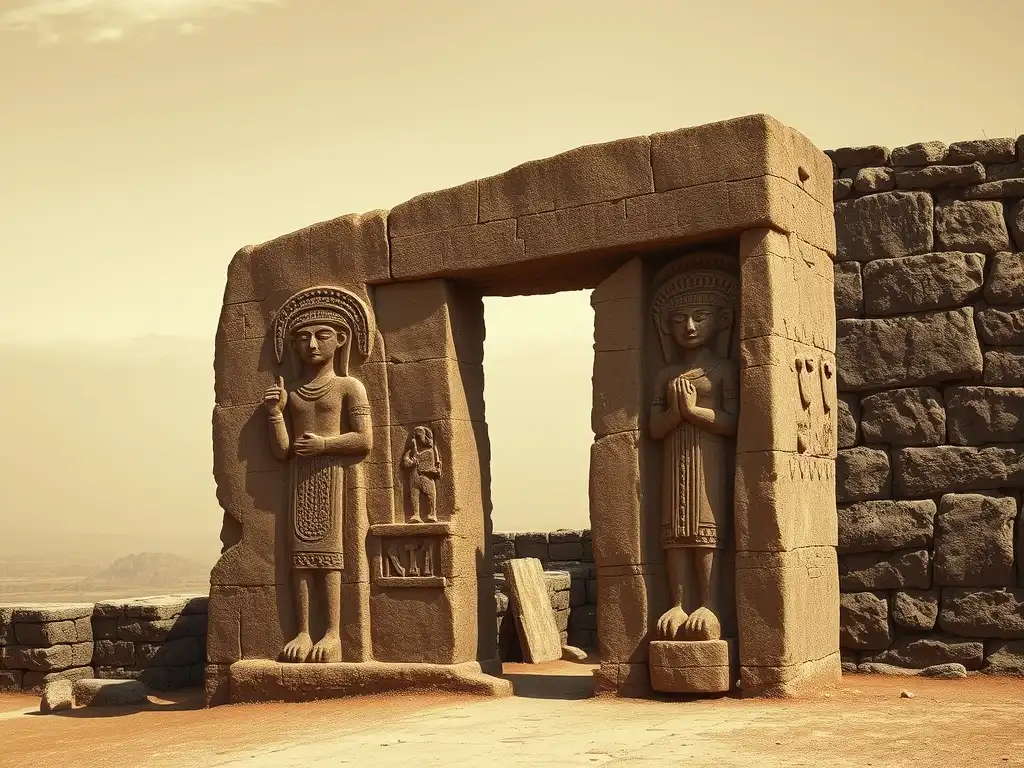
While Inti, the Sun God, held significant importance in Tiahuanaco religion, it's crucial to understand the pervasive influence of Wiracocha, the creator god, on the culture and societal structures of the Tiahuanaco people. Wiracocha's presence permeates many aspects of Tiahuanaco life, often intertwined with, and sometimes overshadowing, the sun god's influence. Understanding Wiracocha's role is key to unlocking the deeper secrets of Tiahuanaco's religious cosmology and its impact on daily existence.
This section will explore Wiracocha's multifaceted influence, delving into specific rituals, the calendar system's relationship to the creator god, and the ways in which Wiracocha shaped the daily lives of the Tiahuanaco people. The Tiahuanaco Sun God Inti secrets are often understood better in the context of Wiracocha's overarching power.
Rituals and Ceremonies Dedicated to Wiracocha
Evidence suggests that elaborate rituals and ceremonies were dedicated to Wiracocha. While specific details remain elusive due to the limited surviving textual records, archaeological findings offer glimpses into these practices. The monumental architecture of Tiahuanaco itself may be considered a massive, enduring ritual space dedicated to Wiracocha. The precise alignment of structures with celestial events, such as solstices and equinoxes, suggests a sophisticated understanding of astronomy deeply interwoven with religious practices centered around the creator god.
We can infer the importance of offerings from the discovery of various artifacts within and around the main structures. These offerings likely included precious metals, textiles, and agricultural products, reflecting the society's agricultural prosperity and the importance of appeasing the creator god for continued abundance. Further research is needed to fully understand the specifics of these rituals, including the frequency, participants, and symbolic meanings of the offerings.
Detailed analysis of the artifacts found in association with these structures is crucial to unraveling the mystery of Wiracocha's rituals. The study of Tiahuanaco Sun God Inti secrets benefits significantly from understanding this interconnectedness.
The scale and complexity of the Tiahuanaco site itself point towards a highly organized and centralized religious system, with Wiracocha at its apex. The sheer manpower required to construct such impressive structures implies a strong social hierarchy and a unified belief system that compelled collective effort on a grand scale.
The Calendar System and its Relation to the Creator God
The Tiahuanaco calendar system, a marvel of Andean astronomical knowledge, is inextricably linked to Wiracocha. While the precise mechanics of the calendar are still being deciphered, evidence points towards its use in regulating agricultural cycles, predicting celestial events, and organizing religious festivals dedicated to Wiracocha. The calendar's intricate design, incorporating solar and possibly lunar observations, reflects a deep understanding of the cosmos and its influence on earthly life.
The calendar likely served as a crucial tool for maintaining social order and cohesion. By predicting planting and harvesting seasons, it ensured the survival of the population. Furthermore, its integration with religious festivals dedicated to Wiracocha strengthened the people's connection to the creator god and reinforced the existing social hierarchy. The precise alignment of structures within Tiahuanaco with key celestial events further underscores the calendar's importance in their religious and societal practices. Further research on Tiahuanaco Sun God Inti secrets could shed light on the interplay between the solar calendar and the broader cosmological beliefs surrounding Wiracocha.
How Wiracocha Shaped the Daily Life of the Tiahuanaco People
Wiracocha's influence extended far beyond formal rituals and ceremonies; it permeated the daily lives of the Tiahuanaco people. Their agricultural practices, social structures, and artistic expressions all bear the imprint of the creator god. The emphasis on agriculture, as evidenced by sophisticated irrigation systems and the cultivation of diverse crops, likely stemmed from a belief in Wiracocha's provision and the need to honor the god through bountiful harvests.
The intricate artistry displayed in Tiahuanaco's pottery, textiles, and monumental sculptures often depicts scenes related to Wiracocha's creation myths and his continued presence in the world. This widespread artistic representation shows the pervasiveness of Wiracocha's influence on the people's daily lives and their worldview. The social hierarchy, while not fully understood, likely reflected a belief in Wiracocha's divinely ordained order.
The construction of monumental structures, like the Kalasasaya, required a highly organized society with specialized labor, suggesting a complex social system rooted in religious beliefs centered around Wiracocha. Further investigation into Tiahuanaco Sun God Inti secrets will benefit from a more complete understanding of the social structures and their relationship to Wiracocha.
The importance of Wiracocha in shaping daily life is underscored by the absence of evidence suggesting the worship of other deities as dominant forces. While other deities might have played roles, Wiracocha's role as the creator god seems to have been paramount, influencing every aspect of Tiahuanaco society, from agriculture and artistry to social organization and cosmology.
Comparing Wiracocha to Other Andean Deities
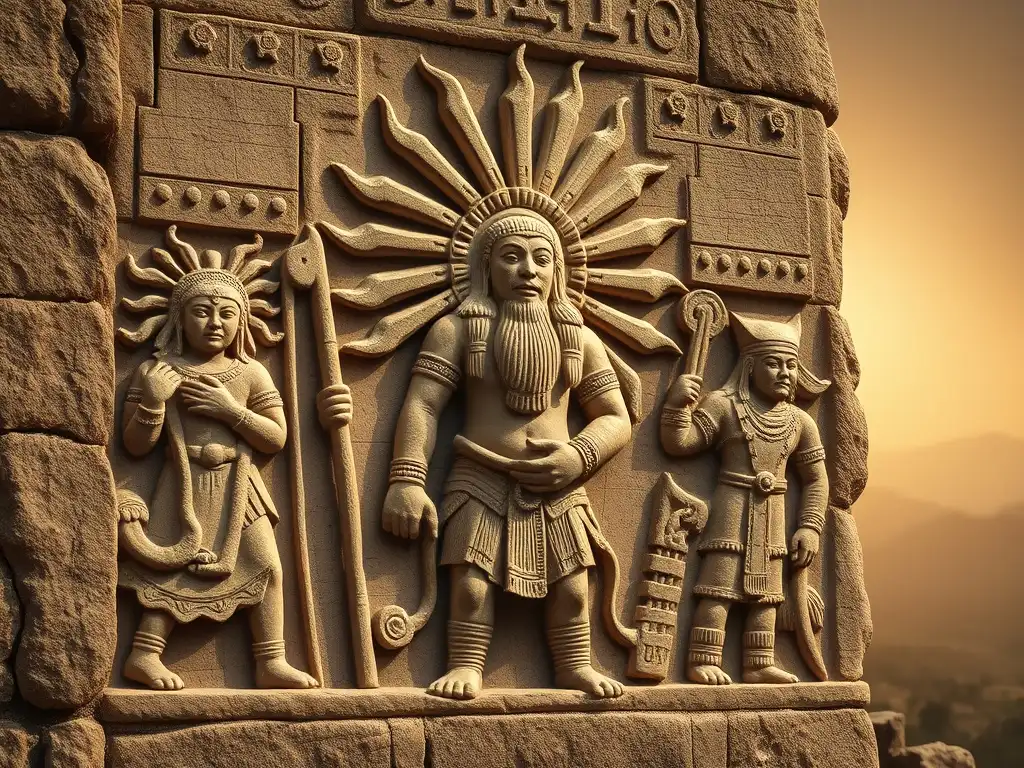
While Inti, the Sun God, held significant importance in Tiahuanaco, understanding his role requires comparing him to other prominent Andean deities, particularly Wiracocha. Although often conflated, Inti and Wiracocha represent distinct, albeit interconnected, aspects of Andean cosmology. This section focuses on differentiating Inti's position within the Tiahuanaco pantheon from the more widely known Wiracocha, the creator god worshipped across various Andean cultures.
Similarities and Differences with Inca Creator Worship
The Inca also revered a creator god, often identified as Viracocha (a variation of Wiracocha). While both Wiracocha and the Tiahuanaco Inti might be considered creator figures in their respective pantheons, their attributes and roles differed significantly. Wiracocha, in Inca mythology, is often depicted as a bearded, benevolent creator who emerged from Lake Titicaca, shaping the world and its inhabitants.
He is associated with water, creation, and wisdom. In contrast, Inti in Tiahuanaco, while possessing creative power, is primarily associated with the sun's life-giving energy, its daily cycle, and its influence on agriculture. He is not solely a creator god but a powerful celestial being whose influence permeates all aspects of life.
The following table highlights key distinctions:
| Feature | Wiracocha (Inca) | Inti (Tiahuanaco) |
|---|---|---|
| Primary Role | Creator God, benevolent, wise | Sun God, life-giver, powerful celestial being |
| Physical Traits | Often depicted as bearded | Depicted with sun-related symbolism |
| Association | Water, creation, wisdom | Sun, light, agriculture, power |
| Worship Style | Extensive temples, sacrifices | Likely incorporated into sun-oriented rituals |
The differences underscore the nuances within Andean creator god concepts. While both deities represent ultimate power, their specific roles and attributes demonstrate a diversity of religious expression across different Andean cultures and time periods. Further research is needed to fully understand the extent of the interplay between these deities in Tiahuanaco's religious practices.
Exploring the Evolution of Creator Gods in the Andes
The concept of a creator god evolved across the Andean region over millennia. Early Andean cultures, preceding Tiahuanaco, likely had their own localized deities and cosmologies. The development of Wiracocha as a pan-Andean deity likely occurred through a process of syncretism and cultural exchange, gradually incorporating elements from various local beliefs.
Similarly, Inti's role in Tiahuanaco might reflect a synthesis of earlier sun worship traditions and the evolving socio-political structures of the time. The transition from localized deities to more widespread figures like Wiracocha and the prominence of Inti in Tiahuanaco's sun-centered religion highlight the dynamic nature of Andean religious beliefs. More archaeological evidence is needed to trace the exact evolution of these concepts.
Wiracocha's Unique Characteristics in Tiahuanaco Beliefs
While Wiracocha's influence is undeniable across the Andes, his specific representation within Tiahuanaco beliefs requires further investigation. Existing evidence suggests that while Wiracocha may have been acknowledged, Inti occupied a more prominent position in the Tiahuanaco pantheon. This doesn't necessarily imply a rejection of Wiracocha, but rather a prioritization of the sun god within the specific context of Tiahuanaco's cosmology.
It's possible that Inti's role encompassed some aspects traditionally attributed to Wiracocha, suggesting a degree of syncretism or a reinterpretation of creator god concepts within the Tiahuanaco worldview. The limited textual sources from the period make it challenging to fully understand the intricate relationship between these two powerful deities in Tiahuanaco religion.
Further research, particularly focusing on iconography and archaeological findings, is crucial to unraveling the complexities of Tiahuanaco's religious beliefs and the unique position of both Inti and Wiracocha within that system. This is an area ripe for future scholarly exploration.
The Legacy of Wiracocha: Understanding the Tiahuanaco Creator God Today
Wiracocha, the creator god of the Tiahuanaco civilization, remains a captivating figure, shrouded in mystery and sparking ongoing debate among researchers. While Inti, the sun god, often takes center stage in discussions of Tiahuanaco religion, Wiracocha's influence is arguably more profound and far-reaching. His legacy extends beyond the confines of Tiahuanaco itself, weaving its way through the tapestry of Andean cosmology and influencing subsequent cultures.
Understanding Wiracocha is crucial to fully grasping the complexities of Tiahuanaco's religious beliefs and their lasting impact. This section delves into the modern interpretations of Wiracocha, his enduring cultural influence, and the exciting prospects for future research.
Modern Interpretations and Research on Wiracocha
Modern scholarship on Wiracocha is characterized by a multifaceted approach, drawing on archaeological findings, textual analysis of surviving chronicles (often written centuries after the Tiahuanaco civilization's peak), and comparative studies with other Andean pantheons. Archaeological evidence, such as depictions of Wiracocha on ceramics and monumental architecture, provides crucial visual representations of the god. These depictions, however, often lack consistent iconography, leading to varied interpretations.
Some scholars emphasize Wiracocha's association with water and creation, viewing him as a benevolent deity who shaped the landscape and brought forth life. Others highlight his connection to storms and earthquakes, suggesting a more ambivalent or even terrifying aspect to his power.
The scarcity of primary sources directly detailing Wiracocha's mythology further complicates the matter. Much of our understanding relies on later interpretations, filtered through the lenses of Inca and colonial perspectives. This necessitates a critical approach, acknowledging the potential biases and reinterpretations embedded in these secondary sources. For example, the Inca incorporated Wiracocha into their own pantheon, potentially altering or simplifying his original character. Differentiating between the original Tiahuanaco conception of Wiracocha and later syncretic versions is a significant challenge for researchers.
Example of Varying Depictions:
Some depictions show Wiracocha with a staff, symbolizing his power and authority. Others portray him with a beard, a feature uncommon in Andean iconography, suggesting potential foreign influence or a deliberate artistic choice.
The Enduring Impact of Tiahuanaco's Creator God on Andean Culture
Wiracocha's influence extends far beyond the chronological boundaries of the Tiahuanaco civilization. His presence is palpable in the religious beliefs and practices of subsequent Andean cultures, particularly the Inca. The Inca integrated Wiracocha into their own complex pantheon, often positioning him as a supreme creator god, above even Inti, the sun god. This syncretism highlights the enduring power and adaptability of the Tiahuanaco religious system. The Inca's adoption of Wiracocha reflects the profound impact of Tiahuanaco culture on the development of later Andean societies.
The continued reverence for Wiracocha, even after the decline of the Tiahuanaco state, suggests a deep-seated cultural resonance. His legacy isn't merely a historical footnote; it's a testament to the enduring power of religious ideas to shape cultural identities and beliefs across generations. This enduring influence is evident in the stories, myths, and rituals passed down through oral traditions, demonstrating the lasting impact of Tiahuanaco's religious worldview. Furthermore, some argue that certain aspects of modern Andean spirituality retain echoes of Wiracocha's power and influence.
Research on Wiracocha is far from complete. Ongoing excavations at Tiahuanaco and other related sites continue to unearth new artifacts and evidence that shed light on this enigmatic deity. Advanced techniques in archaeometry and digital imaging are providing researchers with unprecedented opportunities to analyze existing artifacts with greater precision, potentially revealing hidden details and symbols that could significantly alter our understanding of Wiracocha's role in Tiahuanaco society.
Future research might focus on:
- Comparative mythology: Further comparative studies with other Andean and potentially even extra-Andean religious systems could reveal unexpected connections and influences.
- Textual analysis: A more rigorous examination of colonial-era chronicles, carefully considering their biases and limitations, could provide a more nuanced understanding of Wiracocha's mythology.
- Genetic studies: Genetic analysis of human remains from Tiahuanaco could potentially reveal information about migration patterns and cultural exchanges that might help clarify the origins and evolution of Wiracocha's worship.
The quest to unravel the secrets of Wiracocha, the Tiahuanaco creator god, is an ongoing journey. Each new discovery promises to enrich our understanding of this fascinating figure and the rich tapestry of Andean religion and cosmology. The ongoing research holds the potential to rewrite our understanding of Tiahuanaco's religious landscape and its lasting legacy. The mystery surrounding Wiracocha continues to intrigue and inspire, making him a central figure in the study of Tiahuanaco's enduring cultural impact.
Frequently Asked Questions
What is the significance of Inti in Tiahuanaco culture?
Inti, the Sun God, held immense religious and political importance in Tiahuanaco. He was considered the source of life and power, influencing their agricultural practices and societal structure. His worship was central to their beliefs.
How is Inti depicted in Tiahuanaco art and architecture?
Inti is often portrayed in Tiahuanaco art as a powerful, radiant figure, sometimes with sun rays emanating from his body. He is frequently found in sculptures, ceramics, and textiles, often associated with other deities.
What are some of the mysteries surrounding Inti in Tiahuanaco?
Many aspects of Inti's worship remain enigmatic. Scholars debate the exact nature of his role and the specifics of his rituals. The precise meaning of certain symbols associated with him continues to be interpreted.
How did the worship of Inti influence the daily life of Tiahuanaco people?
The agricultural cycle was deeply tied to Inti's worship. Festivals and ceremonies were likely held to ensure successful harvests and appease the god. Social hierarchy may have also been influenced by their interpretations of Inti's power.
Where can I learn more about the Sun God Inti and Tiahuanaco?
Further research into Tiahuanaco archaeology and iconography will reveal more about Inti. Museums and academic publications offer in-depth analysis of the culture and its religious beliefs, helping uncover the secrets of Inti.
Final Reflection: The Enduring Legacy of Inti, Tiahuanaco's Sun God
The mysteries surrounding Inti, the Sun God of Tiahuanaco, continue to resonate today, reminding us of the enduring power of ancient beliefs and the captivating allure of the unknown. The sophisticated astronomical knowledge, intricate artistry, and monumental architecture associated with Inti's worship speak to a civilization far ahead of its time, leaving behind a legacy that continues to inspire awe and wonder. Understanding Tiahuanaco's past is not merely an academic exercise; it's a key to unlocking a deeper understanding of human ingenuity and our enduring connection to the cosmos.
The influence of Inti's worship extends far beyond the crumbling stones of Tiahuanaco. His image, imbued with power and symbolism, continues to appear in modern Andean art and culture, a testament to the enduring strength of ancient traditions. The past is never dead. It's not even past.
- William Faulkner. This quote perfectly encapsulates the enduring presence of Inti and the rich tapestry of history he represents. His story is a reminder that the echoes of the past shape our present, influencing our understanding of ourselves and our place in the world.
Consider the enduring power of the sun itself – a constant in our lives, a source of life and energy. Inti, as a representation of this powerful force, invites us to reflect on our own connection to nature and the cosmos. What enduring truths do you find in the stories of ancient civilizations?
How can we learn from their wisdom and apply it to the challenges we face today? Let the enigma of Inti inspire you to explore the mysteries of your own world, to seek knowledge, and to appreciate the rich tapestry of human history that continues to unfold around us.
Unveil the Mysteries of Inti and Transform Your Understanding!
Thank you for exploring the captivating secrets of Tiahuanaco's Sun God, Inti. This article has provided valuable insights into the rich spiritual and cultural heritage of the Andean civilizations. Now, let's delve deeper into this fascinating subject.
Here are a few ways to continue your exploration:
- Dive deeper: Expand your knowledge of Inti and other Andean deities through scholarly articles and documentaries exploring their significance in Andean culture. Consider researching the specific roles and symbolism associated with these powerful figures.
- Join the conversation: Share your thoughts and interpretations of Inti's mythology with fellow enthusiasts in our community forums. What aspects of his story or symbolism resonate most strongly with you?
- Experience it firsthand: Plan a visit to Tiahuanaco or other significant archaeological sites in the Andes. Immerse yourself in the palpable energy and history of these ancient cultures and connect with the legacy of Inti on a deeper level.
What new perspectives on Inti and ancient Andean civilizations have you gained? Let's discuss!